Feeling uncertain about what to expect in your upcoming interview? We’ve got you covered! This blog highlights the most important Knowledge of project scheduling and management interview questions and provides actionable advice to help you stand out as the ideal candidate. Let’s pave the way for your success.
Questions Asked in Knowledge of project scheduling and management Interview
Q 1. Explain the critical path method (CPM) and its importance in project scheduling.
The Critical Path Method (CPM) is a project management technique used to identify the longest sequence of tasks in a project, known as the critical path. This path determines the shortest possible duration to complete the entire project. Any delay on tasks within the critical path directly impacts the overall project completion date. It’s crucial because it helps prioritize tasks, allocate resources effectively, and identify potential bottlenecks.
Imagine building a house. Laying the foundation, framing the walls, and installing the roof are likely on the critical path. If laying the foundation takes longer than expected, the entire project is delayed unless other tasks can be sped up. CPM allows us to pinpoint these critical tasks and focus our attention and resources there.
To use CPM, we define tasks, their dependencies, and durations. We then create a network diagram (often using a precedence diagramming method) showing the sequence of tasks. The critical path is then identified through calculations, often using software, which determine the earliest and latest start and finish times for each task.
Q 2. Describe different project scheduling techniques (e.g., PERT, Gantt charts).
Several techniques aid in project scheduling. Gantt charts offer a visual representation of project tasks, their durations, and dependencies, using horizontal bars on a timeline. They’re excellent for communication and tracking progress but don’t explicitly highlight the critical path.
Program Evaluation and Review Technique (PERT) is another popular method. Unlike CPM, which assumes deterministic task durations, PERT accounts for uncertainty by using three time estimates for each task: optimistic, pessimistic, and most likely. This allows for a more realistic project schedule considering potential variations.
Other techniques include Critical Chain Project Management (CCPM), which focuses on resource constraints, and Agile methodologies, which emphasize iterative development and flexibility. The choice of technique often depends on project size, complexity, and risk tolerance.
For example, a simple project might utilize a Gantt chart for ease of visualization and communication, while a large, complex project might benefit from PERT to handle uncertainty and CPM to manage the critical path.
Q 3. How do you handle resource constraints in project scheduling?
Resource constraints, such as limited personnel, equipment, or budget, are common in project management. Handling them effectively requires a multi-pronged approach.
- Resource Leveling: This technique aims to smooth out resource utilization over time by delaying non-critical tasks. This prevents over-allocation of resources at certain points while ensuring project completion is still on time.
- Resource Smoothing: Similar to leveling, but prioritizes meeting deadlines, adjusting the schedule slightly to avoid resource over-allocation.
- Resource Allocation: Prioritize resource allocation to tasks on the critical path. This often requires trade-offs and careful decision-making.
- Negotiation: If resource constraints are significant, you may need to negotiate with stakeholders to adjust scope, deadlines, or budget.
For instance, if you have only two skilled electricians available, and multiple tasks require their expertise, resource leveling might involve delaying some electrical work on non-critical areas to ensure timely completion of critical electrical installations.
Q 4. What are the key performance indicators (KPIs) you use to monitor project schedule progress?
Several KPIs are crucial for monitoring project schedule progress:
- Schedule Variance (SV): The difference between earned value (EV) and planned value (PV). A positive SV indicates ahead of schedule, while a negative SV suggests a delay.
- Schedule Performance Index (SPI): The ratio of EV to PV. An SPI greater than 1 indicates performance exceeding the plan, while less than 1 signifies a schedule slippage.
- Critical Path Progress: Regular monitoring of the progress of tasks on the critical path is essential to identify potential delays early on.
- Percent Complete: A simple metric showing the percentage of tasks completed, but this alone doesn’t reflect the schedule adherence.
- Task Duration Variance: Tracking the difference between actual and planned task durations helps pinpoint specific issues causing schedule delays.
By consistently tracking these KPIs, project managers can proactively address schedule deviations and adjust their plans accordingly.
Q 5. How do you create a realistic project schedule?
Creating a realistic project schedule involves several key steps:
- Detailed Work Breakdown Structure (WBS): Decompose the project into smaller, manageable tasks to ensure a thorough understanding of all activities.
- Accurate Time Estimation: Use historical data, expert judgment, and three-point estimating (PERT) techniques for more reliable time estimations.
- Consider Dependencies: Clearly define dependencies between tasks to create an accurate task sequence.
- Resource Availability Assessment: Consider the availability of resources and potential conflicts in scheduling.
- Buffer Time: Include buffer time to account for unforeseen delays and uncertainties. This can be added to individual tasks or as a project buffer.
- Regular Review and Update: Schedule regular reviews to track progress and make necessary adjustments.
For example, when scheduling software development, including buffer time for testing and debugging is crucial for a realistic timeline. Ignoring this buffer often results in missed deadlines.
Q 6. What are some common risks and challenges in project scheduling, and how do you mitigate them?
Project scheduling faces various risks and challenges:
- Unrealistic Time Estimates: Optimistic estimates can lead to unrealistic schedules.
- Scope Creep: Uncontrolled changes in project scope can extend the schedule significantly.
- Resource Conflicts: Competition for shared resources can cause delays.
- Unforeseen Events: Unexpected events (e.g., illness, equipment failure) can disrupt the schedule.
- Poor Communication: Lack of clear communication can cause misunderstandings and delays.
Mitigation strategies involve detailed planning, risk assessment and management (identifying potential problems and developing contingency plans), regular progress monitoring, open communication, and flexible scheduling techniques like Agile methodologies which embrace change.
Q 7. Explain the concept of earned value management (EVM) and how it’s used in project control.
Earned Value Management (EVM) is a project management technique that integrates scope, schedule, and cost to provide a comprehensive assessment of project performance. It helps monitor and control projects by comparing planned progress to actual progress. Three key metrics are used:
- Planned Value (PV): The budgeted cost of work scheduled to be done.
- Earned Value (EV): The budgeted cost of work actually performed.
- Actual Cost (AC): The actual cost of work performed.
EVM calculates key indicators like Schedule Variance (SV), Schedule Performance Index (SPI), Cost Variance (CV), and Cost Performance Index (CPI) to assess both schedule and cost performance. This allows for early identification of variances and proactive adjustments. For example, a negative SV indicates a schedule delay, and a CPI less than 1 shows cost overruns. By tracking these metrics, project managers can identify problems early and take corrective actions.
Q 8. How do you handle schedule changes and updates?
Schedule changes are inevitable in project management. My approach involves a structured process that begins with impact assessment. When a change request arises, I first determine its scope and potential effects on the overall schedule, budget, and resources. This often involves collaborating with the project team and stakeholders to understand the rationale behind the change and its implications.
Next, I use schedule analysis tools (like critical path analysis within MS Project or Primavera P6) to evaluate the impact. This helps pinpoint tasks affected by the change and identify potential delays or resource conflicts.
Based on the analysis, I propose mitigation strategies. This might include re-allocating resources, adjusting task durations, or re-sequencing activities. Transparency is key; I clearly communicate the proposed changes and their impact to stakeholders, documenting everything meticulously. Finally, the updated schedule is formally approved and disseminated. Regular monitoring and reporting thereafter ensure any deviations are identified early and corrective actions are promptly taken. For example, on a recent software development project, a critical library update caused a delay in the backend development. By analyzing the impact using MS Project, we identified alternative solutions, like re-prioritizing tasks and extending the project timeline slightly, minimizing the overall disruption.
Q 9. What software tools are you proficient in for project scheduling (e.g., MS Project, Primavera P6)?
I’m proficient in several project scheduling software tools. My primary experience lies with Microsoft Project and Primavera P6. I’ve used MS Project extensively for smaller to medium-sized projects, appreciating its user-friendly interface and robust features for task management, resource allocation, and Gantt chart visualization. For larger, more complex projects with intricate dependencies and multiple teams, Primavera P6 is my preferred choice due to its enhanced capabilities in handling intricate schedules, resource leveling, and cost management. I am also familiar with Agile project management tools like Jira and Asana, which I often integrate with MS Project or P6 to track tasks and sprints within a broader project schedule.
Q 10. Describe your experience with different project methodologies (e.g., Agile, Waterfall).
My experience encompasses both Waterfall and Agile methodologies. In Waterfall, I excel at creating detailed, upfront project plans with well-defined phases and deliverables. This approach is ideal for projects with stable requirements and predictable scopes. I’ve successfully used Waterfall in construction projects, where a clear sequential plan is crucial for managing resources and timelines accurately.
However, I’ve also embraced the iterative nature of Agile, particularly Scrum. I understand the importance of sprints, daily stand-ups, and continuous feedback in managing projects with evolving requirements or a high degree of uncertainty. For a recent web application development project, we utilized Scrum, and I used Jira to track sprints and manage the backlog. Agile’s flexibility allowed us to adapt quickly to changing client needs and deliver value incrementally.
Q 11. How do you identify and manage dependencies between project tasks?
Identifying and managing dependencies is critical for accurate scheduling. I use a combination of techniques. Firstly, during the project planning phase, I conduct a thorough task breakdown, identifying all tasks and their relationships. This often involves collaborative workshops with the project team.
I then use precedence diagramming method (PDM) or other visual tools to represent these dependencies clearly. For example, Task B might depend on the completion of Task A (Finish-to-Start dependency), meaning Task B can’t begin until Task A is finished. These dependencies are then meticulously input into my project scheduling software (MS Project, Primavera P6). The software then automatically calculates the critical path, highlighting the tasks that directly impact the project’s overall completion date. Any delays on the critical path directly impact the project’s finish date, so constant monitoring is critical.
Q 12. Explain the concept of float or slack in project scheduling.
Float or slack in project scheduling represents the amount of time a task can be delayed without delaying the project’s overall completion date. It’s the buffer time available. There are two main types:
- Total Float: The maximum amount of time a task can be delayed without delaying the project end date.
- Free Float: The amount of time a task can be delayed without delaying the early start of any subsequent tasks.
Understanding float is crucial for resource allocation and risk management. Tasks with zero float are on the critical path and require careful monitoring. Tasks with significant float offer some flexibility for scheduling adjustments or handling unforeseen delays. For instance, if a task has a total float of 5 days, we could potentially delay it by up to 5 days without impacting the overall project deadline.
Q 13. How do you prioritize tasks in a project schedule?
Task prioritization is vital for efficient project execution. I employ several techniques, often in combination.
- MoSCoW method: Categorizing tasks as Must have, Should have, Could have, and Won’t have helps focus on the most critical items first.
- Dependency analysis: Prioritizing tasks on the critical path ensures the project stays on track.
- Value-based prioritization: Ranking tasks based on their contribution to project objectives.
- Risk assessment: Prioritizing tasks with high risk to mitigate potential delays or failures.
The choice of technique depends on the project’s context and objectives. For example, in a software project, we may prioritize features with high user value, ensuring that the most important functionality is delivered early.
Q 14. How do you communicate project schedule updates to stakeholders?
Effective communication of schedule updates is paramount. My strategy involves a multi-faceted approach. I utilize regular status meetings with the project team to discuss progress, identify issues, and coordinate actions. Detailed progress reports, often including Gantt charts and other visual aids, are shared with stakeholders at predetermined intervals. These reports highlight key milestones, progress against the schedule, and any potential risks or issues.
I also employ project management software (like Jira or MS Project) to provide real-time updates and allow stakeholders to monitor progress independently. For critical updates or significant changes, I use direct communication methods like email or phone calls to ensure timely and clear information dissemination. Transparency and proactive communication are key to ensuring everyone is informed and aligned.
Q 15. What is your experience with baseline scheduling and variance analysis?
Baseline scheduling is the foundation of any project’s timeline. It’s the initial, approved project schedule that serves as a benchmark against which actual progress is measured. Variance analysis, on the other hand, compares the baseline schedule to the actual progress, identifying deviations (variances) in terms of schedule, cost, and scope.
In my experience, I’ve extensively used baseline scheduling in various projects, from software development to construction. For example, in a recent software project, we created a detailed baseline schedule using Gantt charts, outlining tasks, dependencies, and durations. We then tracked progress weekly, comparing actual task completion dates to the baseline. This allowed us to identify variances early on – a task running two days behind schedule, for instance – enabling proactive intervention. Tools like Microsoft Project and Primavera P6 are invaluable for managing this process, automating calculations and visualizations of variances.
Variance analysis isn’t just about identifying problems; it’s about understanding why variances occur. Was it due to unforeseen circumstances (risk event), resource constraints, inaccurate estimations, or something else? Root cause analysis is crucial. For example, consistently negative variances in a specific task might indicate a need to revise our estimation techniques or improve resource allocation for that task in future projects.
Career Expert Tips:
- Ace those interviews! Prepare effectively by reviewing the Top 50 Most Common Interview Questions on ResumeGemini.
- Navigate your job search with confidence! Explore a wide range of Career Tips on ResumeGemini. Learn about common challenges and recommendations to overcome them.
- Craft the perfect resume! Master the Art of Resume Writing with ResumeGemini’s guide. Showcase your unique qualifications and achievements effectively.
- Don’t miss out on holiday savings! Build your dream resume with ResumeGemini’s ATS optimized templates.
Q 16. How do you handle project delays?
Handling project delays requires a systematic approach. It’s not about panic; it’s about swift action and clear communication. My process involves several key steps:
- Identify the cause: Pinpoint the root cause of the delay. Is it resource issues, scope creep, unforeseen circumstances, or poor estimation?
- Assess the impact: Determine the extent of the delay and its impact on the project’s overall timeline and budget. Which tasks are affected, and what are the downstream consequences?
- Develop mitigation strategies: Brainstorm solutions to address the delay. This might involve re-allocating resources, adjusting the schedule (crashing the schedule, fast-tracking tasks, or changing priorities), negotiating with stakeholders, or requesting additional resources.
- Communicate proactively: Keep all stakeholders informed about the delay and the mitigation plan. Transparency builds trust and helps manage expectations.
- Monitor and adjust: Continuously monitor progress after implementing the mitigation strategy to ensure it’s effective. Be prepared to adapt and revise the plan as needed.
For example, in a construction project I managed, a supplier delay impacted the delivery of key materials. We immediately assessed the impact – a two-week delay in the finishing stage. We then mitigated by fast-tracking some non-critical tasks and negotiating an expedited delivery with the supplier. Regular communication with the client kept them informed and ensured smooth collaboration throughout the process.
Q 17. Describe your experience with project risk management related to scheduling.
Project risk management related to scheduling focuses on identifying, assessing, and responding to potential events that could impact the project’s timeline. This involves a proactive approach rather than a reactive one.
My experience includes using qualitative and quantitative risk analysis techniques. Qualitative analysis involves brainstorming potential risks and assessing their likelihood and impact using a risk matrix. Quantitative analysis uses techniques like Monte Carlo simulation to estimate the probability of schedule delays and the potential duration of the delays. This helps to prioritize risks and develop contingency plans.
For instance, in a software development project, we identified the risk of key team members falling ill. The qualitative analysis highlighted a high likelihood and impact. Our mitigation strategy included building in buffer time and assigning backup personnel for critical tasks. This proactive approach ensured minimal disruption when a developer unexpectedly took leave.
Q 18. Explain how you would create a project schedule from scratch.
Creating a project schedule from scratch involves a structured approach:
- Define scope and deliverables: Clearly define the project’s goals, objectives, and deliverables. A Work Breakdown Structure (WBS) helps break down the project into smaller, manageable tasks.
- Identify tasks and dependencies: List all the individual tasks required to complete the project. Identify dependencies between tasks – which tasks must be completed before others can begin?
- Estimate durations: Assign realistic durations to each task based on experience, historical data, or expert judgment. Use appropriate estimation techniques like three-point estimation (optimistic, most likely, pessimistic).
- Sequence tasks: Arrange the tasks in a logical sequence, considering dependencies and constraints.
- Develop a schedule: Use scheduling tools like Gantt charts, network diagrams (CPM/PERT), or project management software to visualize and manage the schedule. Assign resources to tasks and identify critical path.
- Review and revise: Review the schedule with stakeholders to ensure accuracy and feasibility. Revise as needed based on feedback and changes in scope or requirements.
For example, I recently created a schedule for a website redesign project. I started with a WBS that broke down the project into design, development, testing, and deployment phases. I then identified dependencies (e.g., design must be completed before development can begin) and estimated task durations. Using a Gantt chart, I visualized the schedule, identified the critical path, and allocated resources accordingly.
Q 19. How do you incorporate buffer time into a project schedule?
Incorporating buffer time is crucial for managing uncertainties and unexpected delays. Buffer time, also known as contingency time, is extra time added to the schedule to account for unforeseen events or risks. There are two main types of buffer time:
- Project buffer: Added at the end of the project to absorb overall delays.
- Task buffer: Added to individual tasks to absorb potential delays within those specific tasks.
The amount of buffer time depends on several factors, including project complexity, risk assessment, and historical data. Using a combination of both project and task buffers is generally recommended. For instance, in a large-scale construction project, we allocated a significant project buffer to absorb potential delays related to weather, material shortages, or unforeseen site conditions. We also added task buffers to critical tasks that were particularly prone to delays.
It’s essential to clearly document and communicate the inclusion of buffer time in the schedule to avoid misinterpretations. The buffer shouldn’t be used casually; it should be reserved for addressing genuinely unforeseen events.
Q 20. What are your preferred methods for conflict resolution in project scheduling?
Conflict resolution in project scheduling often arises from disagreements on priorities, resource allocation, or task durations. My preferred methods emphasize collaboration and finding mutually acceptable solutions:
- Facilitation: Create a collaborative environment where all parties involved can express their concerns and perspectives. Guide the discussion to identify the root cause of the conflict and explore potential solutions.
- Negotiation: Work with conflicting parties to find a compromise that addresses everyone’s concerns to the greatest extent possible. This might involve prioritizing tasks differently, re-allocating resources, or adjusting task durations.
- Mediation (if necessary): If internal conflict resolution efforts fail, consider engaging a neutral third party to mediate the dispute.
For example, in a recent project, two team members disagreed on the prioritization of tasks. Through facilitation, I helped them understand each other’s perspectives and identify the underlying concerns. We then negotiated a compromise that balanced the competing priorities, leading to a mutually agreeable schedule.
Q 21. How do you ensure accuracy and consistency in project scheduling data?
Ensuring accuracy and consistency in project scheduling data is critical for successful project management. This involves several key strategies:
- Use a centralized system: Employ a single source of truth for all scheduling data, such as a project management software system. This avoids inconsistencies caused by multiple spreadsheets or documents.
- Establish clear naming conventions and definitions: Use a consistent terminology and naming convention for tasks, resources, and other data elements. This improves clarity and reduces errors.
- Regular data validation and verification: Implement processes for verifying the accuracy of data entered into the system. This might involve cross-checking data against other sources or conducting regular audits.
- Establish a baseline schedule and track variances: Compare the baseline schedule to the actual progress to identify deviations and investigate the causes of any discrepancies.
- Training and documentation: Provide adequate training to team members on how to use the scheduling system and maintain data accuracy. Develop clear guidelines and documentation for data entry and management.
For example, in a large-scale project, we implemented a standardized data entry template and training program for all team members using our project management software. Regular data validation checks helped ensure data accuracy and consistency throughout the project lifecycle. This improved collaboration and prevented conflicts stemming from conflicting information.
Q 22. What are the benefits and drawbacks of using different scheduling software?
Choosing the right scheduling software is crucial for project success. Different software offers various features and capabilities, each with its own set of advantages and disadvantages. The optimal choice depends heavily on project complexity, team size, budget, and specific needs.
- Benefits:
- Improved Collaboration: Software like Microsoft Project, Asana, or Jira facilitates real-time collaboration, allowing team members to access and update schedules, tasks, and progress simultaneously. This minimizes confusion and ensures everyone is on the same page.
- Enhanced Visualization: Gantt charts, Kanban boards, and other visual representations provide a clear overview of the project timeline, dependencies, and critical path, making it easier to identify potential bottlenecks or delays.
- Automated Reporting: Many scheduling tools automate progress tracking and reporting, saving valuable time and resources. This automated data allows for quicker identification of potential problems and facilitates more proactive management.
- Resource Management: Advanced software aids in resource allocation, tracking workload, and preventing over-allocation, optimizing team efficiency and minimizing conflicts.
- Drawbacks:
- Cost: Sophisticated project management software can be expensive, especially for small teams or individual projects. The cost of licensing and training can be significant.
- Complexity: Learning curves can be steep, requiring time and effort to master the software’s functionalities. This can be especially challenging for teams with limited technical expertise.
- Integration Issues: Integrating the scheduling software with existing systems (e.g., CRM, accounting software) can be problematic, potentially leading to data inconsistencies and workflow disruptions.
- Vendor Lock-in: Migrating to a different software later can be time-consuming and costly, creating a potential vendor lock-in situation.
For example, a small team might find Asana sufficient, while a large-scale construction project might require the more robust capabilities of Primavera P6.
Q 23. Describe a situation where you had to revise a project schedule due to unforeseen circumstances.
During a website redesign project, we encountered an unforeseen delay when our primary web developer unexpectedly fell ill. The original schedule relied heavily on this developer’s expertise in a crucial phase of the project. This was a critical path activity, meaning a delay here would impact the entire project timeline.
To revise the schedule, we immediately held a project team meeting to assess the impact of the delay. We used a combination of techniques to mitigate the problem:
- Risk Assessment: We identified the tasks impacted by the developer’s absence and assessed their criticality.
- Task Re-allocation: We re-assigned some of the developer’s tasks to other team members with relevant skills. This involved providing additional training and support where necessary.
- Schedule Adjustment: Using our project management software, we adjusted the project timeline to reflect the new realities, extending deadlines for affected tasks.
- Communication: We communicated the revised schedule and any potential impact on project deliverables to stakeholders. Transparency was key to managing expectations.
By proactively addressing the situation and employing effective problem-solving techniques, we managed to minimize the overall impact of the unforeseen circumstances on the project timeline and deliverables. The project was ultimately completed within a reasonable timeframe, although the original deadline was missed.
Q 24. How do you manage multiple projects simultaneously?
Managing multiple projects concurrently requires a structured approach and effective prioritization. My strategy relies on a combination of project management methodologies and tools.
- Prioritization: I use a system to prioritize projects based on factors like urgency, importance, and strategic alignment with organizational goals. This often involves a weighted scoring system or a simple urgency/importance matrix.
- Time Blocking: I allocate specific time blocks for each project, ensuring dedicated focus and preventing task switching. This focused approach allows for deeper concentration and higher productivity.
- Resource Allocation: I carefully allocate resources (people, budget, materials) across projects, considering individual team member capacity and project dependencies. Over-allocation is a major pitfall, so careful planning is crucial.
- Regular Monitoring and Reporting: I use project management software to track progress across all projects, generating regular reports to monitor performance and identify potential roadblocks. This allows for proactive intervention if necessary.
- Communication: Maintaining open communication with team members across all projects is vital to ensure everyone is aware of priorities and potential conflicts.
Think of it like a conductor leading an orchestra: each section (project) needs attention, but the conductor must ensure harmony and efficiency across all sections.
Q 25. Explain your approach to resource allocation in project scheduling.
Resource allocation is a critical aspect of project scheduling that significantly impacts project success. My approach involves a multi-step process:
- Resource Identification: I begin by identifying all resources needed for each project, including personnel, equipment, materials, and budget.
- Resource Availability: I assess the availability of each resource, considering current commitments and potential conflicts.
- Skill Matching: I match resources to tasks based on their skills and experience, ensuring optimal task completion.
- Workload Balancing: I aim to balance the workload across resources, avoiding over-allocation that can lead to burnout or decreased quality of work. This may involve levelling the resources across the project schedule.
- Contingency Planning: I account for potential resource constraints or unavailability by incorporating buffer time into the schedule or identifying potential substitute resources.
- Tools and Techniques: I often leverage project management software with resource allocation features, such as resource histograms and assignment tools.
For example, in a software development project, I would ensure that developers with specific expertise in certain programming languages are assigned to tasks requiring those skills. I’d also monitor their workload to avoid over-allocation and ensure timely project completion.
Q 26. How do you track and report project progress against the schedule?
Tracking and reporting project progress requires a systematic approach that involves both quantitative and qualitative measures. I typically utilize the following methods:
- Regular Progress Meetings: I conduct regular meetings with the project team to discuss progress, identify challenges, and make necessary adjustments to the schedule.
- Project Management Software: I use project management software to track task completion, milestones achieved, and resource utilization. The software automatically generates reports on progress against the schedule, which can be easily shared with stakeholders.
- Key Performance Indicators (KPIs): I define and monitor key KPIs relevant to the project, such as task completion rate, budget adherence, and schedule adherence. These provide a quantitative overview of project performance.
- Earned Value Management (EVM): For complex projects, I utilize EVM to track project performance by comparing planned work versus actual work completed and evaluating cost and schedule variances. This provides a comprehensive view of project health.
- Visual Reporting: I create visual reports using Gantt charts, burn-down charts, and dashboards to clearly present project progress to stakeholders. Visual representations are easier to understand and help to identify trends and potential problems.
Regular reporting, along with transparent communication, ensures stakeholders are informed and can make data-driven decisions.
Q 27. What strategies do you employ to ensure project completion on time and within budget?
Ensuring on-time and within-budget project completion requires a proactive and multi-faceted approach.
- Detailed Planning: Thorough planning, including a well-defined scope, realistic timelines, and a comprehensive budget, is the foundation for success. This includes contingency planning for unforeseen circumstances.
- Risk Management: Identifying and assessing potential risks early on is crucial. This allows for proactive mitigation strategies to reduce the likelihood and impact of potential delays or cost overruns.
- Change Management: Establish a formal process for managing change requests, ensuring that any changes to the scope are properly evaluated, approved, and reflected in the schedule and budget.
- Effective Communication: Maintain open and transparent communication with stakeholders, team members, and vendors, keeping everyone informed about progress, challenges, and potential solutions.
- Monitoring and Control: Regularly monitor progress against the schedule and budget, using appropriate tools and techniques. This allows for timely identification and resolution of any issues.
- Team Empowerment: Empower the project team to take ownership of their tasks and participate in problem-solving. A motivated and engaged team is far more likely to deliver on time and within budget.
Successful project management is akin to navigating a ship: careful planning (charting the course), risk management (weather forecasting), and constant monitoring (navigation) are all crucial for reaching the destination on time and safely.
Q 28. Describe your experience with project closeout procedures related to scheduling.
Project closeout procedures related to scheduling involve a series of steps designed to formally conclude the project and ensure all deliverables are completed and documented.
- Schedule Completion Review: A thorough review of the project schedule compares the planned schedule to the actual schedule, identifying any variances and analyzing their causes.
- Lessons Learned: Conducting a lessons-learned session with the project team is critical to identify areas for improvement in future projects. This often includes documenting both successes and failures.
- Documentation: All project documentation, including the final schedule, reports, and any relevant communication, should be organized and archived for future reference.
- Resource Release: Release all assigned resources, ensuring that equipment and personnel are available for future projects. This could involve conducting exit interviews.
- Financial Closure: Ensure that all financial transactions related to the project are reconciled and finalized.
- Formal Sign-off: Obtain formal sign-off from stakeholders confirming project completion and acceptance of deliverables.
Proper closeout procedures provide valuable insights for future projects, promoting efficiency and better resource allocation. Ignoring these steps can lead to inconsistencies and problems in subsequent projects.
Key Topics to Learn for Your Project Scheduling and Management Interview
- Project Initiation & Planning: Understanding project lifecycles, defining scope, creating work breakdown structures (WBS), and developing project charters. Consider practical applications like defining realistic project goals and identifying key stakeholders.
- Scheduling Techniques: Mastering Gantt charts, critical path method (CPM), and program evaluation and review technique (PERT). Think about how to apply these techniques to manage dependencies and allocate resources effectively in real-world scenarios.
- Resource Allocation & Management: Optimizing resource utilization, managing resource conflicts, and leveling workloads. Explore case studies demonstrating effective resource allocation strategies and conflict resolution techniques.
- Risk Management: Identifying, assessing, and mitigating potential risks throughout the project lifecycle. Practice formulating risk response plans and strategies for various risk scenarios.
- Monitoring & Control: Tracking progress against the schedule, managing variances, and implementing corrective actions. Consider how to use Earned Value Management (EVM) to monitor performance and identify potential issues early.
- Communication & Stakeholder Management: Effectively communicating project status, managing stakeholder expectations, and resolving conflicts. Develop strategies for clear and concise reporting and proactive communication.
- Project Closure: Formalizing project completion, conducting post-project reviews, and documenting lessons learned. Understand the importance of comprehensive documentation and knowledge transfer.
- Agile Methodologies (if applicable): Familiarity with Scrum, Kanban, or other agile frameworks and their application in project scheduling and management. Prepare examples showcasing your experience with agile principles.
Next Steps
Mastering project scheduling and management is crucial for career advancement in many fields. Demonstrating your expertise through a strong resume is the first step to landing your dream job. Creating an ATS-friendly resume is key to ensuring your application gets noticed. To help you build a compelling and effective resume, we recommend using ResumeGemini. ResumeGemini provides a user-friendly platform and offers examples of resumes tailored to project scheduling and management professionals, ensuring your application stands out from the competition.
Program Manager Resume Sample

Operations Manager Resume Sample
Construction Project Manager Resume Sample

Project Manager Resume Sample
Engineering Project Manager Resume Sample
Project Coordinator Resume Sample
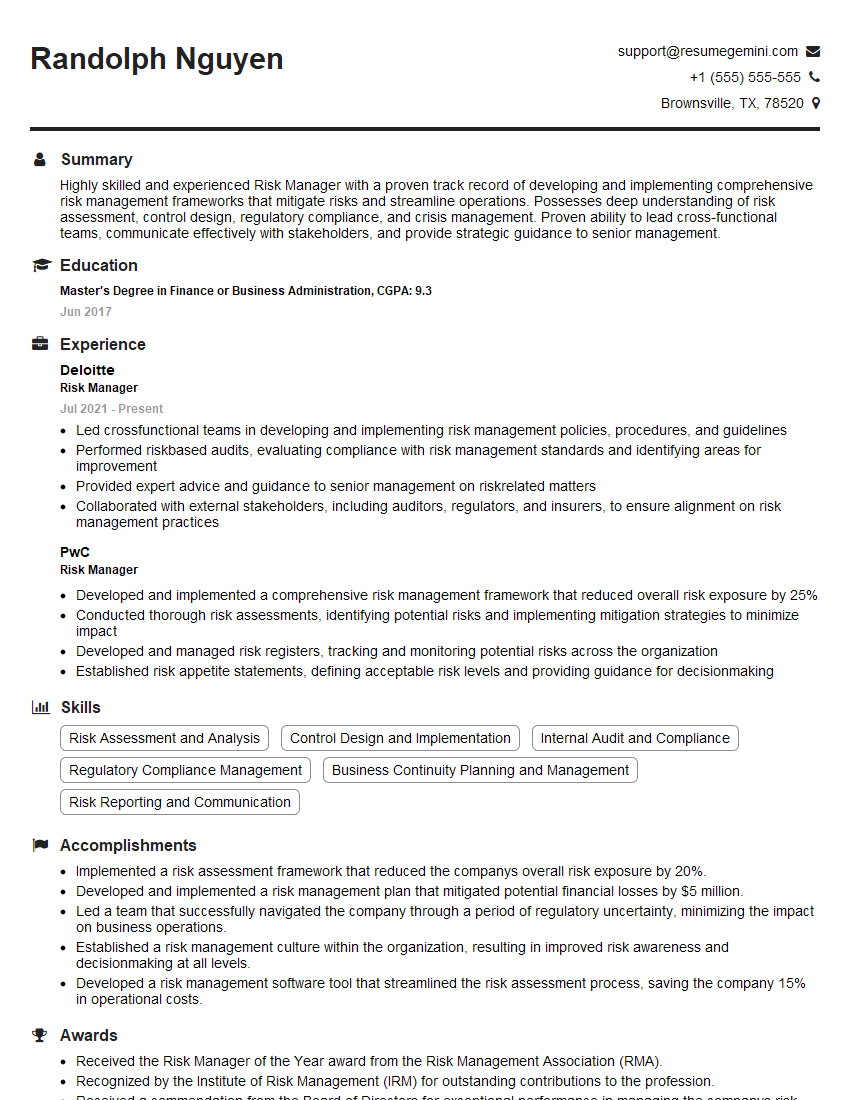
Risk Manager Resume Sample
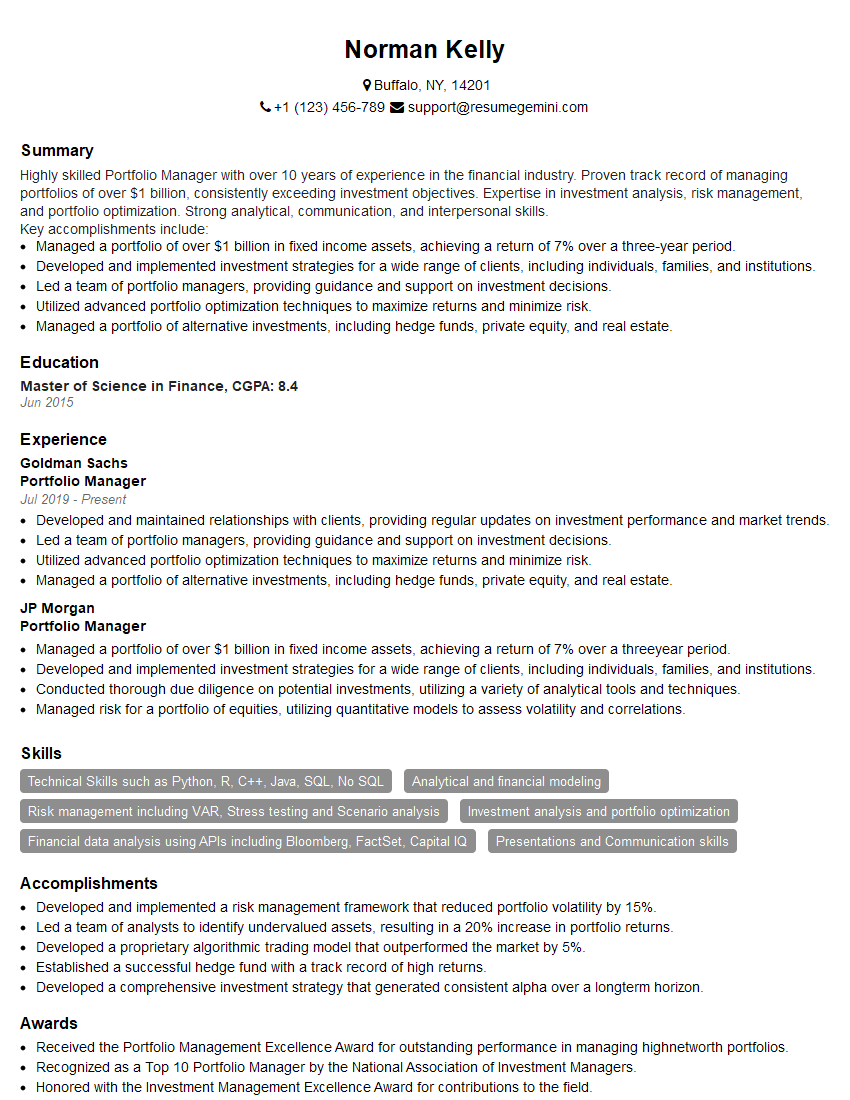
Portfolio Manager Resume Sample
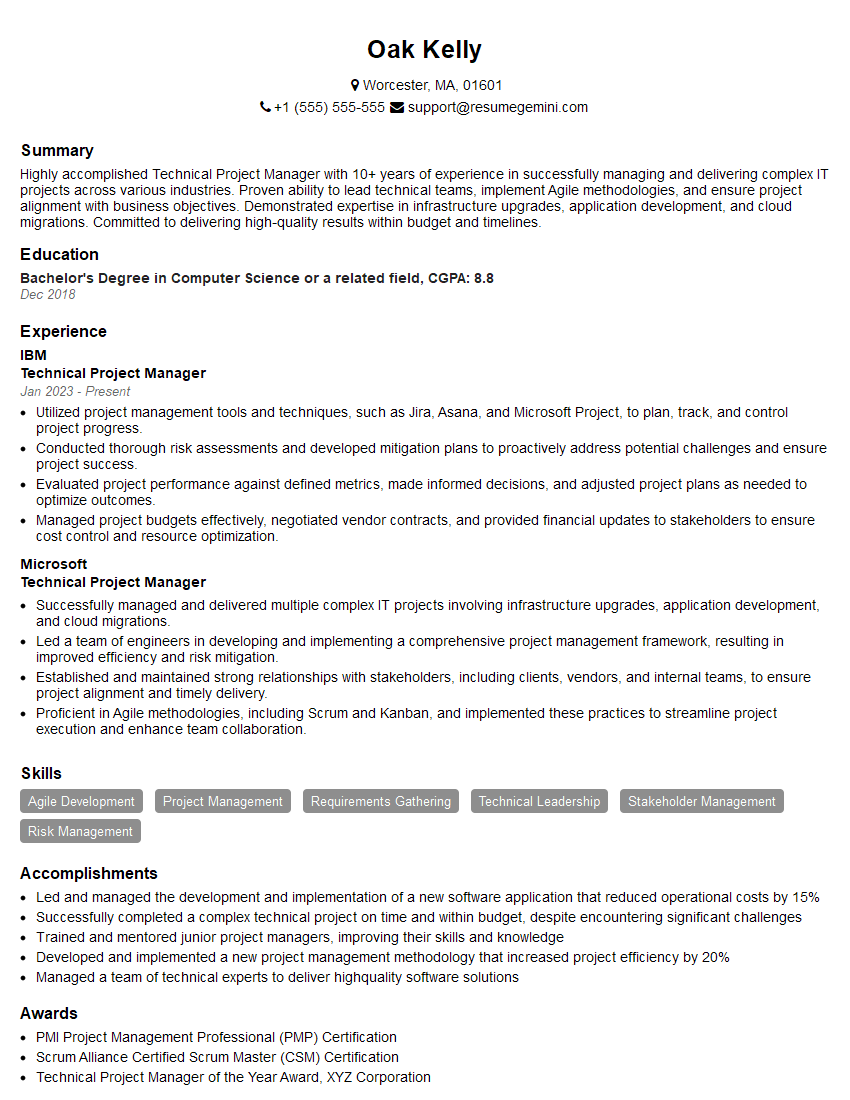
Technical Project Manager Resume Sample
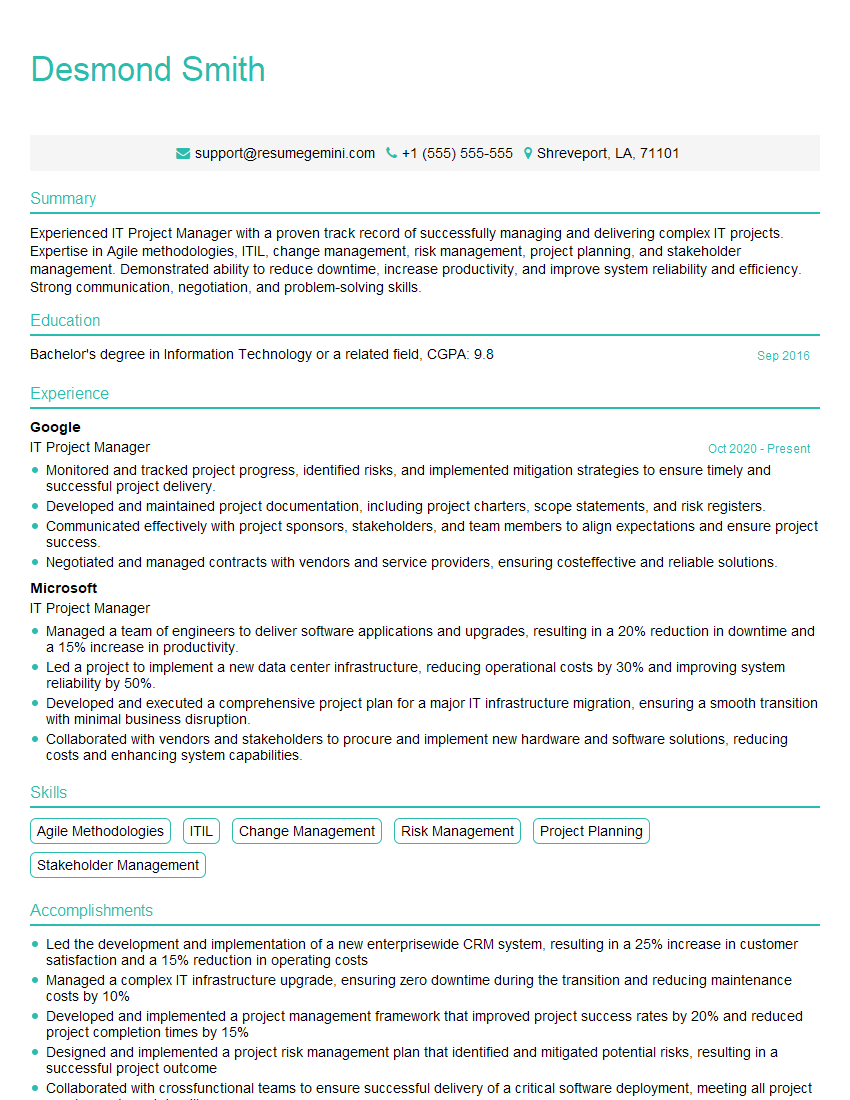
IT Project Manager Resume Sample
Scrum Master Resume Sample
Senior Project Manager Resume Sample
Planning Engineer Resume Sample
Resource Manager Resume Sample
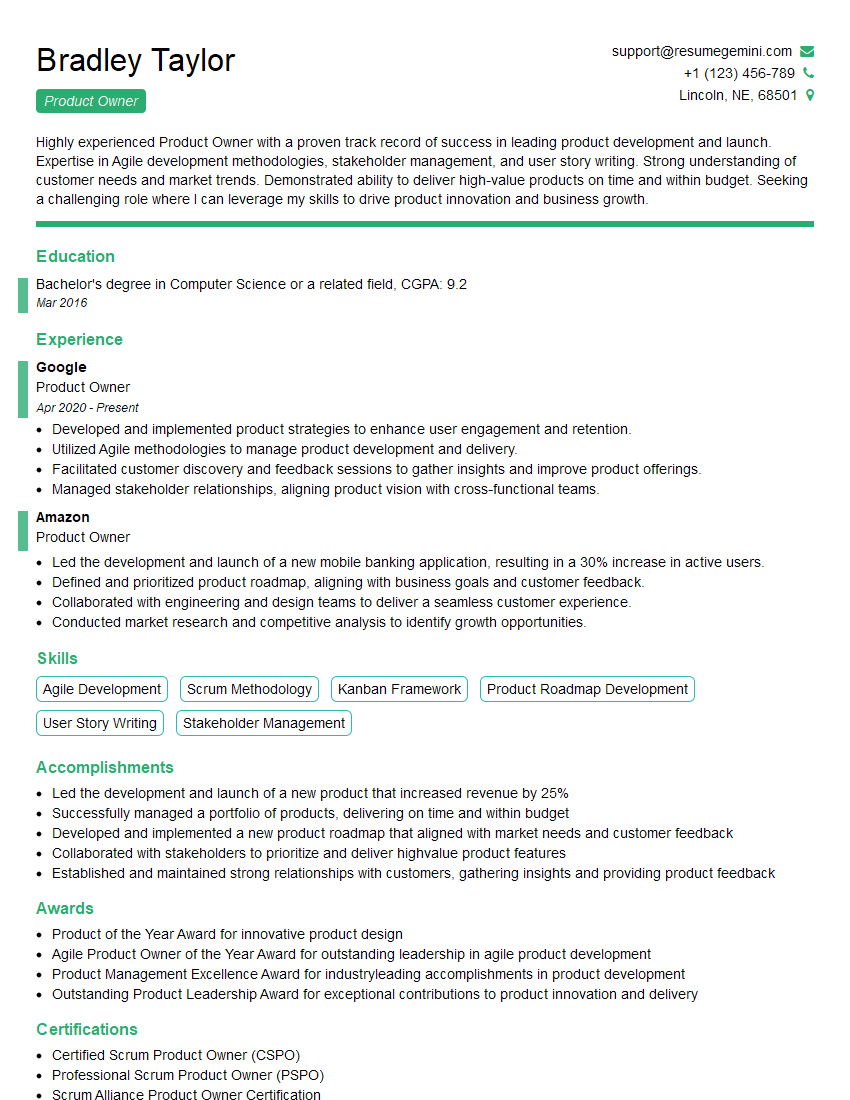
Product Owner Resume Sample
Explore more articles
Users Rating of Our Blogs
Share Your Experience
We value your feedback! Please rate our content and share your thoughts (optional).
What Readers Say About Our Blog
Attention music lovers!
Wow, All the best Sax Summer music !!!
Spotify: https://open.spotify.com/artist/6ShcdIT7rPVVaFEpgZQbUk
Apple Music: https://music.apple.com/fr/artist/jimmy-sax-black/1530501936
YouTube: https://music.youtube.com/browse/VLOLAK5uy_noClmC7abM6YpZsnySxRqt3LoalPf88No
Other Platforms and Free Downloads : https://fanlink.tv/jimmysaxblack
on google : https://www.google.com/search?q=22+AND+22+AND+22
on ChatGPT : https://chat.openai.com?q=who20jlJimmy20Black20Sax20Producer
Get back into the groove with Jimmy sax Black
Best regards,
Jimmy sax Black
www.jimmysaxblack.com
Hi I am a troller at The aquatic interview center and I suddenly went so fast in Roblox and it was gone when I reset.
Hi,
Business owners spend hours every week worrying about their website—or avoiding it because it feels overwhelming.
We’d like to take that off your plate:
$69/month. Everything handled.
Our team will:
Design a custom website—or completely overhaul your current one
Take care of hosting as an option
Handle edits and improvements—up to 60 minutes of work included every month
No setup fees, no annual commitments. Just a site that makes a strong first impression.
Find out if it’s right for you:
https://websolutionsgenius.com/awardwinningwebsites
Hello,
we currently offer a complimentary backlink and URL indexing test for search engine optimization professionals.
You can get complimentary indexing credits to test how link discovery works in practice.
No credit card is required and there is no recurring fee.
You can find details here:
https://wikipedia-backlinks.com/indexing/
Regards
NICE RESPONSE TO Q & A
hi
The aim of this message is regarding an unclaimed deposit of a deceased nationale that bears the same name as you. You are not relate to him as there are millions of people answering the names across around the world. But i will use my position to influence the release of the deposit to you for our mutual benefit.
Respond for full details and how to claim the deposit. This is 100% risk free. Send hello to my email id: lukachachibaialuka@gmail.com
Luka Chachibaialuka
Hey interviewgemini.com, just wanted to follow up on my last email.
We just launched Call the Monster, an parenting app that lets you summon friendly ‘monsters’ kids actually listen to.
We’re also running a giveaway for everyone who downloads the app. Since it’s brand new, there aren’t many users yet, which means you’ve got a much better chance of winning some great prizes.
You can check it out here: https://bit.ly/callamonsterapp
Or follow us on Instagram: https://www.instagram.com/callamonsterapp
Thanks,
Ryan
CEO – Call the Monster App
Hey interviewgemini.com, I saw your website and love your approach.
I just want this to look like spam email, but want to share something important to you. We just launched Call the Monster, a parenting app that lets you summon friendly ‘monsters’ kids actually listen to.
Parents are loving it for calming chaos before bedtime. Thought you might want to try it: https://bit.ly/callamonsterapp or just follow our fun monster lore on Instagram: https://www.instagram.com/callamonsterapp
Thanks,
Ryan
CEO – Call A Monster APP
To the interviewgemini.com Owner.
Dear interviewgemini.com Webmaster!
Hi interviewgemini.com Webmaster!
Dear interviewgemini.com Webmaster!
excellent
Hello,
We found issues with your domain’s email setup that may be sending your messages to spam or blocking them completely. InboxShield Mini shows you how to fix it in minutes — no tech skills required.
Scan your domain now for details: https://inboxshield-mini.com/
— Adam @ InboxShield Mini
support@inboxshield-mini.com
Reply STOP to unsubscribe
Hi, are you owner of interviewgemini.com? What if I told you I could help you find extra time in your schedule, reconnect with leads you didn’t even realize you missed, and bring in more “I want to work with you” conversations, without increasing your ad spend or hiring a full-time employee?
All with a flexible, budget-friendly service that could easily pay for itself. Sounds good?
Would it be nice to jump on a quick 10-minute call so I can show you exactly how we make this work?
Best,
Hapei
Marketing Director
Hey, I know you’re the owner of interviewgemini.com. I’ll be quick.
Fundraising for your business is tough and time-consuming. We make it easier by guaranteeing two private investor meetings each month, for six months. No demos, no pitch events – just direct introductions to active investors matched to your startup.
If youR17;re raising, this could help you build real momentum. Want me to send more info?
Hi, I represent an SEO company that specialises in getting you AI citations and higher rankings on Google. I’d like to offer you a 100% free SEO audit for your website. Would you be interested?
Hi, I represent an SEO company that specialises in getting you AI citations and higher rankings on Google. I’d like to offer you a 100% free SEO audit for your website. Would you be interested?