The right preparation can turn an interview into an opportunity to showcase your expertise. This guide to Knowledge of Quality Management Systems (ISO 9001) interview questions is your ultimate resource, providing key insights and tips to help you ace your responses and stand out as a top candidate.
Questions Asked in Knowledge of Quality Management Systems (ISO 9001) Interview
Q 1. Explain the key principles of ISO 9001.
ISO 9001 is built upon seven key principles that guide organizations in establishing and maintaining effective Quality Management Systems (QMS). These principles aren’t just theoretical; they’re practical guidelines for achieving consistent customer satisfaction and continuous improvement.
- Customer Focus: Understanding and meeting customer needs and expectations is paramount. This involves actively seeking feedback and incorporating it into processes.
- Leadership: Leaders at all levels must demonstrate commitment to the QMS, creating a culture of quality and accountability. They need to set clear objectives and provide the necessary resources.
- Engagement of People: Empowering employees at all levels is crucial. A skilled and motivated workforce is more likely to identify and solve quality problems proactively.
- Process Approach: Managing processes effectively helps ensure consistency and predictability. Identifying, understanding, and managing processes as interconnected systems is key.
- Improvement: Continuous improvement is an ongoing journey. Regularly analyzing data and implementing changes to enhance processes is vital. This involves using tools like PDCA (Plan-Do-Check-Act).
- Evidence-based Decision Making: Decisions should be based on data and analysis, not just assumptions or gut feelings. This ensures objectivity and facilitates informed choices.
- Relationship Management: Building and maintaining strong relationships with suppliers and other stakeholders enhances the entire supply chain, improving overall quality and reducing risks.
For example, a manufacturing company might use customer surveys to understand preferences, leading to product improvements. A software company might use Agile methodologies which embody many of these principles to improve its development processes.
Q 2. Describe the PDCA cycle and its application in a QMS.
The PDCA cycle, or Plan-Do-Check-Act, is a cyclical iterative process for continuous improvement. Think of it as a continuous feedback loop.
- Plan: This stage involves defining objectives, identifying potential problems, and developing solutions. It’s about setting the roadmap.
- Do: Implement the planned solution on a small scale – a pilot program or trial run. This allows for testing and refinement before full-scale implementation.
- Check: Monitor and evaluate the results of the implemented solution. Gather data, analyze the outcome, and compare it against the objectives set in the planning stage. Were the goals met?
- Act: Based on the results, take action. Standardize successful changes, correct deviations, or plan the next iteration of improvement. This may involve documenting lessons learned and refining the process further.
In a QMS, PDCA is applied to various processes. For instance, a company might use PDCA to reduce the number of defects in a particular manufacturing process. They’d plan improvements (e.g., new training), implement them, check the defect rate, and then act accordingly, either continuing the improvement or adjusting the approach.
Q 3. What is a Quality Management System (QMS) and its purpose?
A Quality Management System (QMS) is a structured set of processes and procedures designed to ensure an organization consistently meets quality standards and customer requirements. It’s essentially a framework for managing all activities that affect the quality of products or services.
The purpose of a QMS is multifaceted:
- Improved Product/Service Quality: Reduces defects, errors and inconsistencies leading to increased customer satisfaction.
- Increased Efficiency: Streamlines processes, minimizes waste, and improves overall productivity.
- Enhanced Customer Satisfaction: Consistently delivering high-quality products and services strengthens customer relationships and loyalty.
- Regulatory Compliance: Helps organizations meet industry standards and regulatory requirements.
- Continuous Improvement: Provides a structured approach for identifying areas for improvement and driving continuous improvement efforts.
- Competitive Advantage: A robust QMS differentiates an organization from its competitors, enhancing its reputation and market position.
Imagine a restaurant implementing a QMS to ensure food safety and consistency. They would have processes for food handling, hygiene checks, and staff training, all contributing to a high-quality dining experience.
Q 4. What are the key clauses in ISO 9001:2015?
ISO 9001:2015 (and the newer ISO 9001:2015) is structured around a series of clauses, each addressing specific aspects of the QMS. While the specific clause numbers might change slightly between revisions, the core concepts remain consistent. Key clauses address:
- Context of the Organization (Clause 4): Understanding the internal and external factors impacting the organization and its ability to meet quality objectives.
- Leadership (Clause 5): Demonstrating leadership commitment and accountability for the QMS.
- Planning (Clause 6): Defining quality objectives, determining how to achieve them, and establishing processes to achieve them.
- Support (Clause 7): Providing resources, infrastructure, and competence to support the QMS.
- Operation (Clause 8): Implementing operational processes that meet requirements and objectives.
- Performance Evaluation (Clause 9): Monitoring, measuring, analyzing, and evaluating the performance of the QMS. Key to continuous improvement.
- Improvement (Clause 10): Addressing nonconformities, implementing corrective actions, and pursuing continuous improvement initiatives.
These clauses are interconnected and contribute to a holistic view of quality management within an organization. The ‘context of the organization’ influences planning, which impacts operational processes, ultimately feeding into performance evaluation and improvement.
Q 5. How do you conduct an internal audit of a QMS?
Conducting an internal audit of a QMS is a systematic and independent examination to determine whether the QMS conforms to the organization’s own documented procedures and the requirements of ISO 9001. It’s a crucial part of maintaining the effectiveness of your QMS.
Here’s a step-by-step approach:
- Planning: Define the scope of the audit, including the processes and areas to be reviewed. Select experienced auditors familiar with ISO 9001 and the organization’s QMS.
- Preparation: Gather relevant documents such as the quality manual, procedures, work instructions, records, and previous audit reports.
- Audit Execution: Conduct on-site observations, interviews with personnel, and review of documents. Gather evidence to determine conformance to requirements. The audit should be objective.
- Reporting: Document the audit findings, including both conformities and nonconformities. Clearly describe the evidence gathered for each finding.
- Follow-up: The organization should implement corrective and preventive actions to address any nonconformities identified during the audit. The auditor may follow up to ensure these actions are effective.
A well-planned and executed internal audit helps identify areas for improvement and prevents larger problems down the line. It’s like a regular health check-up for your QMS.
Q 6. What are the different types of audits within ISO 9001?
Within the context of ISO 9001, several types of audits are performed, each serving a specific purpose:
- Internal Audits: Conducted by the organization itself to assess the effectiveness of its own QMS. These are essential for continuous improvement.
- Supplier Audits (Second-Party Audits): Audits conducted by an organization on its suppliers to evaluate their ability to meet the organization’s requirements and quality expectations.
- External Audits (Third-Party Audits): Audits performed by an independent, accredited certification body to verify the organization’s conformance to ISO 9001 standards. Successful completion leads to certification.
- Stage 1 Audit: A preliminary audit performed by a certification body to review the organization’s documentation and readiness for a full-scale audit.
- Stage 2 Audit: The main audit performed by the certification body, which includes on-site observations, interviews, and document review to assess the effectiveness of the QMS.
The choice of audit type depends on the objective. Internal audits are for internal improvement, while external audits are for demonstrating compliance to third parties (e.g., clients) and obtaining certification.
Q 7. Explain the concept of risk-based thinking in ISO 9001.
Risk-based thinking is a fundamental principle in ISO 9001. It’s about proactively identifying, analyzing, and addressing potential risks and opportunities that could affect the organization’s ability to achieve its quality objectives. This isn’t about fear, but about informed decision-making.
Here’s how risk-based thinking is applied:
- Risk Identification: Identifying potential risks, such as supplier failures, changes in technology, or evolving customer needs.
- Risk Analysis: Assessing the likelihood and potential impact of each identified risk. This helps prioritize which risks need immediate attention.
- Risk Response Planning: Developing strategies to mitigate or eliminate identified risks. This might involve creating contingency plans, implementing control measures, or adjusting processes.
- Risk Monitoring and Review: Regularly monitoring and reviewing the effectiveness of risk response plans and updating them as needed. This ensures the organization remains adaptable to changing circumstances.
For example, a pharmaceutical company would identify risks associated with product contamination and implement stringent controls to mitigate these risks. This proactive approach ensures product safety and regulatory compliance. Risk-based thinking is not about eliminating all risks, but about managing them effectively to improve the overall quality of the products and services, allowing for strategic decision making.
Q 8. Describe your experience with corrective and preventive actions (CAPA).
Corrective and Preventive Actions (CAPA) are crucial elements of any robust Quality Management System (QMS). They’re essentially a proactive and reactive system designed to prevent the recurrence of nonconformities – instances where products, processes, or services don’t meet specified requirements – and address issues that have already occurred. Think of it like this: preventive actions are like putting a fence around a cliff to prevent falls, while corrective actions are like rescuing someone who has already fallen.
My experience involves developing and implementing CAPA procedures across various industries. This includes leading root cause analysis investigations (using methods like the 5 Whys, fishbone diagrams, and fault tree analysis), defining corrective actions to resolve immediate issues, and implementing preventive actions to address the underlying causes and prevent future occurrences. For example, in a manufacturing setting, if a batch of products fails a quality inspection due to a faulty machine part, the corrective action would be to replace the faulty parts and rework or scrap the affected products. The preventive action would involve implementing a more rigorous maintenance schedule for the machine and perhaps investing in a more robust part supplier to minimize future failures. Thorough documentation at every step is vital, from identifying the nonconformity to verifying the effectiveness of the implemented actions.
I also have a proven track record in using key performance indicators (KPIs) to track the effectiveness of our CAPA system. This helps to continuously improve our processes and demonstrate the effectiveness of our preventative measures. We monitored metrics like the number of CAPAs initiated, time to resolution, and recurrence rate. Regular reviews of these KPIs ensured that our CAPA processes were efficient and effective.
Q 9. How do you ensure the effectiveness of a QMS?
Ensuring the effectiveness of a QMS is an ongoing process, not a one-time event. It requires a continuous cycle of planning, implementation, monitoring, and improvement. Several key aspects contribute to this effectiveness:
- Leadership Commitment: Top management must visibly support and actively participate in the QMS. This includes setting clear quality objectives, allocating resources, and promoting a culture of continuous improvement.
- Process Approach: The QMS should be built around well-defined processes that are documented, monitored, and controlled. This ensures consistency and predictability in how work is performed.
- Risk-Based Thinking: The QMS must proactively identify and manage risks that could impact the quality of products or services. This involves regular risk assessments and the development of mitigation strategies.
- Continuous Improvement: The QMS should include mechanisms for regular review and improvement. Data analysis, internal audits, management reviews, and customer feedback are all critical inputs to identifying areas for enhancement.
- Employee Engagement: Employees at all levels must be involved in the QMS. Training, empowerment, and open communication are essential to foster a quality-conscious workforce.
- Compliance with Standards: The QMS should conform to the requirements of relevant standards, such as ISO 9001.
Ultimately, the effectiveness of a QMS is demonstrated by consistent achievement of quality objectives, customer satisfaction, and a reduction in nonconformities and waste.
Q 10. What are the main differences between ISO 9001:2008 and ISO 9001:2015?
ISO 9001:2015 represents a significant shift from its predecessor, ISO 9001:2008. The core principles remain, but the 2015 version emphasizes a more risk-based approach and greater integration with the organization’s overall strategic goals.
- Risk-Based Thinking: The most significant change is the introduction of risk-based thinking as a fundamental principle. 2015 requires organizations to proactively identify, assess, and address risks that could affect their ability to meet customer requirements and achieve their quality objectives. 2008 had a less formalized approach to risk management.
- Process Approach: While both versions emphasize a process approach, 2015 places greater emphasis on understanding the interactions between processes and managing the whole system holistically.
- Leadership Engagement: 2015 highlights the crucial role of top management in driving and supporting the QMS. The top management’s commitment is more explicit and demonstrable in 2015.
- Context of the Organization: 2015 requires organizations to understand the context in which they operate, considering internal and external factors that could impact their ability to deliver quality products and services. This is a new emphasis compared to 2008.
- Structure and Language: The structure and language of ISO 9001:2015 are more concise and user-friendly, using a high-level structure that emphasizes the interconnectivity of the clauses. This improves readability and understanding.
In essence, ISO 9001:2015 is a more proactive and integrated approach to quality management, focusing on prevention rather than just reaction. It’s a more strategic and business-aligned approach to achieving quality objectives.
Q 11. How do you manage nonconformances within a QMS?
Managing nonconformances within a QMS is about addressing deviations from specified requirements. It’s a critical process for ensuring the quality of products and services. My approach involves a structured process:
- Identification and Documentation: Nonconformances are promptly identified and documented, including details of the nature, severity, and location of the nonconformity.
- Investigation and Root Cause Analysis: A thorough investigation is conducted to determine the root cause of the nonconformity. Techniques like 5 Whys, fishbone diagrams, or fault tree analysis are often employed.
- Containment Action: Immediate action is taken to prevent further nonconformances. This might involve isolating defective products, halting a process, or implementing temporary corrective measures.
- Corrective Action: Actions are taken to eliminate the cause of the nonconformity and prevent its recurrence. This often involves process changes, equipment upgrades, or employee training.
- Verification and Validation: The effectiveness of corrective actions is verified and validated. This might involve monitoring processes, re-testing products, or conducting audits.
- Documentation and Reporting: All actions taken regarding nonconformances are documented and reported. This provides a record for future reference and improvement.
Effective nonconformance management demonstrates a commitment to quality and continual improvement. It also helps to prevent costly rework, scrap, and customer dissatisfaction.
Q 12. Explain the role of management review in a QMS.
The management review is a formal process within a QMS that assesses the performance and effectiveness of the system. It’s not just a check-the-box exercise; it’s a crucial strategic opportunity to identify areas for improvement and ensure the QMS continues to meet the organization’s needs and objectives. Imagine it as a yearly health check-up for your quality system.
A management review typically involves:
- Review of QMS Performance: Assessment of the QMS’s performance against planned objectives and targets, using data from internal audits, customer feedback, and KPIs.
- Review of Customer Satisfaction: Evaluation of customer satisfaction levels and any issues or trends related to customer feedback.
- Review of Resource Adequacy: Evaluation of the adequacy of resources, such as personnel, equipment, and finance, to support the QMS.
- Review of Opportunities for Improvement: Identification of opportunities for improving the QMS, including addressing any nonconformances or other issues.
- Review of Changes: Assessment of any changes that have occurred since the previous management review and their impact on the QMS.
- Action Planning: Development of a plan to address identified opportunities for improvement and ensure the continued effectiveness of the QMS.
The outputs of a management review are vital. They inform strategic decisions about the QMS and help to drive continuous improvement. A well-conducted management review strengthens the QMS and ensures its ongoing relevance and effectiveness.
Q 13. How do you measure the effectiveness of a QMS?
Measuring the effectiveness of a QMS is not simply about ticking boxes; it’s about demonstrating that the system is actually delivering what it’s intended to achieve. This involves both qualitative and quantitative measures.
Quantitative measures might include:
- Customer Satisfaction Scores: Tracking customer satisfaction through surveys, feedback forms, or other methods.
- Defect Rates: Monitoring the number of defects or nonconformances in products or services.
- On-Time Delivery Rates: Measuring the percentage of orders delivered on time.
- Cycle Time: Tracking the time it takes to complete processes.
- Customer Complaints: Monitoring the number and nature of customer complaints.
Qualitative measures focus on the system’s processes and performance:
- Internal Audit Findings: Assessing the results of internal audits to identify areas for improvement.
- Management Review Outcomes: Evaluating the actions taken in response to management reviews.
- Employee Feedback: Gathering input from employees on the effectiveness of the QMS.
- Process Efficiency: Evaluating the efficiency and effectiveness of key processes.
By using a combination of both quantitative and qualitative methods, you get a holistic view of the QMS’s effectiveness and can identify areas for improvement.
Q 14. What are key performance indicators (KPIs) used in quality management?
Key Performance Indicators (KPIs) in quality management are measurable values that demonstrate the performance of a QMS and drive continuous improvement. The specific KPIs will vary depending on the organization and industry, but some common examples include:
- Defect Rate: The percentage of defective products or services produced.
- Customer Satisfaction Score (CSAT): A measure of customer satisfaction with products or services.
- Net Promoter Score (NPS): A measure of customer loyalty and willingness to recommend.
- On-Time Delivery Rate: The percentage of orders delivered on time.
- First Pass Yield: The percentage of products or services that pass inspection on the first attempt.
- Process Cycle Time: The time taken to complete a process.
- Cost of Quality (COQ): The total cost associated with preventing, detecting, and correcting defects.
- Number of Customer Complaints: The number of complaints received from customers.
- Number of Corrective Actions: The number of corrective actions initiated and completed.
- Employee Satisfaction: A measure of employee satisfaction with their work and the company.
The selection of appropriate KPIs is critical. They should be aligned with the organization’s strategic goals, measurable, and relevant to the QMS. Regular monitoring and analysis of KPIs are essential to identifying areas for improvement and ensuring the effectiveness of the QMS.
Q 15. Explain the concept of continual improvement within ISO 9001.
Continual improvement, a cornerstone of ISO 9001, isn’t a one-time event but an ongoing process of enhancing the Quality Management System (QMS) to achieve better performance and customer satisfaction. It’s like constantly polishing a diamond – striving for ever-increasing brilliance. This involves systematically identifying areas for improvement, implementing changes, and monitoring their effectiveness. The Plan-Do-Check-Act (PDCA) cycle is a fundamental tool for this.
- Plan: Identify opportunities for improvement through data analysis, customer feedback, and internal audits. For example, if customer satisfaction surveys reveal dissatisfaction with delivery times, you’d plan improvements to the logistics process.
- Do: Implement the planned changes. This might involve implementing new software for tracking shipments or retraining staff on efficient packing procedures.
- Check: Monitor the effects of the changes. Track delivery times post-implementation to see if they’ve improved. Analyze any negative consequences.
- Act: Standardize successful changes, address any negative impacts, and plan further improvements based on the results. This might involve documenting the new logistics process as standard operating procedure.
Continual improvement is not just about fixing problems, but also proactively seeking ways to enhance processes, products, and services. It’s about a culture of continuous learning and adaptation.
Career Expert Tips:
- Ace those interviews! Prepare effectively by reviewing the Top 50 Most Common Interview Questions on ResumeGemini.
- Navigate your job search with confidence! Explore a wide range of Career Tips on ResumeGemini. Learn about common challenges and recommendations to overcome them.
- Craft the perfect resume! Master the Art of Resume Writing with ResumeGemini’s guide. Showcase your unique qualifications and achievements effectively.
- Don’t miss out on holiday savings! Build your dream resume with ResumeGemini’s ATS optimized templates.
Q 16. Describe your experience with document control within a QMS.
My experience with document control within a QMS is extensive. I’ve been involved in establishing, implementing, and maintaining document control procedures that ensure version control, accessibility, and review. Think of it like managing a library – but instead of books, it’s crucial operational documents. This requires a structured approach.
- Document Creation and Review: I’ve participated in creating and reviewing documents such as procedures, work instructions, and forms, ensuring clarity, accuracy, and consistency with the QMS. We use a defined review process involving multiple stakeholders.
- Version Control: Implementation and strict adherence to version control using systems that track changes and ensure everyone is working with the latest version. This often involves software solutions.
- Distribution and Access: Managing document distribution, ensuring that the correct versions are accessible only to authorized personnel. This might involve password-protected document repositories or internal networks.
- Storage and Archiving: Developing and implementing secure procedures for storage and archiving of both current and obsolete documents, complying with retention policies. This often involves both physical and electronic archiving methods.
- Document Updates: I have experience in leading the review and update process for documents, ensuring they remain current and relevant. This involves documenting all changes and creating a change log.
In one project, we migrated our entire document control system to a cloud-based platform, improving accessibility and version control significantly. This reduced errors and saved significant time and resources.
Q 17. How do you handle customer complaints and feedback?
Handling customer complaints and feedback is crucial for continual improvement. It provides valuable insights into areas where the QMS might be failing to meet customer expectations. My approach is systematic and focuses on resolution and learning.
- Acknowledgement and Investigation: I begin by acknowledging the complaint promptly and conducting a thorough investigation to understand the root cause. This often involves speaking directly with the customer and collecting relevant data.
- Corrective and Preventative Actions: Based on the root cause analysis, I define and implement corrective actions to resolve the immediate issue and preventative actions to avoid similar incidents in the future. This might include process changes, staff training, or product modifications.
- Communication: I maintain open communication with the customer throughout the process, keeping them informed of progress and actions taken. This builds trust and strengthens the customer relationship.
- Feedback Analysis: Customer feedback, even positive feedback, is valuable. I analyze the feedback trends to identify areas for improvement within the QMS. For example, recurring complaints about a specific product feature might indicate a need for redesign.
In one instance, a series of complaints about a product defect led to a full-scale root cause analysis and subsequent redesign of the product, resulting in increased customer satisfaction and reduced warranty claims.
Q 18. What is your experience with root cause analysis techniques?
Root cause analysis (RCA) is critical for effective problem-solving. It’s about getting to the ‘why’ behind a problem, not just treating the symptoms. I have experience with various RCA techniques, including:
- 5 Whys: A simple yet effective technique where you repeatedly ask ‘why’ to uncover the underlying causes. It’s iterative and helps to drill down to the root cause.
- Fishbone Diagram (Ishikawa Diagram): A visual tool that helps brainstorm potential causes categorized by factors like materials, methods, manpower, machinery, and environment.
- Fault Tree Analysis (FTA): A deductive reasoning technique that graphically depicts the relationship between potential causes and a specific undesirable event.
The choice of technique depends on the complexity of the problem. For example, I might use the 5 Whys for a simple process issue but use FTA for a complex, safety-critical failure. Regardless of the technique, the process involves data collection, analysis, and verification of the identified root cause. The objective isn’t just to find the cause but to verify it through evidence.
In a past role, using FTA helped identify a systemic issue in our supply chain that led to frequent delays. Addressing the root cause improved delivery times significantly.
Q 19. Describe your experience with process mapping and improvement.
Process mapping and improvement are integral to a robust QMS. Process mapping provides a visual representation of how a process works, allowing for identification of inefficiencies and areas for improvement. I’ve used various techniques, including:
- Flowcharts: To visually represent the steps involved in a process. These are easy to understand and can highlight bottlenecks.
- Swimlane Diagrams: To show the roles and responsibilities of different individuals or departments within a process.
- Value Stream Mapping: To analyze the entire value stream, from raw materials to the customer, identifying waste and opportunities for improvement. This technique is especially effective in lean manufacturing settings.
After mapping a process, I use various improvement tools such as Six Sigma methodologies or Lean principles to optimize the process, eliminate waste, and enhance efficiency. This might involve automating tasks, streamlining workflows, or reducing handoffs. For example, I once mapped the order fulfillment process and identified a significant bottleneck in the shipping department. By redesigning the shipping process and implementing new software, we reduced order fulfillment time by 20%.
Q 20. Explain your understanding of quality policy and objectives.
The quality policy and objectives form the foundation of any effective QMS. The quality policy is a high-level statement outlining the organization’s commitment to quality. It should be clear, concise, and communicated throughout the organization. Think of it as a guiding principle for all quality-related activities.
Quality objectives are specific, measurable, achievable, relevant, and time-bound (SMART) goals derived from the quality policy. They define how the organization intends to achieve the quality policy. For example, a quality policy might state a commitment to customer satisfaction, while related objectives could include:
- Reduce customer complaint rates by 15% within the next year.
- Achieve a 98% on-time delivery rate.
- Improve customer satisfaction scores by 10 points.
The quality policy and objectives are regularly reviewed and updated to ensure they remain aligned with the organization’s strategic goals and customer expectations. This ensures that the QMS remains relevant and effective.
Q 21. How do you ensure the competence of personnel within a QMS?
Ensuring personnel competence is vital for a successful QMS. This goes beyond just having the right skills; it’s about ensuring employees have the necessary knowledge, skills, and abilities to perform their jobs effectively and consistently. This involves several key aspects:
- Training and Development: Providing regular training programs to keep employees updated on new techniques, procedures, and regulations relevant to their roles. This training should be documented and competency assessed.
- Competency Assessment: Regularly assessing employee competency through performance reviews, observations, and testing to verify their ability to meet the requirements of their roles. This ensures ongoing competency.
- Education and Qualification: Ensuring employees have the appropriate qualifications and educational background for their roles. This might involve certifications or formal qualifications.
- Mentorship and Coaching: Developing mentorship and coaching programs to support employee growth and development within the organization. This fosters a culture of learning.
- Internal Audits: Utilizing internal audits to assess the effectiveness of training and identify any skill gaps within the organization.
For example, we implemented a comprehensive training program for our production staff on new equipment, including practical training and competency testing. This led to a significant reduction in defects and improved production efficiency.
Q 22. How do you manage supplier quality?
Managing supplier quality is crucial for maintaining the overall quality of your products or services. It’s not just about receiving conforming materials; it’s about building a collaborative relationship with suppliers who share your commitment to quality. My approach involves a multi-faceted strategy:
- Supplier Selection and Evaluation: I rigorously evaluate potential suppliers based on their quality management systems (e.g., ISO 9001 certification), capacity, past performance, and financial stability. This often includes on-site audits to assess their processes and capabilities firsthand.
- Supplier Agreements: Clear and concise contracts are essential. These agreements specify quality requirements, inspection procedures, corrective actions, and consequences for non-conformance. Key performance indicators (KPIs) are defined to track supplier performance objectively.
- Incoming Inspection: A robust inspection process for incoming materials and components ensures that they meet specified requirements before being used in production. This could involve visual inspection, dimensional checks, or functional testing, depending on the criticality of the part.
- Continuous Monitoring and Improvement: Regular performance reviews are conducted with suppliers, focusing on KPIs and addressing any identified issues proactively. This collaborative approach helps to identify root causes of problems and implement corrective and preventative actions (CAPA).
- Supplier Development: For critical suppliers, I actively participate in improvement initiatives, offering support and guidance to enhance their quality management systems. This proactive approach strengthens the supply chain and reduces the risk of quality issues.
For example, in a previous role, we implemented a supplier scorecard system to track performance on key metrics. This data-driven approach allowed us to identify a supplier with consistently high defect rates. Through collaborative problem-solving, we helped them improve their process, resulting in a significant reduction in defects and improved overall product quality.
Q 23. Describe your experience with internal communication within a QMS.
Effective internal communication is the lifeblood of a successful QMS. Without clear, consistent, and timely communication, it’s impossible to ensure everyone understands their roles, responsibilities, and the importance of quality. My experience highlights the importance of:
- Defined Communication Channels: Establishing clear communication channels, such as regular team meetings, email updates, intranet portals, and formal reporting mechanisms, is paramount. This ensures information reaches the right people in a timely manner.
- Regular Management Reviews: These are crucial for reviewing QMS performance, identifying areas for improvement, and communicating key decisions and updates to all levels of the organization. They provide a forum for open discussion and problem-solving.
- Training and Awareness Programs: Providing regular training on quality policies, procedures, and best practices ensures everyone is aligned and understands their role in maintaining quality. This is essential for promoting a quality culture.
- Open Communication Culture: Fostering an environment where employees feel comfortable raising concerns and providing feedback is vital. This proactive approach enables early identification and resolution of quality issues.
- Documentation and Record Keeping: Proper documentation of quality-related information ensures traceability and supports continuous improvement. This includes meeting minutes, training records, and corrective action reports.
In a previous project, we implemented a new intranet portal to centralize all quality-related information, making it easily accessible to all employees. This significantly improved communication and reduced confusion regarding procedures and responsibilities.
Q 24. What is your experience with data analysis for quality improvement?
Data analysis is crucial for driving continuous improvement within a QMS. It allows us to move beyond anecdotal evidence and identify trends, patterns, and root causes of quality problems. My experience encompasses:
- Collecting and Analyzing Quality Data: This includes gathering data from various sources such as inspection reports, customer complaints, non-conformance reports, and internal audits. The choice of data collection method will vary and should be fit for purpose.
- Using Statistical Methods: Employing statistical tools like Pareto charts, control charts, and histograms helps to visualize data, identify significant trends, and prioritize improvement efforts. This allows for objective decision making.
- Identifying Root Causes: Using tools such as fishbone diagrams (Ishikawa diagrams) and 5 Whys analysis helps to identify the underlying causes of quality problems, rather than just treating symptoms.
- Implementing Corrective and Preventative Actions (CAPA): Data analysis informs the development of effective CAPAs, ensuring resources are focused on addressing the most critical issues.
- Monitoring Effectiveness: Tracking the effectiveness of implemented CAPAs through ongoing data analysis demonstrates the impact of improvement efforts.
For example, by analyzing customer complaint data, we identified a recurring issue with a specific component. Using Pareto charts, we determined that this component accounted for a significant proportion of complaints. This led to a thorough investigation, revealing a supplier quality issue that was subsequently resolved.
Q 25. How familiar are you with statistical process control (SPC)?
Statistical Process Control (SPC) is a powerful tool for monitoring and controlling process variability. I have extensive experience applying SPC techniques to improve process capability and reduce defects. My understanding includes:
- Control Charts: I’m proficient in using various control charts, such as X-bar and R charts, p-charts, and c-charts, to monitor process performance and identify when a process is out of control. Understanding the different types of charts and knowing which one to apply when is crucial.
- Process Capability Analysis: I can perform process capability studies (Cp, Cpk) to determine whether a process is capable of meeting specified requirements. This helps to measure how well the process meets customer needs.
- Data Interpretation: I can interpret control chart data to identify special cause variation versus common cause variation, helping to differentiate between random fluctuations and systematic problems.
- Process Improvement: I use SPC data to guide process improvements, focusing on reducing variability and enhancing process stability. For example, identifying and mitigating the assignable causes of variation.
In one instance, we implemented X-bar and R charts to monitor a critical manufacturing process. This allowed us to identify a shift in the process mean before it resulted in a significant number of defects. By addressing the root cause of the shift, we prevented a major quality issue.
Q 26. Explain your experience with implementing a QMS.
Implementing a QMS is a significant undertaking that requires careful planning, execution, and ongoing maintenance. My experience involves a structured approach:
- Gap Analysis: Beginning with a thorough gap analysis to identify the differences between the existing system and the requirements of ISO 9001 or other relevant standards.
- Defining Scope: Clearly defining the scope of the QMS, identifying which processes and activities will be included.
- Document Control: Developing and implementing a robust document control system to manage all QMS documents, ensuring they are current, accurate, and readily accessible.
- Process Mapping: Documenting processes using flowcharts and other visual tools, enabling a clear understanding of how each process works and identifying potential improvement areas.
- Training and Awareness: Providing comprehensive training to all employees on the QMS, ensuring everyone understands their roles and responsibilities.
- Internal Audits: Conducting regular internal audits to assess compliance with the QMS and identify areas for improvement.
- Management Review: Holding regular management reviews to assess the effectiveness of the QMS and drive continuous improvement.
In a past role, I led the implementation of ISO 9001:2015. This involved working with cross-functional teams to define processes, develop documentation, and train employees. The successful certification demonstrated the effectiveness of our systematic approach.
Q 27. Describe a situation where you had to resolve a quality issue.
In a previous role, we experienced a significant increase in customer complaints regarding a specific product. Our investigation revealed a defect in the manufacturing process that resulted in inconsistent product performance.
- Problem Definition: We first clearly defined the problem, gathering data on the number and nature of complaints.
- Root Cause Analysis: Using a combination of 5 Whys and fishbone diagrams, we traced the root cause to a faulty calibration of a key piece of manufacturing equipment.
- Corrective Action: We immediately recalibrated the equipment and implemented a more rigorous calibration schedule to prevent future occurrences.
- Preventive Action: We improved the training program for equipment operators to ensure they could detect and report potential calibration issues more effectively.
- Communication: We proactively communicated with affected customers, offering solutions and demonstrating our commitment to rectifying the situation.
- Verification: We monitored the process closely after implementing the corrective and preventive actions to ensure the problem was resolved and did not reoccur.
This experience highlighted the importance of a systematic approach to problem-solving, combining data analysis with effective communication and a focus on both corrective and preventative actions.
Q 28. What are your strengths and weaknesses related to quality management?
My strengths in quality management lie in my analytical skills, my ability to build consensus among diverse teams, and my commitment to continuous improvement. I thrive in data-driven environments and enjoy using statistical tools to identify and address root causes of quality problems. I also excel at building strong relationships with suppliers and fostering a positive quality culture within an organization.
My weakness, if I had to identify one, is my tendency to be detail-oriented to the point of sometimes being overly meticulous. However, I am actively working on delegating tasks more effectively and trusting team members to deliver high-quality work, leveraging their unique skills and strengths. I am also improving on time management to ensure I balance attention to detail with overall project efficiency.
Key Topics to Learn for Knowledge of Quality Management Systems (ISO 9001) Interview
- Understanding ISO 9001:2015 Principles: Grasp the core principles behind the standard and how they translate into practical application within an organization.
- Quality Management System (QMS) Documentation: Familiarize yourself with the structure and purpose of various QMS documents, such as the Quality Manual, procedures, and work instructions. Understand how these documents support the effective functioning of the system.
- Internal Audits & Corrective Actions: Learn about the process of conducting internal audits to identify gaps and nonconformities within the QMS. Understand the process of implementing and verifying corrective actions.
- Management Review: Know the importance of the management review process and its role in continuous improvement of the QMS. Understand the key elements of an effective management review meeting.
- Process Approach & Risk-Based Thinking: Understand how a process approach is used within a QMS and the critical role of risk-based thinking in proactively managing potential issues.
- Continuous Improvement (PDCA Cycle): Master the Plan-Do-Check-Act cycle and its application within a QMS for continual improvement of processes and products/services.
- Customer Focus: Understand how customer requirements are determined and integrated into the QMS to ensure customer satisfaction.
- Practical Application & Case Studies: Research real-world examples of how ISO 9001 has been implemented in various industries. Consider how you would apply your knowledge in different scenarios.
- Problem-Solving Methodologies: Be prepared to discuss your experience with various problem-solving methodologies, such as root cause analysis (e.g., 5 Whys, Fishbone diagrams), and their application within a QMS context.
Next Steps
Mastering Knowledge of Quality Management Systems (ISO 9001) significantly enhances your career prospects in various industries. It demonstrates a commitment to quality, efficiency, and continuous improvement – highly valued attributes by employers. To maximize your job search success, focus on creating an ATS-friendly resume that effectively highlights your skills and experience. ResumeGemini is a trusted resource that can help you build a professional and impactful resume. We provide examples of resumes tailored to highlight expertise in Knowledge of Quality Management Systems (ISO 9001) to help guide your creation.
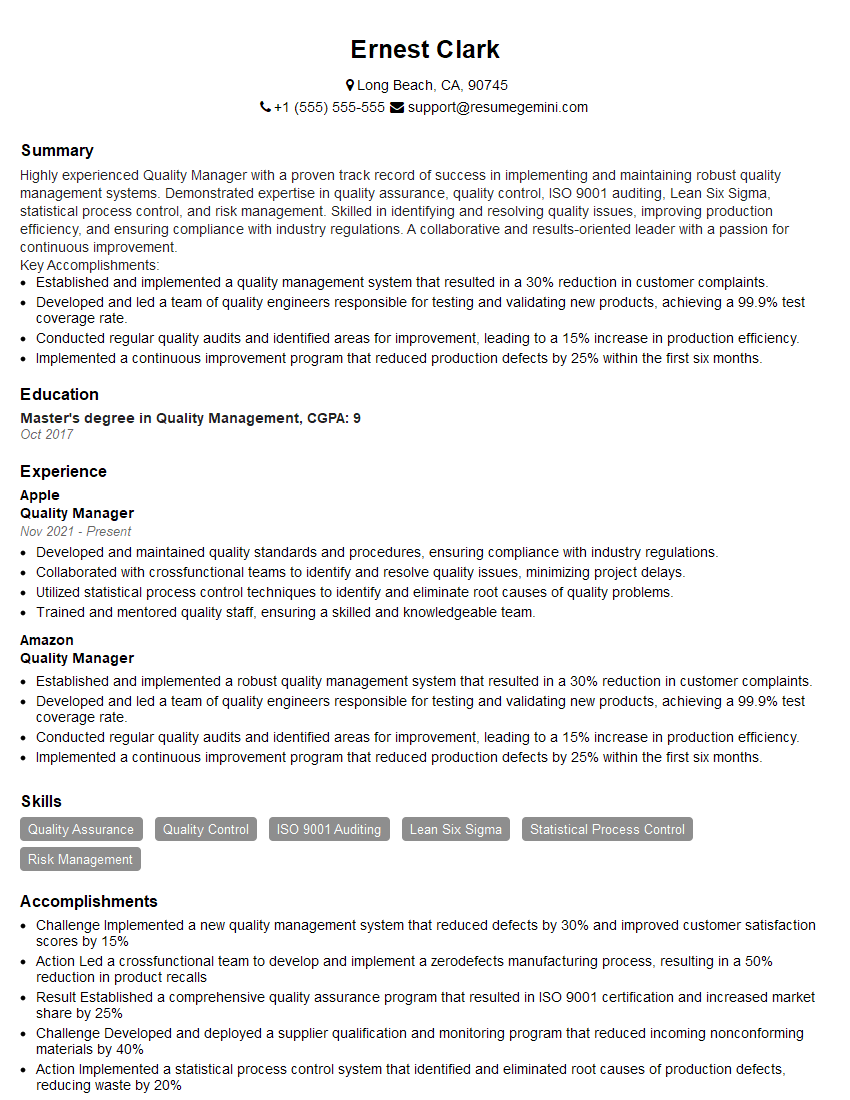
Quality Manager Resume Sample
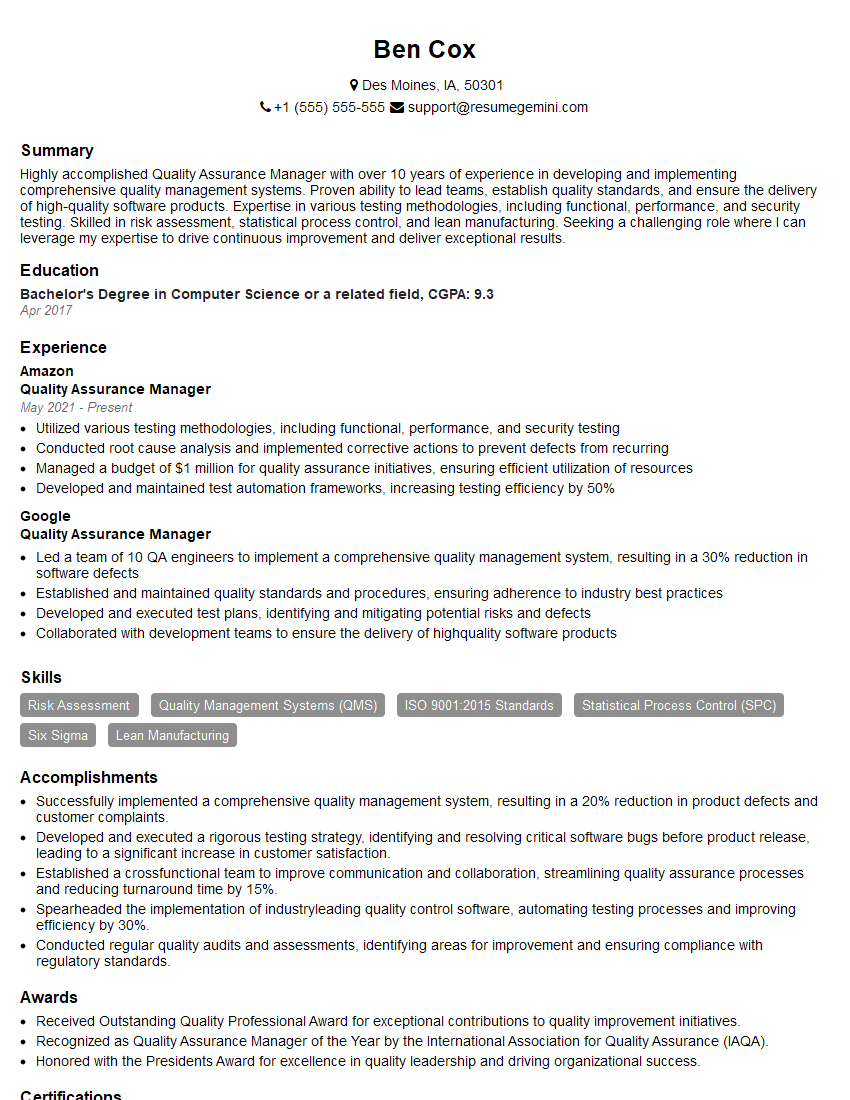
Quality Assurance Manager Resume Sample
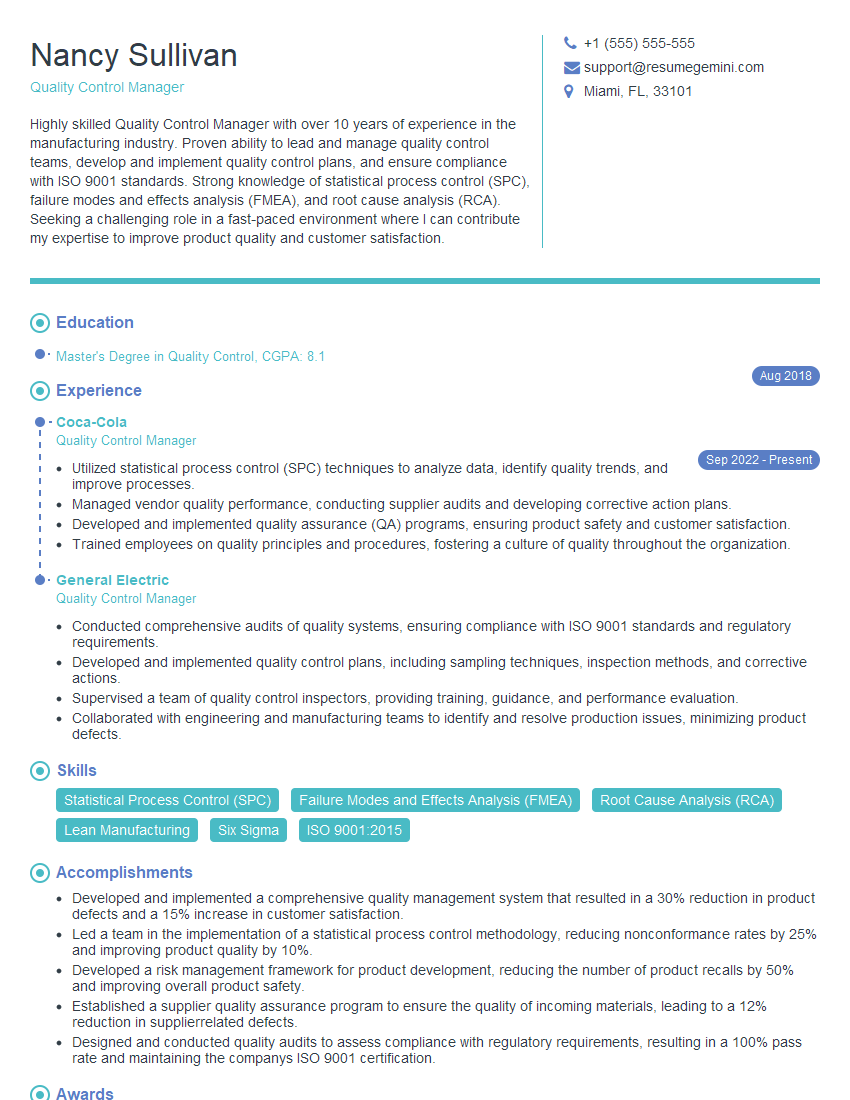
Quality Control Manager Resume Sample
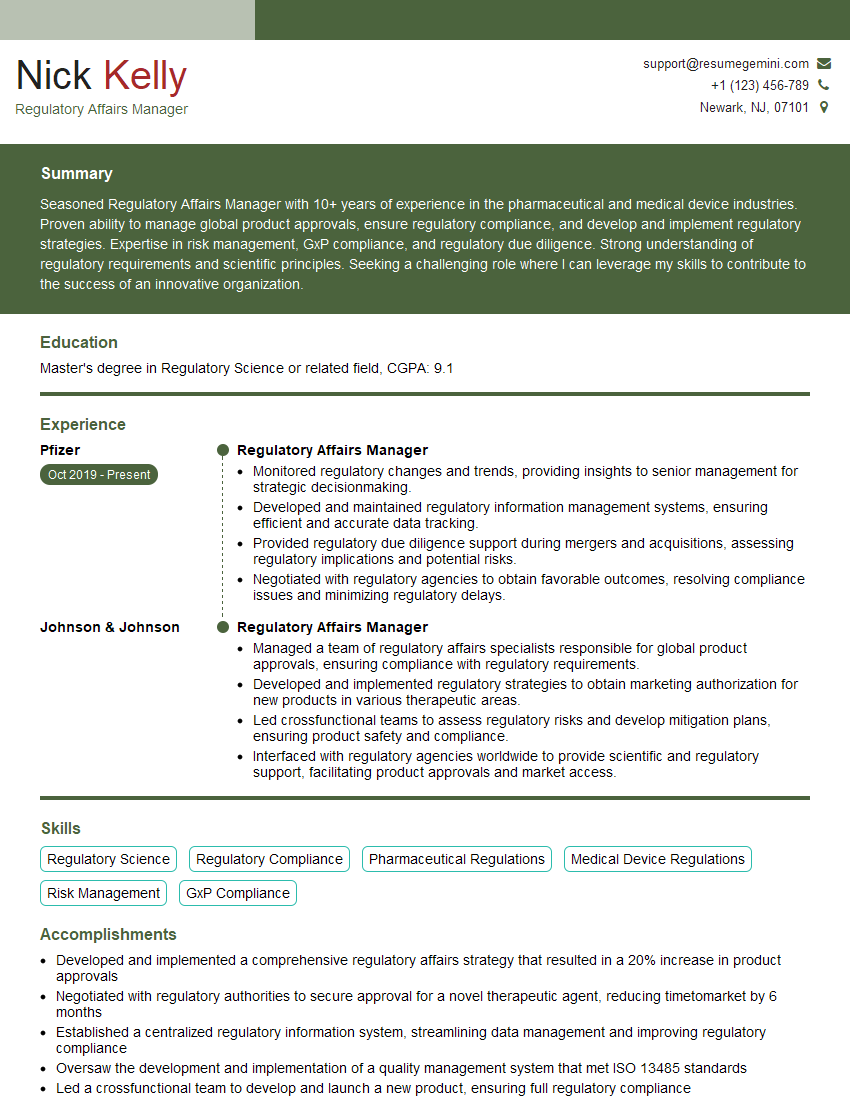
Regulatory Affairs Manager Resume Sample
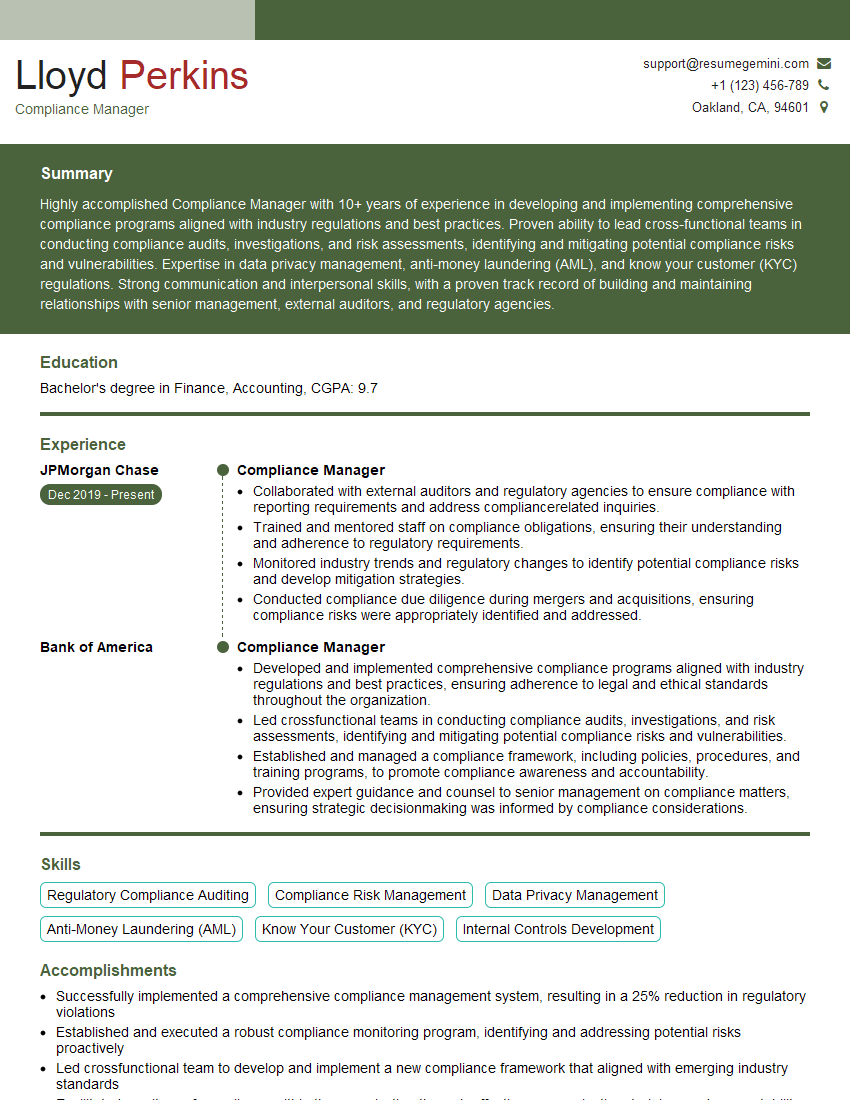
Compliance Manager Resume Sample

Compliance Officer Resume Sample
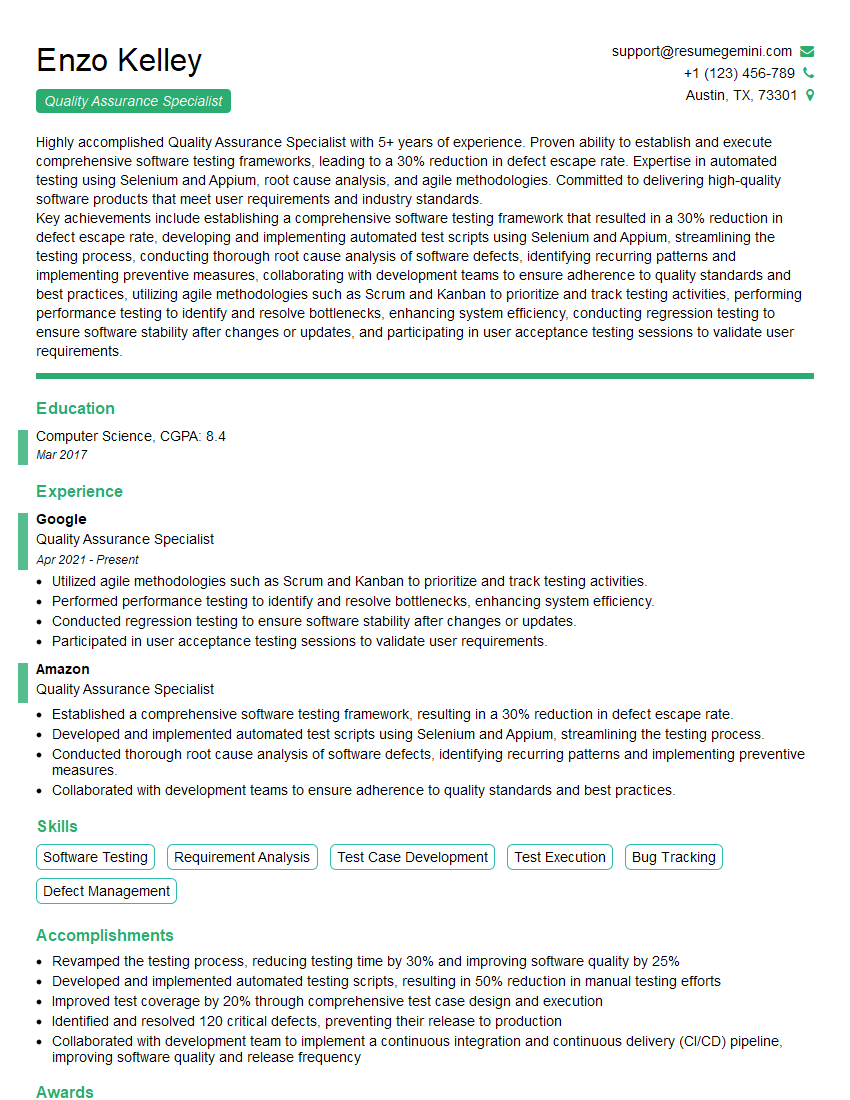
Quality Assurance Specialist Resume Sample
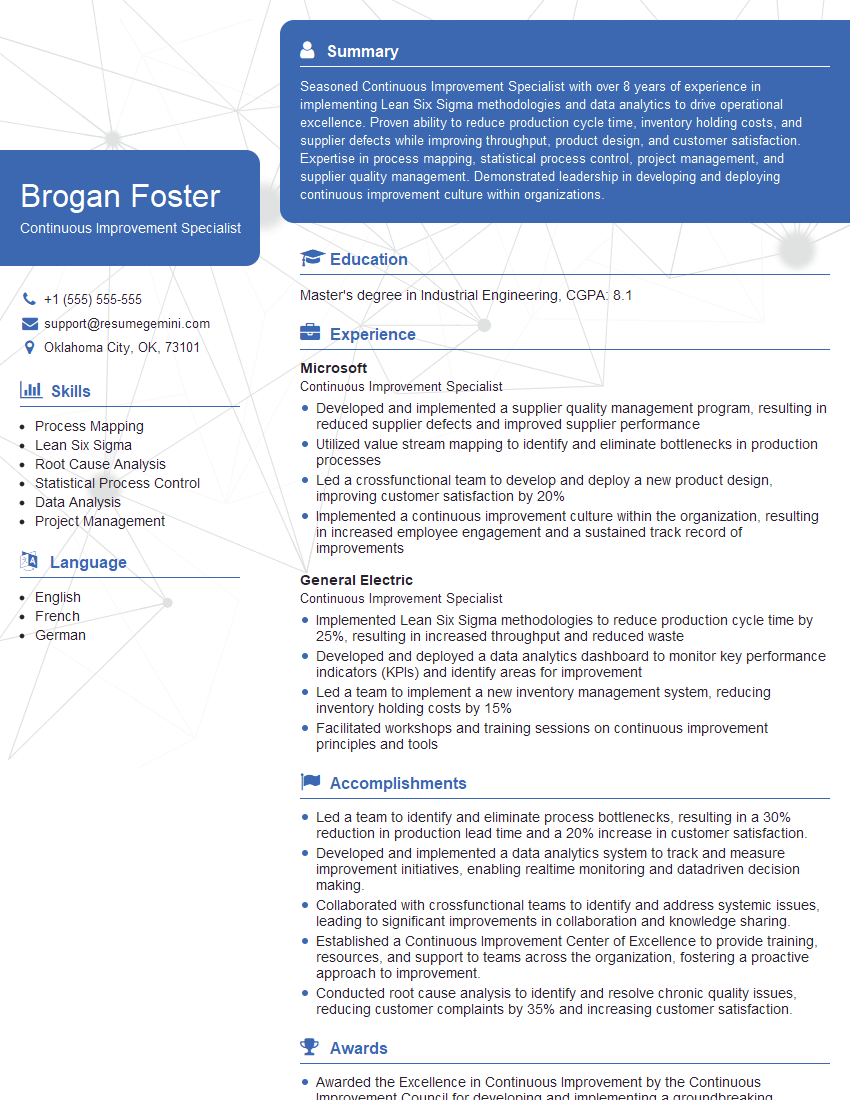
Continuous Improvement Specialist Resume Sample
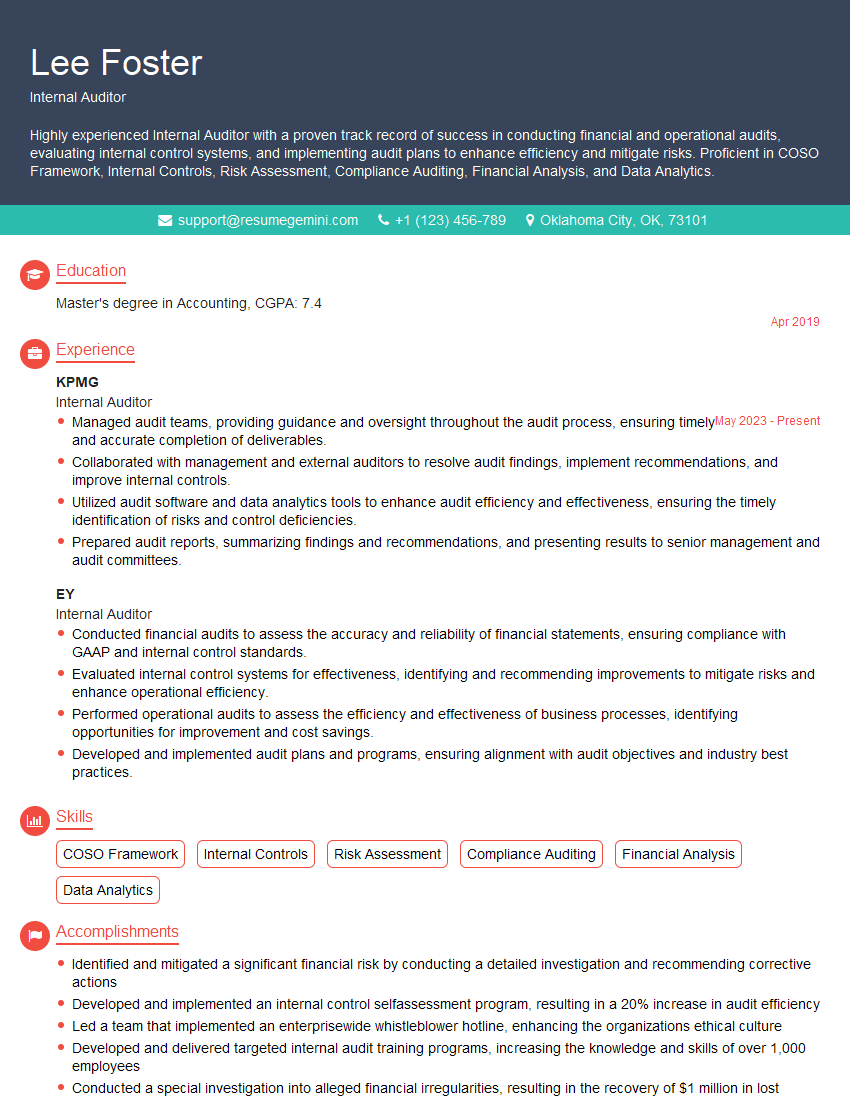
Internal Auditor Resume Sample
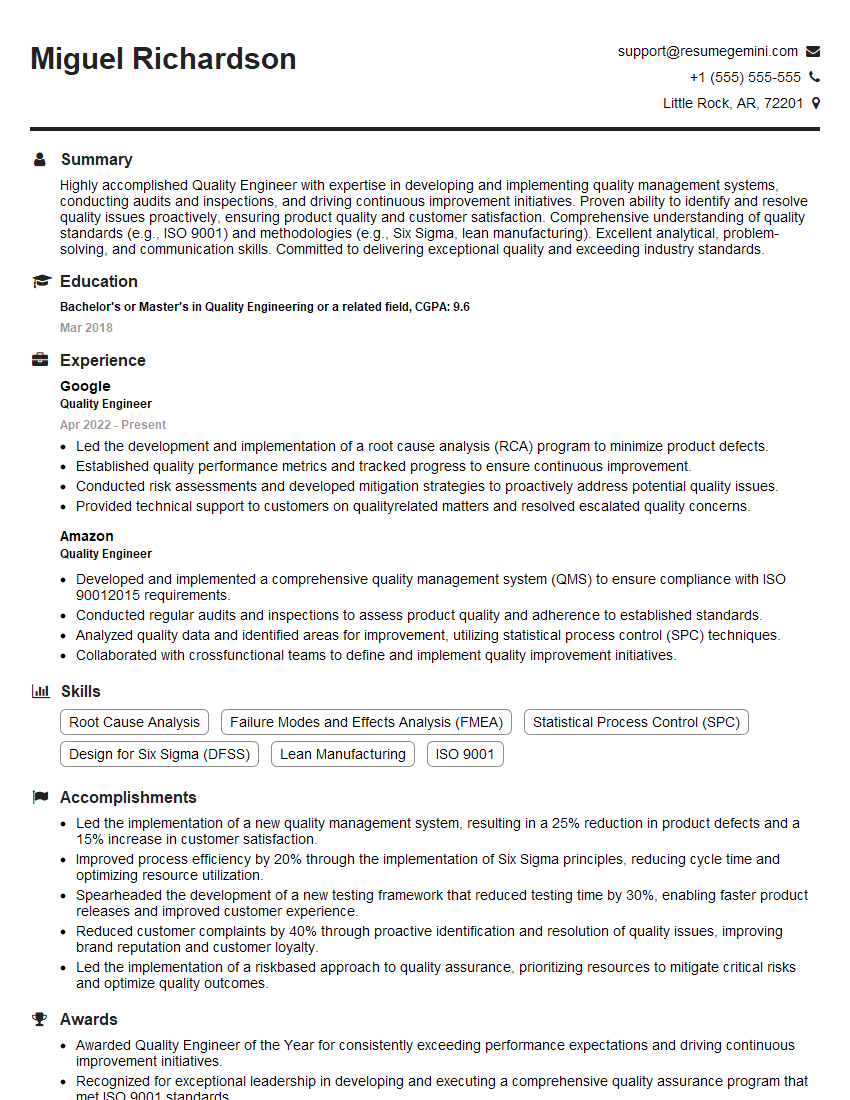
Quality Engineer Resume Sample
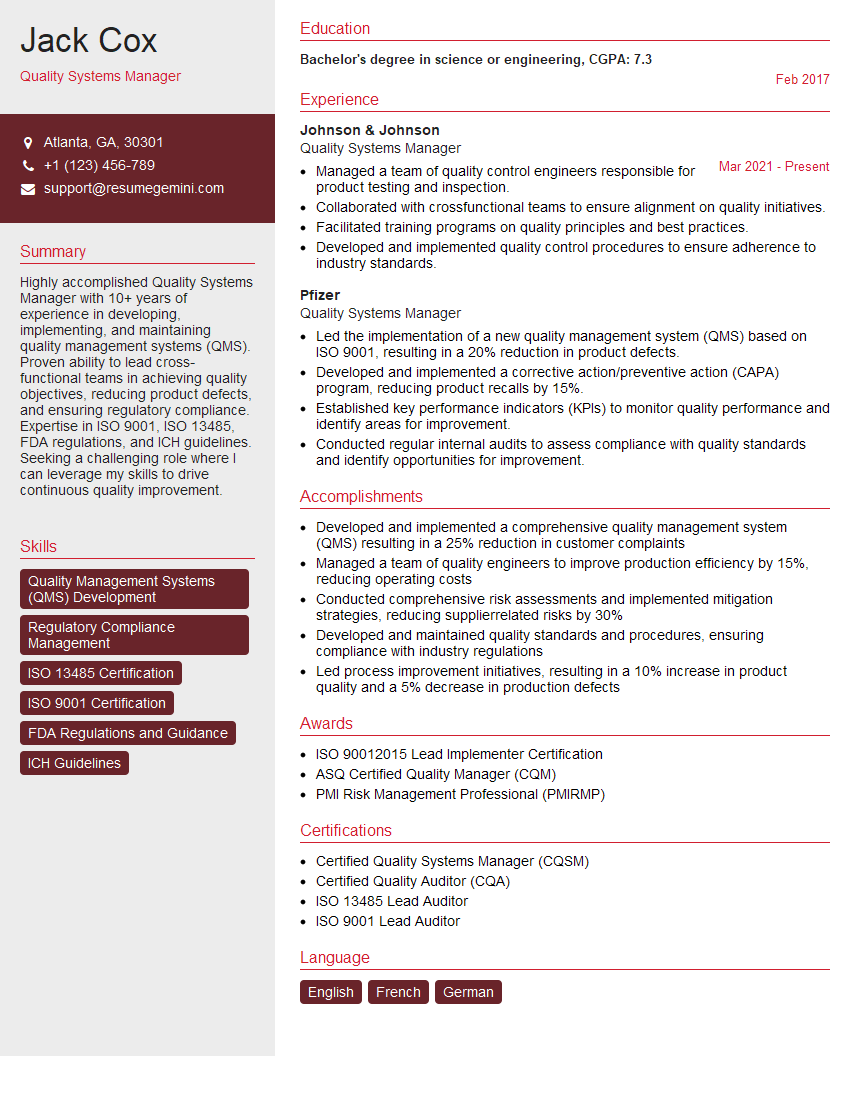
Quality Systems Manager Resume Sample
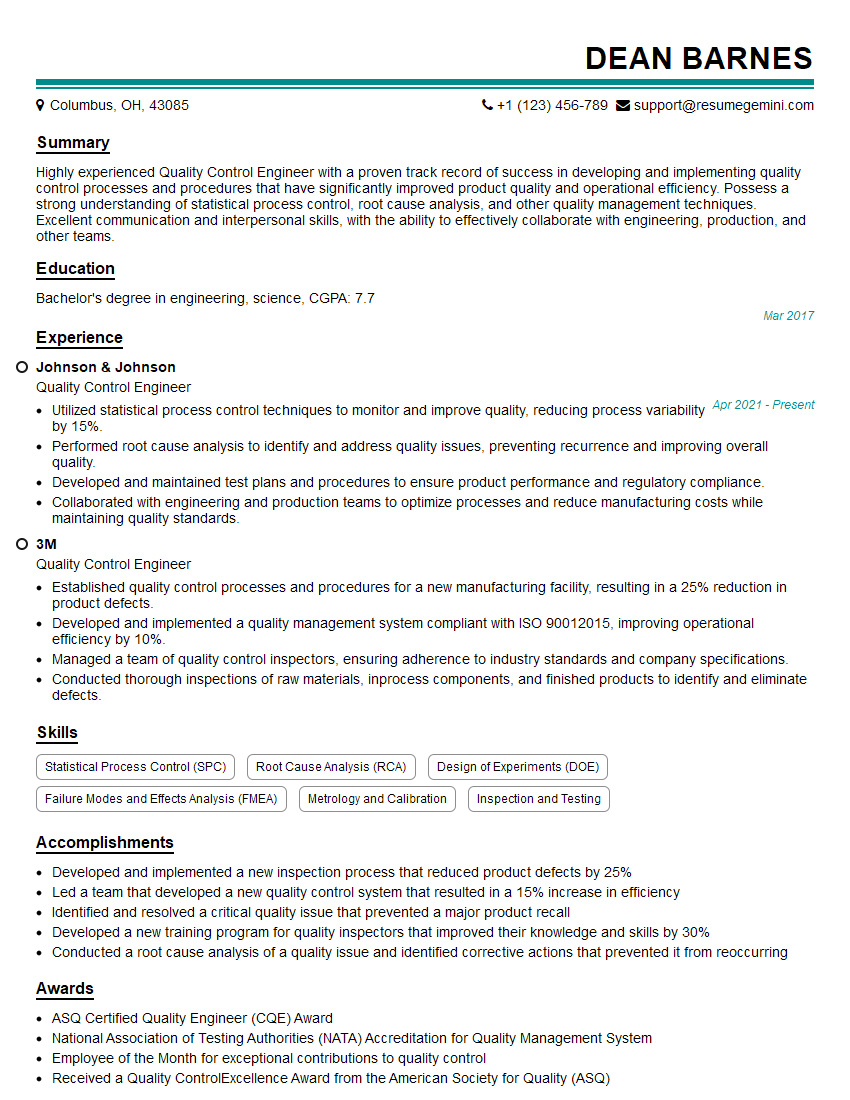
Quality Control Engineer Resume Sample
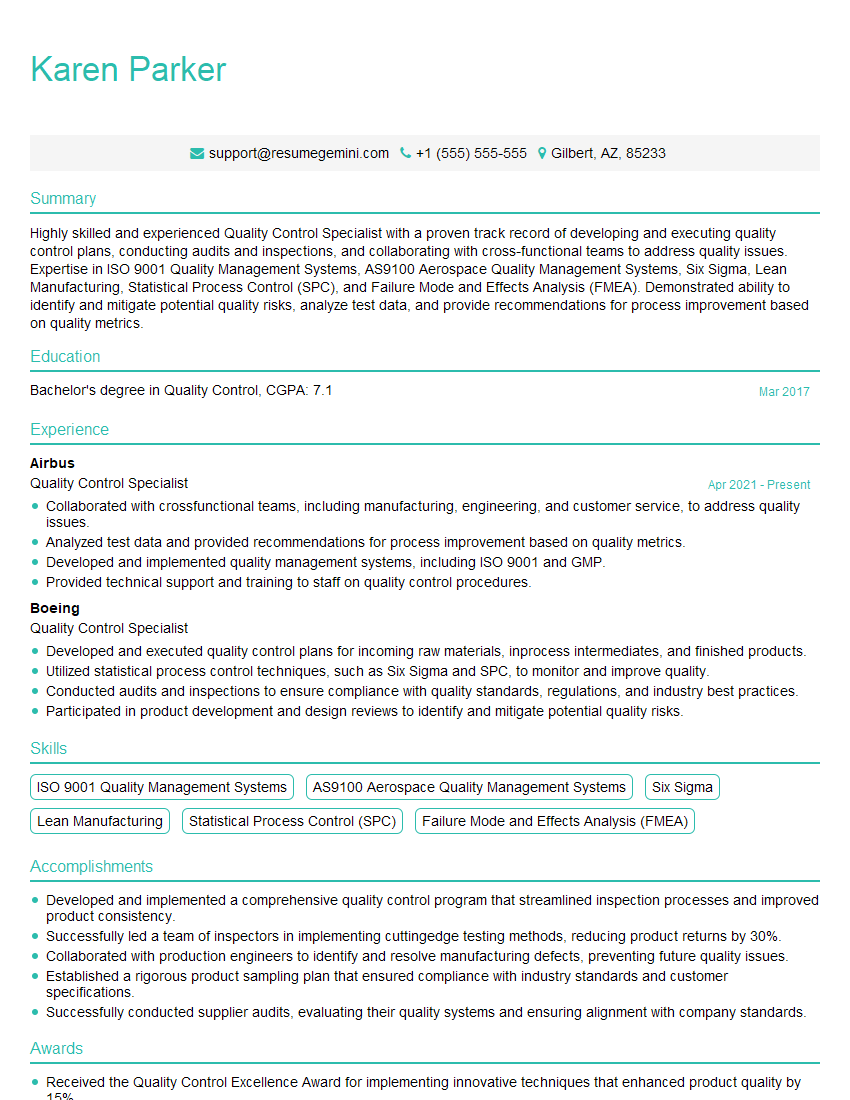
Quality Control Specialist Resume Sample
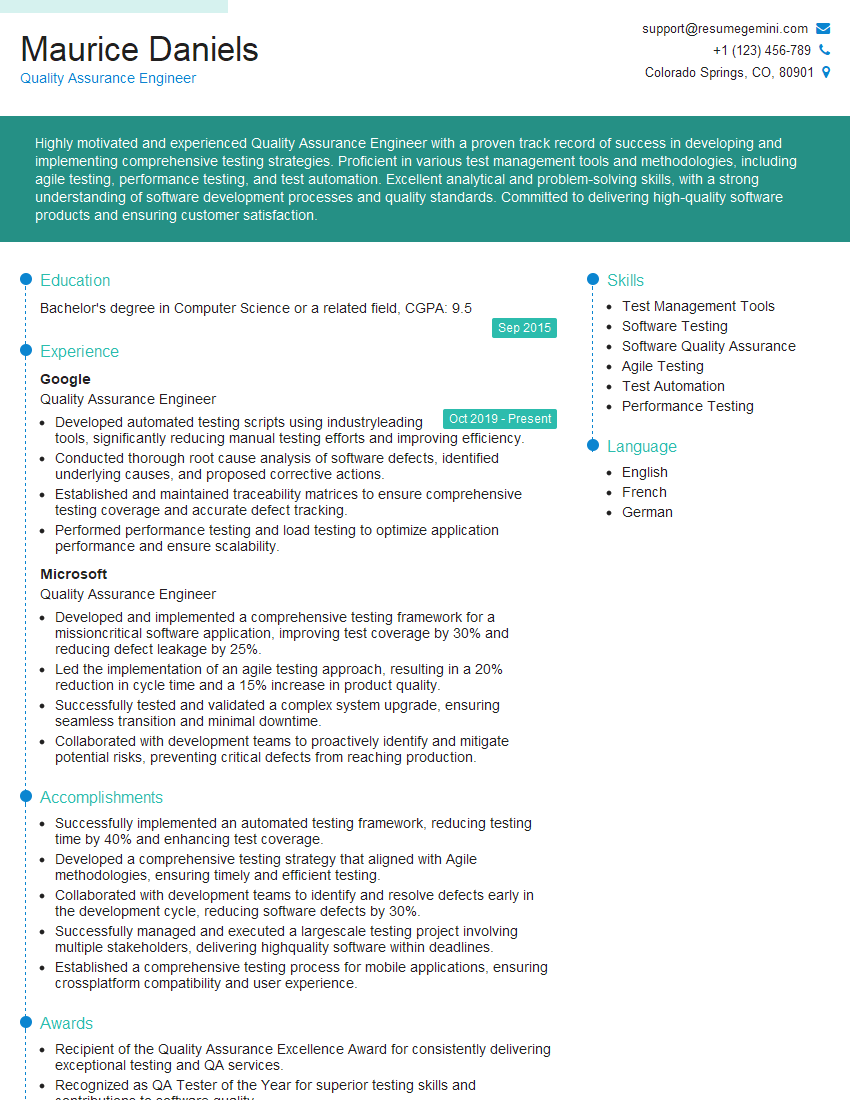
Quality Assurance Engineer Resume Sample
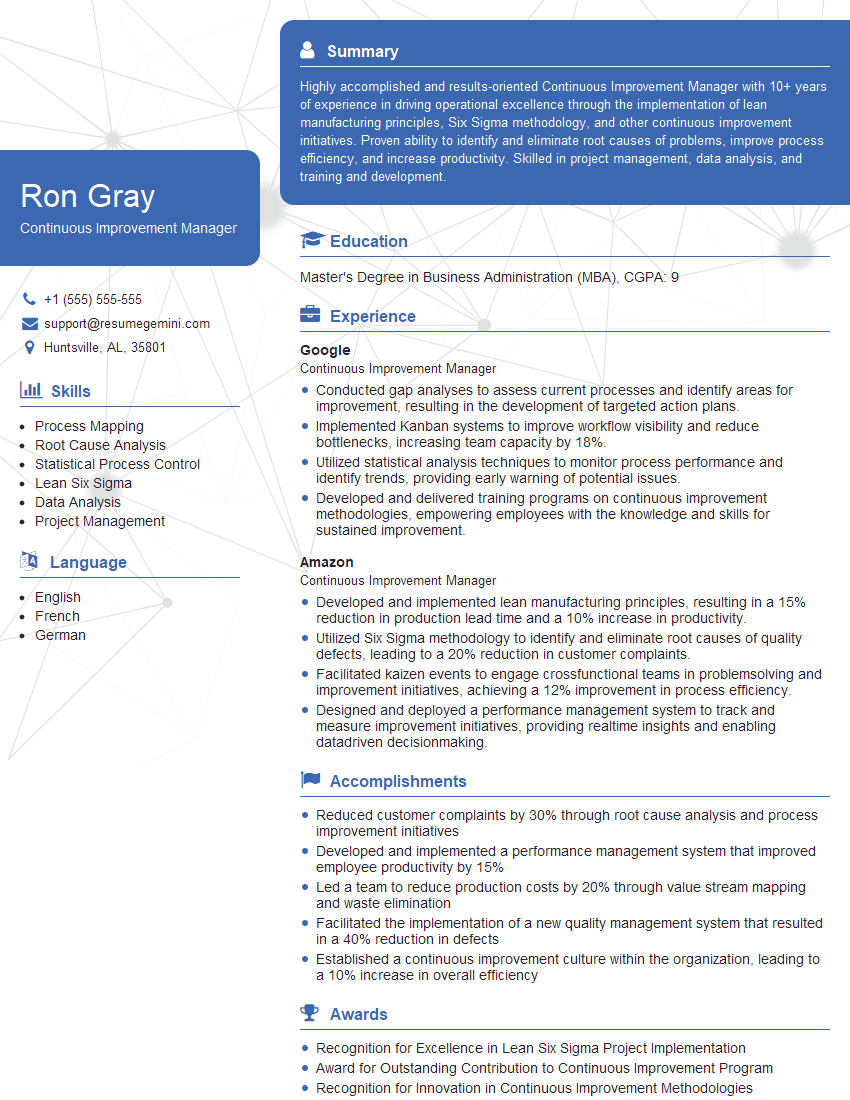
Continuous Improvement Manager Resume Sample
- Quality Manager
- Quality Assurance Manager
- Quality Control Manager
- Regulatory Affairs Manager
- Compliance Manager
- Compliance Officer
- Quality Assurance Specialist
- Continuous Improvement Specialist
- Internal Auditor
- Quality Engineer
- Quality Systems Manager
- Quality Control Engineer
- Quality Control Specialist
- Quality Assurance Engineer
- Continuous Improvement Manager
Explore more articles
Users Rating of Our Blogs
Share Your Experience
We value your feedback! Please rate our content and share your thoughts (optional).
What Readers Say About Our Blog
Very informative content, great job.
good