The thought of an interview can be nerve-wracking, but the right preparation can make all the difference. Explore this comprehensive guide to Knowledge of road freight forwarding interview questions and gain the confidence you need to showcase your abilities and secure the role.
Questions Asked in Knowledge of road freight forwarding Interview
Q 1. Explain the process of booking a road freight shipment.
Booking a road freight shipment involves a straightforward yet crucial process. It starts with gathering all necessary information about the shipment: the origin and destination addresses, the type and quantity of goods, their weight and dimensions, and any special handling requirements (like temperature-sensitive cargo or hazardous materials). Next, you’ll contact a freight forwarder or carrier directly. They’ll provide you with a quote based on the details provided. Once the quote is accepted, the booking is confirmed, and the shipment details are entered into their system. This often includes generating a booking reference number. Finally, you’ll receive instructions on when and how to deliver the goods to the designated collection point. Think of it like booking a flight—you provide details, get a confirmation, and then follow instructions for check-in. A key difference is that you are responsible for ensuring your goods are properly packaged and labeled for the journey.
Example: Let’s say you need to ship 10 pallets of furniture from London to Paris. You’d contact a freight forwarder, provide them with the details (weight, dimensions, etc.), and get a quote. Once you agree, they’ll confirm the booking, give you a reference number, and arrange pickup from your warehouse.
Q 2. Describe your experience with different types of road freight vehicles and their suitability for various cargo.
My experience encompasses a wide range of road freight vehicles, each suited to different cargo types. We regularly utilize:
- Straight Trucks: These are versatile for smaller shipments and deliveries within a city or region. Perfect for palletized goods, furniture, or smaller machinery.
- Articulated Lorries (Semi-Trailers): Ideal for large-volume shipments. We use various trailer types including flatbeds for heavy machinery, curtain-siders for general cargo that needs flexibility in loading and unloading, and refrigerated trailers (reefers) for temperature-sensitive products like food and pharmaceuticals.
- Double Trailers (where legal): For exceptionally high-volume shipments, provided the route and legal restrictions allow. Increases capacity but requires careful consideration of route restrictions.
- Specialized Vehicles: For hazardous materials, we use vehicles specifically designed and certified to handle the risks, including appropriate safety features and markings. For oversized or heavy-lift cargo, we’ll employ specialized low-loaders or heavy-haulage trucks.
Choosing the right vehicle is crucial for efficiency and safety. A poorly chosen vehicle can lead to delays, damage, or even accidents. For instance, trying to transport a heavy piece of machinery on a standard straight truck would be unsafe and impractical.
Q 3. How do you handle unexpected delays or disruptions in the transportation process?
Unexpected delays are an inevitable part of road freight. My approach involves proactive monitoring and swift response. We utilize real-time tracking systems to monitor the location and progress of each shipment. If a delay occurs (due to traffic congestion, accidents, border delays, or unforeseen weather events), we immediately investigate the cause. We then communicate the issue to the client transparently, offering alternative solutions if possible, such as rerouting or exploring alternative transportation options. Maintaining open communication with carriers and customers is essential in mitigating the impact of unexpected events. Sometimes, this involves negotiating with carriers for expedited services if cost is acceptable to the client and the delay is significantly impactful.
Example: If a shipment is delayed due to a road closure, we’ll immediately investigate alternative routes. We might even consider using a different mode of transport (e.g., rail) to avoid further delays.
Q 4. What are the key documents required for road freight shipments?
The key documents for road freight shipments vary depending on the route and goods but typically include:
- Commercial Invoice: Details the goods being shipped, their value, and the buyer and seller information.
- Packing List: Specifies the contents of each package, aiding in tracking and customs checks.
- Bill of Lading (or Consignment Note): Acts as a contract between the shipper, carrier, and consignee. It outlines the terms of the shipment and acts as proof of ownership.
- Certificate of Origin (COO): Verifies the origin of the goods, particularly important for international shipments.
- Customs Declaration Forms: Required for international shipments, detailing the goods, value, and tariff codes for customs clearance.
- Dangerous Goods Documentation (if applicable): If shipping hazardous materials, specific documentation is required, detailing the nature of the goods and handling procedures.
Having all documents in order ensures smooth customs clearance and minimizes the risk of delays.
Q 5. Explain the importance of route planning and optimization in road freight.
Route planning and optimization are critical for efficient and cost-effective road freight. It goes beyond simply using a mapping tool; it involves considering various factors to determine the best route, including:
- Distance: The shortest route isn’t always the most efficient due to potential traffic or road conditions.
- Traffic patterns: Utilizing real-time traffic data avoids congestion and potential delays.
- Road conditions: Considering road closures, construction, or seasonal weather impacts route selection.
- Driver hours of service regulations: Ensuring compliance with legal driving time limits is crucial for safety and legality.
- Tolls and fees: Calculating and comparing costs across various routes.
Optimization tools and software help analyze these factors and suggest optimal routes. This significantly impacts delivery times, fuel consumption, and overall transportation costs. A well-planned route minimizes delays and increases efficiency.
Q 6. How do you manage risk and liability in road freight transportation?
Risk management in road freight is paramount. We utilize a multi-faceted approach:
- Insurance: Comprehensive cargo insurance protects against loss or damage during transit.
- Carrier selection: We carefully vet carriers based on their safety record, experience, and financial stability.
- Contractual agreements: Clear contracts define responsibilities, liabilities, and dispute resolution mechanisms.
- Tracking and monitoring: Real-time tracking reduces the risk of theft or loss.
- Secure loading and unloading: Proper handling and securing of cargo minimizes damage risk.
- Compliance with regulations: Adhering to all relevant transportation regulations minimizes legal and safety risks.
Liability is usually addressed in contracts; specifying who is responsible for damage or loss under various scenarios. Clear documentation and transparent communication play crucial roles in effectively managing risk and resolving disputes.
Q 7. What are your strategies for negotiating favorable rates with carriers?
Negotiating favorable rates involves a strategic approach:
- Building relationships: Establishing strong relationships with multiple carriers gives us leverage for better rates.
- Volume discounts: Consistent high-volume shipments often qualify for significant discounts.
- Seasonal fluctuations: Negotiating rates during off-peak seasons generally offers better pricing.
- Competitive bidding: Requesting quotes from multiple carriers and comparing offers ensures competitive pricing.
- Long-term contracts: Securing long-term contracts often results in preferential rates and stable pricing.
- Flexible terms: Sometimes offering flexibility on delivery schedules can open opportunities for better pricing.
Effective negotiation is a crucial skill for securing cost-effective transportation. This involves understanding market dynamics, carrier capabilities, and the value proposition of the service. A balance between cost savings and reliable service is paramount.
Q 8. Describe your experience with load planning and securing cargo.
Load planning and securing cargo are critical for efficient and safe transportation. It involves optimizing space utilization within the vehicle to maximize capacity while ensuring the stability and safety of goods throughout transit. This includes considering the weight distribution, dimensions of each item, and potential fragility.
My experience includes using specialized software for load planning, which allows me to visualize the cargo space and digitally place items for optimal weight distribution and stability. I also consider the nature of the goods – for example, fragile items are carefully cushioned and placed to prevent damage, while heavy items are positioned lower to improve the center of gravity. Securing cargo involves using appropriate techniques like strapping, bracing, and padding. The type of securing method depends on the cargo type and the mode of transportation. For example, we use different securing methods for palletized goods compared to loose cargo. I regularly review and update my knowledge on best practices for load securing to ensure compliance with safety regulations and best practices, minimizing damage and ensuring safety during transit.
For instance, I once worked on a project transporting specialized medical equipment. Precise load planning was crucial to avoid damage to sensitive components. Using the software, I could virtually place each item within the truck’s space and ensure everything was secured to prevent movement.
Q 9. How do you track and monitor shipments in real-time?
Real-time shipment tracking leverages technology to provide up-to-the-minute visibility into a shipment’s location and status. This is crucial for proactive problem-solving and timely updates to clients.
We utilize GPS tracking devices attached to the vehicles or integrated within the shipment itself, transmitting data via satellite or cellular networks. This data feeds into a central system that displays the shipment’s location on a map, along with information such as speed, estimated time of arrival (ETA), and any potential delays or stops. Moreover, we use telematics systems which allow us to monitor aspects like engine performance, mileage, temperature (for temperature-sensitive goods), and driver behavior.
Our clients have access to a dedicated online portal where they can view this real-time information. I actively monitor these systems, looking for anomalies or potential issues. For example, a significant deviation from the planned route might indicate a problem that needs immediate attention. This proactive monitoring allows us to promptly address any unexpected delays or incidents and keep clients fully informed.
Q 10. How do you handle customer inquiries and complaints?
Handling customer inquiries and complaints effectively is paramount to maintaining positive relationships and business reputation. My approach involves prompt, clear, and professional communication.
I prioritize responding to all inquiries within a set timeframe. This often involves clarifying the nature of the inquiry, gathering relevant information, and providing accurate and timely answers. When dealing with complaints, I actively listen to the customer’s concerns, demonstrating empathy and understanding. I investigate the situation thoroughly, identify the root cause, and offer a reasonable solution. Transparency is key – I keep the customer informed throughout the process and strive for a resolution that meets their expectations.
Documentation is crucial. I maintain detailed records of all interactions, resolutions, and any corrective actions taken. This ensures consistency and helps prevent similar issues from recurring. For instance, a recent complaint involved a delayed delivery. By carefully investigating, we found a road closure wasn’t immediately reported to our system and immediately resolved the problem and implemented improvements to our communication systems to prevent similar issues.
Q 11. What are the common challenges in road freight forwarding, and how do you overcome them?
Road freight forwarding presents unique challenges, including fluctuating fuel prices, traffic congestion, driver shortages, and stringent regulatory compliance.
- Fluctuating Fuel Prices: We mitigate this risk through fuel surcharges and careful route planning to optimize fuel consumption.
- Traffic Congestion: We use real-time traffic data to plan efficient routes, avoiding congested areas whenever possible.
- Driver Shortages: We maintain strong relationships with reliable carriers and offer competitive compensation packages to attract and retain qualified drivers.
- Regulatory Compliance: Staying updated on regulations (e.g., weight limits, driving hours) and adhering to them strictly is crucial. We leverage technology and training to support compliance.
Proactive risk management is vital. This involves continuous monitoring of these factors and adapting our strategies to minimize potential disruptions. For example, we might negotiate longer-term contracts with fuel suppliers during times of price volatility.
Q 12. Explain your experience with different Incoterms and their implications.
Incoterms (International Commercial Terms) define the responsibilities of buyers and sellers in international trade. My experience encompasses a wide range of Incoterms, understanding their implications for risk transfer, cost allocation, and documentation.
For example, under CIF (Cost, Insurance, and Freight), the seller is responsible for arranging transportation and insurance to the named port of destination. The risk transfers to the buyer once the goods are on board the vessel. Under FCA (Free Carrier), the seller’s responsibility ends once the goods are delivered to the designated carrier at the named place. The risk transfers to the buyer at this point. Understanding the differences is critical for accurately quoting prices, handling documentation, and managing risks associated with each transaction. Each Incoterm necessitates specific documentation, such as the bill of lading or commercial invoice. Choosing the correct Incoterm requires careful consideration of the buyer and seller’s needs and expectations.
Q 13. How do you ensure compliance with relevant regulations and safety standards?
Compliance with regulations and safety standards is paramount in road freight forwarding. This involves adherence to national and international regulations related to vehicle maintenance, driver qualifications, hazardous materials transportation, and customs procedures.
We ensure compliance through several strategies. This includes regularly inspecting vehicles to maintain their roadworthiness and conducting thorough driver training programs that emphasize safe driving practices and regulatory knowledge. We also use technology such as electronic logging devices (ELDs) to track driver hours and ensure compliance with regulations. For hazardous materials, we maintain strict protocols, including proper documentation and handling procedures. Regular audits and internal reviews ensure that our operations remain compliant. We maintain up-to-date knowledge of all relevant regulations and adapt our procedures whenever necessary.
Q 14. Describe your experience with customs procedures and documentation.
Customs procedures and documentation are crucial for smooth cross-border shipments. My experience encompasses preparing accurate and complete customs documentation, including commercial invoices, packing lists, certificates of origin, and other relevant documents.
I am proficient in understanding various customs regulations and tariffs. This involves classifying goods according to the Harmonized System (HS) codes to determine the applicable duties and taxes. I have a strong understanding of customs processes, including pre-clearance procedures, ensuring that goods clear customs efficiently and without delays. Inaccurate or incomplete documentation can lead to delays, penalties, and increased costs. We prioritize meticulous preparation and verification of all documents to prevent any such issues. I regularly consult with customs brokers to address complex situations and ensure compliance with ever-changing regulations.
Q 15. What software or systems are you familiar with for managing road freight shipments?
Managing road freight shipments efficiently requires robust software and systems. My experience encompasses a range of Transportation Management Systems (TMS), including industry-leading platforms like SAP TM, Oracle Transportation Management, and smaller, specialized TMS solutions. These systems typically handle key functions such as:
- Order Management: Creating, tracking, and managing shipments from order entry to delivery.
- Carrier Management: Selecting and managing carriers, including rate negotiations and performance tracking.
- Route Optimization: Planning the most efficient routes based on factors like distance, time, and traffic conditions.
- Documentation Management: Generating and managing all necessary shipping documents, such as bills of lading and proof of delivery.
- Reporting and Analytics: Providing real-time visibility into shipment status and generating key performance indicators (KPIs) for analysis.
In addition to TMS, I’m proficient with various Geographic Information Systems (GIS) tools to visualize routes and track shipments geographically. I also leverage cloud-based platforms for seamless communication and collaboration with carriers and clients. For example, I’ve used platforms enabling real-time shipment tracking and automated alerts for potential delays.
Career Expert Tips:
- Ace those interviews! Prepare effectively by reviewing the Top 50 Most Common Interview Questions on ResumeGemini.
- Navigate your job search with confidence! Explore a wide range of Career Tips on ResumeGemini. Learn about common challenges and recommendations to overcome them.
- Craft the perfect resume! Master the Art of Resume Writing with ResumeGemini’s guide. Showcase your unique qualifications and achievements effectively.
- Don’t miss out on holiday savings! Build your dream resume with ResumeGemini’s ATS optimized templates.
Q 16. How do you calculate freight costs, including fuel surcharges and other fees?
Calculating freight costs is a multi-faceted process. It goes beyond simply multiplying the distance by a rate per mile. Several factors must be considered:
- Base Rate: This is the fundamental cost per mile or kilometer, determined by factors like distance and the type of vehicle used. This often involves negotiating rates with carriers.
- Fuel Surcharge: This percentage-based fee fluctuates with fuel prices, mitigating the carrier’s fuel cost volatility. The formula is typically:
Fuel Surcharge = (Current Fuel Price - Base Fuel Price) / Base Fuel Price * Percentage - Accessorial Charges: These cover additional services like handling oversized cargo, special equipment (e.g., refrigerated trucks), loading/unloading, or delivery to remote locations. These are usually pre-agreed upon.
- Tolls and Taxes: Fees for using toll roads and applicable taxes (e.g., VAT) add to the overall cost.
- Insurance: The cost of cargo insurance is a crucial component, protecting the goods against loss or damage during transit.
For example, let’s say the base rate is $2 per mile for a 100-mile trip, the fuel surcharge is 10%, and accessorial charges total $100. The total cost would be: (100 miles * $2/mile) + (100 miles * $2/mile * 0.10) + $100 = $320
Q 17. What are your strategies for improving efficiency and reducing costs in road freight operations?
Improving efficiency and reducing costs in road freight operations requires a holistic approach. My strategies include:
- Route Optimization: Utilizing route planning software to identify the shortest and most efficient routes, considering factors like traffic, road closures, and delivery windows. This minimizes transit time and fuel consumption.
- Load Consolidation: Combining multiple shipments into a single truckload to optimize space and reduce the number of trips, significantly reducing transportation costs per unit.
- Carrier Selection: Strategic partnerships with reliable carriers that offer competitive rates and consistently meet deadlines. This often involves performance monitoring and regular reviews.
- Technology Adoption: Employing advanced technologies such as telematics and GPS tracking to monitor shipments in real-time, enhance visibility, and proactively address potential delays.
- Negotiation: Regularly negotiating rates with carriers based on volume and long-term partnerships.
- Preventive Maintenance: Ensuring proper truck maintenance to reduce breakdowns and associated delays and repair costs.
For instance, implementing a route optimization system helped reduce our average delivery time by 15%, saving on fuel and driver costs. Similarly, consolidating shipments led to a 20% reduction in transport costs per unit.
Q 18. Describe your experience with carrier selection and management.
Carrier selection and management is critical for successful road freight operations. My process involves:
- Carrier Qualification: Thoroughly vetting potential carriers based on factors like their insurance coverage, safety records, fleet size, and customer reviews.
- Rate Negotiation: Negotiating competitive rates based on factors such as volume, contract terms, and service requirements.
- Performance Monitoring: Tracking carrier performance against key metrics such as on-time delivery rates, damage rates, and adherence to service level agreements (SLAs).
- Regular Communication: Maintaining regular communication with carriers to address concerns, provide feedback, and foster strong working relationships.
- Performance Reviews: Conducting regular performance reviews to identify areas for improvement and address any issues.
I’ve developed a scoring system to objectively assess carriers based on these criteria, which facilitates data-driven decisions and helps eliminate bias. This ensures we partner with the most reliable and cost-effective carriers.
Q 19. How do you handle damaged or lost goods during transit?
Handling damaged or lost goods is a critical aspect of freight forwarding, requiring a systematic approach:
- Documentation: Detailed documentation is paramount. This includes obtaining photographic evidence of damage, completing detailed damage reports, and ensuring accurate and complete bill of lading information.
- Claims Process: Initiating claims with the carrier or insurer promptly, providing all necessary documentation to support the claim.
- Communication: Maintaining open communication with the shipper and consignee, keeping them updated on the progress of the claim process.
- Investigation: Working with the carrier to investigate the cause of the damage or loss, which may involve analyzing GPS data or interviewing drivers.
- Resolution: Negotiating with the carrier or insurer to reach a fair settlement for the damaged or lost goods.
In a recent case involving damaged goods, meticulous documentation and a proactive approach enabled a swift resolution, minimizing financial losses for the client. This highlights the importance of proper documentation and a clear claims process.
Q 20. Explain your understanding of different transportation modes and their suitability for road freight.
Understanding various transportation modes is crucial for efficient freight management. While I specialize in road freight, I understand its relationship with other modes:
- Intermodal Transportation: Combining road freight with other modes like rail or sea transport can be highly effective for long distances. For example, using rail for long-haul and road for last-mile delivery.
- Air Freight: While faster, air freight is significantly more expensive than road freight and is generally used for time-sensitive, high-value goods.
- Sea Freight: The most cost-effective option for very long distances, but slower than road or air freight.
The optimal mode depends on the specific characteristics of the shipment, including distance, delivery time requirements, cost constraints, and the nature of the goods. Road freight excels for regional deliveries and when faster transit times than sea freight are required but the cost of air freight is prohibitive.
Q 21. How do you manage multiple shipments simultaneously?
Managing multiple shipments simultaneously requires a structured approach and effective use of technology. My approach involves:
- Prioritization: Prioritizing shipments based on factors like delivery deadlines, cargo value, and customer importance.
- TMS Utilization: Leveraging the capabilities of a TMS to track all shipments in real-time and manage resources effectively.
- Teamwork: Working collaboratively with a team to distribute workload and ensure all shipments are handled efficiently.
- Communication: Maintaining clear and regular communication with all stakeholders, including carriers, customers, and internal teams.
- Proactive Problem-Solving: Proactively identifying and addressing potential issues to prevent delays or disruptions.
By utilizing a combination of these strategies, I’ve successfully managed numerous simultaneous shipments, ensuring timely and efficient delivery, even during peak seasons or unexpected disruptions. Organization, clear communication, and technology are essential for success.
Q 22. What are your methods for ensuring on-time delivery?
On-time delivery is paramount in road freight forwarding. My approach is multifaceted, focusing on proactive planning and meticulous execution. It starts with accurate transit time estimations, factoring in potential delays like traffic congestion, border crossings, and weather conditions. I leverage advanced route optimization software that considers real-time traffic data and road closures.
- Pre-Shipment Planning: This involves thorough documentation review, confirming all aspects of the shipment, including dimensions, weight, and required handling. I establish clear communication channels with the client and carrier to ensure transparency and address any potential issues promptly.
- Carrier Selection: Careful carrier selection is critical. I prioritize carriers with proven track records of on-time performance, reliable communication, and suitable equipment for the specific shipment. I build strong relationships with key carriers to secure capacity and ensure priority handling where needed.
- Real-time Tracking and Monitoring: Throughout the transit, I utilize GPS tracking systems to monitor the shipment’s location and progress. This enables proactive intervention should any delays occur, such as rerouting or coordinating with the carrier for immediate assistance. Regular updates are provided to the client.
- Contingency Planning: Unexpected events are inevitable. My approach includes developing contingency plans to address potential disruptions, such as having alternative transportation options or backup carriers ready to step in if needed.
For example, during a recent peak season rush, a severe snowstorm threatened to delay a crucial shipment. By closely monitoring weather forecasts and proactively communicating with the carrier, we rerouted the shipment through a less affected area, preventing significant delays and ensuring on-time delivery.
Q 23. Describe your experience with claims processing and insurance.
Claims processing and insurance are integral to mitigating risks in road freight forwarding. My experience encompasses all aspects, from filing claims to negotiating settlements.
- Understanding Insurance Policies: I have extensive knowledge of various cargo insurance policies, including Cargo Liability Insurance, All-Risk Insurance, and Institute Cargo Clauses, understanding their respective coverages and limitations. I ensure that shipments are adequately insured, matching the coverage to the specific needs and value of the goods.
- Claims Documentation: Thorough documentation is critical in supporting claims. I ensure that all necessary paperwork is meticulously maintained, including Bills of Lading, packing lists, proof of delivery, and any evidence of damage or loss. This meticulous record-keeping streamlines the claims process.
- Negotiating with Insurers and Carriers: I’m adept at negotiating with insurers and carriers to ensure fair and prompt settlements. This requires a strong understanding of industry regulations and legal frameworks governing liability.
- Preventing Claims: Proactive measures play a significant role in reducing the number of claims. This includes careful shipment planning, selecting reliable carriers, and appropriate packaging and handling procedures. I emphasize the importance of these to clients.
For instance, in a case involving damaged goods, my meticulous documentation and clear communication with the insurer led to a swift and satisfactory resolution, minimizing disruption for the client.
Q 24. Explain your knowledge of different types of freight contracts.
Freight contracts are the foundation of any road freight shipment. Different contracts cater to diverse needs and risk profiles.
- Incoterms: Incoterms (International Commercial Terms) define the responsibilities of the buyer and seller for transportation, insurance, and risk transfer. Understanding Incoterms like FOB (Free on Board), CIF (Cost, Insurance, and Freight), and DDP (Delivered Duty Paid) is crucial for accurate contract interpretation and execution.
- Contract Carriers vs. Common Carriers: Contract carriers provide dedicated transportation services under specific agreements, while common carriers offer services to the general public. Each has different legal implications and liability structures.
- Bill of Lading (BOL): The BOL is a vital contract document serving as a receipt for goods, a contract for carriage, and a document of title. It outlines the terms of the shipment, including origin, destination, cargo description, and carrier responsibilities.
- Freight Forwarding Agreement: The agreement between the shipper and the freight forwarder outlines the scope of services, responsibilities, and fees. This clarifies expectations from the outset.
Understanding these contracts allows me to choose the most appropriate type for each shipment, ensuring clients are protected and their interests are represented effectively.
Q 25. How do you build and maintain relationships with clients and carriers?
Building and maintaining strong relationships with clients and carriers is essential for success in road freight forwarding. It’s a continuous process of trust-building and collaboration.
- Client Relationships: I focus on open communication, providing regular updates, and addressing concerns promptly. Understanding client needs and expectations is key to tailoring services to meet their specific requirements. Building personal rapport with key contacts fosters trust and loyalty.
- Carrier Relationships: Selecting reliable carriers is just the beginning. Building strong relationships through consistent communication and fair dealings is crucial. Treating carriers as partners rather than just vendors encourages mutual cooperation and leads to preferential treatment during peak seasons or challenging situations. This includes promptly settling invoices.
- Technology: Utilizing a Customer Relationship Management (CRM) system and collaborative platforms improves communication efficiency and ensures seamless information flow between clients and carriers.
- Performance Monitoring: Regularly assessing carrier performance based on metrics like on-time delivery, damage rates, and communication responsiveness allows us to maintain a strong network of reliable partners and to identify areas for improvement.
For example, proactive communication during a recent port congestion issue allowed me to preemptively inform a key client of potential delays and work collaboratively with the carrier to find a solution that minimized disruption. This transparency strengthened our relationship.
Q 26. How do you stay updated with industry trends and changes in regulations?
Staying updated on industry trends and regulatory changes is vital for maintaining competitiveness and compliance.
- Industry Publications and Journals: I regularly read industry publications, journals, and online resources to stay abreast of emerging trends in logistics, technology, and regulation.
- Industry Events and Conferences: Attending industry events and conferences allows me to network with peers, learn about best practices, and gain insights into future developments.
- Regulatory Bodies: I actively monitor updates from regulatory bodies like the Department of Transportation (DOT) and other relevant agencies to ensure compliance with all applicable rules and regulations. This includes staying updated on things like driver hours-of-service rules.
- Professional Development: Continuing education and professional development programs help refine my skills and keep me updated on the latest technological advances and industry best practices.
For example, recent changes in fuel efficiency standards prompted me to research and implement new route optimization strategies to minimize fuel consumption and reduce environmental impact, demonstrating my commitment to both efficiency and sustainability.
Q 27. Describe a time you had to solve a complex logistics problem.
During a recent peak season, a major port strike threatened to significantly delay a large shipment of perishable goods. The client had strict time constraints, and any delay would have resulted in substantial financial losses.
My solution involved a multi-pronged approach:
- Immediate Assessment: I quickly assessed the situation, contacted the carrier, and explored alternative routes and transportation methods, including air freight as a last resort.
- Negotiation and Collaboration: I collaborated closely with the carrier and the port authorities to explore any potential exceptions or alternative handling methods to bypass the strike.
- Real-time Monitoring: I closely monitored the situation, keeping the client updated regularly on the progress and potential outcomes. We explored alternative ports and land routes.
- Contingency Planning: While we managed to secure expedited ground transportation through an alternate port, we had already devised a plan to utilize air freight if that solution had failed, which meant immediately assessing capacity and costs.
Through proactive communication, quick thinking, and effective problem-solving, we successfully avoided a major delay, delivering the goods on time and averting significant financial losses for the client. This experience underscored the importance of preparedness, adaptability, and strong communication in navigating complex logistics challenges.
Key Topics to Learn for a Road Freight Forwarding Interview
- Incoterms: Understand the implications of different Incoterms (e.g., DAP, DDP, FCA) on responsibilities and costs throughout the transportation process. Consider practical scenarios where choosing the right Incoterm is crucial.
- Freight Documentation: Master the creation and interpretation of key documents like Bills of Lading, packing lists, commercial invoices, and certificates of origin. Practice identifying potential discrepancies and their resolution.
- Route Planning & Optimization: Explore different route planning strategies, considering factors like distance, transit times, cost, and potential risks (e.g., border crossings, weather conditions). Develop problem-solving skills for route disruptions.
- Carrier Selection & Negotiation: Learn how to effectively evaluate and select suitable carriers based on factors like reliability, pricing, and capacity. Understand negotiation strategies for securing favorable rates and service levels.
- Customs Regulations & Compliance: Gain a thorough understanding of customs procedures, import/export regulations, and related documentation requirements. Practice identifying potential compliance issues and their solutions.
- Risk Management & Insurance: Explore various risks associated with road freight forwarding (e.g., cargo damage, delays, theft) and the role of insurance in mitigating these risks. Understand different types of cargo insurance coverage.
- Technology & Tracking: Familiarize yourself with common transportation management systems (TMS) and freight tracking technologies. Understand how these tools enhance efficiency and visibility throughout the supply chain.
- Logistics & Supply Chain Management Principles: Demonstrate a broad understanding of the principles of logistics and supply chain management, connecting road freight forwarding to the wider context of global trade.
Next Steps
Mastering road freight forwarding knowledge is crucial for career advancement in the dynamic logistics industry. It opens doors to higher-paying roles and positions of greater responsibility. To maximize your job prospects, focus on creating an ATS-friendly resume that highlights your skills and experience effectively. ResumeGemini is a trusted resource that can help you build a professional and impactful resume. They provide examples of resumes tailored to the road freight forwarding industry, guiding you towards success in your job search.

Operations Manager Resume Sample

Supply Chain Manager Resume Sample
Transportation Manager Resume Sample
Warehouse Manager Resume Sample
Fleet Manager Resume Sample
Transportation Broker Resume Sample
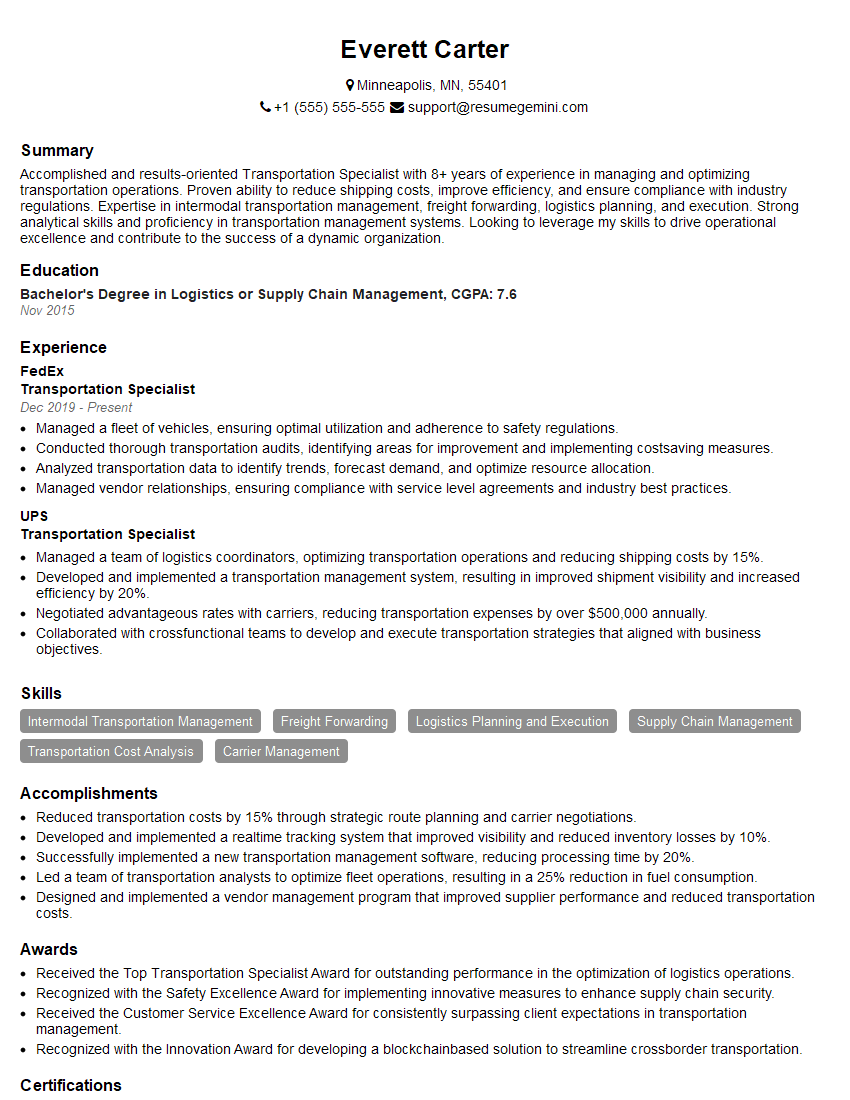
Transportation Specialist Resume Sample
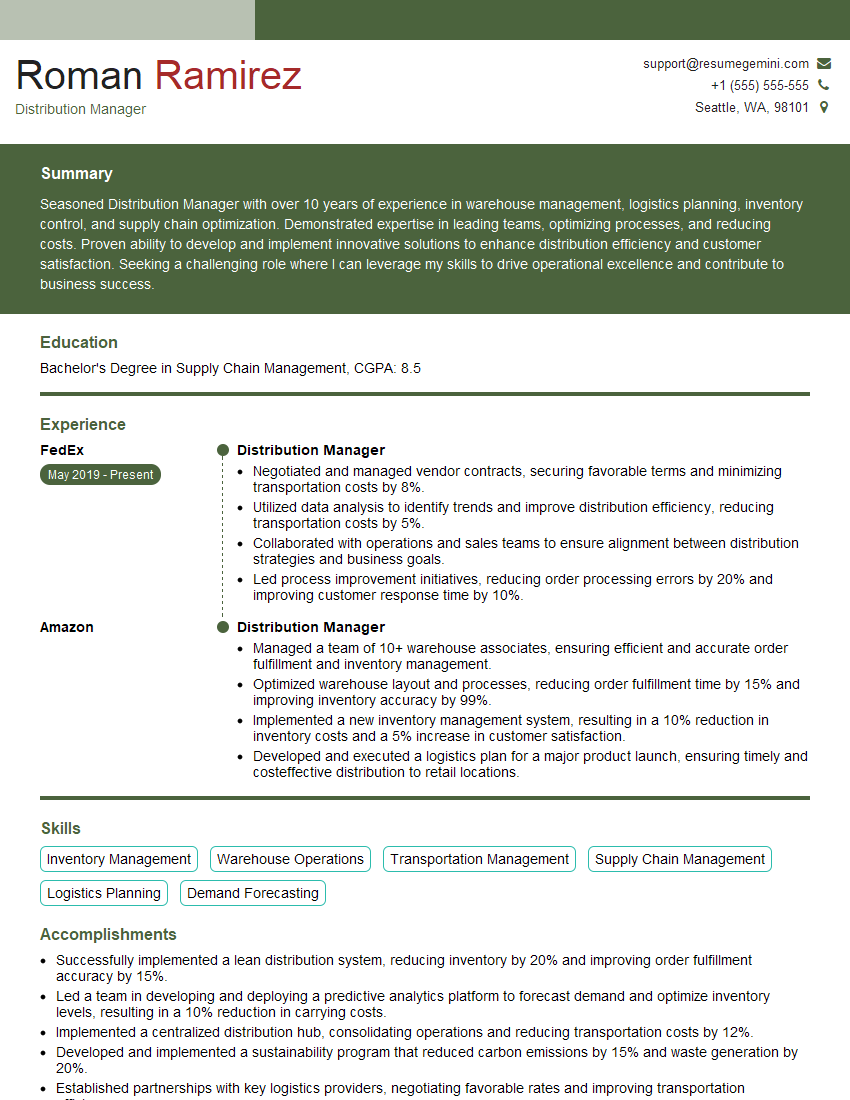
Distribution Manager Resume Sample
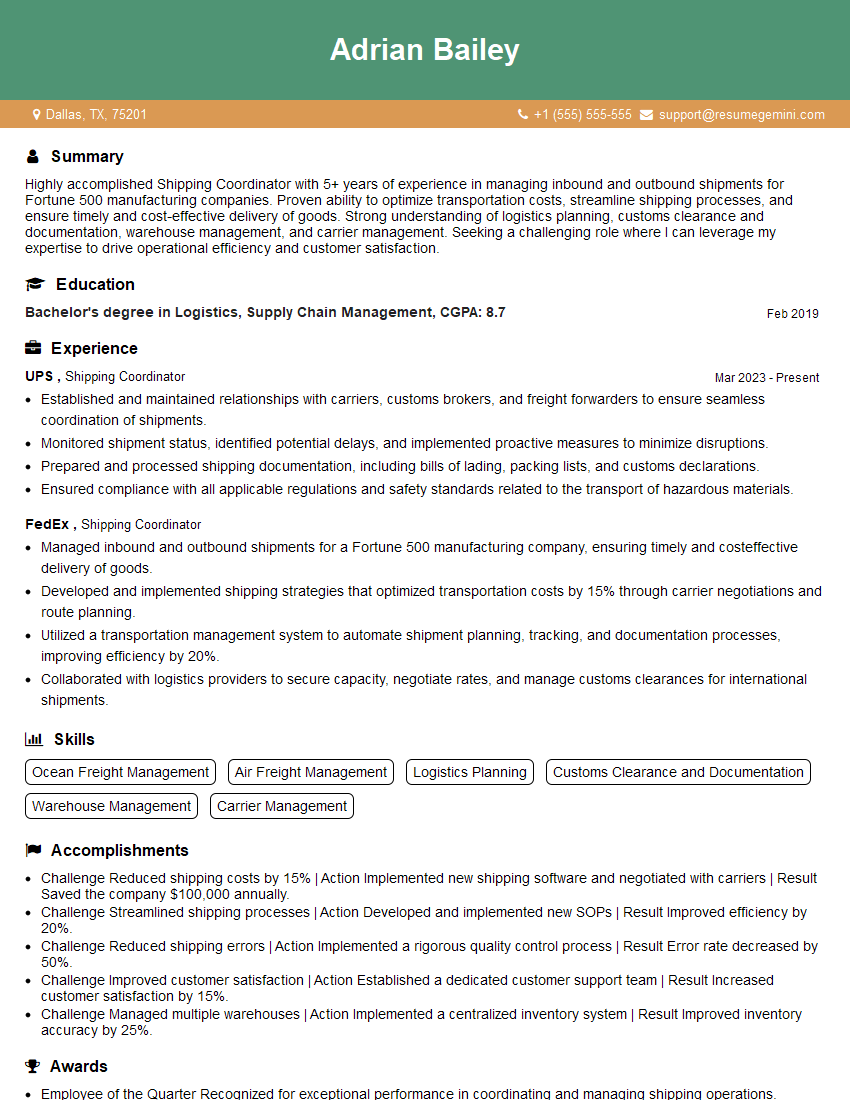
Shipping Coordinator Resume Sample
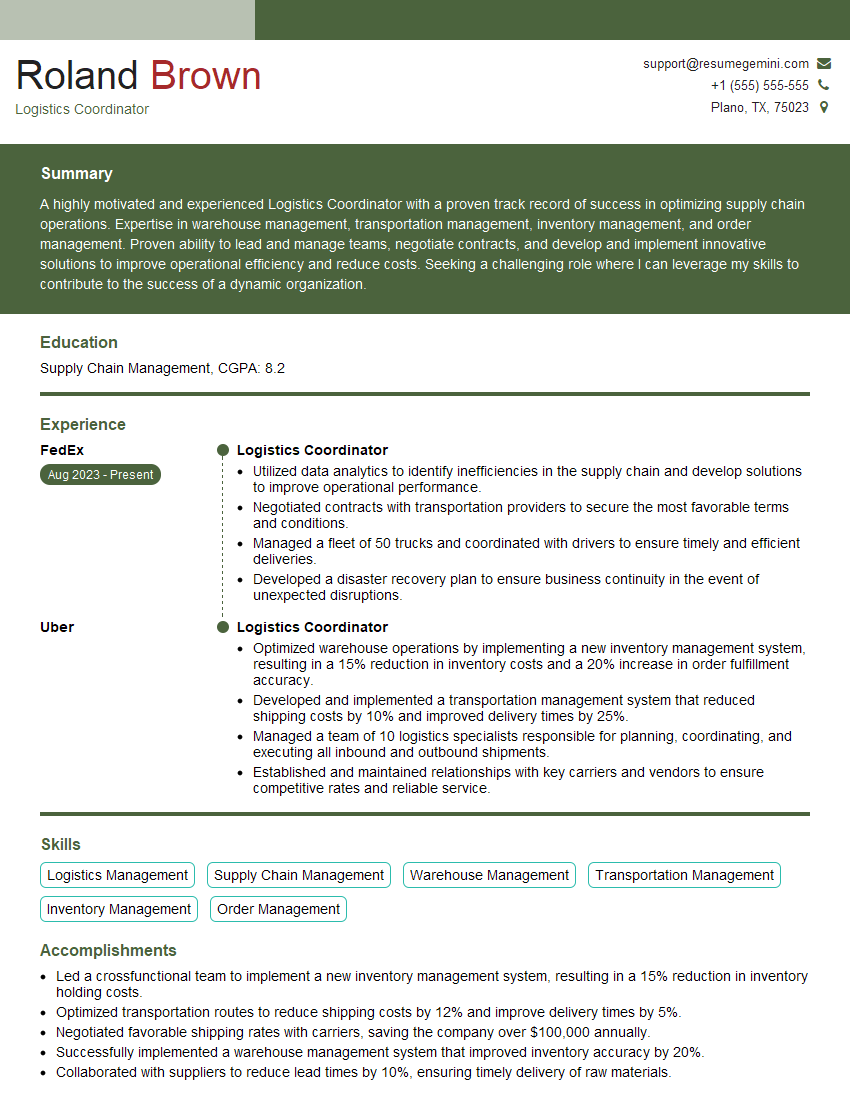
Logistics Coordinator Resume Sample
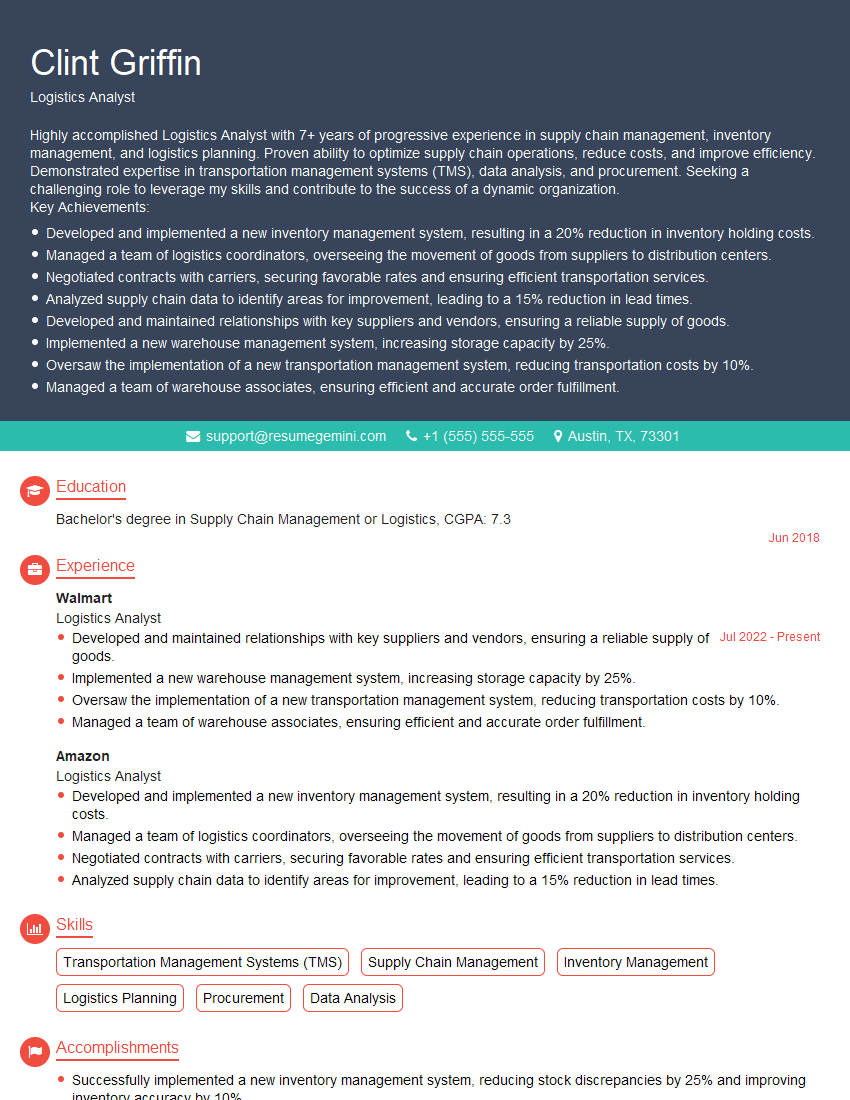
Logistics Analyst Resume Sample
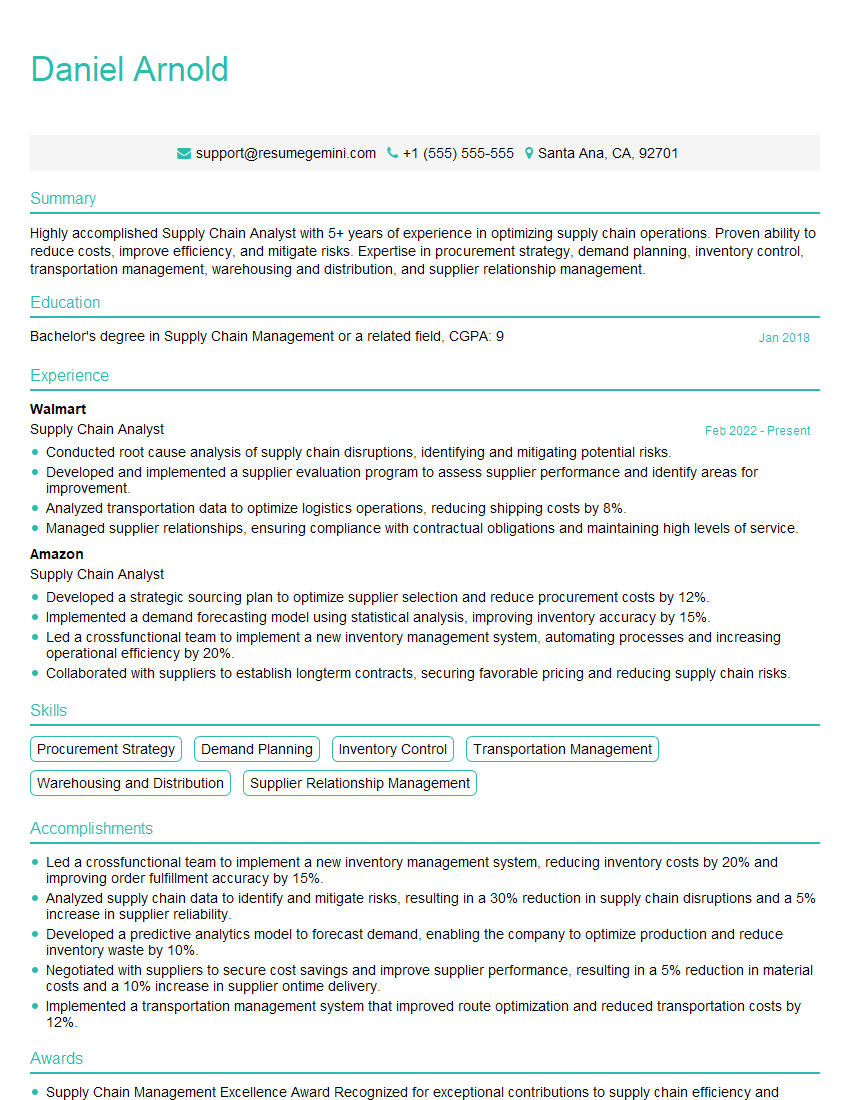
Supply Chain Analyst Resume Sample
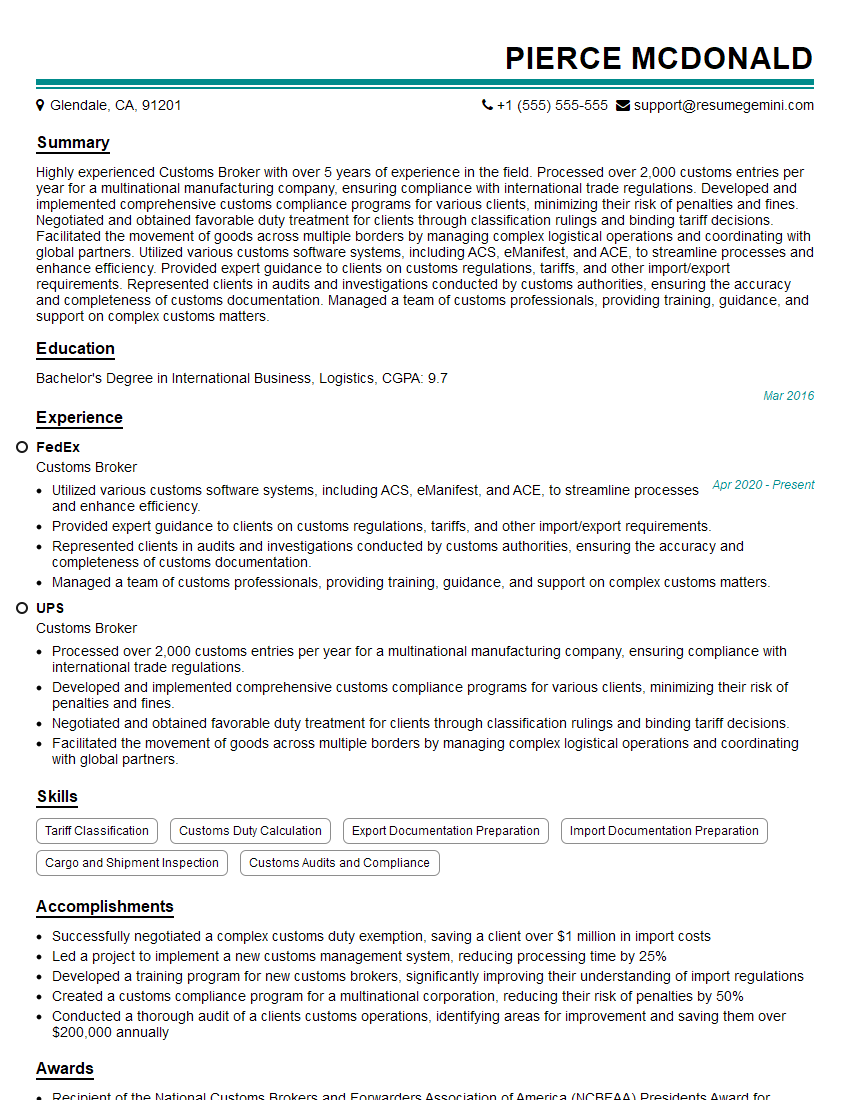
Customs Broker Resume Sample
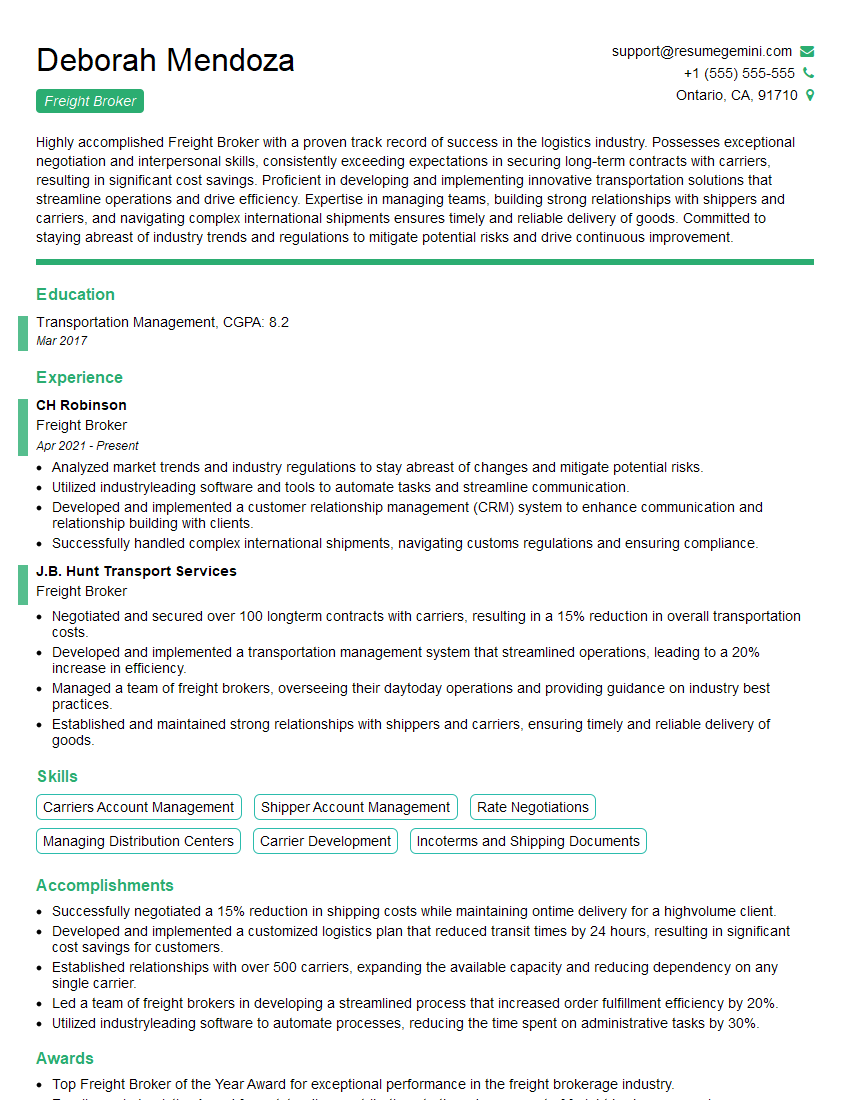
Freight Broker Resume Sample
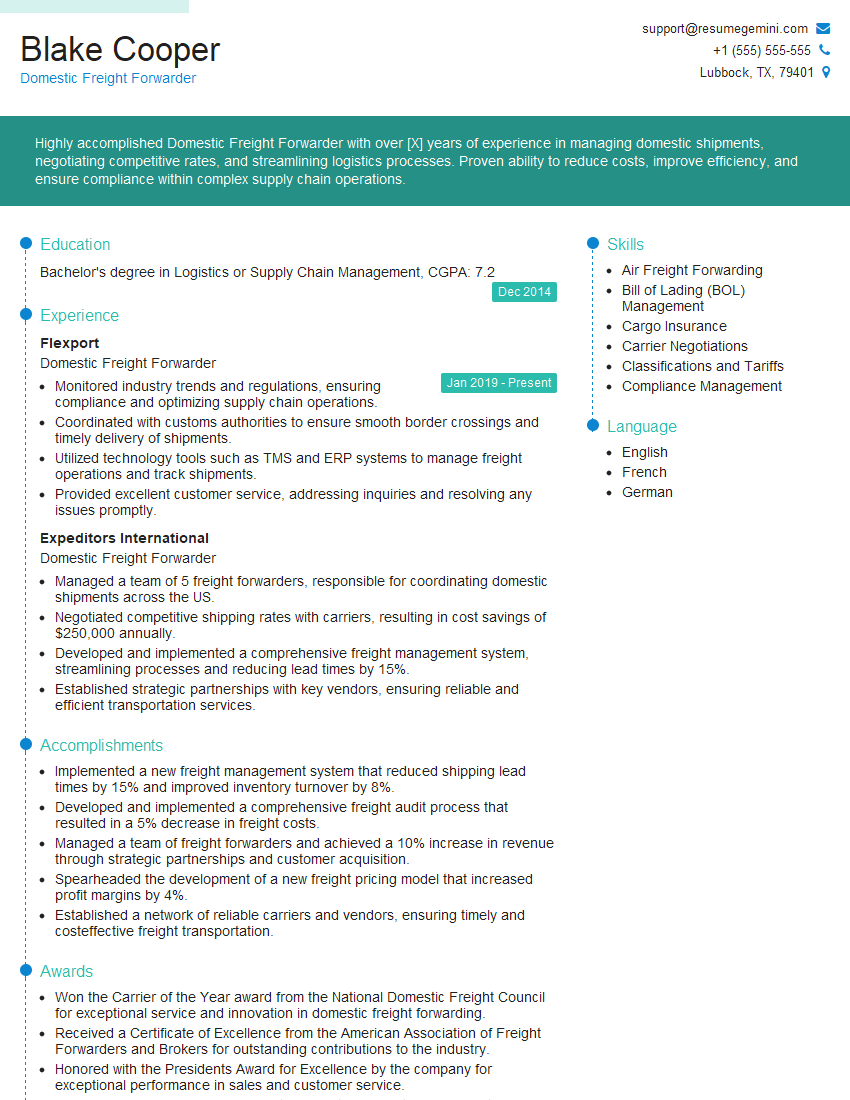
Domestic Freight Forwarder Resume Sample
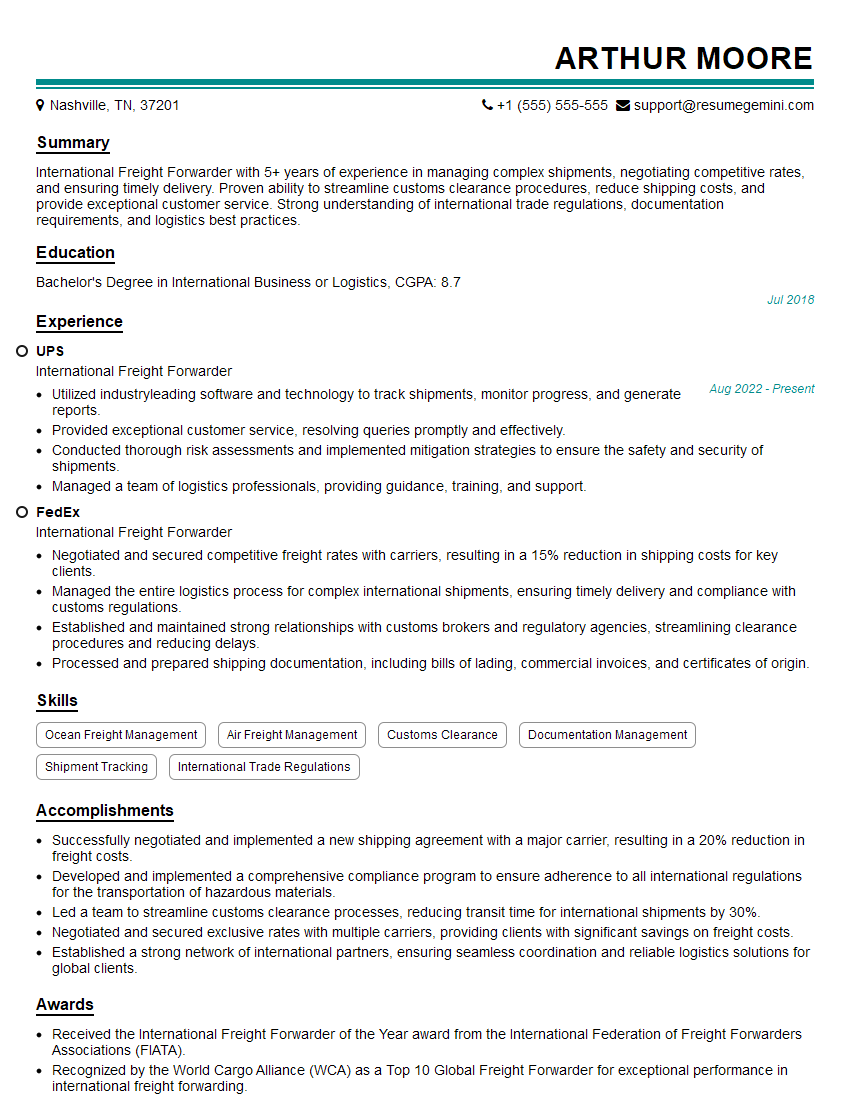
International Freight Forwarder Resume Sample
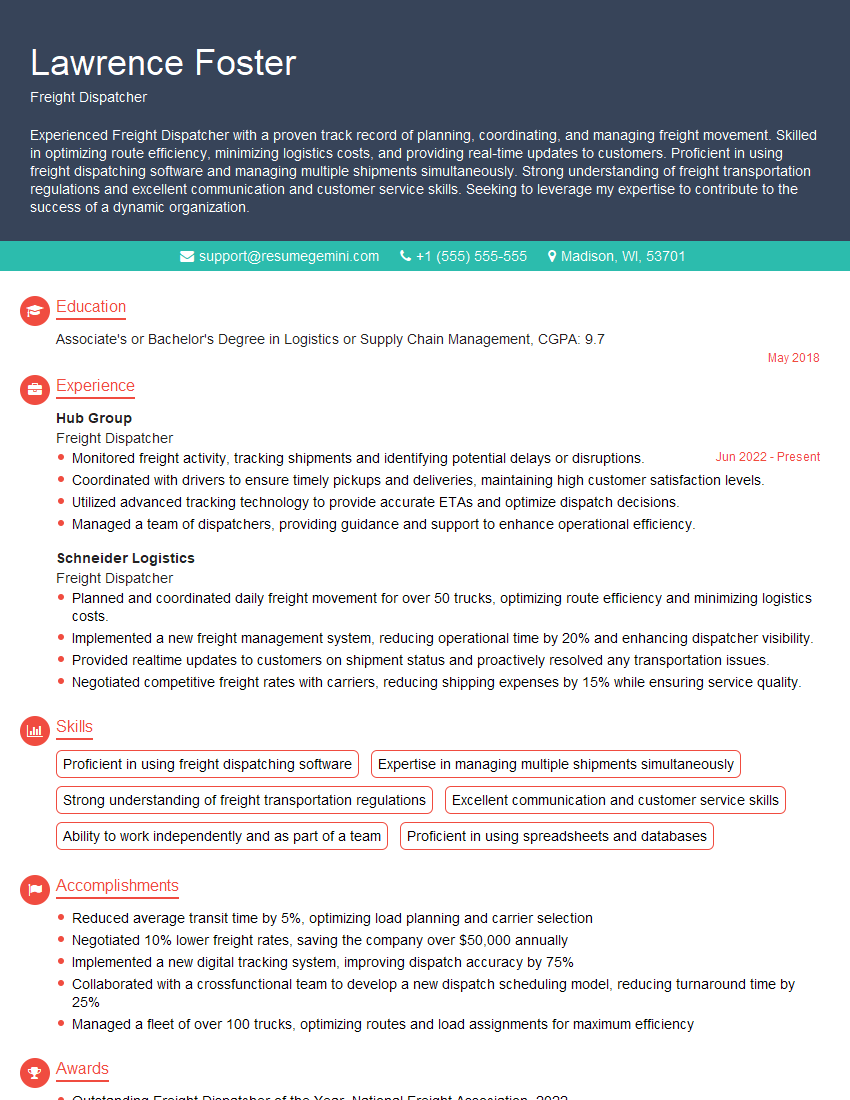
Freight Dispatcher Resume Sample
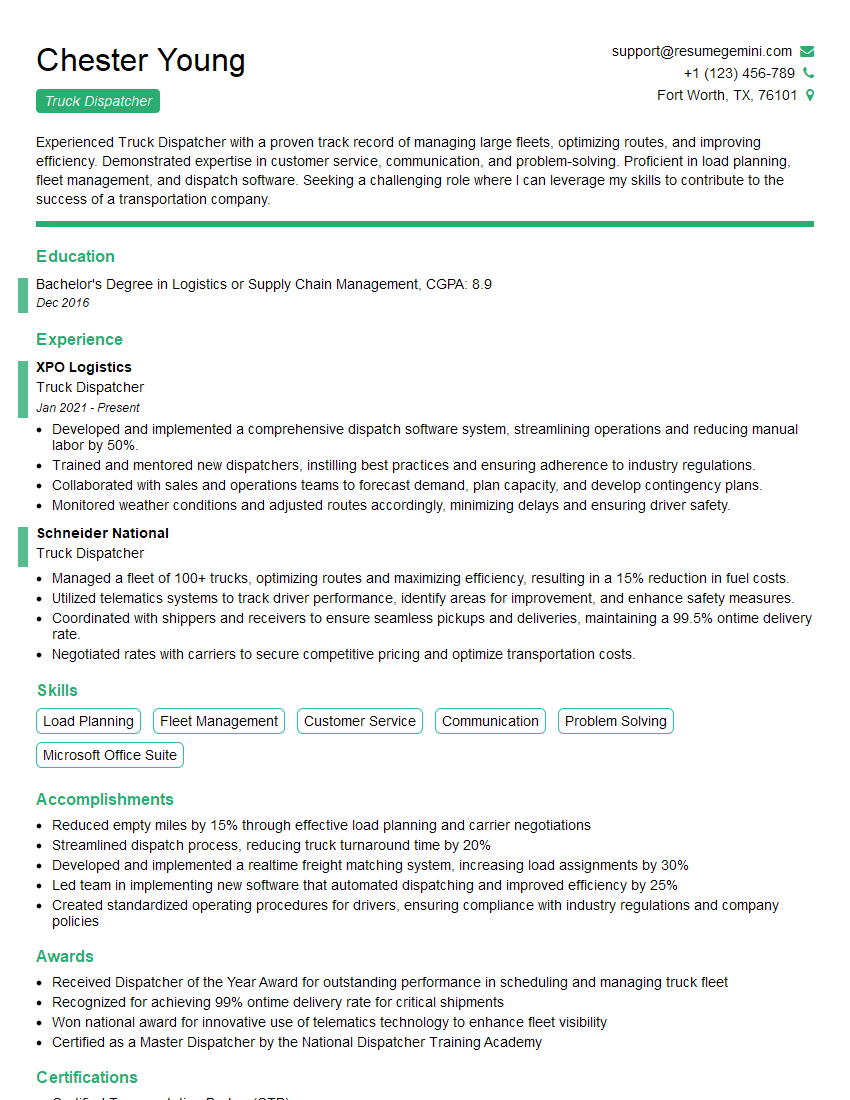
Truck Dispatcher Resume Sample
- Operations Manager
- Supply Chain Manager
- Transportation Manager
- Warehouse Manager
- Fleet Manager
- Transportation Broker
- Transportation Specialist
- Distribution Manager
- Shipping Coordinator
- Logistics Coordinator
- Logistics Analyst
- Supply Chain Analyst
- Customs Broker
- Freight Broker
- Domestic Freight Forwarder
- International Freight Forwarder
- Freight Dispatcher
- Truck Dispatcher
Explore more articles
Users Rating of Our Blogs
Share Your Experience
We value your feedback! Please rate our content and share your thoughts (optional).
What Readers Say About Our Blog
Attention music lovers!
Wow, All the best Sax Summer music !!!
Spotify: https://open.spotify.com/artist/6ShcdIT7rPVVaFEpgZQbUk
Apple Music: https://music.apple.com/fr/artist/jimmy-sax-black/1530501936
YouTube: https://music.youtube.com/browse/VLOLAK5uy_noClmC7abM6YpZsnySxRqt3LoalPf88No
Other Platforms and Free Downloads : https://fanlink.tv/jimmysaxblack
on google : https://www.google.com/search?q=22+AND+22+AND+22
on ChatGPT : https://chat.openai.com?q=who20jlJimmy20Black20Sax20Producer
Get back into the groove with Jimmy sax Black
Best regards,
Jimmy sax Black
www.jimmysaxblack.com
Hi I am a troller at The aquatic interview center and I suddenly went so fast in Roblox and it was gone when I reset.
Hi,
Business owners spend hours every week worrying about their website—or avoiding it because it feels overwhelming.
We’d like to take that off your plate:
$69/month. Everything handled.
Our team will:
Design a custom website—or completely overhaul your current one
Take care of hosting as an option
Handle edits and improvements—up to 60 minutes of work included every month
No setup fees, no annual commitments. Just a site that makes a strong first impression.
Find out if it’s right for you:
https://websolutionsgenius.com/awardwinningwebsites
Hello,
we currently offer a complimentary backlink and URL indexing test for search engine optimization professionals.
You can get complimentary indexing credits to test how link discovery works in practice.
No credit card is required and there is no recurring fee.
You can find details here:
https://wikipedia-backlinks.com/indexing/
Regards
NICE RESPONSE TO Q & A
hi
The aim of this message is regarding an unclaimed deposit of a deceased nationale that bears the same name as you. You are not relate to him as there are millions of people answering the names across around the world. But i will use my position to influence the release of the deposit to you for our mutual benefit.
Respond for full details and how to claim the deposit. This is 100% risk free. Send hello to my email id: lukachachibaialuka@gmail.com
Luka Chachibaialuka
Hey interviewgemini.com, just wanted to follow up on my last email.
We just launched Call the Monster, an parenting app that lets you summon friendly ‘monsters’ kids actually listen to.
We’re also running a giveaway for everyone who downloads the app. Since it’s brand new, there aren’t many users yet, which means you’ve got a much better chance of winning some great prizes.
You can check it out here: https://bit.ly/callamonsterapp
Or follow us on Instagram: https://www.instagram.com/callamonsterapp
Thanks,
Ryan
CEO – Call the Monster App
Hey interviewgemini.com, I saw your website and love your approach.
I just want this to look like spam email, but want to share something important to you. We just launched Call the Monster, a parenting app that lets you summon friendly ‘monsters’ kids actually listen to.
Parents are loving it for calming chaos before bedtime. Thought you might want to try it: https://bit.ly/callamonsterapp or just follow our fun monster lore on Instagram: https://www.instagram.com/callamonsterapp
Thanks,
Ryan
CEO – Call A Monster APP
To the interviewgemini.com Owner.
Dear interviewgemini.com Webmaster!
Hi interviewgemini.com Webmaster!
Dear interviewgemini.com Webmaster!
excellent
Hello,
We found issues with your domain’s email setup that may be sending your messages to spam or blocking them completely. InboxShield Mini shows you how to fix it in minutes — no tech skills required.
Scan your domain now for details: https://inboxshield-mini.com/
— Adam @ InboxShield Mini
support@inboxshield-mini.com
Reply STOP to unsubscribe
Hi, are you owner of interviewgemini.com? What if I told you I could help you find extra time in your schedule, reconnect with leads you didn’t even realize you missed, and bring in more “I want to work with you” conversations, without increasing your ad spend or hiring a full-time employee?
All with a flexible, budget-friendly service that could easily pay for itself. Sounds good?
Would it be nice to jump on a quick 10-minute call so I can show you exactly how we make this work?
Best,
Hapei
Marketing Director
Hey, I know you’re the owner of interviewgemini.com. I’ll be quick.
Fundraising for your business is tough and time-consuming. We make it easier by guaranteeing two private investor meetings each month, for six months. No demos, no pitch events – just direct introductions to active investors matched to your startup.
If youR17;re raising, this could help you build real momentum. Want me to send more info?
Hi, I represent an SEO company that specialises in getting you AI citations and higher rankings on Google. I’d like to offer you a 100% free SEO audit for your website. Would you be interested?
Hi, I represent an SEO company that specialises in getting you AI citations and higher rankings on Google. I’d like to offer you a 100% free SEO audit for your website. Would you be interested?