The thought of an interview can be nerve-wracking, but the right preparation can make all the difference. Explore this comprehensive guide to Knowledge of traceability and documentation best practices interview questions and gain the confidence you need to showcase your abilities and secure the role.
Questions Asked in Knowledge of traceability and documentation best practices Interview
Q 1. Explain the importance of traceability in a regulated environment.
Traceability in a regulated environment, such as aerospace, medical devices, or pharmaceuticals, is paramount. It’s the ability to demonstrate the complete history of an item, process, or document, from its origin to its final disposition. This is crucial because regulations often mandate detailed records to ensure quality, safety, and compliance. Without robust traceability, investigations into failures or non-conformances become nearly impossible, potentially leading to significant financial penalties, reputational damage, and even safety risks.
Imagine a medical device recall. If you can’t trace the specific batch of components used in a faulty device back to their origin, you can’t isolate the root cause and prevent similar failures. Traceability ensures accountability and allows for corrective actions. It’s a cornerstone of quality management systems (QMS) like ISO 9001 and ISO 13485.
Q 2. Describe different traceability matrices and when to use each.
Several traceability matrices exist, each serving a specific purpose. The choice depends on the project’s complexity and the information needed.
- Requirement Traceability Matrix (RTM): This links requirements to design specifications, code modules, and test cases. It’s fundamental in demonstrating that all requirements are addressed and tested. Example: Requirement ‘User shall be able to login’ is traced to design specification ‘Login form with username/password fields’, code module ‘LoginAuthentication.java’, and test case ‘TC_001_SuccessfulLogin’.
- Design Traceability Matrix: This maps high-level design elements to lower-level components and ensures design consistency. Example: A system architecture diagram is traced to individual module designs and specifications.
- Test Traceability Matrix: This connects test cases to specific requirements, ensuring complete test coverage. It can be part of an RTM or a standalone document.
- Cross-Reference Matrix: A general-purpose matrix linking various artifacts like requirements, design, code, and tests. It provides a broader overview of traceability relationships.
The choice depends on the project’s scale and the specific traceability needs. Smaller projects might use a combined RTM and test traceability matrix, while larger projects may need separate matrices for different aspects.
Q 3. How do you ensure traceability throughout the software development lifecycle (SDLC)?
Ensuring traceability throughout the SDLC requires a proactive and systematic approach. It starts with clear requirements documentation and continues through each phase:
- Requirements Gathering: Clearly define, document, and uniquely identify requirements using a numbering system (e.g., REQ-001).
- Design: Link design artifacts (diagrams, specifications) to the corresponding requirements using cross-references or a dedicated traceability matrix.
- Implementation: Code comments should explicitly link code sections to design elements and requirements. Using a version control system (VCS) like Git is crucial to track changes.
- Testing: Each test case should explicitly reference the requirement(s) it is designed to verify. Test results should be documented and linked back to the test cases and the related requirements.
- Deployment & Maintenance: Release notes and change logs should track all modifications, linking them back to the originating requirements or bug reports. This ensures that every change is traceable to its reason and impact.
Tools such as requirements management systems (RMS) can automate some aspects of traceability, simplifying the process and improving accuracy.
Q 4. What are some common challenges in maintaining traceability, and how do you address them?
Common challenges in maintaining traceability include:
- Lack of tools and processes: Without proper tools and established processes, traceability often becomes a manual and error-prone task.
- Poorly defined requirements: Ambiguous or incomplete requirements make linking artifacts challenging.
- Inadequate documentation: Insufficient documentation and inconsistent naming conventions create gaps in traceability.
- Lack of training and awareness: Team members might not understand the importance of traceability or the proper methods for maintaining it.
- Changes in scope: Late changes can disrupt traceability links unless managed carefully.
Addressing these challenges requires:
- Implementing a robust traceability management system: Select appropriate tools (RMS, VCS) and establish clear processes.
- Providing training and education: Educate the team on traceability best practices.
- Using version control for all documents: Track changes and allow rollback if needed.
- Enforcing consistent documentation practices: Use standardized templates and naming conventions.
- Regularly auditing traceability: Periodically check the completeness and accuracy of traceability links.
Q 5. Explain your experience with document control systems.
I have extensive experience with document control systems, both proprietary and open-source. I’ve used systems such as SharePoint, Confluence, and Documentum. My experience includes:
- Document creation and version control: Using the system’s features to create, manage, and track document revisions.
- Workflow management: Setting up approval processes and routing documents for review and sign-off.
- Access control: Implementing security measures to restrict access to sensitive documents based on roles and permissions.
- Document search and retrieval: Utilizing the system’s search capabilities to efficiently locate documents based on keywords, metadata, or other criteria.
- Auditing and reporting: Generating reports on document changes, approval history, and access logs.
I’m proficient in selecting the right system based on project needs and integrating it with other tools within the development lifecycle.
Q 6. How do you ensure the accuracy and completeness of documentation?
Ensuring the accuracy and completeness of documentation requires a multifaceted approach:
- Clear and concise writing: Documentation should be easy to understand and avoid technical jargon where possible.
- Regular reviews and updates: Documents should be reviewed and updated as needed to reflect changes in the project or system.
- Peer reviews: Having colleagues review documents for accuracy and completeness is crucial before final approval.
- Template usage: Consistent use of templates ensures uniformity and reduces errors.
- Version control: Tracking changes using a version control system allows for easy rollback and comparison of different versions.
- Automated checks: Use automated tools to check for inconsistencies or errors (e.g., style checkers, spell checkers).
- Defined approval processes: Establish formal approval procedures to ensure that documents are reviewed and signed off by the appropriate personnel before release.
A rigorous review process and commitment to accuracy are essential for maintaining the integrity of the documentation.
Q 7. Describe your experience with version control systems for documents.
My experience with version control systems for documents is extensive, primarily using Git. I’ve utilized Git for managing both code and documentation. This includes:
- Branching and merging: Creating branches for parallel work and merging changes seamlessly.
- Commit messages: Writing clear and concise commit messages explaining the purpose of each change.
- Conflict resolution: Resolving merge conflicts efficiently and effectively.
- Tagging: Using tags to mark important milestones, like releases or specific versions of documents.
- Collaboration: Using Git’s collaborative features to work with other team members on documentation.
While Git is primarily for code, its powerful branching and merging capabilities make it a very suitable choice for managing documentation in teams, especially when dealing with multiple authors or significant revisions. I’ve also utilized other systems like SVN in the past, but prefer Git for its flexibility and collaborative features.
Q 8. How do you handle conflicting versions of documents?
Managing conflicting document versions requires a robust version control system. Think of it like tracking changes to a collaborative document; you wouldn’t want everyone working on the same file simultaneously and creating chaos. Instead, we use a system that tracks every change, allowing us to revert to previous versions if needed and clearly see who made which edits.
- Version Control Systems (VCS): Tools like Git, SVN, or even simpler file versioning within Microsoft Office suites are essential. Each version is uniquely identified, allowing us to compare, merge, and revert to specific points in the document’s history.
- Clear Versioning Policy: A formal policy defines how versions are named (e.g., using dates, revision numbers), how conflicts are resolved (e.g., through collaborative review and merging), and what constitutes a final approved version.
- Conflict Resolution Process: This involves a clear procedure for identifying conflicting changes, comparing versions, and either merging the changes or choosing the correct version based on input from relevant stakeholders. This often involves discussions and possibly a formal review process.
For example, if two engineers are simultaneously updating a technical specification, the VCS will detect the conflict when they try to merge their changes. We’d then compare their revisions and discuss any discrepancies, ensuring the final document integrates the best parts of each.
Q 9. How do you ensure that documentation is accessible and easily understandable?
Ensuring accessible and understandable documentation is paramount. It’s not enough to just have the information; it needs to be readily available and easily digestible by the intended audience. Think of it like writing a user manual – nobody wants to read 100 pages of technical jargon!
- Plain Language: Avoid technical jargon unless absolutely necessary. If you must use technical terms, define them clearly. Imagine explaining a complex concept to your grandmother – that’s the level of simplicity we aim for.
- Structured Format: Use headings, subheadings, bullet points, and numbered lists to break up large chunks of text. This makes the information scannable and easier to navigate.
- Visual Aids: Incorporate diagrams, charts, and screenshots to enhance comprehension. A picture is worth a thousand words, as the saying goes.
- Targeted Audience: Tailoring the language and level of detail to the specific reader’s technical expertise is critical. A document for engineers will differ significantly from one intended for executives.
- Accessibility Features: Ensure the documents are accessible to users with disabilities. This includes using appropriate font sizes, sufficient color contrast, and alt text for images.
For instance, instead of saying “Implement the algorithmic subroutine for optimizing network latency,” we’d write “Improve network speed by using a special program.”
Q 10. What methods do you use to validate the accuracy of documentation?
Validating documentation accuracy is a crucial step, much like proofreading a crucial document before submission. We can’t rely solely on the author’s expertise; we need a multi-pronged approach.
- Peer Reviews: Having colleagues review the document for accuracy, clarity, and completeness is a fundamental check. Fresh eyes can often catch mistakes the author might miss.
- Cross-Referencing: Comparing the document against source data, such as requirements documents, design specifications, or test results, is key. This ensures consistency and prevents discrepancies.
- Testing and Validation: For procedural documents, ensuring the described processes are tested and validated against real-world scenarios helps to catch any inaccuracies or omissions.
- Data Verification: Where data is presented, verifying its accuracy against original sources and using appropriate data validation techniques is vital. Using checksums or other data integrity checks can help ensure data fidelity.
For example, a software specification document would be validated by comparing the described functionality with the actual code implementation. Testing and peer reviews would then ensure those specifications accurately reflect the final product.
Q 11. Describe your experience with traceability tools and technologies.
My experience with traceability tools and technologies spans several systems. I’ve worked with both specialized traceability management systems and integrated solutions within broader ALM (Application Lifecycle Management) platforms.
- Specialized Traceability Tools: These tools provide dedicated functionalities for linking requirements, designs, code, test cases, and other artifacts throughout the development lifecycle. Examples include DOORS, Jama, and Polarion.
- ALM Platforms: Many ALM platforms, such as Jira and Azure DevOps, integrate traceability capabilities. This allows for a more holistic view of the development process, connecting different aspects of the project within a single platform.
- Version Control Systems (VCS): Tools like Git are crucial for tracking changes to documentation and code, providing a fundamental level of traceability through commit messages and version history.
In past projects, I’ve leveraged DOORS for managing complex system requirements and linking them to design documents and test results. The tool’s matrix views were particularly helpful in visualizing traceability relationships and identifying gaps.
Q 12. How do you ensure traceability in a collaborative environment?
Maintaining traceability in a collaborative environment is challenging but crucial. It requires clear communication, defined roles, and the right tools.
- Centralized Repository: Using a shared repository for all project documentation ensures everyone works from the same source and reduces confusion from conflicting versions.
- Version Control: As discussed before, version control is essential for tracking changes and resolving conflicts.
- Clear Communication and Collaboration Tools: Regular team meetings, using collaborative editing tools, and employing a robust communication strategy keeps everyone on the same page.
- Traceability Matrix: Creating and maintaining a traceability matrix explicitly shows the relationships between artifacts. This offers a visual representation and aids in identifying gaps.
- Defined Roles and Responsibilities: Clear roles define who is responsible for updating which documents, ensuring accountability and consistency.
Imagine a team developing software using Agile methodologies. Using Jira, each task can be linked to specific requirements and test cases. This allows easy tracking of how progress on a task impacts different aspects of the project.
Q 13. Explain the relationship between traceability and risk management.
Traceability is intrinsically linked to risk management. It provides the visibility needed to effectively identify, assess, and mitigate risks.
- Identifying Risks: By tracing requirements to design and implementation, gaps or inconsistencies can be identified early, potentially revealing potential risks.
- Assessing Risks: Traceability allows for better risk assessment. If a requirement change impacts multiple design components and test cases, the potential impact is clearer.
- Mitigating Risks: The traceability chain allows for effective mitigation strategies. If a risk is identified, the affected components can be quickly located and addressed.
- Impact Analysis: Traceability helps perform impact analyses—assessing how changes in one part of the system might affect other areas.
For example, if a change is made to a key requirement, traceability will allow us to quickly determine which parts of the system are affected and assess if that change introduces any risks. This enables us to take proactive measures to mitigate those risks.
Q 14. How do you ensure traceability when dealing with complex systems?
Traceability in complex systems requires a more structured and systematic approach. The sheer number of components and relationships necessitates a rigorous process.
- Modular Approach: Breaking down the system into smaller, manageable modules allows for more focused traceability within each module.
- Hierarchical Traceability: Implementing a hierarchical structure, from high-level requirements down to specific design elements and code, clarifies relationships.
- Automated Traceability Tools: Leveraging advanced traceability tools with automated linking capabilities is crucial for managing the complexity.
- Formal Traceability Management Plan: A well-defined plan outlines the traceability requirements, tools, and procedures to be followed.
- Regular Traceability Reviews: Frequent reviews identify gaps and inconsistencies in the traceability chain, ensuring its integrity.
Imagine tracing requirements for a large aerospace system. Using a specialized tool like DOORS, we could establish a hierarchical structure, linking high-level system requirements to subsystem requirements, component designs, test plans, and even individual lines of code. Automated reports would help ensure complete traceability and aid in impact assessments.
Q 15. What is your experience with audit trails and their role in traceability?
Audit trails are chronological records of actions performed on a system or document. They’re fundamental to traceability because they provide a verifiable history, allowing us to trace changes, identify the responsible party, and understand the rationale behind modifications. Think of it like a detective’s case file – every step is recorded, providing a clear picture of the entire process. In my experience, robust audit trails are essential for regulatory compliance (like FDA 21 CFR Part 11 or ISO 9001), troubleshooting issues, and preventing unauthorized changes. For instance, in a pharmaceutical manufacturing context, an audit trail of equipment settings and batch processing is crucial for product quality and safety verification. I’ve personally used audit trail systems in various projects involving software development, data management, and manufacturing process control, and they consistently proved invaluable in resolving discrepancies, demonstrating regulatory adherence and streamlining investigations.
For example, if a critical software bug surfaces, the audit trail allows us to quickly trace the introduction of the problematic code back to a specific developer and commit, enabling rapid remediation. Similarly, in a data management scenario, it helps establish the accuracy of data by reconstructing the chain of events leading to its current state, from data source to final analysis.
Career Expert Tips:
- Ace those interviews! Prepare effectively by reviewing the Top 50 Most Common Interview Questions on ResumeGemini.
- Navigate your job search with confidence! Explore a wide range of Career Tips on ResumeGemini. Learn about common challenges and recommendations to overcome them.
- Craft the perfect resume! Master the Art of Resume Writing with ResumeGemini’s guide. Showcase your unique qualifications and achievements effectively.
- Don’t miss out on holiday savings! Build your dream resume with ResumeGemini’s ATS optimized templates.
Q 16. How do you prioritize traceability efforts when working under tight deadlines?
Prioritizing traceability under tight deadlines requires a strategic approach. I typically focus on identifying the most critical aspects of the project – usually those with the highest risk of failure or non-compliance. This might involve a risk assessment to identify potential failure points. Then, I establish a tiered system for traceability implementation. High-priority items, such as safety-critical components or regulatory requirements, get prioritized for comprehensive traceability, which might include detailed documentation, version control, and robust audit trails. Less critical aspects might receive simpler traceability methods. Think of it like a triage system in a hospital – the most urgent cases get immediate attention. This approach ensures that the most important aspects are fully traceable, even under pressure, while also acknowledging the limitations of time.
For example, in a software development project with tight deadlines, we might prioritize traceability of core functionalities and critical user stories, potentially sacrificing detailed traceability for less impactful features. This could involve using lightweight methods like issue tracking system linkages instead of overly detailed documentation for lower priority tasks.
Q 17. Describe your experience implementing traceability in a new project.
Implementing traceability in a new project begins with careful planning. It’s not something you can just bolt on at the end. I start by defining clear traceability requirements based on project goals, regulatory needs, and stakeholder expectations. This includes determining the types of artifacts to be tracked (requirements, design documents, code, test results, etc.), the relationships between them, and the level of detail needed. I then select appropriate tools and technologies – this could range from simple spreadsheets for small projects to dedicated traceability management systems for larger, more complex endeavors. Next, I integrate traceability into the development lifecycle, usually by incorporating it into existing workflows. This might involve training the development team on proper documentation practices, defining specific traceability requirements within the project management software, and adopting version control systems for all project documents and code. This isn’t merely about creating documentation; it’s about establishing a system where traceability is an integral part of the development process itself. After implementing the system, continuous monitoring and improvement are key to ensuring its effectiveness.
For instance, in a recent medical device development project, we used a requirements management tool to link requirements to design documents, code modules, test cases, and regulatory submissions. This allowed for complete end-to-end traceability, demonstrating compliance and facilitating rapid investigation of any reported issues.
Q 18. How do you integrate traceability into the development process?
Integrating traceability into the development process is crucial for its success. It’s not an add-on; it’s a core element. It starts with defining a clear traceability matrix, outlining which artifacts need to be linked and how. This matrix is then incorporated into the project management methodology, such as Agile or Waterfall. In Agile, traceability can be managed using tools like Jira, linking user stories to tasks, code commits, and test results. In Waterfall, it might involve meticulous document control, cross-referencing, and version control. Furthermore, training is essential – the team needs to understand why traceability is vital and how to implement it effectively. Regular reviews and audits help maintain and improve the traceability system. Using a consistent naming convention, employing version control systems, and documenting all changes (with audit trails) is also paramount. Continuous improvement is essential, regularly reviewing and adapting the process based on lessons learned.
For example, in an Agile project I was involved in, we used Jira to link each user story to the relevant code commits, test cases, and bug reports. This ensured that every requirement was tracked throughout the entire development cycle.
Q 19. What are some key metrics you use to measure the effectiveness of traceability?
Measuring the effectiveness of traceability involves using key metrics to assess its completeness, accuracy, and efficiency. Key metrics include:
- Traceability completeness: Percentage of artifacts successfully linked to their related items. This tells us how much of the project’s workflow is actually documented and linked. A higher percentage indicates better traceability.
- Traceability accuracy: Percentage of links that are correctly established and maintained. This ensures that the traceability information is not only complete but also correct. Inaccurate information can lead to wasted time and effort in tracking issues.
- Traceability efficiency: Time taken to establish and maintain traceability links. This helps us assess the efficiency of our chosen methods and identifies potential areas for improvement in our processes. The goal is to ensure that traceability does not overburden the development process.
- Defect detection rate: Number of defects found due to effective traceability. By comparing this rate across projects with and without effective traceability, we can quantify the benefits of a well-implemented system.
- Time spent on troubleshooting: The time taken to resolve issues and bugs. Effective traceability should reduce this time significantly by enabling faster identification of root causes.
These metrics provide a quantitative assessment of how well the traceability system is functioning and guide improvements. Regular monitoring and analysis of these metrics is critical for ongoing improvement.
Q 20. How do you handle traceability challenges in legacy systems?
Traceability in legacy systems presents unique challenges because these systems often lack proper documentation and integrated traceability mechanisms. The approach involves a combination of reverse engineering, careful analysis, and potentially some creative solutions. I usually begin by thoroughly examining existing documentation, code, and system behavior to try and understand the relationships between different components. This might involve interviewing stakeholders and users to gather insights into the system’s history and intended functionality. I then assess the feasibility of adding traceability features to the existing system. This could involve integrating existing tools or developing custom solutions. If enhancing the legacy system directly is not feasible, creating a separate traceability layer can be considered. This layer could map the existing system’s components to their corresponding requirements and other artifacts, building a surrogate traceability model. Prioritization is crucial – focus first on critical components and functionalities with the highest risk and regulatory significance.
For example, I once worked on a project where we had to retrofit traceability to a large, aging manufacturing system. We used a combination of data mining, existing documentation and interviews to build a partial traceability model, and focused on the parts directly impacting safety and regulatory compliance.
Q 21. Describe your experience with different documentation formats (e.g., Word, PDF, Wiki).
My experience encompasses a range of documentation formats, each with its own strengths and weaknesses. Microsoft Word is versatile and widely used but can be problematic for collaborative editing and version control. PDFs are excellent for archiving and distribution but are less suitable for collaborative work and modification. Wikis, like Confluence or internal wikis, excel in collaborative editing and version history management but might require specific software and access control considerations. I select the appropriate format based on project needs and team preferences. For instance, for collaborative design documents, I would favor a wiki for its collaborative and versioning features. For final deliverable reports or regulatory submissions, PDF is often a preferred choice for its archival and distribution advantages. Consistency is key – maintaining a standard format throughout the project minimizes confusion and improves efficiency. For code, version control systems like Git are indispensable for traceability and collaboration, ensuring a complete history of changes. I always consider factors like security, accessibility, and ease of use when selecting a format.
In a recent project, we used a combination of Word for initial drafts, a wiki for collaborative development, and PDFs for final deliverable documents. This approach utilized the strengths of each format while ensuring clear and effective communication.
Q 22. How do you ensure that documentation meets regulatory requirements?
Ensuring documentation meets regulatory requirements involves a multi-step process that begins with a thorough understanding of the applicable regulations. This might include FDA guidelines for medical devices, ISO standards for quality management, or industry-specific compliance mandates. Once identified, these requirements should be translated into a detailed checklist or template that guides the creation and review of all documentation. This template should specify the necessary information, format, and approval processes.
For example, if dealing with software development, documentation must clearly outline design specifications, test results, and change logs – all verifiable and auditable. Regular audits and internal reviews help maintain compliance, ensuring the documentation remains accurate and up-to-date. Any deviations from the requirements must be documented with justification and approval. Think of it like building a house according to a strict blueprint – every step needs to be documented and inspected to ensure it meets building codes.
Furthermore, training employees on regulatory compliance and documentation best practices is crucial. Regular refresher courses help maintain consistent standards and prevent non-compliance issues.
Q 23. How do you maintain consistency across different documents?
Maintaining consistency across different documents requires a structured approach to documentation management. This starts with defining a style guide that dictates formatting, terminology, and writing style. This style guide should cover everything from font sizes and headings to the consistent use of acronyms and units of measurement. Every document should adhere to this style guide rigorously.
Employing a centralized document repository is key to managing consistency. This repository should use version control to track changes and ensure only the most current version of a document is accessible. Tools like Microsoft SharePoint or dedicated document management systems offer these features. The repository also allows for easy cross-referencing and ensures all documents adhere to the same naming conventions and filing structures. Imagine it as a single source of truth for all your project documentation.
Regular reviews and audits also play a crucial role in maintaining consistency. This ensures that updates are correctly applied across all related documents and that inconsistencies are identified and rectified promptly.
Q 24. Explain the difference between forward traceability and backward traceability.
Forward traceability and backward traceability are two crucial aspects of ensuring a complete audit trail within any project. Forward traceability tracks the flow of information from its origin to its final output. It answers the question: “Where did this requirement go?” For example, tracing a design requirement through to its implementation in code and ultimately its verification in testing.
Backward traceability, on the other hand, traces the flow from the final output back to its origin. It answers the question: “Where did this come from?” Following an error discovered in testing back to its root cause in the design specification is an example of backward traceability. Both are essential for thorough verification and validation, particularly in regulated industries. Think of it like a river – forward traceability follows the water downstream, while backward traceability traces it back to the source.
Q 25. How do you use traceability information to improve future projects?
Traceability information is a goldmine for improving future projects. By analyzing traceability data from completed projects, we can identify recurring issues, bottlenecks, and areas for process improvement. For example, if backward traceability consistently reveals a high number of errors stemming from a particular design phase, it indicates a need for more rigorous review processes in that phase for subsequent projects.
Analyzing forward traceability can reveal inefficiencies in the implementation or testing phases. If a requirement is implemented correctly, but its testing phase reveals significant delays or re-work, it points to a need to streamline the testing process for future endeavors. This data-driven approach to improvement allows us to learn from past experiences and proactively address potential issues in subsequent projects. It’s like using a roadmap to avoid previous pitfalls.
Q 26. What is your experience with using traceability to support investigations or incident reporting?
Traceability is invaluable during investigations or incident reporting. It allows for quick and efficient pinpointing of the root cause of a problem. If a system failure occurs, traceability links the failure back through the development process, pinpointing the faulty component, design decision, or implementation error. This speeds up the resolution process and prevents similar issues from recurring. For example, if a security vulnerability is discovered, backward traceability can identify the specific code module, design flaw, or even a missing security measure during development.
Furthermore, clear traceability provides concrete evidence during audits or regulatory inspections. It allows investigators to readily verify compliance with standards and demonstrate that appropriate measures were taken during development and testing.
Q 27. Describe a situation where poor traceability led to negative consequences.
In a previous project, inadequate traceability led to significant delays and cost overruns during a critical software update. The lack of proper documentation linking requirements to the implemented code resulted in difficulty identifying the source of an unexpected bug. This lack of traceability meant the team had to painstakingly reverse-engineer portions of the code to identify the problem, a process which consumed considerable time and resources. Ultimately, the project was delayed by several weeks and incurred substantial extra costs.
This experience underscores the importance of meticulous documentation and traceability, not only for regulatory compliance but also for efficient problem-solving and cost management.
Q 28. How would you approach improving the traceability of a poorly documented system?
Improving the traceability of a poorly documented system requires a phased approach. First, a comprehensive assessment of the existing documentation is necessary to identify the gaps and areas needing improvement. This would involve reviewing existing documents, code, and any available artifacts.
Next, a traceability matrix should be created, mapping requirements, design specifications, code modules, and test cases. This matrix will serve as the foundation for improving traceability. Tools like spreadsheets or dedicated traceability management software can facilitate this process. We should establish a clear naming convention and version control system for all documents.
Then, we need to implement a process for creating and updating traceability links as the system evolves. This often involves integrating traceability into the development lifecycle, ensuring that every change to the system is properly documented and linked to its associated requirements. Training and education of the team on the importance of and proper implementation of traceability are also essential for long-term success.
Finally, regular audits and reviews are necessary to maintain the integrity and accuracy of the traceability information, ensuring that it remains a valuable tool for managing and improving the system throughout its lifecycle.
Key Topics to Learn for Knowledge of Traceability and Documentation Best Practices Interview
- Understanding Traceability Principles: Defining traceability, its importance in various industries (e.g., manufacturing, software development), and different traceability types (forward, backward).
- Documentation Standards and Formats: Familiarity with common documentation standards (e.g., ISO 9001, GMP), different document types (specifications, procedures, records), and best practices for creating clear, concise, and accurate documentation.
- Practical Application of Traceability: Examples of implementing traceability systems, using version control for documents, and managing document workflows effectively. Consider discussing scenarios involving tracking materials, processes, or changes in a project.
- Data Integrity and Validation: Understanding the importance of data integrity within traceability systems, methods for validating data accuracy, and how to address data inconsistencies or errors.
- Traceability Tools and Technologies: Familiarization with various software tools and technologies used for traceability (e.g., PLM systems, databases), and their applications in different contexts.
- Problem-Solving and Troubleshooting: Analyzing scenarios where traceability systems have failed or are inefficient, and proposing solutions to improve traceability and documentation practices.
- Regulatory Compliance: Understanding how traceability and documentation practices contribute to regulatory compliance within your field. This may include industry-specific regulations and standards.
Next Steps
Mastering knowledge of traceability and documentation best practices is crucial for career advancement in many fields, demonstrating your commitment to quality, efficiency, and compliance. A strong resume is your first step towards showcasing these skills. Creating an ATS-friendly resume significantly increases your chances of getting noticed by recruiters. We recommend using ResumeGemini, a trusted resource, to build a professional and effective resume. Examples of resumes tailored to highlight expertise in traceability and documentation best practices are available to help you craft a compelling application.
QA Manager Resume Sample

Project Manager Resume Sample
Engineering Manager Resume Sample

Compliance Officer Resume Sample
Risk Manager Resume Sample
Regulatory Affairs Specialist Resume Sample
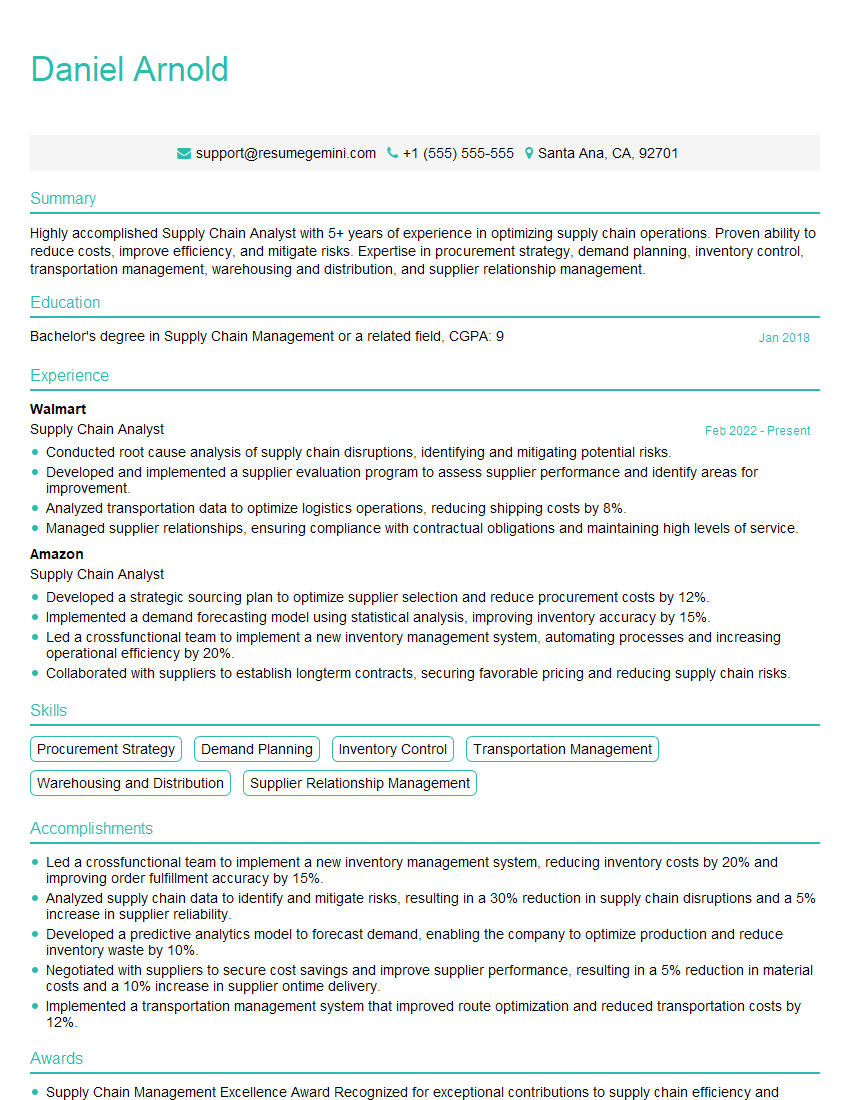
Supply Chain Analyst Resume Sample

Business Analyst Resume Sample
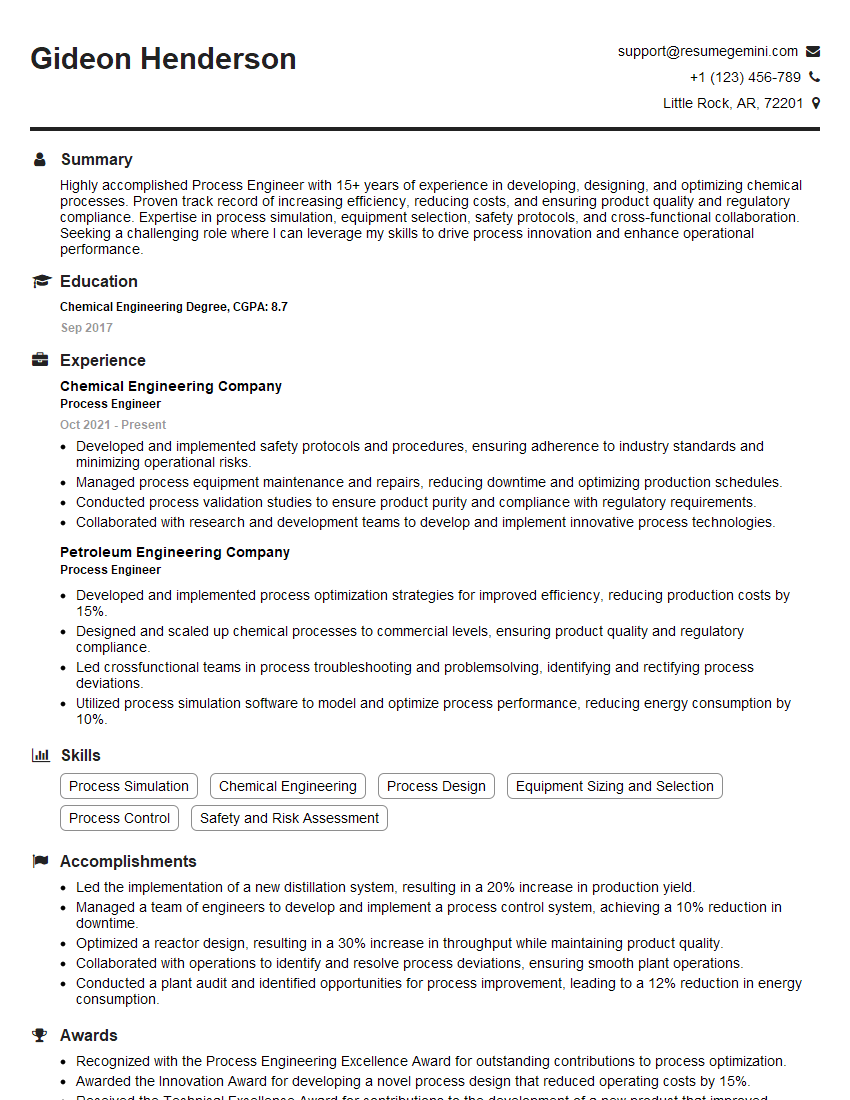
Process Engineer Resume Sample
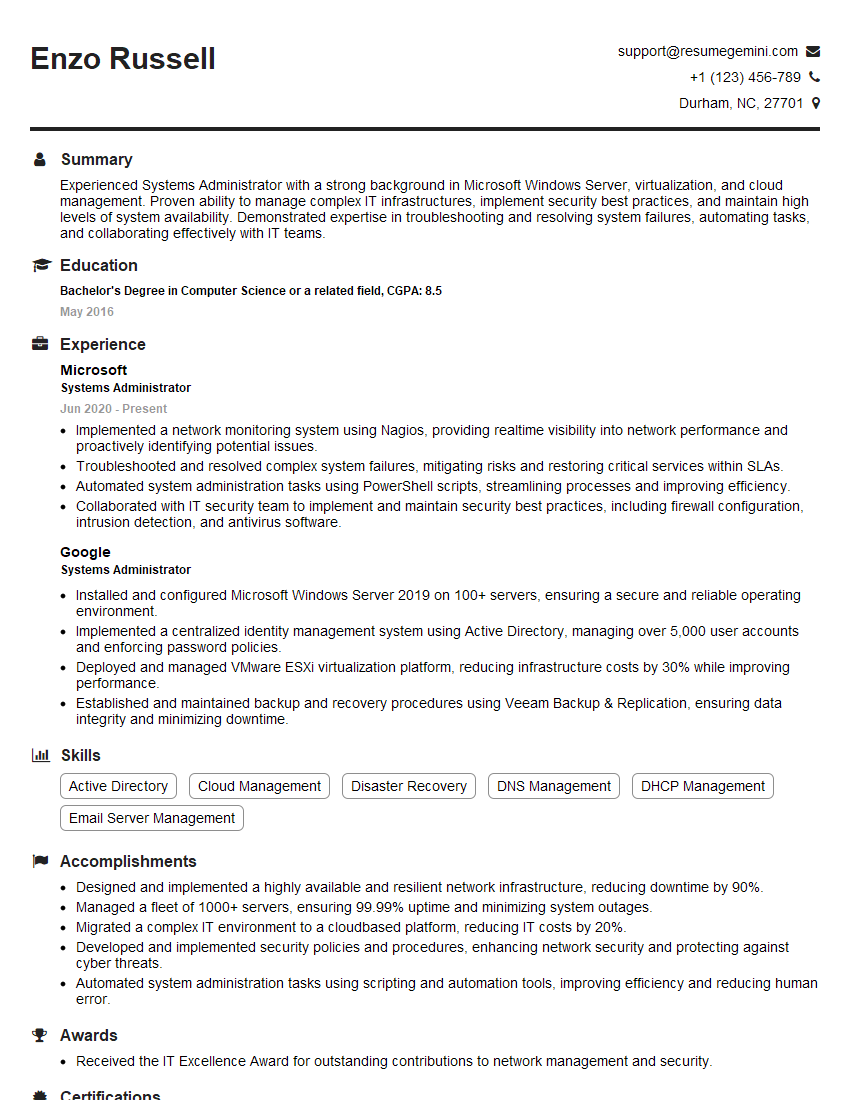
Systems Administrator Resume Sample
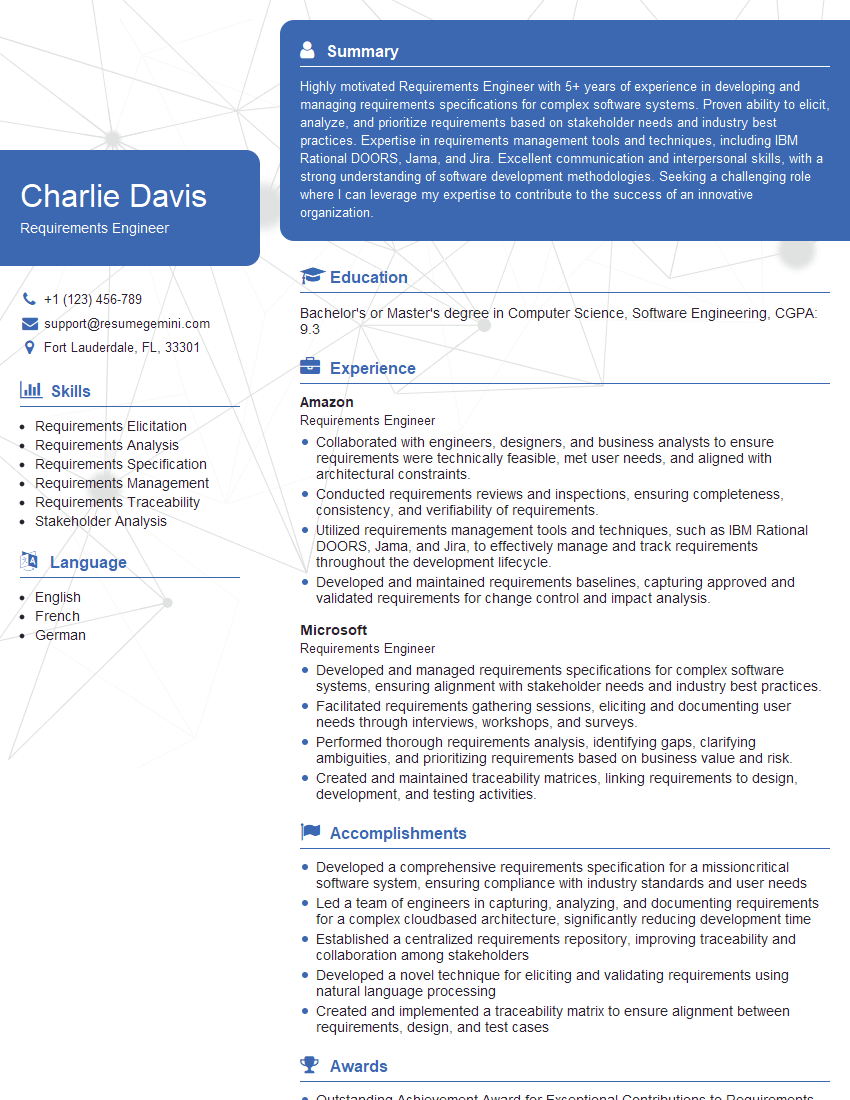
Requirements Engineer Resume Sample
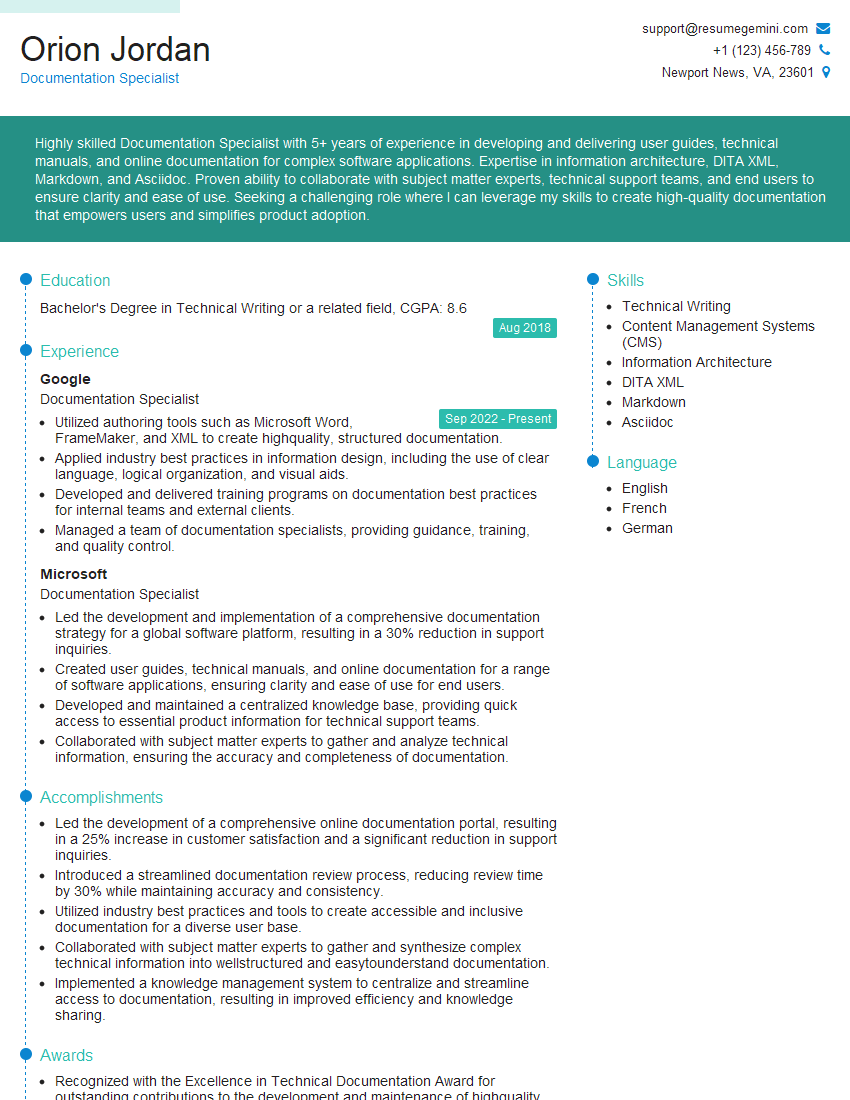
Documentation Specialist Resume Sample
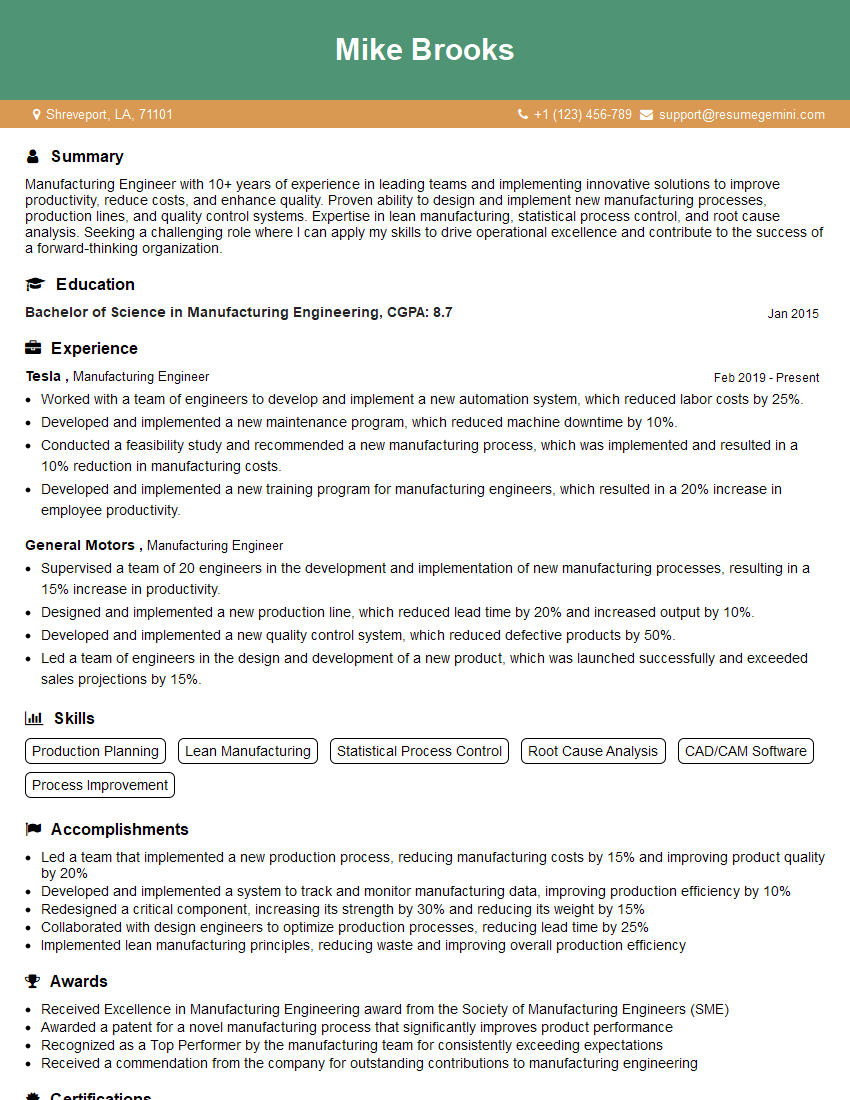
Manufacturing Engineer Resume Sample
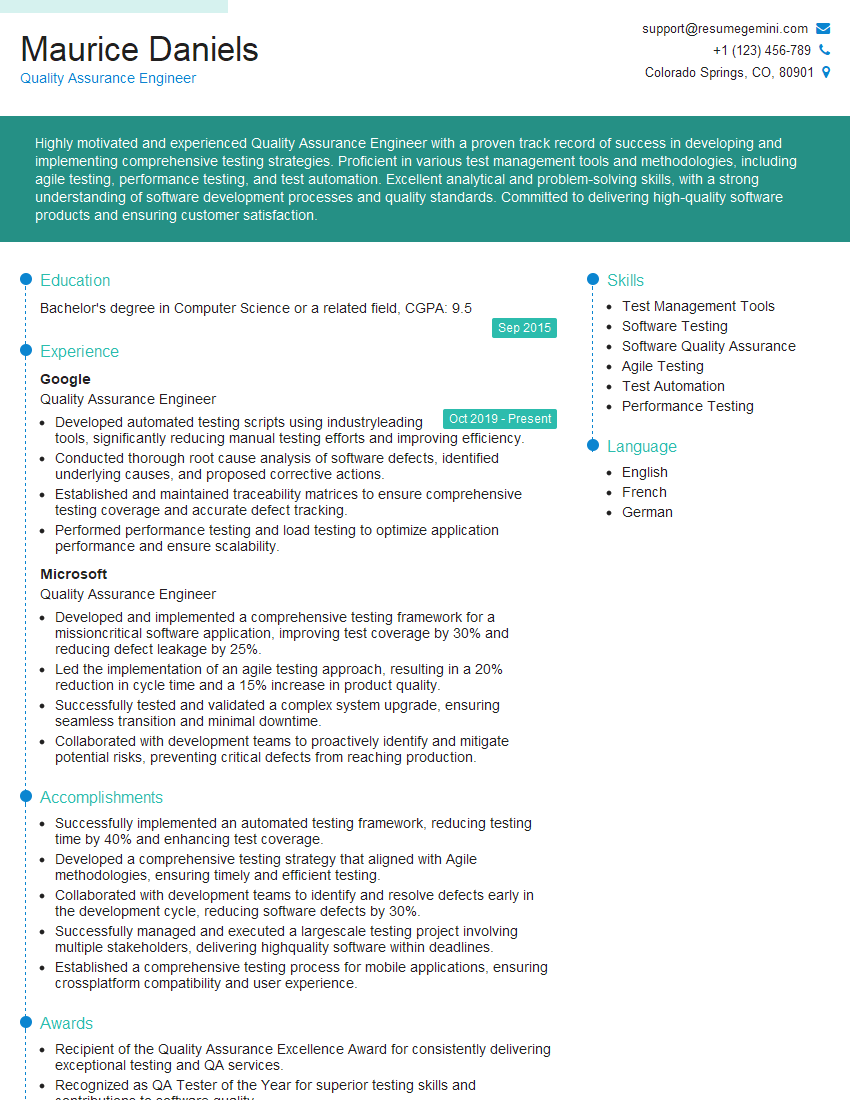
Quality Assurance Engineer Resume Sample
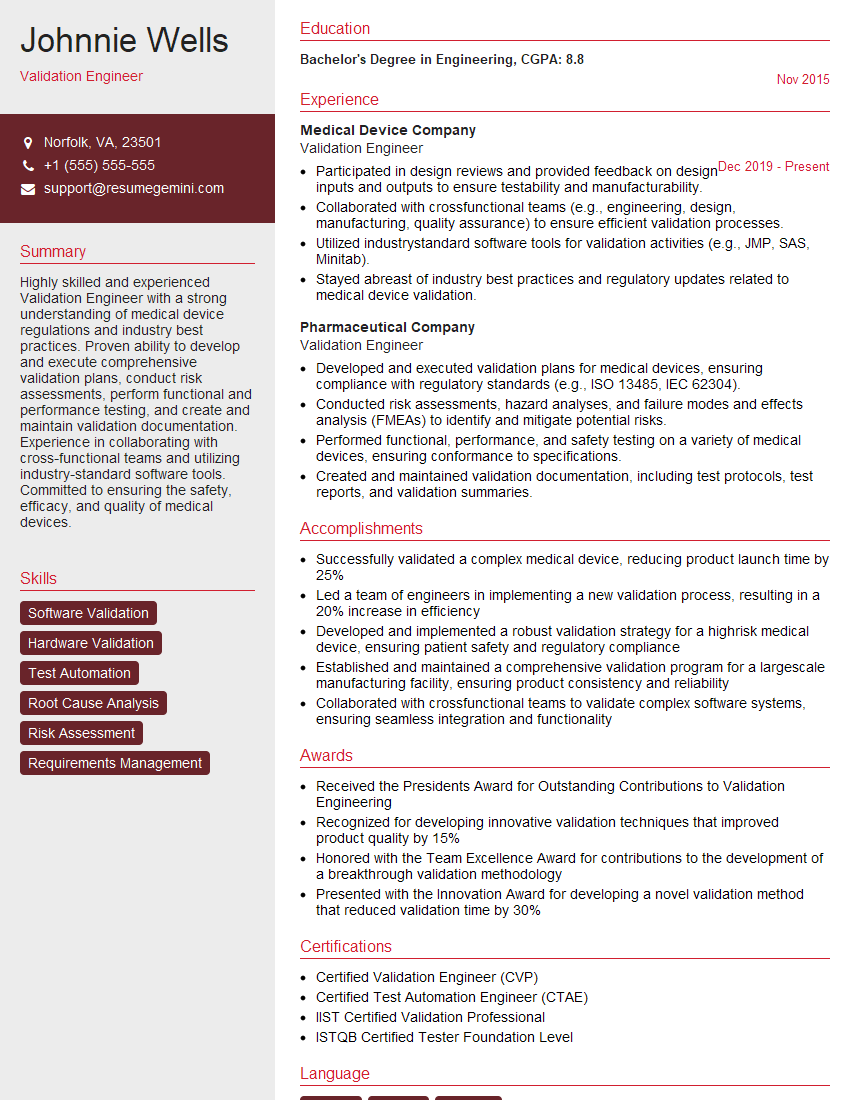
Validation Engineer Resume Sample

Technical Writer Resume Sample
- QA Manager
- Project Manager
- Engineering Manager
- Compliance Officer
- Risk Manager
- Regulatory Affairs Specialist
- Supply Chain Analyst
- Business Analyst
- Process Engineer
- Systems Administrator
- Requirements Engineer
- Documentation Specialist
- Manufacturing Engineer
- Quality Assurance Engineer
- Validation Engineer
- Technical Writer
Explore more articles
Users Rating of Our Blogs
Share Your Experience
We value your feedback! Please rate our content and share your thoughts (optional).
What Readers Say About Our Blog
Hello,
we currently offer a complimentary backlink and URL indexing test for search engine optimization professionals.
You can get complimentary indexing credits to test how link discovery works in practice.
No credit card is required and there is no recurring fee.
You can find details here:
https://wikipedia-backlinks.com/indexing/
Regards
NICE RESPONSE TO Q & A
hi
The aim of this message is regarding an unclaimed deposit of a deceased nationale that bears the same name as you. You are not relate to him as there are millions of people answering the names across around the world. But i will use my position to influence the release of the deposit to you for our mutual benefit.
Respond for full details and how to claim the deposit. This is 100% risk free. Send hello to my email id: [email protected]
Luka Chachibaialuka
Hey interviewgemini.com, just wanted to follow up on my last email.
We just launched Call the Monster, an parenting app that lets you summon friendly ‘monsters’ kids actually listen to.
We’re also running a giveaway for everyone who downloads the app. Since it’s brand new, there aren’t many users yet, which means you’ve got a much better chance of winning some great prizes.
You can check it out here: https://bit.ly/callamonsterapp
Or follow us on Instagram: https://www.instagram.com/callamonsterapp
Thanks,
Ryan
CEO – Call the Monster App
Hey interviewgemini.com, I saw your website and love your approach.
I just want this to look like spam email, but want to share something important to you. We just launched Call the Monster, a parenting app that lets you summon friendly ‘monsters’ kids actually listen to.
Parents are loving it for calming chaos before bedtime. Thought you might want to try it: https://bit.ly/callamonsterapp or just follow our fun monster lore on Instagram: https://www.instagram.com/callamonsterapp
Thanks,
Ryan
CEO – Call A Monster APP
To the interviewgemini.com Owner.
Dear interviewgemini.com Webmaster!
Hi interviewgemini.com Webmaster!
Dear interviewgemini.com Webmaster!
excellent
Hello,
We found issues with your domain’s email setup that may be sending your messages to spam or blocking them completely. InboxShield Mini shows you how to fix it in minutes — no tech skills required.
Scan your domain now for details: https://inboxshield-mini.com/
— Adam @ InboxShield Mini
Reply STOP to unsubscribe
Hi, are you owner of interviewgemini.com? What if I told you I could help you find extra time in your schedule, reconnect with leads you didn’t even realize you missed, and bring in more “I want to work with you” conversations, without increasing your ad spend or hiring a full-time employee?
All with a flexible, budget-friendly service that could easily pay for itself. Sounds good?
Would it be nice to jump on a quick 10-minute call so I can show you exactly how we make this work?
Best,
Hapei
Marketing Director
Hey, I know you’re the owner of interviewgemini.com. I’ll be quick.
Fundraising for your business is tough and time-consuming. We make it easier by guaranteeing two private investor meetings each month, for six months. No demos, no pitch events – just direct introductions to active investors matched to your startup.
If youR17;re raising, this could help you build real momentum. Want me to send more info?
Hi, I represent an SEO company that specialises in getting you AI citations and higher rankings on Google. I’d like to offer you a 100% free SEO audit for your website. Would you be interested?
Hi, I represent an SEO company that specialises in getting you AI citations and higher rankings on Google. I’d like to offer you a 100% free SEO audit for your website. Would you be interested?
good