Interviews are opportunities to demonstrate your expertise, and this guide is here to help you shine. Explore the essential Knowledge of Workplace Safety Practices interview questions that employers frequently ask, paired with strategies for crafting responses that set you apart from the competition.
Questions Asked in Knowledge of Workplace Safety Practices Interview
Q 1. Describe your experience conducting workplace safety audits.
Conducting workplace safety audits involves a systematic evaluation of a company’s safety practices to identify hazards and ensure compliance with regulations. My approach is thorough and multi-faceted, incorporating both quantitative and qualitative data. I begin with a review of existing safety documentation, including policies, procedures, and training records. Then, I conduct a physical walkthrough of the workplace, meticulously observing operations and identifying potential hazards – from trip hazards and inadequate lighting to unsafe equipment operation and improper use of personal protective equipment (PPE). I interview employees at all levels to gain insight into their perceptions of safety, understanding their concerns, and identifying any overlooked issues. Finally, I analyze the collected data, comparing findings against regulatory requirements and industry best practices. This allows me to create a comprehensive report outlining identified hazards, their severity, and recommended corrective actions.
For example, during an audit at a manufacturing facility, I identified a lack of proper lockout/tagout procedures for machinery maintenance, a significant hazard. My report detailed the deficiency, referencing specific OSHA standards, and recommended immediate implementation of a robust lockout/tagout program, including training for all relevant personnel. Another instance involved observing improper handling of hazardous materials, leading to recommendations for updated storage procedures and improved employee training on safe handling techniques.
Q 2. Explain your understanding of OSHA regulations (or relevant local regulations).
My understanding of OSHA regulations (Occupational Safety and Health Administration) is comprehensive. I am familiar with the General Duty Clause, which mandates employers to provide a workplace free from recognized hazards, as well as specific standards addressing various hazards like fall protection (29 CFR 1926 Subpart M), hazard communication (29 CFR 1910.1200), and personal protective equipment (29 CFR 1910 Subpart I). I understand the importance of recordkeeping, including incident reporting and maintaining a detailed injury and illness log. I also understand the process for OSHA inspections, including employee rights and employer responsibilities during an inspection. My knowledge extends to understanding the penalties for non-compliance, and I actively work to prevent violations through proactive safety measures.
I am also knowledgeable in other relevant regulations depending on the industry and location, such as those pertaining to hazardous waste handling (e.g., EPA regulations) or transportation safety (e.g., DOT regulations). Understanding the interplay between different regulatory bodies is crucial to ensuring comprehensive workplace safety.
Q 3. How do you identify and assess workplace hazards?
Identifying and assessing workplace hazards requires a systematic approach combining observation, analysis, and employee input. I employ a multi-pronged strategy beginning with a thorough walkthrough of the work environment, paying close attention to potential hazards that could lead to injuries or illnesses. This includes examining physical aspects like equipment, layout, lighting, and housekeeping, as well as process-related hazards such as chemical handling, noise levels, and ergonomic factors. I then analyze the potential consequences of each hazard, assessing its severity and likelihood of occurrence. A hazard matrix or risk assessment tool can be helpful in this process. Critical to this process is actively involving employees through interviews and focus groups to obtain their perspectives on safety and identify any hazards that may have been overlooked.
For example, during a site visit, observing employees repeatedly bending at awkward angles to retrieve items from low shelves quickly identified an ergonomic risk. A subsequent assessment revealed the likelihood of back injuries, prompting recommendations for adjustable shelving, appropriate lifting techniques training, and the implementation of a workstation ergonomics program.
Q 4. What methods do you use to develop and implement safety programs?
Developing and implementing safety programs requires a structured approach focused on engagement, education, and enforcement. I begin by conducting a comprehensive risk assessment to identify existing and potential hazards. This information forms the basis for developing a tailored safety program that aligns with the specific needs of the organization. The program is then designed to address identified hazards through a mix of engineering controls (e.g., machine guards), administrative controls (e.g., work procedures), and personal protective equipment (PPE). Training is a crucial component, tailored to the specific hazards and the employees’ roles. I also create clear lines of communication and accountability, establishing regular safety meetings, incident reporting procedures, and mechanisms for employee feedback. Regular audits and inspections are incorporated to monitor the program’s effectiveness and make necessary adjustments.
A successful program I developed involved reducing workplace injuries in a construction company by 30% within a year. This was achieved by introducing a robust safety training program focusing on fall protection, hazard communication, and the use of appropriate PPE, coupled with regular safety inspections and strong management commitment.
Q 5. Describe your experience with incident investigation and reporting.
Incident investigation and reporting are crucial for preventing future occurrences. My approach to incident investigation follows a systematic process: I begin by securing the scene (if necessary), gathering factual information without speculation, and interviewing witnesses. I meticulously document all findings, including photographs, sketches, and witness statements. The investigation focuses on identifying the root cause of the incident, not just the immediate cause, which helps prevent future similar events. This information is then used to develop corrective actions and implement preventive measures. Reporting is crucial and I ensure thorough documentation, compliance with reporting regulations (such as OSHA’s 300 log), and communication of findings to relevant personnel.
For instance, investigating a near-miss incident involving a forklift operator revealed a lack of proper training on blind-spot awareness, leading to improved training procedures and enhanced safety protocols for forklift operation.
Q 6. How do you ensure compliance with safety regulations?
Ensuring compliance with safety regulations is an ongoing process, not a one-time event. I use a multi-layered approach that includes proactive measures such as regular safety audits, inspections, and training programs, all designed to prevent violations before they occur. I maintain meticulous records, ensuring accurate and up-to-date documentation of safety policies, procedures, training records, and incident reports. A key aspect is establishing a strong safety culture where employees feel empowered to report hazards and participate in safety improvement initiatives. Responding promptly and effectively to any identified non-compliance issues is also crucial, and this involves creating a plan to address them and then monitoring implementation to ensure the solution is effective and sustainable.
Regularly reviewing the latest updates to regulations is also vital to ensure the organization stays ahead of changes and maintains compliance.
Q 7. Explain your experience with safety training and education programs.
Safety training and education programs are fundamental for a safe and productive workplace. My approach to designing these programs is to make them engaging, relevant, and easily understandable by the target audience. I tailor the content to the specific hazards and tasks within each job role. I incorporate various methods, including classroom training, hands-on demonstrations, interactive simulations, and online modules. Regular refresher training is crucial to maintain knowledge and skills. I also emphasize the importance of continuous learning and encourage employees to participate in safety-related discussions and feedback sessions. Effective training goes beyond simply imparting information; it builds a culture where safety is valued and actively practiced by everyone.
In one instance, I designed a comprehensive training program on lockout/tagout procedures, incorporating both theoretical understanding and practical, hands-on training using mock equipment. This program significantly reduced near-miss incidents and improved employees’ confidence in working safely around potentially hazardous machinery.
Q 8. Describe your experience with emergency response planning and procedures.
Emergency response planning is crucial for minimizing the impact of unforeseen events. My experience involves developing and implementing comprehensive plans encompassing various scenarios, from fire and chemical spills to medical emergencies and natural disasters. This includes identifying potential hazards, establishing clear communication protocols, designating roles and responsibilities, and conducting regular drills and training exercises. For example, in a previous role, I developed a detailed emergency response plan for a manufacturing facility that included evacuation routes, assembly points, and procedures for contacting emergency services. We conducted regular fire drills, ensuring employees were familiar with the plan and their roles, resulting in a significant improvement in overall emergency preparedness.
The procedures involve a multi-stage approach: prevention (through risk assessment and mitigation), preparedness (training, drills, equipment maintenance), response (following established protocols during an event), and recovery (returning to normal operations, reviewing procedures, and making improvements).
Q 9. How do you manage workplace safety risks?
Managing workplace safety risks is a proactive process that starts with a thorough hazard identification. This involves regular workplace inspections, conducting job safety analyses (JSAs), and actively engaging with employees to identify potential hazards. Once identified, risks are assessed based on likelihood and severity, allowing for prioritization of mitigation efforts. Mitigation strategies can range from engineering controls (e.g., guarding machinery), administrative controls (e.g., implementing safe work procedures), and the use of personal protective equipment (PPE).
For instance, in a previous role, we identified a high risk of slips and falls in a warehouse due to wet floors. Our mitigation strategy involved implementing a robust cleaning schedule, providing employees with anti-slip footwear, and installing clear warning signs. This led to a significant reduction in workplace accidents.
Q 10. How do you communicate safety information effectively to employees?
Effective safety communication is key to a safe workplace. I utilize a multi-faceted approach, combining various communication methods to ensure information reaches all employees effectively. This includes regular safety meetings, toolbox talks (short safety discussions at the beginning of work shifts), training programs, visual aids (posters, signs, videos), and utilizing digital communication tools like emails and intranet platforms.
The key is to use clear, concise language, tailoring the message to the audience’s understanding and using visuals to enhance comprehension. For example, using infographics to explain lockout/tagout procedures is far more effective than a lengthy written instruction.
I also ensure feedback loops are in place to ensure employees understand and can ask questions. This fosters a culture of open communication where safety concerns can be raised without fear of reprisal.
Q 11. Describe your experience with personal protective equipment (PPE).
My experience with PPE encompasses selection, training, and proper usage. Selecting the right PPE requires a thorough understanding of the hazards present in the workplace. This involves consulting safety data sheets (SDS) and choosing PPE that meets relevant safety standards. For instance, selecting appropriate eye protection for chemical handling requires considering the specific chemicals and potential hazards.
Providing comprehensive training on PPE is crucial. Employees must be trained on how to properly use, maintain, and inspect their PPE, as well as the limitations of each type of equipment. Regular inspections of PPE are also essential to ensure it’s in good working order and provides adequate protection.
I ensure that PPE is readily available and accessible to employees and promote a culture where using PPE is seen as a critical part of safe work practices, not just a rule to follow. Making it comfortable and convenient to use correct PPE is key.
Q 12. Explain your knowledge of hazard communication standards.
Hazard communication standards, like OSHA’s Hazard Communication Standard (HCS), are vital for ensuring employees are aware of the potential hazards associated with the materials they handle. My understanding of these standards includes proper labeling, safety data sheet (SDS) management, employee training, and implementing effective hazard communication programs.
This means ensuring all hazardous materials are clearly labeled with appropriate hazard pictograms, signal words, and precautionary statements. SDSs must be readily accessible and employees must receive thorough training on interpreting these documents and understanding the hazards associated with each chemical. Regular updates to SDSs and training programs are vital to ensure compliance with evolving standards.
For example, I’ve implemented systems to track SDS updates, ensuring that employees always have access to the most current information. I also developed and delivered training programs on interpreting SDSs and choosing the correct PPE.
Q 13. How do you conduct a job safety analysis?
A job safety analysis (JSA) is a systematic procedure to identify hazards and control measures associated with a specific job task. The process typically involves a team approach, including workers performing the task, supervisors, and safety professionals. The steps typically include:
- Breaking down the job into steps: Each step of the task is analyzed individually.
- Identifying potential hazards at each step: This involves considering physical, chemical, biological, ergonomic, and psychosocial hazards.
- Evaluating the risks associated with each hazard: This considers the likelihood and severity of each hazard.
- Developing control measures: This includes engineering controls, administrative controls, and PPE to mitigate the identified hazards.
- Documenting the JSA: This provides a record of the hazards, risks, and control measures for future reference and training.
For instance, when conducting a JSA for operating a forklift, we would analyze each step: pre-operation checks, driving, loading/unloading, and post-operation checks. We’d identify hazards such as collisions, falls, and equipment malfunction. Control measures would include pre-shift inspections, designated driving routes, and appropriate training.
Q 14. What are your methods for promoting a safety culture in the workplace?
Promoting a safety culture involves more than just following rules; it’s about creating a workplace where safety is a core value. My methods include:
- Leadership commitment: Safety must be championed from the top down. Leaders must actively participate in safety initiatives and demonstrate a commitment to safety.
- Employee empowerment: Encourage employees to identify hazards and participate in safety decision-making. This fosters ownership and responsibility for safety.
- Recognition and rewards: Acknowledge and reward safe behaviors and contributions to safety improvement. This reinforces positive actions.
- Regular communication and feedback: Maintain open communication channels, ensuring safety information is consistently shared and employees’ concerns are addressed.
- Continuous improvement: Regularly review and update safety procedures and training based on incident investigations and performance data. This shows that safety is a dynamic process.
- Incident investigation: Thoroughly investigate incidents to identify root causes and implement corrective actions to prevent future occurrences.
In past experiences, I have implemented safety suggestion boxes, regular safety committee meetings, and safety awards programs. These methods have proven effective in building a strong safety culture where employees feel valued, empowered, and committed to workplace safety.
Q 15. Describe your experience with lockout/tagout procedures.
Lockout/Tagout (LOTO) procedures are critical for preventing accidental energization of machinery during maintenance or repair. It’s a process designed to ensure that potentially hazardous energy sources are isolated and rendered incapable of unexpected activation. My experience encompasses developing and implementing LOTO programs, training employees, conducting regular audits, and investigating incidents involving LOTO failures.
In my previous role, we utilized a five-step process: 1. Preparation: Identifying all energy sources (electrical, hydraulic, pneumatic, etc.). 2. Isolation: Physically disconnecting the energy source, using appropriate lockout devices. 3. Lockout: Applying personal locks to the energy isolation devices, ensuring no unauthorized access. 4. Verification: Testing to confirm that the energy source is completely de-energized. 5. Tagout: Clearly labeling the equipment with tags indicating that it is under lockout. We also used a comprehensive checklist and documented every step meticulously.
For instance, I oversaw the implementation of a new LOTO system in a manufacturing facility where frequent equipment malfunctions led to near-miss incidents. The new system, combined with rigorous training, significantly reduced the risk of accidents and improved compliance. I’m also familiar with the OSHA standards and regulations regarding LOTO procedures and ensure all our processes comply with these requirements.
Career Expert Tips:
- Ace those interviews! Prepare effectively by reviewing the Top 50 Most Common Interview Questions on ResumeGemini.
- Navigate your job search with confidence! Explore a wide range of Career Tips on ResumeGemini. Learn about common challenges and recommendations to overcome them.
- Craft the perfect resume! Master the Art of Resume Writing with ResumeGemini’s guide. Showcase your unique qualifications and achievements effectively.
- Don’t miss out on holiday savings! Build your dream resume with ResumeGemini’s ATS optimized templates.
Q 16. How do you handle employee safety concerns and complaints?
Addressing employee safety concerns is paramount. I foster a culture of open communication where employees feel comfortable reporting safety issues without fear of reprisal. This involves creating multiple channels for reporting: formal incident reports, informal discussions with supervisors, and an anonymous suggestion box. All concerns are investigated promptly and thoroughly.
My approach involves a three-step process: 1. Acknowledgement: Immediately acknowledge the concern and assure the employee that their safety is important. 2. Investigation: Conduct a thorough investigation to determine the root cause of the concern, involving relevant personnel. 3. Remediation: Develop and implement corrective actions, ensuring that the issue is resolved and preventing recurrence. This might involve updating safety procedures, providing additional training, or replacing faulty equipment.
For example, if an employee reports concerns about inadequate lighting in a specific area, I would promptly investigate, possibly conducting light level measurements. Based on findings, I would coordinate with facilities management to upgrade the lighting or implement other remedial measures, communicating clearly the action plan to the employee.
Q 17. What are your strategies for preventing workplace accidents?
Preventing workplace accidents requires a multi-pronged strategy, focusing on hazard identification, risk assessment, and control. My approach emphasizes proactive measures rather than reactive responses. It’s like building a strong defense rather than just patching holes after a breach.
- Hazard Identification & Risk Assessment: Regularly conducting thorough workplace inspections, using checklists, and employing job hazard analyses (JHAs) to identify potential hazards and assess their associated risks.
- Engineering Controls: Prioritizing engineering solutions such as machine guarding, improved ventilation, and ergonomic workstation design to eliminate or reduce hazards at the source.
- Administrative Controls: Implementing safety policies and procedures, providing regular safety training, and establishing clear lines of communication.
- Personal Protective Equipment (PPE): Ensuring proper use and maintenance of PPE based on hazard assessments. This includes regular inspections and training on proper use.
- Employee Involvement: Actively engaging employees in safety initiatives through safety committees, regular meetings, and feedback mechanisms to build a safety-conscious culture.
For instance, in a previous role, we implemented a comprehensive program of regular safety audits combined with a robust training program leading to a significant drop in workplace accidents.
Q 18. Explain your understanding of ergonomics and its role in workplace safety.
Ergonomics is the science of designing the workplace to fit the worker, minimizing risk of musculoskeletal disorders (MSDs) like carpal tunnel syndrome or back injuries. Its central role in workplace safety is to prevent injuries caused by improper posture, repetitive movements, and excessive force.
My understanding encompasses workstation assessments to identify ergonomic hazards. This involves evaluating factors such as chair height and adjustability, monitor placement, keyboard and mouse positioning, and overall workspace layout. We utilize tools like the Rapid Upper Limb Assessment (RULA) or the Rapid Entire Body Assessment (REBA) to objectively score workstation ergonomics. Corrective measures include adjustments to furniture, providing ergonomic accessories (e.g., keyboard trays, footrests), promoting stretch breaks, and job rotation to reduce repetitive movements.
For example, in a call center, we implemented ergonomic workstation assessments leading to adjustments to chair height and monitor placement, and training on proper posture, resulting in a significant decrease in reported musculoskeletal complaints.
Q 19. Describe your experience with safety inspections and monitoring.
Safety inspections and monitoring are crucial for identifying and addressing hazards before they lead to accidents. My experience includes conducting both routine and targeted inspections. Routine inspections are scheduled at regular intervals (e.g., monthly) to cover all areas of the workplace, using pre-defined checklists. Targeted inspections focus on specific areas or processes identified as high-risk or following an incident.
I use a structured approach, including: 1. Planning: Defining the scope and objectives of the inspection, selecting appropriate inspection methods, and assembling the inspection team. 2. Inspection: Systematically reviewing the workplace, noting any hazards, deficiencies, or non-compliance issues. 3. Documentation: Meticulously documenting all findings, including photos or videos, with clear descriptions and locations. 4. Corrective Actions: Developing and implementing corrective actions to address identified hazards, assigning responsibilities and deadlines. 5. Follow-up: Verifying that corrective actions have been implemented effectively. All findings are reported to management and tracked using a dedicated system.
For example, during a routine inspection of a construction site, I identified a safety harness that was improperly secured and immediately addressed it with the worker involved, ensuring proper training and correction of the issue.
Q 20. How do you measure the effectiveness of safety programs?
Measuring the effectiveness of safety programs involves both qualitative and quantitative metrics. Quantitative measures include: accident rates (frequency and severity), lost-time injury rates (LTIR), near-miss reports, and worker’s compensation claims. Qualitative measures include: employee surveys assessing safety perception, observation of safety behaviors, and feedback from safety audits.
A crucial aspect is the use of leading indicators (proactive measures) versus lagging indicators (reactive measures). Lagging indicators, like accident rates, show what’s already happened. Leading indicators, such as training completion rates, safety observation scores, and number of hazards identified, reveal the effectiveness of preventative strategies. We regularly analyze these indicators to assess the impact of our safety programs and make data-driven adjustments.
For example, we track the number of near-miss reports; a higher number could indicate increased employee awareness and reporting without necessarily indicating a surge in actual accidents. Conversely, a reduction in near-miss reports may signal either improved safety practices or a decrease in employee reporting, warranting further investigation.
Q 21. Describe your experience with developing safety policies and procedures.
Developing safety policies and procedures requires a thorough understanding of relevant regulations, industry best practices, and the specific hazards of the workplace. My experience involves the entire lifecycle, from initial needs assessment to implementation and review.
The process typically involves: 1. Needs Assessment: Identifying existing and potential hazards through job hazard analyses and risk assessments. 2. Policy Development: Creating clear, concise policies that outline the organization’s commitment to safety and the expected standards of behavior. 3. Procedure Development: Developing detailed step-by-step procedures for specific tasks or situations, incorporating best practices and regulatory requirements. 4. Communication & Training: Effectively communicating the policies and procedures to all employees through training programs, posters, and other relevant media. 5. Implementation & Monitoring: Implementing the policies and procedures, monitoring compliance, and conducting regular reviews to ensure effectiveness and relevance. 6. Review and Update: Periodically reviewing and updating policies and procedures in response to changes in legislation, technology, or workplace practices.
For example, I have developed a comprehensive safety management system for a construction company, which included specific procedures for working at heights, handling hazardous materials, and emergency response. This resulted in a standardized approach to safety, improving compliance and significantly reducing the risk of accidents.
Q 22. Explain your knowledge of different types of workplace hazards (e.g., physical, chemical, biological).
Workplace hazards encompass a wide range of potential dangers that can cause harm to employees. They are broadly categorized into physical, chemical, and biological hazards, each with its unique characteristics and control measures.
- Physical Hazards: These involve dangers related to the physical environment and include things like noise (leading to hearing loss), vibration (causing hand-arm vibration syndrome), radiation (from X-rays or UV light, causing skin damage or cancer), ergonomic issues (poor posture leading to musculoskeletal disorders), and slips, trips, and falls (resulting in fractures or sprains). For example, a construction site with unguarded machinery presents a significant physical hazard.
- Chemical Hazards: These are dangers associated with exposure to harmful substances, such as gases, liquids, or dusts. Examples include exposure to asbestos (leading to lung cancer), solvents (causing respiratory problems or skin irritation), and corrosive chemicals (leading to burns). A chemical lab needs strict protocols to mitigate chemical hazards.
- Biological Hazards: These hazards stem from exposure to living organisms or their byproducts. This includes bacteria (causing infections), viruses (such as influenza or COVID-19), fungi (leading to allergic reactions), and parasites (causing various diseases). Healthcare settings are prime examples where robust procedures are needed to manage biological hazards.
Understanding these hazard categories is crucial for developing effective risk assessment and control strategies within any workplace.
Q 23. How do you ensure the proper use of machinery and equipment?
Ensuring the proper use of machinery and equipment involves a multi-faceted approach that prioritizes employee training, regular maintenance, and adherence to established safety protocols. Think of it like driving a car – you wouldn’t operate a vehicle without proper training and understanding of its controls; machinery demands the same level of attention.
- Comprehensive Training: All employees operating machinery must receive thorough training on the safe operation, maintenance, and emergency procedures specific to that equipment. This includes hands-on practice and demonstration of proper techniques. For example, forklift operators need to be certified and regularly assessed on their safe operation practices.
- Regular Maintenance: Machines and equipment need to be regularly inspected and maintained to a high standard to prevent malfunctions and breakdowns that could lead to accidents. Scheduled maintenance programs, with detailed records, are crucial. Think of it as regular servicing for your car to prevent major problems down the line.
- Lockout/Tagout Procedures: Before any maintenance or repair work, a robust lockout/tagout procedure must be followed to ensure the equipment is completely de-energized and incapable of sudden startup, preventing injuries to maintenance personnel.
- Personal Protective Equipment (PPE): Appropriate PPE, such as safety glasses, gloves, and hearing protection, must be worn when operating machinery to minimize the risk of injury. This is as vital as wearing a seatbelt while driving.
- Enforcement of Safety Rules: Clear safety rules and procedures related to the use of machinery must be established, communicated effectively, and consistently enforced. Regular safety audits and inspections are necessary to ensure adherence to these rules.
Q 24. Describe your experience with the investigation and reporting of near misses.
Investigating and reporting near misses is vital for proactive risk management. A near miss is an incident that could have resulted in injury or damage but did not. They provide invaluable insight into potential hazards that may not have been identified through traditional risk assessments.
My approach involves a structured investigation process:
- Immediate Response: Secure the area, ensure the safety of involved personnel, and gather initial information.
- Data Collection: Conduct thorough interviews with witnesses and individuals involved. Gather photographic or video evidence, examine damaged equipment, and review relevant documentation.
- Root Cause Analysis: Employ techniques such as the ‘5 Whys’ to drill down to the underlying cause of the near miss, rather than just addressing the symptoms. For example, a near miss involving a fall from a ladder may reveal underlying issues with ladder maintenance, inadequate training, or lack of appropriate safety equipment.
- Corrective Actions: Develop and implement corrective actions to prevent recurrence. This might include new safety procedures, training programs, or equipment modifications.
- Reporting and Documentation: Document the entire investigation process, including findings, corrective actions, and follow-up measures, to create a record for future reference and to track the effectiveness of implemented solutions. Reports should be shared with relevant personnel and management.
Through thorough investigation and reporting, near misses transform from potential disasters into valuable lessons learned, bolstering overall workplace safety.
Q 25. How do you stay current with changes in safety regulations and best practices?
Staying current with changes in safety regulations and best practices is an ongoing commitment. The landscape of safety is constantly evolving, reflecting advancements in technology and a deeper understanding of workplace risks.
- Regular Training and Professional Development: I actively participate in relevant safety training courses and workshops to stay updated on new regulations and best practices. Many professional organizations offer valuable resources and continuing education opportunities.
- Subscription to Industry Publications and Newsletters: I subscribe to industry-specific publications and newsletters that cover the latest safety news and research findings. This provides valuable insights and updates on evolving standards.
- Networking with Safety Professionals: I actively engage in networking events and conferences to connect with other safety professionals and learn from their experiences and best practices.
- Monitoring Regulatory Websites: I regularly check the websites of relevant regulatory bodies (OSHA, etc.) for updates to safety regulations and guidance documents.
- Internal Knowledge Sharing: I participate in internal safety meetings and share my learnings with colleagues to foster a culture of continuous improvement.
Proactive monitoring and continuous learning are essential for maintaining high safety standards and adapting to the evolving regulatory and technological landscape.
Q 26. What is your approach to managing safety in a diverse workplace?
Managing safety in a diverse workplace requires a culturally sensitive and inclusive approach. Recognizing and addressing the diverse needs and communication styles of all employees is paramount to ensuring everyone feels safe and valued.
- Language Access: Providing safety information and training in multiple languages, as needed, is crucial to effective communication.
- Cultural Sensitivity Training: Training that addresses cultural nuances in communication and safety practices can foster a more inclusive and understanding work environment.
- Accessibility: Ensuring that safety protocols and equipment are accessible to employees with disabilities is essential for promoting workplace safety and inclusion.
- Open Communication: Creating an open and inclusive environment where employees feel comfortable reporting safety concerns, regardless of their background or language, is critical. This might involve confidential reporting mechanisms or dedicated channels for communication.
- Diverse Safety Committees: Including representatives from diverse backgrounds in safety committees can provide valuable insights and perspectives.
By prioritizing inclusivity and cultural sensitivity, you create a safer and more productive workplace for all employees.
Q 27. Explain your understanding of the hierarchy of hazard controls.
The hierarchy of hazard controls is a fundamental principle in workplace safety. It outlines a prioritized approach to eliminating or minimizing hazards, progressing from the most effective control measures to less effective ones. Think of it as a ladder of safety interventions, starting at the top with the most effective solutions.
- Elimination: This involves completely removing the hazard from the workplace. For example, replacing a hazardous chemical with a less hazardous alternative.
- Substitution: This involves replacing a hazardous substance or process with a less hazardous one. For example, substituting a solvent-based cleaner with a water-based alternative.
- Engineering Controls: These involve implementing physical changes to the workplace to reduce exposure to hazards. Examples include installing guards on machinery, improving ventilation, or implementing lockout/tagout systems.
- Administrative Controls: These involve changes to work practices and procedures to minimize exposure to hazards. Examples include job rotation, limiting exposure time, providing safety training, and implementing safe work permits.
- Personal Protective Equipment (PPE): This is the last line of defense and involves providing employees with PPE to protect them from hazards. While essential, PPE is least effective as it only protects the individual wearing it and doesn’t address the root cause of the hazard.
The hierarchy emphasizes the importance of prioritizing control measures that eliminate or reduce the hazard at its source, rather than relying solely on PPE.
Q 28. Describe your experience working with different safety management systems (e.g., ISO 45001).
I have extensive experience working with various safety management systems, including ISO 45001. ISO 45001 is an internationally recognized standard for occupational health and safety management systems (OHSMS). It provides a framework for organizations to proactively identify and manage workplace risks, ensuring a safe and healthy working environment.
My experience encompasses:
- Implementation: I have been involved in the implementation of ISO 45001 in several organizations, guiding the process from gap analysis to certification. This includes developing safety policies, procedures, and documentation in line with the standard.
- Auditing: I have conducted internal and external audits of OHSMS, assessing compliance with ISO 45001 requirements and identifying areas for improvement. This involved reviewing documentation, conducting interviews, and observing workplace practices.
- Training: I have delivered training programs on ISO 45001 to employees at various levels, ensuring understanding of the requirements and promoting a culture of safety.
- Continuous Improvement: I have facilitated the implementation of continuous improvement processes within OHSMS, based on auditing findings, incident investigations, and management review activities, which are central to the standard’s requirements.
My knowledge of ISO 45001 and other safety management systems allows me to create robust and effective safety programs that meet international standards and best practices.
Key Topics to Learn for Knowledge of Workplace Safety Practices Interview
- Hazard Identification and Risk Assessment: Understanding methods for identifying potential hazards (e.g., physical, chemical, biological, ergonomic) and assessing their associated risks, including using risk matrices and developing control measures.
- Safety Regulations and Compliance: Familiarity with relevant OSHA (or equivalent) regulations, industry-specific safety standards, and legal requirements for reporting incidents and maintaining safety records. Practical application includes explaining how to ensure compliance within a specific workplace scenario.
- Personal Protective Equipment (PPE): Knowledge of various types of PPE, their appropriate selection based on identified hazards, proper usage, maintenance, and limitations. This includes demonstrating understanding of when and why specific PPE is necessary.
- Emergency Response Procedures: Understanding and application of emergency procedures, including evacuation plans, first aid response, and reporting protocols for various types of incidents (fires, chemical spills, injuries).
- Incident Investigation and Reporting: Methods for conducting thorough incident investigations, documenting findings, identifying root causes, and implementing corrective actions to prevent recurrence. This includes practical application of investigation techniques and report writing.
- Safety Training and Communication: Knowledge of effective safety training methods, communication strategies for promoting a safety-conscious culture, and techniques for engaging employees in safety initiatives.
- Ergonomics and Musculoskeletal Disorders (MSDs): Understanding ergonomic principles, common MSDs, and methods for preventing injuries through workstation design, proper lifting techniques, and job task analysis.
- Lockout/Tagout Procedures: Understanding and application of lockout/tagout procedures to prevent accidental energy release during maintenance or repair activities.
- Working at Heights and Confined Spaces: Safety procedures and precautions associated with working at heights and in confined spaces, including the use of appropriate equipment and fall protection systems.
Next Steps
Mastering Knowledge of Workplace Safety Practices is crucial for career advancement in many industries, demonstrating your commitment to a safe and productive work environment. A strong, ATS-friendly resume is essential for showcasing your skills and experience to potential employers. To build a compelling resume that highlights your safety expertise and increases your chances of landing your dream job, leverage the power of ResumeGemini. ResumeGemini provides a user-friendly platform and offers examples of resumes tailored to Knowledge of Workplace Safety Practices, helping you present your qualifications effectively.
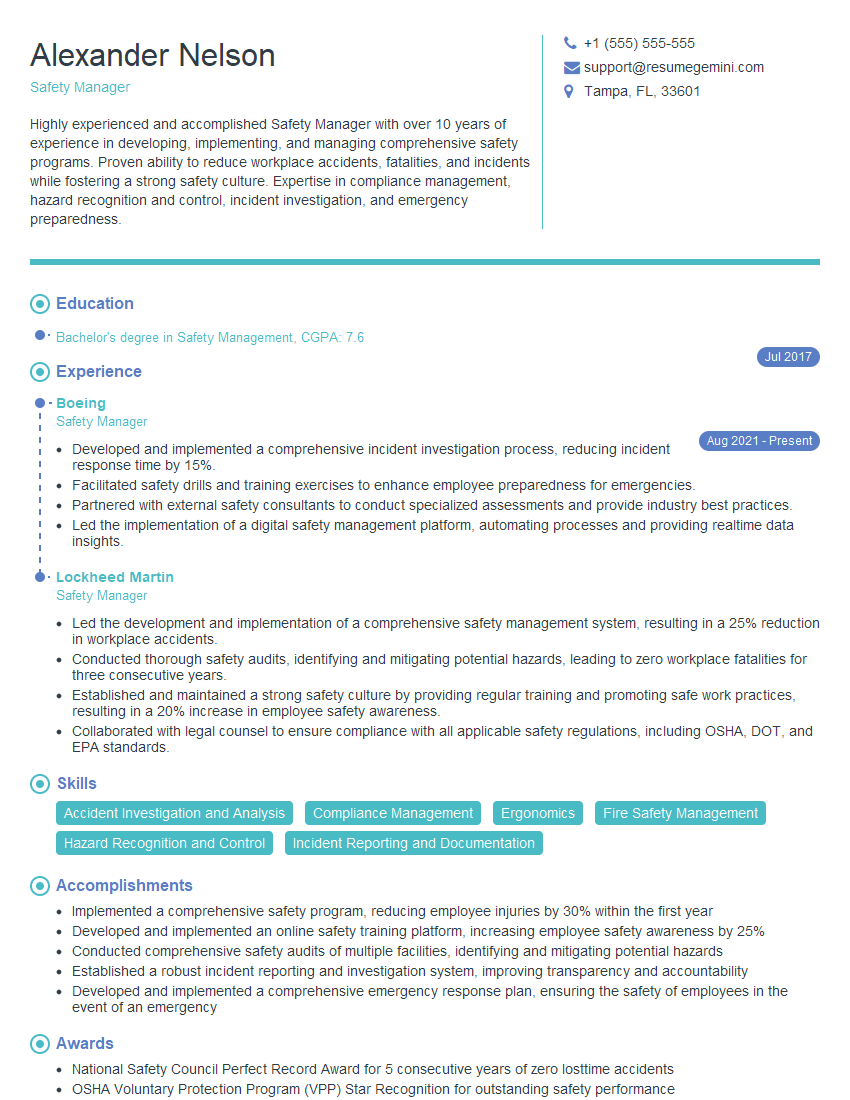
Safety Manager Resume Sample
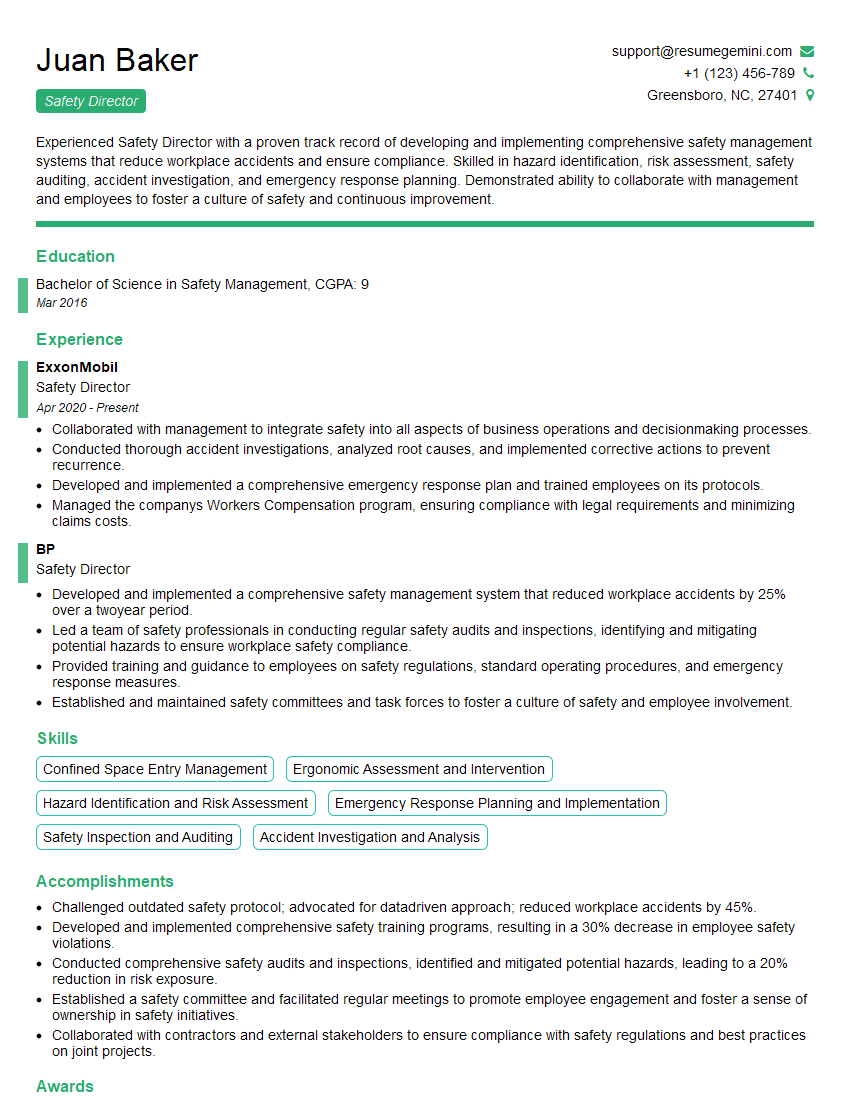
Safety Director Resume Sample
Compliance Officer Resume Sample
Risk Manager Resume Sample
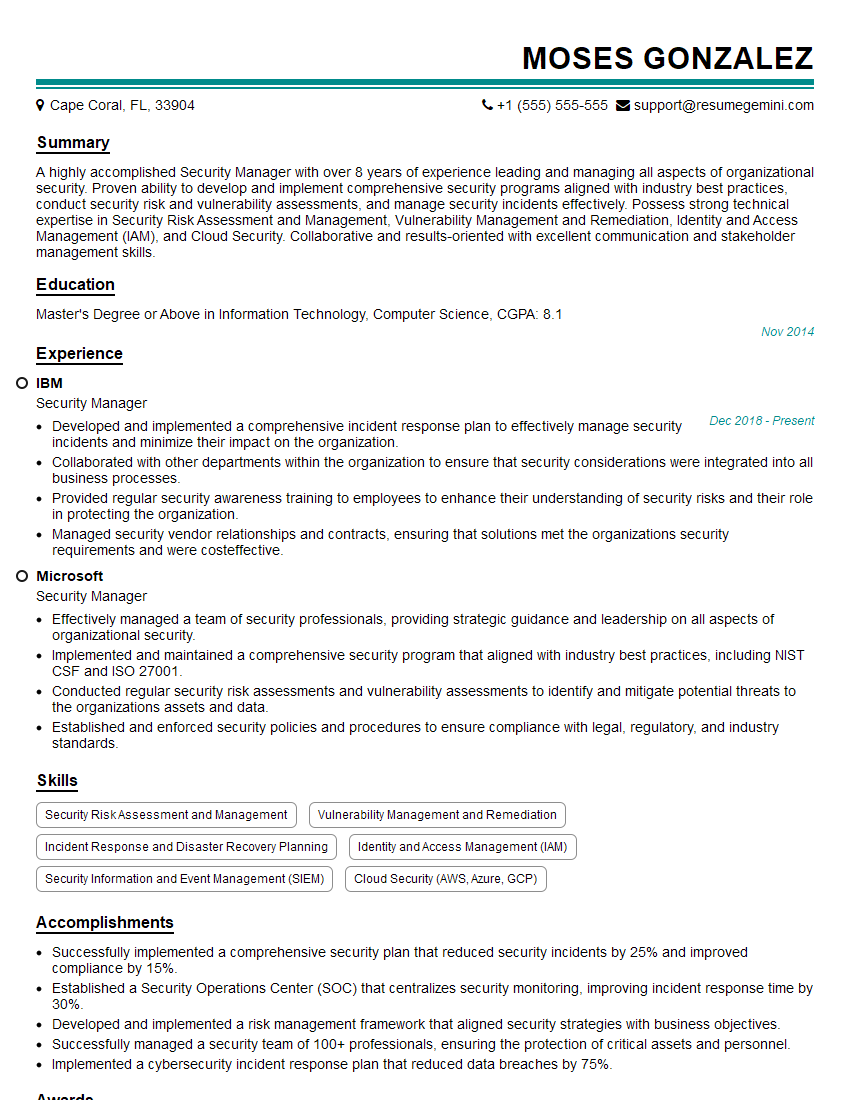
Security Manager Resume Sample
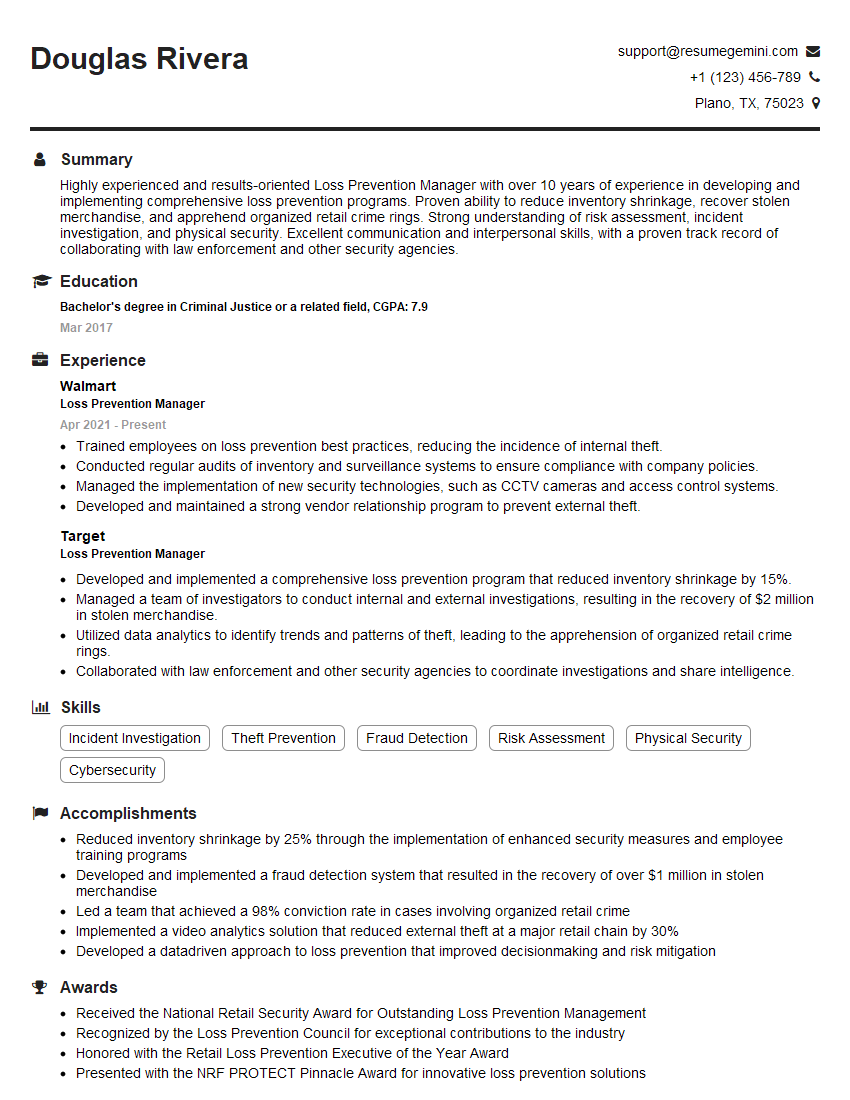
Loss Prevention Manager Resume Sample
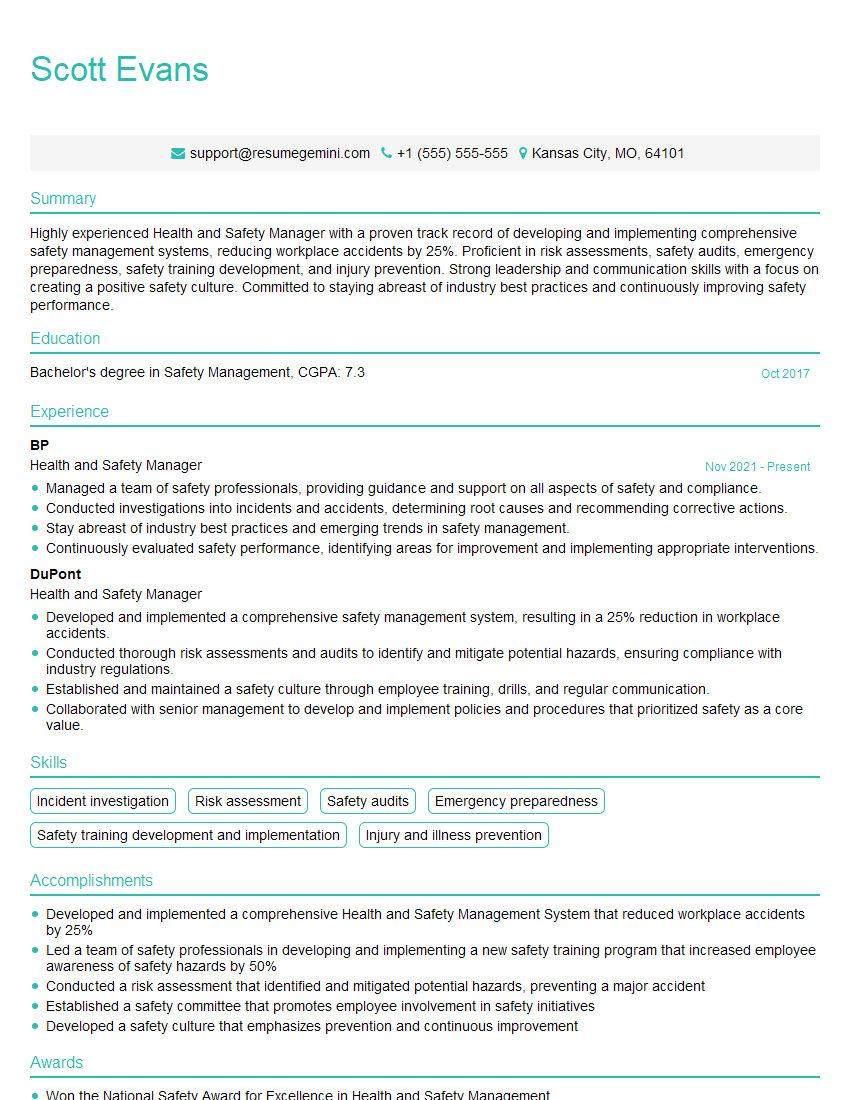
Health and Safety Manager Resume Sample
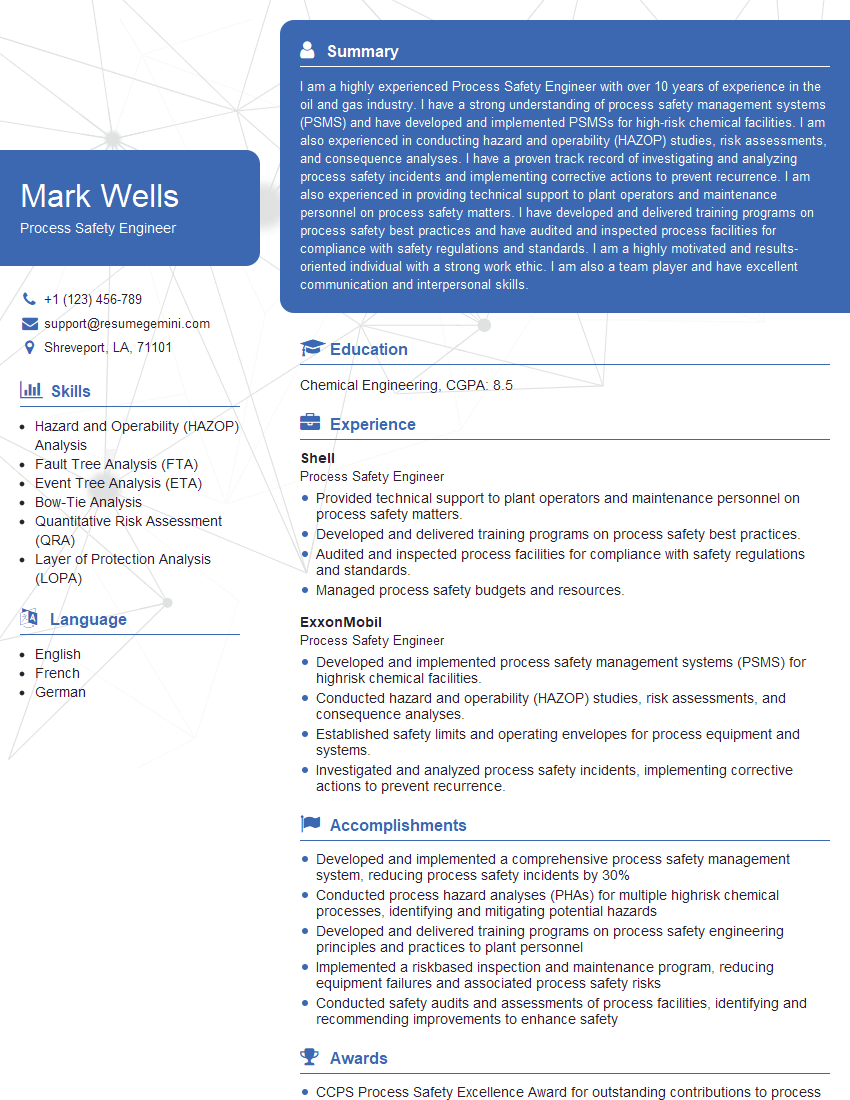
Process Safety Engineer Resume Sample
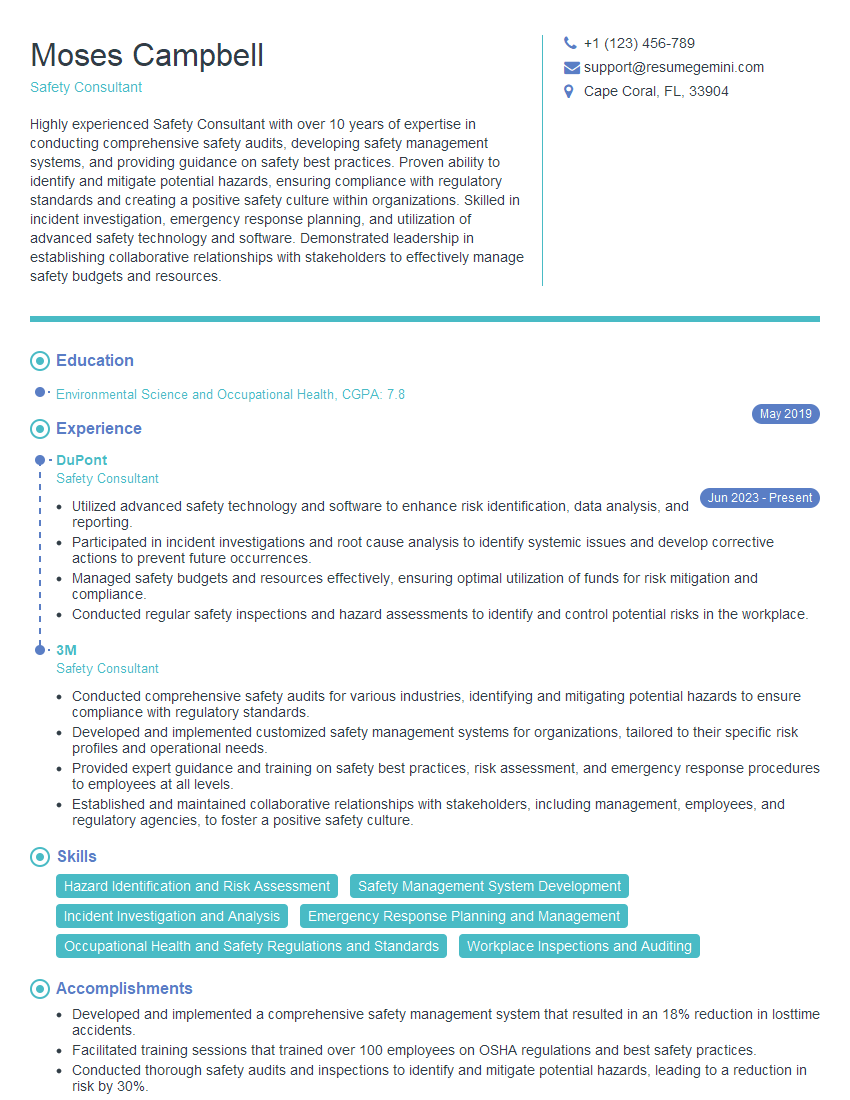
Safety Consultant Resume Sample
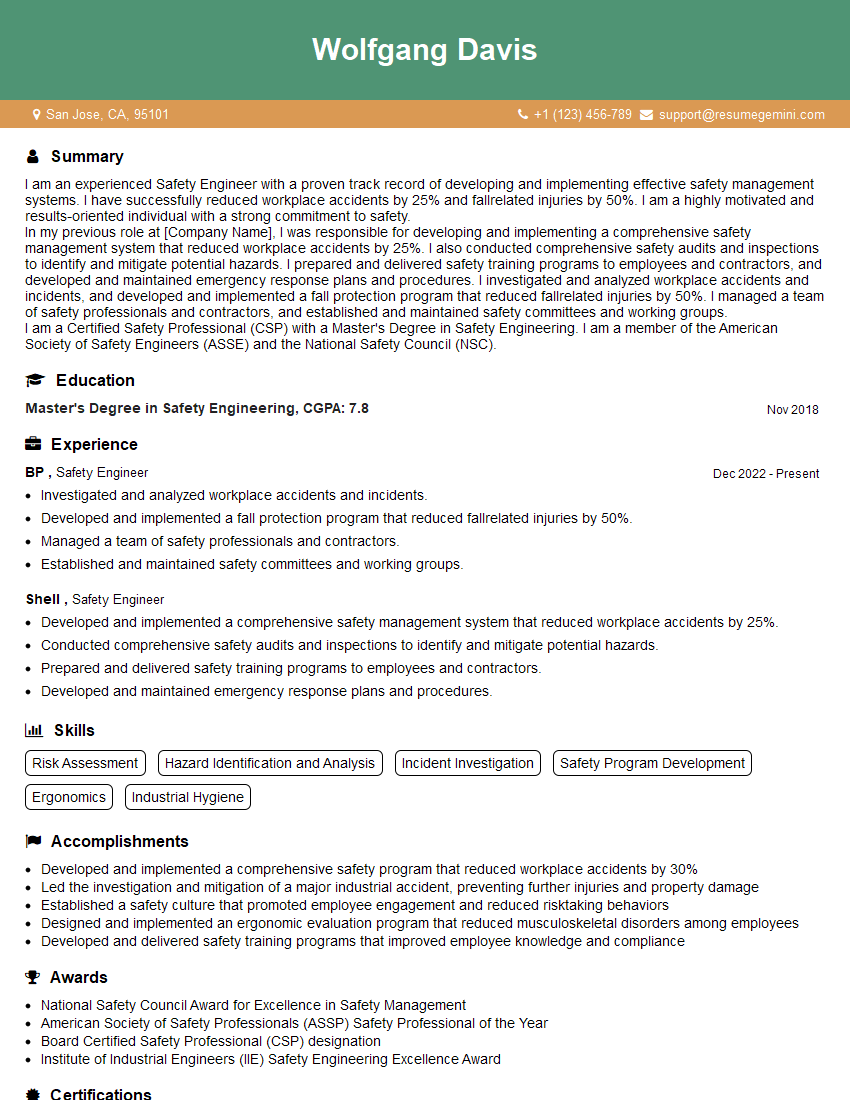
Safety Engineer Resume Sample
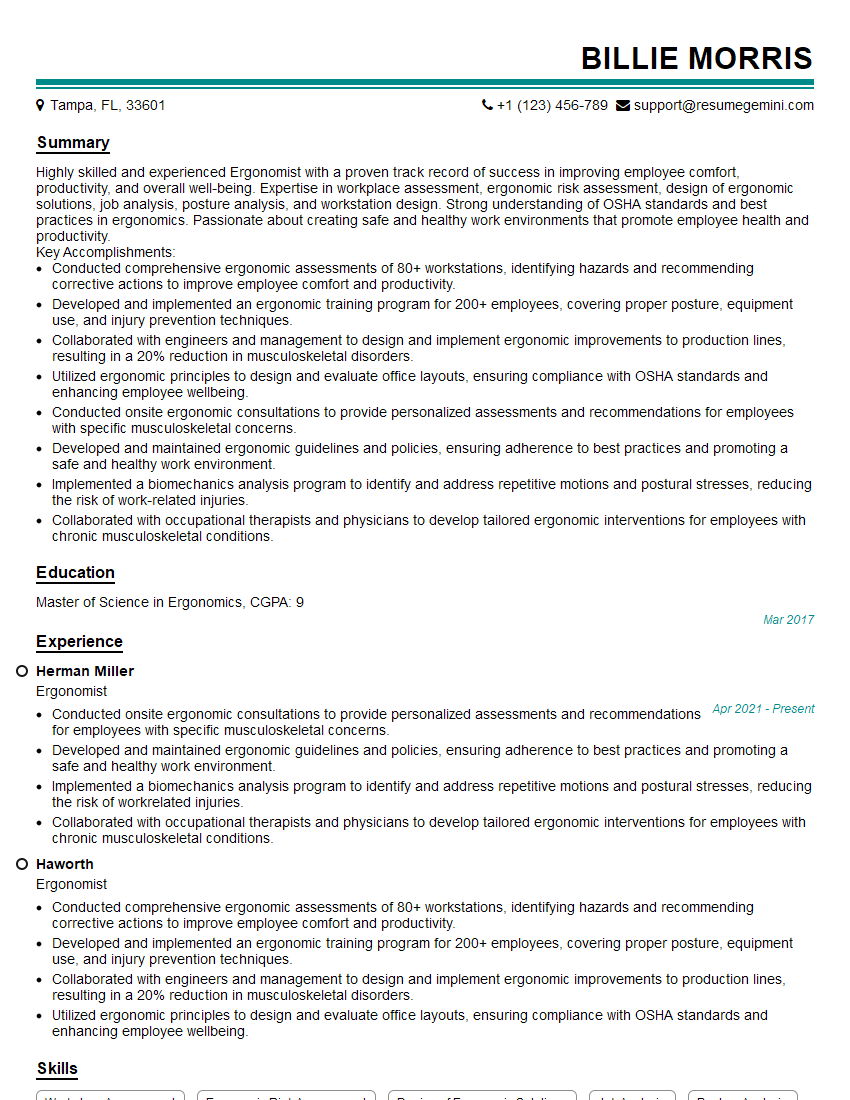
Ergonomist Resume Sample
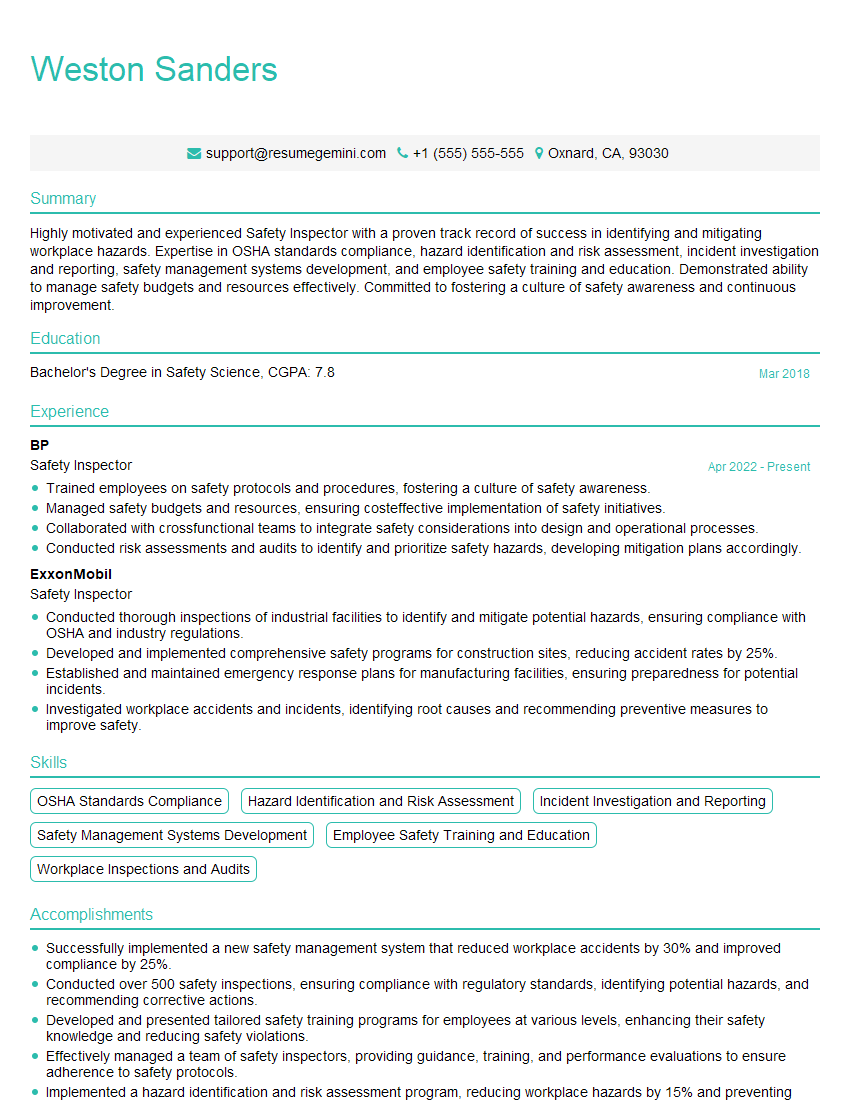
Safety Inspector Resume Sample
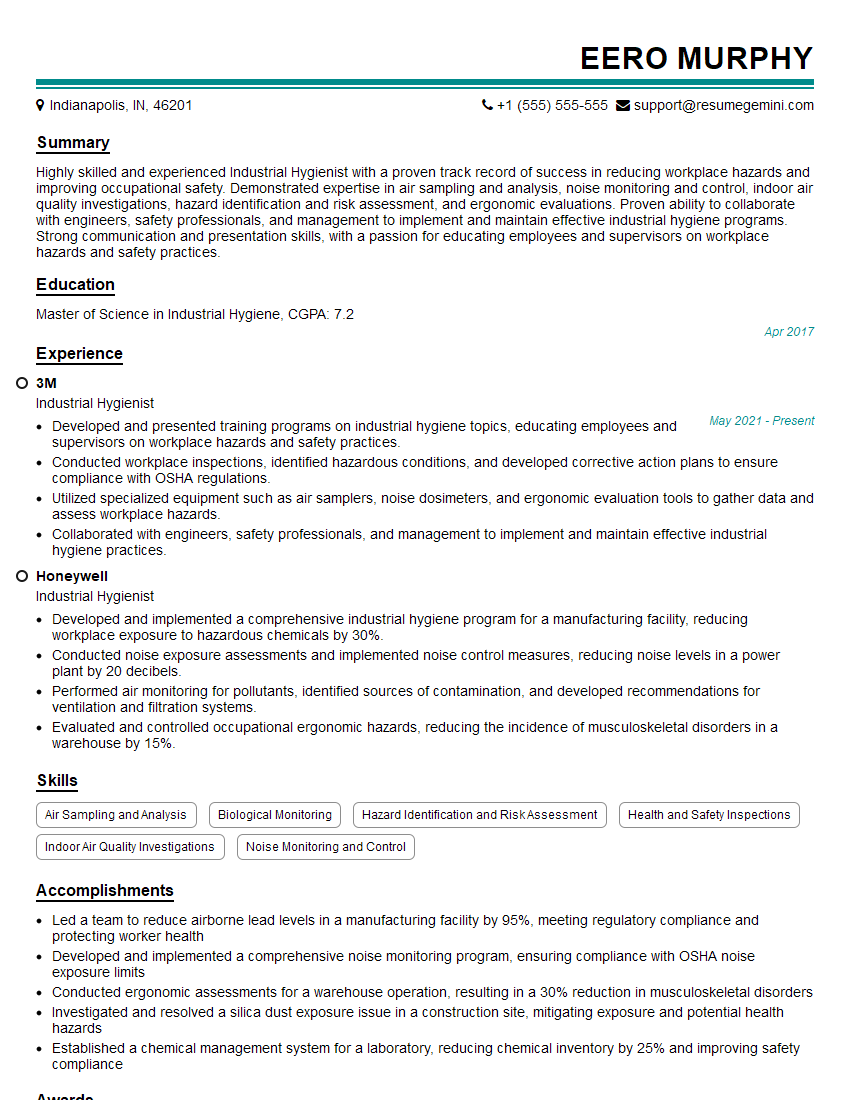
Industrial Hygienist Resume Sample
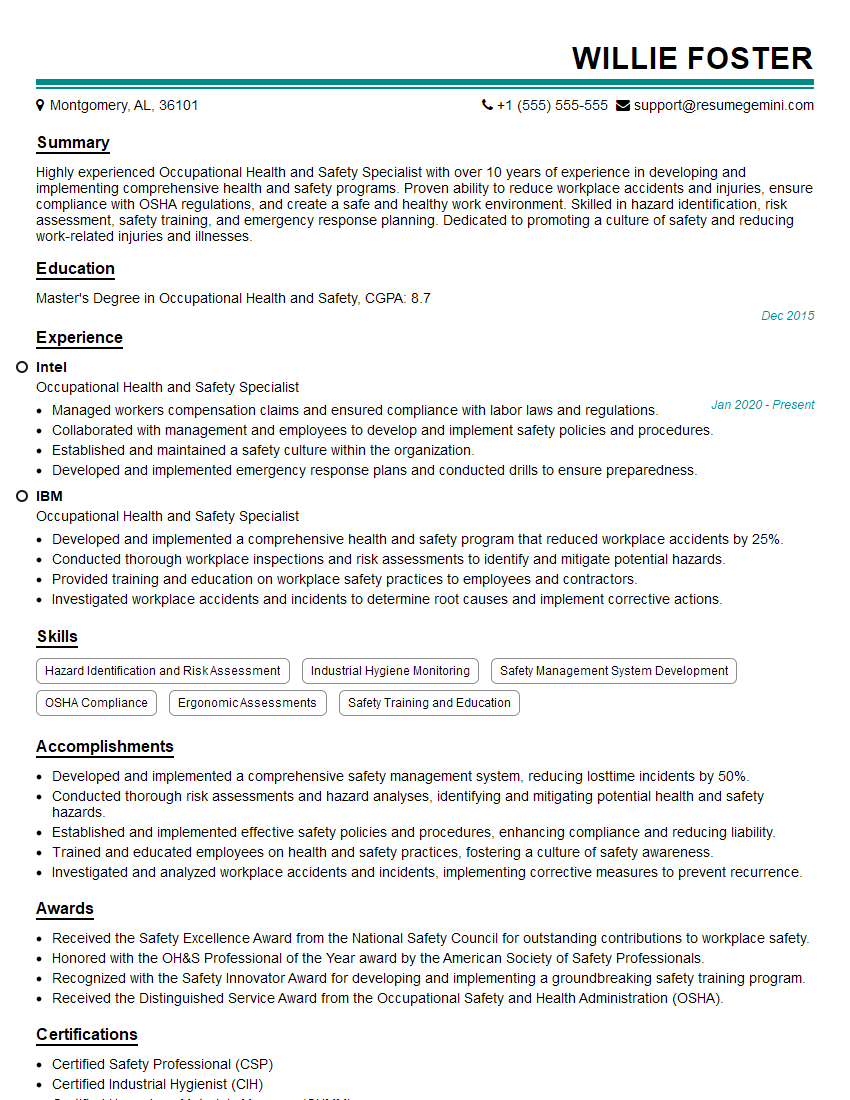
Occupational Health and Safety Specialist Resume Sample
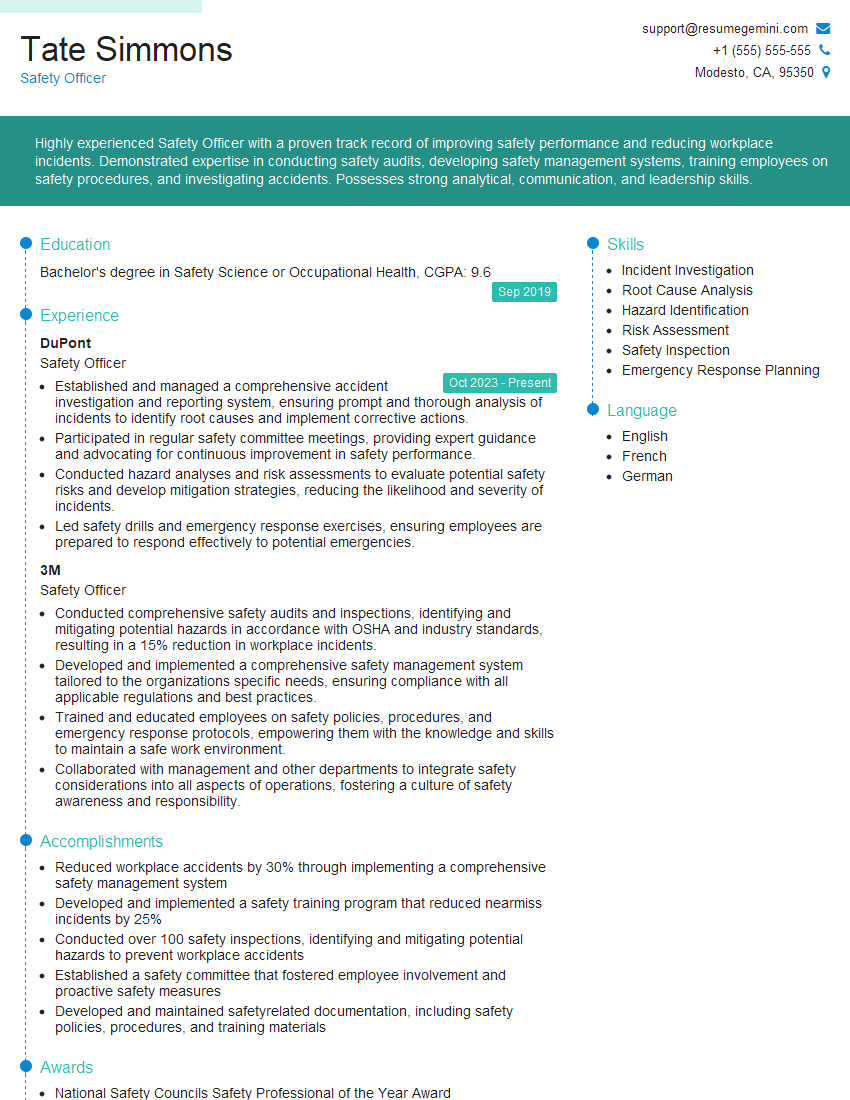
Safety Officer Resume Sample
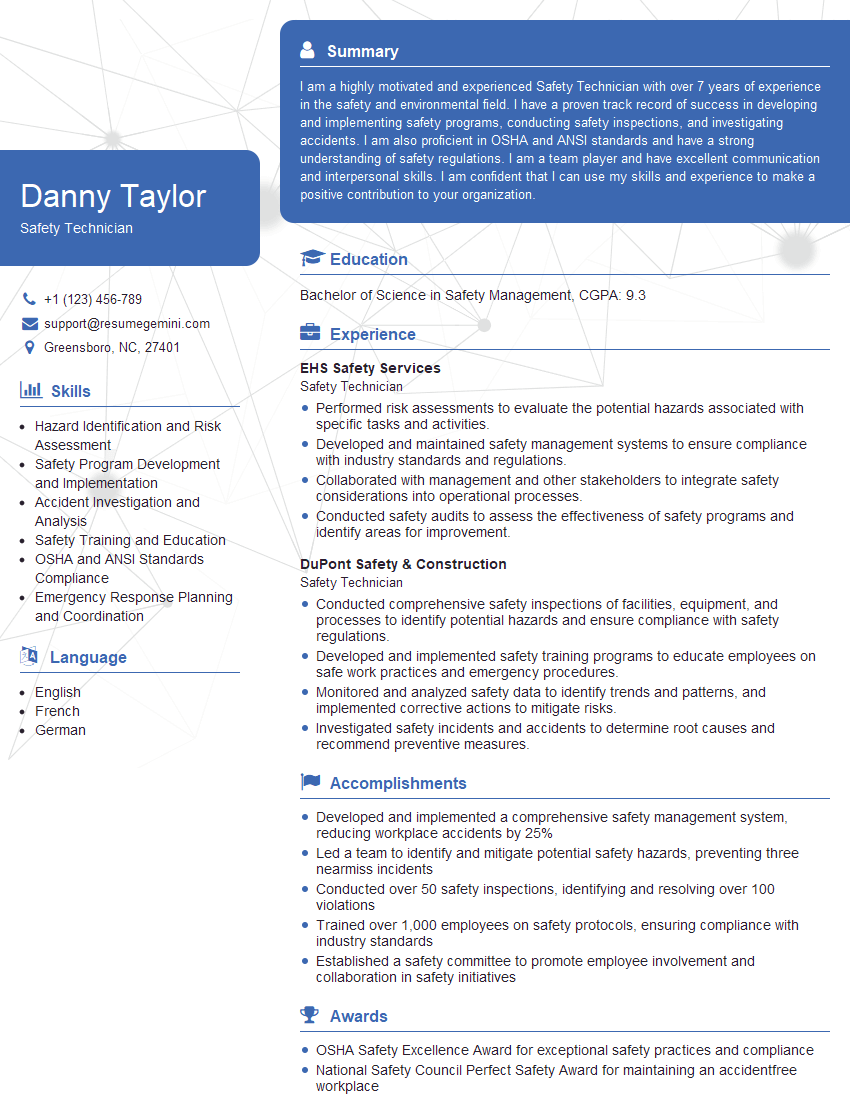
Safety Technician Resume Sample
- Safety Manager
- Safety Director
- Compliance Officer
- Risk Manager
- Security Manager
- Loss Prevention Manager
- Health and Safety Manager
- Process Safety Engineer
- Safety Consultant
- Safety Engineer
- Ergonomist
- Safety Inspector
- Industrial Hygienist
- Occupational Health and Safety Specialist
- Safety Officer
- Safety Technician
Explore more articles
Users Rating of Our Blogs
Share Your Experience
We value your feedback! Please rate our content and share your thoughts (optional).
What Readers Say About Our Blog
Hello,
we currently offer a complimentary backlink and URL indexing test for search engine optimization professionals.
You can get complimentary indexing credits to test how link discovery works in practice.
No credit card is required and there is no recurring fee.
You can find details here:
https://wikipedia-backlinks.com/indexing/
Regards
NICE RESPONSE TO Q & A
hi
The aim of this message is regarding an unclaimed deposit of a deceased nationale that bears the same name as you. You are not relate to him as there are millions of people answering the names across around the world. But i will use my position to influence the release of the deposit to you for our mutual benefit.
Respond for full details and how to claim the deposit. This is 100% risk free. Send hello to my email id: [email protected]
Luka Chachibaialuka
Hey interviewgemini.com, just wanted to follow up on my last email.
We just launched Call the Monster, an parenting app that lets you summon friendly ‘monsters’ kids actually listen to.
We’re also running a giveaway for everyone who downloads the app. Since it’s brand new, there aren’t many users yet, which means you’ve got a much better chance of winning some great prizes.
You can check it out here: https://bit.ly/callamonsterapp
Or follow us on Instagram: https://www.instagram.com/callamonsterapp
Thanks,
Ryan
CEO – Call the Monster App
Hey interviewgemini.com, I saw your website and love your approach.
I just want this to look like spam email, but want to share something important to you. We just launched Call the Monster, a parenting app that lets you summon friendly ‘monsters’ kids actually listen to.
Parents are loving it for calming chaos before bedtime. Thought you might want to try it: https://bit.ly/callamonsterapp or just follow our fun monster lore on Instagram: https://www.instagram.com/callamonsterapp
Thanks,
Ryan
CEO – Call A Monster APP
To the interviewgemini.com Owner.
Dear interviewgemini.com Webmaster!
Hi interviewgemini.com Webmaster!
Dear interviewgemini.com Webmaster!
excellent
Hello,
We found issues with your domain’s email setup that may be sending your messages to spam or blocking them completely. InboxShield Mini shows you how to fix it in minutes — no tech skills required.
Scan your domain now for details: https://inboxshield-mini.com/
— Adam @ InboxShield Mini
Reply STOP to unsubscribe
Hi, are you owner of interviewgemini.com? What if I told you I could help you find extra time in your schedule, reconnect with leads you didn’t even realize you missed, and bring in more “I want to work with you” conversations, without increasing your ad spend or hiring a full-time employee?
All with a flexible, budget-friendly service that could easily pay for itself. Sounds good?
Would it be nice to jump on a quick 10-minute call so I can show you exactly how we make this work?
Best,
Hapei
Marketing Director
Hey, I know you’re the owner of interviewgemini.com. I’ll be quick.
Fundraising for your business is tough and time-consuming. We make it easier by guaranteeing two private investor meetings each month, for six months. No demos, no pitch events – just direct introductions to active investors matched to your startup.
If youR17;re raising, this could help you build real momentum. Want me to send more info?
Hi, I represent an SEO company that specialises in getting you AI citations and higher rankings on Google. I’d like to offer you a 100% free SEO audit for your website. Would you be interested?
Hi, I represent an SEO company that specialises in getting you AI citations and higher rankings on Google. I’d like to offer you a 100% free SEO audit for your website. Would you be interested?
good