The thought of an interview can be nerve-wracking, but the right preparation can make all the difference. Explore this comprehensive guide to Layering Techniques interview questions and gain the confidence you need to showcase your abilities and secure the role.
Questions Asked in Layering Techniques Interview
Q 1. Explain the concept of layering in software architecture.
Layering in software architecture is a design principle that organizes a system into distinct horizontal layers, each with a specific responsibility. Think of it like a layer cake: each layer has a unique role, and they work together to form the complete dessert. Each layer interacts only with the layers immediately above and below it, promoting a clean separation of concerns.
For example, a typical web application might have a presentation layer (user interface), a business logic layer (processing data and applying rules), and a data access layer (interacting with databases). The presentation layer doesn’t directly interact with the database; it communicates with the business logic layer, which in turn communicates with the data access layer.
Q 2. What are the benefits of using a layered architecture?
Layered architecture offers several significant benefits:
- Improved Maintainability: Changes in one layer are less likely to affect other layers, simplifying maintenance and updates. If you need to change your database, for example, you only need to modify the data access layer.
- Increased Reusability: Layers can be reused in other projects or parts of the system. A well-designed business logic layer can be easily integrated into different applications.
- Enhanced Modularity: The system is broken down into smaller, more manageable modules, simplifying development and testing. Each layer can be developed and tested independently.
- Better Scalability: It’s easier to scale individual layers based on their specific needs. For instance, you might need to scale the database layer independently of the presentation layer.
- Simplified Testing: Each layer can be tested in isolation, which simplifies the testing process and improves code quality.
Q 3. What are the drawbacks of using a layered architecture?
While layered architecture offers numerous advantages, there are some drawbacks:
- Performance Overhead: The layered approach can introduce performance overhead due to the multiple layers of communication. Each layer adds a small amount of processing time.
- Increased Complexity: Designing and implementing a layered architecture can be more complex than simpler architectures, especially for smaller systems.
- Tight Coupling (if not done correctly): If layers are not properly designed with loose coupling in mind, changes in one layer could still inadvertently affect others, defeating the purpose of layering.
- Difficulty in identifying layer boundaries: Sometimes it can be challenging to clearly define the responsibilities and boundaries of each layer, leading to ambiguity and potential issues.
It’s crucial to carefully consider the trade-offs between the benefits and drawbacks before adopting a layered architecture.
Q 4. Describe different types of layering techniques (e.g., three-tier, n-tier).
Several layering techniques exist, with the most common being:
- Three-Tier Architecture: This classic approach consists of a presentation tier (user interface), an application tier (business logic), and a data tier (database). Think of a simple e-commerce website: the presentation tier displays products, the application tier processes orders, and the data tier stores product and customer information.
- N-Tier Architecture: This is a more generalized approach extending the three-tier model. It can include additional layers such as security, caching, or message queues, depending on the system’s complexity and requirements. For example, a large-scale enterprise system might have layers for security authentication, a message broker for communication between services, and separate layers for different business functionalities.
The choice between these depends largely on the complexity of the application and the need for separation of concerns.
Q 5. How do you choose the appropriate number of layers for a system?
Choosing the right number of layers is a crucial design decision. The guiding principle is to strike a balance between sufficient separation of concerns and manageable complexity. Too few layers can lead to tightly coupled code, while too many can result in unnecessary overhead and confusion.
Start by identifying core functionalities and responsibilities. Each distinct responsibility can potentially represent a layer. Analyze dependencies between these functionalities – independent functionalities are strong candidates for separate layers. Avoid premature optimization – add layers only when needed to clearly separate concerns. Refactor as needed during development to optimize layer design.
In short, start simple and iterate. The ideal number of layers is determined by the project’s needs and can evolve over time as the system grows.
Q 6. Explain the concept of separation of concerns in relation to layering.
Separation of concerns (SoC) is a fundamental software design principle that aims to divide an application into distinct sections, each responsible for a specific aspect of the overall functionality. Layering directly supports SoC by organizing code into separate layers, each with its specific role. For example, the data access layer is solely concerned with interacting with the database, leaving the business logic layer free to focus on processing data and implementing business rules.
This separation reduces complexity, improves maintainability, and enables parallel development. Each layer can be developed and tested independently, making the entire development process more efficient and less prone to errors.
Q 7. How does layering impact maintainability and scalability?
Layering significantly impacts maintainability and scalability:
- Maintainability: By encapsulating functionality within layers, changes to one part of the system are less likely to ripple through the rest. This reduces the risk of introducing unexpected bugs and makes maintenance and updates easier. Imagine changing the database – with proper layering, only the data access layer needs modification.
- Scalability: Layered architecture promotes scalability by allowing independent scaling of individual layers. If the application’s user base grows, you can scale the presentation tier (e.g., by adding load balancers) without necessarily affecting the data access layer. Similarly, you could scale the database independently by adding more servers or increasing storage capacity.
In essence, layering allows for easier modification and expansion of the software system while mitigating the risk of unintended consequences, contributing greatly to the overall robustness and longevity of a project.
Q 8. How does layering affect performance?
Layering, while offering significant architectural benefits, can impact performance if not carefully considered. Each layer adds overhead: data needs to be passed between layers, potentially involving serialization and deserialization, network calls (if layers are distributed), and context switching. Excessive layers or inefficient inter-layer communication can lead to significant performance bottlenecks.
For example, imagine a three-tier architecture (Presentation, Business Logic, Data Access). If the data access layer makes numerous inefficient database queries for every request, the entire system will be slow, regardless of the efficiency of other layers. Similarly, poorly designed APIs between layers can result in significant communication overhead.
To mitigate performance issues, consider these strategies:
- Reduce layers: Avoid unnecessary layering. Keep the architecture as simple as possible while still achieving the desired separation of concerns.
- Optimize inter-layer communication: Use efficient data transfer mechanisms, minimize data serialization/deserialization, and employ caching strategies where appropriate. Asynchronous communication patterns can also improve performance in certain scenarios.
- Efficient data access: Optimize database queries and ensure appropriate indexing. Use connection pooling to minimize database connection overhead.
- Performance testing and profiling: Regularly profile the application to identify performance bottlenecks and optimize accordingly.
Q 9. Describe the challenges in designing and implementing layered architectures.
Designing and implementing layered architectures presents several challenges. One significant hurdle is maintaining a balance between separation of concerns and the potential for excessive complexity. Too many layers can make the system difficult to understand, maintain, and test.
Another challenge lies in managing dependencies between layers. Tight coupling between layers can hinder independent development, testing, and deployment. Changes in one layer often ripple through others, leading to cascading effects and increased risk.
Furthermore, dealing with cross-cutting concerns, like logging, security, and transaction management, can be complex in a layered architecture. These concerns often span multiple layers, requiring careful consideration to avoid duplication and maintain consistency.
Finally, defining clear responsibilities for each layer is crucial. Ambiguous layer boundaries can lead to confusion and code duplication. Thorough planning and a well-defined architecture are essential to mitigate these challenges.
Q 10. How do you handle cross-cutting concerns in a layered architecture?
Cross-cutting concerns, such as logging, security, and transaction management, are best handled using techniques that avoid scattering them throughout the layers. Two popular approaches are:
- Aspect-Oriented Programming (AOP): AOP allows you to modularize cross-cutting concerns into aspects, which can then be applied to various parts of the application without modifying the core business logic. This keeps layers clean and focused on their primary responsibilities.
- Decorator pattern: This pattern wraps existing functionality with additional behavior. For example, you could create a security decorator that adds authentication checks to methods in your business logic layer without modifying the original methods.
For example, instead of embedding logging statements in every method across multiple layers, you would use AOP or a decorator to handle logging centrally. This improves maintainability and reduces code duplication.
Q 11. Explain the role of abstraction in layered architectures.
Abstraction is fundamental to layered architectures. Each layer hides the implementation details of the layers below it, exposing only a well-defined interface. This allows upper layers to interact with lower layers without needing to know the inner workings.
This promotes:
- Loose coupling: Changes in one layer are less likely to affect others.
- Reusability: Layers can be reused in other parts of the application or even in different applications.
- Maintainability: Changes and bug fixes are easier to implement because the impact is localized.
- Testability: Layers can be tested independently using mock objects.
Think of a car: The driver (presentation layer) interacts with the steering wheel and pedals (interface), without needing to understand the complexities of the engine (data access layer) or transmission (business logic layer).
Q 12. How do you manage dependencies between layers?
Managing dependencies between layers is crucial for a maintainable layered architecture. The primary goal is to minimize dependencies and ensure loose coupling.
Strategies include:
- Dependency Inversion Principle: High-level modules should not depend on low-level modules. Both should depend on abstractions. Abstractions should not depend on details. Details should depend on abstractions. This promotes flexibility and reduces coupling.
- Interface-based programming: Define clear interfaces for each layer, allowing layers to interact through well-defined contracts. This prevents direct dependencies on concrete implementations.
- Dependency Injection: Instead of creating dependencies directly within a class, inject them externally. This makes testing and swapping implementations easier.
- Modular Design: Divide layers into smaller, well-defined modules to reduce interdependencies.
Q 13. How do you test components within a layered architecture?
Testing components within a layered architecture benefits from its inherent structure. Because layers are relatively independent, they can be tested in isolation using various techniques.
Strategies include:
- Unit testing: Test individual components within a layer using mocking frameworks to simulate dependencies on other layers.
- Integration testing: Test interactions between layers, verifying that data flows correctly between them.
- Component testing: Test individual layers or groups of layers as a single unit, simulating interactions with other parts of the system.
- End-to-end testing: Test the entire system to ensure all layers work together as expected.
Utilizing mocking frameworks like Mockito or EasyMock allows simulating dependencies during unit testing, isolating the tested component and improving testability.
Q 14. What are some common design patterns used in layered architectures?
Several design patterns are frequently employed in layered architectures to enhance their structure and flexibility:
- Model-View-Controller (MVC): Separates concerns into models (data), views (presentation), and controllers (logic). Often used in the presentation layer.
- Repository Pattern: Provides an abstraction layer over data access, hiding the underlying implementation from the business logic layer.
- Factory Pattern: Used for creating objects, particularly in situations where you need to create different types of objects based on conditions, promoting loose coupling.
- Strategy Pattern: Allows selecting algorithms at runtime, which can be helpful when the business logic layer needs to offer several ways to perform the same operation.
- Decorator Pattern (already discussed): Adds functionality to objects dynamically.
Choosing the appropriate pattern depends on the specific needs of the application and the complexities involved in each layer.
Q 15. Explain the concept of loose coupling in relation to layering.
Loose coupling in a layered architecture means that layers are independent and interact minimally. Think of it like building with LEGOs – each layer is a self-contained structure that connects to others through well-defined interfaces, rather than being directly intertwined. This minimizes dependencies and allows for easier modification and maintenance. If one layer changes, it’s less likely to break other layers.
For example, imagine a three-tier architecture (Presentation, Business Logic, Data Access). A change in the database (Data Access layer) shouldn’t require rewriting the business logic or presentation. The communication happens through clearly defined APIs or contracts – maybe a simple function call specifying data needed. This loose coupling is achieved by abstracting away the implementation details of each layer.
Benefits include improved modularity, easier testing (you can test layers independently), increased flexibility and scalability, and reduced risk of cascading failures.
Career Expert Tips:
- Ace those interviews! Prepare effectively by reviewing the Top 50 Most Common Interview Questions on ResumeGemini.
- Navigate your job search with confidence! Explore a wide range of Career Tips on ResumeGemini. Learn about common challenges and recommendations to overcome them.
- Craft the perfect resume! Master the Art of Resume Writing with ResumeGemini’s guide. Showcase your unique qualifications and achievements effectively.
- Don’t miss out on holiday savings! Build your dream resume with ResumeGemini’s ATS optimized templates.
Q 16. How do you ensure data integrity across layers?
Data integrity across layers is crucial. We maintain it through several strategies. First, validation at each layer ensures data conforms to defined rules before it’s passed further. This might involve input validation in the presentation layer, business rule checks in the business logic layer, and data type/constraint checks in the data access layer.
Second, we use transactions to ensure atomicity – all operations within a transaction succeed or fail as a unit. This prevents partial updates that corrupt data. This is especially important when data is updated across multiple layers.
Third, error handling and logging are vital. Exceptions should be caught, logged, and handled gracefully at each layer, preventing corrupted data from being propagated. Detailed logging allows for post-mortem analysis of data integrity breaches. Finally, using data transfer objects (DTOs) with defined schemas ensures data consistency across layers. A DTO acts as a contract, dictating the structure and type of data passed between layers.
Q 17. How do you handle security considerations in a layered architecture?
Security in a layered architecture is implemented defensively, with each layer contributing to the overall security posture. The presentation layer handles input sanitization and validation to prevent injection attacks (SQL injection, cross-site scripting). The business logic layer enforces authorization and access control – making sure users only access what they’re permitted to. The data access layer secures the database by using parameterized queries and stored procedures to avoid SQL injection vulnerabilities. All communication between layers should be encrypted, preferably using HTTPS or similar protocols.
Authentication is often handled in a dedicated layer or service, verifying user identities and granting appropriate tokens for subsequent layers. Regular security audits and penetration testing are necessary to identify and mitigate vulnerabilities. The principle of least privilege dictates that each layer only has the necessary permissions to fulfill its tasks, minimizing the impact of a security breach.
Q 18. How does layering impact the deployment process?
Layering significantly impacts deployment. The modularity inherent in layered architectures allows for independent deployment of layers. This means changes to one layer don’t necessitate redeployment of the entire application. This is particularly beneficial for large, complex systems. We can deploy updates to the presentation layer independently of database changes, for example, improving agility and reducing downtime.
However, careful versioning and compatibility testing are essential to ensure that different layers work seamlessly together after independent deployments. Deployment strategies like blue-green deployments or canary releases can help mitigate risks associated with deploying new versions.
Q 19. Describe your experience designing and implementing layered architectures.
I’ve designed and implemented numerous layered architectures, primarily using a three-tier model for web applications. One project involved creating an e-commerce platform. The presentation layer was a React frontend, the business logic a Node.js backend with REST APIs, and the data access layer interacted with a PostgreSQL database using an ORM. This layered approach facilitated parallel development by different teams, with clear responsibilities and well-defined interfaces between layers.
Another project utilized a microservices architecture, where each microservice represented a distinct layer or function. This allowed for high scalability and independent deployments. Each microservice communicated with others through lightweight protocols like gRPC or REST. In both cases, a focus on loose coupling and well-defined interfaces proved to be key to success.
Q 20. What are some common anti-patterns in layered architectures?
Common anti-patterns in layered architectures include overly tight coupling between layers, violating the principle of separation of concerns. For instance, the presentation layer directly accessing the database instead of going through the business logic layer. This compromises maintainability and security.
Another anti-pattern is creating overly thin or overly thick layers. Thin layers offer little functionality, increasing complexity, while excessively thick layers become monolithic and difficult to maintain. The ‘god layer’ anti-pattern is where one layer takes on excessive responsibility, defeating the purpose of layering.
Ignoring error handling and logging across layers is another common issue, compromising resilience and debugging capabilities. Lack of proper documentation and testing also undermines the benefits of a layered architecture.
Q 21. How do you handle changes in requirements in a layered architecture?
Handling changes in requirements effectively in a layered architecture depends on the level of change. Minor changes can often be localized to a single layer, minimizing impact. More significant changes might require careful refactoring to accommodate new functionalities without compromising the integrity of other layers. This is where loose coupling is crucial. Well-defined interfaces between layers allow for more agile responses to changes without ripple effects.
Prioritizing changes and planning implementations in a phased approach minimizes disruption. Thorough testing is essential before and after implementing changes, ensuring that the layered architecture remains consistent and functional. Version control and continuous integration/continuous deployment (CI/CD) pipelines are key to managing changes effectively in a complex layered system.
Q 22. Compare and contrast different layering approaches.
Layering approaches organize software into distinct horizontal layers, each with specific responsibilities. Common approaches include:
- Three-tier architecture: This classic model consists of a presentation layer (user interface), an application layer (business logic), and a data layer (database). It’s simple to understand and implement but can become rigid as complexity grows.
- N-tier architecture: Extends the three-tier model by adding more layers for better modularity and scalability. For instance, you might add a service layer for external integrations or a security layer for authentication and authorization. This offers greater flexibility but requires careful planning to avoid over-engineering.
- Microservices architecture: While not strictly a layering approach in the traditional sense, it can be viewed as a form of vertical layering. Each microservice encapsulates a specific business function and can be deployed and scaled independently. This promotes agility but increases operational complexity.
The key difference lies in granularity and flexibility. Three-tier is simple but less adaptable, while N-tier and microservices offer more flexibility at the cost of increased complexity. The best approach depends on the project’s scale, complexity, and long-term goals.
Q 23. How do you balance modularity and complexity in a layered architecture?
Balancing modularity and complexity in a layered architecture is crucial. High modularity (breaking down the system into independent modules) improves maintainability and reusability, but excessive layering can introduce unnecessary complexity, making the system harder to understand and debug. The key is finding the right balance.
Here’s how I approach this:
- Principle of Least Astonishment: Each layer should have a clearly defined responsibility, and its interactions with other layers should be intuitive and predictable. Avoid creating layers that perform multiple unrelated tasks.
- Keep it Simple Stupid (KISS): Favor simpler designs over complex ones. Avoid creating unnecessary layers. If a layer adds little value, it should be eliminated or integrated into another.
- Well-Defined Interfaces: Layers should interact through well-defined interfaces, minimizing dependencies between them. This promotes loose coupling and easier maintenance.
- Iteration and Refinement: Start with a simpler layered architecture and gradually add layers as needed. Avoid over-engineering upfront. Continuously evaluate the architecture and refactor as necessary.
For example, in an e-commerce system, having separate layers for user interface, product catalog, shopping cart, order processing, and payment gateway is appropriate. However, adding a layer solely for formatting dates would be overkill.
Q 24. How does layering impact debugging and troubleshooting?
Layering significantly impacts debugging and troubleshooting. The isolation provided by layers simplifies the process. Problems are more easily contained within a specific layer, making it easier to pinpoint the source of errors.
Here’s how:
- Isolation: A bug in one layer is less likely to cascade to other layers due to well-defined interfaces.
- Modular Testing: Each layer can be tested independently, making it easier to identify and fix bugs early in the development process.
- Reduced Complexity: Decomposing the system into layers reduces the overall complexity, making it easier to understand the system’s behavior and to identify the root cause of problems.
Imagine debugging a monolithic system versus a layered one. In a monolithic system, a small change can have unforeseen consequences across the entire application, while in a layered architecture, the impact is more localized.
Q 25. Explain how you would design a layered architecture for a specific application (e.g., e-commerce system).
For an e-commerce system, I would design a layered architecture like this:
- Presentation Layer: Handles user interaction, including the website’s front-end and mobile apps. Technologies like React, Angular, or Vue.js could be employed.
- Application Layer: Contains the business logic, including order processing, inventory management, and user authentication. This layer might utilize frameworks like Spring Boot (Java) or Node.js.
- Service Layer: Abstracts away external services like payment gateways (e.g., Stripe, PayPal) and shipping providers. This layer provides a consistent interface to these services, making the system more flexible and maintainable.
- Data Layer: Manages interaction with the database (e.g., MySQL, PostgreSQL, MongoDB). This layer typically uses an ORM (Object-Relational Mapper) like Hibernate or Django ORM for easier database interaction.
This design allows for independent development and testing of each layer. For instance, the presentation layer can be updated without affecting the core business logic in the application layer. Furthermore, switching payment gateways involves only changing the service layer.
Q 26. What tools or technologies have you used to support layering in your projects?
I’ve used various tools and technologies to support layering in my projects:
- Dependency Injection Frameworks: Spring (Java), Dagger (Android), and similar frameworks help manage dependencies between layers, promoting loose coupling and testability.
- API Gateways: Zuul, Kong, and others handle routing requests to different microservices in a layered or microservices architecture, managing communication efficiently.
- Containerization (Docker, Kubernetes): Containers help isolate layers and simplify deployment and scaling.
- Version Control Systems (Git): Essential for managing code changes in each layer and tracking updates.
- Build Tools (Maven, Gradle): Streamline the build process for layered applications, ensuring all components are correctly assembled.
The specific tools used would vary depending on the project’s technology stack and requirements.
Q 27. How would you address performance bottlenecks in a layered architecture?
Performance bottlenecks in a layered architecture can be addressed systematically. Profiling tools are essential to identify the slow points. Common bottlenecks are database queries, network latency, and inefficient algorithms within specific layers.
Here’s a step-by-step approach:
- Profiling: Use tools to identify the slowest parts of the system. This might involve analyzing database query performance, network requests, or CPU usage within specific layers.
- Database Optimization: If the bottleneck is database queries, optimize them by adding indexes, using efficient query patterns, and caching frequently accessed data.
- Caching: Implement caching mechanisms at various layers to reduce redundant calculations or database queries. This could involve using in-memory caches (e.g., Redis) or distributed caches.
- Asynchronous Processing: For long-running tasks, use asynchronous processing to avoid blocking the main thread. Message queues (e.g., RabbitMQ, Kafka) can be beneficial here.
- Load Balancing: Distribute traffic across multiple servers to handle increased load.
- Code Optimization: Improve the efficiency of algorithms and data structures within each layer.
The solution often involves a combination of these techniques, tailored to the specific bottleneck identified through profiling.
Q 28. Describe your experience with migrating from a monolithic architecture to a layered architecture.
Migrating from a monolithic architecture to a layered architecture (or microservices) is a significant undertaking. I’ve been involved in several such migrations, and the process typically involves these steps:
- Strategic Planning: Carefully plan the migration strategy, identifying the layers or microservices and defining their boundaries. This involves a thorough analysis of the existing monolithic application.
- Phased Approach: Migrate incrementally, starting with less critical parts of the application. This reduces risk and allows for iterative refinement.
- Refactoring: Refactor the existing codebase to separate concerns into different layers. This involves creating clear interfaces between layers.
- API Design: Design clear and well-documented APIs for communication between layers or services.
- Testing: Thorough testing is crucial at each phase to ensure the migration doesn’t introduce new bugs.
- Deployment: Use containerization and automation tools for seamless deployment and scaling.
- Monitoring: Implement robust monitoring to track the performance and health of the migrated system.
The biggest challenge is managing the complexity and minimizing disruption to the running system. Careful planning, a phased approach, and automated testing are critical for a successful migration.
Key Topics to Learn for Layering Techniques Interview
- Fundamental Layering Principles: Understand the core concepts behind layering, including the order of operations, layer properties, and the impact of layer blending modes.
- Layer Types and Functionality: Become proficient with different layer types (e.g., adjustment layers, vector layers, text layers, shape layers) and their respective functionalities within your chosen software (Photoshop, Illustrator, etc.).
- Non-Destructive Editing: Master non-destructive editing techniques using layers to preserve image integrity and allow for easy adjustments and revisions. Understand the benefits and limitations of this approach.
- Layer Masks and Clipping Masks: Gain expertise in using layer masks and clipping masks to isolate and manipulate specific areas of layers precisely and creatively.
- Layer Styles and Effects: Explore and understand various layer styles (drop shadows, bevels, embossing, etc.) and how to apply them effectively to enhance visual appeal and create unique effects.
- Practical Application in Design Projects: Be prepared to discuss real-world examples of how you’ve used layering techniques in your past projects to solve design challenges and achieve specific visual goals. This could include image compositing, retouching, or creating complex illustrations.
- Troubleshooting and Problem-Solving: Practice identifying and resolving common issues related to layering, such as layer conflicts, unexpected blending results, and performance bottlenecks. Be ready to discuss your problem-solving methodology.
- Workflow Optimization: Discuss efficient layering strategies to manage complex projects and improve workflow efficiency. How do you organize your layers for maximum clarity and ease of editing?
Next Steps
Mastering layering techniques is crucial for career advancement in design and related fields. A strong understanding of these principles showcases your proficiency in image manipulation, visual communication, and problem-solving skills – all highly valued by employers. To further enhance your job prospects, creating an ATS-friendly resume is essential. ResumeGemini is a trusted resource that can help you build a professional and impactful resume. Examples of resumes tailored to showcasing expertise in Layering Techniques are available to help you get started. Use these resources to highlight your skills and land your dream job!
Enterprise Architect Resume Sample
Security Architect Resume Sample
Game Developer Resume Sample
Software Designer Resume Sample
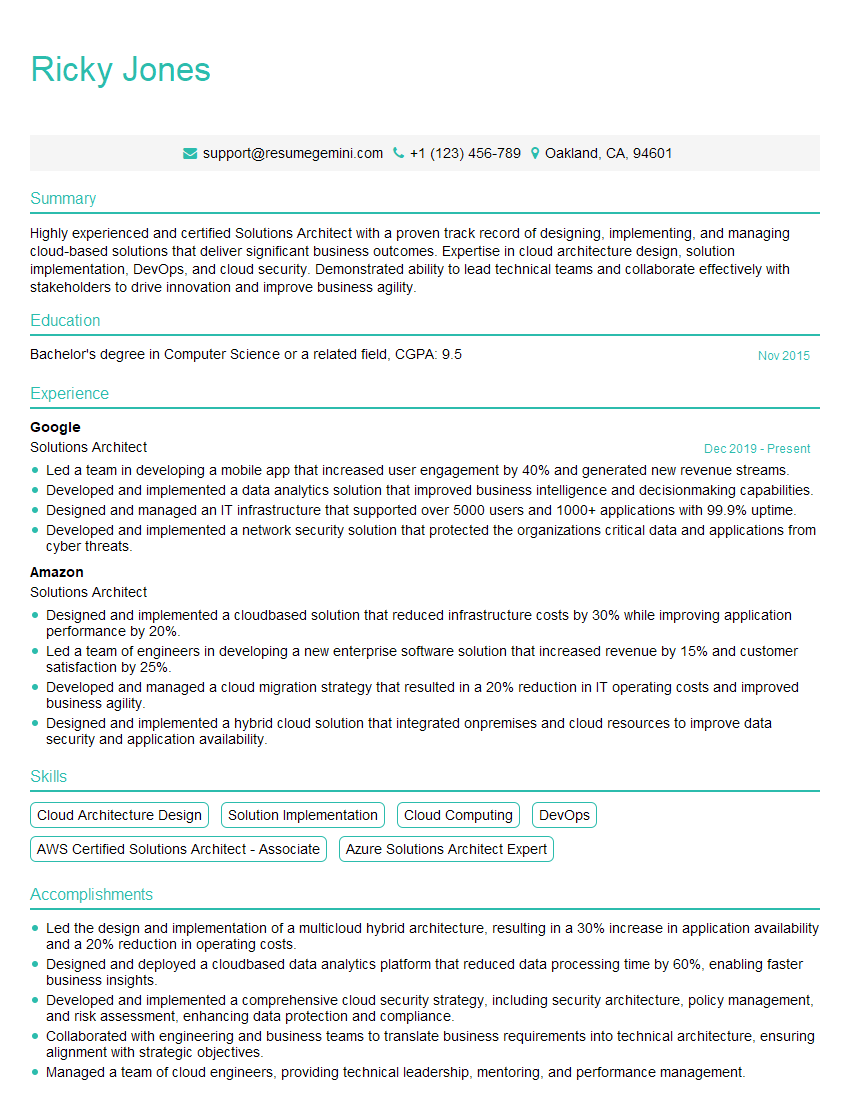
Solutions Architect Resume Sample
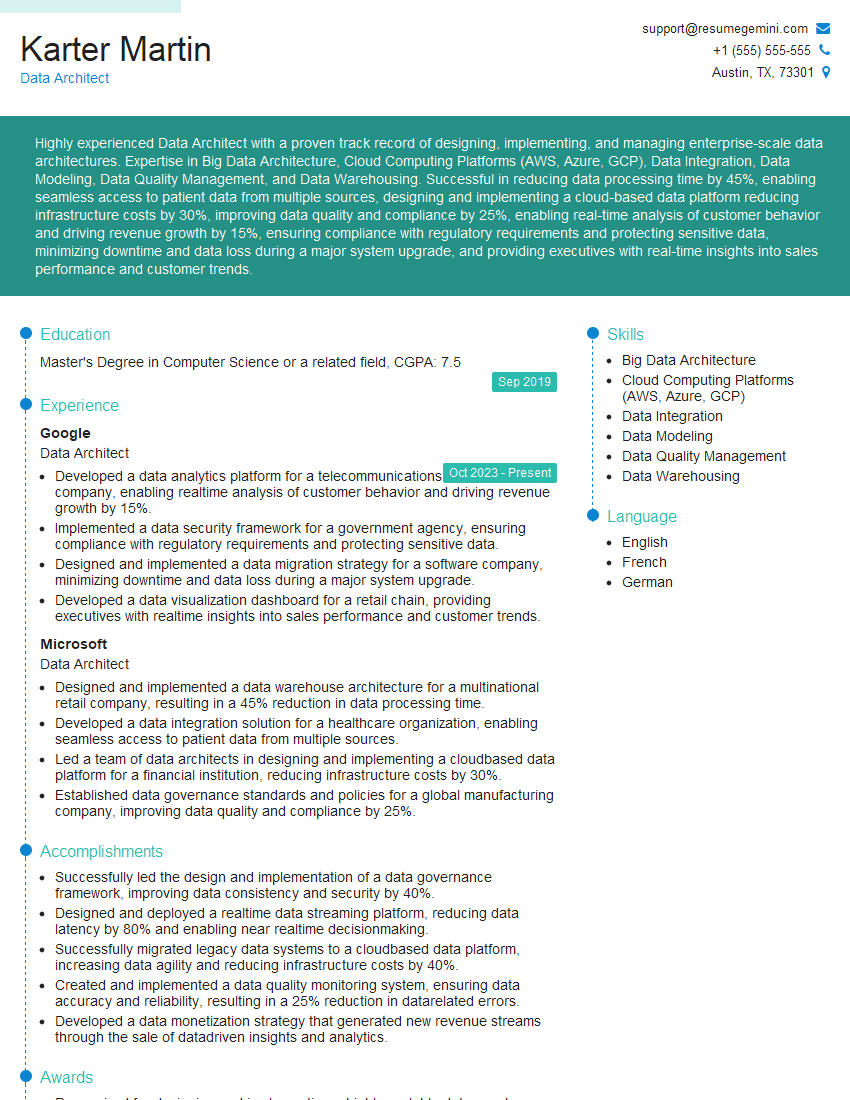
Data Architect Resume Sample
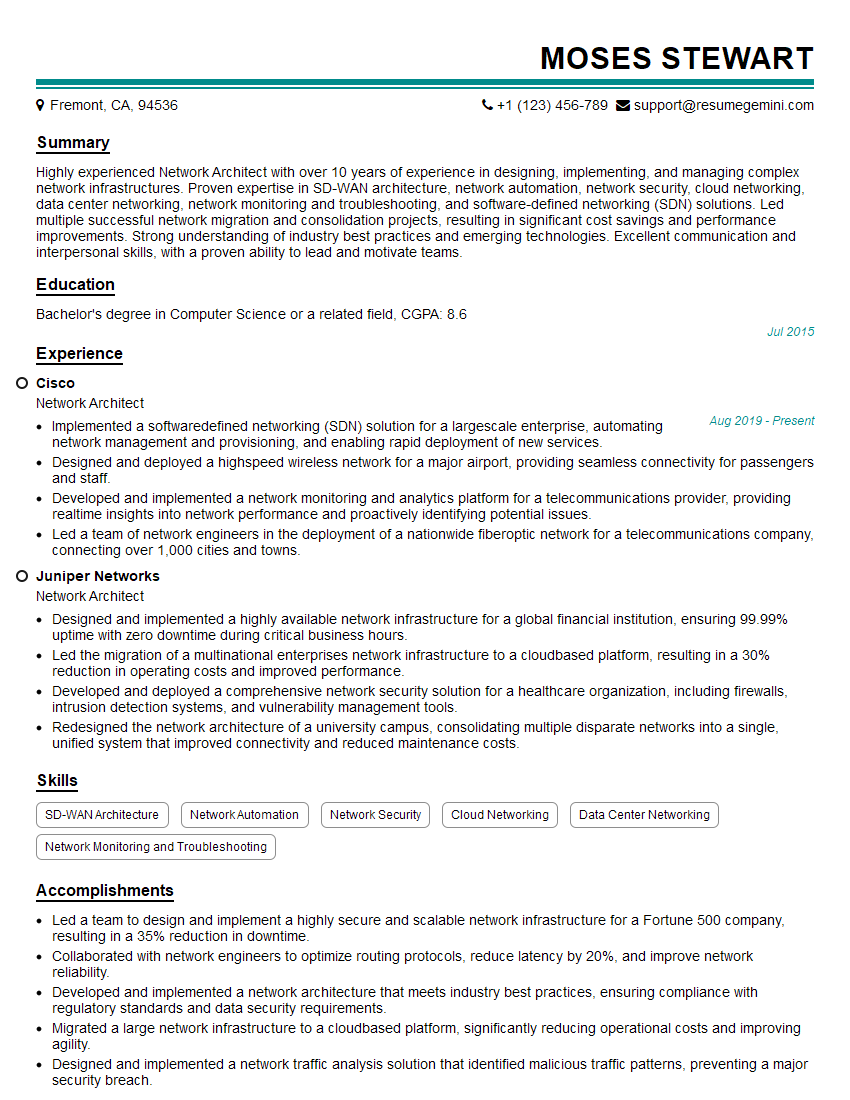
Network Architect Resume Sample
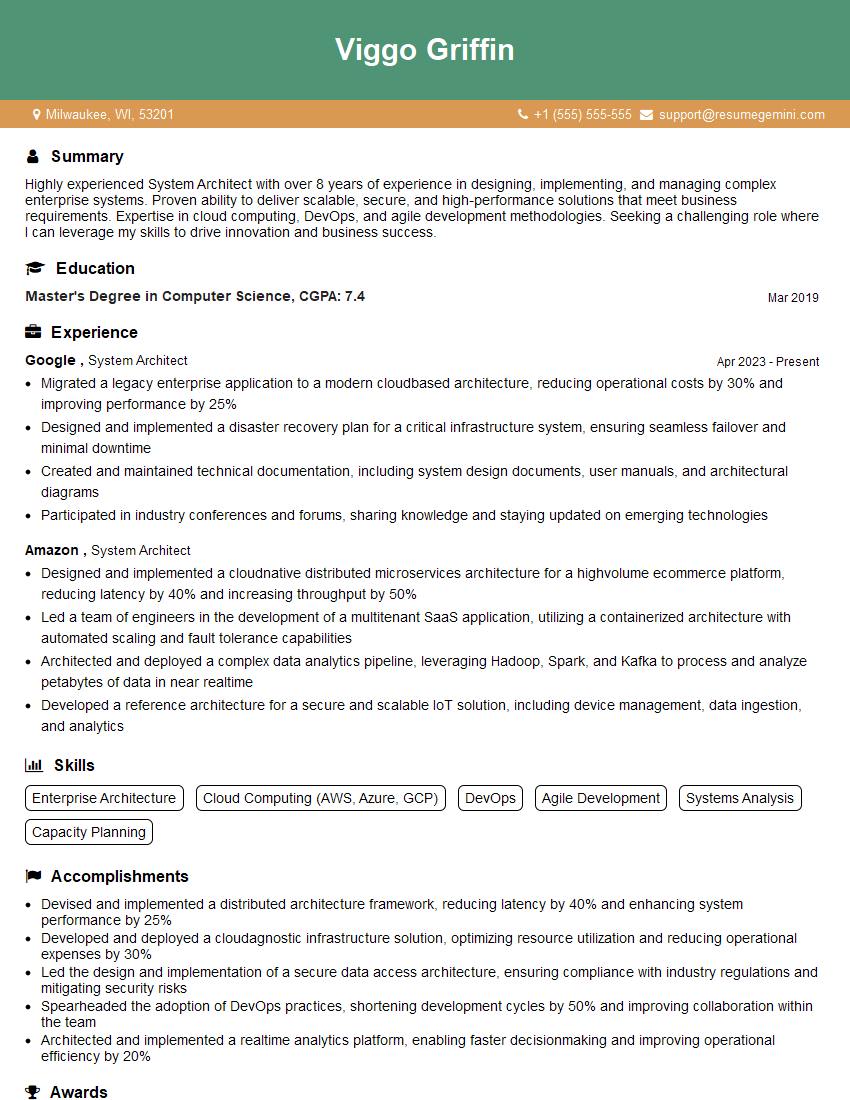
System Architect Resume Sample
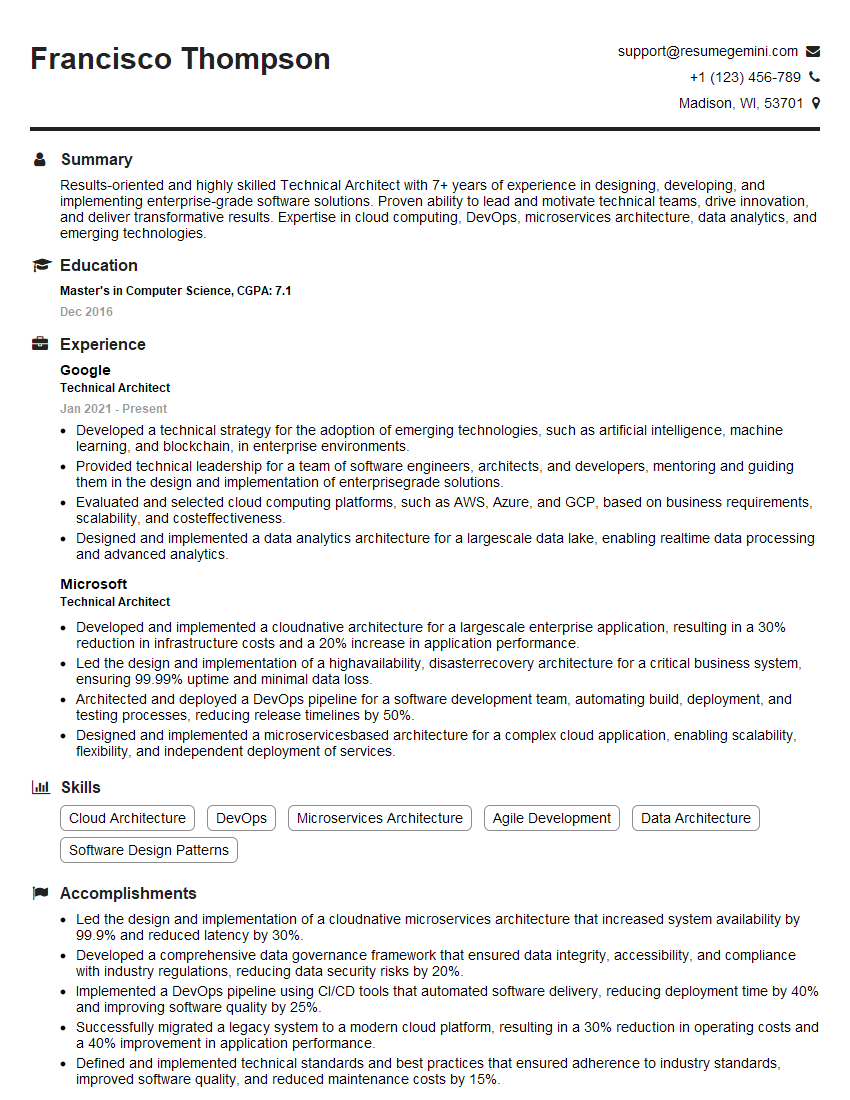
Technical Architect Resume Sample
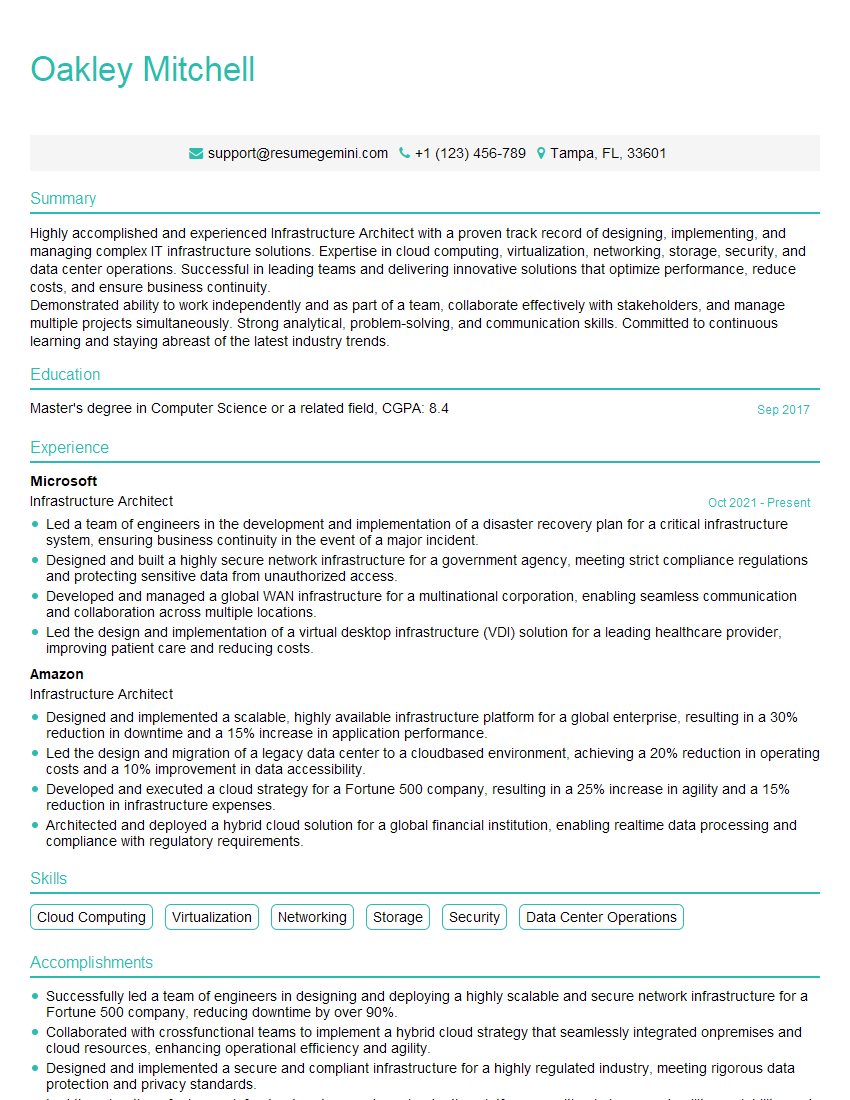
Infrastructure Architect Resume Sample
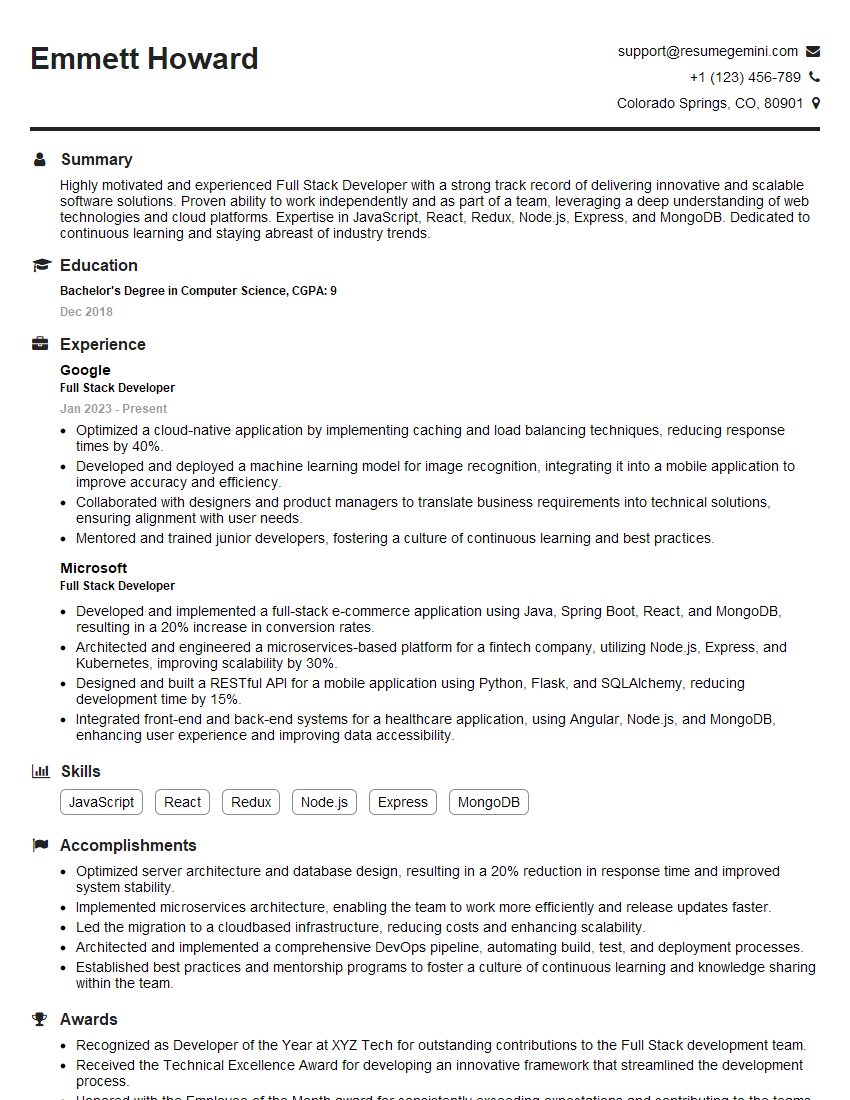
Full Stack Developer Resume Sample
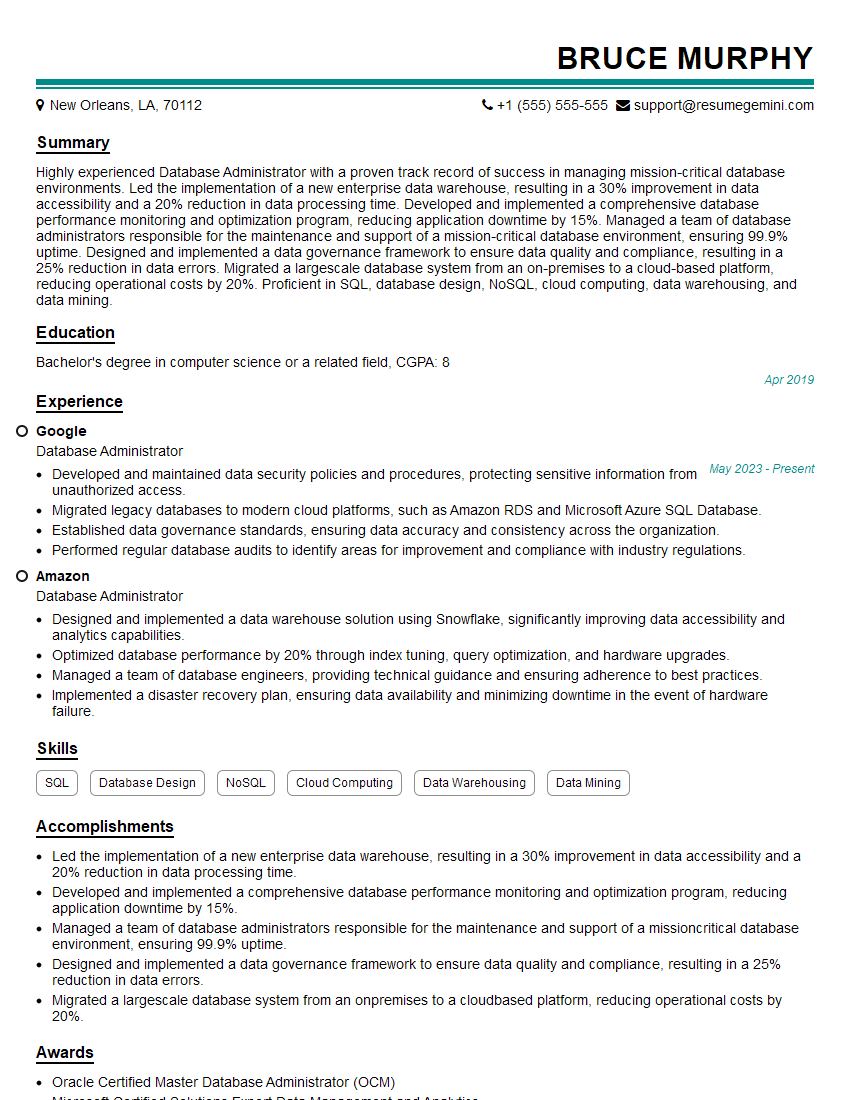
Database Administrator Resume Sample
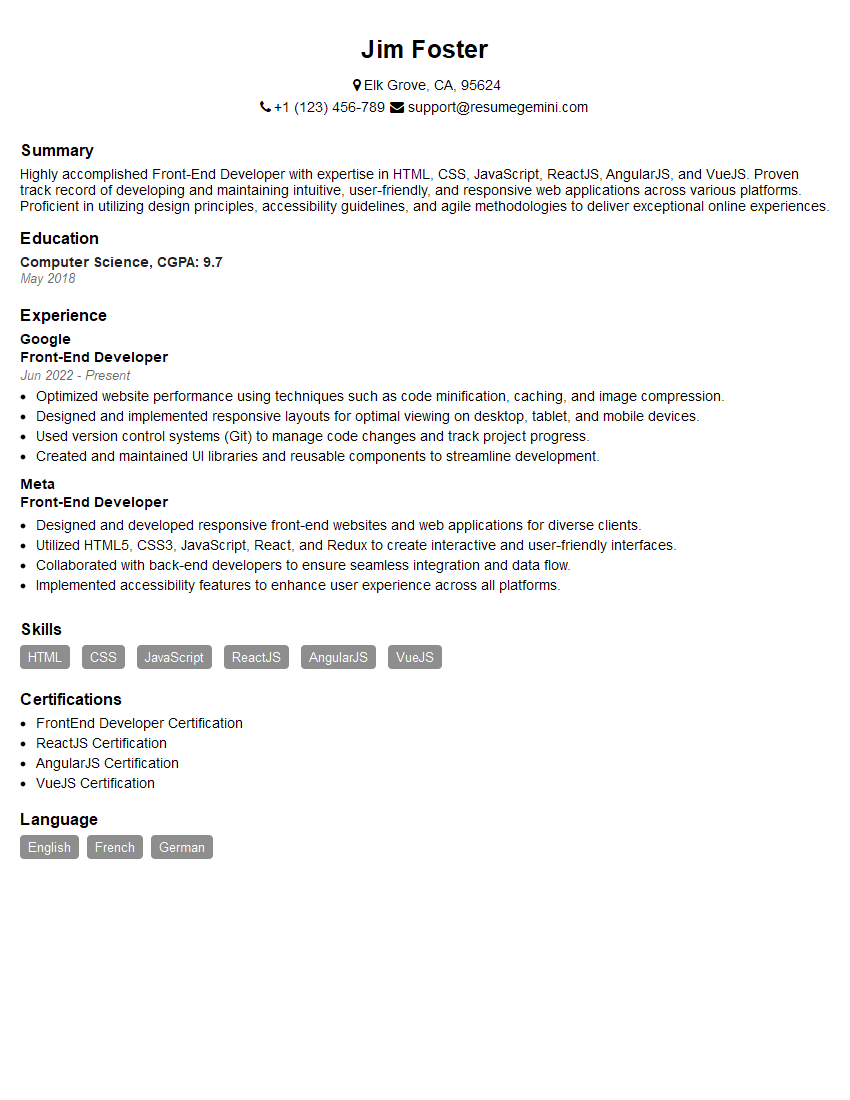
Front-End Developer Resume Sample
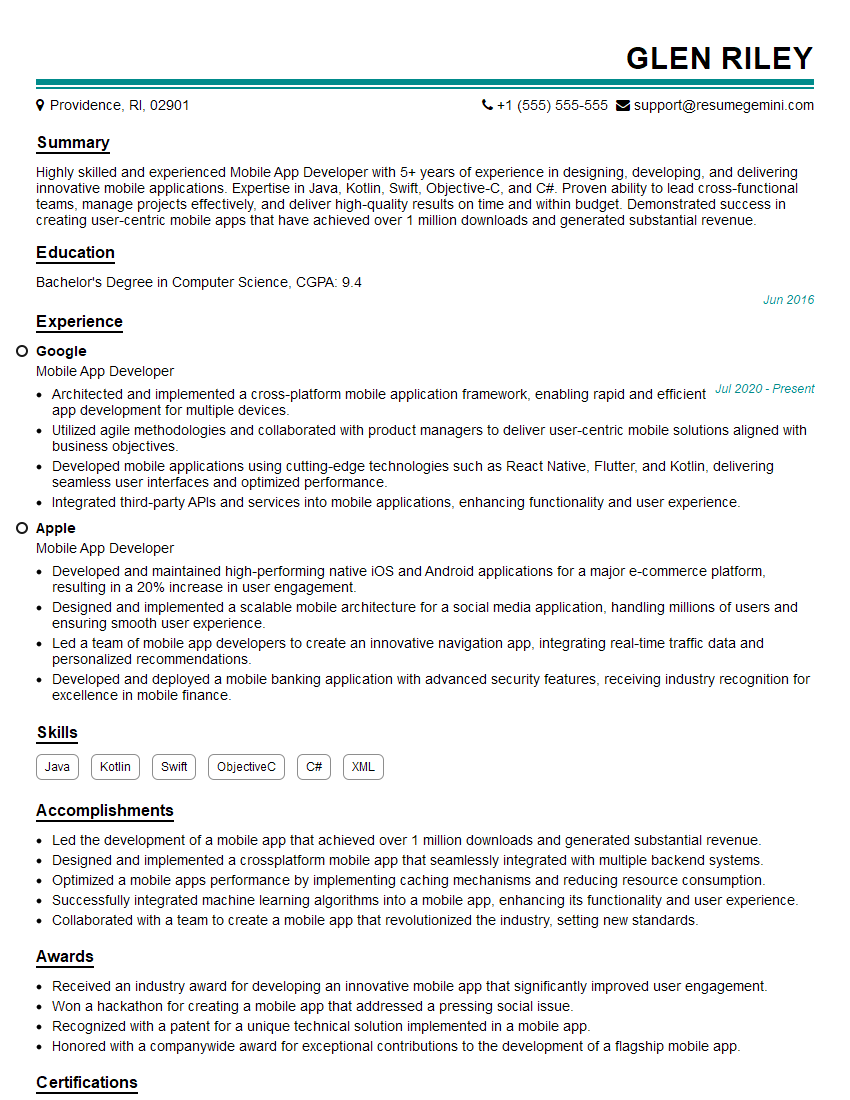
Mobile App Developer Resume Sample
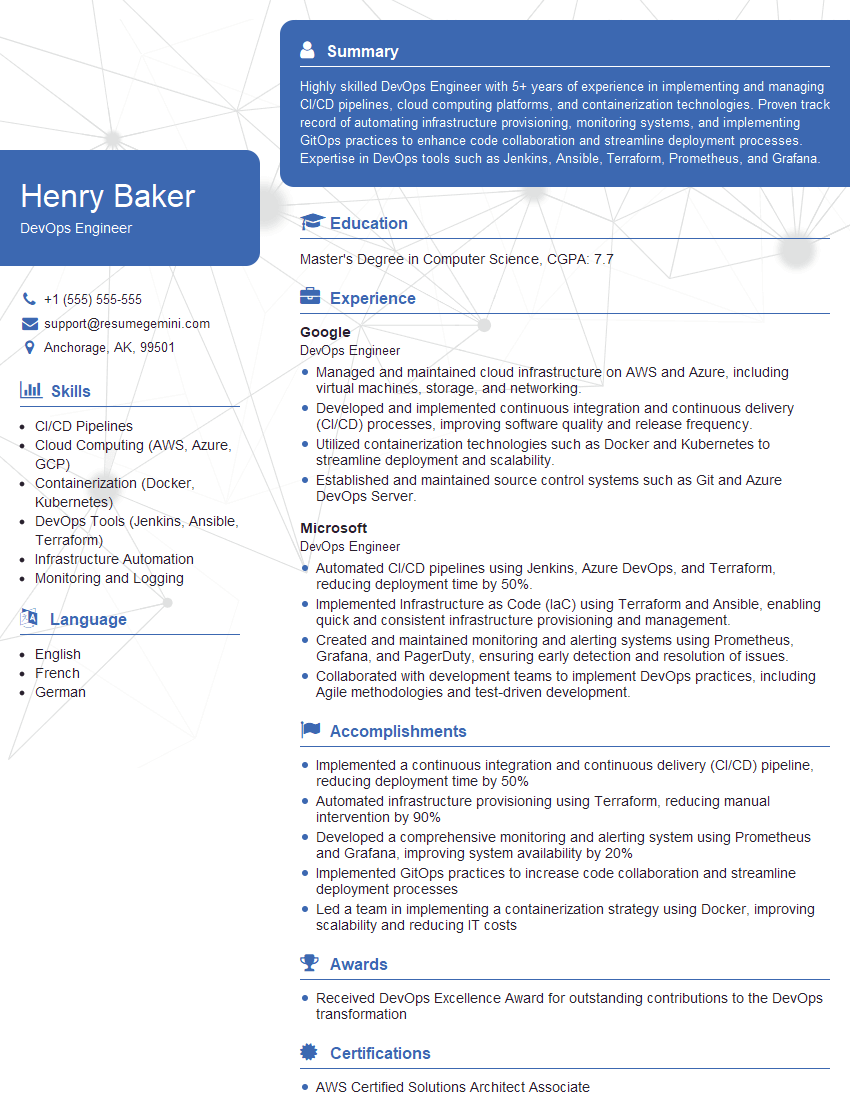
DevOps Engineer Resume Sample
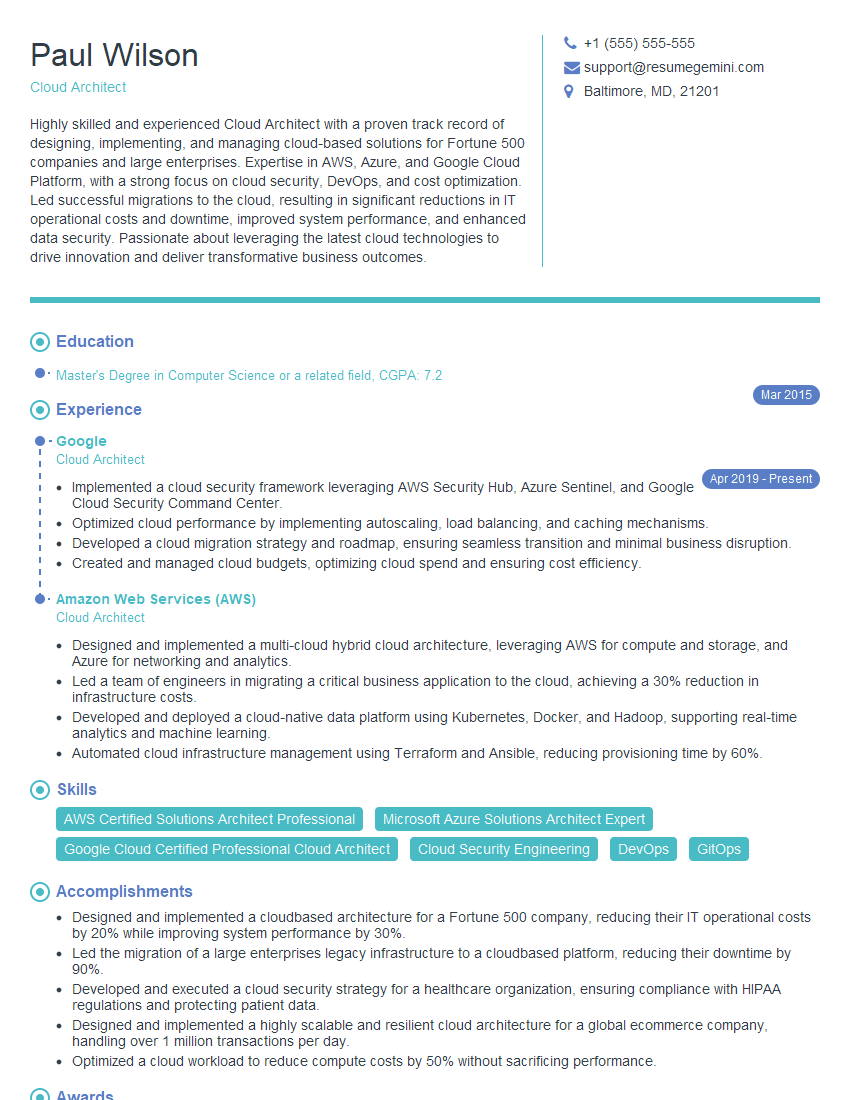
Cloud Architect Resume Sample
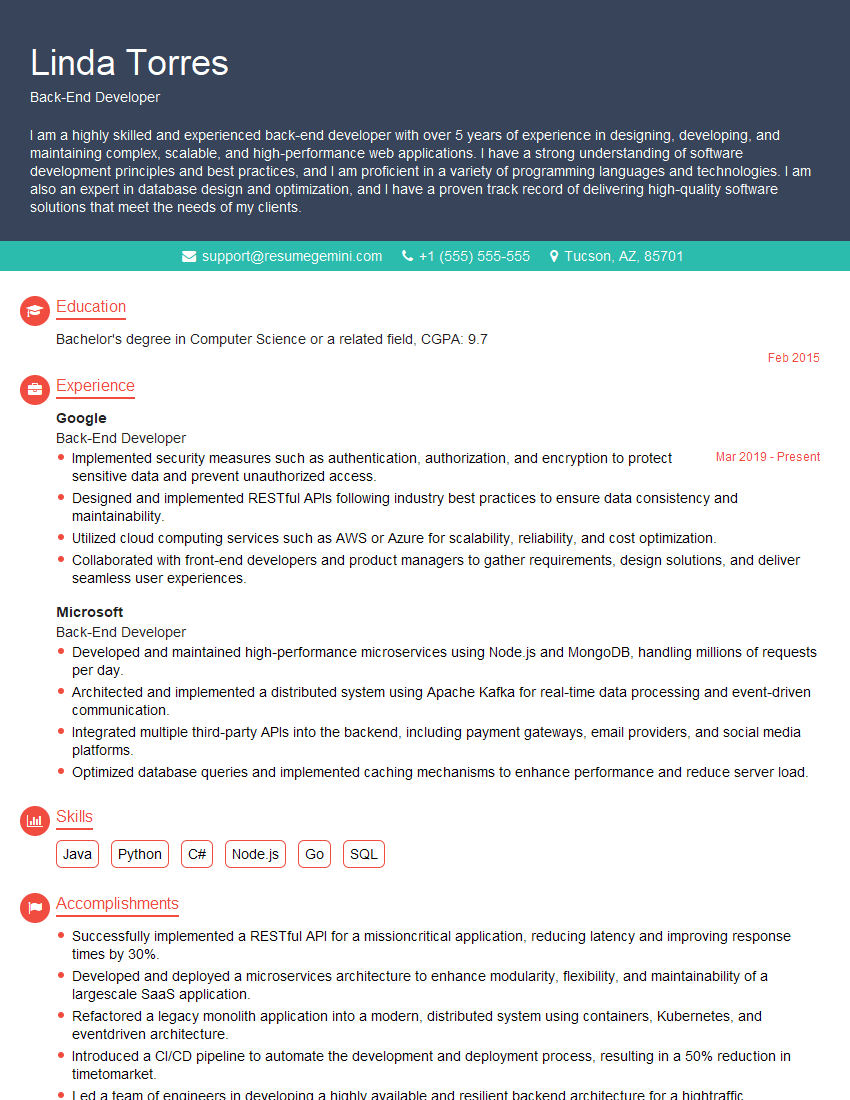
Back-End Developer Resume Sample
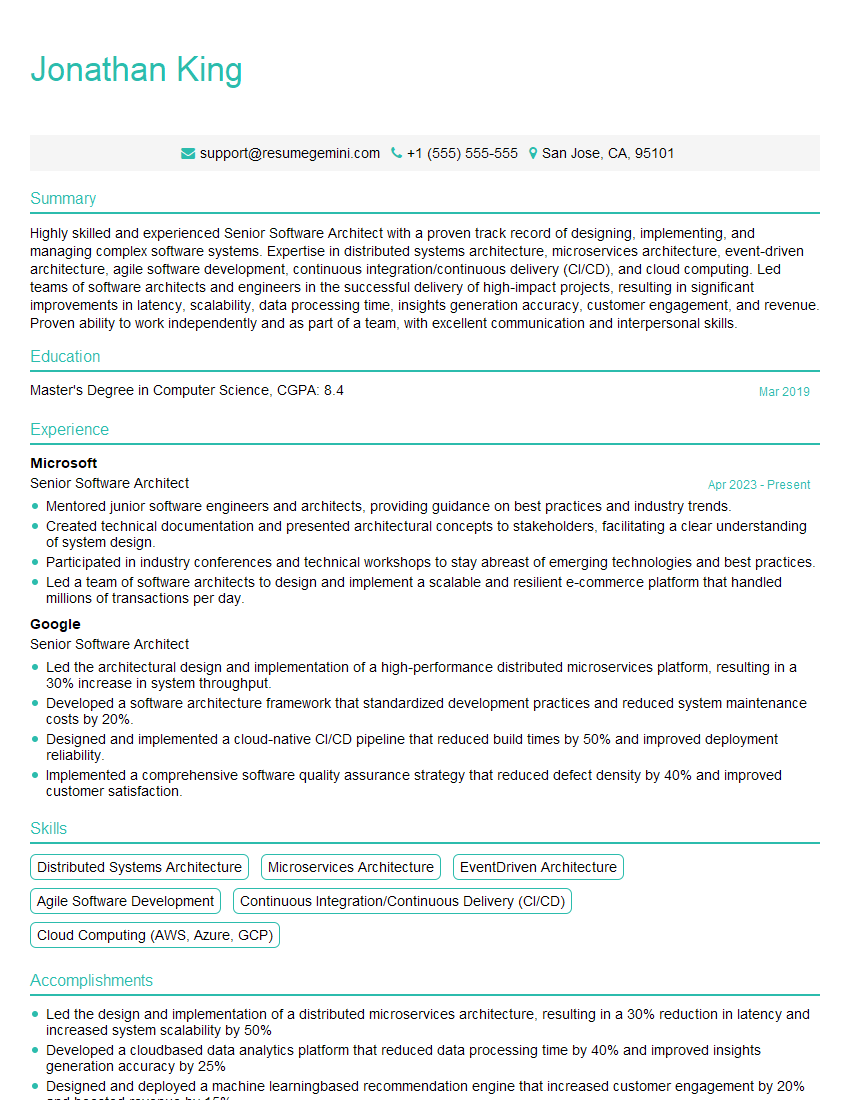
Senior Software Architect Resume Sample
- Enterprise Architect
- Security Architect
- Game Developer
- Software Designer
- Solutions Architect
- Data Architect
- Network Architect
- System Architect
- Technical Architect
- Infrastructure Architect
- Full Stack Developer
- Database Administrator
- Front-End Developer
- Mobile App Developer
- DevOps Engineer
- Cloud Architect
- Back-End Developer
- Senior Software Architect
Explore more articles
Users Rating of Our Blogs
Share Your Experience
We value your feedback! Please rate our content and share your thoughts (optional).
What Readers Say About Our Blog
Attention music lovers!
Wow, All the best Sax Summer music !!!
Spotify: https://open.spotify.com/artist/6ShcdIT7rPVVaFEpgZQbUk
Apple Music: https://music.apple.com/fr/artist/jimmy-sax-black/1530501936
YouTube: https://music.youtube.com/browse/VLOLAK5uy_noClmC7abM6YpZsnySxRqt3LoalPf88No
Other Platforms and Free Downloads : https://fanlink.tv/jimmysaxblack
on google : https://www.google.com/search?q=22+AND+22+AND+22
on ChatGPT : https://chat.openai.com?q=who20jlJimmy20Black20Sax20Producer
Get back into the groove with Jimmy sax Black
Best regards,
Jimmy sax Black
www.jimmysaxblack.com
Hi I am a troller at The aquatic interview center and I suddenly went so fast in Roblox and it was gone when I reset.
Hi,
Business owners spend hours every week worrying about their website—or avoiding it because it feels overwhelming.
We’d like to take that off your plate:
$69/month. Everything handled.
Our team will:
Design a custom website—or completely overhaul your current one
Take care of hosting as an option
Handle edits and improvements—up to 60 minutes of work included every month
No setup fees, no annual commitments. Just a site that makes a strong first impression.
Find out if it’s right for you:
https://websolutionsgenius.com/awardwinningwebsites
Hello,
we currently offer a complimentary backlink and URL indexing test for search engine optimization professionals.
You can get complimentary indexing credits to test how link discovery works in practice.
No credit card is required and there is no recurring fee.
You can find details here:
https://wikipedia-backlinks.com/indexing/
Regards
NICE RESPONSE TO Q & A
hi
The aim of this message is regarding an unclaimed deposit of a deceased nationale that bears the same name as you. You are not relate to him as there are millions of people answering the names across around the world. But i will use my position to influence the release of the deposit to you for our mutual benefit.
Respond for full details and how to claim the deposit. This is 100% risk free. Send hello to my email id: [email protected]
Luka Chachibaialuka
Hey interviewgemini.com, just wanted to follow up on my last email.
We just launched Call the Monster, an parenting app that lets you summon friendly ‘monsters’ kids actually listen to.
We’re also running a giveaway for everyone who downloads the app. Since it’s brand new, there aren’t many users yet, which means you’ve got a much better chance of winning some great prizes.
You can check it out here: https://bit.ly/callamonsterapp
Or follow us on Instagram: https://www.instagram.com/callamonsterapp
Thanks,
Ryan
CEO – Call the Monster App
Hey interviewgemini.com, I saw your website and love your approach.
I just want this to look like spam email, but want to share something important to you. We just launched Call the Monster, a parenting app that lets you summon friendly ‘monsters’ kids actually listen to.
Parents are loving it for calming chaos before bedtime. Thought you might want to try it: https://bit.ly/callamonsterapp or just follow our fun monster lore on Instagram: https://www.instagram.com/callamonsterapp
Thanks,
Ryan
CEO – Call A Monster APP
To the interviewgemini.com Owner.
Dear interviewgemini.com Webmaster!
Hi interviewgemini.com Webmaster!
Dear interviewgemini.com Webmaster!
excellent
Hello,
We found issues with your domain’s email setup that may be sending your messages to spam or blocking them completely. InboxShield Mini shows you how to fix it in minutes — no tech skills required.
Scan your domain now for details: https://inboxshield-mini.com/
— Adam @ InboxShield Mini
Reply STOP to unsubscribe
Hi, are you owner of interviewgemini.com? What if I told you I could help you find extra time in your schedule, reconnect with leads you didn’t even realize you missed, and bring in more “I want to work with you” conversations, without increasing your ad spend or hiring a full-time employee?
All with a flexible, budget-friendly service that could easily pay for itself. Sounds good?
Would it be nice to jump on a quick 10-minute call so I can show you exactly how we make this work?
Best,
Hapei
Marketing Director
Hey, I know you’re the owner of interviewgemini.com. I’ll be quick.
Fundraising for your business is tough and time-consuming. We make it easier by guaranteeing two private investor meetings each month, for six months. No demos, no pitch events – just direct introductions to active investors matched to your startup.
If youR17;re raising, this could help you build real momentum. Want me to send more info?
Hi, I represent an SEO company that specialises in getting you AI citations and higher rankings on Google. I’d like to offer you a 100% free SEO audit for your website. Would you be interested?
Hi, I represent an SEO company that specialises in getting you AI citations and higher rankings on Google. I’d like to offer you a 100% free SEO audit for your website. Would you be interested?