The right preparation can turn an interview into an opportunity to showcase your expertise. This guide to Load and Unload Operations interview questions is your ultimate resource, providing key insights and tips to help you ace your responses and stand out as a top candidate.
Questions Asked in Load and Unload Operations Interview
Q 1. Describe your experience with different types of loading equipment.
My experience encompasses a wide range of loading equipment, from basic hand trucks and pallet jacks to sophisticated automated systems. I’m proficient with forklifts (both sit-down and stand-up), reach trucks, order pickers, and conveyor systems. I’ve also worked with specialized equipment like cranes and loading docks equipped with levelers and restraints. For example, in a previous role, we used reach trucks to efficiently stack palletized goods in a high-bay warehouse, maximizing storage space. In another instance, I oversaw the safe and efficient unloading of oversized containers using a combination of a forklift and a crane. My expertise extends to understanding the limitations and operational requirements of each piece of equipment, ensuring the right tool is used for the right job, maximizing efficiency and safety.
- Forklifts: Various types (sit-down, stand-up, counterbalance) and capacities, emphasizing safe operation and load stability.
- Reach Trucks: Expertise in high-bay warehousing and efficient pallet placement.
- Order Pickers: Proficiency in selecting individual items from shelves quickly and accurately.
- Conveyors: Understanding of belt, roller, and other conveyor types and their applications in automated systems.
- Cranes and Specialized Equipment: Experience with safe operation and load securing.
Q 2. Explain your understanding of safety regulations in load and unload operations.
Safety is paramount in loading and unloading operations. My understanding of regulations includes adhering to OSHA (Occupational Safety and Health Administration) standards and any relevant company-specific safety protocols. This covers aspects like proper PPE (Personal Protective Equipment) usage – including safety shoes, high-visibility vests, and hard hats – safe operating procedures for all equipment, load securing techniques to prevent shifting or tipping during transit, and hazard communication to ensure all personnel are aware of potential risks. I’m also familiar with weight limits, load center calculations, and the importance of pre-shift equipment inspections. For instance, I’ve implemented a system of daily forklift inspections, which resulted in a significant reduction in equipment-related accidents. A crucial element is proactive hazard identification and risk mitigation – identifying potential problems before they become accidents. This might involve adjusting loading strategies, improving lighting, or implementing additional safety training.
Q 3. How do you ensure efficient loading and unloading processes?
Efficient loading and unloading hinge on careful planning and execution. I utilize several strategies: Firstly, proper pre-planning, including reviewing delivery manifests and confirming product specifications beforehand, is essential. Secondly, optimizing the loading sequence – placing heavier items lower and distributing weight evenly – prevents instability. I employ techniques like cross-docking to speed up transfers between vehicles and warehouses. Furthermore, regular communication among the loading team, drivers, and warehouse staff ensures a coordinated effort and minimizes delays. For example, we implemented a barcode scanning system in one role, which significantly sped up the inventory verification and loading process. We also analyzed the layout of the loading dock to identify and eliminate bottlenecks.
Q 4. What methods do you use to verify load accuracy?
Load accuracy is verified through multiple methods. Firstly, a thorough comparison of the delivery manifest or shipping documents with the actual goods being loaded or unloaded. Secondly, using counting systems, be they manual or automated, ensures the correct quantity of items is handled. In a previous role, we used handheld scanners to track individual items, automatically updating the inventory system in real-time. This minimized human error and ensured accurate billing and inventory tracking. Weight verification using scales ensures the load conforms to legal and safety limits. Finally, visual inspection of the load itself helps identify any discrepancies or damage before transit.
Q 5. How do you handle damaged goods during loading and unloading?
Handling damaged goods requires careful documentation and procedural adherence. Damaged items are immediately identified and clearly marked to avoid further damage or accidental shipment. Detailed documentation of the damage – including photographs and descriptions – is essential for insurance claims or return processing. The damaged goods are segregated from undamaged goods to prevent contamination and ensure the integrity of the remaining inventory. Depending on the nature of the damage and company policy, the goods might be repaired, returned to the supplier, or disposed of properly.
Q 6. Describe your experience with inventory management in relation to loading and unloading.
Inventory management is intrinsically linked to loading and unloading. Accurate inventory tracking throughout the loading and unloading process ensures a smooth flow of goods and prevents stock discrepancies. Real-time inventory updates provide insights into stock levels, allowing for proactive adjustments in order fulfillment and efficient resource allocation. For instance, I’ve used inventory management software to track inbound and outbound shipments, generating reports that highlight potential areas for improvement in our loading and unloading efficiency. Accurate inventory data also supports efficient warehouse space management and reduces the risk of stockouts or overstocking.
Q 7. How do you prioritize tasks during peak loading/unloading times?
During peak times, task prioritization is crucial. I utilize a combination of methods, prioritizing urgent orders – those with strict deadlines or time-sensitive delivery requirements – ahead of others. I employ techniques such as assigning specific teams to handle high-priority tasks, leveraging any available automation to handle repetitive tasks, and carefully scheduling deliveries and unloading operations to optimize workflow. Effective communication is key – making sure the entire team understands the priorities and potential challenges. This may include allocating extra staff during peak periods or negotiating flexible delivery schedules with clients.
Q 8. What is your experience with different types of packaging and how it impacts loading?
My experience encompasses a wide range of packaging types, from simple cardboard boxes and pallets to specialized containers like crates, drums, and even oversized, fragile items requiring custom cushioning. Understanding packaging is crucial because it directly impacts loading efficiency and the safety of the goods. For instance, poorly packaged items are more prone to damage during transit, leading to delays, increased costs, and potential customer dissatisfaction.
- Cardboard Boxes: These are common but require careful stacking to prevent collapse. Weight distribution is vital – heavier items at the bottom, lighter ones on top. We often use interlocking techniques to improve stability.
- Pallets: These are the backbone of many loading operations. Properly securing goods to the pallet using stretch wrap, strapping, or shrink wrap is paramount. The type of pallet (wood, plastic, etc.) also influences loading techniques and compatibility with different vehicles.
- Specialized Containers: Hazardous materials or fragile equipment need specialized containers and handling protocols. These often necessitate specific loading procedures and documentation to ensure compliance with safety regulations.
In my previous role, we handled a large shipment of delicate glassware. Because of the unique fragility, we used custom-fit foam inserts within individual boxes, and then carefully secured these boxes onto pallets with specialized padding and shrink wrap. This significantly reduced the risk of damage compared to a less tailored approach.
Q 9. How familiar are you with using loading and unloading checklists?
Loading and unloading checklists are essential for maintaining efficiency, safety, and accountability. I’m highly proficient in using them. A well-designed checklist ensures all steps are followed, minimizing errors and omissions. They also act as a valuable record for auditing purposes, tracing who was responsible for specific tasks and identifying potential areas for improvement.
Typically, a checklist covers aspects like pre-loading inspections (vehicle condition, documentation), securing the load (proper bracing, weight distribution), post-loading checks (securement, visibility), and safety procedures (personal protective equipment, equipment operation). I’ve used checklists tailored for various vehicle types, cargo sizes, and industry regulations, adjusting the specifics based on the job’s requirements. Regularly reviewing and updating these checklists is also crucial to ensure they remain current and effective.
For instance, one checklist I frequently used included sections for verifying the quantity of items loaded against the shipping manifest, confirming that all items were properly labeled, and documenting any damages or discrepancies before and after loading. This detailed approach ensured accuracy and helped prevent costly mistakes.
Q 10. Explain your experience with different types of transportation vehicles.
My experience includes working with a variety of transportation vehicles, including:
- Semi-trailer trucks: These are the workhorses of long-haul transportation. Understanding their weight limits, door mechanisms, and internal dimensions is crucial for efficient loading.
- Box trucks: Suitable for shorter distances and smaller loads, these require different loading techniques to maximize space utilization.
- Flatbed trailers: These require careful consideration of securing the load to prevent shifting during transit, often requiring additional equipment like straps and chains.
- Container ships and rail cars: I have experience with loading and unloading goods from these modes of transport, each with its specific safety protocols and equipment.
Each vehicle type presents unique challenges. For example, loading a semi-trailer requires strategic planning to optimize weight distribution and prevent imbalance, while loading a container ship demands meticulous coordination to ensure smooth stacking and prevent damage to goods.
Q 11. How do you ensure the security of goods during loading and unloading?
Ensuring the security of goods is paramount. My approach involves a multi-layered strategy:
- Proper Packaging and Securing: This is the first line of defense. Using appropriate packaging materials and securing the load with straps, shrink wrap, or other methods prevents shifting and damage.
- Vehicle Security: Utilizing tamper-evident seals, GPS tracking, and secure locking mechanisms on vehicles prevents theft or unauthorized access.
- Surveillance: Where appropriate, CCTV cameras and security personnel enhance overall security during loading and unloading.
- Documentation: Maintaining accurate records, including manifests, bills of lading, and damage reports, is crucial for tracking and accountability.
- Compliance: Adhering to industry regulations and best practices related to transportation security (e.g., Transportation Security Administration (TSA) regulations in the USA).
In one instance, we were shipping high-value electronics. We implemented all the above measures, including using specialized security containers, GPS tracking, and having security personnel oversee the loading and unloading process. This ensured the shipment arrived safely and without incident.
Q 12. Describe your problem-solving skills in relation to unexpected loading/unloading issues.
Unexpected issues are inevitable in loading and unloading. My problem-solving approach is systematic:
- Assess the situation: Identify the problem’s nature and scope. Is it equipment malfunction, weather-related, a damaged product, or a scheduling conflict?
- Prioritize: Determine the urgency and impact of the issue. Some problems require immediate action, while others can be addressed later.
- Develop solutions: Explore several solutions, considering their feasibility, time constraints, and impact on safety. This might involve adjusting loading procedures, using alternative equipment, or seeking assistance from colleagues.
- Implement the solution: Execute the chosen solution while adhering to safety protocols.
- Review and document: After resolving the problem, analyze the root cause and document the solution for future reference. This helps prevent similar issues from recurring.
For example, we once encountered a forklift malfunction during a peak loading period. We quickly assessed the situation, prioritized the task, and utilized a backup forklift while requesting maintenance on the malfunctioning unit. We also documented the incident and the implemented solution to prevent similar delays in the future. This process highlights the importance of having backup plans and clear communication protocols in place.
Q 13. How do you maintain a clean and organized work area?
Maintaining a clean and organized work area is critical for safety and efficiency. My approach combines preventative measures and regular cleanup:
- Pre-shift preparation: Before starting, I make sure the area is free of debris and obstacles.
- Organized storage: Properly storing tools, equipment, and packaging materials prevents clutter.
- Regular cleanup: Throughout the shift, I take short breaks to clean up any spills or debris, preventing accumulation.
- Waste disposal: Following proper waste disposal procedures, separating recyclable materials from non-recyclables.
- Post-shift cleanup: At the end of the shift, I ensure the area is thoroughly cleaned and organized for the next team.
A clean and organized workspace reduces the risk of accidents, improves efficiency by facilitating easy access to materials, and contributes to a more professional and safer work environment. I believe in the importance of leaving the work area cleaner than I found it, setting an example for others to follow.
Q 14. What is your experience with using scanners and warehouse management systems?
I have extensive experience using scanners and warehouse management systems (WMS). Scanners are essential for tracking inventory, ensuring accuracy in loading and unloading, and verifying that the correct items are shipped. WMS facilitates real-time inventory management, optimizes loading strategies, and integrates with other systems, improving overall efficiency and tracking capabilities.
My experience involves using handheld scanners to track goods throughout the loading and unloading process. This is crucial for verifying items against shipping manifests, ensuring that no discrepancies exist and that all items are accounted for. I’m also familiar with using WMS software to access real-time inventory information, generate picking lists, and track the location of goods within the warehouse. This data improves the speed and accuracy of loading, minimizes errors, and enhances overall warehouse operations.
Example: Using a WMS, I can generate a picking list that shows the location of items needed for a particular shipment, optimize the route within the warehouse to minimize travel time, and verify that the correct items were loaded onto the vehicle, all while tracking the shipment throughout the delivery process.
Q 15. Explain your experience with load planning and optimization.
Load planning and optimization are crucial for efficient and safe operations. It involves strategically arranging cargo within a vehicle or container to maximize space utilization, minimize weight distribution imbalances, and ensure the safety and stability of the load. My experience encompasses using various software and techniques to achieve this.
- Software Utilization: I’m proficient in using load planning software that allows for 3D visualization of the load, taking into account dimensions, weight, and center of gravity of individual items. This ensures optimal space utilization and prevents overloading.
- Weight Distribution: I understand the importance of balanced weight distribution to prevent instability during transit. Heavier items are placed lower and closer to the center of gravity, while lighter items are strategically placed to fill gaps and maintain balance. For example, in a truck carrying palletized goods, heavier pallets would be placed towards the bottom and center, and lighter ones at the top, ensuring stability during transit.
- Securing the Load: Proper load securing is paramount. My experience involves using various methods such as straps, dunnage, and blocking to prevent shifting during transport. This includes understanding the right tension and securing points for different types of cargo.
For instance, in one project involving the transportation of fragile ceramic tiles, careful planning with custom-designed dunnage and securement methods ensured zero breakage during transit over long distances.
Career Expert Tips:
- Ace those interviews! Prepare effectively by reviewing the Top 50 Most Common Interview Questions on ResumeGemini.
- Navigate your job search with confidence! Explore a wide range of Career Tips on ResumeGemini. Learn about common challenges and recommendations to overcome them.
- Craft the perfect resume! Master the Art of Resume Writing with ResumeGemini’s guide. Showcase your unique qualifications and achievements effectively.
- Don’t miss out on holiday savings! Build your dream resume with ResumeGemini’s ATS optimized templates.
Q 16. How do you communicate effectively with your team during loading and unloading?
Clear and effective communication is the backbone of safe and efficient loading and unloading operations. I prioritize clear, concise, and respectful communication within my team, using a multi-faceted approach.
- Pre-shift Briefings: Before each operation, I conduct thorough briefings outlining the tasks, safety protocols, and any potential challenges. This sets expectations and ensures everyone is on the same page.
- Visual Aids: I use diagrams, checklists, and load plans to visually communicate the loading strategy. This ensures every team member understands their responsibilities.
- Hand Signals and Verbal Communication: During the loading/unloading process, hand signals and clear verbal communication are vital, especially in noisy environments. I use standardized hand signals and maintain clear, concise verbal communication to avoid misunderstandings.
- Regular Check-ins: I maintain regular communication throughout the process to address any issues promptly and maintain the workflow. This could involve simple check-ins, ensuring that everyone is feeling safe and the operation is proceeding according to plan.
For example, when loading oversized equipment, we use a designated signaler to guide the crane operator, ensuring safe placement and avoiding collisions.
Q 17. How do you handle discrepancies between the shipping manifest and actual goods?
Discrepancies between the shipping manifest and actual goods require immediate attention and careful documentation. My approach involves a systematic process:
- Verification: I thoroughly compare the manifest with the actual goods, verifying quantities, descriptions, and condition of each item.
- Documentation: Any discrepancies are meticulously documented, including photos or videos as evidence. This documentation serves as a record for insurance claims, inventory adjustments, or any necessary investigation.
- Notification: I immediately inform the relevant parties, including the shipper, receiver, and my supervisor, of the discrepancies and the steps taken.
- Reconciliation: Depending on the nature and scale of the discrepancy, we might initiate a reconciliation process, which may involve contacting the shipper to clarify the issue or adjusting inventory records.
For example, if a shipment of 100 boxes is received, but the manifest lists only 98, the two missing boxes are carefully documented with photographs and descriptions, and a formal discrepancy report is filed with the shipping company.
Q 18. What is your experience with hazardous materials handling?
I possess extensive experience in handling hazardous materials (HazMat), adhering strictly to all relevant regulations and safety protocols. My experience includes:
- Training and Certification: I hold necessary certifications (e.g., HAZWOPER) for handling various classes of HazMat.
- Proper Identification and Labeling: I am adept at recognizing and correctly identifying HazMat containers and labels, understanding their associated risks and precautions.
- Safety Procedures: I am thoroughly familiar with and strictly follow all safety procedures for handling, storage, and transportation of HazMat, including personal protective equipment (PPE) requirements.
- Emergency Response: I am trained in emergency response procedures for HazMat incidents, knowing how to react to spills, leaks, or other emergencies.
For example, when handling corrosive chemicals, we use appropriate PPE such as protective suits, gloves, and respirators, and carefully follow procedures for proper containment and disposal.
Q 19. How do you ensure the safety of yourself and others during the loading/unloading process?
Ensuring the safety of myself and others is my top priority. I implement a multi-layered safety approach:
- Pre-shift Safety Checks: Before commencing operations, I conduct thorough safety checks of equipment, including forklifts, loading ramps, and securing mechanisms.
- PPE Usage: I insist on the correct and consistent use of PPE, including safety shoes, high-visibility vests, gloves, and hard hats, as appropriate for the task.
- Safe Work Practices: I rigorously enforce safe work practices, including proper lifting techniques, maintaining awareness of surroundings, and avoiding unsafe shortcuts.
- Communication and Teamwork: Effective communication and teamwork are essential for preventing accidents. I actively encourage communication among the team and address any safety concerns immediately.
- Following Regulations: I adhere strictly to all relevant safety regulations and guidelines.
For example, I would never allow anyone to work under a suspended load without proper safety precautions in place. This includes maintaining a safe distance and using designated signalers to communicate with crane operators.
Q 20. Describe your experience with different types of pallets and their handling.
My experience encompasses handling various pallet types, understanding their strengths, limitations, and proper handling procedures:
- Standard Pallets: I’m experienced in handling standard wooden, plastic, and composite pallets, understanding their weight capacity and stability.
- Specialized Pallets: I’ve worked with specialized pallets designed for specific goods, such as those with integrated dunnage or designed for hazardous materials, which require specific handling.
- Damaged Pallets: I can identify damaged pallets and take appropriate action, preventing their use to avoid accidents.
- Pallet Handling Equipment: I’m proficient in using various pallet handling equipment such as forklifts, pallet jacks, and conveyors, ensuring safe and efficient operation.
For example, when handling pallets containing fragile items, I would utilize a forklift with cushioned forks to minimize the risk of damage during transportation and stacking.
Q 21. What is your understanding of weight limits and load capacity?
Understanding weight limits and load capacity is fundamental to safe and legal operations. My knowledge encompasses:
- Vehicle Capacity: I’m familiar with the weight limits and load capacity of various vehicles, including trucks, trailers, and containers. This includes understanding gross vehicle weight rating (GVWR), axle weight limits, and other relevant regulations.
- Weight Distribution: I understand the importance of proper weight distribution to maintain vehicle stability and prevent overloading. This involves calculating weight distribution and ensuring it aligns with regulations and vehicle specifications.
- Load Securing: I understand that exceeding weight limits or improperly distributing weight can compromise load securing, increasing the risk of accidents. This requires knowledge of weight limitations for different securing methods.
- Compliance: I’m committed to ensuring all loads comply with relevant regulations and weight restrictions, using scales to verify weights before transit.
For example, before loading a truck, I’d weigh the cargo and verify that the total weight, along with the truck’s own weight, does not exceed the GVWR, and that the weight is evenly distributed across the axles.
Q 22. How do you adapt to changes in loading/unloading schedules or priorities?
Adapting to changing schedules and priorities in loading/unloading operations requires flexibility and efficient communication. My approach involves several key steps. First, I prioritize tasks based on urgency and deadlines, using tools like Kanban boards or prioritization matrices to visualize workflow and dependencies. Second, I maintain open communication with all stakeholders – warehouse managers, drivers, and clients – to ensure everyone is informed about any changes. This could involve regular briefings, updated digital schedules, or immediate alerts through messaging apps. Third, I leverage technology; for example, using a Transportation Management System (TMS) that dynamically adjusts routes and schedules in response to real-time updates. Finally, I encourage a culture of proactive problem-solving within the team, empowering them to make informed decisions and adapt quickly when unforeseen circumstances arise. For instance, if a delivery is delayed, I’d immediately re-prioritize tasks to ensure other scheduled loads aren’t impacted. This proactive approach keeps operations running smoothly even during periods of high change.
Q 23. What measures do you take to prevent accidents during loading and unloading?
Preventing accidents during loading and unloading is paramount. My safety protocol is multifaceted and begins with comprehensive training for all personnel. This covers safe lifting techniques, proper use of equipment (forklifts, pallet jacks, etc.), and awareness of potential hazards like blind spots and uneven surfaces. We conduct regular safety inspections of equipment and the loading area, identifying and rectifying any potential problems before they lead to accidents. Implementing clear signage, well-lit areas, and defined traffic routes minimizes confusion and risk. Furthermore, I enforce strict adherence to safety regulations, using checklists and documented procedures to ensure compliance. For instance, we have a ‘no unauthorized personnel’ policy near loading docks and require the use of high-visibility vests. Finally, we conduct regular safety briefings and debriefings after each shift to address near misses and improve our processes continuously. We use data analysis to track accident rates and identify recurring patterns, allowing us to make targeted improvements to prevent future incidents. A proactive, data-driven approach, emphasizing continuous improvement and employee engagement, is vital for maintaining a safe working environment.
Q 24. How do you maintain accurate records of loaded and unloaded items?
Maintaining accurate records of loaded and unloaded items is crucial for inventory management, billing, and traceability. We utilize a Warehouse Management System (WMS) to digitally track each item throughout the process. This system automatically logs the quantity, type, and destination of every item loaded and unloaded. Barcodes or RFID tags help automate this process, minimizing manual entry errors. We also conduct regular physical inventory checks to verify the accuracy of our WMS data and reconcile any discrepancies. Each shipment is accompanied by a detailed manifest that is digitally signed and stored within the system, ensuring complete auditability. In the rare case of manual record-keeping, we utilize a standardized, double-entry system to minimize error. Clear, concise documentation is key – all records are timestamped and include the responsible personnel. This meticulous approach ensures accuracy, transparency, and accountability in our inventory management.
Q 25. Describe a time you had to resolve a complex loading or unloading problem.
During a peak season rush, a major client’s order experienced a critical delay due to a supplier’s mistake – they provided incorrect dimensions for their palletized goods. This meant our pre-planned loading scheme was completely unusable, threatening to disrupt the entire delivery schedule. I immediately convened a meeting with the team, and we analyzed the situation. Using 3D modeling software (SketchUp), we quickly redesigned the loading plan, optimizing space and accommodating the oversized pallets. This involved shifting other items and re-sequencing the loading process. We communicated the changes to all stakeholders transparently and proactively addressed any concerns. While the initial delay was unavoidable, our quick thinking and efficient communication ensured minimal disruption to the remaining schedule. The revised plan was executed successfully, and we delivered the client’s order with minimal delay, preventing a potential financial loss and preserving a positive client relationship. This experience highlighted the importance of adaptability, clear communication, and leveraging available tools to resolve unexpected challenges.
Q 26. What software or systems are you proficient in for managing load and unload operations?
I am proficient in several software and systems used for managing load and unload operations. My experience includes using Warehouse Management Systems (WMS) such as Oracle WMS and SAP EWM. These systems are crucial for managing inventory, tracking shipments, and optimizing warehouse processes. I also have experience with Transportation Management Systems (TMS) such as Blue Yonder Luminate and Oracle Transportation Management, which help optimize routes, manage carrier relationships, and track shipments in real-time. Additionally, I am proficient in using Enterprise Resource Planning (ERP) systems, such as SAP ERP, for integrating load and unload operations with other business functions like finance and procurement. My familiarity with these systems, coupled with my expertise in logistics, allows me to streamline operations, improve efficiency, and reduce costs.
Q 27. How familiar are you with different types of warehouse layouts and their impact on operations?
Understanding different warehouse layouts and their impact on operations is fundamental to optimizing efficiency. I am familiar with various layouts, including U-shaped, L-shaped, and I-shaped configurations, each with its own strengths and weaknesses. For example, a U-shaped layout facilitates a more efficient flow of goods, minimizing travel time and improving productivity. Conversely, an I-shaped layout may be simpler to implement but can lead to bottlenecks. The layout also significantly impacts the choice of equipment. Narrow-aisle forklifts are essential for high-density storage in narrow aisle layouts, while wider aisles allow for larger equipment and increased maneuverability. Furthermore, the layout’s impact extends beyond physical space; it influences aspects like safety, staffing needs, and overall operational costs. Before implementing or changing a layout, a detailed analysis of current and future needs is critical, considering factors like product volume, storage needs, and order fulfillment strategies. My experience allows me to assess these factors and recommend the most suitable warehouse layout to maximize efficiency and minimize operational expenses.
Key Topics to Learn for Load and Unload Operations Interview
- Safety Procedures and Regulations: Understanding and adhering to all relevant safety protocols, including OSHA regulations and company-specific guidelines. This includes proper lifting techniques, use of personal protective equipment (PPE), and hazard identification.
- Equipment Operation and Maintenance: Familiarization with various loading and unloading equipment (forklifts, conveyors, cranes, etc.), their safe operation, and basic maintenance procedures. Be prepared to discuss experience with specific types of equipment.
- Inventory Management and Tracking: Understanding inventory control systems, accurate record-keeping, and the process of verifying quantities and conditions of goods during loading and unloading.
- Load Planning and Optimization: Knowledge of efficient loading techniques to maximize space utilization, prevent damage, and ensure stability during transport. This includes understanding weight distribution and securing loads properly.
- Logistics and Supply Chain: A basic understanding of the overall supply chain process and how load and unload operations contribute to its efficiency. Consider the impact of delays and potential solutions.
- Problem-Solving and Troubleshooting: Be ready to discuss situations where you had to overcome challenges during loading or unloading, highlighting your problem-solving skills and ability to adapt to unexpected situations.
- Teamwork and Communication: Emphasize your ability to work effectively within a team, communicate clearly with colleagues and supervisors, and follow instructions accurately.
Next Steps
Mastering Load and Unload Operations opens doors to various career advancements within logistics, warehousing, and transportation. Proficiency in these skills demonstrates reliability, efficiency, and attention to detail – highly valued attributes in many industries. To significantly boost your job prospects, creating a strong, ATS-friendly resume is crucial. ResumeGemini is a trusted resource that can help you build a professional and impactful resume tailored to highlight your skills and experience. Examples of resumes specifically crafted for Load and Unload Operations positions are available through ResumeGemini to guide you.

Operations Manager Resume Sample
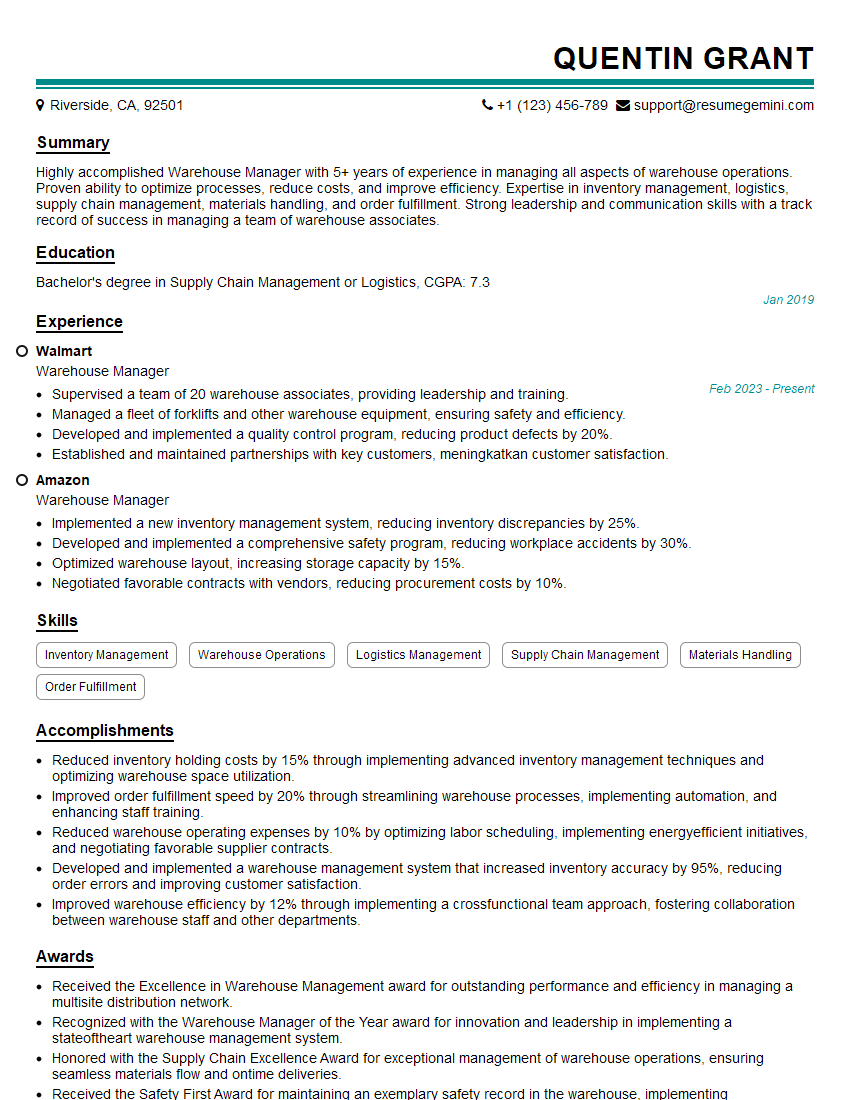
Warehouse Manager Resume Sample
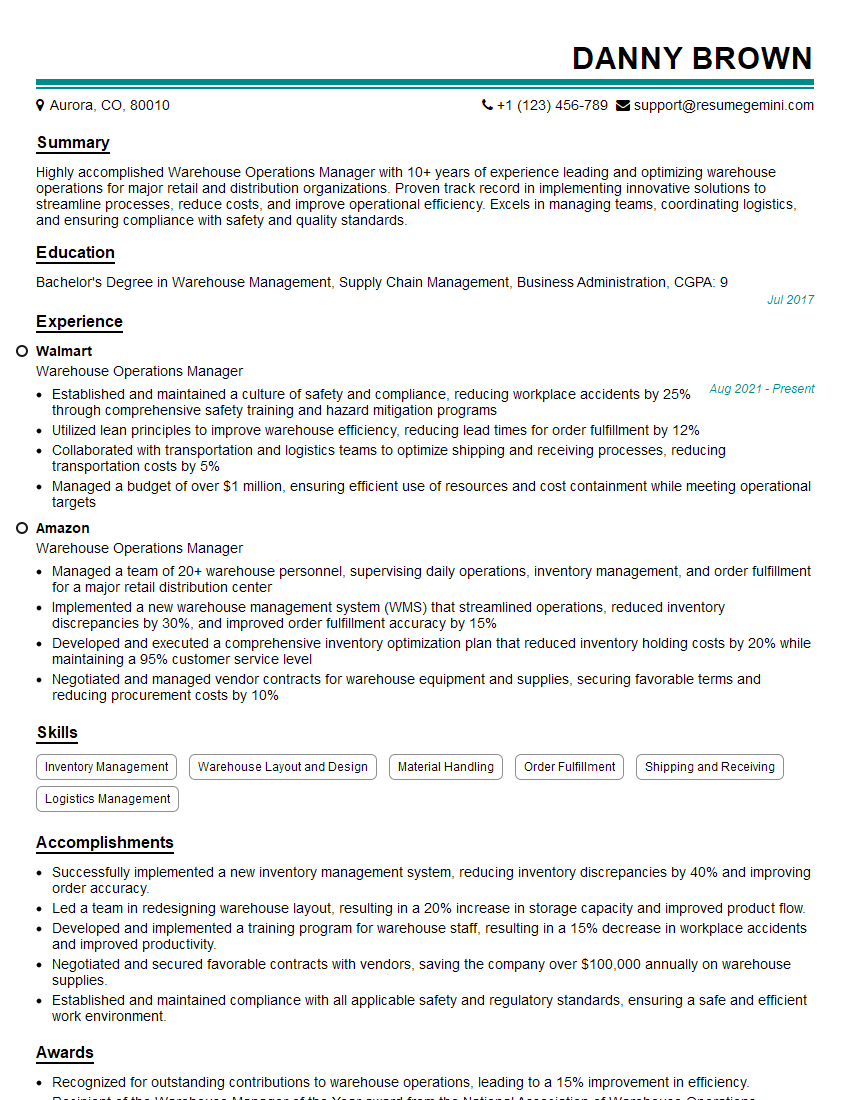
Warehouse Operations Manager Resume Sample
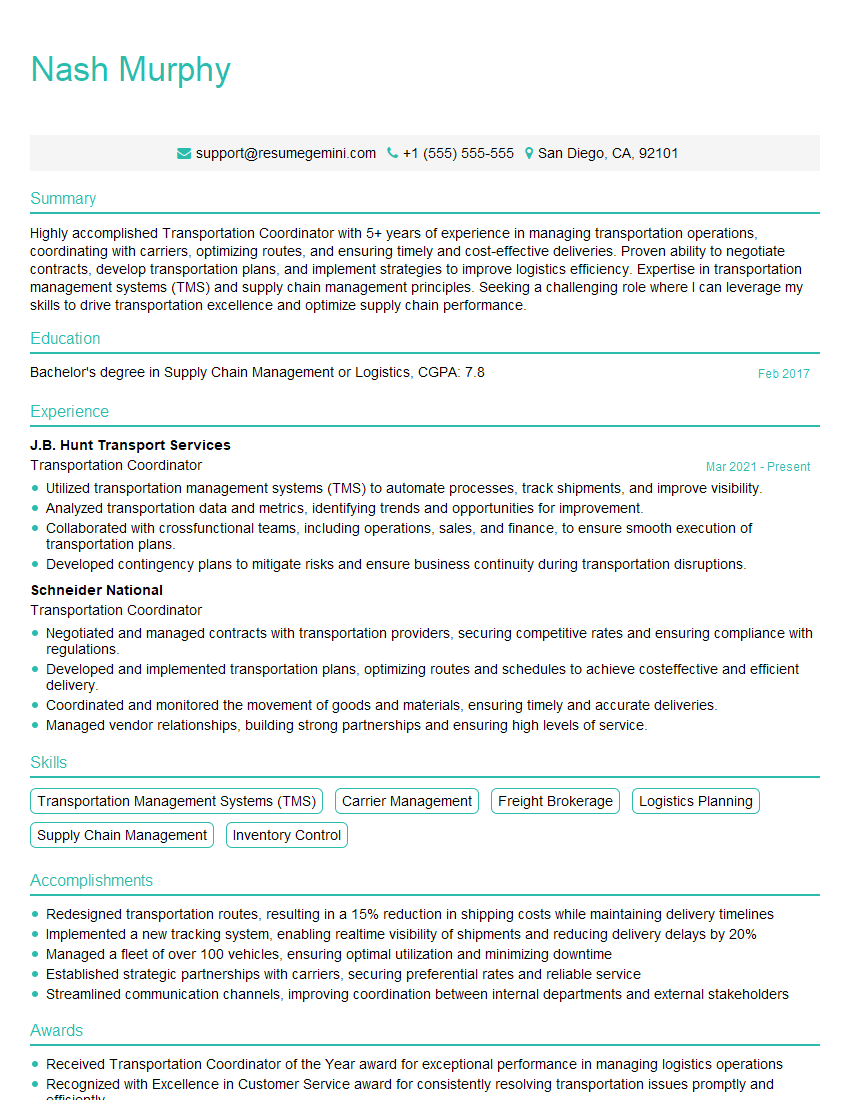
Transportation Coordinator Resume Sample
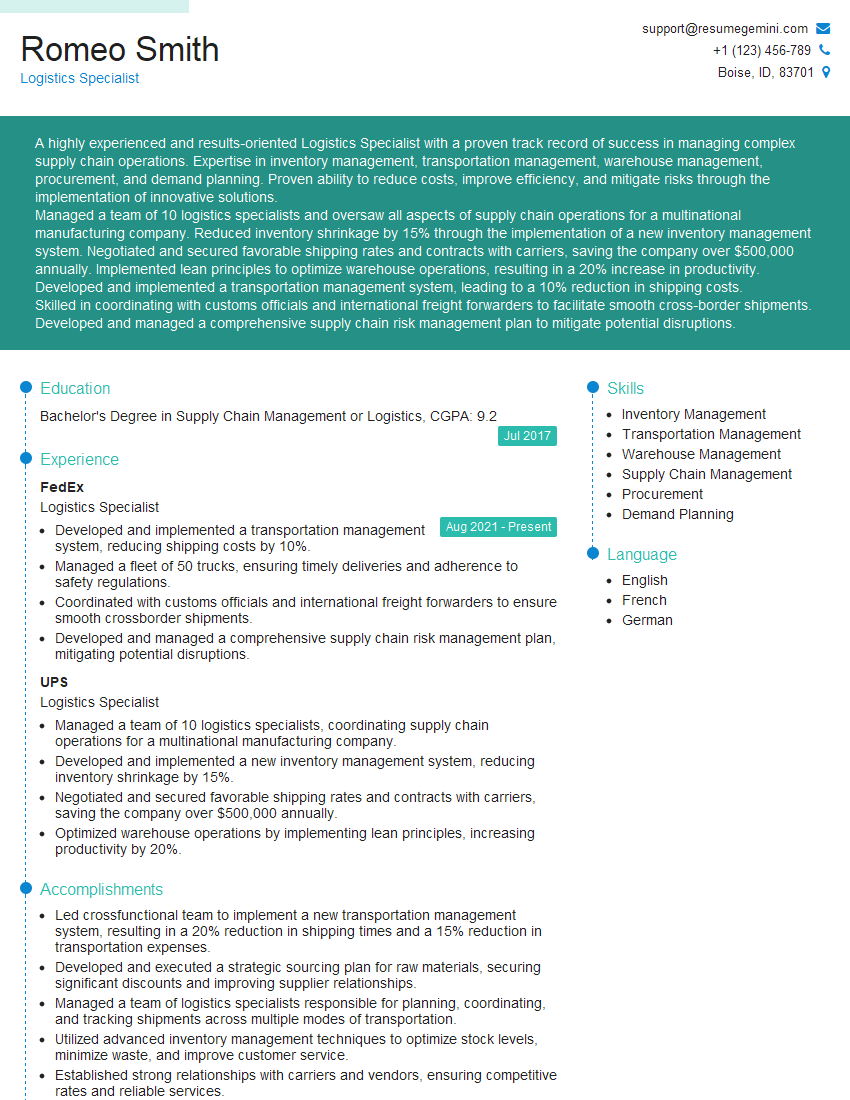
Logistics Specialist Resume Sample
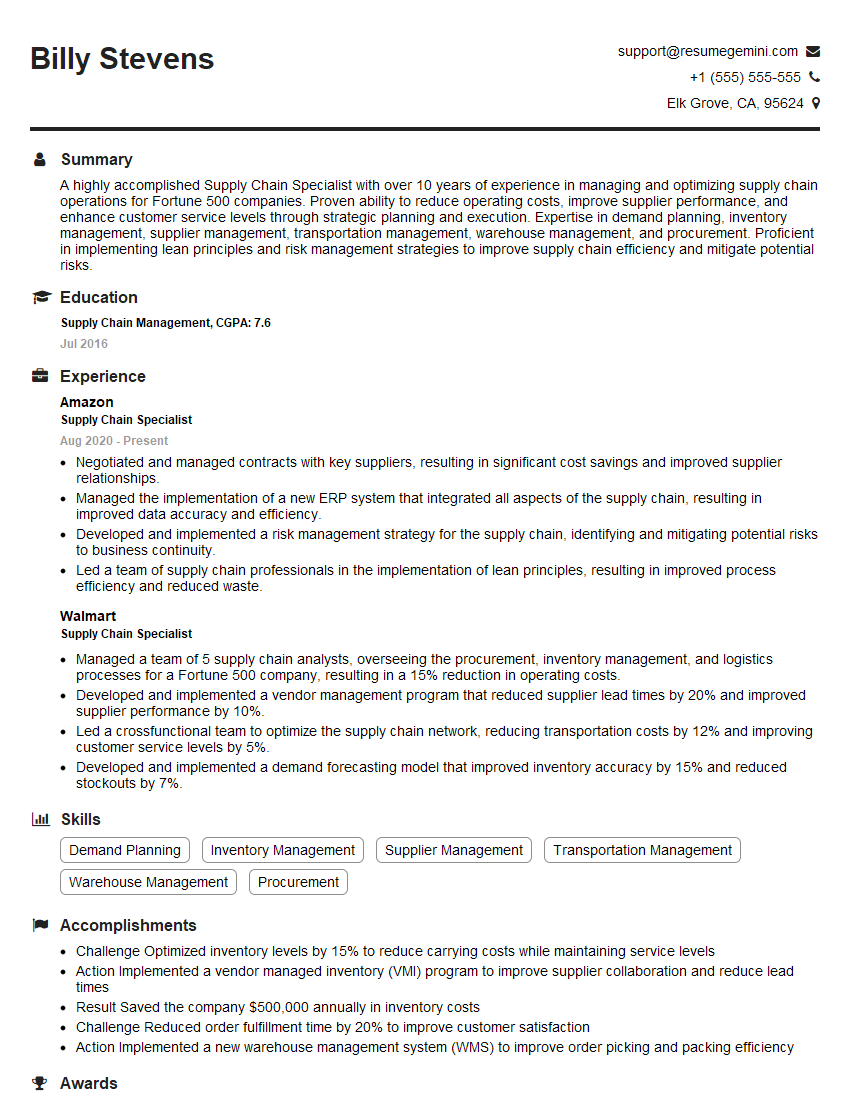
Supply Chain Specialist Resume Sample

Crane Operator Resume Sample
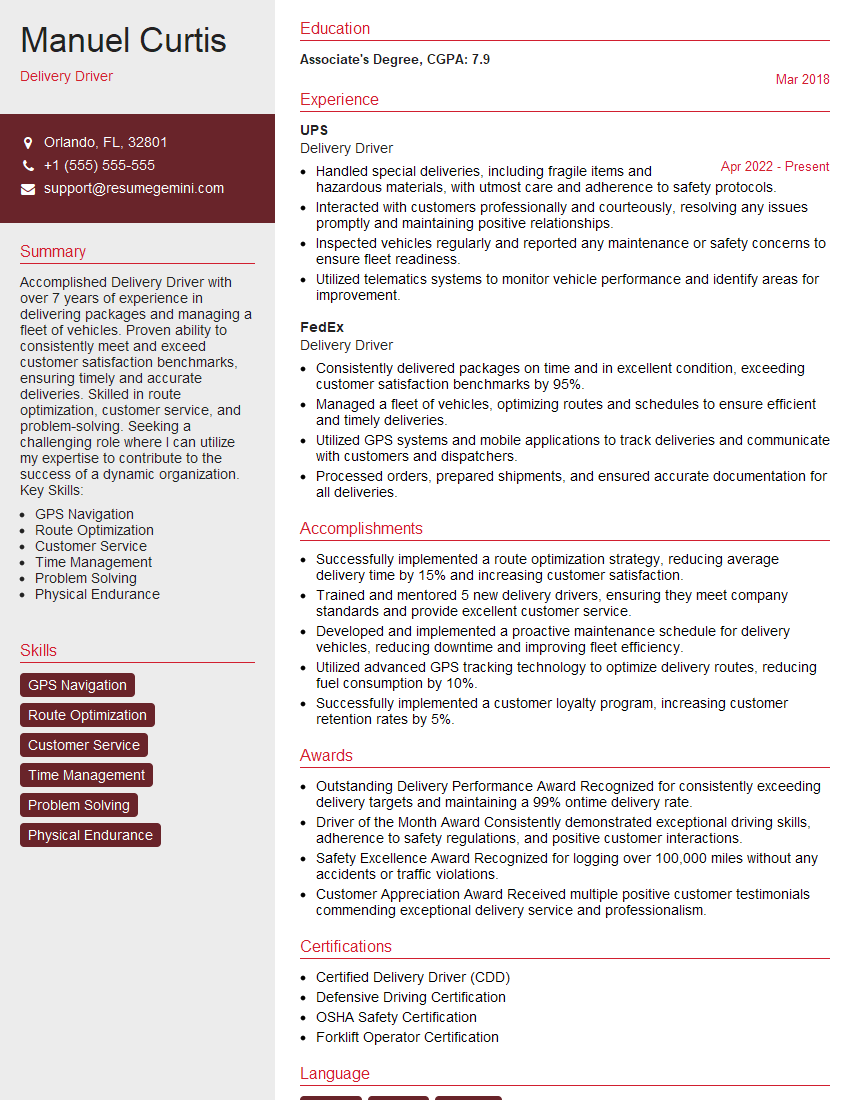
Delivery Driver Resume Sample
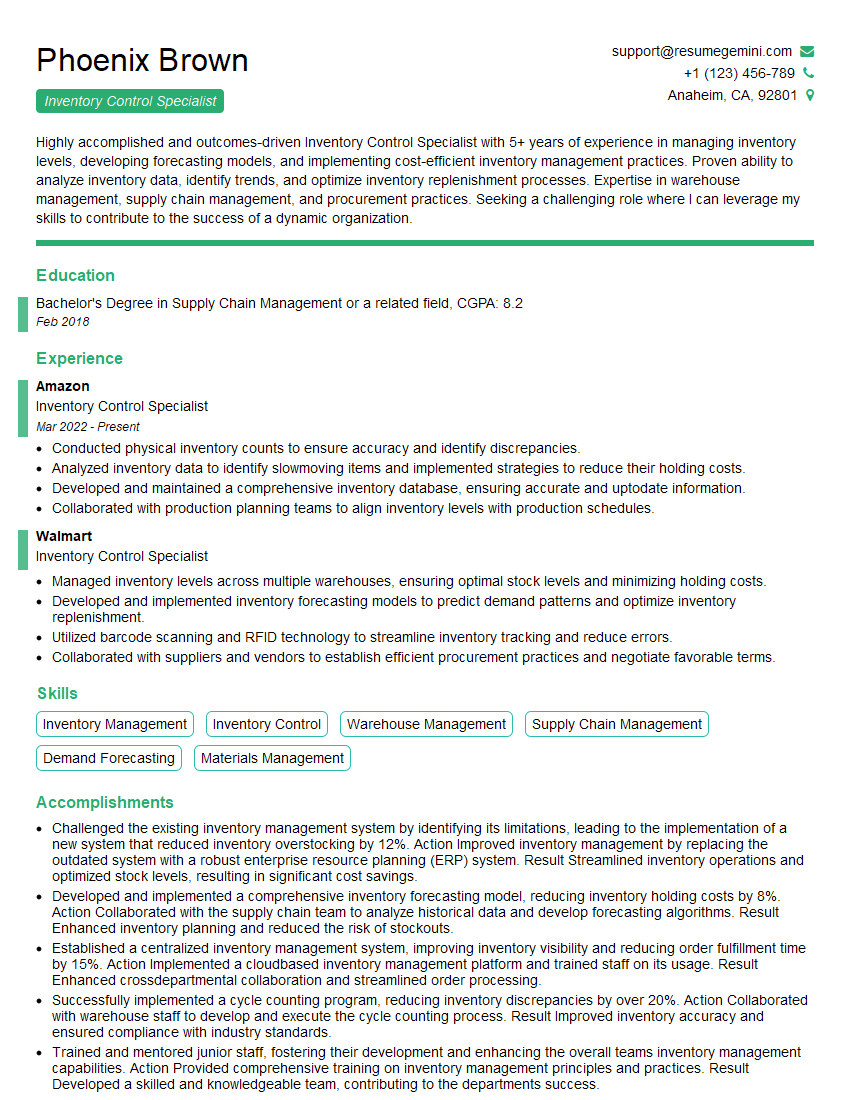
Inventory Control Specialist Resume Sample

Shipping and Receiving Clerk Resume Sample
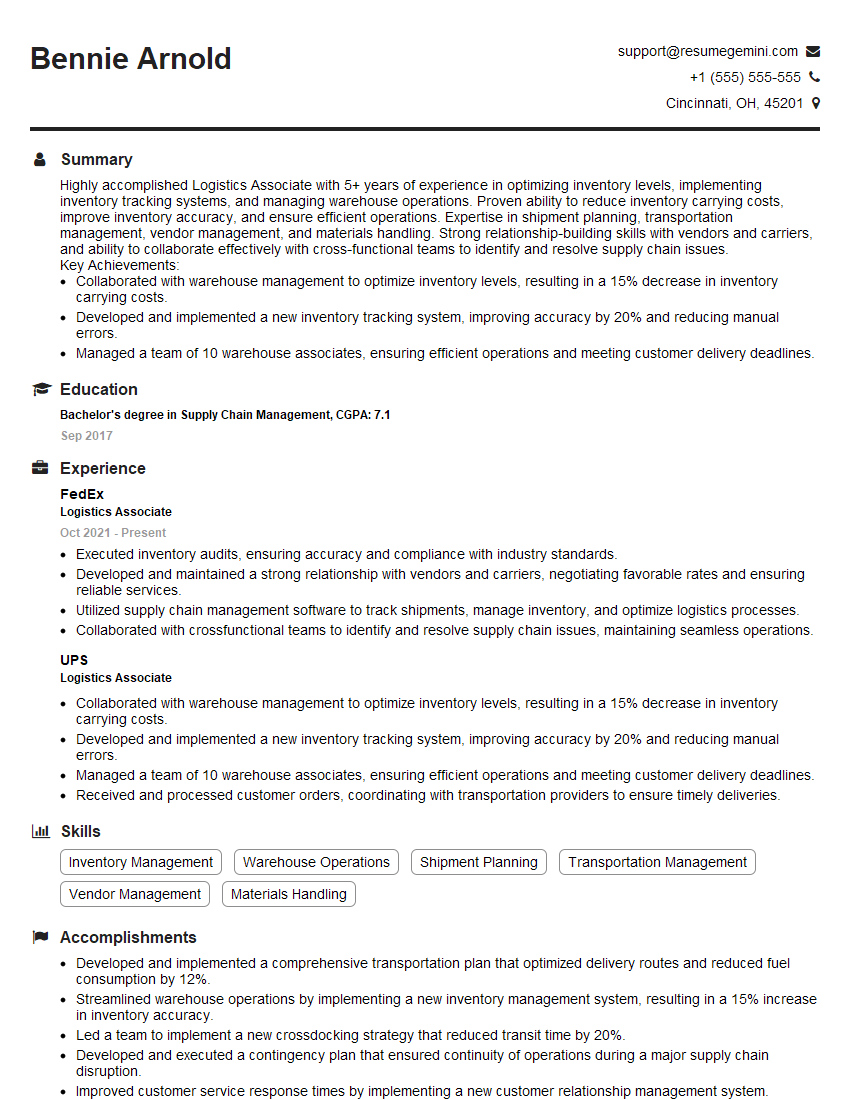
Logistics Associate Resume Sample
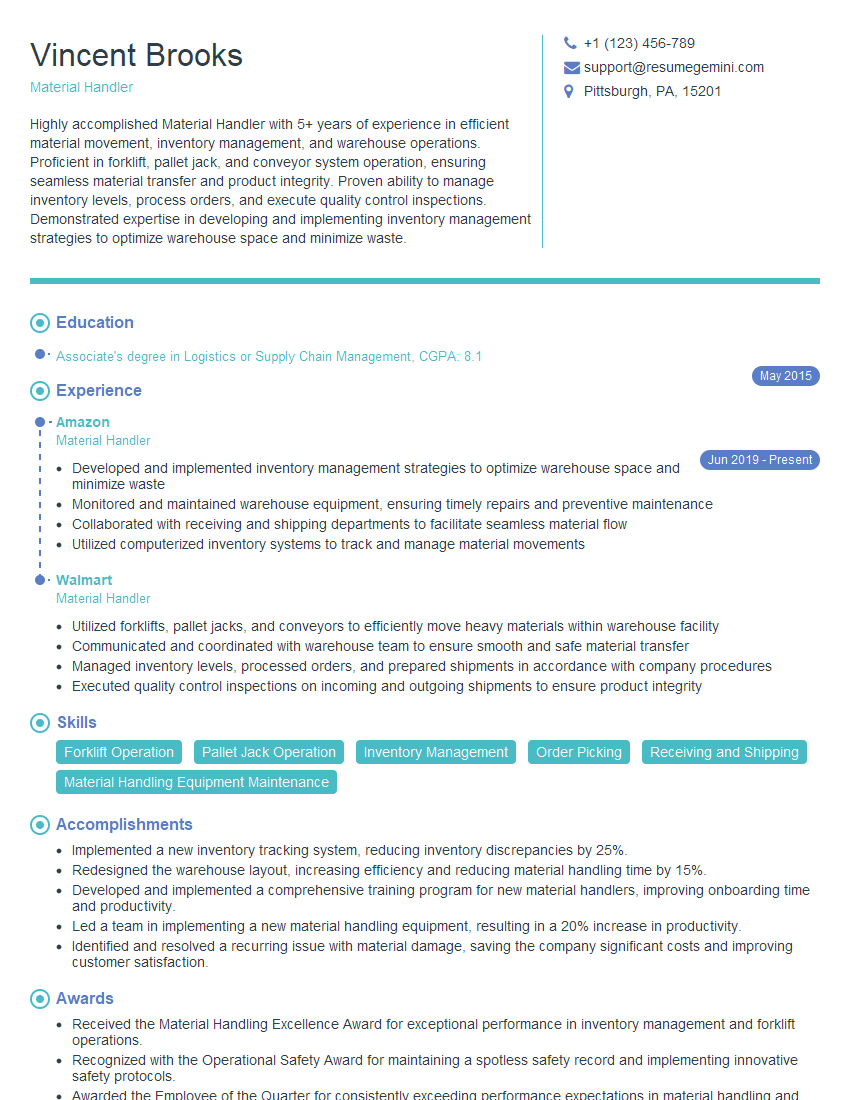
Material Handler Resume Sample
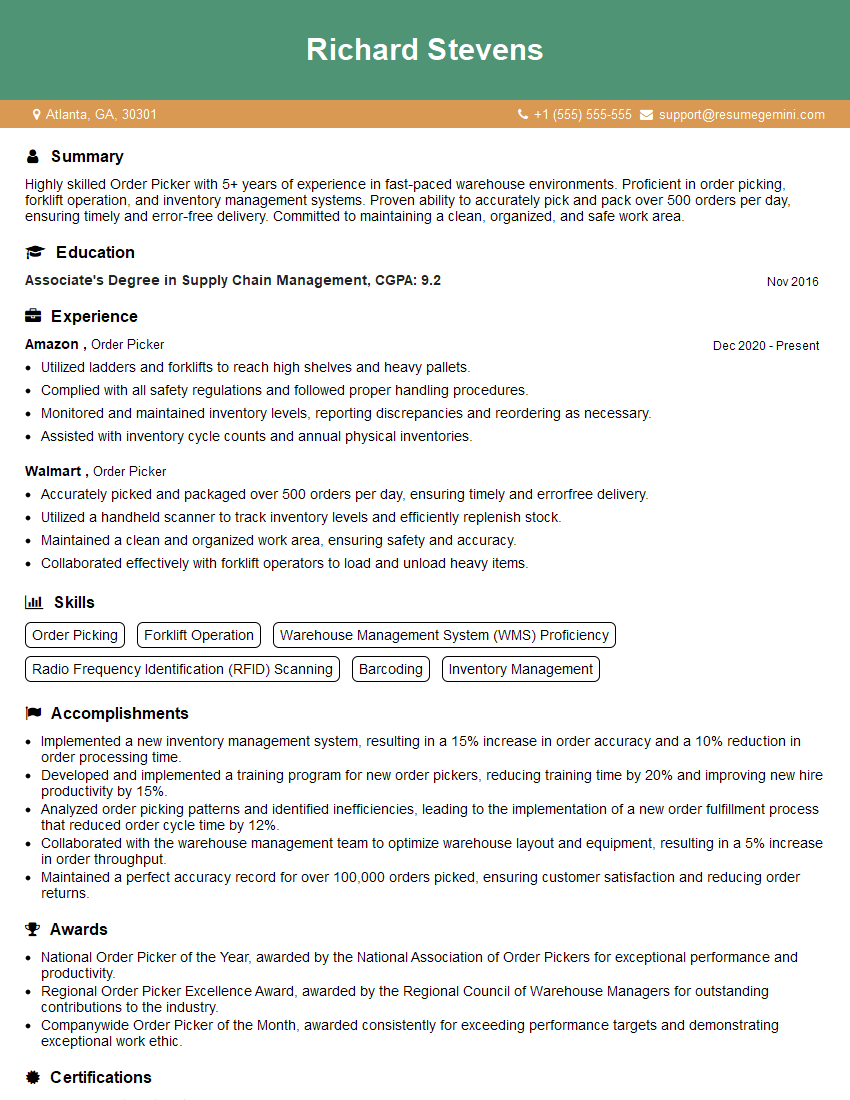
Order Picker Resume Sample

Heavy Equipment Operator Resume Sample
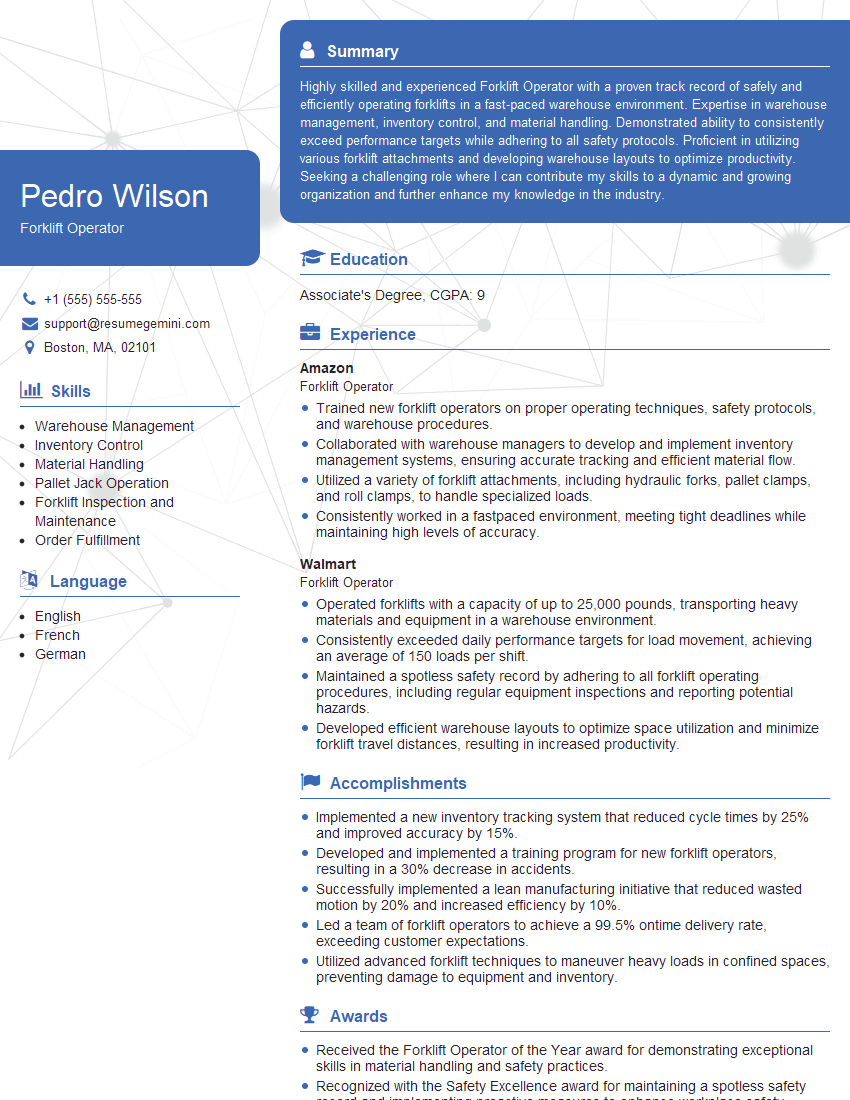
Forklift Operator Resume Sample
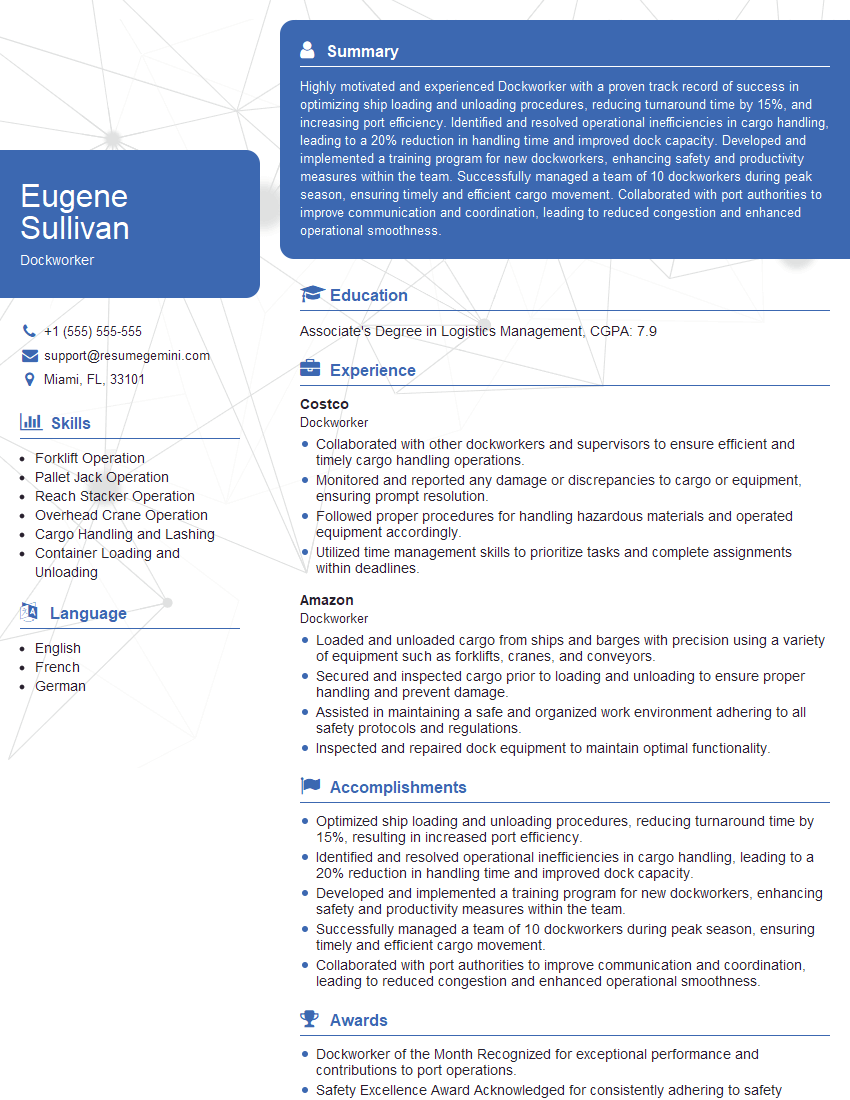
Dockworker Resume Sample
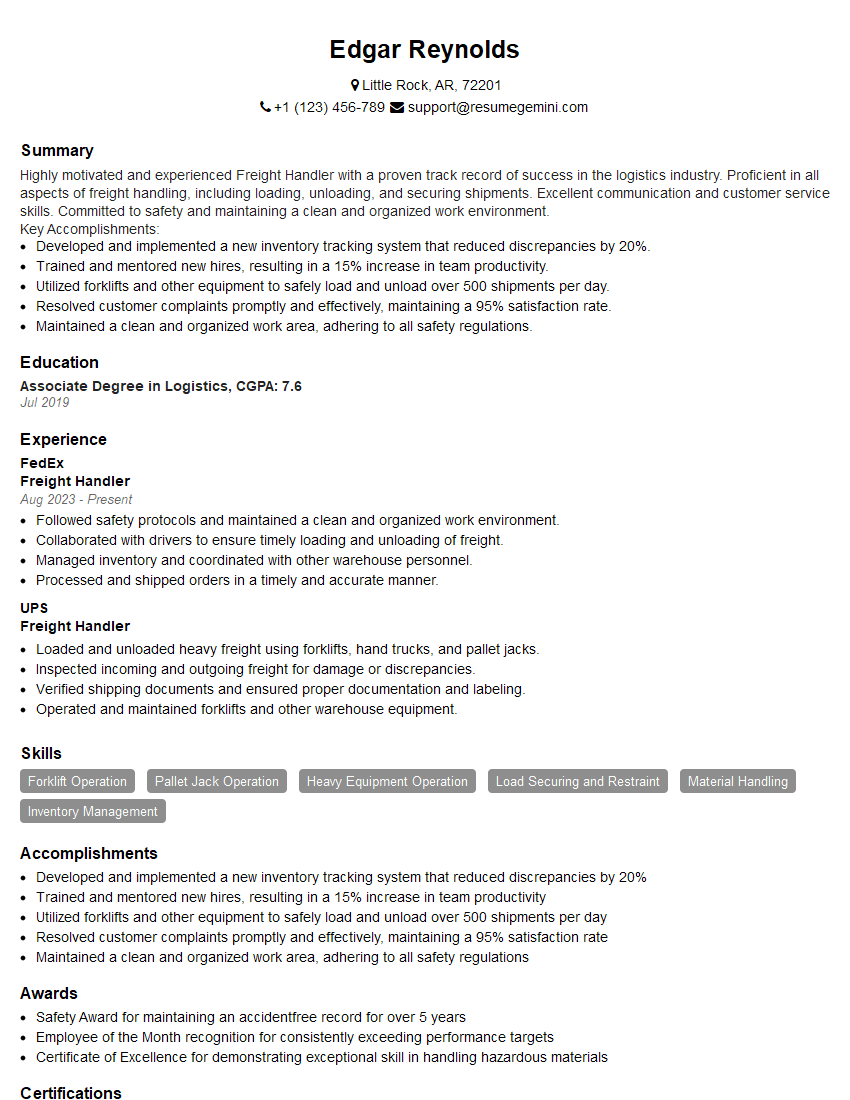
Freight Handler Resume Sample
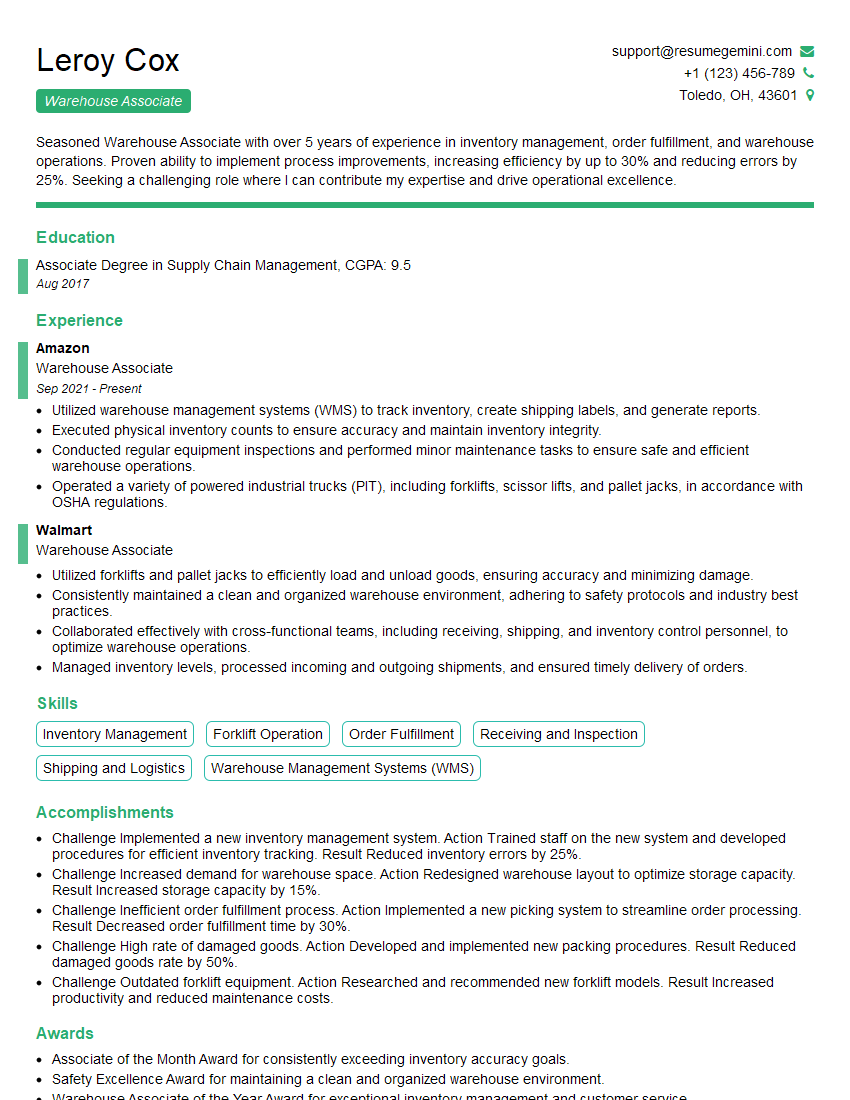
Warehouse Associate Resume Sample

Truck Loader Resume Sample
- Operations Manager
- Warehouse Manager
- Warehouse Operations Manager
- Transportation Coordinator
- Logistics Specialist
- Supply Chain Specialist
- Crane Operator
- Delivery Driver
- Inventory Control Specialist
- Shipping and Receiving Clerk
- Logistics Associate
- Material Handler
- Order Picker
- Heavy Equipment Operator
- Forklift Operator
- Dockworker
- Freight Handler
- Warehouse Associate
- Truck Loader
Explore more articles
Users Rating of Our Blogs
Share Your Experience
We value your feedback! Please rate our content and share your thoughts (optional).
What Readers Say About Our Blog
Attention music lovers!
Wow, All the best Sax Summer music !!!
Spotify: https://open.spotify.com/artist/6ShcdIT7rPVVaFEpgZQbUk
Apple Music: https://music.apple.com/fr/artist/jimmy-sax-black/1530501936
YouTube: https://music.youtube.com/browse/VLOLAK5uy_noClmC7abM6YpZsnySxRqt3LoalPf88No
Other Platforms and Free Downloads : https://fanlink.tv/jimmysaxblack
on google : https://www.google.com/search?q=22+AND+22+AND+22
on ChatGPT : https://chat.openai.com?q=who20jlJimmy20Black20Sax20Producer
Get back into the groove with Jimmy sax Black
Best regards,
Jimmy sax Black
www.jimmysaxblack.com
Hi I am a troller at The aquatic interview center and I suddenly went so fast in Roblox and it was gone when I reset.
Hi,
Business owners spend hours every week worrying about their website—or avoiding it because it feels overwhelming.
We’d like to take that off your plate:
$69/month. Everything handled.
Our team will:
Design a custom website—or completely overhaul your current one
Take care of hosting as an option
Handle edits and improvements—up to 60 minutes of work included every month
No setup fees, no annual commitments. Just a site that makes a strong first impression.
Find out if it’s right for you:
https://websolutionsgenius.com/awardwinningwebsites
Hello,
we currently offer a complimentary backlink and URL indexing test for search engine optimization professionals.
You can get complimentary indexing credits to test how link discovery works in practice.
No credit card is required and there is no recurring fee.
You can find details here:
https://wikipedia-backlinks.com/indexing/
Regards
NICE RESPONSE TO Q & A
hi
The aim of this message is regarding an unclaimed deposit of a deceased nationale that bears the same name as you. You are not relate to him as there are millions of people answering the names across around the world. But i will use my position to influence the release of the deposit to you for our mutual benefit.
Respond for full details and how to claim the deposit. This is 100% risk free. Send hello to my email id: lukachachibaialuka@gmail.com
Luka Chachibaialuka
Hey interviewgemini.com, just wanted to follow up on my last email.
We just launched Call the Monster, an parenting app that lets you summon friendly ‘monsters’ kids actually listen to.
We’re also running a giveaway for everyone who downloads the app. Since it’s brand new, there aren’t many users yet, which means you’ve got a much better chance of winning some great prizes.
You can check it out here: https://bit.ly/callamonsterapp
Or follow us on Instagram: https://www.instagram.com/callamonsterapp
Thanks,
Ryan
CEO – Call the Monster App
Hey interviewgemini.com, I saw your website and love your approach.
I just want this to look like spam email, but want to share something important to you. We just launched Call the Monster, a parenting app that lets you summon friendly ‘monsters’ kids actually listen to.
Parents are loving it for calming chaos before bedtime. Thought you might want to try it: https://bit.ly/callamonsterapp or just follow our fun monster lore on Instagram: https://www.instagram.com/callamonsterapp
Thanks,
Ryan
CEO – Call A Monster APP
To the interviewgemini.com Owner.
Dear interviewgemini.com Webmaster!
Hi interviewgemini.com Webmaster!
Dear interviewgemini.com Webmaster!
excellent
Hello,
We found issues with your domain’s email setup that may be sending your messages to spam or blocking them completely. InboxShield Mini shows you how to fix it in minutes — no tech skills required.
Scan your domain now for details: https://inboxshield-mini.com/
— Adam @ InboxShield Mini
support@inboxshield-mini.com
Reply STOP to unsubscribe
Hi, are you owner of interviewgemini.com? What if I told you I could help you find extra time in your schedule, reconnect with leads you didn’t even realize you missed, and bring in more “I want to work with you” conversations, without increasing your ad spend or hiring a full-time employee?
All with a flexible, budget-friendly service that could easily pay for itself. Sounds good?
Would it be nice to jump on a quick 10-minute call so I can show you exactly how we make this work?
Best,
Hapei
Marketing Director
Hey, I know you’re the owner of interviewgemini.com. I’ll be quick.
Fundraising for your business is tough and time-consuming. We make it easier by guaranteeing two private investor meetings each month, for six months. No demos, no pitch events – just direct introductions to active investors matched to your startup.
If youR17;re raising, this could help you build real momentum. Want me to send more info?
Hi, I represent an SEO company that specialises in getting you AI citations and higher rankings on Google. I’d like to offer you a 100% free SEO audit for your website. Would you be interested?
Hi, I represent an SEO company that specialises in getting you AI citations and higher rankings on Google. I’d like to offer you a 100% free SEO audit for your website. Would you be interested?