Are you ready to stand out in your next interview? Understanding and preparing for Machine and Process Safety interview questions is a game-changer. In this blog, we’ve compiled key questions and expert advice to help you showcase your skills with confidence and precision. Let’s get started on your journey to acing the interview.
Questions Asked in Machine and Process Safety Interview
Q 1. Explain the difference between inherent safety and safety instrumented systems (SIS).
Inherent safety and Safety Instrumented Systems (SIS) are both crucial for process safety, but they address risk reduction from fundamentally different perspectives. Inherent safety focuses on designing and operating a process to minimize hazards from the outset. Think of it as building safety into the system’s DNA. This involves using less hazardous materials, simpler processes, and designing for fail-safe conditions. For example, replacing a flammable solvent with a less flammable alternative is an inherent safety measure.
Safety Instrumented Systems (SIS), on the other hand, are independent protection layers added to mitigate risks that remain after implementing inherent safety measures. They’re like a backup safety net. SIS use sensors, logic solvers, and final elements (like valves) to automatically shut down or control a process if a hazardous situation is detected. A classic example is an emergency shutdown system (ESD) triggered by high pressure in a reactor.
The key difference lies in their approach: inherent safety is proactive and prevents hazards, while SIS is reactive and mitigates them if they occur despite inherent safety measures. Ideally, a robust process safety management system employs both.
Q 2. Describe your experience with Process Hazard Analysis (PHA) methodologies, such as HAZOP, What-If, and FMEA.
I have extensive experience conducting Process Hazard Analyses (PHAs) using various methodologies, including HAZOP (Hazard and Operability Study), What-If analysis, and FMEA (Failure Mode and Effects Analysis). Each method offers a unique approach to identifying and assessing potential hazards.
HAZOP is a systematic and structured technique involving a multidisciplinary team that examines the process flow diagram, considering deviations from design intentions (e.g., ‘more,’ ‘less,’ ‘no,’ ‘part of’). I’ve used HAZOP extensively on complex chemical processes, identifying potential hazards like runaway reactions or equipment failures. The structured approach ensures thorough hazard identification.
What-If analysis is a less structured, brainstorming-based approach where the team poses ‘what-if’ questions about the process and its potential failures. It’s particularly useful for quickly identifying potential hazards in less complex systems or during preliminary design phases. I’ve found it useful for complementing HAZOP studies.
FMEA is a bottom-up approach that focuses on identifying potential failure modes of individual components or systems and their effects on the process. It assigns severity, probability, and detectability ratings to each failure mode, resulting in a risk priority number (RPN). I’ve used FMEA for analyzing the reliability of safety-critical equipment such as pressure relief valves.
My experience includes leading and participating in PHA teams, documenting findings, and developing risk mitigation strategies. I’m proficient in using PHA software tools to facilitate these analyses and manage the resulting data effectively.
Q 3. What are the key elements of a safety instrumented function (SIF)?
A Safety Instrumented Function (SIF) is an independent protective function that reduces the risk of a major hazard. It’s a self-contained system, not just a single component. Key elements include:
Sensor(s): Detect the hazardous event (e.g., high temperature, low level). Reliability and accuracy are critical.
Logic Solver: Processes signals from the sensor(s) and determines if a safety action is required. This could be a programmable logic controller (PLC) or a simpler relay logic system.
Final Element(s): The devices that perform the safety action (e.g., emergency shutdown valve, trip circuit). These must be reliable and capable of performing their function under hazardous conditions.
For example, in a high-pressure process, a pressure sensor (sensor) detects high pressure, a programmable logic controller (logic solver) confirms the pressure exceeds the setpoint, and initiates the opening of a relief valve (final element) to reduce pressure.
Q 4. How do you determine the Safety Integrity Level (SIL) for a safety instrumented function?
Determining the Safety Integrity Level (SIL) for a SIF is a crucial step in ensuring sufficient safety. SIL is a relative measure of the risk reduction provided by a SIF. It’s assigned a value from 1 to 4, with SIL 4 being the highest level of safety integrity. The process typically involves:
Hazard Identification and Risk Assessment: This step uses PHA techniques (like those discussed earlier) to identify potential hazards and assess their associated risks. This involves determining the severity, probability, and detectability of hazardous events.
Risk Reduction Target: Based on the risk assessment, a target risk reduction level is established. This target dictates the required SIL level for the SIF.
SIL Determination: This involves calculating the probability of failure on demand (PFD) for the SIF. The PFD is the probability that the SIF will fail to function when demanded. Industry standards (like IEC 61508/61511) provide PFD average values for each SIL level. These standards are often used for calculations and provide tables for determining SIL based on various factors and failure rates.
Justification and Documentation: The entire SIL determination process must be thoroughly documented and justified.
Software tools often assist in this process, helping to calculate PFD values and determine the appropriate SIL. The process is iterative, requiring adjustments if the initial design doesn’t meet the target SIL.
Q 5. Explain the concept of a safety lifecycle and its phases.
The safety lifecycle is a holistic approach to managing safety throughout the entire lifespan of a process, from conception to decommissioning. It ensures that safety is considered at each stage, not just during design. The phases typically include:
Conceptual Design: Initial hazard identification and risk assessment. Inherent safety principles are applied at this stage.
Detailed Design: Selection of safety-related systems and components. SIL determination occurs here.
Implementation/Construction: Procurement, installation, and testing of safety systems.
Commissioning and Start-up: Verification and validation of safety systems.
Operation and Maintenance: Regular inspection, testing, and maintenance of safety systems. This also includes reviewing and updating safety procedures as needed.
Decommissioning: Safe shutdown and dismantling of the process, ensuring no residual hazards remain.
A strong safety lifecycle framework ensures a consistent and proactive approach to safety, leading to safer operations and reduced risk.
Q 6. What are the different types of safety relays and their applications?
Safety relays are crucial components of SIS, providing a reliable means of performing safety functions. Several types exist, each with specific applications:
Solid-state relays: These use electronic components to switch circuits. They are faster, more compact, and offer more diagnostic capabilities than electromechanical relays. They are commonly used in modern SIS applications.
Electromechanical relays: These utilize electromagnets to mechanically switch circuits. They are simple, rugged, and well-understood but slower and less versatile than solid-state relays. They might be used in simpler systems or for specific applications where their robustness is an advantage.
Redundant relays: These configurations use multiple relays in parallel or series to increase reliability and reduce the probability of failure on demand. They are used where high safety integrity is required (high SIL levels).
The choice of relay depends on the specific requirements of the safety function, including SIL level, speed requirements, environmental conditions, and cost considerations. For instance, a high-SIL application demanding fast response time would typically use redundant solid-state relays.
Q 7. Describe your experience with functional safety standards, such as IEC 61508 or IEC 61511.
I have extensive experience working with functional safety standards, particularly IEC 61508 and IEC 61511. IEC 61508 is a generic standard for electrical/electronic/programmable electronic safety-related systems, while IEC 61511 is a sector-specific standard addressing functional safety in the process industry. My knowledge includes:
Understanding the requirements: I’m well-versed in the requirements outlined in these standards, including hazard identification, risk assessment, SIL determination, safety lifecycle management, and documentation.
Applying the standards in practice: I have practical experience in applying these standards to various process safety projects. This involves selecting appropriate safety technologies, designing and implementing safety instrumented systems, and verifying their performance.
Using tools and techniques: I’m proficient in using tools and techniques to meet the requirements of these standards, such as FMEA, HAZOP, and SIL calculation software.
Staying up to date: I actively stay updated on the latest revisions and interpretations of these standards.
The application of these standards has been critical in ensuring safety and reliability in my various projects, aligning with best industry practices and minimizing risk to personnel and the environment.
Q 8. How do you verify and validate the performance of a safety instrumented system?
Verifying and validating a Safety Instrumented System (SIS) ensures it performs its safety function reliably. Verification confirms the SIS meets its design specifications, while validation confirms it meets the intended safety requirements. This is a crucial process to prevent catastrophic events.
Verification involves a series of checks and tests throughout the lifecycle of the SIS, including:
- Design Verification: Reviewing design documents, calculations, and simulations to ensure the SIS design adheres to safety standards and regulations (e.g., IEC 61508, IEC 61511).
- Hardware Verification: Testing individual components like sensors, actuators, and logic solvers to confirm functionality and compliance with specifications. This includes functional tests, diagnostics, and self-tests.
- Software Verification: Rigorous testing of the SIS software, including unit testing, integration testing, and system testing, to ensure code correctness and adherence to safety requirements. This often involves techniques like code reviews, static analysis, and dynamic testing.
Validation focuses on demonstrating that the implemented SIS achieves the desired safety level. This often involves:
- Proof Testing: Periodically activating the SIS in a controlled manner to verify its ability to perform its safety function. This is crucial for maintaining operational integrity.
- SIL Verification: Demonstrating that the SIS achieves the required Safety Integrity Level (SIL), a measure of the system’s probability of failure on demand. This often involves fault-tree analysis and risk assessments.
- Functional Safety Assessments: Periodic review of the SIS performance, addressing potential weaknesses and proposing upgrades to meet changing needs.
For instance, in a chemical plant, verifying the emergency shutdown system involves testing the sensors detecting high pressure, the logic solver’s response, and the valve closing as designed. Validating the system would then involve demonstrating that the system reliably shuts down the process within the required time frame in response to a high-pressure event, preventing a potential explosion.
Q 9. What are the common causes of process safety incidents?
Process safety incidents stem from a complex interplay of factors. They’re rarely caused by a single event, but rather a combination of failures, often involving human error and systemic weaknesses. Common causes include:
- Human Error: This is a major contributor, encompassing mistakes in operation, maintenance, design, and procedures. Lack of training, fatigue, and poor communication are often underlying factors.
- Equipment Failure: Mechanical, electrical, or instrumentation failures can trigger incidents. Inadequate maintenance, poor design, or material degradation can increase the risk of equipment failure.
- Process Deviations: Unexpected changes in process parameters can exceed the safety limits, leading to hazardous situations. This might involve uncontrolled reactions, pressure surges, or temperature excursions.
- Management System Failures: Weak safety management systems, inadequate risk assessments, or poor implementation of safety procedures can increase the likelihood of incidents. A lack of safety culture within an organization is a significant systemic risk.
- External Events: Natural disasters (earthquakes, floods), acts of vandalism, or supply chain disruptions can impact process safety.
For example, a chemical spill could result from a combination of human error (incorrect valve operation), equipment failure (a corroded pipe), and process deviation (exceeding the design pressure).
Q 10. Explain your understanding of layer of protection analysis (LOPA).
Layer of Protection Analysis (LOPA) is a qualitative risk assessment technique used to determine the necessary safety layers to mitigate process hazards. It’s a more streamlined approach than quantitative methods like fault tree analysis (FTA), making it suitable for initial assessments or when data is limited.
LOPA involves a structured process, usually involving a team of experts, that evaluates potential hazardous scenarios. It assesses the frequency and severity of these scenarios, analyzing existing safeguards and determining if they provide adequate protection. The core steps are:
- Identify Hazards and Initiating Events: Determining the potential hazards and the events that could trigger them.
- Identify Existing Protective Layers: Listing and evaluating the existing safeguards, including engineering controls (e.g., pressure relief valves), administrative controls (e.g., operating procedures), and procedural safeguards.
- Evaluate the Risk Reduction of Each Layer: Assigning a risk reduction factor to each layer, reflecting its effectiveness in mitigating the hazard.
- Determine the Required Safety Integrity Level (SIL): Assessing the residual risk after considering the existing safeguards and determining the required SIL for additional layers of protection, if needed.
- Recommend Additional Protective Layers: Identifying and implementing additional safeguards to reduce the residual risk to an acceptable level. This could involve instrumentation, procedural changes, or additional equipment.
For instance, in a refinery, LOPA might be used to evaluate the risk associated with a high-pressure release from a storage tank. Existing safeguards may include pressure relief valves and an emergency shutdown system. LOPA will evaluate their effectiveness and determine if any additional layers, such as a secondary pressure relief valve or improved alarm systems, are necessary to achieve the target SIL.
Q 11. Describe your experience with risk assessment methodologies.
My experience encompasses a range of risk assessment methodologies, including quantitative and qualitative techniques. I’m proficient in:
- HAZOP (Hazard and Operability Study): A systematic method for identifying potential hazards and operability problems in a process or system using guided brainstorming sessions. I have used HAZOP extensively in various industries, including chemical processing and oil and gas.
- Fault Tree Analysis (FTA): A deductive technique for identifying the combinations of events that can lead to a specific undesired event. This is particularly useful for analyzing complex systems and identifying critical failure modes.
- Event Tree Analysis (ETA): An inductive technique for evaluating the consequences of an initiating event, considering the success or failure of various safety systems. ETA complements FTA in a comprehensive risk assessment.
- Layer of Protection Analysis (LOPA): As previously explained, this qualitative approach is valuable for rapid assessments and less data-intensive situations. I find it very effective for identifying gaps in protection layers.
- Bow-Tie Analysis: A visual representation of risk combining elements of FTA and ETA to provide a concise overview of the hazard, causes, consequences, and mitigations.
In my previous role, I led a HAZOP study for a new chemical reactor design, identifying several potential hazards, including runaway reactions and over-pressurization. Through FTA, we determined the probability of these events and implemented appropriate safeguards to achieve the required safety level.
Q 12. How do you manage change in a safety critical system?
Managing change in a safety-critical system requires a rigorous and controlled approach to prevent unintended consequences. It’s paramount to ensure any modification doesn’t compromise the system’s safety integrity.
A robust change management process includes:
- Formal Change Request: Any proposed change should be documented via a formal request, clearly outlining the reason, scope, and potential impact on safety.
- Risk Assessment: A thorough risk assessment should be conducted to evaluate the potential hazards associated with the proposed change. This may involve techniques like HAZOP or LOPA.
- Impact Analysis: Determining the impact of the change on other systems, procedures, and personnel. This includes ensuring compatibility with existing safety systems.
- Design Review: A review of the proposed change by a team of experts to verify its safety and compliance with standards and regulations.
- Testing and Verification: Rigorous testing of the modified system to validate its performance and ensure it meets the required safety integrity level. This often includes simulations and proof testing.
- Documentation Update: Updating all relevant documentation, including design specifications, operating procedures, and safety manuals, to reflect the change.
- Training: Providing appropriate training to personnel involved in operating and maintaining the modified system.
For example, before upgrading a control system in a power plant, a comprehensive change management process would be followed. This would involve reviewing the impact on the emergency shutdown system, conducting thorough testing to ensure safe functionality, and updating operating procedures and training materials.
Q 13. What are the key considerations for designing safe machine guarding?
Designing safe machine guarding prioritizes preventing access to hazardous moving parts while ensuring operational efficiency and ease of maintenance. Key considerations include:
- Risk Assessment: A thorough assessment identifies all potential hazards associated with the machine, considering the types of moving parts, energy sources, and potential contact points.
- Guard Selection: Choosing appropriate guards based on the identified hazards. Options include fixed guards (non-removable), interlocked guards (prevent operation when open), and presence-sensing devices (detect the presence of personnel).
- Guard Design and Construction: Guards must be robust, durable, and designed to prevent access to hazardous areas. They should be secure, free from sharp edges, and easy to clean.
- Ergonomics: Guards should not impede normal operation or create new hazards. They should allow for easy access for maintenance and cleaning without compromising safety.
- Maintainability: Guards must be easily accessible for maintenance without requiring the removal of other safety devices. This minimizes downtime and ensures safety during maintenance tasks.
- Compliance with Standards: Adhering to relevant safety standards and regulations, such as OSHA (in the US) or similar standards globally.
For instance, in a robotic assembly line, appropriate guarding might include fixed guards around the robot base, interlocked guards on access panels, and presence-sensing devices to stop the robot if a worker enters its workspace. The design should ensure accessibility for maintenance while preventing unintended contact with moving parts.
Q 14. Explain the importance of emergency shutdown systems (ESD).
Emergency Shutdown Systems (ESD) are crucial for preventing or mitigating major accidents by rapidly shutting down a process in hazardous situations. Their importance stems from their ability to prevent catastrophic events that could lead to significant environmental damage, property loss, or injury.
The importance of ESD systems includes:
- Preventing Major Accidents: ESD systems are designed to automatically shut down a process when hazardous conditions occur, preventing escalation of incidents.
- Mitigating Consequences: Even if an incident occurs, an effective ESD system can limit its consequences, minimizing damage and preventing injuries.
- Protecting Personnel and Environment: ESD systems protect both personnel and the environment by rapidly isolating hazardous areas and stopping processes that could lead to releases or explosions.
- Compliance with Regulations: Most industries have strict regulations mandating the implementation and maintenance of ESD systems.
- Safety Culture: A well-designed and maintained ESD system reinforces a strong safety culture within an organization.
For example, in an oil refinery, an ESD system might automatically shut down the process if a pressure surge, high temperature, or fire is detected. This rapid shutdown prevents a potential explosion or major fire, protecting personnel, equipment, and the environment.
Q 15. Describe your experience with root cause analysis techniques.
Root Cause Analysis (RCA) is a systematic process for identifying the underlying causes of incidents or problems, going beyond simply addressing symptoms. My experience encompasses various techniques, including the '5 Whys', Fault Tree Analysis (FTA), Fishbone diagrams (Ishikawa diagrams), and What-If/Hazard and Operability studies (HAZOP).
For instance, using the '5 Whys' in a scenario where a pump failed, we might ask:
- Why did the pump fail? Because the bearings seized.
- Why did the bearings seize? Because of insufficient lubrication.
- Why was there insufficient lubrication? Because the lubrication system was clogged.
- Why was the lubrication system clogged? Because of inadequate filtration.
- Why was the filtration inadequate? Because the filters weren’t changed according to the schedule.
This reveals the root cause – failure to adhere to the filter maintenance schedule – not just the immediate failure of the pump bearings. More complex scenarios often benefit from FTA, which visually maps potential failure points and their contributing factors. HAZOP is particularly useful for proactively identifying hazards during the design phase of a process.
Career Expert Tips:
- Ace those interviews! Prepare effectively by reviewing the Top 50 Most Common Interview Questions on ResumeGemini.
- Navigate your job search with confidence! Explore a wide range of Career Tips on ResumeGemini. Learn about common challenges and recommendations to overcome them.
- Craft the perfect resume! Master the Art of Resume Writing with ResumeGemini’s guide. Showcase your unique qualifications and achievements effectively.
- Don’t miss out on holiday savings! Build your dream resume with ResumeGemini’s ATS optimized templates.
Q 16. How do you ensure compliance with relevant safety regulations and standards?
Ensuring compliance involves a multi-faceted approach. It starts with a thorough understanding of all relevant regulations and standards, such as OSHA (Occupational Safety and Health Administration) guidelines, process-specific industry codes, and company-specific safety policies. This understanding informs the development and implementation of safety management systems (SMS).
My experience includes conducting regular safety audits and inspections to verify compliance, reviewing safety procedures and documentation, and ensuring proper training for personnel. This includes staying updated on regulatory changes through professional development and participation in industry forums. I also emphasize proactive risk management, incorporating safety considerations into every stage of a project, from design to operation, to prevent non-compliance before it happens. For example, regularly reviewing Safety Data Sheets (SDS) for all chemicals handled in a process ensures proper handling and storage procedures are in place and compliant with regulations.
Q 17. What are your experiences with incident investigation and reporting?
Incident investigation and reporting are crucial for learning from mistakes and preventing recurrence. My approach involves a structured methodology. This begins with securing the scene (if applicable), gathering evidence (witness statements, data logs, physical evidence), and documenting everything meticulously. I utilize established techniques such as the timeline creation, process mapping, and the use of fault tree analysis to help identify causal factors.
A key aspect is maintaining objectivity and avoiding premature conclusions. Once the root causes are identified, recommendations for corrective and preventative actions (CAPA) are developed and implemented. The report itself is clear, concise, and factual, suitable for both technical and non-technical audiences. Finally, lessons learned are shared across the organization to foster a safety-conscious culture. For example, in a chemical spill incident, I would analyze the sequence of events, the failure of safety systems, and human error factors to identify the root causes and prevent future spills through better training, improved procedures, or upgrading containment systems. The final report would include recommendations for corrective actions, and the lessons learned would be incorporated into company training programs.
Q 18. Explain your understanding of human factors in process safety.
Human factors are a significant contributor to process safety incidents. My understanding encompasses a broad range of aspects, including human error, decision-making, teamwork, and the influence of organizational culture. Understanding the cognitive limitations and biases that influence human behavior is critical. For example, complacency, fatigue, stress, and inadequate training all increase the likelihood of errors.
I apply Human Factors Engineering principles to design safer systems and procedures. This involves creating user-friendly interfaces, developing clear and concise work instructions, and using design features to reduce the potential for human error, such as implementing interlocks and alarms to prevent dangerous actions. We use techniques like Job Safety Analysis (JSA) to proactively identify potential human errors in specific tasks and implement measures to mitigate them. A well-designed control room, for example, minimizes distractions and provides operators with clear and concise information, improving their situational awareness and reducing the likelihood of human error.
Q 19. How do you communicate safety information effectively to different stakeholders?
Effective communication is paramount in process safety. My approach involves tailoring the message to the specific audience. Technical details are necessary for engineers, but not for the general workforce. I use a variety of communication channels, including presentations, training sessions, written reports, and safety briefings.
For example, I would use clear visuals and simple language in presentations to workers, ensuring they understand critical safety information. For managers, I would use more detailed reports with data-driven analyses. Visual aids like flowcharts and diagrams are helpful in clarifying complex processes, and regular safety meetings provide a platform for open discussion and feedback. Effective communication isn't just one-way; active listening and addressing concerns are equally important to building a safety culture of trust and transparency.
Q 20. Describe a situation where you had to resolve a safety-related conflict.
In a previous role, a conflict arose between the production team and the safety team regarding a proposed production schedule. The production team wanted to expedite the process to meet a tight deadline, potentially compromising some safety procedures. My approach was to facilitate a collaborative discussion, involving all stakeholders.
I presented data demonstrating the risks associated with rushing the process and outlined the potential consequences, including potential injuries, equipment damage, and production delays. We collaboratively explored alternative solutions, such as optimizing the existing process or seeking additional resources, which satisfied both production needs and safety requirements. The key was to foster a spirit of cooperation and demonstrate that safety and efficiency are not mutually exclusive goals. The solution was a revised schedule with additional resources, ensuring both production deadlines and safety standards were met.
Q 21. What are the limitations of risk assessment methodologies?
Risk assessment methodologies, while valuable tools, have limitations. One major limitation is the inherent uncertainty and subjectivity involved in estimating probabilities and consequences. Data may be scarce, especially for rare events, making accurate quantification challenging. Furthermore, models often simplify complex systems, potentially overlooking subtle interactions and cascading failures.
Another limitation is the difficulty in capturing human factors reliably within the assessment. Human error is a significant contributor to incidents but isn't always easily predicted or quantified. Finally, risk assessments are snapshots in time. They may become outdated as processes, technologies, or environmental conditions change. Therefore, regular review and updates are crucial. It's important to remember that a risk assessment is a tool to inform decision-making, not a guarantee of safety. It should be viewed as a living document, continuously refined and improved based on new information and experience.
Q 22. How do you ensure the integrity of safety-related documentation?
Maintaining the integrity of safety-related documentation is paramount. Think of it like the foundation of a house – if the foundation is weak, the entire structure is at risk. We need to ensure documents are accurate, complete, readily accessible, and controlled to prevent errors and maintain accountability.
Version Control: We use a version control system (like a document management system) to track changes, preventing accidental overwrites or use of outdated information. Each revision is clearly identified, allowing traceability.
Access Control: Access to documentation is restricted to authorized personnel only, ensuring confidentiality and preventing unauthorized modifications. We employ role-based access control to limit access based on job responsibilities.
Regular Reviews and Updates: Documents are reviewed and updated regularly to reflect changes in processes, equipment, or regulations. This ensures that the documentation remains current and accurate. These reviews often involve a multi-disciplinary team.
Document Archiving: A robust archiving system is in place to ensure long-term preservation of crucial safety documentation, even after equipment is decommissioned or personnel change. We adhere to strict retention policies.
Audit Trails: All modifications to safety-related documents are recorded, creating a comprehensive audit trail for accountability and traceability. This helps identify the source of errors and prevents future recurrence.
For example, in a previous project involving a chemical plant, a rigorous document control system prevented the use of an outdated process safety information sheet that contained inaccurate data on chemical reactivity, thus avoiding a potential incident.
Q 23. Explain your experience with safety management systems (SMS).
My experience with Safety Management Systems (SMS) spans several industries, including oil and gas, and chemical manufacturing. I’ve been involved in the implementation, maintenance, and auditing of SMS, aligning them with international standards like ISO 31000 (Risk Management) and ISO 45001 (Occupational Health and Safety). An SMS isn’t just a set of documents; it’s a living, breathing system that continuously improves safety performance.
Hazard Identification and Risk Assessment: I have extensive experience in leading hazard identification and risk assessments using techniques like HAZOP (Hazard and Operability Study), LOPA (Layer of Protection Analysis), and Fault Tree Analysis. This involves systematically identifying potential hazards and evaluating the associated risks.
Risk Mitigation and Control: I’ve developed and implemented various risk mitigation strategies, including engineering controls, administrative controls, and personal protective equipment (PPE). These are often documented in safety procedures and operating instructions.
Incident Investigation and Reporting: I’ve conducted numerous incident investigations, utilizing root cause analysis techniques to identify the underlying causes of incidents and develop corrective actions to prevent recurrence. We aim for a ‘just culture’ where reporting is encouraged to learn and improve.
Emergency Preparedness and Response: I’ve participated in the development and implementation of emergency response plans, including drills and training exercises to ensure personnel are prepared to handle emergencies effectively. This includes designing evacuation procedures and escape routes.
In one project, we implemented a comprehensive SMS for a refinery, reducing the Lost Time Injury (LTI) rate by 30% within two years. This was achieved by focusing on proactive hazard identification, rigorous training programs, and a robust incident investigation process.
Q 24. How do you integrate safety considerations into the design process?
Integrating safety into the design process is crucial; it’s far more cost-effective to design safety in from the outset than to retrofit it later. Think of it like building a house – it’s much easier to install electrical wiring during construction than after the walls are up.
Hazard and Risk Assessment at the Design Stage: We conduct thorough hazard and risk assessments early in the design phase, using techniques like HAZOP and FMEA (Failure Mode and Effects Analysis). This allows for proactive risk mitigation and the incorporation of safety features into the design.
Safety Instrumented Systems (SIS): For hazardous processes, we design and incorporate SIS, which are independent safety systems that automatically shut down or mitigate hazards in case of failures. Their design adheres to industry standards like IEC 61508.
Redundancy and Fail-Safe Design: We incorporate redundancy in critical systems and design them to fail in a safe manner. This reduces the likelihood of catastrophic failures.
Human Factors Engineering: We consider human factors in the design, ensuring the equipment and processes are user-friendly and minimize human error. This might involve ergonomic design considerations or simplified operating procedures.
Maintainability and Accessibility: We design equipment and systems for easy maintenance and accessibility for inspection and repair. This facilitates timely maintenance and reduces the risk of accidents.
For instance, in the design of a new chemical reactor, we incorporated an advanced SIS with multiple layers of protection to prevent runaway reactions and incorporated features that facilitated easier cleaning and maintenance, thus mitigating risks associated with potential leaks and blockages.
Q 25. Describe your experience with safety audits and inspections.
I’ve conducted numerous safety audits and inspections across various facilities and processes. These aren’t just checklist exercises; they are systematic evaluations to identify potential hazards and assess compliance with safety regulations and standards.
Pre-audit Planning: Thorough planning is critical, involving a review of existing documentation, identifying key areas to focus on, and assembling a qualified audit team.
On-site Inspections: We conduct a detailed walkthrough of the facility, inspecting equipment, observing processes, reviewing documentation, and interviewing personnel. This involves direct observation and verification of processes.
Documentation Review: We thoroughly review safety documentation, including permits to work, risk assessments, safety procedures, training records, and maintenance logs. We check for completeness, accuracy, and adherence to standards.
Non-conformances and Corrective Actions: We identify any non-conformances with regulations or standards and work with the facility to develop and implement corrective and preventative actions (CAPA).
Reporting and Follow-up: A comprehensive report summarizing the findings, non-conformances, and recommended actions is provided. We also conduct follow-up inspections to verify that corrective actions have been implemented effectively.
In one instance, an audit revealed a lack of proper lockout/tagout procedures at a manufacturing plant, leading to a high-risk situation. Working with the management team, we implemented a robust lockout/tagout program, including training and standardized procedures, significantly reducing the risk of electrical hazards.
Q 26. What are the key performance indicators (KPIs) for a process safety program?
Key Performance Indicators (KPIs) for a process safety program are crucial for monitoring its effectiveness. These KPIs should reflect the program’s impact on reducing risks and improving safety performance. It’s important to track both lagging and leading indicators.
Lagging Indicators (outcomes): These reflect past performance and include metrics like:
Lost Time Injury (LTI) rateTotal Recordable Incident Rate (TRIR)Number of process safety incidentsEnvironmental incidents
Leading Indicators (activities): These predict future performance and include:
Number of safety audits and inspections conductedNumber of hazard reportsCompletion rate of safety training programsEffectiveness of risk mitigation measuresPercentage of safety recommendations implemented
By tracking both lagging and leading indicators, we get a holistic view of the program’s performance. For instance, a low LTI rate is positive, but a high number of unreported near misses suggests potential problems that need attention before they escalate into incidents.
Q 27. How do you stay current with the latest advancements in machine and process safety?
Staying current in machine and process safety is a continuous process, requiring proactive efforts to keep up with evolving technologies, regulations, and best practices. This isn’t a one-time task but an ongoing commitment.
Professional Development: I regularly attend conferences, workshops, and training courses offered by professional organizations like the AIChE (American Institute of Chemical Engineers) and CCPS (Center for Chemical Process Safety) to gain insights into the latest advancements in safety technology and best practices.
Industry Publications and Journals: I subscribe to industry publications and journals, staying informed on research findings, new regulations, and case studies of successful safety programs.
Networking: I actively engage with fellow safety professionals through networking events and online forums, sharing experiences and best practices.
Regulatory Updates: I closely monitor updates to relevant safety regulations and standards, ensuring that our practices remain compliant.
For example, I recently completed a course on the application of Artificial Intelligence in Process Safety, expanding my understanding of how data analytics can improve risk prediction and management.
Q 28. Explain your experience with software used for safety analysis and simulation.
My experience with software for safety analysis and simulation includes using various tools for different purposes. These tools are essential for performing detailed analyses and improving safety performance.
HAZOP Software: I’ve utilized software tools specifically designed to guide HAZOP studies, helping to systematically identify potential hazards and operability problems. These tools assist in documenting findings and tracking progress.
LOPA Software: I have experience using software to perform LOPA calculations, quantitatively assessing the risk reduction provided by safety layers. These tools streamline the calculations and improve consistency.
Simulation Software: I’ve utilized process simulation software to model process behavior under various scenarios, including upset conditions. This helps to identify potential hazards and assess the effectiveness of safety systems.
Risk Assessment Software: I’ve worked with software for broader risk assessment, incorporating various risk factors and providing a comprehensive view of the safety risks in a process or facility.
For example, in a recent project, we used process simulation software to model the behavior of a complex distillation column under various fault conditions, which helped us to optimize the safety instrumented system design and reduce the overall risk.
Key Topics to Learn for Machine and Process Safety Interview
- Hazard Identification and Risk Assessment: Understand methodologies like HAZOP, What-If analysis, and Fault Tree Analysis. Practice applying these techniques to real-world scenarios.
- Process Safety Management (PSM) Systems: Familiarize yourself with elements like safety instrumented systems (SIS), emergency shutdown systems (ESD), and Permit-to-Work procedures. Consider case studies illustrating successful PSM implementation.
- Safety Instrumented Systems (SIS): Deepen your understanding of SIS architecture, including sensors, logic solvers, and final control elements. Be prepared to discuss safety integrity levels (SIL) and their implications.
- Process Control and Instrumentation: Review fundamental process control principles, including feedback loops, PID controllers, and advanced control strategies. Understand the role of instrumentation in ensuring process safety.
- Human Factors in Process Safety: Explore the impact of human error on process safety incidents and strategies for mitigating human factors risks, such as training and procedures.
- Incident Investigation and Root Cause Analysis: Understand various investigation methodologies and be prepared to discuss how to effectively identify root causes of process safety incidents and implement corrective actions.
- Safety Regulations and Standards: Become familiar with relevant safety regulations and industry standards (e.g., OSHA, IEC 61508) and their application in different industrial settings.
- Emergency Response Planning: Understand the development and implementation of emergency response plans, including evacuation procedures, emergency shutdown procedures and communication protocols.
- Software and Automation in Process Safety: Explore the role of process automation and safety-related software in enhancing process safety and risk management.
Next Steps
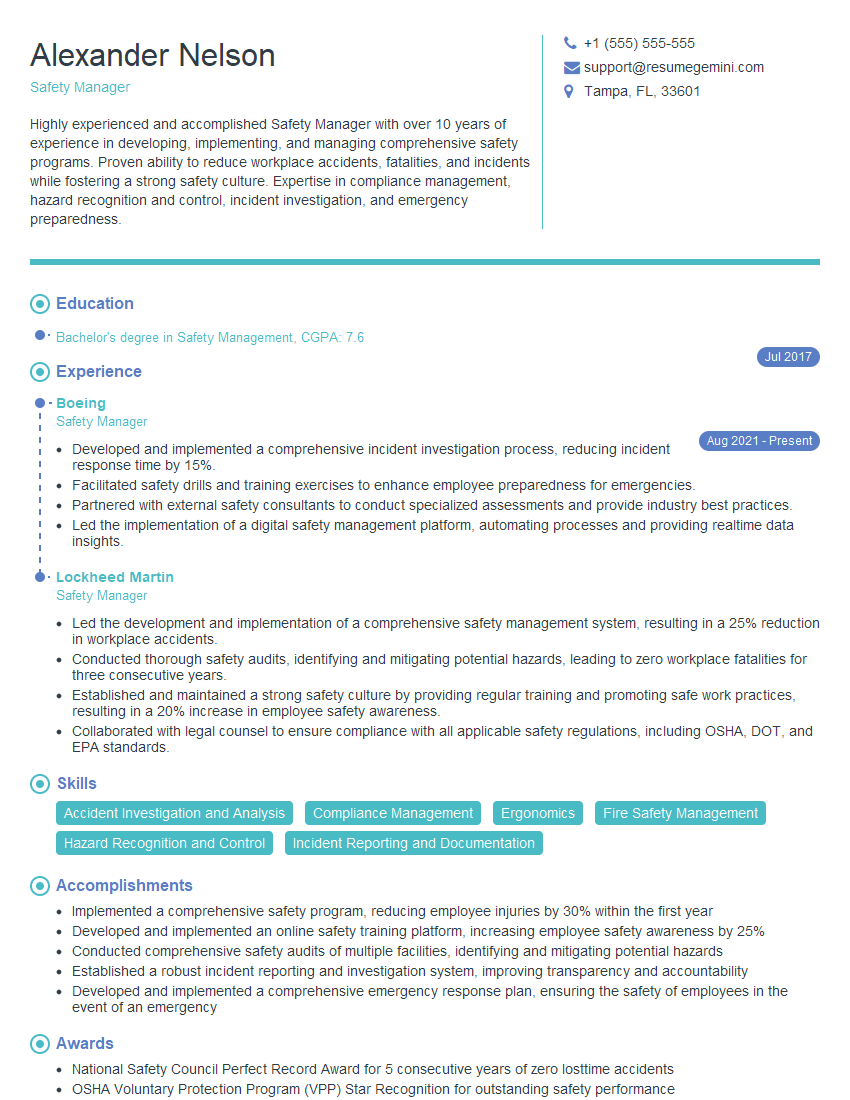
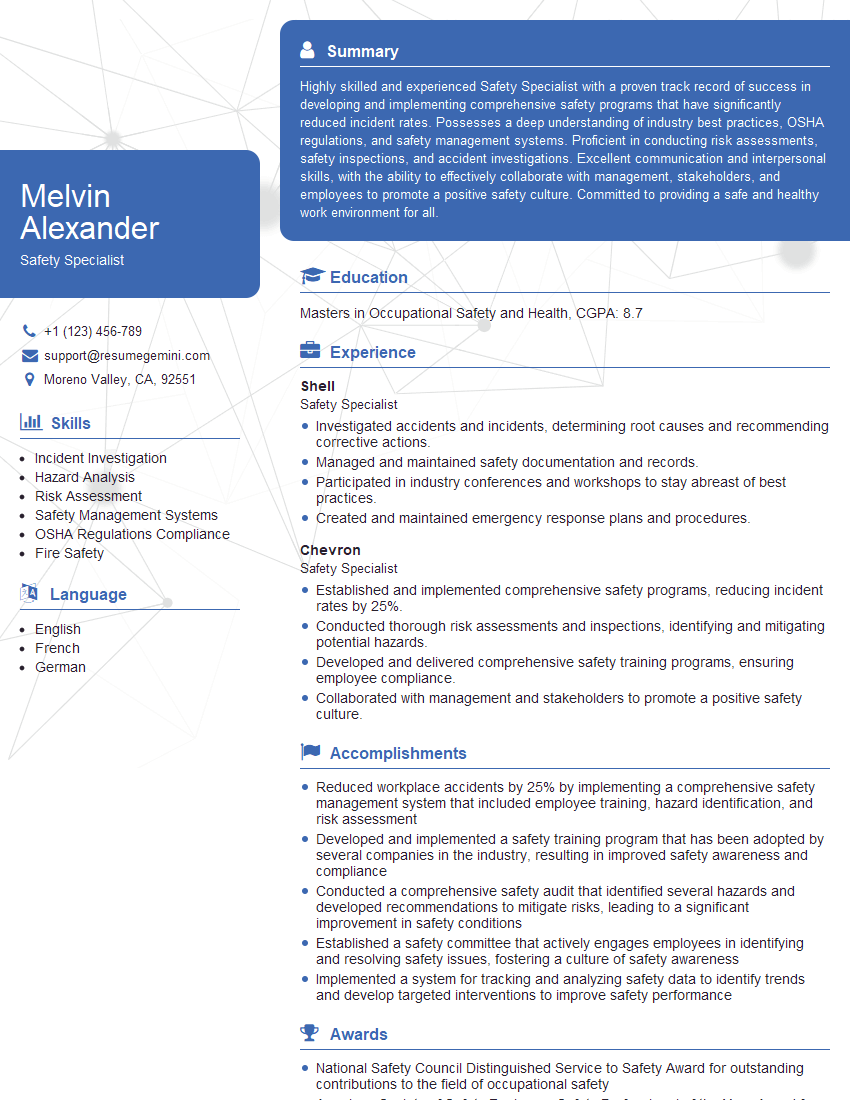
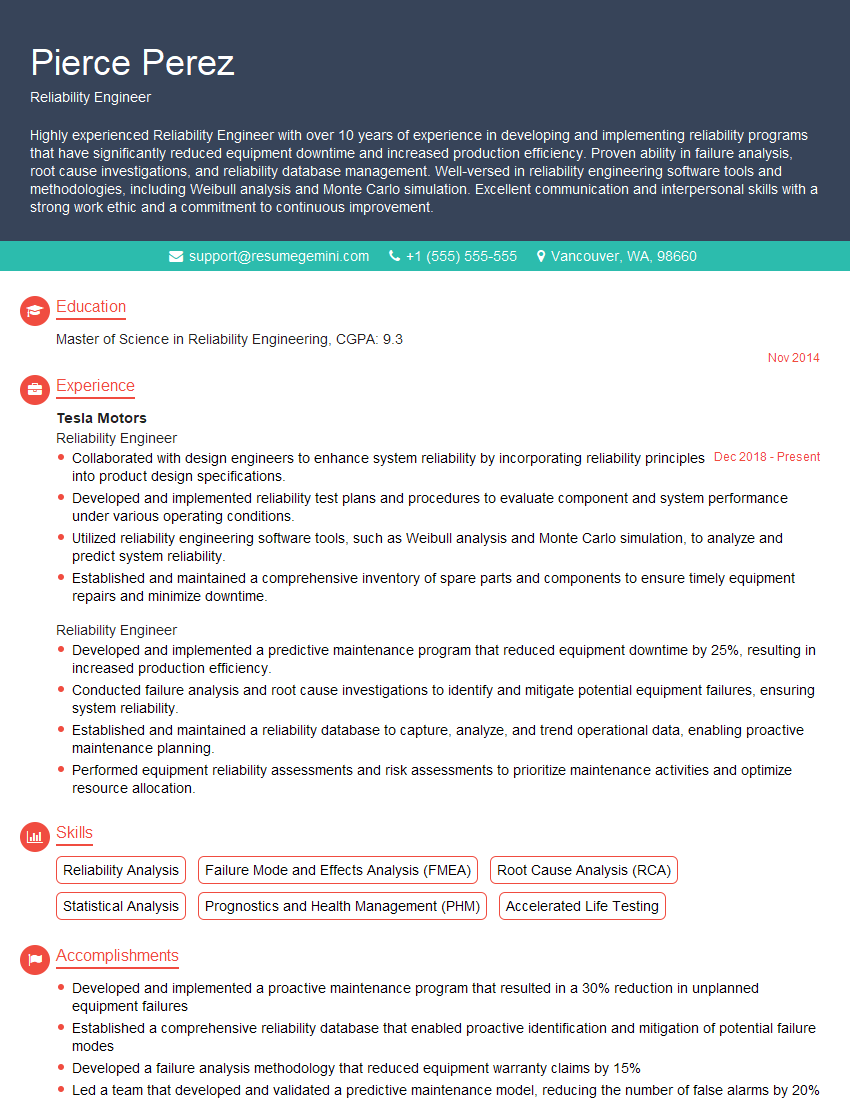
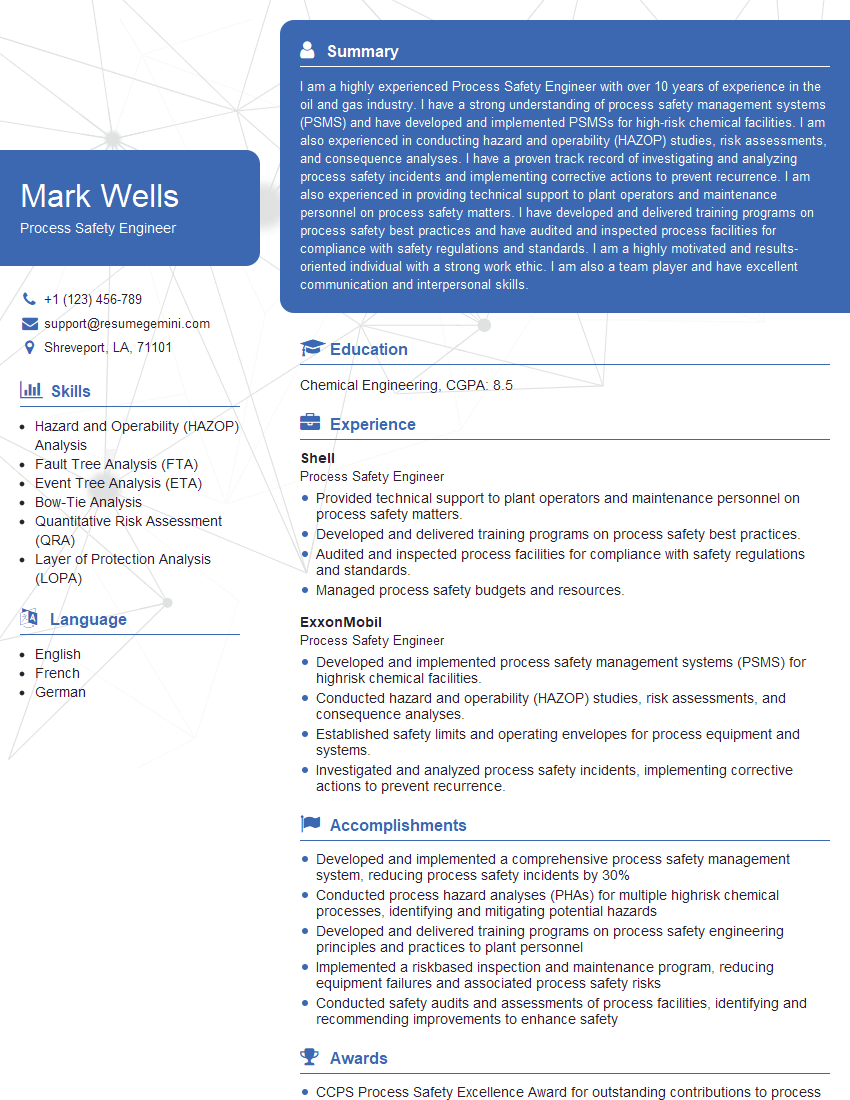
Mastering Machine and Process Safety is crucial for a successful and rewarding career in a field committed to preventing accidents and protecting human life. A strong foundation in these principles opens doors to leadership roles and challenging projects. To significantly boost your job prospects, creating an ATS-friendly resume is essential. ResumeGemini is a trusted resource to help you build a professional resume that highlights your skills and experience effectively. Examples of resumes tailored to Machine and Process Safety are available to guide you in crafting a compelling application. Investing time in perfecting your resume will significantly increase your chances of securing an interview and landing your dream job.
Explore more articles
Users Rating of Our Blogs
Share Your Experience
We value your feedback! Please rate our content and share your thoughts (optional).
What Readers Say About Our Blog
Attention music lovers!
Wow, All the best Sax Summer music !!!
Spotify: https://open.spotify.com/artist/6ShcdIT7rPVVaFEpgZQbUk
Apple Music: https://music.apple.com/fr/artist/jimmy-sax-black/1530501936
YouTube: https://music.youtube.com/browse/VLOLAK5uy_noClmC7abM6YpZsnySxRqt3LoalPf88No
Other Platforms and Free Downloads : https://fanlink.tv/jimmysaxblack
on google : https://www.google.com/search?q=22+AND+22+AND+22
on ChatGPT : https://chat.openai.com?q=who20jlJimmy20Black20Sax20Producer
Get back into the groove with Jimmy sax Black
Best regards,
Jimmy sax Black
www.jimmysaxblack.com
Hi I am a troller at The aquatic interview center and I suddenly went so fast in Roblox and it was gone when I reset.
Hi,
Business owners spend hours every week worrying about their website—or avoiding it because it feels overwhelming.
We’d like to take that off your plate:
$69/month. Everything handled.
Our team will:
Design a custom website—or completely overhaul your current one
Take care of hosting as an option
Handle edits and improvements—up to 60 minutes of work included every month
No setup fees, no annual commitments. Just a site that makes a strong first impression.
Find out if it’s right for you:
https://websolutionsgenius.com/awardwinningwebsites
Hello,
we currently offer a complimentary backlink and URL indexing test for search engine optimization professionals.
You can get complimentary indexing credits to test how link discovery works in practice.
No credit card is required and there is no recurring fee.
You can find details here:
https://wikipedia-backlinks.com/indexing/
Regards
NICE RESPONSE TO Q & A
hi
The aim of this message is regarding an unclaimed deposit of a deceased nationale that bears the same name as you. You are not relate to him as there are millions of people answering the names across around the world. But i will use my position to influence the release of the deposit to you for our mutual benefit.
Respond for full details and how to claim the deposit. This is 100% risk free. Send hello to my email id: lukachachibaialuka@gmail.com
Luka Chachibaialuka
Hey interviewgemini.com, just wanted to follow up on my last email.
We just launched Call the Monster, an parenting app that lets you summon friendly ‘monsters’ kids actually listen to.
We’re also running a giveaway for everyone who downloads the app. Since it’s brand new, there aren’t many users yet, which means you’ve got a much better chance of winning some great prizes.
You can check it out here: https://bit.ly/callamonsterapp
Or follow us on Instagram: https://www.instagram.com/callamonsterapp
Thanks,
Ryan
CEO – Call the Monster App
Hey interviewgemini.com, I saw your website and love your approach.
I just want this to look like spam email, but want to share something important to you. We just launched Call the Monster, a parenting app that lets you summon friendly ‘monsters’ kids actually listen to.
Parents are loving it for calming chaos before bedtime. Thought you might want to try it: https://bit.ly/callamonsterapp or just follow our fun monster lore on Instagram: https://www.instagram.com/callamonsterapp
Thanks,
Ryan
CEO – Call A Monster APP
To the interviewgemini.com Owner.
Dear interviewgemini.com Webmaster!
Hi interviewgemini.com Webmaster!
Dear interviewgemini.com Webmaster!
excellent
Hello,
We found issues with your domain’s email setup that may be sending your messages to spam or blocking them completely. InboxShield Mini shows you how to fix it in minutes — no tech skills required.
Scan your domain now for details: https://inboxshield-mini.com/
— Adam @ InboxShield Mini
support@inboxshield-mini.com
Reply STOP to unsubscribe
Hi, are you owner of interviewgemini.com? What if I told you I could help you find extra time in your schedule, reconnect with leads you didn’t even realize you missed, and bring in more “I want to work with you” conversations, without increasing your ad spend or hiring a full-time employee?
All with a flexible, budget-friendly service that could easily pay for itself. Sounds good?
Would it be nice to jump on a quick 10-minute call so I can show you exactly how we make this work?
Best,
Hapei
Marketing Director
Hey, I know you’re the owner of interviewgemini.com. I’ll be quick.
Fundraising for your business is tough and time-consuming. We make it easier by guaranteeing two private investor meetings each month, for six months. No demos, no pitch events – just direct introductions to active investors matched to your startup.
If youR17;re raising, this could help you build real momentum. Want me to send more info?
Hi, I represent an SEO company that specialises in getting you AI citations and higher rankings on Google. I’d like to offer you a 100% free SEO audit for your website. Would you be interested?
Hi, I represent an SEO company that specialises in getting you AI citations and higher rankings on Google. I’d like to offer you a 100% free SEO audit for your website. Would you be interested?