The right preparation can turn an interview into an opportunity to showcase your expertise. This guide to Machine Cleaning and Sanitation interview questions is your ultimate resource, providing key insights and tips to help you ace your responses and stand out as a top candidate.
Questions Asked in Machine Cleaning and Sanitation Interview
Q 1. What are the different types of cleaning agents used in industrial settings?
Industrial cleaning agents are diverse, chosen based on the specific soil type and surface material. They broadly fall into several categories:
- Detergents: These are surfactants that reduce surface tension, allowing water to penetrate and lift away soils. Examples include alkaline detergents (effective against grease and fats), acidic detergents (for mineral deposits), and neutral detergents (for general cleaning).
- Disinfectants: These kill or inactivate microorganisms, essential in food processing and healthcare settings. Types include chlorine-based bleaches, quaternary ammonium compounds (quats), and iodophors. The choice depends on the target microorganisms and surface compatibility.
- Enzymes: These biological catalysts break down specific types of soil, such as proteins (proteases), fats (lipases), and starches (amylases). They are often incorporated into detergents to enhance cleaning power, particularly in situations with stubborn organic matter.
- Solvents: Used to dissolve specific soils like oils and greases that are resistant to water and detergents. Examples include alcohols, ketones, and hydrocarbons. They require careful handling due to flammability and toxicity.
- Acid Cleaners: Designed to remove mineral deposits, scale, and rust. They’re commonly used in descaling equipment and removing hard water stains.
- Alkaline Cleaners: Effective against grease, fats, and organic soils. They are frequently used in food processing plants and kitchens.
The selection of the cleaning agent is critical for effective cleaning and preventing damage to the cleaned surfaces. For example, using an acidic cleaner on a surface sensitive to acids would lead to corrosion.
Q 2. Explain the importance of proper sanitation in food processing.
Proper sanitation in food processing is paramount for preventing foodborne illnesses and maintaining product quality. It’s a critical control point in the overall safety and hygiene of the operation. Inadequate sanitation can lead to:
- Contamination: Bacteria, viruses, parasites, and other pathogens can contaminate food products, leading to outbreaks of foodborne illnesses.
- Spoilage: Microbial growth can spoil food, leading to off-flavors, odors, and reduced shelf life.
- Product recalls: Contamination can result in costly product recalls and damage to a company’s reputation.
- Legal and regulatory issues: Failure to comply with sanitation regulations can lead to hefty fines and legal penalties.
Sanitation involves several steps, including cleaning to remove visible soil, followed by disinfection to eliminate pathogens. Regular monitoring and validation of sanitation processes are essential to ensure effectiveness. Think of it like this: cleaning removes the dirt, while sanitizing kills the germs lurking within.
Q 3. Describe your experience with high-pressure cleaning equipment.
I have extensive experience operating and maintaining various high-pressure cleaning equipment, including hot water pressure washers, steam cleaners, and specialized industrial units. My experience spans different applications, from cleaning large industrial equipment to delicate precision parts. I’m proficient in selecting the appropriate nozzle, pressure, and cleaning agent based on the surface material and soil type. For example, I’ve used:
- Hot water pressure washers to remove grease and grime from large machinery in a manufacturing facility, adjusting the pressure and temperature to avoid damage.
- Steam cleaners for delicate cleaning tasks, where high-temperature steam efficiently disinfects without harsh chemicals.
- Specialized industrial units for cleaning large tanks and pipelines, utilizing various attachments and chemicals to address specific contamination issues.
Safety is paramount; I always adhere to strict safety protocols, including proper personal protective equipment (PPE) usage and adherence to manufacturer’s guidelines. Regular maintenance and inspection of the equipment is another critical aspect of my routine to ensure operational efficiency and safety.
Q 4. How do you ensure compliance with sanitation regulations (e.g., GMP, FDA)?
Ensuring compliance with sanitation regulations like GMP (Good Manufacturing Practices) and FDA guidelines requires a multi-faceted approach:
- Developing and implementing Standard Operating Procedures (SOPs): These detail cleaning and sanitation procedures for all equipment and surfaces. They are crucial for consistent application.
- Maintaining detailed records: All cleaning activities must be thoroughly documented, including the cleaning agent used, the equipment cleaned, the date and time, and the personnel involved.
- Conducting regular audits and inspections: These verify compliance with the SOPs and regulations and identify areas for improvement.
- Implementing a robust training program: All personnel involved in cleaning and sanitation must be properly trained on the SOPs and safety procedures. Regular refresher training is also important.
- Environmental monitoring: Regular testing for microbial contamination ensures the effectiveness of the sanitation program.
- Utilizing validated cleaning and sanitation methods: This ensures the processes effectively remove contaminants and meet regulatory requirements.
In my experience, a proactive approach, including regular training and audits, ensures continuous compliance and prevents potential problems.
Q 5. What are the safety precautions associated with using cleaning chemicals?
Safety is paramount when handling cleaning chemicals. The hazards associated with cleaning chemicals are diverse and depend on their composition. Key safety precautions include:
- Personal Protective Equipment (PPE): Always wear appropriate PPE, including gloves, eye protection, and respiratory protection, based on the specific chemical being used. This protects against skin contact, eye irritation, and inhalation hazards.
- Proper ventilation: Ensure adequate ventilation in the work area to minimize exposure to chemical fumes. Consider using respirators in poorly ventilated areas.
- Safe handling and storage: Chemicals must be stored in designated areas, away from incompatible materials and out of reach of unauthorized personnel. Proper labeling and hazard communication are critical.
- Emergency procedures: Have emergency procedures in place, including spill response plans and access to eyewash stations and safety showers.
- Material Safety Data Sheets (MSDS): Carefully review the MSDS for each chemical used to understand its hazards and necessary precautions.
- Training: All personnel handling cleaning chemicals must receive comprehensive training on safe handling practices.
Remember, treating cleaning chemicals with respect prevents accidents and protects health. A simple analogy is driving a car—following traffic rules ensures safety. Similarly, following safety guidelines ensures safe handling of cleaning chemicals.
Q 6. How do you troubleshoot issues with cleaning equipment?
Troubleshooting cleaning equipment involves a systematic approach:
- Identify the problem: Observe the malfunction carefully and note any unusual sounds, smells, or behaviors. What is the equipment not doing that it should be?
- Check the obvious: Are there any blockages, such as clogged nozzles or filters? Is the power cord plugged in correctly? Is there sufficient water or cleaning agent?
- Consult the operator’s manual: The manual provides troubleshooting guides, diagrams, and specifications. It is your first source of information.
- Check safety devices: Make sure that safety switches and interlocks are functioning correctly.
- Inspect hoses and connections: Look for leaks, cracks, or damage. A leaking hose can dramatically reduce pressure.
- Check the pump: If the pump isn’t functioning, the problem may be mechanical and require professional assistance.
- Test the electrical components: If an electrical component is malfunctioning, it may require replacement or repair by a qualified technician.
If the problem persists after these steps, it may require professional service. Document all troubleshooting steps for future reference and to provide information to service personnel.
Q 7. Describe your experience with different cleaning validation methods.
Cleaning validation methods ensure cleaning processes effectively remove contaminants from surfaces. Methods vary based on the type of equipment and regulatory requirements. Common techniques include:
- Visual inspection: A simple method, often the first step, involving a visual assessment for visible residues.
- ATP bioluminescence testing: Measures the adenosine triphosphate (ATP) levels, indicating the presence of microbial contamination or organic matter. Lower ATP values suggest better cleanliness.
- Microbial testing: Involves taking samples and culturing them to identify and quantify any microorganisms remaining after cleaning. This is particularly important in food processing and pharmaceutical settings.
- Residue analysis: Chemical tests to detect the presence of specific residues from the product or cleaning agents. This requires specialized equipment and expertise.
- Particle counting: Measures the number and size of particles remaining after cleaning, useful for highly sensitive equipment.
The choice of validation method depends on the level of risk and regulatory requirements. For instance, a simple visual inspection may suffice for some low-risk situations, while a more comprehensive approach including microbial and residue analysis is typically required for sterile environments.
Q 8. How do you determine the appropriate cleaning agent for a specific material?
Selecting the right cleaning agent is crucial for effective cleaning and preventing damage to the material. It’s like choosing the right tool for a job – you wouldn’t use a hammer to screw in a screw! The process involves considering several factors:
- Material Compatibility: Some materials are sensitive to certain chemicals. For example, strong acids can etch some metals, while harsh alkalis can damage certain plastics. Always consult the manufacturer’s recommendations for cleaning guidelines.
- Type of Soil: Different soils require different cleaning agents. For example, grease and oil require a degreaser, while biological contaminants necessitate a disinfectant.
- Cleaning Method: The chosen cleaning method (e.g., wiping, spraying, immersion) influences the agent selection. Some agents are better suited for specific application methods.
- Regulatory Compliance: Depending on the industry and application, you must use cleaning agents that comply with relevant regulations (e.g., FDA guidelines for food contact surfaces).
Example: Cleaning a stainless steel surface with food residue would involve using a neutral detergent, while cleaning a delicate plastic surface might require a mild, non-abrasive cleaner.
Q 9. What is your experience with cleaning and sanitizing different types of surfaces (stainless steel, glass, plastic)?
My experience encompasses cleaning and sanitizing a wide range of surfaces, including stainless steel, glass, and plastic. Each material presents unique challenges and requires a tailored approach:
- Stainless Steel: Stainless steel is relatively durable but susceptible to corrosion if cleaned improperly. I’ve utilized various cleaning methods, including wiping with neutral detergents, using specialized stainless steel cleaners, and employing CIP (Clean-in-Place) systems in industrial settings. The key is to avoid harsh abrasives that can scratch the surface.
- Glass: Glass is generally easy to clean, but it can accumulate fingerprints and water spots. I’ve employed various techniques, including wiping with glass cleaners, using squeegees for streak-free results, and employing specialized cleaning agents for removing stubborn stains or residues. Appropriate rinsing and drying are crucial to avoid spotting.
- Plastic: Plastics vary widely in their chemical resistance. Some are sensitive to certain chemicals while others are more durable. I have experience selecting cleaning agents based on the specific type of plastic and have used a variety of methods from wiping to soaking, paying close attention to avoiding damage or discoloration.
In all cases, I meticulously follow established Standard Operating Procedures (SOPs) to ensure thorough cleaning and sanitation while minimizing environmental impact and risks to personnel.
Q 10. Explain the process of validating a cleaning procedure.
Validating a cleaning procedure ensures its effectiveness in removing contaminants and achieving the desired level of cleanliness. This is a critical step, especially in regulated industries like pharmaceuticals and food processing.
The validation process typically involves:
- Defining acceptance criteria: Establish measurable parameters to determine if the cleaning is effective (e.g., acceptable levels of residue, microbial load).
- Selecting appropriate testing methods: Employ methods such as ATP bioluminescence, visual inspection, or microbiological testing to quantify the cleanliness.
- Sampling strategy: Develop a representative sampling plan to collect samples from critical surfaces.
- Executing the cleaning procedure: Follow the established procedure carefully and collect samples before and after cleaning.
- Analyzing the results: Compare the pre- and post-cleaning results to determine if the acceptance criteria are met.
- Documentation: Thoroughly document the entire process, including procedures, results, and conclusions.
Example: In a pharmaceutical manufacturing setting, cleaning validation might involve testing for the presence of drug residues on equipment after cleaning, ensuring they are below the acceptable limits.
Q 11. How do you monitor and control the cleaning process?
Monitoring and controlling the cleaning process is crucial for maintaining consistent cleanliness and hygiene. This involves several strategies:
- Visual Inspection: Regularly inspect cleaned areas for visible soil or contamination. This is often the first line of defense.
- ATP Bioluminescence Monitoring: This rapid method measures adenosine triphosphate (ATP), an indicator of microbial contamination and organic residue. A high ATP reading indicates inadequate cleaning.
- Microbial Testing: Regular microbiological testing provides quantitative data on the presence of bacteria, fungi, and other microorganisms. This is particularly important in areas with high hygiene demands.
- Use of Checklists and SOPs: Following detailed checklists and Standard Operating Procedures ensures consistency and accountability.
- Training and Competency Assessment: Well-trained staff are critical. Regularly assess their competency to ensure they are performing tasks correctly.
- Data Logging and Reporting: Maintaining detailed records of cleaning activities, including dates, times, personnel involved, and test results, is essential for traceability and trend analysis.
By employing these strategies, we can identify and correct any deviations from the cleaning standards proactively, ensuring consistent cleanliness and preventing contamination.
Q 12. What are the different types of contamination you have encountered and how did you address them?
Throughout my career, I have encountered various types of contamination, requiring different remediation strategies:
- Biological Contamination (Bacteria, Fungi, Viruses): These require thorough cleaning and disinfection using appropriate chemical agents, often with a focus on contact time and temperature. For example, a food processing facility might use a chlorine-based disinfectant to eliminate bacterial contamination.
- Chemical Contamination (residues of cleaning agents, processing chemicals): This often involves rinsing and cleaning with neutralizers or specialized solvents, followed by rigorous rinsing to remove any remaining residue. Residue analysis is often performed to verify successful removal.
- Particulate Contamination (dust, debris): Thorough vacuuming, wiping, and potentially specialized cleaning methods might be employed. For sensitive environments, HEPA filtered vacuum cleaners might be used to remove fine particulates.
Addressing contamination effectively involves a thorough understanding of the contaminant’s nature, its potential impact, and the selection of appropriate cleaning and sanitizing agents and methods. A thorough risk assessment is always the first step.
Q 13. How do you ensure that cleaning procedures are documented and followed correctly?
Ensuring that cleaning procedures are documented and followed correctly is vital for consistency and traceability. This involves:
- Development of Clear, Concise SOPs: Standard Operating Procedures must be detailed, unambiguous, and easy to follow. They should include step-by-step instructions, materials required, safety precautions, and acceptance criteria.
- Training and Competency Assessment: All personnel involved in cleaning must receive thorough training on the SOPs and be regularly assessed for their competence.
- Use of Checklists: Checklists help staff ensure that all steps of the procedure are completed accurately. They can be paper-based or digital.
- Regular Audits and Inspections: Regular audits and inspections help identify any deviations from the SOPs and ensure that procedures are being followed effectively.
- Version Control of SOPs: Maintaining version control ensures that everyone is using the most up-to-date cleaning procedures.
- Data Logging: All cleaning activities must be recorded, including dates, times, personnel involved, and any deviations from the standard procedures.
Proper documentation provides a crucial audit trail, demonstrating that cleaning procedures were consistently implemented and effective.
Q 14. Describe your experience with cleaning validation documentation and reporting.
My experience with cleaning validation documentation and reporting is extensive. I’m proficient in generating comprehensive reports that comply with regulatory requirements (e.g., GMP, FDA guidelines). These reports include:
- Detailed Description of the Cleaning Procedure: A comprehensive description of the cleaning steps, materials used, and equipment involved.
- Validation Protocols and Methodologies: A description of the validation plan, sampling strategies, and analytical methods employed.
- Raw Data and Results: All raw data collected during the validation process, including ATP readings, microbial counts, and residue analysis results.
- Data Analysis and Interpretation: A comprehensive analysis of the data, including statistical analysis where appropriate.
- Conclusion and Recommendations: A clear statement on whether the cleaning procedure meets the pre-defined acceptance criteria and recommendations for improvements if necessary.
- Deviation Reports: Comprehensive documentation of any deviations from the standard operating procedures, their causes, and corrective actions taken.
The reports are meticulously reviewed to ensure accuracy and completeness, enabling a clear demonstration of the effectiveness and compliance of the cleaning processes.
Q 15. What is your experience with preventative maintenance of cleaning equipment?
Preventative maintenance of cleaning equipment is crucial for ensuring its longevity, efficiency, and safety. It involves a proactive approach, focusing on regularly scheduled checks and minor repairs to prevent major breakdowns and costly repairs down the line. Think of it like regular servicing your car – it’s much cheaper to change the oil than to replace the engine!
- Regular Inspections: This includes visually checking for wear and tear on hoses, belts, and other components; testing functionality of pumps, motors, and spray nozzles; and ensuring proper water pressure and chemical delivery.
- Cleaning and Sanitizing Equipment: Cleaning the equipment after each use prevents buildup of cleaning agents, debris, and potential microbial contamination which can affect performance and safety. This includes rinsing with clean water, and perhaps using a specialized cleaning agent designed to break down detergent residue.
- Lubrication: Moving parts require regular lubrication to prevent friction and wear. This prolongs equipment lifespan and maintains optimal performance.
- Calibration: For equipment with precise measurements (like chemical dispensers), regular calibration is necessary to ensure accurate dosing. Inaccurate chemical concentrations can impact cleaning effectiveness and may damage the equipment itself.
- Documentation: Maintaining detailed records of maintenance activities – dates, actions taken, and any issues encountered – is crucial for tracking equipment performance and identifying potential problems early on.
For example, in a food processing plant, neglecting preventative maintenance on a high-pressure washer could lead to a breakdown during a critical cleaning cycle, resulting in significant production delays and potential food safety risks.
Career Expert Tips:
- Ace those interviews! Prepare effectively by reviewing the Top 50 Most Common Interview Questions on ResumeGemini.
- Navigate your job search with confidence! Explore a wide range of Career Tips on ResumeGemini. Learn about common challenges and recommendations to overcome them.
- Craft the perfect resume! Master the Art of Resume Writing with ResumeGemini’s guide. Showcase your unique qualifications and achievements effectively.
- Don’t miss out on holiday savings! Build your dream resume with ResumeGemini’s ATS optimized templates.
Q 16. How do you handle non-conforming cleaning results?
Non-conforming cleaning results mean the cleaning process didn’t meet the pre-defined standards. This necessitates a systematic investigation to identify the root cause and implement corrective actions. This is critical, especially in industries with strict hygiene requirements, like pharmaceuticals or food processing.
- Identify the Non-Conformance: First, accurately determine the nature and extent of the non-conformance. Was it a microbial contamination issue? Was it a visible residue issue? Where did it occur?
- Root Cause Analysis: A thorough investigation is crucial to prevent recurrence. Consider factors like:
- Cleaning agent effectiveness: Was the right concentration and type used?
- Cleaning equipment malfunction: Was the equipment properly functioning (e.g., sufficient water pressure, correctly calibrated dispensers)?
- Cleaning procedure errors: Were the correct procedures followed precisely? Were contact times adequate?
- Environmental factors: Were there any environmental factors (high humidity, temperature fluctuations) impacting cleaning efficacy?
- Corrective Actions: Based on the root cause analysis, implement immediate corrective actions such as re-cleaning the area using appropriate methods, adjusting cleaning procedures, repairing or replacing equipment, or retraining staff.
- Preventive Actions: Implement measures to prevent future non-conformances. This could include improved training, enhanced monitoring, process adjustments, updated Standard Operating Procedures (SOPs), or investing in newer technology.
- Documentation: Meticulous record-keeping of the entire process – from identifying the non-conformance to implementing corrective actions – is vital for traceability and continuous improvement.
For instance, if microbial counts on a food processing surface exceed acceptable limits, we might need to review cleaning procedures, investigate equipment performance, and possibly retrain personnel on proper sanitization techniques.
Q 17. Explain the importance of personal protective equipment (PPE) in sanitation.
Personal Protective Equipment (PPE) is paramount in sanitation to protect workers from hazards associated with cleaning chemicals, biological contaminants, and physical risks. It’s an absolute necessity, not just a suggestion!
- Chemical Protection: Gloves, eye protection, and aprons are essential to prevent skin and eye contact with harsh cleaning chemicals that can cause irritation, burns, or allergic reactions. The type of PPE depends on the chemical in question – some require more robust protection than others.
- Biological Protection: Masks, gloves, and eye protection protect against airborne pathogens or splashes of contaminated fluids. This is particularly important when dealing with biohazardous materials.
- Physical Protection: Protective footwear, gloves, and sometimes even hard hats provide protection against sharp objects, slips, trips, or falling debris.
- Respiratory Protection: In certain situations, respirators might be needed to prevent inhalation of harmful dusts, vapors, or aerosols.
Think of PPE as your armor in the battle against contamination. Failure to use appropriate PPE can lead to serious health consequences, including skin irritations, respiratory problems, and even blindness.
Q 18. Describe your experience with different types of cleaning technologies (e.g., ultrasonic, CIP).
My experience encompasses a range of cleaning technologies, each suited to specific applications and challenges.
- Ultrasonic Cleaning: This technology uses high-frequency sound waves to create cavitation bubbles that dislodge dirt and contaminants from surfaces. It’s particularly effective for cleaning intricate components or delicate items where manual cleaning is difficult or impractical. For example, I’ve used ultrasonic cleaning for sterilizing medical instruments or cleaning precision parts in manufacturing.
- Clean-in-Place (CIP) Systems: CIP systems are automated cleaning systems commonly used in food processing, pharmaceutical, and other industries where large-scale equipment cleaning is necessary. They involve circulating cleaning solutions through the equipment, ensuring thorough cleaning without manual disassembly. This offers high efficiency, consistency, and time savings compared to manual cleaning.
- High-Pressure Cleaning: This method uses high-pressure water jets to remove heavy soil and contaminants from surfaces. This is commonly used in industrial settings for cleaning large equipment or outdoor areas. The pressure needs to be carefully controlled to avoid damage to the surface.
- Thermal Disinfection: Heat is used to kill microorganisms. This can involve steam sterilization, hot water rinsing, or the use of specialized ovens, depending on the application and the materials being cleaned.
The choice of technology depends on several factors, including the type of soil, the material of the surface being cleaned, the required level of cleanliness, and cost considerations. A thorough understanding of these factors is crucial for selecting the most effective and appropriate cleaning technology.
Q 19. How do you manage waste generated during the cleaning process?
Waste management is an integral part of any effective cleaning and sanitation program, particularly with an emphasis on environmental responsibility and regulatory compliance. It’s about more than just throwing things in the trash.
- Segregation: Waste should be properly segregated into different categories based on their composition. This often includes separate containers for general waste, hazardous waste (like cleaning chemicals), and potentially recyclable materials.
- Hazardous Waste Disposal: Hazardous waste, including spent cleaning solutions and contaminated materials, requires special handling and disposal according to local and national regulations. This often involves contracting with licensed waste disposal companies.
- Recycling: Wherever possible, materials should be recycled to minimize environmental impact. This could include recyclable plastics, cardboard, and other materials used in packaging.
- Waste Minimization: Implementing strategies to reduce the amount of waste generated is crucial. This could involve using concentrated cleaning solutions, reducing packaging, and optimizing cleaning procedures to minimize water and chemical usage.
- Documentation: Maintaining detailed records of waste generation, disposal methods, and recycling activities is essential for compliance and auditing purposes.
For instance, in a healthcare setting, biohazardous waste (e.g., contaminated dressings) requires stringent protocols for handling and disposal to prevent infection risks.
Q 20. What are the key indicators of a successful cleaning and sanitation program?
A successful cleaning and sanitation program is measured by several key indicators, all pointing towards a consistently clean and hygienic environment.
- Absence of Microbial Contamination: Regular microbial testing (e.g., ATP bioluminescence testing, plate counts) should demonstrate consistently low levels of microorganisms on surfaces. This indicates effective cleaning and sanitization.
- Absence of Visible Soil: Surfaces should be visibly clean and free of any soil or residue. Regular visual inspections are important.
- Compliance with Standards: The program should adhere to all relevant regulations, guidelines, and industry best practices. This ensures consistency and minimizes risks.
- Employee Training and Competence: Well-trained and competent staff are critical for successful implementation. Regular training and competency assessments ensure consistent adherence to procedures.
- Effective Equipment Maintenance: Properly maintained and calibrated cleaning equipment ensures consistent performance and reduces the risk of breakdowns.
- Reduced Complaints: Fewer complaints related to cleanliness and hygiene from employees or customers indicate a successful program. It demonstrates satisfaction and a positive work or customer environment.
These indicators provide a holistic assessment of program effectiveness, going beyond just a simple visual check and giving a comprehensive view of its success.
Q 21. How do you ensure the effective removal of biofilms?
Biofilms are complex communities of microorganisms encased in a self-produced extracellular matrix. They are notoriously difficult to remove because the matrix protects the microbes from cleaning agents and disinfectants. Effective biofilm removal requires a multi-pronged approach.
- Pre-cleaning: Thorough pre-cleaning to remove loose debris is crucial before targeting the biofilm itself. This can involve brushing, scrubbing, or using high-pressure water jets.
- Disruption of the Matrix: The extracellular matrix needs to be disrupted to expose the microbes to cleaning agents. This can be achieved through mechanical methods (e.g., scrubbing, ultrasound), enzymatic cleaning agents that break down the matrix, or chemical agents that weaken it.
- Appropriate Cleaning Agents: Choosing the right cleaning agents is critical. Often, a combination of detergents, disinfectants, and perhaps even chelating agents (to remove mineral deposits) is necessary.
- Adequate Contact Time: Sufficient contact time between the cleaning agents and the biofilm is essential for effective removal. This can vary depending on the type of biofilm and the cleaning agents used.
- Monitoring and Verification: Regular monitoring and verification, such as ATP bioluminescence testing, are needed to confirm the effectiveness of the biofilm removal process.
For example, in a dairy processing plant, biofilms can build up in pipes and equipment. Effective removal requires a combination of CIP cleaning with appropriate detergents, disinfectants, and perhaps enzymatic cleaners to effectively break down the matrix and eliminate the microbial contamination.
Q 22. What is your experience with cleaning in a regulated environment (e.g., pharmaceutical, medical device)?
My experience in regulated environments, specifically pharmaceutical and medical device manufacturing, spans over 10 years. I’ve worked extensively with GMP (Good Manufacturing Practices) and cGMP (current Good Manufacturing Practices) guidelines, understanding the critical role of cleaning and sanitation in preventing cross-contamination and ensuring product safety. This includes hands-on involvement in cleaning validation studies, developing and implementing cleaning procedures, and auditing cleaning processes to maintain compliance. For example, in a previous role, I developed a cleaning validation protocol for a high-speed tablet press in a pharmaceutical facility. This involved selecting appropriate cleaning agents, developing a sampling methodology, and analyzing swab samples for residual product and cleaning agent to ensure the effectiveness of our cleaning process. This work ensured the facility met stringent regulatory requirements and prevented product contamination.
Q 23. Explain your understanding of different cleaning methods (e.g., manual, automated).
Cleaning methods can range from simple manual processes to highly automated systems. Manual cleaning, often involving brushes, mops, and sponges, is suitable for smaller areas or delicate equipment. However, it’s crucial to ensure thorough training and standardized procedures to maintain consistency. Automated cleaning, using machines like CIP (Clean-in-Place) systems or automated floor scrubbers, is more efficient for large-scale operations and consistently delivers high cleaning standards, reducing human error. Consider a CIP system in a dairy plant; it automatically cleans the entire processing pipeline using precise cycles of hot water, detergents, and sanitizers. This contrasts with manual cleaning of a small laboratory equipment where careful hand cleaning and rinsing is required to prevent damage.
- Manual Cleaning: Ideal for smaller areas, delicate equipment, requires thorough training.
- Automated Cleaning (CIP/SIP): Efficient for large-scale operations, consistent results, reduces human error. Requires proper equipment maintenance.
- Semi-Automated Cleaning: Combines aspects of manual and automated cleaning to address specific needs.
Q 24. How do you manage and train cleaning personnel?
Managing and training cleaning personnel requires a multi-faceted approach. It starts with comprehensive onboarding, where employees receive training on GMP principles, specific cleaning procedures, the proper use of cleaning agents and equipment, and safety protocols. I utilize a combination of classroom instruction, hands-on training, and regular competency assessments. Regular refresher training keeps everyone up-to-date on best practices and any changes in regulations or procedures. I also encourage open communication and feedback to address any concerns or challenges. A key aspect of my approach is focusing on building a culture of quality, where every team member takes ownership of their role in maintaining cleanliness and sanitation. This includes creating clear, documented procedures, using checklists to ensure consistent execution, and implementing regular performance monitoring and feedback sessions.
Q 25. What are your strategies for continuous improvement in sanitation practices?
Continuous improvement in sanitation practices is vital. My strategies include regularly reviewing cleaning procedures and validating their effectiveness. We actively look for ways to optimize cleaning processes, for example, by implementing new technologies or improving the efficiency of existing methods. Data analysis plays a critical role; by tracking cleaning validation results and incident reports, we can identify trends and potential areas for improvement. This might lead to changes in cleaning agents, equipment, or procedures. I also encourage a culture of open communication and feedback from the cleaning staff, as they often have valuable insights into challenges and potential improvements. Participation in industry conferences and workshops helps stay abreast of the latest developments and best practices.
Q 26. How do you identify and resolve cleaning validation discrepancies?
Addressing cleaning validation discrepancies requires a systematic approach. First, the discrepancy needs to be clearly defined and documented. Then, a thorough investigation is conducted to identify the root cause. This might involve reviewing cleaning procedures, equipment performance, personnel training, or environmental factors. Once the root cause is identified, corrective actions are implemented to prevent recurrence. This could range from retraining staff, modifying cleaning procedures, replacing equipment, or adjusting environmental controls. All actions taken, along with their effectiveness, are documented and reviewed. For instance, if a cleaning validation reveals higher-than-acceptable levels of residual product, a thorough review of the cleaning process, including contact time, agent concentration and equipment functionality, would be performed. This might necessitate adjustments to the cleaning protocol, additional cleaning steps, or replacement of cleaning equipment.
Q 27. What is your experience with different cleaning agents’ compatibility with various materials?
Understanding the compatibility of cleaning agents with various materials is critical to prevent damage and ensure cleaning effectiveness. Different materials react differently to various chemicals. For example, harsh alkaline cleaners might damage stainless steel surfaces if used improperly, while acidic cleaners can corrode certain plastics. I have experience with a wide range of cleaning agents, including detergents, sanitizers, and disinfectants, and I understand their compatibility with different materials commonly found in regulated environments like stainless steel, glass, plastics, and rubber. I always refer to Material Safety Data Sheets (MSDS) and manufacturer recommendations to ensure appropriate selection and use of cleaning agents. Furthermore, we conduct compatibility tests on new materials or cleaning agents before implementing them in our facilities to confirm their suitability and prevent potential damage or contamination.
Q 28. How do you ensure that cleaning procedures are effective and efficient?
Ensuring cleaning procedures are effective and efficient requires a multi-pronged approach. Procedures must be clearly written, easy to understand, and readily available to all cleaning personnel. They must specify the cleaning agent, method, contact time, and verification methods. Regular monitoring and validation of cleaning processes are essential to ensure effectiveness. This includes conducting regular swab testing to check for residual contamination and evaluating cleaning time and resource utilization to improve efficiency. Implementing standardized operating procedures (SOPs) and regularly reviewing and updating them helps to ensure that cleaning remains effective and efficient over time. The use of cleaning validation techniques like ATP bioluminescence testing allows for rapid feedback on cleaning efficacy and helps to minimize resource utilization by pinpointing areas needing extra attention.
Key Topics to Learn for Machine Cleaning and Sanitation Interview
- Cleaning and Sanitization Procedures: Understanding various cleaning and sanitation methods, including chemical selection, concentration, contact time, and proper application techniques for different machine types and materials.
- Safety Regulations and Protocols: Knowledge of OSHA regulations, safe handling of chemicals (SDS sheets), personal protective equipment (PPE) requirements, and waste disposal procedures.
- Machine-Specific Cleaning: Familiarity with the unique cleaning challenges and procedures for different types of machinery (e.g., food processing equipment, industrial machinery, pharmaceutical manufacturing equipment).
- Disinfection and Sterilization Techniques: Understanding the differences between cleaning, sanitizing, disinfecting, and sterilizing and when each method is appropriate. Knowledge of various sterilization methods (e.g., steam, UV).
- Preventive Maintenance and Cleaning Schedules: Developing and implementing effective cleaning schedules to prevent equipment breakdown and maintain optimal hygiene standards. Identifying potential maintenance needs during cleaning.
- Documentation and Record Keeping: Maintaining accurate and detailed cleaning logs, including chemical usage, cleaning times, and any identified issues. Understanding the importance of traceability for quality control and regulatory compliance.
- Troubleshooting Cleaning Problems: Identifying and resolving common cleaning issues, such as persistent residue, equipment malfunctions related to cleaning, and contamination sources.
- Quality Control and Monitoring: Understanding quality control measures used to ensure effective cleaning and sanitation, such as ATP bioluminescence testing or visual inspections.
Next Steps
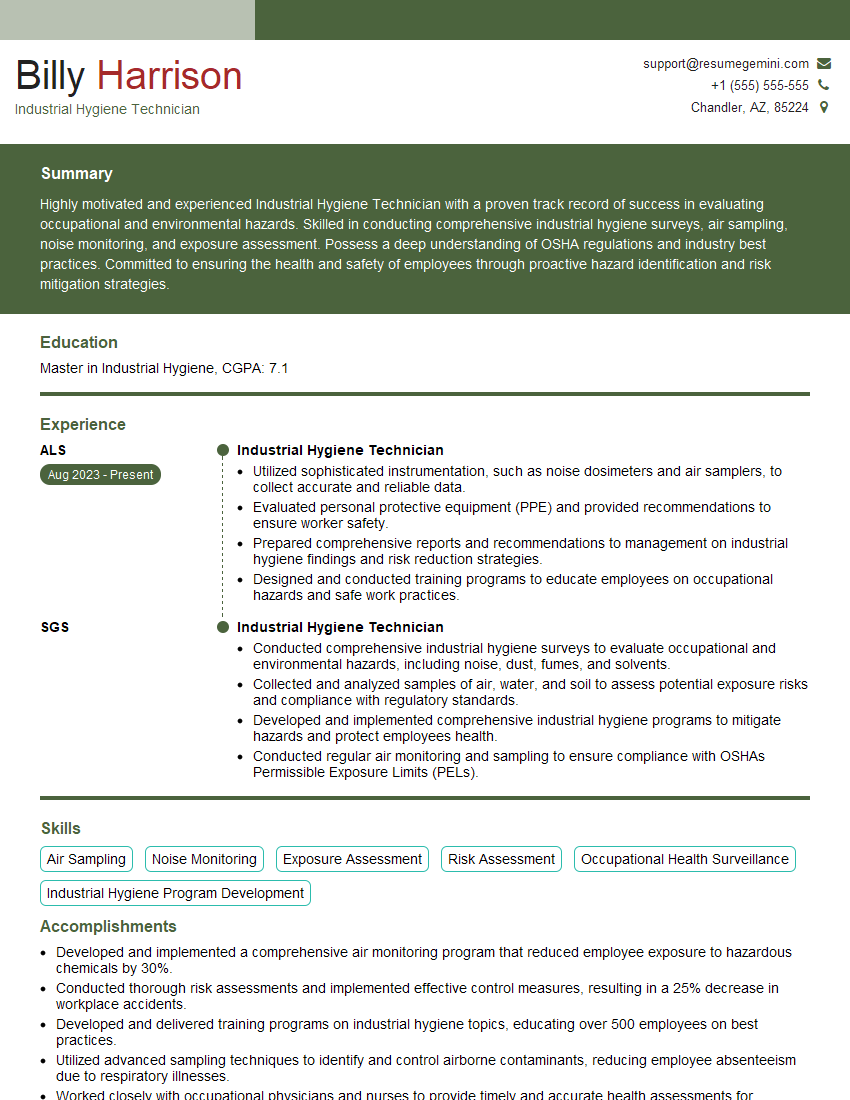
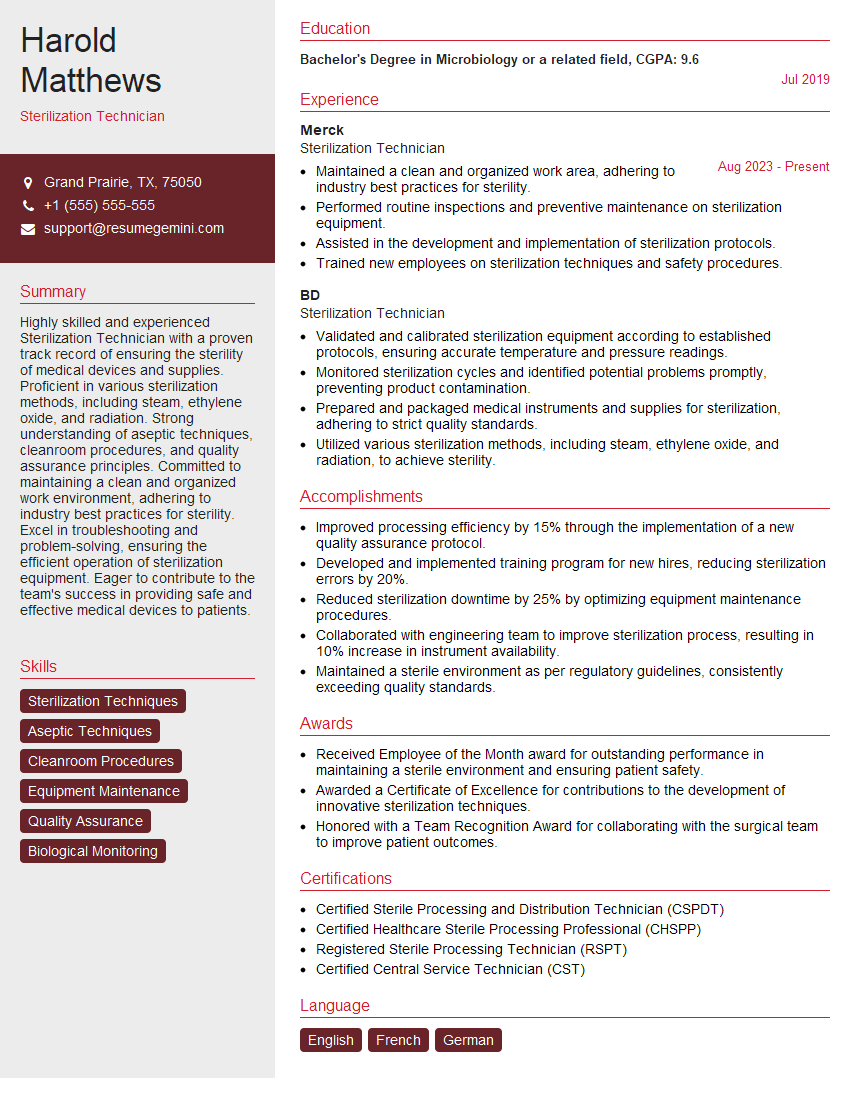
Mastering Machine Cleaning and Sanitation opens doors to a rewarding career with excellent growth potential in various industries. A strong understanding of these crucial skills will significantly enhance your interview performance and future job prospects. To maximize your chances of landing your dream role, focus on creating an ATS-friendly resume that highlights your relevant skills and experience. ResumeGemini is a trusted resource for building professional resumes, helping you present your qualifications effectively. Examples of resumes tailored to Machine Cleaning and Sanitation are available to guide you in crafting a compelling application.
Explore more articles
Users Rating of Our Blogs
Share Your Experience
We value your feedback! Please rate our content and share your thoughts (optional).
What Readers Say About Our Blog
Attention music lovers!
Wow, All the best Sax Summer music !!!
Spotify: https://open.spotify.com/artist/6ShcdIT7rPVVaFEpgZQbUk
Apple Music: https://music.apple.com/fr/artist/jimmy-sax-black/1530501936
YouTube: https://music.youtube.com/browse/VLOLAK5uy_noClmC7abM6YpZsnySxRqt3LoalPf88No
Other Platforms and Free Downloads : https://fanlink.tv/jimmysaxblack
on google : https://www.google.com/search?q=22+AND+22+AND+22
on ChatGPT : https://chat.openai.com?q=who20jlJimmy20Black20Sax20Producer
Get back into the groove with Jimmy sax Black
Best regards,
Jimmy sax Black
www.jimmysaxblack.com
Hi I am a troller at The aquatic interview center and I suddenly went so fast in Roblox and it was gone when I reset.
Hi,
Business owners spend hours every week worrying about their website—or avoiding it because it feels overwhelming.
We’d like to take that off your plate:
$69/month. Everything handled.
Our team will:
Design a custom website—or completely overhaul your current one
Take care of hosting as an option
Handle edits and improvements—up to 60 minutes of work included every month
No setup fees, no annual commitments. Just a site that makes a strong first impression.
Find out if it’s right for you:
https://websolutionsgenius.com/awardwinningwebsites
Hello,
we currently offer a complimentary backlink and URL indexing test for search engine optimization professionals.
You can get complimentary indexing credits to test how link discovery works in practice.
No credit card is required and there is no recurring fee.
You can find details here:
https://wikipedia-backlinks.com/indexing/
Regards
NICE RESPONSE TO Q & A
hi
The aim of this message is regarding an unclaimed deposit of a deceased nationale that bears the same name as you. You are not relate to him as there are millions of people answering the names across around the world. But i will use my position to influence the release of the deposit to you for our mutual benefit.
Respond for full details and how to claim the deposit. This is 100% risk free. Send hello to my email id: lukachachibaialuka@gmail.com
Luka Chachibaialuka
Hey interviewgemini.com, just wanted to follow up on my last email.
We just launched Call the Monster, an parenting app that lets you summon friendly ‘monsters’ kids actually listen to.
We’re also running a giveaway for everyone who downloads the app. Since it’s brand new, there aren’t many users yet, which means you’ve got a much better chance of winning some great prizes.
You can check it out here: https://bit.ly/callamonsterapp
Or follow us on Instagram: https://www.instagram.com/callamonsterapp
Thanks,
Ryan
CEO – Call the Monster App
Hey interviewgemini.com, I saw your website and love your approach.
I just want this to look like spam email, but want to share something important to you. We just launched Call the Monster, a parenting app that lets you summon friendly ‘monsters’ kids actually listen to.
Parents are loving it for calming chaos before bedtime. Thought you might want to try it: https://bit.ly/callamonsterapp or just follow our fun monster lore on Instagram: https://www.instagram.com/callamonsterapp
Thanks,
Ryan
CEO – Call A Monster APP
To the interviewgemini.com Owner.
Dear interviewgemini.com Webmaster!
Hi interviewgemini.com Webmaster!
Dear interviewgemini.com Webmaster!
excellent
Hello,
We found issues with your domain’s email setup that may be sending your messages to spam or blocking them completely. InboxShield Mini shows you how to fix it in minutes — no tech skills required.
Scan your domain now for details: https://inboxshield-mini.com/
— Adam @ InboxShield Mini
support@inboxshield-mini.com
Reply STOP to unsubscribe
Hi, are you owner of interviewgemini.com? What if I told you I could help you find extra time in your schedule, reconnect with leads you didn’t even realize you missed, and bring in more “I want to work with you” conversations, without increasing your ad spend or hiring a full-time employee?
All with a flexible, budget-friendly service that could easily pay for itself. Sounds good?
Would it be nice to jump on a quick 10-minute call so I can show you exactly how we make this work?
Best,
Hapei
Marketing Director
Hey, I know you’re the owner of interviewgemini.com. I’ll be quick.
Fundraising for your business is tough and time-consuming. We make it easier by guaranteeing two private investor meetings each month, for six months. No demos, no pitch events – just direct introductions to active investors matched to your startup.
If youR17;re raising, this could help you build real momentum. Want me to send more info?
Hi, I represent an SEO company that specialises in getting you AI citations and higher rankings on Google. I’d like to offer you a 100% free SEO audit for your website. Would you be interested?
Hi, I represent an SEO company that specialises in getting you AI citations and higher rankings on Google. I’d like to offer you a 100% free SEO audit for your website. Would you be interested?