Every successful interview starts with knowing what to expect. In this blog, we’ll take you through the top Machine disassembly and reassembly interview questions, breaking them down with expert tips to help you deliver impactful answers. Step into your next interview fully prepared and ready to succeed.
Questions Asked in Machine disassembly and reassembly Interview
Q 1. Describe your experience with different types of fasteners (bolts, screws, rivets, etc.).
My experience encompasses a wide range of fasteners, each with its unique characteristics and applications. Think of fasteners as the skeleton holding a machine together. I’m proficient with various bolt types – from simple machine screws to specialized high-strength bolts used in heavy machinery. I understand the nuances of different screw drives (Phillips, flathead, Torx, etc.), recognizing that the right tool is crucial for preventing damage. Rivets, being permanent fasteners, require a different approach; I’m skilled in identifying rivet types and using appropriate setting tools. Beyond these common types, I have experience with less frequently encountered fasteners like studs, set screws, and even specialized locking mechanisms to prevent vibrations from loosening connections. For example, I once worked on a disassembled aircraft engine where the use of specific lockwire techniques on critical fasteners was absolutely paramount to ensuring safe reassembly.
- Machine Screws: Used for general assembly, easily removed and replaced.
- High-Strength Bolts: Crucial in applications requiring high tensile strength and resistance to stress.
- Rivets: Used for permanent joining, especially in applications where disassembly is not intended.
Q 2. Explain the process of safely disassembling a complex machine.
Safely disassembling a complex machine is a systematic process that prioritizes safety and precision. It begins with a thorough understanding of the machine’s schematics or diagrams. This allows me to trace the connections and understand the sequence of disassembly. I always start by disconnecting any power sources (electrical, hydraulic, pneumatic) and locking out/tagging out the equipment to prevent accidental activation. I then proceed in a logical order, usually starting with the external components and working my way inwards. I carefully note the position and orientation of each part using photographs, drawings, or a digital model. Each step involves the appropriate tools, and I never force anything; if something doesn’t come apart easily, I investigate the reason before applying excessive force, potentially causing damage. For instance, when disassembling a gearbox, I would remove the access panels, then carefully remove shafts and gears, paying close attention to bearing alignment and spacer positioning. Each removed part is meticulously cleaned and protected from damage before storage.
Q 3. How do you identify and address potential hazards during disassembly?
Identifying and addressing hazards is paramount. This begins with a pre-disassembly risk assessment, considering potential dangers like: exposed moving parts, high-pressure systems, sharp edges, hazardous materials (chemicals, oils), electrical shock, and confined spaces. I always wear appropriate personal protective equipment (PPE) including safety glasses, gloves, hearing protection, and steel-toed boots, as necessary. I use lockout/tagout procedures diligently to prevent accidental energy release. When dealing with springs, I utilize special tools to compress them safely, preventing accidental release and injury. If hazardous materials are involved, I follow established safety protocols for handling and disposal. For example, during the disassembly of a hydraulic press, I would first release the hydraulic pressure completely and then carefully bleed the system before proceeding.
Q 4. What tools and equipment are essential for efficient machine disassembly?
The essential tools vary depending on the machine, but a well-stocked toolbox should include: various wrenches (socket, open-end, adjustable), screwdrivers (Phillips, flathead, Torx), pliers (needle-nose, slip-joint), hammers, punches, chisels, a torque wrench (for precise tightening), and possibly specialized tools like bearing pullers, gear pullers, and hydraulic presses. Measuring tools, such as calipers and micrometers, are also critical for accurate measurements. In some instances, specialized equipment like overhead cranes or lifting slings might be necessary to safely handle heavy components. I always prioritize using the right tool for the job to prevent damage and ensure safety.
Q 5. How do you organize and label parts during disassembly to ensure correct reassembly?
Organization is key for successful reassembly. I employ a multi-faceted approach. First, I use clearly labeled containers or bins to keep parts separated by subsystem or assembly. Secondly, I use clear, high-quality photographs or videos to document the relative positioning of components before removal. Thirdly, I create detailed sketches or diagrams indicating the exact location and orientation of each part. Finally, I use a digital inventory system or spreadsheet to log each component, noting its part number, quantity, and any relevant condition notes. This methodical approach ensures efficient, accurate, and safe reassembly. A simple example would be during engine disassembly, I would separate pistons, rings, connecting rods etc into marked containers to avoid confusion when reassembling.
Q 6. Explain your experience with various lubrication techniques and their importance.
Lubrication is crucial for minimizing friction, wear, and tear in machinery. My experience covers various lubrication techniques, including grease lubrication (for bearings operating under high loads), oil lubrication (for moving parts requiring fluid film lubrication), and specialized lubricants for extreme conditions (high temperatures, corrosive environments). I am familiar with different lubrication methods, such as grease guns, oil dispensers, and specialized lubrication systems. The choice of lubricant depends on factors like the type of bearing or moving parts, operating speed, temperature, and environmental conditions. For example, using the wrong grease in a high-speed bearing could lead to premature failure. Regular lubrication is essential for maintaining machine efficiency and extending its lifespan; neglecting this can lead to costly repairs or replacements.
Q 7. Describe your approach to troubleshooting mechanical issues during disassembly.
Troubleshooting during disassembly involves careful observation and deduction. I start by visually inspecting components for obvious signs of wear, damage, or misalignment. I use measuring instruments to check for dimensional accuracy and clearances. If a problem is identified, I investigate the root cause by examining related components and tracing the sequence of events that led to the malfunction. I often consult schematics and manuals to aid in understanding the system’s operation. For instance, if a gear shows excessive wear, I might inspect the bearings supporting the gear shaft for damage or lack of lubrication. Documentation of each issue and the steps taken to resolve it is essential, facilitating future maintenance and repairs. Thorough investigation ensures a complete fix and avoids recurring problems.
Q 8. How do you ensure the cleanliness and safety of the work area during disassembly?
Maintaining a clean and safe workspace is paramount during disassembly. Think of it like preparing a surgical field – any contamination can compromise the process and potentially damage components. My approach begins with a thorough cleanup of the area, removing any unnecessary tools, materials, and debris. I then use appropriate coverings, such as mats or tarps, to protect the work surface and prevent scratches. I always ensure adequate lighting and ventilation, and I make sure to have appropriate waste disposal containers readily available for different types of materials (e.g., separate containers for oils, solvents, and metallic parts). Safety glasses, gloves, and other personal protective equipment (PPE) are mandatory, depending on the machine and the specific components involved. For example, when disassembling a machine containing potentially hazardous chemicals, specialized respirators and protective clothing would be essential.
Furthermore, I meticulously document the location and orientation of each part as it’s removed, often using photographs or detailed sketches. This minimizes the risk of misplacing critical parts and greatly simplifies the reassembly process. Proper organization and labeling are key to efficiency and error prevention.
Q 9. What techniques do you use to prevent damage to parts during disassembly?
Preventing damage during disassembly requires a methodical and careful approach. It’s like working on a delicate clock – each step requires precision. I start by using the appropriate tools for each task. Improper tools can easily strip screws or damage delicate components. I use torque wrenches to loosen fasteners, ensuring I don’t apply excessive force that could strip threads or break parts. I employ specialized tools like pullers for bearings and shafts, rather than using brute force which could lead to damage. When removing components that might be stuck due to corrosion or seized threads, I utilize penetrating oil and allow ample time for it to work, avoiding excessive hammering or prying.
Protecting surfaces is also crucial. I use soft-jawed pliers or specialized clamps to grip parts without marring them. Protecting critical surfaces with masking tape is also a standard procedure. For components that could easily scratch, I use protective cloths or covers. For example, when disassembling a precision instrument, I might use soft cloths to cover delicate surfaces before starting the disassembly process.
Q 10. Describe your experience with hydraulic and pneumatic systems disassembly.
My experience with hydraulic and pneumatic systems disassembly is extensive. I’ve worked on everything from small actuators and valves to large industrial hydraulic presses. The key difference in disassembling these systems lies in safety procedures. Before starting, I always depressurize the system completely. For hydraulic systems, this involves releasing pressure from accumulators and relief valves. For pneumatic systems, I ensure that the air supply is turned off and the system is purged of any residual pressure. Then, I systematically drain all fluids and meticulously document the routing and connections of hoses and lines, usually by taking detailed photographs and creating a schematic diagram.
I’m also familiar with the unique challenges presented by these systems. For instance, hydraulic systems often require careful handling of fluids to avoid contamination or environmental hazards. Pneumatic systems may contain compressed air at high pressure, which demands cautious handling to prevent injuries. I always inspect seals and O-rings for wear and tear, documenting their condition for replacement during reassembly. For instance, I recall working on a large industrial press where a faulty seal led to a significant hydraulic leak. Proper disassembly allowed me to isolate the problem and replace the faulty seal effectively. Thorough cleaning of parts before reassembly is a must in both systems.
Q 11. Explain the process of verifying alignment and tolerances during reassembly.
Verifying alignment and tolerances during reassembly is critical for ensuring the machine functions correctly. Think of it as building a house – if the foundation isn’t aligned, the entire structure will be compromised. I begin by referring to the machine’s blueprints and assembly manuals to understand the required alignments and tolerances for each component. I use precision measuring instruments, such as dial indicators, micrometers, and calipers, to verify dimensions and clearances. For example, when reassembling an engine block, I meticulously check the alignment of the crankshaft and the connecting rods to ensure proper operation. I use shims or other adjustment methods to correct minor misalignments and maintain the specified tolerances.
Some components have specific alignment features, like dowel pins or locating surfaces. I ensure that these features are properly engaged to guarantee the correct alignment. For larger machines, specialized alignment tools and lasers may be required to achieve the necessary precision. I always document my measurements and any corrections made to maintain a record of the reassembly process. Failing to verify alignment and tolerances can lead to performance issues, premature wear and tear, and even catastrophic failure.
Q 12. How do you ensure proper torque specifications during reassembly?
Ensuring proper torque specifications is essential to prevent damage and ensure the machine operates as intended. Over-tightening can strip threads or deform parts, while under-tightening can lead to loose connections and potential failure. I always use calibrated torque wrenches to apply the correct amount of torque to each fastener. The torque specifications are typically found in the machine’s assembly manual or on engineering drawings. I carefully select the appropriate torque wrench for the size and type of fastener and verify its calibration before starting. I carefully follow the tightening sequence specified in the manual, as this is often crucial to ensure proper alignment and stress distribution.
For example, when assembling a cylinder head, the tightening sequence must be followed meticulously to ensure an even seal. Using an incorrectly calibrated torque wrench in such a situation can cause the head gasket to leak or crack the cylinder head. I maintain detailed records of torques applied to each fastener for future reference. This allows for easy troubleshooting should any issues arise later. Moreover, I frequently check and recalibrate my torque wrenches to maintain accuracy and precision.
Q 13. What safety precautions do you observe during reassembly?
Safety during reassembly is as important as during disassembly. It’s akin to building a tower – you need to ensure each level is secure before moving to the next. My safety procedures always start with a risk assessment for the specific machine and its components. I utilize appropriate personal protective equipment (PPE) throughout the process, which may include safety glasses, gloves, hearing protection, and in some cases, respirators depending on the materials being handled. I also ensure the work area is well-lit, well-ventilated, and free of obstacles that could cause trips or falls.
I pay careful attention to handling potentially hazardous materials like oils, solvents, or heavy parts using appropriate lifting equipment, techniques, and caution. I always lock out and tag out energy sources like electricity, hydraulics, or pneumatics to prevent accidental activation during reassembly. I never rush the process and meticulously double-check my work at each stage, ensuring that all parts are properly aligned, secured, and functioning correctly. A careful and methodical approach minimizes the risk of accidents and injuries.
Q 14. Describe your experience with different types of bearings and their replacement.
I have extensive experience with various bearing types, including ball bearings, roller bearings, tapered roller bearings, and sleeve bearings. Each type has its specific characteristics and requires a different approach for installation and replacement. My experience spans a range of applications, from small precision instruments to heavy-duty industrial machinery. I understand the importance of selecting the right bearing type for a specific application based on factors such as load capacity, speed, and operating environment. For instance, ball bearings are ideal for high-speed applications with lighter loads, while roller bearings are better suited for heavy loads and slower speeds.
When replacing bearings, I always carefully inspect the surrounding components for damage. I use appropriate bearing removal and installation tools, avoiding damage to the shaft or housing. For example, I’d use a hydraulic press for installing large bearings and ensure that the bearing is properly seated and aligned. I also pay close attention to lubrication, using the appropriate grease or oil for the specific bearing type and operating conditions. Inadequate lubrication is a common cause of bearing failure. After installation, I carefully inspect the bearing’s operation, checking for any signs of binding or noise, to confirm proper functionality.
Q 15. How do you test the functionality of a machine after reassembly?
Testing a machine’s functionality after reassembly is crucial to ensure it operates as designed. This involves a systematic approach, moving from basic checks to more complex operations. First, I’d perform a visual inspection, checking for any loose connections, misaligned parts, or obvious damage. Then, I’d conduct a series of functional tests, starting with low-power or low-speed operation. This allows for early detection of any minor issues before escalating to full power. For example, if reassembling a motor, I’d initially run it at a low voltage to check for smooth rotation and unusual noises before gradually increasing the voltage to the rated level. Documentation of each test stage and its results is vital. Finally, depending on the complexity of the machine, I may run diagnostic tests using specialized software or equipment to check for performance parameters and error codes.
For instance, when reassembling a CNC milling machine, I’d start by checking the axes’ movement for smoothness and accuracy. Next, I’d run a test program with simple cuts and check the precision of the cuts using a calibrated measuring tool. This would then be followed by a more complex program to verify the machine’s full functionality.
Career Expert Tips:
- Ace those interviews! Prepare effectively by reviewing the Top 50 Most Common Interview Questions on ResumeGemini.
- Navigate your job search with confidence! Explore a wide range of Career Tips on ResumeGemini. Learn about common challenges and recommendations to overcome them.
- Craft the perfect resume! Master the Art of Resume Writing with ResumeGemini’s guide. Showcase your unique qualifications and achievements effectively.
- Don’t miss out on holiday savings! Build your dream resume with ResumeGemini’s ATS optimized templates.
Q 16. What are some common problems encountered during machine disassembly and reassembly?
Common problems during machine disassembly and reassembly often stem from poor planning or insufficient understanding of the machine’s internal workings. Missing or damaged parts are a frequent issue, sometimes resulting from the disassembly process itself. It’s essential to carefully label and store all components during disassembly to avoid this. Another frequent problem is incorrect part orientation or alignment during reassembly, leading to malfunctions or premature wear. This is why detailed documentation and reference to original schematics are critical. Furthermore, stripped threads, bent shafts, or damaged seals can occur, highlighting the need for careful handling and appropriate tools. Finally, inadequate lubrication or incorrect torque settings during reassembly can lead to premature component failure.
- Example: Incorrectly aligning the gears in a gearbox can lead to significant damage, noise, and ultimately, failure.
- Example: Forgetting to replace a crucial seal can cause leaks, impairing functionality and potentially damaging other components.
Q 17. How do you document your work during disassembly and reassembly?
Meticulous documentation is paramount for successful machine disassembly and reassembly. My approach usually involves a combination of methods. Firstly, I take detailed photographic and video documentation of the disassembly process, capturing the location and orientation of each component. This visual record provides a valuable reference during reassembly. Secondly, I maintain a written log detailing each step, including part numbers, torque settings, and any observations about the condition of parts. This log serves as a step-by-step guide for reassembly, ensuring consistency and accuracy. I might also use specialized software to create digital 3D models of the disassembled parts, which aid in visualizing and understanding the machine’s inner workings.
Using a combination of photos, videos and a detailed written log ensures that the process can be replicated accurately and any future maintenance can be streamlined. This system avoids potential costly mistakes.
Q 18. Explain your understanding of mechanical drawings and schematics.
Mechanical drawings and schematics are the blueprints of a machine. They provide crucial information about the machine’s design, including dimensions, tolerances, material specifications, and the relationships between different components. My understanding extends to interpreting various types of drawings, including orthographic projections (showing different views of the object), isometric drawings (three-dimensional representation), and exploded diagrams (showing parts separated for clarity). I can effectively use these drawings to identify individual parts, understand assembly sequences, and verify the correctness of reassembly.
For example, I can use a cross-section view to understand the internal workings of a hydraulic pump and to ensure that all components are correctly aligned during reassembly. Exploded diagrams are incredibly helpful to visualize the order in which components need to be put together.
Q 19. Describe your experience with using precision measuring tools.
I have extensive experience using a wide range of precision measuring tools. This includes calipers (both digital and vernier), micrometers, dial indicators, height gauges, and laser alignment tools. My proficiency extends beyond simply using these tools to accurately measuring dimensions and tolerances; it also includes understanding their limitations, potential sources of error, and the importance of proper calibration. I understand how to select the appropriate tool for a given task and interpret the readings accurately. I regularly check for tool calibration and maintain precise measurement protocols for high-quality work.
For example, when checking the alignment of a shaft within a bearing, a dial indicator would be necessary to measure even minute discrepancies, ensuring proper rotation and minimizing friction and wear.
Q 20. How do you handle unexpected issues or problems during disassembly or reassembly?
Unexpected issues are inevitable in machine disassembly and reassembly. My approach is to remain methodical and systematic. First, I carefully analyze the problem, trying to identify the root cause. This involves reviewing my documentation, inspecting the affected components, and consulting relevant manuals or technical resources. I then develop a plan to address the issue, carefully considering the potential ramifications of my actions. If the problem is beyond my immediate expertise, I may consult with senior engineers or specialists. Documentation of the problem, my analysis, and the chosen solution is critical for future reference and improvement.
For instance, discovering a broken part during disassembly would prompt a search for a replacement part, potentially involving contacting the manufacturer or finding a suitable substitute. The solution would be documented and the process adjusted for future similar tasks.
Q 21. What is your experience with using specialized software for machine maintenance?
My experience with specialized software for machine maintenance includes using Computerized Maintenance Management Systems (CMMS) and diagnostic software specific to various machines. CMMS software helps manage maintenance schedules, track parts inventory, and record repair history. This is crucial for proactive maintenance and for tracking the overall health of the machines. Diagnostic software provides real-time data and error codes, aiding in troubleshooting and identifying the source of malfunctions. I’m proficient in interpreting data from these systems to inform my decisions during both disassembly and reassembly. I also understand the importance of data security and proper usage of these systems.
For instance, using a CMMS, I can schedule preventative maintenance tasks such as oil changes or bearing inspections, potentially avoiding future breakdowns and allowing for a more planned and less disruptive maintenance process.
Q 22. How do you prioritize tasks when multiple machines require maintenance?
Prioritizing maintenance tasks across multiple machines involves a systematic approach. I use a combination of factors to create a ranked list. First, I assess the criticality of each machine. Is it a core component of the production line, or is it secondary? Downtime on a crucial machine will have far greater consequences than on a less critical one. Second, I consider the urgency of the needed repair. A leaking seal that’s slowly degrading is less urgent than a completely failed bearing causing immediate vibrations and potential damage. Third, I look at the time required for each repair. A quick fix is prioritized over a more extensive overhaul. I often use a simple matrix: Criticality (High/Medium/Low) vs. Urgency (High/Medium/Low). This allows me to quickly visualize which machines require immediate attention. For example, a high-criticality, high-urgency machine (like a main power generator) would always take precedence over a low-criticality, low-urgency machine (such as a small auxiliary pump). This organized approach minimizes downtime and maximizes efficiency.
Q 23. Describe your experience with different types of seals and gaskets.
My experience with seals and gaskets is extensive, covering a wide range of materials and applications. I’ve worked with everything from simple O-rings used in hydraulic systems to complex labyrinth seals in high-speed rotating equipment. I understand the importance of selecting the correct seal material based on the fluid being sealed (e.g., oil, water, chemicals), temperature, and pressure. For instance, Viton is excellent for high-temperature applications and chemical resistance, while nitrile is a more common and cost-effective option for many applications. I’m also familiar with different gasket materials such as rubber, asbestos (though increasingly less common due to safety concerns), and metallic gaskets. The choice depends on factors such as the surface finish of the mating parts, the required clamping force, and the operating environment. I’ve troubleshooted countless seal failures and know how to properly install and maintain them to prevent leaks and ensure optimal machine performance. One memorable instance involved tracing a persistent leak in a large industrial pump. The initial assumption was a faulty gasket, but after careful inspection, I discovered micro-fractures in the pump housing itself, which was the root cause of the leak. That highlights the need for thorough diagnostics.
Q 24. How do you manage your time effectively during machine disassembly and reassembly?
Effective time management during disassembly and reassembly is crucial. I always begin with a detailed plan, including a step-by-step procedure with diagrams and photographs of each stage. This helps me anticipate challenges and streamline the process. I break down the overall task into smaller, manageable modules, allowing for regular checkpoints and adjustments as needed. Before starting, I gather all necessary tools and spare parts to minimize interruptions. I also emphasize a clean and organized workspace, which significantly improves efficiency. For complex machines, I might even create a detailed bill of materials (BOM) listing every component. This assists in tracking components during disassembly, preventing loss, and guaranteeing correct reassembly. Finally, I meticulously document each step to facilitate future maintenance and troubleshooting. This helps me manage my time efficiently, reducing errors and downtime.
Q 25. Explain your approach to working in a team environment.
I believe in collaborative teamwork. My approach focuses on clear communication, mutual respect, and a shared understanding of the task. I’m comfortable taking the lead when necessary but also readily contribute as a team member. I actively listen to and value others’ input, seeking different perspectives and insights. Before starting any project, I ensure that everyone involved understands their roles and responsibilities. During the process, I actively monitor progress and address any challenges that arise immediately. If I encounter a problem, I don’t hesitate to seek help from colleagues, as two heads are often better than one. I believe in fostering a positive and supportive work environment where everyone feels comfortable contributing their expertise. In one particular project, we encountered a challenging disassembly where conventional methods failed. By brainstorming as a team, we devised a creative solution, saving both time and potential damage to the equipment.
Q 26. Describe your understanding of preventative maintenance.
Preventative maintenance is the cornerstone of reliable machine operation. It involves proactively inspecting, maintaining, and repairing equipment before failures occur. This includes regular lubrication, cleaning, inspections for wear and tear, and scheduled replacements of components known to have a limited lifespan. The goal is to extend the life of the machines, reduce downtime, and prevent catastrophic failures. I create and adhere to scheduled maintenance plans based on manufacturer’s recommendations and my own observations of the equipment. For example, lubricating moving parts according to a specific schedule is crucial. Ignoring this can lead to increased friction, heat buildup, and ultimately, component failure. Another key aspect is regularly inspecting components for signs of wear such as excessive vibration, unusual noise, or leaks. Early detection allows for timely repairs, preventing larger, more costly issues later. The cost of preventative maintenance is significantly lower than the cost of emergency repairs and lost production time.
Q 27. How do you stay updated on the latest technologies and techniques in your field?
Staying updated in this rapidly evolving field is critical. I utilize several methods. I subscribe to professional journals and online publications focused on machine maintenance and repair, keeping abreast of the latest technologies and techniques. I also actively participate in industry conferences and workshops, attending seminars and networking with other professionals. Online learning platforms offer many courses on advanced techniques and software applications used in machine maintenance. I actively engage in these opportunities to enhance my knowledge and skills. Moreover, I regularly consult with manufacturers’ technical documentation and engage with their support teams to gain insights into new developments. By consistently updating my knowledge, I can ensure that I’m employing best practices and utilizing the latest tools and technologies to maintain and repair machinery efficiently and effectively.
Q 28. What are your salary expectations?
My salary expectations are in line with my experience and skills in this field, and commensurate with the market rate for experienced machine disassembly and reassembly specialists. I’m confident that my expertise and contribution will provide significant value to your organization, and I am open to discussing a competitive compensation package that reflects this value. I am more interested in a long-term career path with opportunities for professional development.
Key Topics to Learn for Machine Disassembly and Reassembly Interview
- Safety Procedures and Protocols: Understanding and adhering to safety regulations during disassembly and reassembly, including lockout/tagout procedures and personal protective equipment (PPE) usage.
- Tools and Equipment: Familiarity with various hand tools, power tools, and specialized equipment used in the process. This includes proper selection, usage, and maintenance of tools.
- Component Identification and Function: Thorough knowledge of machine components, their functions, and interrelationships. This includes understanding schematics and diagrams.
- Disassembly Techniques: Mastering systematic disassembly procedures, including proper removal of fasteners, connectors, and components to avoid damage.
- Reassembly Techniques: Understanding the correct sequence and methods for reassembling components, ensuring proper alignment and function. This includes torque specifications and lubrication techniques.
- Troubleshooting and Diagnostics: Identifying potential problems during disassembly and reassembly, and applying appropriate troubleshooting techniques to resolve issues.
- Quality Control and Inspection: Performing thorough inspections to ensure proper functionality and adherence to quality standards after reassembly.
- Documentation and Record Keeping: Maintaining accurate and detailed records of the disassembly and reassembly process, including any modifications or repairs.
- Specific Machine Knowledge: Deep understanding of the specific type of machine you’ll be working on (e.g., engines, gearboxes, industrial machinery). Knowing the unique challenges and considerations of that machine.
- Preventive Maintenance: Understanding how disassembly and reassembly contribute to preventative maintenance strategies and identifying potential areas for improvement.
Next Steps
Mastering machine disassembly and reassembly is crucial for career advancement in many technical fields. It demonstrates valuable skills in precision, problem-solving, and attention to detail – highly sought-after qualities by employers. To maximize your job prospects, it’s essential to present these skills effectively. Creating an ATS-friendly resume is key to getting your application noticed. We highly recommend using ResumeGemini to build a professional and impactful resume that highlights your expertise in machine disassembly and reassembly. ResumeGemini provides examples of resumes tailored to this specific field, guiding you to create a document that showcases your abilities effectively. Invest time in crafting a strong resume – it’s your first impression on potential employers.

Technical Specialist Resume Sample
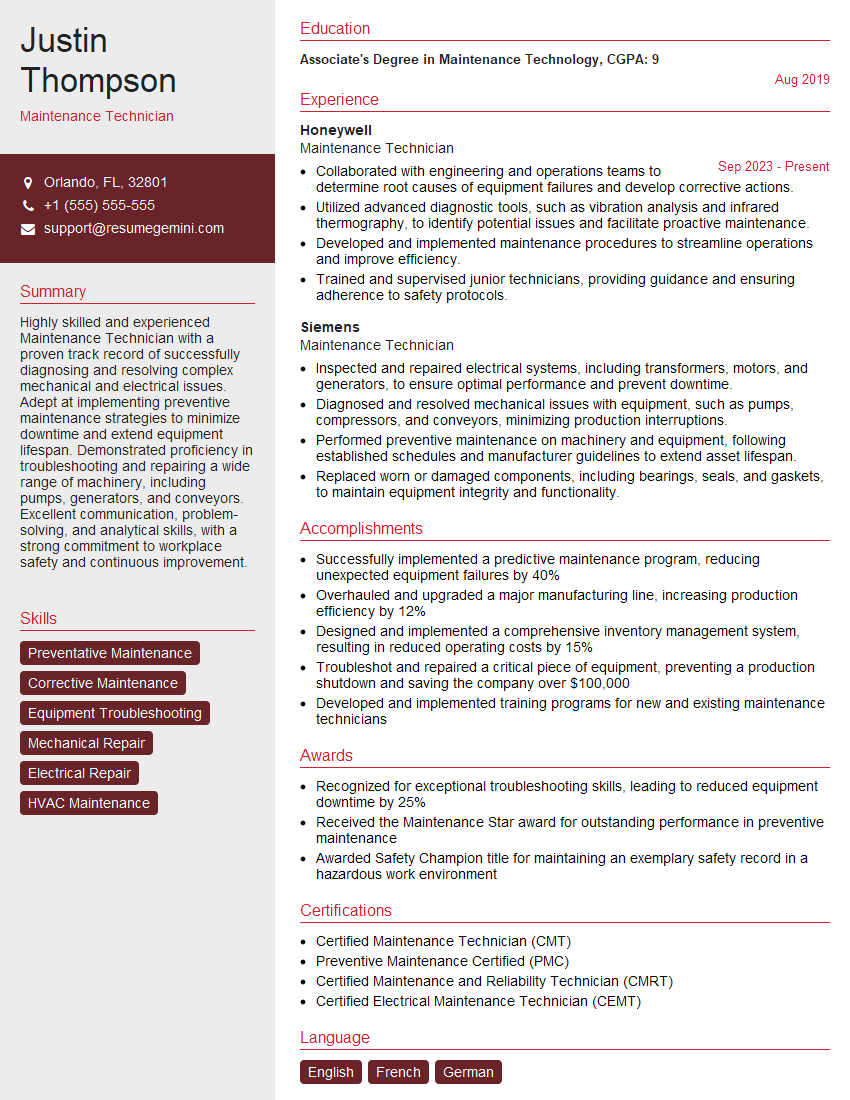
Maintenance Technician Resume Sample

Service Engineer Resume Sample

Maintenance Engineer Resume Sample
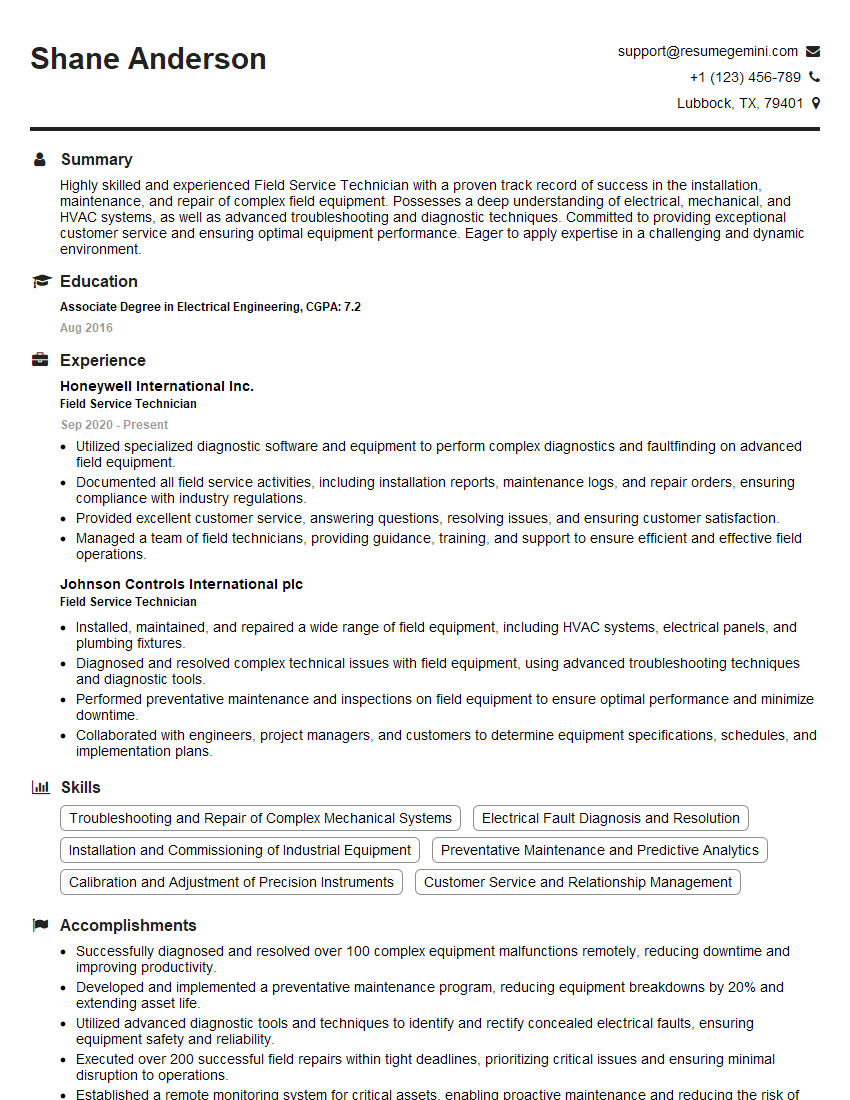
Field Service Technician Resume Sample

Robotics Technician Resume Sample

Manufacturing Technician Resume Sample

Machinist Resume Sample

Maintenance Mechanic Resume Sample
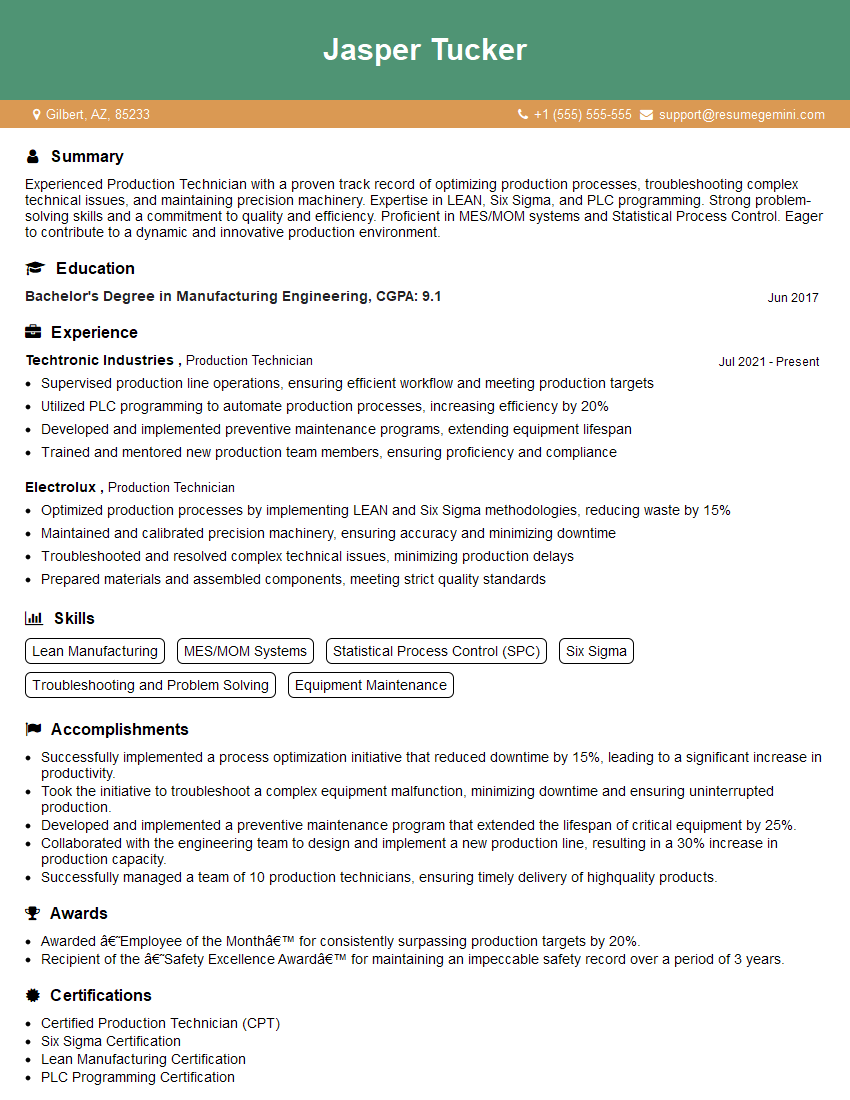
Production Technician Resume Sample
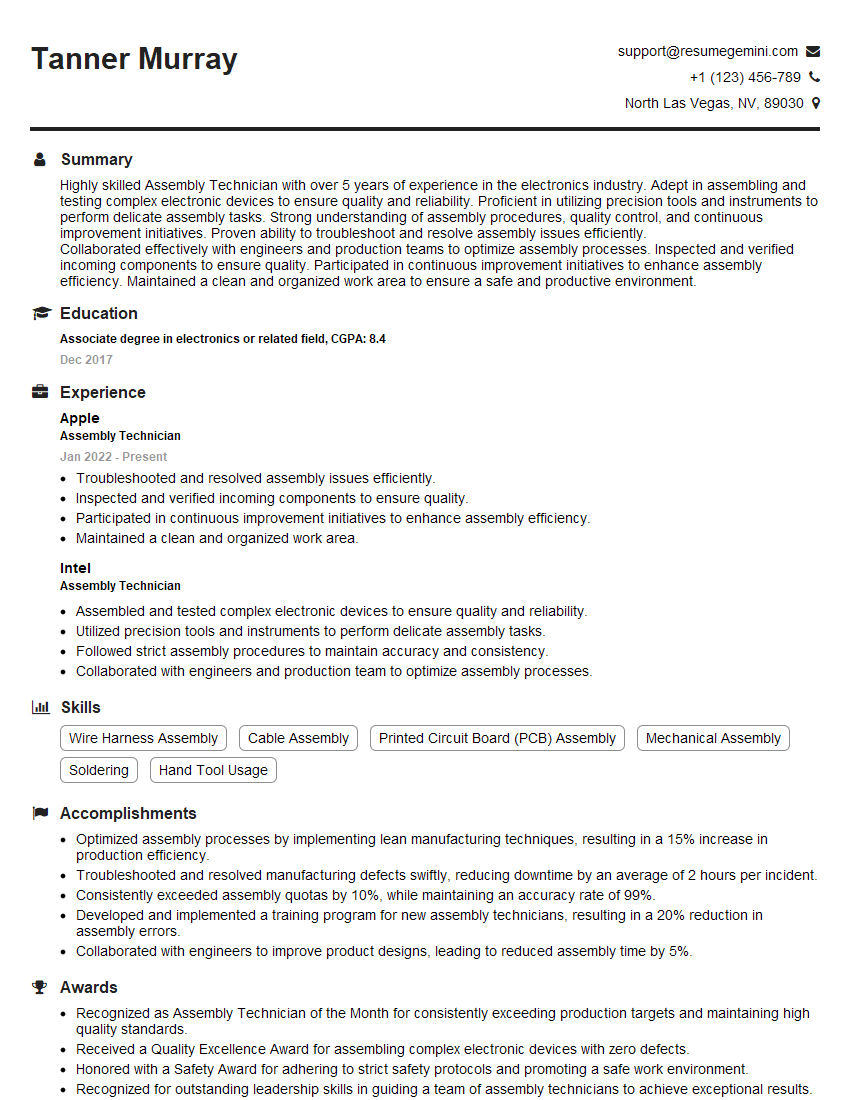
Assembly Technician Resume Sample
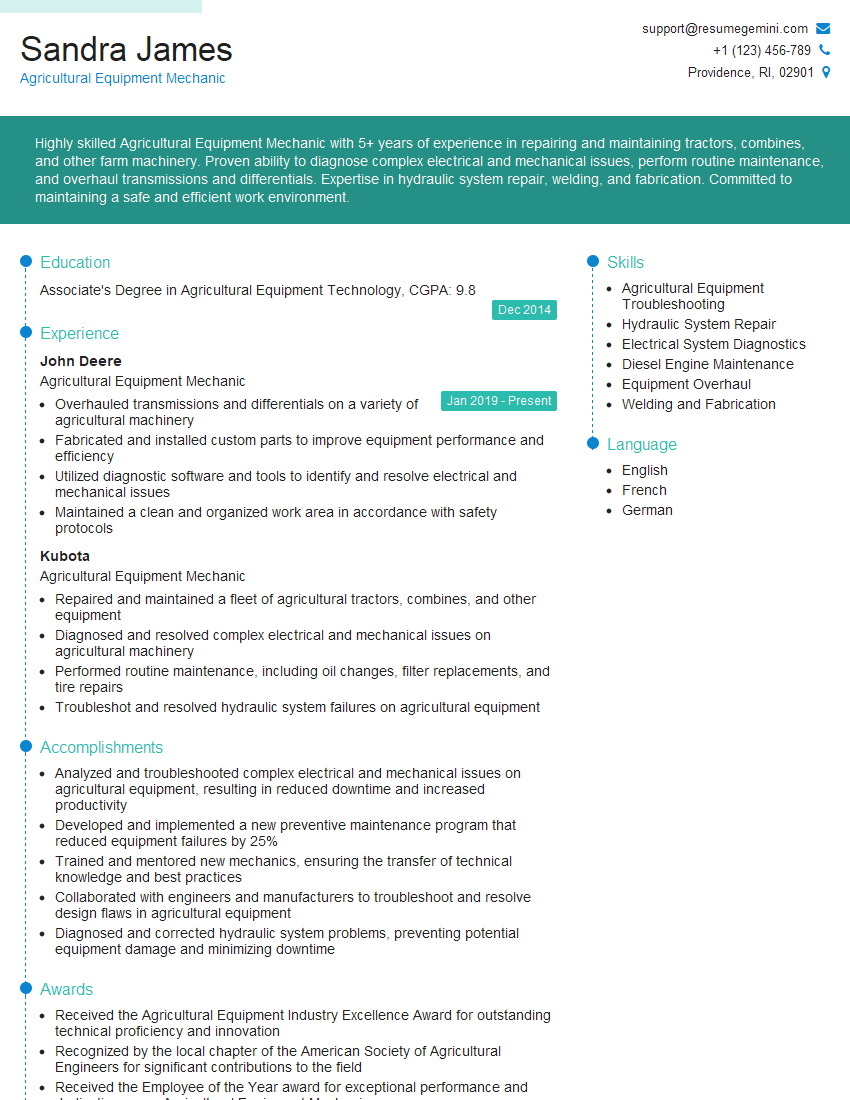
Agricultural Equipment Mechanic Resume Sample
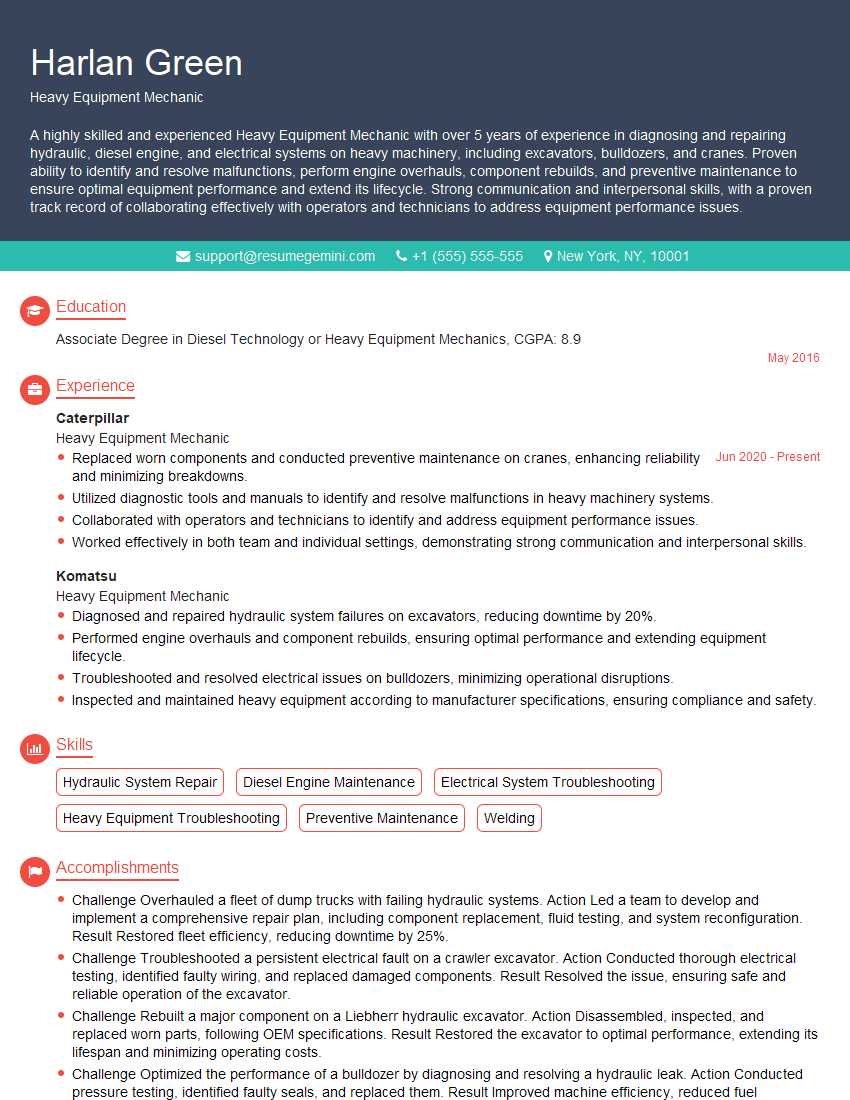
Heavy Equipment Mechanic Resume Sample

Industrial Mechanic Resume Sample

Plant Maintenance Technician Resume Sample
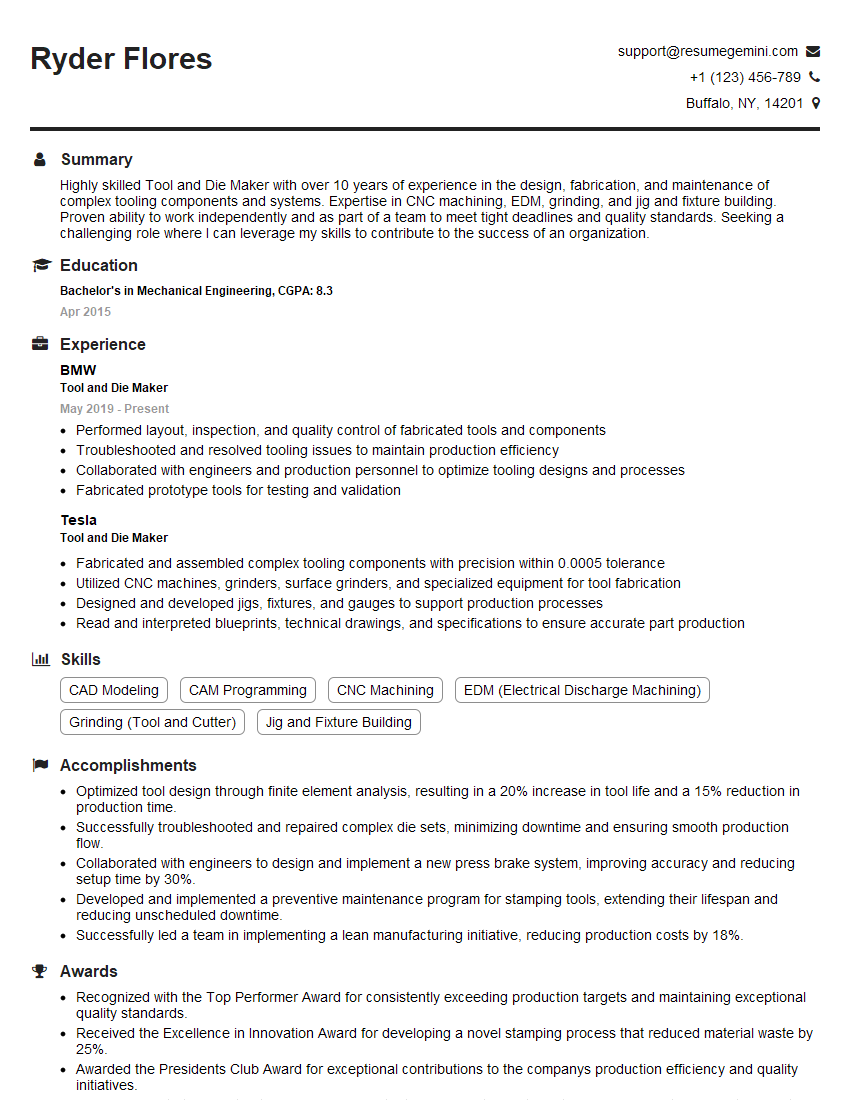
Tool and Die Maker Resume Sample
- Technical Specialist
- Maintenance Technician
- Service Engineer
- Maintenance Engineer
- Field Service Technician
- Robotics Technician
- Manufacturing Technician
- Machinist
- Maintenance Mechanic
- Production Technician
- Assembly Technician
- Agricultural Equipment Mechanic
- Heavy Equipment Mechanic
- Industrial Mechanic
- Plant Maintenance Technician
- Tool and Die Maker
Explore more articles
Users Rating of Our Blogs
Share Your Experience
We value your feedback! Please rate our content and share your thoughts (optional).
What Readers Say About Our Blog
Very informative content, great job.
good