Interviews are opportunities to demonstrate your expertise, and this guide is here to help you shine. Explore the essential Maintain a professional and ethical demeanor interview questions that employers frequently ask, paired with strategies for crafting responses that set you apart from the competition.
Questions Asked in Maintain a professional and ethical demeanor Interview
Q 1. Describe a situation where you had to uphold ethical standards despite pressure to do otherwise.
Maintaining ethical standards, even under pressure, is paramount to professional integrity. It requires a strong moral compass and the courage to stand by your principles. In a previous role, I was tasked with producing a report on a project that had experienced significant cost overruns. My manager, under pressure from senior executives, strongly suggested downplaying the extent of these overruns in the report to avoid negative repercussions. I recognized this as a breach of ethical reporting standards and potentially misleading stakeholders. Instead of compromising my integrity, I presented the data accurately, explaining the overruns transparently but also suggesting potential mitigation strategies. While initially met with some resistance, my honest approach ultimately fostered greater trust and allowed for a more effective solution to be implemented. The subsequent project improvements reinforced the value of ethical transparency.
Q 2. How do you handle conflicts of interest in the workplace?
Conflicts of interest arise when personal interests clash with professional obligations. My approach involves proactive identification, transparency, and avoidance. First, I carefully evaluate any potential conflict, considering all relevant relationships and potential biases. If a conflict is identified, I immediately disclose it to my supervisor and relevant parties. For example, if a close friend applied for a job on my team, I would disclose this relationship to maintain transparency and ensure a fair hiring process. Depending on the severity of the conflict, I might recuse myself from any decision-making processes involving that specific situation. The goal is to always prioritize fairness and impartiality in my professional actions.
Q 3. Explain your understanding of professional boundaries.
Professional boundaries are crucial for maintaining a healthy and productive work environment. They define the appropriate limits of interaction between professionals and their colleagues, clients, and other stakeholders. This includes respecting personal space, avoiding inappropriate conversations, and maintaining a respectful demeanor at all times. For example, I would never discuss personal matters beyond superficial pleasantries during work hours unless it directly relates to a team-building activity or a necessary work-related discussion. Similarly, I would never engage in unprofessional behavior such as gossiping or making inappropriate jokes. Establishing and respecting these boundaries fosters a more productive, respectful, and safe workplace.
Q 4. Describe your approach to maintaining confidentiality.
Confidentiality is fundamental to many professions. My approach is to treat all sensitive information with the utmost discretion. This means I only access information I need for my role and never share it with unauthorized individuals. For example, client data, financial information, and internal strategies are all handled with strict confidentiality. I use secure systems for data storage and communication and always adhere to company policies regarding data protection. I understand the legal and ethical implications of breaching confidentiality and take proactive measures to prevent any such breach. The importance of confidentiality goes beyond company policy; it is a matter of trust and professional responsibility.
Q 5. How do you handle a situation where a colleague is behaving unethically?
Addressing unethical behavior in a colleague requires careful consideration and a thoughtful approach. My first step would be to privately address the situation with the colleague, focusing on specific instances and expressing my concerns clearly and respectfully. I would try to understand their perspective and work collaboratively towards a solution. If the behavior persists or is serious enough, I would escalate the issue to my supervisor or Human Resources, ensuring I document all relevant information and interactions. The goal is not to be accusatory, but rather to help resolve the situation ethically and maintain a professional and productive working environment. Reporting is a last resort, always preferable to have a conversation first.
Q 6. How do you prioritize ethical considerations in decision-making?
Ethical considerations must be prioritized in all decision-making processes. I utilize a framework that considers the impact of my decisions on all stakeholders involved. This includes considering the legal and regulatory implications, the potential impact on individuals and communities, and the overall fairness and equity of the outcome. For example, when choosing a vendor for a project, I would not solely focus on the lowest cost but would also consider factors such as fair labor practices, environmental sustainability, and ethical sourcing of materials. A simple cost-benefit analysis is insufficient; ethical considerations need to be built into the evaluation process from the start.
Q 7. Describe a time you had to make a difficult ethical decision. What was the outcome?
During a project review, I discovered discrepancies in data that could potentially mislead stakeholders. The pressure to meet deadlines was intense, and correcting the data would significantly delay the project. I faced a difficult decision: compromise the accuracy of the report to meet the deadline or delay the project to ensure accuracy. After careful deliberation and discussion with my supervisor, we decided to delay the project slightly to correct the data. This transparent approach maintained the integrity of the report, fostered trust with stakeholders, and ultimately resulted in a stronger and more reliable project outcome. While there was initial concern about the delay, the long-term consequences of submitting inaccurate data were far more significant. The focus on ethical practices validated the decision.
Q 8. How do you ensure your communication is always professional?
Maintaining professional communication involves consistently demonstrating respect, clarity, and consideration in all interactions. It’s about choosing your words carefully, being mindful of your tone, and ensuring your message is easily understood.
- Clear and Concise Language: Avoid jargon and slang. Use precise language to convey your message accurately. For example, instead of saying “That’s a really bad idea,” I might say, “I have some concerns about the feasibility of that approach. Perhaps we could explore alternative strategies.”
- Active Listening: Pay close attention to what others are saying, ask clarifying questions, and summarize their points to ensure mutual understanding. This shows respect and prevents misunderstandings.
- Appropriate Tone: Maintain a respectful and courteous tone, even when delivering difficult news or disagreeing with someone. Email etiquette is crucial; always proofread before sending and avoid emotional outbursts.
- Professional Channels: Use appropriate communication channels for the context. Sensitive information should be discussed privately rather than publicly.
Imagine you’re addressing a senior executive versus a junior team member; the formality and depth of detail will differ, illustrating the importance of tailoring communication based on the audience.
Q 9. How do you maintain a positive and respectful working relationship with colleagues?
Building positive and respectful working relationships relies on mutual respect, open communication, and collaboration. It’s about fostering an environment where everyone feels valued and heard.
- Respectful Interactions: Treat everyone with courtesy and consideration, regardless of their position or personality. This involves active listening, valuing different perspectives, and avoiding gossip or negative comments.
- Open Communication: Establish clear lines of communication, providing regular updates and actively seeking feedback. This fosters trust and transparency.
- Collaboration: Work effectively as a team, sharing knowledge and supporting colleagues. Offer help when needed and be willing to contribute to shared goals.
- Conflict Resolution: Address conflicts promptly and professionally, focusing on finding solutions rather than assigning blame. Maintain a calm and respectful demeanor throughout the process.
For example, during a project, I proactively offered help to a colleague who was struggling with a specific task. This not only eased their workload but also strengthened our working relationship and fostered a sense of teamwork.
Q 10. How do you handle criticism or feedback constructively?
Handling criticism or feedback constructively involves viewing it as an opportunity for growth and improvement. It’s about approaching the feedback objectively, understanding the perspective, and actively working towards improvement.
- Active Listening: Listen attentively to the feedback without interrupting. Ask clarifying questions to ensure full understanding.
- Objectivity: Separate your emotions from the feedback. Try to see things from the other person’s perspective.
- Identify Areas for Improvement: Focus on the specific areas highlighted in the feedback and identify actionable steps to improve.
- Express Gratitude: Thank the person for providing feedback, demonstrating your appreciation for their input.
- Follow Up: Implement the suggested improvements and follow up with the person who provided the feedback to show you have acted upon it.
In a past project review, I received feedback on my report’s clarity. Instead of becoming defensive, I carefully analyzed the comments, revised the report to address the concerns, and thanked the reviewer for their valuable input. This led to a more polished and effective report.
Q 11. Describe a time you had to deliver bad news professionally.
Delivering bad news professionally requires sensitivity, empathy, and careful planning. The goal is to convey the information clearly and compassionately while minimizing negative impact.
- Prepare and Plan: Before delivering the news, gather all the necessary information and consider the possible impact on the recipient. Plan how you’ll convey the message.
- Choose the Right Time and Place: Select a private setting where you can have an uninterrupted conversation.
- Be Direct and Honest: Clearly and concisely convey the bad news without beating around the bush.
- Express Empathy and Understanding: Acknowledge the recipient’s feelings and offer support.
- Offer Solutions or Next Steps: If possible, provide solutions or next steps to address the situation.
Once, I had to inform a team member that their project proposal hadn’t been approved. I scheduled a private meeting, directly conveyed the news, acknowledged their hard work and disappointment, and then explained the reasons for the rejection, offering guidance on revising the proposal for future submissions. This approach minimized the negative impact and fostered a constructive conversation.
Q 12. How do you manage your time effectively to meet deadlines and maintain professional standards?
Effective time management is crucial for meeting deadlines and maintaining professional standards. It requires planning, prioritization, and efficient execution.
- Prioritization: Identify the most important tasks and prioritize them based on urgency and importance. Techniques like the Eisenhower Matrix (urgent/important) can be helpful.
- Planning and Scheduling: Create a realistic schedule that allocates sufficient time for each task, including buffer time for unexpected delays. Tools like calendars and task management software can be very beneficial.
- Time Blocking: Allocate specific time blocks for focused work on particular tasks, minimizing distractions.
- Delegation: Delegate tasks where appropriate to optimize workflow and maximize productivity.
- Regular Review and Adjustment: Regularly review your schedule and make adjustments as needed. Flexibility is key to managing unexpected events.
I use a combination of a digital calendar and a to-do list to manage my time effectively. I prioritize tasks based on deadlines and importance, allocating specific time blocks for focused work. This approach allows me to remain organized, meet deadlines, and maintain a professional workflow.
Q 13. How do you adapt your communication style to different audiences?
Adapting communication style to different audiences is essential for effective communication. It’s about understanding your audience’s background, knowledge level, and preferences and tailoring your message accordingly.
- Audience Analysis: Before communicating, consider your audience’s background, knowledge level, and communication preferences.
- Language and Tone: Adjust your language and tone to match your audience’s level of understanding and expectations. Avoid jargon or technical terms when communicating with a non-technical audience.
- Communication Channel: Choose the appropriate communication channel based on the context and audience. A formal email might be suitable for a senior executive, while a quick chat might be more appropriate for a team member.
- Visual Aids: Use visual aids, such as charts or diagrams, when necessary to enhance understanding, especially for complex information.
For example, when presenting project updates to senior management, I use concise bullet points and high-level summaries. When explaining the same project to my team, I provide more detail and answer questions more directly.
Q 14. How do you handle stressful situations while maintaining professionalism?
Handling stressful situations professionally involves maintaining composure, focusing on solutions, and prioritizing well-being. It’s about responding effectively under pressure without compromising your professionalism.
- Stay Calm: Take a deep breath and try to remain calm. Avoid reacting emotionally.
- Identify the Problem: Clearly define the problem or issue causing the stress.
- Develop a Solution: Brainstorm potential solutions and implement the most effective one.
- Seek Support: If needed, don’t hesitate to seek support from colleagues, mentors, or supervisors.
- Self-Care: Prioritize your own well-being. Take breaks when needed and engage in activities that help you manage stress.
During a critical project deadline, when facing unexpected challenges, I took a moment to gather my thoughts, systematically analyzed the issues, and proactively communicated the problem to the team. We collaboratively developed solutions, successfully overcoming the hurdle while maintaining a positive and productive environment.
Q 15. How do you demonstrate accountability for your actions?
Accountability means taking ownership of my actions and their consequences, both positive and negative. It’s about being responsible for my work, my commitments, and my impact on others. I demonstrate accountability through several key actions:
- Transparent Communication: I proactively communicate updates, challenges, and potential roadblocks to relevant stakeholders. For example, if I’m facing a delay on a project, I immediately inform my manager and team, outlining the reasons and proposing solutions.
- Ownership of Mistakes: When I make a mistake, I acknowledge it, analyze the root cause, and take steps to prevent it from happening again. Instead of making excuses, I focus on learning from the experience and implementing corrective actions. For instance, if I missed a deadline, I would reflect on why, share my learnings with the team, and suggest improvements to our workflow.
- Following Through on Commitments: I consistently meet deadlines and fulfill my promises. If something unexpected arises and prevents me from meeting a commitment, I communicate this immediately and propose alternative solutions.
- Seeking Feedback and Improvement: I actively seek feedback on my performance and use it to improve my skills and effectiveness. I view constructive criticism as an opportunity for growth.
Career Expert Tips:
- Ace those interviews! Prepare effectively by reviewing the Top 50 Most Common Interview Questions on ResumeGemini.
- Navigate your job search with confidence! Explore a wide range of Career Tips on ResumeGemini. Learn about common challenges and recommendations to overcome them.
- Craft the perfect resume! Master the Art of Resume Writing with ResumeGemini’s guide. Showcase your unique qualifications and achievements effectively.
- Don’t miss out on holiday savings! Build your dream resume with ResumeGemini’s ATS optimized templates.
Q 16. Describe your understanding of corporate social responsibility.
Corporate Social Responsibility (CSR) is a company’s commitment to operating ethically and sustainably, considering the impact of its actions on all stakeholders – employees, customers, suppliers, communities, and the environment. It’s not just about maximizing profits but also about acting responsibly and contributing positively to society.
My understanding encompasses several key areas:
- Environmental Sustainability: Minimizing the company’s environmental footprint through responsible resource management, waste reduction, and emissions control.
- Ethical Labor Practices: Ensuring fair wages, safe working conditions, and respect for employee rights throughout the supply chain.
- Community Engagement: Contributing to the well-being of local communities through philanthropy, volunteering, and partnerships.
- Transparency and Accountability: Openly communicating the company’s CSR initiatives and progress to stakeholders.
For example, a company might implement a recycling program, source materials ethically, or donate a portion of its profits to a local charity. These actions demonstrate a commitment to CSR and build trust with stakeholders.
Q 17. How do you ensure compliance with company policies and regulations?
Ensuring compliance with company policies and regulations is crucial for maintaining a professional and ethical workplace. I achieve this by:
- Thorough Understanding: I carefully review and fully understand all relevant policies, procedures, and regulations. This includes reading policy manuals, attending training sessions, and seeking clarification when needed.
- Diligent Application: I consistently adhere to all applicable policies and regulations in my daily work. This includes following proper documentation procedures, obtaining necessary approvals, and ensuring all activities are compliant.
- Proactive Identification: I proactively identify potential compliance issues and report them to the appropriate channels. This might involve recognizing potential conflicts of interest or noticing a discrepancy in procedures.
- Continuous Learning: I stay updated on changes to policies, regulations, and best practices through training, industry publications, and internal communications.
For instance, if I notice a potential violation of data privacy regulations, I would immediately report it to the designated compliance officer, rather than ignoring it.
Q 18. How do you identify and mitigate potential ethical risks?
Identifying and mitigating ethical risks requires a proactive and systematic approach. I would utilize the following strategies:
- Risk Assessment: I would regularly assess potential ethical risks in my work, considering factors such as conflicts of interest, bribery, data privacy breaches, and discrimination. This could involve checklists, brainstorming sessions, or using established risk assessment frameworks.
- Ethical Decision-Making Framework: When facing an ethical dilemma, I apply a framework that considers relevant laws, regulations, company policies, ethical principles, and potential consequences of different actions. This helps me make informed and responsible choices.
- Whistleblowing Mechanisms: I am aware of and understand the company’s whistleblowing procedures, enabling me to report any ethical violations or concerns without fear of retaliation.
- Continuous Monitoring and Improvement: I would participate in ongoing monitoring and review of ethical practices and risk mitigation strategies to ensure they remain effective.
For example, if I am involved in a negotiation where there’s a potential conflict of interest, I would immediately disclose it to my supervisor and seek guidance on how to proceed ethically.
Q 19. How do you contribute to a positive and ethical work environment?
Contributing to a positive and ethical work environment is a responsibility I take seriously. I believe this involves:
- Respectful Communication: I maintain respectful and professional interactions with all colleagues, regardless of their position or background. I actively listen, value diverse perspectives, and communicate clearly and constructively.
- Collaboration and Teamwork: I actively participate in team projects and foster collaboration by sharing knowledge, supporting colleagues, and contributing my expertise to achieve shared goals.
- Promoting Ethical Behavior: I model ethical conduct in my own actions and encourage others to do the same. I speak up if I witness unethical behavior and address concerns appropriately.
- Positive Attitude: I maintain a positive and supportive attitude, fostering a welcoming and inclusive atmosphere where everyone feels comfortable and respected.
For example, if I see a colleague struggling with a task, I offer to help or share my knowledge. I also ensure that my communication is always professional and considerate, avoiding gossip or negativity.
Q 20. Explain your understanding of diversity and inclusion in the workplace.
Diversity and inclusion in the workplace refers to creating an environment where individuals from all backgrounds – including race, ethnicity, gender, sexual orientation, age, religion, and ability – are valued, respected, and have equal opportunities. It’s not just about representation but also about creating a culture where everyone feels a sense of belonging and can contribute their unique talents.
My understanding includes:
- Fair and Equitable Processes: Ensuring that hiring, promotion, and other workplace processes are fair and unbiased, preventing discrimination and promoting equal opportunities.
- Inclusive Culture: Fostering a culture of respect, empathy, and understanding where everyone feels safe to express their opinions and contribute their unique perspectives.
- Accessibility: Making sure that the workplace is physically and intellectually accessible to all employees, including those with disabilities.
- Ongoing Learning and Development: Providing training and educational opportunities to raise awareness about diversity and inclusion, combat unconscious bias, and promote inclusive leadership.
For example, I actively seek out diverse viewpoints during team discussions and ensure that everyone has a chance to participate. I also participate in diversity and inclusion initiatives and trainings offered by my employer.
Q 21. How do you handle situations involving harassment or discrimination?
Handling situations involving harassment or discrimination requires immediate and decisive action. My approach would be:
- Immediate Action: If I witness or experience harassment or discrimination, I will immediately report it to the appropriate channels, such as my supervisor, HR department, or a designated ethics officer. I will document the incident with as much detail as possible.
- Support and Assistance: I will offer support and assistance to anyone who has experienced harassment or discrimination, ensuring they feel safe and supported. This includes listening without judgment, helping them access resources, and advocating for them if necessary.
- Following Procedures: I will follow the company’s established procedures for investigating and addressing harassment and discrimination complaints, providing any necessary information or evidence.
- Respectful and Professional Conduct: Throughout the process, I will maintain respectful and professional conduct, avoiding retaliation or gossip.
It’s crucial to remember that ignoring harassment or discrimination is not an option. Taking prompt and decisive action is critical for maintaining a safe and inclusive workplace.
Q 22. How do you balance personal values with professional obligations?
Balancing personal values with professional obligations requires a thoughtful and nuanced approach. It’s not about sacrificing one for the other, but rather finding a harmonious synergy. This involves understanding your own ethical framework and the company’s code of conduct. Where there’s a conflict, open and honest communication is key. For example, if my personal values strongly support environmental sustainability, and my company is undertaking a project with potentially negative environmental impacts, I would first seek to understand the project fully. Then, I would respectfully voice my concerns, suggesting alternative solutions or mitigation strategies. Ultimately, if the ethical conflict is irreconcilable, I would need to consider the potential implications of remaining in the role.
This process involves careful consideration of the potential consequences of my actions, both professional and personal, ensuring that my actions are aligned with my values while fulfilling my professional responsibilities.
Q 23. How do you maintain your integrity in challenging situations?
Maintaining integrity in challenging situations requires a strong moral compass and a commitment to ethical principles. This means adhering to honesty, fairness, and transparency, even when facing pressure to compromise. For instance, if I were asked to falsify data to meet a deadline or inflate results, I would refuse, explaining that such actions violate my ethical standards and could have serious legal and professional repercussions. Instead, I would explore alternative approaches to address the pressure, perhaps by proposing more realistic timelines or seeking additional support.
Integrity also means taking responsibility for my actions and decisions. If a mistake were made, I would own it, learn from it, and take steps to prevent similar incidents in the future.
Q 24. Describe your experience working with diverse teams.
I thrive in diverse team environments. My experience working with individuals from various backgrounds, cultures, and skillsets has enriched my perspective and broadened my problem-solving capabilities. For example, in a previous project involving a multi-national team, I found that appreciating the varied approaches and perspectives allowed us to generate more innovative solutions than if we’d been a homogenous group. I actively foster inclusivity by creating a safe space for open communication, ensuring everyone feels valued and heard. This includes being mindful of cultural differences in communication styles and work ethics.
I believe that a diverse team, when effectively managed, leads to superior outcomes by bringing diverse viewpoints and approaches to challenge assumptions and build better solutions.
Q 25. How do you use technology ethically and responsibly in the workplace?
Ethical and responsible use of technology in the workplace is paramount. This involves adhering to company policies regarding data privacy, security, and intellectual property. For example, I would never use company resources for personal activities, nor would I share confidential information without authorization. I’m proficient in using technology responsibly and in compliance with relevant laws and regulations, including data protection regulations like GDPR. I also understand and utilize security measures to safeguard sensitive information, including strong passwords and multi-factor authentication.
Furthermore, I’m aware of the ethical considerations surrounding the use of AI and other emerging technologies and ensure their deployment aligns with ethical principles and company policies.
Q 26. How do you ensure data privacy and security?
Data privacy and security are of utmost importance. I ensure data privacy and security by following established protocols and procedures. This includes complying with all relevant regulations and industry best practices. For example, I would always use encryption for sensitive data, both in transit and at rest. I understand the importance of access control, ensuring that only authorized personnel have access to specific data. I would also regularly back up data to prevent data loss and conduct regular security audits to identify and mitigate vulnerabilities.
Furthermore, I am knowledgeable about various data protection principles and techniques, including data anonymization and pseudonymization, to ensure compliance with data privacy regulations.
Q 27. How do you handle situations where you disagree with a superior’s decision?
Disagreement with a superior’s decision is a situation I handle professionally and respectfully. I believe in open communication and would first seek to understand the rationale behind the decision. If my concerns remain, I would express my differing viewpoints in a constructive manner, presenting supporting data and alternative perspectives. It’s vital to focus on the issue at hand, avoiding personal attacks or accusatory language. For example, I might say, “I understand the decision, but I’m concerned about X, Y, and Z. Have we considered alternative A or B?” The goal is not to undermine authority, but to contribute to a well-informed and effective decision-making process.
Ultimately, if the decision remains unchanged, I would respect the authority of my superior while continuing to perform my duties professionally and ethically.
Q 28. Describe a time you had to resolve an ethical conflict between two colleagues.
In a previous role, I encountered an ethical conflict between two colleagues. One colleague, let’s call him John, was taking credit for work done by another colleague, Sarah. Sarah approached me, feeling unjustly treated. I first listened empathetically to Sarah’s concerns, ensuring she felt heard and understood. Then, I spoke with John privately, expressing my concerns about the ethical implications of taking credit for someone else’s work. I presented it as a matter of professional conduct, emphasizing the importance of recognizing contributions and ensuring fairness. John was initially defensive but, upon reflection, acknowledged his mistake and apologized to Sarah. I then facilitated a conversation between John and Sarah where they could resolve the issue and clear the air. This situation reinforced the importance of clear communication, active listening, and a commitment to fairness in resolving workplace conflicts.
The outcome demonstrated the value of mediation and addressing ethical conflicts directly and transparently, fostering a more respectful and productive work environment.
Key Topics to Learn for Maintaining a Professional and Ethical Demeanor in Interviews
- Professional Communication: Mastering clear, concise, and respectful communication, both verbal and written. This includes active listening and thoughtful responses.
- Body Language and Presentation: Projecting confidence through appropriate posture, eye contact, and a positive attitude. Understanding the impact of nonverbal cues.
- Ethical Considerations: Demonstrating integrity by being honest, transparent, and avoiding any misrepresentation of skills or experience. Understanding the importance of confidentiality.
- Handling Difficult Questions: Developing strategies for addressing challenging or unexpected interview questions with grace and professionalism. This includes knowing when to politely decline answering a question.
- Respectful Dialogue: Maintaining a courteous and respectful interaction with the interviewer, regardless of the outcome. Showing appreciation for their time.
- Appropriate Attire and Punctuality: Understanding the importance of dressing professionally and arriving on time (or even slightly early) for the interview.
- Following Up: Knowing how to send a professional thank-you note after the interview, reiterating your interest and highlighting key discussion points.
- Conflict Resolution (Situational): Preparing examples from your past experiences demonstrating your ability to navigate conflict professionally and ethically.
Next Steps
Mastering a professional and ethical demeanor is crucial for career advancement. It builds trust, showcases your maturity, and significantly increases your chances of securing your desired role. Building an ATS-friendly resume is equally important to ensure your application is seen by recruiters. ResumeGemini can help you create a compelling and effective resume that highlights your professional and ethical strengths. Examples of resumes tailored to demonstrate a strong professional and ethical demeanor are available below, showcasing how to effectively present your qualifications and experience.
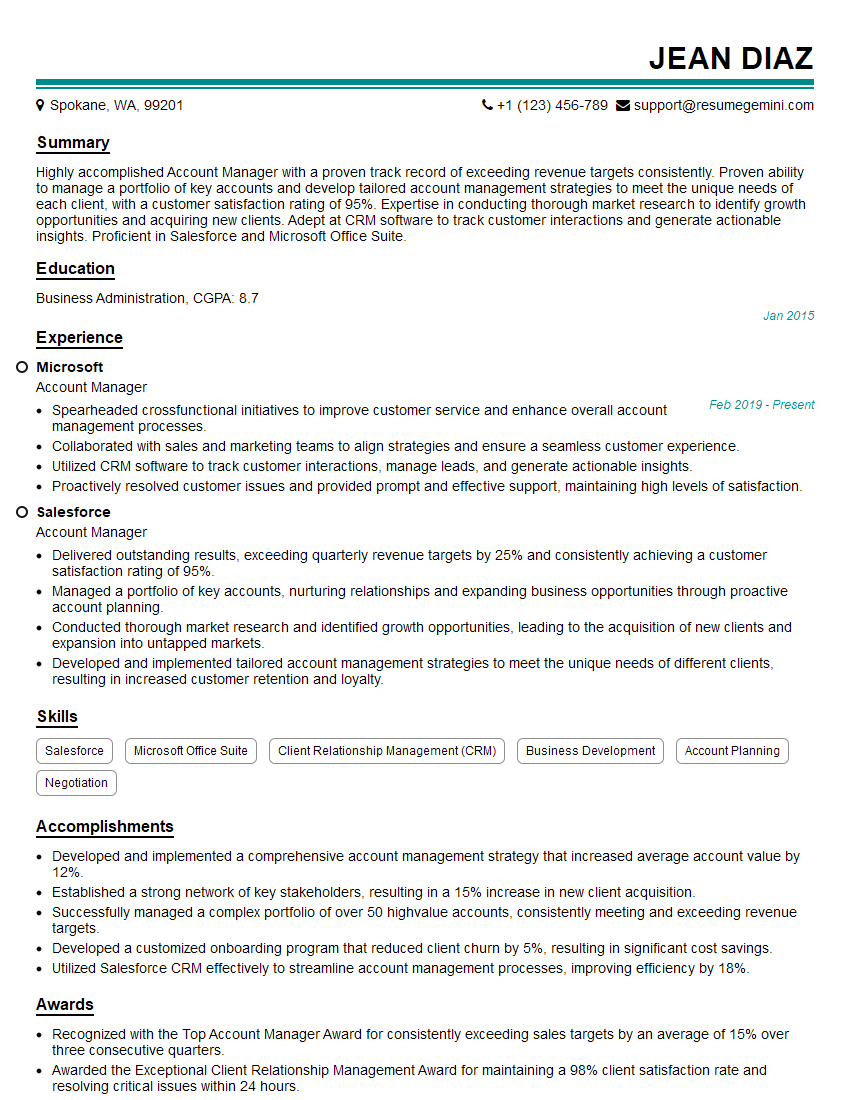
Account Manager Resume Sample
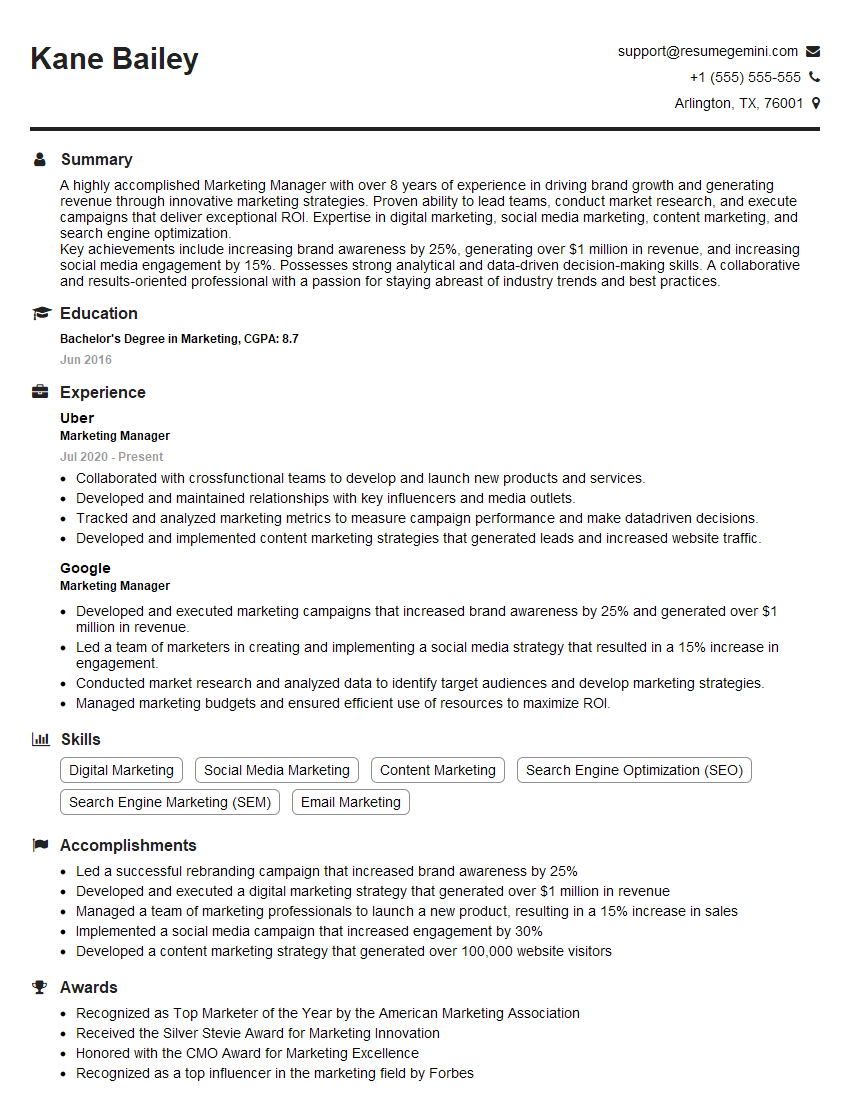
Marketing Manager Resume Sample
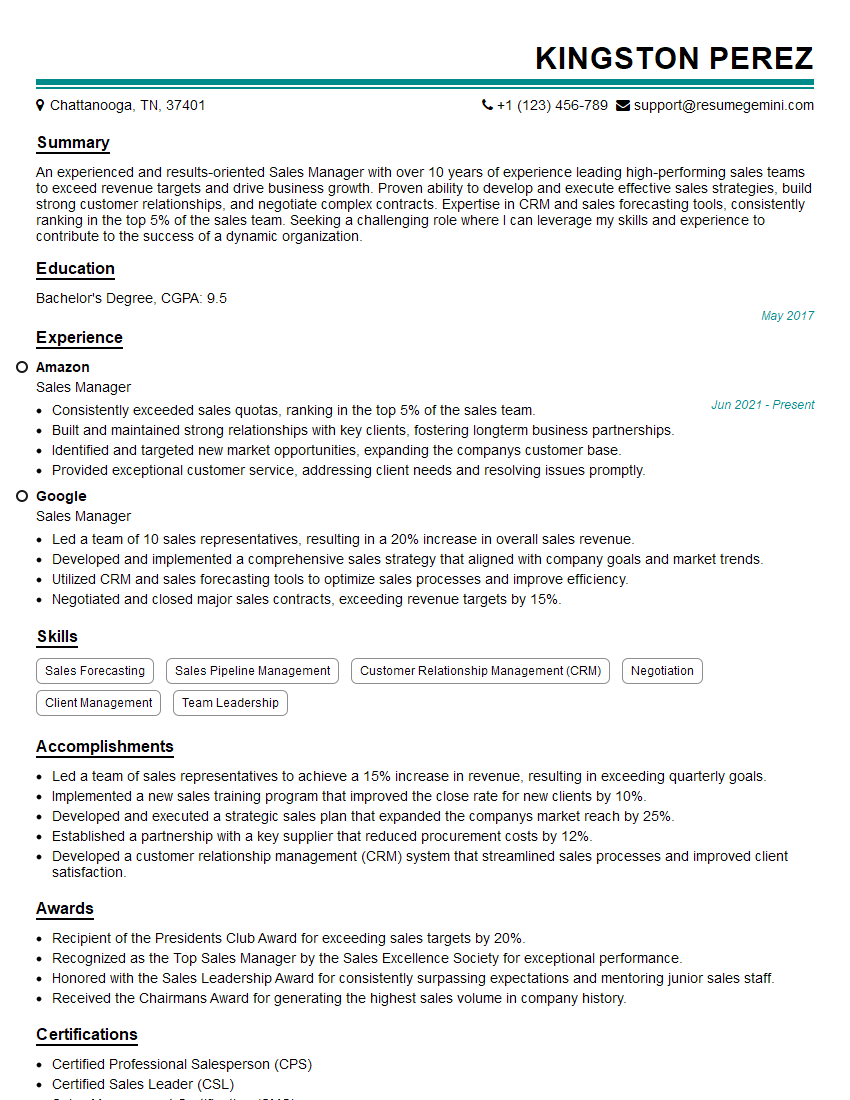
Sales Manager Resume Sample
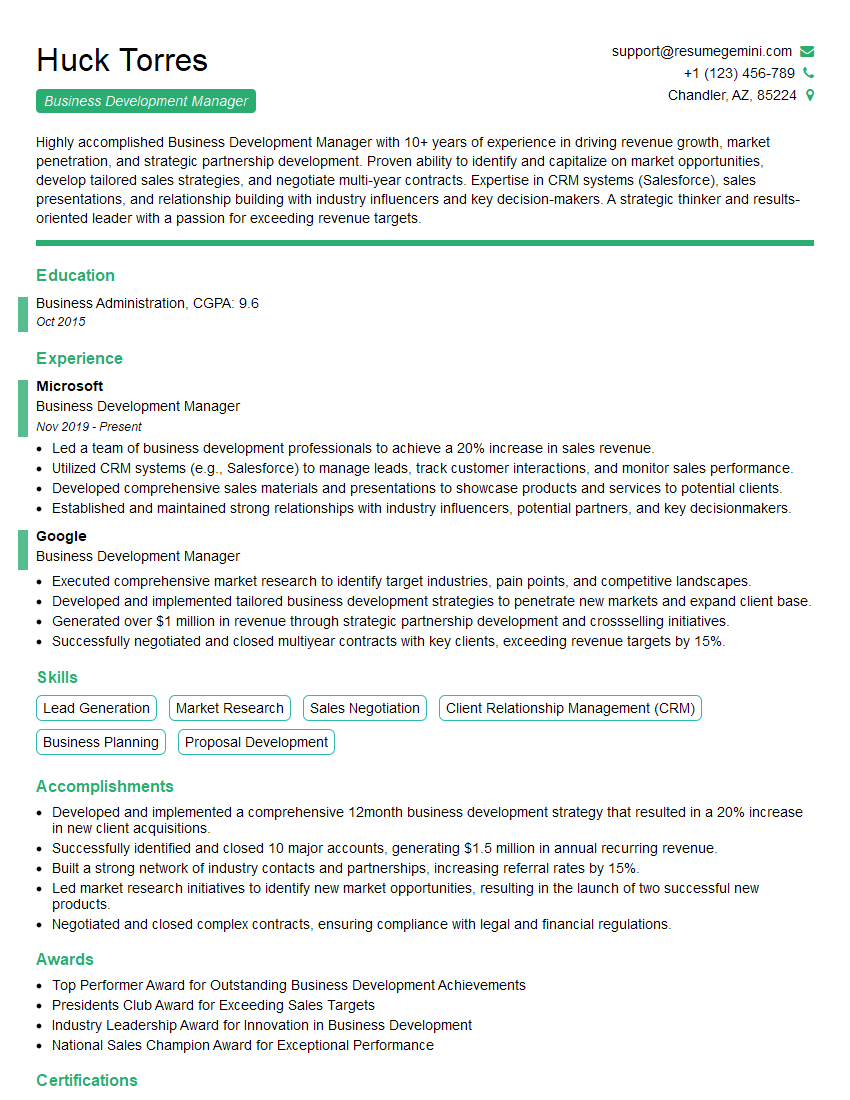
Business Development Manager Resume Sample

Customer Service Manager Resume Sample
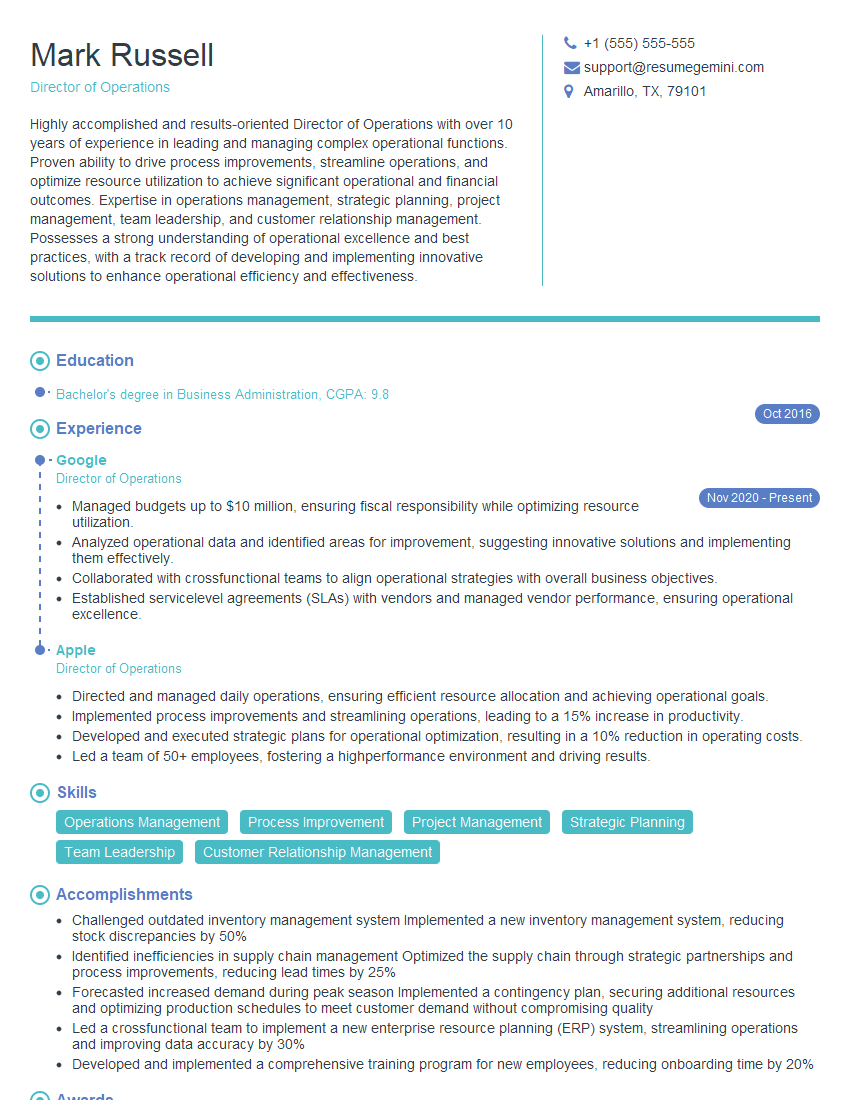
Director of Operations Resume Sample
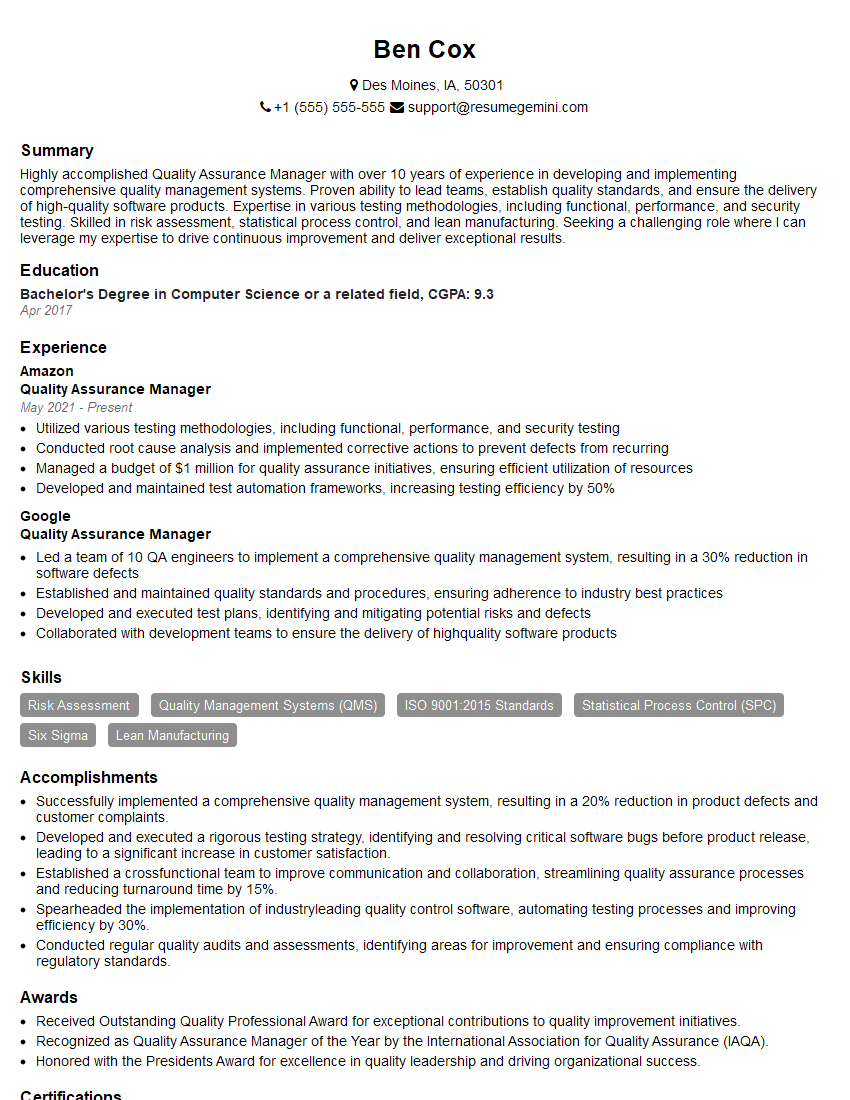
Quality Assurance Manager Resume Sample
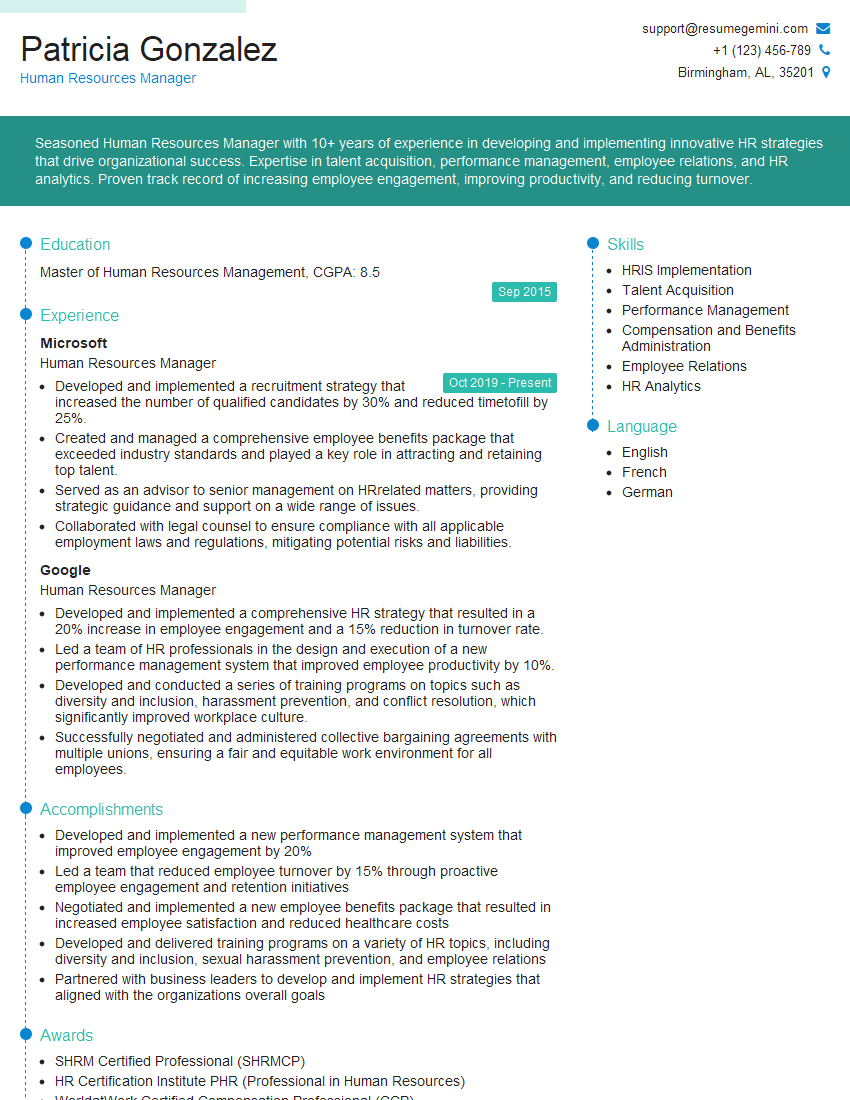
Human Resources Manager Resume Sample
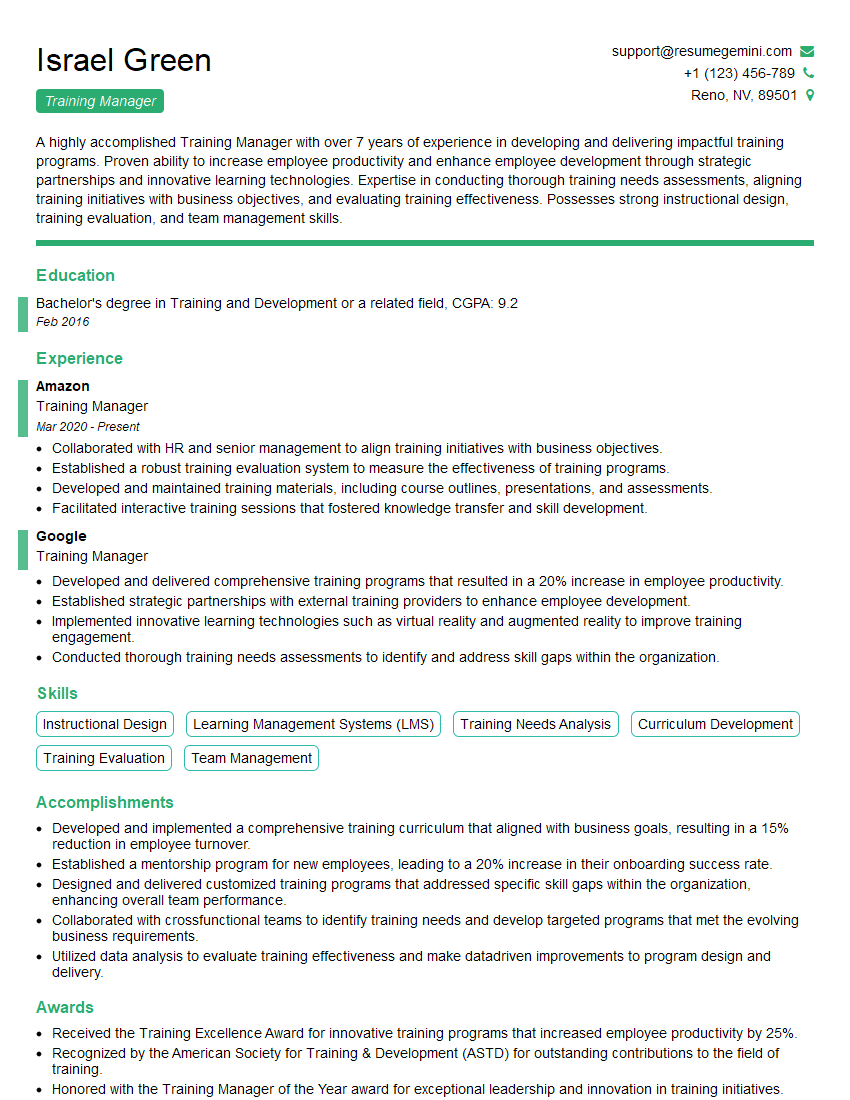
Training Manager Resume Sample
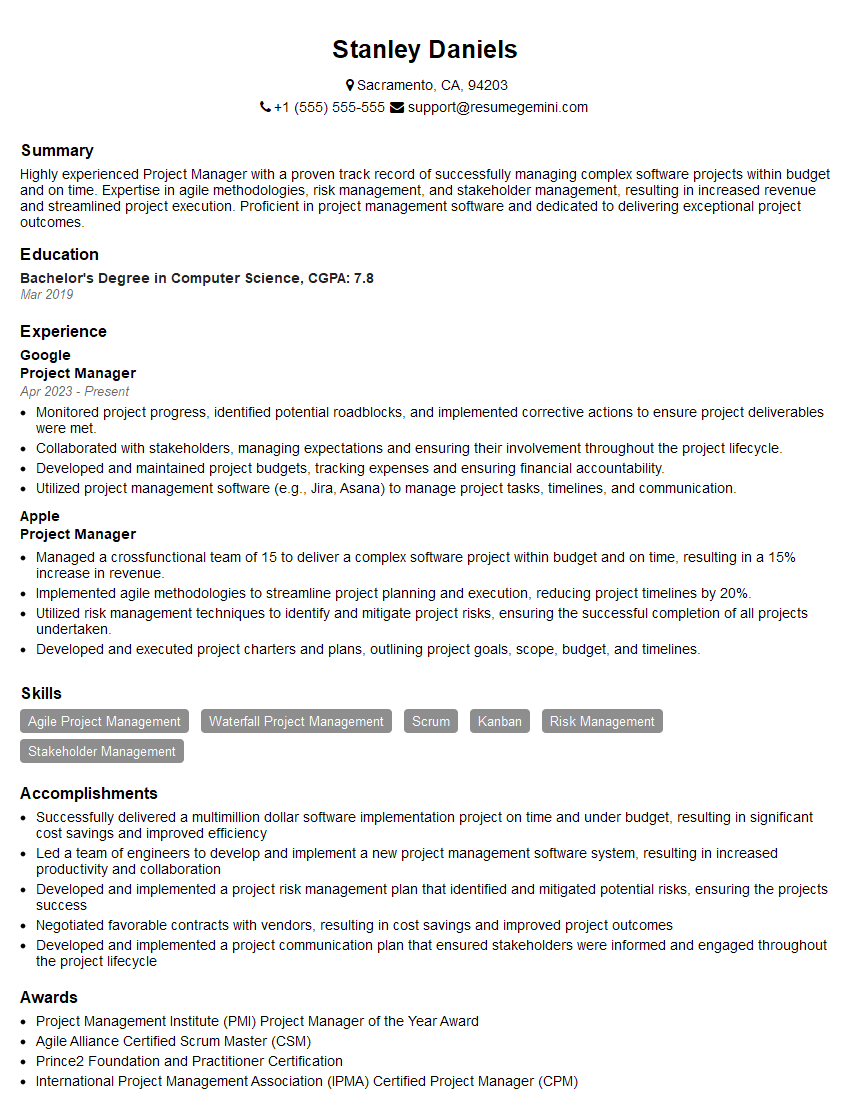
Project Manager Resume Sample
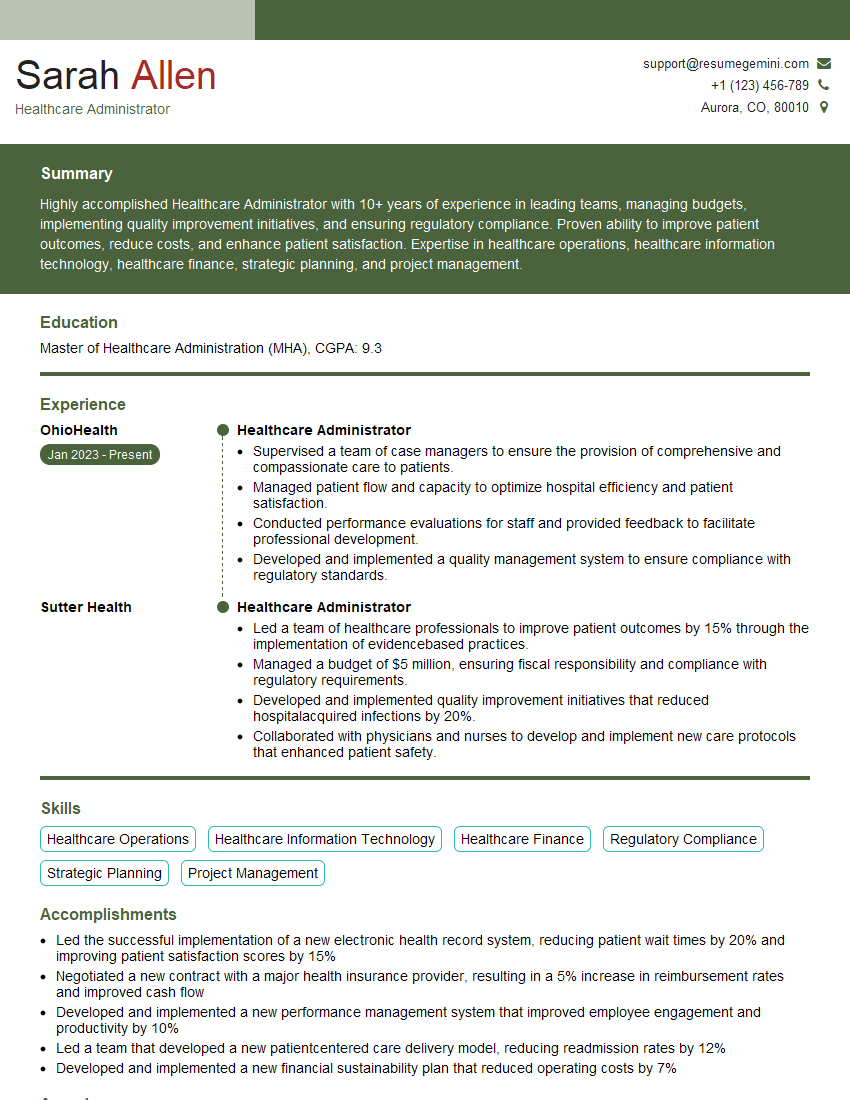
Healthcare Administrator Resume Sample
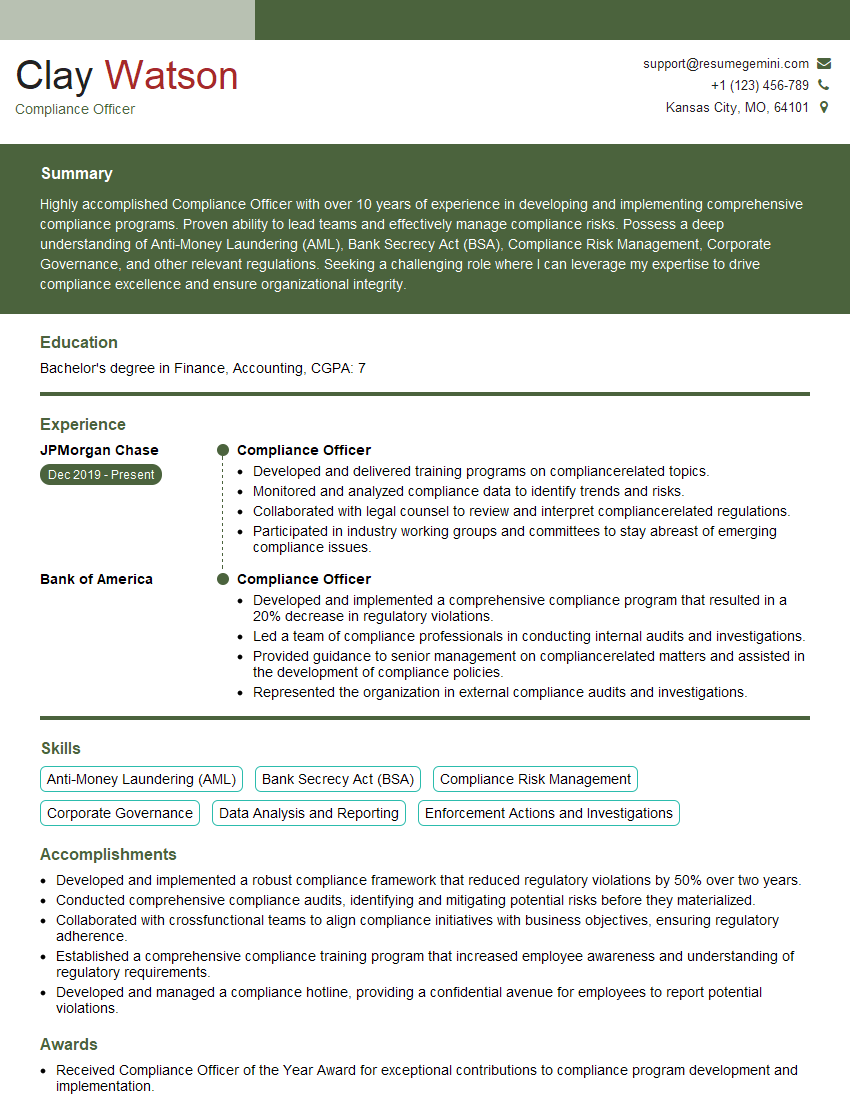
Compliance Officer Resume Sample
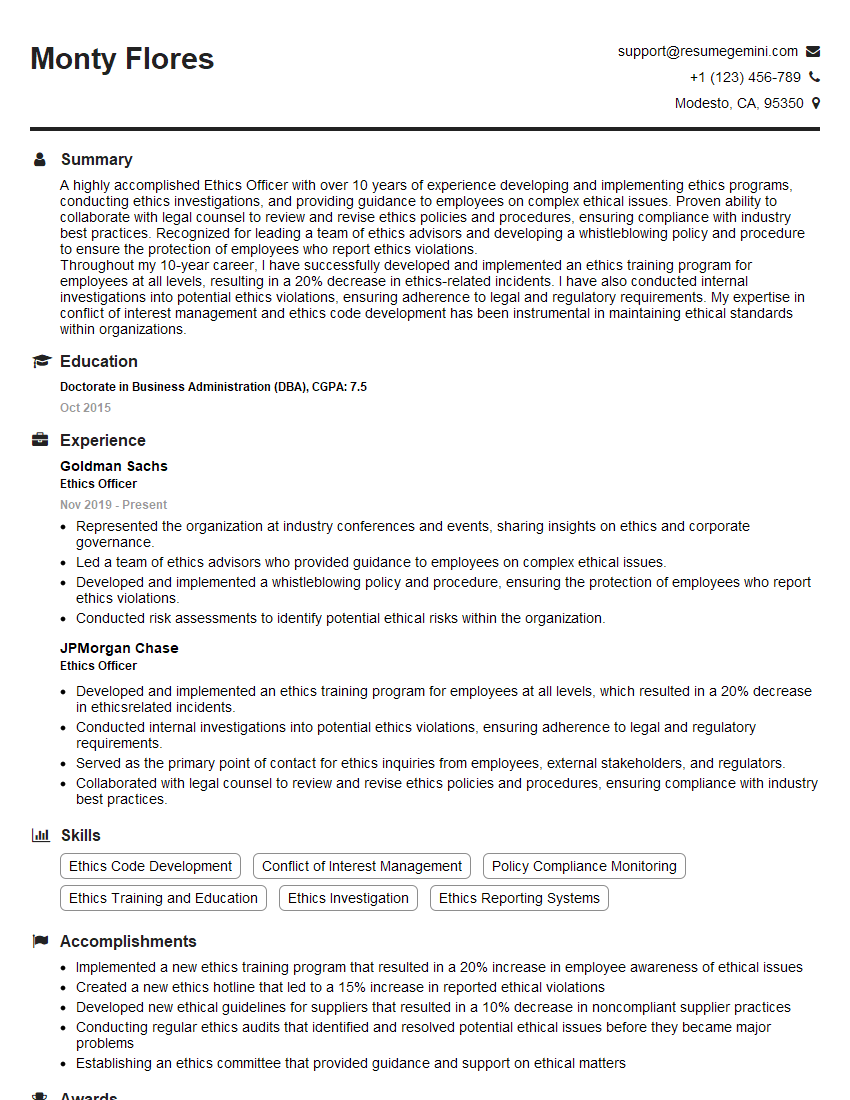
Ethics Officer Resume Sample
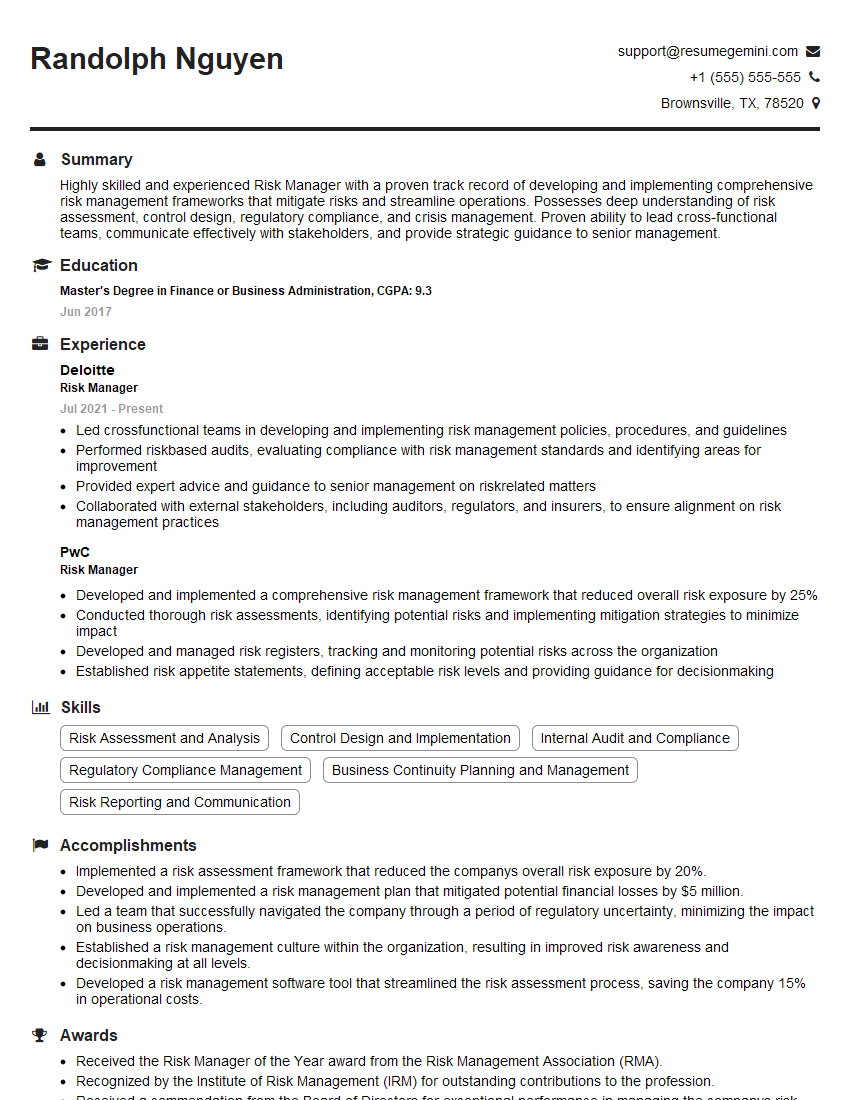
Risk Manager Resume Sample
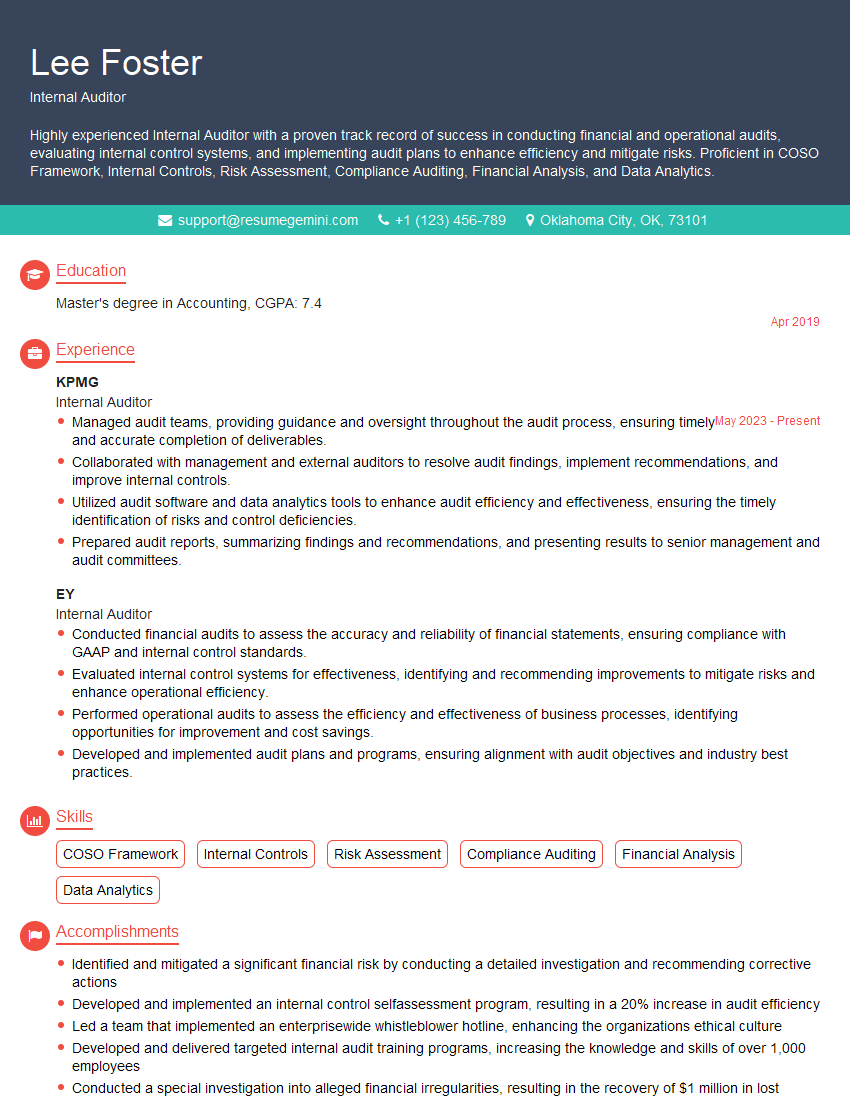
Internal Auditor Resume Sample
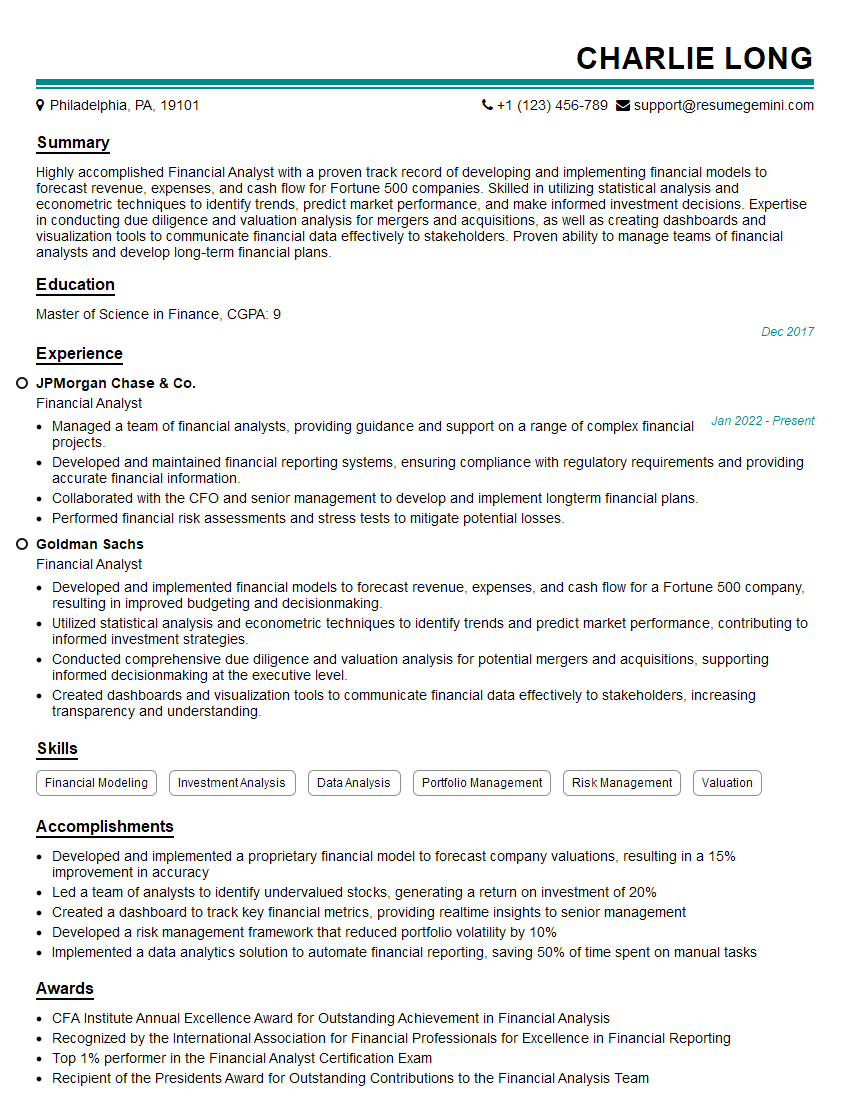
Financial Analyst Resume Sample
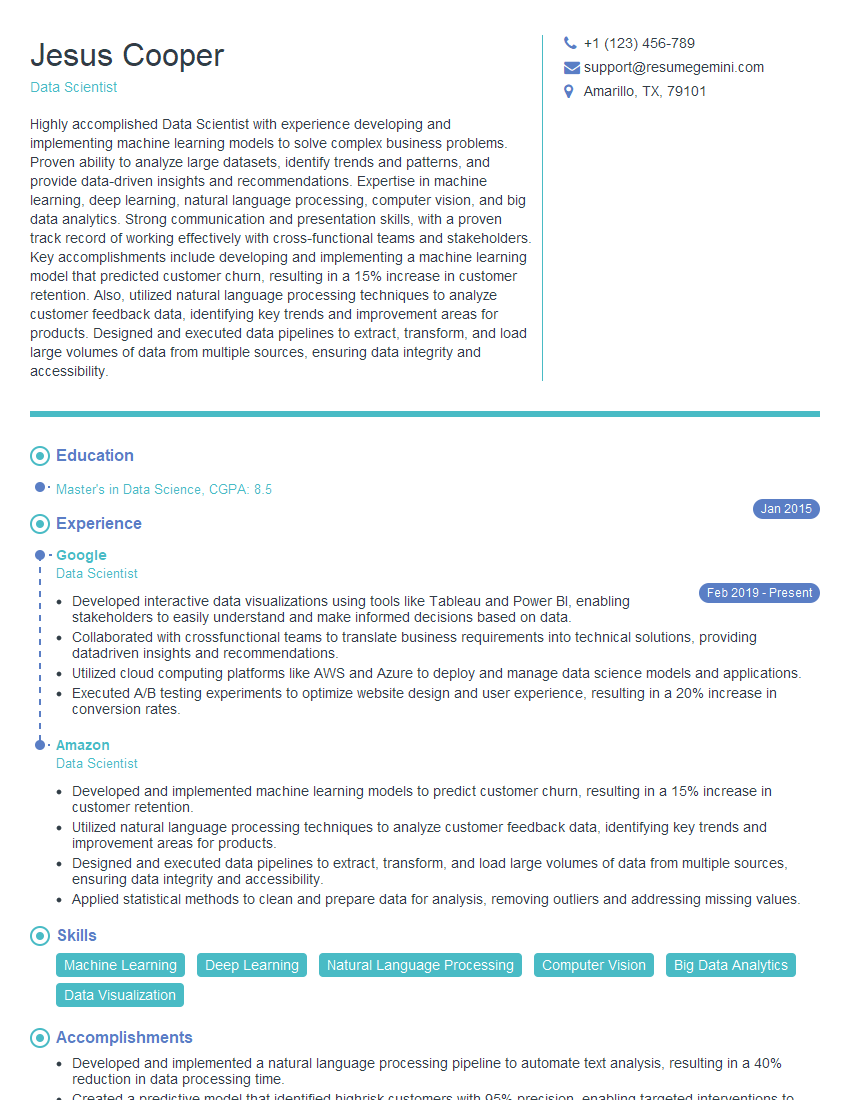
Data Scientist Resume Sample
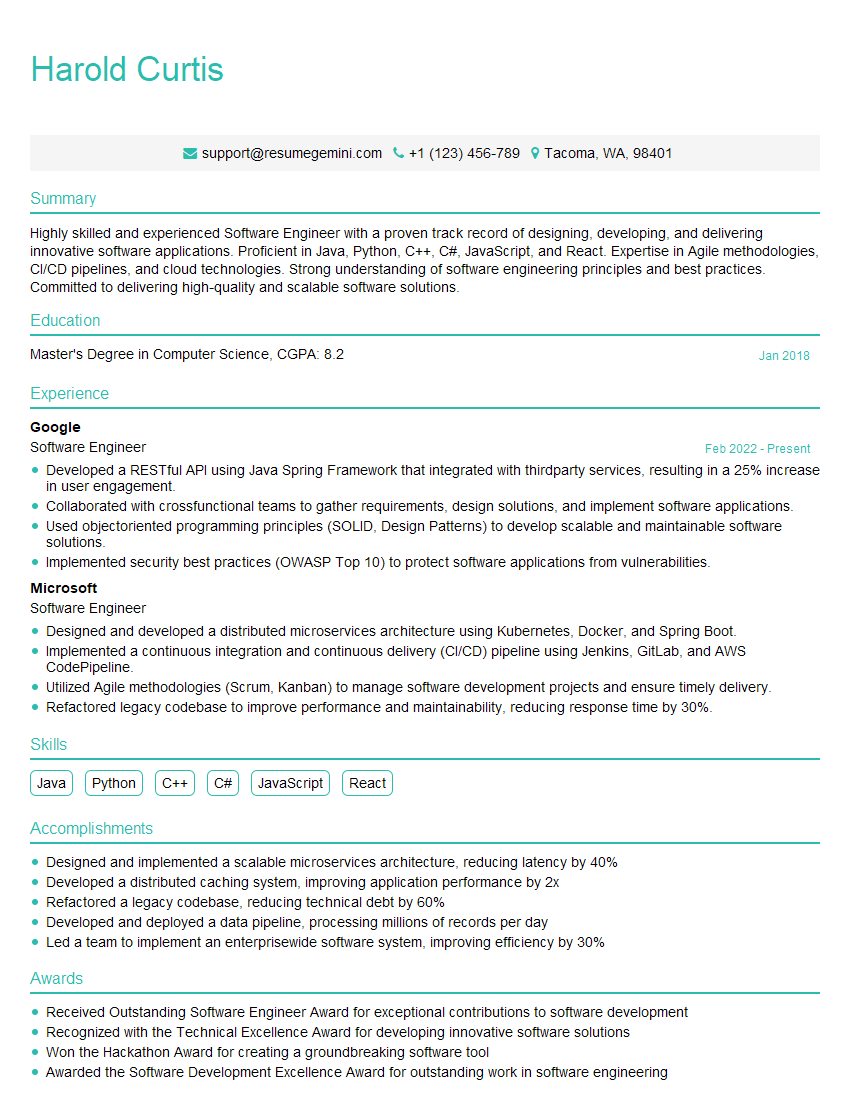
Software Engineer Resume Sample
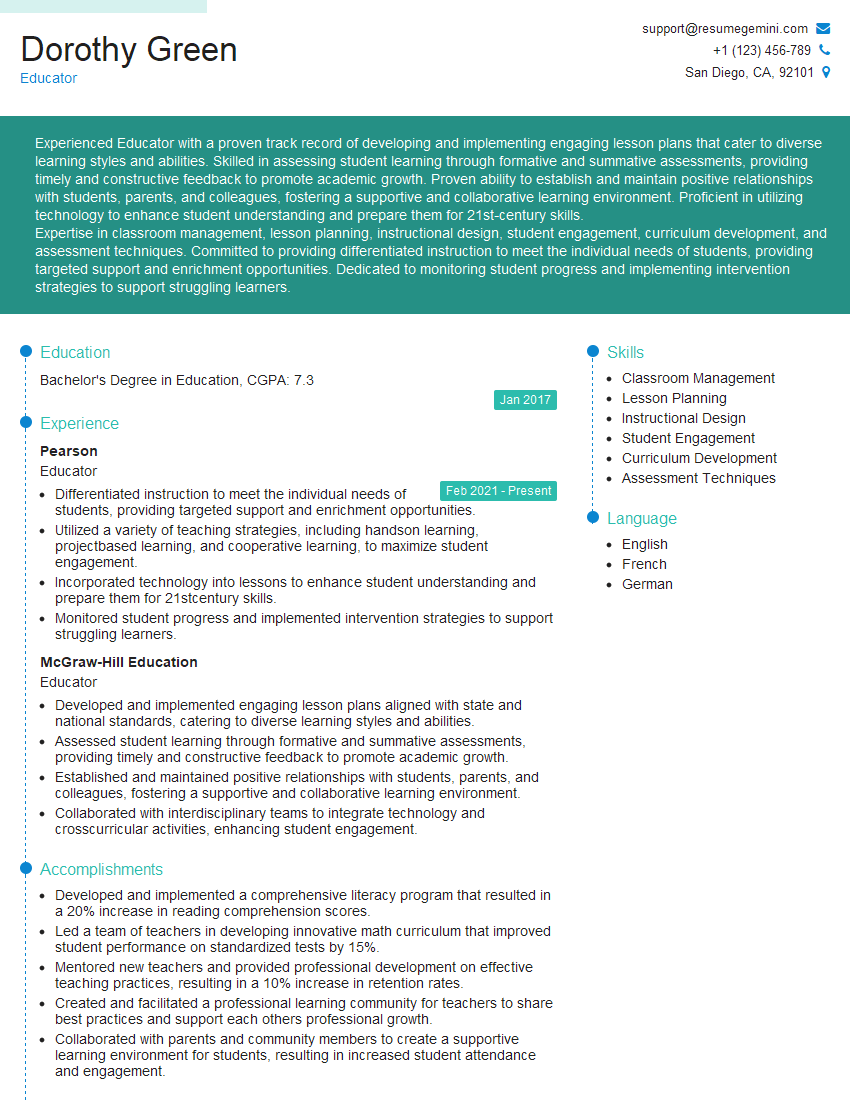
Educator Resume Sample
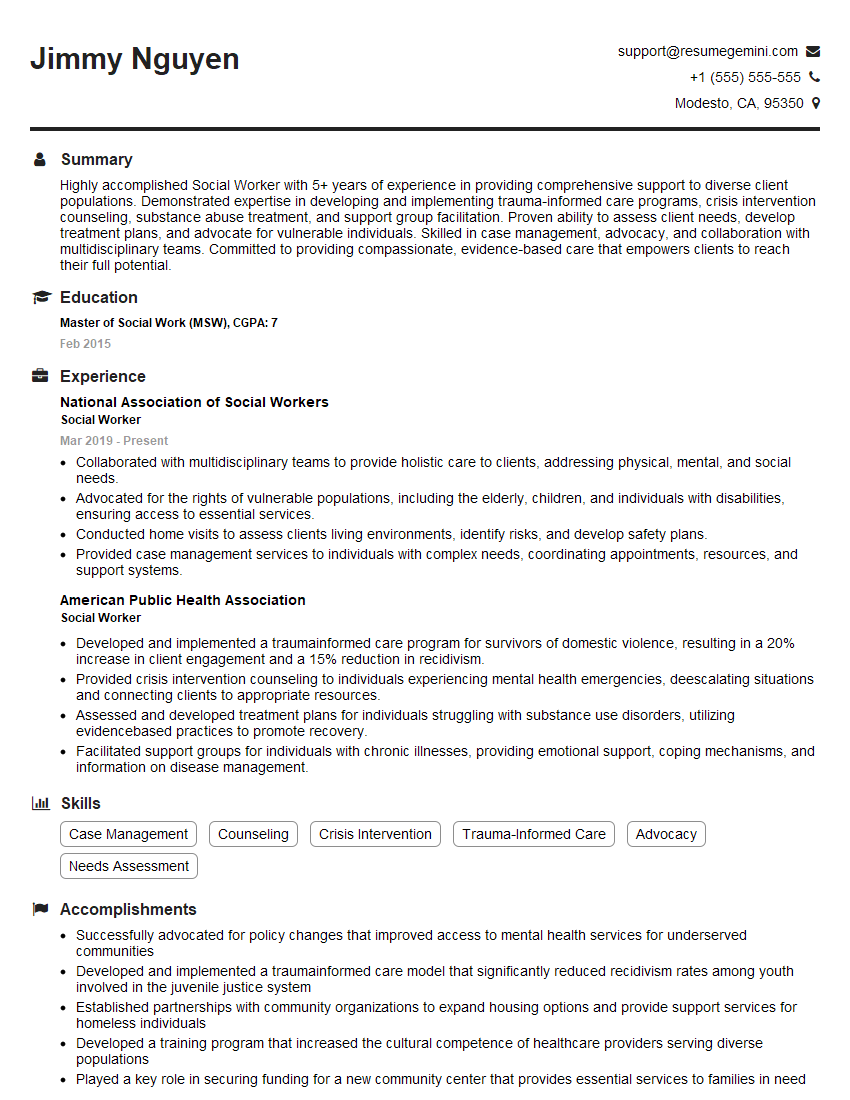
Social Worker Resume Sample
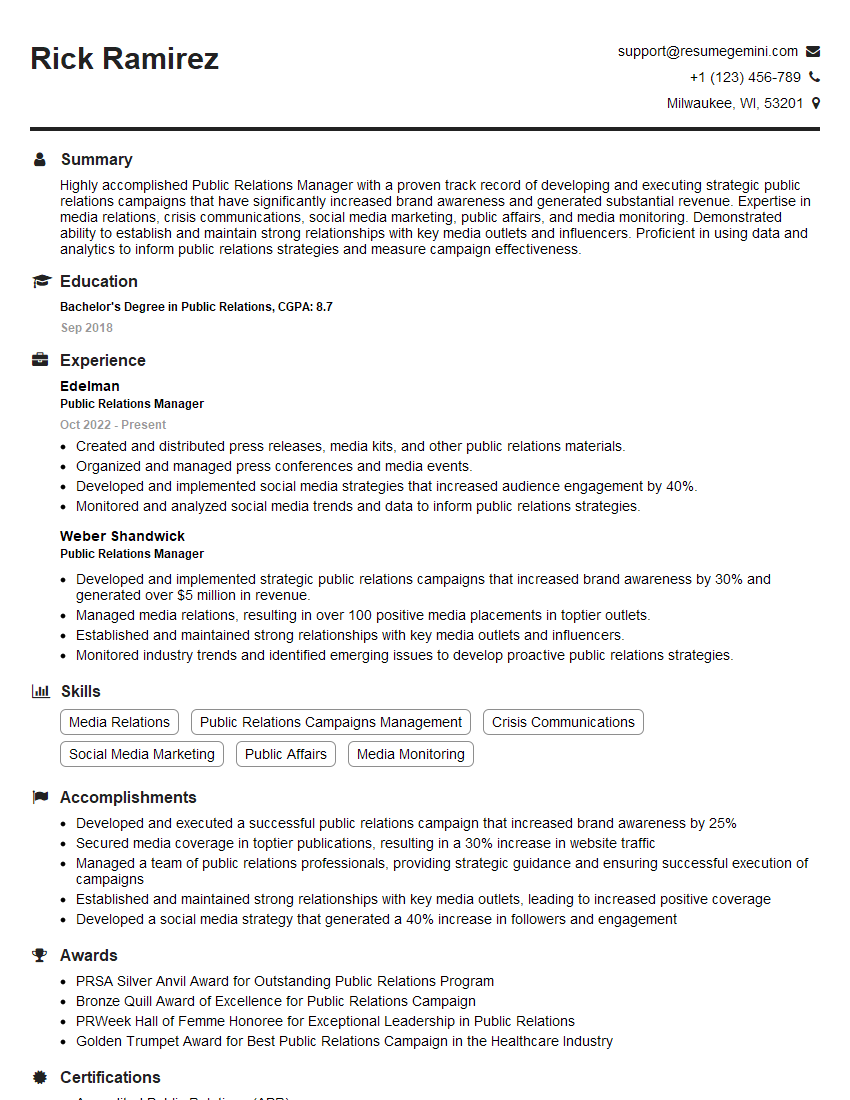
Public Relations Manager Resume Sample
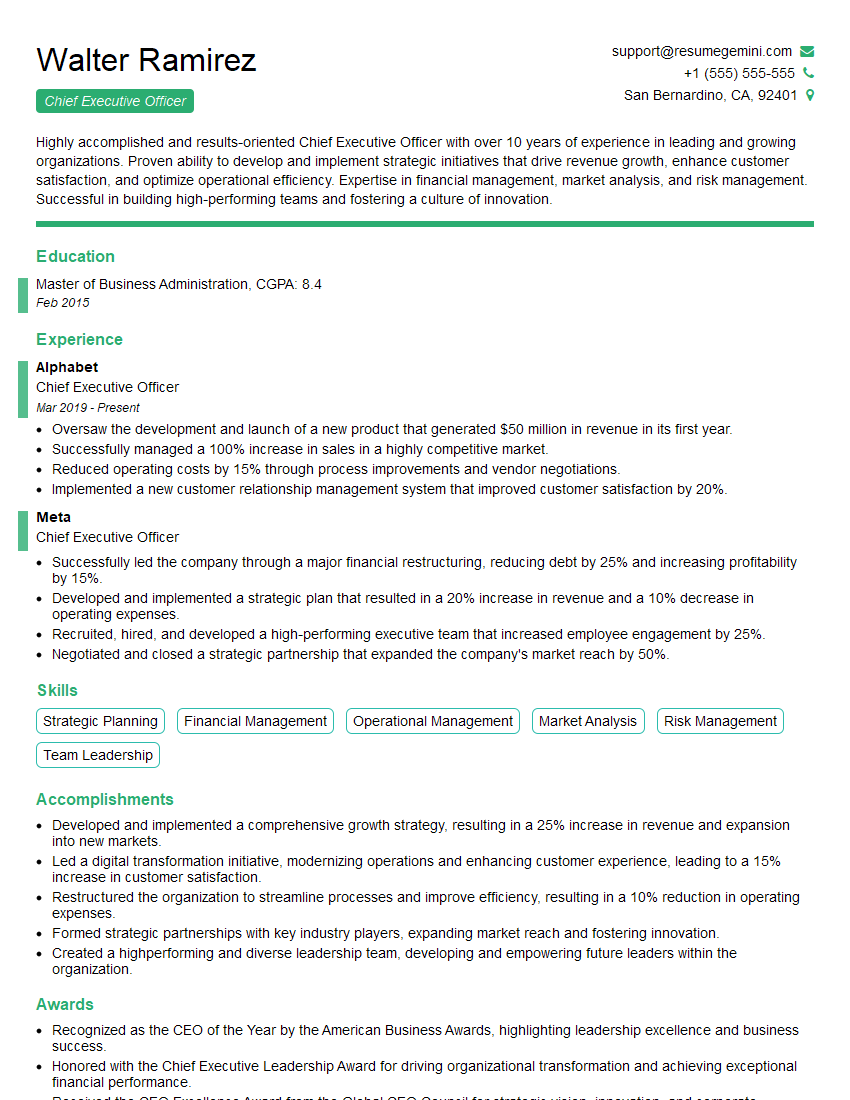
Chief Executive Officer Resume Sample
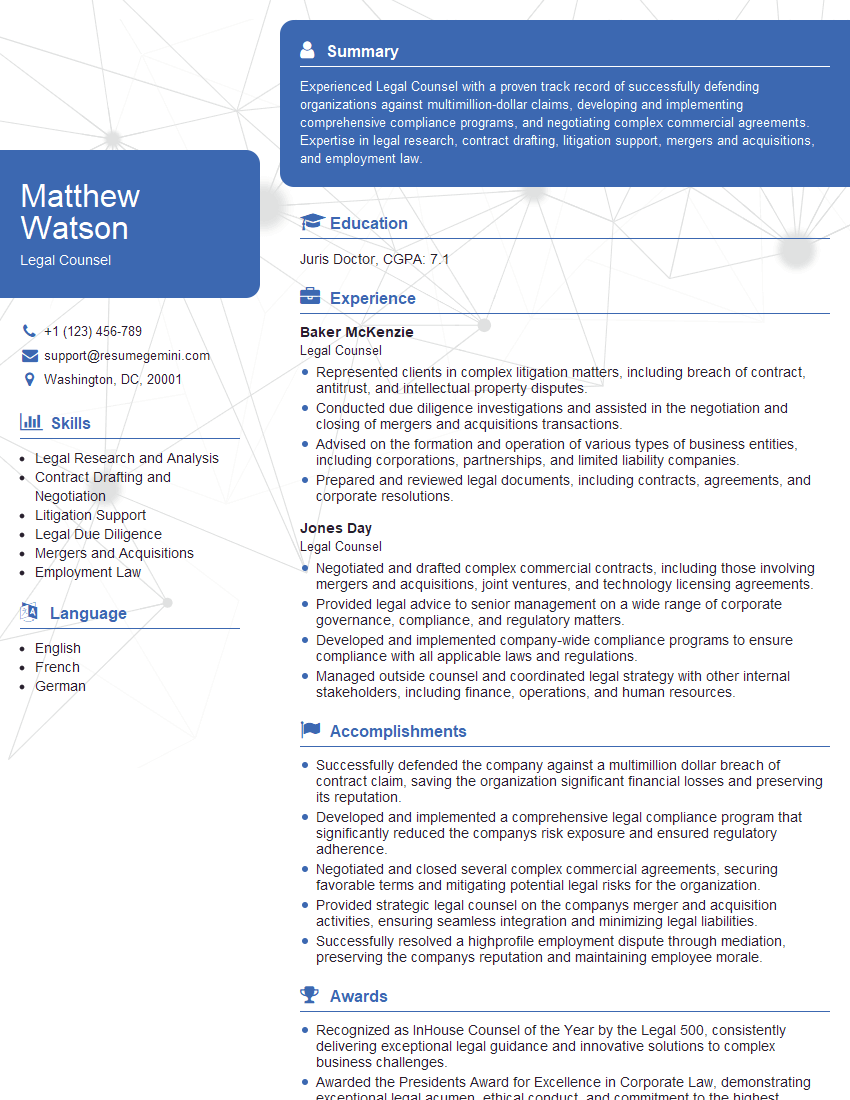
Legal Counsel Resume Sample
- Account Manager
- Marketing Manager
- Sales Manager
- Business Development Manager
- Customer Service Manager
- Director of Operations
- Quality Assurance Manager
- Human Resources Manager
- Training Manager
- Project Manager
- Healthcare Administrator
- Compliance Officer
- Ethics Officer
- Risk Manager
- Internal Auditor
- Financial Analyst
- Data Scientist
- Software Engineer
- Educator
- Social Worker
- Public Relations Manager
- Chief Executive Officer
- Legal Counsel
Explore more articles
Users Rating of Our Blogs
Share Your Experience
We value your feedback! Please rate our content and share your thoughts (optional).
What Readers Say About Our Blog
Attention music lovers!
Wow, All the best Sax Summer music !!!
Spotify: https://open.spotify.com/artist/6ShcdIT7rPVVaFEpgZQbUk
Apple Music: https://music.apple.com/fr/artist/jimmy-sax-black/1530501936
YouTube: https://music.youtube.com/browse/VLOLAK5uy_noClmC7abM6YpZsnySxRqt3LoalPf88No
Other Platforms and Free Downloads : https://fanlink.tv/jimmysaxblack
on google : https://www.google.com/search?q=22+AND+22+AND+22
on ChatGPT : https://chat.openai.com?q=who20jlJimmy20Black20Sax20Producer
Get back into the groove with Jimmy sax Black
Best regards,
Jimmy sax Black
www.jimmysaxblack.com
Hi I am a troller at The aquatic interview center and I suddenly went so fast in Roblox and it was gone when I reset.
Hi,
Business owners spend hours every week worrying about their website—or avoiding it because it feels overwhelming.
We’d like to take that off your plate:
$69/month. Everything handled.
Our team will:
Design a custom website—or completely overhaul your current one
Take care of hosting as an option
Handle edits and improvements—up to 60 minutes of work included every month
No setup fees, no annual commitments. Just a site that makes a strong first impression.
Find out if it’s right for you:
https://websolutionsgenius.com/awardwinningwebsites
Hello,
we currently offer a complimentary backlink and URL indexing test for search engine optimization professionals.
You can get complimentary indexing credits to test how link discovery works in practice.
No credit card is required and there is no recurring fee.
You can find details here:
https://wikipedia-backlinks.com/indexing/
Regards
NICE RESPONSE TO Q & A
hi
The aim of this message is regarding an unclaimed deposit of a deceased nationale that bears the same name as you. You are not relate to him as there are millions of people answering the names across around the world. But i will use my position to influence the release of the deposit to you for our mutual benefit.
Respond for full details and how to claim the deposit. This is 100% risk free. Send hello to my email id: lukachachibaialuka@gmail.com
Luka Chachibaialuka
Hey interviewgemini.com, just wanted to follow up on my last email.
We just launched Call the Monster, an parenting app that lets you summon friendly ‘monsters’ kids actually listen to.
We’re also running a giveaway for everyone who downloads the app. Since it’s brand new, there aren’t many users yet, which means you’ve got a much better chance of winning some great prizes.
You can check it out here: https://bit.ly/callamonsterapp
Or follow us on Instagram: https://www.instagram.com/callamonsterapp
Thanks,
Ryan
CEO – Call the Monster App
Hey interviewgemini.com, I saw your website and love your approach.
I just want this to look like spam email, but want to share something important to you. We just launched Call the Monster, a parenting app that lets you summon friendly ‘monsters’ kids actually listen to.
Parents are loving it for calming chaos before bedtime. Thought you might want to try it: https://bit.ly/callamonsterapp or just follow our fun monster lore on Instagram: https://www.instagram.com/callamonsterapp
Thanks,
Ryan
CEO – Call A Monster APP
To the interviewgemini.com Owner.
Dear interviewgemini.com Webmaster!
Hi interviewgemini.com Webmaster!
Dear interviewgemini.com Webmaster!
excellent
Hello,
We found issues with your domain’s email setup that may be sending your messages to spam or blocking them completely. InboxShield Mini shows you how to fix it in minutes — no tech skills required.
Scan your domain now for details: https://inboxshield-mini.com/
— Adam @ InboxShield Mini
support@inboxshield-mini.com
Reply STOP to unsubscribe
Hi, are you owner of interviewgemini.com? What if I told you I could help you find extra time in your schedule, reconnect with leads you didn’t even realize you missed, and bring in more “I want to work with you” conversations, without increasing your ad spend or hiring a full-time employee?
All with a flexible, budget-friendly service that could easily pay for itself. Sounds good?
Would it be nice to jump on a quick 10-minute call so I can show you exactly how we make this work?
Best,
Hapei
Marketing Director
Hey, I know you’re the owner of interviewgemini.com. I’ll be quick.
Fundraising for your business is tough and time-consuming. We make it easier by guaranteeing two private investor meetings each month, for six months. No demos, no pitch events – just direct introductions to active investors matched to your startup.
If youR17;re raising, this could help you build real momentum. Want me to send more info?
Hi, I represent an SEO company that specialises in getting you AI citations and higher rankings on Google. I’d like to offer you a 100% free SEO audit for your website. Would you be interested?
Hi, I represent an SEO company that specialises in getting you AI citations and higher rankings on Google. I’d like to offer you a 100% free SEO audit for your website. Would you be interested?