The right preparation can turn an interview into an opportunity to showcase your expertise. This guide to Maintaining a Clean and Organized Workspace interview questions is your ultimate resource, providing key insights and tips to help you ace your responses and stand out as a top candidate.
Questions Asked in Maintaining a Clean and Organized Workspace Interview
Q 1. Describe your approach to organizing a cluttered workspace.
Tackling a cluttered workspace requires a systematic approach, not just a frantic clean-up. My strategy involves a three-stage process: Sort, Set, and Sustain.
1. Sort: This initial phase focuses on separating items into distinct categories. I begin by going through each item and asking: Do I need it? Do I use it? Do I love it? Items that answer ‘no’ to all three are discarded, donated, or recycled. Those that answer ‘yes’ are moved to the next stage.
2. Set: This is the organization phase. I use a combination of methods, including utilizing vertical space with shelves and drawers, employing drawer dividers to keep things neatly separated, and utilizing labeling systems. Everything finds a designated home, making it easy to locate later. For example, I might dedicate a specific drawer to stationery, with further dividers for pens, pencils, and paper clips. I often use clear containers to help visually identify contents quickly.
3. Sustain: The key to maintaining a clean workspace is creating a system you can stick to. This involves regular decluttering sessions, perhaps once a week or bi-weekly, depending on the volume of work. I also implement a ‘one-in, one-out’ rule, where for every new item acquired, an old one is removed. This prevents clutter from building up again.
Q 2. What methods do you use to prioritize tasks in a busy work environment?
Prioritizing tasks in a busy environment is crucial for efficiency and stress reduction. I employ the Eisenhower Matrix (also known as the Urgent-Important Matrix), a simple yet effective method for prioritizing tasks based on their urgency and importance.
The matrix categorizes tasks into four quadrants:
- Urgent and Important: These tasks need immediate attention (e.g., a deadline approaching). I tackle these first.
- Important but Not Urgent: These tasks contribute to long-term goals but don’t have immediate deadlines (e.g., strategic planning). I schedule these for specific time slots.
- Urgent but Not Important: These are often distractions (e.g., some emails, meetings). I delegate these where possible or minimize time spent on them.
- Neither Urgent nor Important: These tasks are time-wasters and should be eliminated or deferred (e.g., browsing social media).
By strategically organizing my to-do list based on this matrix, I can focus my energy on high-impact activities, minimizing time spent on less important tasks. I also use digital task management tools that allow for prioritizing and scheduling, which provide visual reminders and progress tracking.
Q 3. How do you maintain a clean and efficient filing system?
Maintaining a clean and efficient filing system is about more than just storing documents; it’s about ensuring quick access to information when you need it. My approach centers on a clear, consistent organizational structure, combined with both physical and digital filing.
Physical Files: I use a color-coded system with labeled folders, organized by project, client, or subject matter, depending on the context. Folders are then filed chronologically within these categories. Regular purging of outdated documents is crucial. I generally follow a retention policy, either determined by company regulations or my own established timelines for archiving.
Digital Files: My digital files mirror the structure of my physical files, ensuring consistency. I use a robust cloud storage system with a clear folder structure and descriptive file names that follow a consistent naming convention (e.g., YYYYMMDD_Project Name_Document Type). Regular backups are essential, both locally and in the cloud.
Key Principles: Consistency in labeling, regular purging, and a logical filing structure are paramount. The goal is to make finding any specific document as intuitive as possible.
Q 4. Explain your experience with inventory management and organization.
My experience with inventory management and organization involves both physical and digital inventories. For physical inventory, I’ve used a combination of barcode scanning, spreadsheet tracking, and visual inspections to keep tabs on supplies, equipment, or other assets. This involves regular stocktaking and identifying discrepancies between recorded inventory and physical quantities. I’ve employed FIFO (First-In, First-Out) and LIFO (Last-In, First-Out) methods to manage stock rotation, depending on the nature of the items.
For digital inventory management, I’ve used dedicated software solutions that provide more robust tracking features, including automated alerts for low stock levels, detailed reporting, and integration with other business systems. The specific software used depends on the complexity of the inventory and the integration needs.
Regardless of the method, my focus is on accuracy, efficiency, and clear documentation. This includes a detailed inventory log and regular updates to maintain data integrity. This ensures that I am always aware of what I have, what I need, and what’s nearing expiration or depletion.
Q 5. How do you handle interruptions that disrupt your workflow?
Interruptions are an unavoidable part of any work environment. My approach focuses on minimizing their impact and efficiently resuming my workflow. I use several techniques:
- Time Blocking: I dedicate specific blocks of time to focused work, minimizing distractions. This allows for deeper concentration and better productivity.
- Communication: I clearly communicate my availability and preferred methods of communication (e.g., setting specific times for responding to emails). This helps manage expectations and reduces unnecessary interruptions.
- Prioritization: If an interruption is unavoidable, I quickly assess its urgency and importance. If it’s not critical, I politely request to discuss it later. If it is urgent, I address it efficiently and then return to my previous task.
- Note-Taking: Before handling an interruption, I jot down my current task’s progress so I can seamlessly pick up where I left off.
The key is to develop a balance between responsiveness and maintaining focus on core tasks. I strive to minimize the disruption caused by interruptions and maintain a consistent workflow.
Q 6. Describe a time you had to reorganize a chaotic workspace. What was your strategy?
In a previous role, I inherited a chaotic storage room with overflowing shelves, disorganized files, and a general lack of order. My strategy was to apply the same three-stage process I use for smaller workspaces—Sort, Set, and Sustain, but on a larger scale.
Sort: I started by completely emptying the storage room and categorizing all items. This involved discarding obsolete materials, donating usable items, and clearly labeling everything. I collaborated with colleagues to identify what items were crucial and how they were utilized.
Set: Next, I reorganized the shelving system, creating clearly defined zones for different types of materials. I implemented a color-coded labeling system for easy identification and introduced clear bins for small parts. I also created a simple inventory system to track items.
Sustain: To prevent future disorganization, I implemented a regular cleaning schedule, a designated space for new items, and clear guidelines for storing materials. I also communicated these guidelines to all staff members to encourage collective responsibility for maintaining the organization.
The result was a transformed storage room: a much more efficient and organized space that significantly improved overall team efficiency.
Q 7. How do you ensure the confidentiality and security of documents in your workspace?
Ensuring confidentiality and security of documents requires a multi-layered approach. This involves both physical and digital security measures.
Physical Security: I ensure that sensitive documents are stored in locked cabinets or drawers, access to which is restricted to authorized personnel. Important documents are shredded upon disposal to prevent unauthorized access. Secure storage areas are monitored for any signs of unauthorized entry.
Digital Security: I use strong passwords and multi-factor authentication to protect digital files and systems. I employ encryption techniques for sensitive data, and utilize secure cloud storage services with robust security features. Access controls restrict access to only authorized users. Regular software updates and security patches help to prevent vulnerabilities. I strictly follow company policies regarding data privacy and security.
Additional Measures: Regular training on security best practices is critical for all staff. I also maintain a log of access to sensitive documents, both physical and digital.
Q 8. How would you implement a new organizational system in an existing workspace?
Implementing a new organizational system in an existing workspace requires a phased approach, much like renovating a house. You wouldn’t just start tearing down walls! First, you need a thorough assessment.
- Assessment: Start by observing the current workflow. Where are bottlenecks? What items are frequently used? What’s rarely touched? Take photos and note the current layout. This provides a baseline for comparison.
- Planning: Based on the assessment, design a new system. Consider using methods like 5S (Sort, Set in Order, Shine, Standardize, Sustain) or Kanban. Choose storage solutions appropriate for the type and volume of materials. Will you use shelves, cabinets, drawers, or a combination? Consider ergonomics – make sure frequently used items are easily accessible.
- Implementation: Implement the new system gradually. Don’t try to overhaul everything at once. Focus on one area at a time, perhaps a single desk or a section of a room. This minimizes disruption and allows for adjustments along the way. Involve the team in the process to foster buy-in.
- Training and Monitoring: Train everyone on the new system. Clearly label storage areas and provide instructions. Regularly monitor the system’s effectiveness and make adjustments as needed. The goal is a system that works for the team, not against it.
Example: In a previous role, we transitioned from a chaotic storage area for project materials to a clearly labeled, sectioned system using color-coded bins. This drastically reduced search time and improved team efficiency.
Q 9. What software or tools do you use to improve workspace organization?
Software and tools play a crucial role in workspace organization. They help manage digital and physical assets efficiently.
- Project Management Software (e.g., Asana, Trello, Monday.com): These tools help manage tasks, deadlines, and resources, keeping projects organized and on track. They reduce clutter by centralizing information and reducing the need for physical notes and sticky notes.
- Cloud Storage (e.g., Google Drive, Dropbox): Centralizing digital files reduces clutter on individual computers and promotes collaboration. Version control features within these platforms also prevent accidental data loss.
- Inventory Management Software: For larger workspaces, inventory management software can track supplies, equipment, and materials, preventing overstocking and identifying shortages promptly.
- Note-taking Apps (e.g., Evernote, OneNote): These applications help keep notes, ideas, and meeting minutes organized, eliminating paper clutter.
Example: Using Trello, our team successfully transitioned to a Kanban system for managing our projects. Each project had its own board, with cards representing individual tasks. This visual representation helped everyone stay updated on progress and identify potential roadblocks.
Q 10. How do you delegate tasks to maintain a clean and organized workspace?
Delegating tasks effectively is critical for maintaining a clean and organized workspace. It’s not just about assigning chores; it’s about empowering the team to take ownership.
- Clear Expectations: Clearly define the task, desired outcome, and deadlines. Provide any necessary resources or instructions.
- Matching Skills and Interests: Assign tasks based on team members’ skills and interests, whenever possible. This increases motivation and efficiency.
- Regular Check-ins: Schedule brief check-ins to monitor progress and offer support. This ensures that the task is on track and addresses any challenges early on.
- Feedback and Recognition: Provide feedback on performance and acknowledge contributions. This motivates team members to maintain high standards.
Example: To maintain a tidy office kitchen, I delegated the task of weekly cleaning to different team members on a rotating schedule. This ensured fairness and distributed the responsibility, freeing up my time to focus on other organizational priorities.
Q 11. Describe your experience with waste management and recycling procedures.
Effective waste management and recycling are crucial components of a clean and organized workspace. They reduce environmental impact and improve workplace safety.
- Waste Segregation: Implement a clear system for segregating waste into different categories (e.g., paper, plastic, glass, compost). Provide clearly labeled bins for each category.
- Recycling Programs: Establish and maintain partnerships with local recycling facilities. Regularly audit recycling efforts to ensure accuracy and efficiency.
- Hazardous Waste Handling: Develop a protocol for handling hazardous waste, ensuring proper disposal according to local regulations. This includes items like batteries, electronic waste, and certain chemicals.
- Employee Training: Educate employees on proper waste management and recycling procedures. Regular reminders and training sessions are essential to maintain compliance.
Example: In a previous role, I implemented a comprehensive recycling program that included composting organic waste from the cafeteria. This not only reduced landfill waste but also provided compost for the building’s garden.
Q 12. How do you address workplace safety concerns related to cleanliness?
Workplace safety and cleanliness are intrinsically linked. A clean and organized environment reduces the risk of accidents and injuries.
- Hazard Identification: Regularly inspect the workspace for potential hazards, including spills, clutter, and damaged equipment. Address these issues promptly.
- Spill Response Plans: Establish clear procedures for handling spills of hazardous materials. Ensure that employees know how to respond safely and effectively.
- Ergonomic Considerations: Organize the workspace to promote good posture and reduce physical strain. Provide ergonomic chairs and adjust workstation setups as needed.
- Regular Cleaning Schedules: Develop and maintain a regular cleaning schedule, including regular deep cleaning. This minimizes the accumulation of dirt, dust, and allergens.
Example: After noticing a tripping hazard due to loose cables, we immediately implemented a cable management system to ensure a safe walkway. We also reinforced the importance of reporting any potential hazards.
Q 13. How do you maintain a positive and productive work environment through organization?
A well-organized workspace fosters a positive and productive environment. It reduces stress, improves efficiency, and boosts morale.
- Improved Efficiency: Easy access to resources and information reduces time wasted searching. This allows employees to focus on their tasks, increasing productivity.
- Reduced Stress: A clean and organized workspace is less visually stimulating, resulting in a calmer and less stressful environment.
- Enhanced Collaboration: A shared workspace that is well-organized fosters better communication and teamwork. Easy access to shared resources facilitates collaboration.
- Increased Morale: When employees feel that their workspace is valued and cared for, their job satisfaction increases, leading to higher morale and retention.
Example: Implementing a clear filing system for documents made it easier for our team to collaborate on projects. We were able to access shared documents quickly, reducing the time spent searching and improving communication.
Q 14. How do you handle conflicting priorities in maintaining workspace organization?
Conflicting priorities are inevitable when maintaining workspace organization. Effective prioritization is key.
- Prioritization Matrix: Use a prioritization matrix (like Eisenhower’s Urgent/Important matrix) to categorize tasks based on urgency and importance. Focus on high-impact tasks first.
- Time Blocking: Allocate specific time blocks for organizational tasks. This ensures that these tasks receive dedicated attention and are not neglected.
- Delegation: Delegate less critical organizational tasks to free up time for higher-priority tasks. This can involve assigning cleaning duties or assisting with organizing specific areas.
- Regular Review: Regularly review your organizational system and prioritize tasks based on current needs. This ensures that efforts remain aligned with evolving workplace requirements.
Example: When facing a deadline for a major project, I prioritized the organization of materials directly related to the project, delegating less urgent tasks like deep cleaning to a later date.
Q 15. What are your strategies for preventing clutter buildup?
Preventing clutter buildup requires a proactive, multi-pronged approach. It’s not just about cleaning up, but about establishing systems to minimize mess from the start. My core strategy revolves around three key principles: reduction, organization, and maintenance.
- Reduction: This means minimizing incoming items. Before bringing something into my workspace, I ask: Do I really need this? Is there a digital alternative? Can I borrow it instead of owning it? Regularly decluttering – discarding, donating, or recycling unnecessary items – is crucial. Think of it like spring cleaning, but done consistently in small increments.
- Organization: Everything needs a designated place. This could be a drawer, shelf, or even a specific area on my desk. Using clear containers, labels, and vertical space maximizers significantly aids in keeping things organized. The key is to make it easy to put things away – if it’s too difficult, it won’t happen.
- Maintenance: This is the ongoing effort to keep the workspace tidy. I incorporate short, regular tidying sessions into my daily routine (e.g., a five-minute clean-up at the end of each day). This prevents small messes from accumulating into larger problems. I also use the ‘one-minute rule’: if a task takes less than a minute, do it immediately rather than letting it pile up.
For example, I once drastically reduced paper clutter by scanning important documents and storing them digitally, using cloud storage for easy access and eliminating the need for physical filing cabinets. This freed up valuable desk space and made document retrieval much faster.
Career Expert Tips:
- Ace those interviews! Prepare effectively by reviewing the Top 50 Most Common Interview Questions on ResumeGemini.
- Navigate your job search with confidence! Explore a wide range of Career Tips on ResumeGemini. Learn about common challenges and recommendations to overcome them.
- Craft the perfect resume! Master the Art of Resume Writing with ResumeGemini’s guide. Showcase your unique qualifications and achievements effectively.
- Don’t miss out on holiday savings! Build your dream resume with ResumeGemini’s ATS optimized templates.
Q 16. How familiar are you with different organizational methodologies (e.g., 5S, Kanban)?
I’m very familiar with various organizational methodologies, including 5S and Kanban. They offer valuable frameworks for improving workspace efficiency and reducing clutter.
- 5S (Sort, Set in Order, Shine, Standardize, Sustain) provides a structured approach to workplace organization. I’ve successfully implemented this in various settings, starting with sorting through items to determine their necessity, then organizing remaining items logically, cleaning the workspace thoroughly, standardizing processes to maintain organization, and finally establishing consistent routines to sustain the improvements.
- Kanban is a visual workflow management system particularly useful for managing tasks and projects. It helps to visualize the workflow, identify bottlenecks, and limit work in progress, resulting in increased efficiency and reduced clutter by focusing on completing tasks before starting new ones. I’ve used Kanban boards to track my projects, which allows me to visually see which tasks are completed and which need attention, thus reducing the tendency to accumulate unfinished work.
Understanding these methodologies allows me to tailor my organizational approach to specific needs. For instance, 5S is excellent for physical spaces, while Kanban is more suited to managing digital projects and workflows.
Q 17. Describe a time you had to improve efficiency through workspace reorganization.
In my previous role, our team experienced significant delays due to a disorganized shared workspace. Documents were scattered, tools were misplaced, and finding essential items took valuable time. To address this, I proposed and implemented a workspace reorganization project.
First, I conducted a thorough audit of all items, discarding unnecessary materials. Then, I implemented a 5S system, clearly designating areas for different tasks and materials. We used labeled storage containers and color-coding to improve visual organization. Finally, I established clear procedures for maintaining the space and created a simple checklist for daily upkeep.
The results were dramatic. We saw a significant decrease in time spent searching for items, improved workflow efficiency, and a boost in team morale. The project not only improved workspace organization but also fostered a greater sense of shared responsibility for maintaining a clean and productive environment.
Q 18. How do you adapt your organizational strategies to different work environments?
Adaptability is key when it comes to workspace organization. My approach depends heavily on the specific environment and the resources available. For example, in a shared office, collaboration and clear communication are essential. I’d work with colleagues to establish shared organizational standards. In a home office, I have more flexibility but need to create a more robust system to prevent personal items from encroaching on my workspace.
Regardless of the environment, the underlying principles of reduction, organization, and maintenance remain constant. However, the implementation might differ. In a small, shared office, utilizing vertical space and shared storage solutions are crucial. In a larger space, zoning and dedicated areas for specific tasks might be more practical. I constantly assess and adjust my organizational strategies to optimize the given environment.
Q 19. How would you train others to maintain a clean and organized workspace?
Training others involves a combination of demonstration, education, and consistent reinforcement. I would start by explaining the importance of a clean and organized workspace, emphasizing its impact on productivity, morale, and safety. I’d then demonstrate effective organizational techniques, including proper filing systems, storage solutions, and time management strategies.
I’d also provide hands-on training, guiding individuals through decluttering exercises and helping them set up personalized organizational systems. Regular follow-up sessions and feedback would help reinforce good habits. Finally, I would encourage open communication and create a supportive environment where individuals feel comfortable seeking assistance and sharing ideas.
Ultimately, success hinges on empowering individuals to take ownership of their workspace. The goal is not just to create a clean space, but to cultivate a culture of organization and efficiency.
Q 20. What are your strategies for dealing with uncooperative colleagues regarding workspace organization?
Dealing with uncooperative colleagues requires a tactful and collaborative approach. Direct confrontation rarely works. Instead, I’d try to understand their perspective. Perhaps they’re overwhelmed, lack organizational skills, or simply don’t see the value of a clean workspace. I’d initiate a conversation, focusing on the benefits of a better-organized space for the entire team, rather than placing blame.
I’d offer practical assistance and support, suggesting organizational tools or strategies that might help. I would also involve management if necessary, presenting the issue as a team productivity concern rather than a personal conflict. The key is to focus on solutions and shared goals, creating a win-win scenario for everyone involved.
Q 21. How do you stay motivated to maintain a consistently organized workspace?
Staying motivated requires a multifaceted strategy that combines intrinsic and extrinsic rewards. Intrinsically, I find satisfaction in the sense of calm and control a well-organized workspace provides. It allows me to focus better and reduces stress. I also associate a tidy space with productivity and success, reinforcing the positive feedback loop.
Extrinsically, I use tools like timers to gamify the cleaning process and reward myself with short breaks after completing cleaning tasks. I also visually track my progress, such as through a checklist or a calendar, to monitor how I am keeping on top of things. Seeing the positive impact on my overall efficiency and mood serves as further motivation.
Ultimately, it’s about creating a sustainable system that makes organization a habit rather than a chore. By integrating organizational practices into my daily routine, maintaining a clean workspace becomes second nature rather than a constant struggle.
Q 22. Describe your experience with using different types of storage solutions.
My experience with storage solutions is extensive, encompassing various types tailored to different needs and environments. I’ve worked with everything from simple drawer organizers and label makers to complex modular shelving systems and specialized storage containers for specific items. For instance, in one project, we implemented a color-coded system using clear acrylic bins for small parts, drastically improving retrieval time. In another, we utilized vertical filing cabinets to maximize space in a small office. My approach always considers factors like the size and shape of the workspace, the types of items needing storage, and the frequency of access. I’m proficient in evaluating different solutions based on factors like cost-effectiveness, durability, and ease of use.
- Drawer Organizers: Ideal for smaller items needing compartmentalization.
- Modular Shelving: Versatile and adaptable to changing needs and space limitations.
- Labeling Systems: Crucial for quick identification and retrieval; I often employ alphanumeric or color-coded systems.
- Vertical Filing Cabinets: Maximize space usage, especially beneficial for document storage.
Q 23. How do you handle situations where workspace organization impacts workflow negatively?
When workspace disorganization negatively impacts workflow, I address the problem systematically. The first step involves identifying the bottlenecks. This often means observing workflows, conducting brief interviews with team members, and analyzing common pain points. For example, I once noticed that constant searching for specific files was disrupting productivity. After identifying this issue, I implemented a new filing system with clearly defined categories and a centralized location for frequently accessed documents. The solution is always tailored to the specific problem and often involves collaboration with the team to ensure buy-in and smoother integration.
My approach includes:
- Identify bottlenecks: Observe workflow, interview team members, and analyze pain points.
- Develop a plan: Create a detailed plan outlining the steps to reorganize the workspace and improve workflow. This usually includes timelines and assigned responsibilities.
- Implement the plan: Implement the changes, addressing any roadblocks encountered.
- Monitor and adjust: Continuously monitor the effectiveness of the changes and adjust the plan as needed.
Q 24. What are some innovative strategies you’ve employed to enhance workspace organization?
I’ve employed several innovative strategies to enhance workspace organization. One example is using visual cues to promote tidiness. This involves implementing color-coded systems, using clear containers, and creating visually appealing labels. Another effective method is implementing a ‘5S’ methodology, which focuses on organizing items by sorting, setting in order, shining (cleaning), standardizing, and sustaining. In a previous role, I introduced a digital Kanban board to visualize project workflows and manage tasks efficiently. This improved task visibility and allowed for smoother collaboration. I also experiment with technology like digital asset management systems for efficient document and media management.
Q 25. How do you measure the effectiveness of your organizational strategies?
Measuring the effectiveness of organizational strategies involves both quantitative and qualitative assessment. Quantitatively, I track metrics such as the time spent searching for items, the frequency of misplaced items, and team productivity levels before and after the implementation of changes. For example, I might record the average time it takes to locate a specific file before and after implementing a new filing system. Qualitatively, I gather feedback from team members through surveys or informal discussions to understand their experiences with the new organization. This could include open-ended questions assessing satisfaction levels and identifying areas needing further improvement.
Q 26. How do you prioritize tasks when faced with competing deadlines related to workspace organization?
When facing competing deadlines related to workspace organization, I prioritize tasks based on their impact and urgency using a prioritization matrix. This matrix typically considers factors such as urgency (immediate need vs. can wait) and importance (critical to workflow vs. less critical). This allows me to focus on the most critical tasks first and to break down larger projects into smaller, more manageable tasks. For example, if a critical project requires specific tools immediately, organizing that area would take precedence over a less urgent, though still valuable, long-term organizational goal.
Q 27. How would you handle a situation where essential supplies are disorganized or misplaced?
If essential supplies are disorganized or misplaced, my immediate action is to conduct a thorough search, utilizing systematic strategies. I might start with a visual inspection of common areas and gradually narrow down the search based on possible locations. Simultaneously, I would initiate a conversation with team members to see if anyone has encountered the missing supplies. If the supplies remain unfound, I will implement improved storage and labeling procedures to prevent future occurrences. This could involve introducing a dedicated supply storage area with clear labeling or a digital inventory system.
Q 28. How do you balance personal organization with maintaining a clean team workspace?
Balancing personal organization with a clean team workspace involves establishing clear boundaries and consistent practices. I maintain a dedicated personal workspace within the team area, adhering to the same organizational standards I encourage for the team. Open communication is crucial, ensuring everyone understands the shared responsibility in maintaining a clean and organized space. Regular team meetings, even short ones, to discuss organizational practices and address any issues or concerns build shared ownership and promote a collaborative environment. Leading by example is vital; demonstrating commitment to a clean and organized workspace fosters a similar attitude among team members.
Key Topics to Learn for Maintaining a Clean and Organized Workspace Interview
- Time Management & Prioritization: Understanding how a clean workspace directly impacts efficiency and the ability to prioritize tasks. Consider how you’ve organized your workload to maximize productivity.
- Workflow Optimization: Discuss strategies for optimizing your workflow to minimize clutter and maximize efficiency. Examples could include implementing a filing system, using digital tools, or employing the Pomodoro Technique.
- Ergonomics and Safety: Explain the importance of a safe and ergonomically sound workspace to prevent injuries and maintain well-being. This includes proper desk setup, lighting, and the avoidance of hazards.
- Team Collaboration and Shared Spaces: If applicable, discuss strategies for maintaining cleanliness and organization in shared workspaces, promoting teamwork and respect for colleagues’ work areas.
- Problem-Solving in Organization: Describe how you’ve solved organizational challenges in the past. This could involve implementing a new system, troubleshooting a disorganized process, or adapting to changing circumstances.
- Adaptability and Flexibility: Show your ability to adjust to different organizational needs and environments. This showcases your capacity to learn and grow in the role.
- Technology and Organization: Discuss how you utilize technology to maintain a clean and organized digital and physical workspace (e.g., cloud storage, project management software).
Next Steps
Mastering the art of maintaining a clean and organized workspace demonstrates essential professional skills highly valued by employers. It reflects your attention to detail, your ability to prioritize tasks, and your commitment to efficiency. These are all crucial for career advancement. To significantly boost your job prospects, focus on creating a strong, ATS-friendly resume that highlights these skills effectively. ResumeGemini is a trusted resource that can help you build a professional and impactful resume. Examples of resumes tailored to showcasing skills in maintaining a clean and organized workspace are available to help you get started.
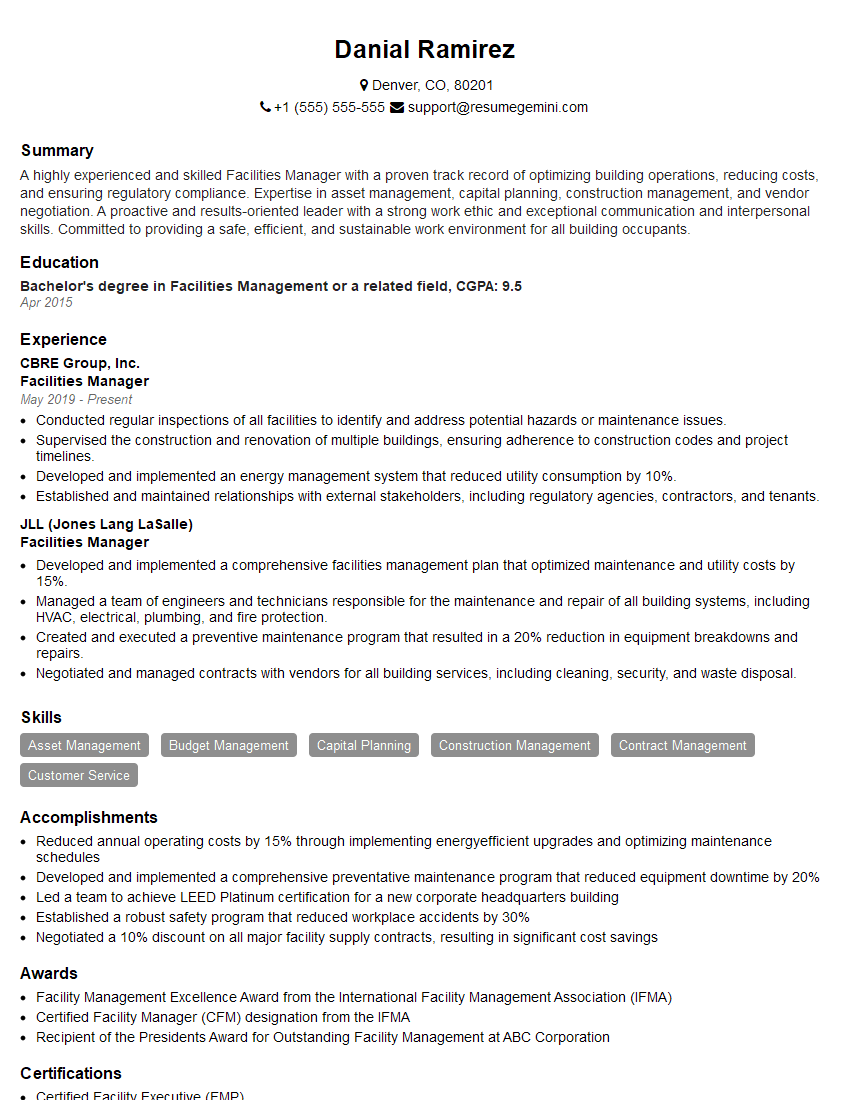
Facilities Manager Resume Sample
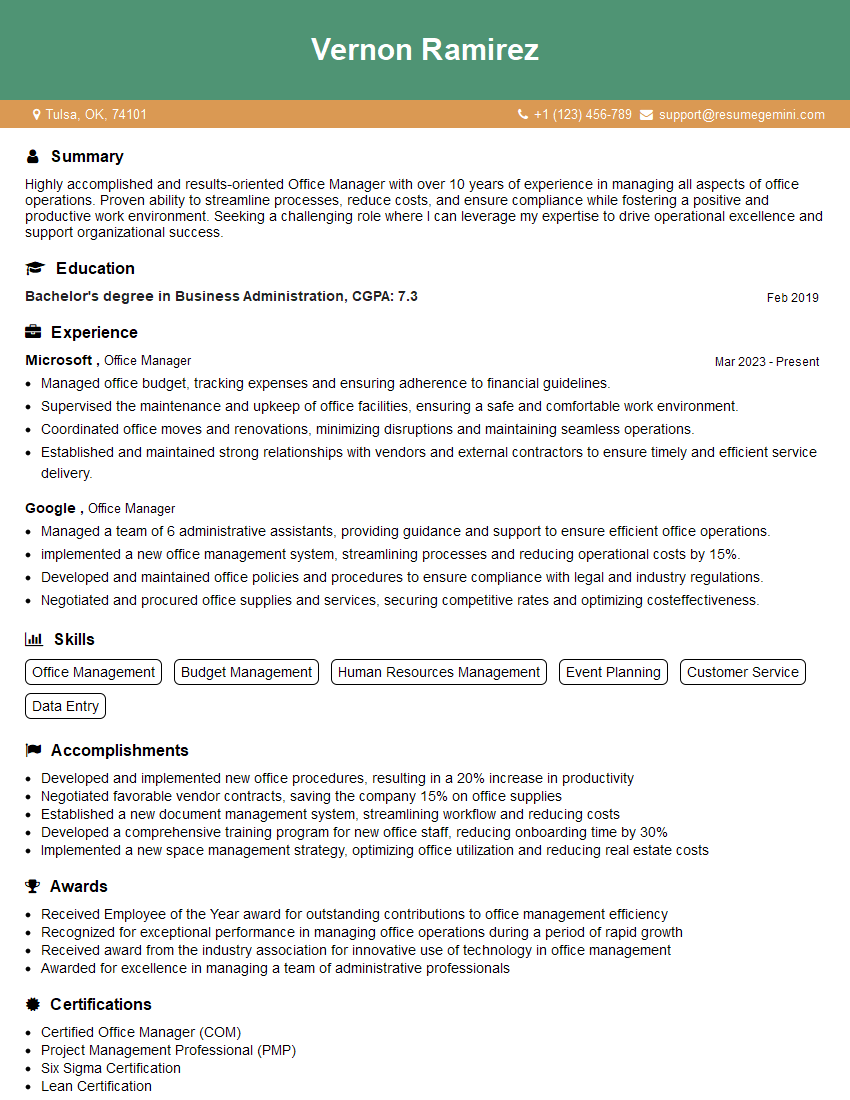
Office Manager Resume Sample

Operations Manager Resume Sample
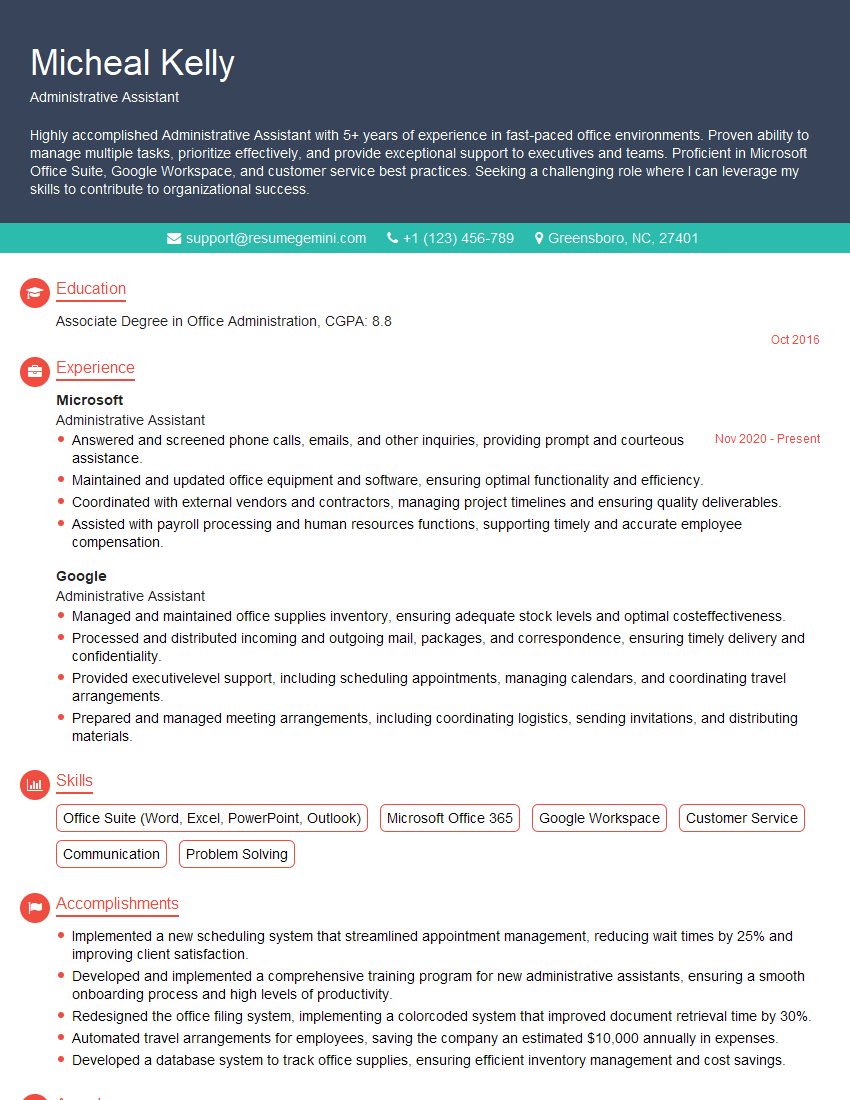
Administrative Assistant Resume Sample
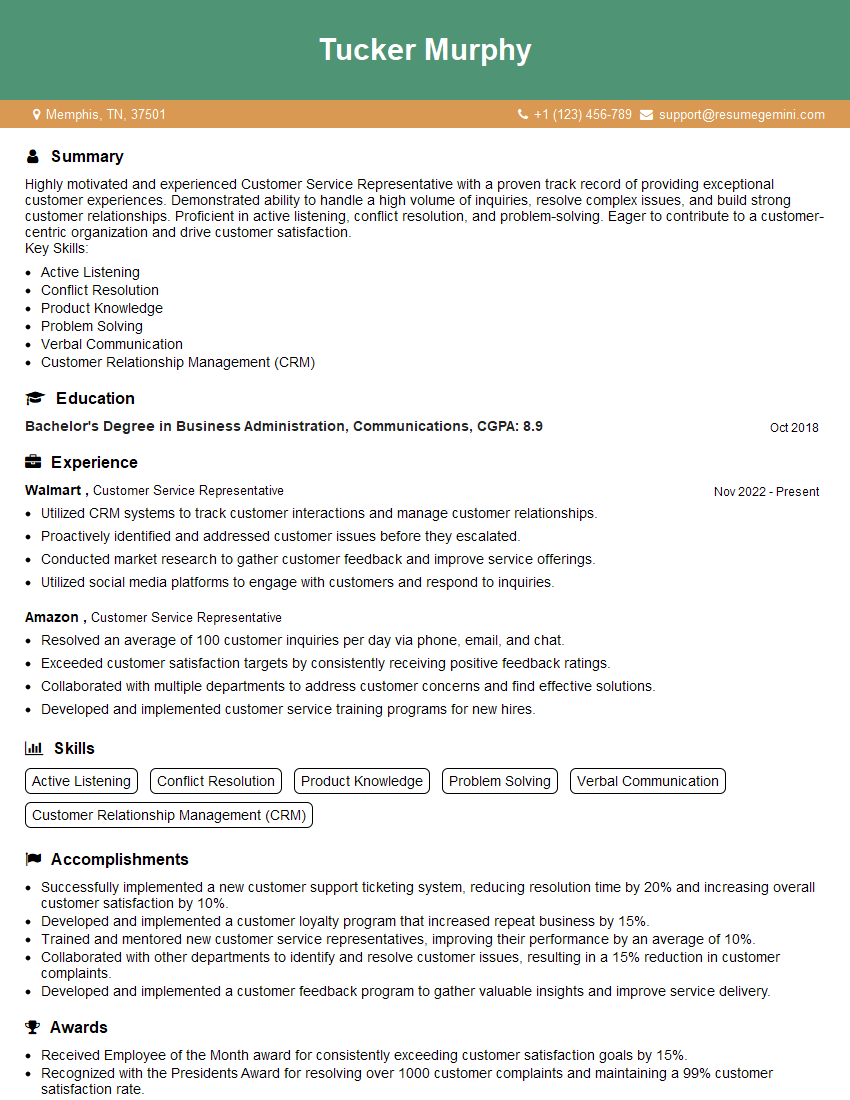
Customer Service Representative Resume Sample
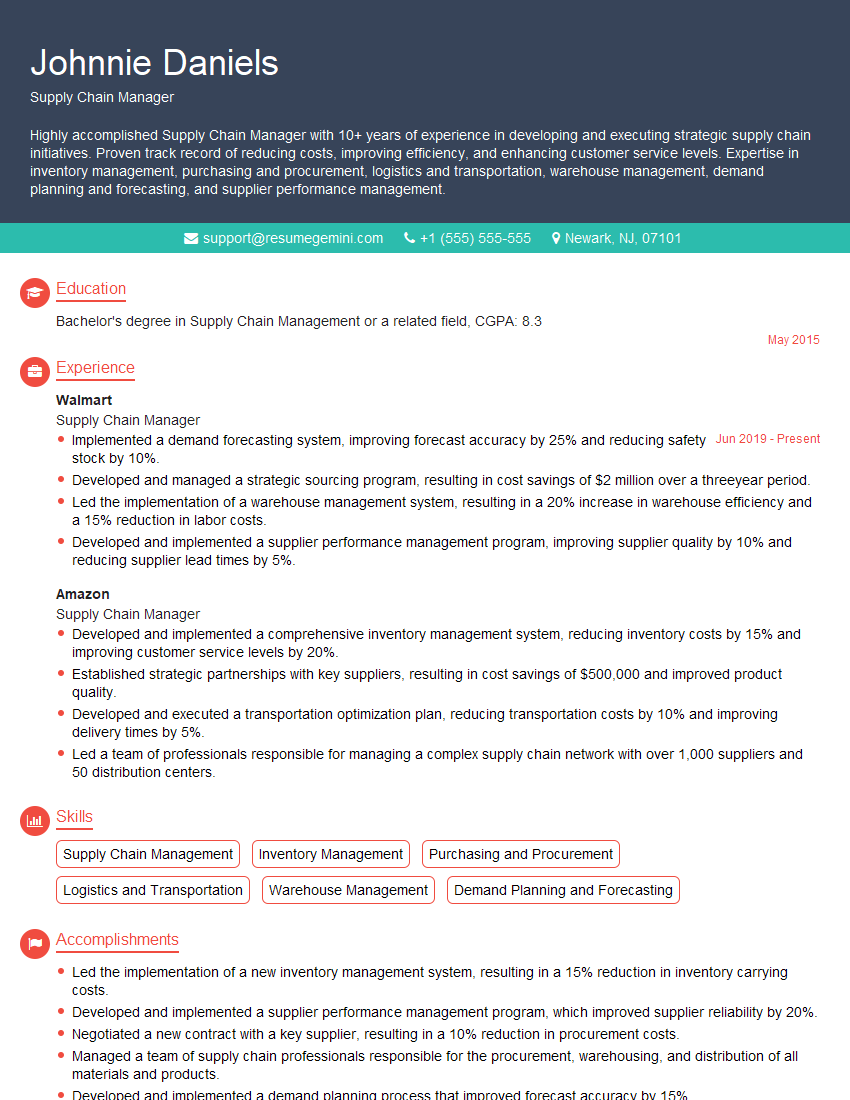
Supply Chain Manager Resume Sample
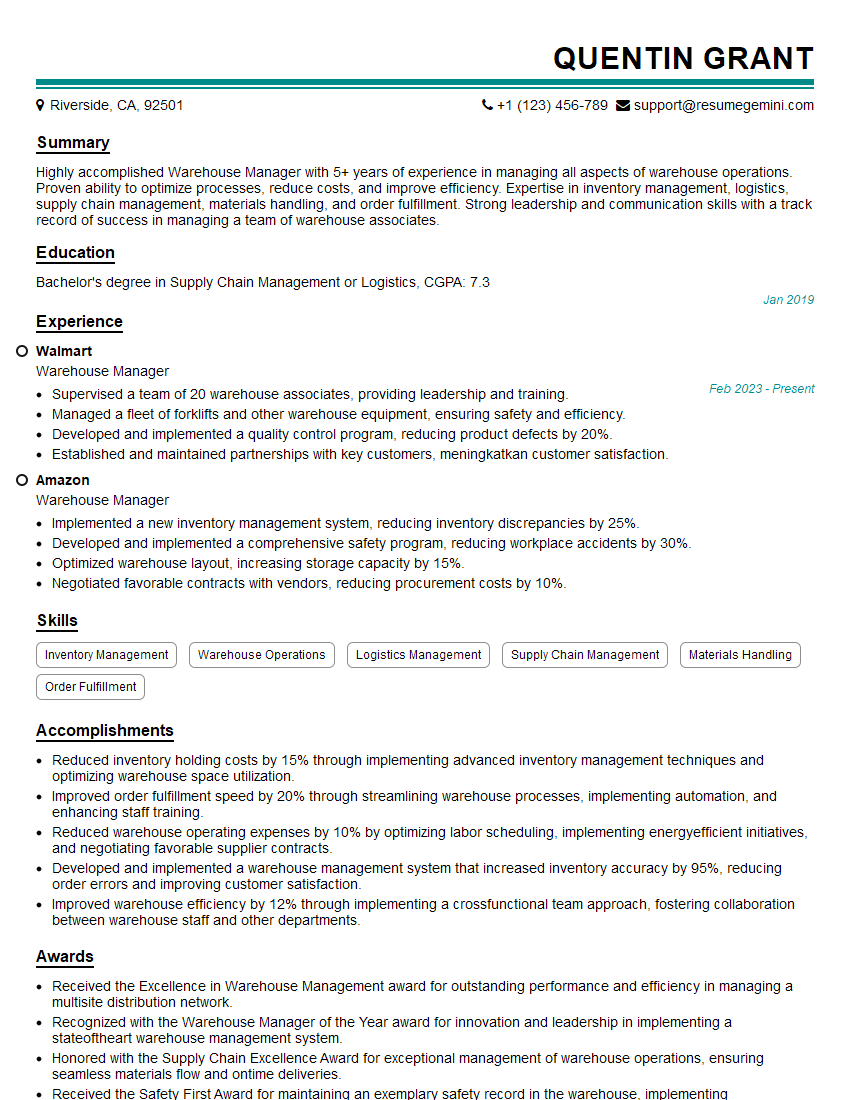
Warehouse Manager Resume Sample
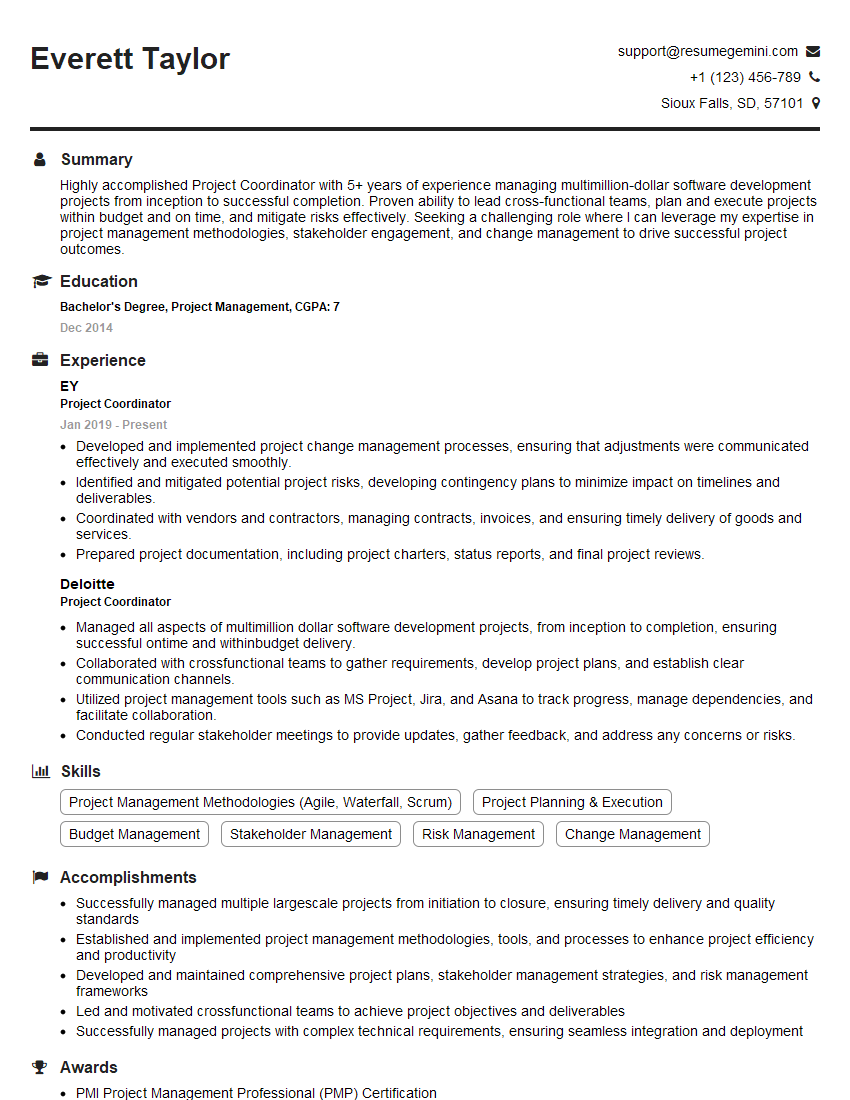
Project Coordinator Resume Sample
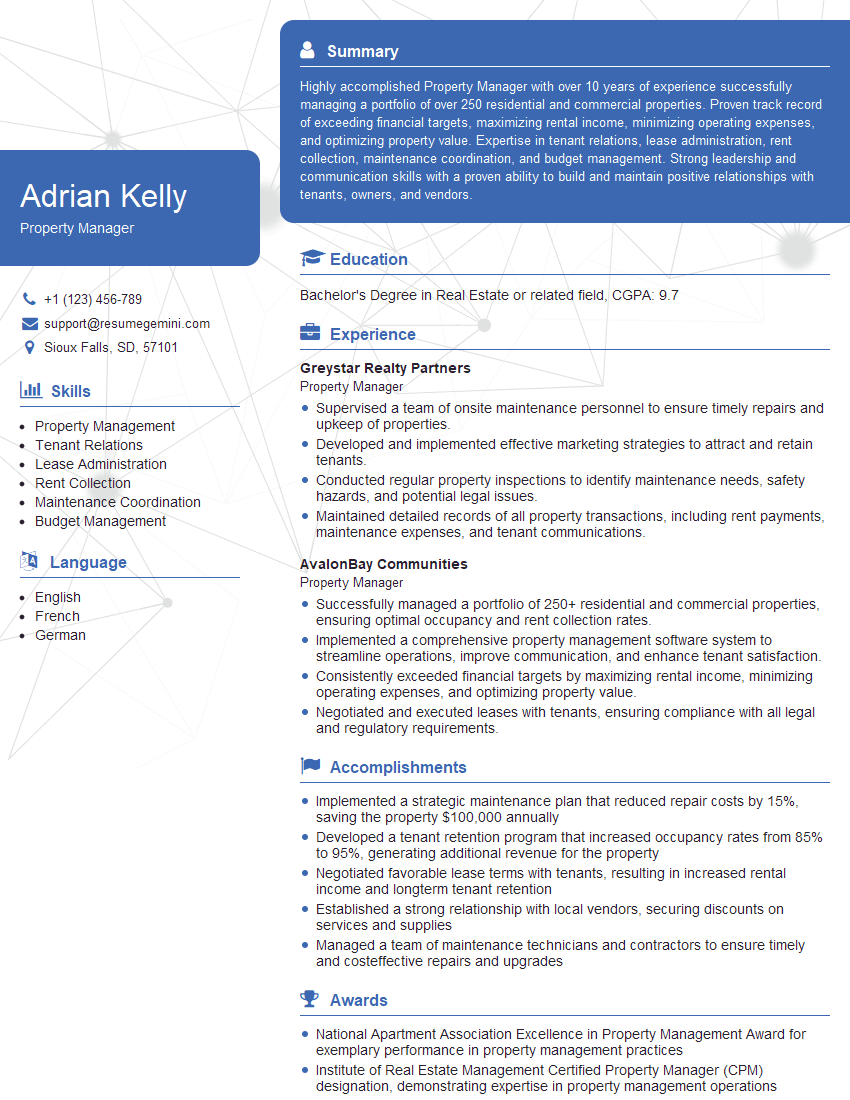
Property Manager Resume Sample
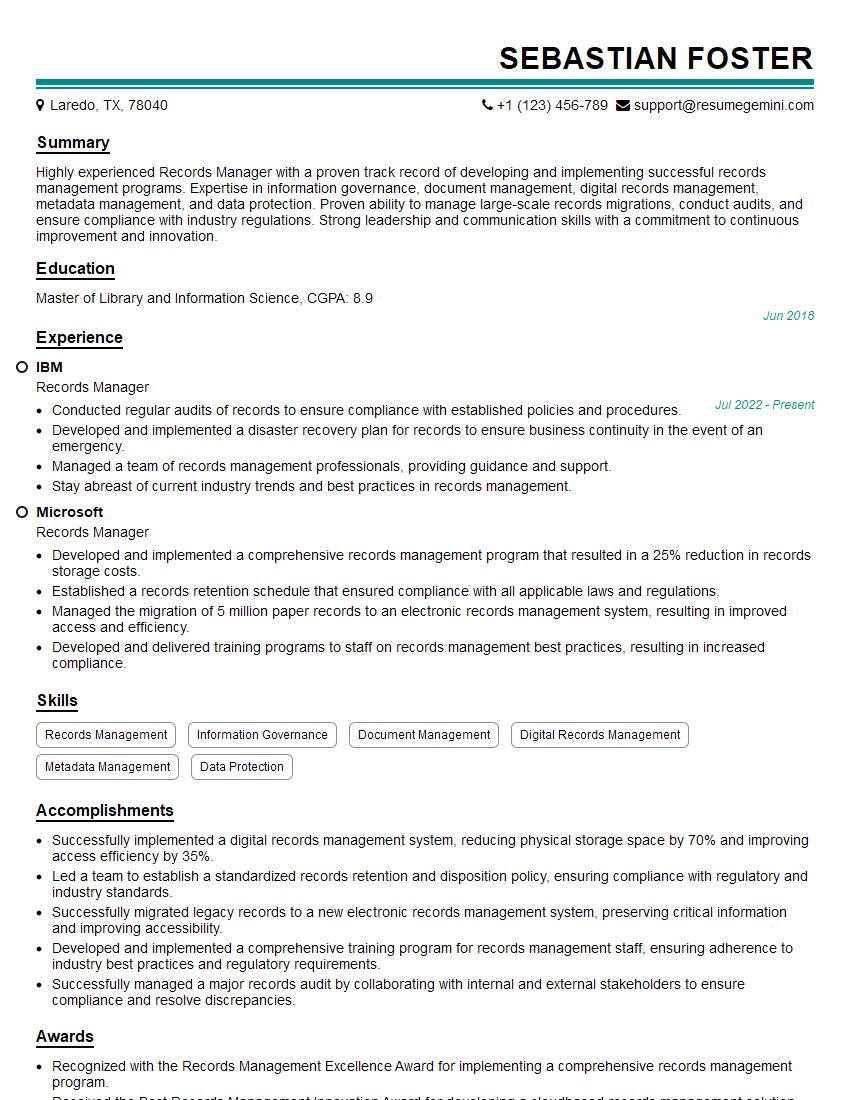
Records Manager Resume Sample
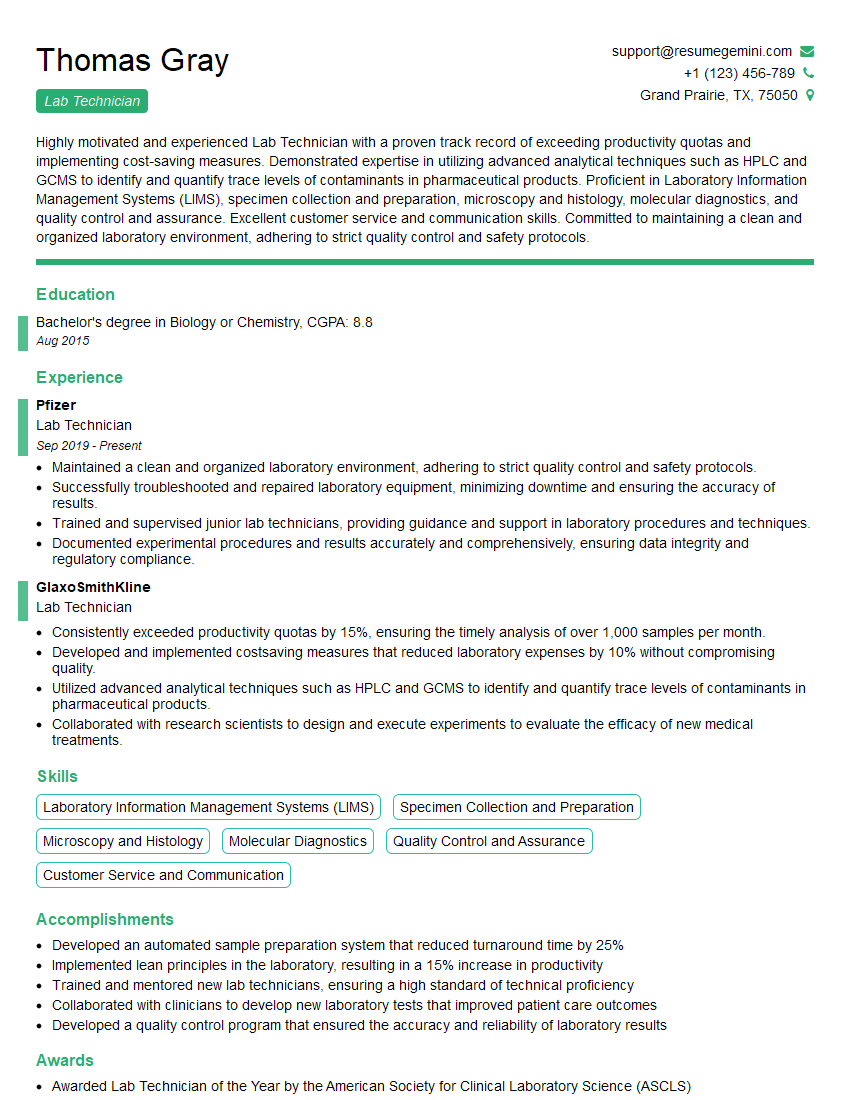
Lab Technician Resume Sample
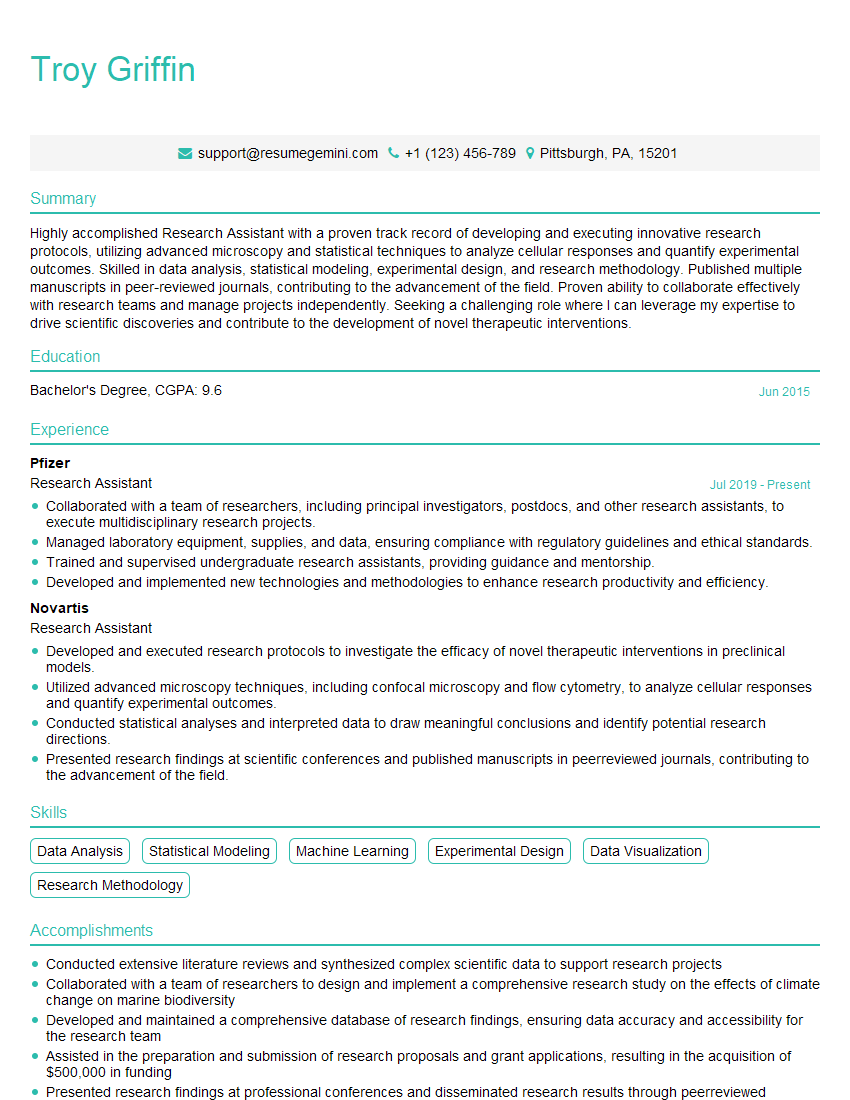
Research Assistant Resume Sample
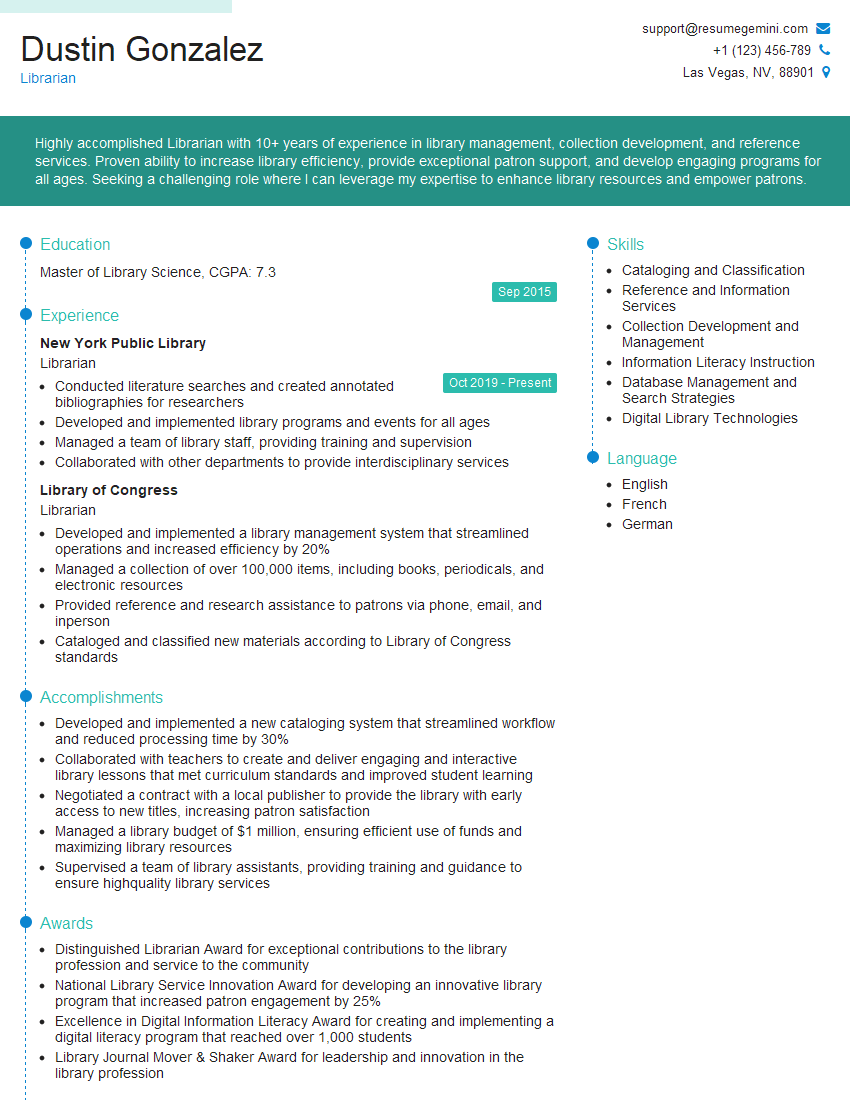
Librarian Resume Sample
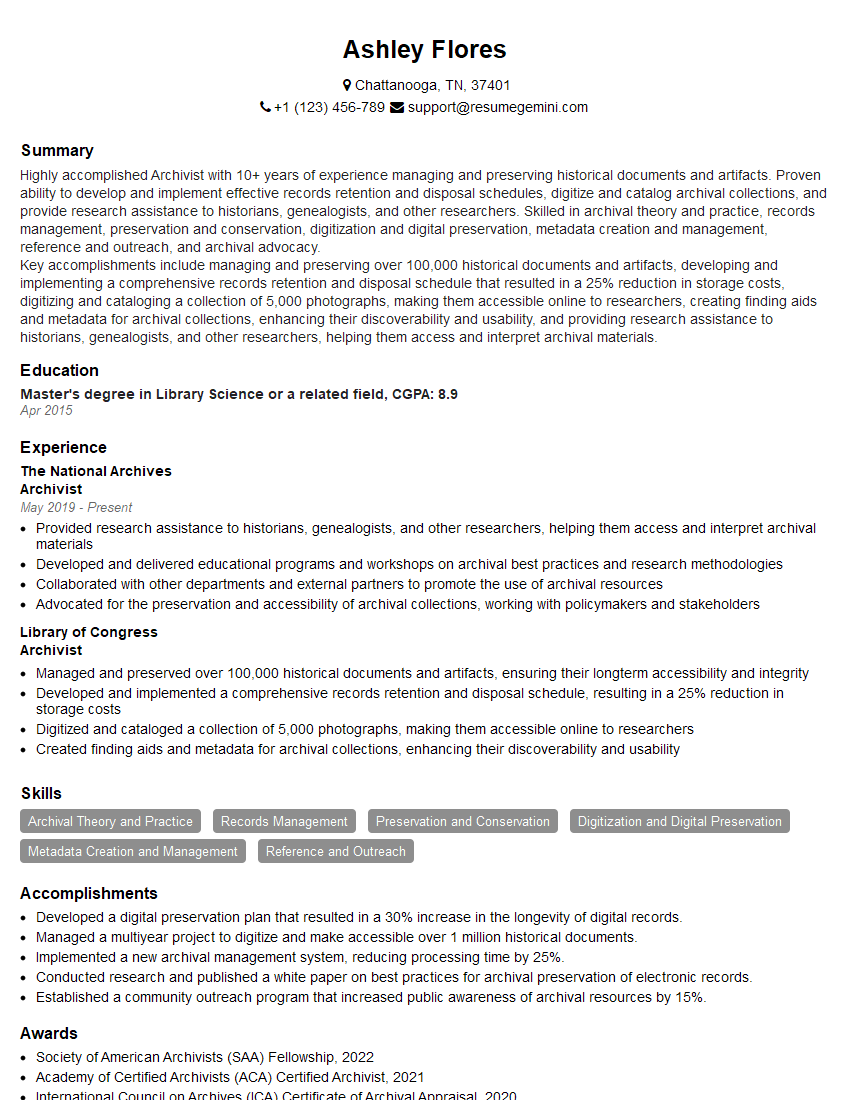
Archivist Resume Sample
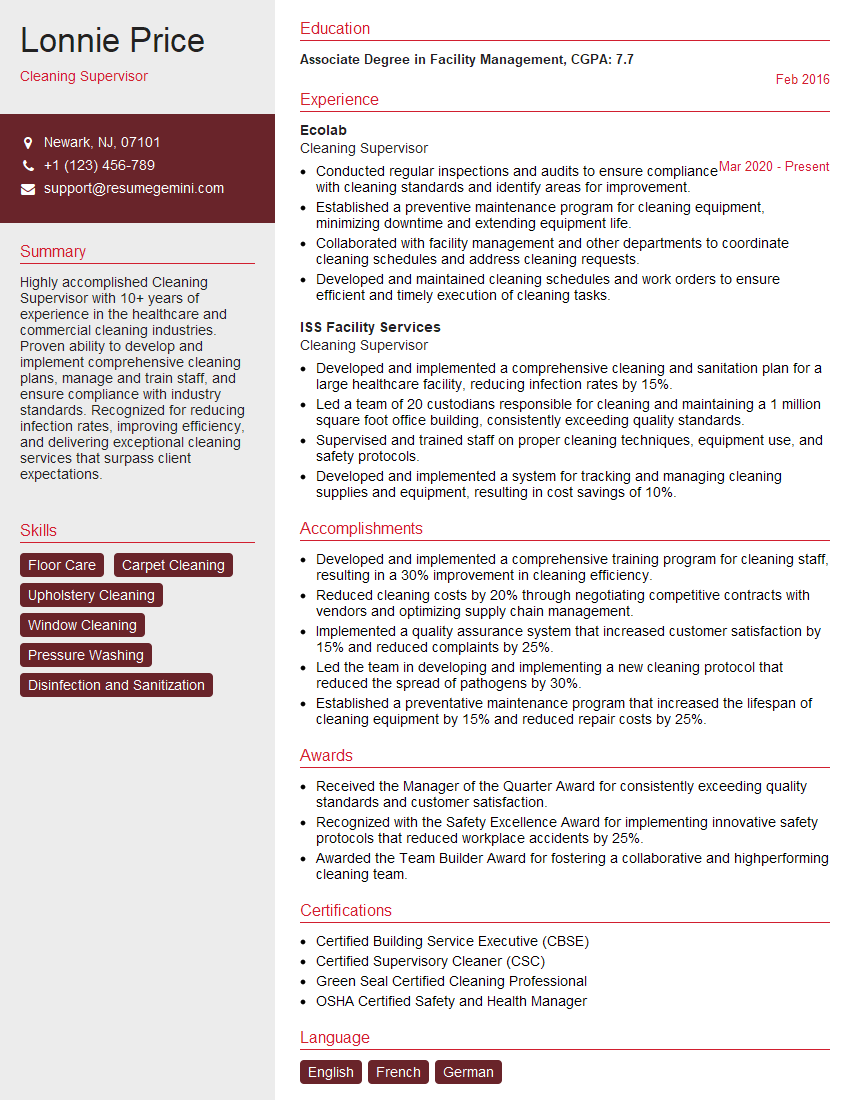
Cleaning Supervisor Resume Sample
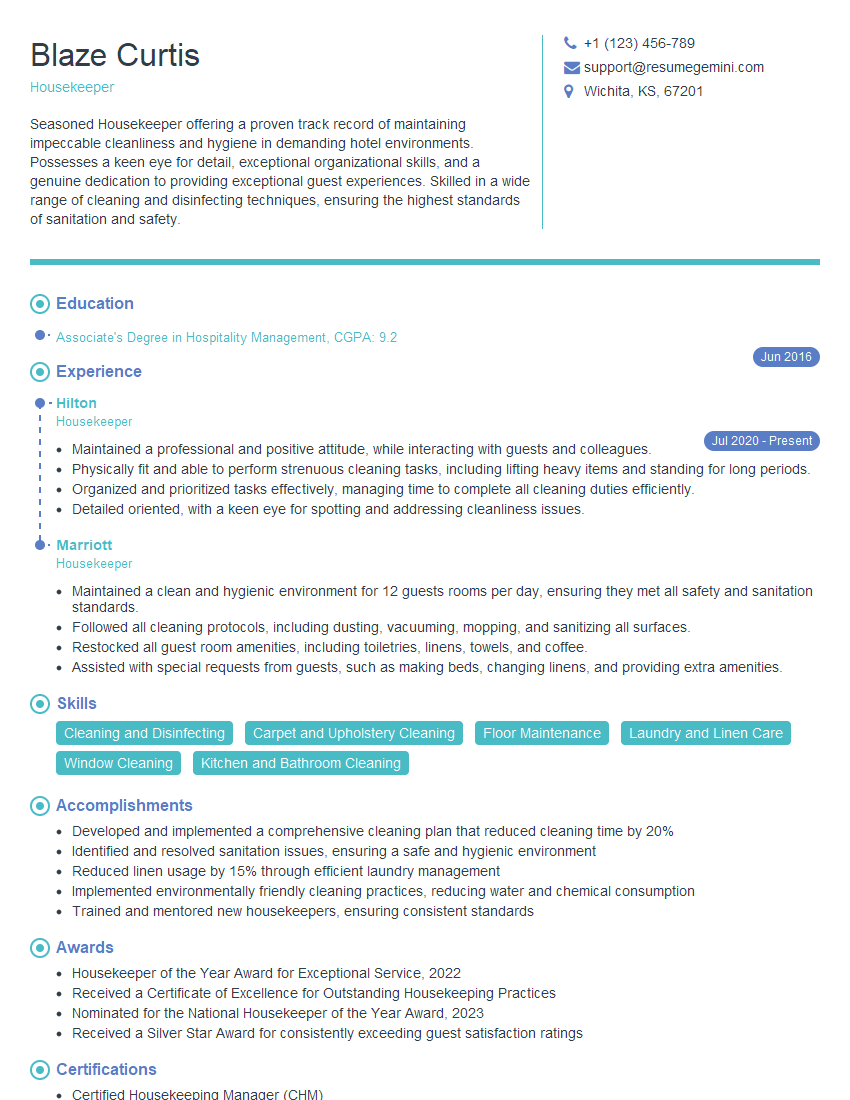
Housekeeper Resume Sample
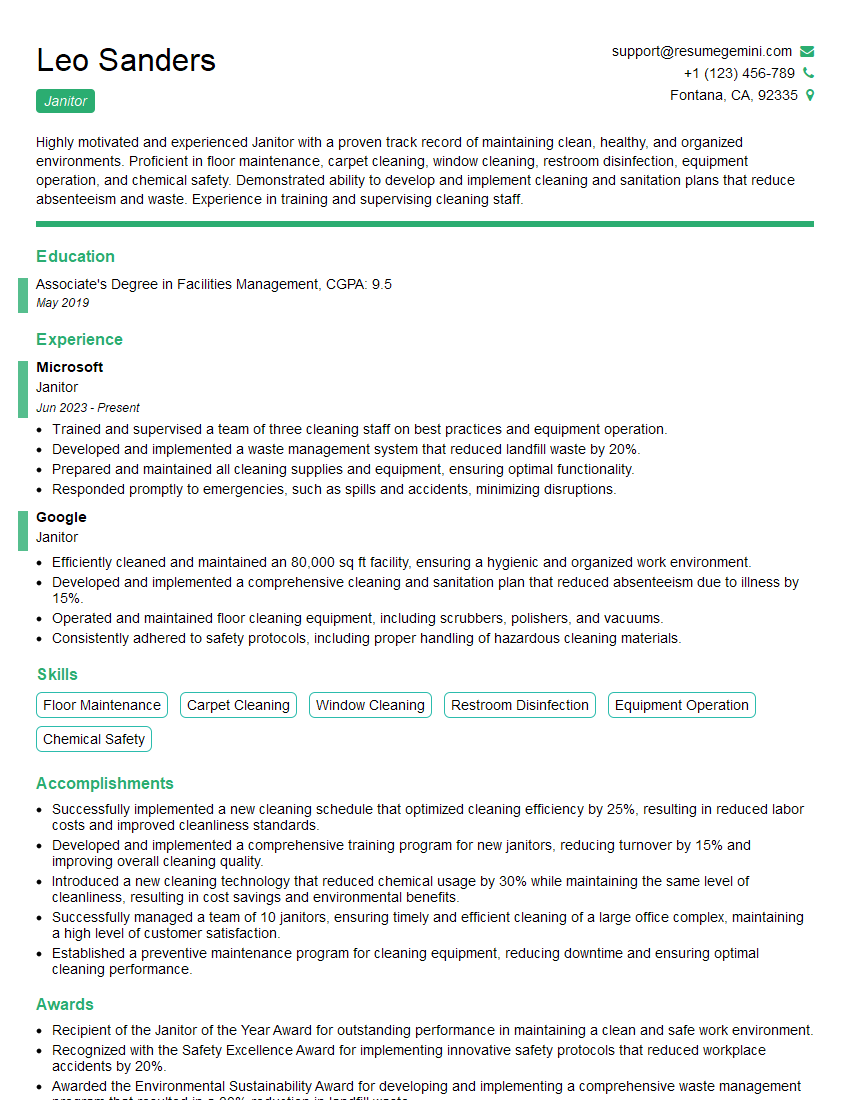
Janitor Resume Sample
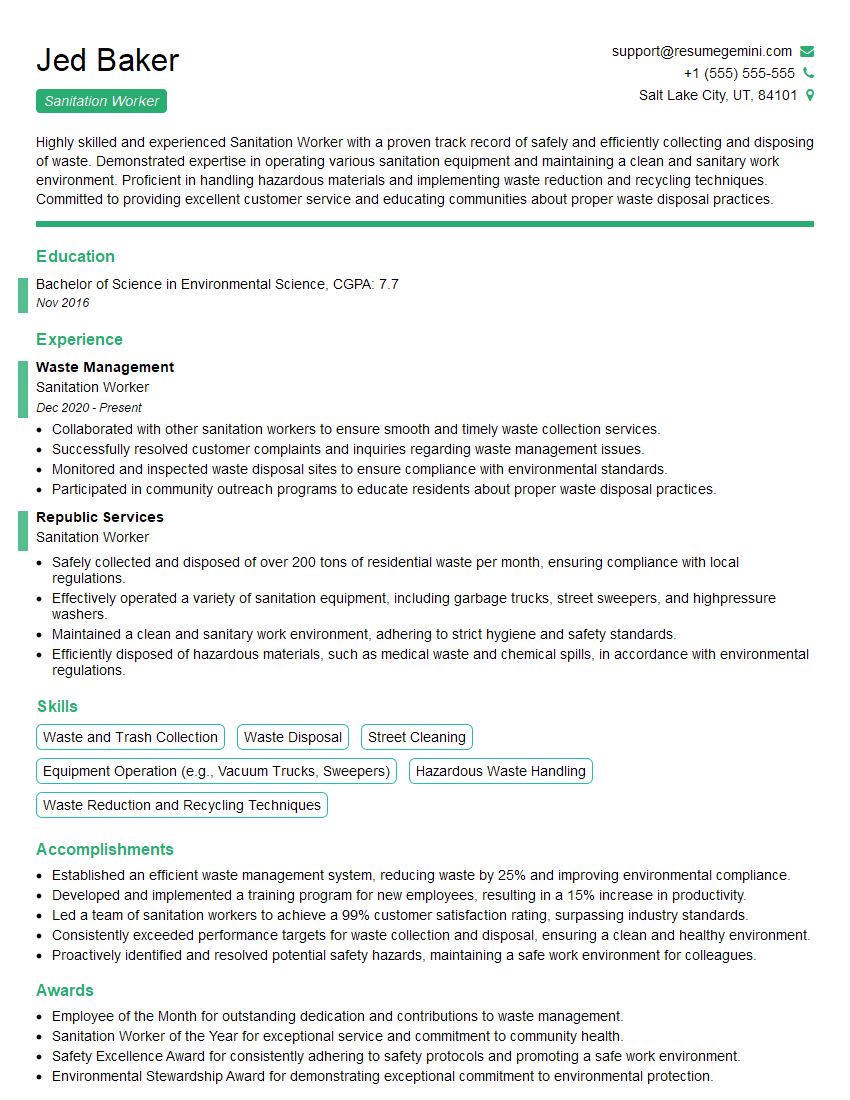
Sanitation Worker Resume Sample
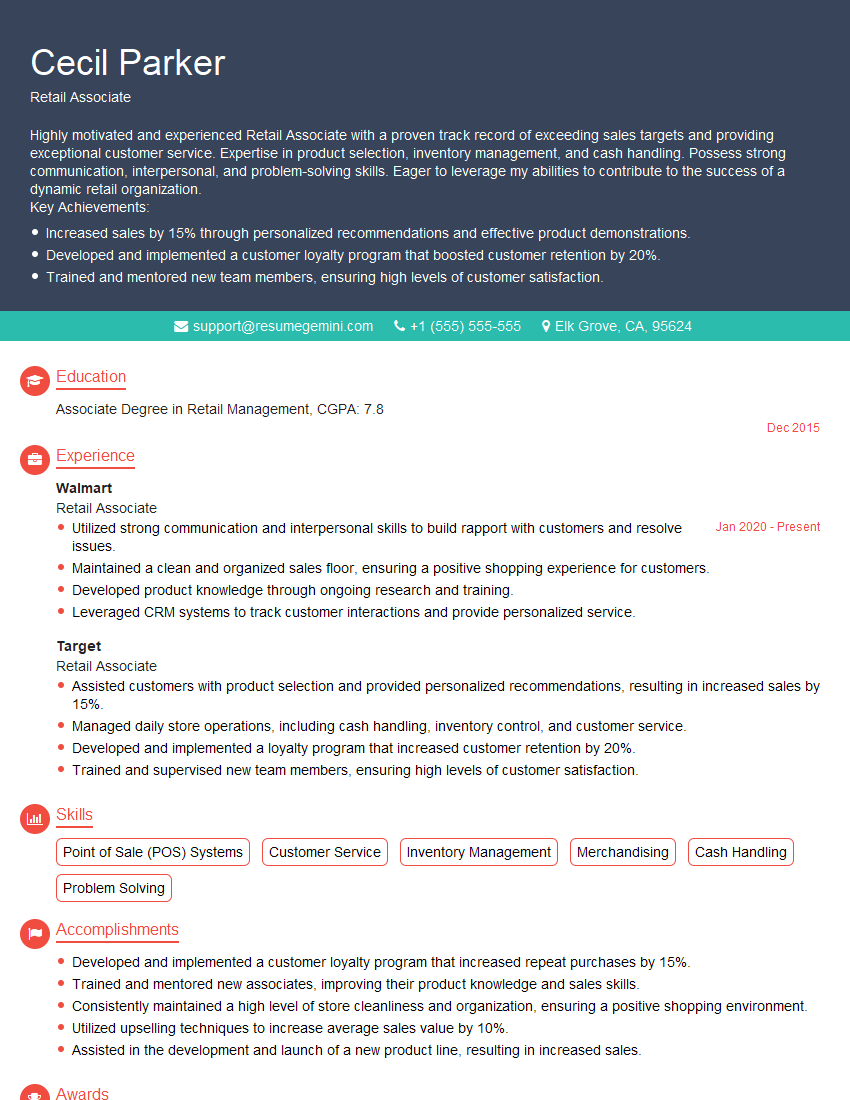
Retail Associate Resume Sample
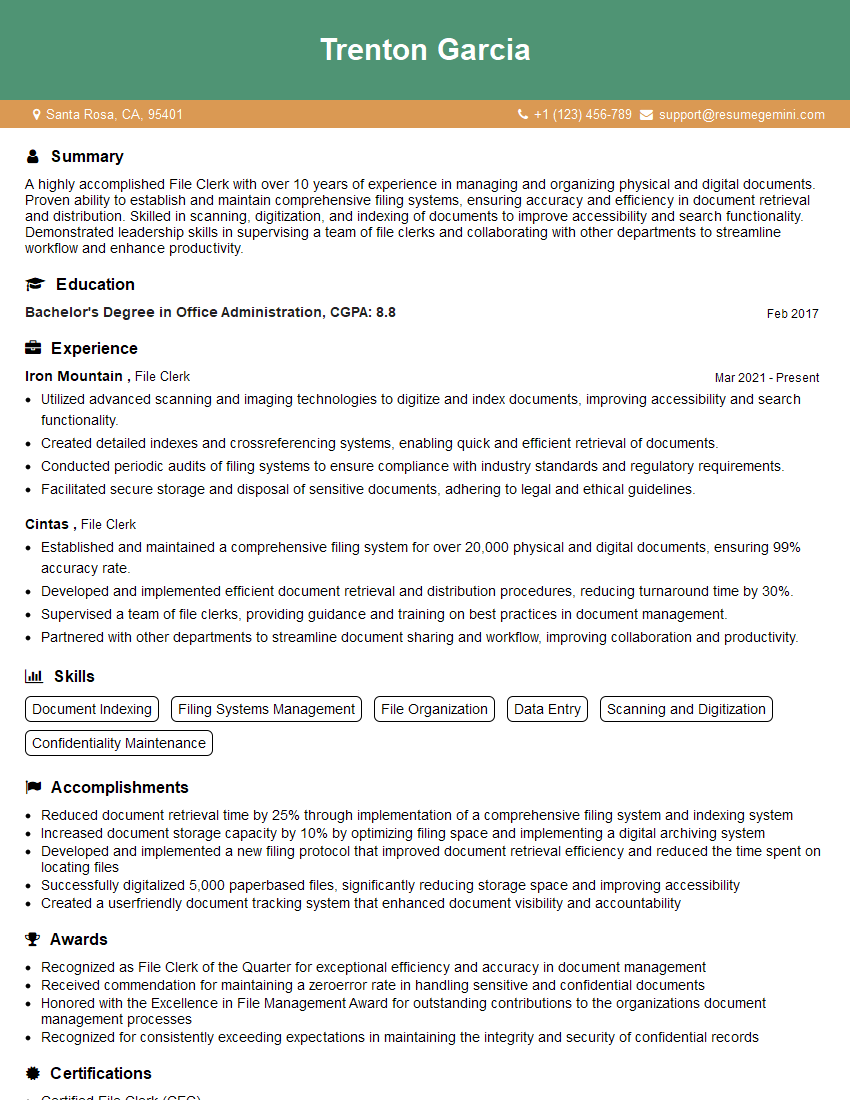
File Clerk Resume Sample
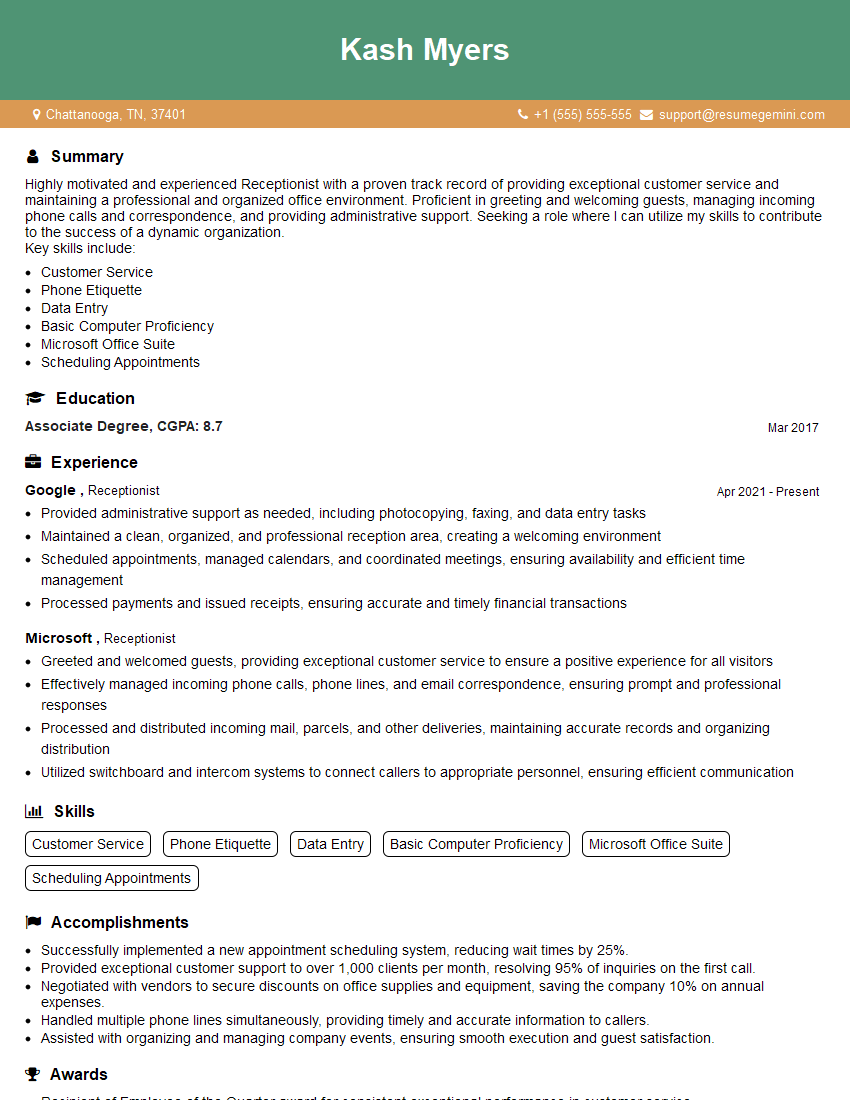
Receptionist Resume Sample
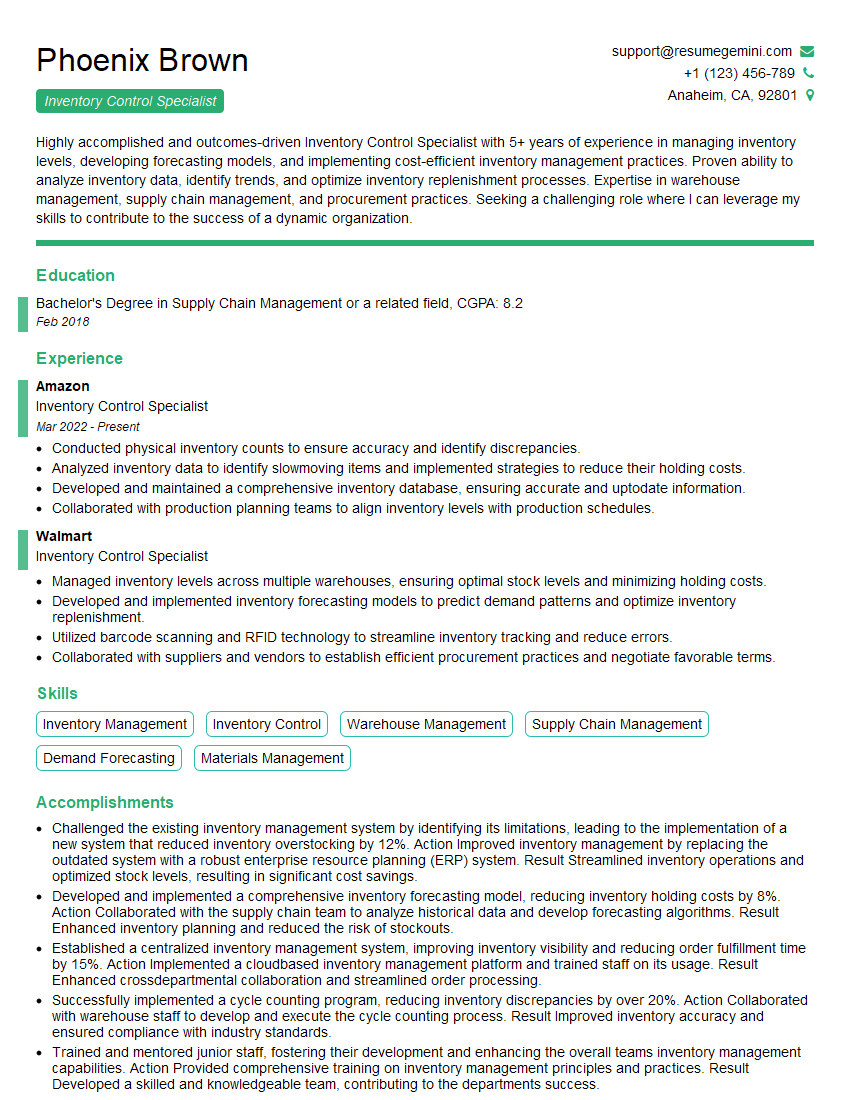
Inventory Control Specialist Resume Sample
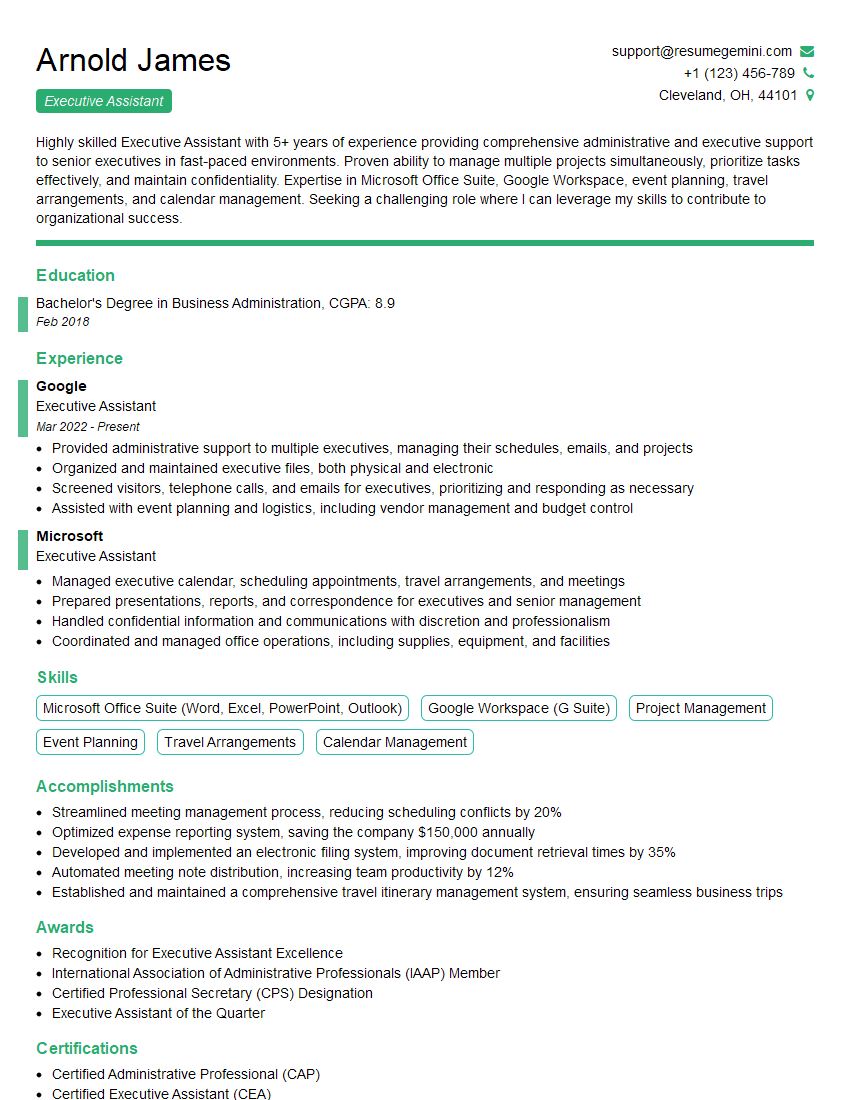
Executive Assistant Resume Sample
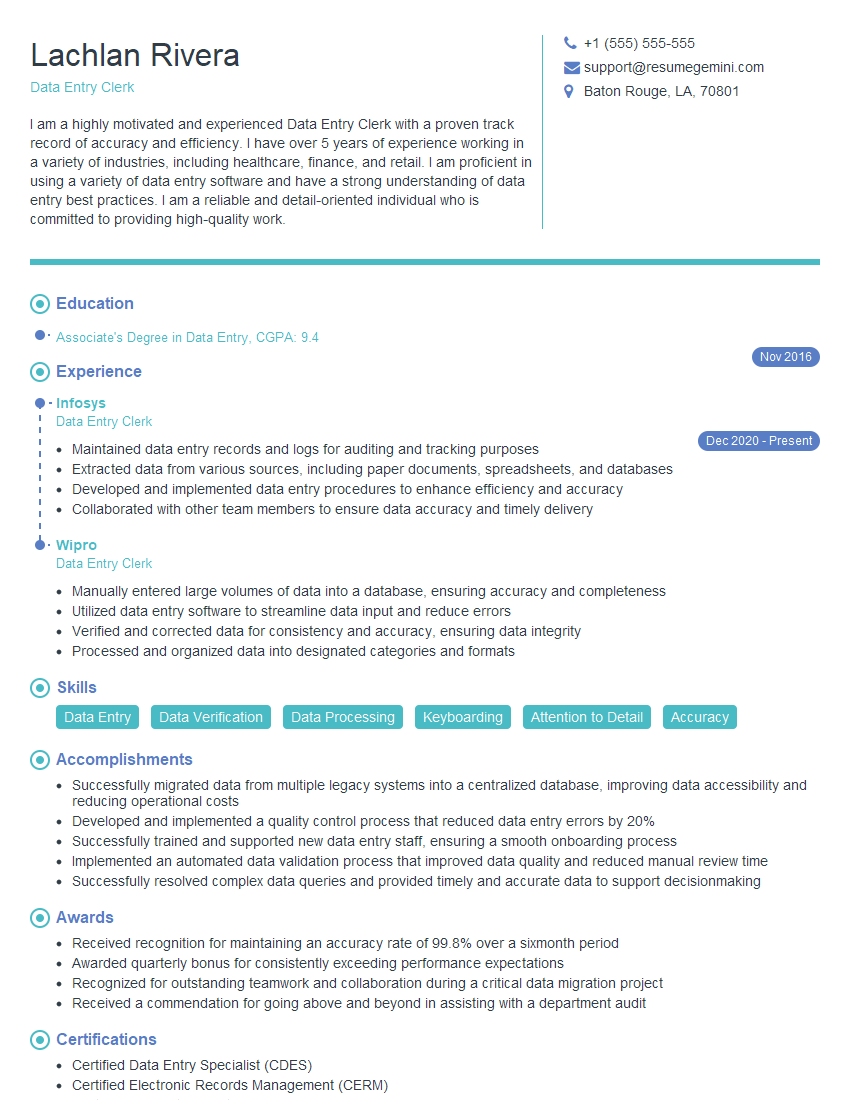
Data Entry Clerk Resume Sample
- Facilities Manager
- Office Manager
- Operations Manager
- Administrative Assistant
- Customer Service Representative
- Supply Chain Manager
- Warehouse Manager
- Project Coordinator
- Property Manager
- Records Manager
- Lab Technician
- Research Assistant
- Librarian
- Archivist
- Cleaning Supervisor
- Housekeeper
- Janitor
- Sanitation Worker
- Retail Associate
- File Clerk
- Receptionist
- Inventory Control Specialist
- Executive Assistant
- Data Entry Clerk
Explore more articles
Users Rating of Our Blogs
Share Your Experience
We value your feedback! Please rate our content and share your thoughts (optional).
What Readers Say About Our Blog
Attention music lovers!
Wow, All the best Sax Summer music !!!
Spotify: https://open.spotify.com/artist/6ShcdIT7rPVVaFEpgZQbUk
Apple Music: https://music.apple.com/fr/artist/jimmy-sax-black/1530501936
YouTube: https://music.youtube.com/browse/VLOLAK5uy_noClmC7abM6YpZsnySxRqt3LoalPf88No
Other Platforms and Free Downloads : https://fanlink.tv/jimmysaxblack
on google : https://www.google.com/search?q=22+AND+22+AND+22
on ChatGPT : https://chat.openai.com?q=who20jlJimmy20Black20Sax20Producer
Get back into the groove with Jimmy sax Black
Best regards,
Jimmy sax Black
www.jimmysaxblack.com
Hi I am a troller at The aquatic interview center and I suddenly went so fast in Roblox and it was gone when I reset.
Hi,
Business owners spend hours every week worrying about their website—or avoiding it because it feels overwhelming.
We’d like to take that off your plate:
$69/month. Everything handled.
Our team will:
Design a custom website—or completely overhaul your current one
Take care of hosting as an option
Handle edits and improvements—up to 60 minutes of work included every month
No setup fees, no annual commitments. Just a site that makes a strong first impression.
Find out if it’s right for you:
https://websolutionsgenius.com/awardwinningwebsites
Hello,
we currently offer a complimentary backlink and URL indexing test for search engine optimization professionals.
You can get complimentary indexing credits to test how link discovery works in practice.
No credit card is required and there is no recurring fee.
You can find details here:
https://wikipedia-backlinks.com/indexing/
Regards
NICE RESPONSE TO Q & A
hi
The aim of this message is regarding an unclaimed deposit of a deceased nationale that bears the same name as you. You are not relate to him as there are millions of people answering the names across around the world. But i will use my position to influence the release of the deposit to you for our mutual benefit.
Respond for full details and how to claim the deposit. This is 100% risk free. Send hello to my email id: lukachachibaialuka@gmail.com
Luka Chachibaialuka
Hey interviewgemini.com, just wanted to follow up on my last email.
We just launched Call the Monster, an parenting app that lets you summon friendly ‘monsters’ kids actually listen to.
We’re also running a giveaway for everyone who downloads the app. Since it’s brand new, there aren’t many users yet, which means you’ve got a much better chance of winning some great prizes.
You can check it out here: https://bit.ly/callamonsterapp
Or follow us on Instagram: https://www.instagram.com/callamonsterapp
Thanks,
Ryan
CEO – Call the Monster App
Hey interviewgemini.com, I saw your website and love your approach.
I just want this to look like spam email, but want to share something important to you. We just launched Call the Monster, a parenting app that lets you summon friendly ‘monsters’ kids actually listen to.
Parents are loving it for calming chaos before bedtime. Thought you might want to try it: https://bit.ly/callamonsterapp or just follow our fun monster lore on Instagram: https://www.instagram.com/callamonsterapp
Thanks,
Ryan
CEO – Call A Monster APP
To the interviewgemini.com Owner.
Dear interviewgemini.com Webmaster!
Hi interviewgemini.com Webmaster!
Dear interviewgemini.com Webmaster!
excellent
Hello,
We found issues with your domain’s email setup that may be sending your messages to spam or blocking them completely. InboxShield Mini shows you how to fix it in minutes — no tech skills required.
Scan your domain now for details: https://inboxshield-mini.com/
— Adam @ InboxShield Mini
support@inboxshield-mini.com
Reply STOP to unsubscribe
Hi, are you owner of interviewgemini.com? What if I told you I could help you find extra time in your schedule, reconnect with leads you didn’t even realize you missed, and bring in more “I want to work with you” conversations, without increasing your ad spend or hiring a full-time employee?
All with a flexible, budget-friendly service that could easily pay for itself. Sounds good?
Would it be nice to jump on a quick 10-minute call so I can show you exactly how we make this work?
Best,
Hapei
Marketing Director
Hey, I know you’re the owner of interviewgemini.com. I’ll be quick.
Fundraising for your business is tough and time-consuming. We make it easier by guaranteeing two private investor meetings each month, for six months. No demos, no pitch events – just direct introductions to active investors matched to your startup.
If youR17;re raising, this could help you build real momentum. Want me to send more info?
Hi, I represent an SEO company that specialises in getting you AI citations and higher rankings on Google. I’d like to offer you a 100% free SEO audit for your website. Would you be interested?
Hi, I represent an SEO company that specialises in getting you AI citations and higher rankings on Google. I’d like to offer you a 100% free SEO audit for your website. Would you be interested?