Cracking a skill-specific interview, like one for Maintenance Management Systems (MMS), requires understanding the nuances of the role. In this blog, we present the questions you’re most likely to encounter, along with insights into how to answer them effectively. Let’s ensure you’re ready to make a strong impression.
Questions Asked in Maintenance Management Systems (MMS) Interview
Q 1. Explain your experience with different CMMS/EAM software.
Throughout my career, I’ve worked extensively with various CMMS/EAM (Computerized Maintenance Management System/Enterprise Asset Management) software platforms. My experience spans from smaller, more specialized systems tailored to specific industries to large, enterprise-level solutions capable of managing vast asset portfolios across multiple locations. For example, I’ve used UpKeep for smaller-scale operations, finding its user-friendly interface and mobile accessibility particularly beneficial for streamlined field operations. In larger roles, I’ve implemented and managed IBM Maximo, a robust system perfect for complex asset management strategies, and also gained significant experience with SAP PM, demonstrating proficiency in integrating maintenance data with broader enterprise resource planning systems. Each system presented unique challenges and opportunities; selecting the right software depends heavily on the organization’s size, industry, and specific needs.
My proficiency extends beyond basic data entry and work order management. I am adept at configuring workflows, customizing reports, and integrating with other business systems. I understand the criticality of data accuracy and have developed strategies to ensure data integrity across the system. This includes establishing clear data entry procedures and implementing regular audits. This expertise has allowed me to successfully leverage these systems to optimize maintenance processes, reduce downtime, and ultimately enhance operational efficiency.
Q 2. Describe your experience implementing a new CMMS/EAM system.
Implementing a new CMMS/EAM system is a multifaceted process requiring meticulous planning and execution. My experience in this area involves a systematic approach, starting with a thorough needs assessment. This includes identifying stakeholders, understanding current maintenance practices, and defining the system’s objectives. Following this, I focus on selecting the appropriate software – a process involving a detailed evaluation of different vendors based on functionalities, scalability, integration capabilities, and cost-effectiveness.
The implementation phase itself involves several key steps: data migration from the old system (if any), system configuration to align with the organization’s specific requirements, user training, and thorough testing. During a recent implementation of a new CMMS at a manufacturing plant, I utilized a phased rollout approach, implementing the system in one department at a time. This allowed us to identify and resolve any issues before expanding to other areas, minimizing disruption to operations. Following the initial rollout, continuous monitoring and refinement are crucial. Regular feedback sessions with users, performance analysis, and process adjustments help to ensure the system is functioning optimally and meeting the organization’s needs. Post-implementation support and ongoing training are also critical to the long-term success of the system.
Q 3. How do you prioritize work orders in a high-pressure environment?
Prioritizing work orders in a high-pressure environment requires a structured approach that balances urgency with importance. I use a combination of techniques, including a prioritization matrix that considers factors such as criticality (impact on production), urgency (time sensitivity), and safety. For instance, a critical machine failure impacting production would be prioritized higher than a less critical maintenance task.
I often employ a system that incorporates color-coding, with different colors representing different priority levels. This provides a quick visual overview of the workload. In particularly stressful situations, I utilize a daily stand-up meeting with the maintenance team to review high-priority work orders, assess resource allocation, and make any necessary adjustments. Transparency and clear communication are essential. The use of a CMMS system’s built-in features to schedule and assign tasks significantly streamlines this process and keeps everything clearly documented.
Q 4. What are the key performance indicators (KPIs) you track for maintenance effectiveness?
Effective maintenance management relies on monitoring key performance indicators (KPIs). I typically track a range of metrics to assess maintenance effectiveness and identify areas for improvement. These key KPIs include:
- Mean Time To Repair (MTTR): This measures the average time it takes to repair a piece of equipment. A lower MTTR indicates more efficient repairs.
- Mean Time Between Failures (MTBF): This indicates the reliability of equipment. A higher MTBF shows better equipment reliability and effectiveness of preventative maintenance.
- Overall Equipment Effectiveness (OEE): A comprehensive measure of equipment performance combining availability, performance, and quality.
- Maintenance Backlog: This shows the number of outstanding work orders. A high backlog suggests potential issues with resource allocation or maintenance planning.
- Preventive Maintenance Completion Rate: The percentage of scheduled preventative maintenance tasks completed on time. This highlights the effectiveness of PM programs.
- Cost of Maintenance per Unit Produced: Tracks maintenance costs relative to production output, identifying areas for optimization.
By regularly tracking these KPIs, I can identify trends, pinpoint areas needing improvement, and demonstrate the value of maintenance efforts to organizational leadership.
Q 5. How do you handle unexpected equipment failures?
Unexpected equipment failures require a swift and organized response. My approach begins with immediate actions to mitigate the impact of the failure. This may involve activating emergency procedures, isolating the affected equipment to prevent further damage, and ensuring the safety of personnel.
Simultaneously, I initiate the process for diagnosing the root cause of the failure. This typically involves gathering data from various sources, including maintenance logs, operator reports, and sensor data. I often use a structured approach like the 5 Whys technique to drill down to the underlying cause. Once the root cause is identified, I develop a plan for repair and, critically, prevent similar failures in the future. This might involve implementing corrective maintenance, refining preventative maintenance schedules, or making modifications to equipment or processes. Proper documentation of the entire process, including the root cause analysis and corrective actions, is vital to prevent recurrence and improve future responses.
Q 6. Explain your understanding of preventive maintenance (PM) scheduling.
Preventive maintenance (PM) scheduling is crucial for maximizing equipment uptime and minimizing unexpected breakdowns. Effective PM scheduling involves analyzing equipment reliability data, manufacturer recommendations, and historical maintenance records to determine optimal intervals for inspections and servicing.
I typically utilize a CMMS system’s capabilities to create and manage PM schedules. This allows for the automation of tasks, setting reminders for technicians, and tracking completion status. Schedules can be based on time intervals (e.g., monthly inspections), operating hours (e.g., servicing after 1000 operating hours), or a combination of factors. Critical equipment may require more frequent PM than less critical assets. It’s essential to regularly review and adjust the PM schedule based on performance data and evolving operational needs. This ensures the PM program remains effective and cost-efficient. Implementing a robust PM schedule not only minimizes unexpected failures, but also extends the lifespan of equipment, reducing long-term maintenance costs.
Q 7. Describe your experience with root cause analysis (RCA).
Root cause analysis (RCA) is a systematic approach to identifying the underlying causes of problems, particularly equipment failures. My experience involves using a variety of RCA techniques, including the 5 Whys, Fishbone diagrams (Ishikawa diagrams), and Fault Tree Analysis (FTA). The choice of technique depends on the complexity of the problem and the available data.
For example, when investigating a recurring pump failure, I might use the 5 Whys to progressively drill down to the root cause: ‘Why did the pump fail?’ (worn bearings), ‘Why were the bearings worn?’ (lack of lubrication), ‘Why was there a lack of lubrication?’ (faulty lubrication system), ‘Why did the lubrication system fail?’ (sensor malfunction), ‘Why did the sensor malfunction?’ (lack of preventative maintenance). This process helps to pinpoint the true underlying problem, not just the surface-level symptoms. The outcome of an RCA is typically a set of recommendations for corrective actions to prevent recurrence, whether through equipment modifications, improved maintenance practices, or operator training. Thorough documentation of the RCA process is essential for learning and improvement.
Q 8. How do you ensure compliance with safety regulations during maintenance?
Ensuring safety during maintenance is paramount. It’s not just about following regulations; it’s about fostering a safety-conscious culture. My approach is multi-faceted and begins with comprehensive risk assessments for every maintenance task. This involves identifying potential hazards – from electrical shocks and chemical exposure to falling objects and confined space entry – and developing specific control measures.
These measures are documented in detailed work permits, which must be completed and signed off by authorized personnel before any work commences. We utilize lockout/tagout procedures (LOTO) rigorously for any work involving energized equipment, ensuring complete isolation before maintenance begins. Regular safety training is mandatory for all maintenance staff, covering topics such as hazard recognition, PPE usage, and emergency procedures. We also conduct frequent safety audits and inspections to identify and rectify any potential safety violations proactively. For example, a recent audit revealed a lapse in the use of fall protection during roof access; this was immediately addressed through retraining and updated safety protocols. A robust reporting system allows employees to report near misses and incidents without fear of reprisal, enabling continuous improvement of our safety practices.
Q 9. How do you manage maintenance budgets?
Managing maintenance budgets effectively requires a blend of strategic planning and meticulous execution. I start by developing a comprehensive budget based on historical data, projected maintenance needs (considering equipment age, usage, and predicted failures), and planned preventative maintenance (PPM) schedules. This budget is categorized by different cost centers – labor, materials, contract services, etc. – allowing for close monitoring of expenditure against allocated funds. Regular budget reviews are conducted, often monthly, to track performance against targets and identify any potential overruns or areas for cost optimization. For example, we implemented a centralized procurement system to leverage bulk discounts on frequently used spare parts, resulting in significant cost savings. We also explore opportunities for outsourcing non-core maintenance activities to specialized contractors, which can often be more cost-effective than maintaining in-house expertise. Finally, proactive maintenance strategies, like predictive maintenance, significantly reduce reactive repairs, resulting in overall budget savings. In essence, successful budget management involves a mix of forecasting, control, optimization, and continuous monitoring.
Q 10. What are your strategies for improving maintenance efficiency?
Improving maintenance efficiency involves a multi-pronged approach focusing on optimization, technology, and people. One key strategy is streamlining our work processes. This includes improving the efficiency of work orders, reducing unnecessary paperwork, and implementing a computerized maintenance management system (CMMS) to optimize scheduling and resource allocation. We use data analysis from the CMMS to identify bottlenecks and areas for improvement in maintenance routines. For instance, we found that certain types of repairs were consistently taking longer than expected. By analyzing the data, we identified a shortage of specific tools and implemented a solution to address this. Furthermore, investing in advanced technologies like predictive maintenance tools significantly improves efficiency by preventing equipment failures before they occur, reducing downtime. Training and development for maintenance personnel is crucial; investing in their skills enhances their ability to perform tasks effectively and efficiently. We regularly conduct training sessions on new technologies and best practices. Finally, implementing a robust Key Performance Indicator (KPI) system allows us to track our progress and identify areas requiring further attention. KPIs like mean time to repair (MTTR) and overall equipment effectiveness (OEE) provide quantifiable measures of our efficiency improvements.
Q 11. Explain your understanding of total productive maintenance (TPM).
Total Productive Maintenance (TPM) is a philosophy that aims to maximize equipment effectiveness by involving all employees in maintenance activities. It’s a proactive approach that moves beyond simply fixing broken equipment to preventing breakdowns altogether. It’s not just a maintenance program; it’s a cultural shift. TPM emphasizes autonomous maintenance, where operators are empowered to perform basic maintenance tasks on their own equipment, reducing reliance on specialized maintenance teams. This frees up skilled technicians to focus on more complex tasks. Planned preventative maintenance (PPM) forms a crucial component of TPM, with scheduled inspections and servicing preventing potential problems before they escalate. TPM also incorporates elements of quality control and continuous improvement, aiming to minimize waste and maximize output. A key aspect of TPM is the use of visual management tools, such as charts and graphs, to track performance and identify areas for improvement. For example, a company I worked with implemented TPM successfully by training operators to conduct daily checks on their machinery, dramatically reducing downtime caused by minor issues. The improved collaboration between operators and maintenance teams also fostered a sense of shared responsibility for equipment upkeep.
Q 12. Describe your experience with predictive maintenance techniques.
Predictive maintenance techniques are transformative in optimizing maintenance schedules and reducing unexpected downtime. My experience encompasses several predictive methods, including vibration analysis, thermal imaging, and oil analysis. Vibration analysis uses sensors to detect abnormal vibrations that might indicate impending bearing failures or other mechanical issues. Thermal imaging identifies hotspots indicating potential overheating and insulation problems, which can prevent fires or equipment failures. Oil analysis involves testing lubricating oil for contaminants and wear particles, providing an early warning of internal engine problems. I’ve successfully implemented these techniques in various settings, leading to significant cost savings by preventing major failures. For example, in one plant, using vibration analysis, we predicted a bearing failure on a critical pump several weeks in advance, allowing for a planned replacement during a scheduled maintenance period, avoiding a costly emergency shutdown. The data gathered through these techniques is usually analyzed using specialized software that provides predictions and alerts based on pre-defined thresholds. The effectiveness of predictive maintenance relies heavily on accurate data collection and analysis, coupled with timely action based on the predictions generated.
Q 13. How do you manage spare parts inventory?
Efficient spare parts inventory management is vital for minimizing downtime and maintaining operational efficiency. My approach utilizes a combination of techniques, including ABC analysis, which categorizes parts based on their value and usage frequency. High-value, frequently used parts (A items) receive close monitoring and careful stock control, ensuring adequate supply without excessive inventory. Less critical parts (C items) may be managed with less stringent controls. We utilize a CMMS to track inventory levels, automatically generating purchase orders when stock falls below predefined thresholds. This ensures timely replenishment without the risk of stockouts. We also employ forecasting techniques to predict future demand, allowing us to optimize order quantities and minimize storage costs. Regular inventory audits are conducted to reconcile physical stock with recorded levels, identifying any discrepancies and implementing corrective actions. A robust system of tracking part usage and identifying obsolete parts allows for regular stock optimization, avoiding unnecessary storage costs. Effective spare parts management is a balance between ensuring availability to minimize downtime and minimizing storage costs and risks associated with obsolescence.
Q 14. How do you communicate maintenance schedules and updates to other departments?
Clear and timely communication is critical for effective maintenance management. We utilize a multi-channel approach to keep other departments informed. Our CMMS serves as a central hub, providing real-time updates on maintenance schedules, work orders, and planned downtime. Departments can access relevant information through the system, including planned outages and their potential impact on operations. We also leverage regular meetings, both formal and informal, to discuss upcoming maintenance activities and address any concerns or questions. For instance, before a significant planned outage, we conduct a pre-outage meeting with relevant production teams to coordinate logistics and ensure a smooth transition. In addition, email and instant messaging tools are used for quick updates and clarifications, particularly for urgent matters. A well-defined communication plan, including clear responsibilities and escalation procedures, ensures that everyone is kept informed and able to respond effectively to maintenance-related events. Open communication channels fosters collaboration and prevents misunderstandings, which are crucial for efficient operations.
Q 15. What is your experience with data analysis in maintenance management?
Data analysis is crucial for optimizing maintenance strategies. My experience involves leveraging data from Computerized Maintenance Management Systems (CMMS) to identify trends, predict failures, and improve resource allocation. This includes analyzing historical maintenance records to pinpoint recurring issues, using statistical methods to forecast equipment failures (like Mean Time Between Failures – MTBF and Mean Time To Repair – MTTR calculations), and visualizing data through dashboards to track key performance indicators (KPIs) such as maintenance costs, downtime, and equipment availability. For example, I once analyzed CMMS data for a manufacturing plant and identified a correlation between high ambient temperatures and increased breakdowns of a specific machine. This led to implementing cooling measures, reducing downtime by 15%.
I’m proficient in using tools like Excel, SQL, and specialized CMMS reporting features to analyze both quantitative (e.g., repair costs, downtime) and qualitative (e.g., technician notes, failure descriptions) data. The goal is always to turn data into actionable insights for better decision-making.
Career Expert Tips:
- Ace those interviews! Prepare effectively by reviewing the Top 50 Most Common Interview Questions on ResumeGemini.
- Navigate your job search with confidence! Explore a wide range of Career Tips on ResumeGemini. Learn about common challenges and recommendations to overcome them.
- Craft the perfect resume! Master the Art of Resume Writing with ResumeGemini’s guide. Showcase your unique qualifications and achievements effectively.
- Don’t miss out on holiday savings! Build your dream resume with ResumeGemini’s ATS optimized templates.
Q 16. Describe your experience with creating and managing maintenance procedures.
Creating and managing maintenance procedures involves developing standardized, documented processes for maintaining equipment. This begins with thorough risk assessments to identify potential failure points. Then, I systematically define step-by-step instructions, including necessary tools, safety precautions, and quality checks. These procedures are crucial for consistency, ensuring all technicians perform maintenance tasks correctly and safely. They also form the basis for training new personnel.
Beyond creation, managing procedures involves regular review and updates. Technological advancements, changes in equipment, or feedback from technicians necessitate adjustments. I use version control and documentation systems to ensure everyone has access to the latest version and track modifications. For instance, when a new safety regulation is implemented, I update all relevant procedures, ensuring compliance and worker safety. I also make sure the procedures are accessible and easy to follow, using visual aids like flowcharts or diagrams where appropriate.
Q 17. How do you measure the return on investment (ROI) of maintenance activities?
Measuring the ROI of maintenance activities is critical to justifying maintenance investments. It’s not just about reducing costs but also about maximizing operational efficiency and uptime. A comprehensive ROI calculation considers several factors:
- Reduced downtime: Calculate the cost of downtime (lost production, penalties, etc.) and compare it to the cost of preventive maintenance that prevents downtime.
- Extended equipment lifespan: Preventive maintenance can extend the useful life of equipment, delaying the need for expensive replacements.
- Lower repair costs: Regular maintenance prevents small problems from becoming major, costly repairs.
- Improved energy efficiency: Well-maintained equipment tends to operate more efficiently, reducing energy consumption.
- Enhanced safety: Reduced risk of accidents and injuries translates to lower insurance costs and improved employee morale.
To calculate ROI, I typically use a formula like this: (Benefits - Costs) / Costs. Benefits encompass all the positive impacts listed above, while costs include labor, materials, and software expenses associated with maintenance activities. For example, if preventive maintenance cost $10,000 and prevented $20,000 in downtime, the ROI would be 100%.
Q 18. How do you deal with conflicting priorities in maintenance scheduling?
Conflicting maintenance priorities are commonplace. I use a prioritization matrix that considers several factors:
- Criticality: How essential is the equipment to operations? A critical machine failure will cause far more disruption than a minor one.
- Urgency: How imminent is the risk of failure? An impending failure requires immediate attention.
- Cost of failure: What are the financial consequences of a failure (lost production, repairs, safety hazards)?
- Risk assessment: What is the likelihood of failure and its potential impact?
I then use this matrix to rank maintenance tasks and schedule them accordingly. I often employ techniques like A-B-C analysis to classify assets based on their criticality, allocating resources based on the highest risk/impact items. Furthermore, clear communication with stakeholders is vital to explaining the prioritization rationale and managing expectations when some tasks may be delayed.
Q 19. How do you train and supervise maintenance personnel?
Training and supervising maintenance personnel are essential for a high-performing team. My approach involves a multi-faceted strategy:
- On-the-job training: Experienced technicians mentor new hires, providing hands-on instruction in specific tasks and procedures.
- Formal training programs: I develop structured training programs that cover safety procedures, equipment operation, troubleshooting techniques, and CMMS usage. These programs can include classroom sessions, online modules, and simulations.
- Regular competency assessments: I conduct regular evaluations to track employee skills and identify areas needing improvement. This ensures the team maintains the necessary expertise.
- Performance feedback: Regular feedback sessions help employees understand their strengths and weaknesses, and provides an opportunity for professional growth.
- Safety awareness: Safety is paramount. I emphasize adherence to safety protocols and conduct regular safety training to prevent accidents and injuries.
Supervision includes regular monitoring of work, ensuring procedures are followed, and providing support to the team. Open communication is vital for addressing issues promptly and fostering a positive work environment.
Q 20. What is your experience with maintenance planning and scheduling software?
I have extensive experience with various maintenance planning and scheduling software packages, including both cloud-based and on-premise solutions. My experience encompasses using these systems for work order management, preventive maintenance scheduling, inventory control, and generating reports. I’m familiar with popular CMMS software such as IBM Maximo, SAP PM, and UpKeep, as well as smaller, industry-specific systems.
My skills include configuring these systems to meet specific organizational needs, customizing workflows, training users, and integrating CMMS with other enterprise resource planning (ERP) systems. I understand the importance of data accuracy and integrity within these systems and I’m proficient in troubleshooting technical issues and optimizing system performance. For example, in a previous role, I implemented a new CMMS, streamlining our maintenance processes and reducing manual paperwork significantly, resulting in a 20% reduction in administrative time.
Q 21. Explain your understanding of different maintenance strategies (e.g., preventive, predictive, corrective).
Different maintenance strategies address equipment maintenance needs at varying levels of proactiveness:
- Corrective Maintenance (Run-to-Failure): This is a reactive approach where maintenance is only performed after equipment fails. It’s the least efficient, leading to high downtime and repair costs. It’s suitable only for low-cost, easily replaceable equipment.
- Preventive Maintenance (PM): This proactive approach involves performing scheduled maintenance at predetermined intervals (e.g., oil changes, inspections). It helps prevent failures, reduces downtime, and extends equipment life. However, it can be costly if intervals aren’t optimized and some maintenance might be performed unnecessarily.
- Predictive Maintenance: This sophisticated approach uses data analysis and sensors to predict potential equipment failures before they occur. This allows for timely interventions, minimizing downtime and optimizing maintenance schedules. Techniques like vibration analysis, oil analysis, and thermal imaging are used to assess equipment condition.
In practice, many organizations utilize a combination of these strategies, tailoring their approach to individual equipment needs and risk profiles. For instance, critical equipment might receive predictive maintenance, while less critical equipment might follow a preventive maintenance schedule. Corrective maintenance, while sometimes unavoidable, should be minimized to optimize overall equipment effectiveness (OEE).
Q 22. Describe a situation where you had to troubleshoot a complex equipment failure.
Troubleshooting complex equipment failures requires a systematic approach. Imagine a critical processing unit in a manufacturing plant suddenly shutting down. My first step would be to gather data – reviewing error logs, checking sensor readings, and interviewing operators to understand the context of the failure. This initial investigation often points toward the most probable causes. For instance, if the error log points to a specific sensor malfunction and the operator reports a power surge just before the shutdown, we’ve narrowed the problem considerably.
Next, I’d employ a diagnostic procedure, which might involve visual inspection for physical damage, running built-in self-tests, or using specialized diagnostic tools. Let’s say the sensor test reveals a faulty component. We’d then isolate the problematic part, ensuring safety protocols are followed. In this case, the faulty component could be replaced, the system tested, and finally, a thorough root cause analysis undertaken to prevent recurrence. This might include upgrading the sensor’s power supply to prevent future damage from surges, or implementing a more robust preventative maintenance schedule.
The entire process involves close collaboration with technicians and engineers, ensuring everyone is updated on progress and potential solutions. Effective documentation is key, allowing others to understand the problem and solution for future reference. We would also investigate whether there’s a system-wide issue that caused this failure to inform broader preventative measures.
Q 23. How do you ensure the accuracy and integrity of maintenance data?
Maintaining accurate and reliable maintenance data is crucial for effective MMS. Think of it as the foundation of a successful maintenance program. Inaccurate data leads to flawed decisions, increased downtime, and wasted resources. To ensure data integrity, I use a multi-pronged approach. First, we need to implement robust data entry procedures, including checklists, standardized formats, and real-time data capture whenever possible.
Second, we establish clear data validation rules – for example, preventing illogical entries or values outside an acceptable range. For instance, a maintenance record shouldn’t indicate that a part was replaced before its scheduled replacement date, and a work order can’t show 0 hours of work. Built-in validation in the MMS software prevents these errors. Data is checked for consistency against other information within the system. This includes using cross-referencing and automated checks to identify potential discrepancies.
Third, regular data audits are essential. These audits compare the data in the system against physical inspections and other verification methods. This ensures the data accurately reflects the reality of the equipment’s condition and maintenance history. Finally, training personnel on proper data entry and reporting procedures is critical for maintaining data quality over the long term.
Q 24. What are the challenges in managing a geographically dispersed maintenance team?
Managing a geographically dispersed maintenance team presents unique challenges. The key issues often revolve around communication, coordination, and resource allocation. Think about a company with facilities across multiple states or even countries – effective communication becomes critical to ensure technicians at different locations are informed of necessary repairs, updates, and best practices.
One approach is using collaborative tools such as a centralized MMS platform with integrated communication features. This allows for real-time updates, work order assignments, and direct messaging between team members regardless of their physical location. We would also leverage remote diagnostics technologies, enabling engineers to remotely access and analyze data from equipment in different locations. This reduces the need for extensive on-site visits for simple troubleshooting.
Another challenge is ensuring consistent training and skill development across the team. This requires the use of online training modules, virtual workshops, and remote mentoring programs. Regular check-ins and standardized reporting procedures can help keep everyone aligned. Careful inventory management, ensuring parts are readily available at multiple locations, also reduces delays and maintains efficiency across the entire team.
Q 25. Describe your experience with using mobile technologies for maintenance management.
Mobile technologies have revolutionized maintenance management. Imagine technicians equipped with tablets or smartphones – this drastically improves efficiency and responsiveness. I’ve extensively used mobile-enabled MMS platforms where technicians can access real-time work orders, view equipment schematics, record maintenance activities, capture images of damaged parts, and submit reports directly from the field. This reduces paperwork, minimizes errors, and accelerates the entire maintenance process.
For example, instead of manually filling out paper forms, technicians can use a mobile app to update work order status, record parts used, and even capture photos of completed repairs. This data is instantly synchronized with the central database, making information readily available to everyone. The ability to access equipment manuals and troubleshooting guides digitally, right at the point of work, further enhances efficiency and reduces downtime. The integration of bar-code or QR code scanning into mobile solutions ensures accurate parts tracking and identification, thus preventing errors and improving inventory management.
The use of mobile solutions also enhances safety. Technicians can access safety checklists, permit-to-work systems, and report hazards directly through their mobile devices. This fosters a proactive safety culture and reduces potential risks.
Q 26. How do you leverage data analytics to improve maintenance decision-making?
Data analytics is key to making smarter maintenance decisions. The data collected through MMS provides valuable insights into equipment performance, maintenance effectiveness, and potential failure patterns. This data can be analyzed to optimize maintenance schedules, predict equipment failures, and reduce downtime.
For example, we can use predictive analytics to identify trends indicating impending failures. Let’s say we notice an increase in vibration readings from a specific pump over a few weeks. This pattern, analyzed through a predictive model, could signal an impending bearing failure. By proactively scheduling maintenance, we can prevent costly unplanned downtime.
Another example is analyzing maintenance history to identify recurring issues. If a particular machine component frequently fails, we can investigate the root cause and implement preventive measures like improved lubrication or part upgrades. This prevents future failures and saves costs. Analyzing downtime data helps optimize maintenance strategies. For example, we can see what types of repairs typically lead to extended downtime and prioritize those issues accordingly.
Q 27. What are your strategies for reducing maintenance downtime?
Reducing maintenance downtime requires a multifaceted strategy that focuses on proactive maintenance, efficient repair processes, and effective resource management. The core principle is to shift from reactive to proactive maintenance. This means moving away from fixing problems after they occur and instead focusing on preventing them.
Predictive maintenance, as discussed earlier, is critical. Regular inspections and condition monitoring help identify potential problems before they lead to failures. This includes using sensors to monitor vibration, temperature, and other key parameters. Having readily available spare parts and well-trained technicians also reduces repair time. Streamlining the work order process – from initial reporting to completion – ensures efficient allocation of resources and minimizes delays.
Effective communication, as previously highlighted, is vital. Keeping all relevant teams informed of maintenance activities and potential disruptions reduces confusion and ensures smooth operations. Investing in training and empowering technicians to resolve issues efficiently completes this strategy, reducing the need for escalating issues to higher-level engineers, hence decreasing downtime further.
Q 28. How do you ensure effective communication between maintenance and operations teams?
Effective communication between maintenance and operations teams is paramount for smooth plant operation and efficient maintenance execution. Miscommunication can lead to misunderstandings, delays, and even safety hazards. The key is establishing clear communication channels and procedures.
Regular meetings, whether daily or weekly, can provide a forum for sharing information and addressing concerns. These meetings should have clear agendas to ensure focus. A shared digital platform, like an intranet or specialized MMS software, facilitates ongoing communication and provides a central location for sharing documents, work orders, and updates. This ensures everyone has access to the same information at the same time.
Using standardized reporting procedures, and regularly documenting both scheduled and unscheduled maintenance activities, ensures clear communication of completed tasks and future needs. Open communication about maintenance plans and potential disruptions allows the operations team to plan around them and minimize the impact on production. Finally, fostering a collaborative culture where both teams see themselves as working toward a common goal is crucial for effective and efficient communication.
Key Topics to Learn for Maintenance Management Systems (MMS) Interview
- CMMS Software Functionality: Understanding the core features of various CMMS platforms (e.g., work order management, inventory tracking, preventive maintenance scheduling). Practical application: Explain how you would use a CMMS to optimize preventative maintenance schedules and reduce downtime.
- Preventive Maintenance Strategies: Developing and implementing effective preventative maintenance programs to minimize equipment failures and extend asset lifespan. Practical application: Describe your experience in designing a PM schedule for a specific type of equipment and the metrics used to assess its effectiveness.
- Maintenance Planning & Scheduling: Optimizing maintenance activities through efficient scheduling and resource allocation. Practical application: Explain how you would prioritize work orders based on urgency, criticality, and resource availability.
- Data Analysis & Reporting: Utilizing CMMS data to generate reports, identify trends, and make data-driven decisions to improve maintenance efficiency. Practical application: Describe how you’ve used CMMS data to identify recurring equipment failures and propose solutions.
- Maintenance Cost Control: Implementing strategies to reduce maintenance costs while maintaining equipment reliability. Practical application: Explain your experience with budgeting and cost-saving initiatives within a maintenance department.
- Key Performance Indicators (KPIs): Understanding and interpreting relevant KPIs (e.g., Mean Time To Repair (MTTR), Mean Time Between Failures (MTBF), Overall Equipment Effectiveness (OEE)). Practical application: Explain how you would use KPIs to track maintenance performance and identify areas for improvement.
- Troubleshooting & Problem Solving: Diagnosing and resolving equipment malfunctions efficiently and effectively. Practical application: Describe a challenging maintenance issue you solved and the steps you took to resolve it.
- Teamwork & Communication: Working collaboratively with maintenance technicians, engineers, and other stakeholders. Practical application: Explain how you fostered effective communication and collaboration within a maintenance team.
Next Steps
Mastering Maintenance Management Systems is crucial for career advancement in today’s technologically driven industries. A strong understanding of MMS principles and practical applications will significantly enhance your job prospects and open doors to exciting opportunities. To increase your chances of landing your dream role, focus on creating an ATS-friendly resume that highlights your skills and experience effectively. ResumeGemini is a trusted resource to help you build a professional and impactful resume that stands out from the competition. We provide examples of resumes tailored to Maintenance Management Systems (MMS) professionals to guide you through the process.
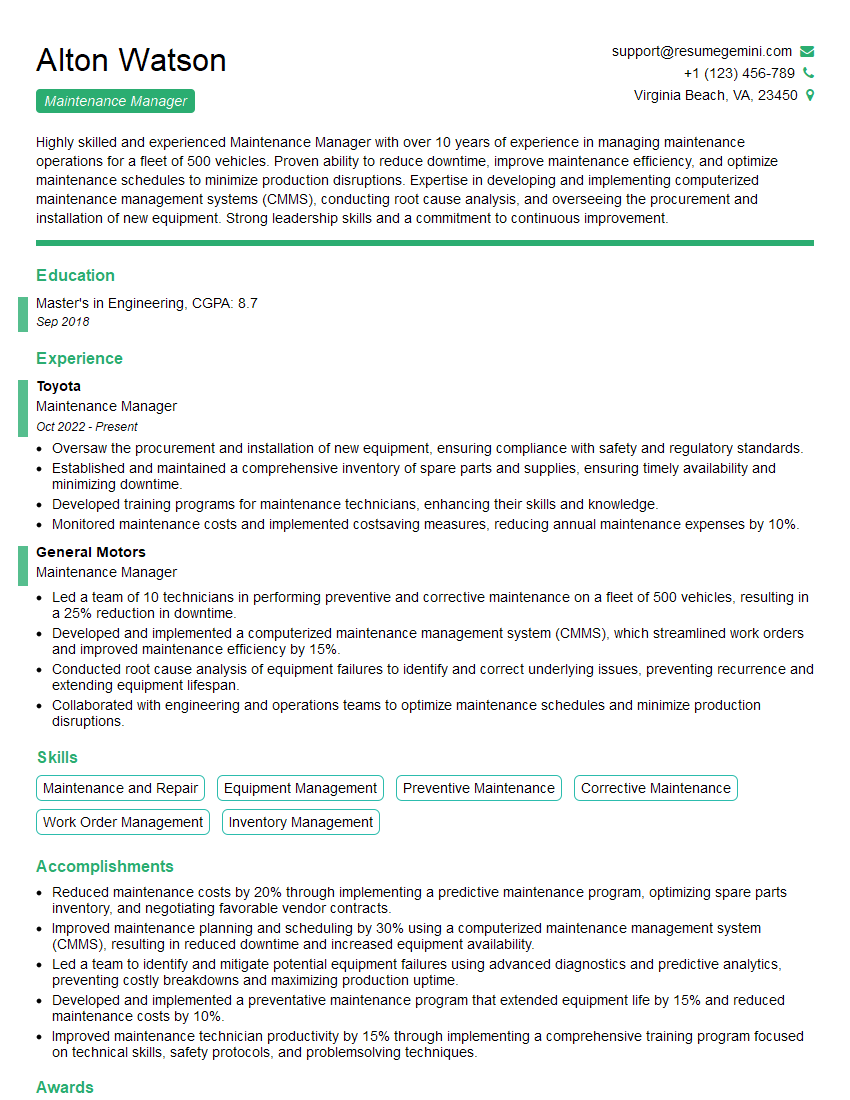
Maintenance Manager Resume Sample
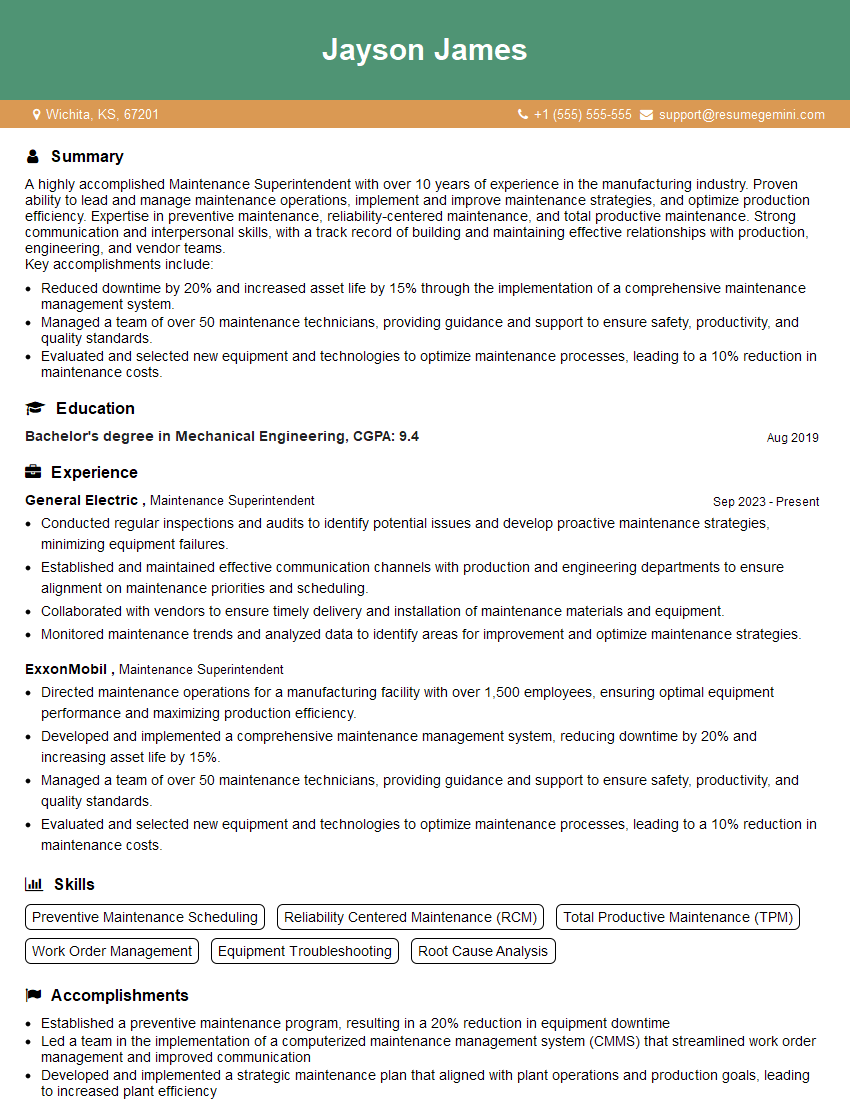
Maintenance Superintendent Resume Sample
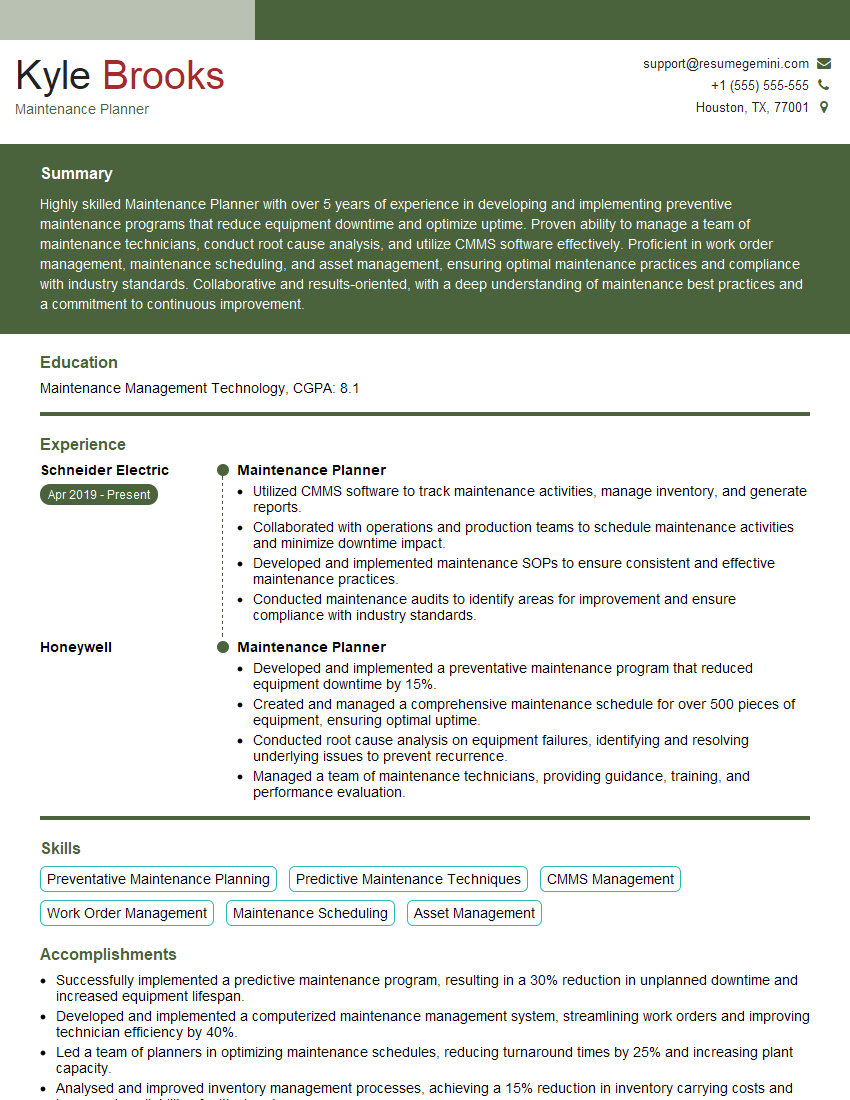
Maintenance Planner Resume Sample
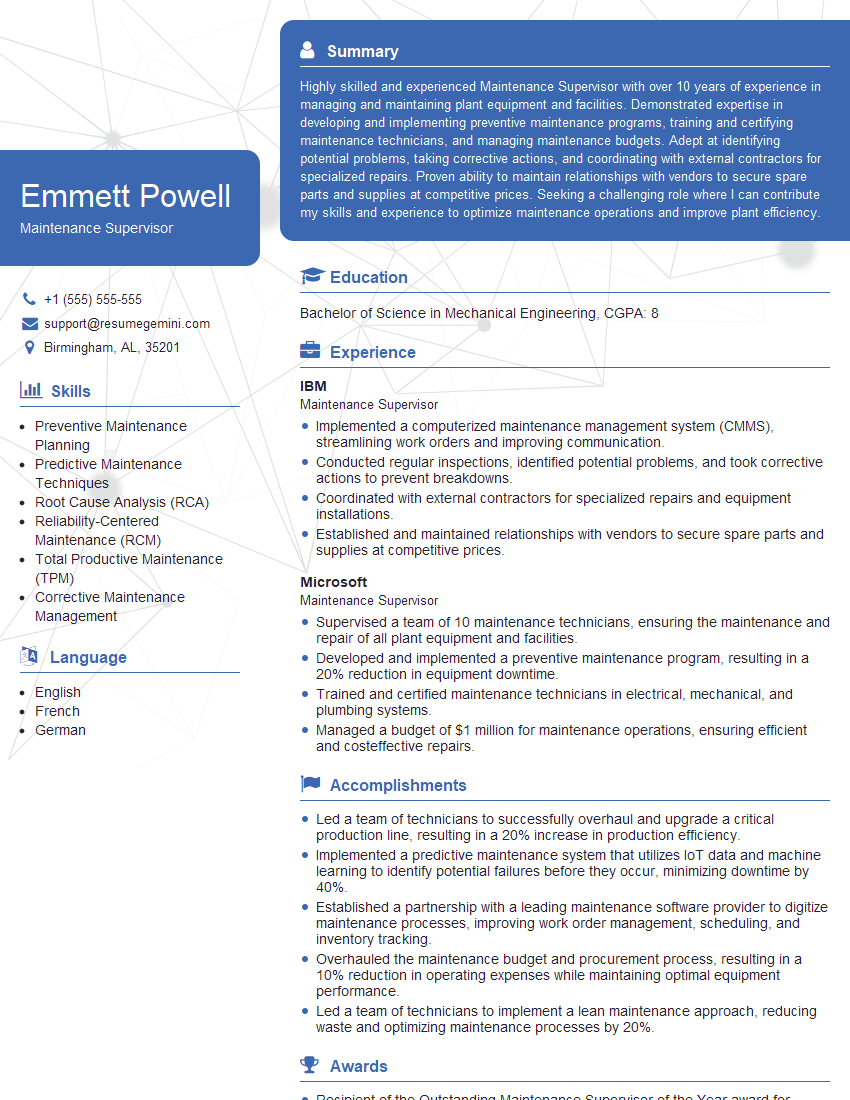
Maintenance Supervisor Resume Sample
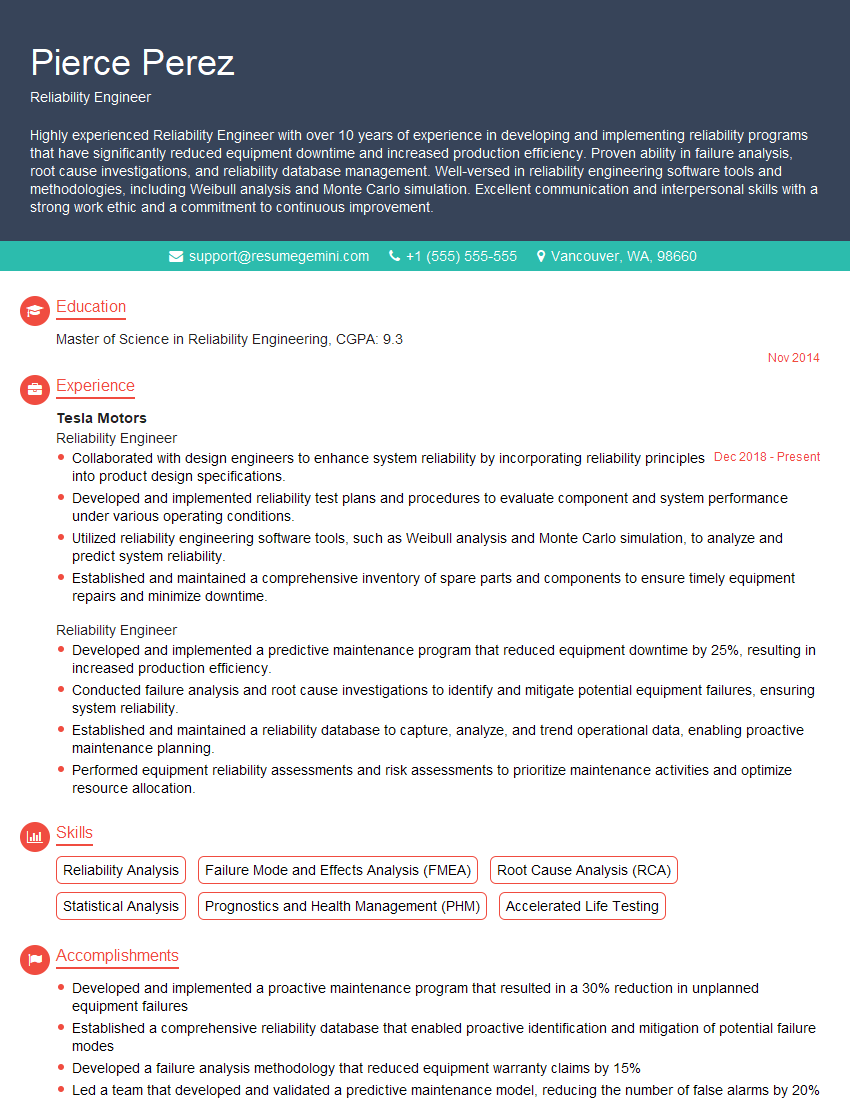
Reliability Engineer Resume Sample
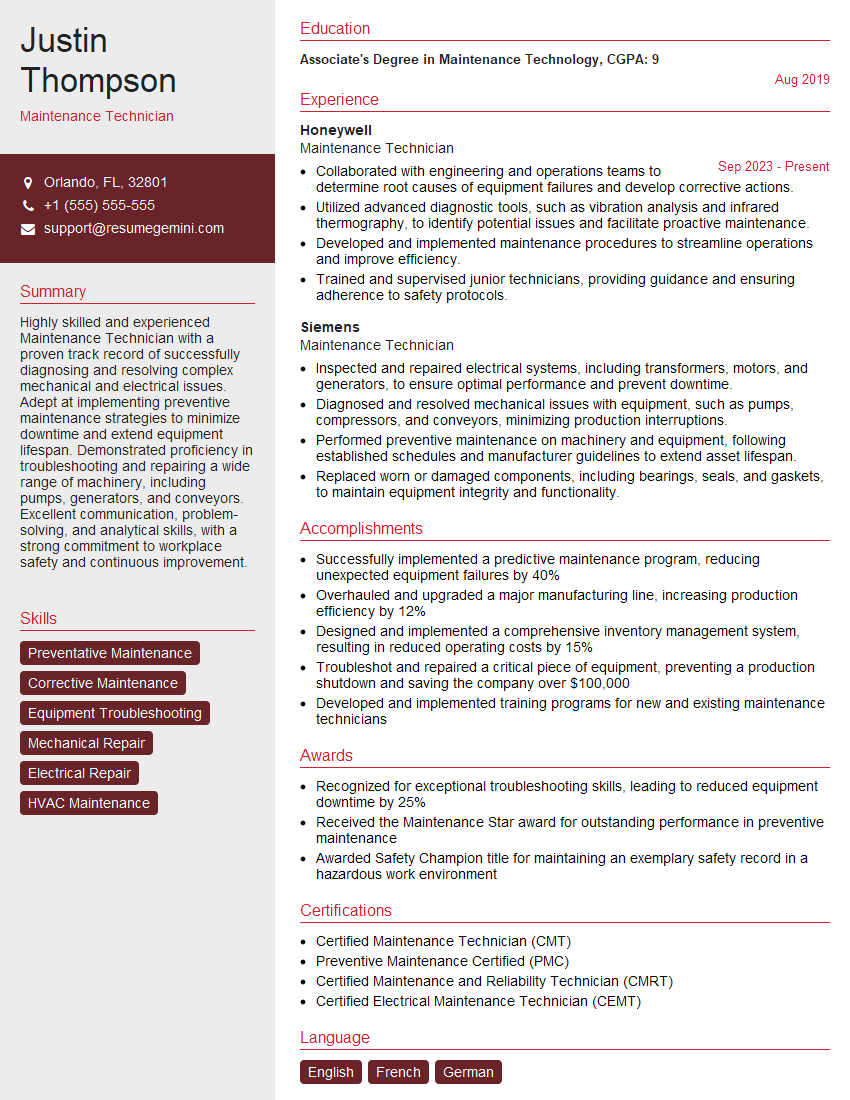
Maintenance Technician Resume Sample
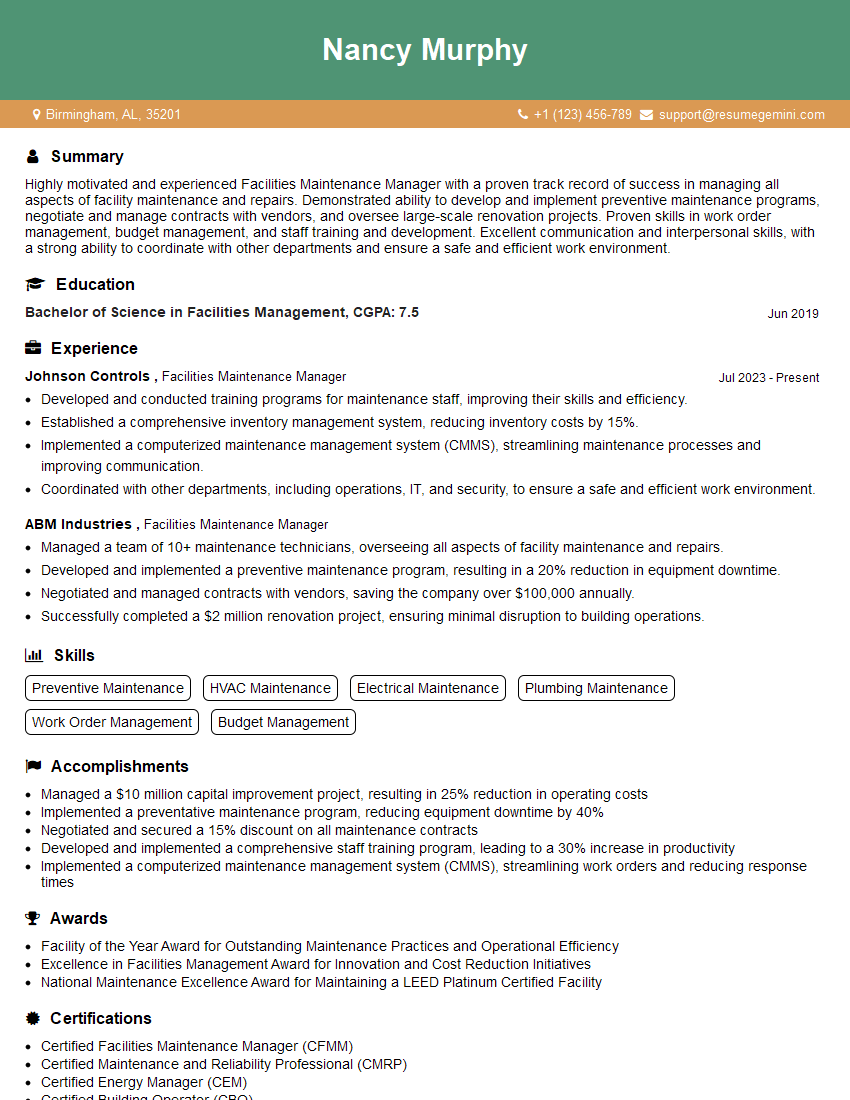
Facilities Maintenance Manager Resume Sample
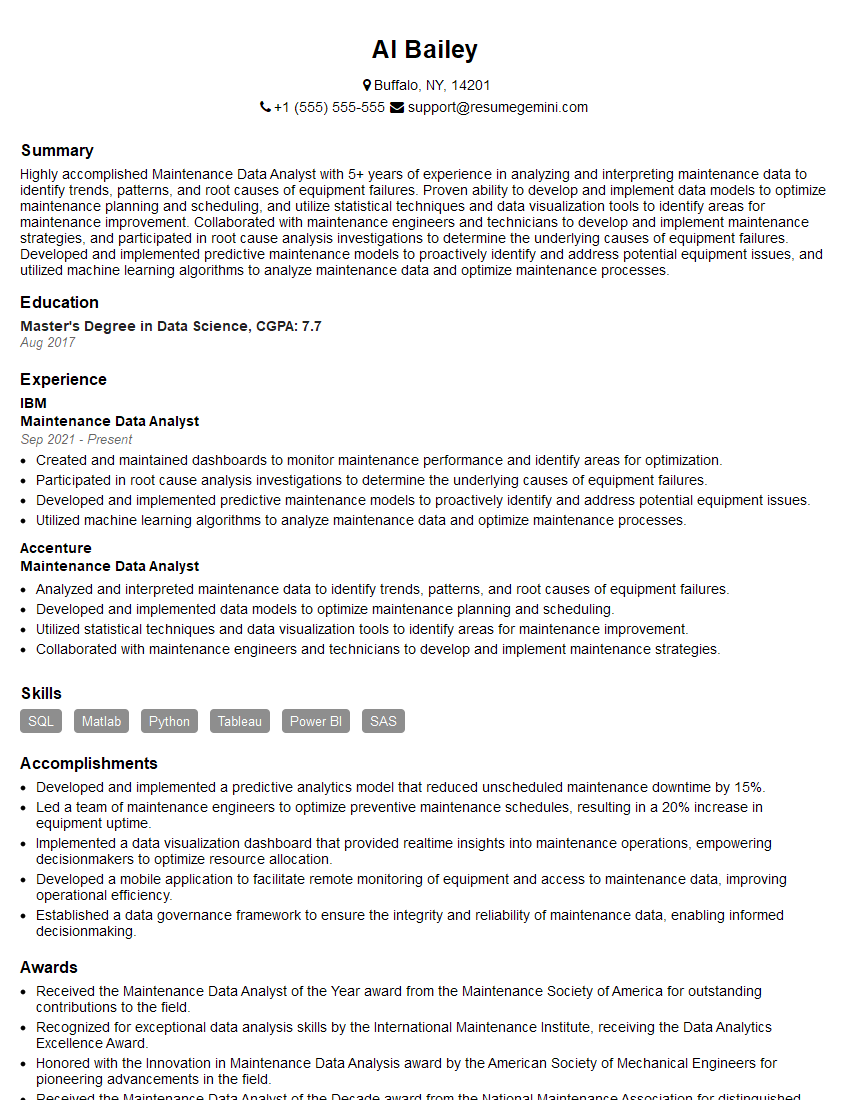
Maintenance Data Analyst Resume Sample
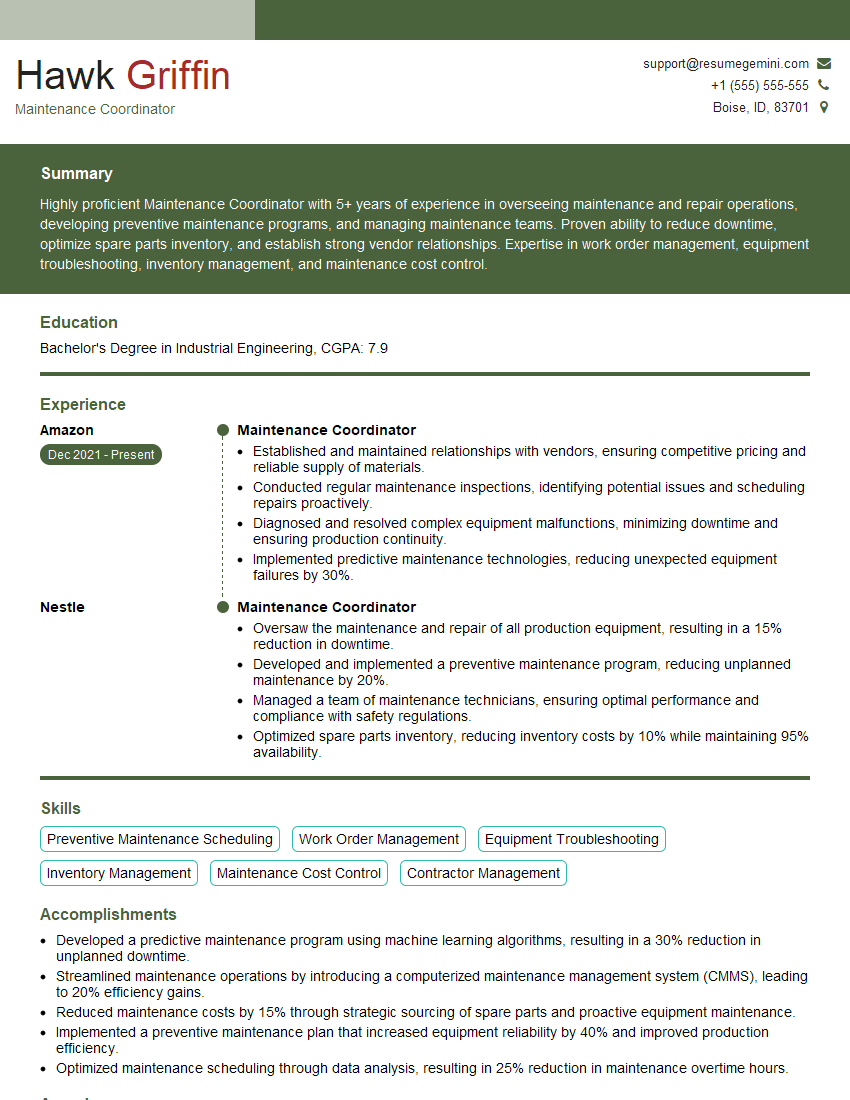
Maintenance Coordinator Resume Sample
Explore more articles
Users Rating of Our Blogs
Share Your Experience
We value your feedback! Please rate our content and share your thoughts (optional).
What Readers Say About Our Blog
Very informative content, great job.
good