Preparation is the key to success in any interview. In this post, we’ll explore crucial Material Hauling interview questions and equip you with strategies to craft impactful answers. Whether you’re a beginner or a pro, these tips will elevate your preparation.
Questions Asked in Material Hauling Interview
Q 1. Explain your experience with different types of hauling equipment.
My experience with hauling equipment spans a wide range, encompassing various types suited for different material characteristics and project scales. I’m proficient in operating and managing:
- Dump trucks: From standard single-axle to heavy-duty articulated trucks, I’ve handled diverse payloads, adapting techniques for optimal load distribution and safe operation on varied terrains.
- Lowboy trailers: I have extensive experience transporting oversized and heavy equipment, meticulously planning securement methods to prevent shifting and damage during transit. This includes understanding weight distribution and proper tie-down procedures.
- Belly dump trailers: I’m familiar with the advantages of these for specific materials, like aggregates, and understand the importance of proper gate operation to prevent spillage.
- Specialized equipment: This includes experience with vacuum trucks for liquid waste removal, pneumatic trailers for powders, and even specialized cranes for lifting and placing unusually heavy or awkwardly shaped loads. Understanding the capabilities and limitations of each piece of equipment is crucial.
For instance, on one project involving the transportation of prefabricated bridge sections, the use of a lowboy trailer with specialized securement techniques was critical to ensuring safe delivery. On another project, the efficient use of belly dump trailers allowed for rapid unloading and minimized downtime at the construction site.
Q 2. Describe your process for planning efficient material hauling routes.
Efficient route planning is paramount in material hauling. My process involves several key steps:
- Thorough Site Analysis: I begin by meticulously studying maps, analyzing terrain, identifying potential obstacles (bridges, low clearances, weight restrictions), and understanding the precise location of loading and unloading points.
- Traffic Pattern Evaluation: I factor in peak traffic times to minimize delays and improve fuel efficiency. Knowledge of local regulations and road closures is crucial.
- Route Optimization Software: I utilize specialized software that considers factors like distance, weight, and road conditions to generate optimal routes, frequently comparing different options to account for real-world variables.
- Communication and Coordination: I ensure seamless communication with site personnel, traffic authorities, and other stakeholders to avoid conflicts and address unexpected challenges proactively.
- Contingency Planning: Always having alternative routes planned for unexpected events, like road closures, ensures operational resilience. This includes knowing the location of alternative fuel stops and maintenance facilities.
For example, in a recent project involving the transport of asphalt, utilizing route optimization software reduced travel time by 15%, leading to significant cost savings and increased efficiency.
Q 3. How do you ensure the safe loading and unloading of materials?
Safe loading and unloading are non-negotiable. My approach centers on:
- Proper Equipment Use: Using the appropriate loading and unloading equipment for the material type and weight is fundamental. This could range from forklifts to cranes, depending on the situation. I always ensure that the equipment is in proper working order.
- Weight Distribution: Distributing the load evenly within the hauling unit is crucial to prevent instability and minimize stress on the vehicle and the materials themselves. This often involves careful stacking and securing techniques.
- Securement Techniques: Using appropriate straps, chains, and other securing mechanisms is critical, especially for uneven or unstable loads. I always double-check all securing points to prevent shifting during transit.
- Pre-Trip Inspections: Before each load, a comprehensive inspection of the hauling unit is conducted to ensure structural integrity, tire pressure, and proper functioning of brakes and lights. The condition of the cargo area and securing equipment is also closely examined.
- Clear Communication: Clear communication with the loading and unloading crews is paramount, ensuring everyone understands the procedures and safety guidelines. This includes the use of hand signals and pre-determined communication protocols.
For example, when transporting delicate machinery, the use of air ride suspension, proper padding, and specialized tie-down techniques ensured that the equipment arrived at its destination without damage.
Q 4. What safety protocols do you follow during material hauling operations?
Safety is my top priority. My adherence to safety protocols includes:
- Pre-Trip Inspections: As mentioned earlier, a meticulous pre-trip inspection is non-negotiable, covering everything from tire pressure to brake functionality and securement of the load.
- Driver Training and Certification: I hold all necessary licenses and certifications and consistently undergo refresher training to stay abreast of best practices and updated regulations.
- Personal Protective Equipment (PPE): I always wear appropriate PPE, including high-visibility clothing, safety boots, and hearing protection, as needed.
- Load Securement Procedures: Strict adherence to established load securement procedures, ensuring all materials are properly secured to prevent shifting or falling.
- Defensive Driving Techniques: I practice defensive driving techniques, maintaining safe following distances, anticipating potential hazards, and adapting to varying road conditions.
- Compliance with Regulations: I am meticulously aware of and comply with all applicable federal, state, and local regulations concerning weight limits, hours of service, and other safety standards.
- Regular Vehicle Maintenance: Ensuring regular maintenance of the hauling equipment is vital to prevent breakdowns and maintain safe operating conditions.
For instance, I would never overload a truck, regardless of pressure, as this would compromise stability and greatly increase the risk of accidents.
Q 5. How do you handle unexpected delays or emergencies during a haul?
Unexpected delays or emergencies require immediate and decisive action. My approach involves:
- Assessment of the Situation: First, I assess the nature of the delay or emergency, identifying the cause and potential impact on the schedule and safety.
- Communication: I immediately communicate the situation to all relevant parties, including the client, dispatch, and any emergency services if needed.
- Problem-Solving: Based on the assessment, I implement appropriate solutions. This might involve finding an alternative route, contacting support for repairs, or implementing safety measures to mitigate risks.
- Documentation: I meticulously document all events, actions taken, and any resulting delays, providing detailed reports to the client.
- Safety First: Prioritizing safety is always paramount. If a situation presents an unacceptable safety risk, I will halt operations until the risk is mitigated.
For example, if a road closure necessitates a detour, I will immediately reroute, informing all stakeholders of the change and its impact on the delivery timeline. If a mechanical failure occurs, I will follow established protocols for contacting support and ensuring the safety of the load and the surrounding environment.
Q 6. Explain your experience with different types of materials and their handling requirements.
My experience encompasses a diverse range of materials, each with unique handling requirements:
- Aggregates (sand, gravel, stone): Understanding proper load distribution to prevent segregation and spillage, and the use of appropriate dump trucks.
- Asphalt: Knowledge of temperature maintenance during transport to avoid hardening, specialized tank trailers, and prompt unloading.
- Hazardous Materials: Compliance with strict regulations for handling, transportation, and documentation, specialized equipment and training.
- Construction Equipment: Experience securing oversized and heavy equipment on lowboy trailers, understanding weight distribution and securement techniques.
- Liquid Materials: Use of tank trailers, understanding of pressure and flow control, and adherence to regulations regarding hazardous liquids.
For example, when handling hazardous materials, I adhere to strict safety protocols, including proper labeling, use of specialized equipment, and the completion of all required documentation. With asphalt, maintaining the correct temperature is crucial to ensure proper delivery and application at the job site.
Q 7. How do you track and manage material hauling costs?
Cost tracking and management are crucial for profitability. My approach involves:
- Detailed Record Keeping: Meticulous tracking of all expenses, including fuel, maintenance, repairs, tolls, permits, driver wages, and insurance.
- Fuel Efficiency Monitoring: Regularly monitoring fuel consumption to identify areas for improvement and reduce operational costs.
- Route Optimization: As previously discussed, route optimization software helps minimize travel time and fuel consumption, directly impacting costs.
- Maintenance Scheduling: Preventative maintenance helps avoid costly breakdowns and maximizes the lifespan of equipment.
- Negotiating Rates: Negotiating favorable rates with fuel suppliers, maintenance providers, and insurance companies.
- Software and Tools: Utilizing specialized software for tracking expenses, mileage, and generating reports to analyze cost trends and identify areas for savings.
For instance, by analyzing fuel consumption data, I identified a need for driver training on fuel-efficient driving techniques, resulting in a 10% reduction in fuel costs. Regular maintenance scheduling also helped minimize unexpected downtime and repair expenses.
Q 8. Describe your experience with load securing and weight distribution.
Load securing and weight distribution are paramount for safe and efficient material hauling. Improperly secured loads can lead to accidents, delays, and damage to cargo and vehicles. My experience encompasses various securing methods, from using straps and chains to employing specialized equipment like airbags and dunnage. I meticulously assess the weight and dimensions of each load, calculating the center of gravity to ensure optimal weight distribution. This prevents overloading and minimizes stress on the vehicle’s axles and suspension. For example, when transporting heavy machinery, I’d first ensure the machine is properly braced and then use multiple securement points to distribute the load evenly across the trailer. Incorrect distribution could result in a dangerous shift during transit.
I also consider the type of cargo. Fragile items require additional padding and bracing to prevent damage, while bulk materials might necessitate different techniques to avoid shifting during transit. Compliance with regulations like those from the Department of Transportation (DOT) is always adhered to, ensuring every haul is as safe as possible.
Q 9. How do you maintain accurate records and documentation for material hauls?
Maintaining accurate records is crucial for accountability and efficiency in material hauling. I utilize a combination of digital and physical methods to ensure complete and reliable documentation. Each haul begins with a detailed bill of lading, specifying the cargo, origin, destination, weight, and relevant regulations. I utilize electronic logging devices (ELDs) compliant with DOT regulations, recording hours of service, vehicle location, and any relevant incidents. This data feeds into our company’s transportation management system (TMS), providing a comprehensive view of every haul.
Beyond the ELD, I maintain detailed trip reports including notes on weather conditions, any unusual occurrences, and inspection reports for the vehicle and cargo. Copies of permits, insurance certificates, and delivery receipts are filed with both physical and digital backups. This multi-layered approach ensures that all information is readily accessible and auditable, contributing to efficient operations and minimizing potential disputes.
Q 10. Explain your experience with various transportation regulations and permits.
My experience with transportation regulations is extensive. I possess a thorough understanding of DOT regulations, including hours-of-service rules, weight limits, hazardous materials handling (HazMat), and vehicle maintenance requirements. I’m familiar with various state-specific regulations, understanding that requirements can vary significantly. For instance, obtaining oversized load permits requires meticulous planning and adherence to specific routing and escort vehicle guidelines. I regularly attend safety and compliance training to stay updated on changes and best practices.
Working with hazardous materials requires specialized training and adherence to strict protocols, including proper labeling, packaging, and emergency response procedures. I’m proficient in handling the documentation required for HazMat transport, including the preparation and submission of shipping papers and emergency response plans. My commitment to safety ensures that every haul complies with all relevant regulations, protecting both the cargo, the environment, and the public.
Q 11. How do you communicate effectively with dispatchers and clients?
Effective communication is the cornerstone of successful material hauling. I maintain clear and consistent communication with both dispatchers and clients through various channels including phone, email, and our company’s dispatch software. With dispatchers, I provide regular updates on my location, estimated time of arrival (ETA), and any potential delays. Clear communication prevents misunderstandings and ensures seamless coordination.
With clients, I proactively address any concerns, keeping them informed about the progress of their shipment. I strive for professional and courteous communication, confirming delivery details and addressing any potential issues promptly. For instance, if a delay is anticipated, I inform the client promptly and provide a revised ETA, offering explanations and potential solutions. This proactive approach builds trust and fosters strong working relationships.
Q 12. Describe a time you had to solve a logistical problem during a material haul.
During a recent haul of oversized equipment, an unexpected road closure forced me to devise an alternative route. The original route was planned using GPS, but the closure presented a significant logistical challenge. The equipment was too large for many smaller roads.
My immediate response involved contacting the dispatcher and client to inform them of the situation. I then utilized alternative mapping software and consulted with local authorities to identify a feasible detour. This involved assessing bridge weight limits, road clearances, and potential traffic congestion along the alternative route. I coordinated with the client to adjust the delivery timeline and successfully completed the haul with minimal delay, demonstrating resourcefulness and problem-solving skills. The key was proactive communication and the ability to adapt to unforeseen circumstances, employing critical thinking to find a viable solution.
Q 13. How familiar are you with GPS tracking and route optimization software?
I’m highly proficient with GPS tracking and route optimization software. I use GPS tracking daily to monitor my location, track progress, and ensure timely delivery. The data provided by GPS systems allows me to identify potential delays and proactively adjust my route, ensuring efficiency and on-time delivery. This technology also enhances safety by providing real-time updates to the dispatch team and facilitating rapid response in case of an emergency.
Route optimization software helps in planning efficient routes, considering factors such as traffic patterns, road conditions, and delivery constraints. Using these tools allows me to reduce fuel consumption, minimize travel time, and improve overall operational efficiency. Understanding how to effectively use these tools is critical in optimizing costs and maximizing productivity.
Q 14. How do you manage driver schedules and assignments?
Driver schedule and assignment management involves careful coordination and planning. Our company uses a sophisticated dispatch system that assigns drivers based on several criteria including location, available hours, driver experience, and cargo type. I actively collaborate with the dispatch team to ensure that assignments are optimized for efficiency and compliance. We also consider factors such as driver preferences and rest periods, adhering to stringent DOT regulations concerning hours of service.
Communication is crucial in this process, ensuring drivers are informed of their assignments in a timely manner. The system also allows for real-time tracking of driver progress, enabling us to make adjustments as needed. This proactive approach ensures timely deliveries while adhering to all safety regulations, promoting driver satisfaction and operational efficiency.
Q 15. What are the key factors you consider when selecting hauling equipment?
Selecting the right hauling equipment is crucial for efficiency and safety. My approach involves a multi-faceted assessment considering several key factors.
- Cargo Type and Volume: The nature of the material – whether it’s bulk goods like sand, palletized products, or specialized items – dictates the type of truck (e.g., dump truck, flatbed, van) and its capacity. For instance, transporting delicate electronics requires a climate-controlled van, unlike hauling gravel which uses a dump truck.
- Distance and Terrain: Longer distances and challenging terrains (e.g., mountainous regions, unpaved roads) influence the choice of vehicle and its features. A powerful, all-wheel-drive truck might be necessary for off-road transport, whereas a fuel-efficient model may suffice for shorter highway trips.
- Legal and Regulatory Compliance: Weight limits, dimension restrictions, and permit requirements vary by location. Ensuring the selected equipment adheres to these regulations is paramount to avoid penalties and operational delays. For example, oversized loads require special permits and escort vehicles.
- Cost Analysis: This encompasses purchase or lease costs, fuel efficiency, maintenance expenses, and insurance. A thorough cost-benefit analysis helps optimize the return on investment.
- Safety Features: Prioritizing safety features like advanced braking systems, stability control, and driver-assistance technologies is non-negotiable. Investing in safety not only protects personnel but also minimizes risks of accidents and associated costs.
In practice, I often use a matrix to compare different options, weighing the pros and cons of each equipment type based on these factors. This structured approach ensures a well-informed decision.
Career Expert Tips:
- Ace those interviews! Prepare effectively by reviewing the Top 50 Most Common Interview Questions on ResumeGemini.
- Navigate your job search with confidence! Explore a wide range of Career Tips on ResumeGemini. Learn about common challenges and recommendations to overcome them.
- Craft the perfect resume! Master the Art of Resume Writing with ResumeGemini’s guide. Showcase your unique qualifications and achievements effectively.
- Don’t miss out on holiday savings! Build your dream resume with ResumeGemini’s ATS optimized templates.
Q 16. How do you ensure compliance with environmental regulations during material hauling?
Environmental compliance is a top priority. We employ several strategies to minimize our environmental impact throughout the material hauling process.
- Regular Vehicle Maintenance: Properly maintained vehicles ensure optimal fuel efficiency, reducing emissions. We adhere to strict maintenance schedules and monitor fuel consumption meticulously.
- Spill Prevention and Containment: We use proper containment measures to prevent spills during loading and unloading. Our drivers are trained to handle spills effectively and safely, and emergency response plans are in place. Regular inspections of our vehicles are critical here to identify and repair potential leaks before they occur.
- Waste Management: Proper disposal of waste materials generated during transportation, such as packaging, is implemented through partnerships with licensed waste management facilities. We are compliant with all applicable waste disposal regulations.
- Route Optimization: Efficient routes minimize fuel consumption and reduce greenhouse gas emissions. We use GPS technology and route planning software to identify the most fuel-efficient pathways.
- Compliance with Regulations: We stay updated with all relevant environmental regulations, including those concerning emissions, waste disposal, and hazardous material handling, and ensure our operations are in full compliance. For example, we maintain detailed records of all material transported and their associated disposal methods.
We conduct regular training sessions for our drivers on environmental best practices and emergency procedures. This ensures that everyone understands and upholds our environmental commitment.
Q 17. How do you maintain a safe and productive work environment for your team?
Maintaining a safe and productive work environment involves a holistic approach focusing on both safety protocols and team well-being.
- Safety Training: Regular safety training programs cover topics such as hazard identification, risk assessment, defensive driving, and emergency procedures. We use hands-on training and simulations to reinforce learning.
- Vehicle Inspections: Thorough pre-trip and post-trip inspections are mandatory to identify any potential mechanical issues that could compromise safety. Drivers are responsible for reporting any defects promptly.
- Personal Protective Equipment (PPE): Providing and enforcing the use of appropriate PPE, such as safety vests, gloves, and safety glasses, is crucial. We conduct regular PPE inspections to ensure its proper functioning and replacement when needed.
- Communication and Teamwork: Open communication channels are vital. We encourage drivers to report any safety concerns or near misses without fear of reprisal. Team building activities promote camaraderie and strengthen the sense of shared responsibility for safety.
- Work-Life Balance: We strive to create a healthy work-life balance by implementing reasonable work schedules and promoting a supportive work environment, this reduces stress and driver fatigue, further enhancing safety.
We track key safety metrics, such as accident rates and near misses, to identify trends and implement corrective actions. Our commitment to safety is reflected in our company culture, where safety is prioritized above all else.
Q 18. How do you handle situations involving damaged goods or accidents?
Handling damaged goods or accidents requires a systematic approach focusing on safety, damage assessment, and efficient resolution.
- Immediate Response: In case of an accident, the priority is ensuring the safety of all involved personnel. Emergency services are contacted, and the accident site is secured.
- Damage Assessment: A thorough assessment of the damage to goods and equipment is conducted. Photographs and detailed documentation are crucial for insurance claims and internal investigations.
- Communication: Clients are promptly informed about the incident and the steps being taken to address the situation. Transparency and clear communication are essential to maintain trust.
- Investigation: A root cause analysis is conducted to determine the factors that contributed to the damage or accident. This helps in preventing similar incidents in the future.
- Insurance Claims: We work closely with our insurance provider to process claims and ensure timely compensation for losses.
- Remediation: Depending on the nature of the damage, steps are taken to repair or replace damaged goods. Logistics are rearranged to ensure timely delivery to the client.
We maintain comprehensive insurance coverage and work with reputable repair and salvage companies. Our focus is on minimizing disruption to our clients’ operations and maintaining a strong reputation for reliability.
Q 19. Describe your experience with different types of cargo and their specific handling needs.
My experience encompasses a wide range of cargo types, each demanding specific handling procedures.
- Bulk Materials (e.g., sand, gravel): These require specialized dump trucks and careful loading/unloading to prevent spillage and ensure stability. Weight distribution is crucial.
- Palletized Goods: Proper securing of pallets on flatbed or enclosed trailers using straps and chains is vital to prevent shifting during transit. Forklifts or pallet jacks are used for efficient loading and unloading.
- Oversized/Heavy Loads: These require specialized permits, escort vehicles, and careful route planning. Load distribution and securement are crucial to prevent accidents.
- Hazardous Materials (Hazmat): Transporting Hazmat necessitates strict adherence to regulations, including proper documentation, specialized vehicles, and driver training. Safety is paramount.
- Temperature-Sensitive Goods: These require climate-controlled trailers to maintain specific temperature ranges. Regular monitoring of temperature is crucial to ensure product integrity.
I’ve managed the transportation of various goods, from construction materials to perishable food products, adapting my approach to the specific requirements of each cargo type. My experience includes working with specialized equipment and complying with relevant regulations for each category.
Q 20. What strategies do you use to minimize fuel consumption during hauling operations?
Minimizing fuel consumption is a critical aspect of cost control and environmental responsibility. We implement various strategies to achieve this.
- Route Optimization: Using GPS and route planning software, we identify the most efficient routes, avoiding unnecessary detours and traffic congestion.
- Vehicle Maintenance: Regular maintenance ensures optimal engine performance and fuel efficiency. This includes timely oil changes, tire pressure checks, and regular inspections of the vehicle’s mechanical systems.
- Driver Training: Drivers are trained in fuel-efficient driving techniques, such as maintaining appropriate speed, avoiding aggressive acceleration and braking, and anticipating traffic flow.
- Load Optimization: Properly distributing the load weight and minimizing empty space in the vehicle reduces fuel consumption. This also involves using the right size vehicle for the job to avoid unnecessary weight.
- Vehicle Technology: Utilizing vehicles equipped with fuel-efficient engines and advanced technologies, such as aerodynamic features, can significantly reduce fuel consumption.
We constantly monitor fuel consumption data to identify areas for improvement and track the effectiveness of our fuel-saving initiatives. This data-driven approach enables continuous refinement of our strategies.
Q 21. How do you manage inventory and ensure timely delivery of materials?
Effective inventory management and timely delivery are crucial for customer satisfaction and operational efficiency. We employ a combination of strategies.
- Inventory Tracking System: We utilize a robust inventory management system to track materials from origin to delivery. This provides real-time visibility into inventory levels and location.
- Order Management: A streamlined order management process ensures that orders are processed accurately and efficiently. This includes confirming orders, scheduling pickups, and tracking shipments.
- Dispatch Optimization: Efficient dispatching of vehicles, considering factors such as load capacity, route optimization, and delivery deadlines, ensures timely delivery.
- Communication: Maintaining clear communication with clients and drivers is essential to provide updates on shipment status and address any potential delays.
- Predictive Analytics: Leveraging data analytics to forecast demand and anticipate potential supply chain disruptions allows for proactive adjustments to inventory levels and transportation schedules.
Our system utilizes barcodes or RFID tags for accurate tracking and provides real-time updates to clients through online portals or mobile apps. This ensures transparency and accountability throughout the entire process.
Q 22. What are your strategies for managing risk in material hauling operations?
Risk management in material hauling is paramount. It’s about proactively identifying and mitigating potential hazards to ensure safety, efficiency, and legal compliance. My strategy is multifaceted and involves several key areas:
- Driver Safety: This includes rigorous driver screening, comprehensive safety training programs covering defensive driving, load securing, and hazard awareness, regular drug and alcohol testing, and employing telematics for monitoring driving behavior and vehicle performance. I’ve personally implemented a system where driver scores are tracked, with rewards for safe driving and mandatory retraining for those who consistently fall below standards.
- Equipment Maintenance: Preventative maintenance is crucial, as detailed in my next answer. Beyond that, regular inspections, proper storage, and prompt repairs are vital. A poorly maintained truck is a safety risk.
- Load Security: Improperly secured loads are a major source of accidents. We implement strict protocols for load securing, using appropriate tie-downs and techniques based on cargo type and weight. Driver training includes hands-on practice with different securing methods.
- Route Planning: Careful route planning considers weather conditions, road closures, traffic patterns, and weight restrictions. Using GPS tracking and route optimization software helps minimize risks associated with unexpected delays or difficult terrain. We avoided a costly delay on a recent project by rerouting around a sudden flash flood.
- Insurance and Legal Compliance: We maintain adequate insurance coverage and strictly adhere to all relevant regulations, including DOT compliance and hazardous materials handling guidelines. This safeguards our business and protects us from legal liabilities.
By addressing these areas systematically, we significantly reduce the likelihood of accidents, delays, and financial losses.
Q 23. Explain your experience with preventative maintenance of hauling equipment.
Preventative maintenance is the cornerstone of a successful material hauling operation. It’s far more cost-effective to prevent breakdowns than to deal with costly repairs and downtime. My approach is based on a comprehensive preventative maintenance schedule which incorporates:
- Regular Inspections: Daily pre-trip and post-trip inspections are mandatory, with drivers completing checklists detailing vehicle condition. This catches small problems before they become major failures.
- Scheduled Maintenance: We adhere to a strict schedule of routine maintenance, such as oil changes, filter replacements, tire rotations, and brake inspections. This is meticulously tracked using maintenance management software. A preventative maintenance software allows us to anticipate needed repairs, schedule downtime appropriately, and keep track of the parts inventory.
- Specialized Services: Depending on the equipment (e.g., heavy-duty trucks, specialized trailers), we schedule professional inspections and servicing of critical components like engines, transmissions, and hydraulic systems. This often includes specialized diagnostic testing.
- Driver Involvement: Drivers are encouraged to report any unusual noises, vibrations, or performance issues immediately. Their observations are crucial in identifying potential problems early.
- Record Keeping: Detailed records of all maintenance activities are maintained for compliance and for tracking equipment performance over time. This data is crucial for identifying trends and improving our maintenance program.
This proactive approach ensures maximum equipment uptime, minimizes repair costs, and enhances safety.
Q 24. How do you handle customer complaints or disputes regarding material hauling?
Handling customer complaints is about timely resolution and maintaining positive relationships. My approach emphasizes open communication, empathy, and a commitment to finding fair solutions. Here’s a typical process:
- Active Listening: I begin by carefully listening to the customer’s concerns, without interruption, to fully understand their perspective.
- Investigation: I thoroughly investigate the situation, reviewing documentation such as delivery receipts, invoices, and driver logs. I may also speak with the driver involved to obtain their account.
- Fair Assessment: I objectively assess the situation, determining responsibility and identifying areas where improvements can be made. We aren’t afraid to admit mistakes, which earns trust and credibility.
- Resolution: I propose a fair and reasonable solution, which might include a refund, a discount on future services, or a revised delivery schedule. I aim for a mutually agreeable outcome.
- Follow-up: I follow up with the customer to confirm their satisfaction and ensure that any necessary adjustments have been made.
I recently resolved a complaint about a delayed delivery caused by unforeseen road closures. By proactively communicating with the customer about the delay and offering a partial refund, we maintained a positive relationship despite the unforeseen circumstances.
Q 25. Describe your experience with various billing and invoicing procedures.
My experience encompasses various billing and invoicing procedures, adapted to the specific needs of each client and project. This includes:
- Time and Materials Billing: This is common for projects with variable scope. We meticulously track labor hours and material costs, providing detailed invoices with supporting documentation.
- Fixed-Price Contracts: For projects with well-defined scopes, we use fixed-price contracts with clear payment schedules. These contracts are carefully negotiated upfront to avoid disputes.
- Mileage-Based Billing: For shorter haul projects, mileage-based billing is often employed, using precise mileage tracking tools. We ensure transparency by clearly outlining the rate per mile.
- Digital Invoicing: We utilize digital invoicing systems for efficiency and timely payments. These often integrate with accounting software for seamless financial management.
- Payment Processing: We offer a variety of payment options, from electronic transfers to credit card processing, to accommodate client preferences.
We maintain meticulous records of all invoices and payments to ensure accuracy and facilitate reconciliation. I am proficient in using accounting software like QuickBooks and Xero.
Q 26. How familiar are you with different types of transportation contracts and agreements?
I’m familiar with various transportation contracts and agreements, including:
- For-Hire Carriage Agreements: These contracts detail the terms of service for transporting goods for a fee, specifying responsibilities of both parties.
- Private Carriage Agreements: These govern the transportation of goods owned by the company, often involving company-owned trucks.
- Lease Agreements: I understand different types of lease agreements for hauling equipment, including wet lease (lease with driver) and dry lease (lease without driver).
- Bill of Lading: I am proficient in completing and interpreting bills of lading, which serve as the primary documentation for the shipment of goods.
- Cargo Insurance Policies: I’m familiar with different types of cargo insurance to protect goods in transit from damage or loss.
Understanding the nuances of these contracts is vital for ensuring clarity, protecting the company from liability, and fostering strong client relationships. I always ensure that contracts are thoroughly reviewed and agreed upon before commencing work.
Q 27. How do you stay updated on industry best practices and new technologies in material hauling?
Staying updated in this dynamic industry is critical. My approach involves several strategies:
- Industry Publications and Journals: I regularly read trade magazines and journals dedicated to transportation and logistics. These publications often cover new regulations, technologies, and best practices.
- Professional Organizations: Active participation in professional organizations like the American Trucking Associations (ATA) provides access to networking, training, and up-to-date information.
- Conferences and Workshops: Attending industry conferences and workshops allows for learning about the latest developments and networking with other professionals.
- Online Resources: I utilize online resources such as industry websites, webinars, and online courses to stay abreast of the latest advancements.
- Technology Monitoring: I keep a close eye on developments in transportation technology, such as telematics, GPS tracking, and route optimization software.
Continuous learning is essential for maintaining a competitive edge and ensuring our operations remain efficient and safe.
Q 28. Describe a challenging material hauling project and how you successfully completed it.
One challenging project involved transporting oversized and overweight equipment for a wind turbine construction project across mountainous terrain. The challenges included:
- Navigating Difficult Terrain: The route involved narrow, winding mountain roads with steep inclines and sharp curves, demanding precise driving skills and careful route planning. We had to obtain special permits and escort vehicles.
- Weight Restrictions: The weight of the equipment exceeded standard limits for many roads, requiring careful route selection and obtaining special permits from multiple jurisdictions.
- Weather Conditions: Unpredictable weather, including potential for snow and ice, added a significant risk factor. We had to closely monitor forecasts and adjust our schedule accordingly.
- Coordination: The project required seamless coordination between multiple teams – drivers, escort vehicles, and on-site personnel – to ensure timely delivery and safety.
We successfully overcame these challenges by:
- Thorough Planning: We conducted extensive route planning and risk assessments, identifying potential hazards and developing contingency plans.
- Secure Load Securing: We employed specialized equipment and techniques to ensure secure transportation of the overweight and oversized cargo.
- Proactive Communication: We maintained constant communication with all involved parties, keeping them informed of progress and addressing any issues that arose promptly.
- Flexibility: We were prepared to adapt to changing weather conditions and adjust our schedule to ensure safety.
The successful completion of this project demonstrated our ability to handle complex projects, adapting to challenges and ensuring both efficiency and safety.
Key Topics to Learn for Material Hauling Interview
- Safety Regulations and Procedures: Understanding and adhering to OSHA regulations, site-specific safety protocols, and safe operating procedures for various hauling equipment.
- Equipment Operation and Maintenance: Practical knowledge of operating different types of hauling equipment (trucks, trailers, loaders, etc.), performing basic maintenance checks, and troubleshooting minor issues.
- Load Planning and Securing: Understanding weight limits, center of gravity principles, and proper techniques for securing loads to prevent accidents and damage during transport.
- Logistics and Route Planning: Familiarity with efficient route planning, considering traffic, weather conditions, and delivery schedules to optimize transport time and fuel efficiency.
- Material Handling Techniques: Understanding different material handling methods (e.g., bulk, palletized, specialized containers), appropriate equipment selection, and minimizing material damage during transport.
- Documentation and Reporting: Accurate record-keeping of loads, deliveries, hours worked, and any incidents or issues encountered during transportation.
- Communication and Teamwork: Effective communication with dispatchers, supervisors, and other team members to ensure smooth and efficient material hauling operations.
- Problem-Solving and Decision-Making: Ability to quickly assess and resolve unexpected issues, such as equipment malfunctions, traffic delays, or load shifting, while maintaining safety and efficiency.
- Regulations and Permits: Understanding relevant transportation regulations, permits, and documentation requirements for operating within specific jurisdictions.
Next Steps
Mastering material hauling is crucial for a successful and rewarding career in logistics and transportation. It opens doors to specialized roles, increased responsibility, and higher earning potential. To significantly boost your job prospects, focus on creating a professional and ATS-friendly resume that highlights your skills and experience effectively. ResumeGemini is a trusted resource that can help you build a compelling resume showcasing your qualifications for material hauling positions. Examples of resumes tailored to the material hauling industry are available to guide you through the process.
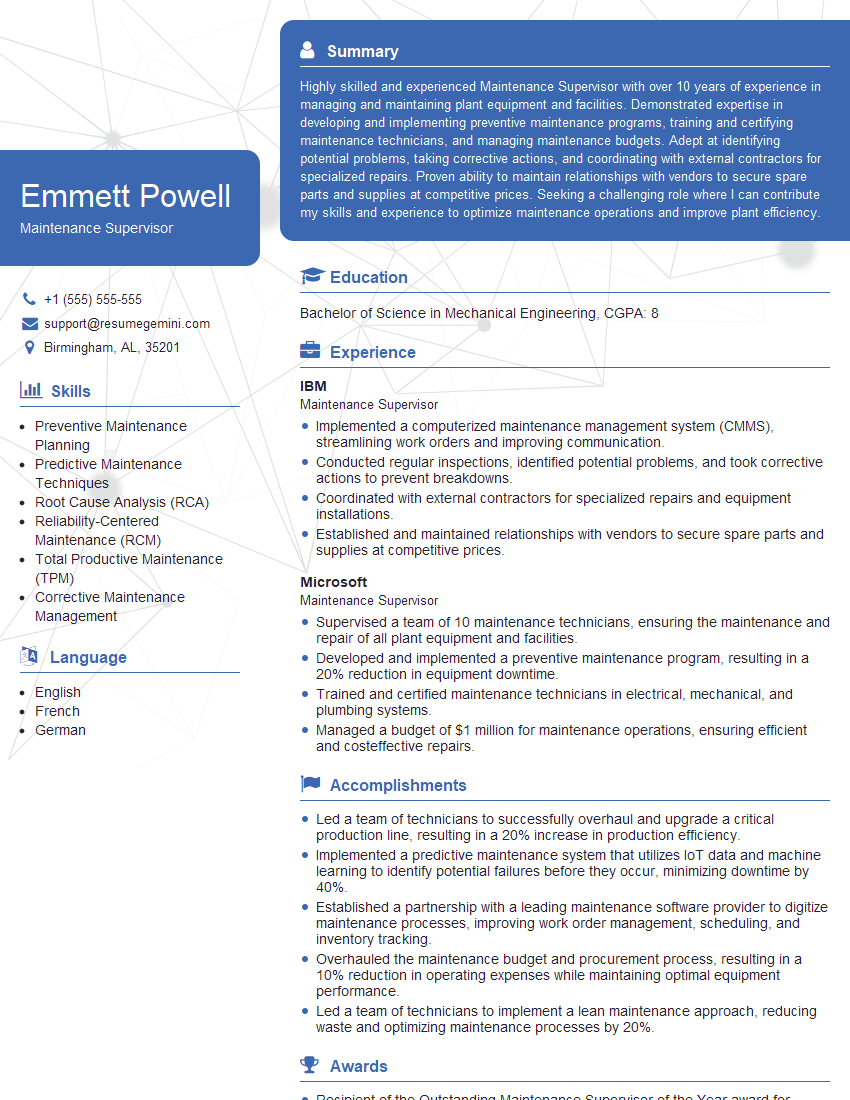
Maintenance Supervisor Resume Sample
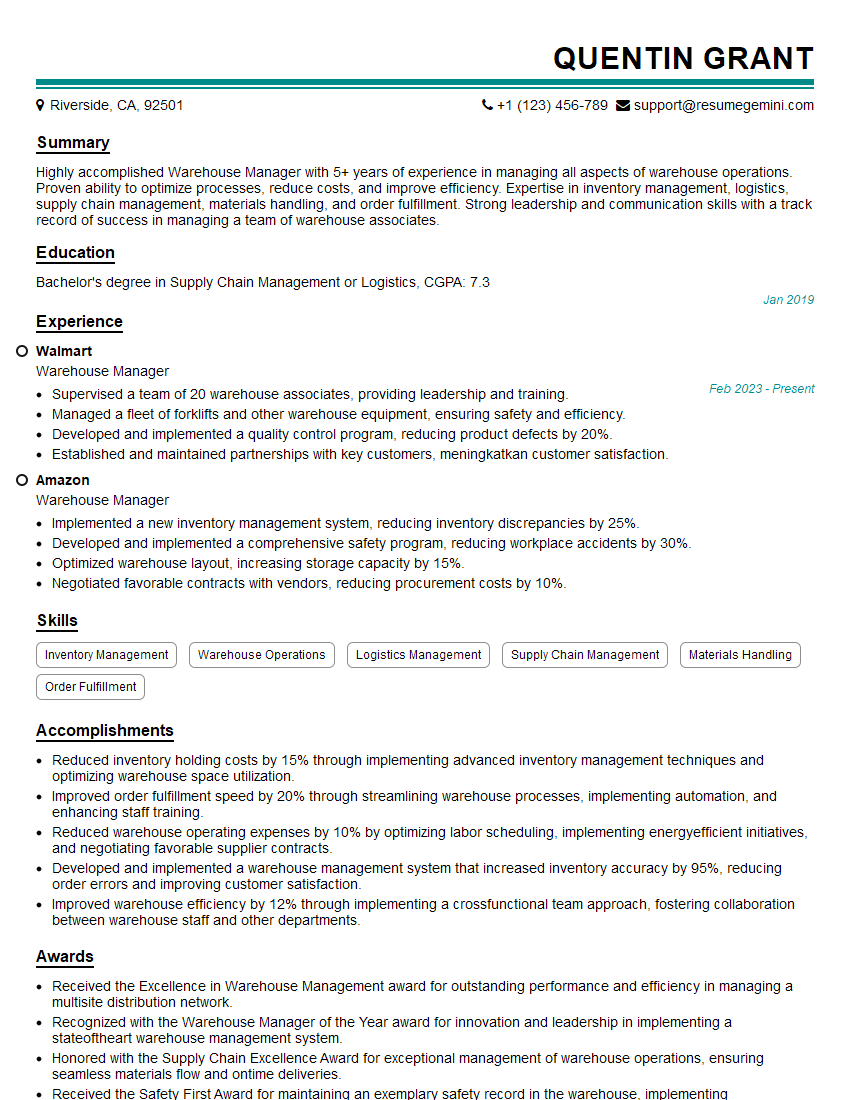
Warehouse Manager Resume Sample
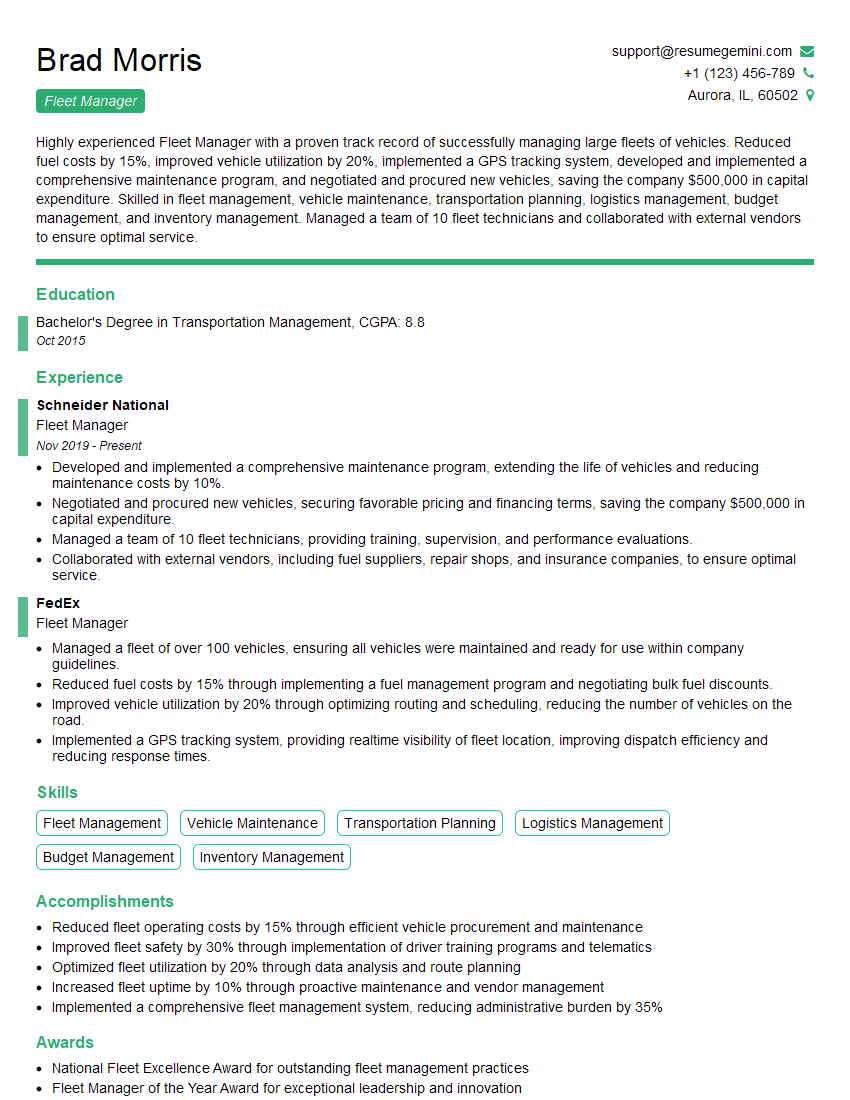
Fleet Manager Resume Sample
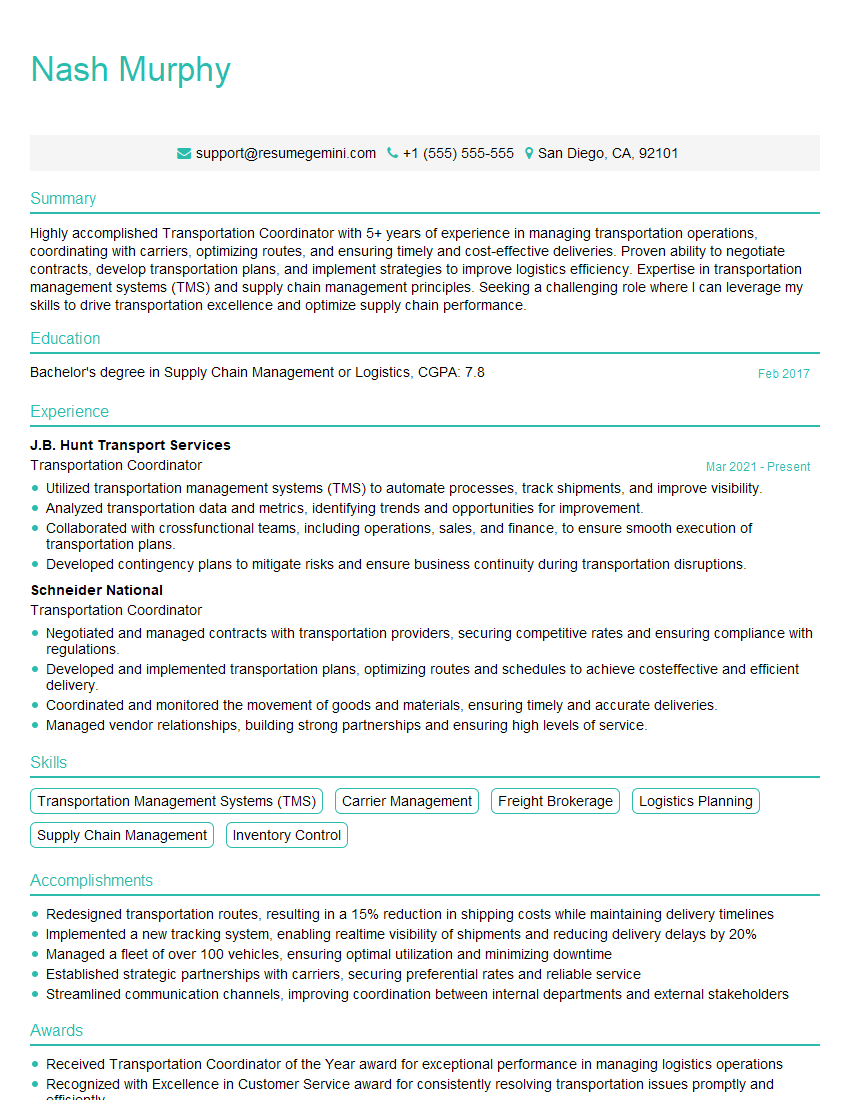
Transportation Coordinator Resume Sample
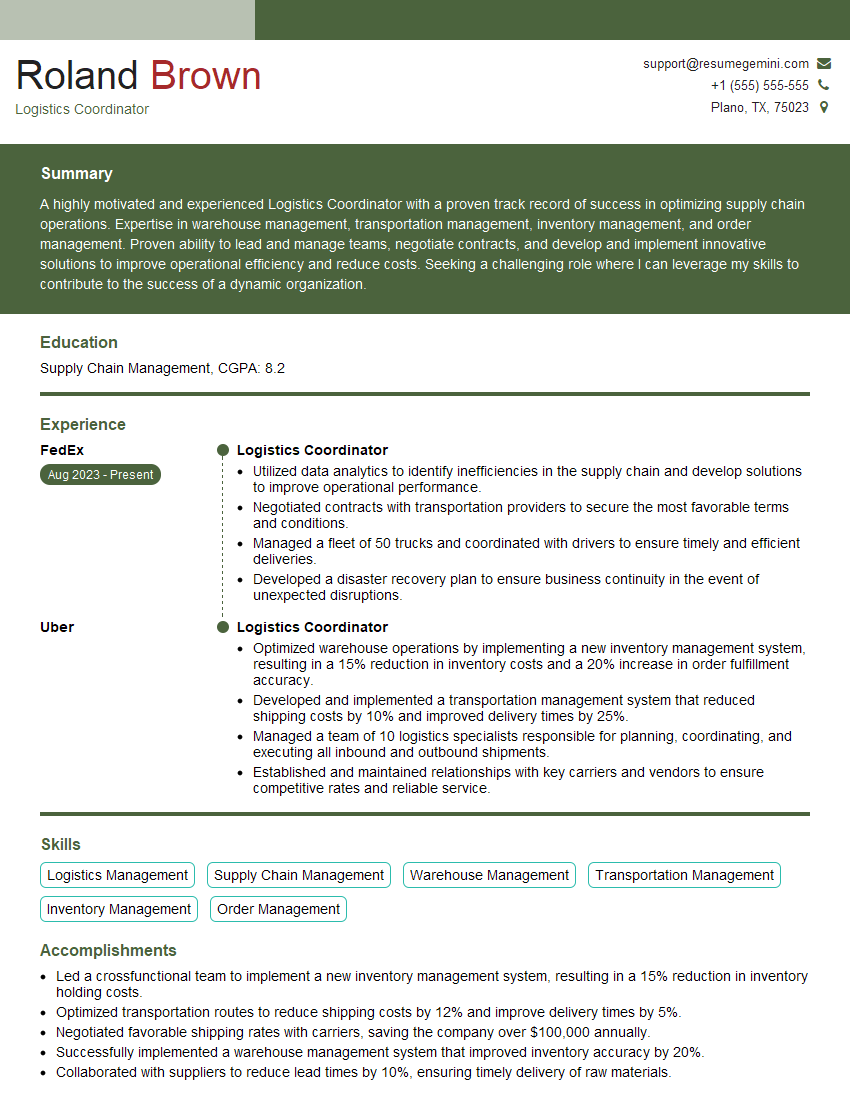
Logistics Coordinator Resume Sample
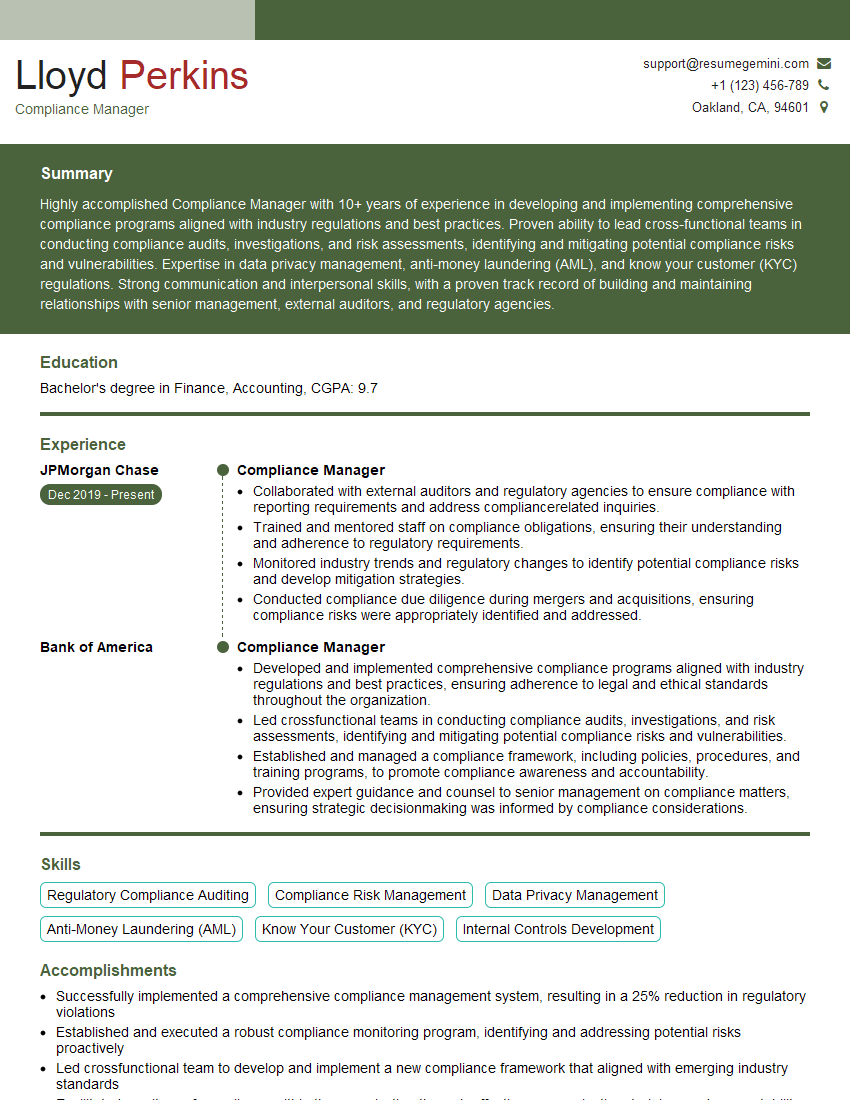
Compliance Manager Resume Sample
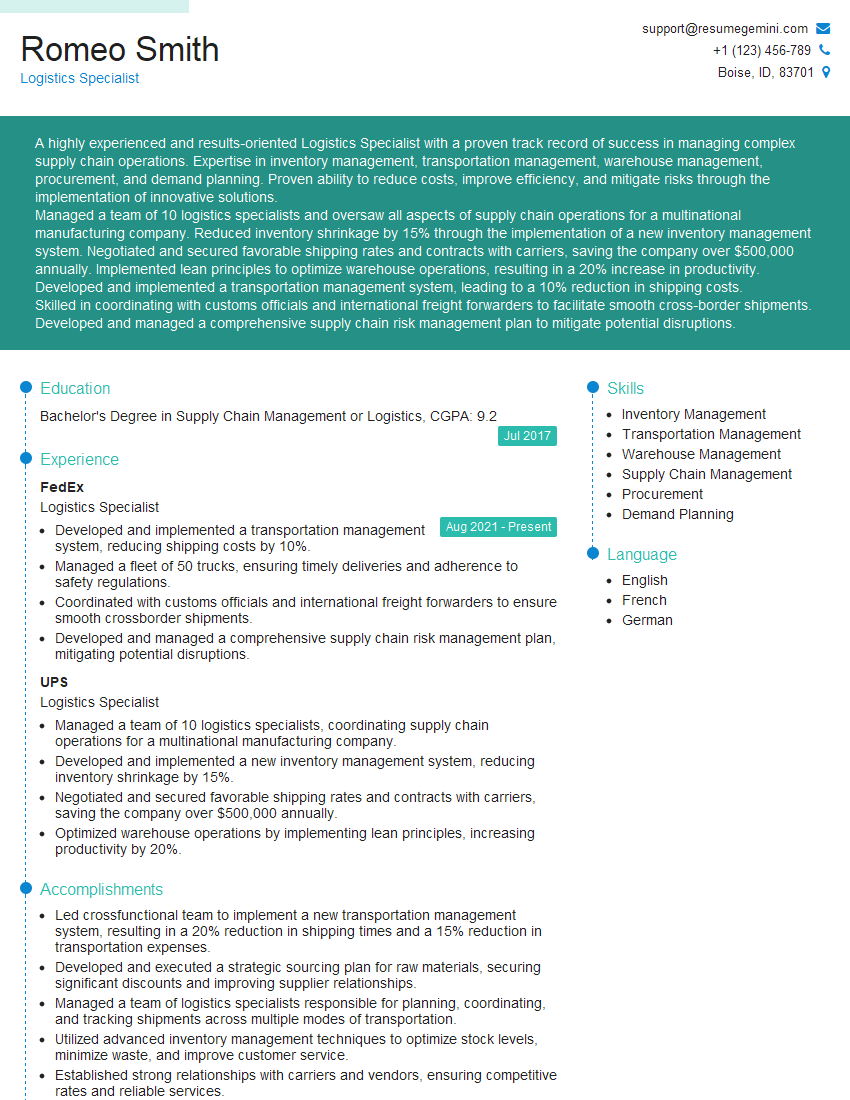
Logistics Specialist Resume Sample
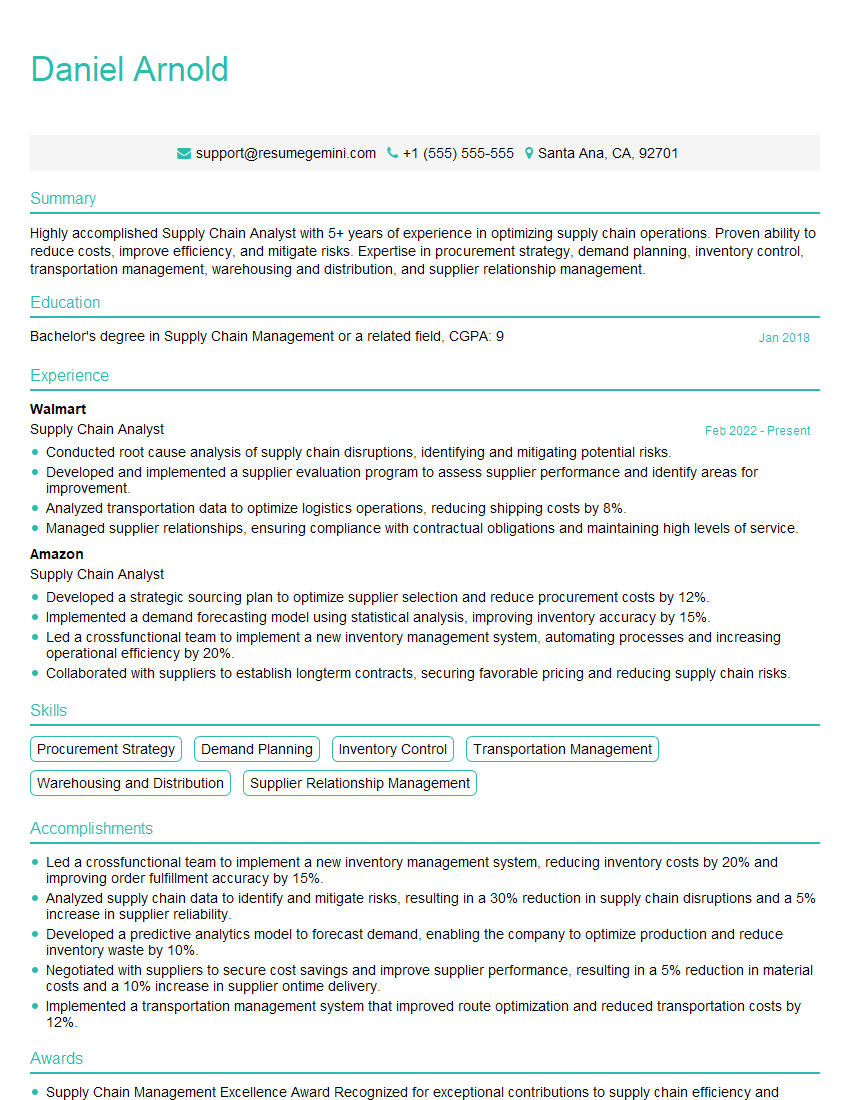
Supply Chain Analyst Resume Sample
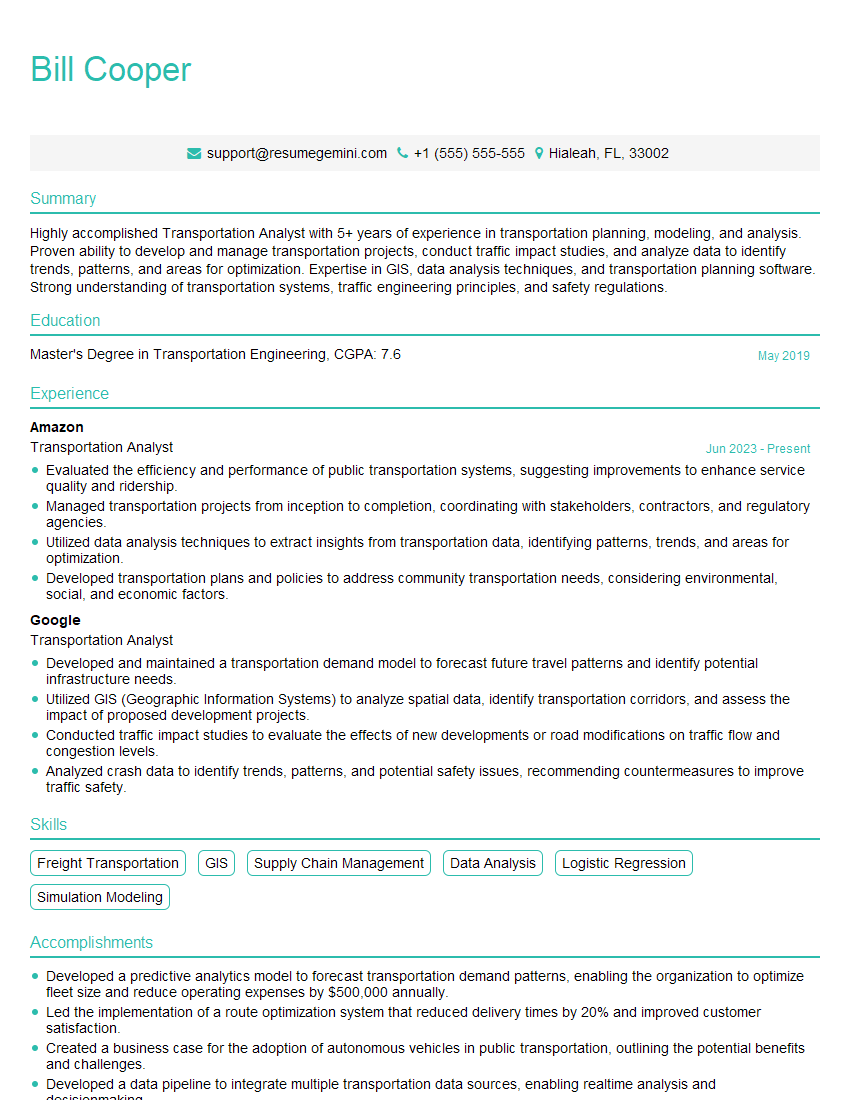
Transportation Analyst Resume Sample
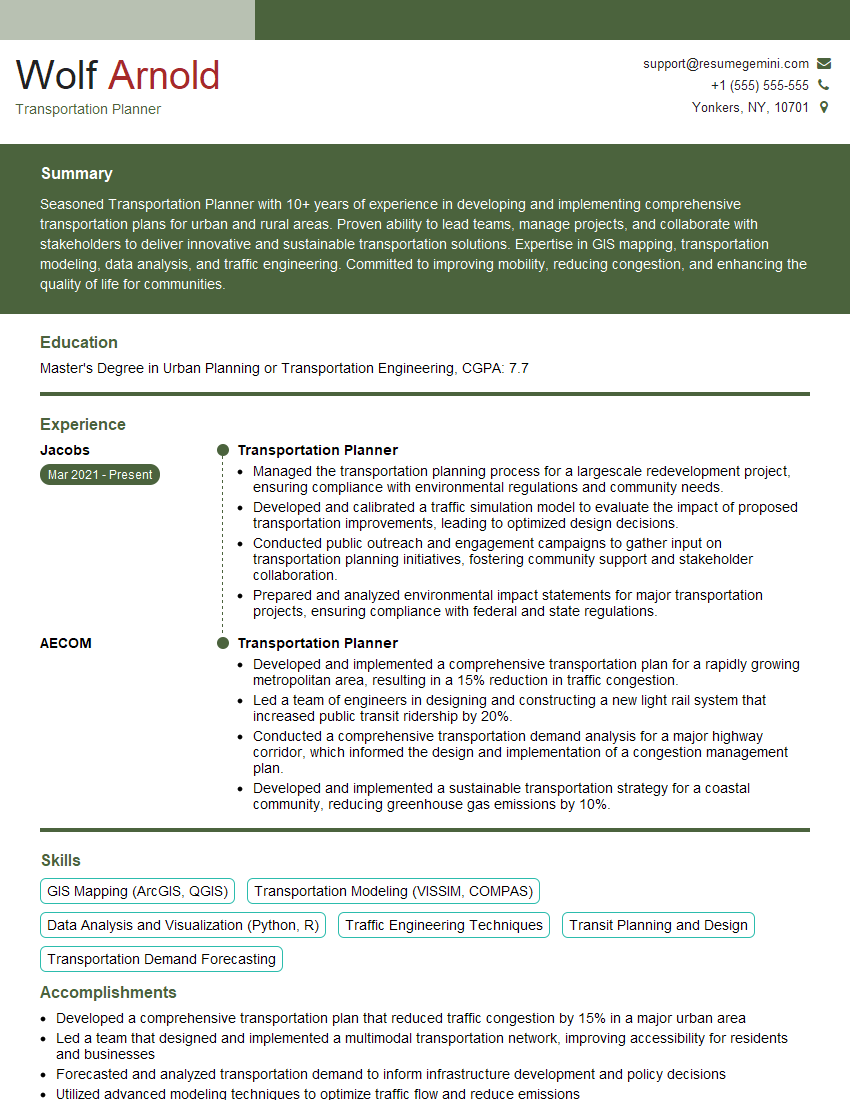
Transportation Planner Resume Sample
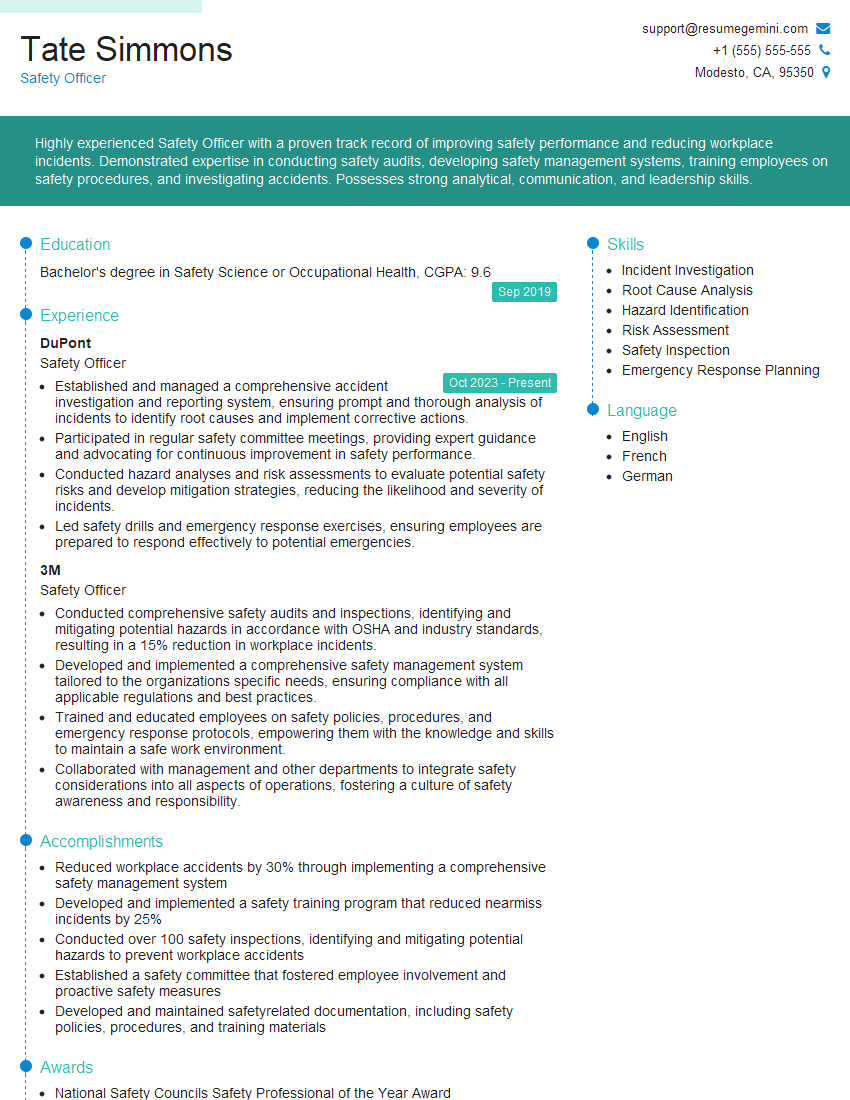
Safety Officer Resume Sample
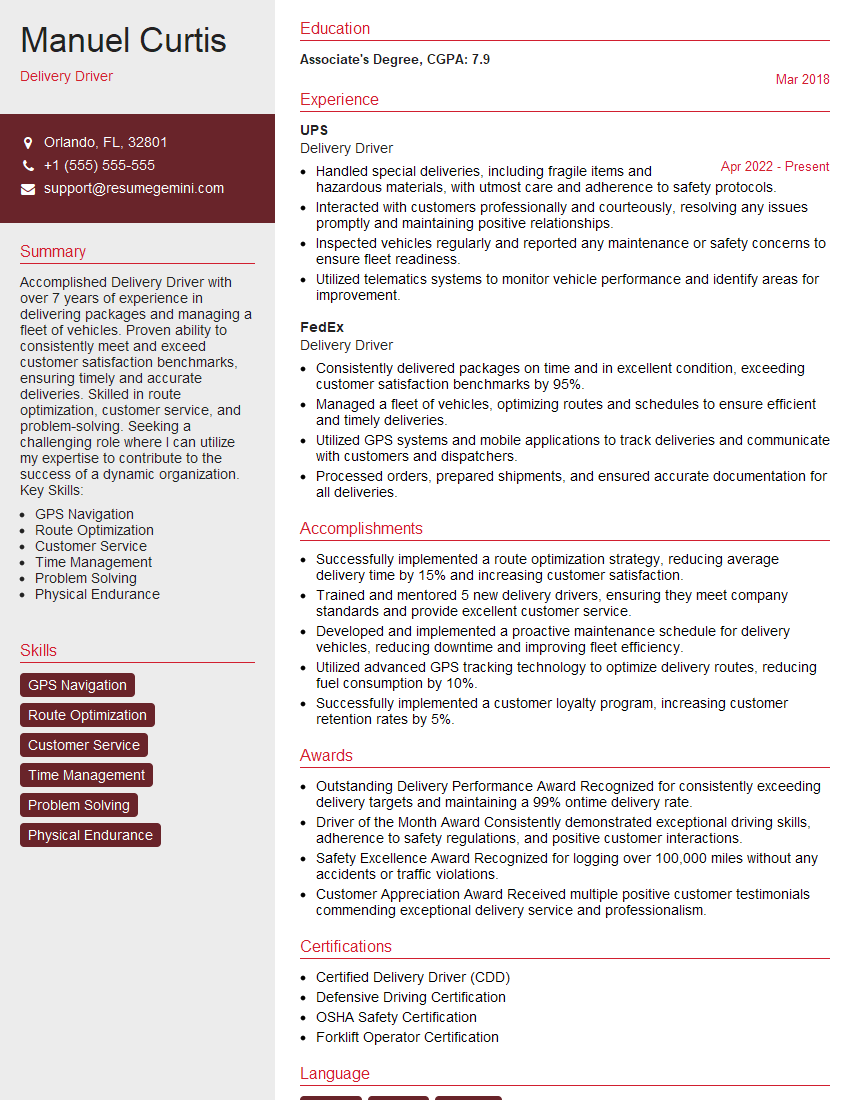
Delivery Driver Resume Sample
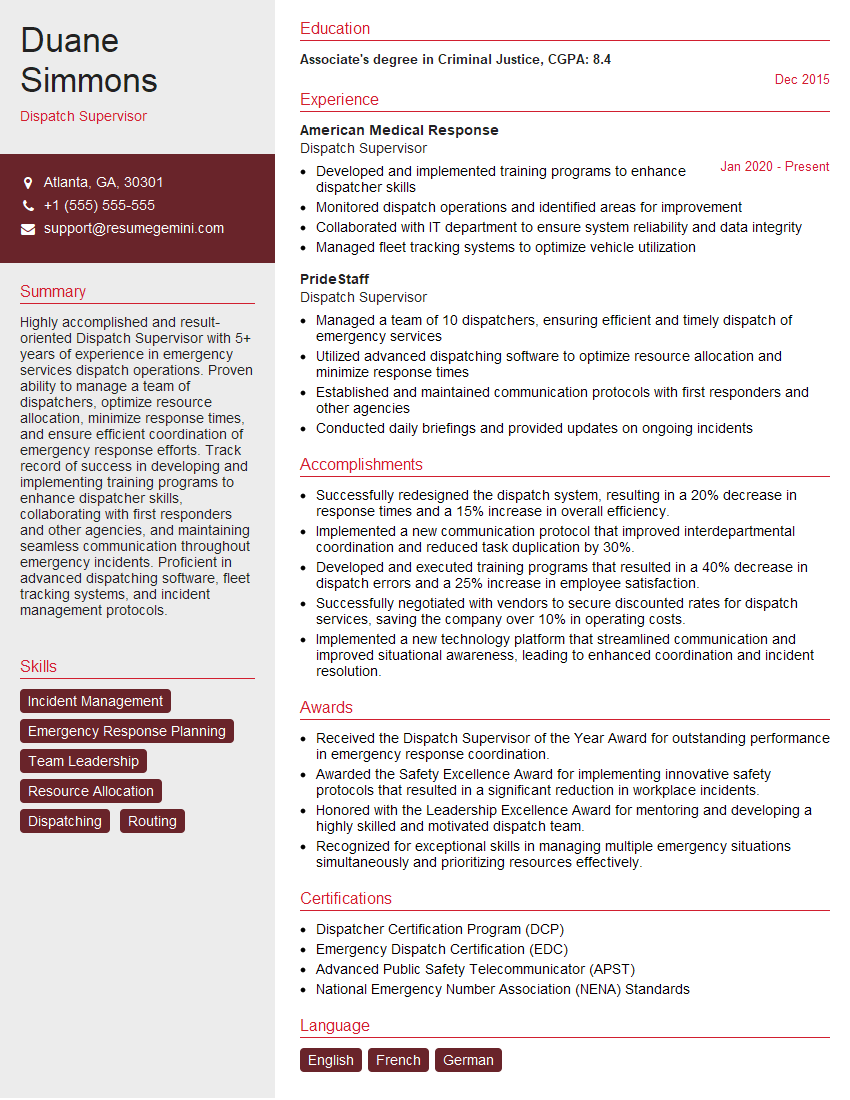
Dispatch Supervisor Resume Sample

Shipping and Receiving Clerk Resume Sample
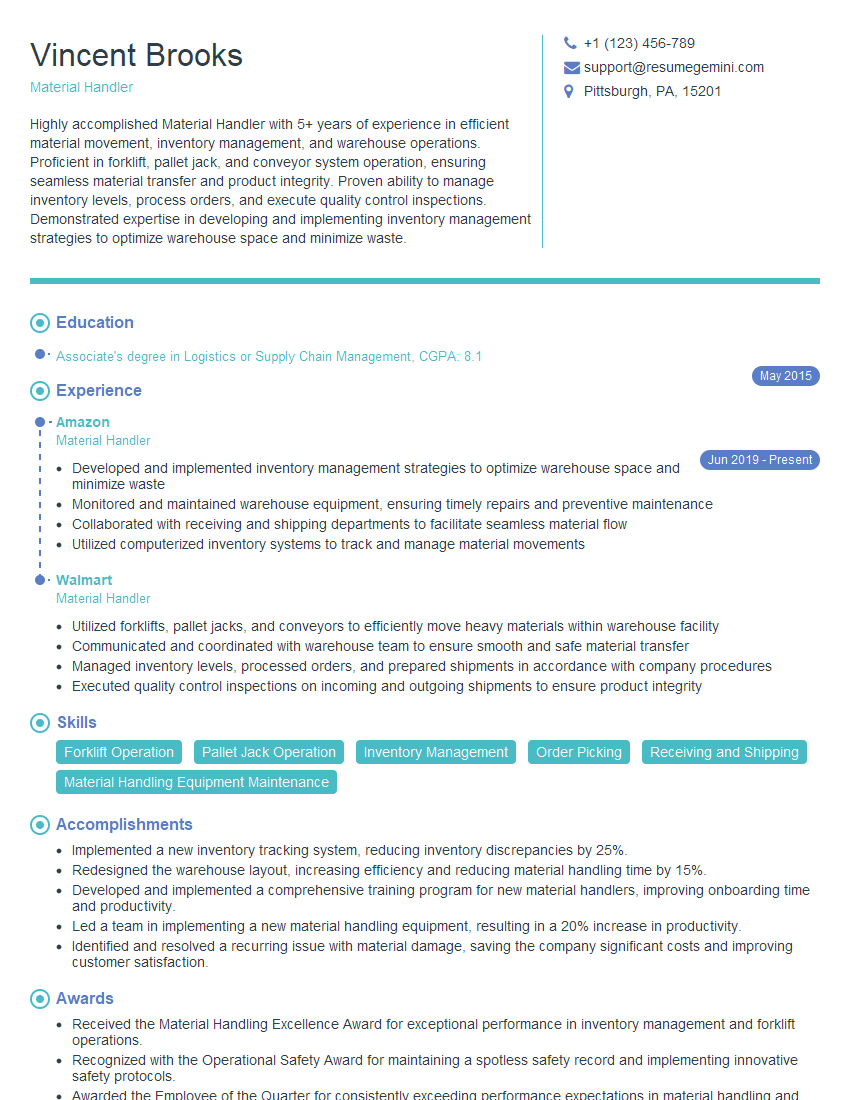
Material Handler Resume Sample
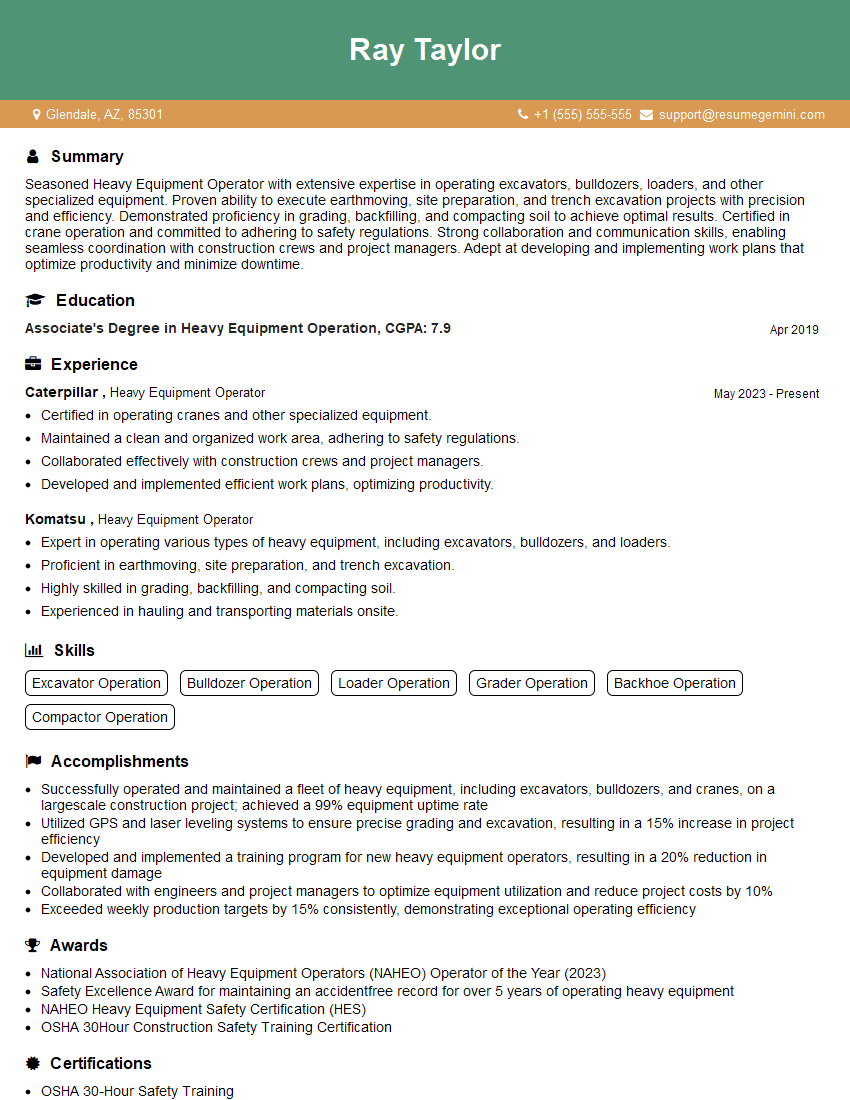
Heavy Equipment Operator Resume Sample
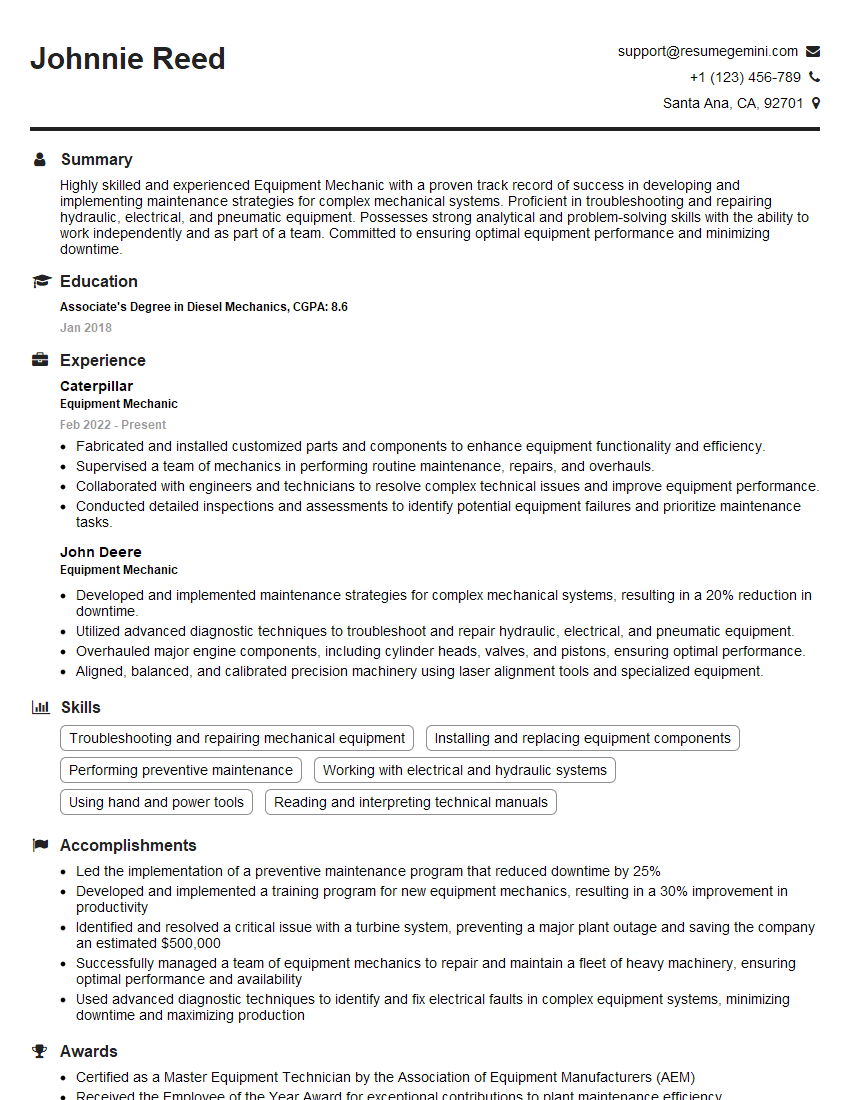
Equipment Mechanic Resume Sample
- Maintenance Supervisor
- Warehouse Manager
- Fleet Manager
- Transportation Coordinator
- Logistics Coordinator
- Compliance Manager
- Logistics Specialist
- Supply Chain Analyst
- Transportation Analyst
- Transportation Planner
- Safety Officer
- Delivery Driver
- Dispatch Supervisor
- Shipping and Receiving Clerk
- Material Handler
- Heavy Equipment Operator
- Equipment Mechanic
Explore more articles
Users Rating of Our Blogs
Share Your Experience
We value your feedback! Please rate our content and share your thoughts (optional).
What Readers Say About Our Blog
Attention music lovers!
Wow, All the best Sax Summer music !!!
Spotify: https://open.spotify.com/artist/6ShcdIT7rPVVaFEpgZQbUk
Apple Music: https://music.apple.com/fr/artist/jimmy-sax-black/1530501936
YouTube: https://music.youtube.com/browse/VLOLAK5uy_noClmC7abM6YpZsnySxRqt3LoalPf88No
Other Platforms and Free Downloads : https://fanlink.tv/jimmysaxblack
on google : https://www.google.com/search?q=22+AND+22+AND+22
on ChatGPT : https://chat.openai.com?q=who20jlJimmy20Black20Sax20Producer
Get back into the groove with Jimmy sax Black
Best regards,
Jimmy sax Black
www.jimmysaxblack.com
Hi I am a troller at The aquatic interview center and I suddenly went so fast in Roblox and it was gone when I reset.
Hi,
Business owners spend hours every week worrying about their website—or avoiding it because it feels overwhelming.
We’d like to take that off your plate:
$69/month. Everything handled.
Our team will:
Design a custom website—or completely overhaul your current one
Take care of hosting as an option
Handle edits and improvements—up to 60 minutes of work included every month
No setup fees, no annual commitments. Just a site that makes a strong first impression.
Find out if it’s right for you:
https://websolutionsgenius.com/awardwinningwebsites
Hello,
we currently offer a complimentary backlink and URL indexing test for search engine optimization professionals.
You can get complimentary indexing credits to test how link discovery works in practice.
No credit card is required and there is no recurring fee.
You can find details here:
https://wikipedia-backlinks.com/indexing/
Regards
NICE RESPONSE TO Q & A
hi
The aim of this message is regarding an unclaimed deposit of a deceased nationale that bears the same name as you. You are not relate to him as there are millions of people answering the names across around the world. But i will use my position to influence the release of the deposit to you for our mutual benefit.
Respond for full details and how to claim the deposit. This is 100% risk free. Send hello to my email id: lukachachibaialuka@gmail.com
Luka Chachibaialuka
Hey interviewgemini.com, just wanted to follow up on my last email.
We just launched Call the Monster, an parenting app that lets you summon friendly ‘monsters’ kids actually listen to.
We’re also running a giveaway for everyone who downloads the app. Since it’s brand new, there aren’t many users yet, which means you’ve got a much better chance of winning some great prizes.
You can check it out here: https://bit.ly/callamonsterapp
Or follow us on Instagram: https://www.instagram.com/callamonsterapp
Thanks,
Ryan
CEO – Call the Monster App
Hey interviewgemini.com, I saw your website and love your approach.
I just want this to look like spam email, but want to share something important to you. We just launched Call the Monster, a parenting app that lets you summon friendly ‘monsters’ kids actually listen to.
Parents are loving it for calming chaos before bedtime. Thought you might want to try it: https://bit.ly/callamonsterapp or just follow our fun monster lore on Instagram: https://www.instagram.com/callamonsterapp
Thanks,
Ryan
CEO – Call A Monster APP
To the interviewgemini.com Owner.
Dear interviewgemini.com Webmaster!
Hi interviewgemini.com Webmaster!
Dear interviewgemini.com Webmaster!
excellent
Hello,
We found issues with your domain’s email setup that may be sending your messages to spam or blocking them completely. InboxShield Mini shows you how to fix it in minutes — no tech skills required.
Scan your domain now for details: https://inboxshield-mini.com/
— Adam @ InboxShield Mini
support@inboxshield-mini.com
Reply STOP to unsubscribe
Hi, are you owner of interviewgemini.com? What if I told you I could help you find extra time in your schedule, reconnect with leads you didn’t even realize you missed, and bring in more “I want to work with you” conversations, without increasing your ad spend or hiring a full-time employee?
All with a flexible, budget-friendly service that could easily pay for itself. Sounds good?
Would it be nice to jump on a quick 10-minute call so I can show you exactly how we make this work?
Best,
Hapei
Marketing Director
Hey, I know you’re the owner of interviewgemini.com. I’ll be quick.
Fundraising for your business is tough and time-consuming. We make it easier by guaranteeing two private investor meetings each month, for six months. No demos, no pitch events – just direct introductions to active investors matched to your startup.
If youR17;re raising, this could help you build real momentum. Want me to send more info?
Hi, I represent an SEO company that specialises in getting you AI citations and higher rankings on Google. I’d like to offer you a 100% free SEO audit for your website. Would you be interested?
Hi, I represent an SEO company that specialises in getting you AI citations and higher rankings on Google. I’d like to offer you a 100% free SEO audit for your website. Would you be interested?