Preparation is the key to success in any interview. In this post, we’ll explore crucial Material Hoisting interview questions and equip you with strategies to craft impactful answers. Whether you’re a beginner or a pro, these tips will elevate your preparation.
Questions Asked in Material Hoisting Interview
Q 1. Describe your experience with different types of material hoists.
My experience encompasses a wide range of material hoists, from simple hand-operated units to sophisticated electric and pneumatic models. I’ve worked extensively with construction hoists used for transporting building materials to higher floors, industrial hoists used in manufacturing and warehousing, and specialized hoists employed in areas like mining and shipbuilding. Each type presents unique operational characteristics and safety considerations.
- Construction Hoists: I’m familiar with both the personnel and material-only variants, understanding the critical differences in safety protocols and load limitations. I’ve worked with both internal and external hoist designs and am comfortable with their maintenance.
- Electric Hoists: My experience includes various electric models, ranging from simple chain hoists to more complex ones with variable speed control, load sensing, and safety interlocks. I’m proficient in understanding their electrical schematics and troubleshooting potential issues.
- Pneumatic Hoists: I have experience with air-powered hoists frequently used in environments where electricity is hazardous or impractical. I understand the importance of maintaining consistent air pressure and the unique safety protocols involved.
- Specialised Hoists: This includes working with hoists for specific tasks such as lifting heavy machinery or unusual shaped loads. This requires unique rigging and attachment techniques to ensure safety and efficiency.
This diverse experience allows me to adapt quickly to different hoist types and optimize their use for various projects.
Q 2. Explain the safety procedures you follow when operating a material hoist.
Safety is paramount when operating a material hoist. My safety procedures always start with a thorough pre-operational inspection, as discussed in the next question. During operation, I strictly adhere to the following:
- Load Limits: Never exceed the hoist’s rated load capacity. I always double-check the load weight before lifting.
- Proper Rigging: Use appropriate slings, chains, or other lifting devices designed for the load and rated for the hoist’s capacity. Improper rigging can lead to accidents.
- Clear Communication: Maintain clear communication with ground personnel. This is essential to coordinate lifting and lowering operations, preventing collisions or entanglements.
- Personal Protective Equipment (PPE): Always wear appropriate PPE, including hard hats, safety glasses, and high-visibility clothing.
- Emergency Procedures: I am trained on emergency stopping procedures and know the location and use of all safety devices, including emergency brakes and limit switches.
- Environmental Awareness: I am always aware of my surroundings, watching out for obstacles and hazards that could interfere with the hoist’s operation.
- Regular Breaks: To avoid fatigue, I take regular breaks during prolonged operations.
Safety is not just a checklist; it’s a mindset. Every action is performed with caution and a focus on preventing accidents.
Q 3. How do you conduct a pre-operational inspection of a material hoist?
A pre-operational inspection is critical for safe operation. My checklist usually includes:
- Visual Inspection: Examine the hoist’s structure, cables, sheaves, drums, and brakes for any signs of damage, wear, or corrosion. Look for loose bolts, frayed wires, or bent components.
- Mechanical Inspection: Check the functionality of all moving parts, including the hoist’s motor, brakes, and limit switches. Ensure smooth operation and absence of unusual sounds or vibrations.
- Electrical Inspection (if applicable): Inspect the electrical connections, wiring, and control panel for damage or wear. Check that all safety interlocks are working correctly.
- Load Capacity Check: Verify that the hoist’s rated load capacity is sufficient for the intended load. Check the load chart if necessary.
- Rope Inspection: Carefully examine the hoisting ropes for fraying, kinks, or broken strands (discussed further in Question 6).
- Safety Device Check: Ensure all safety devices are in place and functional, including emergency stops, overspeed protection, and limit switches.
If any discrepancies are found, I report them immediately to my supervisor and do not operate the hoist until the issue is resolved. I always document the inspection findings.
Q 4. What are the common causes of material hoist malfunctions and how do you troubleshoot them?
Material hoist malfunctions can stem from various sources. Common causes include:
- Mechanical Issues: Worn-out bearings, damaged gears, broken chains or cables, and malfunctioning brakes are frequent problems. These often result in unusual sounds or difficulty in hoisting.
- Electrical Issues (for electric hoists): Faulty motors, damaged wiring, malfunctioning control circuits, and problems with the power supply can all lead to malfunctions. This often manifests as erratic operation or complete failure.
- Hydraulic Issues (for hydraulic hoists): Leaks in hydraulic lines, problems with the hydraulic pump, or contamination of the hydraulic fluid can significantly impact performance. This usually presents with slow operation, leaks, or complete loss of lifting power.
- Overloading: Exceeding the hoist’s rated load capacity can lead to damage or failure.
Troubleshooting involves systematically investigating these areas. I start by visually inspecting for obvious problems, then move to functional checks, utilizing testing equipment when necessary (multimeters, pressure gauges, etc.). Detailed logs are maintained to track the problem and solution.
Example: If a hoist refuses to lift, I’d first check the power supply (if applicable), then inspect the motor for damage, then examine the brake system to ensure it’s released, and finally examine the hoisting cable for damage or entanglement.
Q 5. What are the load capacity limitations of various material hoist models?
Load capacity varies significantly between hoist models. It depends on factors like the hoist’s size, design, and the type of hoisting mechanism used. For example:
- Small hand-operated chain hoists: Might have capacities ranging from a few hundred pounds to a couple of tons.
- Larger electric construction hoists: Can lift tens of tons.
- Specialized industrial hoists: Capacity can reach hundreds of tons in some heavy lifting applications.
Always consult the manufacturer’s specifications for the precise load capacity of any specific hoist model. This information is typically found on a nameplate affixed to the hoist itself. Operating a hoist beyond its rated capacity is extremely dangerous and can lead to catastrophic failure.
Q 6. Describe your experience with different types of hoisting ropes and their maintenance.
I have experience with various hoisting ropes, including steel wire rope, fiber ropes (like nylon or polyester), and synthetic ropes. Each has its strengths and weaknesses:
- Steel Wire Rope: Offers high strength and durability, suitable for heavy loads but requires regular inspection for wear and corrosion. Look for broken wires, kinks, and flattened strands.
- Fiber Ropes: Lighter and more flexible than steel wire rope, suitable for lighter loads but susceptible to abrasion and degradation from UV exposure and moisture. Regular cleaning and inspection are crucial.
- Synthetic Ropes: High strength-to-weight ratio, good resistance to abrasion and chemicals, but their properties can be affected by UV light and extreme temperatures. Regular inspection is necessary to watch for damage, wear and tear.
Maintenance: Regular inspection is crucial for all types. This includes visual examination for damage, checking for proper lubrication (where applicable), and testing for strength (as per relevant safety standards and company guidelines). Worn or damaged ropes must be replaced immediately. The frequency of inspection varies depending on the usage, environment, and material of the rope.
Q 7. How do you ensure the safe attachment of loads to a material hoist?
Safe load attachment is crucial for preventing accidents. The process involves:
- Correct Sling Selection: Choose slings appropriate for the load’s weight, shape, and material. Different slings are designed for specific types of loads.
- Proper Slinging Techniques: Use proper hitching methods to distribute the load evenly. Avoid sharp bends or kinks in the sling. Different hitching arrangements exist for different types of slings and loads (e.g., choker hitches, basket hitches).
- Load Securing: Secure the load firmly to the sling, preventing it from shifting or slipping during the lift. Appropriate securing techniques vary with different loads. Ensure the slings are evenly distributed and well-secured to the load.
- Load Weight Verification: Always verify the weight of the load before lifting to ensure it does not exceed the hoist’s capacity and the sling’s rated load.
- Inspection before Lifting: Thoroughly inspect all components before starting the lift— slings, attachments, and the load itself— to ensure everything is secure and free from defects.
Using incorrect slinging techniques or overloading the sling can lead to load slippage, sling breakage, and potentially serious injuries or property damage. Following established procedures and guidelines for load attachment is paramount.
Q 8. Explain the importance of load charts and how to interpret them.
Load charts are crucial for safe material hoist operation. They visually represent the hoist’s capacity limits under different conditions. Think of them as a vital instruction manual, detailing what the hoist can safely lift and under what circumstances. Misinterpreting a load chart can lead to catastrophic equipment failure and serious injury.
Interpreting a load chart involves understanding several key elements:
- Maximum Load Capacity: The absolute maximum weight the hoist can lift under ideal conditions. This is usually clearly stated at the top of the chart.
- Load Radius: The distance from the hoist’s center to the load’s center of gravity. A longer radius means less weight can be safely lifted because of increased stress on the hoist’s structure and components.
- Rope Angle: The angle of the hoisting rope relative to the vertical. A steeper angle reduces the effective lifting capacity.
- Wind Speed/Conditions: Load charts often incorporate limitations for windy conditions, as wind can dramatically impact stability.
- Number of Suspended Loads: Some charts account for lifting multiple loads simultaneously. The capacity might decrease if multiple items are attached.
For example, a load chart might show that a hoist has a maximum capacity of 5,000 lbs when the load radius is 5 feet and the rope angle is vertical. However, if the radius increases to 10 feet, the safe capacity might drop to 2,500 lbs. Always consult the chart before starting any lift and make sure to factor in the weight of the lifting gear as well.
Q 9. What are the regulations and safety standards you adhere to when working with material hoists?
Adhering to safety regulations and standards is paramount. My work consistently follows guidelines set by OSHA (Occupational Safety and Health Administration) in the US, or equivalent regulations in other countries. This includes regular inspections, ensuring proper training for all operators, and strict adherence to safe operating procedures.
Specific regulations I always follow include:
- Regular Inspections: Daily pre-operational checks of all hoist components, including ropes, brakes, and electrical systems. This prevents issues from developing into dangerous problems.
- Operator Training and Certification: Only certified operators trained on the specific hoist model are allowed to operate the equipment. This ensures understanding of safe practices and emergency protocols.
- Load Limits and Capacity: Always complying with load charts to ensure we never exceed the hoist’s capacity.
- Proper Rigging and Signaling: Using appropriate rigging equipment and following standard signaling procedures to coordinate lifts effectively and safely.
- Emergency Procedures: Having clearly defined emergency shutdown procedures in case of equipment failure or other unforeseen circumstances.
Ignoring these standards could lead to serious accidents, injuries, or fatalities. Therefore, safety is always my top priority.
Q 10. How do you handle emergency situations involving material hoist malfunctions?
Handling emergency situations requires quick thinking and well-rehearsed procedures. My first response is to immediately shut down the hoist using the emergency stop. This is followed by assessing the situation to determine the nature of the malfunction and the level of risk.
Here’s a typical response protocol:
- Immediate Shutdown: Activate the emergency stop button to halt the hoist’s operation.
- Assess the Situation: Determine the cause of the malfunction (e.g., brake failure, power outage, load imbalance). Is the load suspended safely, or is there immediate danger of a fall?
- Evacuate the Area: Clear the area around the hoist to prevent anyone from being injured by falling debris or equipment.
- Alert Emergency Services: If needed, contact emergency services or site safety personnel immediately.
- Report the Incident: Document the incident thoroughly, including details of the malfunction, actions taken, and any injuries or damage sustained.
During my career, I had one instance where a power surge caused the hoist’s motor to fail while lifting a heavy load of steel beams. Following this procedure, we were able to safely secure the load and get things resolved without any harm done.
Q 11. Describe your experience with different types of hoisting signals.
Material hoist signaling is critical for safe operation and depends on clear communication between the hoist operator and the signal person. Different methods exist, from hand signals to two-way radios.
I’m proficient in various signaling methods, including:
- Hand Signals: A standardized set of hand signals to communicate hoist movements (raise, lower, stop, emergency stop). These signals must be clearly visible and unambiguous.
- Two-Way Radios: Allows for verbal communication, particularly useful in noisy environments or when precise instructions are needed.
- Electronic Signaling Systems: Some modern hoists integrate electronic signaling systems for increased safety and precision. This could include push buttons for various commands, and visual displays for the operator.
Regardless of the method, clear communication is key. Misunderstandings can lead to accidents, so using a consistent and clearly understood system is essential. For example, a simple mistake like a misinterpretation of a hand signal could lead to a dropped load causing serious injury or damage.
Q 12. How do you coordinate with other workers on a construction site to ensure safe material hoist operation?
Coordination with other workers is crucial for safe hoist operation. This involves constant communication and clear designated roles and responsibilities.
My approach includes:
- Pre-Lift Planning: Discussing the lift plan with all involved workers beforehand, including the hoist operator, riggers, and anyone working near the hoist area.
- Designated Signal Person: Assigning a competent and trained signal person to guide the hoist operator. This ensures focused and clear communication between the operator and the ground crew.
- Barrier/Exclusion Zones: Establishing clear boundaries around the hoist’s operating area to prevent unauthorized personnel from entering.
- Communication Protocols: Establishing clear and concise communication protocols, using pre-agreed upon signals and radio channels to avoid confusion.
- Regular Check-ins: Maintaining ongoing communication during the lift and verifying that everyone is following safety procedures.
On a recent high-rise project, we utilized this approach to lift enormous pre-fabricated sections without any incidents. Clear communication and defined work areas were integral to the success and safety of the operation.
Q 13. How do you maintain accurate records of material hoist operations?
Maintaining accurate records of material hoist operations is vital for safety, compliance, and project management. These records serve as evidence of safe operating practices and can be critical in investigating incidents.
My record-keeping usually includes:
- Daily Inspection Reports: Detailed reports documenting daily pre-operational inspections, noting any issues or maintenance required.
- Lift Logs: A log of every lift, including date, time, weight lifted, load description, and operator’s name.
- Maintenance Records: Records of all maintenance activities performed on the hoist, including parts replaced and servicing dates.
- Incident Reports: Detailed reports of any incidents, including malfunctions, near misses, or accidents, along with corrective actions taken.
- Operator Certifications and Training Records: Ensuring all operators are properly trained and certified to operate the specific material hoist.
These records are kept both digitally and physically in a secure location, complying with relevant regulations. This thorough record-keeping ensures accountability and aids in continuous improvement of safety measures.
Q 14. What are the different types of brakes used in material hoists and how do they function?
Material hoists employ various braking systems to ensure safe and controlled operation. These systems are critical for preventing runaway loads and ensuring a smooth stop.
Common brake types include:
- Mechanical Brakes: These brakes use mechanical components like friction shoes or discs to create resistance and slow down or stop the hoist. They are usually fail-safe, meaning they engage automatically in case of power failure. Many utilize a spring-loaded system to engage the brakes if there’s a power loss.
- Electric Brakes: Electrically operated brakes that use electromagnetic force to engage and disengage. These require power to release the brakes, creating a fail-safe mechanism. This type needs a power backup in some applications.
- Regenerative Brakes: These brakes use the hoist’s motor as a generator to create braking force. The energy generated is often fed back into the power system, making them energy-efficient. They are commonly used with electric motor driven hoists.
Each brake type has its own advantages and disadvantages. Mechanical brakes are simple and reliable but can be less precise. Electric brakes provide more precise control but rely on power. Regenerative brakes are energy-efficient but require sophisticated control systems. The selection of the appropriate brake type depends on factors such as the hoist’s capacity, the application, and safety requirements.
Q 15. How do you identify and report potential hazards related to material hoist operation?
Identifying potential hazards in material hoist operation is crucial for safety. My approach involves a systematic hazard identification process, combining pre-operational inspections with ongoing monitoring. This includes checking the hoist’s structural integrity (cables, sheaves, brakes, etc.), ensuring proper load securing techniques are used, verifying the competence of operators, and assessing environmental factors like weather and site conditions.
Reporting these hazards follows a clear chain of command. I’d immediately stop operations if an immediate danger is identified and report it to my supervisor. A detailed report, including photographic or video evidence, would be filed, outlining the hazard, its potential consequences, and recommended corrective actions. This ensures that all relevant parties are informed and preventative measures are implemented to avoid future incidents. For instance, if I notice fraying on a hoisting cable during a pre-operation check, I would immediately report it and stop operations until the cable is replaced.
- Pre-operational checks: A thorough visual inspection of all components.
- Operational monitoring: Regular observation of the hoist during operation.
- Environmental assessment: Considering factors like wind speed and rain.
- Operator competence: Confirming operators are properly trained and certified.
Career Expert Tips:
- Ace those interviews! Prepare effectively by reviewing the Top 50 Most Common Interview Questions on ResumeGemini.
- Navigate your job search with confidence! Explore a wide range of Career Tips on ResumeGemini. Learn about common challenges and recommendations to overcome them.
- Craft the perfect resume! Master the Art of Resume Writing with ResumeGemini’s guide. Showcase your unique qualifications and achievements effectively.
- Don’t miss out on holiday savings! Build your dream resume with ResumeGemini’s ATS optimized templates.
Q 16. Explain the process of rigging and unrigging loads on a material hoist.
Rigging and unrigging loads on a material hoist requires meticulous attention to detail and adherence to safety regulations. The process begins with selecting the appropriate rigging equipment—strong enough to handle the load safely, taking into account the load’s weight, shape, and center of gravity. The load must be evenly distributed to prevent imbalance and potential swinging. Using appropriate slings (chains, wire ropes, or synthetic webbing) is crucial. Proper hitching techniques are employed to avoid damaging the load or the rigging equipment.
Rigging involves attaching the slings to the load and then securely connecting them to the hoist’s hook. The load should be carefully guided to avoid collision with structures during lifting. Unrigging is the reverse process. The hoist slowly lowers the load, and the slings are carefully detached, ensuring the load is stabilized to prevent sudden drops. Following proper unrigging procedure ensures that the process remains safe and efficient.
For example, when lifting a heavy steel beam, I’d use two wire rope slings and ensure they are evenly distributed across the beam’s length, attached to the load’s center of gravity using proper hitching techniques to distribute stress across the load evenly. I would then check for any obstructions, secure the hooks, and check the hoist mechanism. The whole process is thoroughly checked and double-checked to ensure the safety of the people working on the ground and the integrity of the load itself.
Q 17. How do you ensure the structural integrity of a material hoist during operation?
Ensuring the structural integrity of a material hoist is paramount. This involves regular inspections, preventative maintenance, and adherence to stringent safety standards. Pre-operational checks focus on visual inspection for wear and tear on all components: cables, sheaves, drums, brakes, and structural members. Regular lubrication is essential to prevent friction and wear. Load testing at specified intervals, as per manufacturer recommendations, verifies the hoist’s ability to handle its rated capacity safely.
Detailed records are kept of all inspections and maintenance activities, allowing for trend analysis and identification of potential issues before they escalate. Any identified defects require immediate attention and repair by qualified technicians. The hoist’s load capacity must never be exceeded and the hoist should be thoroughly checked at the start of any new project or after significant inactivity.
For instance, I’d monitor the cable wear meticulously, looking for fraying, kinking, or corrosion. Any significant wear necessitates immediate replacement, and documentation of this process is carefully recorded in the hoist’s maintenance log. We use certified technicians to inspect the integrity of the hoist after a set period, including rigorous load tests.
Q 18. What are the limitations of using a material hoist in various weather conditions?
Weather conditions significantly impact material hoist operation. High winds pose a serious risk of load swinging and instability. Heavy rain or snow can reduce visibility, impair braking systems (if not properly maintained), and increase the risk of electrical hazards. Extreme temperatures can affect the materials’ strength and functionality.
In high winds, operation is usually suspended. In rain and snow, additional safety measures, such as improved visibility and protective coverings, may be implemented, or operations suspended completely. Extreme temperatures may require operational adjustments or the use of specialized equipment designed for such conditions. Each situation requires a risk assessment, determining whether it’s safe to proceed or whether operations should be suspended to ensure the safety of the workers and the integrity of the equipment and load.
For example, if wind speeds exceed a pre-determined limit, usually outlined in the manufacturer’s specifications and safety guidelines, operations must be ceased. Similarly, heavy snowfall would necessitate thorough clearing of snow from the hoist structure and surrounding area before operation can resume.
Q 19. How do you calculate the appropriate hoisting speed and acceleration for different loads?
Calculating appropriate hoisting speed and acceleration depends on several factors: the load’s weight, the hoist’s capacity, the type of load (fragile or robust), and the environmental conditions (wind, rain). Manufacturer’s specifications provide guidelines for maximum safe speeds and accelerations. The hoist’s control system often has built-in limits to prevent exceeding these safe parameters.
Generally, heavier loads necessitate slower speeds and gentler acceleration to prevent excessive stress on the hoist’s components and to minimize the risk of load swinging. Fragile loads require even slower speeds and more careful handling. Wind and other environmental factors further restrict allowable speed and acceleration to reduce the chances of load instability or collisions.
There is no single formula applicable to all scenarios. Often, this calculation is based on experience and knowledge of the specific equipment used, combined with manufacturer recommendations. Software for crane and hoist simulations can help assess safe operating parameters for complex loads and conditions.
Q 20. What is your experience with preventative maintenance on material hoists?
Preventative maintenance is the cornerstone of safe and efficient material hoist operation. My experience encompasses a wide range of tasks including regular visual inspections, lubrication of moving parts, cable and structural inspections, and brake testing. I’m proficient in using various diagnostic tools to detect potential issues early, preventing costly repairs and downtime.
I follow a strict maintenance schedule, adhering to manufacturer recommendations and regulatory guidelines. This schedule includes daily, weekly, monthly, and annual inspections, with detailed records kept for every maintenance activity. I’m also experienced in troubleshooting common problems, performing minor repairs, and identifying when major servicing or parts replacement is required. This proactive approach minimizes the risk of accidents and ensures the hoist remains in optimal working condition.
For instance, I’d perform daily checks on the brakes and cables, noting any unusual wear and tear. Lubrication is crucial for all moving parts, to avoid excessive friction and reduce wear. Regular oil analysis can help detect potential problems before they become major issues.
Q 21. Explain your understanding of different hoisting techniques (e.g., single line, double line).
Different hoisting techniques cater to various load types and site conditions. Single-line hoisting involves using a single cable to lift the load directly. It’s simple and efficient but may not be suitable for very heavy loads. Double-line hoisting uses two cables to share the load, effectively halving the stress on each cable. This increases the load capacity and improves stability, particularly beneficial for heavier or unwieldy objects.
Other techniques include multiple-line hoisting, employing multiple cables for even greater load capacity and stability. The choice of technique depends on factors like load weight, height, and environmental conditions. Each technique requires specific knowledge of rigging procedures and safety precautions to avoid potential hazards.
For example, lifting a heavy piece of construction equipment might require double-line hoisting for stability and safety, while smaller items can be lifted using single-line hoisting. The choice is made based on a careful risk assessment considering all the relevant factors.
Q 22. How do you respond to a hoist malfunction that results in a load being suspended?
My immediate response to a hoist malfunction resulting in a suspended load is to prioritize safety. First, I would ensure the area is completely secured and evacuated, preventing anyone from entering the danger zone beneath the suspended load. This involves establishing a perimeter and clearly communicating the hazard to all personnel.
Next, I would carefully assess the situation to determine the cause of the malfunction. Is it a power failure, a mechanical issue with the hoist itself (e.g., a broken cable or sheave), or a problem with the load’s rigging? This assessment informs the subsequent steps.
Depending on the situation, I might attempt to carefully lower the load using available emergency mechanisms, if safe and feasible. However, I would only do this if I’m confident that it won’t exacerbate the problem and create a greater risk. If unsure, I’d immediately contact a qualified hoist technician or engineer to assess the situation and recommend safe recovery procedures. Documenting every step taken, including photos and witness statements, is crucial for investigation and future prevention.
In one instance, a sudden power outage caused a load of steel beams to be suspended mid-air. Following the above steps, we contacted the electrical crew to restore power, carefully lowering the load once the power was re-established and confirming the hoist’s functionality.
Q 23. What safety measures do you take to prevent accidents during material hoist operation?
Preventing accidents during material hoist operation necessitates a multi-layered safety approach. This begins with thorough pre-operational checks, including inspecting all components – cables, drums, brakes, sheaves, and electrical systems – for any signs of wear, damage, or malfunction. We use checklists to ensure nothing is missed.
Proper load rating is paramount. The hoist’s capacity must exceed the weight of the load, including any rigging. Correct rigging techniques are crucial, ensuring the load is balanced and securely attached. Training workers on proper rigging procedures, including the use of appropriate slings and shackles, is vital. We also employ load indicators and weight limits clearly displayed on the hoist.
Regular maintenance is essential, adhering to a strict schedule of inspections and lubrication. This proactive approach helps identify potential problems before they become hazards. Furthermore, strict adherence to safe operating procedures is enforced, including the use of personal protective equipment (PPE) such as hard hats, safety harnesses, and safety shoes.
Clear communication protocols minimize the risk of miscommunication. Designated signal persons are employed to guide hoist operation, particularly in confined spaces. Emergency stop buttons are readily accessible, and employees are trained on their proper use.
For example, we instituted a ‘Lockout/Tagout’ procedure for all maintenance activities on our hoists, ensuring no accidental starts. This has significantly reduced the possibility of accidents during maintenance.
Q 24. How do you communicate effectively with other workers regarding material hoist usage?
Effective communication is the cornerstone of safe material hoist operation. We use a combination of methods, including pre-task briefings where we discuss the day’s hoisting tasks, potential hazards, and the planned procedures. Clear hand signals, particularly when guiding the hoist operator, are standard practice.
A system of radio communication is essential, especially on large construction sites. This allows for real-time communication between the hoist operator, riggers, and ground personnel. Using pre-agreed terminology avoids misunderstandings; for instance, a specific phrase signals an emergency stop.
Clear signage at the hoist location, detailing weight limits, safe operating procedures, and emergency contact information, enhances safety. Detailed logs of all hoist operations, including the operator’s name, date, time, and load details, provide a valuable record for traceability and incident investigation.
In a recent project, using two-way radios allowed us to immediately alert the operator of a loose cable during a critical lift, preventing a potential accident. The clear communication ensured a safe and timely response.
Q 25. What is your experience with different types of material hoist controls (e.g., manual, automated)?
My experience encompasses various material hoist control systems, from basic manual levers and push-button controls to more sophisticated automated systems with programmable logic controllers (PLCs). Manual systems provide direct control, useful for precise movements and in situations where automated systems aren’t feasible.
Automated systems, utilizing PLCs, offer enhanced precision, speed, and safety features such as load limiting and automatic braking systems. I have extensive experience programming and troubleshooting these systems, ensuring their reliable and safe operation. Understanding the limitations and safety interlocks of each system is paramount. For instance, the use of PLC-based systems needs careful configuration to prevent unintended operations and requires regular testing and maintenance.
Furthermore, I have experience with remote control systems, which offer improved operator safety by allowing control from a safe distance, especially beneficial when operating hoists in challenging or hazardous environments. The selection of the control system depends on the project’s specific needs, considering factors like load size, required precision, site layout, and budget.
Q 26. Describe your experience with the installation and dismantling of material hoists.
My experience with the installation and dismantling of material hoists is extensive. It starts with careful review of the site plans and hoist specifications to ensure that the installation location is structurally sound and meets safety requirements. The process involves assembling the hoist components according to manufacturer’s guidelines, ensuring proper alignment and securing of all parts. This includes anchoring the hoist securely to the building structure and checking the stability of the mast.
Rigorous testing is conducted before operation, verifying the hoist’s functionality and load capacity. This includes testing the braking system, the safety limits, and the emergency stop mechanisms. Once operational, regular inspections throughout the project life are vital, addressing potential issues proactively. Dismantling involves the reverse process: a systematic deconstruction, starting with the removal of the load, followed by careful disassembly, ensuring all parts are safely handled and stored.
One project involved installing a large-capacity hoist on a high-rise building. We used specialized lifting equipment and rigorous safety protocols to ensure the hoist was installed accurately and safely, without incident. The same care was applied during the subsequent dismantling process.
Q 27. How do you ensure compliance with OSHA regulations for material hoist operation?
Ensuring compliance with OSHA regulations for material hoist operation is a non-negotiable aspect of my work. This begins with a thorough understanding of all relevant OSHA standards, including those relating to hoisting equipment, fall protection, and lockout/tagout procedures. We maintain detailed records of all inspections, maintenance activities, and operator training. These records are readily available for OSHA audits.
Regular training for operators and riggers is a cornerstone of compliance. This training covers safe operating procedures, emergency response protocols, and recognition of hazards. We ensure our training aligns with OSHA guidelines and use certified trainers. Furthermore, we use only certified hoisting equipment that meets or exceeds OSHA standards. Thorough inspections of the equipment and working area are conducted before each use.
Our commitment extends to implementing and maintaining safety programs, actively engaging with workers and fostering a safety-conscious culture. This proactive approach, coupled with meticulous record-keeping and adherence to regulations, ensures ongoing compliance and minimizes workplace risks.
Q 28. Explain your understanding of the different components of a material hoist and their functions.
A material hoist comprises several key components, each with a specific function. The drum is the central component, winding and unwinding the hoisting cable. The motor provides the power for the drum’s rotation, controlled via various mechanisms like levers, buttons, or automated systems. The brake system is crucial for safety, ensuring the load remains stationary when not actively lifting or lowering.
Sheaves, or pulleys, redirect the cable, guiding it smoothly around corners and reducing friction. The hoisting cable, usually made of high-strength steel wire, directly lifts the load. A safety device, typically a limit switch, prevents overwinding and ensures the load stays within safe operating parameters. The mast provides a rigid structure for guiding the hoist and supporting the load. The platform or cage carries the materials, requiring secure construction to ensure load stability.
Finally, various electrical and control components manage the motor’s operation, including switches, relays, and potentially programmable logic controllers (PLCs) for automated systems. Each component plays a vital role in ensuring the hoist operates safely and efficiently. Understanding the function of each component is key to identifying and resolving malfunctions.
Key Topics to Learn for Material Hoisting Interview
- Fundamentals of Hoisting Mechanisms: Understanding different types of hoists (e.g., electric, hydraulic, pneumatic), their components, and operating principles. This includes safety mechanisms and limitations.
- Load Capacity and Stability Calculations: Practical application of engineering principles to determine safe working loads, considering factors like weight distribution, center of gravity, and structural integrity of the hoist and supporting structures.
- Safety Regulations and Procedures: A thorough understanding of OSHA (or relevant regional) regulations pertaining to material hoisting, including inspections, maintenance, and emergency procedures. This includes recognizing and mitigating potential hazards.
- Maintenance and Troubleshooting: Practical experience in preventative maintenance, identifying common malfunctions, and performing basic repairs or troubleshooting on various hoisting systems. This includes understanding lubrication schedules and component wear and tear.
- Material Handling Techniques: Safe and efficient methods for rigging, lifting, and transporting materials using hoists, considering different material types and sizes. This includes proper slinging techniques and load securing.
- Communication and Teamwork: Effective communication with ground crews, signal persons, and other team members to ensure safe and coordinated lifting operations. This includes understanding hand signals and radio communication protocols.
- Emergency Response Procedures: Knowledge of procedures to follow in case of equipment malfunction, load imbalance, or other emergencies, ensuring the safety of personnel and equipment.
Next Steps
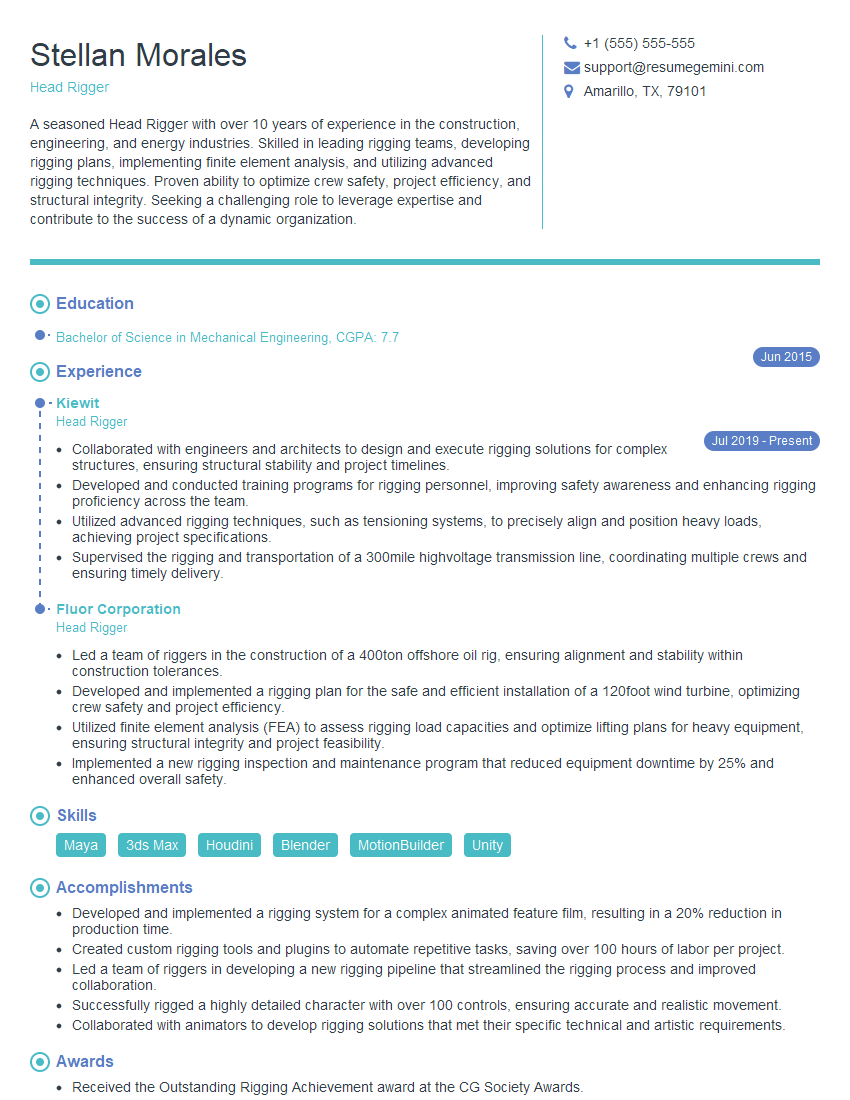
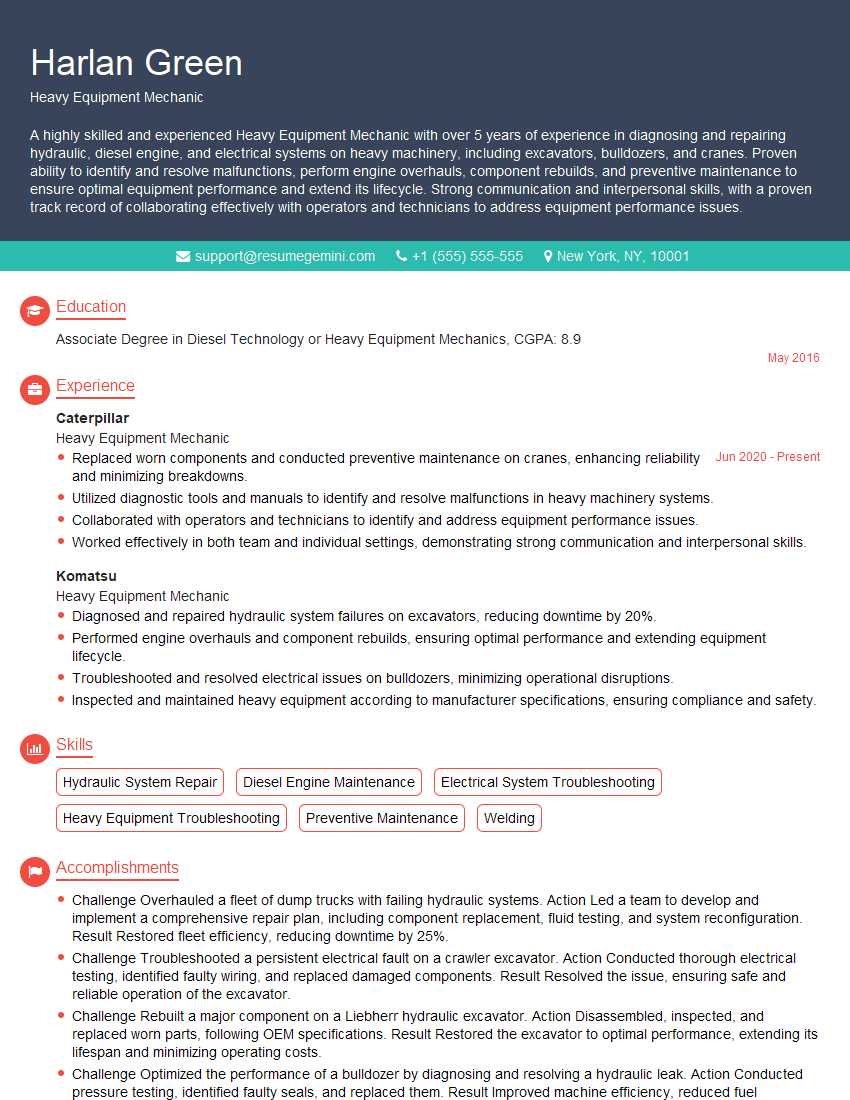
Mastering material hoisting opens doors to rewarding careers in construction, manufacturing, and logistics, offering excellent earning potential and opportunities for advancement. To maximize your job prospects, it’s crucial to present your skills effectively. Building an ATS-friendly resume is key to getting your application noticed. We strongly recommend leveraging ResumeGemini to craft a compelling and professional resume that highlights your material hoisting expertise. ResumeGemini provides resources and examples of resumes tailored to the Material Hoisting field to help you stand out from the competition.




Explore more articles
Users Rating of Our Blogs
Share Your Experience
We value your feedback! Please rate our content and share your thoughts (optional).
What Readers Say About Our Blog
Attention music lovers!
Wow, All the best Sax Summer music !!!
Spotify: https://open.spotify.com/artist/6ShcdIT7rPVVaFEpgZQbUk
Apple Music: https://music.apple.com/fr/artist/jimmy-sax-black/1530501936
YouTube: https://music.youtube.com/browse/VLOLAK5uy_noClmC7abM6YpZsnySxRqt3LoalPf88No
Other Platforms and Free Downloads : https://fanlink.tv/jimmysaxblack
on google : https://www.google.com/search?q=22+AND+22+AND+22
on ChatGPT : https://chat.openai.com?q=who20jlJimmy20Black20Sax20Producer
Get back into the groove with Jimmy sax Black
Best regards,
Jimmy sax Black
www.jimmysaxblack.com
Hi I am a troller at The aquatic interview center and I suddenly went so fast in Roblox and it was gone when I reset.
Hi,
Business owners spend hours every week worrying about their website—or avoiding it because it feels overwhelming.
We’d like to take that off your plate:
$69/month. Everything handled.
Our team will:
Design a custom website—or completely overhaul your current one
Take care of hosting as an option
Handle edits and improvements—up to 60 minutes of work included every month
No setup fees, no annual commitments. Just a site that makes a strong first impression.
Find out if it’s right for you:
https://websolutionsgenius.com/awardwinningwebsites
Hello,
we currently offer a complimentary backlink and URL indexing test for search engine optimization professionals.
You can get complimentary indexing credits to test how link discovery works in practice.
No credit card is required and there is no recurring fee.
You can find details here:
https://wikipedia-backlinks.com/indexing/
Regards
NICE RESPONSE TO Q & A
hi
The aim of this message is regarding an unclaimed deposit of a deceased nationale that bears the same name as you. You are not relate to him as there are millions of people answering the names across around the world. But i will use my position to influence the release of the deposit to you for our mutual benefit.
Respond for full details and how to claim the deposit. This is 100% risk free. Send hello to my email id: [email protected]
Luka Chachibaialuka
Hey interviewgemini.com, just wanted to follow up on my last email.
We just launched Call the Monster, an parenting app that lets you summon friendly ‘monsters’ kids actually listen to.
We’re also running a giveaway for everyone who downloads the app. Since it’s brand new, there aren’t many users yet, which means you’ve got a much better chance of winning some great prizes.
You can check it out here: https://bit.ly/callamonsterapp
Or follow us on Instagram: https://www.instagram.com/callamonsterapp
Thanks,
Ryan
CEO – Call the Monster App
Hey interviewgemini.com, I saw your website and love your approach.
I just want this to look like spam email, but want to share something important to you. We just launched Call the Monster, a parenting app that lets you summon friendly ‘monsters’ kids actually listen to.
Parents are loving it for calming chaos before bedtime. Thought you might want to try it: https://bit.ly/callamonsterapp or just follow our fun monster lore on Instagram: https://www.instagram.com/callamonsterapp
Thanks,
Ryan
CEO – Call A Monster APP
To the interviewgemini.com Owner.
Dear interviewgemini.com Webmaster!
Hi interviewgemini.com Webmaster!
Dear interviewgemini.com Webmaster!
excellent
Hello,
We found issues with your domain’s email setup that may be sending your messages to spam or blocking them completely. InboxShield Mini shows you how to fix it in minutes — no tech skills required.
Scan your domain now for details: https://inboxshield-mini.com/
— Adam @ InboxShield Mini
Reply STOP to unsubscribe
Hi, are you owner of interviewgemini.com? What if I told you I could help you find extra time in your schedule, reconnect with leads you didn’t even realize you missed, and bring in more “I want to work with you” conversations, without increasing your ad spend or hiring a full-time employee?
All with a flexible, budget-friendly service that could easily pay for itself. Sounds good?
Would it be nice to jump on a quick 10-minute call so I can show you exactly how we make this work?
Best,
Hapei
Marketing Director
Hey, I know you’re the owner of interviewgemini.com. I’ll be quick.
Fundraising for your business is tough and time-consuming. We make it easier by guaranteeing two private investor meetings each month, for six months. No demos, no pitch events – just direct introductions to active investors matched to your startup.
If youR17;re raising, this could help you build real momentum. Want me to send more info?
Hi, I represent an SEO company that specialises in getting you AI citations and higher rankings on Google. I’d like to offer you a 100% free SEO audit for your website. Would you be interested?
Hi, I represent an SEO company that specialises in getting you AI citations and higher rankings on Google. I’d like to offer you a 100% free SEO audit for your website. Would you be interested?