Interviews are more than just a Q&A session—they’re a chance to prove your worth. This blog dives into essential Material Specifications and Codes interview questions and expert tips to help you align your answers with what hiring managers are looking for. Start preparing to shine!
Questions Asked in Material Specifications and Codes Interview
Q 1. Explain the difference between ASTM and ASME standards.
ASTM International (formerly known as the American Society for Testing and Materials) and ASME (American Society of Mechanical Engineers) are both prominent organizations that develop and publish standards for materials and engineering, but they differ significantly in their focus.
ASTM primarily focuses on the testing and standardization of materials. They provide specifications for material properties, testing methods, and terminology. Think of them as defining what a material *is* and how we measure its characteristics. Examples include ASTM A36 (structural steel) and ASTM D638 (tensile properties of plastics). Their standards are often referenced in other codes and specifications.
ASME, on the other hand, is more focused on the engineering design and application of materials and components, particularly in pressure vessels, boilers, and piping systems. They develop codes and standards that govern the design, fabrication, inspection, and testing of these components. ASME Boiler and Pressure Vessel Code (BPVC) is a prime example, dictating requirements for safety and reliability. ASME standards often reference ASTM material specifications to define the materials used in their designs.
In short, ASTM defines the materials, and ASME dictates how those materials are used in specific engineering applications. It’s not uncommon for an ASME standard to reference multiple ASTM standards to ensure the proper materials are used and meet the required properties.
Q 2. Describe your experience with material selection based on specific application requirements.
My experience in material selection is deeply rooted in understanding the application requirements first. I follow a systematic approach. For example, I was once involved in a project designing a marine propeller. The key requirements were high strength, excellent corrosion resistance in saltwater, and good fatigue properties to withstand repetitive cyclic loading.
I started by identifying potential candidate materials. Initially, I considered various stainless steels like 316L, which boasts excellent corrosion resistance, but I found its strength insufficient for the projected loads. Next, I explored nickel-aluminum bronzes. These alloys offer a great balance of strength, corrosion resistance, and fatigue properties and suited the conditions perfectly. The process involved detailed analysis of stress-strain curves and fatigue data from material datasheets (sourced from suppliers and reputable databases) to make sure the material will function as expected. The final selection was validated through finite element analysis (FEA) modeling to simulate the operating conditions.
Another case involved selecting materials for a high-pressure gas pipeline. Here, the priorities were high yield strength, excellent toughness at low temperatures (to withstand potential winter conditions), and good weldability. High-strength low-alloy (HSLA) steels with appropriate toughness and weldability properties fulfilled these requirements, and I specified materials according to the relevant ASTM and ASME codes to ensure compliance.
Q 3. How do you interpret a material safety data sheet (MSDS)?
A Material Safety Data Sheet (MSDS), now often called a Safety Data Sheet (SDS), provides comprehensive information on the hazards associated with a specific chemical or material. I interpret an MSDS systematically, focusing on several critical sections:
- Identification: This section provides the material’s name, manufacturer’s information, and emergency contact numbers.
- Hazards Identification: This is crucial. It lists the physical, health, and environmental hazards, indicating potential risks like flammability, toxicity, and carcinogenicity using standardized phrases.
- Composition/Information on Ingredients: This section lists the chemical components and their concentrations, which is particularly important for assessing potential health effects.
- First-Aid Measures: This explains what to do in case of exposure, including eye contact, skin contact, ingestion, and inhalation.
- Fire-Fighting Measures: This details appropriate extinguishing agents and protective measures.
- Accidental Release Measures: This outlines steps to take in case of a spill or leak.
- Handling and Storage: This section specifies safe handling practices and storage conditions.
- Exposure Controls/Personal Protection: This dictates necessary personal protective equipment (PPE) like gloves, respirators, and eye protection.
- Physical and Chemical Properties: This provides physical data, including melting point, boiling point, density, and flammability.
- Stability and Reactivity: This details the material’s stability under various conditions and potential hazardous reactions.
- Toxicological Information: This describes the health effects of exposure, including acute and chronic toxicity.
- Ecological Information: This addresses the material’s environmental impact.
- Disposal Considerations: This explains proper disposal methods.
- Transport Information: This section deals with the safe transport of the material.
- Regulatory Information: This lists relevant regulations and compliance information.
Understanding these sections is crucial for ensuring safe handling, storage, and use of materials, preventing workplace accidents, and meeting regulatory requirements. Ignoring an MSDS can lead to serious consequences.
Q 4. What are the key considerations when specifying materials for high-temperature applications?
Specifying materials for high-temperature applications requires careful consideration of several factors:
- Creep Strength: At high temperatures, materials can deform permanently under sustained stress, even below the yield strength. Creep resistance is paramount, and materials with high creep strength at the operating temperature are essential.
- Oxidation Resistance: High temperatures accelerate oxidation, leading to material degradation. Materials with high oxidation resistance, often achieved through protective coatings or alloying additions (e.g., chromium in stainless steels), are critical.
- Thermal Shock Resistance: Rapid temperature changes can cause thermal shock, leading to cracking. Materials with high thermal conductivity and low thermal expansion coefficients are less susceptible.
- High-Temperature Strength: The material must maintain sufficient strength and stiffness at the operating temperature. This often involves selecting materials with high melting points and suitable microstructure.
- Ductility and Toughness at High Temperatures: Maintaining ductility and toughness is important to prevent brittle fracture at elevated temperatures. Careful selection of material and appropriate heat treatments are key.
- Environmental Considerations: The material’s interaction with the surrounding environment at high temperature should be evaluated (e.g., corrosion, carburization).
Examples of materials commonly used in high-temperature applications include superalloys (like Inconel and Haynes alloys), refractory metals (like molybdenum and tungsten), and advanced ceramics. The specific material selection depends on the exact temperature, stress levels, and environmental conditions.
Q 5. Explain your understanding of material failure analysis.
Material failure analysis is a systematic investigation to determine the cause of a material’s failure. It involves a multi-step process:
- Visual Inspection: A detailed visual examination of the failed component, noting the fracture surface, deformation patterns, and any signs of corrosion or wear.
- Macroscopic Examination: Using tools like magnifying glasses or low-power microscopes to further examine the fracture surface for clues.
- Microscopic Examination: Employing optical or electron microscopy to study the microstructure of the material, identifying potential defects (e.g., inclusions, porosity) or microstructural changes caused by high temperature or stress.
- Chemical Analysis: Determining the material’s chemical composition to ensure it conforms to specifications and to identify potential contaminants.
- Mechanical Testing: Conducting mechanical tests (tensile, impact, hardness) on samples from the failed component and comparing them to the original material’s properties.
- Fracture Mechanics Analysis: Applying fracture mechanics principles to analyze the fracture surface, determining the crack initiation and propagation mechanisms.
The analysis concludes with a detailed report summarizing the findings, identifying the root cause of failure, and recommending corrective actions to prevent similar failures in the future. I have utilized this systematic approach numerous times in my career to troubleshoot failures and enhance product reliability.
Q 6. Describe your experience with different material testing methods (e.g., tensile, impact, hardness).
I’m experienced in various material testing methods, including:
- Tensile Testing: This determines the material’s strength, ductility, and elastic modulus by applying a uniaxial tensile load until failure. I have conducted numerous tensile tests to assess material properties and confirm material compliance with specifications.
- Impact Testing (Charpy and Izod): This measures the material’s resistance to impact loading and determines its toughness. This is especially vital for applications subjected to shock or impact loads. I’ve used this testing extensively to evaluate the material’s suitability for applications exposed to dynamic loading, such as machinery parts.
- Hardness Testing (Brinell, Rockwell, Vickers): This measures the material’s resistance to indentation. I utilize these tests frequently to assess the material’s hardness and provide an indication of its strength and wear resistance, invaluable during quality control checks.
- Fatigue Testing: This evaluates the material’s behavior under cyclic loading, determining the endurance limit (or fatigue strength) and identifying potential fatigue crack initiation sites. This is crucial when choosing materials for parts that repeatedly experience loading, like in engine components or bridges.
- Creep Testing: As mentioned before, it evaluates a material’s resistance to deformation under sustained stress and high temperatures. I’ve used this for high-temperature applications where long-term stability is critical.
The selection of the appropriate test method depends heavily on the specific application and material being tested, and each test provides unique insight into a material’s properties and performance capabilities.
Q 7. How familiar are you with various material certifications (e.g., ISO 9001)?
I’m very familiar with various material certifications, including ISO 9001, which is a widely recognized quality management system standard. Understanding these certifications is critical in ensuring the quality and reliability of materials used in engineering projects. ISO 9001 certification indicates that the manufacturer has implemented a comprehensive quality management system that meets international standards.
Beyond ISO 9001, I am also familiar with:
- Material-Specific Certifications: These certifications verify that materials meet specific requirements outlined in industry standards (e.g., ASTM, ASME). These often involve third-party testing and documentation. For instance, a certification showing compliance with ASTM A36 for structural steel provides assurance about the material’s properties.
- Traceability Certifications: These guarantee complete traceability of the material from its source to the final product, providing full documentation of the material’s history and handling.
- Environmental Certifications: These attest to the material’s environmental impact, such as certifications related to recycled content or sustainable manufacturing processes.
Verifying these certifications is crucial for ensuring the quality, safety, and compliance of the materials employed in any project. It’s not just about meeting the specification; it’s about building trust and confidence in the materials’ performance.
Q 8. How do you ensure material traceability throughout the supply chain?
Material traceability is crucial for ensuring product quality, safety, and compliance. It involves tracking materials from their origin throughout the entire supply chain – from raw material sourcing to final product delivery. Think of it like a detailed family tree for every component in your product.
- Unique Identification: Each batch or lot of material needs a unique identifier (e.g., serial number, lot number) that travels with it through every stage. This could involve barcodes, RFID tags, or even simple but comprehensive documentation.
- Documentation Control: Detailed records must be maintained throughout the supply chain, documenting every transaction, transfer, and transformation. This might include certificates of compliance, test reports, and material movement logs.
- Supplier Collaboration: Effective traceability relies heavily on strong partnerships with suppliers. They need to maintain their own traceability systems and share data openly and reliably.
- Technology Integration: Software solutions, including ERP (Enterprise Resource Planning) and supply chain management systems, are crucial for managing the vast amounts of data involved in tracking materials. These can automate reporting and improve efficiency.
For example, in the aerospace industry, traceability is paramount for safety. If a faulty part is discovered, we need to quickly identify every other component from the same batch to prevent potential safety hazards. This is often achieved through rigorous documentation and sophisticated traceability systems.
Q 9. Explain your experience with managing material specifications and revisions.
Managing material specifications and revisions is a critical aspect of my role, requiring meticulous organization and communication. It’s like managing a living document that evolves as projects progress or better materials become available.
- Version Control: I use a version control system (e.g., a dedicated document management system or even a simple numbering system) to track each revision of a specification. This ensures that everyone is working with the most up-to-date version.
- Change Management Process: A formal process for proposing, reviewing, and approving changes to specifications is essential. This includes impact assessments to avoid unintended consequences. This process ensures that changes are carefully evaluated and any necessary adjustments are made throughout the supply chain.
- Communication: Open and clear communication is critical to ensure everyone involved is aware of any updates or changes to material specifications. This often involves email notifications, meetings, and updates to a central information repository.
- Document Control: Strict procedures for handling, storing, and archiving material specifications are vital. This ensures easy access to past versions and maintains a complete audit trail.
In a past project, we implemented a new material with improved strength characteristics. Using our version control system, we updated the specification, notified all stakeholders, and meticulously tracked the transition to the new material. This ensured a smooth, controlled shift and prevented costly errors.
Q 10. How do you handle discrepancies between material specifications and received materials?
Discrepancies between specifications and received materials are handled with a methodical approach that prioritizes quality and safety. It’s like finding a puzzle piece that doesn’t quite fit – you need to identify the problem and find a solution.
- Verification and Inspection: Upon receiving materials, a thorough verification process against the specification is conducted. This could include visual inspection, dimensional checks, and laboratory testing.
- Documentation: All discrepancies are meticulously documented, including the nature of the discrepancy, the quantity affected, and any initial assessment of the cause.
- Root Cause Analysis: Investigation into the root cause of the discrepancy is crucial. This might involve reviewing supplier documentation, checking transportation records, or conducting further testing.
- Corrective Actions: Depending on the severity and nature of the discrepancy, corrective actions may range from minor adjustments to full rejection of the materials and return to the supplier.
- Non-Conformance Report (NCR): A formal non-conformance report is often used to document the discrepancy, investigation, and corrective actions.
In one instance, a batch of steel showed slightly higher carbon content than specified. We investigated, found it was due to a supplier error, and worked with them to implement corrective actions to prevent recurrence. The affected materials were still usable, but within a reduced scope, ensuring project completion without compromising quality.
Q 11. Describe your process for selecting materials based on cost and performance trade-offs.
Selecting materials involves careful consideration of cost and performance trade-offs. It’s like choosing between two cars – one is cheaper, but the other is more efficient and reliable.
- Define Requirements: The process begins by clearly defining the performance requirements for the material. What strength, durability, weight, and other properties are needed?
- Material Selection Chart: Using a material selection chart or software, we compare various materials based on their properties and costs. This provides a visual comparison to help make informed decisions.
- Cost Analysis: A thorough cost analysis needs to include not only the initial material cost but also the manufacturing cost, potential maintenance costs, and the impact on the lifespan of the product. A seemingly cheaper material might lead to higher costs down the line.
- Risk Assessment: Consider potential risks associated with each material, including supply chain risks, environmental impact, and potential performance issues under specific operating conditions.
In a past project, we evaluated different aluminum alloys for a structural component. While a high-strength alloy was more expensive, its superior strength allowed for a lighter design, resulting in reduced fuel consumption and ultimately lower lifetime costs.
Q 12. What are the common material codes used in your industry?
The common material codes used vary significantly by industry. However, some widely used standards and codes include:
- ASTM (American Society for Testing and Materials): ASTM provides standards for a wide range of materials, including metals, plastics, and composites. Examples include
ASTM A36(structural steel),ASTM A572(high-strength low-alloy steel), andASTM D638(tensile properties of plastics). - SAE (Society of Automotive Engineers): SAE standards are widely used in the automotive industry, often specifying material compositions and properties. For instance,
SAE 1020(low-carbon steel). - ISO (International Organization for Standardization): ISO standards offer global consistency in material specifications. Many ISO standards complement or overlap with ASTM standards.
- Military Specifications (e.g., MIL-SPEC): These specifications are used by the defense industry and are known for their strict requirements.
These codes provide a standardized way to communicate material properties and ensure quality and consistency throughout the supply chain.
Q 13. Explain the importance of material compatibility in design.
Material compatibility is critical in design, especially in situations where different materials come into contact. Incompatible materials can lead to corrosion, degradation, or even failure of the entire system. It’s like mixing oil and water – they simply don’t work well together.
- Corrosion: Different metals can react when in contact, leading to galvanic corrosion. For example, connecting zinc and copper can result in the zinc corroding rapidly.
- Chemical Reactions: Certain materials can react chemically with each other, degrading their performance or creating harmful byproducts.
- Stress Cracking: Stress cracking can occur when a material is exposed to a chemical environment that weakens it. This is important to consider in applications like pipes carrying aggressive chemicals.
- Thermal Compatibility: Materials with significantly different thermal expansion coefficients can cause stress and cracking if subjected to temperature changes.
In designing a chemical processing plant, careful attention is given to selecting materials that are compatible with the chemicals being processed. This is critical to prevent leaks, equipment failure, and potential safety hazards.
Q 14. How do you identify and mitigate risks associated with material selection?
Identifying and mitigating risks associated with material selection is a proactive approach to prevent costly failures and delays. It’s about anticipating potential problems and having strategies to address them.
- Material Data Sheets (MSDS): Thorough review of MSDSs and other material documentation helps identify potential hazards and risks associated with handling, storage, and usage.
- Supplier Risk Assessment: Evaluating the reliability and capabilities of suppliers is crucial to ensure consistent material quality and timely delivery.
- Testing and Validation: Rigorous testing and validation of the chosen material are critical to verify that it meets the required specifications and performs as expected under operational conditions.
- Environmental Considerations: Assess the environmental impact of the material throughout its lifecycle, from extraction to disposal. This is increasingly important for sustainable design.
- Contingency Planning: Develop a contingency plan to address potential supply chain disruptions or material availability issues.
In a previous project, we considered the risk of material shortages for a specialized composite. By diversifying our suppliers and establishing alternative sourcing strategies, we mitigated the risk of delays and cost overruns.
Q 15. Describe your experience with finite element analysis (FEA) for material selection.
Finite Element Analysis (FEA) is crucial for material selection because it allows us to simulate a component’s behavior under various loading conditions before physical prototyping. I’ve extensively used FEA software like ANSYS and Abaqus to predict stress, strain, and displacement in components made from different materials. This allows for optimized material selection based on performance criteria such as strength-to-weight ratio, fatigue life, and cost.
For example, in a project involving a lightweight automotive part, I used FEA to compare the performance of aluminum alloys, carbon fiber composites, and high-strength steel. By inputting material properties from databases such as CES EduPack into the FEA model, I could determine which material best met the design requirements while minimizing weight. The FEA results showed that a specific aluminum alloy offered the best combination of strength, stiffness, and weight savings, leading to its selection.
Another example involved a pressure vessel design. I used FEA to analyze stress concentrations under pressure loading for various materials like stainless steel and titanium. FEA allowed the identification of potential failure points and informed the selection of wall thickness and material type to ensure the vessel’s safe operation.
Career Expert Tips:
- Ace those interviews! Prepare effectively by reviewing the Top 50 Most Common Interview Questions on ResumeGemini.
- Navigate your job search with confidence! Explore a wide range of Career Tips on ResumeGemini. Learn about common challenges and recommendations to overcome them.
- Craft the perfect resume! Master the Art of Resume Writing with ResumeGemini’s guide. Showcase your unique qualifications and achievements effectively.
- Don’t miss out on holiday savings! Build your dream resume with ResumeGemini’s ATS optimized templates.
Q 16. Explain your understanding of material degradation mechanisms (e.g., corrosion, fatigue).
Material degradation is a significant concern in engineering design. Understanding mechanisms like corrosion and fatigue is critical for ensuring component longevity and safety.
- Corrosion involves the deterioration of a material due to chemical or electrochemical reactions with its environment. This can manifest as rusting in steel, pitting in aluminum, or stress corrosion cracking in high-strength alloys. Factors influencing corrosion include the material’s composition, environmental conditions (temperature, humidity, pH), and the presence of aggressive chemicals.
- Fatigue occurs when a material is subjected to cyclic loading, leading to crack initiation and propagation even at stresses below the material’s yield strength. Fatigue failure is often sudden and catastrophic. The number of cycles to failure depends on the material’s properties, the stress amplitude, and the presence of stress concentrations.
In my experience, I’ve addressed corrosion by specifying corrosion-resistant materials (stainless steels, titanium alloys), applying protective coatings, and designing for drainage to prevent water accumulation. For fatigue issues, I’ve employed techniques like finite element analysis to identify stress concentrations, designed for smooth transitions to minimize stress risers, and specified materials with high fatigue strength. Proper material selection based on predicted loading cycles and environment is key to mitigating these degradation mechanisms.
Q 17. How do you manage material inventory and prevent obsolescence?
Efficient material inventory management is essential for cost control and project success. To prevent obsolescence, I employ a multi-pronged approach.
- Regular Inventory Audits: Periodically reviewing the inventory identifies excess, near-obsolete, or slow-moving materials.
- Demand Forecasting: Using historical data and future project plans, I forecast material needs to avoid overstocking.
- Material Tracking Software: Implementing a software system to track material usage, location, and expiry dates allows for better control and identification of potential problems.
- Collaboration with Suppliers: Maintaining strong relationships with suppliers enables efficient procurement and helps avoid potential supply chain disruptions.
- Strategic Sourcing: Identifying alternative materials with similar properties can reduce reliance on single suppliers and mitigate risks associated with material obsolescence.
For instance, I once prevented significant losses by identifying a large quantity of a specific alloy approaching its expiry date. By collaborating with the procurement team and the supplier, we found alternative applications for the material, avoiding its disposal.
Q 18. Describe your experience working with different material databases and software.
My work frequently involves using various material databases and software. I’m proficient with industry-standard databases such as CES EduPack, MatWeb, and Granta MI. These databases provide comprehensive information on material properties, including mechanical, thermal, and chemical characteristics. I’m also skilled in utilizing material selection software that integrates with FEA software, which helps automate the selection process.
For example, CES EduPack’s integrated material selection tools allow for quick filtering and comparison of various materials based on specific criteria, while Granta MI provides detailed lifecycle analysis data to consider environmental impacts in material selection. Software like MatWeb allows for easy access to material data sheets and facilitates informed comparisons. The integration of these databases with FEA software streamlines the workflow, helping to ensure that the material properties used in the FEA simulations are accurate and up-to-date.
Q 19. How do you ensure compliance with relevant safety regulations and standards?
Ensuring compliance with safety regulations and standards is paramount. My approach involves a multi-step process:
- Identifying Relevant Standards: I begin by identifying all applicable codes and standards, such as ASME, ASTM, ISO, and relevant industry-specific regulations.
- Material Traceability: Maintaining a thorough record of material sourcing, testing, and certification ensures compliance and allows for quick identification of material origin in case of any issue.
- Regular Inspections and Audits: Performing periodic inspections and audits help identify any potential non-compliance issues early on.
- Documentation and Reporting: Detailed documentation and reports track compliance efforts, providing evidence of adherence to regulations.
- Staying Updated: I actively stay informed about updates and changes to relevant codes and standards through industry publications and professional development.
For example, in a project involving pressure vessels, I ensured strict adherence to ASME Boiler and Pressure Vessel Code to guarantee safe operation. This involved meticulous documentation of material testing and weld inspection, along with thorough design calculations to meet the code’s requirements.
Q 20. What are your preferred methods for documenting material specifications?
Effective documentation of material specifications is crucial for project success and communication. I prefer using a combination of methods:
- Material Data Sheets (MDS): MDSs provide a structured format for capturing critical material information, including chemical composition, mechanical properties, and relevant certifications.
- Specifications Drawings: Drawings clearly show material designations and quantities, simplifying communication with manufacturers and suppliers.
- Bill of Materials (BOM): A BOM provides a comprehensive list of all materials required for a project, including their quantities and specifications.
- Digital Databases: Utilizing database software to store and manage material specifications facilitates easy access and version control.
I make sure the documentation is clear, concise, and readily accessible to all relevant stakeholders. Using a consistent format across all projects enhances efficiency and reduces the risk of errors.
Q 21. How do you communicate technical information about material specifications to non-technical stakeholders?
Communicating technical information about material specifications to non-technical stakeholders requires a clear and concise approach. I avoid jargon and utilize visual aids whenever possible.
- Simple Language: I explain technical terms in plain language, avoiding overly technical jargon.
- Visual Aids: Using charts, graphs, and tables to illustrate key points helps convey information more effectively.
- Analogies and Examples: Relating technical concepts to everyday examples helps non-technical stakeholders understand the information better.
- Interactive Presentations: Presenting information in an interactive format, such as a slideshow or a demonstration, enhances understanding and engagement.
For instance, when explaining the importance of a specific material’s corrosion resistance to a client, I’d use an analogy comparing the material’s protective layer to a sunscreen protecting skin from harmful UV rays. Visual aids such as images of corroded and non-corroded materials would further solidify the message.
Q 22. Describe a time you had to troubleshoot a material-related problem.
During a recent project involving the construction of a high-pressure pipeline, we encountered unexpected cracking in a section of the pipeline made from a specified grade of carbon steel. Initially, we suspected weld defects. However, after thorough investigation, we discovered the root cause wasn’t welding, but rather material degradation due to hydrogen embrittlement. This occurred because the steel had been exposed to a hydrogen-rich environment during a pre-installation cleaning process, a detail that was unfortunately overlooked in the initial planning.
Troubleshooting involved a multi-step process: First, we conducted metallurgical analysis on samples taken from the cracked section, confirming hydrogen embrittlement as the culprit. Second, we reviewed all pre-installation procedures to identify the source of the hydrogen. Third, we developed a revised cleaning procedure, eliminating the hydrogen-rich component. Finally, we replaced the affected pipeline section with material from a validated, hydrogen-resistant steel grade, ensuring rigorous quality control at every stage of the replacement process.
Q 23. Explain your experience with different types of welding and their impact on material properties.
My experience encompasses various welding techniques, each impacting material properties differently. For instance, Gas Metal Arc Welding (GMAW), also known as MIG welding, is a versatile process suitable for various materials and thicknesses. It produces relatively high-quality welds with good penetration, but the heat input can sometimes lead to the formation of a heat-affected zone (HAZ) with altered mechanical properties like reduced ductility and increased hardness, especially in high-strength steels. This requires careful control of parameters to minimize HAZ effects.
Shielded Metal Arc Welding (SMAW), or stick welding, is robust and portable but can have lower weld quality than GMAW if not executed properly. The slag inclusion in SMAW welds can reduce fatigue strength compared to other methods. Tungsten Inert Gas (TIG) welding, on the other hand, offers exceptional control and produces highly precise, clean welds with minimal HAZ. This makes it ideal for joining critical components where high integrity is paramount, even with exotic materials.
Understanding the heat input, penetration depth, and resulting microstructure of each welding process is critical to predicting the final properties of the welded joint and ensuring its suitability for the intended application. This involves careful consideration of material selection, pre-weld treatment, and post-weld inspection techniques.
Q 24. How do you ensure the quality and integrity of purchased materials?
Ensuring the quality and integrity of purchased materials is crucial for project success. My approach involves a multi-layered system of checks and balances. It starts with meticulously defining material specifications in the procurement documents. This includes specifying the exact grade, chemical composition, mechanical properties (tensile strength, yield strength, elongation, etc.), and required certifications (e.g., ASTM, ASME). It’s not enough to simply state a material grade; precise tolerances and test methods must be specified.
Next, we conduct rigorous inspections upon receipt of the materials. This may involve visual inspection for defects, verification of mill test reports (MTRs) to validate the material’s properties against the specifications, and potentially independent testing, especially for critical applications. Sampling and testing procedures follow established standards (e.g., ASTM standards) to ensure consistency and reliability. We maintain a robust system of traceability, ensuring that each material batch is fully documented and linked to its use in the final product.
Furthermore, we regularly audit our suppliers to ensure they adhere to our quality standards and best practices. Building strong relationships with reliable suppliers is a key factor in preventing issues related to material quality.
Q 25. Describe your experience with non-destructive testing (NDT) methods.
My experience with non-destructive testing (NDT) is extensive, encompassing several common methods. Visual inspection, the simplest form, is always the first step, looking for surface defects like cracks or corrosion. Ultrasonic testing (UT) uses high-frequency sound waves to detect internal flaws. This is particularly effective for finding cracks, voids, or inclusions in thicker materials. Radiographic testing (RT), or X-ray and gamma-ray inspection, creates images to reveal internal structures and flaws. This is excellent for detecting porosity or weld defects in castings or weldments.
Magnetic particle testing (MT) is used to detect surface and near-surface flaws in ferromagnetic materials. It involves magnetizing the component and applying ferromagnetic particles, which accumulate at the flaw locations. Liquid penetrant testing (PT) is used to detect surface-breaking defects. It involves applying a dye penetrant, a developer, and then inspecting for the dye bleeding out at the crack locations. I am also familiar with eddy current testing (ECT), which uses electromagnetic induction to detect subsurface defects in conductive materials.
Choosing the appropriate NDT method depends entirely on the material, the component geometry, and the types of defects being sought. The interpretation of NDT results requires thorough training and experience. False positives or negatives can have severe consequences, so accurate interpretation is critical.
Q 26. How familiar are you with different types of plastics and their applications?
My familiarity with plastics encompasses a broad range of types and their applications. Thermoplastics, like polyethylene (PE), polypropylene (PP), and polyvinyl chloride (PVC), are commonly used because they can be repeatedly melted and reshaped. PE is frequently used in pipes and films due to its flexibility and chemical resistance. PP is often used for containers and fibers because of its strength and impact resistance. PVC finds applications in pipes, window frames, and flooring due to its durability and relatively low cost.
Thermosets, such as epoxy resins and phenolic resins, undergo an irreversible chemical change during curing, resulting in a rigid and infusible structure. Epoxy resins are used as adhesives, coatings, and composites because of their strong adhesion and chemical resistance, while phenolic resins are known for their electrical insulation and heat resistance, often used in electrical components.
Beyond these common types, I’m also familiar with engineering plastics like polycarbonate (PC), known for its high impact resistance and transparency, often used in safety glasses and lenses, and Acrylonitrile Butadiene Styrene (ABS), a popular choice for its strength, rigidity, and impact resistance in automotive parts and consumer products. Material selection involves considering factors such as strength, stiffness, temperature resistance, chemical resistance, and cost.
Q 27. How do you stay updated on the latest advancements in materials science and engineering?
Staying current in materials science and engineering requires a multifaceted approach. I regularly read peer-reviewed journals such as ‘Materials Science and Engineering’ and ‘Acta Materialia’. I also actively participate in professional organizations like ASM International (formerly the American Society for Metals), attending conferences and workshops to learn about the latest research and advancements. These events provide opportunities for networking and exchanging knowledge with other experts.
Online resources, including reputable engineering websites and databases like Web of Science and Scopus, are invaluable for accessing research papers, technical articles, and industry news. Moreover, I engage in continuing education courses to deepen my knowledge and stay abreast of new materials and technologies. This continuous learning ensures I can effectively apply the latest innovations in my work and remain competitive in this ever-evolving field.
Q 28. Explain your experience with developing material specifications from scratch.
Developing material specifications from scratch requires a thorough understanding of the application requirements and a systematic approach. I begin by clearly defining the service conditions the material will encounter. This involves identifying factors such as temperature range, expected loads, environmental exposure (e.g., chemicals, humidity), and any specific performance criteria (e.g., fatigue resistance, corrosion resistance). Understanding these parameters is crucial to selecting appropriate materials and defining relevant tests.
Next, I conduct a preliminary materials selection, considering cost, availability, and manufacturability. Once potential materials are identified, I define the specific properties required. This includes mechanical properties (tensile strength, yield strength, hardness, etc.), chemical composition, and any relevant physical properties (density, thermal conductivity, etc.). The specifications must be detailed enough to ensure consistent quality but also realistic, considering manufacturing limitations and testing capabilities.
Finally, I define the testing methods that will be used to verify compliance with the specifications. These tests should be relevant to the service conditions and should adhere to established standards. The entire specification document is carefully reviewed to ensure clarity and completeness before being released for use in procurement and quality control.
Key Topics to Learn for Material Specifications and Codes Interview
- Material Selection Criteria: Understanding factors influencing material choice (strength, durability, cost, environmental impact, availability) and applying this knowledge to specific engineering challenges.
- Standard Codes and Specifications: Familiarity with relevant codes and standards (e.g., ASTM, ASME, ISO) and their practical application in specifying materials for construction, manufacturing, or other engineering projects. This includes understanding how to interpret and utilize these standards effectively.
- Material Properties and Testing: Knowledge of various material properties (tensile strength, yield strength, hardness, fatigue resistance, etc.) and common testing methods used to determine these properties. Being able to connect test results to material selection and performance is crucial.
- Material Degradation and Failure Analysis: Understanding the mechanisms of material degradation (corrosion, fatigue, creep, etc.) and how to analyze material failures to prevent future issues. This includes identifying potential failure modes and mitigating risks.
- Material Databases and Software: Familiarity with material property databases and software tools used for material selection and design. Demonstrating proficiency in these tools is a valuable asset.
- Sustainability and Environmental Considerations: Understanding the environmental impact of material choices and applying sustainable material selection principles in engineering projects. This increasingly important aspect demonstrates forward-thinking.
- Case Studies and Problem Solving: Applying your knowledge to real-world scenarios. Be prepared to discuss past projects where you’ve utilized material specifications and codes to solve a problem or make a design decision.
Next Steps
Mastering Material Specifications and Codes is essential for career advancement in engineering and related fields. A strong understanding of these principles demonstrates technical expertise and problem-solving abilities, opening doors to higher-level positions and more challenging projects. To maximize your job prospects, create an ATS-friendly resume that highlights your skills and experience effectively. ResumeGemini is a trusted resource that can help you build a professional and impactful resume. Examples of resumes tailored to Material Specifications and Codes are available to further guide your preparation. Investing time in crafting a compelling resume will significantly improve your chances of securing your dream role.

Quality Assurance Manager Resume Sample

Procurement Engineer Resume Sample
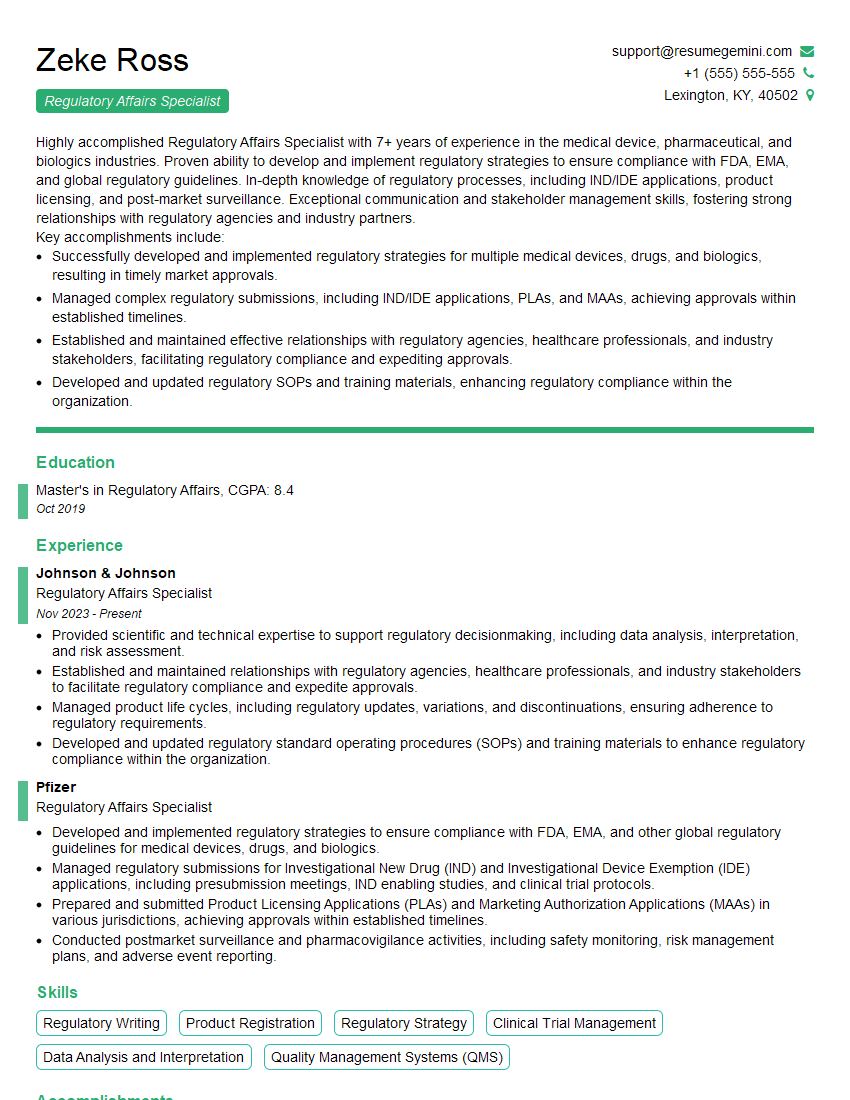
Regulatory Affairs Specialist Resume Sample
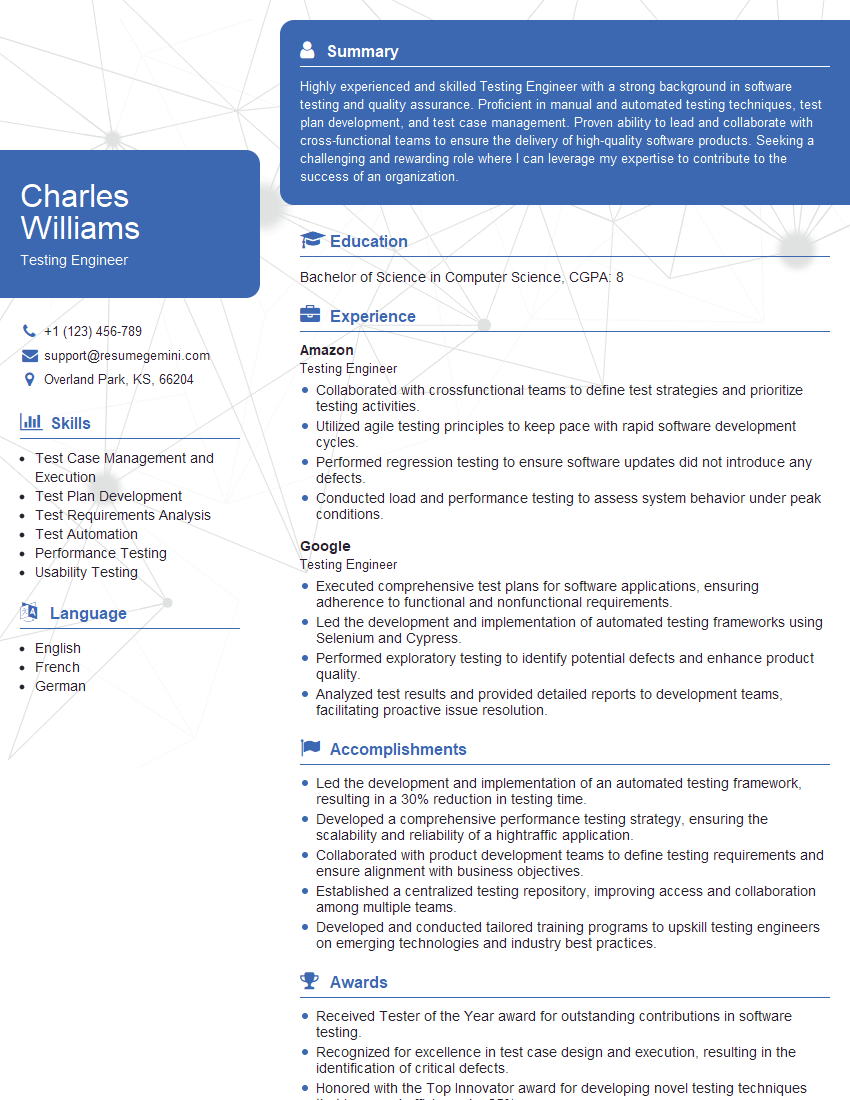
Testing Engineer Resume Sample
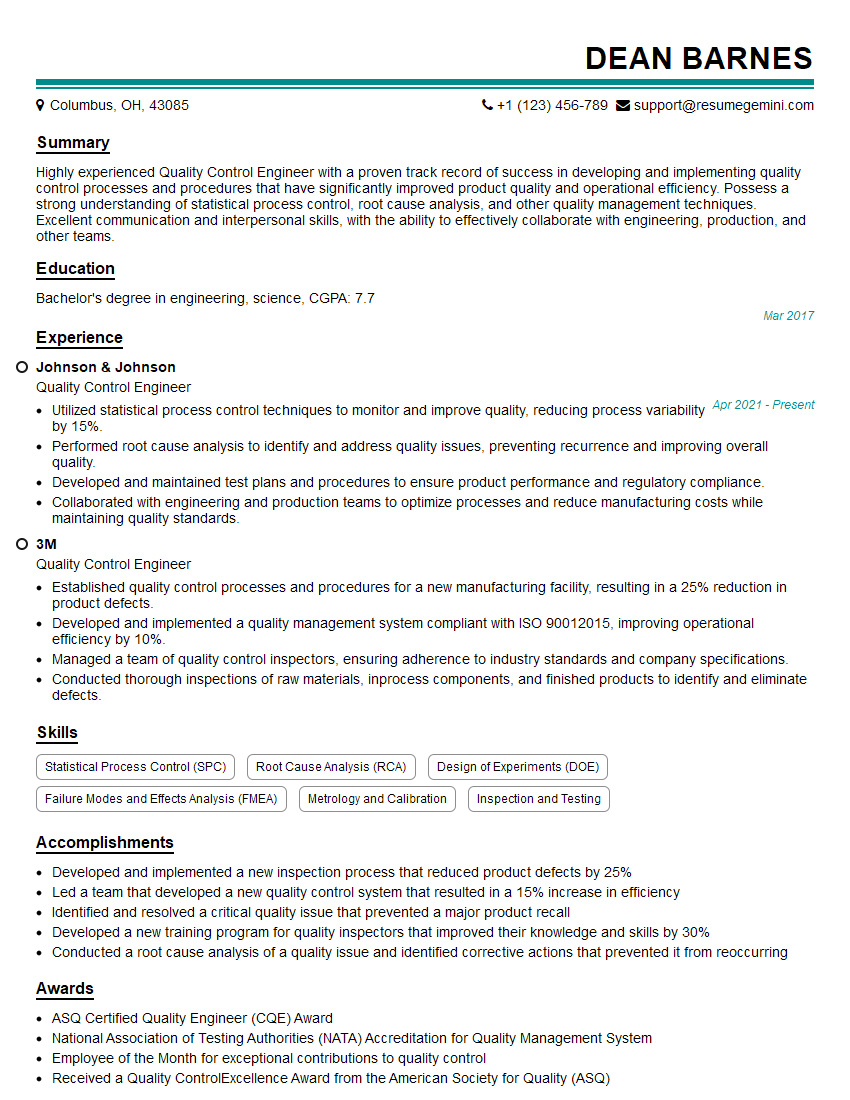
Quality Control Engineer Resume Sample
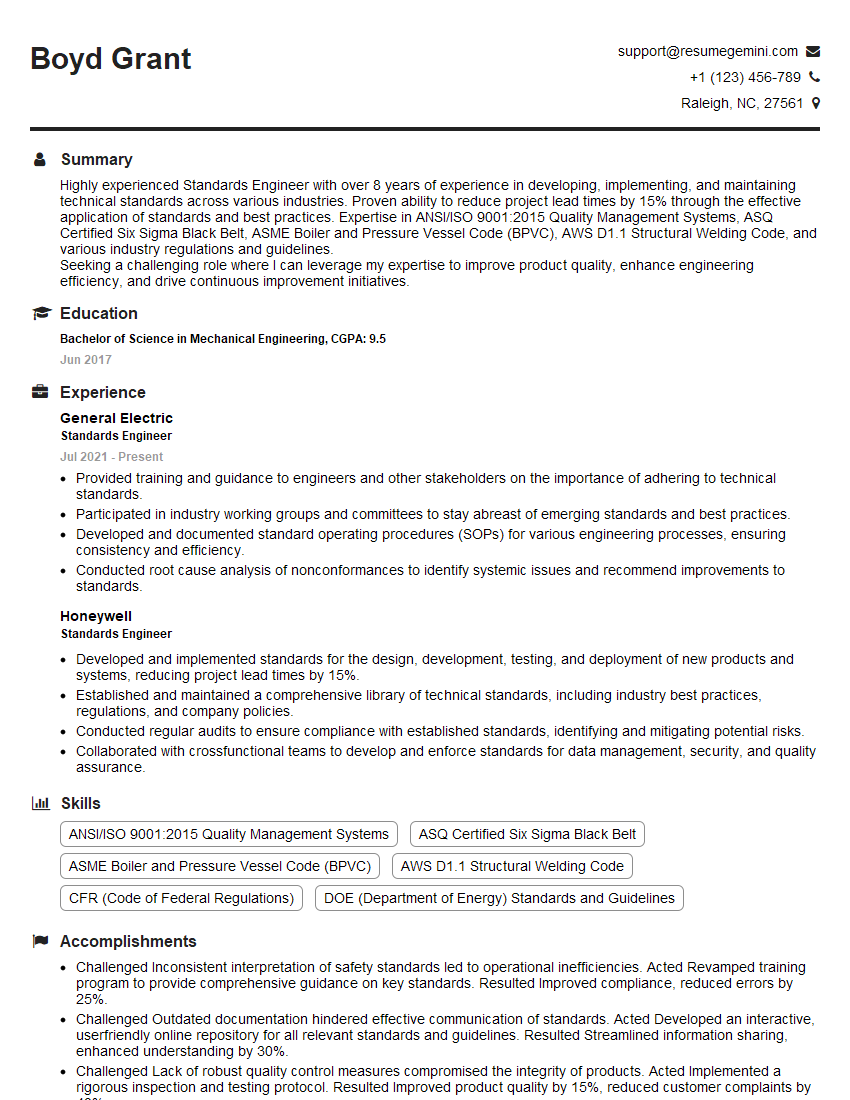
Standards Engineer Resume Sample
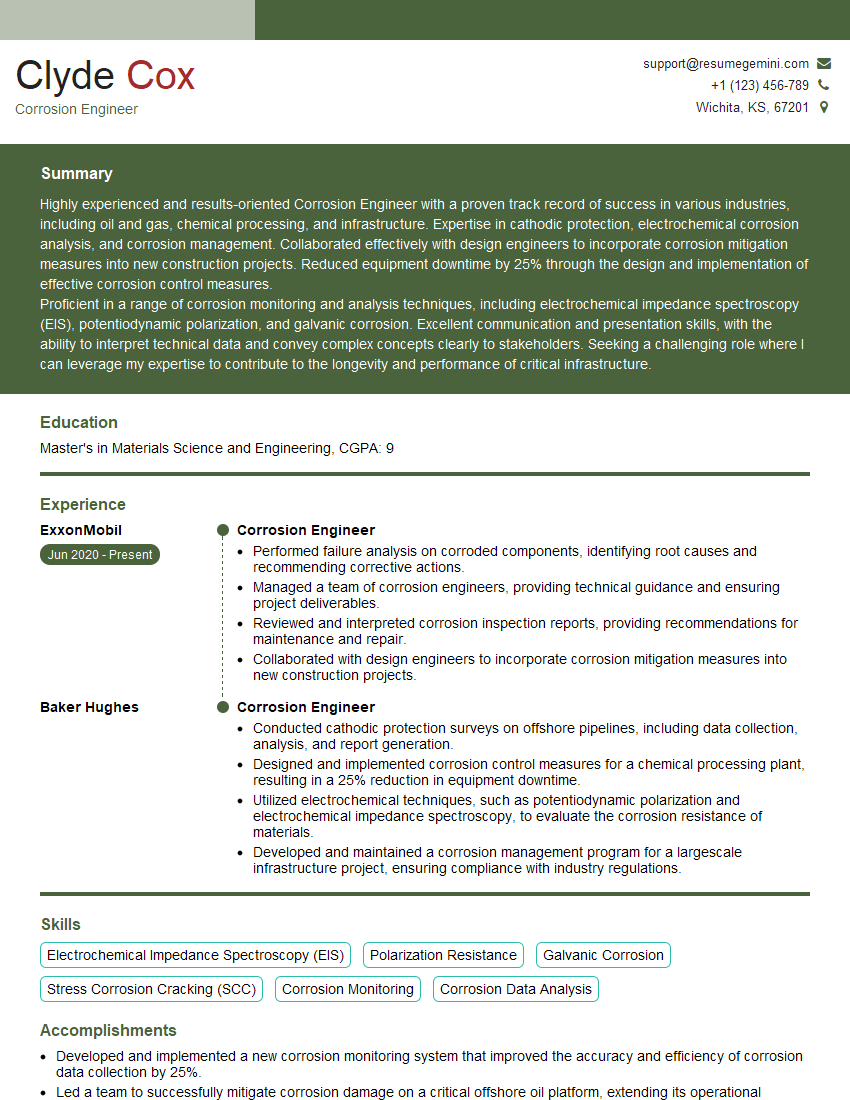
Corrosion Engineer Resume Sample
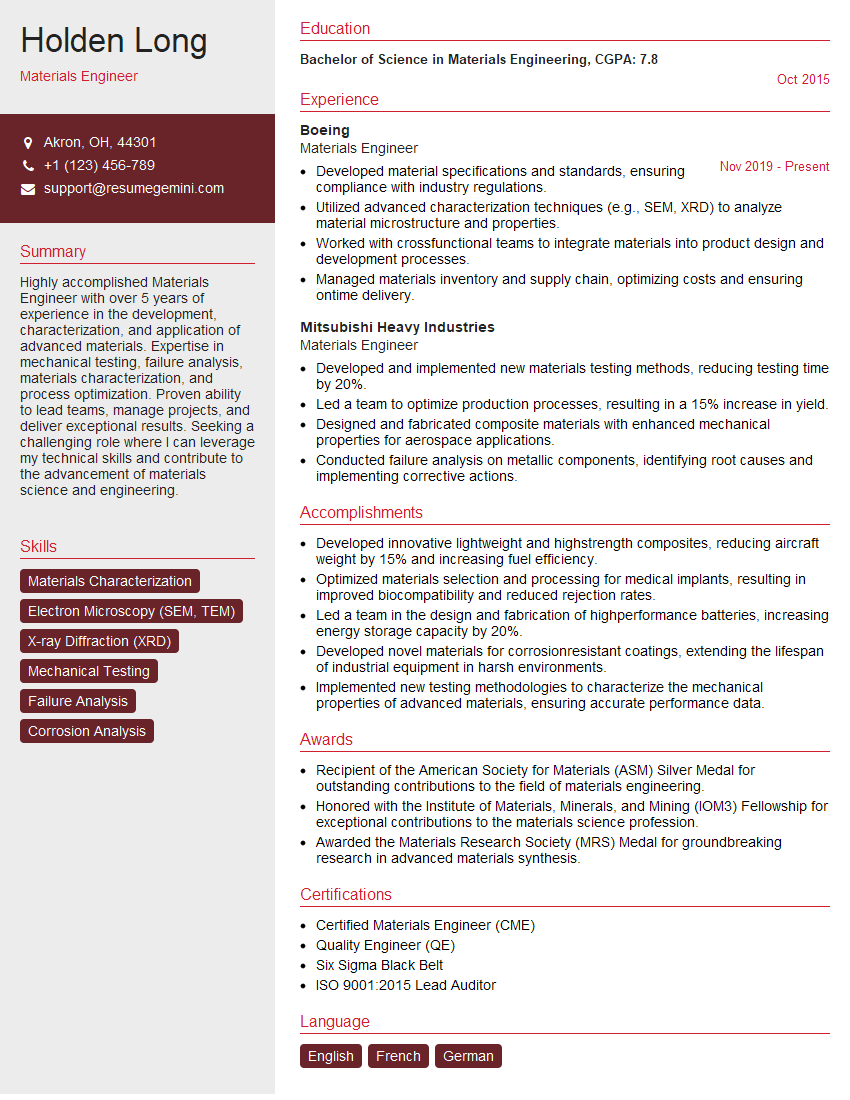
Materials Engineer Resume Sample

Metallurgist Resume Sample

Welding Engineer Resume Sample
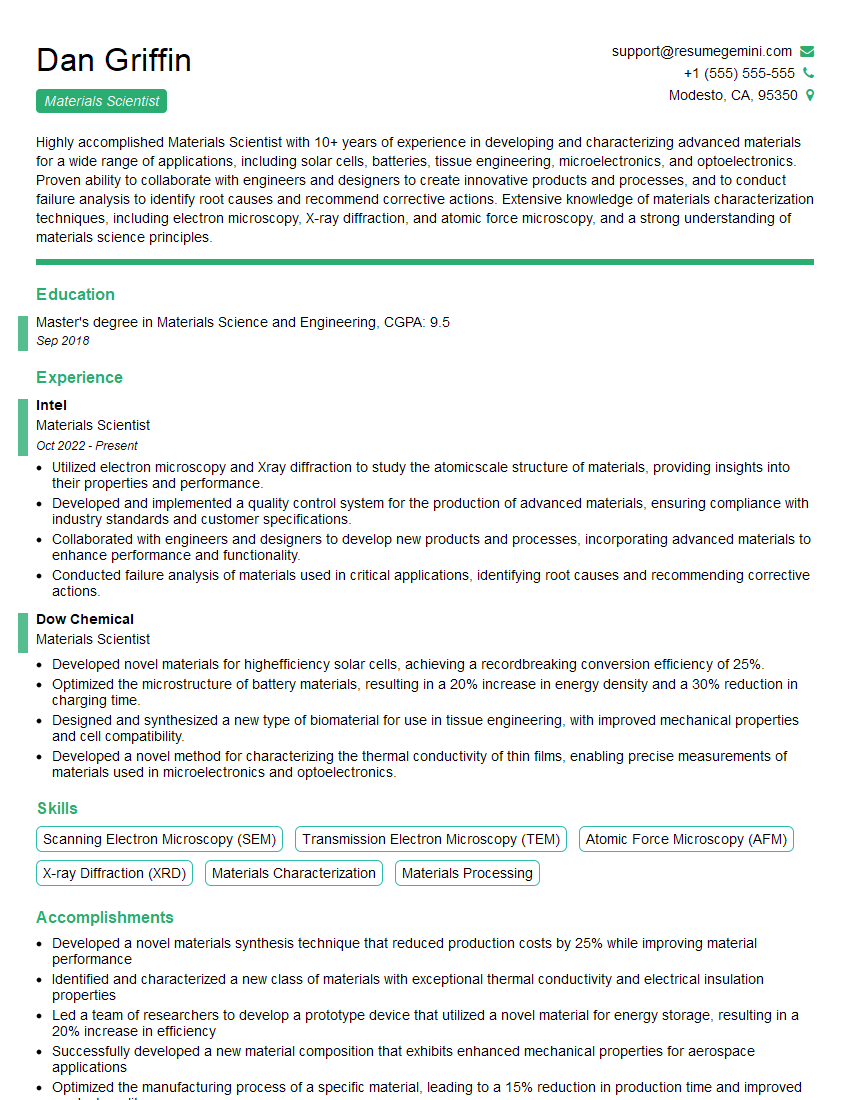
Materials Scientist Resume Sample
Explore more articles
Users Rating of Our Blogs
Share Your Experience
We value your feedback! Please rate our content and share your thoughts (optional).
What Readers Say About Our Blog
Hello,
we currently offer a complimentary backlink and URL indexing test for search engine optimization professionals.
You can get complimentary indexing credits to test how link discovery works in practice.
No credit card is required and there is no recurring fee.
You can find details here:
https://wikipedia-backlinks.com/indexing/
Regards
NICE RESPONSE TO Q & A
hi
The aim of this message is regarding an unclaimed deposit of a deceased nationale that bears the same name as you. You are not relate to him as there are millions of people answering the names across around the world. But i will use my position to influence the release of the deposit to you for our mutual benefit.
Respond for full details and how to claim the deposit. This is 100% risk free. Send hello to my email id: [email protected]
Luka Chachibaialuka
Hey interviewgemini.com, just wanted to follow up on my last email.
We just launched Call the Monster, an parenting app that lets you summon friendly ‘monsters’ kids actually listen to.
We’re also running a giveaway for everyone who downloads the app. Since it’s brand new, there aren’t many users yet, which means you’ve got a much better chance of winning some great prizes.
You can check it out here: https://bit.ly/callamonsterapp
Or follow us on Instagram: https://www.instagram.com/callamonsterapp
Thanks,
Ryan
CEO – Call the Monster App
Hey interviewgemini.com, I saw your website and love your approach.
I just want this to look like spam email, but want to share something important to you. We just launched Call the Monster, a parenting app that lets you summon friendly ‘monsters’ kids actually listen to.
Parents are loving it for calming chaos before bedtime. Thought you might want to try it: https://bit.ly/callamonsterapp or just follow our fun monster lore on Instagram: https://www.instagram.com/callamonsterapp
Thanks,
Ryan
CEO – Call A Monster APP
To the interviewgemini.com Owner.
Dear interviewgemini.com Webmaster!
Hi interviewgemini.com Webmaster!
Dear interviewgemini.com Webmaster!
excellent
Hello,
We found issues with your domain’s email setup that may be sending your messages to spam or blocking them completely. InboxShield Mini shows you how to fix it in minutes — no tech skills required.
Scan your domain now for details: https://inboxshield-mini.com/
— Adam @ InboxShield Mini
Reply STOP to unsubscribe
Hi, are you owner of interviewgemini.com? What if I told you I could help you find extra time in your schedule, reconnect with leads you didn’t even realize you missed, and bring in more “I want to work with you” conversations, without increasing your ad spend or hiring a full-time employee?
All with a flexible, budget-friendly service that could easily pay for itself. Sounds good?
Would it be nice to jump on a quick 10-minute call so I can show you exactly how we make this work?
Best,
Hapei
Marketing Director
Hey, I know you’re the owner of interviewgemini.com. I’ll be quick.
Fundraising for your business is tough and time-consuming. We make it easier by guaranteeing two private investor meetings each month, for six months. No demos, no pitch events – just direct introductions to active investors matched to your startup.
If youR17;re raising, this could help you build real momentum. Want me to send more info?
Hi, I represent an SEO company that specialises in getting you AI citations and higher rankings on Google. I’d like to offer you a 100% free SEO audit for your website. Would you be interested?
Hi, I represent an SEO company that specialises in getting you AI citations and higher rankings on Google. I’d like to offer you a 100% free SEO audit for your website. Would you be interested?
good