Preparation is the key to success in any interview. In this post, we’ll explore crucial Material Specifications Management interview questions and equip you with strategies to craft impactful answers. Whether you’re a beginner or a pro, these tips will elevate your preparation.
Questions Asked in Material Specifications Management Interview
Q 1. Explain the importance of material specifications in product development.
Material specifications are the backbone of successful product development. They define the precise properties, characteristics, and quality standards that materials must meet to ensure the final product performs as intended, is safe, and meets regulatory requirements. Think of it like a recipe – you can’t bake a cake without specifying the ingredients and their quantities. Similarly, omitting or vaguely defining material specifications can lead to product failures, recalls, and significant financial losses.
For example, specifying the tensile strength of a steel used in a bridge is crucial for ensuring its structural integrity. Without precise specifications, the bridge might not withstand anticipated loads, posing a significant safety risk. Similarly, in electronics manufacturing, the precise electrical conductivity and thermal resistance of a component material directly impacts the device’s performance and lifespan.
Q 2. Describe your experience with different material specification standards (e.g., ASTM, ISO).
Throughout my career, I’ve extensively used various material specification standards, primarily ASTM (American Society for Testing and Materials) and ISO (International Organization for Standardization). ASTM standards are widely used in the US and provide detailed specifications for a vast range of materials, from metals and polymers to construction materials. I’ve worked extensively with ASTM A36 for structural steel and ASTM D638 for the tensile properties of plastics.
ISO standards offer a global perspective, providing internationally recognized specifications. My experience includes working with ISO 9001 (Quality Management Systems) to ensure the quality of our material selection and procurement processes. The familiarity with both ASTM and ISO standards allows for seamless collaboration with international suppliers and ensures compliance with diverse regulatory landscapes.
Q 3. How do you ensure material specifications align with regulatory requirements?
Ensuring alignment with regulatory requirements is paramount. My approach involves a multi-step process. First, I identify all applicable regulations for the specific product and its intended use. This includes reviewing regulations from agencies like the FDA (food and drug administration), RoHS (Restriction of Hazardous Substances), REACH (Registration, Evaluation, Authorization and Restriction of Chemicals), etc., depending on the industry and geographic location.
Next, I meticulously review the material specifications to ensure they explicitly meet or exceed these regulatory requirements. This might involve specifying the maximum permissible levels of certain chemicals, ensuring biocompatibility for medical devices, or adhering to specific flammability standards. Finally, I maintain detailed documentation of this compliance, which is crucial for audits and traceability.
For instance, if we’re developing a medical implant, I’d ensure the chosen material meets the biocompatibility standards set by the FDA, including specific tests and certifications to demonstrate its non-toxicity and inertness within the human body.
Q 4. What methods do you use to verify the quality of incoming materials?
Verifying incoming material quality involves a combination of methods. First, incoming materials are visually inspected for obvious defects. Then, I implement a robust sampling plan and conduct various tests depending on the material’s specification. This might include chemical analysis (e.g., determining the composition of an alloy), mechanical testing (e.g., tensile strength, hardness), dimensional checks, and visual inspections under a microscope.
Sophisticated techniques like X-ray diffraction or spectroscopy might be employed for precise material characterization. All test results are documented and compared against the specified tolerances. Any discrepancies trigger a thorough investigation to determine the root cause and corrective actions. A Certificate of Compliance from the supplier is also critically reviewed to verify that their quality control measures have been adhered to.
For example, for a batch of steel rods, I might randomly select samples, and subject them to tensile strength testing to ensure it aligns with the specified minimum value.
Q 5. Describe your experience with Material Requirements Planning (MRP).
My experience with Material Requirements Planning (MRP) involves leveraging it for efficient inventory management and production scheduling. MRP systems help forecast material needs based on production schedules and inventory levels. This helps avoid stockouts and minimizes the risk of delays. I’ve used MRP software to optimize the procurement process, ensuring timely delivery of materials while maintaining optimal inventory levels to reduce storage costs.
I’ve found MRP particularly useful in managing materials with long lead times. By accurately forecasting demand, I can place orders in advance, preventing production delays caused by material shortages. Furthermore, MRP helps identify potential bottlenecks and allows for proactive mitigation strategies.
Q 6. How do you handle discrepancies between material specifications and actual material properties?
Discrepancies between specified and actual material properties are handled systematically. First, a thorough investigation is conducted to determine the root cause. This involves reviewing the supplier’s quality control reports, re-testing the material, and examining our own testing procedures to rule out errors. The supplier is contacted immediately to discuss the issue and determine the extent of the problem.
Depending on the severity of the discrepancy, several actions are possible. Minor deviations within acceptable tolerances may be accepted through a documented deviation request. Larger discrepancies necessitate a more comprehensive investigation, potentially including supplier corrective actions, material replacement, and adjustments to the manufacturing process. In some cases, a complete batch of materials might need to be rejected.
For instance, if the tensile strength of a delivered steel batch is slightly lower than specified, but still within a reasonable tolerance, we may accept it with a formal deviation request and enhanced monitoring. However, if the deviation is significant and poses a risk to product quality, the entire batch would be rejected.
Q 7. Explain your process for selecting appropriate materials for a given application.
Selecting appropriate materials involves a multi-criteria decision-making process. First, I define the performance requirements for the application. This includes factors such as mechanical properties (strength, stiffness, toughness), chemical resistance, thermal properties, electrical conductivity, cost, and environmental impact.
Next, I research available materials that potentially meet these requirements. This involves reviewing material databases, consulting with material scientists, and leveraging my own expertise. I then narrow down the potential candidates based on cost-effectiveness and availability. Finally, I conduct rigorous testing to validate the selected material’s performance and ensure it meets all specifications.
For example, if I’m selecting a material for a high-temperature application in an engine, I would consider materials like superalloys or ceramics, examining their high-temperature strength, oxidation resistance, and thermal shock resistance. I’d then conduct tests at relevant temperatures to confirm performance.
Q 8. How do you manage changes to material specifications throughout a project lifecycle?
Managing material specification changes throughout a project lifecycle requires a structured and controlled approach. Think of it like a living document that evolves as the project progresses. We need a system to track, review, and approve any modifications to ensure consistency and prevent costly errors down the line.
- Formal Change Management Process: All changes must be documented formally through a change request process. This typically involves submitting a request, reviewing the impact assessment (on cost, schedule, and performance), obtaining approvals from relevant stakeholders (engineers, procurement, quality control), and finally, implementing the changes with thorough communication.
- Version Control: We use version control systems, much like software developers use Git, to track revisions to specifications. Each change is documented with a date, author, and reason for the alteration, allowing for easy traceability.
- Document Control System: A central repository, either physical or digital (like a document management system – DMS), is crucial. This system ensures everyone has access to the most up-to-date specification and prevents the use of outdated versions. This can be integrated with the change management process, automatically updating documents after approval.
- Communication and Training: Effective communication is paramount. Any changes need to be clearly communicated to all relevant parties – procurement, manufacturing, quality control, and the project team. Training may be necessary to ensure everyone understands and complies with the updated specifications.
For example, in a recent aerospace project, a change request was initiated to replace a specific alloy due to supply chain disruptions. The change request detailed the proposed alternative, its performance characteristics, cost implications, and potential schedule impacts. After review and approval, the updated specifications were disseminated, and the manufacturing process was adjusted accordingly.
Q 9. Describe your experience with different material testing methods.
My experience encompasses a wide range of material testing methods, tailored to the specific material properties and project requirements. Think of it like a medical checkup for materials – different tests reveal different aspects of their health and suitability.
- Mechanical Testing: This includes tensile testing (measuring strength and elasticity), compression testing, flexural testing (bending strength), impact testing (resistance to sudden shock), and hardness testing. These are vital for evaluating the structural integrity of materials.
- Chemical Testing: This involves analyzing the chemical composition of materials to ensure they meet the specified standards and to identify potential impurities or contaminants. Techniques include X-ray fluorescence (XRF) and inductively coupled plasma mass spectrometry (ICP-MS).
- Physical Testing: This covers aspects like density, porosity, thermal conductivity, and electrical conductivity. These tests are crucial for understanding the material’s behavior in different environmental conditions.
- Non-Destructive Testing (NDT): Methods like ultrasonic testing (UT), radiographic testing (RT), and magnetic particle inspection (MPI) allow us to evaluate materials without damaging them. This is especially important for finished products or critical components.
For instance, in a construction project, we used concrete compressive strength testing to verify the structural integrity of the foundation. In another project involving electronics, we employed XRF analysis to verify the purity of the solder used in circuit assembly.
Q 10. How do you manage material costs while maintaining quality?
Balancing material costs and quality is a constant juggling act. It’s about finding the optimal combination of cost-effectiveness and performance. Imagine choosing between two cars – one is cheaper but less reliable, while the other is more expensive but more durable.
- Value Engineering: This involves exploring alternative materials or designs that provide comparable performance at a lower cost. It’s about being creative and finding solutions that don’t compromise quality.
- Supplier Negotiation: Building strong relationships with suppliers allows for leveraging volume discounts and negotiating better prices while maintaining quality standards.
- Material Substitution: Sometimes, replacing a premium material with a suitable, less expensive alternative can significantly reduce costs without impacting functionality.
- Quality Control: Stringent quality control measures prevent the use of substandard materials, minimizing potential rework and associated costs. It’s an investment that pays off in the long run.
In a recent project, we successfully reduced costs by 15% by substituting a high-grade steel with a more economical, yet structurally equivalent, alternative. This was achieved through rigorous testing and validation to ensure the substitute met all performance requirements.
Q 11. How do you handle obsolete materials?
Handling obsolete materials requires a strategic approach to minimize waste and avoid potential risks. Think of it as managing inventory efficiently and responsibly.
- Inventory Management System: A robust inventory management system is crucial for tracking material expiration dates and identifying obsolete stock. This system should alert us to approaching expiration dates and allow for proactive management.
- Material Disposal: Safe and environmentally compliant disposal of obsolete materials is essential. This often involves working with specialized recycling or waste management companies.
- Return to Vendor (RTV): If possible, we negotiate with suppliers to return obsolete materials for credit or replacement.
- Internal Reuse: We explore possibilities for reusing obsolete materials in other projects, provided they still meet required quality standards.
For example, we once had a large quantity of obsolete solder that we were able to return to the supplier for a partial credit. This prevented unnecessary waste and saved the company a significant amount of money.
Q 12. Explain your experience with material traceability systems.
Material traceability systems are paramount for ensuring product quality and compliance with regulations. It’s like having a detailed family tree for every component – tracking its origin, journey, and handling throughout the entire supply chain.
- Batch Tracking: Each batch of material is identified with a unique tracking number. This enables us to trace the material’s origin, processing, and handling throughout the production process.
- RFID and Barcode Technology: These technologies allow for automated tracking of materials throughout the supply chain, improving efficiency and minimizing human error.
- Database Management: A centralized database stores all material information, including specifications, testing results, and traceability data. This provides a complete and auditable record of the material’s history.
- Blockchain Technology: Emerging technologies like blockchain offer enhanced security and transparency in tracking materials, improving accountability and combating counterfeiting.
In a pharmaceutical project, we implemented a robust traceability system using barcodes to track every batch of raw materials from the supplier to the finished product. This enabled us to quickly pinpoint the source of any quality issues and ensure compliance with regulatory requirements.
Q 13. Describe a time you had to troubleshoot a material-related issue.
In one project, we encountered a significant issue with unexpected cracking in a polymer component during final assembly. It was like a detective story – we had to unravel the mystery behind the failure.
Our initial investigation focused on several potential causes: material degradation, improper processing, or even design flaws. We systematically eliminated possibilities through a series of tests. We performed microscopic analysis to examine the crack surfaces, chemical testing to identify any impurities, and analyzed the processing parameters to rule out manufacturing errors. The root cause was eventually identified as an incompatibility between the polymer and a newly introduced adhesive. We had to revise the adhesive selection and implement stricter quality control measures to prevent future occurrences.
This incident highlighted the importance of thorough testing and documentation throughout the entire process, emphasizing the critical role of material compatibility in product reliability.
Q 14. How do you balance cost, performance, and availability when selecting materials?
Balancing cost, performance, and availability when selecting materials is a complex optimization problem. It’s like choosing the perfect ingredients for a recipe – you want the best flavor and texture within your budget and with ingredients that are readily available.
- Prioritization Matrix: We use a prioritization matrix to weigh the relative importance of cost, performance, and availability based on the specific project requirements. This allows us to make informed decisions based on what matters most.
- Material Selection Charts: These charts provide a visual comparison of different materials based on their key properties, cost, and availability, enabling easy evaluation and comparison.
- Risk Assessment: We conduct risk assessments to identify potential supply chain disruptions or performance issues associated with each material option. This allows us to make informed decisions that minimize potential risks.
- Life Cycle Cost Analysis: Instead of just focusing on initial cost, we consider the overall life cycle cost, including maintenance, repair, and replacement costs. This often reveals that a slightly more expensive material with higher durability and longevity is actually more cost-effective in the long run.
For instance, in a renewable energy project, we had to choose a material for wind turbine blades that balanced cost, high strength-to-weight ratio, and resistance to fatigue. Through a detailed evaluation process, we selected a composite material that optimized this trade-off.
Q 15. What software or tools are you proficient in for managing material specifications?
My proficiency in managing material specifications relies on a combination of software and tools tailored to different aspects of the process. For example, I’m highly skilled in using Enterprise Resource Planning (ERP) systems like SAP or Oracle to manage material master data, including specifications, sourcing, and inventory levels. These systems are crucial for maintaining a central, accurate repository of information. Beyond ERP, I’m proficient in Product Lifecycle Management (PLM) software such as Teamcenter or Windchill. PLM systems allow for collaborative specification development, version control, and change management, ensuring everyone works with the most up-to-date information. Finally, I leverage specialized material property databases and simulation software – depending on the industry – to ensure material selection aligns with performance criteria and regulatory compliance.
For instance, in a previous role involving aerospace components, we used a combination of SAP for procurement and Teamcenter for managing engineering change orders related to material specifications. This ensured seamless integration between design, manufacturing, and procurement.
Career Expert Tips:
- Ace those interviews! Prepare effectively by reviewing the Top 50 Most Common Interview Questions on ResumeGemini.
- Navigate your job search with confidence! Explore a wide range of Career Tips on ResumeGemini. Learn about common challenges and recommendations to overcome them.
- Craft the perfect resume! Master the Art of Resume Writing with ResumeGemini’s guide. Showcase your unique qualifications and achievements effectively.
- Don’t miss out on holiday savings! Build your dream resume with ResumeGemini’s ATS optimized templates.
Q 16. Explain your understanding of material safety data sheets (MSDS).
Material Safety Data Sheets (MSDS), now often called Safety Data Sheets (SDS), are crucial documents providing comprehensive information about the hazards of a chemical product and how to work with it safely. They are essential for worker safety and regulatory compliance. My understanding encompasses interpreting the various sections, including identification of the substance, hazards identification (health, physical, and environmental hazards), composition/information on ingredients, first-aid measures, fire-fighting measures, accidental release measures, handling and storage, exposure controls/personal protection, physical and chemical properties, stability and reactivity, toxicological information, ecological information, disposal considerations, transport information, regulatory information, and other relevant information. I know how to identify potential hazards, assess risks, and implement appropriate control measures based on the information provided in the SDS.
For example, if an SDS indicates a material is highly flammable, I would ensure appropriate storage conditions, fire suppression systems are in place, and employees receive proper training in handling and emergency procedures. Ignoring this information can lead to serious accidents or environmental damage.
Q 17. How do you communicate material specifications to different stakeholders?
Communicating material specifications effectively requires tailoring the information to the audience. For engineers, I use detailed technical specifications including chemical composition, mechanical properties, and tolerances. For procurement, the focus shifts to identifying approved vendors, pricing, and delivery timelines. For production, the emphasis is on processability, handling instructions, and quality control checkpoints. I utilize various communication methods, including formal technical specifications documents, presentations, and training sessions. I often create visual aids like charts and diagrams to simplify complex technical details. Regular meetings and feedback loops with stakeholders ensure clarity and address any concerns.
A recent project involved developing a new composite material. I prepared a detailed technical specification for the engineering team, a simplified version for procurement outlining sourcing requirements, and a concise process guide with visual aids for the production team. This approach ensured everyone understood their roles and responsibilities.
Q 18. Describe your experience working with different material suppliers.
My experience spans working with a diverse range of material suppliers, both large multinational corporations and smaller specialized vendors. I’ve developed strong relationships based on trust and open communication. I’ve managed supplier selection processes, negotiated contracts, and monitored supplier performance against agreed-upon specifications and quality standards. This includes evaluating their capabilities, certifications (like ISO 9001), and track record. I’ve addressed supply chain disruptions, managed quality issues, and facilitated continuous improvement initiatives with suppliers to optimize material quality and cost-effectiveness. Building robust supplier relationships is crucial for securing a reliable supply of high-quality materials.
For example, during a project with tight deadlines, I worked closely with a supplier to expedite the delivery of a critical material, preventing project delays. This involved proactive communication, collaborative problem-solving, and a mutual understanding of project priorities.
Q 19. How do you ensure the accuracy and completeness of material specifications?
Ensuring the accuracy and completeness of material specifications is paramount. I employ a multi-faceted approach that includes thorough research, cross-checking information from multiple sources, and rigorous verification processes. This involves utilizing industry standards, material property databases, and consultation with subject matter experts. I implement version control systems to track revisions and ensure everyone uses the latest approved specifications. Regular audits and internal reviews identify potential discrepancies or areas for improvement. A clear and well-defined approval process, including sign-offs from relevant stakeholders, is essential to validate the final specifications.
For instance, in a past project, we identified a discrepancy in a material’s tensile strength specification. Through a thorough review process and cross-checking with laboratory test data, we corrected the error, preventing the use of potentially substandard materials.
Q 20. What are your strategies for reducing material waste?
Reducing material waste involves a holistic approach encompassing design optimization, process improvements, and inventory management. Design for Manufacturing (DFM) principles are crucial, minimizing material usage while maintaining product functionality. This might involve selecting more efficient manufacturing processes or optimizing the product’s geometry to reduce scrap. Lean manufacturing principles, including waste reduction techniques like 5S, help streamline processes and minimize unnecessary material consumption. Effective inventory management, utilizing just-in-time (JIT) inventory strategies where applicable, prevents excess stock and obsolescence. Data analysis of material usage patterns helps identify areas where waste is concentrated and enables targeted improvement initiatives.
In a previous role, by implementing a Kanban system for material replenishment and optimizing the cutting process for a specific component, we were able to reduce material waste by 15%.
Q 21. How do you stay current with advancements in materials science and technology?
Staying current with advancements in materials science and technology is crucial. I actively participate in industry conferences, subscribe to relevant journals and publications, and attend webinars to keep abreast of new materials and manufacturing technologies. Networking with peers and experts in the field provides valuable insights and fosters collaborative learning. I also utilize online resources, such as material property databases and industry-specific websites, to access the latest information. Continuous professional development through courses and certifications keeps my knowledge base updated.
For example, recently I attended a conference on advanced polymers, which allowed me to learn about a new sustainable material that could potentially replace a less environmentally friendly material in our product line.
Q 22. Explain your experience with material substitution analysis.
Material substitution analysis is a critical process in ensuring project success and cost-effectiveness. It involves identifying potential alternatives to specified materials while maintaining or exceeding performance requirements. This often requires a deep understanding of material properties, manufacturing processes, and regulatory compliance.
My approach involves a structured evaluation process. First, I clearly define the properties and performance criteria of the original material. Then, I research potential substitutes using databases, supplier information, and industry publications. Each potential substitute is rigorously assessed against the defined criteria, considering factors such as cost, availability, mechanical properties (strength, durability, etc.), chemical properties (corrosion resistance, reactivity, etc.), and environmental impact. Finally, I conduct testing, if necessary, to validate the performance of the selected substitute. For example, in a recent project involving a high-strength steel component, I successfully substituted a high-strength aluminum alloy, reducing weight and cost without compromising structural integrity. This involved extensive finite element analysis (FEA) to validate the design changes.
The analysis considers not only the immediate impact but also potential long-term implications, such as maintenance costs, lifespan, and potential environmental regulations.
Q 23. Describe your process for creating and reviewing material specifications.
Creating and reviewing material specifications is a multi-stage process demanding meticulous attention to detail and a strong understanding of engineering principles. It begins with clearly defining the intended application and the required material properties. This involves collaborating with engineers, designers, and procurement teams to ensure all relevant performance criteria are captured. I typically use a template that outlines essential information such as material grade, chemical composition, mechanical properties (tensile strength, yield strength, hardness, etc.), dimensional tolerances, surface finish requirements, and testing methods. This template ensures consistency and minimizes ambiguity.
The review process is equally crucial. It involves multiple checks and balances to ensure the accuracy and completeness of the specification. This often involves internal reviews by engineering and quality control teams, followed by external reviews by suppliers or industry experts, depending on the complexity and criticality of the material. The review includes verifying the feasibility of the specified material properties, checking for potential conflicts with other specifications, and confirming compliance with industry standards and regulations. For example, we regularly use ISO 9001 as a framework to review and audit our specifications, ensuring consistency and traceability.
Q 24. How do you handle situations where materials don’t meet specifications?
When materials fail to meet specifications, a systematic investigation is initiated. The first step is to verify the non-conformance through rigorous testing and inspection. This helps determine the extent of the deviation and its potential impact on the final product. Depending on the severity of the non-conformance, actions may range from material rejection and re-sourcing to identifying root causes and implementing corrective actions. For example, if a slight deviation is found, and it doesn’t compromise the functionality or safety, we may grant a concession. This requires thorough documentation and approval.
If the non-conformance is significant, a thorough root cause analysis is conducted using methods like the 5 Whys or fishbone diagrams. This analysis helps identify systemic issues within the supply chain or manufacturing process. Corrective actions are then implemented to prevent similar occurrences. This may involve revising specifications, improving supplier quality control, or modifying manufacturing processes. Thorough documentation of the entire investigation and corrective actions is crucial for maintaining traceability and improving future performance.
Q 25. Explain your understanding of different material certifications.
Material certifications provide assurance that materials meet specified requirements and quality standards. They are typically issued by independent testing laboratories or certification bodies. The type of certification required varies depending on the application and industry regulations. Common certifications include:
- Mill Certificates: These verify the chemical composition and mechanical properties of the materials from the manufacturer.
- Third-Party Test Reports: These confirm that materials have been tested independently to meet specific requirements.
- ISO Certifications: These demonstrate adherence to internationally recognized quality management systems.
- Industry-Specific Certifications: Examples include certifications for aerospace materials (e.g., NADCAP), automotive materials (e.g., IATF 16949), or specific material properties (e.g., RoHS compliance).
Understanding the specific certifications needed for each material is crucial to ensuring compliance and product quality. My experience includes verifying and managing various certifications, ensuring that the materials we use meet the necessary standards for our products.
Q 26. How do you ensure material specifications are effectively implemented on the manufacturing floor?
Effective implementation of material specifications on the manufacturing floor requires clear communication, robust training, and continuous monitoring. I ensure that specifications are readily accessible to manufacturing personnel through digital systems, clear labeling of materials, and well-defined work instructions. Training programs are developed to educate personnel on the importance of adhering to specifications and the consequences of non-compliance.
A critical aspect is establishing a feedback loop between the manufacturing floor and the materials management team. This allows for the timely identification and resolution of any issues related to the specifications. Regular audits and inspections are conducted to verify compliance, and corrective actions are implemented as needed. Real-time data monitoring, where feasible, provides insights into material usage and performance, which helps identify potential problems early. For instance, we use barcodes and RFID tags to track materials throughout the manufacturing process, ensuring traceability and facilitating quick identification of non-conforming materials.
Q 27. Describe your experience with risk assessment related to material selection.
Risk assessment related to material selection is a proactive approach to identify and mitigate potential issues associated with material choices. This involves considering various factors that could impact the performance, safety, or cost of the product. These factors include:
- Material Availability: Potential supply chain disruptions and their impact on production.
- Material Properties: Risk of material degradation, failure, or incompatibility with other components.
- Environmental Impact: Regulations, disposal costs, and sustainability considerations.
- Cost: Potential fluctuations in material prices and their impact on project budgets.
- Safety: Toxicity, flammability, and other hazards associated with the material.
I use a structured approach to risk assessment, employing tools like Failure Mode and Effects Analysis (FMEA) to identify potential failure modes and their severity, probability of occurrence, and detectability. This helps prioritize risks and allocate resources effectively to mitigate the most critical ones. For example, we might choose a more expensive, readily available material over a cheaper alternative if the supply chain risk is high.
Q 28. How do you contribute to continuous improvement in material specifications management?
Continuous improvement in material specifications management is an ongoing process that involves regularly reviewing and refining our processes and procedures. This includes analyzing data on material performance, identifying areas for optimization, and implementing changes to improve efficiency and effectiveness. Data analysis helps us understand trends in material failures, usage patterns, and cost variations. This allows us to refine specifications, improve supplier selection, and optimize inventory management.
Regular review meetings with stakeholders, including engineers, manufacturing personnel, and suppliers, ensure that everyone is aligned on the current best practices and potential areas for improvement. We use Kaizen events to facilitate systematic problem-solving and process improvement. Implementing new technologies, like advanced materials databases and digital twin simulations, further enhance our ability to refine specifications and optimize material selection. The goal is to continuously reduce costs, improve product quality, and enhance sustainability.
Key Topics to Learn for Material Specifications Management Interview
- Material Selection & Sourcing: Understanding factors influencing material choice (cost, performance, availability, sustainability), and strategies for efficient sourcing and vendor management.
- Specification Development & Documentation: Creating clear, concise, and comprehensive material specifications that meet project requirements and industry standards. This includes understanding different specification formats and their applications.
- Quality Control & Assurance: Implementing and managing quality control processes throughout the material lifecycle, from initial selection to final product verification. This involves understanding testing methods and interpreting test results.
- Material Data Management (MDM): Utilizing and managing material databases and systems for efficient tracking, retrieval, and analysis of material information. Understanding data integrity and its importance is crucial.
- Cost Management & Analysis: Analyzing material costs, identifying cost-saving opportunities, and optimizing material usage to improve project profitability.
- Regulatory Compliance: Ensuring adherence to relevant industry regulations, safety standards, and environmental guidelines related to material selection and usage.
- Problem-Solving & Decision-Making: Applying critical thinking skills to address material-related challenges, such as material shortages, quality defects, and specification discrepancies. This includes risk assessment and mitigation strategies.
- Collaboration & Communication: Effectively communicating material specifications and related information to various stakeholders, including engineers, suppliers, and management.
Next Steps
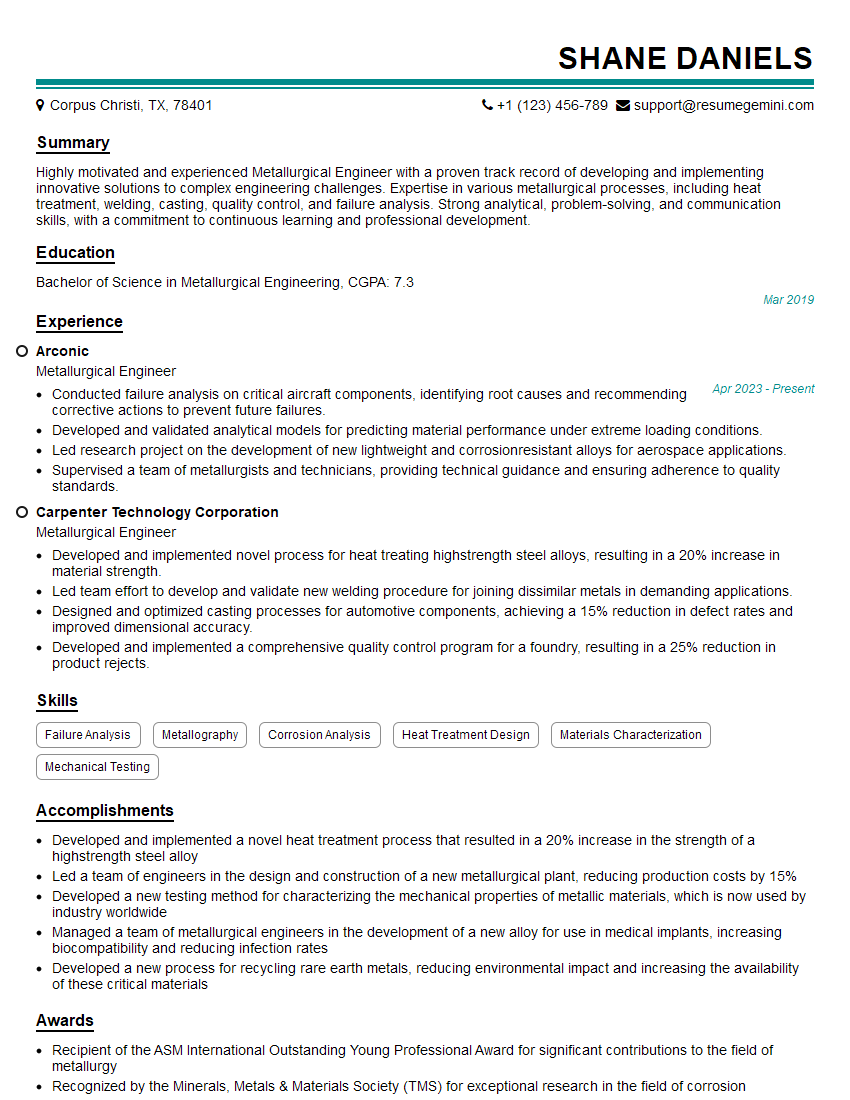
Mastering Material Specifications Management opens doors to exciting career opportunities in various industries, offering significant growth potential and increased earning power. To maximize your job prospects, creating a strong, ATS-friendly resume is vital. ResumeGemini is a trusted resource that can help you build a compelling and effective resume. We provide examples of resumes tailored to Material Specifications Management to guide you. Invest time in crafting a resume that showcases your skills and experience—it’s your first impression and a key step towards landing your dream job.
Explore more articles
Users Rating of Our Blogs
Share Your Experience
We value your feedback! Please rate our content and share your thoughts (optional).
What Readers Say About Our Blog
Attention music lovers!
Wow, All the best Sax Summer music !!!
Spotify: https://open.spotify.com/artist/6ShcdIT7rPVVaFEpgZQbUk
Apple Music: https://music.apple.com/fr/artist/jimmy-sax-black/1530501936
YouTube: https://music.youtube.com/browse/VLOLAK5uy_noClmC7abM6YpZsnySxRqt3LoalPf88No
Other Platforms and Free Downloads : https://fanlink.tv/jimmysaxblack
on google : https://www.google.com/search?q=22+AND+22+AND+22
on ChatGPT : https://chat.openai.com?q=who20jlJimmy20Black20Sax20Producer
Get back into the groove with Jimmy sax Black
Best regards,
Jimmy sax Black
www.jimmysaxblack.com
Hi I am a troller at The aquatic interview center and I suddenly went so fast in Roblox and it was gone when I reset.
Hi,
Business owners spend hours every week worrying about their website—or avoiding it because it feels overwhelming.
We’d like to take that off your plate:
$69/month. Everything handled.
Our team will:
Design a custom website—or completely overhaul your current one
Take care of hosting as an option
Handle edits and improvements—up to 60 minutes of work included every month
No setup fees, no annual commitments. Just a site that makes a strong first impression.
Find out if it’s right for you:
https://websolutionsgenius.com/awardwinningwebsites
Hello,
we currently offer a complimentary backlink and URL indexing test for search engine optimization professionals.
You can get complimentary indexing credits to test how link discovery works in practice.
No credit card is required and there is no recurring fee.
You can find details here:
https://wikipedia-backlinks.com/indexing/
Regards
NICE RESPONSE TO Q & A
hi
The aim of this message is regarding an unclaimed deposit of a deceased nationale that bears the same name as you. You are not relate to him as there are millions of people answering the names across around the world. But i will use my position to influence the release of the deposit to you for our mutual benefit.
Respond for full details and how to claim the deposit. This is 100% risk free. Send hello to my email id: lukachachibaialuka@gmail.com
Luka Chachibaialuka
Hey interviewgemini.com, just wanted to follow up on my last email.
We just launched Call the Monster, an parenting app that lets you summon friendly ‘monsters’ kids actually listen to.
We’re also running a giveaway for everyone who downloads the app. Since it’s brand new, there aren’t many users yet, which means you’ve got a much better chance of winning some great prizes.
You can check it out here: https://bit.ly/callamonsterapp
Or follow us on Instagram: https://www.instagram.com/callamonsterapp
Thanks,
Ryan
CEO – Call the Monster App
Hey interviewgemini.com, I saw your website and love your approach.
I just want this to look like spam email, but want to share something important to you. We just launched Call the Monster, a parenting app that lets you summon friendly ‘monsters’ kids actually listen to.
Parents are loving it for calming chaos before bedtime. Thought you might want to try it: https://bit.ly/callamonsterapp or just follow our fun monster lore on Instagram: https://www.instagram.com/callamonsterapp
Thanks,
Ryan
CEO – Call A Monster APP
To the interviewgemini.com Owner.
Dear interviewgemini.com Webmaster!
Hi interviewgemini.com Webmaster!
Dear interviewgemini.com Webmaster!
excellent
Hello,
We found issues with your domain’s email setup that may be sending your messages to spam or blocking them completely. InboxShield Mini shows you how to fix it in minutes — no tech skills required.
Scan your domain now for details: https://inboxshield-mini.com/
— Adam @ InboxShield Mini
support@inboxshield-mini.com
Reply STOP to unsubscribe
Hi, are you owner of interviewgemini.com? What if I told you I could help you find extra time in your schedule, reconnect with leads you didn’t even realize you missed, and bring in more “I want to work with you” conversations, without increasing your ad spend or hiring a full-time employee?
All with a flexible, budget-friendly service that could easily pay for itself. Sounds good?
Would it be nice to jump on a quick 10-minute call so I can show you exactly how we make this work?
Best,
Hapei
Marketing Director
Hey, I know you’re the owner of interviewgemini.com. I’ll be quick.
Fundraising for your business is tough and time-consuming. We make it easier by guaranteeing two private investor meetings each month, for six months. No demos, no pitch events – just direct introductions to active investors matched to your startup.
If youR17;re raising, this could help you build real momentum. Want me to send more info?
Hi, I represent an SEO company that specialises in getting you AI citations and higher rankings on Google. I’d like to offer you a 100% free SEO audit for your website. Would you be interested?
Hi, I represent an SEO company that specialises in getting you AI citations and higher rankings on Google. I’d like to offer you a 100% free SEO audit for your website. Would you be interested?