Unlock your full potential by mastering the most common Measurement and Grading interview questions. This blog offers a deep dive into the critical topics, ensuring you’re not only prepared to answer but to excel. With these insights, you’ll approach your interview with clarity and confidence.
Questions Asked in Measurement and Grading Interview
Q 1. Explain the difference between accuracy and precision in measurement.
Accuracy and precision are two crucial, yet distinct, aspects of measurement. Accuracy refers to how close a measurement is to the true or accepted value. Think of it like aiming at a bullseye – a highly accurate measurement lands close to the center. Precision, on the other hand, describes the repeatability or consistency of a measurement. Multiple measurements that are close to each other are precise, even if they are far from the true value. Imagine several shots clustered together, but off-center on the target; that’s high precision but low accuracy. A measurement can be precise but inaccurate, accurate but imprecise, or ideally, both accurate and precise.
Example: Let’s say the true length of a piece of wood is 10 cm. If three measurements are 9.9 cm, 10.1 cm, and 10.0 cm, that’s both accurate and precise. If the measurements are 11.5 cm, 11.6 cm, and 11.7 cm, that’s precise but inaccurate. If the measurements are 10.2 cm, 9.8 cm, and 10.5 cm, that’s neither particularly precise nor accurate.
Q 2. Describe various types of measurement uncertainties and their sources.
Measurement uncertainties are unavoidable variations that affect the reliability of measurements. These uncertainties can stem from several sources:
- Random Errors: These are unpredictable variations that occur due to uncontrollable factors like fluctuations in temperature, vibrations, or human error in reading instruments. They tend to average out over many measurements.
- Systematic Errors: These are consistent, repeatable errors caused by a flaw in the measuring instrument, the measurement process, or the environment. For example, a miscalibrated scale will consistently produce inaccurate results. Systematic errors are more challenging to detect and correct.
- Environmental Factors: Temperature, humidity, pressure, and even light levels can influence measurements. It’s crucial to control these factors where possible to minimize their impact.
- Observer Errors: Human errors in reading instruments, recording data, or performing the measurement procedure also introduce uncertainty. Training and clear protocols are essential to reduce observer errors.
- Instrument Limitations: Every instrument has limitations in resolution and sensitivity. The smallest division on a ruler, for example, limits the precision of the measurement.
Understanding the sources of uncertainty allows for better planning of the measurement process, selecting appropriate instruments, and employing strategies to minimize or quantify these uncertainties.
Q 3. What are the common methods for calibrating measuring instruments?
Calibrating measuring instruments is a critical step in ensuring measurement accuracy and reliability. Several methods are commonly employed:
- Traceable Standards: This is the most common approach. Instruments are calibrated against known standards that are traceable to national or international standards organizations. This ensures a consistent and reliable reference for accuracy.
- Comparison Calibration: The instrument’s output is compared to a known standard, and any discrepancies are noted. This allows for adjustment or correction of the instrument.
- In-situ Calibration: The instrument is calibrated while in its normal operating environment. This method accounts for environmental factors that may influence readings.
- Functional Calibration: This involves checking the instrument’s performance against its specifications under various conditions. For instance, testing a pressure gauge at different pressure levels.
Calibration frequency depends on factors like the instrument’s type, criticality, and usage frequency. Regular calibration ensures the continued accuracy and reliability of the measuring process. Proper calibration documentation, including certificates and reports, is also essential for quality control and traceability.
Q 4. How do you handle measurement outliers in a dataset?
Measurement outliers, data points that significantly deviate from the rest of the dataset, require careful handling. Simply discarding them is generally not recommended unless there’s strong evidence of a clear error (e.g., a recording mistake). Instead, a thorough investigation is needed to determine the cause of the outlier.
- Identify the Cause: Determine if the outlier is due to a random error, a systematic error, or a genuine anomaly. Investigating the measurement process and environmental conditions can help identify the cause.
- Data Validation: Verify the data point’s accuracy. Was the measurement taken correctly? Were there any recording errors?
- Statistical Analysis: Use statistical methods such as box plots or scatter plots to visually identify outliers. Techniques like Grubbs’ test can provide a statistical assessment of whether an outlier should be considered significant.
- Data Transformation: If the cause of the outlier is known and understood (e.g., a sudden spike in temperature), consider data transformation techniques to mitigate its effect.
- Robust Statistical Methods: Use statistical methods less sensitive to outliers, such as the median instead of the mean, when calculating descriptive statistics.
Documenting the handling of outliers, including the reasons for any decisions made, is crucial for maintaining data integrity and transparency.
Q 5. Explain the concept of traceability in measurement.
Traceability in measurement refers to the ability to link a measurement result to a known standard, typically through an unbroken chain of calibrations and comparisons. This creates a clear lineage that verifies the accuracy and reliability of the measurement. For example, a calibration certificate for a specific instrument usually shows that the instruments are calibrated and traceable to the National Institute of Standards and Technology (NIST).
Importance of Traceability: Traceability ensures comparability of measurements across different laboratories, locations, and times. It is essential for regulatory compliance, quality control, and maintaining confidence in the reliability of data used for decision-making. Without traceability, measurements become less reliable and potentially incomparable.
Q 6. What are the key elements of a robust measurement system?
A robust measurement system is characterized by several key elements:
- Accuracy: The measurements should be close to the true value.
- Precision: The measurements should be consistent and repeatable.
- Sensitivity: The system should be able to detect small changes in the measured quantity.
- Resolution: The system should be able to distinguish between small increments of the measured quantity.
- Stability: The system should maintain its accuracy and precision over time.
- Linearity: The system’s response should be proportional to the measured quantity across its range.
- Traceability: The measurements should be traceable to a known standard.
- Uncertainty Analysis: The uncertainties associated with the measurements should be quantified and reported.
- Robustness: The system should be resistant to environmental factors and operational variations.
These elements ensure the reliability and validity of the measurement results, allowing for confident decision-making based on the obtained data.
Q 7. Describe your experience with different types of measuring instruments (e.g., calipers, micrometers, CMMs).
Throughout my career, I’ve extensively used various measuring instruments. My experience includes:
- Calipers: I’ve used both Vernier and digital calipers for precise measurements of linear dimensions, such as the diameter of shafts or the thickness of plates. I’m proficient in selecting the appropriate caliper type for the task and understanding the limitations of each type. For example, I know that digital calipers offer faster reading and better precision but have their own potential errors regarding battery life or digital display malfunctions.
- Micrometers: I have experience with both outside and inside micrometers, offering higher precision than calipers for measuring very small dimensions. This includes understanding the concepts of thimble and barrel, how to properly zero the instrument and take readings, as well as maintaining the instrument’s cleanliness and calibration.
- Coordinate Measuring Machines (CMMs): I’m experienced in operating and programming CMMs for complex three-dimensional measurements. This involves creating measurement plans, selecting appropriate probes, processing data, and generating detailed inspection reports. I’ve worked with both touch-trigger and laser scanning CMMs, understanding their respective strengths and limitations.
My experience spans various industries, including manufacturing, quality control, and research, demonstrating my ability to adapt my skills to different contexts and measurement challenges. I understand the importance of selecting the right instrument for the job, ensuring proper calibration, and correctly interpreting the obtained data. My training has always emphasized safety and best practices when using measurement equipment.
Q 8. How do you ensure the integrity of measurement data?
Ensuring the integrity of measurement data is paramount for reliable decision-making. It’s like building a house – if your foundation (data) is shaky, the whole structure will be unreliable. We achieve this through a multi-pronged approach:
- Calibration and Traceability: All measuring instruments must be regularly calibrated against traceable standards. This ensures they provide accurate readings relative to internationally recognized standards. Imagine a scale – it needs to be checked against a known weight to ensure it’s accurate. We maintain detailed records of calibration dates, results, and any adjustments made.
- Standard Operating Procedures (SOPs): Clear, documented SOPs outline the correct procedures for every measurement taken. This eliminates variability caused by differing techniques or interpretations. Think of it as a recipe – following it precisely ensures consistent results every time.
- Environmental Controls: Environmental factors like temperature and humidity can significantly affect measurements. We control these factors where necessary, using climate-controlled environments or compensating for variations through calculations. Imagine measuring the length of a metal rod; temperature changes can cause expansion or contraction, leading to inaccurate results.
- Data Validation and Verification: Data should be checked for outliers and inconsistencies. We use statistical methods to detect errors and perform cross-checks against multiple measurements or sources. This helps to identify and correct mistakes early on.
- Proper Handling and Maintenance of Equipment: Equipment must be handled carefully, regularly maintained, and stored correctly to prevent damage and ensure longevity. Neglecting this is like ignoring regular car maintenance – it will eventually lead to problems.
Q 9. Explain your understanding of statistical process control (SPC) charts.
Statistical Process Control (SPC) charts are powerful tools for monitoring process variation and identifying potential problems before they significantly impact quality. They’re visual representations of data collected over time, showing patterns and trends. Think of it as a dashboard for your process, highlighting any anomalies that require attention.
Common SPC charts include:
- Control Charts for Variables: These charts use continuous data like weight, length, or temperature. Examples include X-bar and R charts (monitoring average and range), and X-bar and s charts (monitoring average and standard deviation).
- Control Charts for Attributes: These charts use discrete data, such as the number of defects or pass/fail results. Examples include p-charts (proportion of defects) and c-charts (number of defects).
Each chart features a central line representing the process average, and upper and lower control limits indicating acceptable variation. Data points falling outside these limits signal potential process issues requiring investigation.
Q 10. How do you interpret control charts to identify process issues?
Interpreting control charts involves looking for patterns that indicate the process is out of control or experiencing shifts in performance. Here are some key indicators:
- Points outside control limits: Any data point that falls above the upper control limit (UCL) or below the lower control limit (LCL) suggests a significant variation and warrants immediate attention. This could be due to a sudden equipment malfunction, a change in raw material, or human error.
- Trends: A series of consecutive points consistently increasing or decreasing indicates a gradual shift in the process average. This might be caused by tool wear, gradual environmental changes, or slow process drift.
- Stratification: Clustering of points above or below the central line, even if within the control limits, suggests underlying variations that may need investigation. This could be due to inconsistent operator techniques or batch-to-batch variations.
- Cycles: Recurring patterns of points, such as a consistent up-and-down pattern, point to cyclical variation, potentially due to daily or weekly variations in environmental conditions or workforce shifts.
Identifying these patterns allows us to pinpoint the root cause of the issue and implement corrective actions to restore the process to a state of control.
Q 11. What are some common sources of measurement error?
Measurement error is the difference between a measured value and the true value. It’s a persistent challenge, and understanding its sources is crucial for accurate measurements. Common sources include:
- Instrument Error: Inaccuracies inherent in the measuring instrument itself, such as a poorly calibrated scale or a faulty sensor. Regular calibration minimizes this error.
- Environmental Error: Fluctuations in temperature, humidity, pressure, or other environmental factors influencing measurements, especially crucial in precision measurements.
- Observer Error: Human error arising from parallax errors (incorrect reading due to angle), misinterpretation of markings, or inconsistencies in measurement technique. Proper training and clear guidelines mitigate this.
- Method Error: Inherent limitations or flaws in the measurement method itself. The selection of the appropriate method is critical.
- Random Error: Unpredictable, small variations that occur due to numerous uncontrolled factors. These can be minimized by averaging multiple measurements.
- Systematic Error: Consistent and repeatable errors introduced by factors such as a bias in the measurement instrument or a consistent mistake in the measurement technique. Careful calibration and review of procedures help minimize this.
Q 12. How do you calculate measurement uncertainty?
Calculating measurement uncertainty quantifies the doubt associated with a measured value. It’s not simply about accuracy but also about the range within which the true value likely lies. The calculation is based on several components of uncertainty, often using a combination of statistical analysis and engineering judgment.
The process generally involves:
- Identifying Uncertainty Sources: List all potential sources of uncertainty (instrument calibration, environmental factors, repeatability, etc.).
- Quantifying Uncertainty Components: Determine the magnitude of each uncertainty source. This might involve analyzing data from repeated measurements or referring to instrument specifications.
- Combining Uncertainty Components: Combine individual uncertainties using appropriate mathematical methods (often based on root-sum-of-squares for independent uncertainties). This provides a combined standard uncertainty.
- Expressing the Final Uncertainty: The final measurement uncertainty is typically expressed as a range, for instance, ’25 ± 0.5 mm’, where ±0.5 mm represents the expanded uncertainty at a chosen confidence level (e.g., 95%).
Specialized software and guidelines (like those from ISO/IEC 17025) provide detailed procedures for uncertainty calculations, depending on the measurement method and application.
Q 13. Explain your experience with different grading scales and standards.
My experience encompasses various grading scales and standards, depending on the application. These range from simple pass/fail criteria to complex multi-attribute scoring systems. Examples include:
- Numerical Scales: Using a range of numbers (e.g., 0-100) for grading, offering granularity and allowing for statistical analysis.
- Categorical Scales: Assigning items to categories like ‘Excellent,’ ‘Good,’ ‘Fair,’ and ‘Poor,’ useful for qualitative assessment.
- Industry-Specific Standards: Using specific standards from various organizations, for instance, grading lumber according to the American Lumber Standard Committee (ALSC) or grading gemstones according to the Gemological Institute of America (GIA) standards. These standards are crucial for maintaining consistency and comparability.
- Statistical Quality Control (SQC) Charts: Using control charts to monitor the quality of a product based on a series of measurements, aiding in continuous improvement.
The selection of a suitable grading scale depends critically on the context, the nature of the items being graded, and the intended use of the grading results.
Q 14. How do you ensure consistency in grading across different inspectors?
Consistency in grading across inspectors is crucial for fairness and reliability. We achieve this by implementing several strategies:
- Rigorous Training and Qualification: Inspectors undergo comprehensive training on the grading procedures, standards, and criteria. Proficiency is tested and documented.
- Clear and Unambiguous Grading Standards: The grading criteria must be explicitly defined, leaving no room for interpretation. Detailed documentation with images and examples is essential.
- Regular Proficiency Testing and Audits: Inspectors regularly participate in proficiency tests using standardized samples. This verifies their consistency and identifies any areas needing further training or clarification. Audits further ensure compliance with procedures.
- Round Robin Testing: The same items are independently graded by multiple inspectors, allowing for comparison and analysis of inter-rater reliability. Discrepancies are discussed and resolved to improve consistency.
- Use of Technology: Employing digital tools and software can reduce subjectivity. This might involve automated grading systems or using digital images for consistent reference and review.
By implementing these measures, we minimize inconsistencies and maintain high confidence in the reliability and fairness of our grading processes.
Q 15. Describe your experience with various quality control techniques.
My experience with quality control techniques spans a wide range, encompassing statistical process control (SPC), acceptance sampling, and total quality management (TQM) principles. In SPC, I’ve extensively used control charts like Shewhart charts, CUSUM charts, and exponentially weighted moving average (EWMA) charts to monitor process variation and identify potential sources of defects. For instance, in a previous role manufacturing precision components, we utilized X-bar and R charts to track the diameter of machined parts, promptly detecting and addressing any shifts in the mean or increase in variability. Acceptance sampling has been crucial in managing incoming materials, where I’ve applied various plans like single, double, and multiple sampling plans depending on the risk tolerance and cost implications. Finally, TQM principles have guided my approach to continuous improvement, encouraging proactive problem-solving and a data-driven approach to quality enhancements.
Beyond these core techniques, I’m also proficient in using methods like Pareto analysis to identify the vital few contributing factors to quality issues, and failure mode and effects analysis (FMEA) to proactively mitigate potential problems. These multifaceted approaches allow me to tailor the most effective strategy to each specific situation.
Career Expert Tips:
- Ace those interviews! Prepare effectively by reviewing the Top 50 Most Common Interview Questions on ResumeGemini.
- Navigate your job search with confidence! Explore a wide range of Career Tips on ResumeGemini. Learn about common challenges and recommendations to overcome them.
- Craft the perfect resume! Master the Art of Resume Writing with ResumeGemini’s guide. Showcase your unique qualifications and achievements effectively.
- Don’t miss out on holiday savings! Build your dream resume with ResumeGemini’s ATS optimized templates.
Q 16. How do you handle discrepancies between measurement results and specifications?
Discrepancies between measurement results and specifications require a methodical investigation. The first step is to verify the accuracy and precision of the measurement system itself. This involves checking calibration records, evaluating the measurement uncertainty, and assessing the potential for systematic errors. If the measurement system is deemed reliable, we then delve into the process itself. This could involve analyzing the raw materials, the manufacturing process parameters, or even the environmental conditions. I typically utilize statistical tools like hypothesis testing (e.g., t-tests) to determine if the observed discrepancies are statistically significant or simply due to random variation.
For example, if a batch of products consistently falls outside the specified tolerance, I would first investigate potential systematic errors in the measurement process. If those are ruled out, I would then focus on the manufacturing process, examining factors such as machine settings, operator technique, and material consistency. Depending on the root cause, corrective actions might range from recalibrating equipment to retraining operators or adjusting process parameters. Thorough documentation of the investigation and corrective actions is paramount for continuous improvement and preventing recurrence.
Q 17. What are the different types of sampling methods used in quality control?
Several sampling methods are employed in quality control, each with its own strengths and weaknesses. The choice depends on factors like the population size, the variability of the characteristic being measured, and the desired level of confidence.
- Simple Random Sampling: Every item in the population has an equal chance of being selected. This is straightforward but may not be efficient if the population is highly heterogeneous.
- Stratified Sampling: The population is divided into strata (subgroups) based on relevant characteristics, and samples are randomly selected from each stratum. This ensures representation from all subgroups.
- Systematic Sampling: Items are selected at regular intervals from the population. This is efficient but can be biased if there’s a pattern in the population that aligns with the sampling interval.
- Cluster Sampling: The population is divided into clusters, and a random sample of clusters is selected. All items within the selected clusters are then measured. This is cost-effective for large, geographically dispersed populations but can lead to higher sampling error.
In practice, I often employ a combination of these methods to maximize efficiency and minimize bias. For instance, I might use stratified sampling to ensure representation of different production batches and then use systematic sampling within each stratum to select samples for measurement.
Q 18. Describe your experience with root cause analysis for measurement issues.
My experience with root cause analysis for measurement issues typically involves using a structured approach, often employing tools like the 5 Whys, fishbone diagrams (Ishikawa diagrams), and fault tree analysis. The 5 Whys is a simple yet powerful technique involving repeatedly asking ‘Why?’ to drill down to the root cause of a problem. Fishbone diagrams provide a visual representation of potential causes, categorized by factors like materials, methods, manpower, and machinery. Fault tree analysis helps identify combinations of events that could lead to a specific failure mode.
For example, if we consistently observed inaccurate measurements from a specific gauge, I would first use the 5 Whys to trace the problem. ‘Why are the measurements inaccurate?’ ‘Because the gauge is not calibrated.’ ‘Why is it not calibrated?’ ‘Because the calibration schedule wasn’t followed.’ This leads to the root cause: inadequate calibration procedures. A fishbone diagram could be used to broaden the investigation, considering other factors like operator error, environmental conditions, or gauge wear. Thorough root cause analysis ensures that corrective actions address the underlying issue and not just the symptoms.
Q 19. Explain your experience using measurement data to improve processes.
Measurement data is the cornerstone of process improvement. I have consistently leveraged data to drive improvements in various contexts. For instance, in a project aimed at reducing the defect rate in a manufacturing process, we collected data on various process parameters, including temperature, pressure, and feed rate. Using statistical software, we analyzed the correlation between these parameters and the defect rate. This analysis revealed a strong correlation between temperature fluctuations and the occurrence of defects. By implementing a more robust temperature control system, we successfully reduced the defect rate by 30%.
In another instance, we used process capability analysis (Cpk) to assess the ability of a production process to meet customer specifications. The analysis highlighted a process that was not capable of meeting the required tolerances. This prompted a detailed investigation into the process parameters, leading to improvements in machine settings and operator training. The result was a significant improvement in process capability, enhancing product quality and reducing waste.
Q 20. How do you maintain accurate records of measurements and calibrations?
Maintaining accurate records of measurements and calibrations is crucial for ensuring the traceability and reliability of results. We use a comprehensive system that involves both electronic and physical records. Electronic records are maintained using a dedicated software system, which allows for easy tracking of calibration dates, results, and associated instrument information. This system also generates automated alerts for upcoming calibrations, preventing overdue maintenance. Physical records, including calibration certificates, are kept in secure, climate-controlled storage. A robust version control system ensures that only the most up-to-date records are accessible.
A unique identification number is assigned to each instrument, and all measurement data is linked to this identifier. This ensures traceability, facilitating efficient data retrieval and analysis. Regular audits are conducted to verify the integrity of both electronic and physical records, ensuring compliance with relevant standards and regulations.
Q 21. What software or tools are you familiar with for data analysis and reporting of measurements?
My experience encompasses a range of software and tools for data analysis and reporting. I’m proficient in using statistical software packages like Minitab and JMP for statistical process control, hypothesis testing, and regression analysis. These tools enable me to effectively analyze measurement data, identify trends, and draw meaningful conclusions. I also have experience using spreadsheet software like Microsoft Excel and Google Sheets for data management, visualization, and generating reports. For more advanced analysis, I’m familiar with programming languages like R and Python, allowing for greater flexibility and customization in data analysis. These tools, along with specialized measurement software connected to our instruments, are essential to my workflow. They are all critical in ensuring accurate, efficient, and comprehensive reporting of measurement data.
Q 22. Describe a situation where you had to troubleshoot a measurement problem.
One time, we were experiencing inconsistencies in the diameter measurements of precision-machined parts. Initially, we suspected a problem with the caliper we were using. My troubleshooting process involved a systematic approach:
- Verification: I first checked the caliper’s calibration using standard gauge blocks, ensuring it was within acceptable tolerances. It was calibrated correctly.
- Environmental Factors: Next, I considered environmental variables like temperature and humidity, as these can affect material dimensions. We found significant temperature fluctuations in the workshop, impacting measurements.
- Process Analysis: I then analyzed the entire measurement process – from part handling to data recording. We discovered that the way the parts were being held during measurement was introducing slight variations.
- Solution: We implemented temperature control in the measurement area and standardized the part-holding procedure. This resolved the measurement inconsistencies. We also introduced a control chart to monitor ongoing measurement accuracy.
This experience highlighted the importance of considering all aspects of the measurement process, from instrumentation to environmental conditions and human factors. It taught me the value of a methodical approach to troubleshooting.
Q 23. How do you prioritize tasks when dealing with multiple measurement requests?
Prioritizing measurement requests involves a balance of urgency, importance, and resource allocation. I typically use a system that considers:
- Urgency: Requests with immediate deadlines or those critical to ongoing production take precedence. Imagine a situation where a crucial manufacturing process is halted due to a missing measurement; that would obviously take priority.
- Impact: Requests with significant impact on product quality or safety are prioritized higher. For instance, a measurement impacting the structural integrity of a component would be more urgent than one for a purely aesthetic feature.
- Resource Availability: I consider the resources (equipment, time, personnel) needed for each request. Sometimes, a seemingly less important task can be completed quickly freeing resources for higher-priority requests.
I often use a Kanban board or similar visual management tool to track progress and prioritize tasks effectively. This ensures transparency and efficient workflow.
Q 24. What are the key regulations and standards relevant to measurement in your industry?
The regulations and standards relevant to measurement vary significantly depending on the specific industry and application. However, some key standards are universally applicable. In my experience, ISO 9001 (quality management systems), ISO 17025 (testing and calibration laboratories), and relevant national standards (like NIST in the US) are paramount. Specific industry standards are also crucial. For example, in manufacturing, specific standards may govern dimensional tolerances for particular components. For instance, in the aerospace industry, precision is paramount, and standards like AS9100 are vital to ensure safe and reliable operation.
Compliance with these standards is not only essential for maintaining quality and consistency but also for legal and contractual reasons. Non-compliance can lead to significant consequences, including product recalls, legal action, and reputational damage.
Q 25. How do you stay updated on the latest advancements in measurement technologies?
Staying updated in the field of measurement requires a multi-faceted approach:
- Professional Organizations: Active membership in organizations like the American Society of Mechanical Engineers (ASME) or the Institute of Measurement and Control (IMC) provides access to conferences, publications, and networking opportunities.
- Trade Publications and Journals: Regularly reading industry-specific publications keeps me abreast of new technologies and best practices. This helps me anticipate future trends in measurement technologies.
- Conferences and Workshops: Attending industry conferences and workshops provides a platform to learn from experts and network with colleagues. It’s a great way to see new equipment and techniques in action.
- Online Resources: Utilizing online resources like manufacturer websites and technical articles provides access to detailed information on specific measurement techniques and technologies. Online courses and webinars are also helpful.
Continuous learning is crucial in this rapidly evolving field. By actively seeking out and integrating new information, I ensure my skills and knowledge remain current.
Q 26. Describe your experience working with different types of materials and their specific measurement challenges.
My experience spans various materials, each presenting unique measurement challenges:
- Metals: Measuring metal parts often involves dealing with surface roughness, thermal expansion, and potential for deformation during measurement. Precision calipers, CMMs (Coordinate Measuring Machines), and optical measuring systems are commonly used. Special care must be taken to minimize handling errors and avoid scratching delicate surfaces.
- Plastics: Plastics can be more susceptible to deformation under pressure, and their dimensional stability can be affected by temperature and humidity. Non-contact measurement techniques like laser scanning can be advantageous. Accurate temperature control during measurement is essential.
- Composites: Measuring composite materials requires sophisticated techniques due to their heterogeneous nature. Techniques such as ultrasonic testing or X-ray inspection may be necessary in addition to dimensional measurements to assess internal properties.
Understanding the material properties and selecting appropriate measurement techniques are critical for accurate and reliable results. For example, measuring the thickness of a thin plastic sheet might require a different technique than measuring the diameter of a thick steel rod.
Q 27. How do you ensure the safety of yourself and others when performing measurements?
Safety is paramount in all measurement activities. My safety protocols include:
- Proper Training: Ensuring I and my team have received adequate training on the safe operation of all measurement equipment and adherence to relevant safety regulations. This includes training on PPE (Personal Protective Equipment) usage.
- Risk Assessment: Performing a thorough risk assessment before starting any measurement task to identify potential hazards and implementing appropriate control measures. For example, if working near machinery, ensuring appropriate safety guards are in place.
- PPE Usage: Consistent and correct use of personal protective equipment, such as safety glasses, gloves, and hearing protection, where necessary.
- Safe Work Practices: Adhering to safe work practices, including proper lifting techniques, maintaining a clean and organized work area, and avoiding distractions during measurement activities.
- Emergency Procedures: Being familiar with emergency procedures and having access to appropriate emergency equipment.
Safety is not just a matter of rules; it’s a mindset. I proactively identify and mitigate potential hazards, fostering a culture of safety within my team.
Q 28. What are your salary expectations for this role?
My salary expectations are in line with the industry standard for a domain expert with my experience and qualifications in measurement and grading. Considering the responsibilities of this role and the market rate for similar positions, I am seeking a compensation package within the range of [Insert Salary Range Here]. I am, however, flexible and open to discussing this further based on the complete compensation and benefits package offered.
Key Topics to Learn for Measurement and Grading Interview
- Fundamental Measurement Principles: Understanding accuracy, precision, error analysis, and uncertainty quantification. Consider different scales of measurement (nominal, ordinal, interval, ratio).
- Grading Systems and Metrics: Explore various grading methodologies, including rubrics, scoring scales, and performance-based assessments. Understand the importance of objectivity and fairness in grading.
- Statistical Analysis in Measurement: Learn how to apply descriptive and inferential statistics to analyze measurement data. This includes calculating means, standard deviations, and correlations, and interpreting the results.
- Reliability and Validity of Measurements: Understand the concepts of reliability (consistency) and validity (accuracy) and how to assess these properties in different measurement contexts. Discuss different methods for assessing reliability and validity.
- Practical Applications: Consider case studies showcasing the application of measurement and grading in different fields, such as education, engineering, quality control, and healthcare. Think about how you’d apply your knowledge to solve real-world problems.
- Data Visualization and Reporting: Master techniques for effectively presenting measurement and grading data through charts, graphs, and reports. Practice communicating complex information clearly and concisely.
- Bias and Fairness in Measurement: Explore potential sources of bias in measurement and grading and strategies for mitigating these biases to ensure equitable assessment.
- Advanced Techniques (Optional): Depending on the role, you might explore more advanced topics like psychometrics, item response theory, or specific software/tools used in measurement and grading.
Next Steps
Mastering Measurement and Grading principles is crucial for career advancement in many fields, opening doors to exciting opportunities and demonstrating your commitment to accuracy, precision, and data-driven decision-making. To maximize your job prospects, creating an ATS-friendly resume is essential. A well-structured resume helps recruiters quickly identify your key skills and experience. We strongly recommend using ResumeGemini to build a professional and impactful resume that highlights your expertise in Measurement and Grading. ResumeGemini offers helpful tools and templates to create a compelling application, and examples of resumes tailored to Measurement and Grading are available to guide you.
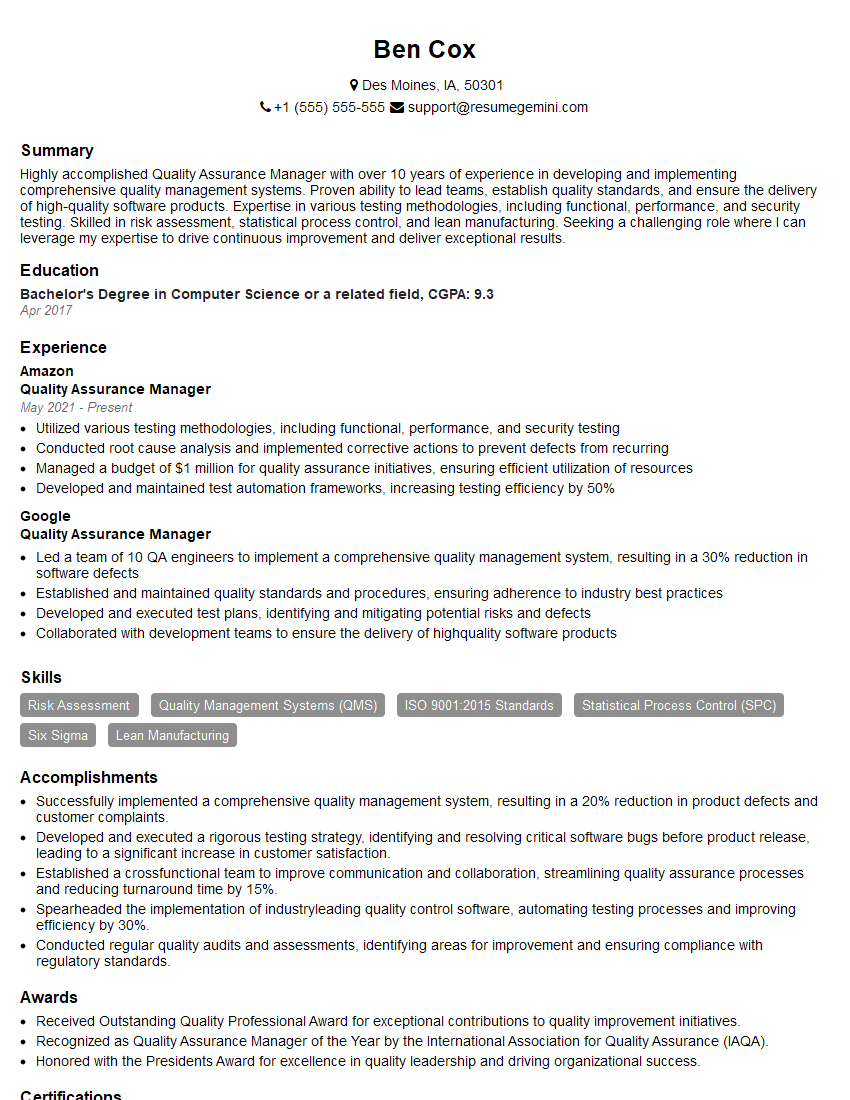
Quality Assurance Manager Resume Sample
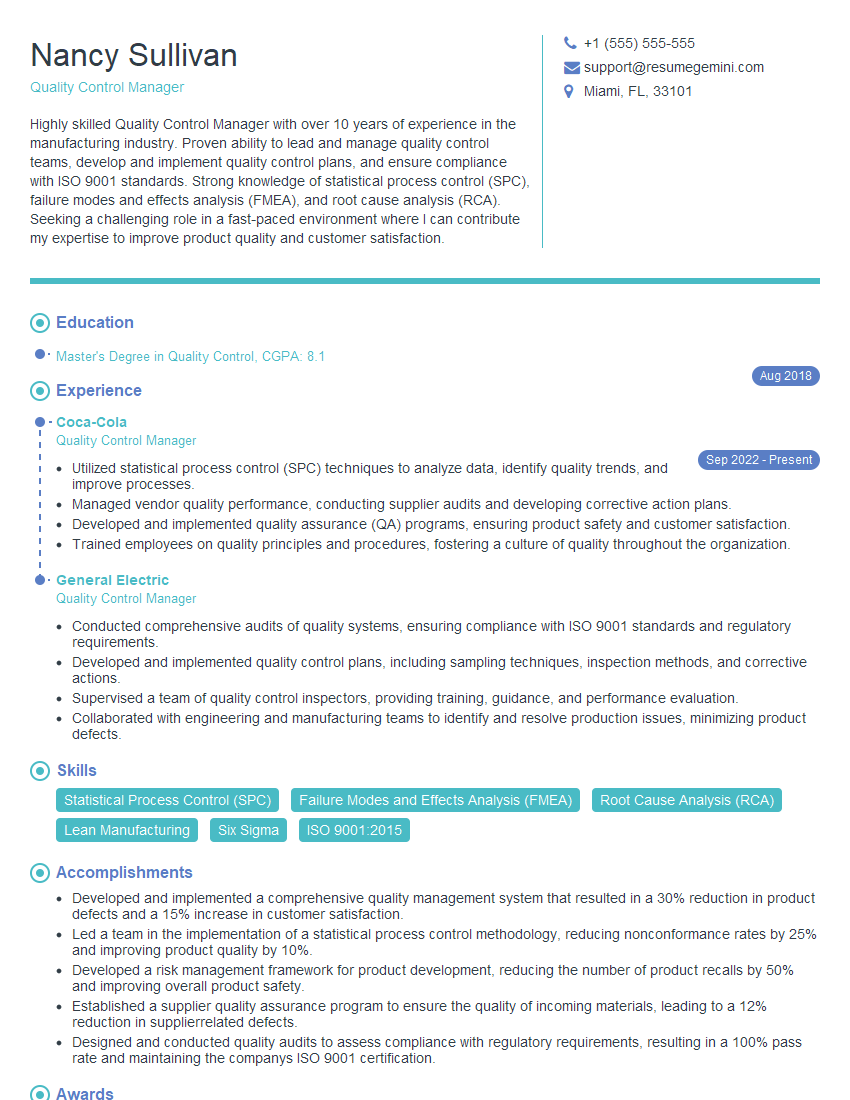
Quality Control Manager Resume Sample
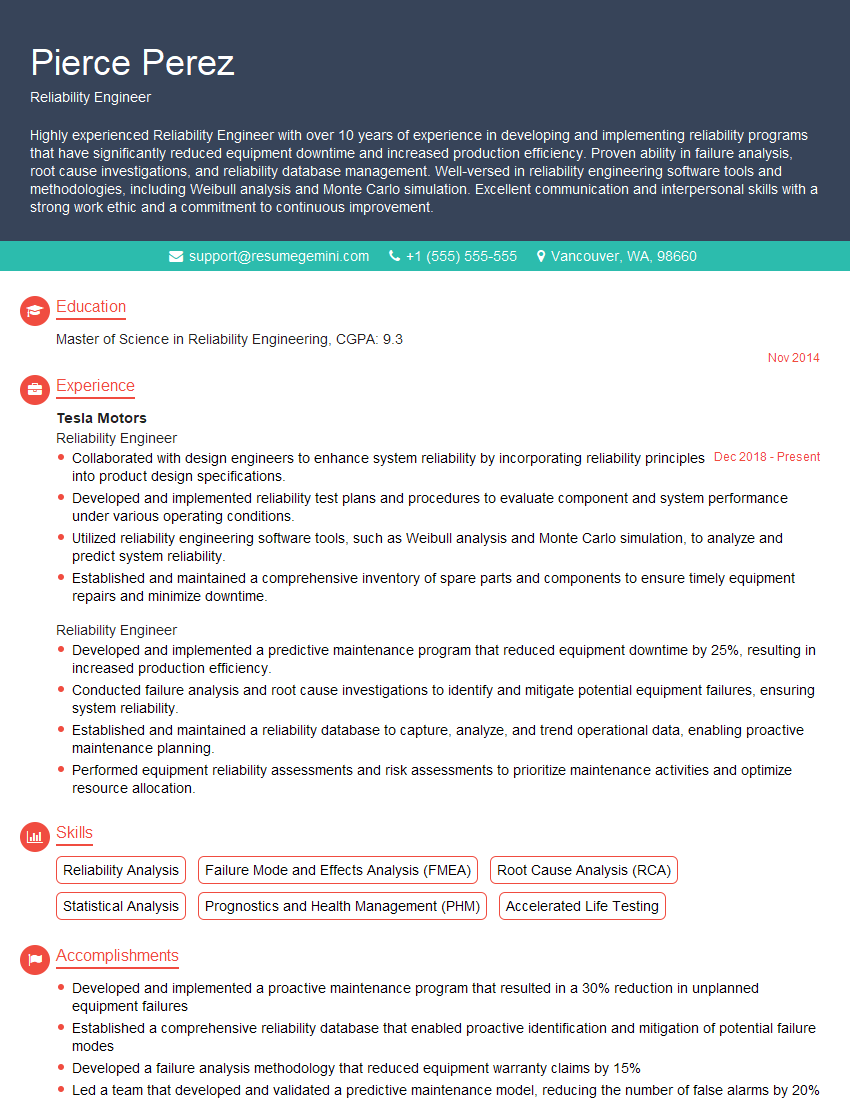
Reliability Engineer Resume Sample
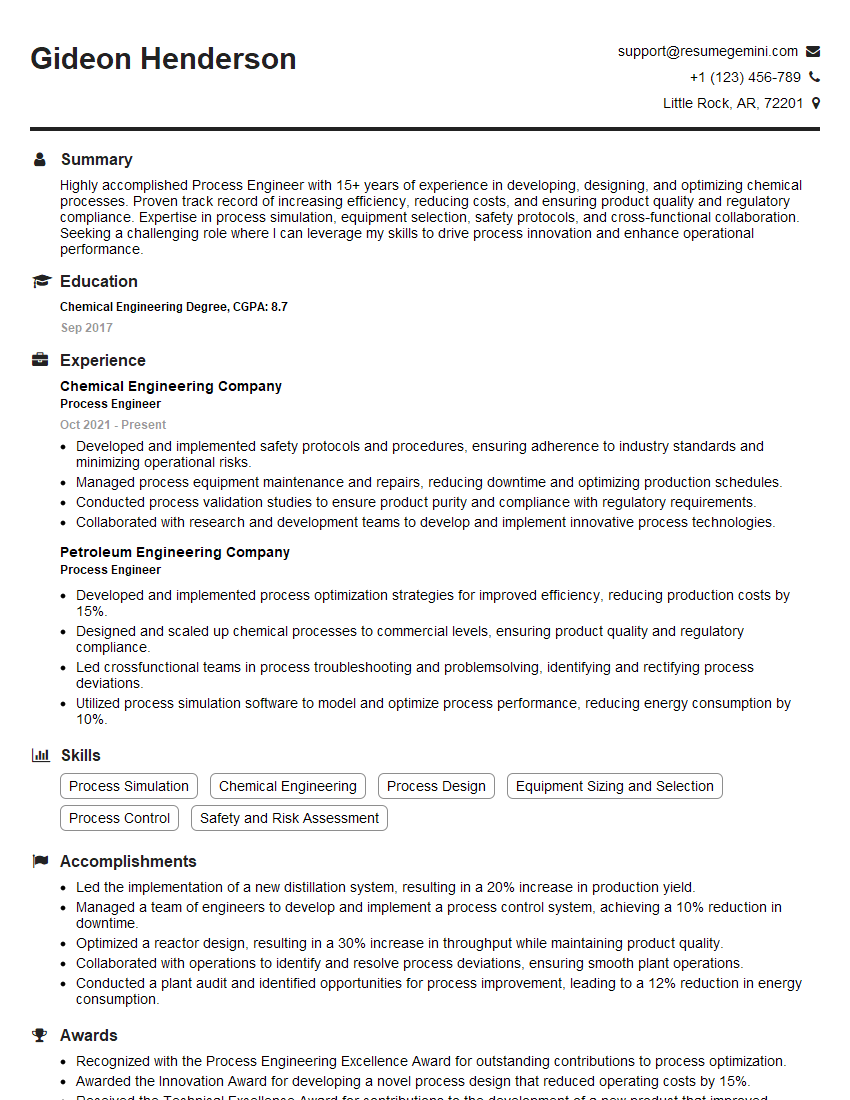
Process Engineer Resume Sample
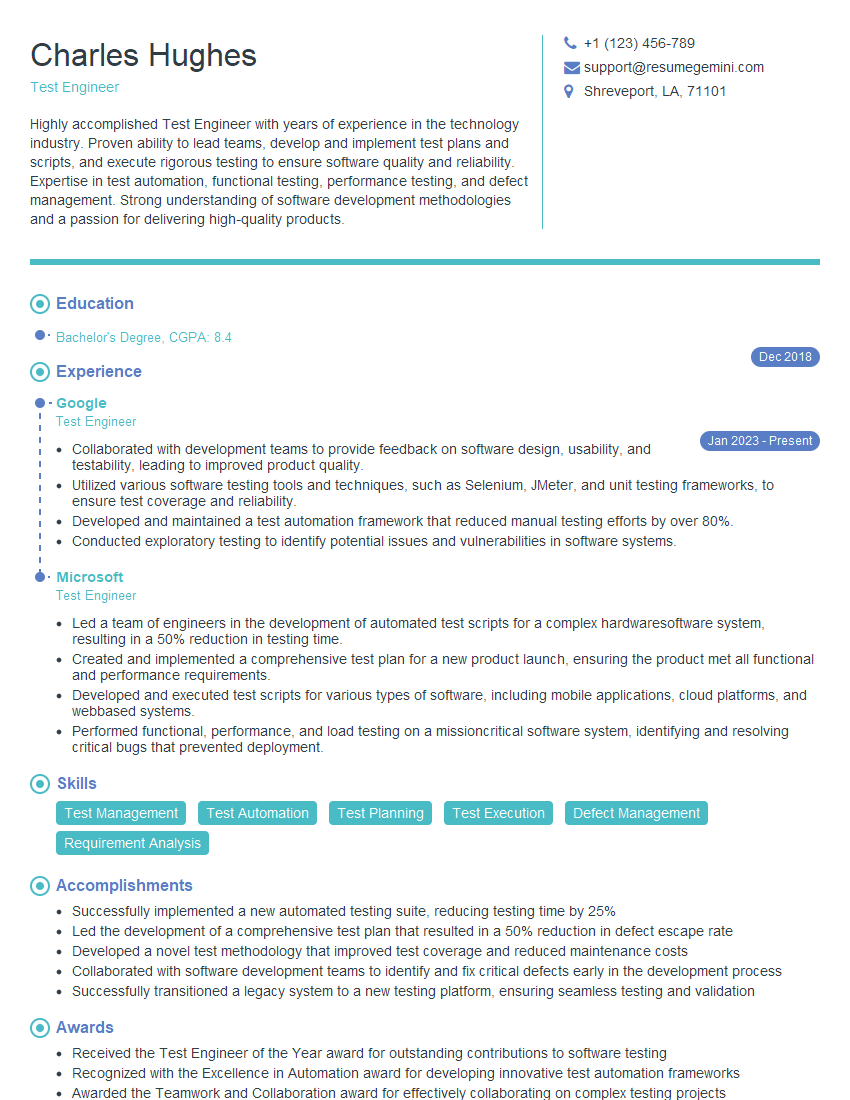
Test Engineer Resume Sample
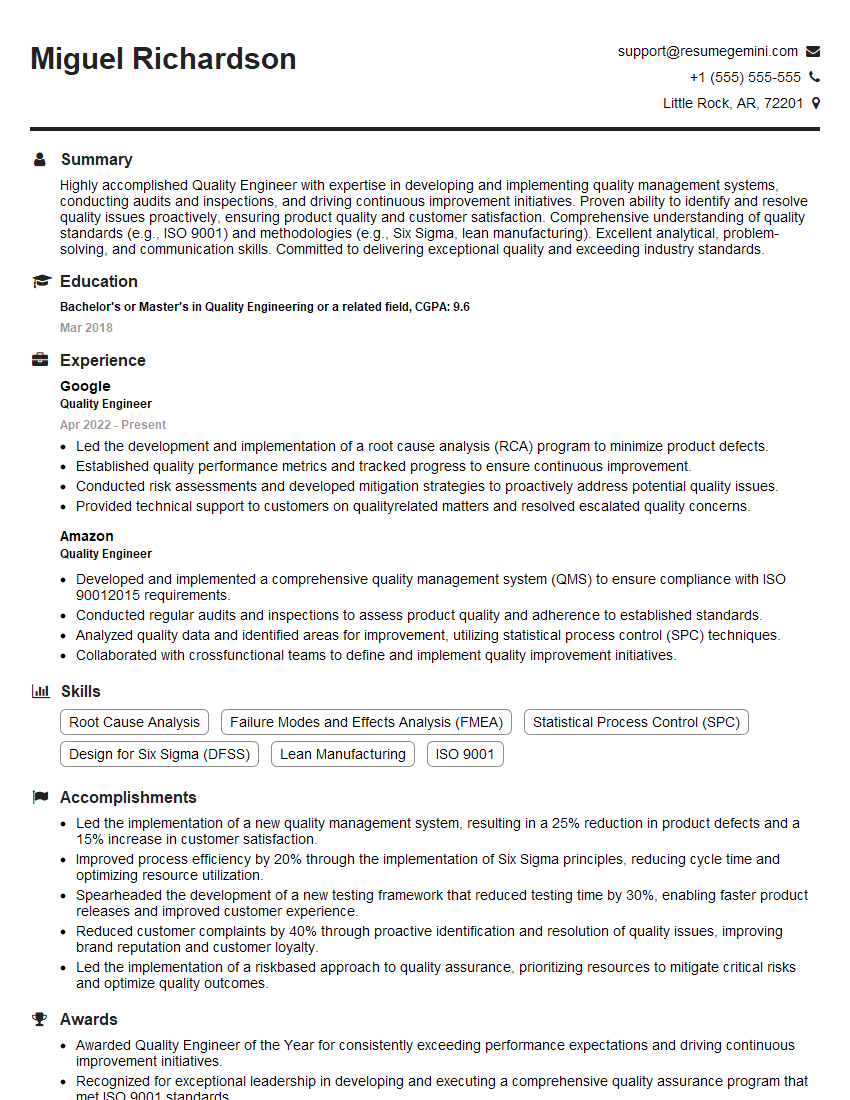
Quality Engineer Resume Sample
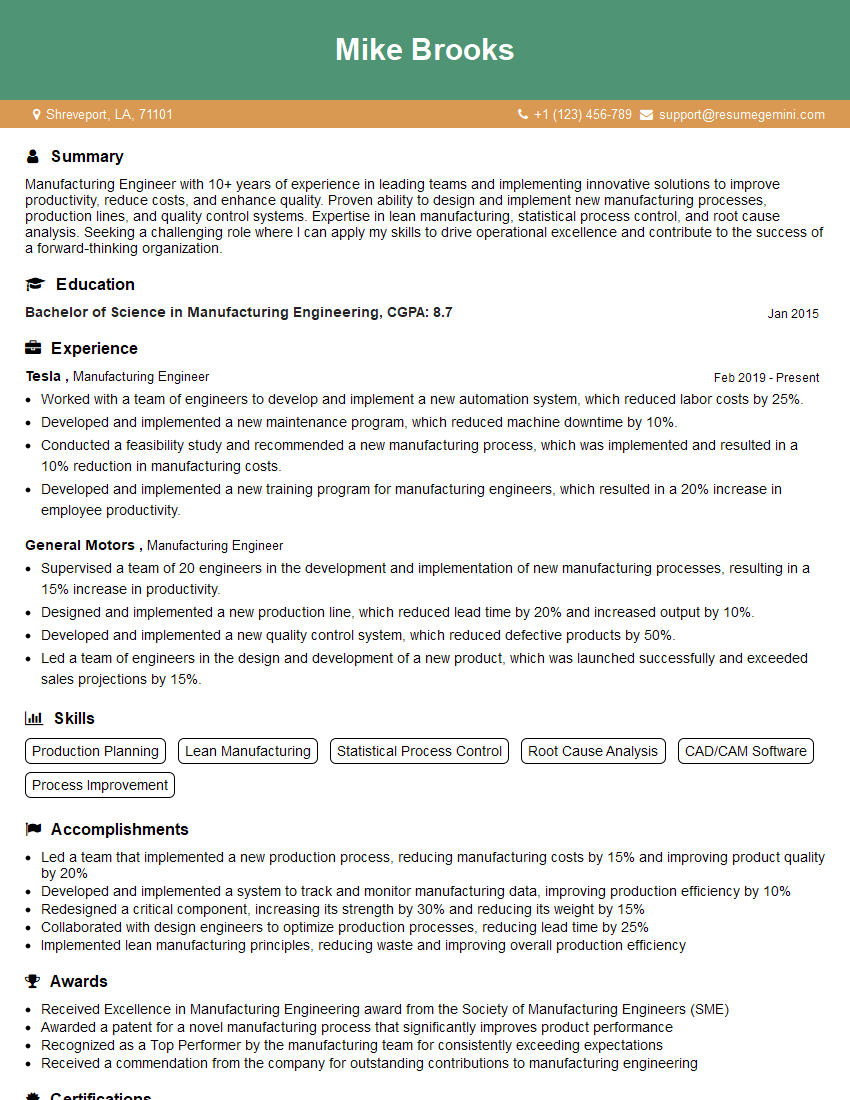
Manufacturing Engineer Resume Sample
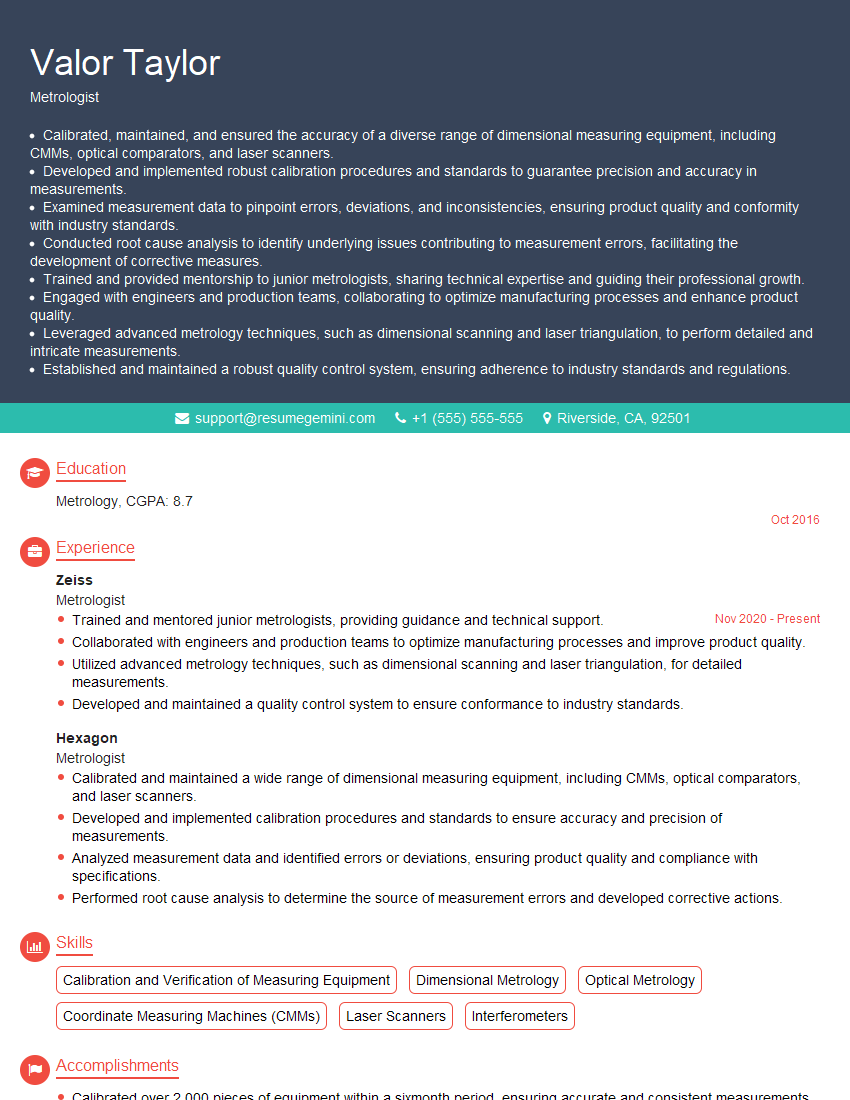
Metrologist Resume Sample
Validation Engineer Resume Sample
Calibration Technician Resume Sample
Assessment Specialist Resume Sample
Dimensional Inspector Resume Sample
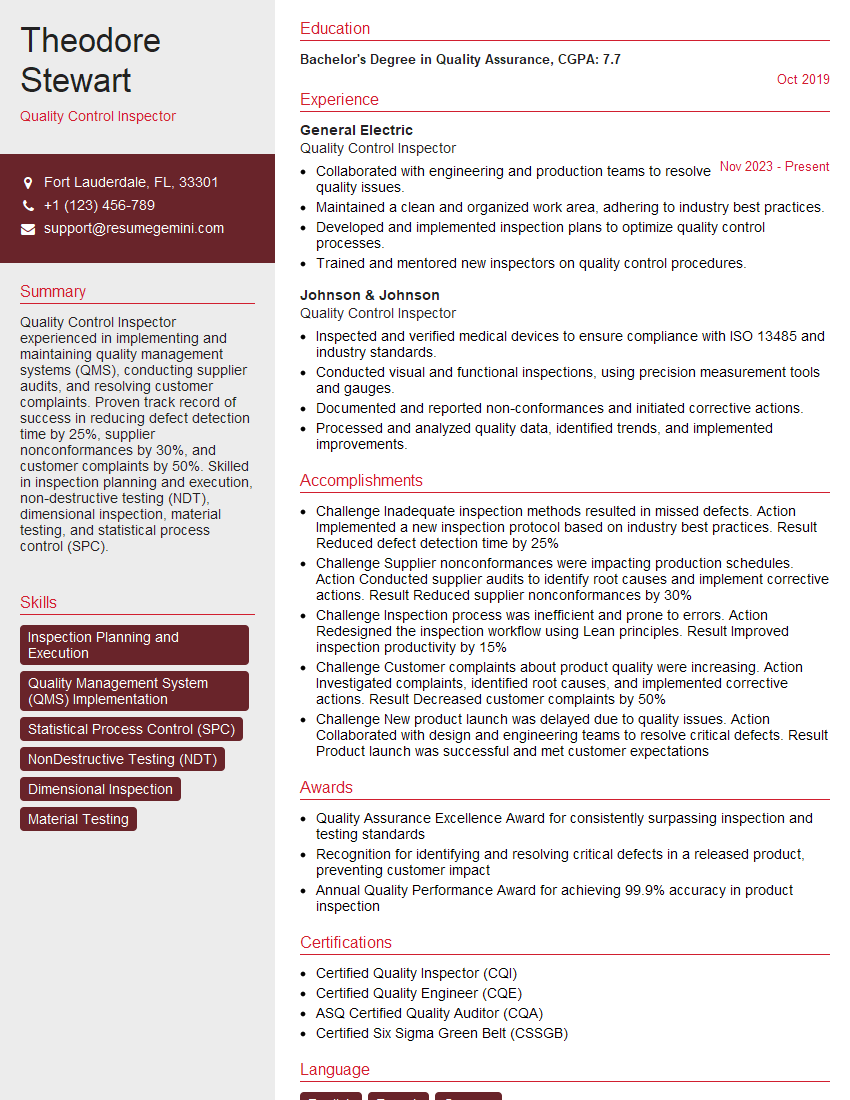
Quality Control Inspector Resume Sample
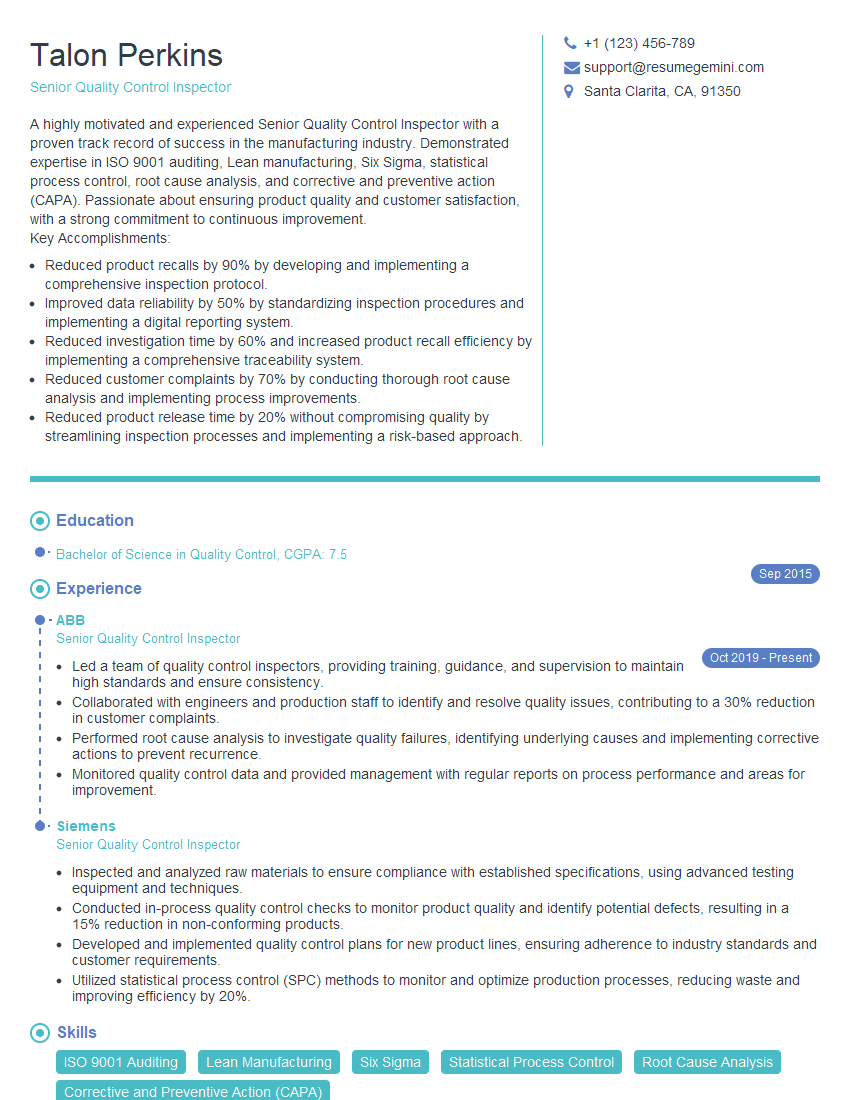
Senior Quality Control Inspector Resume Sample
Explore more articles
Users Rating of Our Blogs
Share Your Experience
We value your feedback! Please rate our content and share your thoughts (optional).
What Readers Say About Our Blog
Attention music lovers!
Wow, All the best Sax Summer music !!!
Spotify: https://open.spotify.com/artist/6ShcdIT7rPVVaFEpgZQbUk
Apple Music: https://music.apple.com/fr/artist/jimmy-sax-black/1530501936
YouTube: https://music.youtube.com/browse/VLOLAK5uy_noClmC7abM6YpZsnySxRqt3LoalPf88No
Other Platforms and Free Downloads : https://fanlink.tv/jimmysaxblack
on google : https://www.google.com/search?q=22+AND+22+AND+22
on ChatGPT : https://chat.openai.com?q=who20jlJimmy20Black20Sax20Producer
Get back into the groove with Jimmy sax Black
Best regards,
Jimmy sax Black
www.jimmysaxblack.com
Hi I am a troller at The aquatic interview center and I suddenly went so fast in Roblox and it was gone when I reset.
Hi,
Business owners spend hours every week worrying about their website—or avoiding it because it feels overwhelming.
We’d like to take that off your plate:
$69/month. Everything handled.
Our team will:
Design a custom website—or completely overhaul your current one
Take care of hosting as an option
Handle edits and improvements—up to 60 minutes of work included every month
No setup fees, no annual commitments. Just a site that makes a strong first impression.
Find out if it’s right for you:
https://websolutionsgenius.com/awardwinningwebsites
Hello,
we currently offer a complimentary backlink and URL indexing test for search engine optimization professionals.
You can get complimentary indexing credits to test how link discovery works in practice.
No credit card is required and there is no recurring fee.
You can find details here:
https://wikipedia-backlinks.com/indexing/
Regards
NICE RESPONSE TO Q & A
hi
The aim of this message is regarding an unclaimed deposit of a deceased nationale that bears the same name as you. You are not relate to him as there are millions of people answering the names across around the world. But i will use my position to influence the release of the deposit to you for our mutual benefit.
Respond for full details and how to claim the deposit. This is 100% risk free. Send hello to my email id: lukachachibaialuka@gmail.com
Luka Chachibaialuka
Hey interviewgemini.com, just wanted to follow up on my last email.
We just launched Call the Monster, an parenting app that lets you summon friendly ‘monsters’ kids actually listen to.
We’re also running a giveaway for everyone who downloads the app. Since it’s brand new, there aren’t many users yet, which means you’ve got a much better chance of winning some great prizes.
You can check it out here: https://bit.ly/callamonsterapp
Or follow us on Instagram: https://www.instagram.com/callamonsterapp
Thanks,
Ryan
CEO – Call the Monster App
Hey interviewgemini.com, I saw your website and love your approach.
I just want this to look like spam email, but want to share something important to you. We just launched Call the Monster, a parenting app that lets you summon friendly ‘monsters’ kids actually listen to.
Parents are loving it for calming chaos before bedtime. Thought you might want to try it: https://bit.ly/callamonsterapp or just follow our fun monster lore on Instagram: https://www.instagram.com/callamonsterapp
Thanks,
Ryan
CEO – Call A Monster APP
To the interviewgemini.com Owner.
Dear interviewgemini.com Webmaster!
Hi interviewgemini.com Webmaster!
Dear interviewgemini.com Webmaster!
excellent
Hello,
We found issues with your domain’s email setup that may be sending your messages to spam or blocking them completely. InboxShield Mini shows you how to fix it in minutes — no tech skills required.
Scan your domain now for details: https://inboxshield-mini.com/
— Adam @ InboxShield Mini
support@inboxshield-mini.com
Reply STOP to unsubscribe
Hi, are you owner of interviewgemini.com? What if I told you I could help you find extra time in your schedule, reconnect with leads you didn’t even realize you missed, and bring in more “I want to work with you” conversations, without increasing your ad spend or hiring a full-time employee?
All with a flexible, budget-friendly service that could easily pay for itself. Sounds good?
Would it be nice to jump on a quick 10-minute call so I can show you exactly how we make this work?
Best,
Hapei
Marketing Director
Hey, I know you’re the owner of interviewgemini.com. I’ll be quick.
Fundraising for your business is tough and time-consuming. We make it easier by guaranteeing two private investor meetings each month, for six months. No demos, no pitch events – just direct introductions to active investors matched to your startup.
If youR17;re raising, this could help you build real momentum. Want me to send more info?
Hi, I represent an SEO company that specialises in getting you AI citations and higher rankings on Google. I’d like to offer you a 100% free SEO audit for your website. Would you be interested?
Hi, I represent an SEO company that specialises in getting you AI citations and higher rankings on Google. I’d like to offer you a 100% free SEO audit for your website. Would you be interested?