Unlock your full potential by mastering the most common Mental Focus interview questions. This blog offers a deep dive into the critical topics, ensuring you’re not only prepared to answer but to excel. With these insights, you’ll approach your interview with clarity and confidence.
Questions Asked in Mental Focus Interview
Q 1. Describe a time you had to maintain focus despite distractions.
Maintaining focus amidst distractions is a crucial skill, especially in demanding environments. It’s about actively managing your attention rather than passively letting distractions control you. Think of your attention as a spotlight – you can choose where to shine it.
For instance, during a crucial project deadline, I once found myself constantly interrupted by colleagues needing assistance, emails pinging, and the general office hubbub. To combat this, I implemented a strategy of ‘focused work blocks.’ I scheduled specific time slots dedicated solely to the project, silencing notifications and politely but firmly letting colleagues know I would address their requests during designated breaks. This structured approach significantly boosted my productivity and allowed for deep, focused work during those blocks. I also found using noise-cancelling headphones immensely helpful in reducing auditory distractions.
Q 2. How do you prioritize tasks when faced with multiple deadlines?
Prioritizing tasks with multiple deadlines requires a strategic approach that combines urgency and importance. I often use the Eisenhower Matrix (Urgent/Important) to categorize my tasks. This helps me visually represent which tasks need immediate attention and which can be delegated or scheduled for later.
- Urgent and Important: These are immediate action items that require my full attention.
- Important but Not Urgent: These are tasks that contribute to long-term goals but don’t have immediate deadlines. Scheduling these strategically throughout the week prevents last-minute rushes.
- Urgent but Not Important: These tasks often involve interruptions or demands that may steal valuable time from more crucial activities. Learning to delegate or politely decline these wherever possible is vital.
- Neither Urgent nor Important: These are often time-wasters that should be eliminated or minimized.
The key is to proactively schedule time for important tasks, rather than reacting to urgent ones only. This proactive scheduling allows for more effective time management and reduces stress.
Q 3. Explain your method for managing stress and maintaining concentration.
Managing stress and maintaining concentration are intrinsically linked. High stress levels directly impact focus and cognitive performance. My approach involves a multifaceted strategy.
- Mindfulness and Meditation: Regular meditation helps me quiet my mind, reduce mental clutter, and improve my ability to focus. Even short 5-10 minute sessions can make a significant difference.
- Physical Exercise: Physical activity is a powerful stress reliever. It boosts endorphins, improves mood, and enhances cognitive function.
- Sufficient Sleep: Adequate sleep is crucial for cognitive restoration and optimal brain function. Aiming for 7-8 hours of quality sleep is non-negotiable.
- Healthy Diet: Nourishing my body with a balanced diet fuels my brain and enhances mental clarity.
- Breaks and Downtime: Regular breaks throughout the day help prevent burnout and maintain focus. These breaks can involve short walks, stretching, or simply stepping away from the screen.
These techniques combined create a holistic approach to stress management, ensuring I maintain a sharp and focused state of mind.
Q 4. What strategies do you use to improve your concentration and attention to detail?
Improving concentration and attention to detail is an ongoing process of training your brain. Several strategies prove consistently effective:
- Mindful Work Environments: Creating a workspace free from distractions is paramount. This might involve using noise-canceling headphones, organizing your workspace, and turning off non-essential notifications.
- Pomodoro Technique: This involves working in focused bursts (e.g., 25 minutes) followed by short breaks. This structured approach prevents mental fatigue and maintains attention.
- Regular Brain Training: Engaging in activities that challenge your cognitive abilities, like puzzles, brain games, or learning new skills, helps improve focus and attention.
- Chunking Information: Breaking down complex tasks into smaller, manageable chunks makes them less daunting and easier to focus on.
- Active Recall: Testing yourself regularly on information helps strengthen memory and improve attention to detail. Instead of passively rereading notes, actively try to recall the information from memory.
By consistently applying these methods, I’ve significantly improved my ability to concentrate and maintain attention to detail, leading to more accurate and efficient work.
Q 5. How do you stay focused on long-term goals while managing daily tasks?
Balancing long-term goals with daily tasks requires a mindful approach that integrates both. The key is to connect daily tasks to the larger picture.
I use a system of ‘backward planning’ where I break down my long-term goal into smaller, achievable milestones. Then, I schedule tasks each day that directly contribute to these milestones. This ensures that my daily actions are purposefully aligned with my overarching objectives. Visual aids, like a Kanban board or a progress tracker, can also be very helpful in keeping both the big picture and the daily tasks in perspective. By regularly reviewing my progress and adjusting my plan as needed, I stay motivated and on track towards my long-term goals, without losing sight of the immediate tasks needed to get there.
Q 6. Describe a situation where you had to overcome mental fatigue to complete a critical task.
Overcoming mental fatigue to complete critical tasks often requires self-awareness and strategic resilience. I remember one instance where I was working late into the night on a crucial presentation, facing significant mental exhaustion. To combat this, I implemented several countermeasures.
- Short Breaks: I took frequent short breaks, going for a quick walk or doing some light stretches to refresh my mind and body.
- Hydration and Nutrition: I made sure to stay hydrated and consumed a small, energy-boosting snack to replenish my energy levels.
- Change of Scenery: I moved to a different part of the house to work, which helped to break the cycle of mental fatigue associated with my workspace.
- Prioritization: I focused on completing the most critical parts of the presentation first, leaving less crucial elements for when my energy levels were lower.
Through this mindful combination of rest and strategic task management, I was able to push through the mental fatigue and successfully complete the presentation. The key is to be aware of your limitations and to proactively address mental exhaustion before it overwhelms you.
Q 7. How do you handle information overload and maintain clarity of thought?
Information overload can easily lead to mental clutter and decreased clarity. Effective management relies on strategic filtering and processing.
- Information Filtering: I actively filter information, focusing on sources known for their reliability and relevance. I unsubscribe from unnecessary email lists and limit my exposure to less crucial information streams.
- Organized Information Systems: I maintain a well-organized system for storing and retrieving information. This could involve using digital tools like note-taking apps, project management software, or simply well-organized file folders.
- Summarization and Synthesis: Instead of trying to process every single piece of information, I summarize key points and synthesize the information into a coherent framework.
- Regular Breaks and Mindfulness: Taking regular breaks to clear my mind and engage in mindfulness practices helps to process the information more effectively and avoid mental fatigue.
By implementing these methods, I ensure information overload doesn’t hinder my ability to think clearly and make informed decisions. It’s about prioritizing quality over quantity in terms of information consumption.
Q 8. How do you adapt your focus strategies to different types of tasks or environments?
Adapting focus strategies hinges on understanding the demands of different tasks and environments. A complex problem-solving task requires a different approach than, say, responding to emails. My approach is a flexible one, built on understanding cognitive load and optimizing my environment.
- High-Focus Tasks (e.g., writing a research paper): I need a quiet, distraction-free environment. I utilize the Pomodoro Technique – 25 minutes of intense focus followed by a 5-minute break – to maintain concentration. I minimize visual and auditory stimuli, and I often listen to ambient soundscapes to block out distracting noises.
- Low-Focus Tasks (e.g., answering emails): These tasks can be interspersed with higher focus activities. I batch similar tasks together to improve efficiency. My environment can be less stringent; I might work in a co-working space with a low level of background noise.
- Variable Environments: If I’m working in a noisy coffee shop, I use noise-canceling headphones and employ mindfulness techniques to gently redirect my attention when it wanders. This involves actively observing my thoughts without judgment and gently bringing my focus back to the task at hand.
Essentially, I tailor my approach by considering the task’s cognitive demands and the environmental context. This allows me to maximize my productivity across diverse situations.
Q 9. What techniques do you use to minimize interruptions and maximize productivity?
Minimizing interruptions and maximizing productivity involves a multi-pronged strategy combining proactive planning with reactive responses.
- Proactive Measures: I schedule dedicated focus blocks in my calendar, treating them like important meetings that cannot be missed. I communicate my availability to colleagues, setting clear expectations about response times. I also turn off non-essential notifications on my devices and utilize website blockers to eliminate distracting websites during focused work sessions.
- Reactive Measures: When interruptions do occur, I acknowledge them briefly but firmly redirect the conversation or task for later. I use a system for capturing tasks or ideas that come up during focused work (e.g., a note-taking app) so I can address them without losing my train of thought. This prevents those interruptions from becoming time-consuming distractions.
A key element is self-compassion. Interruptions are inevitable; the goal is to minimize their impact and develop a resilience to quickly regain focus.
Q 10. Describe your approach to problem-solving when under pressure.
Under pressure, my problem-solving approach shifts towards a more structured and methodical process. I avoid impulsive decisions by employing a step-by-step framework.
- Define the Problem: Clearly articulate the problem, breaking it down into smaller, manageable components. This ensures clarity and prevents overlooking crucial aspects.
- Gather Information: Systematically collect relevant data and information. This might involve consulting resources, seeking advice from colleagues, or reviewing past experiences.
- Generate Solutions: Brainstorm potential solutions, considering various perspectives and approaches. I encourage diverse thinking to avoid biases.
- Evaluate Solutions: Assess each potential solution based on feasibility, effectiveness, and potential risks. I prioritize solutions with the highest likelihood of success and the lowest risk.
- Implement and Monitor: Choose the best solution and implement it effectively. Continuously monitor progress and make adjustments as needed. This iterative process allows flexibility in adapting to unforeseen challenges.
Practicing mindfulness helps me manage the emotional response to pressure. Deep breathing and focusing on the present moment helps reduce anxiety and enhances clarity of thought.
Q 11. How do you identify and overcome personal biases that might affect your focus?
Identifying and overcoming personal biases that affect focus requires self-awareness and a commitment to continuous improvement.
- Self-Reflection: Regularly reflect on my work patterns and identify potential biases. For example, do I tend to avoid difficult tasks? Do I overestimate my ability to multitask? Do I prioritize urgent tasks over important ones?
- Seeking Feedback: Actively seek feedback from colleagues and mentors to gain external perspectives on my strengths and weaknesses. This provides valuable insights that may not be apparent through self-reflection alone.
- Structured Approaches: Employ techniques like decision matrices or cost-benefit analyses to help overcome emotional biases when making decisions about how to allocate my time and focus. This adds objectivity to the process.
- Mindfulness Practices: Mindfulness meditation and self-compassion exercises help cultivate self-awareness and reduce emotional reactivity, enabling more rational decision-making.
Overcoming biases is an ongoing process. The key is consistent self-reflection, feedback integration, and utilizing structured approaches to decision-making.
Q 12. Explain how you manage your time effectively to enhance focus and efficiency.
Effective time management is crucial for enhanced focus and efficiency. My approach is based on planning, prioritization, and consistent evaluation.
- Planning: I use a digital calendar and task management system to schedule my day and week. This includes allocating specific time blocks for focused work, meetings, and breaks. I break down larger tasks into smaller, more manageable sub-tasks.
- Prioritization: I utilize methods like the Eisenhower Matrix (urgent/important) to prioritize tasks. This helps ensure that I focus my energy on the most critical activities first.
- Time Blocking: I allocate specific time blocks for focused work, minimizing context switching. During these blocks, I dedicate my full attention to the task at hand.
- Regular Evaluation: I regularly review my schedule and task completion, making adjustments as needed. This ensures that my time management strategies remain effective and adaptable to changing circumstances.
The key is to find a system that works for you and to consistently apply it. Experimenting with different techniques and adapting them to your needs is essential.
Q 13. How do you handle setbacks and maintain motivation to stay on track?
Setbacks are inevitable. My approach to handling them focuses on learning, adapting, and maintaining a positive mindset.
- Analysis: When a setback occurs, I take time to analyze the situation objectively. What went wrong? What could I have done differently? This helps avoid repeating past mistakes.
- Adjustments: Based on my analysis, I make necessary adjustments to my approach. This may involve refining my strategies, seeking additional support, or re-evaluating my goals.
- Self-Compassion: It’s crucial to treat myself with kindness and understanding. Setbacks are opportunities for growth, not indicators of failure. Self-criticism only hinders progress.
- Focus on Progress: I concentrate on the progress I’ve made, rather than dwelling on the setbacks. Celebrating small wins helps maintain motivation and build momentum.
Maintaining a positive mindset involves focusing on solutions rather than problems. This proactive approach helps overcome challenges and stay motivated.
Q 14. Describe your preferred methods for taking notes and organizing information.
My preferred note-taking and information organization methods are tailored to the task and context. I utilize a combination of digital and analog techniques.
- Digital Notes: For lectures, meetings, and brainstorming sessions, I use note-taking software that allows for tagging, searching, and linking information. I use a structured outline format to organize my notes logically.
- Analog Notes: For quick ideas, sketches, or mind mapping, I prefer pen and paper. The physical act of writing helps solidify concepts in my memory.
- Information Organization: I use a cloud-based system to store and categorize my notes and files. This allows me to access information easily from any device. A robust folder structure is crucial for efficient retrieval. I use tags and keywords to facilitate searching and cross-referencing.
Consistency is key. Regardless of the method, I strive for clear, concise notes that are easily accessible and readily understandable at a later time.
Q 15. What are your strategies for staying mentally sharp and focused throughout the workday?
Maintaining mental sharpness throughout the workday requires a multi-pronged approach. It’s not about forcing focus, but rather optimizing your environment and habits to support it. My strategy centers around proactive energy management, rather than reactive firefighting.
Prioritization and Time Blocking: I start each day by prioritizing tasks based on importance and urgency using methods like the Eisenhower Matrix (urgent/important). I then allocate specific time blocks for focused work on these tasks, minimizing context switching.
Regular Breaks: Taking short, regular breaks is crucial. The Pomodoro Technique (25 minutes work, 5 minutes break) is a helpful framework. These breaks allow my mind to rest and recharge, preventing mental fatigue. I use these breaks for short walks, stretching, or simply disconnecting from screens.
Mindfulness and Meditation: Even a few minutes of mindfulness or meditation can significantly improve focus. These practices help quiet the mental chatter and increase awareness of my thoughts and feelings, allowing me to redirect my attention more effectively.
Hydration and Nutrition: Dehydration and poor nutrition directly impact cognitive function. I ensure I drink plenty of water and eat nourishing meals and snacks throughout the day to maintain energy levels and mental clarity.
Career Expert Tips:
- Ace those interviews! Prepare effectively by reviewing the Top 50 Most Common Interview Questions on ResumeGemini.
- Navigate your job search with confidence! Explore a wide range of Career Tips on ResumeGemini. Learn about common challenges and recommendations to overcome them.
- Craft the perfect resume! Master the Art of Resume Writing with ResumeGemini’s guide. Showcase your unique qualifications and achievements effectively.
- Don’t miss out on holiday savings! Build your dream resume with ResumeGemini’s ATS optimized templates.
Q 16. How do you use technology to aid concentration and minimize distractions?
Technology can be a powerful tool for enhancing concentration, but it’s equally capable of being a significant distraction. My approach is to strategically use technology to *support* my focus, not hinder it.
Website Blockers: I utilize website blockers to temporarily restrict access to distracting sites during focused work sessions. This prevents impulsive checking of social media or news websites.
Focus Apps: Apps designed to promote focus, like Forest or Freedom, can gamify the process of staying on task, rewarding focused work with virtual rewards or progress bars.
Notification Management: I meticulously manage my notifications. During focused work periods, I turn off all non-essential notifications on my phone and computer. Email checking is scheduled to specific times rather than reacting to every incoming message.
Note-Taking Software: Using note-taking software like Evernote or OneNote allows me to capture ideas and thoughts without interrupting my workflow. This prevents the constant mental burden of remembering details.
Q 17. Explain your approach to learning new skills and how you maintain focus during the learning process.
Learning new skills requires dedicated focus and effective strategies. My approach blends active learning techniques with mindful practice.
Spaced Repetition: I utilize spaced repetition systems (SRS) like Anki to reinforce learning over time. This technique leverages the power of retrieval practice to strengthen memory and understanding.
Active Recall: Instead of passively rereading materials, I actively try to recall information from memory. This forces my brain to engage with the material more deeply, leading to better retention.
Chunking Information: I break down complex topics into smaller, manageable chunks. This prevents information overload and allows for more focused learning on each individual component.
Interleaving: I alternate between different learning topics or skills instead of focusing on one for extended periods. This improves long-term retention and reduces mental fatigue.
Mindful Breaks: I incorporate regular breaks into my learning sessions, allowing my brain to process information and prevent burnout.
Q 18. How do you collaborate effectively while maintaining your individual focus?
Effective collaboration requires a balance between individual focus and team engagement. I achieve this by employing clear communication and strategic time management.
Dedicated Collaboration Time: I schedule specific times for collaborative activities, ensuring focused attention during these periods. This prevents interruptions to my individual work.
Clear Communication: I articulate my needs and expectations clearly, and I actively listen to my colleagues’ perspectives. This fosters mutual understanding and reduces ambiguity.
Designated Focus Time: I communicate my need for focused work blocks to my colleagues, requesting that interruptions are minimized during these times.
Technology for Collaboration: Utilizing collaborative tools like Slack or Microsoft Teams allows for asynchronous communication, minimizing interruptions during focused work periods.
Q 19. Describe a situation where you had to make a quick decision under pressure while maintaining focus.
During a recent project launch, a critical software bug emerged just hours before the deadline. The pressure was immense, and a quick, effective solution was crucial. I remained calm and focused by systematically breaking down the problem.
Prioritize and delegate: I immediately prioritized identifying the root cause. While delegating tasks such as communication and client updates to my team, I focused solely on debugging.
Systemic approach: I used a methodical debugging process, eliminating potential causes one by one through testing and code review, maintaining a clear and organized thought process.
Time management: I remained acutely aware of the time constraint, efficiently allocating time for each step while tracking progress.
Outcome: Within the limited timeframe, we successfully identified and fixed the bug, ensuring the project launched on schedule. This showcased the effectiveness of focused decision-making under pressure.
Q 20. What are your strategies for preventing burnout and maintaining mental stamina?
Preventing burnout and maintaining mental stamina is paramount for long-term productivity and well-being. My strategy involves a holistic approach to self-care.
Regular Exercise: Physical activity significantly improves mental clarity and reduces stress. I incorporate regular exercise into my routine, even if it’s just a short walk.
Sufficient Sleep: Getting adequate sleep is non-negotiable. Consistent sleep allows the brain to rest and consolidate memories, improving focus and cognitive function.
Mindful Breaks and Relaxation: I actively prioritize time for relaxation and stress reduction techniques like deep breathing exercises, yoga, or spending time in nature.
Social Connection: Maintaining strong social connections reduces stress and improves overall well-being. I make time for social interaction with friends and family.
Hobbies and Interests: Engaging in activities outside of work that I enjoy helps prevent burnout and maintain a sense of balance.
Q 21. How do you ensure accuracy in your work while managing a high workload?
Managing a high workload without compromising accuracy requires meticulous planning and a systematic approach.
Detailed Planning: I meticulously plan each task, outlining steps, timelines, and potential challenges. This helps avoid errors caused by rushed work or oversight.
Break Down Tasks: I break down large tasks into smaller, more manageable components, making them less daunting and increasing the accuracy of each individual step.
Regular Checks and Reviews: I regularly review my work for errors, ensuring accuracy throughout the process. This prevents small errors from accumulating into larger problems.
Utilize Technology: I leverage technology such as spell-checkers, grammar tools, and calculation software to reduce manual errors.
Double-Checking Critical Steps: For particularly critical tasks, I implement a double-checking system, having another individual review my work or utilizing independent verification methods.
Q 22. Explain how you use mindfulness or meditation to improve your focus.
Mindfulness and meditation are powerful tools for enhancing focus. They work by training your brain to be present in the moment, reducing the distractions caused by racing thoughts and anxieties about the future or regrets about the past. Essentially, it’s about strengthening your attentional muscles.
My practice involves daily meditation, usually 20-30 minutes in the morning. I focus on my breath, observing the sensations without judgment. When my mind wanders – which it inevitably does – I gently redirect my attention back to my breath. This consistent practice builds my capacity to notice distractions without getting carried away by them, improving my ability to focus throughout the day. I also incorporate mindfulness into my daily activities, such as eating or walking, by paying close attention to the sensory details of the experience.
For example, when I’m writing a complex report, if I find my mind drifting to a to-do list, I take a conscious pause, acknowledge the distraction, and gently return my focus to the text in front of me. This conscious redirection, cultivated through mindfulness, helps me stay on task and maintain a sharp focus.
Q 23. How do you manage competing priorities and maintain a consistent level of focus?
Managing competing priorities and maintaining consistent focus requires a strategic approach. I utilize several techniques, including prioritization matrices (like Eisenhower Matrix), time blocking, and the Pomodoro Technique.
The Eisenhower Matrix helps me categorize tasks by urgency and importance. Time blocking schedules specific time slots for focused work on high-priority tasks, minimizing context switching. The Pomodoro Technique involves working in focused bursts (e.g., 25 minutes) followed by short breaks, maintaining consistent energy and preventing burnout. Crucially, I learn to say ‘no’ to tasks that don’t align with my overarching goals, freeing up mental space for what truly matters.
For instance, if I have a deadline for a critical project and several less urgent requests, I’ll use the Eisenhower Matrix to identify the most important and urgent tasks. I then block out dedicated time slots in my calendar to work on those tasks without interruption. Regular breaks help maintain focus and prevent mental fatigue.
Q 24. Describe a time you had to multitask while maintaining accuracy and focus.
During a recent project launch, I was responsible for overseeing the technical setup, managing client communication, and addressing any unforeseen issues that arose simultaneously. This required a high degree of multitasking and precision.
My approach involved meticulous planning and preparation. I created detailed checklists for each task, outlining specific steps and timelines. I delegated sub-tasks where possible to free up my cognitive resources for more complex issues. I utilized communication tools effectively, responding to urgent client queries promptly while still maintaining my focus on the overall project execution. Regular breaks, even short ones, helped me avoid cognitive overload and maintain accuracy.
The key was prioritizing tasks based on their impact and urgency, maintaining a flexible but structured approach. While multitasking can be taxing, careful preparation and effective time management are vital to preventing errors and maintaining a high level of focus and accuracy.
Q 25. How do you identify and address mental blocks that hinder your focus?
Mental blocks, such as procrastination, anxiety, or perfectionism, significantly impact focus. Identifying them requires self-awareness. I regularly reflect on my work patterns, noting recurring challenges or periods of low productivity. Journaling helps me track these patterns and identify underlying causes.
Addressing these blocks requires a multifaceted approach. For procrastination, I break down large tasks into smaller, manageable steps, making them less daunting. For anxiety, mindfulness and deep breathing exercises are very helpful. If perfectionism is a problem, I consciously set realistic expectations and focus on progress rather than unattainable perfection. Sometimes, seeking professional guidance from a therapist or coach can be beneficial in addressing deeper-rooted issues.
For example, if I find myself constantly putting off a specific task, I analyze the reasons behind my hesitation. Is it the task’s complexity? My fear of failure? Once I identify the root cause, I can implement strategies like task decomposition or mindfulness techniques to overcome the block.
Q 26. What techniques do you use to maintain focus during meetings or presentations?
Maintaining focus during meetings and presentations relies on preparation and active engagement. Before a meeting, I review the agenda and formulate any questions or points I want to address. During the meeting, I actively listen, taking concise notes, and avoiding distractions such as checking emails or engaging in side conversations.
For presentations, thorough preparation is crucial. I rehearse my presentation to ensure a smooth delivery and anticipate potential questions. Maintaining eye contact with the audience keeps me present and engaged. I also incorporate visual aids and interactive elements to keep the audience focused and maintain their interest. If my mind starts to wander, I use simple techniques like refocusing on my breathing or the next point in my presentation to regain my concentration.
For example, I might utilize a mind map to quickly summarize key information during a meeting, helping me stay focused on the main discussion points. During a presentation, I consciously slow down my speech pace to keep up with the audience’s understanding.
Q 27. How do you balance work and personal life to maintain optimal mental focus?
Balancing work and personal life is essential for maintaining optimal mental focus. It’s not about rigid compartmentalization, but rather about mindful integration. I set clear boundaries between work and personal time, establishing specific times for work and dedicated time for relaxation and personal pursuits.
I prioritize activities that replenish my energy, such as exercise, spending time in nature, or engaging in hobbies. Sufficient sleep is non-negotiable. I also incorporate regular breaks throughout my workday to prevent burnout. These breaks can be as simple as a short walk or mindful breathing exercises. Open communication with family and friends ensures that personal commitments are addressed without sacrificing work productivity.
For instance, I might schedule a specific time in the evening for family dinner, disconnecting from work email and notifications during that period. Weekends are typically reserved for personal activities and relaxation, allowing me to return to work refreshed and focused.
Key Topics to Learn for Mental Focus Interview
- Attention & Concentration: Understanding the cognitive processes involved in sustained attention and strategies to improve focus in demanding situations. Practical application: Describe experiences where you successfully maintained focus under pressure.
- Stress Management & Resilience: Exploring techniques for managing stress and maintaining mental clarity under pressure. Practical application: Explain how you handle high-stress situations and remain productive.
- Prioritization & Time Management: Mastering techniques for effectively prioritizing tasks and managing time efficiently. Practical application: Describe a project where you successfully managed competing priorities and deadlines.
- Problem-Solving & Critical Thinking: Developing the ability to approach problems systematically, analyze information objectively, and generate creative solutions. Practical application: Provide an example of a complex problem you solved using a logical and structured approach.
- Mindfulness & Self-Awareness: Cultivating self-awareness to understand your cognitive strengths and weaknesses, and utilizing mindfulness techniques to enhance focus and productivity. Practical application: Discuss your strategies for maintaining self-awareness and identifying potential distractions.
- Cognitive Flexibility & Adaptability: Developing the ability to switch between tasks efficiently and adapt to changing priorities and demands. Practical application: Give an example where you successfully adapted to a sudden change in work requirements.
Next Steps
Mastering mental focus is crucial for career success. It allows you to excel in demanding roles, demonstrate superior problem-solving skills, and manage your workload effectively. To significantly increase your job prospects, it’s vital to create an ATS-friendly resume that highlights these crucial skills. We highly recommend using ResumeGemini, a trusted resource for building professional and impactful resumes. Examples of resumes tailored to showcasing Mental Focus skills are available below to guide you in crafting your own compelling application.
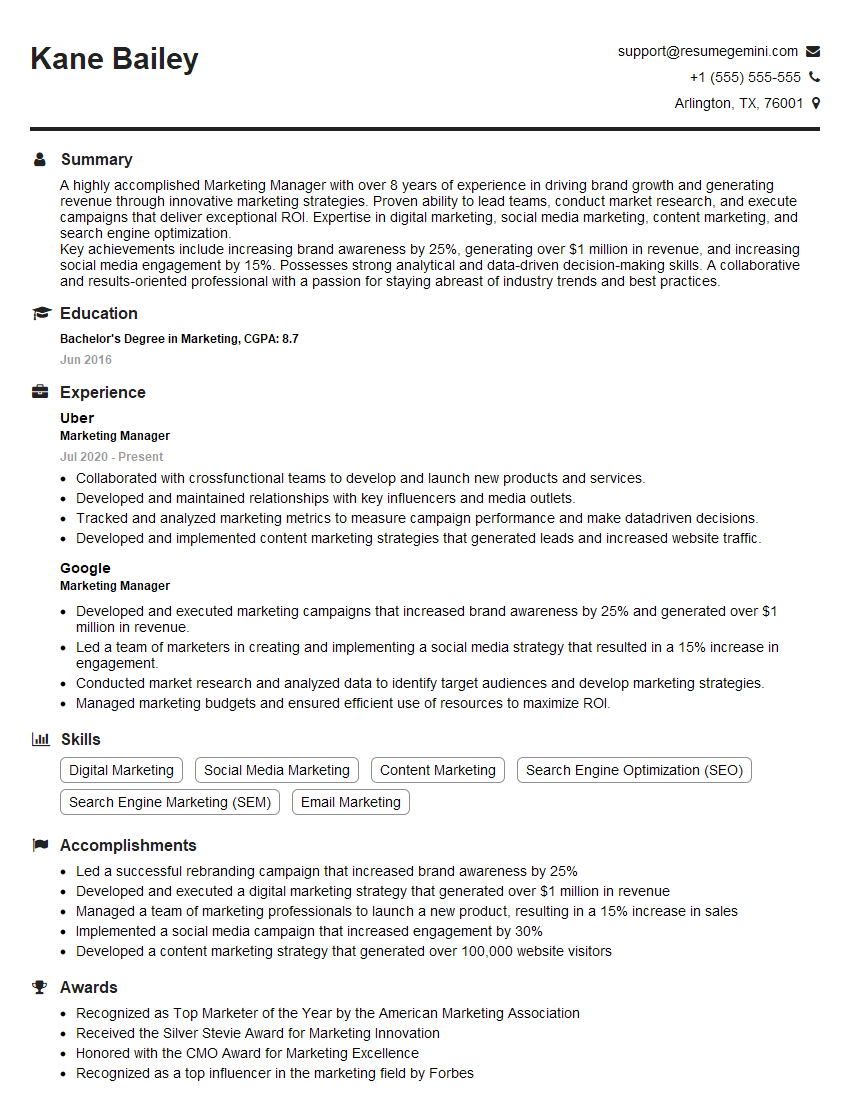
Marketing Manager Resume Sample
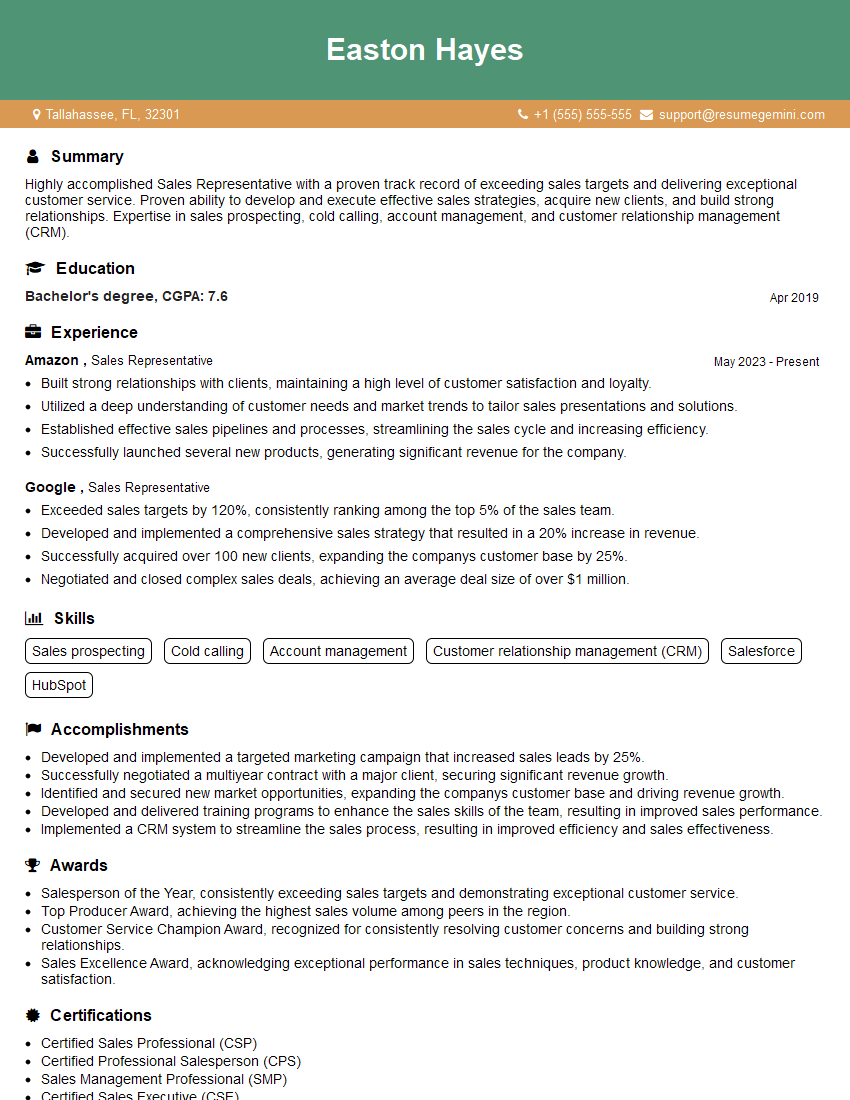
Sales Representative Resume Sample
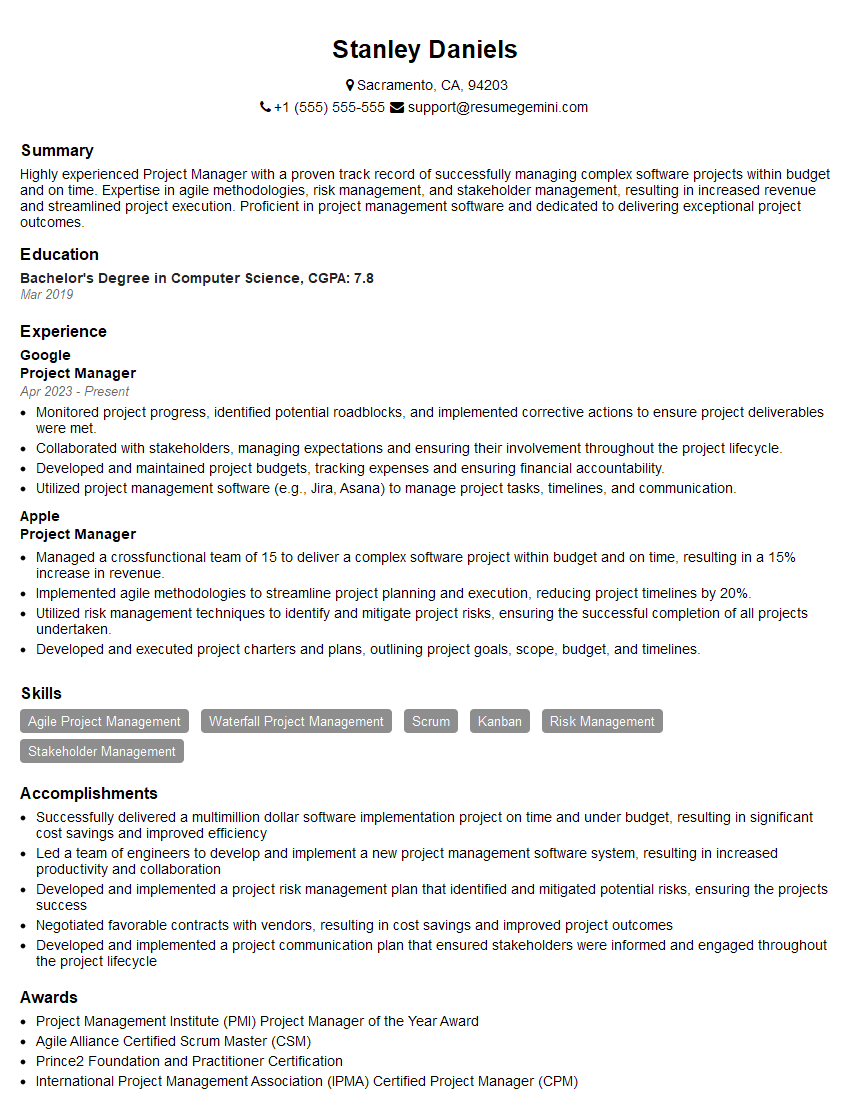
Project Manager Resume Sample
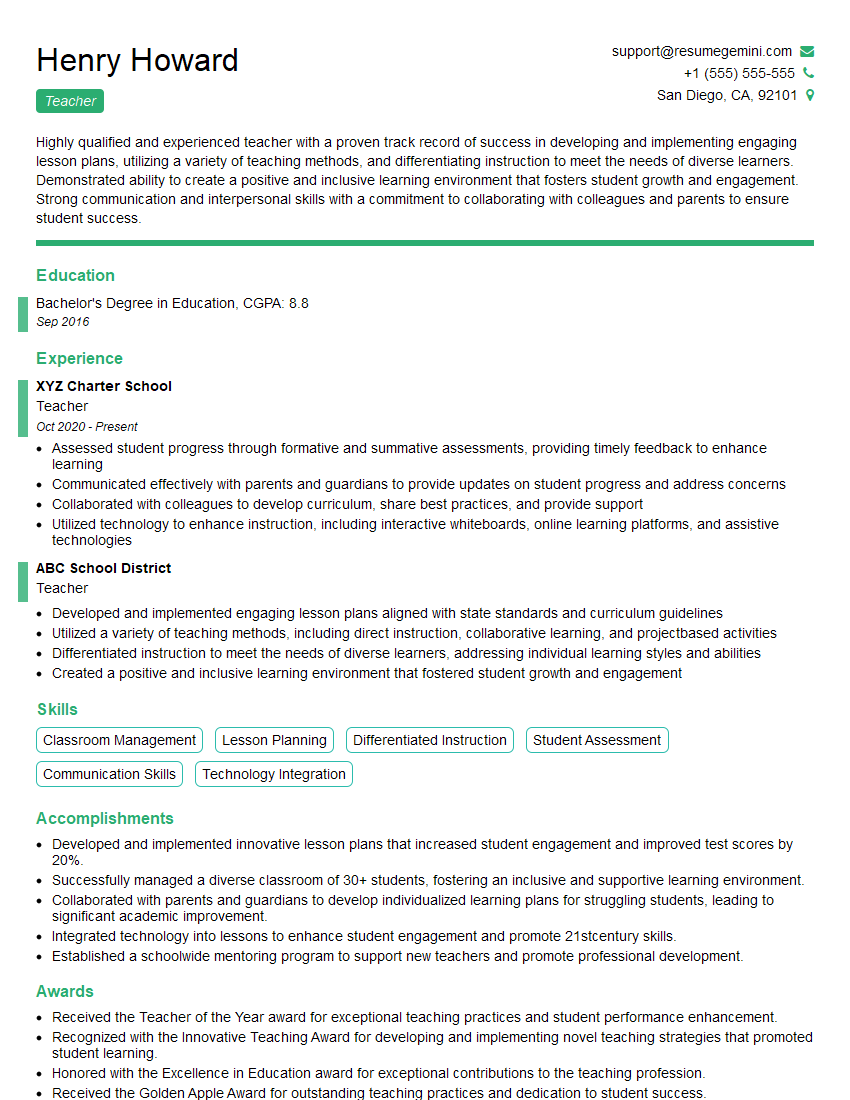
Teacher Resume Sample

Professor Resume Sample
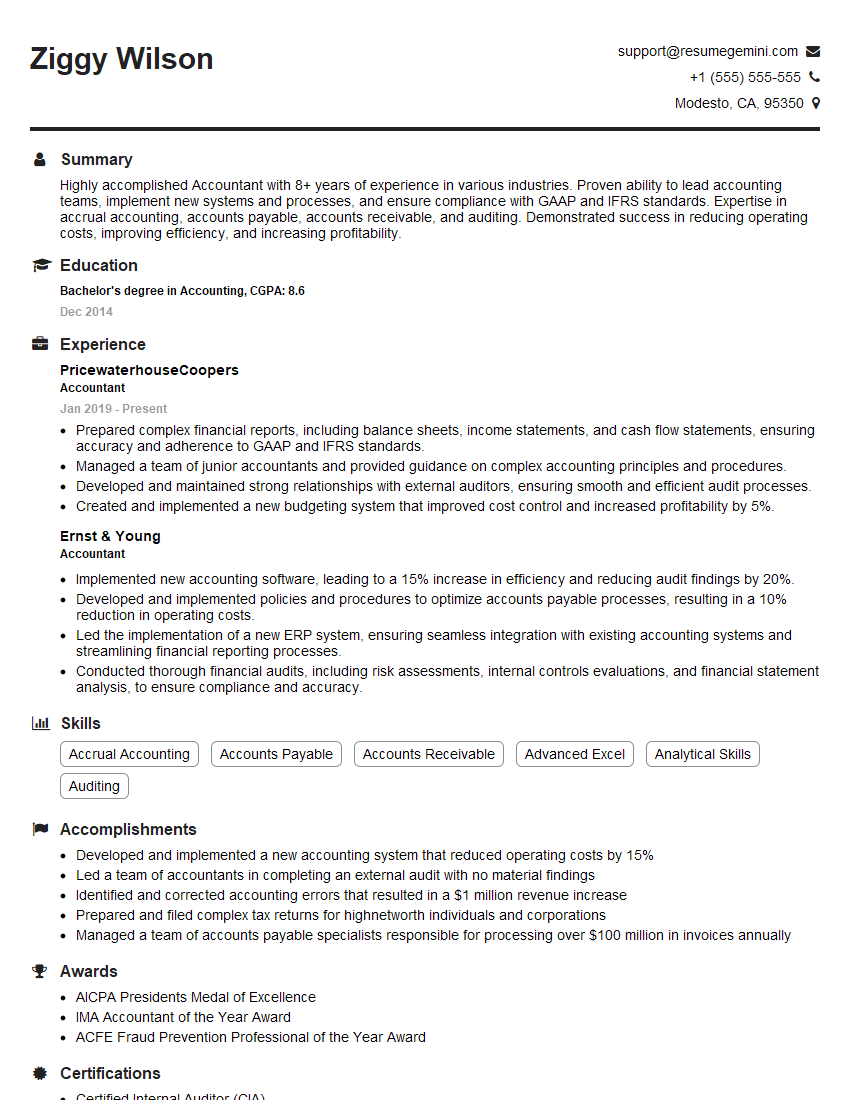
Accountant Resume Sample
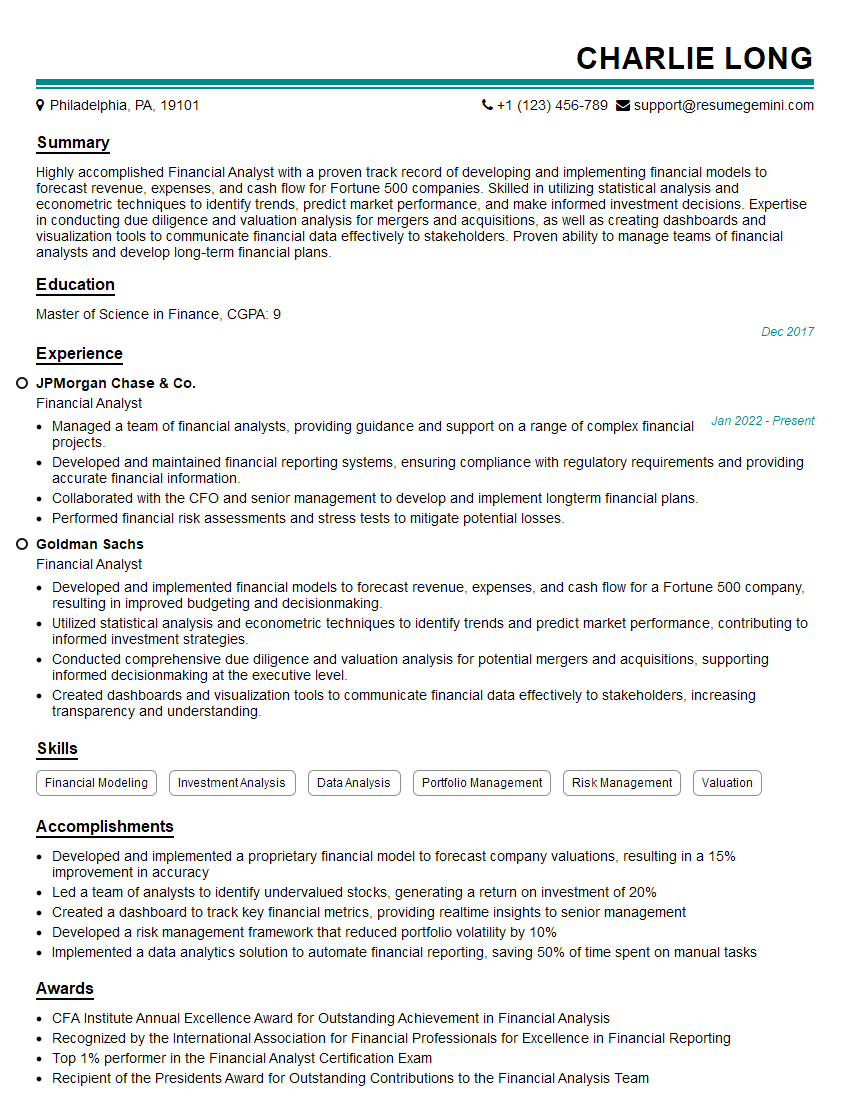
Financial Analyst Resume Sample
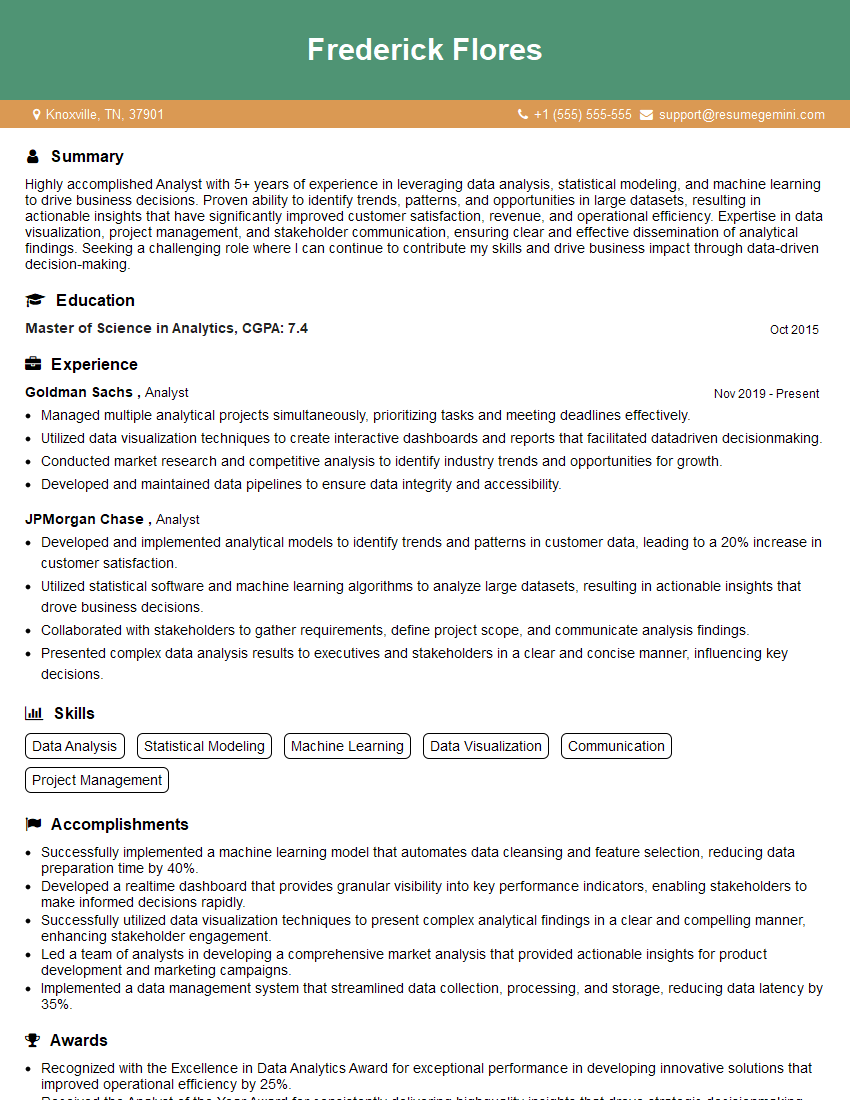
Analyst Resume Sample
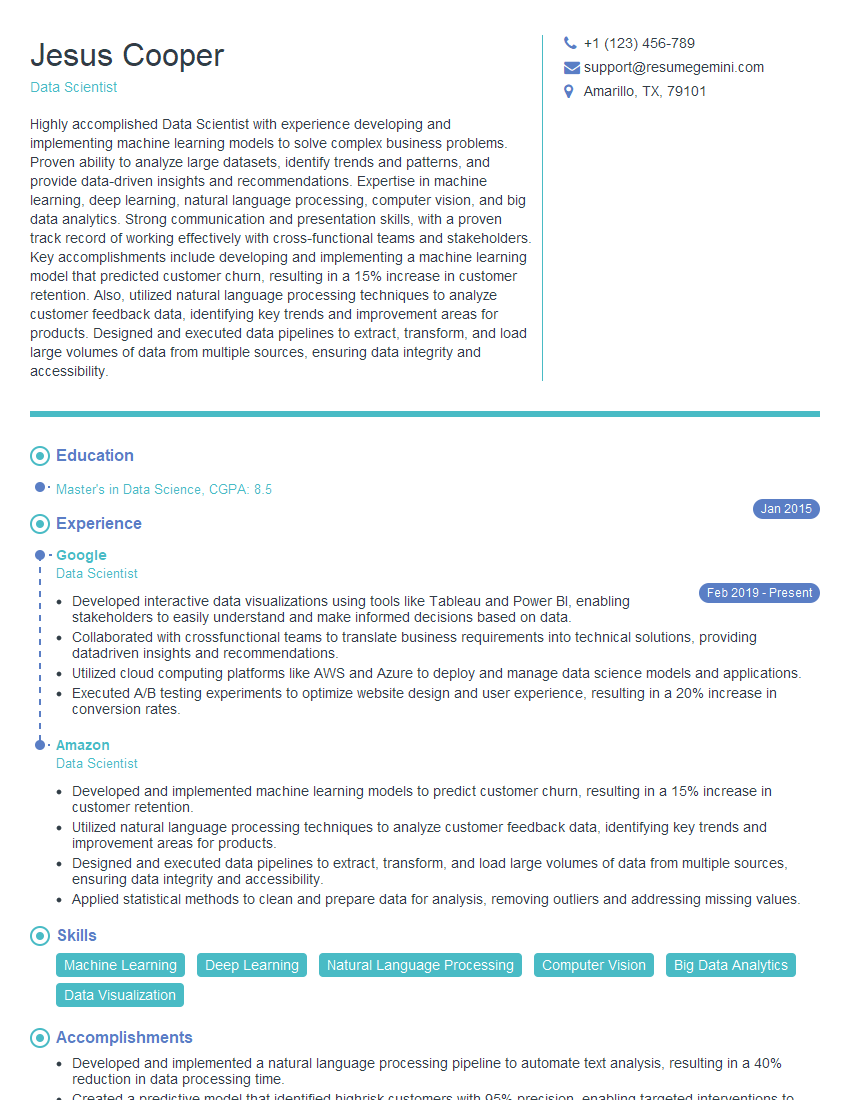
Data Scientist Resume Sample
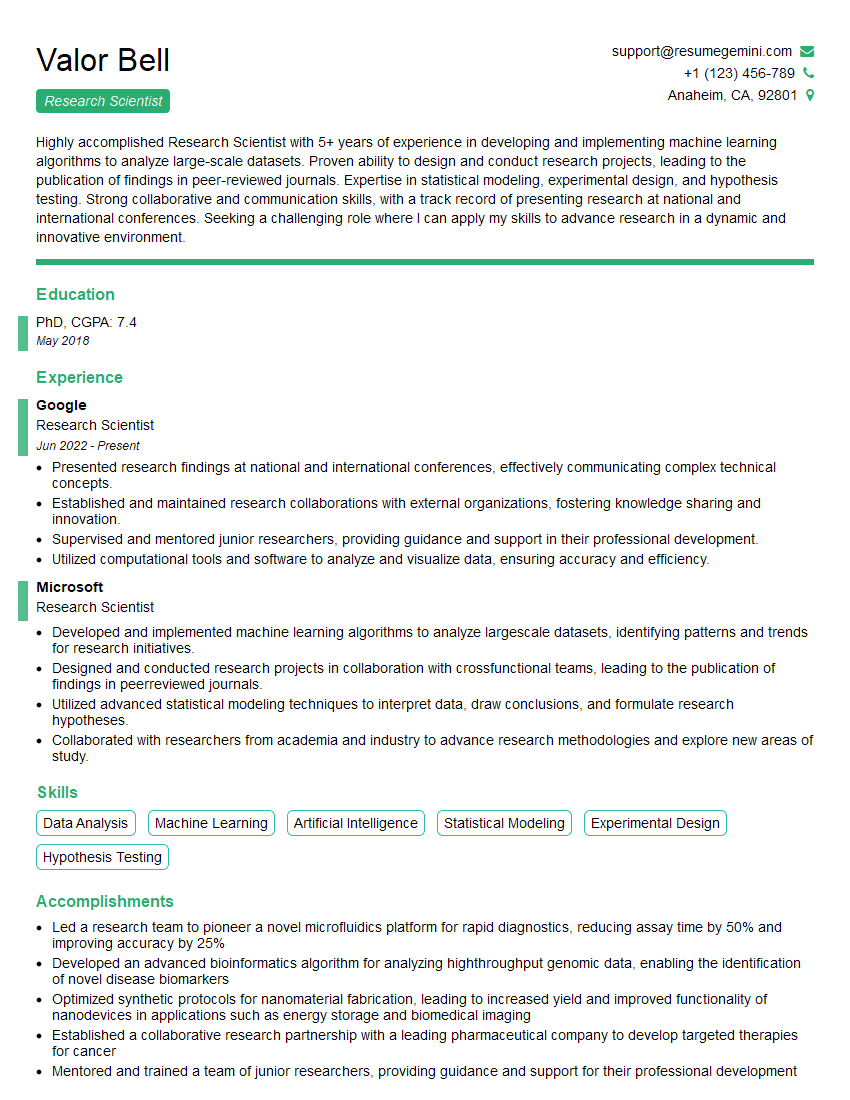
Research Scientist Resume Sample
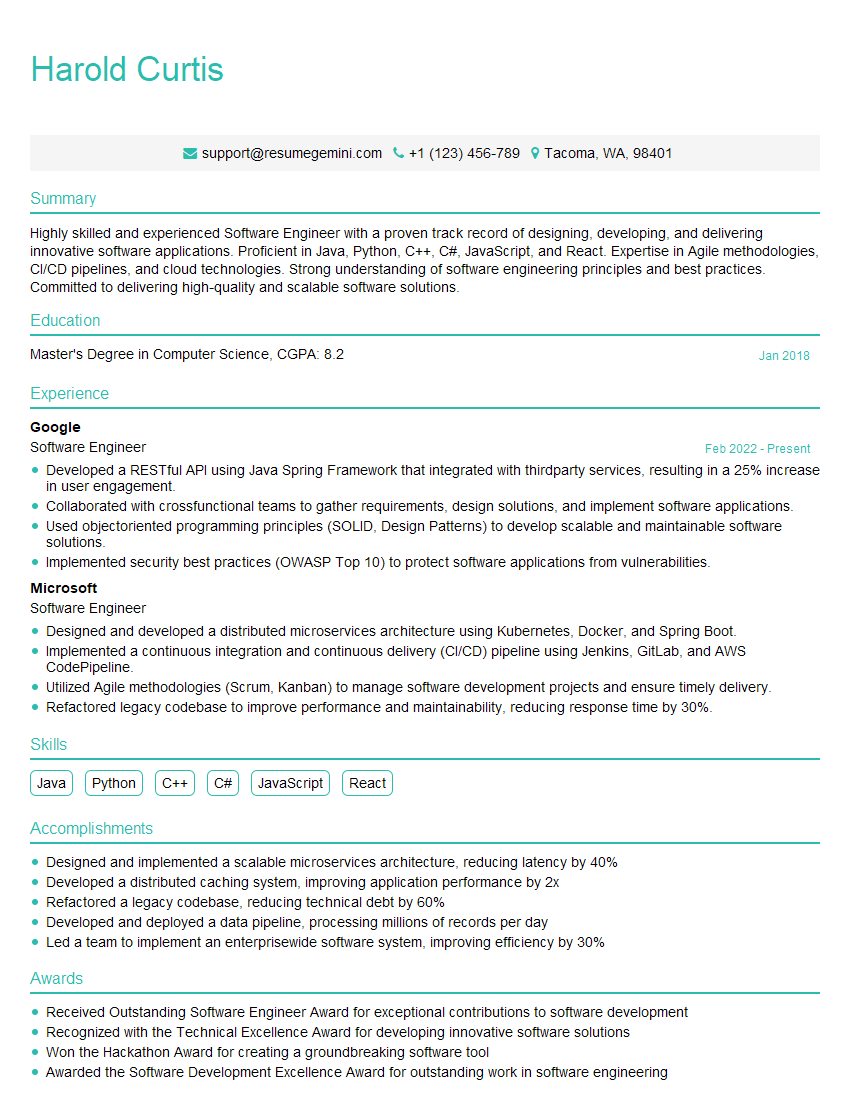
Software Engineer Resume Sample
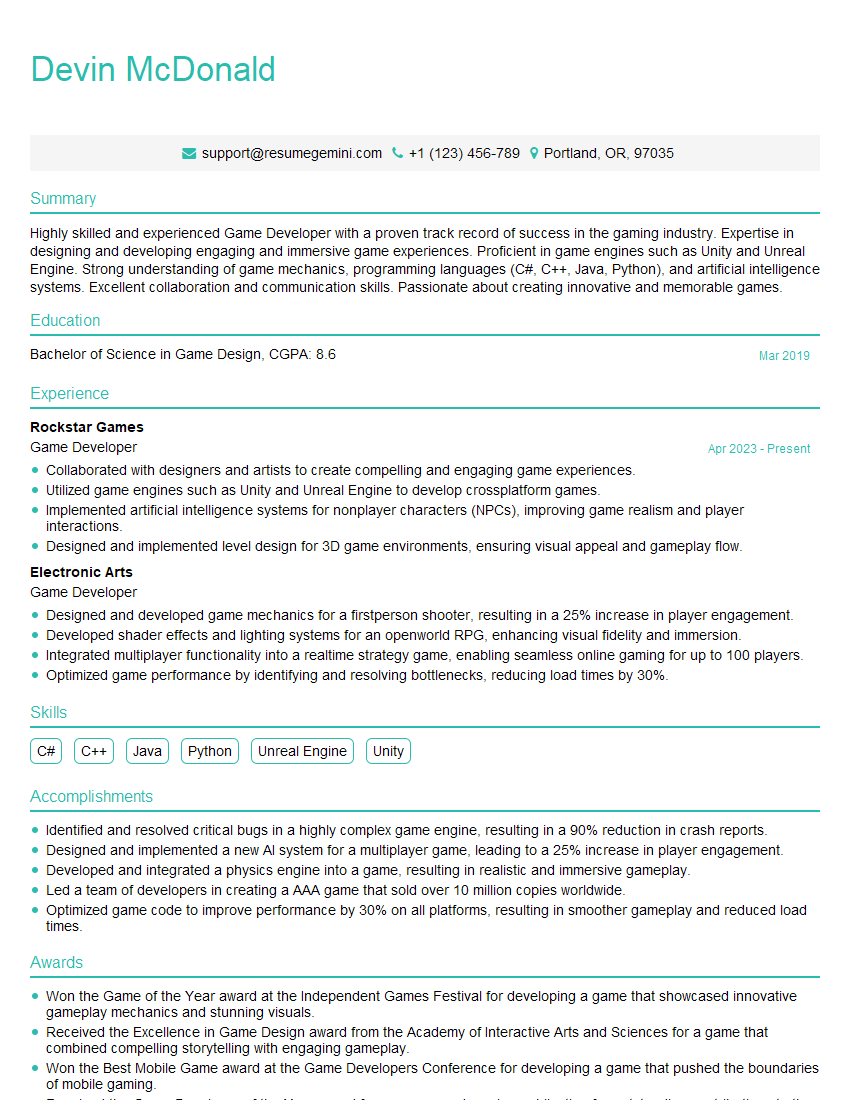
Game Developer Resume Sample
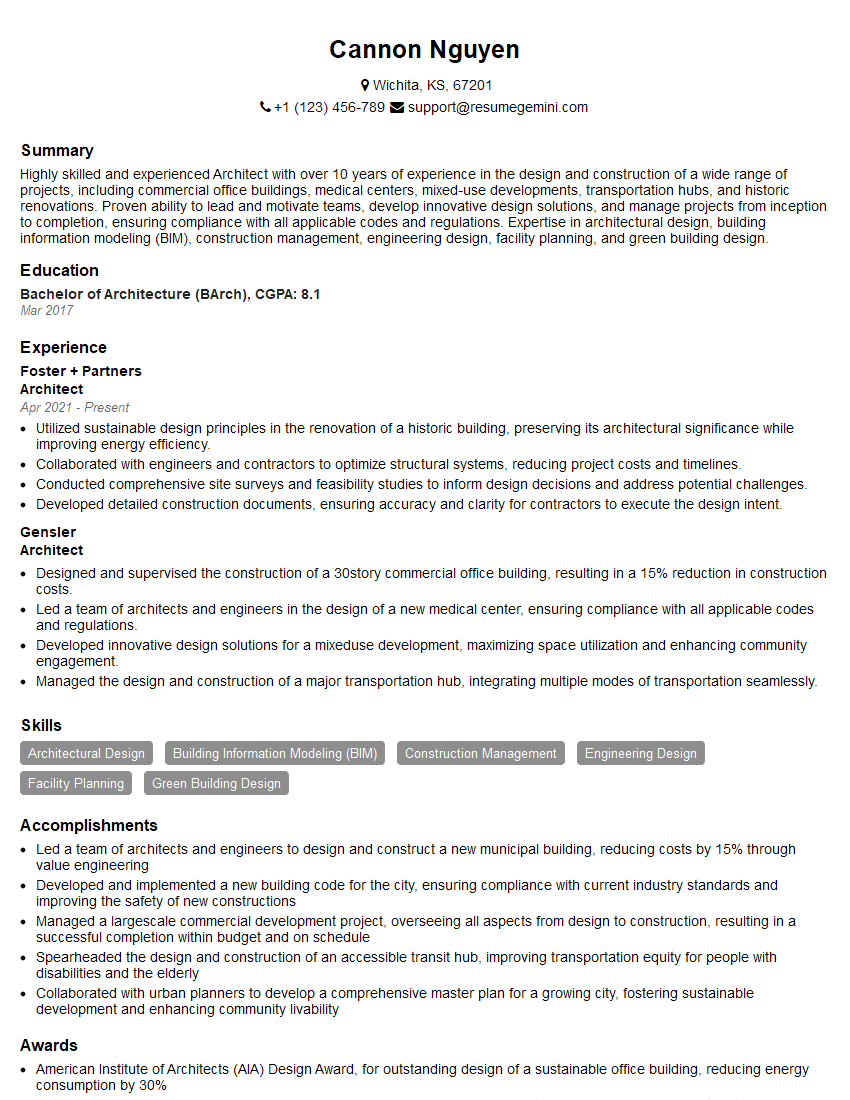
Architect Resume Sample
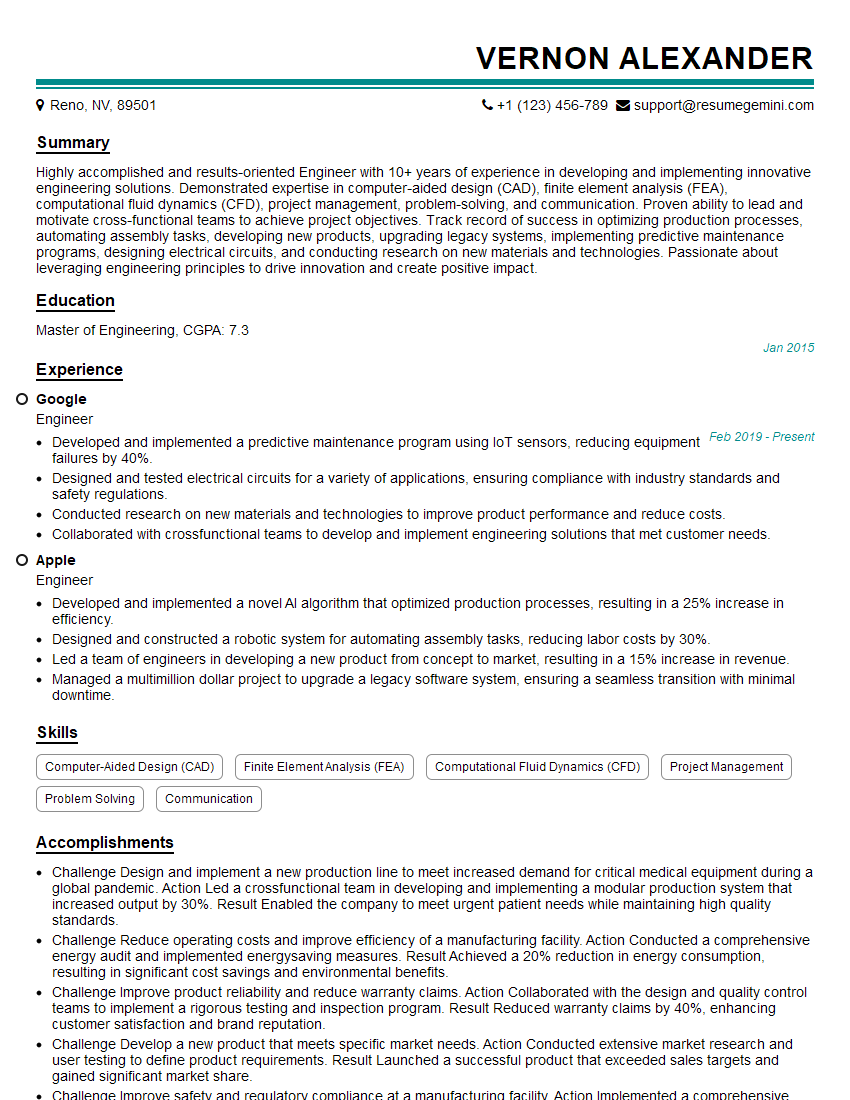
Engineer Resume Sample
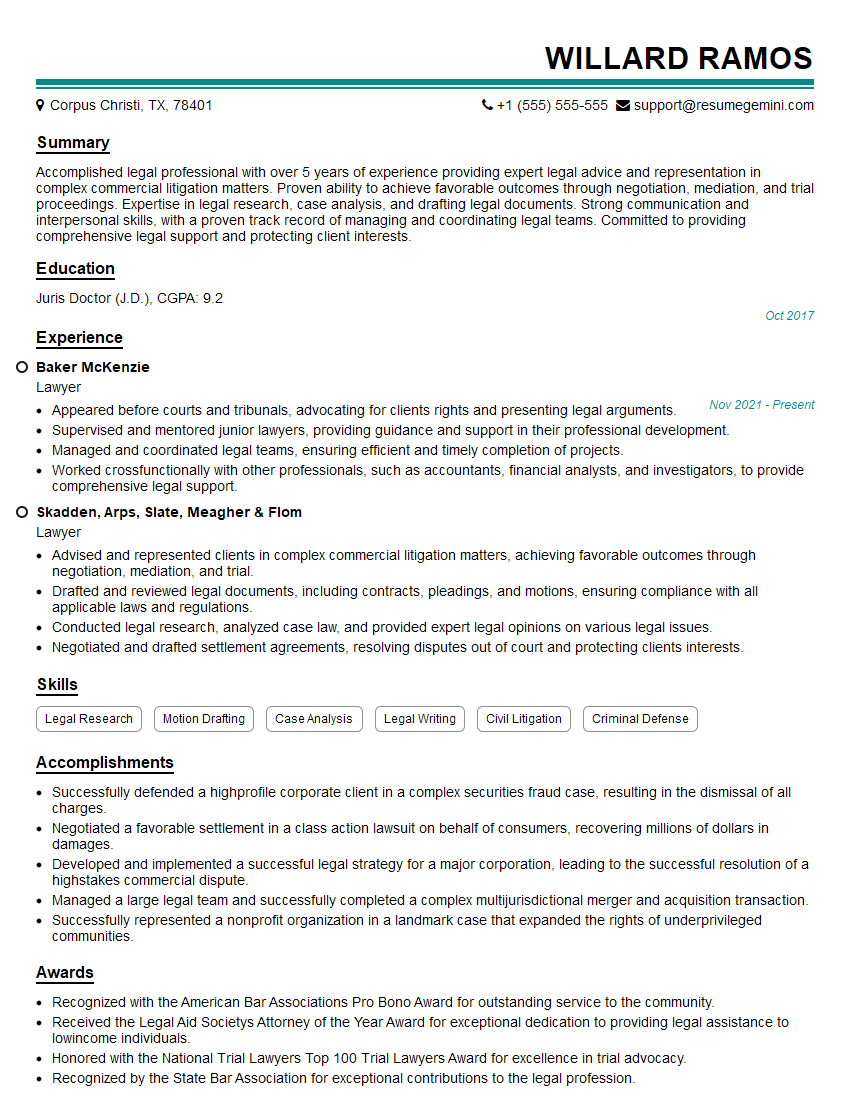
Lawyer Resume Sample
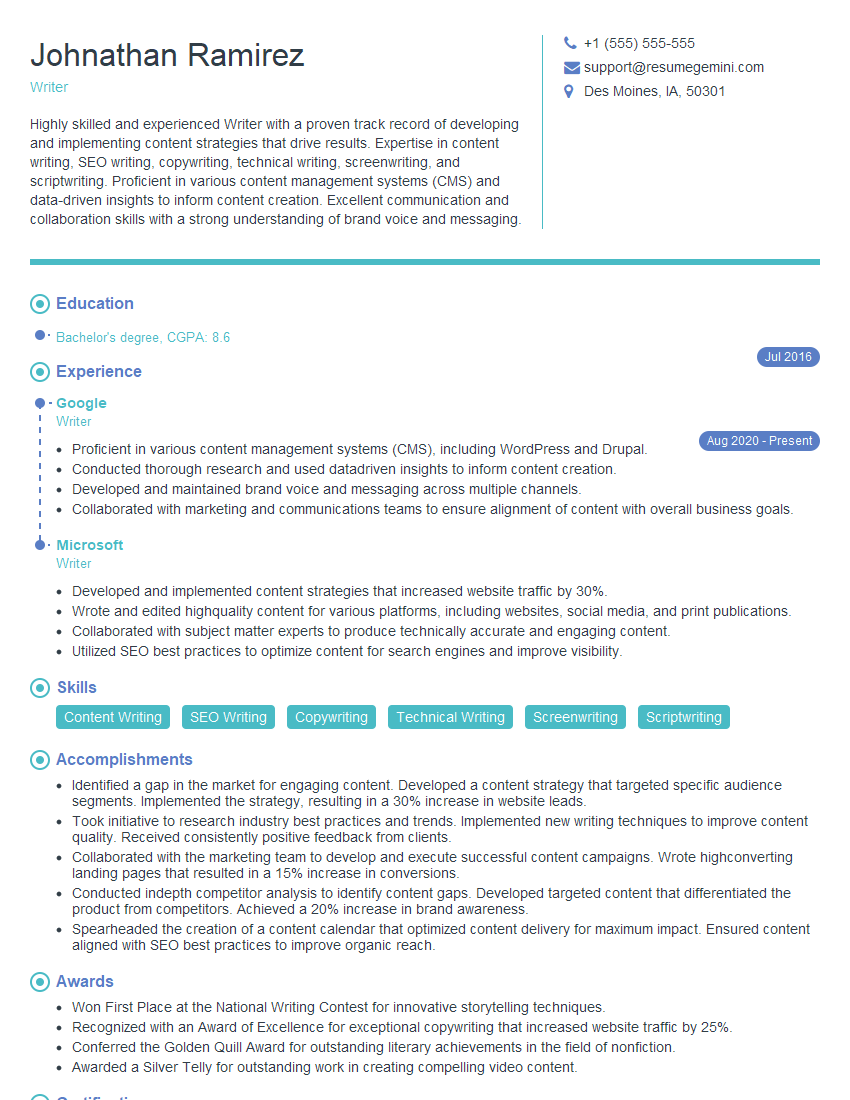
Writer Resume Sample
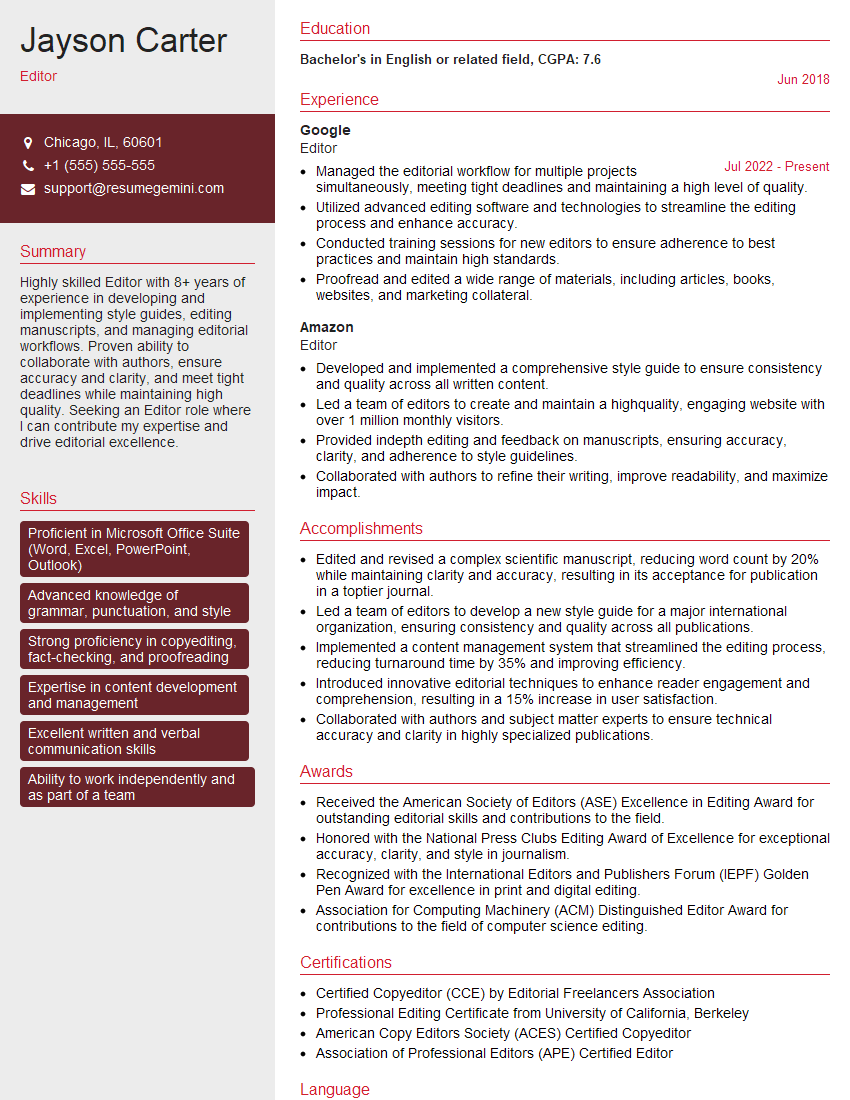
Editor Resume Sample
Doctor Resume Sample
Surgeon Resume Sample
Executive Assistant Resume Sample
Pilot Resume Sample
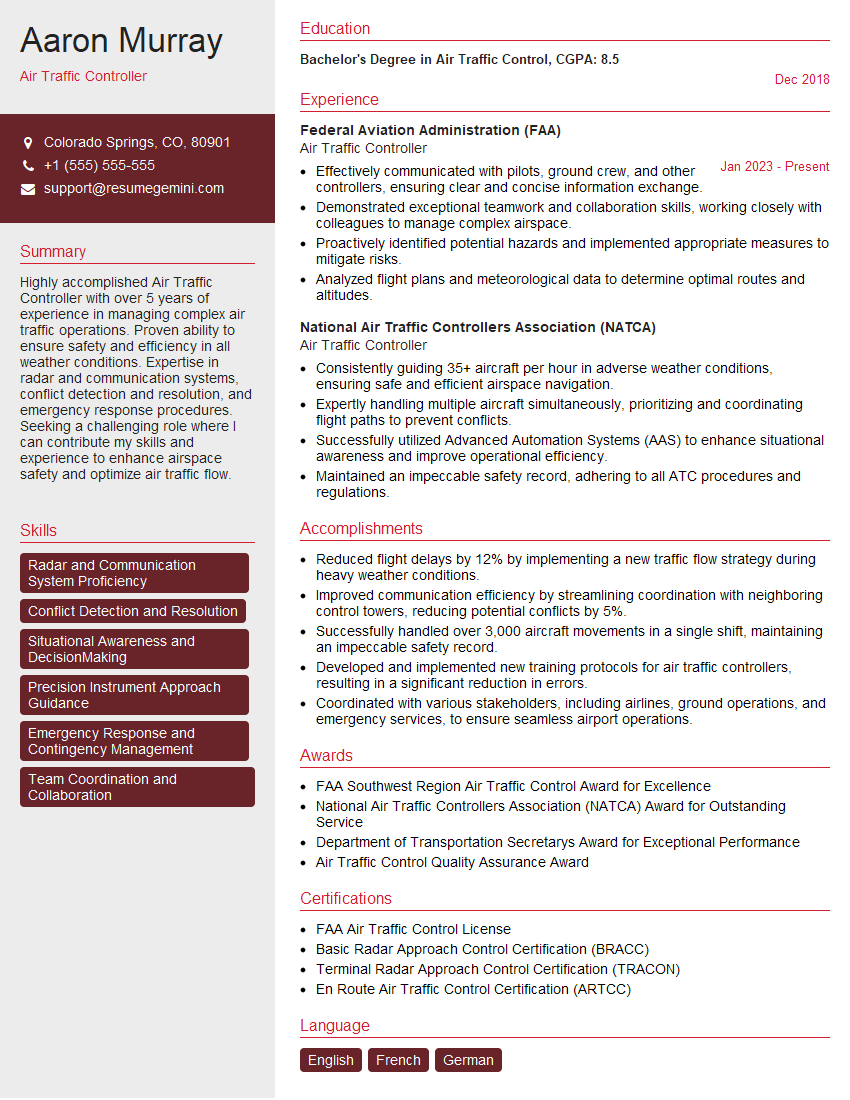
Air Traffic Controller Resume Sample
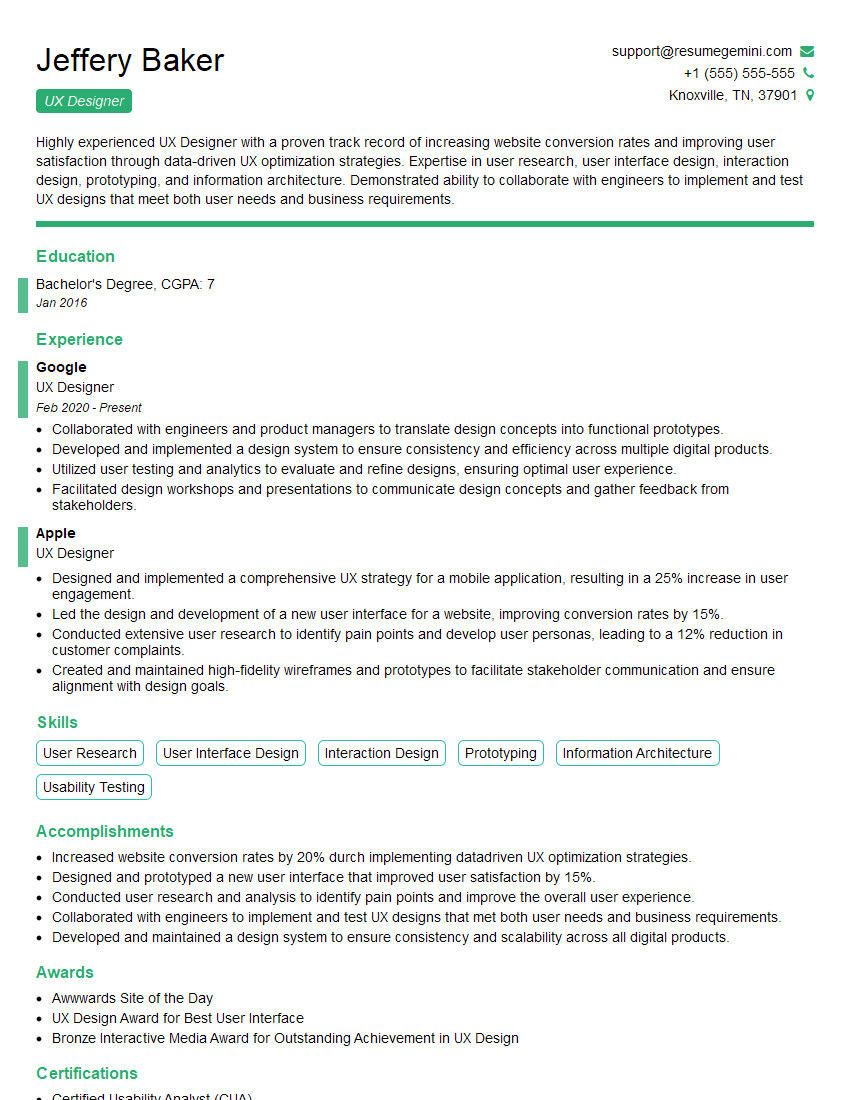
UX Designer Resume Sample
Explore more articles
Users Rating of Our Blogs
Share Your Experience
We value your feedback! Please rate our content and share your thoughts (optional).
What Readers Say About Our Blog
Hello,
we currently offer a complimentary backlink and URL indexing test for search engine optimization professionals.
You can get complimentary indexing credits to test how link discovery works in practice.
No credit card is required and there is no recurring fee.
You can find details here:
https://wikipedia-backlinks.com/indexing/
Regards
NICE RESPONSE TO Q & A
hi
The aim of this message is regarding an unclaimed deposit of a deceased nationale that bears the same name as you. You are not relate to him as there are millions of people answering the names across around the world. But i will use my position to influence the release of the deposit to you for our mutual benefit.
Respond for full details and how to claim the deposit. This is 100% risk free. Send hello to my email id: [email protected]
Luka Chachibaialuka
Hey interviewgemini.com, just wanted to follow up on my last email.
We just launched Call the Monster, an parenting app that lets you summon friendly ‘monsters’ kids actually listen to.
We’re also running a giveaway for everyone who downloads the app. Since it’s brand new, there aren’t many users yet, which means you’ve got a much better chance of winning some great prizes.
You can check it out here: https://bit.ly/callamonsterapp
Or follow us on Instagram: https://www.instagram.com/callamonsterapp
Thanks,
Ryan
CEO – Call the Monster App
Hey interviewgemini.com, I saw your website and love your approach.
I just want this to look like spam email, but want to share something important to you. We just launched Call the Monster, a parenting app that lets you summon friendly ‘monsters’ kids actually listen to.
Parents are loving it for calming chaos before bedtime. Thought you might want to try it: https://bit.ly/callamonsterapp or just follow our fun monster lore on Instagram: https://www.instagram.com/callamonsterapp
Thanks,
Ryan
CEO – Call A Monster APP
To the interviewgemini.com Owner.
Dear interviewgemini.com Webmaster!
Hi interviewgemini.com Webmaster!
Dear interviewgemini.com Webmaster!
excellent
Hello,
We found issues with your domain’s email setup that may be sending your messages to spam or blocking them completely. InboxShield Mini shows you how to fix it in minutes — no tech skills required.
Scan your domain now for details: https://inboxshield-mini.com/
— Adam @ InboxShield Mini
Reply STOP to unsubscribe
Hi, are you owner of interviewgemini.com? What if I told you I could help you find extra time in your schedule, reconnect with leads you didn’t even realize you missed, and bring in more “I want to work with you” conversations, without increasing your ad spend or hiring a full-time employee?
All with a flexible, budget-friendly service that could easily pay for itself. Sounds good?
Would it be nice to jump on a quick 10-minute call so I can show you exactly how we make this work?
Best,
Hapei
Marketing Director
Hey, I know you’re the owner of interviewgemini.com. I’ll be quick.
Fundraising for your business is tough and time-consuming. We make it easier by guaranteeing two private investor meetings each month, for six months. No demos, no pitch events – just direct introductions to active investors matched to your startup.
If youR17;re raising, this could help you build real momentum. Want me to send more info?
Hi, I represent an SEO company that specialises in getting you AI citations and higher rankings on Google. I’d like to offer you a 100% free SEO audit for your website. Would you be interested?
Hi, I represent an SEO company that specialises in getting you AI citations and higher rankings on Google. I’d like to offer you a 100% free SEO audit for your website. Would you be interested?
good