Unlock your full potential by mastering the most common MIL-STD-882 and MIL-HDBK-338 interview questions. This blog offers a deep dive into the critical topics, ensuring you’re not only prepared to answer but to excel. With these insights, you’ll approach your interview with clarity and confidence.
Questions Asked in MIL-STD-882 and MIL-HDBK-338 Interview
Q 1. Define ‘Reliability’ as per MIL-STD-882.
MIL-STD-882 defines reliability as the probability that an item will perform its intended function for a specified interval under stated conditions. Think of it like this: if you have a lightbulb, its reliability is the chance it’ll stay lit for, say, 1000 hours without burning out, given it’s used in normal household conditions. It’s not just about whether it works, but *how long* it works before failing.
This definition emphasizes several key aspects: probability (a chance, not a certainty), intended function (it needs to do what it’s supposed to), specified interval (a timeframe is crucial), and stated conditions (environmental factors matter). The higher the probability, the more reliable the item.
Q 2. Explain the difference between inherent and achieved reliability.
Inherent reliability refers to the reliability designed into a product. It’s the potential reliability based on the quality of design, materials, and manufacturing processes. Imagine a car designed with high-quality components and robust engineering. Its inherent reliability is high.
Achieved reliability, on the other hand, is the actual reliability demonstrated by a product in the field. This might be lower than inherent reliability due to factors like improper manufacturing, user misuse, or unforeseen operating conditions. That same high-quality car might have lower achieved reliability if many are poorly maintained or driven recklessly.
The difference highlights the gap between design goals and real-world performance. A successful reliability program aims to minimize this gap by ensuring the achieved reliability approaches the inherent reliability.
Q 3. Describe the various reliability prediction methods outlined in MIL-HDBK-338.
MIL-HDBK-338 presents several methods for reliability prediction, categorized broadly by the level of data available. These include:
- Part Count Method: This is a simple method that estimates reliability based on the number of parts and their individual failure rates. It’s suitable for early design stages when detailed data isn’t available, but less accurate than other methods.
- Stress-Strength Analysis: This method compares the stress imposed on components to their strength. If stress exceeds strength, failure occurs. It requires detailed understanding of component strengths and anticipated operating stresses.
- Part Stress Method: This is a more refined approach compared to the part count method. It considers the specific stress experienced by each component rather than just the component count. This results in a more accurate prediction.
- Bayesian Method: This method uses prior knowledge and data from testing to update reliability predictions. It’s useful when limited data exists but there’s relevant prior knowledge or similar systems.
The choice of method depends on the project phase, available data, and the desired accuracy.
Q 4. How does MIL-STD-882 guide reliability program planning?
MIL-STD-882 provides a framework for establishing and managing a comprehensive reliability program. It guides organizations through planning, implementation, and control of reliability activities throughout the product lifecycle. This includes defining reliability requirements, allocating reliability goals to subsystems and components, planning and conducting reliability tests, and analyzing failure data.
The standard emphasizes a proactive approach, integrating reliability considerations from the initial design phase through production and field operation. It stresses the importance of clear documentation, regular reviews, and corrective actions to ensure the reliability program’s effectiveness. A well-structured reliability program based on MIL-STD-882 reduces the risk of product failures and associated costs.
Q 5. What are the key elements of a reliability test plan?
A robust reliability test plan should include the following key elements:
- Test Objectives: Clearly stated goals and purposes of the testing, aligned with overall program objectives.
- Test Methodology: Detailed description of the testing approach, including specific tests to be conducted, test conditions (temperature, humidity, vibration, etc.), and acceptance criteria.
- Test Samples: Specifications for the number of test units and how they represent the overall population.
- Test Procedures: Step-by-step instructions for conducting each test, including data collection and recording methods.
- Data Analysis Plan: A detailed outline of how the test data will be analyzed and interpreted to assess reliability.
- Test Schedule: A timeline outlining the key milestones and deliverables of the testing program.
- Reporting Requirements: A specification of the reports to be generated during and after testing, including formats and content.
A well-defined test plan ensures consistent and efficient testing, leading to reliable conclusions about product reliability.
Q 6. Explain the concept of Failure Rate and how it’s calculated.
Failure rate (λ) is the frequency with which failures occur in a population of items over a specified period. It’s usually expressed as failures per unit time (e.g., failures per million hours – FPMH or failures per billion hours – FIT). Think of it as the likelihood of a single item failing within a given time interval.
It’s calculated as:
λ = (Number of failures) / (Total operating hours)For example, if 10 units fail out of 100,000 operating hours, the failure rate is 10/100,000 = 0.0001 failures per hour or 100 FPMH. This indicates a significant reliability issue that needs addressing.
Q 7. Describe different types of reliability testing (e.g., accelerated life testing).
Various reliability testing methods exist, each with specific applications:
- Accelerated Life Testing (ALT): This method subjects components to higher-than-normal stress levels (temperature, voltage, vibration, etc.) to induce failures more quickly. This significantly reduces the time needed to assess reliability compared to testing at normal operating conditions. It relies on established relationships between stress levels and failure rates.
- Environmental Stress Screening (ESS): This involves subjecting components to environmental stresses (temperature cycling, vibration, humidity) to identify early failures and weed out weak units before deployment. It’s a cost-effective method for improving overall product reliability.
- HASS (Highly Accelerated Stress Screening): A more aggressive form of ESS that uses very high stress levels to quickly detect latent failures. This method is often used for screening components before they are integrated into a system.
- Life Testing: This involves operating components under normal or specified conditions until failure occurs, allowing the direct measurement of failure times and the estimation of failure rates. This could be constant-stress life testing or step-stress life testing.
The selection of appropriate testing methods is crucial for effectively assessing product reliability and identifying potential weaknesses.
Q 8. How do you interpret and use a Weibull distribution in reliability analysis?
The Weibull distribution is a powerful statistical tool used in reliability analysis because it can model various failure patterns, unlike the simpler exponential distribution. It’s particularly useful because it can handle both increasing and decreasing failure rates over time. Think of it like this: imagine you’re analyzing the lifespan of light bulbs. Some might fail early (infant mortality), some might fail consistently throughout their lifespan, and some might last a long time before failing (wear-out). The Weibull distribution can model all three of these scenarios.
The Weibull distribution is characterized by two main parameters: the shape parameter (β) and the scale parameter (η). The shape parameter dictates the failure rate’s behavior:
- β < 1: Decreasing failure rate (infant mortality)
- β = 1: Constant failure rate (exponential distribution)
- β > 1: Increasing failure rate (wear-out)
The scale parameter (η) represents a characteristic life, often interpreted as the 63.2% percentile of the distribution. It essentially gives you a sense of the overall life expectancy.
In practice, you’d use statistical software (like Minitab or R) to fit a Weibull distribution to your failure data. The software estimates β and η, allowing you to calculate reliability metrics like probability of survival at a given time, failure rate at a specific point, and the mean life.
For example, if you are analyzing the failure data of a specific component, fitting a Weibull distribution allows you to predict its reliability under different operating conditions and make informed decisions about maintenance and replacement strategies based on the predicted failure rate. You can also use the Weibull parameters to determine the probability that the component will still be functioning after a certain period. This is crucial for planning maintenance schedules, stockpiling spare parts, or making critical safety-related judgments.
Q 9. What are the key parameters used in reliability block diagrams?
Reliability Block Diagrams (RBDs) are visual representations of a system’s reliability. They use blocks to represent components or subsystems and connections to show how they interact. The key parameters in an RBD are:
- Block Reliability (Ri): The probability that a given block will function correctly. This is usually expressed as a number between 0 and 1. For example, Ri = 0.95 means a 95% chance of success.
- Block Failure Rate (λi): The rate at which a block fails, usually expressed as failures per unit time (e.g., failures per million hours). This is often derived from historical data or testing.
- System Reliability (Rsystem): The overall probability that the entire system will function correctly. This depends on the arrangement of the blocks (series, parallel, or a combination). For a series system, the reliability is the product of individual block reliabilities (Rsystem = R1 * R2 * … * Rn). For a parallel system, the unreliability is the product of the individual block unreliabilities (1 – Rsystem = (1 – R1) * (1 – R2) * … * (1 – Rn)).
Understanding these parameters is essential for determining the overall system reliability and identifying critical components. For instance, if one component in a series system has a low reliability, it significantly reduces the overall system reliability. An RBD visually helps pinpoint these weak links, guiding efforts towards improvement.
Q 10. Explain the significance of Mean Time Between Failures (MTBF).
Mean Time Between Failures (MTBF) is a crucial metric in reliability engineering. It represents the average time a device or system operates before a failure occurs. A higher MTBF indicates greater reliability. Think of it like this: if a car has an MTBF of 100,000 miles, you’d expect it to drive, on average, 100,000 miles before needing a major repair.
MTBF is calculated from failure data. It’s essentially the total operating time divided by the number of failures. MTBF = Total Operating Time / Number of Failures
However, it’s vital to remember that MTBF doesn’t predict when a specific failure will occur; it’s an average. Furthermore, the assumption is that failures are random and independent events; and that the system is repaired to an ‘as new’ condition after each failure. The data used to calculate MTBF should reflect this. A low MTBF suggests the need for improvements in design, manufacturing, or maintenance to increase the device’s lifespan.
In a military context, MTBF calculations for critical systems are fundamental to ensuring operational readiness and mission success. A low MTBF could significantly impact mission capability, leading to costly delays or even safety risks. That’s why military standards often include rigorous MTBF requirements for equipment.
Q 11. Describe the concept of Mean Time To Repair (MTTR).
Mean Time To Repair (MTTR) represents the average time it takes to repair a failed system or component and return it to operational status. Unlike MTBF, a lower MTTR is desirable, meaning faster repairs. Imagine a hospital’s CT scanner: a short MTTR is crucial to minimize disruption to patient care. A long MTTR leads to downtime, impacting productivity and potentially increasing costs.
MTTR is calculated similarly to MTBF: MTTR = Total Repair Time / Number of Repairs
MTTR is especially relevant in contexts where downtime is expensive or has safety implications. For example, in manufacturing, a long MTTR for a critical machine can significantly impact production output. Similarly, in aviation, a high MTTR for a critical aircraft component could lead to delays and increased operational costs. Efficient maintenance procedures and readily available spare parts can help minimize MTTR.
Q 12. How do you handle incomplete data during reliability analysis?
Incomplete data is a common challenge in reliability analysis. Several methods help address this:
- Censoring: This acknowledges that some units might not have failed during the observation period. Right-censored data means the unit is still functioning at the end of the study. Left-censored data indicates the failure occurred before observation began. Statistical methods specifically designed for censored data (like Kaplan-Meier estimation or Weibull analysis with censoring) should be used.
- Imputation: This involves estimating missing values based on available data. However, imputation should be done cautiously, and the chosen method should be appropriate for the data and the analysis objectives. Simple imputation methods like replacing missing values with the mean can bias results. More sophisticated approaches, like multiple imputation, are preferred.
- Data Transformation: In some cases, transforming the data (e.g., logarithmic transformation) can help stabilize variance and make the data more suitable for analysis.
- Bayesian Methods: Bayesian approaches are useful when prior information about the reliability characteristics is available, as they can incorporate this information into the analysis, helping compensate for incomplete data.
The specific method used depends on the nature and extent of missing data, the available resources, and the specific objectives of the analysis. It is always essential to document the methods used to handle incomplete data and to assess the potential impact of the missing data on the analysis results. Consult the MIL-HDBK-338 for detailed procedures.
Q 13. What is the purpose of a Fault Tree Analysis (FTA)?
A Fault Tree Analysis (FTA) is a top-down, deductive method used to identify the combinations of events that can lead to a specific undesired event (called the top event). It’s like working backward from a problem to find its root causes. Imagine a car won’t start (the top event). An FTA would explore potential reasons: dead battery, fuel problem, starter motor failure, etc., then delve deeper into sub-causes for each of those.
FTAs are represented graphically, with gates (AND, OR) connecting events to illustrate their logical relationships. An AND gate means all events must occur for the top event to happen; an OR gate means that at least one of the events must occur. Probabilities can be assigned to each basic event (the lowest level events in the tree) and propagated up to the top event to determine its probability of occurrence. This allows for risk assessment and identification of critical components or events that contribute significantly to the top event’s probability. FTAs are valuable for proactively identifying and mitigating potential failures in complex systems, which is of significant importance in the context of MIL-STD-882.
Q 14. What is the purpose of a Failure Mode and Effects Analysis (FMEA)?
A Failure Mode and Effects Analysis (FMEA) is a proactive, systematic approach to identifying potential failure modes in a system and assessing their severity, occurrence, and detectability. It’s like a preventive health checkup for a system. The goal is to discover potential issues before they occur, preventing failures and ensuring safety and reliability.
For each component or process, an FMEA considers:
- Potential Failure Modes: What ways can the component or process fail?
- Failure Effects: What are the consequences of each failure mode?
- Severity (S): How serious is the effect of each failure mode (typically rated on a scale, e.g., 1-10)?
- Occurrence (O): How likely is each failure mode to occur (also rated on a scale)?
- Detection (D): How likely is it that the failure mode will be detected before it causes a problem (rated on a scale)?
- Risk Priority Number (RPN): Calculated as S x O x D. This helps prioritize which failure modes require attention.
FMEAs are used throughout the system lifecycle, from design to operation. They help identify areas for improvement, reducing the likelihood of failures and enhancing system reliability. In the military, FMEAs are especially important for mission-critical systems, where failures can have catastrophic consequences. MIL-STD-882 strongly emphasizes the use of FMEA.
Q 15. How do you determine the appropriate sample size for a reliability test?
Determining the appropriate sample size for a reliability test is crucial for obtaining statistically meaningful results. It’s not a one-size-fits-all answer; it depends on several factors, including the desired confidence level, the acceptable margin of error, the expected failure rate, and the cost constraints. Too small a sample size may lead to inaccurate conclusions, while too large a sample can be unnecessarily expensive and time-consuming.
We typically use statistical power analysis to determine the sample size. This involves specifying:
- Confidence level: The probability that the true population parameter lies within the calculated confidence interval (e.g., 90%, 95%, 99%).
- Power: The probability of detecting a true effect if it exists (typically 80% or higher).
- Effect size: The magnitude of the difference you want to detect (e.g., a difference in failure rate between two designs).
- Significance level (alpha): The probability of rejecting the null hypothesis when it is actually true (Type I error, usually 0.05 or 0.1).
Software packages like Minitab, R, or specialized reliability software can perform these calculations. For example, if we’re testing the reliability of a new circuit breaker and want a 95% confidence level, 80% power, and expect a failure rate of 1%, the software might suggest a sample size of 200 units. This is significantly more than a simple rule-of-thumb approach would suggest.
In practice, the sample size is often a compromise between statistical rigor and practical limitations. It’s essential to document the rationale for the chosen sample size.
Career Expert Tips:
- Ace those interviews! Prepare effectively by reviewing the Top 50 Most Common Interview Questions on ResumeGemini.
- Navigate your job search with confidence! Explore a wide range of Career Tips on ResumeGemini. Learn about common challenges and recommendations to overcome them.
- Craft the perfect resume! Master the Art of Resume Writing with ResumeGemini’s guide. Showcase your unique qualifications and achievements effectively.
- Don’t miss out on holiday savings! Build your dream resume with ResumeGemini’s ATS optimized templates.
Q 16. Explain the concept of confidence levels in reliability analysis.
Confidence levels in reliability analysis represent the degree of certainty that a statement about a population parameter (like the Mean Time To Failure – MTTF) is accurate. It’s expressed as a percentage (e.g., 90%, 95%, 99%). Imagine you’re estimating the average lifespan of a lightbulb based on a sample of tested bulbs. A 95% confidence level means that if you were to repeat the test many times, 95% of the resulting confidence intervals would contain the true average lifespan of the entire population of lightbulbs. The higher the confidence level, the wider the confidence interval, providing more certainty but less precision in the estimate. A lower confidence level leads to a narrower interval but increases the risk of the true value falling outside the interval. The choice of confidence level involves balancing precision and certainty, often determined by the application’s risk tolerance.
Q 17. Describe different types of data censoring in reliability testing.
Data censoring occurs when the exact failure time of a unit isn’t observed. This is common in reliability testing, especially when dealing with long lifespans or destructive testing. Several types of censoring exist:
- Right censoring: This is the most common type. The unit survives beyond the test duration. We know it survived at least until the end of the test, but not its exact lifetime. Example: Testing lightbulbs for 1000 hours. Bulbs still operating after 1000 hours are right-censored.
- Left censoring: The failure occurs before it can be observed. Example: A system malfunctions before we begin to test it.
- Interval censoring: The failure time is known only to lie within an interval. Example: We only inspect the units weekly. If a unit fails between the inspections, we only know the failure occurred within the week, not the exact time.
Understanding censoring is crucial for accurate reliability analysis. Ignoring it can lead to biased estimates. Appropriate statistical methods, such as Kaplan-Meier estimation, are used to handle censored data.
Q 18. How do you handle outliers in reliability data?
Outliers in reliability data – unusually high or low failure times – can significantly affect reliability estimates. Ignoring them can lead to inaccurate conclusions. Identifying and handling outliers requires careful consideration.
Several approaches can be used:
- Visual inspection: Examining plots like Weibull probability plots or box plots can highlight potential outliers.
- Statistical tests: Tests such as Grubbs’ test can formally identify outliers. However, using these tests blindly can lead to the removal of true data points if the underlying data distribution isn’t correctly specified.
- Robust statistical methods: Methods like median rank regression are less sensitive to outliers than methods that use the mean, providing more accurate results.
- Investigation: If an outlier is identified, investigating the cause is essential. Was there a manufacturing defect? Was there an unusual testing condition? If a reasonable explanation for an outlier is found, removal may be appropriate. However, it is important to document this step.
The decision to remove or retain outliers is not always straightforward and requires careful judgment. It is vital to document the rationale for any actions taken and ensure it is justifiable.
Q 19. What are the key differences between MIL-STD-882 and MIL-HDBK-338?
MIL-STD-882 (now obsolete) and MIL-HDBK-338 are both military standards related to reliability testing and analysis, but they have key differences:
- MIL-STD-882 was a standard that provided detailed procedures for conducting reliability tests and analyzing the results. It offered specific methods for calculating reliability parameters and assessing the reliability of systems.
- MIL-HDBK-338 is a handbook offering broader guidance on reliability and maintainability. It covers a much wider range of topics, including design for reliability (DFR), reliability prediction, and maintainability analysis. It provides an overall framework and suggests best practices.
Essentially, MIL-STD-882 was a prescriptive standard focusing on testing methodology, while MIL-HDBK-338 is a more comprehensive guide covering the entire reliability lifecycle. MIL-STD-882 is obsolete and no longer used, but MIL-HDBK-338 remains a valuable resource, albeit not a mandated standard.
Q 20. How does environmental stress screening (ESS) contribute to reliability?
Environmental Stress Screening (ESS) is a proactive reliability improvement technique used to identify and eliminate weak components early in the manufacturing process. It involves subjecting manufactured units to controlled stress conditions (temperature, vibration, humidity, etc.) that mimic potential field environments. This process ‘weeds out’ early failures before the product reaches the customer.
ESS contributes to reliability by:
- Improving product quality: Removing weak components decreases the failure rate in the field.
- Reducing warranty costs: Fewer field failures mean less money spent on repairs or replacements.
- Increasing customer satisfaction: A more reliable product leads to happier customers.
- Identifying design weaknesses: ESS can reveal hidden design flaws or manufacturing issues that would not appear otherwise.
While ESS is effective, it’s important to carefully design the screening process to avoid inadvertently causing failures in otherwise good components. The screening levels must be optimized based on the product’s characteristics and intended operating environment, often involving a combination of multiple stress factors. Proper ESS implementation needs to be carefully considered and requires expertise to avoid inducing unintended damage.
Q 21. Explain the importance of design for reliability (DFR).
Design for Reliability (DFR) is a systematic approach to engineering that prioritizes reliability from the initial design stages. Instead of treating reliability as an afterthought, DFR integrates reliability considerations into every stage of the product development process, minimizing failures and maximizing lifespan. It’s proactive rather than reactive.
The importance of DFR stems from the fact that it’s significantly more cost-effective to address reliability issues during the design phase than during manufacturing or after product release. Fixing a design flaw after deployment is drastically more expensive and time-consuming. DFR techniques include:
- Failure mode and effects analysis (FMEA): Identifying potential failure modes and mitigating their impact.
- Fault tree analysis (FTA): Understanding the relationships between different failure events and the top-level system failure.
- Reliability modeling and prediction: Estimating the reliability of components and systems throughout their life cycle.
- Redundancy and fail-safe design: Incorporating backup systems and safety mechanisms to prevent catastrophic failures.
- Robust design: Designing systems that are less sensitive to variations in operating conditions or manufacturing tolerances.
By embedding reliability into the design, DFR leads to products with higher quality, longer life, reduced maintenance, and increased customer satisfaction. This is a critical aspect of modern product development.
Q 22. Describe methods for improving system reliability.
Improving system reliability hinges on a multifaceted approach targeting potential failure points throughout the system lifecycle. This involves meticulous design, rigorous testing, and proactive maintenance. MIL-STD-882 and MIL-HDBK-338 provide excellent frameworks for this.
Robust Design: Employing high-reliability components, incorporating redundancy (e.g., using dual processors or backup systems), and designing for fault tolerance are crucial. Think of a car’s braking system – multiple independent brake lines ensure that even if one fails, the others can still function.
Stress Testing and Analysis: Conducting thorough environmental testing (vibration, temperature, humidity) and accelerated life testing helps identify weaknesses early on. Analyzing failure modes and effects (FMEA) allows for proactive mitigation of potential problems before they manifest in the field.
Effective Manufacturing Processes: Maintaining high-quality control throughout the manufacturing process is critical. This includes using quality materials, adhering to strict assembly procedures, and performing rigorous inspections to catch defects early.
Preventive Maintenance: Implementing a schedule of regular maintenance checks and repairs significantly extends a system’s lifespan. Regular oil changes in a car are a prime example of preventive maintenance, preventing costly engine repairs down the line.
Design for Maintainability (DFM): Designing for easy access, quick repairs, and modular components directly impacts reliability. If a part fails, it should be simple and quick to replace.
By focusing on these aspects and carefully documenting the process, you can systematically improve system reliability, resulting in fewer failures and reduced downtime. The key is to use a structured approach, as detailed in MIL-HDBK-338.
Q 23. How do you incorporate reliability requirements into design specifications?
Incorporating reliability requirements into design specifications requires a clear understanding of the system’s operational environment and mission requirements. MIL-STD-882 provides guidance on how to specify reliability requirements quantitatively. This often involves specifying metrics like Mean Time Between Failures (MTBF) or Mean Time To Repair (MTTR).
Defining Operational Profile: First, thoroughly define the system’s operational profile, encompassing the expected usage conditions, environmental stresses, and operational modes. This profile informs the selection of appropriate reliability metrics.
Setting Reliability Targets: Based on the operational profile and mission requirements, establish specific, measurable, achievable, relevant, and time-bound (SMART) reliability targets. These may include MTBF, failure rate, or availability targets. For example, a critical system might require an MTBF of 100,000 hours.
Allocating Reliability Requirements: Allocate the overall system reliability target to individual subsystems and components. This ensures that all parts contribute to meeting the overall goal.
Verification and Validation: Throughout the design and development phases, conduct regular reliability testing and analysis to verify that the design meets the specified requirements. This may involve statistical analysis of test data, reliability modeling, and prediction techniques.
By systematically incorporating these steps into the design process, reliability becomes a core design parameter, not an afterthought, ensuring the final product is robust and dependable. Careful documentation of the process according to MIL-STD-882 is paramount.
Q 24. Explain the relationship between maintainability and reliability.
Maintainability and reliability are closely intertwined; they are two sides of the same coin when it comes to system uptime and operational effectiveness. High reliability means fewer failures, but when failures *do* occur, high maintainability ensures quick and efficient repairs.
Reliability reduces the frequency of maintenance: A highly reliable system requires less frequent maintenance interventions. A car with a reliable engine requires less frequent repairs than one prone to frequent breakdowns.
Maintainability minimizes downtime caused by failures: Even the most reliable systems will eventually fail. High maintainability ensures that these failures cause minimal downtime. A system designed for quick and easy component replacement minimizes the disruption caused by a failure.
Combined impact on system availability: Availability, a key metric in many systems, is directly influenced by both reliability and maintainability. Availability = (MTBF) / (MTBF + MTTR). A high MTBF and a low MTTR contribute to higher availability.
Therefore, designing for both high reliability and high maintainability is crucial for maximizing a system’s operational effectiveness. Design choices that improve one often positively impact the other. This is thoroughly addressed in MIL-HDBK-338’s guidance on maintainability.
Q 25. How do you analyze reliability data from field returns?
Analyzing reliability data from field returns requires a systematic approach to ensure accurate interpretation and effective corrective actions. This involves several steps:
Data Collection and Cleaning: Gather comprehensive data on field failures, including failure modes, operating conditions, and time to failure. Cleanse the data to remove outliers and inaccuracies.
Failure Mode Analysis: Identify the common failure modes and their underlying causes. This might involve conducting failure analysis on returned parts and using techniques such as Pareto analysis to focus on the most critical failure modes.
Statistical Analysis: Employ statistical methods to analyze the data, including calculating reliability metrics such as MTBF, failure rate, and mean time to repair (MTTR). This analysis helps quantify the reliability of the system in the field.
Reliability Growth Modeling: If sufficient data is available, utilize reliability growth models (e.g., Duane model, Crow-AMSAA model) to assess the improvement in reliability over time and predict future reliability. This allows for the evaluation of corrective actions’ effectiveness.
Corrective Actions: Based on the analysis, implement corrective actions to address the identified failure modes. These actions might involve redesigning components, improving manufacturing processes, or implementing improved maintenance procedures.
Verification: Monitor the effects of the implemented corrective actions on field reliability. This requires continued data collection and analysis.
This structured approach, guided by principles outlined in MIL-HDBK-338, allows for effective analysis of field failure data, leading to improved reliability in future designs and iterations.
Q 26. What are the key metrics used to assess reliability program effectiveness?
Key metrics for assessing reliability program effectiveness fall into several categories. They are used to track progress, identify areas for improvement, and ultimately, ensure the reliability program meets its objectives.
MTBF (Mean Time Between Failures): A fundamental metric indicating the average time between failures. A higher MTBF signifies greater reliability.
MTTR (Mean Time To Repair): Represents the average time taken to repair a failed system. Lower MTTR indicates better maintainability and reduced downtime.
Availability: The percentage of time a system is operational. It considers both MTBF and MTTR (Availability = MTBF / (MTBF + MTTR)).
Failure Rate: The number of failures per unit time. Lower failure rates are indicative of better reliability.
System Uptime: The total operational time of a system over a specific period.
Defect Rate: The number of defects found during testing or production. Lower defect rates point to better quality control.
Warranty Claim Rate: The frequency of warranty claims, providing insight into the performance and reliability in the field.
By tracking these metrics over time, you can measure the effectiveness of reliability improvement initiatives and identify areas needing further attention. MIL-STD-882 emphasizes the use of such metrics for program evaluation.
Q 27. Describe your experience with reliability growth testing.
Reliability growth testing is a crucial phase in the development lifecycle where we systematically identify and correct failures to improve the overall reliability of a system. My experience involves utilizing various models and techniques, including the Crow-AMSAA model, to analyze reliability data from these tests.
Test Planning: I start by carefully defining the test plan, including the number of test units, the duration of the test, and the types of stresses to be applied. This ensures that the test accurately reflects the anticipated operational environment.
Data Collection and Analysis: During the testing phase, I meticulously collect data on failures, including failure modes, time to failure, and any environmental conditions that may have contributed to the failures. I then use statistical techniques and reliability growth models to analyze the data.
Model Selection and Parameter Estimation: Selecting the appropriate reliability growth model (e.g., Crow-AMSAA) and accurately estimating its parameters is crucial for accurately predicting future reliability. This often involves iterative refinement as more data becomes available.
Corrective Actions: Based on the analysis, I work with the engineering team to implement corrective actions to address the identified failure modes and improve reliability. This might involve design modifications, improved manufacturing processes, or other corrective measures.
Reporting and Communication: I prepare regular reports summarizing the test results, model predictions, and proposed corrective actions. This transparent communication keeps stakeholders informed of progress and ensures that necessary decisions are made promptly.
One example involved a complex communication system where, through reliability growth testing and the Crow-AMSAA model, we identified a recurring failure in a specific component. By redesigning that component, we achieved a significant improvement in reliability, exceeding our initial targets. This experience highlights the value of a rigorous approach to reliability growth testing and how it contributes to the creation of more dependable systems.
Key Topics to Learn for MIL-STD-882 and MIL-HDBK-338 Interview
Ace your interview by mastering these crucial areas:
- MIL-STD-882: System Safety Program Requirements: Understand the principles of hazard analysis, risk assessment, and safety requirements throughout the system lifecycle. Focus on practical application of the methodology in various project phases.
- MIL-HDBK-338: System Safety Program Requirements: Deepen your understanding of safety analysis techniques like Fault Tree Analysis (FTA) and Failure Modes and Effects Analysis (FMEA). Practice applying these techniques to solve real-world safety problems.
- Hazard Identification and Control: Develop your ability to identify potential hazards effectively and design appropriate safety controls based on risk assessment results. Consider the interaction between different systems and their potential for cascading failures.
- Safety Requirements Documentation: Understand the importance of clear and concise safety requirements documentation and how it contributes to a robust safety program. Practice creating and interpreting safety requirement specifications.
- Safety Verification and Validation: Learn the methods for verifying that safety requirements are met and validating that the system is safe for its intended use. This includes understanding testing methodologies and their limitations.
- Safety Management and Oversight: Understand the roles and responsibilities of a safety engineer, and how to effectively manage safety throughout a project. This includes aspects like risk mitigation strategies and communication of safety-related information.
Next Steps
Demonstrating expertise in MIL-STD-882 and MIL-HDBK-338 significantly enhances your career prospects in defense contracting and related fields. It showcases your commitment to safety and your ability to contribute to the development of reliable and safe systems. To maximize your chances of landing your dream job, create an ATS-friendly resume that highlights your skills and experience effectively. ResumeGemini is a trusted resource for building professional resumes, and we offer examples of resumes tailored to MIL-STD-882 and MIL-HDBK-338 to help you get started. Let ResumeGemini help you present your qualifications compellingly!
Program Manager Resume Sample

Quality Assurance Manager Resume Sample
Chief Engineer Resume Sample
Director of Engineering Resume Sample

Engineering Manager Resume Sample

Project Engineer Resume Sample
Logistics Engineer Resume Sample

Reliability Engineer Resume Sample

Systems Engineer Resume Sample
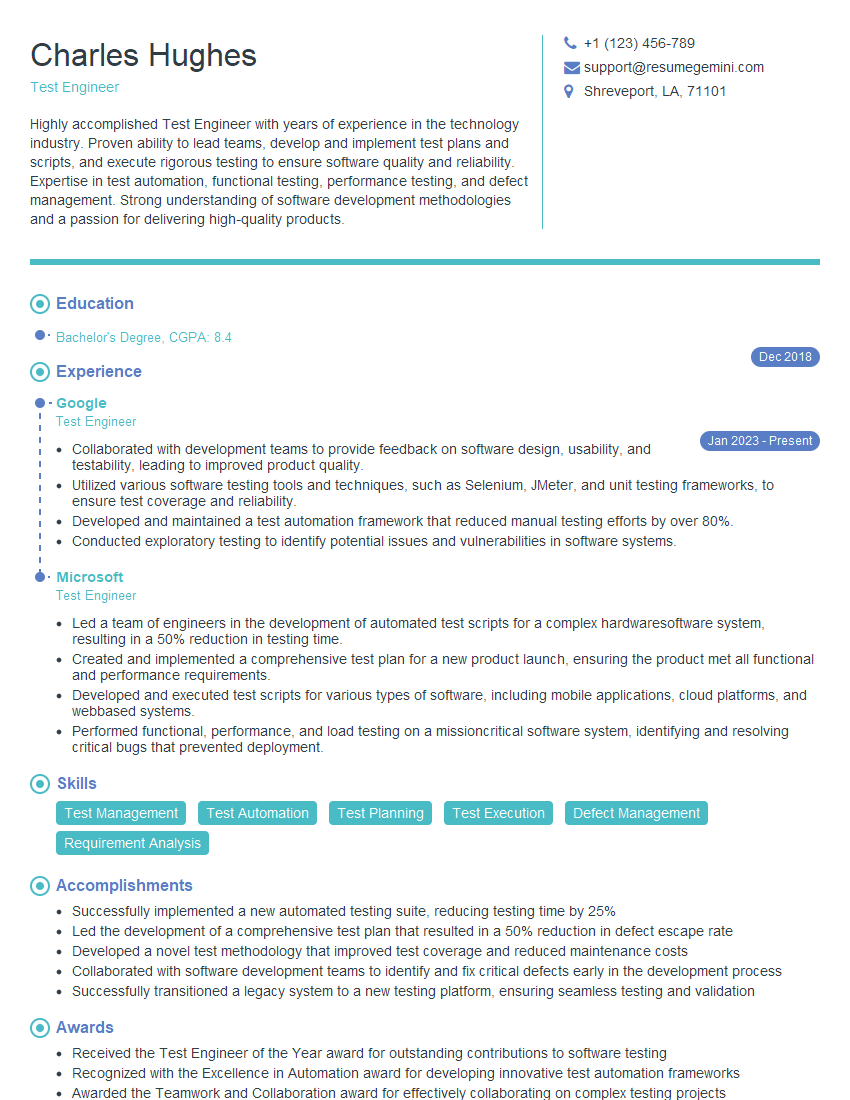
Test Engineer Resume Sample
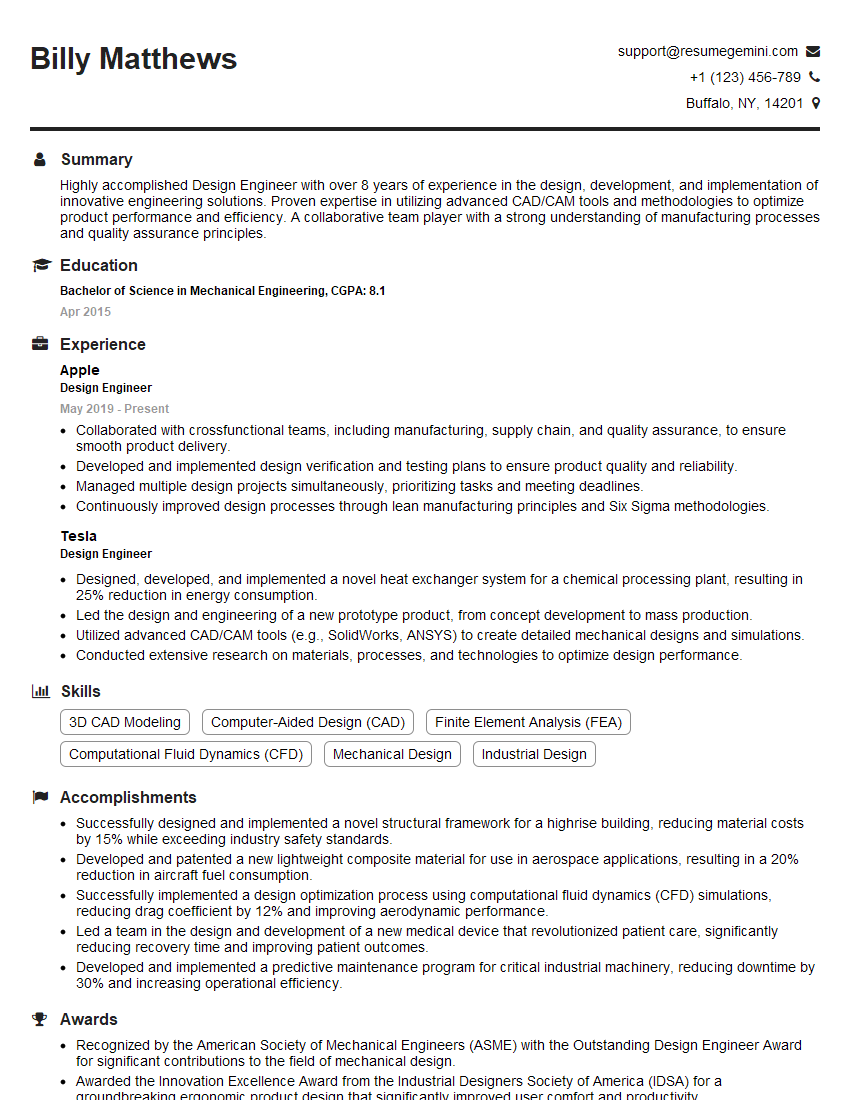
Design Engineer Resume Sample
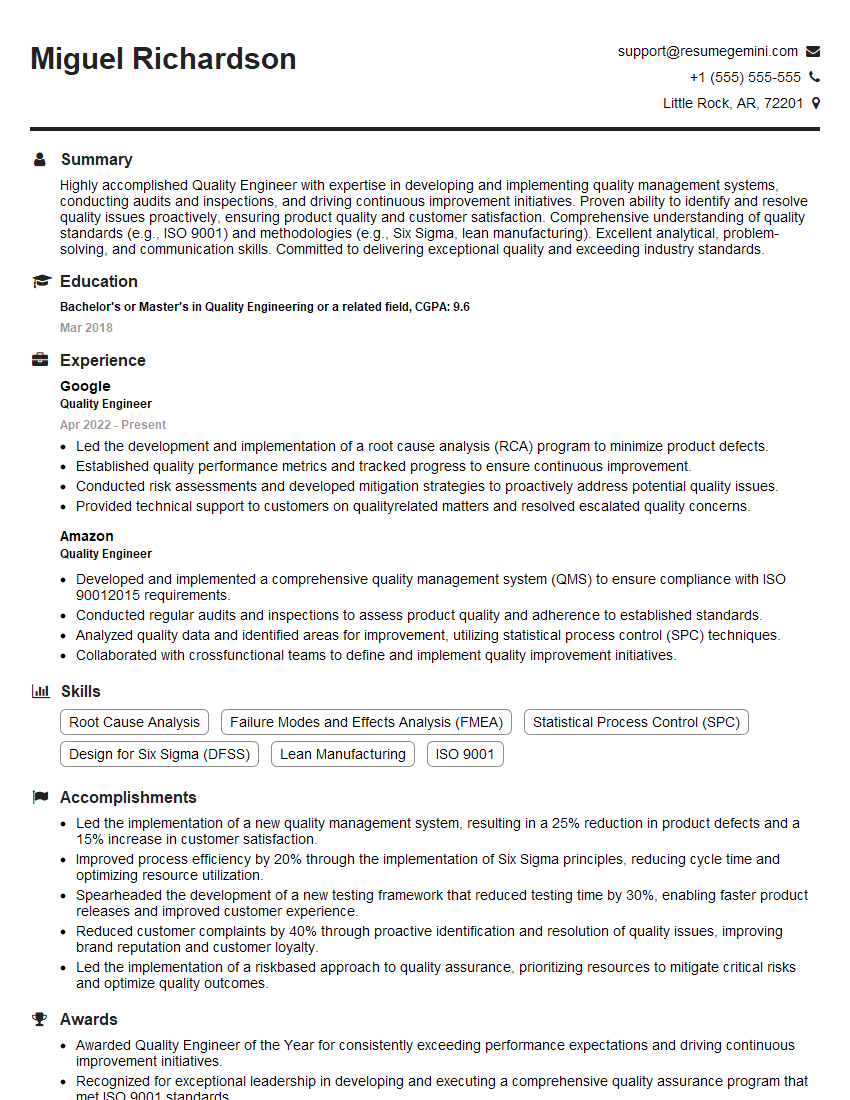
Quality Engineer Resume Sample

Aerospace Engineer Resume Sample
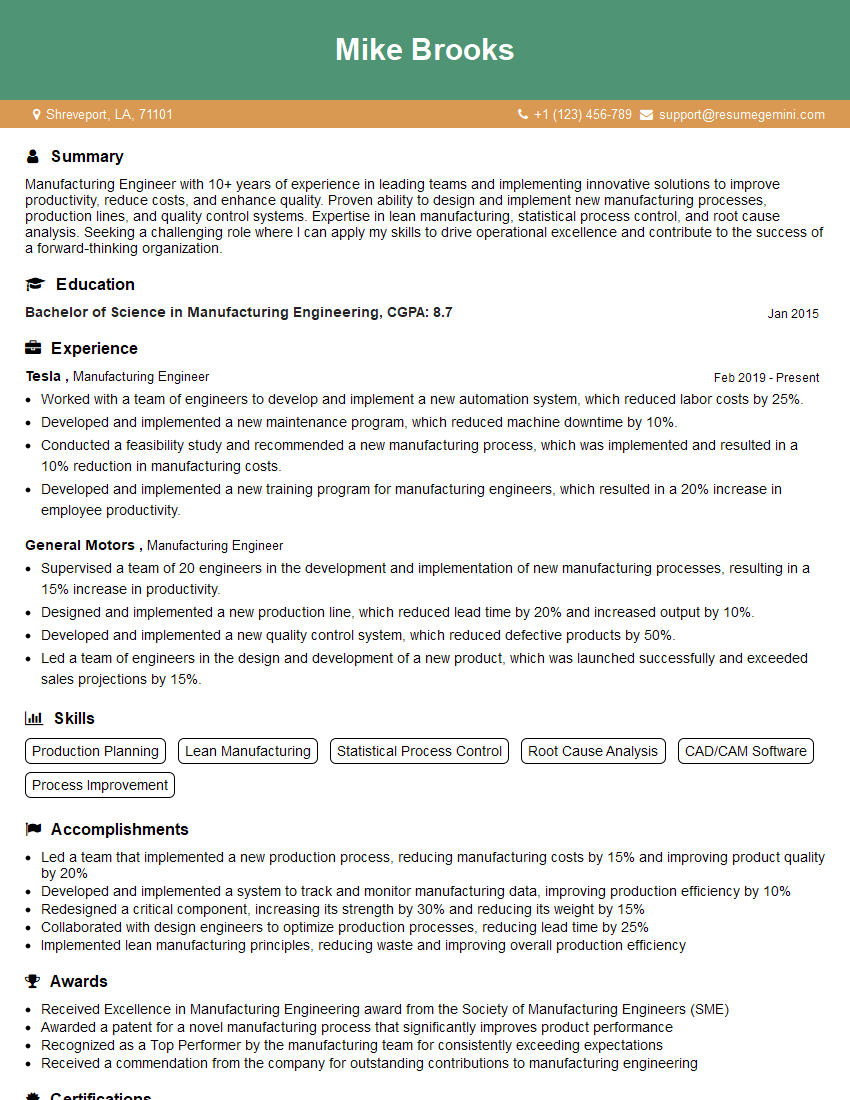
Manufacturing Engineer Resume Sample
Supply Chain Engineer Resume Sample
Maintainability Engineer Resume Sample
- Program Manager
- Quality Assurance Manager
- Chief Engineer
- Director of Engineering
- Engineering Manager
- Project Engineer
- Logistics Engineer
- Reliability Engineer
- Systems Engineer
- Test Engineer
- Design Engineer
- Quality Engineer
- Aerospace Engineer
- Manufacturing Engineer
- Supply Chain Engineer
- Maintainability Engineer
Explore more articles
Users Rating of Our Blogs
Share Your Experience
We value your feedback! Please rate our content and share your thoughts (optional).
What Readers Say About Our Blog
Attention music lovers!
Wow, All the best Sax Summer music !!!
Spotify: https://open.spotify.com/artist/6ShcdIT7rPVVaFEpgZQbUk
Apple Music: https://music.apple.com/fr/artist/jimmy-sax-black/1530501936
YouTube: https://music.youtube.com/browse/VLOLAK5uy_noClmC7abM6YpZsnySxRqt3LoalPf88No
Other Platforms and Free Downloads : https://fanlink.tv/jimmysaxblack
on google : https://www.google.com/search?q=22+AND+22+AND+22
on ChatGPT : https://chat.openai.com?q=who20jlJimmy20Black20Sax20Producer
Get back into the groove with Jimmy sax Black
Best regards,
Jimmy sax Black
www.jimmysaxblack.com
Hi I am a troller at The aquatic interview center and I suddenly went so fast in Roblox and it was gone when I reset.
Hi,
Business owners spend hours every week worrying about their website—or avoiding it because it feels overwhelming.
We’d like to take that off your plate:
$69/month. Everything handled.
Our team will:
Design a custom website—or completely overhaul your current one
Take care of hosting as an option
Handle edits and improvements—up to 60 minutes of work included every month
No setup fees, no annual commitments. Just a site that makes a strong first impression.
Find out if it’s right for you:
https://websolutionsgenius.com/awardwinningwebsites
Hello,
we currently offer a complimentary backlink and URL indexing test for search engine optimization professionals.
You can get complimentary indexing credits to test how link discovery works in practice.
No credit card is required and there is no recurring fee.
You can find details here:
https://wikipedia-backlinks.com/indexing/
Regards
NICE RESPONSE TO Q & A
hi
The aim of this message is regarding an unclaimed deposit of a deceased nationale that bears the same name as you. You are not relate to him as there are millions of people answering the names across around the world. But i will use my position to influence the release of the deposit to you for our mutual benefit.
Respond for full details and how to claim the deposit. This is 100% risk free. Send hello to my email id: lukachachibaialuka@gmail.com
Luka Chachibaialuka
Hey interviewgemini.com, just wanted to follow up on my last email.
We just launched Call the Monster, an parenting app that lets you summon friendly ‘monsters’ kids actually listen to.
We’re also running a giveaway for everyone who downloads the app. Since it’s brand new, there aren’t many users yet, which means you’ve got a much better chance of winning some great prizes.
You can check it out here: https://bit.ly/callamonsterapp
Or follow us on Instagram: https://www.instagram.com/callamonsterapp
Thanks,
Ryan
CEO – Call the Monster App
Hey interviewgemini.com, I saw your website and love your approach.
I just want this to look like spam email, but want to share something important to you. We just launched Call the Monster, a parenting app that lets you summon friendly ‘monsters’ kids actually listen to.
Parents are loving it for calming chaos before bedtime. Thought you might want to try it: https://bit.ly/callamonsterapp or just follow our fun monster lore on Instagram: https://www.instagram.com/callamonsterapp
Thanks,
Ryan
CEO – Call A Monster APP
To the interviewgemini.com Owner.
Dear interviewgemini.com Webmaster!
Hi interviewgemini.com Webmaster!
Dear interviewgemini.com Webmaster!
excellent
Hello,
We found issues with your domain’s email setup that may be sending your messages to spam or blocking them completely. InboxShield Mini shows you how to fix it in minutes — no tech skills required.
Scan your domain now for details: https://inboxshield-mini.com/
— Adam @ InboxShield Mini
support@inboxshield-mini.com
Reply STOP to unsubscribe
Hi, are you owner of interviewgemini.com? What if I told you I could help you find extra time in your schedule, reconnect with leads you didn’t even realize you missed, and bring in more “I want to work with you” conversations, without increasing your ad spend or hiring a full-time employee?
All with a flexible, budget-friendly service that could easily pay for itself. Sounds good?
Would it be nice to jump on a quick 10-minute call so I can show you exactly how we make this work?
Best,
Hapei
Marketing Director
Hey, I know you’re the owner of interviewgemini.com. I’ll be quick.
Fundraising for your business is tough and time-consuming. We make it easier by guaranteeing two private investor meetings each month, for six months. No demos, no pitch events – just direct introductions to active investors matched to your startup.
If youR17;re raising, this could help you build real momentum. Want me to send more info?
Hi, I represent an SEO company that specialises in getting you AI citations and higher rankings on Google. I’d like to offer you a 100% free SEO audit for your website. Would you be interested?
Hi, I represent an SEO company that specialises in getting you AI citations and higher rankings on Google. I’d like to offer you a 100% free SEO audit for your website. Would you be interested?