Are you ready to stand out in your next interview? Understanding and preparing for Military or Law Enforcement Experience interview questions is a game-changer. In this blog, we’ve compiled key questions and expert advice to help you showcase your skills with confidence and precision. Let’s get started on your journey to acing the interview.
Questions Asked in Military or Law Enforcement Experience Interview
Q 1. Describe your experience with crisis management in a high-pressure situation.
Crisis management in high-pressure situations requires a calm, decisive approach. It’s about assessing the threat, implementing immediate actions to mitigate the danger, and then coordinating resources for a longer-term solution. My experience during a hostage situation, for example, involved immediately securing the perimeter, establishing communication with the hostage-taker, and simultaneously deploying a tactical team to position for potential intervention. The key was maintaining composure while managing conflicting priorities: ensuring the safety of the hostages, containing the situation, and creating opportunities for a peaceful resolution. This involved clear communication with multiple teams – SWAT, negotiators, and emergency medical services – ensuring everyone understood their roles and the overall strategy. Post-incident, a thorough debriefing session allowed us to analyze the effectiveness of our response and identify areas for improvement.
Q 2. Explain your approach to de-escalation techniques.
De-escalation relies heavily on communication and empathy. My approach involves active listening, attempting to understand the individual’s perspective, and building rapport. I use verbal cues to show I’m paying attention – things like nodding, maintaining eye contact (while ensuring my own safety), and mirroring their body language to create a sense of trust. Verbal de-escalation involves using calm, clear, and respectful language, avoiding accusatory tones. I often employ techniques like paraphrasing their statements to show I understand and validate their feelings before gently guiding them towards a more peaceful resolution. For instance, during a domestic dispute call, instead of immediately issuing orders, I started by actively listening to both parties, acknowledging their frustrations, and then slowly suggesting alternative ways to resolve their conflict peacefully.
Q 3. How have you handled ethical dilemmas in your previous role?
Ethical dilemmas are unfortunately common in this field. One situation involved a suspect who confessed to a crime but refused to reveal the location of a crucial piece of evidence – a weapon that could be used in another crime. While I was under pressure to obtain the evidence, I couldn’t violate the suspect’s rights. I wrestled with the potential consequences of not obtaining the evidence versus potentially violating the suspect’s rights. The solution was to consult with my superior and legal counsel. We developed a strategy to subtly increase the pressure through legal means, such as securing a warrant and working with forensic specialists. Eventually, this pressure led the suspect to reveal the location of the weapon without compromising his rights. This taught me the importance of following procedure, even under immense pressure, to uphold the ethical standards of law enforcement.
Q 4. Describe a time you had to make a quick, critical decision under pressure.
During a high-speed chase, a suspect’s vehicle swerved erratically, endangering innocent civilians. I had to make a split-second decision: continue the pursuit, risking civilian casualties, or terminate the pursuit. Considering the potential for harm to the public, I made the call to terminate the chase, prioritizing public safety above apprehending the suspect immediately. We subsequently utilized other investigative methods to identify and apprehend the suspect later. The key was weighing the immediate risks against the long-term consequences, prioritizing safety and following established procedures. This decision, while difficult, ultimately resulted in zero civilian casualties and a successful apprehension of the suspect through alternative investigation methods.
Q 5. How do you prioritize tasks in a fast-paced environment?
Prioritization in a fast-paced environment requires a structured approach. I use a combination of methods, including time management techniques like the Eisenhower Matrix (urgent/important), and risk assessment. I assess tasks based on their urgency, impact, and potential consequences. High-impact, time-sensitive tasks always take precedence. For instance, during an active shooter situation, my priority shifted rapidly from routine tasks to immediate life-saving actions. Then, post-incident, the priority changed to securing the scene, providing first aid, and managing investigations. Effective communication is vital to keep the team synchronized and on the same page throughout this prioritization process.
Q 6. What is your experience with firearms safety and usage?
Firearms safety and usage are paramount. I have extensive training in safe handling, storage, and the legal and ethical implications of firearm use. My training includes regular proficiency tests, scenario-based simulations, and ongoing education on updates to policies and procedures. Safety protocols are strictly adhered to, including thorough weapon checks before and after each use, and constant awareness of the environment and potential hazards. The four rules of firearm safety are ingrained: always treat every weapon as if it were loaded; never point the weapon at anything you do not intend to shoot; keep your finger off the trigger until your sights are on target; and be sure of your target and what is beyond it. This extends to proper maintenance, cleaning, and storage practices.
Q 7. Describe your experience with report writing and documentation.
Detailed and accurate report writing is crucial for accountability and legal purposes. My experience encompasses writing various reports, including incident reports, arrest reports, and investigative summaries. I ensure clarity, accuracy, and objectivity, following established formatting guidelines and including all relevant details, using objective language avoiding personal opinions. The reports are meticulously organized, chronologically accurate, and evidence-based, and include all relevant supporting documentation, such as photographs and witness statements. This attention to detail is not just important for legal reasons; clear and concise reports are also essential for effective communication within the team and among different agencies involved in a case.
Q 8. How familiar are you with different types of investigations?
My experience encompasses a wide range of investigations, from straightforward criminal inquiries to complex, multi-faceted operations. I’m familiar with various methodologies, including:
- Criminal Investigations: These involve gathering evidence, interviewing witnesses, and analyzing data to solve crimes like theft, assault, or fraud. For instance, I led an investigation into a series of burglaries, utilizing forensic evidence and witness statements to identify and apprehend the suspect.
- Internal Affairs Investigations: These focus on misconduct within an organization, requiring impartiality and adherence to strict procedural guidelines. I’ve conducted several internal affairs investigations, ensuring fairness and due process while maintaining the integrity of the organization.
- Intelligence Investigations: These involve collecting and analyzing information to identify threats or risks. This often entails working with confidential sources and interpreting complex data sets, such as during a counter-intelligence operation where we identified a potential security breach.
- Administrative Investigations: These focus on policy violations or procedural irregularities. I’ve conducted numerous administrative investigations, ensuring that organizational policies are followed and that any breaches are addressed appropriately. One example involved investigating a potential data breach, tracing the source and implementing preventative measures.
My proficiency extends to understanding the legal frameworks governing investigations, ensuring all procedures adhere to legal standards and ethical considerations.
Q 9. How do you maintain confidentiality in sensitive situations?
Maintaining confidentiality is paramount in my line of work. It’s not just a matter of following protocol; it’s about building trust and protecting the integrity of investigations. My approach involves several key strategies:
- Need-to-Know Basis: I only share information with individuals who absolutely require it for their role in the investigation. This limits potential breaches and protects sensitive data.
- Secure Communication: I utilize secure channels for communication, including encrypted emails and secure messaging platforms, to prevent unauthorized access to sensitive information. I am also trained in the use of secure communication devices and technologies.
- Data Security: I adhere to strict data handling protocols, ensuring that all sensitive information is stored securely and accessed only with proper authorization. This includes using password-protected databases and following established data encryption protocols.
- Confidentiality Agreements: I utilize and enforce confidentiality agreements with all personnel involved, clearly outlining the implications of disclosing sensitive information. This includes sources and witnesses who are participating under conditions of anonymity.
Furthermore, I’m acutely aware of the potential consequences of a breach, understanding the legal and ethical ramifications. This awareness reinforces my commitment to upholding confidentiality at all times.
Q 10. Explain your experience with physical fitness and training standards.
Physical fitness and training are integral parts of my profession. Throughout my career, I have consistently maintained a high level of physical fitness, exceeding the required standards. My training has included:
- Regular Physical Training: I engage in a rigorous training regimen that includes cardiovascular exercises, strength training, and flexibility exercises. This ensures I am physically prepared for demanding situations and maintain peak performance.
- Specialized Training: I have received specialized training in areas such as hand-to-hand combat, weapons handling, and tactical maneuvers. This training is regularly updated and refined to stay current with the latest techniques and strategies.
- Endurance Training: I have completed various endurance challenges that require high levels of physical and mental resilience. This preparation allows me to work effectively under pressure and in high-stress environments.
- Continuous Professional Development: I regularly participate in professional development courses to maintain proficiency in all aspects of physical fitness and training. This ensures I stay updated on the latest training methods and safety protocols.
Maintaining physical fitness isn’t merely a requirement; it’s a fundamental aspect of my ability to perform my duties effectively and safely, both for myself and my team.
Q 11. How have you used technology to enhance your work performance?
Technology has significantly enhanced my work performance, providing tools for efficient data analysis, communication, and investigation. I utilize a variety of technologies including:
- Case Management Software: This allows for efficient organization and tracking of case details, evidence, and communication. We use a system that allows for secure, collaborative access to case files for the entire investigative team.
Example: Case details are searchable by keyword, ensuring swift access to relevant information. - Forensic Software: This aids in the analysis of digital evidence, such as recovering deleted files, analyzing network traffic, and identifying cybercrime patterns.
Example: Using software to reconstruct deleted files from a suspect's computer to recover critical evidence. - Surveillance and Tracking Technologies: These tools enable real-time monitoring and tracking of individuals and vehicles, providing critical intelligence during investigations.
Example: Using GPS trackers and video surveillance technology to gather evidence on the movements of a suspect. - Communication Technologies: Secure communication platforms allow for efficient collaboration within the team and with external agencies. This ensures timely information dissemination and collaborative investigations.
My proficiency in these technologies allows me to work more effectively, accurately, and efficiently, resulting in better outcomes in investigations.
Q 12. Describe your experience with team leadership and collaboration.
Team leadership and collaboration are essential in investigations. My experience includes leading and working within diverse teams, focusing on:
- Delegation and Empowerment: I effectively delegate tasks based on individual strengths, ensuring everyone feels valued and empowered. During one complex investigation, I delegated specific tasks to team members based on their skill sets, which resulted in a more efficient and effective investigation.
- Clear Communication: I maintain open and transparent communication, ensuring all team members are informed and aligned on objectives and strategies. This fosters trust and strengthens collaboration, particularly important in high-pressure situations.
- Conflict Resolution: I proactively address conflicts, fostering a respectful and collaborative environment. I facilitate discussions that focus on finding solutions that satisfy everyone’s needs.
- Mentorship and Training: I actively mentor and train junior team members, fostering professional development and strengthening the team’s capabilities.
My leadership style is collaborative, focusing on building strong relationships and empowering team members to achieve shared goals. I believe that a strong team is the foundation of successful investigations.
Q 13. How would you address conflict within a team?
Addressing conflict within a team requires a structured and sensitive approach. My strategy involves:
- Early Identification: I actively monitor team dynamics to identify potential conflicts early on, addressing them before they escalate.
- Open Communication: I encourage open dialogue between conflicting parties, creating a safe space to express concerns and perspectives. I act as a neutral facilitator, ensuring fair participation from all involved.
- Mediation and Facilitation: I utilize mediation techniques to guide the parties toward a mutually agreeable solution, focusing on common goals and shared objectives.
- Clear Expectations and Boundaries: I reinforce team expectations and boundaries, ensuring everyone understands their roles and responsibilities. This clarity minimizes the chances of misunderstandings and conflicts.
- Documentation: I keep detailed records of all discussions and agreements made during conflict resolution, ensuring that issues are addressed appropriately and preventing recurrence.
My goal is not only to resolve immediate conflicts but also to build stronger team relationships, promoting a more collaborative and productive work environment.
Q 14. What is your experience with surveillance techniques and methods?
My experience with surveillance techniques and methods is extensive, encompassing a wide range of approaches that adhere to legal and ethical guidelines. This includes:
- Physical Surveillance: I’m proficient in covert and overt observation techniques, including the use of surveillance equipment to gather information. This involves meticulous planning, risk assessment, and adherence to strict operational security protocols.
- Electronic Surveillance: I’m experienced in utilizing electronic surveillance technologies, such as GPS tracking, audio recording, and video surveillance. The use of such technologies is always carried out within the legal framework and with appropriate authorization.
- Open-Source Intelligence (OSINT): I’m skilled in collecting information from publicly available sources such as social media, news articles, and public records to build a comprehensive understanding of individuals or situations. This approach is often the first step in many investigations.
- Technical Surveillance Countermeasures (TSCM): I’m trained to detect and mitigate technical surveillance threats, ensuring the security of sensitive information and equipment. This involves using specialized equipment to identify and neutralize bugs and listening devices.
All surveillance activities are conducted ethically and legally, with a strong emphasis on obtaining necessary authorizations and adhering to strict privacy regulations. The safety and security of both the surveillance team and the subject are always primary concerns.
Q 15. How do you handle stressful situations and maintain composure?
Stressful situations are inevitable in high-pressure environments like military or law enforcement. My approach centers on training, preparation, and a methodical response. Think of it like a fire drill – you’ve practiced the steps so many times that when the real event happens, you react instinctively, rather than panicking.
Firstly, I prioritize deep breathing exercises and mindfulness techniques to regulate my physiological response. This helps me clear my head and focus on the task at hand. Secondly, I break down complex problems into smaller, manageable steps, focusing on immediate priorities. For example, during a hostage situation, the immediate priority might be securing the perimeter and establishing communication. Later, we can focus on negotiation and tactical entry. Thirdly, I rely on my training and experience to guide my actions. I trust my instincts and the procedures I’ve learned over years of service. Finally, I debrief after critical incidents to identify areas for improvement and learning, ensuring that future responses are even more effective.
One instance involved a SWAT operation where a suspect was barricaded with weapons. The high tension and uncertainty were palpable. By focusing on my training, calmly delegating tasks to my team, and maintaining clear communication, we successfully resolved the situation without injury.
Career Expert Tips:
- Ace those interviews! Prepare effectively by reviewing the Top 50 Most Common Interview Questions on ResumeGemini.
- Navigate your job search with confidence! Explore a wide range of Career Tips on ResumeGemini. Learn about common challenges and recommendations to overcome them.
- Craft the perfect resume! Master the Art of Resume Writing with ResumeGemini’s guide. Showcase your unique qualifications and achievements effectively.
- Don’t miss out on holiday savings! Build your dream resume with ResumeGemini’s ATS optimized templates.
Q 16. Describe your experience with evidence collection and preservation.
Evidence collection and preservation is paramount in ensuring justice. It’s all about meticulousness, integrity, and adherence to strict protocols to maintain chain of custody. This process begins the moment a scene is secured. We establish a perimeter to prevent contamination, document everything through photography and videography, and then begin a systematic collection of evidence using appropriate techniques for each type of evidence.
For example, biological evidence like blood or DNA is collected using sterile instruments and stored in tamper-evident bags, carefully labeled with the date, time, location, and collector’s information. Digital evidence, like data from a computer or cell phone, requires specialized forensic techniques to ensure data integrity and prevent alteration. We use specialized software and hardware to create forensic images of hard drives, and meticulously document every step of the process. We follow established protocols such as those found in the National Institute of Standards and Technology (NIST) guidelines. Each piece of evidence is then logged into a chain-of-custody form that meticulously tracks its handling from collection to court presentation.
In my experience, I’ve participated in numerous crime scene investigations, ranging from homicides to burglaries, ensuring the proper preservation and handling of all collected evidence, leading to successful prosecutions. A proper chain of custody is crucial; a break in the chain can compromise the admissibility of evidence in court.
Q 17. How do you adapt to changing situations and priorities?
Adaptability is key in our field. Situations change rapidly, and priorities shift unexpectedly. My approach is threefold: anticipation, flexibility, and communication.
First, I strive to anticipate potential changes. I try to understand the broader context of the situation and anticipate potential challenges. This might involve reviewing intelligence reports before an operation, or anticipating the potential needs of a community during a natural disaster. Secondly, I remain flexible and willing to adjust my plans as needed. I don’t cling rigidly to a plan if circumstances dictate a change. Instead, I embrace the new reality and adapt my strategies accordingly. Finally, effective communication is crucial. Maintaining open communication with my team, superiors, and other stakeholders ensures everyone is aware of any changes and can work together effectively.
For example, during a search and rescue operation, the discovery of unexpected obstacles, like a collapsed building, would require an immediate shift in strategy. By adapting our plan, communicating the changes clearly, and collaborating effectively, we ensured the safety of our team while still accomplishing our objective.
Q 18. What is your experience with different types of weapons systems?
My experience encompasses a broad range of weapons systems, from small arms to heavy weaponry. This includes proficiency with various handguns, rifles (both semi-automatic and automatic), shotguns, and submachine guns. I’m also trained in the operation and maintenance of specific weapon systems used in my previous roles, including details about their functionality, safety protocols, and limitations.
My training extends beyond simply knowing how to fire a weapon. It also involves marksmanship training to ensure accuracy and proficiency, weapons maintenance to keep them in optimal condition, and importantly, strict adherence to safety regulations to prevent accidental discharge or injury. Regular qualification exercises and continuous professional development are crucial in maintaining proficiency and staying updated on advancements in weapon technology.
For instance, I’ve received specialized training in the use of less-lethal weapons like tasers and pepper spray, understanding their proper application, limitations and legal considerations, which are crucial for responsible use of force.
Q 19. How familiar are you with legal procedures and regulations?
My familiarity with legal procedures and regulations is extensive. I have a thorough understanding of criminal procedure, evidence law, the rules of engagement, and the laws governing the use of force. This includes knowledge of search and seizure laws, Miranda rights, and the legal standards for arrests and detentions. I’m also very well versed in the specific laws, regulations, and policies relevant to my previous roles and responsibilities.
This knowledge is not simply theoretical; it’s integrated into my daily operations. I always consider the legal ramifications of my actions, ensuring that all procedures are followed correctly. For example, before conducting any search, I would ensure I had the appropriate warrant, or a legally valid exception to the warrant requirement. Likewise, before using force, I would evaluate the situation according to the legal standards of reasonableness and proportionality.
Regular legal updates and training sessions are crucial to keep my knowledge current and ensure compliance with evolving legal frameworks and case law.
Q 20. How do you ensure compliance with relevant laws and policies?
Compliance with relevant laws and policies is not optional; it’s fundamental to maintaining public trust and upholding the law. My approach involves a multi-layered strategy involving training, oversight, and accountability.
Firstly, comprehensive training is essential. All personnel undergo thorough training on relevant laws, policies, and procedures before deploying. This training is reinforced through regular updates and refresher courses, ensuring that everyone is up to date with current regulations and best practices. Secondly, effective oversight mechanisms are crucial. This involves regular audits and inspections to ensure that all operations are compliant with the rules. Thirdly, accountability is key. Clear reporting structures and channels for reporting non-compliance ensure that any violations are promptly investigated and addressed.
The consequences of non-compliance can range from disciplinary actions to legal liability, which is why a proactive approach to compliance is crucial. This includes documenting every decision-making process in adherence to strict legal and ethical standards.
Q 21. Describe your experience with community engagement or outreach.
Community engagement and outreach are essential for building trust and fostering positive relationships between law enforcement and the public. My experience includes participating in various community events, such as neighborhood watch meetings, school visits, and community policing initiatives.
These interactions provide opportunities to educate the public about our work, address their concerns, and build rapport. We aim to move away from a solely reactive role, instead becoming proactive partners in addressing community issues. This might involve collaborating with local organizations on crime prevention programs, or participating in community service initiatives. Open communication channels are crucial. We also leverage social media and community forums to share information, answer questions, and respond to concerns.
A successful example is a community policing program I was involved in. We worked closely with community leaders and residents to identify and address local concerns such as speeding and drug dealing. This involved a combination of visible patrols, community dialogues, and collaborative problem-solving which led to a significant reduction in crime and an increase in community trust.
Q 22. How do you maintain physical and mental well-being in a demanding role?
Maintaining physical and mental well-being in a high-stress environment like military or law enforcement is paramount. It’s not just about individual resilience; it’s about operational effectiveness and long-term health. My approach is multifaceted and incorporates several key strategies.
Physical Well-being: This includes a rigorous fitness regime tailored to the demands of the job. This isn’t just about aesthetics; it’s about building strength, endurance, and agility to handle stressful situations. I prioritize regular cardiovascular exercise, strength training, and flexibility work. Proper nutrition is equally important, focusing on whole foods and avoiding processed sugars and excessive caffeine. Adequate sleep is crucial for cognitive function and stress management. I make sure I get 7-8 hours of quality sleep each night.
Mental Well-being: This is equally vital. I utilize stress management techniques such as mindfulness meditation and deep breathing exercises, which help center me during high-pressure situations. Regular debriefs with trusted colleagues are beneficial in processing challenging experiences. I also believe in open communication regarding mental health, and I actively seek support if needed, utilizing resources like peer support groups or professional counseling. Maintaining healthy personal relationships outside of work is also crucial for a balanced life.
For instance, during a particularly intense deployment, I found that incorporating short mindfulness sessions throughout the day significantly improved my focus and stress tolerance. Similarly, regular physical training not only maintained my fitness level but also provided a healthy outlet for stress and frustration.
Q 23. How have you demonstrated initiative and problem-solving skills?
Initiative and problem-solving are essential in my field. I consistently demonstrate these skills by proactively identifying challenges and developing effective solutions.
Example 1: During a hostage situation, we faced a communication breakdown with the negotiator. Recognizing the escalating tension, I took the initiative to establish an alternative communication channel using a trusted intermediary, successfully de-escalating the situation and facilitating a peaceful resolution. This involved quick thinking, adapting to unforeseen circumstances, and resourceful improvisation.
Example 2: Our team was facing logistical challenges in transporting crucial equipment to a remote location. Instead of waiting for a solution from higher command, I researched and secured a more efficient and cost-effective method of transport, utilizing civilian resources and liaising effectively with relevant parties. This resulted in a significant time saving and efficient resource allocation.
My problem-solving approach typically involves a structured methodology: identify the problem, analyze potential causes, brainstorm solutions, evaluate options, implement the best solution, and then assess the outcome and make necessary adjustments. This iterative approach allows for flexibility and adaptation in dynamic environments.
Q 24. What is your experience with tactical planning and execution?
Tactical planning and execution are fundamental to my experience. It requires a detailed understanding of the operational environment, the enemy’s capabilities, and the resources available. My experience spans various scenarios, from high-risk raids to large-scale operations.
Planning Phase: This involves detailed intelligence gathering, risk assessment, resource allocation, and the development of contingency plans. It often involves collaboration with multiple teams and stakeholders, requiring clear communication and coordination.
Execution Phase: This requires precise coordination, strict adherence to procedures, and the ability to adapt to unforeseen circumstances. Maintaining communication, situational awareness, and decisive action are crucial during execution. Post-operational debriefs are equally critical for evaluating performance and identifying areas for improvement.
For example, in one operation, our team had to plan a night raid on a well-defended compound. We meticulously planned the approach, entry points, and escape routes, considering every variable including potential threats and weather conditions. During execution, a change in the enemy’s position necessitated an immediate adaptation to our plan, requiring quick thinking and decisive action to ensure mission success.
Q 25. Describe your experience with risk assessment and mitigation.
Risk assessment and mitigation are inherent in my work. It’s a continuous process that involves identifying potential hazards, evaluating their likelihood and severity, and implementing strategies to reduce or eliminate the risk.
Identification: This stage involves systematically analyzing the environment and operational plan to identify all potential hazards, from environmental factors (weather, terrain) to human factors (enemy actions, friendly fire). We often utilize tools such as threat assessments and risk matrices.
Evaluation: Once identified, risks are evaluated based on their likelihood and potential consequences. A risk matrix helps visualize this, allowing prioritization of mitigation efforts.
Mitigation: This involves developing and implementing strategies to reduce the likelihood or impact of identified risks. This might involve using protective equipment, modifying procedures, or developing contingency plans. Risk mitigation is an iterative process and constantly evolving based on new information and evolving circumstances.
For instance, before undertaking a search and rescue operation in a mountainous area, I would conduct a thorough risk assessment, identifying potential dangers such as terrain, weather conditions, and potential hostile encounters. This would lead to mitigation strategies, such as ensuring the team had proper equipment, training, and communication protocols in place. Continuous monitoring of weather conditions and possible threats during the operation would also be crucial.
Q 26. How have you developed your leadership abilities?
Leadership development is an ongoing process, cultivated through experience, reflection, and continuous learning. My approach involves several key elements.
Leading by Example: I believe in leading by example, demonstrating the same commitment, discipline, and work ethic that I expect from my team. This fosters trust and respect.
Delegation and Empowerment: I empower my team by delegating tasks appropriately, providing them with the necessary resources and training, and allowing them to take ownership of their work. This develops their skills and confidence.
Communication and Feedback: Clear, consistent, and open communication is crucial. I actively solicit feedback from my team, providing both constructive criticism and positive reinforcement. This creates a supportive and collaborative environment.
Mentorship and Coaching: I actively mentor and coach junior members, sharing my experience and knowledge to develop their leadership potential. I actively seek feedback on my own leadership style to ensure continuous improvement.
For instance, when leading a team on a complex operation, I delegated specific roles and responsibilities based on individual strengths, ensuring everyone felt valued and empowered. Through clear communication and regular feedback sessions, I ensured everyone remained informed and engaged throughout the mission.
Q 27. How do you stay up-to-date on current trends and best practices?
Staying current on trends and best practices in a rapidly evolving field like mine is crucial. I employ a multi-pronged approach to continuous learning.
Professional Development Courses: I actively participate in professional development courses and workshops to enhance my skills and knowledge, staying abreast of the latest technologies and techniques.
Industry Publications and Journals: I regularly read industry publications and journals to stay informed about current research, best practices, and emerging threats.
Networking and Conferences: Networking with colleagues and attending industry conferences and seminars provides valuable opportunities to exchange information and learn from others’ experiences.
Technological Advancements: I actively pursue and integrate new technologies and tools that improve operational efficiency and effectiveness. This might include new communication systems, data analysis tools, or simulation technologies. This allows for better understanding of emerging trends and the operational impact.
For example, I recently completed a course on advanced tactical communication systems, allowing my team to adopt more effective techniques in complex operational environments.
Q 28. Describe a time you failed and what you learned from it.
One instance where I failed was during a high-stakes negotiation. My initial approach was overly assertive, which caused the other party to become defensive and resistant. This led to a stalemate and a less than optimal outcome.
My failure stemmed from a lack of empathy and an insufficient understanding of the other party’s perspective. I learned a valuable lesson about the importance of active listening, building rapport, and tailoring my approach to the specific situation and individuals involved. Following this incident, I actively worked on developing my emotional intelligence and negotiation skills, which has significantly improved my ability to manage conflict and achieve positive outcomes. Now I prioritize empathy, understanding the motives of all parties, and exploring different strategies that encourage cooperation instead of confrontation.
Key Topics to Learn for Military or Law Enforcement Experience Interview
- Leadership and Teamwork: Discuss instances where you led teams, delegated tasks, and fostered collaboration under pressure. Consider highlighting your decision-making process in high-stakes situations.
- Situational Awareness and Risk Assessment: Explain how you assessed and mitigated risks in your previous roles. Provide specific examples showcasing your ability to anticipate potential threats and develop effective strategies to neutralize them.
- Crisis Management and Problem-Solving: Describe your experience handling critical incidents, emphasizing your ability to remain calm, think critically, and implement effective solutions under stress. Focus on the steps you took and the outcomes achieved.
- Adherence to Regulations and Procedures: Highlight your understanding and consistent application of rules, regulations, and operational procedures. Showcase your commitment to maintaining order and upholding ethical standards.
- Communication and Interpersonal Skills: Discuss your ability to communicate effectively with diverse individuals, including superiors, colleagues, and the public. Share examples where you de-escalated tense situations or built rapport with challenging individuals.
- Adaptability and Resilience: Demonstrate your capacity to adapt to changing circumstances and maintain effectiveness under duress. Highlight your resilience in the face of adversity and your ability to learn from both successes and failures.
- Technical Skills (if applicable): Depending on your specific role, discuss any relevant technical skills, such as weapons proficiency, surveillance techniques, or specific software applications. Quantify your achievements whenever possible.
Next Steps
Mastering the communication of your Military or Law Enforcement experience is crucial for career advancement. Translating your unique skills and experiences into a compelling narrative that resonates with potential employers is key. An ATS-friendly resume is essential for maximizing your job prospects, ensuring your qualifications are effectively highlighted and reach the right recruiters. ResumeGemini is a trusted resource that can help you build a professional and impactful resume tailored to your unique background. We provide examples of resumes specifically designed for candidates with Military or Law Enforcement experience to help you showcase your value effectively. Take the next step and craft a resume that truly reflects your capabilities and opens doors to exciting new opportunities.
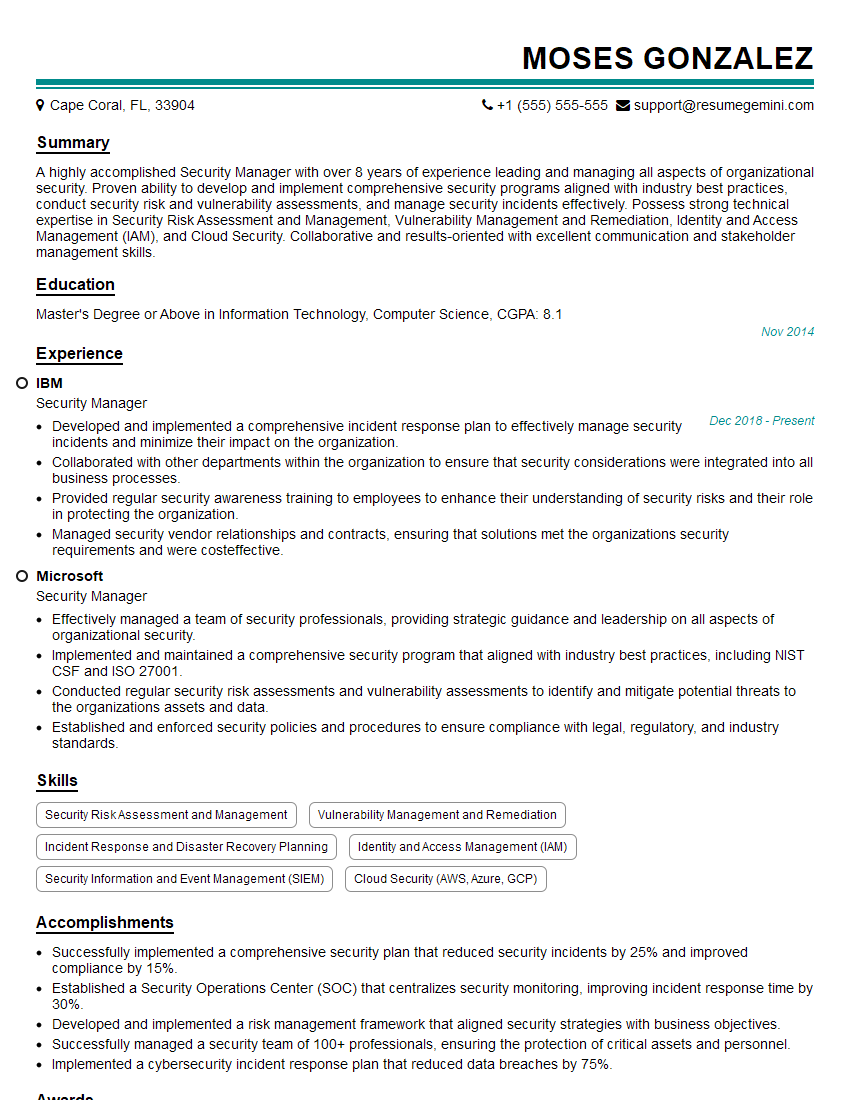
Security Manager Resume Sample
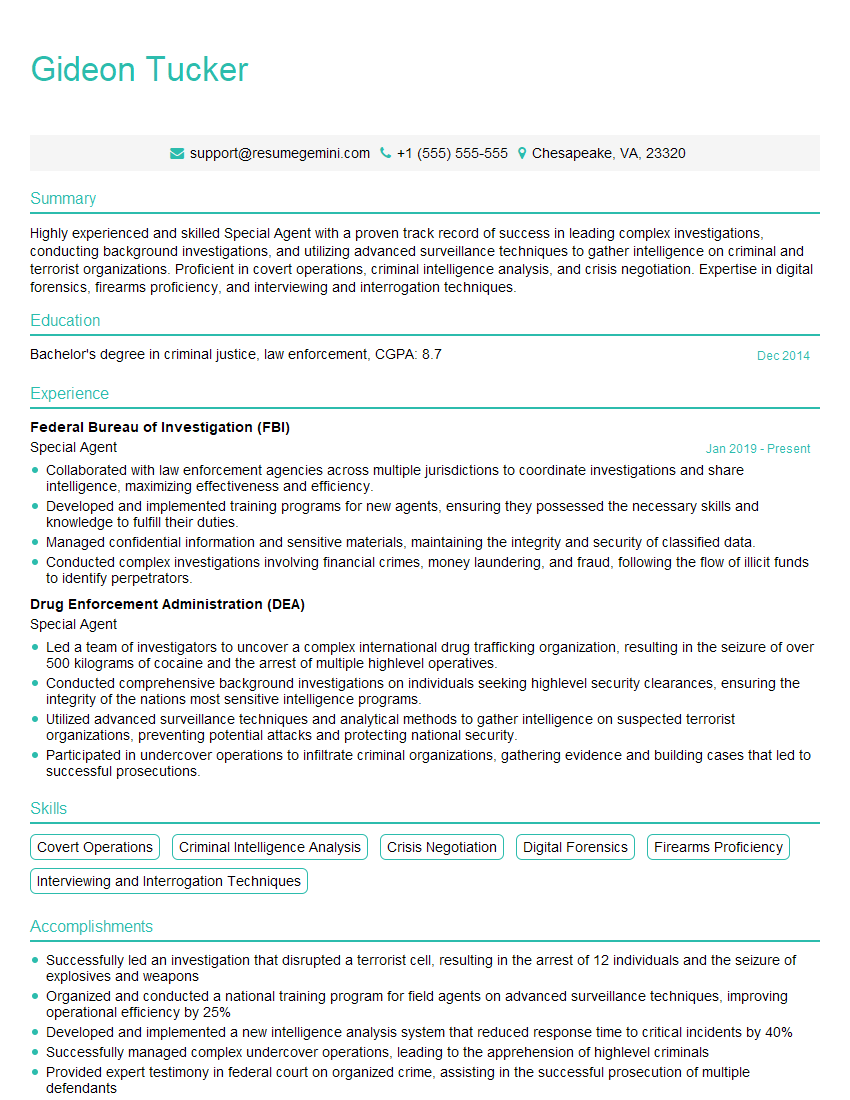
Special Agent Resume Sample
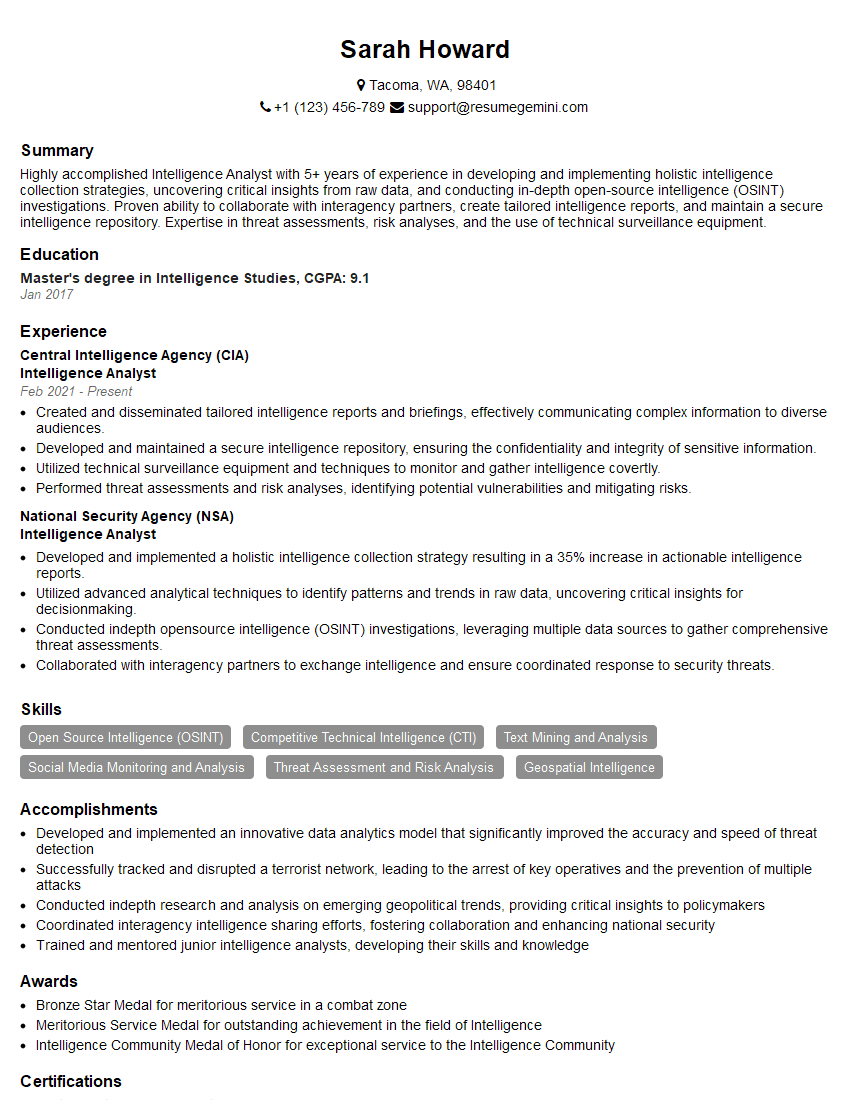
Intelligence Analyst Resume Sample
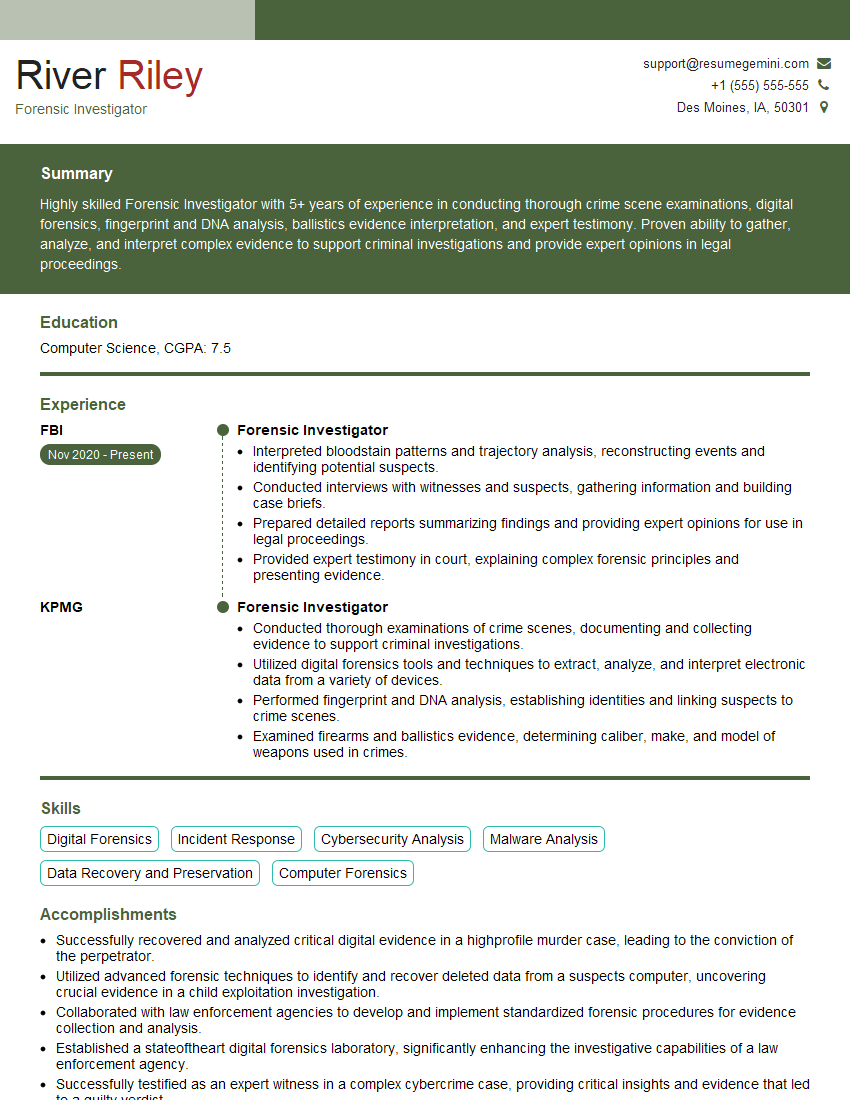
Forensic Investigator Resume Sample
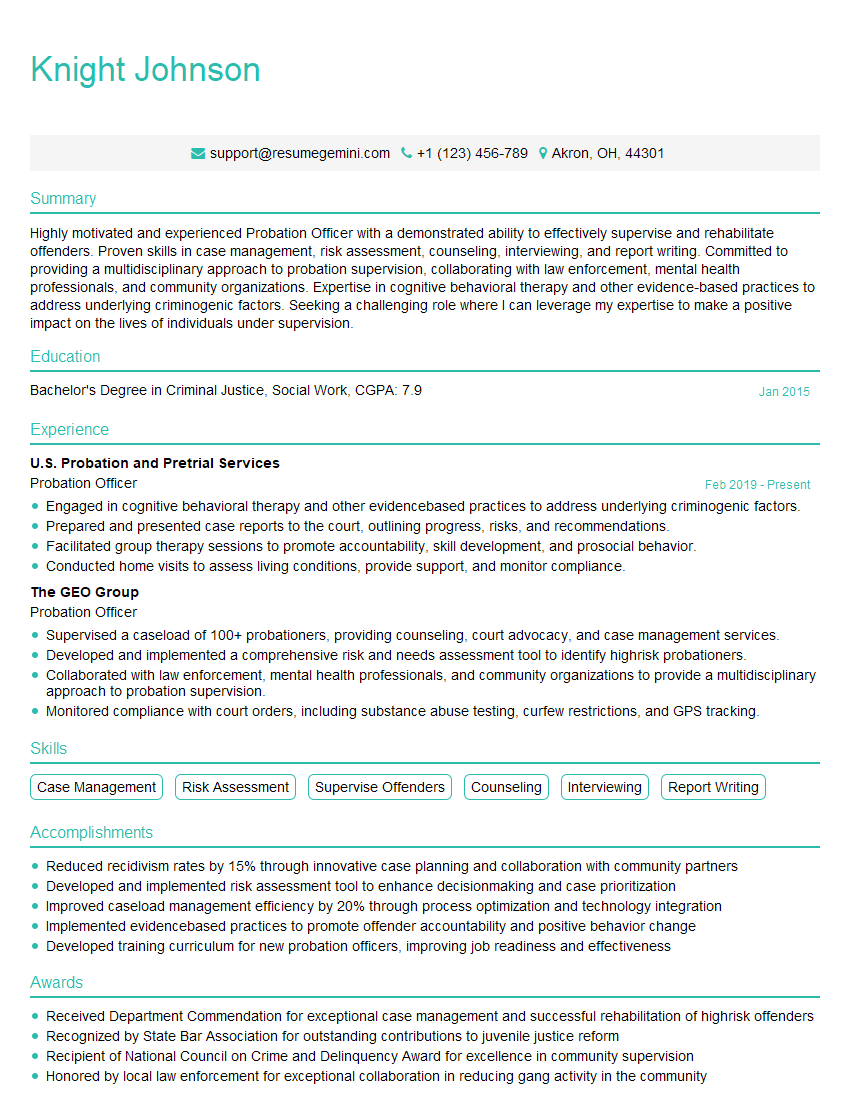
Probation Officer Resume Sample
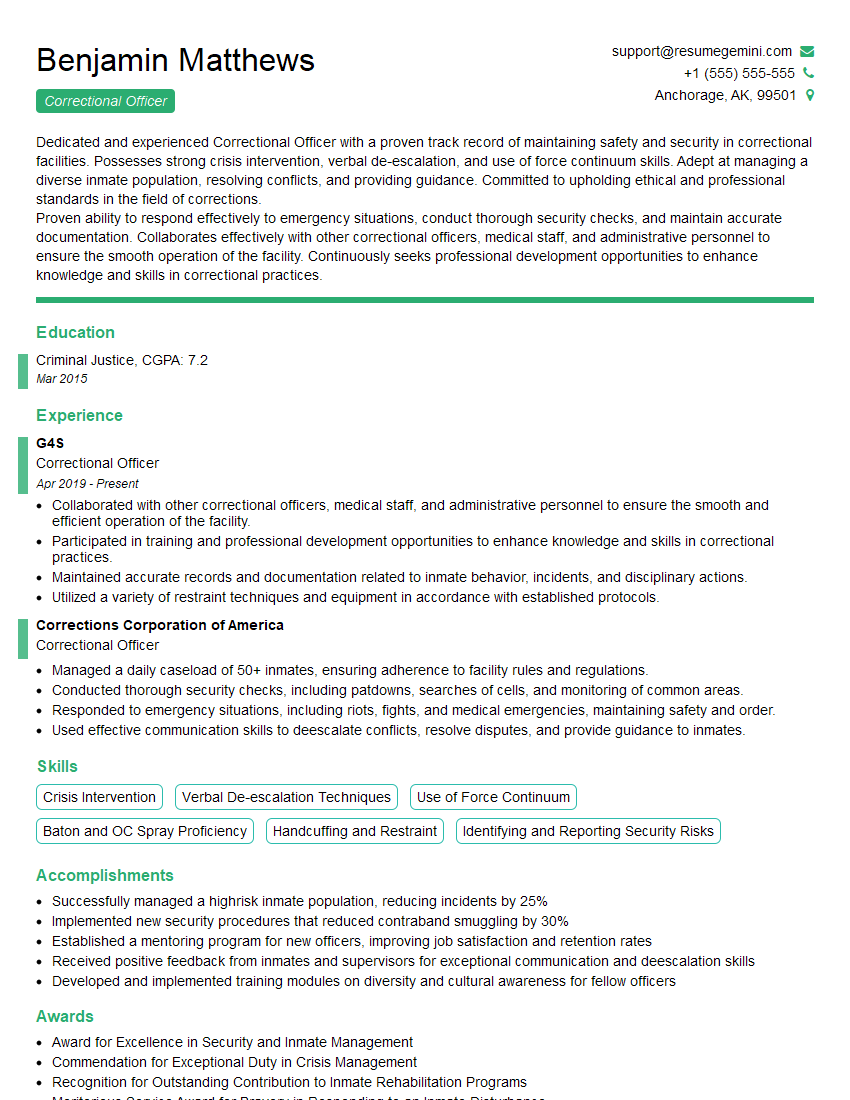
Correctional Officer Resume Sample
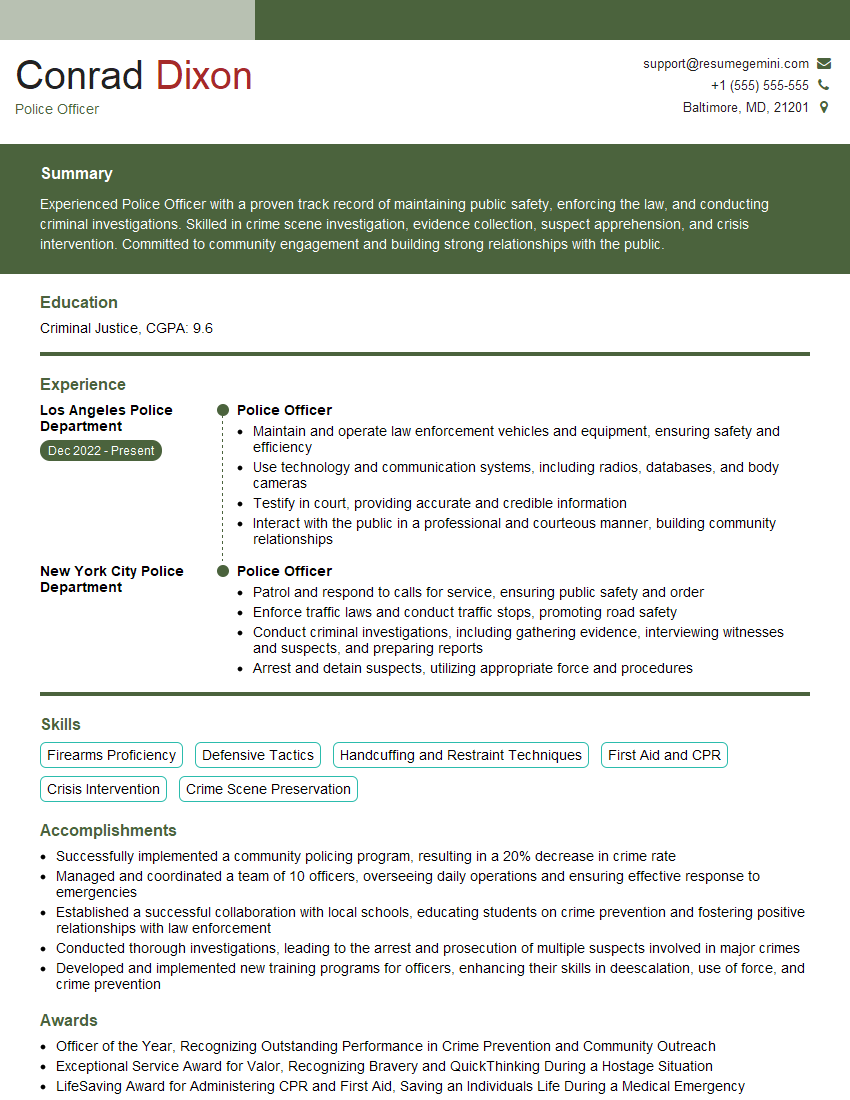
Police Officer Resume Sample
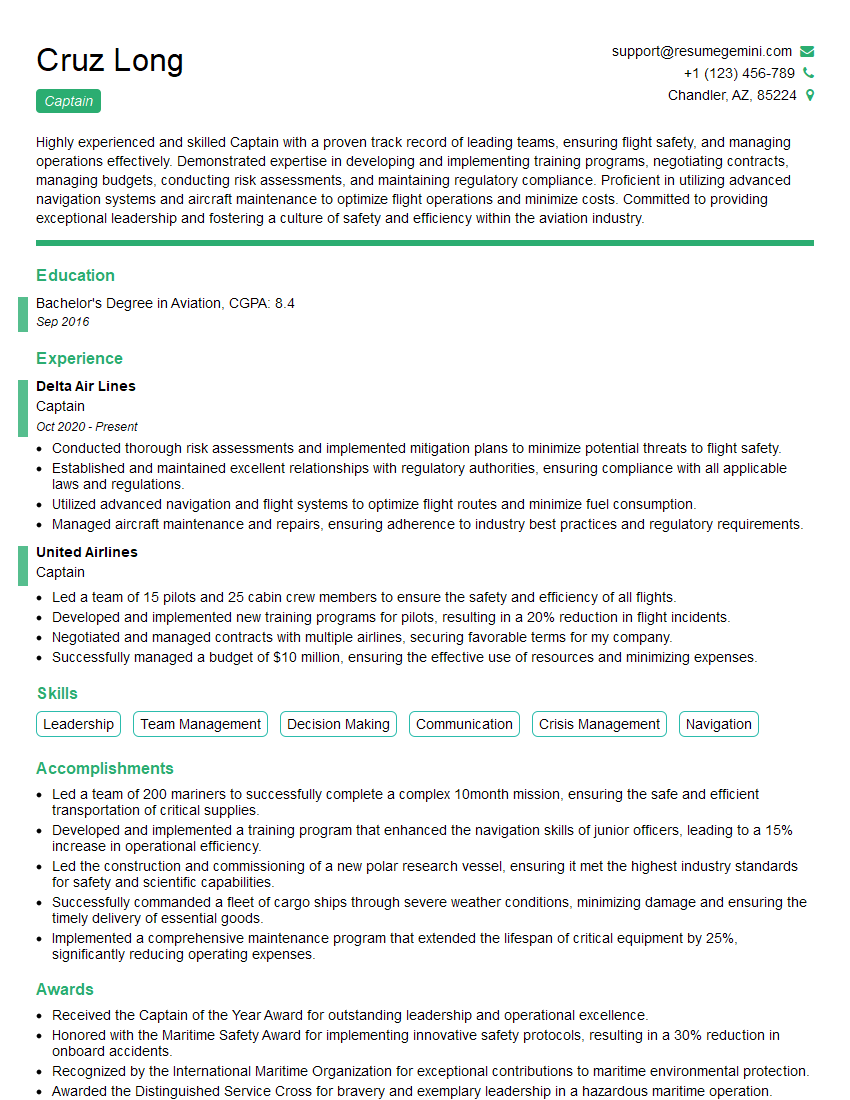
Captain Resume Sample
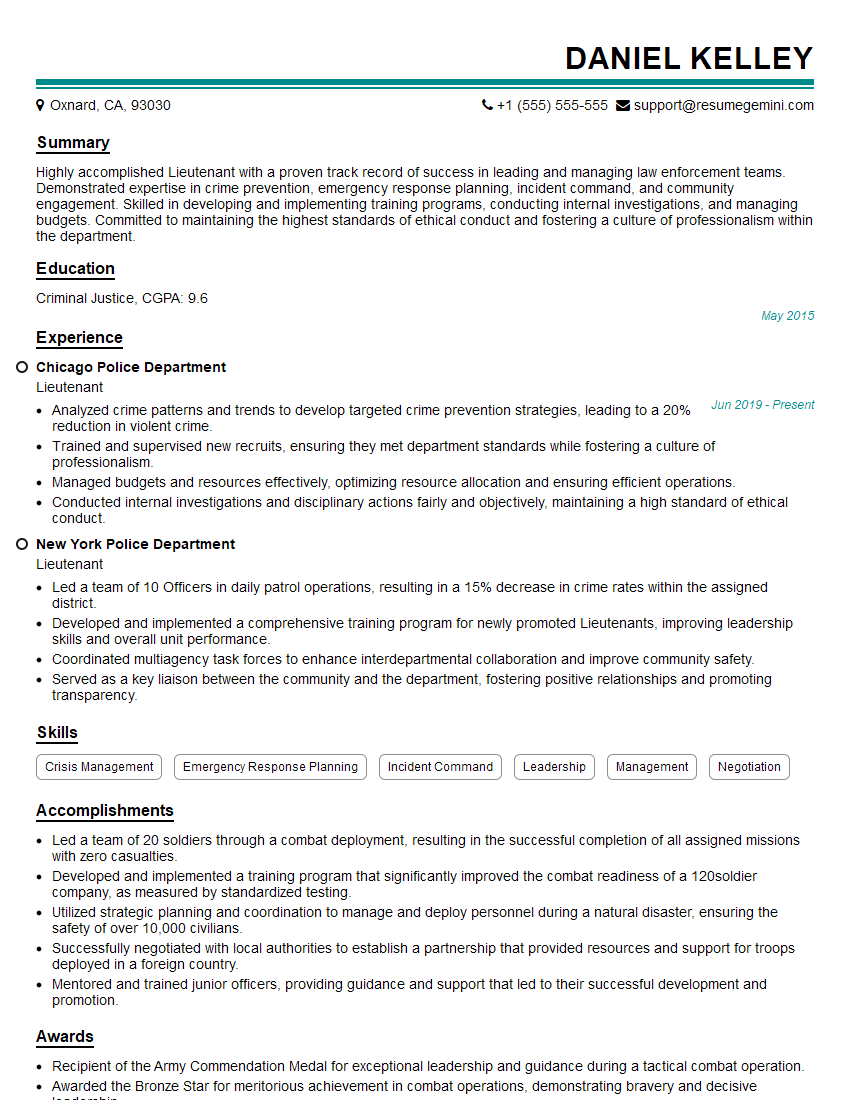
Lieutenant Resume Sample
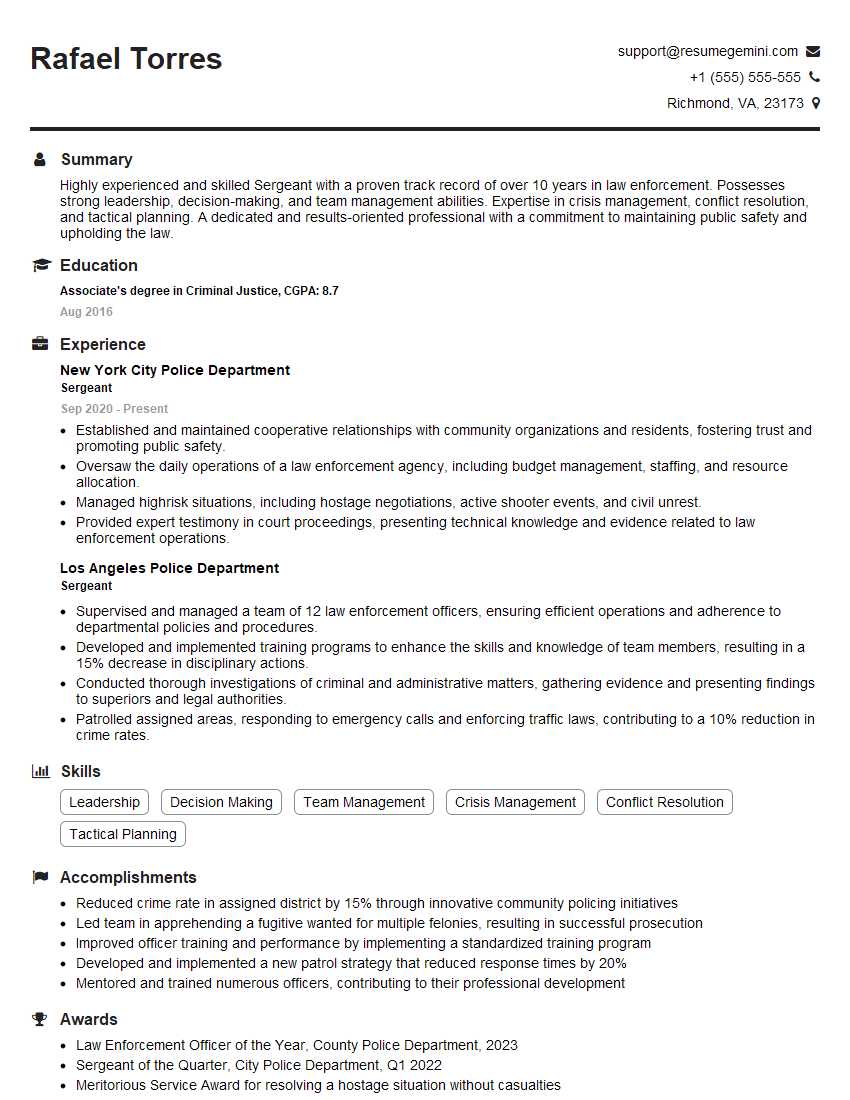
Sergeant Resume Sample
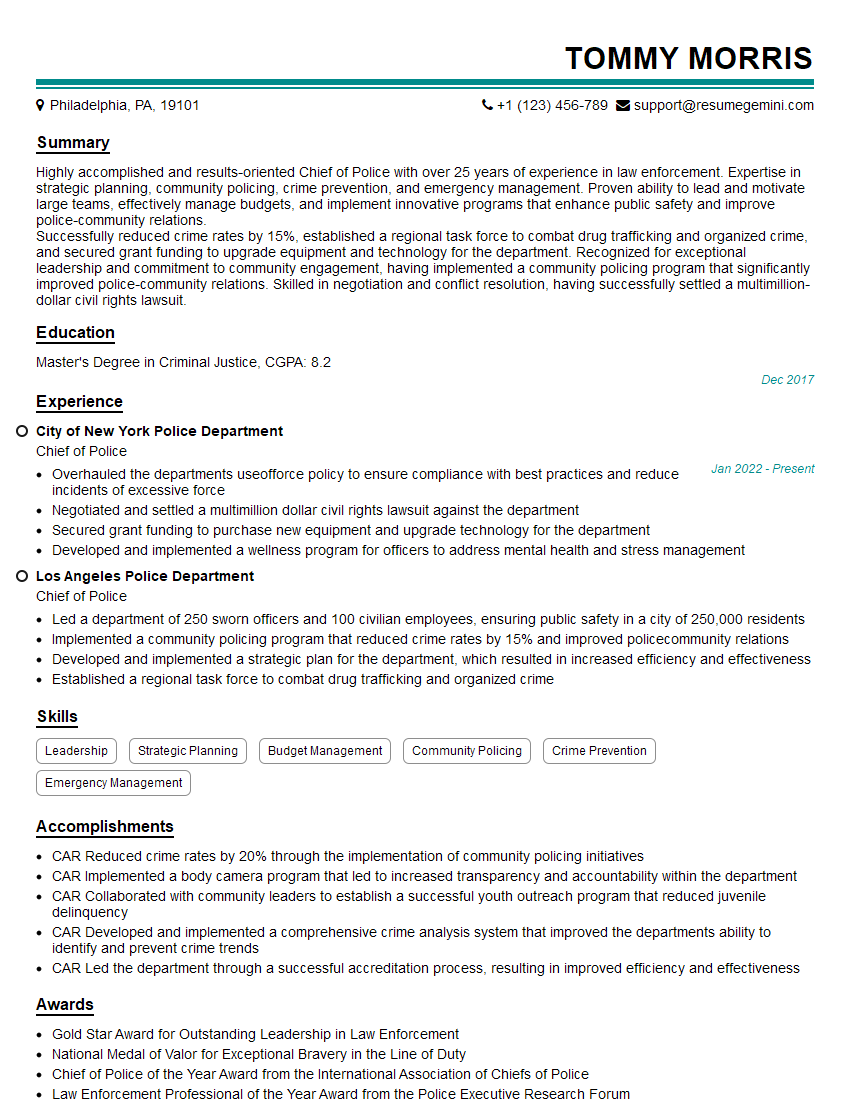
Chief of Police Resume Sample
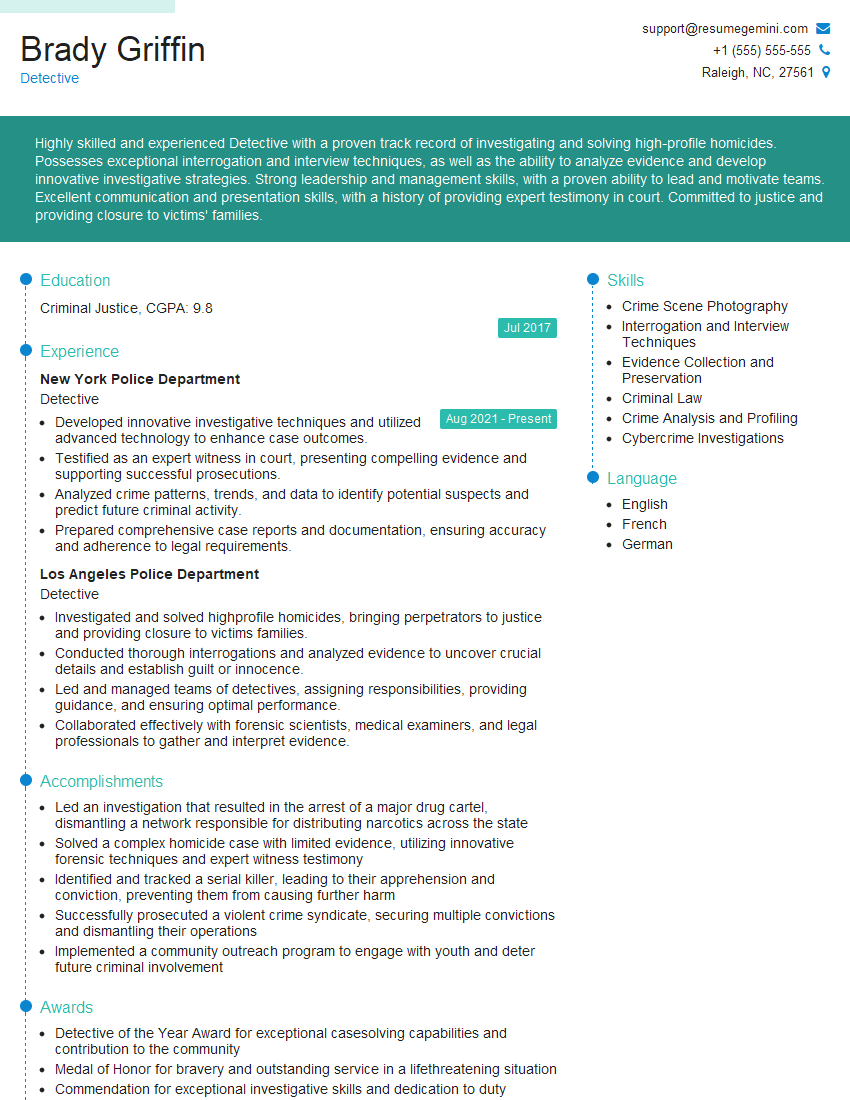
Detective Resume Sample
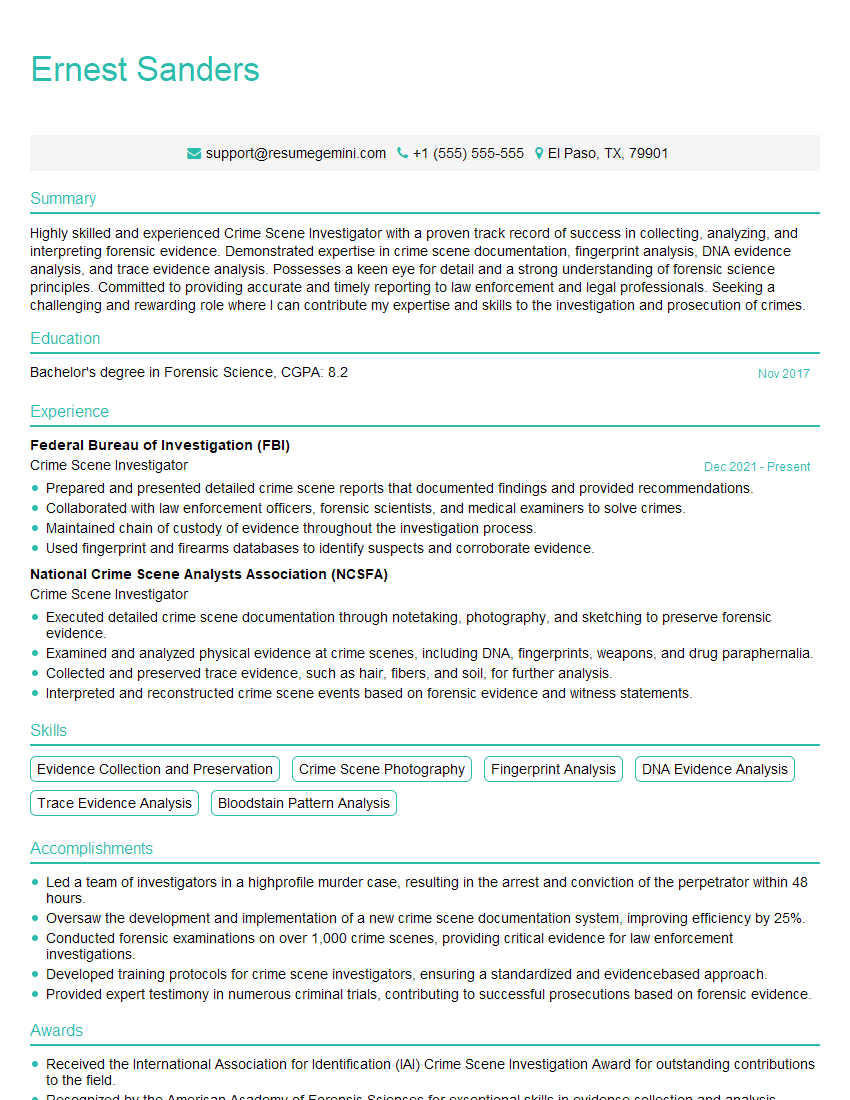
Crime Scene Investigator Resume Sample
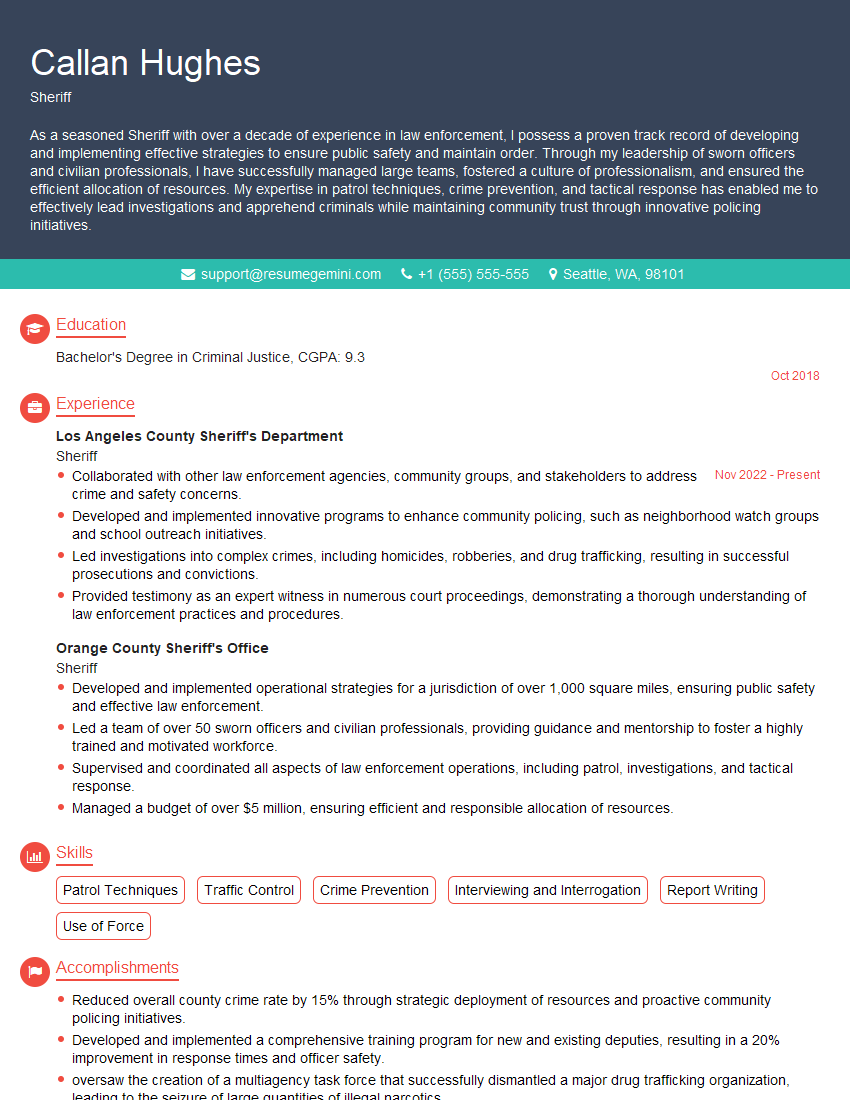
Sheriff Resume Sample
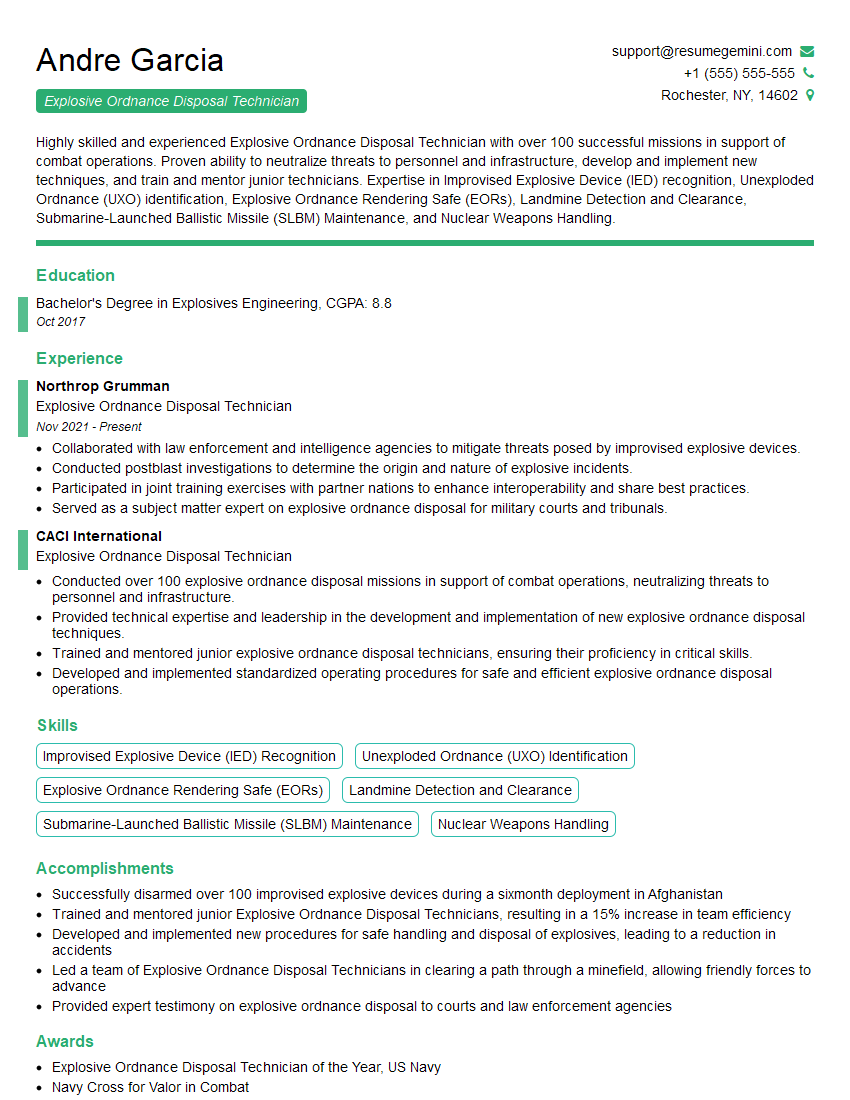
Explosive Ordnance Disposal Technician Resume Sample
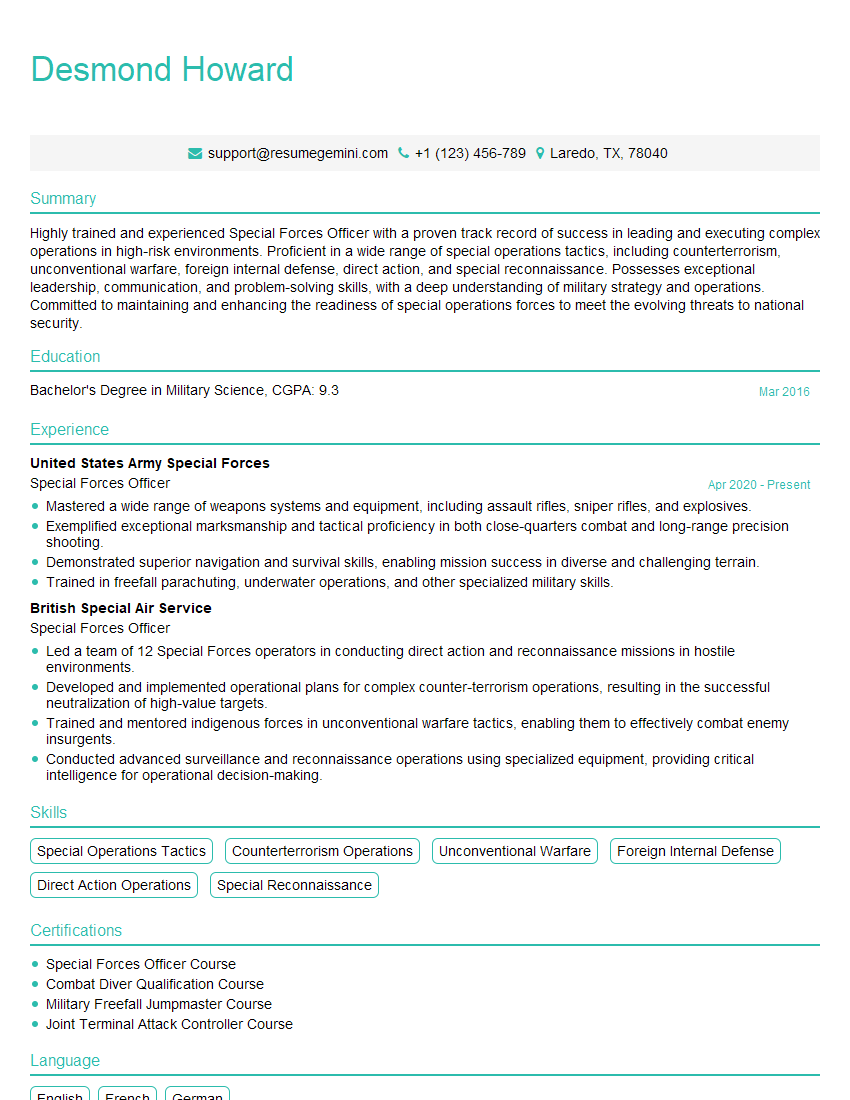
Special Forces Officer Resume Sample
Explore more articles
Users Rating of Our Blogs
Share Your Experience
We value your feedback! Please rate our content and share your thoughts (optional).
What Readers Say About Our Blog
Very informative content, great job.
good