Interviews are opportunities to demonstrate your expertise, and this guide is here to help you shine. Explore the essential Mission Planning and Execution for AirGround Operations interview questions that employers frequently ask, paired with strategies for crafting responses that set you apart from the competition.
Questions Asked in Mission Planning and Execution for AirGround Operations Interview
Q 1. Describe your experience in developing flight plans for complex airground operations.
Developing flight plans for complex airground operations requires a meticulous approach, combining thorough pre-mission planning with adaptability during execution. It’s like orchestrating a symphony – each instrument (aircraft, ground vehicle, personnel) needs precise timing and coordination to achieve the overall objective.
My process begins with a detailed understanding of the mission objectives, which dictates the type of aircraft, necessary sensors, and ground support. I then define the operational area, identifying potential hazards like restricted airspace, terrain challenges, and weather conditions. Next, I determine optimal flight paths, considering factors such as fuel efficiency, communication range, and sensor coverage. This involves using specialized flight planning software, which allows for detailed route planning, including waypoints, altitudes, and speeds. For example, in a search and rescue operation, I would plan flight paths that optimize sensor coverage of the search area while maintaining safe distances from obstacles and considering the potential for wind drift. Finally, the plan incorporates contingency procedures, addressing possible weather disruptions or equipment malfunctions.
I’ve successfully developed flight plans for numerous complex scenarios, including large-scale disaster relief operations requiring coordinated flights of multiple UAVs and manned aircraft, and precision agriculture surveys necessitating close-proximity, low-altitude flights over vast fields.
Q 2. Explain your process for risk assessment and mitigation in mission planning.
Risk assessment and mitigation are paramount in mission planning. It’s about proactively identifying potential problems and devising strategies to minimize their impact, much like a chess player anticipates their opponent’s moves. My process involves a structured approach:
- Hazard Identification: We systematically identify potential hazards – weather (wind, rain, fog), terrain (obstacles, elevation), communication failures, equipment malfunctions, and human factors (pilot error, fatigue).
- Risk Analysis: We assess the likelihood and severity of each hazard, assigning a risk level. This might involve using quantitative methods or qualitative judgments based on experience.
- Mitigation Strategies: For each identified risk, we develop specific mitigation strategies. This could involve selecting alternative flight paths to avoid hazardous weather, implementing redundancy in communication systems, and incorporating safety margins in flight parameters.
- Contingency Planning: We develop detailed contingency plans for various scenarios, including emergency landing procedures, communication failure protocols, and strategies for handling unforeseen events. For instance, a predetermined alternate landing site would be selected in case of a weather emergency.
Regular reviews and updates to the risk assessment are crucial throughout the mission lifecycle to account for changing conditions and new information.
Q 3. How do you ensure effective communication and coordination between air and ground crews?
Effective communication and coordination are the lifeblood of successful airground operations. It’s about creating a seamless flow of information between air and ground crews to ensure everyone is on the same page. Think of it as a well-oiled machine, where each part contributes to the overall function.
We achieve this through a combination of methods:
- Pre-mission Briefings: Thorough briefings ensure all teams understand the mission objectives, roles, and responsibilities, communication protocols, and emergency procedures.
- Real-time Communication Systems: We utilize robust and redundant communication systems such as dedicated radio frequencies, satellite links, and data links to enable real-time exchange of information. For instance, a pilot might relay their real-time location and sensor data to the ground control team, who can then direct the pilot based on evolving situational awareness.
- Standard Operating Procedures (SOPs): Clearly defined SOPs standardize communication practices, ensuring efficient and consistent information exchange, especially during stressful situations.
- Data Sharing Platforms: Platforms that allow for real-time sharing of maps, sensor data, and other relevant information enhance situational awareness for all teams.
Regular communication checks and feedback loops are crucial for maintaining coordination and addressing any emerging issues promptly.
Q 4. What are the key performance indicators (KPIs) you use to measure mission success?
Key Performance Indicators (KPIs) are essential for measuring mission success and identifying areas for improvement. These metrics provide objective measures of performance and inform future mission planning. They vary depending on the mission type, but some common KPIs include:
- Mission Completion Rate: The percentage of missions successfully completed according to the plan.
- Timeliness: The degree to which the mission was completed within the scheduled timeframe.
- Data Quality: The accuracy, completeness, and reliability of the data collected during the mission, especially relevant in tasks like surveying or reconnaissance.
- Safety Record: The number of incidents or accidents during the mission, highlighting the effectiveness of the safety protocols.
- Resource Utilization: The efficiency with which resources (fuel, personnel, equipment) were used.
- Cost-Effectiveness: The overall cost of the mission relative to its outcomes.
By tracking and analyzing these KPIs, we can identify areas of strength and weakness in our operations and make data-driven decisions for future missions.
Q 5. How do you handle unexpected events or emergencies during mission execution?
Handling unexpected events and emergencies requires a calm, decisive, and well-rehearsed response. It’s about adapting the plan on the fly while prioritizing safety. Think of it like navigating a storm; you need to adjust your course based on the changing weather.
Our approach involves:
- Immediate Assessment: Rapidly assess the nature and severity of the emergency.
- Communication: Inform all relevant parties immediately using established communication channels.
- Activation of Contingency Plans: Implement pre-planned contingency procedures designed to mitigate the specific emergency.
- Decision-Making: Make quick, informed decisions based on the available information and risk assessment.
- Post-Incident Analysis: Following the event, conduct a thorough analysis to understand what happened, identify lessons learned, and improve future emergency response.
Regular training exercises and simulations prepare the team to react effectively during unforeseen circumstances, and a strong emphasis on clear communication and teamwork is vital to ensure a swift and effective response.
Q 6. Explain your understanding of airspace regulations and restrictions.
A thorough understanding of airspace regulations and restrictions is fundamental to safe and legal airground operations. These rules are designed to prevent collisions and ensure safety. It’s like following traffic laws – crucial for everyone’s safety and efficient operation.
My understanding encompasses:
- National and International Airspace Classifications: I am familiar with the different airspace classes (e.g., Class A, B, C, D, E, G) and their associated regulations, including altitude restrictions, required flight plans, and communication procedures.
- Temporary Flight Restrictions (TFRs): I am adept at identifying and navigating around TFRs, which are often put in place for events like presidential visits or emergencies.
- Controlled Airspace Procedures: I understand the procedures for operating in controlled airspace, including obtaining clearances, communicating with air traffic control, and adhering to traffic patterns.
- Unmanned Aircraft System (UAS) Regulations: I have extensive knowledge of the specific regulations governing the operation of UAVs, including registration requirements, pilot certifications, and operational limitations.
- Emergency Procedures: I am proficient in emergency procedures related to airspace violations or unexpected events, and understand the reporting requirements to relevant authorities.
Staying up-to-date on the constantly evolving regulations through continuous professional development is crucial for ensuring legal and safe operations.
Q 7. Describe your experience with different types of Unmanned Aerial Vehicles (UAVs).
My experience with Unmanned Aerial Vehicles (UAVs) spans various types and sizes, from small quadcopters used for close-range inspections to larger, fixed-wing UAVs employed for long-range surveillance. Each type presents unique operational characteristics and considerations.
I have worked with:
- Rotary-wing UAVs (Multirotors): These are versatile for tasks requiring precise hovering and maneuverability, such as inspections, photography, and search and rescue. I’m experienced in planning missions optimizing their flight time and payload capacity.
- Fixed-wing UAVs: These are ideal for long-range missions, covering large areas quickly and efficiently, and suitable for tasks such as mapping and surveillance. I’ve used their endurance to plan wide-area coverage with efficient flight paths.
- Hybrid UAVs: Combining features of both rotary and fixed-wing designs, these offer a balance of capabilities for missions requiring both precise maneuvering and extended range.
My experience includes integrating different sensors onto UAV platforms, including high-resolution cameras, LiDAR, and thermal imaging systems, to tailor the capabilities to the specific mission requirements. Each UAV type demands a unique flight planning approach, considering factors such as battery life, wind sensitivity, and payload limitations.
Q 8. How do you integrate sensor data from various sources into a comprehensive situational awareness picture?
Integrating sensor data from diverse sources into a comprehensive situational awareness picture requires a robust data fusion process. Think of it like assembling a puzzle: each sensor provides a piece, but it’s the integration that reveals the whole image. This involves several key steps:
- Data Acquisition: Gathering data from various sensors – radar, lidar, electro-optical/infrared (EO/IR) cameras, acoustic sensors, and even human intelligence reports. Each sensor has its strengths and limitations; radar excels in long-range detection, while EO/IR provides high-resolution imagery.
- Data Preprocessing: Cleaning and preparing the data. This might involve filtering noise, calibrating sensor readings, and converting data into a common format. For instance, converting different coordinate systems into a unified geospatial reference system.
- Data Fusion: Combining data from multiple sources using algorithms that account for uncertainties and sensor limitations. Common fusion techniques include weighted averaging, Kalman filtering, and Bayesian networks. The choice depends on the specific application and data characteristics.
- Visualization: Presenting the fused data in a user-friendly way, often using interactive maps and displays. This is crucial for timely decision-making. A common visualization would include a map displaying the locations of friendly and enemy forces, along with overlays showing sensor data like thermal signatures or radar contacts.
- Validation and Refinement: Continuously verifying the accuracy of the situational awareness picture by comparing it to new sensor data and other intelligence inputs. This iterative process allows for refinement and correction of any errors.
For example, in a search and rescue operation, integrating data from a ground-based thermal camera, an airborne radar, and eyewitness accounts might reveal the exact location of a missing person, even in challenging conditions like dense forest or poor visibility.
Q 9. What are your strategies for optimizing mission efficiency and resource allocation?
Optimizing mission efficiency and resource allocation involves strategic planning and real-time adaptation. We use a multi-faceted approach that includes:
- Route Optimization: Employing algorithms like Dijkstra’s algorithm or A* search to determine the shortest and safest routes for air and ground assets, considering terrain, obstacles, and threat assessments. We account for fuel consumption, travel times, and potential risks.
- Task Allocation: Assigning tasks to assets based on their capabilities and availability. This often involves using linear programming or constraint satisfaction techniques to ensure all objectives are met with minimal resource expenditure.
- Time Scheduling: Creating a detailed timeline for all mission phases, considering dependencies between tasks and potential delays. This ensures a coordinated effort and minimizes idle time.
- Real-time Monitoring and Adjustment: Continuously monitoring the progress of the mission and adapting the plan as needed. This might involve rerouting assets, reassigning tasks, or adjusting schedules in response to unforeseen circumstances, such as bad weather or enemy actions.
- Simulation and Modeling: Using simulations to test different mission plans and resource allocation strategies before deployment. This helps identify potential bottlenecks and optimize the plan before it’s implemented in the real world.
For instance, in a humanitarian aid delivery mission, optimized routing can ensure that supplies reach affected areas quickly and efficiently, saving lives and minimizing losses.
Q 10. Explain your experience with mission debriefing and post-mission analysis.
Mission debriefing and post-mission analysis are critical for continuous improvement. They involve a structured review process to identify successes, failures, and areas for improvement. This typically includes:
- Data Collection: Gathering data from various sources such as flight logs, sensor data, communication records, and participant interviews.
- Timeline Reconstruction: Creating a detailed chronological account of the mission events.
- Performance Evaluation: Assessing the performance of personnel, equipment, and procedures.
- Root Cause Analysis: Identifying the root causes of any problems or shortcomings.
- Lessons Learned: Documenting key insights and recommendations for future missions.
- Dissemination of Findings: Sharing the lessons learned with relevant personnel and organizations to improve future planning and execution.
For example, after a counter-drug operation, a debrief might reveal communication gaps that hindered coordination, leading to recommendations for improved communication protocols and training.
Q 11. How do you ensure data security and integrity throughout the mission lifecycle?
Data security and integrity are paramount throughout the mission lifecycle. We employ a multi-layered approach:
- Data Encryption: Encrypting all sensitive data both in transit and at rest using robust encryption algorithms.
- Access Control: Implementing strict access control measures to restrict access to sensitive data based on the need-to-know principle.
- Data Validation and Integrity Checks: Using checksums and other techniques to ensure data integrity and detect any unauthorized modifications.
- Cybersecurity Measures: Implementing firewalls, intrusion detection systems, and other security measures to protect against cyber threats.
- Data Backup and Recovery: Regularly backing up data to prevent data loss in case of system failures or disasters.
- Compliance with Regulations: Adhering to relevant data security regulations and standards.
For example, during a covert operation, encrypting communication channels and utilizing secure data storage ensures that sensitive information remains confidential and protected from unauthorized access.
Q 12. Describe your experience with using mission planning software.
I have extensive experience using various mission planning software packages, including [mention specific software e.g., Mission Planner, Aegis, etc.]. These tools enable us to create detailed mission plans, simulate various scenarios, and manage complex operations. My experience encompasses:
- Route Planning: Designing optimal flight paths considering terrain, weather conditions, and airspace restrictions.
- Waypoint Management: Defining and managing waypoints for air and ground assets.
- Sensor Management: Integrating sensor data and defining sensor parameters.
- Scenario Simulation: Running simulations to predict mission outcomes and identify potential problems.
- Data Visualization: Utilizing the software’s visualization capabilities to create comprehensive situational awareness pictures.
- Collaboration and Sharing: Using the software’s collaborative features to share mission plans and data with team members.
For example, using such software, I was able to plan a complex urban search and rescue operation, efficiently allocating resources to ensure optimal response times and minimize risk.
Q 13. What are the challenges you’ve faced in coordinating air and ground assets, and how did you overcome them?
Coordinating air and ground assets presents several challenges, primarily stemming from differences in speed, communication capabilities, and operational perspectives. I have overcome these challenges through:
- Clear Communication Protocols: Establishing standardized communication protocols and procedures to ensure efficient information exchange between air and ground teams. This includes using clear and concise language and establishing dedicated communication channels.
- Joint Training and Exercises: Conducting regular joint training exercises to enhance interoperability and build trust between air and ground crews.
- Integrated Command and Control: Implementing integrated command and control systems that provide a common operational picture to all stakeholders. This allows for better coordination and decision-making.
- Adaptive Planning: Developing flexible mission plans that can adapt to unforeseen circumstances, such as unexpected changes in the operational environment or equipment malfunctions.
- Conflict Resolution Mechanisms: Establishing clear procedures for resolving conflicts that may arise between air and ground teams.
In one instance, during a wildfire suppression operation, a delay in communication between air tankers and ground crews almost resulted in a dangerous situation. By implementing a new, more robust communication system and conducting refresher training on standard operating procedures, we prevented similar incidents in the future.
Q 14. Explain your understanding of various communication protocols used in airground operations.
Understanding various communication protocols is crucial for seamless air-ground operations. Different protocols cater to varying needs in terms of bandwidth, range, security, and latency. My experience includes using:
- VHF/UHF Radio: Widely used for short to medium-range communication, offering reliable voice communication, often supplemented by data modems for limited data transmission.
- Satellite Communication (SATCOM): Essential for long-range and beyond-line-of-sight communication, providing voice and data links but usually at higher cost and latency.
- Data Link Systems (e.g., Link 16): Advanced data links enabling secure, high-bandwidth communication of tactical data between air and ground units, allowing for real-time situational awareness sharing.
- Cellular Networks (4G/5G): Increasingly utilized for data transmission where coverage is available, offering potentially higher bandwidth than traditional radio systems.
The selection of appropriate communication protocols depends on the specific mission requirements, the geographic location, and the availability of infrastructure. In many operations, a combination of protocols is used to ensure redundancy and robustness.
Q 15. Describe a situation where you had to make a critical decision under pressure during a mission.
During a search and rescue operation in mountainous terrain, a sudden blizzard reduced visibility to near zero. We were already several hours into the mission, with the ground team reporting a critically injured hiker. The original flight plan relied on visual navigation, but this was now impossible. My decision was to deviate from the plan, utilizing the onboard weather radar and GPS to navigate to the ground team’s last known position. This was risky, as it meant flying in challenging conditions and potentially exceeding our fuel limits. However, I assessed that the risk of delay causing further harm to the injured hiker outweighed the risk to our crew. We successfully reached the ground team, allowing for the evacuation of the hiker.
This situation highlighted the importance of quick decision-making, risk assessment, and adaptability in dynamic environments. It reinforced my understanding of the trade-offs involved when prioritizing the mission’s primary objective (saving lives) even if it meant deviating from the pre-planned route.
Career Expert Tips:
- Ace those interviews! Prepare effectively by reviewing the Top 50 Most Common Interview Questions on ResumeGemini.
- Navigate your job search with confidence! Explore a wide range of Career Tips on ResumeGemini. Learn about common challenges and recommendations to overcome them.
- Craft the perfect resume! Master the Art of Resume Writing with ResumeGemini’s guide. Showcase your unique qualifications and achievements effectively.
- Don’t miss out on holiday savings! Build your dream resume with ResumeGemini’s ATS optimized templates.
Q 16. How do you manage conflicts or disagreements within the mission team?
Conflict resolution is crucial in mission planning and execution. My approach focuses on open communication and collaborative problem-solving. When disagreements arise, I facilitate a structured discussion where each team member can express their concerns and perspectives. We use a method focusing on identifying the root cause of the conflict, not assigning blame. We brainstorm solutions together, prioritizing the mission’s objectives and safety protocols. Sometimes, we utilize a weighted decision-making matrix, objectively scoring different options based on factors like risk, efficiency, and resource availability. If necessary, I will mediate, ensuring everyone feels heard and that a final decision is reached that aligns with overall mission success and safety.
For example, if a pilot disagrees with a ground team’s proposed landing zone due to potential hazards, we will discuss the pilot’s concerns and the ground team’s rationale. We may then consider alternative landing zones, evaluate potential risks, and agree upon the safest and most efficient option, documenting the final decision and the reasons behind it.
Q 17. What are your strategies for maintaining a high level of situational awareness?
Maintaining high situational awareness involves a multi-layered approach that combines technology and human factors. I constantly monitor various data sources: real-time flight data from the aircraft, weather reports, GPS coordinates, communication updates from the ground team, and intelligence reports (if applicable). I leverage technology like flight management systems, weather radar, and mapping software to build a comprehensive picture of the operational environment. Furthermore, I practice good communication with the crew, regularly briefing them on changes in the situation and encouraging them to report any observations or concerns.
Think of it like conducting an orchestra. Each musician (team member, system, data source) plays a role in the overall performance. To achieve a harmonious outcome, I need to monitor each instrument, anticipate potential challenges, and adjust accordingly. Regularly updating the team ensures everyone is on the same page and able to react effectively to any change.
Q 18. How do you ensure compliance with all relevant safety regulations and procedures?
Compliance with safety regulations and procedures is paramount. Our mission planning meticulously integrates all relevant regulations, such as FAA regulations, national airspace rules, and company-specific safety protocols. Pre-flight checks are rigorously performed to ensure all systems are functioning correctly. Flight plans are filed in accordance with regulatory requirements, and all flight crew members are thoroughly briefed on the safety procedures relevant to the specific mission. Throughout the mission, we maintain detailed logs of all activities and any deviations from the plan, and these are reviewed post-mission for continuous improvement and identifying potential areas needing adjustments.
For instance, before every flight, we perform a thorough aircraft inspection, documenting every step. This includes checking fuel levels, engine performance, communication systems, and emergency equipment. Any identified issues are addressed before flight authorization.
Q 19. Describe your experience with pre-flight checks and maintenance procedures.
My experience with pre-flight checks and maintenance procedures is extensive. I’m proficient in both visual and technical inspections, ensuring the airworthiness of the aircraft. This involves checking all essential systems, including engine, flight controls, navigation equipment, and communication systems. I understand the importance of meticulous documentation and adherence to maintenance schedules to prevent potential malfunctions during the mission. I have experience collaborating with maintenance personnel to resolve any identified issues, ensuring all repairs are done to the highest safety standards.
I’m familiar with checklists for various aircraft types and actively participate in ongoing maintenance training to remain updated on the latest procedures and technologies. The checklists provide a structured approach, minimizing the risk of overlooking critical steps.
Q 20. How do you adapt your mission plans to changing weather conditions or other unforeseen circumstances?
Adapting to changing weather conditions or unforeseen circumstances is a core competency in airground operations. Our mission plans are designed to be flexible and incorporate contingency plans for various scenarios. We utilize real-time weather data to monitor conditions and adjust the flight plan accordingly. This may involve changing the flight route, delaying the mission, or even diverting to an alternate location. If unexpected events occur, we employ a structured decision-making process, evaluating risks, considering available resources, and choosing the best course of action based on safety and mission objectives. The crew is actively involved in this process, providing insights based on their expertise and experience.
For example, if we encounter unexpected turbulence, we would adjust altitude to minimize exposure and potentially reroute to avoid the turbulent air mass. This would involve communication with air traffic control and updating the ground team on the changed plan.
Q 21. Explain your experience with integrating different technologies and systems into airground operations.
Integrating different technologies and systems is crucial for efficient and safe airground operations. My experience includes integrating various systems, such as flight management systems (FMS), satellite communication systems, unmanned aerial vehicles (UAVs), and ground-based tracking and communication systems. I understand how these systems interact and the importance of data compatibility and seamless information flow. I have worked with teams to develop and implement integrated solutions that optimize communication, data sharing, and decision-making throughout the mission lifecycle.
For example, integrating UAVs into a search and rescue operation would involve coordinating their flight paths with manned aircraft, using their imagery to provide ground teams with real-time updates on the terrain and the location of the missing person. This requires careful planning, communication protocols and precise timing to ensure all systems work together harmoniously.
Q 22. How do you ensure the confidentiality of sensitive mission information?
Maintaining the confidentiality of sensitive mission information is paramount in airground operations. It requires a multi-layered approach encompassing strict adherence to security protocols and the implementation of robust technological safeguards.
- Need-to-Know Basis: Information is shared only with personnel directly involved in the mission and possessing the appropriate security clearance. This minimizes the risk of accidental disclosure.
- Secure Communication Channels: We utilize encrypted communication systems, such as secure voice and data links, to protect sensitive information during transmission. This prevents unauthorized interception and decryption.
- Data Encryption: All sensitive data, including mission plans, flight logs, and intelligence reports, are encrypted both at rest and in transit. Strong encryption algorithms are employed to ensure data integrity and confidentiality. For example, we might use AES-256 encryption for storing data on secure servers and TLS 1.3 for secure communication over networks.
- Secure Document Handling: Physical documents containing sensitive information are handled according to strict procedures, including secure storage, controlled access, and proper disposal methods. This often includes the use of secure containers and shredders.
- Regular Security Audits and Training: We conduct regular security audits to identify and address potential vulnerabilities in our systems and processes. Furthermore, personnel receive ongoing training on security protocols and best practices to reinforce their understanding and responsibility in protecting sensitive information.
For instance, during a recent counter-narcotics operation, all communication related to target coordinates and tactical maneuvers were exclusively handled through our encrypted satellite communication system. This ensured that sensitive information remained confidential throughout the mission.
Q 23. What are your strategies for managing stress and fatigue in demanding operational environments?
Managing stress and fatigue in demanding operational environments is crucial for mission success and the well-being of the team. It’s a holistic approach that combines proactive measures with responsive strategies.
- Prioritization and Planning: Effective mission planning minimizes unexpected events and reduces the pressure of last-minute problem-solving. Prioritizing tasks and establishing realistic timelines helps prevent burnout.
- Adequate Rest and Recuperation: Sufficient sleep, regular breaks during missions, and opportunities for rest are essential. We ensure that personnel adhere to strict rest protocols to avoid fatigue-induced errors.
- Team Support and Communication: Open communication channels within the team allow personnel to express concerns and share the workload. Mutual support fosters a sense of camaraderie and resilience.
- Stress Management Techniques: We encourage the use of proven stress management techniques, such as mindfulness, breathing exercises, and physical activity, to help individuals cope with stressful situations.
- Debriefing and Psychological Support: Post-mission debriefings provide a platform for addressing challenges and lessons learned. Psychological support services are available to address any potential emotional or psychological impact of demanding operations.
For example, during a long-duration search and rescue mission, we implemented scheduled rest periods and rotated personnel to ensure everyone had adequate time for sleep and recovery. This prevented fatigue and maintained optimal performance throughout the mission.
Q 24. How do you contribute to a positive and collaborative team environment?
Contributing to a positive and collaborative team environment is fundamental to effective mission planning and execution. It involves fostering open communication, mutual respect, and shared responsibility.
- Active Listening and Empathy: I actively listen to my team members’ ideas and concerns, demonstrating empathy and respect for their perspectives. This encourages open dialogue and shared decision-making.
- Clear and Concise Communication: I ensure that communication is clear, concise, and easily understood by all team members, regardless of their background or technical expertise. This minimizes misunderstandings and enhances coordination.
- Delegation and Empowerment: I delegate tasks effectively, empowering team members to take ownership of their responsibilities. This fosters a sense of responsibility and accountability within the team.
- Conflict Resolution: I proactively address conflicts within the team, facilitating constructive dialogue and finding mutually agreeable solutions. This maintains a positive and harmonious working environment.
- Recognition and Appreciation: I recognize and appreciate the contributions of each team member, both individually and collectively. This boosts morale and strengthens team cohesion.
In one particular instance, a conflict arose between the pilots and the ground crew regarding the pre-flight checklist. By facilitating open communication and finding a common understanding, we improved the checklist and strengthened the collaboration between the two teams. This led to improved mission efficiency and safety.
Q 25. Describe your experience with using different mapping and navigation tools.
My experience with mapping and navigation tools is extensive, encompassing various systems tailored to different operational needs.
- Geographic Information Systems (GIS): I’m proficient in using GIS software such as ArcGIS and QGIS for creating and analyzing maps, integrating diverse datasets (e.g., terrain data, imagery, sensor data), and planning optimal routes.
- Digital Terrain Models (DTMs) and Digital Elevation Models (DEMs): I utilize DTMs and DEMs to understand terrain features, assess potential risks, and plan safe and efficient flight paths. This ensures avoidance of obstacles and efficient fuel consumption.
- Navigation Systems: I’m experienced with various navigation systems, including GPS, inertial navigation systems (INS), and integrated systems that combine GPS and INS for enhanced accuracy and reliability. Understanding their limitations and strengths is crucial.
- Tactical Navigation Software: I’ve used specialized tactical navigation software designed for airground operations, providing real-time situational awareness, route planning, and coordination with ground assets.
- Electronic Charts and Moving Map Systems: I have considerable experience using electronic charts and moving map systems integrated into aircraft cockpits, providing real-time position updates and navigational guidance.
For example, during a complex search and rescue mission in a mountainous region, we used high-resolution DEMs to identify safe landing zones and plan the most efficient flight paths, avoiding treacherous terrain features.
Q 26. What are your strategies for optimizing fuel efficiency and reducing environmental impact?
Optimizing fuel efficiency and reducing environmental impact are critical considerations in airground operations. This involves a multi-pronged approach.
- Route Optimization: Careful route planning using advanced mapping and navigation tools minimizes unnecessary flight distance and altitude changes, reducing fuel consumption. This may involve using shortest path algorithms, considering wind conditions, and choosing optimal altitudes.
- Flight Profile Optimization: Adjusting airspeed and altitude based on atmospheric conditions (wind, temperature) can significantly improve fuel efficiency. Proper aircraft weight management also plays a key role.
- Aircraft Maintenance: Regular aircraft maintenance ensures optimal engine performance and minimizes fuel waste caused by mechanical inefficiencies. This includes timely inspections and repairs.
- Sustainable Aviation Fuels (SAF): We actively explore and utilize SAFs where available, reducing reliance on fossil fuels and lowering greenhouse gas emissions. Researching and advocating for the use of SAF is important.
- Environmental Impact Assessments: Conducting environmental impact assessments before missions helps identify potential environmental risks and mitigate them, such as minimizing noise pollution and avoiding sensitive ecosystems.
In a recent operation, we used sophisticated flight planning software to optimize the flight profile, taking into account wind patterns and terrain characteristics. This resulted in a 15% reduction in fuel consumption compared to previous missions using less optimized routes.
Q 27. Explain your understanding of different types of communication links used in airground operations.
Understanding different communication links in airground operations is crucial for effective coordination and mission success. These links vary in range, bandwidth, security, and reliability.
- Line-of-Sight (LOS) Radio: Used for short-range, direct communication between aircraft and ground stations. Simple, but range is limited by terrain and obstructions. Examples include VHF/UHF radios.
- Satellite Communication (SATCOM): Provides long-range, wide-area coverage, enabling communication beyond the line of sight. Offers greater bandwidth than LOS radio but is more expensive and susceptible to interference.
- Cellular Networks (3G/4G/5G): Offer ubiquitous coverage in populated areas, providing a convenient and relatively inexpensive option for data and voice communication. Bandwidth can vary significantly, and security considerations must be addressed.
- Data Links: These are high-bandwidth links used for the transmission of large amounts of data, such as imagery, sensor data, and mission information. Examples include Link-16 and similar systems.
- HF Radio: Used for long-range communication, particularly over oceans or remote areas. Prone to interference and propagation challenges, requiring skilled operators.
For example, during a wildfire suppression operation, we used SATCOM for long-range communication with the command center, cellular networks for local coordination, and a data link for real-time transmission of aerial imagery to ground crews.
Q 28. How do you incorporate lessons learned from past missions into future planning and execution?
Incorporating lessons learned from past missions is vital for continuous improvement in mission planning and execution. This is a systematic process involving thorough debriefings, data analysis, and process adjustments.
- Post-Mission Debriefings: Comprehensive post-mission debriefings provide a forum for identifying successes, failures, and areas for improvement. These involve all team members to gather diverse perspectives.
- Data Analysis: We analyze data from past missions, including flight logs, sensor data, communication records, and feedback from personnel to identify patterns and trends. This might involve statistical analysis, simulation, or other methods.
- Process Improvement: Based on the findings from debriefings and data analysis, we improve our standard operating procedures (SOPs), training programs, and technology to address identified weaknesses and enhance operational efficiency.
- Scenario Planning: We use past experiences to develop realistic scenarios for training exercises and future mission planning, allowing personnel to practice handling various challenges and contingencies.
- Documentation and Knowledge Sharing: Lessons learned are meticulously documented and shared across the organization, fostering a culture of continuous improvement and avoiding the repetition of past mistakes.
For instance, after experiencing communication difficulties during a previous mission due to terrain blockage, we implemented a redundant communication system using both satellite and line-of-sight radios in our subsequent operations. This ensured communication resilience in challenging environments.
Key Topics to Learn for Mission Planning and Execution for AirGround Operations Interview
- Mission Analysis & Planning: Understanding the mission objectives, constraints, and available resources. This includes analyzing threat assessments and developing contingency plans.
- Route Planning & Navigation: Practical application of geographical information systems (GIS), flight planning software, and understanding airspace regulations to determine optimal flight paths and safe operational altitudes.
- Air-Ground Coordination: Effective communication protocols and procedures for seamless collaboration between air and ground crews, including emergency response planning.
- Risk Assessment & Mitigation: Identifying potential hazards (weather, terrain, enemy activity) and developing strategies to mitigate risks, ensuring mission safety and success.
- Resource Management: Optimizing the allocation of personnel, equipment, and supplies to maximize mission effectiveness within budgetary and logistical constraints.
- Post-Mission Debriefing & Analysis: Conducting thorough reviews to identify areas for improvement in future missions, including lessons learned and best practices.
- Emergency Procedures & Contingency Planning: Developing and practicing protocols for unexpected situations, ensuring rapid and effective response to unforeseen challenges.
- Communication Systems & Technologies: Familiarity with various communication platforms and technologies used in air-ground operations, understanding their limitations and capabilities.
- Legal and Regulatory Compliance: Understanding and adhering to all relevant national and international regulations governing air-ground operations.
Next Steps
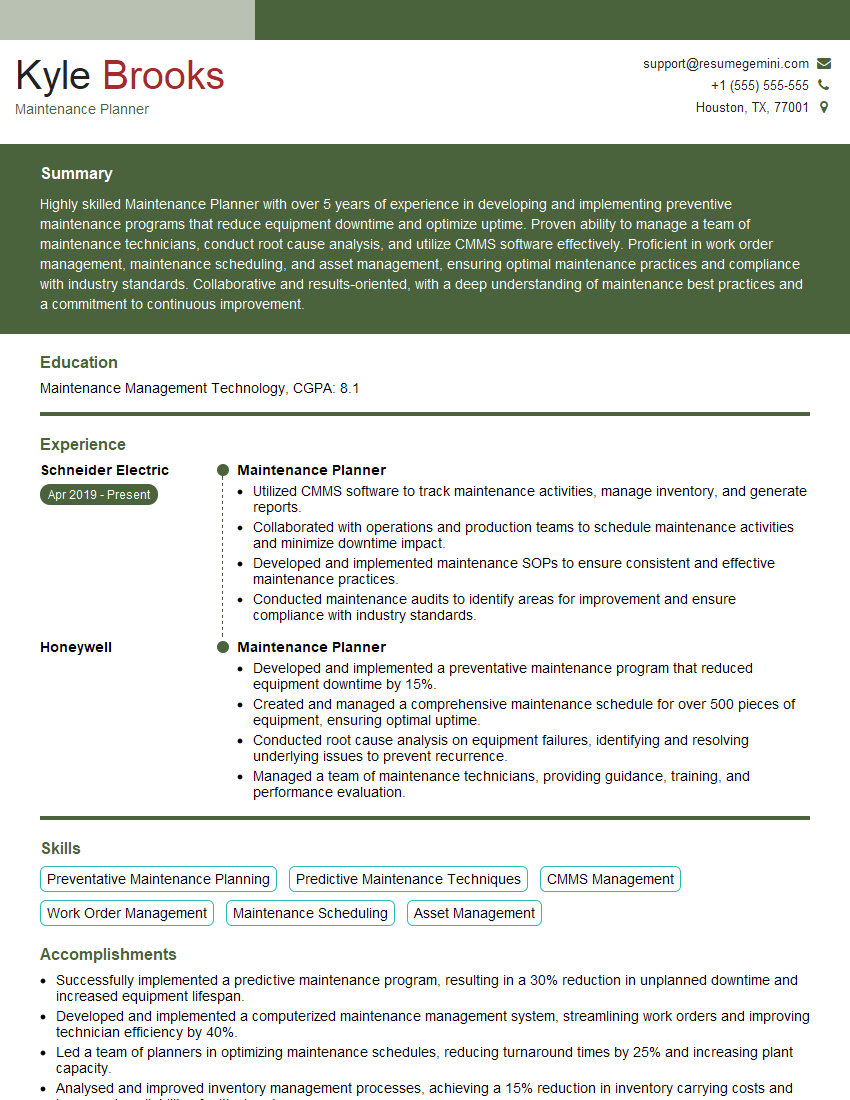
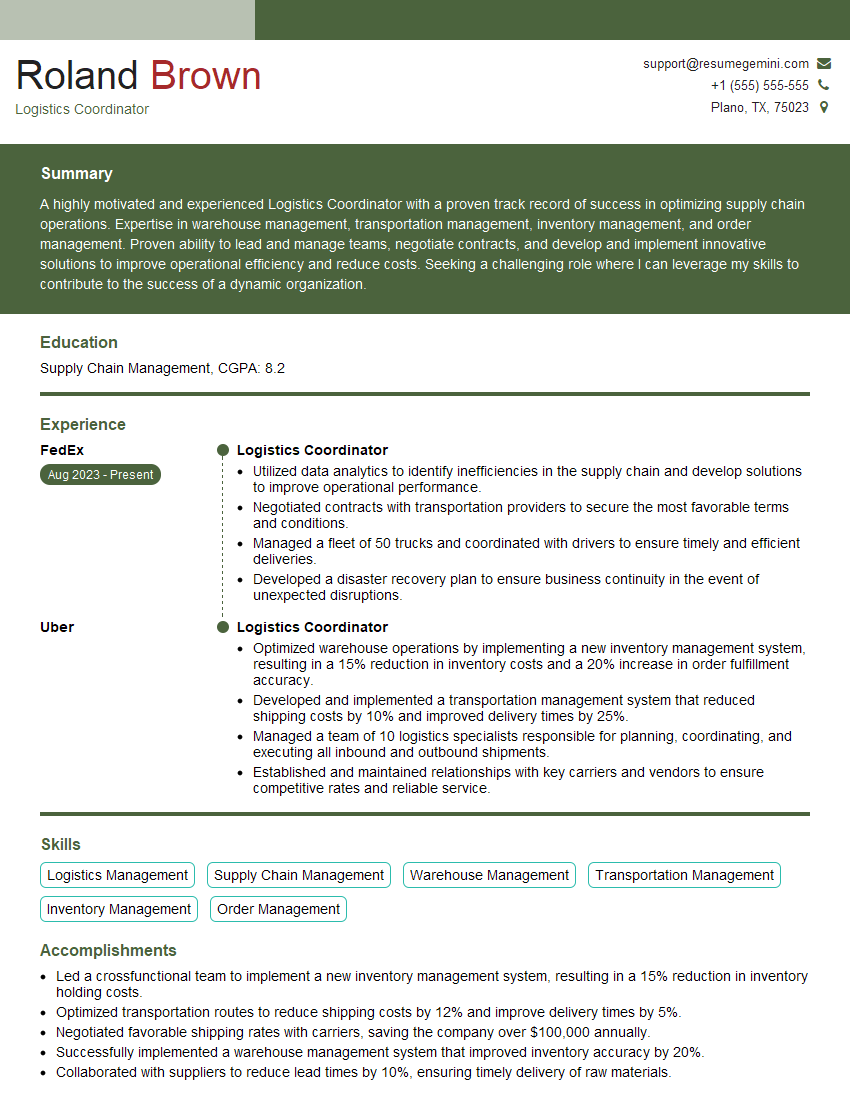
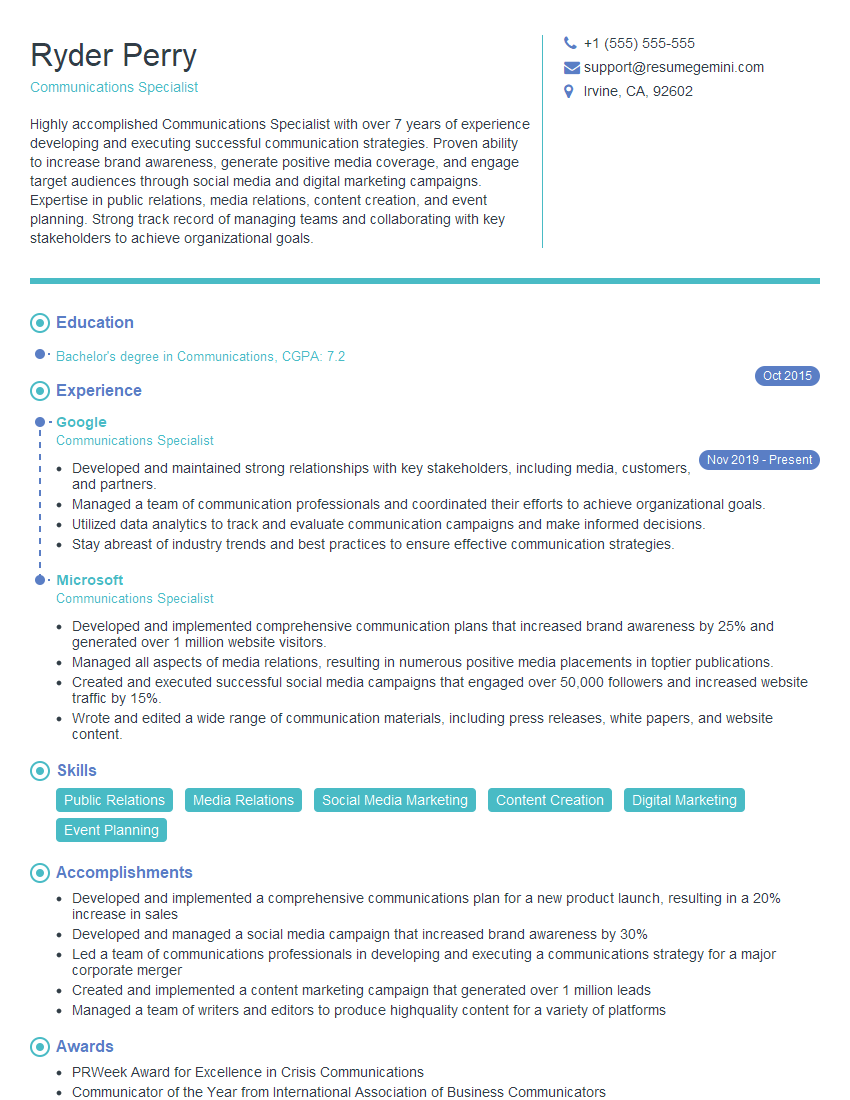
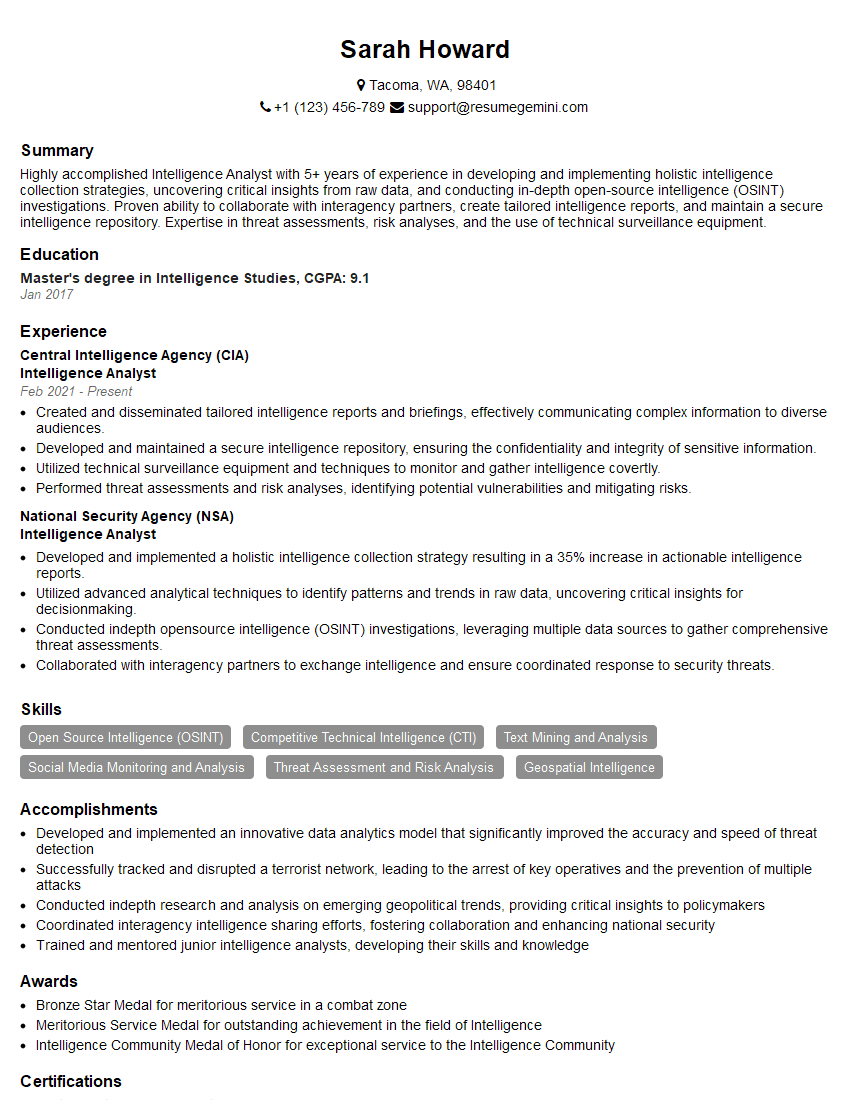
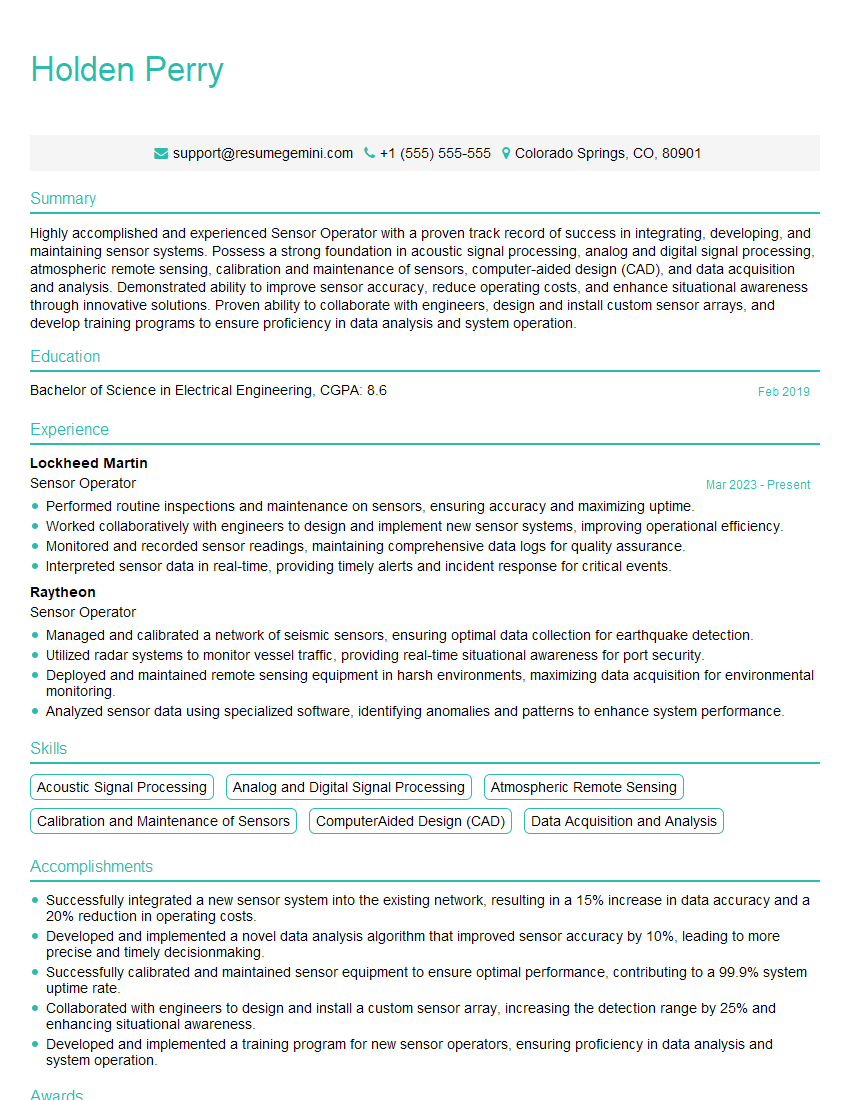
Mastering Mission Planning and Execution for AirGround Operations opens doors to exciting career advancements and leadership opportunities within the aviation and defense sectors. A strong resume is crucial for showcasing your skills and experience to potential employers. Creating an ATS-friendly resume significantly increases your chances of getting noticed by recruiters. ResumeGemini is a trusted resource to help you build a professional and impactful resume that highlights your unique qualifications. Examples of resumes tailored to Mission Planning and Execution for AirGround Operations are available to guide you in this process.
Explore more articles
Users Rating of Our Blogs
Share Your Experience
We value your feedback! Please rate our content and share your thoughts (optional).
What Readers Say About Our Blog
Very informative content, great job.
good