The thought of an interview can be nerve-wracking, but the right preparation can make all the difference. Explore this comprehensive guide to National Strength and Conditioning Association Certified Strength and Conditioning Specialist (CSCS) interview questions and gain the confidence you need to showcase your abilities and secure the role.
Questions Asked in National Strength and Conditioning Association Certified Strength and Conditioning Specialist (CSCS) Interview
Q 1. Explain the difference between linear and non-linear periodization.
Periodization is the strategic manipulation of training variables (volume, intensity, frequency) over time to optimize performance and minimize risk of injury. Linear periodization follows a systematic, gradual increase in training intensity over time, while non-linear periodization utilizes variations in training intensity and volume within shorter microcycles, creating fluctuations rather than a continuous linear progression.
Think of it like this: linear periodization is like climbing a steadily rising hill – a consistent, predictable ascent. Non-linear periodization is more like climbing a mountain with varied terrain – some steep climbs, some gentler slopes, providing both high-intensity periods and recovery periods within a smaller training block.
- Linear Periodization: A classic example is a strength training program that gradually increases the weight lifted over several weeks, culminating in a peak performance period. The athlete might start with lighter weights and higher reps, slowly progressing to heavier weights and lower reps over time.
- Non-linear Periodization: An example would be a program that alternates between high-intensity, low-volume workouts and low-intensity, high-volume workouts within a week. This approach allows for both strength development and recovery, preventing overtraining. A powerlifter might have a heavy squat day followed by a lighter accessory day, then a heavy deadlift day.
The choice between linear and non-linear depends on factors such as the athlete’s training experience, the sport’s demands, and the length of the training cycle. Linear periodization is often suitable for beginners, while non-linear periodization may be more effective for experienced athletes or those in sports with frequent competitions.
Q 2. Describe the principles of overload, progression, and specificity in training.
The principles of overload, progression, and specificity are foundational to effective strength and conditioning programming. They work synergistically to promote optimal adaptations and performance improvements.
- Overload: This principle states that to improve, the athlete must consistently challenge their physical capabilities beyond their current level. This can be achieved by increasing the training load (weight, resistance), repetitions, sets, or the frequency of training. Imagine a weightlifter gradually increasing the weight they lift on their bench press; this is a classic example of applying the overload principle.
- Progression: This refers to the systematic and gradual increase in training stress over time. Simply put, you can’t stay at the same level of training forever and expect to keep improving. Progression ensures the training stimulus continues to challenge the athlete and prevent plateaus. This principle builds upon overload, ensuring the athlete is consistently challenged, but at a manageable rate.
- Specificity: This principle emphasizes the importance of tailoring training to the specific demands of the athlete’s sport or activity. The training exercises selected should mimic the movements and energy systems used in competition. For example, a marathon runner would focus on endurance training, while a sprinter would prioritize high-intensity interval training.
These three principles are interconnected. Overload provides the stimulus for adaptation; progression ensures that the stimulus continually challenges the athlete; and specificity ensures the adaptations are relevant to the desired outcome.
Q 3. What are the common adaptations to resistance training?
Resistance training elicits numerous physiological adaptations, primarily focused on enhancing muscle function and performance. Key adaptations include:
- Increased Muscle Size (Hypertrophy): Resistance training stimulates muscle fiber growth, leading to an increase in muscle mass.
- Increased Muscle Strength: Training strengthens the neuromuscular connection, improving the efficiency of force production.
- Increased Bone Density: Weight-bearing exercises stimulate bone growth, reducing the risk of osteoporosis.
- Improved Metabolic Function: Resistance training can improve insulin sensitivity and lipid profile.
- Increased Tendon and Ligament Strength: Improved strength of connective tissues decreases the risk of injury.
- Enhanced Anaerobic Capacity: The ability to produce energy without oxygen improves with high-intensity training.
The extent of these adaptations depends on various factors including the training program, individual genetics, nutrition, and recovery.
Q 4. How do you assess an athlete’s readiness for training?
Assessing an athlete’s readiness for training requires a holistic approach, considering several key factors:
- Medical History: Reviewing the athlete’s medical history, including any injuries or illnesses, is crucial to identify potential limitations and prevent further harm.
- Physical Assessment: Conducting a thorough physical assessment, including range of motion, flexibility, and posture assessment, helps identify any musculoskeletal imbalances.
- Fitness Testing: Utilizing relevant tests (e.g., 1RM testing, VO2 max testing) provides a baseline measure of the athlete’s current fitness level.
- Psychological Assessment: Evaluating the athlete’s mental state, motivation, and adherence levels is essential for a successful training program.
- Recovery Monitoring: Tracking sleep quality, heart rate variability, and perceived exertion provides insight into recovery status.
Using a combination of these assessments allows the strength and conditioning specialist to design a safe and effective program tailored to the individual athlete’s needs and capabilities. Ignoring any of these steps could lead to overtraining, injury, or lack of progress.
Q 5. Explain the different energy systems and their relevance to training.
Three primary energy systems fuel athletic performance: the phosphagen system, the glycolytic system, and the oxidative system. Understanding their roles is critical for effective training program design.
- Phosphagen System (ATP-PCr): This system provides immediate energy for short, high-intensity bursts of activity (e.g., sprinting, weightlifting). It’s fueled by stored ATP and creatine phosphate, and is depleted quickly (less than 10 seconds). Training focused on maximal strength and power should emphasize this system.
- Glycolytic System: This system produces energy through the breakdown of carbohydrates (glucose). It supports activities lasting from 10 seconds to approximately 2 minutes (e.g., 400m run). Training in this energy domain involves higher intensity intervals, and the byproducts of this system (lactate) are a key factor in training.
- Oxidative System: This system utilizes oxygen to metabolize carbohydrates and fats, providing energy for longer-duration, lower-intensity activities (e.g., marathon running, endurance cycling). Training for endurance primarily emphasizes this system.
A well-rounded training program considers all three energy systems to optimize performance across different activities and durations. The specific energy system(s) targeted should align with the demands of the athlete’s sport or goal.
Q 6. What are the key considerations for designing a training program for a young athlete?
Designing a training program for a young athlete requires careful consideration of their developmental stage, physical maturity, and psychological needs. Key considerations include:
- Emphasis on Fundamental Movement Skills: Prioritize mastering basic movement patterns before specializing in sport-specific skills. This foundational work enhances coordination, balance and reduces injury risk.
- Proper Technique: Focus on teaching proper technique to minimize the risk of injury and maximize efficiency. This is paramount and often takes precedence over load.
- Age-Appropriate Training Loads: Avoid excessive training volume and intensity. Young athletes are still developing, and overtraining can negatively impact their growth and development.
- Adequate Rest and Recovery: Ensure sufficient rest and recovery to allow for growth and adaptation. Sleep, nutrition, and adequate time off are all crucial.
- Fun and Enjoyable Activities: Keep training engaging and fun to promote long-term participation and enjoyment. This is key for adherence and overall well-being.
- Parent/Guardian Involvement: Involve parents/guardians in the process to ensure support and understanding.
The training program should prioritize the athlete’s overall health and well-being, fostering a positive attitude towards physical activity and setting them up for success in the long term.
Q 7. How do you select appropriate exercises for different muscle groups?
Exercise selection should be based on the specific muscle group being targeted, the training goal (strength, hypertrophy, power, endurance), and the athlete’s experience level. Several factors guide exercise selection:
- Target Muscle Group: Identify the primary muscle groups involved in the movement.
- Movement Pattern: Consider the type of movement (e.g., push, pull, squat, hinge, lunge).
- Equipment: Select exercises based on available equipment (e.g., free weights, machines, bodyweight).
- Experience Level: Start with basic exercises and progress to more advanced movements as the athlete improves.
- Injury History: Avoid exercises that exacerbate existing injuries.
For example, to target the chest, you could choose exercises like bench press (compound), dumbbell flyes (isolation), or push-ups (bodyweight). For the back, you might select pull-ups, rows, or lat pulldowns. The selection process often involves considering both compound movements (engaging multiple muscle groups simultaneously) and isolation exercises (focusing on one specific muscle group).
A well-designed program incorporates a variety of exercises to stimulate all muscle fibers and promote balanced development.
Q 8. Explain the importance of proper warm-up and cool-down routines.
Proper warm-up and cool-down routines are crucial for optimizing athletic performance and injury prevention. Think of it like preparing your car engine before a long drive and letting it cool down afterwards – you’ll get better performance and longevity.
A warm-up prepares the body for intense activity by gradually increasing heart rate, blood flow, and muscle temperature. This improves muscle elasticity, reduces the risk of muscle tears, and enhances neuromuscular coordination. A good warm-up typically involves:
- General warm-up (5-10 minutes): Light cardio, like jogging or cycling, to elevate heart rate.
- Specific warm-up (5-10 minutes): Dynamic stretching, such as arm circles, leg swings, and torso twists, mimicking movements of the upcoming workout. This prepares the specific muscle groups for the activity.
A cool-down helps the body gradually return to its resting state, reducing muscle soreness and promoting recovery. It focuses on decreasing heart rate and blood pressure while removing metabolic waste products from the muscles. A good cool-down includes:
- Light cardio (5 minutes): Slow jogging or walking.
- Static stretching (10-15 minutes): Holding each stretch for 20-30 seconds. This improves flexibility and range of motion.
For example, a basketball player might warm-up with light jogging, followed by dynamic stretches like leg swings and torso twists, mimicking shooting and dribbling motions. Their cool-down would involve slow walking and static stretches targeting leg and shoulder muscles.
Q 9. What are the signs and symptoms of overtraining?
Overtraining occurs when the volume and intensity of training exceeds the athlete’s ability to recover. It’s like constantly pushing your car beyond its limits without giving it maintenance – eventually it will break down. Signs and symptoms can be both physical and psychological, and it’s crucial to recognize them early.
- Physical signs: Increased resting heart rate, persistent muscle soreness, decreased performance, fatigue, sleep disturbances, loss of appetite, and increased susceptibility to illness.
- Psychological signs: Irritability, lack of motivation, depression, and anxiety.
A key indicator is a prolonged decrease in performance despite increased training. For example, if a weightlifter consistently fails to improve their one-rep max even after increasing training volume and intensity, it’s a strong indication of overtraining. Early detection and intervention are key; otherwise it can lead to serious health problems.
Q 10. How do you monitor an athlete’s progress and make adjustments to their training program?
Monitoring an athlete’s progress involves a multifaceted approach that includes performance testing, subjective feedback, and objective measurements. It’s like tracking the progress of a construction project – you need regular check-ins and adjustments to ensure you stay on schedule and within budget.
Methods include:
- Performance testing: Regular assessments (e.g., 1-rep max, vertical jump height, speed tests) track improvements or plateaus. This provides objective data.
- Subjective feedback: Athletes provide feedback on how they feel (fatigue levels, soreness, sleep quality). This is vital as it gives insight into their readiness to train.
- Objective measurements: Body composition analysis (body fat percentage), recovery metrics (heart rate variability), and training logs track trends and potential overtraining.
Adjustments to the program are based on the data gathered:
- Plateaus: Adjust training variables (intensity, volume, exercise selection, rest periods) to break through plateaus. For example, increase training intensity and decrease volume if the athlete is fatigued.
- Overtraining signs: Reduce training volume and intensity, incorporate active recovery, and prioritize sleep and nutrition.
- Injury: Modify or halt training and focus on rehabilitation.
Regular review of this data allows for strategic program adjustments, ensuring optimal progress without jeopardizing the athlete’s health.
Q 11. Explain the role of nutrition in strength and conditioning.
Nutrition plays a vital role in strength and conditioning, providing the fuel needed for training, muscle growth, and recovery. It’s the foundation upon which the training program is built – a poorly constructed foundation will weaken the entire structure.
Key nutritional considerations:
- Macronutrients: Carbohydrates provide energy, proteins build and repair muscle tissue, and fats support hormone production and overall health. The specific ratios depend on the athlete’s goals and training volume.
- Micronutrients: Vitamins and minerals support various bodily functions, including immune function and energy production. Deficiencies can hinder performance and recovery.
- Hydration: Water is essential for temperature regulation, nutrient transport, and waste removal. Dehydration significantly impairs performance.
- Timing of nutrition: Pre-workout nutrition provides readily available energy, while post-workout nutrition aids in muscle repair and glycogen replenishment.
For example, a marathon runner needs a high carbohydrate intake to fuel endurance performance, while a powerlifter needs a higher protein intake to support muscle growth. Careful planning and nutritional guidance are essential for success.
Q 12. Describe different methods for assessing body composition.
Several methods exist to assess body composition, each with its own strengths and weaknesses. The choice of method depends on factors like cost, availability, and accuracy requirements. Think of it like choosing the right tool for a job – you wouldn’t use a hammer to screw in a screw.
- Skinfold calipers: A relatively inexpensive and portable method that measures subcutaneous fat. However, accuracy depends on the skill of the technician.
- Bioelectrical impedance analysis (BIA): A non-invasive method that uses electrical currents to estimate body fat percentage. Accuracy can be affected by hydration status.
- Underwater weighing (hydrostatic weighing): A highly accurate method that measures body density to estimate body fat. It is however time-consuming and requires specialized equipment.
- Dual-energy X-ray absorptiometry (DEXA): A highly accurate and sophisticated method that provides detailed body composition analysis, including bone density. It’s more expensive and requires specialized equipment.
Each method offers a unique approach, and combining data from multiple assessments provides the most comprehensive picture.
Q 13. What are the risks and benefits of using supplements in strength and conditioning?
The use of supplements in strength and conditioning is a complex issue, with both potential benefits and risks. It’s crucial to approach them with caution and evidence-based reasoning. Think of it like adding special ingredients to a recipe – some can enhance the final dish, but others might ruin it.
Potential benefits: Some supplements, like creatine and protein powder, may enhance performance or facilitate muscle growth when used appropriately. However, these benefits are often small and only seen in specific contexts.
Risks: Many supplements are poorly regulated, with inaccurate labeling and potential for contamination with banned substances. Others can have negative side effects, particularly when used improperly or in combination with other medications. Additionally, relying solely on supplements is usually unnecessary if a proper diet is followed.
Conclusion: Supplements should be considered a secondary tool, not a primary strategy. A balanced diet and well-structured training program are paramount. If considering supplements, athletes should consult with a healthcare professional or registered dietitian to ensure their safety and efficacy.
Q 14. How do you address the needs of athletes with pre-existing injuries?
Addressing the needs of athletes with pre-existing injuries requires a careful and individualized approach. It’s like repairing a cracked foundation before building the rest of the house; ignoring it can compromise the whole structure.
Strategies include:
- Thorough assessment: A complete medical history and physical examination is necessary to identify the nature and severity of the injury.
- Collaboration with healthcare professionals: Close communication with physicians, physical therapists, and other specialists is crucial to develop a safe and effective training plan.
- Modified training programs: Adjustments to training volume, intensity, and exercise selection are made to accommodate the injury and prevent re-injury. This may include substituting exercises to reduce stress on injured areas.
- Gradual progression: Training should be gradually progressed, allowing adequate time for tissue healing and adaptation. Listen to the body and adjust accordingly.
- Focus on strengthening surrounding muscles: Strengthen muscles that are crucial for stabilizing the injured area, reducing strain and compensating for weakness. This will support the injured area and improve performance.
For example, an athlete with a knee injury might initially focus on low-impact exercises like swimming and cycling, gradually progressing to strength training exercises that don’t stress the knee, building strength in supporting muscles like hamstrings and glutes.
Q 15. What are the ethical considerations of working as a strength and conditioning specialist?
Ethical considerations for a CSCS are paramount. It’s about upholding the integrity of the profession and prioritizing the athlete’s well-being above all else. This involves several key areas:
- Confidentiality: Maintaining the privacy of an athlete’s medical history, training data, and personal information is crucial. I would never discuss an athlete’s progress or challenges with unauthorized individuals.
- Competence: I only work within my scope of practice. If an athlete presents with a condition beyond my expertise (e.g., a complex medical issue), I immediately refer them to the appropriate healthcare professional, such as a physician or physical therapist.
- Objectivity: I avoid conflicts of interest. For example, I wouldn’t recommend a specific supplement brand unless it genuinely aligns with the athlete’s needs and I’ve independently verified its safety and efficacy.
- Professionalism: Maintaining a high standard of conduct, both professionally and personally, is essential. This includes adhering to the NSCA’s Code of Ethics and maintaining appropriate boundaries with athletes.
- Informed Consent: I ensure athletes fully understand the risks and benefits associated with any training program before they begin. This includes discussing potential injuries and the importance of proper technique.
For example, if an athlete wants to lose weight rapidly before a competition, I would explain the potential dangers of rapid weight loss and develop a safe and sustainable plan that prioritizes their long-term health and performance.
Career Expert Tips:
- Ace those interviews! Prepare effectively by reviewing the Top 50 Most Common Interview Questions on ResumeGemini.
- Navigate your job search with confidence! Explore a wide range of Career Tips on ResumeGemini. Learn about common challenges and recommendations to overcome them.
- Craft the perfect resume! Master the Art of Resume Writing with ResumeGemini’s guide. Showcase your unique qualifications and achievements effectively.
- Don’t miss out on holiday savings! Build your dream resume with ResumeGemini’s ATS optimized templates.
Q 16. Explain the importance of communication and collaboration with other healthcare professionals.
Communication and collaboration are vital for optimal athlete care. A strength and conditioning specialist works as part of a larger healthcare team, and effective communication ensures a holistic approach to the athlete’s needs.
- Physicians: Regular communication with physicians is crucial, especially when dealing with athletes with pre-existing conditions or injuries. I’d share training plans and any concerns about an athlete’s progress or pain levels to ensure the training aligns with their medical status.
- Physical Therapists: Collaboration with physical therapists is essential for rehabilitation and injury prevention. We’d coordinate to ensure the athlete’s recovery program is integrated seamlessly with their training regimen.
- Coaches: Regular communication with coaches helps tailor training programs to the specific demands of the sport. This ensures that the training directly improves the athlete’s performance in their specific sport.
- Nutritionists/Dieticians: Understanding the athlete’s nutritional needs is paramount. I collaborate with nutritionists to develop a balanced nutritional plan that supports their training and recovery.
In practice, this might involve a weekly meeting with a multidisciplinary team to discuss an athlete’s progress, adjustments to the training plan, and any concerns that have arisen.
Q 17. How do you motivate athletes to adhere to their training programs?
Motivating athletes requires a multifaceted approach focusing on building trust, setting achievable goals, and fostering intrinsic motivation.
- Setting SMART Goals: Goals should be Specific, Measurable, Achievable, Relevant, and Time-bound. This provides a clear path to success, keeping athletes focused and engaged.
- Positive Reinforcement: Celebrating successes, no matter how small, fosters a positive training environment and boosts confidence. This could be as simple as acknowledging hard work or progress.
- Education: Educating athletes on the ‘why’ behind their training program makes them active participants in the process. Understanding the physiological benefits increases buy-in.
- Individualized Approach: Recognizing that each athlete has unique needs, motivations, and learning styles is crucial for building rapport and tailoring the approach to suit individual personalities.
- Regular Feedback and Progress Tracking: Monitoring progress and providing regular feedback helps keep athletes engaged and on track, demonstrating the effectiveness of their efforts.
For example, instead of simply saying ‘lift heavier,’ I’d explain the biomechanical reasons behind progressive overload and show them how this translates to improved performance in their sport.
Q 18. What is your experience with designing training programs for specific sports?
I have extensive experience designing training programs for various sports, adapting programs based on the specific demands of each activity.
- Endurance Sports (e.g., marathon running): Focus on high-volume, low-intensity training to improve aerobic capacity, interspersed with intervals to maintain speed and power.
- Strength and Power Sports (e.g., weightlifting): Emphasis on high-intensity strength training with compound movements to build maximal strength and power.
- Team Sports (e.g., basketball): Programs integrate plyometrics, agility drills, and strength training to improve speed, power, and endurance. The programs reflect the demands of the specific sport.
- Individual Sports (e.g., tennis): Training incorporates strength, power, flexibility, and agility components, all customized to improve the athlete’s technical skill and performance.
For instance, a basketball player’s program would differ significantly from a marathon runner’s. The basketball player’s plan would prioritize speed, agility, and explosive power, while the runner would focus on aerobic endurance and muscular stamina.
Q 19. Describe your experience with different testing methods for strength and conditioning.
I am proficient in various testing methods to assess strength, power, endurance, and other performance-related factors.
- Strength Assessment: 1-repetition maximum (1RM) tests for various lifts (squat, bench press, deadlift), isometric strength testing, and isokinetic dynamometry.
- Power Assessment: Vertical jump (e.g., using a jump mat), broad jump, medicine ball throws, and power clean testing.
- Endurance Assessment: Graded exercise test (GXT), running-based tests (e.g., 1.5-mile run), and cycling-based endurance tests.
- Flexibility Assessment: Sit-and-reach test, goniometry, and functional movement screens.
- Body Composition Assessment: Skinfold calipers, bioelectrical impedance analysis (BIA), and underwater weighing.
The choice of test depends on the athlete’s sport, training level, and specific performance goals. For instance, I’d use a 1RM test for a weightlifter but rely more on agility and speed tests for a soccer player.
Q 20. How do you use technology to monitor and track athlete progress?
Technology plays a significant role in monitoring and tracking athlete progress. I use several tools to efficiently gather and analyze data.
- Wearable Technology: Smartwatches and fitness trackers provide data on heart rate, sleep patterns, and activity levels, offering insights into overall recovery and training load.
- Strength Training Apps/Software: These platforms track reps, sets, weight, and rest periods, allowing for precise monitoring of training volume and progress. They enable me to adjust programs based on real-time data.
- GPS Tracking Systems: For athletes participating in field sports, GPS trackers provide data on speed, distance, acceleration, and deceleration, helping optimize training intensity and recovery.
- Video Analysis Software: Using video analysis, I can analyze movement patterns, identify technical flaws, and provide targeted feedback to improve performance and prevent injuries.
For example, I might use data from a GPS tracker to assess the training load of a soccer player and adjust the intensity of subsequent sessions to prevent overtraining. Or, I’d use video analysis to pinpoint a flaw in a weightlifter’s technique to help them improve their lift and reduce their risk of injury.
Q 21. What are the current trends in strength and conditioning?
Several current trends are shaping the field of strength and conditioning.
- Individualized Training: There’s a growing emphasis on personalized training programs that consider an athlete’s unique genetics, training history, and recovery capacity, moving away from a ‘one-size-fits-all’ approach.
- Technology Integration: Increased use of technology for data collection, analysis, and feedback. This includes wearable sensors, sophisticated software, and video analysis tools.
- Emphasis on Recovery: Recognizing the importance of adequate rest and recovery for optimal performance and injury prevention, leading to a more holistic approach to training.
- Strength Training for Endurance Athletes: Endurance athletes are increasingly incorporating strength training into their programs to enhance power output, efficiency, and injury prevention.
- Functional Movement: A greater focus on training movements that reflect the demands of the athlete’s sport, aiming to improve functional strength and reduce the risk of injury.
For example, the use of sophisticated wearable technology is allowing for a much more precise understanding of an athlete’s physiological response to training, enabling highly individualized and adaptive programs. The emphasis on recovery is also leading to a broader understanding of the role of sleep, nutrition, and stress management in optimal athletic performance.
Q 22. Explain the concept of plyometrics and its application in training.
Plyometrics, also known as jump training, involves powerful, explosive movements that utilize the stretch-shortening cycle (SSC). The SSC is a neuromuscular phenomenon where a pre-stretch of a muscle immediately precedes a concentric contraction, resulting in a more powerful movement than a concentric contraction alone. Think of it like a coiled spring; the pre-stretch stores elastic energy, which is then released during the powerful contraction.
In training, plyometrics are applied to improve power, speed, and agility. Exercises like box jumps, depth jumps, and medicine ball throws are common examples. Proper progression is crucial, starting with low-impact drills and gradually increasing intensity and complexity as the athlete adapts. For instance, you might start with simple jump squats before progressing to more advanced exercises like single-leg hops.
The application is highly sport-specific. A basketball player might focus on vertical jump height, while a sprinter might prioritize horizontal power and speed. Careful consideration of the athlete’s sport and current training level is essential when designing a plyometric program. Plyometric training should be incorporated strategically, not overloaded, to prevent injury.
Q 23. Describe different training methods for improving power, speed, and agility.
Improving power, speed, and agility requires a multifaceted approach. Different training methods are employed depending on the athlete’s needs and the specific phase of training.
- Power Training: This involves exercises that combine strength and speed, focusing on maximal force production in minimal time. Examples include Olympic lifts (clean & jerk, snatch), plyometrics (as discussed earlier), and medicine ball throws.
- Speed Training: This focuses on improving the rate of movement. Techniques include sprint drills (e.g., acceleration runs, fly sprints), resisted sprints, and agility drills. Proper technique is paramount to avoid injury and maximize results.
- Agility Training: This enhances the ability to change direction quickly and efficiently. Agility drills often involve cones, hurdles, and lateral movements. Examples include ladder drills, shuttle runs, and cone weaving. These drills improve coordination, reaction time, and neuromuscular control.
A well-rounded program often combines all three, employing periodization – carefully adjusting training volume and intensity across time. For example, you might prioritize strength development in the off-season, transitioning to higher-intensity speed and agility work closer to competition.
Q 24. How do you prevent injuries in athletes?
Injury prevention in athletes is a multi-pronged strategy. It begins with a thorough understanding of the athlete’s sport, training history, and any predisposing factors for injury.
- Proper warm-up and cool-down: A dynamic warm-up prepares the body for activity by increasing blood flow and muscle temperature. A cool-down helps reduce muscle soreness and aids in recovery.
- Progressive overload: Gradually increasing the intensity and volume of training to avoid sudden stress on the body. Avoid drastic increases in training load, and listen to the athlete’s feedback.
- Proper exercise technique: Correct form minimizes the risk of injury. Regular coaching and feedback are essential to ensure athletes maintain proper technique.
- Strength and conditioning program: A well-designed program addresses weaknesses, improves muscular balance, and enhances joint stability. This helps create a resilient musculoskeletal system.
- Adequate rest and recovery: Allowing the body sufficient time to repair and rebuild is crucial. This includes proper sleep, nutrition, and hydration.
- Monitoring of training load: Tracking training volume, intensity, and perceived exertion helps identify potential overtraining. If an athlete reports excessive fatigue or soreness, adjustments to the training program are necessary.
Regular assessment of the athlete’s movement patterns and flexibility is important. Early identification of potential issues can prevent serious injuries.
Q 25. Explain your understanding of flexibility and mobility training.
Flexibility and mobility are closely related but distinct concepts. Flexibility refers to the range of motion (ROM) at a joint. Mobility encompasses both ROM and the ability to actively control movement throughout that ROM. A joint may be flexible (have a wide ROM), but lack mobility (limited control within that range).
Flexibility training focuses on increasing ROM, often utilizing static stretching (holding a stretch for an extended period) or dynamic stretching (moving through a range of motion). Mobility training incorporates active and dynamic movement patterns to improve ROM and control. Examples include foam rolling, dynamic stretches, and active range of motion exercises.
In practice, a balanced approach is needed. While flexibility is important, excessive flexibility without corresponding mobility can be detrimental. An athlete might be able to passively reach a certain range of motion but not control movement efficiently through that range, leading to a higher risk of injury. Hence, mobility training is equally important, addressing both ROM and neuromuscular control.
Q 26. What are the different types of muscle contractions and their relevance in exercise?
There are three main types of muscle contractions:
- Isometric: Muscle contracts but there’s no change in muscle length. Think of holding a plank or pushing against an immovable object. Isometric contractions build strength at a specific joint angle.
- Concentric: Muscle shortens while contracting. This is the lifting phase of a bicep curl, for example. Concentric contractions are primarily involved in accelerating movements.
- Eccentric: Muscle lengthens while contracting. This is the lowering phase of a bicep curl. Eccentric contractions are crucial for decelerating movements and are important for building muscle strength and hypertrophy (muscle growth).
The relevance in exercise varies based on the training goals. For strength training, eccentric contractions are particularly important due to their ability to induce greater muscle damage (within safe limits) leading to hypertrophy. For power training, a combination of concentric and eccentric contractions is necessary to develop explosive movement. Isometric contractions find application in injury rehabilitation and strength building at specific joint angles.
Q 27. Describe the importance of proper exercise technique and how you ensure athletes maintain it.
Proper exercise technique is paramount for maximizing results and minimizing the risk of injury. It ensures that the targeted muscles are engaged effectively and that the movement is performed efficiently and safely. Poor technique can lead to decreased effectiveness, increased risk of injury, and even overuse syndromes.
To ensure athletes maintain proper technique, I use a multi-faceted approach:
- Demonstration and explanation: I start by demonstrating the correct form and explaining the biomechanics of the exercise, emphasizing key points of execution.
- Individualized instruction: I provide individualized feedback based on the athlete’s specific needs and capabilities. I assess their movement patterns and provide adjustments as needed.
- Use of mirrors and video analysis: Visual feedback helps athletes identify any deviations from proper form. Video analysis allows for more detailed review and identification of subtle errors.
- Progressive overload: Gradual increase in intensity and volume allows the body to adapt while maintaining correct form.
- Regular monitoring and coaching: Consistent monitoring of technique during training sessions helps identify and correct any errors before they become ingrained habits.
- Use of training tools: Depending on the exercise and the athlete’s needs, I may use training tools such as resistance bands, medicine balls, or weight belts to improve technique and stability.
Emphasis is always placed on quality over quantity. It’s better to perform fewer repetitions with perfect form than many with poor technique.
Q 28. Explain how you would develop a rehabilitation program for an athlete recovering from a muscle injury.
Rehabilitation for a muscle injury follows a progressive, phased approach, focusing on restoring function and preventing re-injury. The specific program depends on the nature and severity of the injury, the athlete’s individual characteristics, and their sport-specific demands.
A typical rehabilitation program might consist of the following phases:
- Phase 1: Inflammatory phase (immediate post-injury): This focuses on controlling pain and inflammation using RICE (Rest, Ice, Compression, Elevation). Gentle range-of-motion exercises might be introduced to prevent stiffness.
- Phase 2: Repair phase (early rehabilitation): As inflammation subsides, the focus shifts to restoring range of motion. This may involve stretching, joint mobilizations, and light strengthening exercises.
- Phase 3: Remodeling phase (intermediate rehabilitation): This phase emphasizes strengthening and improving neuromuscular control. More challenging exercises, including plyometrics, may be gradually incorporated.
- Phase 4: Return to sport phase (advanced rehabilitation): This involves a progressive return to sport-specific activities. The intensity and duration of activity are gradually increased until the athlete is able to fully participate in competition.
Throughout the rehabilitation process, close monitoring of the athlete’s progress and pain levels is crucial. The program should be adjusted as needed to ensure optimal healing and prevent re-injury. Collaboration with medical professionals, such as physicians and physical therapists, is essential to develop an effective and safe rehabilitation plan.
Key Topics to Learn for National Strength and Conditioning Association Certified Strength and Conditioning Specialist (CSCS) Interview
- Program Design: Understand the principles of exercise prescription, including needs analysis, program design models (linear, non-linear, periodization), and the selection of appropriate exercises and training variables (sets, reps, intensity, rest).
- Exercise Technique & Biomechanics: Demonstrate a deep understanding of proper exercise form and its application across various movement patterns. Be prepared to discuss common biomechanical errors and corrective strategies.
- Strength & Conditioning Testing & Evaluation: Familiarize yourself with various testing methods used to assess strength, power, speed, agility, and flexibility. Know how to interpret results and tailor programs based on individual assessments.
- Nutritional Considerations: Discuss the role of nutrition in supporting athletic performance and recovery. Understand basic macronutrient needs and the importance of hydration.
- Exercise Physiology: Explain how the body adapts to exercise training at a physiological level. This includes cardiovascular, respiratory, and muscular adaptations.
- Injury Prevention & Rehabilitation: Describe strategies for injury prevention, including warm-up protocols, proper lifting techniques, and conditioning programs. Understand basic rehabilitation principles.
- Sports Specific Training: Be prepared to discuss how training principles are adapted for different sports and athletic populations (e.g., endurance athletes vs. powerlifters).
- Communication & Client Management: Articulate your ability to communicate effectively with athletes and coaches, and manage client expectations and safety.
- Legal and Ethical Considerations: Understand the ethical responsibilities of a CSCS and relevant legal frameworks related to the practice of strength and conditioning.
Next Steps
Mastering the CSCS credential significantly enhances your career prospects in the fitness and sports performance industry, opening doors to exciting opportunities and higher earning potential. To maximize your chances of landing your dream job, crafting a compelling and ATS-friendly resume is crucial. ResumeGemini is a trusted resource that can help you build a professional and impactful resume tailored to showcase your CSCS qualifications. Examples of resumes tailored to the National Strength and Conditioning Association Certified Strength and Conditioning Specialist (CSCS) are available to help guide you.
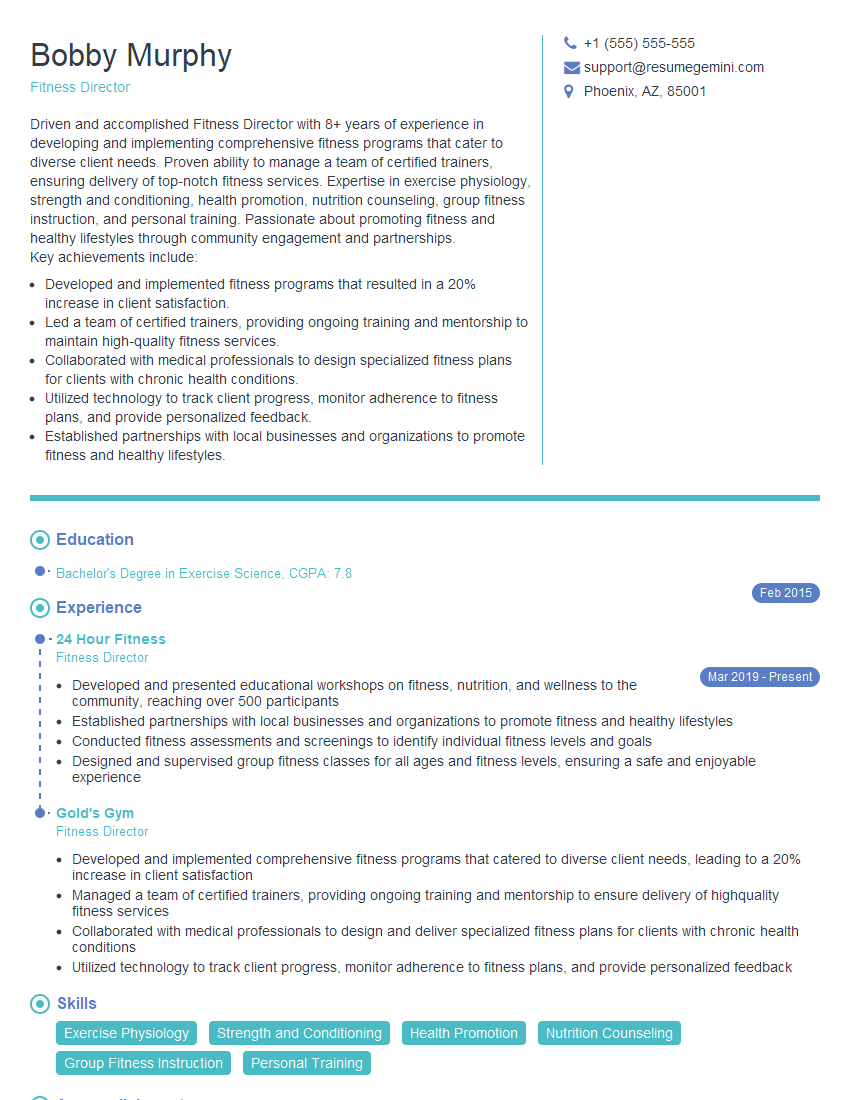
Fitness Director Resume Sample

Wellness Coach Resume Sample
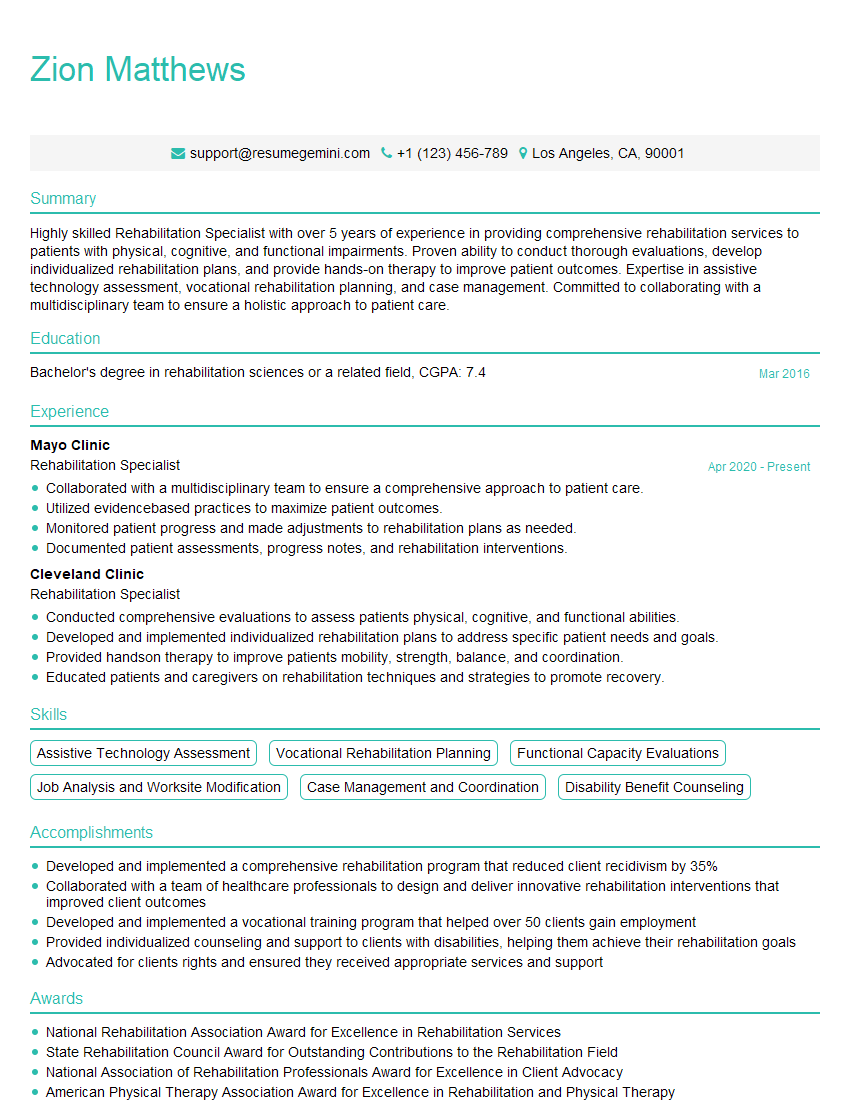
Rehabilitation Specialist Resume Sample
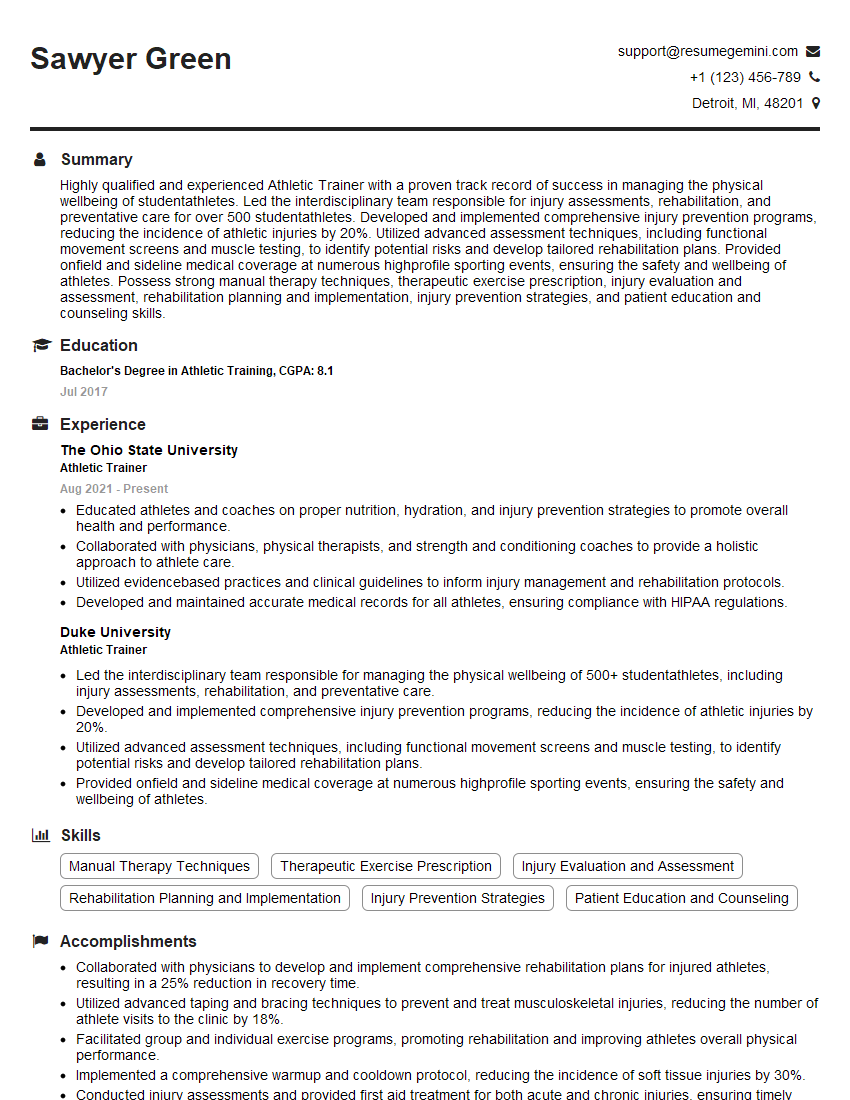
Athletic Trainer Resume Sample
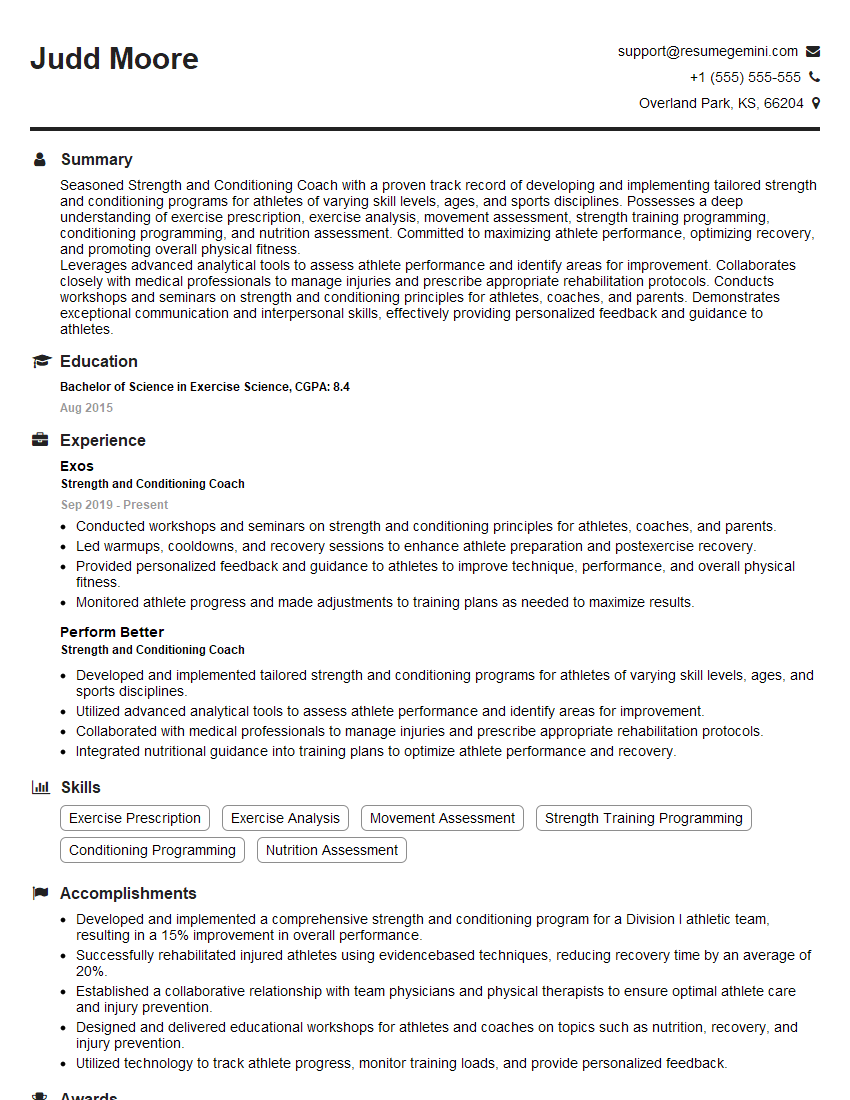
Strength and Conditioning Coach Resume Sample
Sports Medicine Specialist Resume Sample
Exercise Physiologist Resume Sample
Exercise Scientist Resume Sample
Kinesiologist Resume Sample
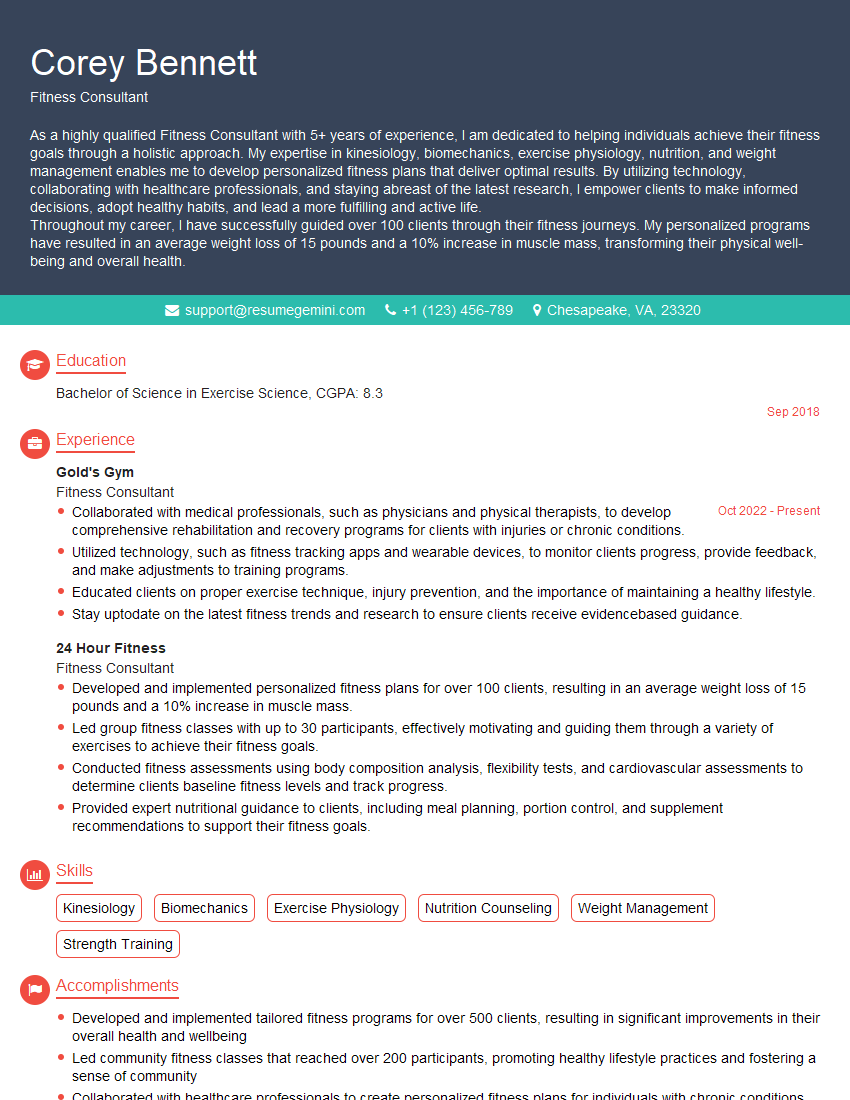
Fitness Consultant Resume Sample
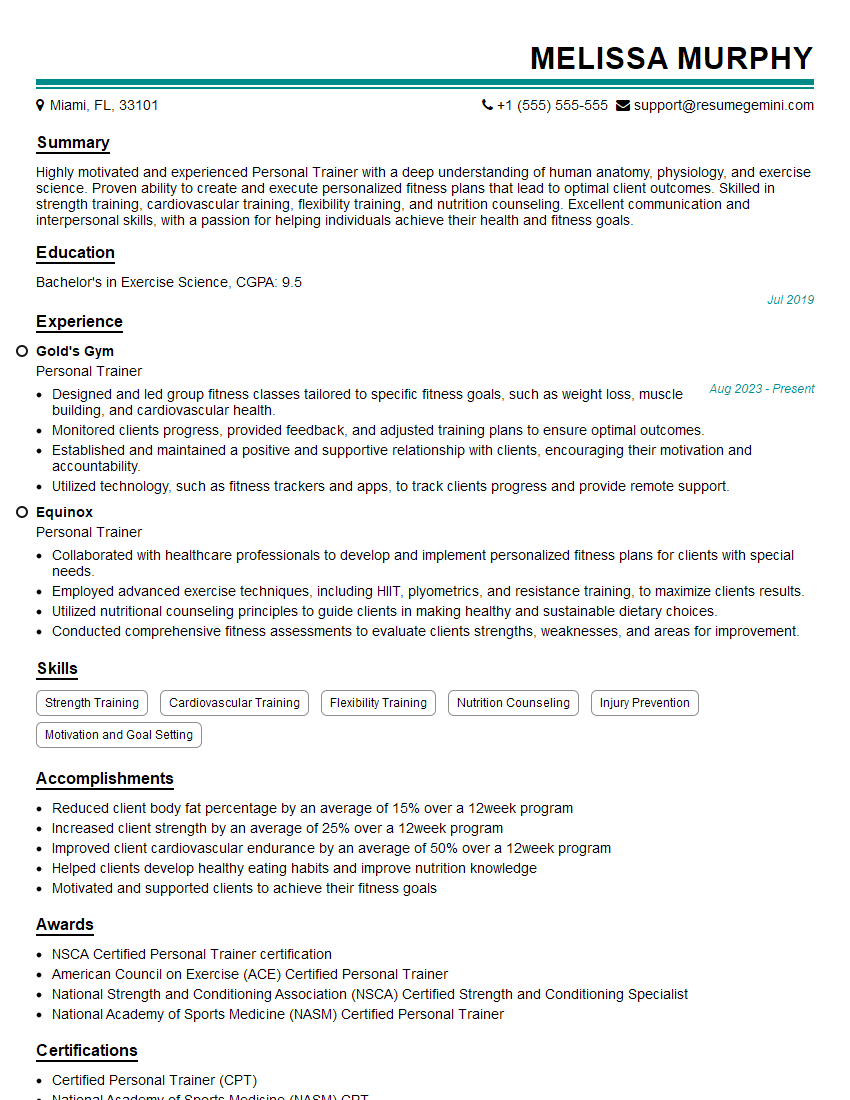
Personal Trainer Resume Sample
Explore more articles
Users Rating of Our Blogs
Share Your Experience
We value your feedback! Please rate our content and share your thoughts (optional).
What Readers Say About Our Blog
Attention music lovers!
Wow, All the best Sax Summer music !!!
Spotify: https://open.spotify.com/artist/6ShcdIT7rPVVaFEpgZQbUk
Apple Music: https://music.apple.com/fr/artist/jimmy-sax-black/1530501936
YouTube: https://music.youtube.com/browse/VLOLAK5uy_noClmC7abM6YpZsnySxRqt3LoalPf88No
Other Platforms and Free Downloads : https://fanlink.tv/jimmysaxblack
on google : https://www.google.com/search?q=22+AND+22+AND+22
on ChatGPT : https://chat.openai.com?q=who20jlJimmy20Black20Sax20Producer
Get back into the groove with Jimmy sax Black
Best regards,
Jimmy sax Black
www.jimmysaxblack.com
Hi I am a troller at The aquatic interview center and I suddenly went so fast in Roblox and it was gone when I reset.
Hi,
Business owners spend hours every week worrying about their website—or avoiding it because it feels overwhelming.
We’d like to take that off your plate:
$69/month. Everything handled.
Our team will:
Design a custom website—or completely overhaul your current one
Take care of hosting as an option
Handle edits and improvements—up to 60 minutes of work included every month
No setup fees, no annual commitments. Just a site that makes a strong first impression.
Find out if it’s right for you:
https://websolutionsgenius.com/awardwinningwebsites
Hello,
we currently offer a complimentary backlink and URL indexing test for search engine optimization professionals.
You can get complimentary indexing credits to test how link discovery works in practice.
No credit card is required and there is no recurring fee.
You can find details here:
https://wikipedia-backlinks.com/indexing/
Regards
NICE RESPONSE TO Q & A
hi
The aim of this message is regarding an unclaimed deposit of a deceased nationale that bears the same name as you. You are not relate to him as there are millions of people answering the names across around the world. But i will use my position to influence the release of the deposit to you for our mutual benefit.
Respond for full details and how to claim the deposit. This is 100% risk free. Send hello to my email id: lukachachibaialuka@gmail.com
Luka Chachibaialuka
Hey interviewgemini.com, just wanted to follow up on my last email.
We just launched Call the Monster, an parenting app that lets you summon friendly ‘monsters’ kids actually listen to.
We’re also running a giveaway for everyone who downloads the app. Since it’s brand new, there aren’t many users yet, which means you’ve got a much better chance of winning some great prizes.
You can check it out here: https://bit.ly/callamonsterapp
Or follow us on Instagram: https://www.instagram.com/callamonsterapp
Thanks,
Ryan
CEO – Call the Monster App
Hey interviewgemini.com, I saw your website and love your approach.
I just want this to look like spam email, but want to share something important to you. We just launched Call the Monster, a parenting app that lets you summon friendly ‘monsters’ kids actually listen to.
Parents are loving it for calming chaos before bedtime. Thought you might want to try it: https://bit.ly/callamonsterapp or just follow our fun monster lore on Instagram: https://www.instagram.com/callamonsterapp
Thanks,
Ryan
CEO – Call A Monster APP
To the interviewgemini.com Owner.
Dear interviewgemini.com Webmaster!
Hi interviewgemini.com Webmaster!
Dear interviewgemini.com Webmaster!
excellent
Hello,
We found issues with your domain’s email setup that may be sending your messages to spam or blocking them completely. InboxShield Mini shows you how to fix it in minutes — no tech skills required.
Scan your domain now for details: https://inboxshield-mini.com/
— Adam @ InboxShield Mini
support@inboxshield-mini.com
Reply STOP to unsubscribe
Hi, are you owner of interviewgemini.com? What if I told you I could help you find extra time in your schedule, reconnect with leads you didn’t even realize you missed, and bring in more “I want to work with you” conversations, without increasing your ad spend or hiring a full-time employee?
All with a flexible, budget-friendly service that could easily pay for itself. Sounds good?
Would it be nice to jump on a quick 10-minute call so I can show you exactly how we make this work?
Best,
Hapei
Marketing Director
Hey, I know you’re the owner of interviewgemini.com. I’ll be quick.
Fundraising for your business is tough and time-consuming. We make it easier by guaranteeing two private investor meetings each month, for six months. No demos, no pitch events – just direct introductions to active investors matched to your startup.
If youR17;re raising, this could help you build real momentum. Want me to send more info?
Hi, I represent an SEO company that specialises in getting you AI citations and higher rankings on Google. I’d like to offer you a 100% free SEO audit for your website. Would you be interested?
Hi, I represent an SEO company that specialises in getting you AI citations and higher rankings on Google. I’d like to offer you a 100% free SEO audit for your website. Would you be interested?