Feeling uncertain about what to expect in your upcoming interview? We’ve got you covered! This blog highlights the most important NCAA and Conference Compliance interview questions and provides actionable advice to help you stand out as the ideal candidate. Let’s pave the way for your success.
Questions Asked in NCAA and Conference Compliance Interview
Q 1. Explain the difference between NCAA Division I, II, and III.
The NCAA divides its member institutions into three divisions—I, II, and III—each with distinct characteristics regarding scholarship limits, athletic spending, and competitive intensity. Think of it like this: Division I is the ‘major leagues,’ Division II is ‘minor leagues,’ and Division III is ‘club sports’ at a highly competitive level.
- Division I: Offers the highest level of competition, with the most generous scholarship opportunities (allowing full athletic scholarships in many sports), larger athletic budgets, and stricter regulations. Think of programs like the University of Alabama football or the UConn women’s basketball team.
- Division II: Features a balance between academics and athletics, offering financial aid but generally less than Division I. They have smaller budgets and fewer restrictions than Division I but more than Division III. Examples include Grand Valley State University or the University of Indianapolis.
- Division III: Emphasizes academics above athletics. No athletic scholarships are permitted, and there are fewer regulations. The focus is on participation and the overall college experience. Think of schools like Williams College or MIT.
These distinctions influence everything from recruiting strategies to facility upgrades, making compliance across divisions a very nuanced undertaking.
Q 2. Describe the process for submitting a waiver to the NCAA.
Submitting a waiver to the NCAA is a formal process for requesting an exception to its rules. It’s like appealing a traffic ticket – you need to clearly explain why you deserve an exception to the rule.
- Identify the applicable rule: Determine precisely which NCAA rule requires a waiver.
- Gather supporting documentation: Compile all relevant evidence demonstrating why an exception is warranted. This could include medical records, academic transcripts, or extenuating circumstances.
- Complete the waiver request form: The NCAA provides specific forms for different types of waivers. These forms require detailed explanations of the situation and the requested exception.
- Submit the request: Follow the specified submission guidelines, often involving electronic submission through the NCAA’s website.
- Await the decision: The NCAA reviews the request and renders a decision. This can take weeks or months. Decisions are final unless appealed.
For example, a student-athlete might need a waiver if they transferred schools and want to play immediately, despite normal transfer rules.
Q 3. What are the key components of a successful compliance program?
A successful NCAA compliance program is multifaceted and proactive. It’s not just about avoiding penalties; it’s about fostering a culture of ethical conduct within the athletic department. Think of it as a robust framework that ensures every action is aligned with NCAA regulations.
- Education: Regular training for coaches, student-athletes, and athletic staff on NCAA rules and regulations.
- Monitoring: Continuous oversight of recruiting activities, eligibility requirements, and financial aid processes.
- Documentation: Meticulous record-keeping of all transactions and interactions related to student-athletes and athletic programs.
- Reporting: Establishing clear procedures for reporting potential compliance violations.
- Enforcement: Consistent application of rules and regulations, along with swift and transparent responses to violations.
- Self-reporting: The ability to proactively report violations, demonstrating institutional commitment to ethical compliance.
A strong compliance program isn’t just a legal safeguard; it’s a cornerstone of institutional integrity.
Q 4. How do you ensure student-athlete eligibility?
Ensuring student-athlete eligibility is a continuous process involving several factors: academics, amateurism, and transfer rules. It’s like a three-legged stool – if one leg is weak, the whole thing collapses.
- Academic Progress Rate (APR): Monitoring the student-athlete’s academic standing, ensuring they meet minimum GPA and credit hour requirements. Low APR can lead to NCAA sanctions.
- Amateurism: Verifying that the student-athlete hasn’t violated amateurism rules by receiving impermissible benefits.
- Transfer Rules: Following NCAA regulations concerning transferring between institutions, including the timing of eligibility.
- Initial Eligibility: Ensuring prospective student-athletes meet the NCAA’s initial eligibility requirements, including standardized test scores and GPA.
Continuous monitoring, clear communication, and prompt addressing of any potential issues are critical for maintaining eligibility.
Q 5. What are the rules regarding recruiting?
NCAA recruiting rules are complex and designed to ensure a level playing field and protect student-athletes from undue pressure. Think of them as a detailed playbook preventing unethical recruiting practices.
- Contact Periods: Specific times when coaches are allowed to contact prospective student-athletes. This is usually highly regulated by the time of year and year in school.
- Evaluation Periods: Times when coaches can observe prospects competing in events. They cannot actively recruit during this time.
- Dead Periods: Times when coaches are prohibited from any contact with prospective student-athletes, except for incidental contact (e.g., running into them at a grocery store).
- Permissible Benefits: Strictly defined benefits a coach can offer (e.g., official visits, meals, etc.).
- Impermissible Benefits: Benefits that violate NCAA rules (e.g., cash, expensive gifts, improper transportation).
Breaches of recruiting rules can result in severe penalties, including scholarship reductions, recruiting bans, and even postseason bans.
Q 6. Explain the amateurism rules in NCAA athletics.
Amateurism rules are at the heart of NCAA athletics, designed to maintain the integrity of college sports and ensure that student-athletes aren’t treated as professionals. It’s the principle that ensures college sports remain different from professional leagues.
Essentially, student-athletes are not allowed to receive compensation for their athletic abilities. They can’t sign endorsement deals, receive payments for playing, or use their athletic skills for financial gain. This includes:
- Endorsements and Sponsorships: Student-athletes cannot profit from their name, image, and likeness (NIL) before the recent changes to this rule.
- Agents: They cannot sign with agents or receive any compensation from agents.
- Professional Competition: Participation in professional competitions is prohibited.
- Improper Benefits: Receiving any benefits exceeding permissible NCAA guidelines, such as free housing or excessive travel expenses.
The recent changes allowing student-athletes to profit from NIL represents a significant shift, but careful adherence to the new rules is crucial to avoid violations.
Q 7. How do you handle a potential compliance violation?
Handling a potential compliance violation requires a prompt, thorough, and impartial investigation. It’s about fairness and maintaining the integrity of the athletic program.
- Immediate Investigation: Launch an internal inquiry immediately upon discovering or receiving a report of a potential violation.
- Gather Evidence: Collect all relevant information, including witness statements, documents, and any other supporting evidence.
- Interview Involved Parties: Conduct interviews with those implicated in the violation, ensuring fairness and due process.
- Assess the Severity: Determine the level of severity of the violation based on the NCAA’s rules and penalties.
- Self-Reporting (if necessary): Consider the possibility of self-reporting to the NCAA, which can often lessen potential penalties.
- Cooperation with the NCAA: Fully cooperate with any NCAA investigation, providing requested information and evidence.
- Impose Sanctions (if warranted): If a violation is confirmed, implement appropriate sanctions, including disciplinary measures, and possibly self-imposed penalties.
The key is a timely and transparent response, demonstrating a commitment to upholding NCAA rules and maintaining the program’s reputation.
Q 8. What is the role of the Faculty Athletics Representative (FAR)?
The Faculty Athletics Representative (FAR) serves as a crucial liaison between the athletic department and the faculty. They are a tenured or tenure-track faculty member appointed by the institution’s president or governing board. Their primary role is to ensure the institution’s compliance with NCAA rules and regulations, and to provide an academic perspective on athletic issues.
- Monitoring Compliance: The FAR actively monitors the athletic department’s adherence to NCAA rules, reviewing documents, attending meetings, and offering guidance.
- Academic Integrity: They play a vital role in ensuring that student-athletes maintain academic eligibility and progress toward graduation. This includes reviewing academic progress reports and addressing any academic challenges.
- Institutional Oversight: The FAR acts as a check and balance, providing an independent perspective on athletic department decisions and ensuring alignment with the institution’s overall mission and values.
- Communication: They serve as a key communicator between the athletic department, the faculty, and the institution’s administration, helping to foster a collaborative environment.
For example, if a student-athlete is struggling academically, the FAR might work with the athletic department and academic support services to develop a plan to improve their academic standing and maintain eligibility. They are a critical voice ensuring student-athlete well-being is prioritized alongside athletic success.
Q 9. Describe your experience with the NCAA’s enforcement process.
My experience with the NCAA enforcement process encompasses both proactive compliance and reactive responses to potential violations. I’ve assisted institutions in self-reporting minor infractions, navigating the complex inquiry process, and preparing for Committee on Infractions hearings. This includes:
- Developing detailed self-reports: This involves meticulously documenting all relevant facts, collaborating with legal counsel and the institution’s compliance team, and providing clear and concise responses to the NCAA’s questions.
- Managing the interview process: I’ve prepared coaches, administrators, and student-athletes for interviews with NCAA investigators, ensuring they provide accurate and consistent information.
- Working with the NCAA: I have a thorough understanding of the various stages of the enforcement process and have successfully negotiated resolutions that minimized the impact of infractions on the institution’s athletic programs.
In one particular case, we successfully argued for a reduction in penalties based on the institution’s proactive compliance measures and its demonstrated commitment to educating its staff and student-athletes. The key was transparency and a willingness to cooperate fully with the NCAA investigation.
Q 10. What are some common compliance challenges faced by athletic departments?
Athletic departments face numerous compliance challenges, many stemming from the increasingly complex NCAA rulebook and the pressure to win. Some common challenges include:
- Recruiting violations: Improper contact with prospective student-athletes, exceeding permissible recruiting expenses, or providing impermissible benefits are frequent issues.
- Amateurism concerns: Ensuring that student-athletes maintain their amateur status by avoiding improper payments or endorsements can be challenging.
- Extra benefits: Providing student-athletes with benefits not available to the general student population can lead to violations.
- Academic eligibility: Maintaining accurate academic records and ensuring student-athletes meet NCAA academic requirements is crucial.
- Time management: Balancing practice time, competition, travel, and academics can present challenges.
- Social media issues: Coaches and student-athletes need education on proper use of social media, to avoid potential violations related to recruiting or endorsements.
Effective compliance programs require proactive measures, robust record-keeping, and consistent education for all involved parties.
Q 11. How do you educate coaches and staff on compliance rules?
Educating coaches and staff on compliance rules is an ongoing process, not a one-time event. My approach involves a multi-faceted strategy:
- Regular Compliance Meetings: Conducting regular meetings to review NCAA rules, address emerging issues, and disseminate updated information is crucial. These meetings should be interactive and tailored to specific roles and responsibilities.
- Interactive Workshops: Offering workshops with case studies and interactive exercises to reinforce learning and allow participants to apply their knowledge to real-world scenarios.
- Online Training Modules: Utilizing online training platforms to provide accessible and easily digestible information that staff can complete at their convenience.
- Individual Consultations: Offering individual consultations to address specific questions or concerns raised by coaches and staff.
- Clear Documentation: Ensuring that all training materials and communications are documented, including attendance records and acknowledgements of receipt of materials.
A successful training program doesn’t just transmit information; it fosters a culture of compliance where everyone feels empowered to ask questions and seek clarification.
Q 12. Explain the importance of maintaining accurate records in compliance.
Maintaining accurate records is paramount in NCAA compliance. Detailed and well-organized records serve as the primary defense against potential violations. They:
- Provide Evidence of Compliance: Accurate records demonstrate that the institution followed all applicable rules and regulations.
- Facilitate Self-Reporting: In the event of an unintentional violation, timely and accurate records facilitate a prompt and effective self-report to the NCAA.
- Support Investigative Processes: During an NCAA investigation, accurate records can significantly shorten the inquiry process and help to mitigate penalties.
- Identify Trends and Potential Risks: Regular review of records can help identify potential compliance weaknesses or areas needing improved training.
Think of records as a crucial component of a robust compliance program. They’re not just an administrative task; they are evidence of a commitment to fair play and adherence to NCAA rules. Failure to maintain accurate records can significantly hinder an institution’s ability to defend against potential violations, potentially resulting in severe penalties.
Q 13. What is your understanding of the NCAA’s ethical conduct guidelines?
The NCAA’s ethical conduct guidelines emphasize integrity, sportsmanship, and fairness. They promote ethical behavior among student-athletes, coaches, administrators, and all individuals involved in intercollegiate athletics. Key principles include:
- Respect for Rules: Adherence to all NCAA rules and regulations is paramount, reflecting a commitment to fair competition and equal opportunity.
- Integrity in Recruitment: Prohibiting any actions that compromise the integrity of the recruiting process is crucial to ensuring fairness and equity.
- Sportsmanship and Ethical Conduct: Promoting ethical conduct on and off the field, emphasizing respect for opponents, officials, and the game itself.
- Academic Integrity: Maintaining high standards of academic integrity and supporting student-athletes’ academic success.
- Transparency and Accountability: Maintaining transparency in all athletic department operations and fostering a culture of accountability for actions taken.
Ethical conduct isn’t just about avoiding penalties; it’s about building a strong ethical foundation for the entire athletic program, fostering a positive environment for student-athletes, and upholding the values of intercollegiate athletics.
Q 14. How do you stay up-to-date on changes to NCAA rules and regulations?
Staying current with NCAA rule changes is critical. I utilize a multi-pronged approach:
- NCAA Publications and Resources: Regularly reviewing NCAA publications, including the NCAA Manual, legislative updates, and compliance bulletins.
- Professional Development Opportunities: Attending NCAA compliance seminars, webinars, and conferences to network with other compliance professionals and learn about emerging issues.
- Subscription Services: Utilizing subscription services that provide timely updates and analyses of NCAA rule changes.
- Professional Networks: Actively participating in professional organizations, such as the National Association of Collegiate Directors of Athletics (NACDA), to share best practices and gain insights from other professionals in the field.
- Internal Communication: Establishing an internal communication system to ensure timely dissemination of rule changes and updates within the institution’s athletic department.
Staying informed is a continuous process, and proactive engagement is essential for effective compliance.
Q 15. Describe your experience with compliance software or databases.
My experience with compliance software and databases is extensive. I’ve worked with several systems, including Compliance Tracker, ARMS (Athletic Regulatory Management System), and custom-built institutional solutions. These systems are crucial for managing eligibility, tracking certifications, and documenting all aspects of our compliance efforts. For example, in my previous role, we utilized Compliance Tracker to monitor student-athlete academic progress, ensuring they met NCAA eligibility requirements. The software allowed us to generate reports, send automated reminders for certifications, and flag potential issues proactively. My proficiency extends beyond simply inputting data; I understand the underlying logic and reporting capabilities to analyze trends and identify areas for improvement in our compliance protocols. I’m also familiar with data migration and system integration, ensuring seamless transitions between different platforms.
Career Expert Tips:
- Ace those interviews! Prepare effectively by reviewing the Top 50 Most Common Interview Questions on ResumeGemini.
- Navigate your job search with confidence! Explore a wide range of Career Tips on ResumeGemini. Learn about common challenges and recommendations to overcome them.
- Craft the perfect resume! Master the Art of Resume Writing with ResumeGemini’s guide. Showcase your unique qualifications and achievements effectively.
- Don’t miss out on holiday savings! Build your dream resume with ResumeGemini’s ATS optimized templates.
Q 16. How would you handle a situation where a coach is not following compliance guidelines?
Addressing a coach’s non-compliance requires a multi-step approach emphasizing education and progressive discipline. First, I’d initiate a private meeting with the coach to understand the circumstances. Was it a misunderstanding, oversight, or intentional disregard of the rules? A thorough investigation is paramount, gathering all relevant information. Next, I would clearly explain the specific violation, referencing applicable NCAA and conference regulations, and its potential consequences. For instance, if the coach is providing impermissible benefits, I’d explain the rules concerning recruiting inducements and the potential penalties. Depending on the severity and context of the violation, we may utilize educational materials or workshops to reinforce compliance procedures. If it’s a recurring or egregious violation, disciplinary actions would be taken, escalating from written warnings to suspension, potentially resulting in termination depending on the institutional policies and the NCAA’s infraction process. Throughout this process, documentation is key to maintaining a clear record of the events and actions taken.
Q 17. Explain the importance of annual compliance training for student-athletes.
Annual compliance training for student-athletes is critical for several reasons. It ensures that they understand their responsibilities, the rules governing their eligibility, and the potential consequences of violating those rules. This proactive approach protects both the student-athlete and the institution. The training should cover a wide range of topics, including amateurism rules, academic standards, drug testing procedures, ethical conduct, social media guidelines, and the institution’s specific compliance policies. Imagine a student-athlete unknowingly accepting an impermissible benefit; training helps prevent such situations. For example, clear explanations of NIL guidelines will help them navigate the complexities of endorsements and sponsorships. Moreover, training fosters a culture of compliance within the athletic department, minimizing the risk of infractions and maintaining institutional integrity.
Q 18. How do you ensure compliance with Title IX regulations?
Ensuring compliance with Title IX requires a multifaceted approach. It’s not simply about equal numbers of male and female athletes; it’s about providing equal opportunities in all aspects of athletics, including scholarships, facilities, equipment, coaching, publicity, and support services. We’d conduct regular assessments to evaluate proportionality in participation opportunities relative to the undergraduate student body, examining whether opportunities are available and accessible for both genders. We need to ensure that the athletic department’s financial resources are equitably distributed, addressing any discrepancies. Furthermore, we monitor the quality of coaching and support services offered to both male and female athletes, looking for consistency in equipment, facilities, and recruitment efforts. Regular reviews of our compliance practices, including training for our staff, are essential to maintain an ongoing commitment to Title IX standards. Any discrepancies identified would prompt corrective action plans to ensure equitable treatment and opportunity for all.
Q 19. What are the rules regarding outside endorsements for student-athletes?
The rules regarding outside endorsements for student-athletes are complex and have significantly changed with the advent of NIL. Prior to the NIL era, student-athletes were generally prohibited from receiving compensation for their name, image, or likeness. Any such activity was considered a violation of amateurism rules. The NCAA’s new NIL guidelines, however, allow for student-athletes to profit from their NIL. However, certain restrictions often exist at the institutional and conference levels. For example, a student-athlete might be restricted from endorsing a competitor of an institution’s sponsor. Additionally, there may be rules about where endorsements can be promoted or what types of products or services they can endorse. It is crucial that student-athletes and institutions understand and comply with these guidelines, including any state or conference-specific regulations. The compliance office plays a vital role in educating athletes and ensuring that endorsements are compliant.
Q 20. What is your understanding of the NCAA’s Name, Image, and Likeness (NIL) guidelines?
My understanding of the NCAA’s Name, Image, and Likeness (NIL) guidelines is that they represent a significant shift in the landscape of college athletics. The NCAA’s interim NIL policy and subsequent updates have provided more clarity to the regulations governing how student-athletes can benefit from their NIL. However, there’s still considerable complexity to navigating the rules regarding compensation, endorsements, and business deals. Key aspects include the prohibition of institutions facilitating NIL deals, the importance of disclosing deals to the institution for transparency, and the need to avoid conflicts of interest. For example, a student-athlete can’t use university logos or trademarks in their NIL activities without permission. We also need to carefully review state NIL laws, as they vary significantly and may impose stricter or additional guidelines than the NCAA’s policy. Therefore, a key function of the compliance office is ongoing education for athletes and staff, enabling them to understand these rapidly changing guidelines and navigate the possibilities and limitations they provide.
Q 21. How do you conduct a compliance audit?
Conducting a compliance audit involves a systematic review of all aspects of the athletic program to ensure adherence to NCAA rules, conference regulations, and institutional policies. This is a multi-stage process starting with planning and scoping; defining the specific areas to audit (e.g., recruiting, financial aid, academics, NIL activities). Next, data collection involves gathering documents, conducting interviews with coaches, staff, and student-athletes, and reviewing financial records. We use a risk-based approach, prioritizing areas with a higher potential for violations. After data collection, we analyze the findings, comparing them against relevant regulations. Any discrepancies are documented and categorized to determine the severity and nature of any potential violations. Finally, we prepare a comprehensive report outlining our findings and recommendations for corrective actions. These recommendations might include policy updates, additional training, or procedural changes. Regular audits are crucial for proactive compliance, enabling us to identify and address potential issues before they escalate into serious infractions. The entire process should be well-documented and stored securely.
Q 22. What are the penalties for violating NCAA rules?
Penalties for violating NCAA rules vary widely depending on the severity of the infraction, the level of institutional involvement, and whether the violation was unintentional or intentional. The NCAA enforcement process is complex, but generally involves an investigation, followed by a Committee on Infractions hearing, and ultimately sanctions imposed by the NCAA.
- Minor Violations: These often result in warnings, probationary periods, restrictions on recruiting activities (e.g., limitations on the number of official visits allowed), or financial penalties.
- Major Violations: These can lead to far more serious consequences, including scholarship reductions, postseason bans (from conference tournaments and/or NCAA championships), vacating wins, recruiting restrictions, and even show-cause orders which prevent a coach from working in college athletics for a defined period. The severity increases with evidence of lack of institutional control.
- Lack of Institutional Control: This is the most serious charge and demonstrates a failure of the university to properly monitor and control its athletic programs. It often results in the most extensive and severe penalties. A finding of lack of institutional control usually means the institution’s administrative structure failed to provide adequate oversight resulting in many violations.
For example, providing impermissible benefits to student-athletes, even seemingly small ones, can result in penalties. Similarly, recruiting violations, such as exceeding the allowable number of contacts with prospective student-athletes or offering improper inducements, will be met with consequences. The penalties are designed to deter future misconduct and to ensure fairness and equity within college athletics.
Q 23. Describe a time you had to make a difficult decision related to compliance.
One of the most difficult compliance decisions I faced involved a potential recruiting violation. A highly sought-after recruit’s family experienced a sudden financial hardship. While offering direct financial assistance was prohibited, we needed to determine how to support them ethically and within compliance guidelines.
We assembled a compliance team to brainstorm potential solutions. We ruled out direct financial aid but explored options such as connecting the family with university resources, like financial aid counselors and community support programs. We also ensured that our coaching staff maintained appropriate distance to avoid any appearance of impropriety. The challenge was balancing our desire to help with the need to adhere strictly to NCAA regulations. It was crucial to document all our actions and decisions meticulously. Ultimately, we were able to offer support without compromising our compliance responsibilities, setting a precedent for handling future similar situations with empathy and rigor.
Q 24. What are your strengths and weaknesses regarding NCAA compliance?
My strengths in NCAA compliance lie in my proactive approach, attention to detail, and strong communication skills. I excel at anticipating potential compliance issues before they arise, often by conducting thorough risk assessments and educating coaches and staff on NCAA rules. I’m also adept at dissecting complex regulations and communicating them clearly to diverse audiences, ensuring everyone understands their roles and responsibilities. My detailed work ethic ensures all documentation is precise and compliant.
My area for improvement lies in further developing my experience in handling highly complex investigations and potential violations. While I have experience in managing various compliance issues, handling large-scale investigations with significant media attention requires specific strategies and a different level of crisis management that I am actively seeking to improve.
Q 25. Explain your understanding of the relationship between institutional control and compliance.
Institutional control is the cornerstone of NCAA compliance. It signifies the university’s commitment to ensuring that its athletic programs operate within the rules. Compliance, on the other hand, is the practical implementation of those rules and policies. They are inextricably linked; without strong institutional control, compliance is impossible to achieve consistently.
Think of it like this: institutional control is the foundation of a house (the athletic program), and compliance is the construction process that adheres to building codes and regulations. Without a strong foundation, the entire structure is at risk. Strong institutional control involves clear lines of authority, robust training programs for staff and coaches, a proactive compliance program, and a culture of compliance throughout the athletic department. This strong foundation then enables effective compliance efforts. A lack of institutional control often leads to multiple violations because there is no effective structure to prevent or detect infractions.
Q 26. How do you balance the needs of student-athletes with compliance requirements?
Balancing the needs of student-athletes with compliance requirements is a constant tightrope walk. It requires empathy, proactive planning, and a deep understanding of both NCAA regulations and the unique circumstances of student-athletes. We must ensure that rules are followed while simultaneously supporting the academic, athletic, and personal development of our student-athletes.
For instance, while NCAA rules restrict certain types of outside employment, we work to help student-athletes find permissible jobs that balance their academic commitments and financial needs. We also emphasize educational workshops that cover permissible benefits, financial aid options, and the impact of rules violations on their eligibility. This proactive communication ensures our athletes understand expectations and seek advice when unsure about any circumstance.
Q 27. Describe your approach to managing multiple compliance priorities simultaneously.
Managing multiple compliance priorities requires a structured and systematic approach. I utilize project management techniques, prioritizing tasks based on urgency and impact. This involves creating detailed checklists, using scheduling software, and regular monitoring of progress to ensure deadlines are met.
I also employ a team-based approach, delegating tasks effectively and providing clear communication to avoid duplication and ensure everyone is informed. Regular meetings, both with the compliance team and relevant stakeholders, are crucial for updates, problem-solving, and proactive identification of potential issues. This multifaceted approach keeps everything organized, on track, and avoids conflicts arising from poorly communicated responsibilities.
Key Topics to Learn for NCAA and Conference Compliance Interview
- NCAA Rules and Regulations: Understanding the core principles of NCAA Bylaws, including eligibility requirements, recruiting regulations, and amateurism rules. This includes staying updated on the latest rule changes and interpretations.
- Practical Application: Analyzing hypothetical scenarios involving student-athlete eligibility, recruiting violations, and ethical dilemmas within the NCAA framework. Practice applying the rules to real-world situations and identifying potential compliance issues.
- Conference-Specific Rules: Researching and understanding the unique rules and regulations of specific conferences (e.g., SEC, ACC, Big Ten), as these often add layers of complexity to NCAA regulations.
- Enforcement and Investigations: Familiarizing yourself with the investigative process for compliance violations, including reporting procedures, evidence gathering, and potential penalties.
- Ethical Considerations: Understanding the ethical responsibilities of compliance professionals, prioritizing integrity and fairness in all interactions.
- Technology and Compliance: Exploring the role of technology in managing compliance, including data management systems, tracking software, and reporting mechanisms.
- Student-Athlete Welfare: Understanding the importance of student-athlete well-being and how compliance procedures contribute to a positive and supportive environment.
- External Audits and Reporting: Understanding the process of external audits and how to prepare for and respond to them.
Next Steps
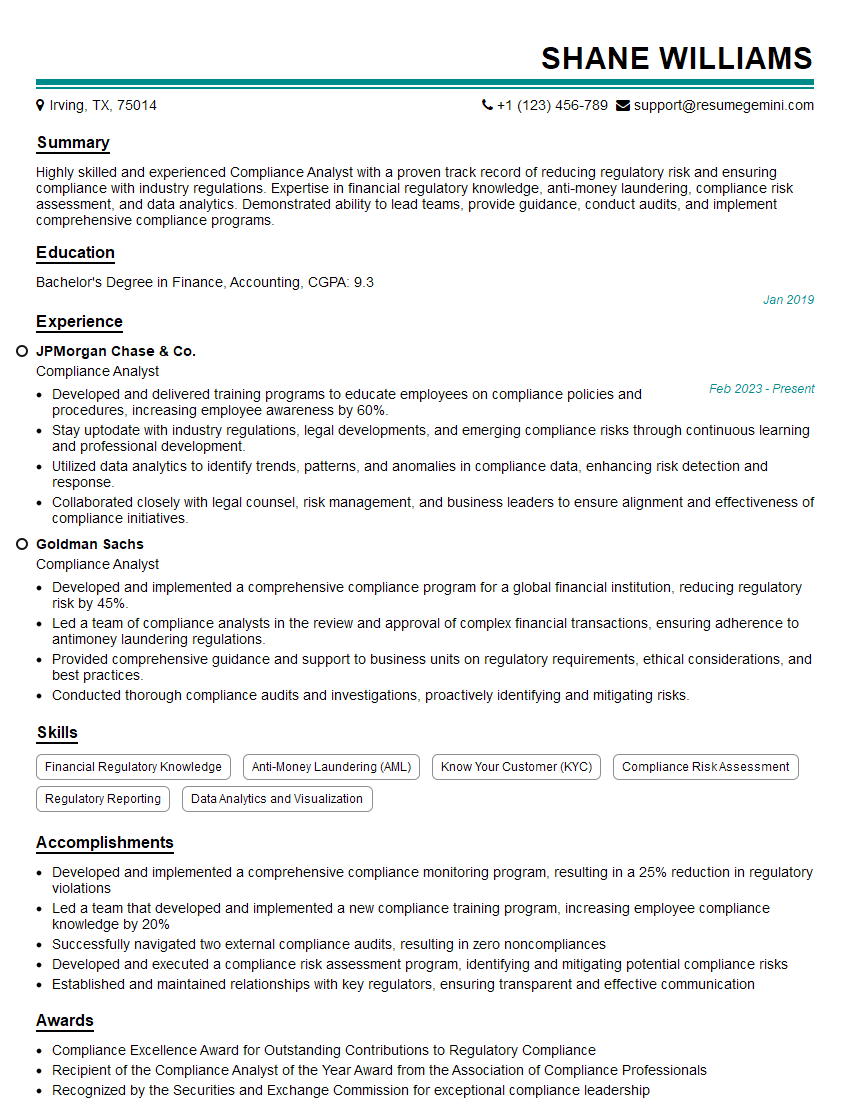
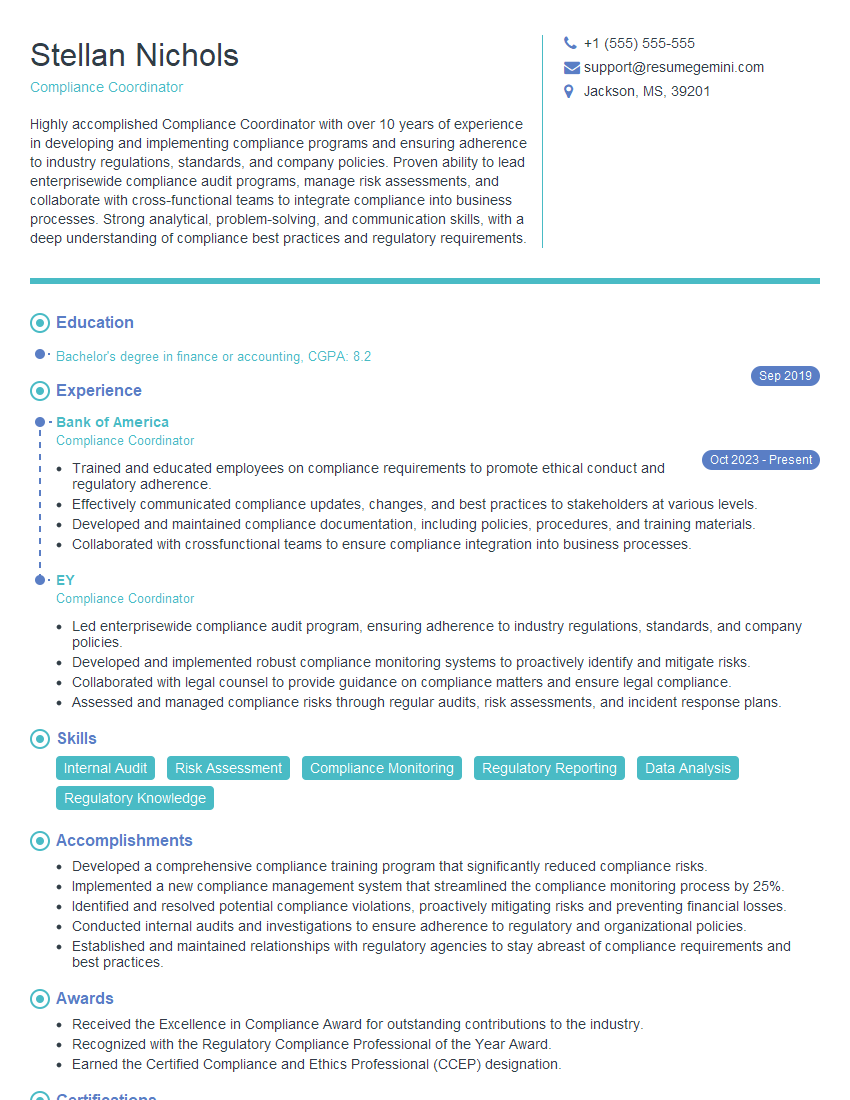
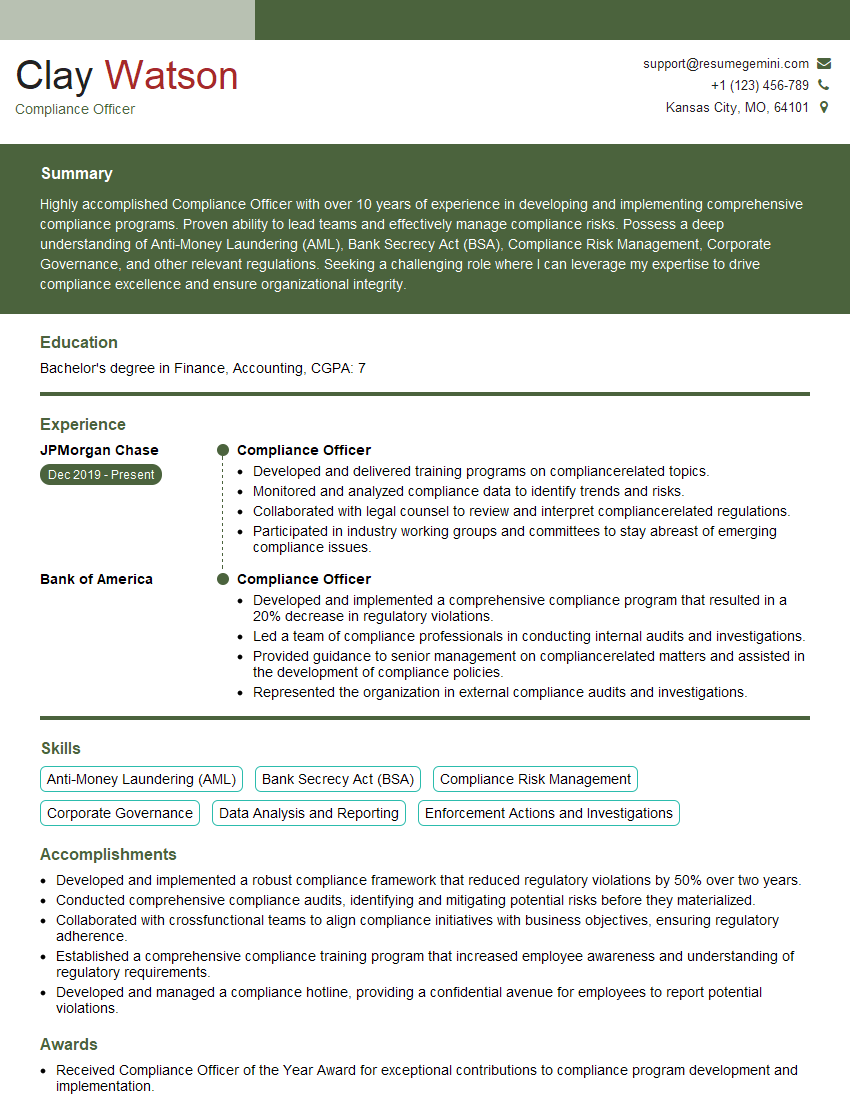
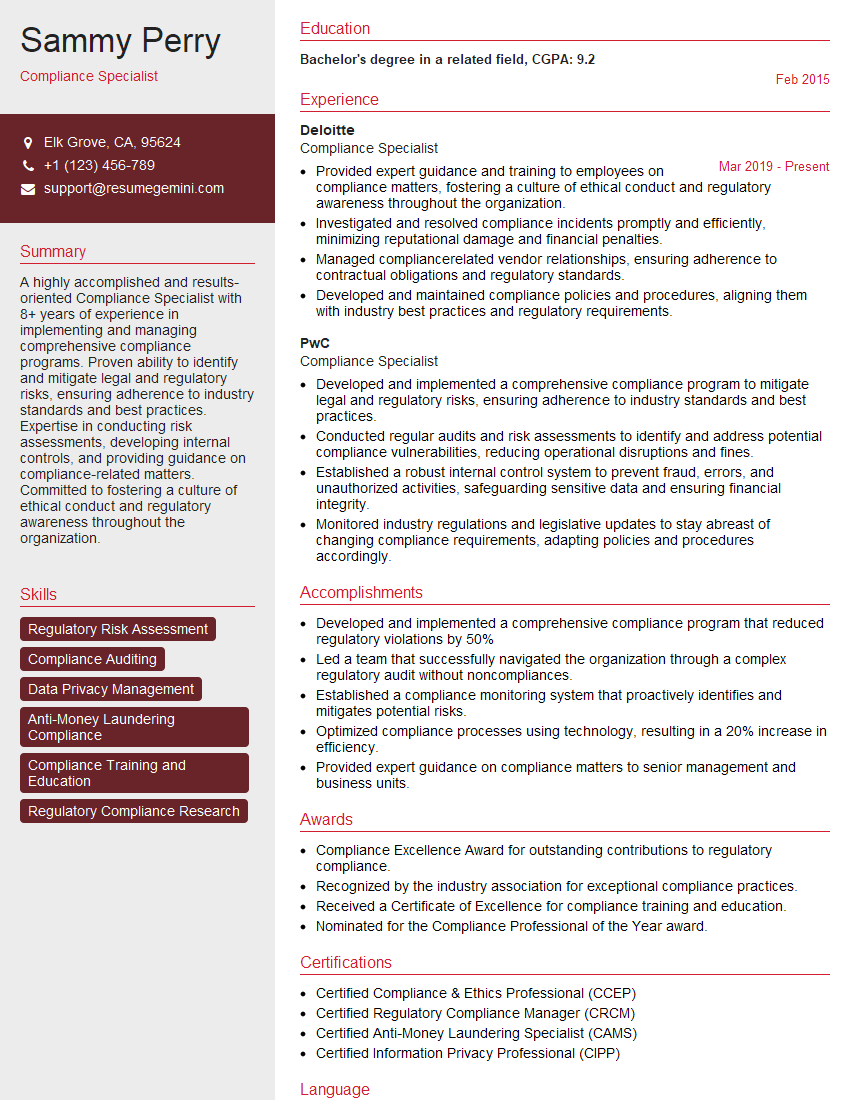
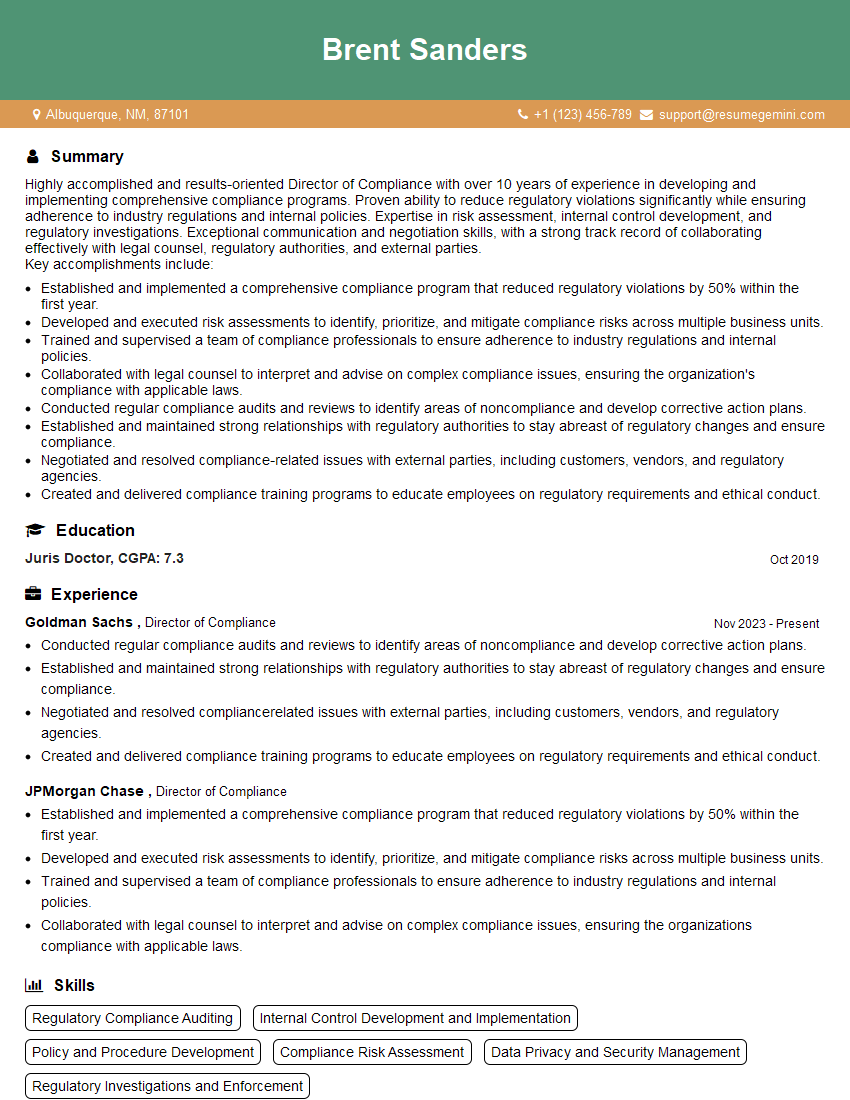
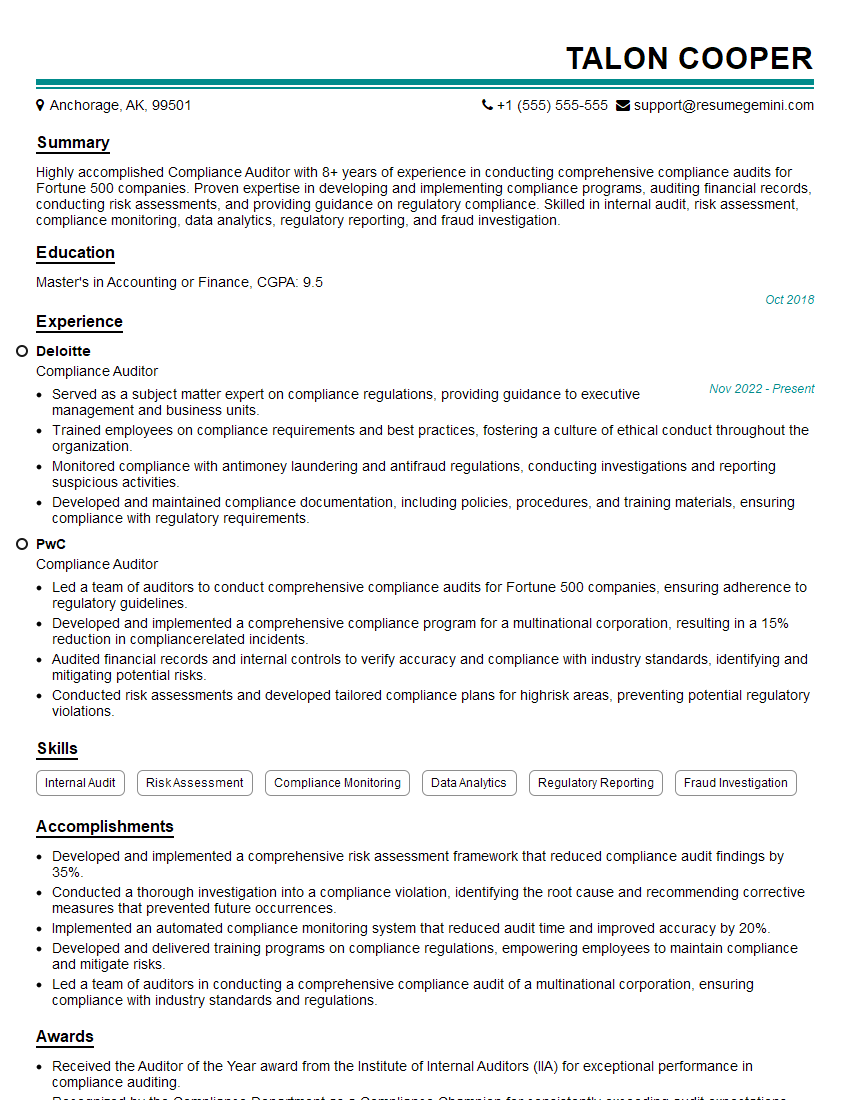
Mastering NCAA and Conference Compliance opens doors to rewarding careers in higher education athletics, offering opportunities for growth and impact. A strong understanding of these regulations is crucial for success in this field. To maximize your job prospects, create an ATS-friendly resume that effectively highlights your skills and experience. ResumeGemini is a trusted resource to help you build a professional and impactful resume. Examples of resumes tailored to NCAA and Conference Compliance are available to guide you through the process.
Explore more articles
Users Rating of Our Blogs
Share Your Experience
We value your feedback! Please rate our content and share your thoughts (optional).
What Readers Say About Our Blog
Attention music lovers!
Wow, All the best Sax Summer music !!!
Spotify: https://open.spotify.com/artist/6ShcdIT7rPVVaFEpgZQbUk
Apple Music: https://music.apple.com/fr/artist/jimmy-sax-black/1530501936
YouTube: https://music.youtube.com/browse/VLOLAK5uy_noClmC7abM6YpZsnySxRqt3LoalPf88No
Other Platforms and Free Downloads : https://fanlink.tv/jimmysaxblack
on google : https://www.google.com/search?q=22+AND+22+AND+22
on ChatGPT : https://chat.openai.com?q=who20jlJimmy20Black20Sax20Producer
Get back into the groove with Jimmy sax Black
Best regards,
Jimmy sax Black
www.jimmysaxblack.com
Hi I am a troller at The aquatic interview center and I suddenly went so fast in Roblox and it was gone when I reset.
Hi,
Business owners spend hours every week worrying about their website—or avoiding it because it feels overwhelming.
We’d like to take that off your plate:
$69/month. Everything handled.
Our team will:
Design a custom website—or completely overhaul your current one
Take care of hosting as an option
Handle edits and improvements—up to 60 minutes of work included every month
No setup fees, no annual commitments. Just a site that makes a strong first impression.
Find out if it’s right for you:
https://websolutionsgenius.com/awardwinningwebsites
Hello,
we currently offer a complimentary backlink and URL indexing test for search engine optimization professionals.
You can get complimentary indexing credits to test how link discovery works in practice.
No credit card is required and there is no recurring fee.
You can find details here:
https://wikipedia-backlinks.com/indexing/
Regards
NICE RESPONSE TO Q & A
hi
The aim of this message is regarding an unclaimed deposit of a deceased nationale that bears the same name as you. You are not relate to him as there are millions of people answering the names across around the world. But i will use my position to influence the release of the deposit to you for our mutual benefit.
Respond for full details and how to claim the deposit. This is 100% risk free. Send hello to my email id: lukachachibaialuka@gmail.com
Luka Chachibaialuka
Hey interviewgemini.com, just wanted to follow up on my last email.
We just launched Call the Monster, an parenting app that lets you summon friendly ‘monsters’ kids actually listen to.
We’re also running a giveaway for everyone who downloads the app. Since it’s brand new, there aren’t many users yet, which means you’ve got a much better chance of winning some great prizes.
You can check it out here: https://bit.ly/callamonsterapp
Or follow us on Instagram: https://www.instagram.com/callamonsterapp
Thanks,
Ryan
CEO – Call the Monster App
Hey interviewgemini.com, I saw your website and love your approach.
I just want this to look like spam email, but want to share something important to you. We just launched Call the Monster, a parenting app that lets you summon friendly ‘monsters’ kids actually listen to.
Parents are loving it for calming chaos before bedtime. Thought you might want to try it: https://bit.ly/callamonsterapp or just follow our fun monster lore on Instagram: https://www.instagram.com/callamonsterapp
Thanks,
Ryan
CEO – Call A Monster APP
To the interviewgemini.com Owner.
Dear interviewgemini.com Webmaster!
Hi interviewgemini.com Webmaster!
Dear interviewgemini.com Webmaster!
excellent
Hello,
We found issues with your domain’s email setup that may be sending your messages to spam or blocking them completely. InboxShield Mini shows you how to fix it in minutes — no tech skills required.
Scan your domain now for details: https://inboxshield-mini.com/
— Adam @ InboxShield Mini
support@inboxshield-mini.com
Reply STOP to unsubscribe
Hi, are you owner of interviewgemini.com? What if I told you I could help you find extra time in your schedule, reconnect with leads you didn’t even realize you missed, and bring in more “I want to work with you” conversations, without increasing your ad spend or hiring a full-time employee?
All with a flexible, budget-friendly service that could easily pay for itself. Sounds good?
Would it be nice to jump on a quick 10-minute call so I can show you exactly how we make this work?
Best,
Hapei
Marketing Director
Hey, I know you’re the owner of interviewgemini.com. I’ll be quick.
Fundraising for your business is tough and time-consuming. We make it easier by guaranteeing two private investor meetings each month, for six months. No demos, no pitch events – just direct introductions to active investors matched to your startup.
If youR17;re raising, this could help you build real momentum. Want me to send more info?
Hi, I represent an SEO company that specialises in getting you AI citations and higher rankings on Google. I’d like to offer you a 100% free SEO audit for your website. Would you be interested?
Hi, I represent an SEO company that specialises in getting you AI citations and higher rankings on Google. I’d like to offer you a 100% free SEO audit for your website. Would you be interested?