The right preparation can turn an interview into an opportunity to showcase your expertise. This guide to NCAA Rules and Regulations interview questions is your ultimate resource, providing key insights and tips to help you ace your responses and stand out as a top candidate.
Questions Asked in NCAA Rules and Regulations Interview
Q 1. Explain the difference between a waiver and an exception under NCAA rules.
Both waivers and exceptions relate to NCAA eligibility rules, allowing student-athletes to participate despite not fully meeting standard requirements. However, they differ significantly in their scope and application.
A waiver is a one-time, specific permission granted by the NCAA to bypass a particular rule. Think of it as a special exemption for a unique circumstance. For example, a student-athlete might receive a waiver to compete immediately after transferring, even if standard transfer rules usually mandate a year of sitting out. Each waiver request is reviewed individually, and the NCAA considers the specific details of the case to determine if the circumstances warrant the exception to the established rule.
An exception, on the other hand, is a pre-defined allowance within the NCAA rulebook itself. These are established categories of circumstances where a student-athlete may not fully meet the standard rules but is still deemed eligible. They represent established exceptions, rather than unique requests. An example would be the rules regarding academic progress, where a student-athlete may still be eligible despite a single semester of academic probation if they meet other specific criteria outlined in the NCAA’s guidelines. Exceptions are pre-defined allowances, while waivers are individual approvals for unique situations.
Q 2. Describe the process for certifying a student-athlete’s eligibility.
Certifying a student-athlete’s eligibility is a multi-step process that involves the student-athlete, their high school or previous institution, and the NCAA Eligibility Center. It’s crucial for ensuring compliance with NCAA regulations.
- Initial Eligibility: The student-athlete must register with the NCAA Eligibility Center. They’ll submit their high school academic transcripts, test scores (SAT or ACT), and other required documentation.
- Academic Standards: The NCAA Eligibility Center reviews this information to determine if the student-athlete meets the minimum academic requirements for initial eligibility. This often involves GPA and test score thresholds (e.g., Proposition 48 and Proposition 16).
- Amateurism Compliance: The Eligibility Center also verifies that the student-athlete has maintained amateur status, meaning they haven’t received improper benefits or engaged in activities that might compromise their amateur standing.
- Certification: Once all requirements are met, the Eligibility Center issues a certification indicating the student-athlete’s eligibility to participate in NCAA competition. This doesn’t guarantee continued eligibility; that requires continued academic progress and compliance with NCAA rules throughout their collegiate career.
- Annual Verification: Student-athletes must regularly update their information with the NCAA Eligibility Center to maintain their certification, ensuring they meet continued academic progress requirements.
Failure to meet these requirements can result in ineligibility, impacting the student-athlete’s ability to practice, compete, or receive financial aid.
Q 3. What are the key provisions of the NCAA’s amateurism rules?
The NCAA’s amateurism rules aim to maintain the integrity of college athletics by preventing undue influence from professional sports or commercial interests. These rules are designed to ensure that student-athletes are participating primarily for the educational experience and not for financial gain.
- No Professional Compensation: Student-athletes cannot receive compensation for their athletic performance. This includes salaries, endorsements, or appearance fees.
- Limited Benefits: They are permitted to receive only specific benefits from institutions or individuals, such as scholarships covering tuition, room, board, and related expenses. There are strict limits on the value and type of gifts.
- Agent Restrictions: Student-athletes cannot sign with agents or engage in activities that suggest they’re preparing for a professional career while maintaining college eligibility.
- Social Media and Endorsements: Rules on using their Name, Image, and Likeness (NIL) are constantly evolving but are generally intended to ensure that any compensation is tied to activities unrelated to their athletic performance.
The application of these rules is constantly under review and changes. The focus is generally to create an environment that protects the student-athlete’s educational opportunities and the integrity of collegiate athletics.
Q 4. How are recruiting violations investigated and penalized?
Investigations into recruiting violations are complex and involve multiple steps. The process usually starts with a report or allegation of a violation. This could come from a coach, athletic administrator, student-athlete, or even a member of the public.
- Preliminary Inquiry: The NCAA’s enforcement staff conducts a preliminary inquiry to determine if there’s enough evidence to warrant a full-scale investigation.
- Formal Investigation: If a formal investigation is launched, the enforcement staff collects evidence, interviews witnesses (coaches, players, etc.), and reviews documents. This can be a lengthy and intensive process.
- Allegations of Violations: Based on the investigation, the NCAA may issue a Notice of Allegations, formally outlining the alleged violations. The institution then has an opportunity to respond.
- Committee on Infractions Hearing: A Committee on Infractions hears evidence from both sides and ultimately determines whether violations occurred and imposes penalties.
- Penalties: Penalties for recruiting violations can range from relatively minor sanctions (e.g., probation, recruiting restrictions) to severe penalties such as scholarship reductions, postseason bans, or even the vacating of wins.
The severity of the penalties is determined by factors like the nature and severity of the violation, the level of institutional involvement, and any attempts to conceal the violation. The goal is to deter future violations and maintain the integrity of the recruiting process.
Q 5. Explain the implications of Proposition 48 and Proposition 16.
Propositions 48 and 16 are now largely obsolete after the adoption of the current academic standards, but understanding their history is vital for understanding the evolution of NCAA eligibility requirements.
Proposition 48 (1986) established stricter academic standards for freshman eligibility. It was incredibly strict and resulted in many talented student-athletes being unable to compete their first year even if they were recruited by top universities. Many argued it disproportionately affected students from under-resourced backgrounds.
Proposition 16 (1990) was a more lenient alternative to Proposition 48, allowing athletes who didn’t quite meet the Proposition 48 requirements to compete as freshmen with some conditions, generally improving academic progress toward full eligibility after a period.
The core changes in NCAA academic standards have rendered Propositions 48 and 16 largely irrelevant; current standards are more nuanced and focused on holistic academic progress.
Q 6. What are the rules regarding student-athlete financial aid?
NCAA rules regarding student-athlete financial aid are designed to ensure fairness and prevent undue influence. The core principle is that aid must be tied to educational opportunities.
- Scholarships: Institutions can provide athletic scholarships that cover tuition, fees, room, board, and other educational expenses. These are usually need-based or merit-based, with limitations.
- Financial Aid Limits: There are limitations on the total value of financial aid a student-athlete can receive. Exceeding these limits can lead to ineligibility.
- Cost of Attendance: The NCAA allows for the inclusion of cost-of-attendance stipends, meaning institutions can provide funds to cover additional expenses above and beyond the cost of tuition, fees, room, and board, like books, transportation, and personal expenses.
- Outside Sources of Financial Aid: While institutions are primary sources, student-athletes can receive additional financial aid from federal sources or private scholarships, usually requiring them to inform their institution.
- Prohibited Benefits: Receiving financial aid beyond what’s permissible, such as cash payments, endorsements, or special deals, jeopardizes the student-athlete’s eligibility.
Compliance with these rules is paramount to prevent violations and ensure fair treatment for all student-athletes.
Q 7. How does the NCAA define a ‘countable athletically related activity’?
A ‘countable athletically related activity’ (CARA) is any activity related to the student-athlete’s sport that is supervised by the coaching staff or other representatives of the university’s athletic department. These activities consume the student-athlete’s time and are considered part of their athletic commitment.
Examples include:
- Practices
- Games
- Team meetings
- Strength and conditioning sessions
- Film study sessions
- Travel associated with games or competitions
The NCAA carefully defines CARAs because exceeding the maximum permissible number of hours per week could lead to violations and jeopardize the student-athlete’s eligibility, implying that their athletic commitment is overriding their academic commitments.
Q 8. Describe the rules regarding outside endorsements for student-athletes.
The NCAA’s rules regarding outside endorsements for student-athletes have undergone significant changes in recent years, moving towards a more permissive model. Previously, student-athletes were largely prohibited from profiting off their name, image, and likeness (NIL). Now, under the current NIL rules, student-athletes are allowed to receive compensation for endorsements, appearances, and other activities related to their NIL. However, there are important stipulations.
- Institutional involvement: While the NCAA allows NIL deals, schools generally cannot facilitate them. The institution’s involvement would be a violation.
- Specific endorsements: Student-athletes can’t endorse products or services that conflict with the university’s existing sponsorships or those of their athletic program.
- Academic responsibilities: NIL activities cannot interfere with a student-athlete’s academic obligations or training schedule. This requires careful time management.
- State laws: There’s variation across states regarding NIL legislation. Schools must be aware of and adhere to the laws of their state and the NCAA rules.
For example, a basketball player might sign an endorsement deal with a local shoe store, appearing in their advertising and receiving payment. However, that same player couldn’t sign an endorsement deal with a competing athletic apparel company that sponsors the school’s rival.
Q 9. What are the penalties for a Level I violation?
Level I violations are the most serious infractions in the NCAA’s enforcement system, involving aggravated breaches of the rules and often indicating a lack of institutional control. Penalties for Level I violations can be severe and are tailored to the specific circumstances of each case. They can include:
- Vacating wins: The most visible penalty, this involves removing wins from a team’s record.
- Postseason bans: Teams can be banned from participating in conference tournaments or the NCAA tournament.
- Scholarship reductions: A school might be forced to reduce the number of athletic scholarships it can offer.
- Probation: This involves a period of monitoring and restrictions on the athletic program.
- Fines: Substantial monetary penalties can be imposed.
- Show-cause penalties: This is a penalty levied against an individual, usually a coach or administrator, prohibiting them from participating in NCAA activities for a specified period.
The severity of the penalty depends on factors like the nature and extent of the violation, the level of institutional involvement, and any prior violations. For instance, a major recruiting scandal could lead to a multi-year postseason ban, scholarship reductions, and significant fines, while a less egregious violation might result in probation and a smaller fine. The Committee on Infractions will weigh all aspects of the case to determine the appropriate penalty.
Q 10. What is the role of the Faculty Athletics Representative (FAR)?
The Faculty Athletics Representative (FAR) plays a crucial role in maintaining academic integrity and promoting the overall well-being of student-athletes. The FAR serves as a liaison between the faculty and the athletic department, ensuring that academic standards are upheld and that student-athletes receive appropriate support.
- Academic Oversight: The FAR monitors the academic progress of student-athletes, ensuring compliance with NCAA eligibility requirements.
- Eligibility Certification: The FAR often plays a significant role in the certification process to ensure student-athletes meet the necessary academic standards for competition.
- Advocacy for Student-Athletes: The FAR acts as a voice for student-athletes, advocating for their academic and personal needs.
- Institutional Compliance: The FAR helps ensure the athletic department is compliant with NCAA rules and regulations regarding academics.
- Member of Athletic Committees: The FAR participates in meetings and decision-making processes within the athletic department, ensuring faculty perspectives are considered.
Imagine a scenario where a student-athlete is struggling academically. The FAR can work with the coaching staff, academic advisors, and the student-athlete to develop a plan to improve their academic standing, ensuring they remain eligible to compete.
Q 11. Explain the differences between a major and minor NCAA violation.
The difference between major and minor NCAA violations hinges on the severity and potential impact on the program’s competitive balance and the overall integrity of the NCAA’s rules.
- Major Violations: These involve significant breaches of NCAA rules, typically indicating a deliberate attempt to gain an unfair competitive advantage. They often result in severe penalties. Examples include providing impermissible benefits to prospective student-athletes, recruiting violations involving unethical conduct, or a systemic failure within the athletic department to comply with rules.
- Minor Violations: These are less severe infractions, often involving unintentional mistakes or minor procedural errors. Penalties are typically less severe and may involve a warning, a fine, or limited restrictions. Examples include a minor recruiting violation such as a coach having a brief, unintentional, and non-substantive phone contact with a prospect during a recruiting dead period.
Think of it like a traffic ticket: a minor violation might be a parking ticket (a minor infraction), while a major violation would be like drunk driving (a serious offense with significant consequences). The key distinction is the intent and the potential impact on the competitive landscape.
Q 12. How are recruiting inducements handled under NCAA rules?
Recruiting inducements, offering prospective student-athletes benefits to persuade them to attend a particular institution, are strictly prohibited by the NCAA. These inducements can range from direct cash payments to more subtle forms of enticement.
- Prohibited inducements: These include money, gifts, free services, preferential treatment, promises of employment, etc. Any benefit offered before a student-athlete is officially enrolled is considered an inducement.
- Investigative process: The NCAA investigates allegations of recruiting inducements through interviews, evidence gathering, and review of documentation.
- Penalties: Penalties can be severe, including scholarship reductions, probation, coaching suspensions, and even vacating wins.
For example, offering a prospective basketball player a new car in exchange for their commitment to the university would be a clear violation. Even less obvious inducements, such as providing free housing or arranging preferential treatment with respect to admissions or financial aid, could also be considered violations.
Q 13. How does the NCAA handle cases of academic misconduct involving student-athletes?
The NCAA takes academic misconduct involving student-athletes extremely seriously. If a student-athlete is found to have engaged in academic dishonesty (such as plagiarism, cheating on exams, or unauthorized collaboration), the institution is responsible for addressing the issue.
- Institutional responsibility: The university’s academic integrity policies and processes guide how such cases are handled.
- Potential penalties: Depending on the severity and nature of the misconduct, penalties could include suspension from athletic competition, loss of eligibility, and even dismissal from the institution.
- NCAA involvement: The NCAA may become involved if the violation is deemed severe enough to warrant its attention, and may impose additional penalties. Reporting procedures and processes are institution-specific, but transparency is crucial.
For instance, if a student-athlete is caught plagiarizing a paper, the university would likely impose an academic penalty. If this also violates NCAA rules (such as by affecting their academic eligibility), the NCAA may then be involved in determining further penalties, such as ineligibility to participate in sports for a certain period.
Q 14. What are the rules concerning international student-athletes’ eligibility?
International student-athletes face unique eligibility challenges under NCAA rules. Their eligibility hinges on several factors, including their academic background, immigration status, and amateurism.
- Amateurism: International student-athletes must maintain their amateur status, meaning they cannot have received compensation for their athletic abilities.
- Academic transcripts: Their academic records must be evaluated to ensure they meet the required academic standards for NCAA competition.
- Immigration status: They must have the appropriate visa and immigration documentation to study and compete in the United States.
- English proficiency: In many cases, demonstration of sufficient English language proficiency is also required for eligibility.
- Transfer rules: Transfer rules for international student-athletes are similar to those for domestic students, although immigration status and academic documentation play a larger role in the process.
For example, an international student-athlete who has played professionally in their home country before enrolling in a U.S. university would be ineligible to participate in NCAA sports. Careful review of their immigration status and academic records is essential before granting them eligibility.
Q 15. What are the reporting requirements for compliance violations?
NCAA compliance violations must be reported promptly and thoroughly. The reporting requirements depend on who discovers the violation. Institutions are required to self-report violations they discover, regardless of severity. This involves a detailed written report submitted to the NCAA Enforcement Staff outlining all aspects of the violation, including individuals involved, dates, and any evidence. Third parties, such as coaches from other institutions or even concerned citizens, can also report suspected violations to the NCAA, although the institution involved will typically be the primary focus of the investigation.
The level of detail required in the report is substantial. Think of it like assembling a comprehensive case file. It needs to include everything from initial discovery of the potential violation to any attempts made to remedy the situation. Failure to report violations accurately and completely can lead to more severe penalties.
- Timeliness: Reports should be submitted as soon as possible after the violation is discovered.
- Completeness: Reports must be thorough and include all relevant facts and evidence.
- Cooperation: Institutions are expected to cooperate fully with the NCAA’s investigation.
Career Expert Tips:
- Ace those interviews! Prepare effectively by reviewing the Top 50 Most Common Interview Questions on ResumeGemini.
- Navigate your job search with confidence! Explore a wide range of Career Tips on ResumeGemini. Learn about common challenges and recommendations to overcome them.
- Craft the perfect resume! Master the Art of Resume Writing with ResumeGemini’s guide. Showcase your unique qualifications and achievements effectively.
- Don’t miss out on holiday savings! Build your dream resume with ResumeGemini’s ATS optimized templates.
Q 16. Explain the process of self-reporting a violation.
Self-reporting a violation is a crucial aspect of maintaining NCAA compliance. It demonstrates a commitment to ethical conduct and can often lead to less severe penalties than if the violation were discovered through other means. The process starts with an internal investigation by the institution to gather all facts and evidence related to the suspected violation. This investigation should involve interviews with relevant individuals, review of documents, and gathering any physical evidence.
Once the institution has compiled all information, it prepares a detailed written report for the NCAA Enforcement Staff. This report needs to be extremely thorough; it’s essentially presenting the institution’s own case. The report should include a clear description of the violation, the individuals involved, the dates, the circumstances surrounding the violation, and steps taken to remediate the situation. After submission, the institution must cooperate fully with the NCAA’s investigation. Think of it like a collaborative problem-solving process, aiming for transparency and remediation.
Imagine a basketball coach unknowingly provided impermissible extra tutoring to a player. Upon discovering this, the institution should immediately begin an internal investigation, then prepare a self-report detailing the incident, the coach’s actions, and steps taken to prevent recurrence (like retraining the coaching staff).
Q 17. What are the rules regarding the use of social media in recruiting?
The NCAA has strict guidelines regarding the use of social media in recruiting. The primary goal is to prevent undue influence on prospective student-athletes and maintain a level playing field for all institutions. Generally, coaches and staff are restricted from direct contact with recruits via social media platforms unless it’s a publicly available page and the message is limited to generic information regarding the institution’s athletics programs.
Direct messaging or contacting recruits through social media platforms, such as private messaging on Facebook, Twitter, or Instagram, is strictly prohibited. Similarly, using social media to share recruiting materials, such as videos or promotional items, is typically impermissible unless done through official channels and in compliance with other NCAA regulations. ‘Liking’ a recruit’s post might seem harmless, but it could be interpreted as a form of indirect contact.
Think of social media as a public forum; it can be used for institutional promotion but not for individualized recruiting. The key is to avoid any action that could be seen as initiating contact with a recruit beyond permissible general communication methods. The NCAA provides guidance and resources to help coaches and staff navigate these regulations and avoid inadvertent violations.
Q 18. What resources are available to assist with NCAA compliance?
The NCAA offers a wide array of resources to assist with compliance. These resources are designed to educate institutions, coaches, and staff on NCAA rules and regulations and provide guidance to ensure compliance. These resources include:
- The NCAA website: The NCAA website is a vast library of information, including the rulebook, interpretations, and FAQs.
- Compliance seminars and workshops: The NCAA frequently conducts seminars and workshops that educate athletics administrators, coaches, and staff on various aspects of NCAA regulations.
- Compliance publications: The NCAA publishes several materials, like handbooks and guides, to clarify NCAA rules and regulations.
- Individualized consultations: Many institutions have dedicated compliance officers who can provide individualized guidance on specific compliance issues.
- The NCAA Eligibility Center: This crucial resource helps ensure prospective student-athletes meet NCAA academic requirements.
Utilizing these resources is critical to avoiding violations. It’s like having a comprehensive instruction manual for navigating the complex world of NCAA regulations. Proactive engagement with these resources is vital for effective compliance.
Q 19. How does the NCAA define impermissible benefits?
The NCAA defines impermissible benefits as any extra compensation given to a student-athlete that is not authorized by NCAA rules. These benefits can be tangible or intangible and can be provided by anyone associated with the institution, including coaches, boosters, or even family members. The key is that the benefit must provide an advantage not available to the general student body.
Examples of impermissible benefits include:
- Cash or loans: Providing money or loans to a student-athlete, even if interest-free, is strictly forbidden.
- Gifts: Providing gifts, such as electronics or clothing, that are beyond what a typical student might receive.
- Free or discounted services: Offering free or discounted services like transportation, housing, or tutoring.
- Employment opportunities: Arranging jobs that are not readily available to the general student population.
- Special treatment: Providing special privileges or advantages not available to other students.
It’s crucial to remember that the intent behind the benefit is irrelevant; the NCAA focuses on whether the benefit was provided and if it was impermissible under the rules.
Q 20. What are the ethical considerations involved in NCAA compliance?
Ethical considerations are paramount in NCAA compliance. The principles of fairness, integrity, and sportsmanship are fundamental. Maintaining these principles ensures that the rules are applied consistently and that student-athletes are treated fairly. Ethical compliance requires more than just avoiding violations; it means actively promoting a culture of integrity within the athletic program. This includes fostering a strong ethical climate where student-athletes, coaches, and staff understand and uphold the values of the NCAA.
Ethical dilemmas often arise when dealing with grey areas in the rulebook. For example, navigating the boundaries between permissible and impermissible recruiting interactions or determining what constitutes a proper gift versus an impermissible benefit. Ethical decision-making requires careful consideration of all aspects of a situation, consultation with compliance officers, and a commitment to transparency and fairness.
Imagine a situation where a booster offers a student-athlete a paid internship at their company. While it may seem like a beneficial opportunity, it could be considered an impermissible benefit if the internship is not open to other students. An ethical approach would involve rejecting the offer, ensuring the student-athlete understands the NCAA rules, and explaining the potential repercussions.
Q 21. How does the NCAA’s enforcement process work?
The NCAA’s enforcement process begins when a violation is reported or discovered. The NCAA Enforcement Staff conducts a thorough investigation, gathering evidence and interviewing individuals involved. This process can be extensive, involving document reviews, witness interviews, and possibly even site visits. Following the investigation, the Enforcement Staff prepares a report summarizing its findings and presents its case to the Committee on Infractions.
The Committee on Infractions is an independent panel that reviews the Enforcement Staff’s report and hears from the involved institution. The institution has the opportunity to present its own case and respond to the allegations. After deliberation, the Committee imposes penalties if violations are found. These penalties can range from minor sanctions, like probation, to severe measures like postseason bans, scholarship reductions, or even vacating wins. The entire process is designed to ensure fairness, transparency, and accountability.
The process is akin to a judicial system. The Enforcement Staff acts as investigators, the Committee on Infractions acts as the judge, and the institution has the opportunity to present a defense. Transparency and due process are central to the system.
Q 22. What are the implications of a lack of institutional control?
A lack of institutional control in the NCAA context means the institution, be it a university or college, has failed to adequately monitor and enforce compliance with NCAA rules and regulations. This isn’t necessarily about intentional wrongdoing, but rather a systemic failure to ensure everyone—coaches, staff, boosters, and athletes—understands and adheres to the rules. It’s like having a poorly managed company where employees regularly violate established procedures.
- Implications: The penalties for a lack of institutional control can be severe. They range from probation, which limits participation in postseason events and recruiting activities, to the more drastic measures of scholarship reductions, vacated wins, and even the death penalty (loss of eligibility to compete for a set period). The NCAA considers the severity of the infraction, the institution’s response, and its history of compliance violations when determining penalties.
- Examples: A university failing to properly investigate recruiting violations reported by a disgruntled coach, or not conducting thorough background checks on prospective recruits, could lead to a finding of lack of institutional control. Another example could be an athletic department that allows boosters to provide impermissible benefits to student-athletes without proper oversight.
- Practical Application: This highlights the crucial role of a robust compliance program with clear lines of responsibility, regular training for all involved parties, and a mechanism for reporting potential violations. It’s about proactive prevention, not just reactive responses.
Q 23. How do you stay current with changes to NCAA rules and regulations?
Staying current with NCAA rules is a dynamic process, requiring a multi-pronged approach. The NCAA rulebook itself is voluminous, but thankfully there are resources to ease the burden.
- NCAA Website: The NCAA website is the primary source for official rule updates. I regularly review their legislative changes and interpretations, paying close attention to relevant sports and areas of compliance.
- Compliance Workshops and Conferences: Attending conferences and workshops, both online and in-person, is essential for networking with other compliance officers and learning best practices from experts. These events often focus on recent rule changes and case studies, giving you real-world applications of the rules.
- Professional Organizations: Membership in professional organizations like the National Association of Collegiate Directors of Athletics (NACDA) provides access to resources, newsletters, and educational materials related to NCAA compliance. These organizations often offer webinars and training sessions that cover updates to the rules and offer insight from experienced colleagues.
- Legal Counsel and Consultants: Seeking guidance from legal counsel specializing in NCAA compliance offers access to specialized expertise, particularly for complex situations. They can provide interpretations and advice on nuanced rules.
Essentially, it’s a blend of diligent self-education, engagement with the compliance community, and strategic use of expert advice that keeps me on top of the rapidly evolving landscape of NCAA regulations.
Q 24. Describe a situation where you had to interpret a complex NCAA rule.
I once faced a complex situation involving a student-athlete who received a gift from a family friend who happened to be a prominent alumnus. The gift was a high-end laptop, ostensibly for academic purposes. The question was whether this constituted an impermissible benefit under NCAA rules. The rule itself was broad, prohibiting gifts that could be considered a recruiting inducement or that gave an athlete an unfair advantage.
The challenge was determining the intent of the donor and the nature of the relationship. Was the gift a genuine act of goodwill or an attempt to influence the athlete’s recruitment (even though he was already enrolled)? We carefully examined the facts, interviewing both the athlete and the donor, reviewing communication records, and considering the donor’s history of involvement with the athletics program.
Ultimately, we decided that while the gift was technically a violation, the lack of intent to recruit, coupled with the donor’s genuine friendship with the family, mitigated the infraction’s severity. We self-reported the incident to the NCAA, highlighting the mitigating circumstances. The resulting penalty was minimal, primarily educational in nature, a testament to the proactive approach to compliance.
Q 25. How do you handle situations where NCAA rules conflict with institutional policies?
Conflicts between NCAA rules and institutional policies require careful navigation, prioritizing adherence to the stricter standard. In essence, the NCAA rules always take precedence. It’s like having a traffic law that supersedes local ordinances.
- Resolution Strategy: When such conflict arises, my first step is to thoroughly document the discrepancy. This documentation would include specific references to the conflicting NCAA bylaw and the institutional policy. Then, a discussion with relevant stakeholders—including athletic administrators, legal counsel, and the institution’s compliance office— is essential to identify a solution that ensures compliance with NCAA rules.
- Mitigation: The best approach is to proactively amend the institutional policy to align with NCAA regulations. If an immediate change isn’t possible, clear communication needs to be sent to all affected personnel regarding the precedence of NCAA rules, explicitly outlining the implications of non-compliance.
- Example: Let’s say an institutional policy allows a broader range of permissible booster activities than the NCAA permits. Instead of ignoring the NCAA regulations, we’d modify the institutional policy to match the NCAA guidelines, offering training and clear communication to the affected parties (boosters, coaches, etc.).
Q 26. Explain your experience with NCAA compliance software or databases.
My experience with NCAA compliance software and databases is extensive. I’ve used various systems, including [Mention Specific Software Names – e.g., ComplianceQuest, a custom-built database, etc.], to manage athlete eligibility, track booster interactions, and monitor recruiting activities. These tools are crucial for a comprehensive compliance program.
- Data Management: These systems allow us to effectively manage vast amounts of data, ensuring all information is readily accessible and organized. This is essential for timely and efficient responses to potential compliance inquiries or audits.
- Reporting and Analytics: Robust reporting capabilities allow us to generate reports that track key compliance metrics, identify trends, and proactively address potential risks. This kind of data-driven approach is vital for ongoing improvement of the compliance program.
- Workflow Automation: Some systems offer automation of certain compliance tasks, such as verifying athlete eligibility or managing recruiting visits. This frees up time and reduces manual effort, ensuring consistent and accurate adherence to regulations.
Essentially, these systems are invaluable for ensuring a comprehensive and proactive approach to NCAA compliance, providing tools for prevention and proactive identification of potential violations.
Q 27. How would you educate coaches and staff on NCAA compliance?
Educating coaches and staff on NCAA compliance is an ongoing process, requiring a multi-faceted strategy. It isn’t a one-time lecture; it’s an investment in a culture of compliance.
- Interactive Training Sessions: I utilize interactive workshops and training sessions, incorporating case studies and scenarios relevant to their specific roles and responsibilities. Engaging activities like role-playing can reinforce learning.
- Online Modules and Resources: Utilizing online modules and resources provides flexibility and allows individuals to access information at their convenience. These materials can cover general rules, specific regulations, and updates on recent changes.
- Regular Updates and Communication: Consistent updates and newsletters keep everyone informed about rule changes and significant interpretations. It’s crucial to proactively communicate potential compliance risks and best practices relevant to current activities.
- Open Communication Channels: Establishing open communication channels encourages questions and helps address concerns. This reduces ambiguity and ensures everyone understands their responsibilities.
The key is making compliance training engaging, relevant, and accessible, making it a continuous process that emphasizes responsible behavior and shared responsibility.
Q 28. How would you develop and implement a comprehensive NCAA compliance program?
Developing and implementing a comprehensive NCAA compliance program is a strategic undertaking requiring meticulous planning and consistent effort. It’s not a checklist; it’s a culture of responsibility.
- Needs Assessment: First, a thorough needs assessment identifies the institution’s specific compliance risks and vulnerabilities. This involves reviewing past compliance records, understanding the specific sports and activities of the institution, and anticipating potential problem areas.
- Policy Development: Once the risks are identified, comprehensive policies and procedures should be developed that address them. These policies should clearly define roles, responsibilities, and processes for various compliance aspects, from recruiting to financial aid to booster interactions.
- Training and Education: Developing a detailed training program is essential. This includes training for coaches, athletes, staff, and boosters, tailored to their roles and covering all relevant aspects of NCAA compliance.
- Monitoring and Enforcement: Regular monitoring and enforcement of compliance policies are crucial. This involves implementing effective mechanisms for tracking activities, identifying potential violations, and consistently enforcing sanctions. This should include mechanisms for self-reporting and addressing violations promptly.
- Auditing and Evaluation: Regular audits and evaluations of the compliance program are necessary to ensure its effectiveness. This involves using data analytics and reviewing compliance activities to identify weaknesses and make necessary adjustments. Regular reporting to senior leadership is critical.
A successful NCAA compliance program is proactive, data-driven, and embedded within the institutional culture, ensuring that everyone involved understands and upholds the integrity of the institution’s athletic programs. It is fundamentally about fostering a culture of ethical behavior and adherence to the rules.
Key Topics to Learn for NCAA Rules and Regulations Interview
- Eligibility: Understand the core eligibility requirements for student-athletes, including academic progress, amateurism, and transfer rules. Consider practical application: How would you determine a student-athlete’s eligibility based on specific scenarios?
- Recruiting: Master the rules and regulations surrounding recruiting, including permissible contact, communication methods, and limitations. Practical application: How would you advise a coach on compliant recruiting practices to avoid violations?
- Amateurism: Deeply understand the NCAA’s definition of amateurism and its implications for student-athletes. Practical application: Analyze hypothetical situations to determine if specific activities compromise amateur status.
- Compliance: Learn the role of a compliance officer and the importance of proactive measures to ensure institutional adherence to NCAA rules. Practical application: Develop a hypothetical compliance plan for a specific athletic department.
- Enforcement: Familiarize yourself with the NCAA’s enforcement process, including investigations, penalties, and appeals. Practical application: Analyze a hypothetical violation scenario and determine appropriate penalties.
- Financial Aid: Understand the rules and regulations surrounding financial aid for student-athletes, including scholarships, expenses, and limitations. Practical application: Evaluate a student-athlete’s financial aid package for compliance with NCAA rules.
- Specific Sport Regulations: Research the specific rules relevant to the sport(s) you are most interested in. This shows your dedication and detailed understanding.
Next Steps
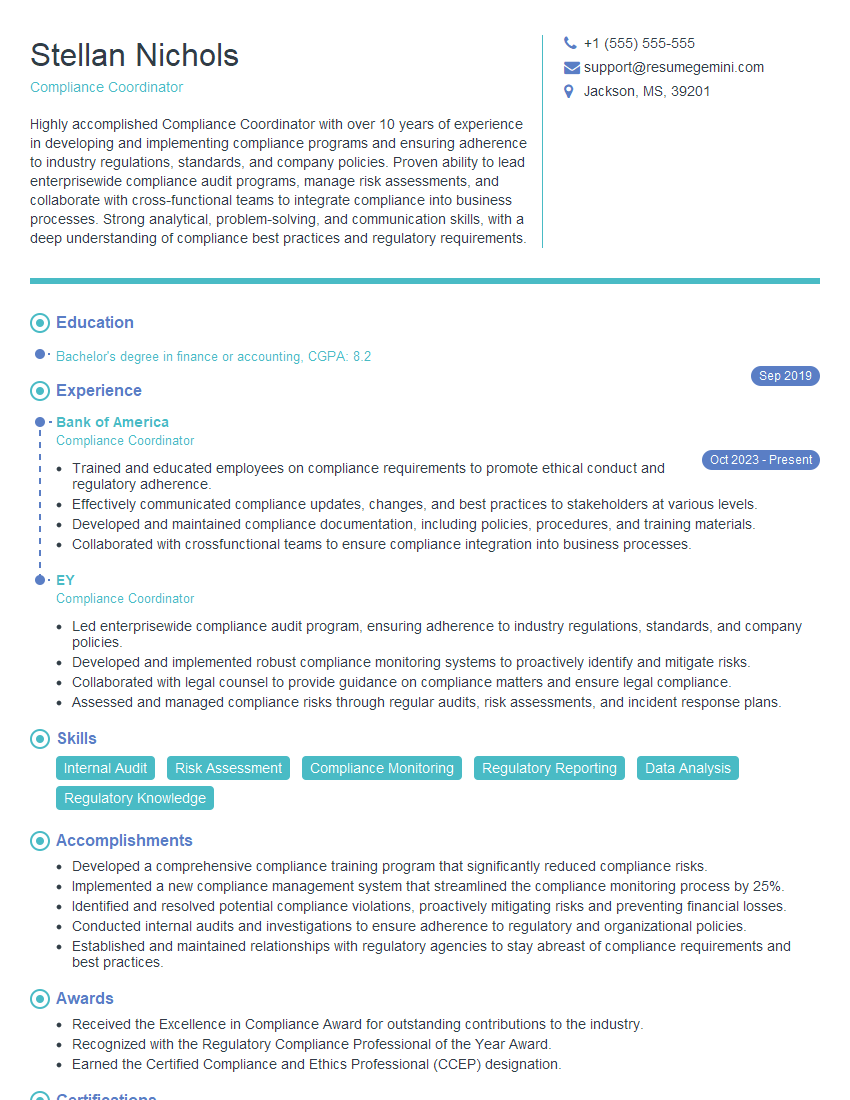
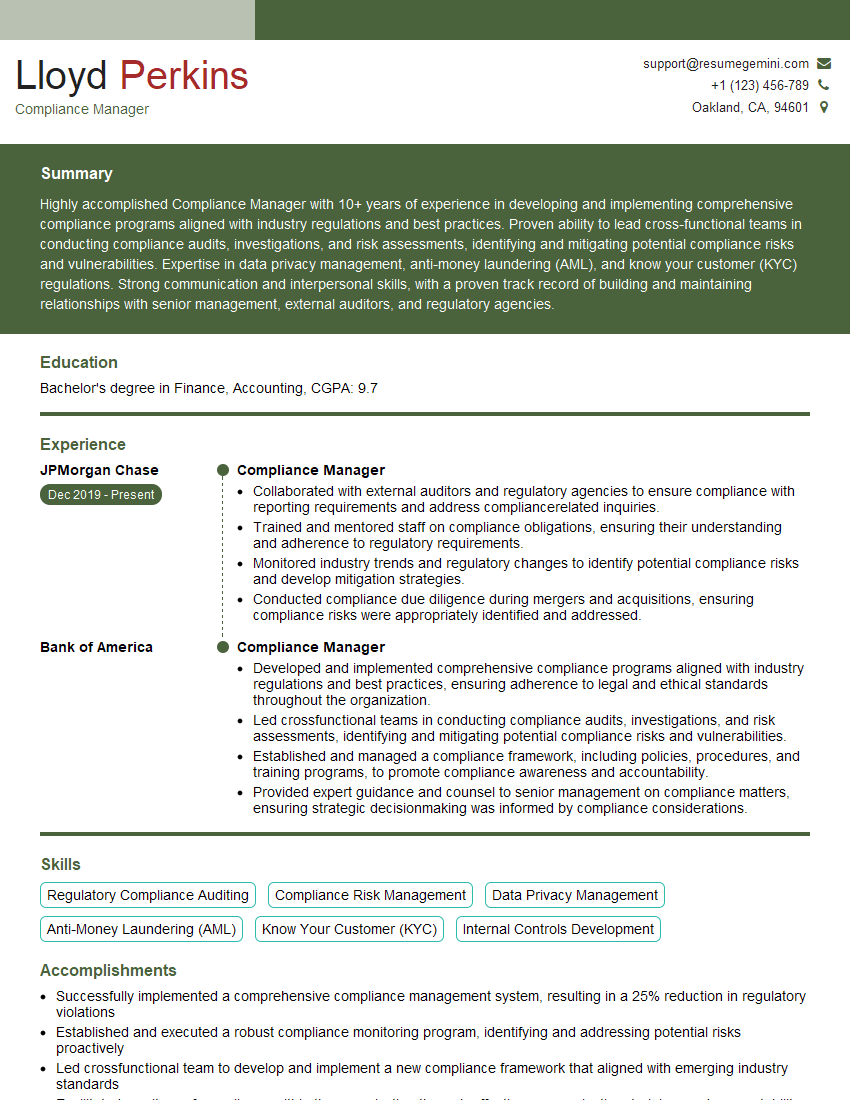
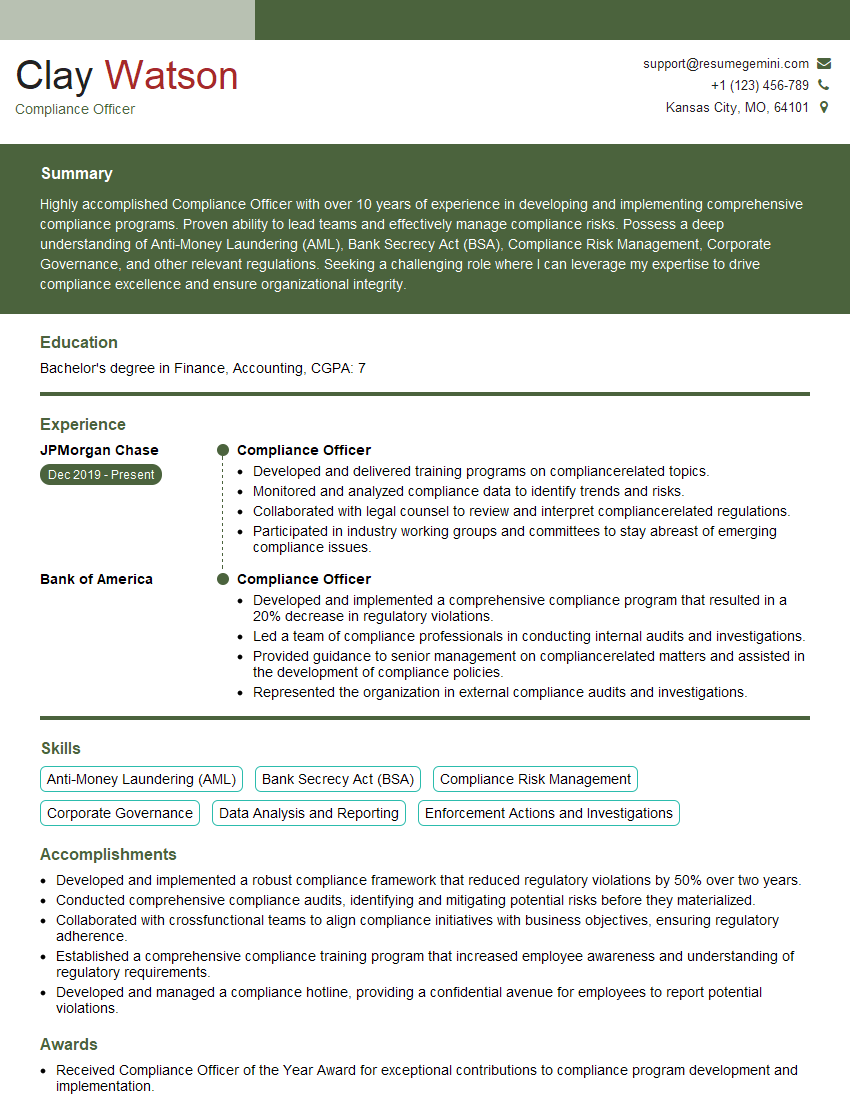
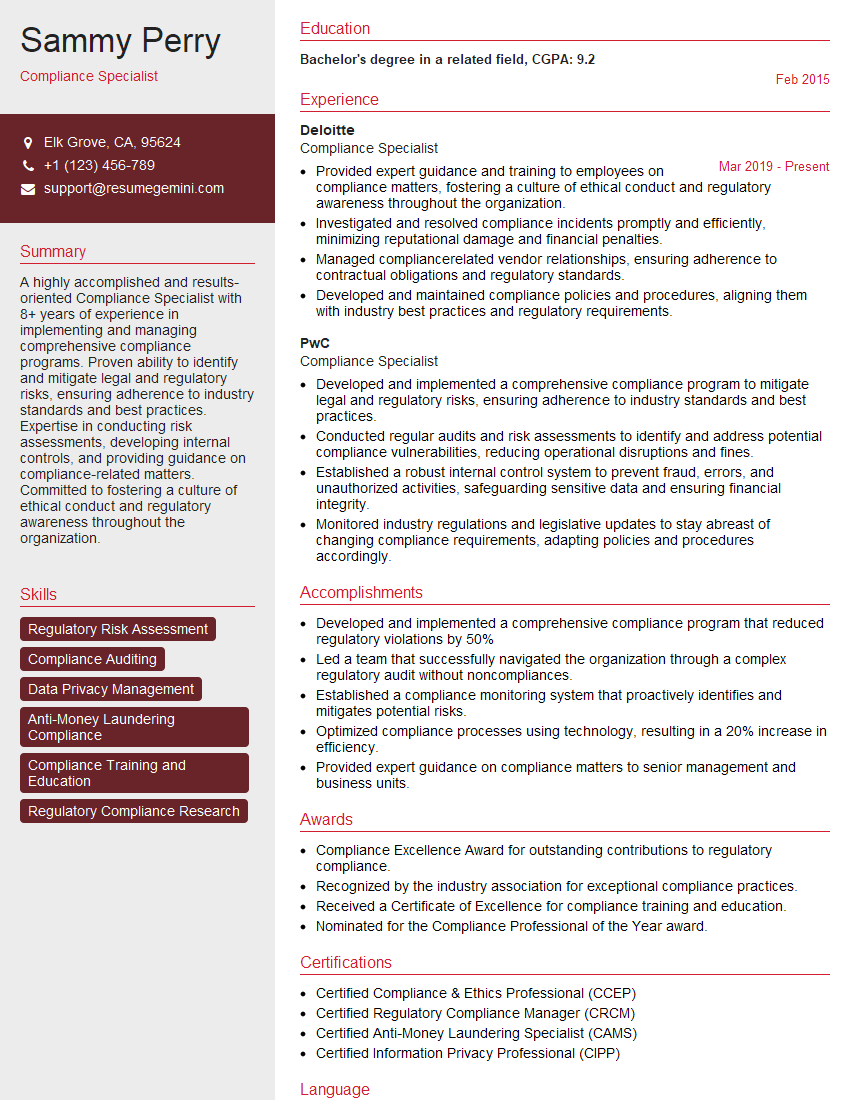
Mastering NCAA Rules and Regulations is crucial for career advancement in collegiate athletics. A strong understanding of these rules demonstrates your commitment to compliance and ethical conduct, making you a highly valuable asset to any athletic department. To increase your job prospects, create an ATS-friendly resume that highlights your skills and experience. ResumeGemini is a trusted resource that can help you build a professional resume tailored to the specific demands of the NCAA compliance field. Examples of resumes tailored to NCAA Rules and Regulations are available to guide you in this process.
Explore more articles
Users Rating of Our Blogs
Share Your Experience
We value your feedback! Please rate our content and share your thoughts (optional).
What Readers Say About Our Blog
Attention music lovers!
Wow, All the best Sax Summer music !!!
Spotify: https://open.spotify.com/artist/6ShcdIT7rPVVaFEpgZQbUk
Apple Music: https://music.apple.com/fr/artist/jimmy-sax-black/1530501936
YouTube: https://music.youtube.com/browse/VLOLAK5uy_noClmC7abM6YpZsnySxRqt3LoalPf88No
Other Platforms and Free Downloads : https://fanlink.tv/jimmysaxblack
on google : https://www.google.com/search?q=22+AND+22+AND+22
on ChatGPT : https://chat.openai.com?q=who20jlJimmy20Black20Sax20Producer
Get back into the groove with Jimmy sax Black
Best regards,
Jimmy sax Black
www.jimmysaxblack.com
Hi I am a troller at The aquatic interview center and I suddenly went so fast in Roblox and it was gone when I reset.
Hi,
Business owners spend hours every week worrying about their website—or avoiding it because it feels overwhelming.
We’d like to take that off your plate:
$69/month. Everything handled.
Our team will:
Design a custom website—or completely overhaul your current one
Take care of hosting as an option
Handle edits and improvements—up to 60 minutes of work included every month
No setup fees, no annual commitments. Just a site that makes a strong first impression.
Find out if it’s right for you:
https://websolutionsgenius.com/awardwinningwebsites
Hello,
we currently offer a complimentary backlink and URL indexing test for search engine optimization professionals.
You can get complimentary indexing credits to test how link discovery works in practice.
No credit card is required and there is no recurring fee.
You can find details here:
https://wikipedia-backlinks.com/indexing/
Regards
NICE RESPONSE TO Q & A
hi
The aim of this message is regarding an unclaimed deposit of a deceased nationale that bears the same name as you. You are not relate to him as there are millions of people answering the names across around the world. But i will use my position to influence the release of the deposit to you for our mutual benefit.
Respond for full details and how to claim the deposit. This is 100% risk free. Send hello to my email id: lukachachibaialuka@gmail.com
Luka Chachibaialuka
Hey interviewgemini.com, just wanted to follow up on my last email.
We just launched Call the Monster, an parenting app that lets you summon friendly ‘monsters’ kids actually listen to.
We’re also running a giveaway for everyone who downloads the app. Since it’s brand new, there aren’t many users yet, which means you’ve got a much better chance of winning some great prizes.
You can check it out here: https://bit.ly/callamonsterapp
Or follow us on Instagram: https://www.instagram.com/callamonsterapp
Thanks,
Ryan
CEO – Call the Monster App
Hey interviewgemini.com, I saw your website and love your approach.
I just want this to look like spam email, but want to share something important to you. We just launched Call the Monster, a parenting app that lets you summon friendly ‘monsters’ kids actually listen to.
Parents are loving it for calming chaos before bedtime. Thought you might want to try it: https://bit.ly/callamonsterapp or just follow our fun monster lore on Instagram: https://www.instagram.com/callamonsterapp
Thanks,
Ryan
CEO – Call A Monster APP
To the interviewgemini.com Owner.
Dear interviewgemini.com Webmaster!
Hi interviewgemini.com Webmaster!
Dear interviewgemini.com Webmaster!
excellent
Hello,
We found issues with your domain’s email setup that may be sending your messages to spam or blocking them completely. InboxShield Mini shows you how to fix it in minutes — no tech skills required.
Scan your domain now for details: https://inboxshield-mini.com/
— Adam @ InboxShield Mini
support@inboxshield-mini.com
Reply STOP to unsubscribe
Hi, are you owner of interviewgemini.com? What if I told you I could help you find extra time in your schedule, reconnect with leads you didn’t even realize you missed, and bring in more “I want to work with you” conversations, without increasing your ad spend or hiring a full-time employee?
All with a flexible, budget-friendly service that could easily pay for itself. Sounds good?
Would it be nice to jump on a quick 10-minute call so I can show you exactly how we make this work?
Best,
Hapei
Marketing Director
Hey, I know you’re the owner of interviewgemini.com. I’ll be quick.
Fundraising for your business is tough and time-consuming. We make it easier by guaranteeing two private investor meetings each month, for six months. No demos, no pitch events – just direct introductions to active investors matched to your startup.
If youR17;re raising, this could help you build real momentum. Want me to send more info?
Hi, I represent an SEO company that specialises in getting you AI citations and higher rankings on Google. I’d like to offer you a 100% free SEO audit for your website. Would you be interested?
Hi, I represent an SEO company that specialises in getting you AI citations and higher rankings on Google. I’d like to offer you a 100% free SEO audit for your website. Would you be interested?