Cracking a skill-specific interview, like one for Networking and Data Analysis, requires understanding the nuances of the role. In this blog, we present the questions you’re most likely to encounter, along with insights into how to answer them effectively. Let’s ensure you’re ready to make a strong impression.
Questions Asked in Networking and Data Analysis Interview
Q 1. Explain the difference between TCP and UDP.
TCP (Transmission Control Protocol) and UDP (User Datagram Protocol) are both communication protocols used on the internet, but they differ significantly in how they handle data transmission. Think of it like sending a package: TCP is like using registered mail – reliable, but slower; UDP is like sending a postcard – fast, but there’s no guarantee it will arrive.
- TCP: Connection-oriented, reliable, ordered delivery, error checking, and flow control. It establishes a connection before transmitting data, ensuring data arrives in the correct sequence and without errors. This makes it ideal for applications requiring reliable data transfer, like web browsing (HTTP) or email (SMTP).
- UDP: Connectionless, unreliable, unordered delivery, no error checking or flow control. It simply sends data packets without establishing a connection. This makes it faster but less reliable. It’s often used for applications where speed is prioritized over reliability, such as streaming video (RTP) or online gaming.
Example: Imagine downloading a large file. TCP ensures all the data packets arrive correctly and in order. If a packet is lost, TCP automatically retransmits it. On the other hand, streaming a live video might use UDP, as a few lost packets won’t significantly impact the viewing experience, and speed is crucial.
Q 2. Describe the OSI model and its layers.
The OSI (Open Systems Interconnection) model is a conceptual framework that standardizes the functions of a networking system into seven distinct layers. Each layer performs specific tasks and interacts with the layers above and below it. It’s like a layered cake, where each layer has a specific role to play in getting the cake from the kitchen to your table.
- Physical Layer: Deals with the physical cables and connectors. Think of the actual wires and plugs.
- Data Link Layer: Handles data frame creation and error detection at the local network level. It’s like labeling the boxes containing the cake slices to ensure they are delivered to the correct address.
- Network Layer: Handles logical addressing (IP addresses) and routing. This is the layer that knows where to send the cake within the whole city.
- Transport Layer: Provides reliable or unreliable data transmission (TCP or UDP). It makes sure all the cake slices arrive at the same time.
- Session Layer: Manages sessions between applications. It establishes a meeting place for the cake delivery.
- Presentation Layer: Handles data formatting and encryption/decryption. This might be how the cake is presented in a box.
- Application Layer: Provides services to applications such as email (SMTP), file transfer (FTP), and web browsing (HTTP). This is like the final destination – the party where the cake is served.
Q 3. What are the different types of network topologies?
Network topologies describe the physical or logical arrangement of nodes (computers, printers, etc.) in a network. Several common topologies exist:
- Bus Topology: All devices connect to a single cable (the bus). Simple but prone to single points of failure. Think of a hallway where everyone is on the same corridor.
- Star Topology: All devices connect to a central hub or switch. Most common today; less prone to failure compared to bus topology. Think of a wheel with spokes connecting to the center.
- Ring Topology: Devices are connected in a closed loop, data travels in one direction. Less common now due to high vulnerability if a single connection is compromised.
- Mesh Topology: Multiple paths between nodes, highly reliable and redundant. Think of many interconnected roads.
- Tree Topology: A hierarchical structure; often used in large networks. This resembles a tree with branches and leaves.
The choice of topology depends on factors such as network size, cost, and required reliability.
Q 4. Explain the concept of subnetting.
Subnetting is the process of dividing a larger network (IP address range) into smaller, more manageable subnetworks. This improves network efficiency, security, and scalability. Imagine you have a large city; subnetting is like dividing it into smaller neighborhoods for better organization.
It involves borrowing bits from the host portion of an IP address to create subnet masks. This creates multiple smaller networks within the larger network, each with its own subnet mask and broadcast address. Proper subnetting is crucial for efficient routing and resource management within a network.
Example: A Class C network (192.168.1.0/24) can be subnetted into smaller networks, such as 192.168.1.0/25, 192.168.1.128/25, etc. Each subnet will have a smaller number of available IP addresses, enabling better network organization and control.
Q 5. How does DNS work?
DNS (Domain Name System) translates human-readable domain names (like google.com) into machine-readable IP addresses (like 172.217.160.142). Without DNS, you’d have to remember IP addresses for every website you visit – which would be incredibly difficult! It’s like a phone book for the internet.
It works through a hierarchical system of servers:
- Root Servers: The top-level servers, pointing to Top-Level Domains (TLDs).
- TLD Servers: Servers for top-level domains (e.g., .com, .org, .net).
- Authoritative Name Servers: Servers specific to a domain (e.g.,
google.com‘s DNS server).
When you type a domain name in your browser, your computer queries these servers in sequence until it finds the IP address associated with the domain. This process is typically very fast, ensuring seamless web browsing.
Q 6. What are common network security threats and how can they be mitigated?
Common network security threats are numerous and constantly evolving. Here are a few significant ones and their mitigation strategies:
- Malware: Viruses, worms, trojans, etc. Mitigation: Anti-virus software, firewalls, regular software updates.
- Phishing: Attempts to trick users into revealing sensitive information. Mitigation: User education, strong password policies, multi-factor authentication.
- Denial-of-Service (DoS) Attacks: Flooding a network with traffic to make it unavailable. Mitigation: DDoS mitigation services, robust infrastructure.
- Man-in-the-Middle (MitM) Attacks: Intercepting communication between two parties. Mitigation: HTTPS, VPNs, strong encryption.
- SQL Injection: Exploiting vulnerabilities in databases. Mitigation: Input validation, parameterized queries.
A layered security approach, combining multiple techniques, is the most effective strategy for mitigating these threats. Regular security audits and vulnerability assessments are also crucial.
Q 7. What is a firewall and how does it function?
A firewall is a network security system that monitors and controls incoming and outgoing network traffic based on predetermined security rules. It acts as a gatekeeper, allowing only authorized traffic to pass through while blocking unauthorized access. Think of it as a bouncer at a nightclub, letting in only those who meet the entry requirements.
Firewalls can be hardware or software-based. They function by examining data packets and comparing them against their security rules. These rules define which traffic is permitted, blocked, or subjected to further inspection. They use various techniques like packet filtering, stateful inspection, and application-level gateways to control network access. Well-configured firewalls are a critical component of any network security strategy.
Q 8. Explain the difference between a router and a switch.
Routers and switches are both fundamental networking devices, but they operate at different layers of the OSI model and serve distinct purposes. Think of it like this: a switch is like a well-organized apartment building, connecting residents (devices) on the same floor (network segment), while a router is like the city’s postal service, directing packages (data) between different buildings (networks).
Switch: Operates at Layer 2 (Data Link Layer) of the OSI model. It forwards data based on MAC addresses, learning which MAC address is connected to which port. Switches create broadcast domains, meaning that a broadcast message sent by one device will be received by all devices on the same switch. They are crucial for local network communication, increasing efficiency by only sending data to the intended recipient.
Router: Operates at Layer 3 (Network Layer) of the OSI model. It forwards data based on IP addresses, routing traffic between different networks. Routers create collision domains and broadcast domains. A router examines the destination IP address of a packet and decides the best path to forward it, potentially across multiple networks. They are essential for connecting different networks together, like your home network to the internet.
In short: Switches connect devices within a network, while routers connect networks together. A switch is faster for local communication because it uses MAC addresses, while a router is slower because it needs to determine the best path using IP addresses. Most home networks use a router that also includes a switch.
Q 9. What is VLAN and its purpose?
A VLAN, or Virtual LAN, is a logical grouping of devices that act as if they were on the same physical network, even if they are geographically separated. Imagine a large office building with different departments. Each department could have its own VLAN, providing security and isolation, even though all the devices are connected to the same physical network infrastructure.
Purpose:
Improved Security: VLANs segment the network, limiting the impact of security breaches. If one VLAN is compromised, others remain unaffected.
Enhanced Network Performance: By separating traffic into logical segments, VLANs reduce congestion and improve network performance.
Flexibility and Scalability: VLANs allow for easy reconfiguration of the network without physical changes, making it easier to scale and adapt to changing needs.
Cost Savings: VLANs can reduce the need for expensive physical network hardware by allowing multiple logical networks to share the same physical infrastructure.
Example: A company might have a VLAN for each department (Marketing, Sales, IT), a VLAN for guest Wi-Fi, and a VLAN for servers. This provides separation and control, improving security and management.
Q 10. Describe your experience with network monitoring tools.
I have extensive experience with various network monitoring tools, including Nagios, Zabbix, PRTG, and SolarWinds. My experience spans from setting up and configuring these tools to analyzing the collected data to identify and resolve network performance issues. For example, while working at [Previous Company Name], I used Nagios to monitor the availability and performance of critical network devices such as routers, switches, and servers. I set up alerts for critical thresholds, which allowed for proactive problem solving and prevented potential outages. With Zabbix, I was able to gather detailed performance metrics, including CPU utilization, memory usage, and network traffic. This allowed for detailed capacity planning and optimization of our network infrastructure. I also have experience using SolarWinds to visualize and analyze network traffic patterns, which greatly assisted in identifying bottlenecks and optimizing routing.
My experience encompasses not only using these tools, but also adapting them to the specific needs of different environments. This included customizing dashboards, creating specific alerts based on various factors, and integrating them into existing IT management systems.
Q 11. What are different data analysis techniques you are familiar with?
My data analysis toolkit includes a range of techniques, depending on the nature of the data and the business problem at hand. I am proficient in:
Descriptive Analytics: Summarizing and describing data using techniques like mean, median, mode, standard deviation, and creating visualizations like histograms and scatter plots.
Exploratory Data Analysis (EDA): Using various statistical methods and visualizations to uncover patterns, relationships, and anomalies in the data.
Predictive Analytics: Forecasting future outcomes using techniques like regression analysis, time series analysis, and machine learning algorithms (such as linear regression, logistic regression, random forests, and support vector machines).
Prescriptive Analytics: Recommending actions to optimize outcomes, often employing optimization techniques and simulation modeling.
Statistical Hypothesis Testing: Determining the statistical significance of observed differences or relationships.
Data Mining: Discovering hidden patterns and knowledge from large datasets using various techniques including clustering and association rule mining.
I am also comfortable working with various data structures and programming languages such as Python (with libraries like Pandas, NumPy, and Scikit-learn) and R.
Q 12. Explain the difference between descriptive, predictive, and prescriptive analytics.
These three types of analytics represent a progression in sophistication and application:
Descriptive Analytics: This focuses on understanding what happened in the past. It uses historical data to summarize key performance indicators (KPIs) and identify trends. Think of it as answering the question ‘What happened?’ Examples include sales reports, website traffic statistics, and customer demographics.
Predictive Analytics: This moves beyond describing the past to forecast future outcomes. It utilizes statistical modeling and machine learning to identify patterns and predict what might happen. The key question here is ‘What might happen?’ Examples include predicting customer churn, forecasting sales, or assessing risk.
Prescriptive Analytics: This is the most advanced type, aiming to determine the best course of action to achieve a desired outcome. It uses optimization techniques and simulation to recommend actions that can influence future events. The question answered is ‘What should we do?’ Examples include optimizing supply chains, personalizing marketing campaigns, or recommending optimal pricing strategies.
In essence, descriptive analytics tells you what happened, predictive analytics tells you what might happen, and prescriptive analytics tells you what you should do.
Q 13. What is the Central Limit Theorem and its significance in data analysis?
The Central Limit Theorem (CLT) is a cornerstone of statistical inference. It states that the distribution of the sample means of a sufficiently large number of independent, identically distributed random variables will approximate a normal distribution, regardless of the underlying distribution of the original variables. This holds true even if the original data is not normally distributed.
Significance in Data Analysis:
Inference about Population Means: The CLT allows us to make inferences about the population mean based on the sample mean, even with limited knowledge about the population distribution. We can construct confidence intervals and conduct hypothesis tests on the population mean with a high degree of accuracy.
Foundation for Statistical Tests: Many statistical tests, like t-tests and z-tests, rely on the CLT’s assumption of normality. It allows us to apply these tests even when the data isn’t perfectly normal, as long as the sample size is sufficiently large.
Simplifies Analysis: The normality of the sample means simplifies calculations and interpretations. The normal distribution has well-defined properties, making statistical analysis more manageable.
Example: Imagine you want to estimate the average height of all adults in a country. You can take a random sample of adults, calculate their average height, and use the CLT to construct a confidence interval for the true average height of the entire population, even if the height distribution in the population isn’t perfectly normal.
Q 14. Describe your experience with SQL and NoSQL databases.
I possess significant experience working with both SQL and NoSQL databases. My SQL experience spans various relational database management systems (RDBMS), including MySQL, PostgreSQL, and SQL Server. I am proficient in writing complex queries, optimizing database performance, and designing relational database schemas. I’ve worked extensively with data manipulation, data warehousing, and reporting using SQL.
My experience with NoSQL databases is primarily with MongoDB and Cassandra. I understand the differences between document, key-value, graph, and column-family stores. I know when to apply which database type and am skilled in using appropriate NoSQL technologies for specific applications. For instance, when dealing with large volumes of unstructured or semi-structured data, MongoDB’s flexibility and scalability proves very useful, unlike typical relational databases which could prove inefficient. In cases needing high availability and fault tolerance, Cassandra’s distributed architecture would be the optimal choice.
I’ve used both types of databases in real-world projects, choosing the most suitable solution based on project needs. In one project, a relational database was perfect for a transaction-heavy application needing data integrity. In another, a NoSQL database was the far better option for handling vast amounts of user-generated content.
Q 15. What are some common data visualization techniques?
Data visualization is the graphical representation of information and data. It allows us to see patterns, trends, and outliers in data that might be difficult to spot in raw numbers. Effective visualization makes complex data sets easier to understand and interpret, improving decision-making.
- Bar charts: Ideal for comparing different categories or groups. Think of comparing website traffic from different sources (e.g., organic search, social media, paid advertising).
- Line charts: Excellent for showing trends over time. Imagine tracking website visits over a month to identify peak periods.
- Pie charts: Useful for showing proportions of a whole. For example, representing the market share of different mobile operating systems.
- Scatter plots: Show the relationship between two variables. We could use one to see the correlation between advertising spend and sales revenue.
- Histograms: Display the distribution of a single numerical variable. A good choice for understanding the distribution of customer ages.
- Heatmaps: Represent data through color variations, useful for showing correlations or intensity across a matrix. Network administrators could use it to visualize network traffic congestion.
The choice of visualization technique depends entirely on the type of data and the insights you aim to extract. For instance, if you’re analyzing time-series data (like network latency), line charts are highly effective.
Career Expert Tips:
- Ace those interviews! Prepare effectively by reviewing the Top 50 Most Common Interview Questions on ResumeGemini.
- Navigate your job search with confidence! Explore a wide range of Career Tips on ResumeGemini. Learn about common challenges and recommendations to overcome them.
- Craft the perfect resume! Master the Art of Resume Writing with ResumeGemini’s guide. Showcase your unique qualifications and achievements effectively.
- Don’t miss out on holiday savings! Build your dream resume with ResumeGemini’s ATS optimized templates.
Q 16. How do you handle missing data in a dataset?
Handling missing data is crucial for maintaining data integrity and avoiding biased results. The approach depends on the extent and nature of the missing data. Ignoring it often leads to inaccurate conclusions.
- Deletion: Simple but potentially wasteful. Listwise deletion removes entire rows with missing values, suitable only when missing data is minimal and random. Pairwise deletion uses available data for each analysis. However, it can lead to inconsistencies and inaccuracies.
- Imputation: Replacing missing values with estimated ones. Methods include:
- Mean/Median/Mode imputation: Replacing with the average (mean), middle value (median), or most frequent value (mode). Simple, but can distort the distribution, especially with non-randomly missing data.
- Regression imputation: Predicting missing values using a regression model built on other variables. This is more sophisticated, offering better estimations.
- K-Nearest Neighbors (KNN): Imputing missing values based on the values of similar data points (neighbors). Effective but computationally expensive.
- Multiple Imputation: Creates several plausible imputed datasets, which provides a more robust estimation than single imputation.
The best approach often depends on the specific dataset and the type of analysis. For example, if you have time-series data of network traffic with missing spikes, sophisticated imputation techniques like KNN or regression may be suitable to preserve temporal patterns. If it’s a smaller dataset with minimal missing values, Listwise deletion may be acceptable.
Q 17. Explain the concept of data cleaning and preprocessing.
Data cleaning and preprocessing are essential steps before any data analysis. It involves transforming raw data into a usable format for analysis. Think of it as preparing ingredients before cooking a meal.
- Data Cleaning: Addressing issues like missing values (as discussed earlier), inconsistent data entry (e.g., variations in date formats), and outliers (data points significantly different from others).
- Data Preprocessing: Transforming data into a suitable format for analysis. This could include:
- Data Transformation: Converting data types (e.g., string to numeric), scaling (normalizing or standardizing), and encoding categorical variables (e.g., one-hot encoding).
- Feature Engineering: Creating new features from existing ones to improve model accuracy. For network data, this might involve deriving features like packet loss rate from raw packet count and transmission time.
- Data Reduction: Reducing dimensionality to minimize noise and improve model performance. Techniques like Principal Component Analysis (PCA) are used.
Imagine analyzing network logs. Data cleaning would involve handling missing timestamps or inconsistent IP address formats. Preprocessing would involve transforming categorical data (like protocol types) into numerical representations for machine learning algorithms.
Q 18. What is A/B testing and how is it used?
A/B testing (also known as split testing) is a controlled experiment where two versions (A and B) of a webpage, app, or other item are compared to see which performs better.
How it’s used: Let’s say you want to improve the conversion rate on your website. You create two versions of a landing page: version A (control) and version B (treatment), differing in a single element like the headline or button color. You then split your website traffic randomly into two groups – one seeing version A, the other seeing version B. After collecting sufficient data, you analyze the conversion rates (e.g., number of sign-ups or purchases) for both versions. Statistical analysis helps determine if the difference in conversion rates is statistically significant, indicating which version performs better.
Example in Networking: Imagine testing two different routing protocols. You could split network traffic and route a portion using protocol A and another portion using protocol B. By monitoring parameters like latency, packet loss, and throughput, you can decide which protocol provides better network performance.
Q 19. How do you identify outliers in a dataset?
Outliers are data points that significantly deviate from the rest of the data. Identifying them is crucial because they can skew analysis and model results.
- Visual Inspection: Using scatter plots, box plots, or histograms to visually identify points far from the main cluster.
- Statistical Methods:
- Z-score: Measures how many standard deviations a data point is from the mean. Data points with a Z-score above a certain threshold (e.g., 3 or -3) are considered outliers.
- Interquartile Range (IQR): The difference between the 75th and 25th percentiles. Data points below Q1 – 1.5*IQR or above Q3 + 1.5*IQR are flagged as potential outliers.
In network analysis, an outlier could be an unusually high latency value, indicating a potential network bottleneck. Identifying and investigating these outliers can lead to better network optimization.
Q 20. What are different types of biases in data?
Biases in data can significantly distort the results of any analysis. They can stem from various sources and often lead to inaccurate conclusions.
- Selection Bias: Occurs when the sample used for analysis is not representative of the population. For example, only surveying users who actively engage with your app would bias your understanding of overall user satisfaction.
- Confirmation Bias: Interpreting data in a way that confirms pre-existing beliefs. In network security, this might lead to overlooking potential threats that don’t align with initial assumptions.
- Sampling Bias: Arises when the sampling method is flawed, leading to an unrepresentative sample. For instance, a network monitoring system that only collects data from certain parts of the network will lead to a skewed view of overall network performance.
- Survivorship Bias: Only focusing on successful cases, ignoring failed ones. Consider analyzing only successful network deployments while ignoring those that failed.
- Measurement Bias: Inaccuracies in data collection or measurement. A faulty network sensor providing inconsistent data would fall under this category.
Understanding and mitigating biases is essential for drawing accurate conclusions. Proper sampling techniques, careful data collection, and rigorous analysis are crucial.
Q 21. Explain your experience with statistical hypothesis testing.
Statistical hypothesis testing is a crucial part of data analysis, allowing us to make inferences about a population based on a sample. It involves formulating a null hypothesis (usually a statement of no effect) and an alternative hypothesis (the opposite of the null hypothesis).
I have extensive experience with various hypothesis testing methods including t-tests (for comparing means), ANOVA (analysis of variance, for comparing means across multiple groups), chi-squared tests (for analyzing categorical data), and non-parametric tests (for data that doesn’t follow a normal distribution). In my previous role, I used t-tests to analyze the effectiveness of different network optimization techniques, comparing average latency before and after implementing changes. I also utilized ANOVA to compare the performance of multiple network protocols across different network conditions. The results helped in identifying the most effective protocol in various scenarios. The choice of the test depends entirely on the nature of the data (e.g., continuous or categorical), the distribution, and the research question.
My process typically involves:
- Defining the research question and formulating hypotheses.
- Choosing an appropriate statistical test based on the data type and research question.
- Setting a significance level (alpha), usually 0.05.
- Collecting data and performing the chosen test.
- Interpreting the p-value and drawing conclusions. If the p-value is less than alpha, we reject the null hypothesis; otherwise, we fail to reject it. This approach helps us to draw statistically valid conclusions and make data-driven decisions.
Q 22. How do you measure the accuracy of a machine learning model?
Measuring the accuracy of a machine learning model depends heavily on the type of problem you’re solving (classification, regression, etc.) and the specific metrics relevant to your business goals. There’s no single ‘best’ metric, but several common ones provide different perspectives on model performance.
For Classification Problems:
- Accuracy: The simplest metric; the percentage of correctly classified instances. However, it can be misleading with imbalanced datasets (e.g., 99% of your data is one class).
Accuracy = (True Positives + True Negatives) / Total Instances - Precision: Out of all the instances predicted as positive, what proportion was actually positive? Useful when the cost of false positives is high (e.g., spam detection).
Precision = True Positives / (True Positives + False Positives) - Recall (Sensitivity): Out of all the actually positive instances, what proportion did the model correctly identify? Useful when the cost of false negatives is high (e.g., disease diagnosis).
Recall = True Positives / (True Positives + False Negatives) - F1-Score: The harmonic mean of precision and recall, providing a balanced measure. Useful when both false positives and false negatives are costly.
F1-Score = 2 * (Precision * Recall) / (Precision + Recall) - AUC-ROC (Area Under the Receiver Operating Characteristic Curve): Measures the model’s ability to distinguish between classes across different thresholds. A higher AUC indicates better performance.
- Accuracy: The simplest metric; the percentage of correctly classified instances. However, it can be misleading with imbalanced datasets (e.g., 99% of your data is one class).
For Regression Problems:
- Mean Squared Error (MSE): The average squared difference between predicted and actual values. Sensitive to outliers.
- Root Mean Squared Error (RMSE): The square root of MSE, making it easier to interpret in the original units of the target variable.
- Mean Absolute Error (MAE): The average absolute difference between predicted and actual values, less sensitive to outliers than MSE.
- R-squared: Represents the proportion of variance in the dependent variable explained by the model. Ranges from 0 to 1, with higher values indicating better fit.
In practice, I’d typically use a combination of these metrics, depending on the context. For example, in a fraud detection system, I’d prioritize recall to minimize missing fraudulent transactions, even if it means accepting a higher number of false positives.
Q 23. What is your experience with data mining techniques?
My experience with data mining techniques is extensive, encompassing various methods for discovering patterns and insights from large datasets. I’ve worked with both supervised and unsupervised learning techniques.
Supervised Learning: I’ve applied techniques like linear regression, logistic regression, support vector machines (SVMs), decision trees, random forests, and gradient boosting machines (GBMs) to build predictive models for various applications such as customer churn prediction, fraud detection, and risk assessment. I’m proficient in selecting appropriate algorithms based on the dataset characteristics and problem type.
Unsupervised Learning: I’ve utilized clustering techniques (k-means, hierarchical clustering) to segment customer bases, identify anomalies in network traffic, and perform dimensionality reduction using principal component analysis (PCA) to simplify complex datasets. Association rule mining (Apriori algorithm) has been used to discover interesting relationships between products in sales data.
Beyond these core techniques, I’m familiar with feature engineering, model selection, hyperparameter tuning (using techniques like grid search and cross-validation), and model evaluation, all crucial steps in building robust and reliable data mining models. I’m also experienced in using various data mining tools and programming languages like Python (with libraries such as scikit-learn, pandas, and NumPy) and R.
For example, in a recent project involving customer churn prediction, I used a combination of feature engineering (creating new variables from existing ones), random forest modeling, and cross-validation to achieve a significant improvement in prediction accuracy compared to a simpler logistic regression model.
Q 24. What are the challenges of working with big data?
Working with big data presents several significant challenges, falling broadly into the categories of volume, velocity, variety, veracity, and value (the five Vs):
Volume: The sheer size of big data necessitates specialized storage solutions (distributed file systems like Hadoop Distributed File System (HDFS) or cloud-based object storage) and processing frameworks (like Spark or Hadoop MapReduce) to handle the data efficiently.
Velocity: The speed at which data is generated and needs to be processed requires real-time or near real-time processing capabilities. Traditional batch processing approaches often fall short.
Variety: Big data comes in many forms—structured, semi-structured, and unstructured (text, images, videos). Handling this diversity requires techniques to integrate and process different data types effectively.
Veracity: Ensuring data quality and accuracy is crucial. Big data often contains inconsistencies, errors, and missing values that need to be addressed through data cleaning and validation processes.
Value: Extracting meaningful insights from big data requires advanced analytical techniques and skilled data scientists to identify patterns and trends that can be used to make informed business decisions. Simply storing and processing the data isn’t enough; the focus must be on deriving value.
Furthermore, managing the infrastructure, security, and cost associated with big data can be complex and require specialized expertise. Scalability is another key challenge, ensuring the system can handle ever-increasing data volumes and processing demands.
Q 25. Describe your experience with cloud platforms like AWS, Azure, or GCP.
I have extensive experience with cloud platforms, specifically AWS (Amazon Web Services) and Azure (Microsoft Azure). My experience spans various services within these platforms, including:
Compute: I’ve used EC2 (Amazon Elastic Compute Cloud) and Azure Virtual Machines to deploy and manage compute resources for data processing and machine learning tasks. I’m comfortable scaling these resources up or down based on demand.
Storage: I’ve utilized S3 (Amazon Simple Storage Service) and Azure Blob Storage for storing large datasets, taking advantage of their scalability and cost-effectiveness. I understand the trade-offs between different storage tiers.
Data Processing: I’ve worked with EMR (Amazon Elastic MapReduce) and Azure HDInsight for running Hadoop and Spark jobs on large-scale data. I’m experienced in optimizing these jobs for performance and cost.
Machine Learning: I’ve used SageMaker (Amazon SageMaker) and Azure Machine Learning services for building, training, and deploying machine learning models in the cloud. I’m familiar with managing model versions and deploying them as REST APIs.
Database Services: I’ve worked with both relational (RDS, Azure SQL Database) and NoSQL databases (DynamoDB, Cosmos DB) depending on the specific requirements of the application.
My experience includes designing and implementing cloud-based data pipelines for data ingestion, processing, and analysis, ensuring scalability, reliability, and security. I’m also adept at cost optimization strategies, choosing the appropriate services and configurations to minimize cloud spending.
Q 26. How do you ensure data quality and integrity?
Ensuring data quality and integrity is paramount. My approach is multi-faceted and involves several key steps:
Data Profiling: Before any analysis, I thoroughly profile the data to understand its characteristics—data types, missing values, outliers, and distributions. This helps identify potential issues early on.
Data Cleaning: I address missing values through imputation techniques (e.g., mean imputation, k-NN imputation) or removal, depending on the context. Outliers are handled through techniques like winsorization or removal, again considering the potential impact on the analysis.
Data Validation: I use data validation rules to check for inconsistencies and errors in the data. This can involve checking data types, ranges, and relationships between variables.
Data Transformation: This may involve converting data types, scaling variables, creating new features, or applying other transformations to make the data suitable for analysis or modeling.
Version Control: Using version control systems (like Git) is crucial to track changes made to the data and allow for easy rollback if necessary. This is especially important in collaborative projects.
Data Governance: Establishing clear data governance policies and procedures helps maintain data quality and integrity over the long term. This includes defining data ownership, access control, and data quality standards.
For instance, in a recent project, I discovered inconsistencies in the date format across different data sources. By implementing a standardized date format and validating all dates against a predefined range, I improved the data quality and avoided errors in the subsequent analysis.
Q 27. Explain your process for communicating data insights to non-technical audiences.
Communicating data insights to non-technical audiences requires careful consideration of the audience’s understanding and their need for information. My approach involves several steps:
Understand the Audience: I begin by identifying the audience’s level of technical expertise, their primary concerns, and the decisions they need to make based on the data.
Translate Technical Jargon: I avoid using technical terms and jargon whenever possible. Instead, I use clear, concise language and simple analogies to explain complex concepts.
Visualizations: I rely heavily on visualizations such as charts, graphs, and dashboards to present data in a visually appealing and easy-to-understand manner. The choice of visualization depends on the data and the message I want to convey.
Storytelling: I structure my communication as a narrative, weaving together data points and insights to create a compelling story that engages the audience and makes the information memorable.
Focus on Key Findings: I prioritize the most important findings and present them clearly, avoiding overwhelming the audience with excessive detail. I focus on actionable insights and their implications.
Interactive Presentations: I may use interactive dashboards or presentations to allow the audience to explore the data further and ask questions.
For example, when presenting churn rate analysis to executives, I avoided technical details about the underlying models and instead focused on the key drivers of churn (e.g., poor customer service, lack of product features), the financial impact of churn, and potential strategies to mitigate it. Using a simple bar chart showing the churn rate by customer segment effectively communicated the key finding.
Q 28. Describe a time you had to troubleshoot a complex network issue.
In a previous role, we experienced a significant network outage that impacted a critical application used by thousands of customers. The initial symptom was widespread application unavailability, accompanied by intermittent connectivity issues.
My troubleshooting process followed these steps:
Gather Information: I started by collecting information from various sources—system logs, network monitoring tools, and user reports. This helped to identify the scope and nature of the problem, confirming widespread impact and intermittent connectivity.
Isolate the Problem: Using network tracing tools (like tcpdump), I analyzed network traffic to pinpoint the location of the bottleneck. This revealed high packet loss between two specific network segments.
Diagnose the Root Cause: Further investigation revealed a faulty network switch in one of the data centers. The switch’s logs indicated multiple port failures, explaining the intermittent connectivity and packet loss.
Implement a Solution: We immediately isolated the faulty switch, rerouting traffic through a redundant switch to restore service. This involved quickly configuring the network switches to use backup paths.
Document and Prevent Recurrence: Once the issue was resolved, I documented the entire troubleshooting process, including the root cause, the steps taken to resolve the problem, and preventative measures. This included upgrading the faulty switch’s firmware, increasing switch redundancy, and improving monitoring capabilities.
The rapid resolution of this complex network issue minimized customer impact and highlighted the importance of robust network monitoring, redundancy, and thorough documentation.
Key Topics to Learn for Networking and Data Analysis Interview
- Networking Fundamentals: Understanding network topologies (star, mesh, bus), IP addressing (IPv4, IPv6), subnetting, routing protocols (BGP, OSPF), and network security concepts (firewalls, intrusion detection systems).
- Practical Application (Networking): Troubleshooting network connectivity issues, designing efficient network architectures for specific scenarios (e.g., a small office network, a cloud-based infrastructure), and optimizing network performance.
- Data Analysis Techniques: Proficiency in statistical analysis, data visualization, and data mining techniques. Understanding various data structures (arrays, linked lists, trees) and algorithms for data manipulation and analysis.
- Practical Application (Data Analysis): Experience with data cleaning and preprocessing, conducting exploratory data analysis (EDA), building predictive models using regression or classification algorithms, and presenting data insights effectively through visualizations.
- Database Management Systems (DBMS): Familiarity with relational databases (SQL), NoSQL databases (MongoDB, Cassandra), database design principles, and SQL query optimization.
- Big Data Technologies (Optional): Exposure to technologies like Hadoop, Spark, or cloud-based data warehousing solutions (Snowflake, AWS Redshift) is a significant plus for advanced roles.
- Problem-Solving & Algorithm Design: The ability to approach complex problems methodically, break them down into smaller, manageable parts, and design efficient algorithms to solve them is crucial for both networking and data analysis interviews.
Next Steps
Mastering Networking and Data Analysis opens doors to exciting and high-demand careers in technology. These skills are essential for roles ranging from Network Engineers and Data Analysts to Cloud Architects and Data Scientists. To significantly improve your job prospects, focus on crafting an ATS-friendly resume that highlights your key achievements and skills. ResumeGemini is a trusted resource to help you build a professional and impactful resume that stands out to recruiters. Examples of resumes tailored for Networking and Data Analysis professionals are available to guide you through the process.
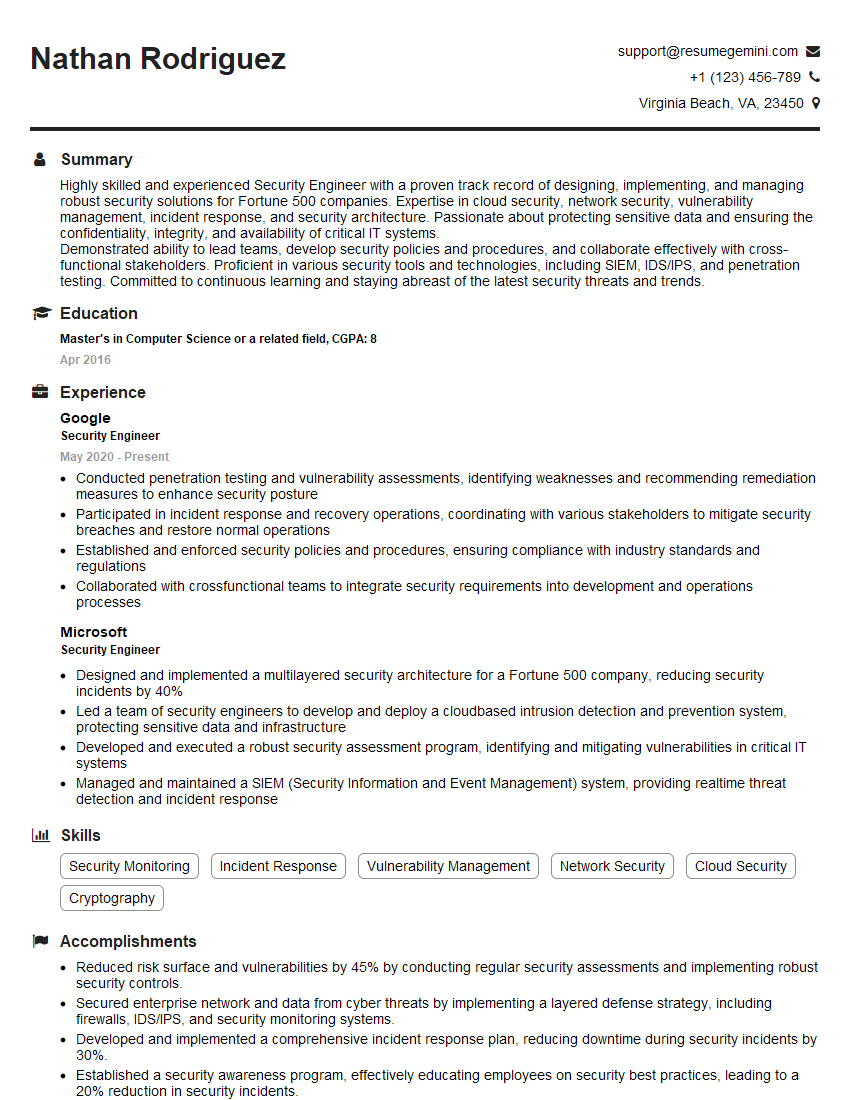
Security Engineer Resume Sample
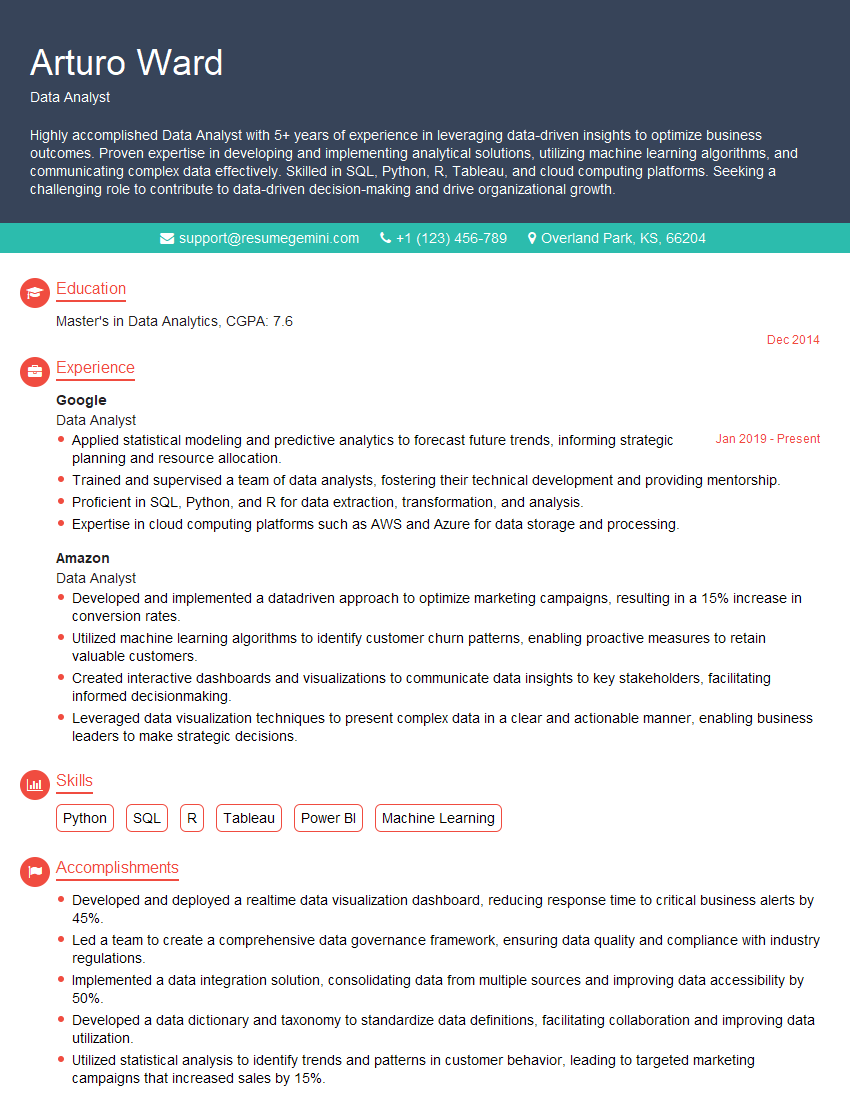
Data Analyst Resume Sample
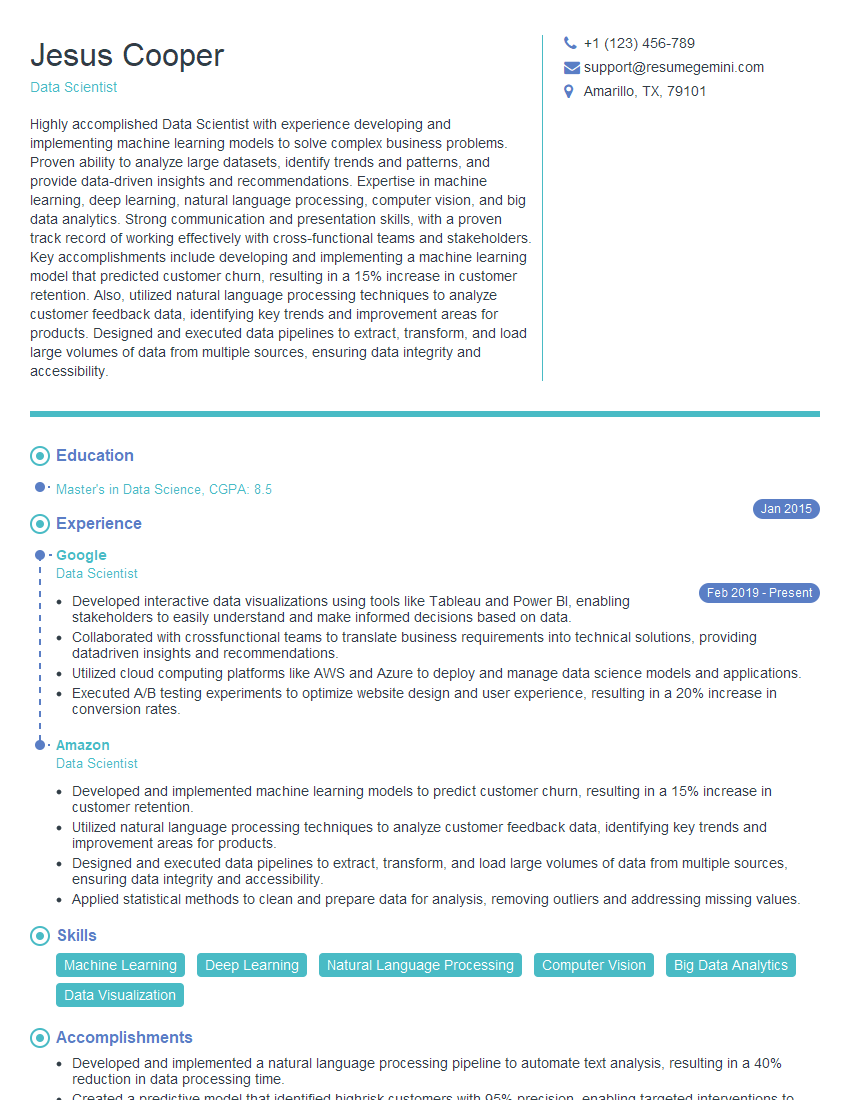
Data Scientist Resume Sample
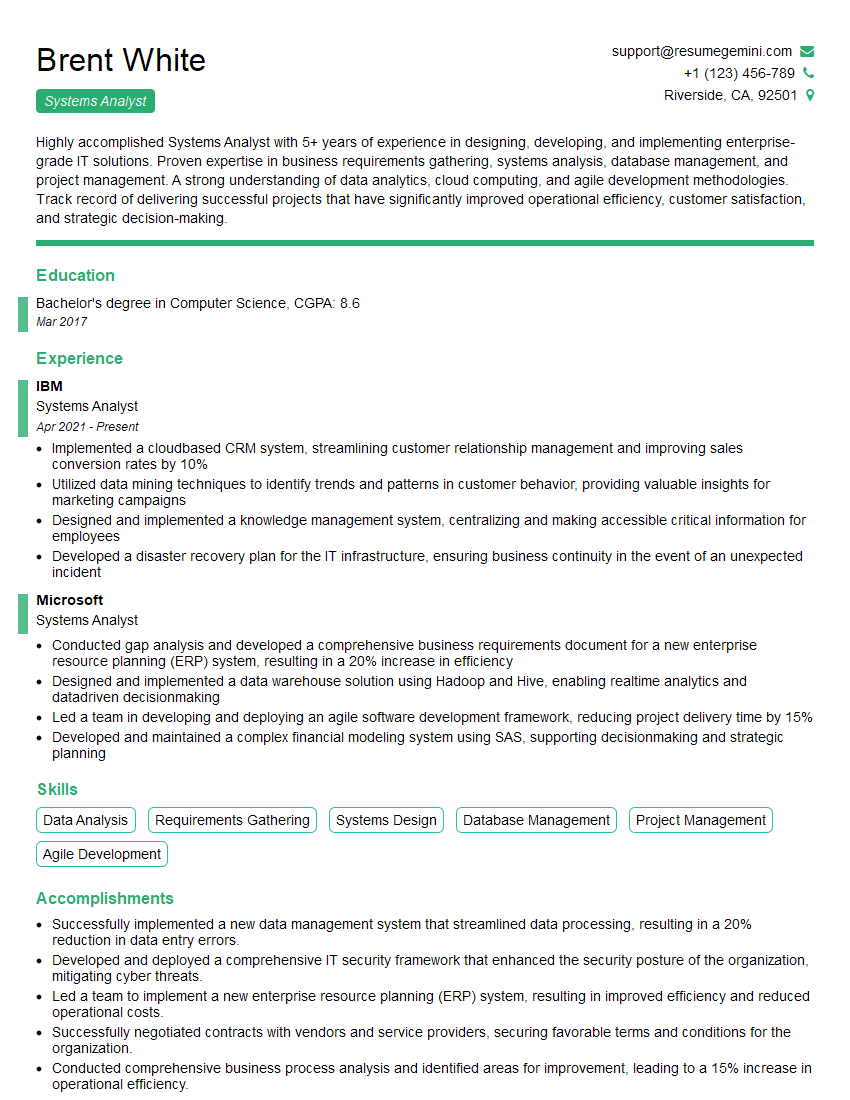
Systems Analyst Resume Sample
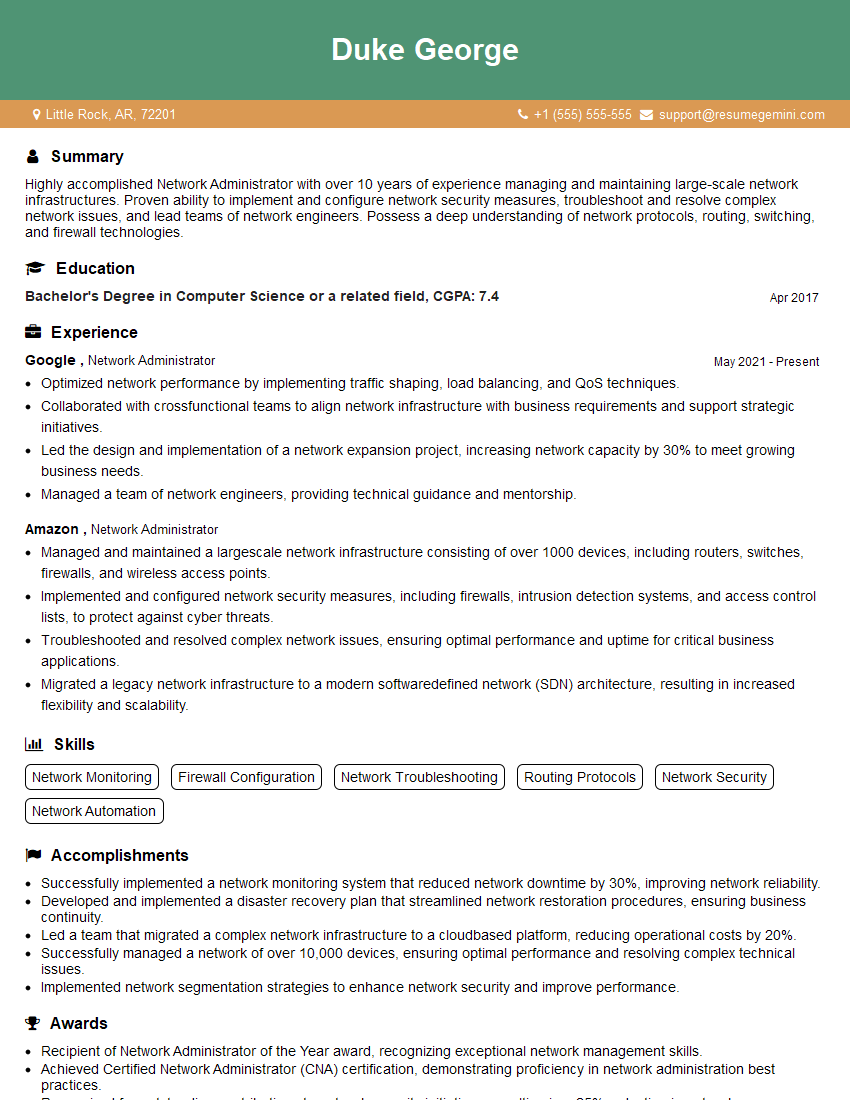
Network Administrator Resume Sample
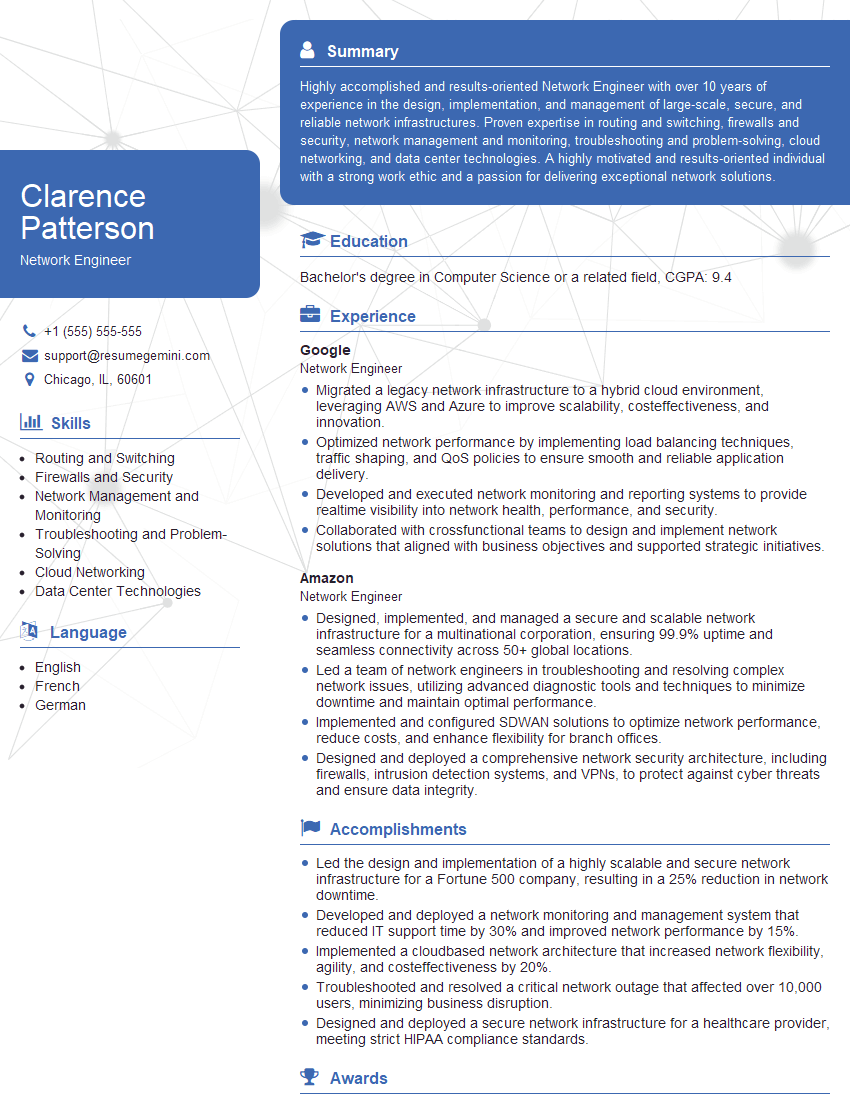
Network Engineer Resume Sample
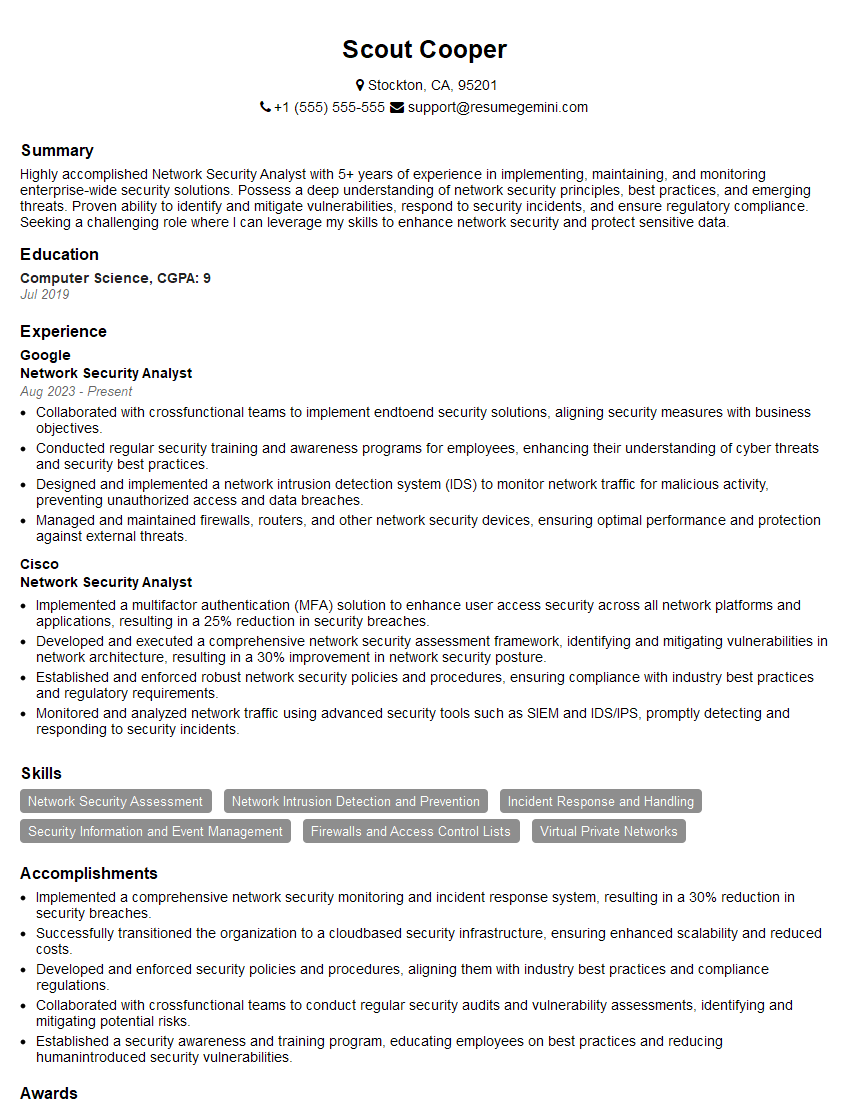
Network Security Analyst Resume Sample
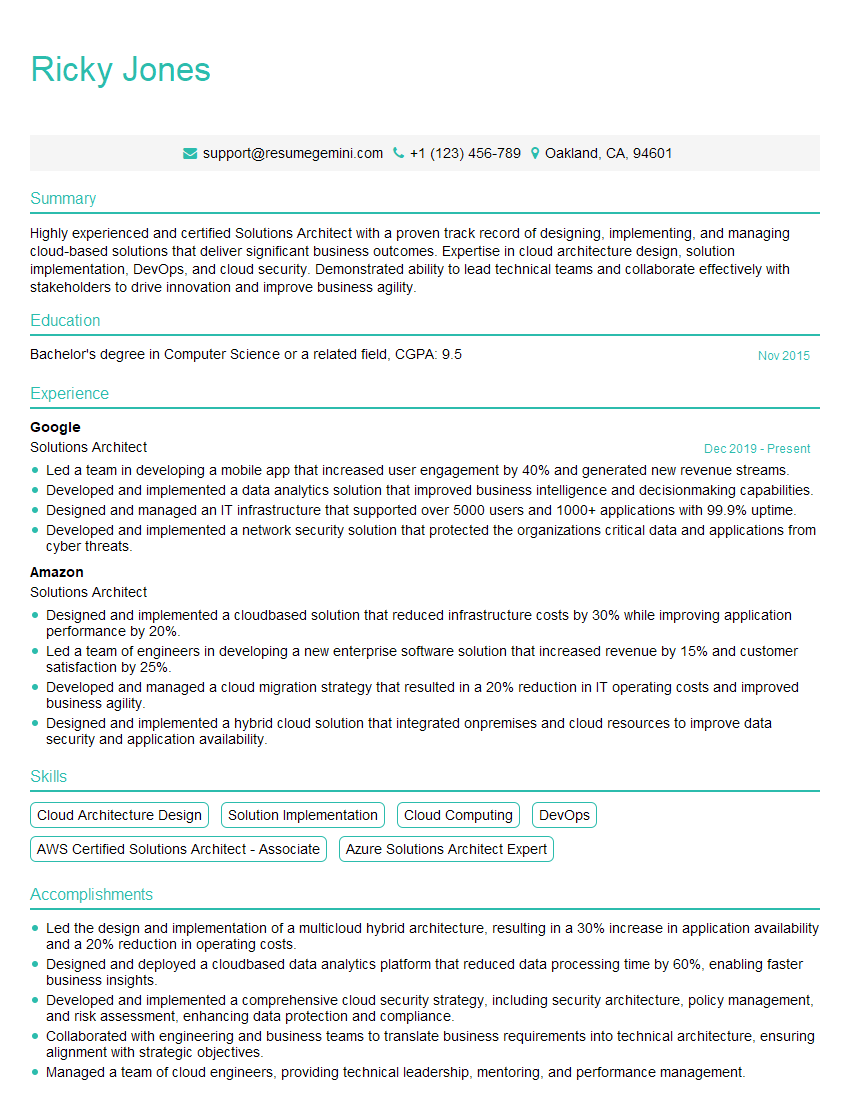
Solutions Architect Resume Sample
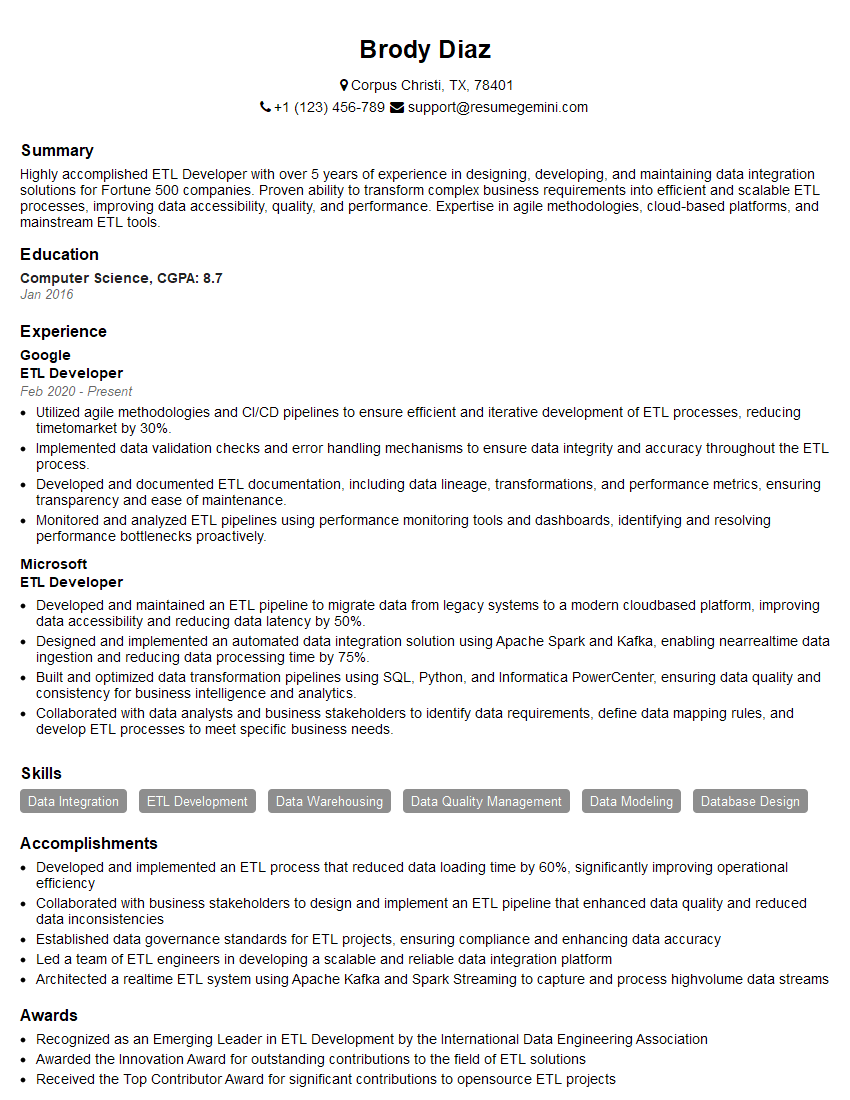
ETL Developer Resume Sample
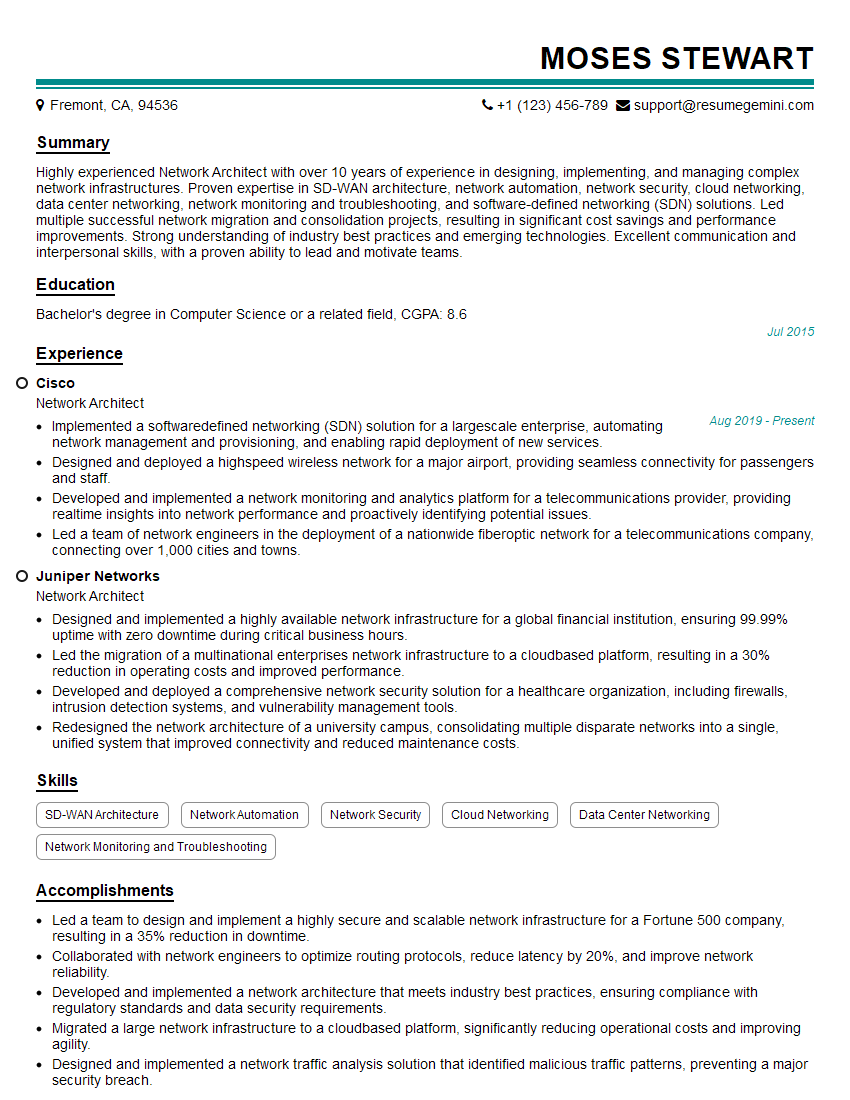
Network Architect Resume Sample
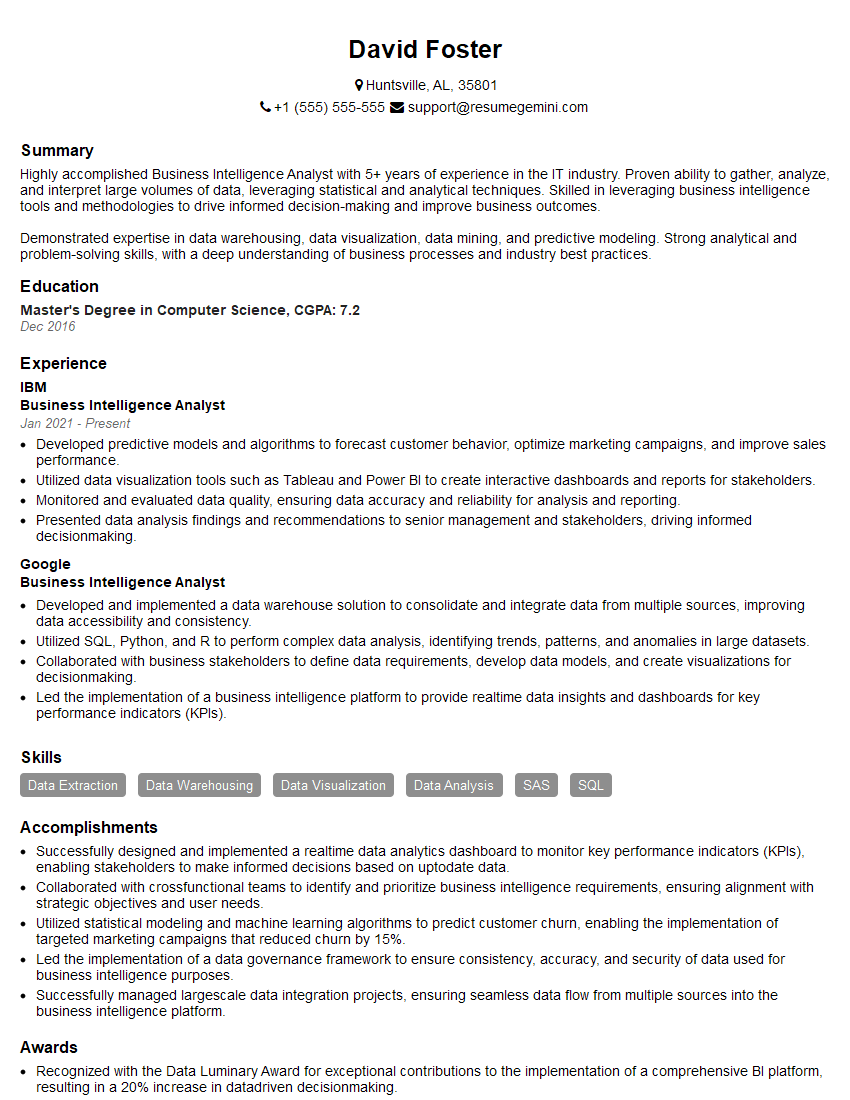
Business Intelligence Analyst Resume Sample
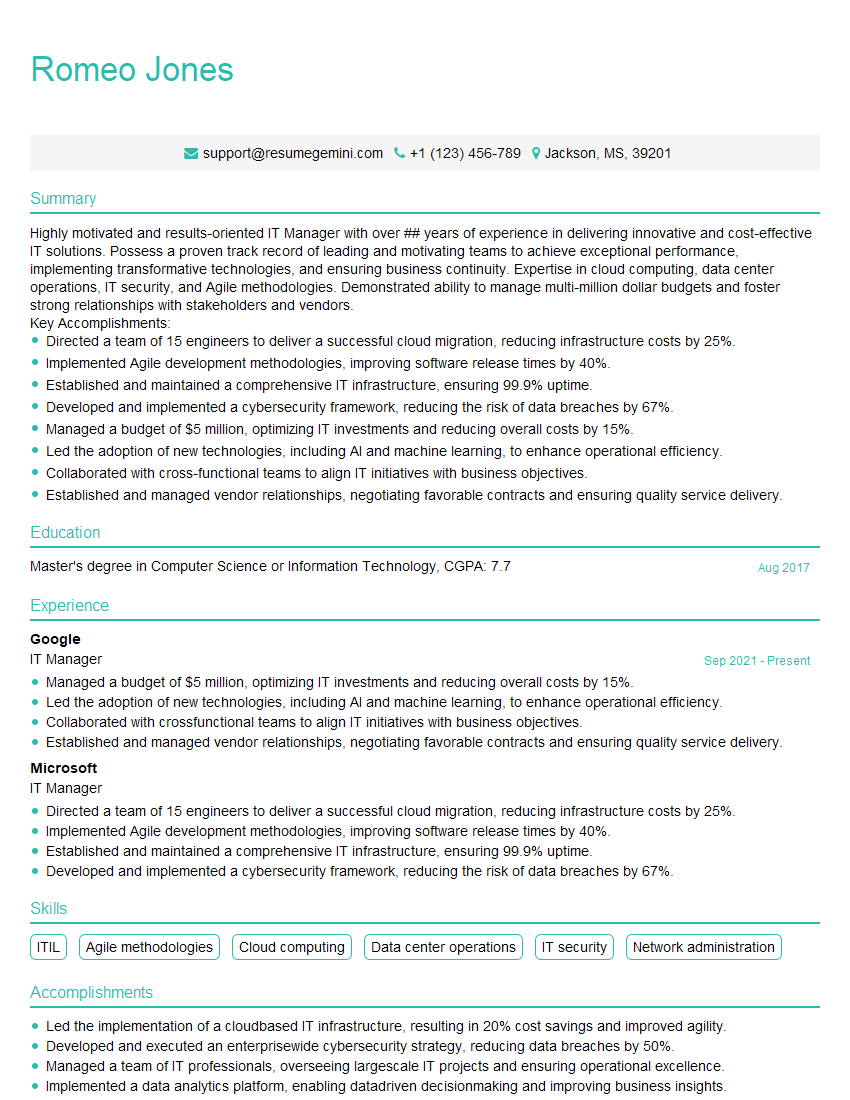
IT Manager Resume Sample
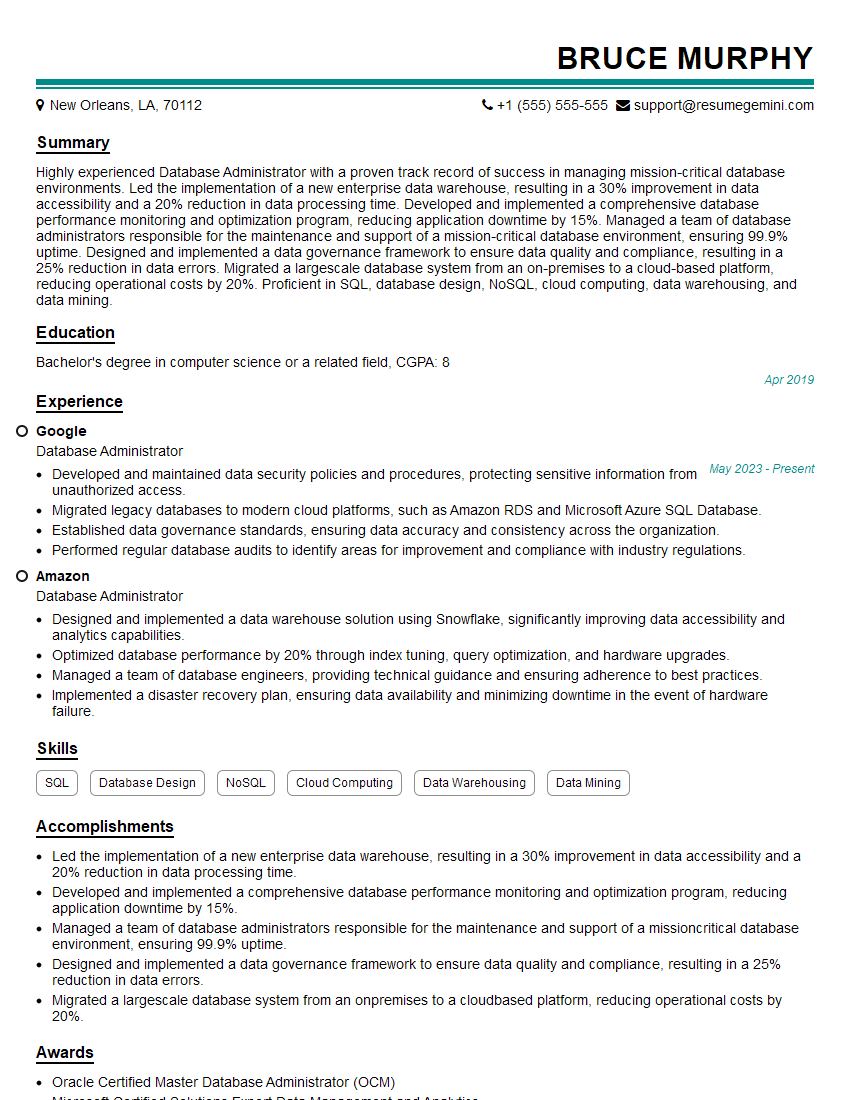
Database Administrator Resume Sample
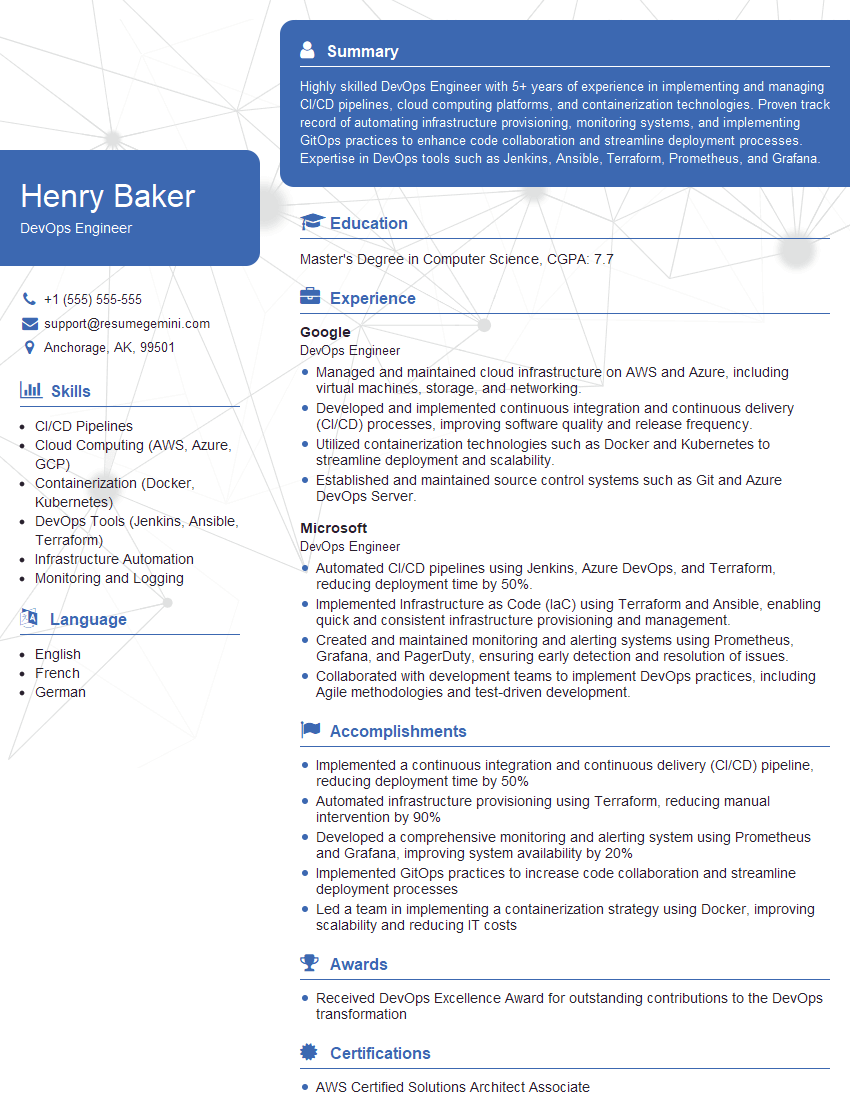
DevOps Engineer Resume Sample
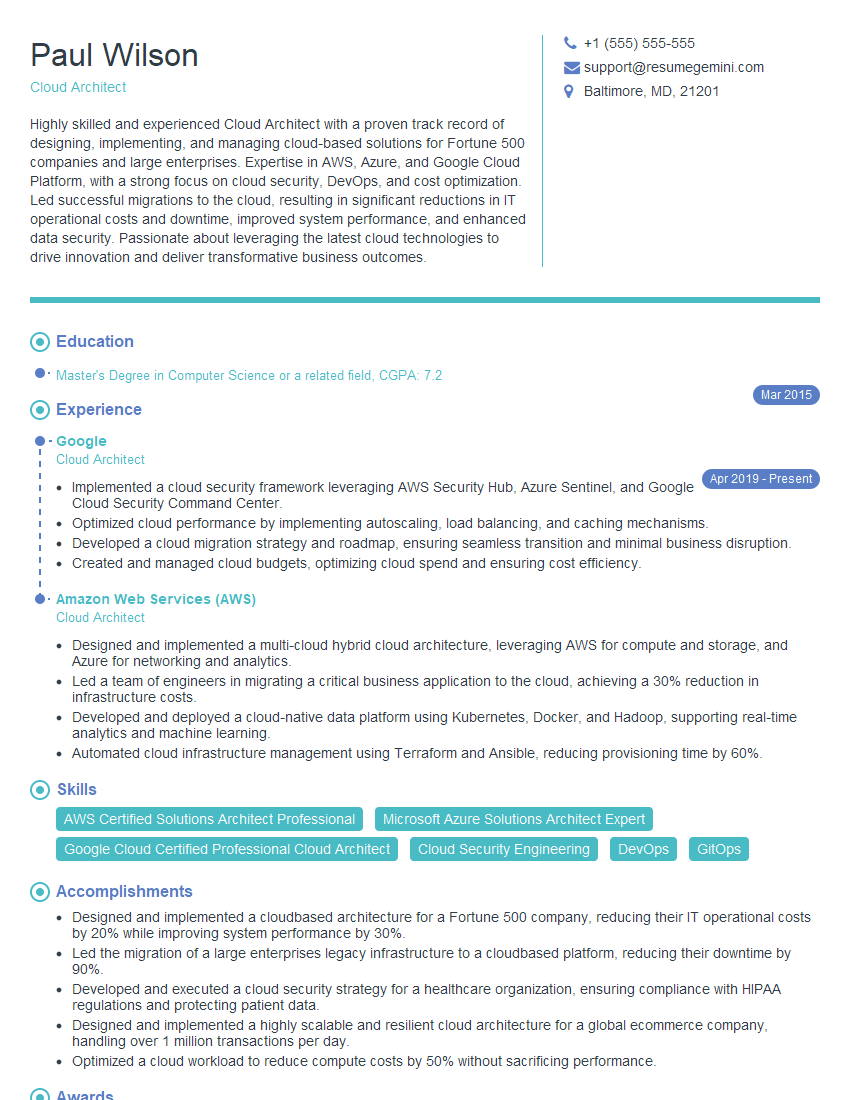
Cloud Architect Resume Sample
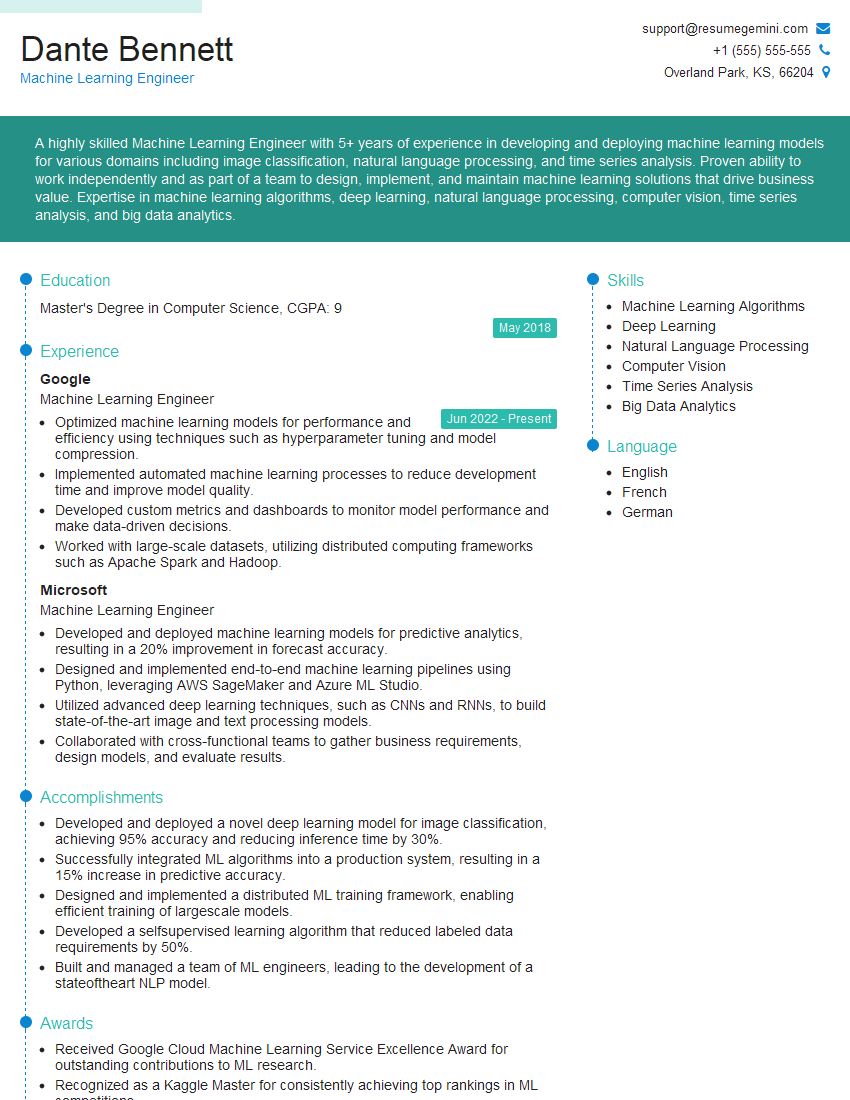
Machine Learning Engineer Resume Sample
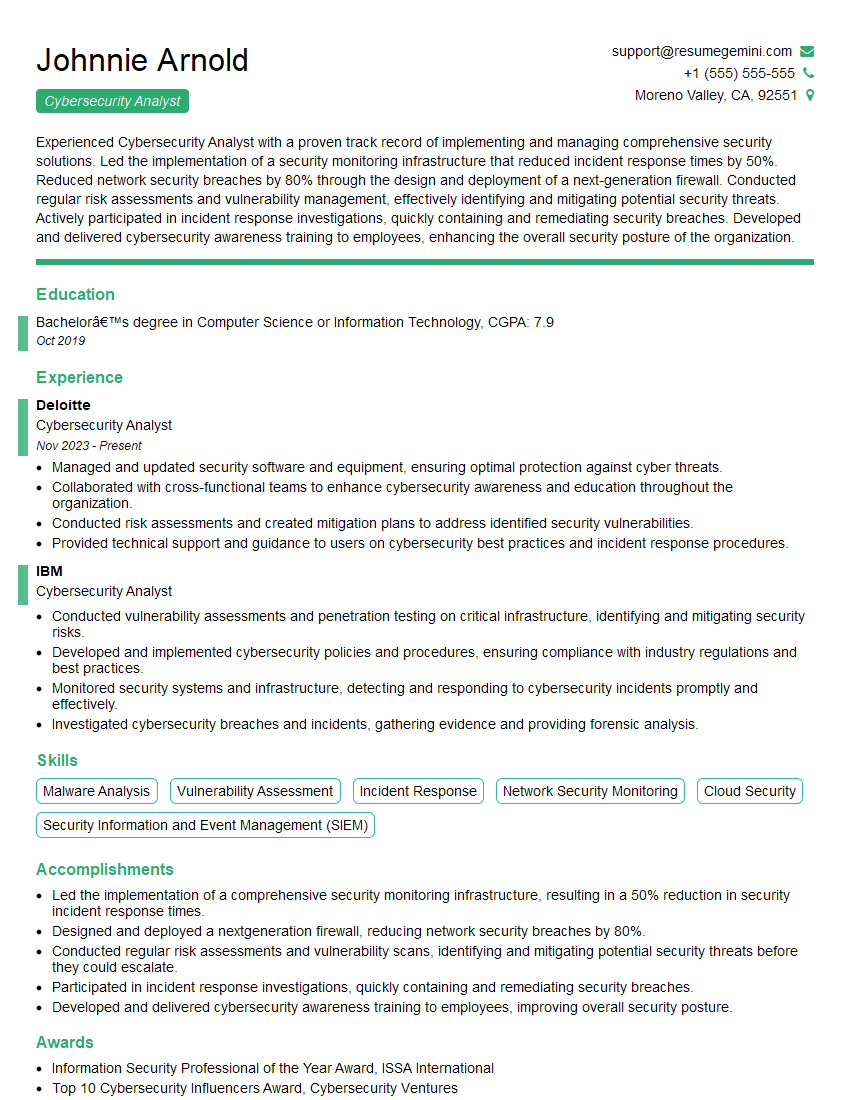
Cybersecurity Analyst Resume Sample
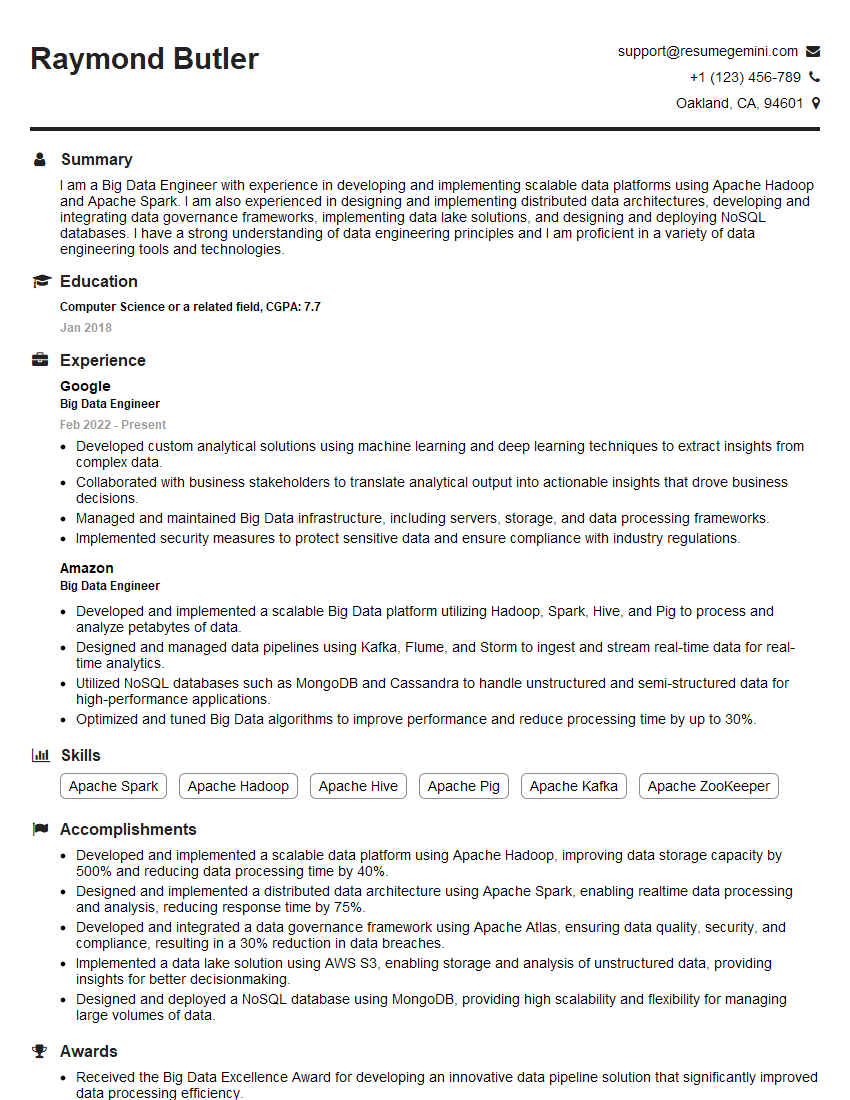
Big Data Engineer Resume Sample
- Security Engineer
- Data Analyst
- Data Scientist
- Systems Analyst
- Network Administrator
- Network Engineer
- Network Security Analyst
- Solutions Architect
- ETL Developer
- Network Architect
- Business Intelligence Analyst
- IT Manager
- Database Administrator
- DevOps Engineer
- Cloud Architect
- Machine Learning Engineer
- Cybersecurity Analyst
- Big Data Engineer
Explore more articles
Users Rating of Our Blogs
Share Your Experience
We value your feedback! Please rate our content and share your thoughts (optional).
What Readers Say About Our Blog
Hello,
we currently offer a complimentary backlink and URL indexing test for search engine optimization professionals.
You can get complimentary indexing credits to test how link discovery works in practice.
No credit card is required and there is no recurring fee.
You can find details here:
https://wikipedia-backlinks.com/indexing/
Regards
NICE RESPONSE TO Q & A
hi
The aim of this message is regarding an unclaimed deposit of a deceased nationale that bears the same name as you. You are not relate to him as there are millions of people answering the names across around the world. But i will use my position to influence the release of the deposit to you for our mutual benefit.
Respond for full details and how to claim the deposit. This is 100% risk free. Send hello to my email id: [email protected]
Luka Chachibaialuka
Hey interviewgemini.com, just wanted to follow up on my last email.
We just launched Call the Monster, an parenting app that lets you summon friendly ‘monsters’ kids actually listen to.
We’re also running a giveaway for everyone who downloads the app. Since it’s brand new, there aren’t many users yet, which means you’ve got a much better chance of winning some great prizes.
You can check it out here: https://bit.ly/callamonsterapp
Or follow us on Instagram: https://www.instagram.com/callamonsterapp
Thanks,
Ryan
CEO – Call the Monster App
Hey interviewgemini.com, I saw your website and love your approach.
I just want this to look like spam email, but want to share something important to you. We just launched Call the Monster, a parenting app that lets you summon friendly ‘monsters’ kids actually listen to.
Parents are loving it for calming chaos before bedtime. Thought you might want to try it: https://bit.ly/callamonsterapp or just follow our fun monster lore on Instagram: https://www.instagram.com/callamonsterapp
Thanks,
Ryan
CEO – Call A Monster APP
To the interviewgemini.com Owner.
Dear interviewgemini.com Webmaster!
Hi interviewgemini.com Webmaster!
Dear interviewgemini.com Webmaster!
excellent
Hello,
We found issues with your domain’s email setup that may be sending your messages to spam or blocking them completely. InboxShield Mini shows you how to fix it in minutes — no tech skills required.
Scan your domain now for details: https://inboxshield-mini.com/
— Adam @ InboxShield Mini
Reply STOP to unsubscribe
Hi, are you owner of interviewgemini.com? What if I told you I could help you find extra time in your schedule, reconnect with leads you didn’t even realize you missed, and bring in more “I want to work with you” conversations, without increasing your ad spend or hiring a full-time employee?
All with a flexible, budget-friendly service that could easily pay for itself. Sounds good?
Would it be nice to jump on a quick 10-minute call so I can show you exactly how we make this work?
Best,
Hapei
Marketing Director
Hey, I know you’re the owner of interviewgemini.com. I’ll be quick.
Fundraising for your business is tough and time-consuming. We make it easier by guaranteeing two private investor meetings each month, for six months. No demos, no pitch events – just direct introductions to active investors matched to your startup.
If youR17;re raising, this could help you build real momentum. Want me to send more info?
Hi, I represent an SEO company that specialises in getting you AI citations and higher rankings on Google. I’d like to offer you a 100% free SEO audit for your website. Would you be interested?
Hi, I represent an SEO company that specialises in getting you AI citations and higher rankings on Google. I’d like to offer you a 100% free SEO audit for your website. Would you be interested?
good