Preparation is the key to success in any interview. In this post, we’ll explore crucial NIOSH Guidelines interview questions and equip you with strategies to craft impactful answers. Whether you’re a beginner or a pro, these tips will elevate your preparation.
Questions Asked in NIOSH Guidelines Interview
Q 1. Explain the hierarchy of controls as defined by NIOSH.
The NIOSH hierarchy of controls prioritizes eliminating hazards or reducing exposures to the lowest possible level. It’s a fundamental principle for occupational safety and health, emphasizing a proactive approach to risk management. The hierarchy progresses from the most effective to least effective control measures.
- Elimination: This is the most effective method. It involves removing the hazard altogether. For example, replacing a hazardous chemical with a less hazardous or non-hazardous alternative.
- Substitution: Replacing a hazardous process or material with a less hazardous one. This might involve using a less toxic solvent in a manufacturing process.
- Engineering Controls: Modifying the work environment to reduce exposure. Examples include installing ventilation systems to remove airborne contaminants, using enclosed systems to contain hazardous materials, or implementing machine guarding to prevent injuries.
- Administrative Controls: Changing the way work is done to minimize exposure. This could involve job rotation, limiting exposure time, providing training on safe work practices, or implementing work permits for high-risk activities.
- Personal Protective Equipment (PPE): This is the last line of defense and should only be used when other controls are not feasible or sufficient. Examples include respirators, gloves, safety glasses, and hearing protection.
Imagine a construction site. First, they might eliminate the need for a specific hazardous material (elimination). If that’s not possible, they could substitute it with a less dangerous one (substitution). Failing that, engineering controls like improved ventilation (engineering controls) are implemented. Administrative controls like work schedules limiting exposure are the next layer. Finally, if all else fails, workers wear appropriate PPE (PPE).
Q 2. Describe the key differences between NIOSH and OSHA guidelines.
NIOSH (National Institute for Occupational Safety and Health) and OSHA (Occupational Safety and Health Administration) are both crucial organizations in workplace safety, but they have distinct roles. NIOSH is a research agency that conducts scientific studies and develops recommendations for preventing workplace hazards. OSHA is a regulatory agency that sets and enforces safety and health standards. Think of NIOSH as the researcher and OSHA as the enforcer.
- NIOSH: Focuses on research, recommending exposure limits (RELs), and developing best practices. They don’t have the power to issue citations or penalties.
- OSHA: Sets legally enforceable standards based on NIOSH recommendations and other scientific data. They conduct workplace inspections, issue citations for violations, and impose penalties.
For instance, NIOSH might research the health effects of a new chemical and recommend an exposure limit. OSHA would then consider this recommendation and incorporate it into a legally binding standard. While OSHA standards often align with NIOSH recommendations, they aren’t always identical, sometimes reflecting other considerations, like feasibility and technological advancements.
Q 3. What are the common methods used for evaluating workplace exposures to airborne contaminants?
Evaluating workplace exposure to airborne contaminants involves a variety of methods, each with its strengths and limitations. The choice depends on the specific contaminant, the workplace setting, and the level of accuracy required.
- Direct-reading instruments: These provide immediate readings of contaminant concentrations. Examples include personal sampling pumps with detectors for gases, vapors, and particulate matter, and real-time area monitors.
- Passive samplers: These are simpler devices that collect samples over a longer period, requiring less setup and often used for less time-critical monitoring. The collected sample is then analyzed in a lab.
- Personal air sampling: This is a crucial method, involving attaching a sampling pump to the worker’s breathing zone to collect a representative sample of the air they inhale. This sample is then sent to a laboratory for analysis.
- Area sampling: This involves placing a sampling device in the area where workers are exposed to collect a general overview of the concentration levels. It provides less personalized information than personal sampling.
Imagine evaluating silica dust in a construction site. Direct-reading instruments might provide instant readings but may not fully capture the exposure throughout the workday. Personal air sampling, with a pump collecting a sample for the entire shift, provides a more representative measurement of a worker’s exposure to airborne silica.
Q 4. How do you interpret and apply NIOSH publication numbers (e.g., NIOSH Publication 2000-111)?
NIOSH publication numbers like “NIOSH Publication 2000-111” identify specific documents published by NIOSH. The first part (2000) often indicates the year of publication, although it isn’t strictly a year. The following numbers are a sequential identifier. These publications contain valuable information, ranging from research reports and guidelines to training materials and technical manuals.
To interpret and apply these publications, you first need to locate the document itself (often available online). Then, you carefully review the document’s content to understand the specific findings, recommendations, or guidelines. The application depends on the publication’s subject. For example, a publication on respiratory protection would be applied when selecting and using respirators, and a publication on noise exposure would be applied when performing a noise assessment.
For instance, if you were conducting a noise assessment, a relevant NIOSH publication would provide guidance on measurement methods, permissible exposure limits, and hearing conservation programs. You would then apply this guidance to your specific workplace scenario.
Q 5. Explain the significance of the NIOSH RELs (Recommended Exposure Limits).
NIOSH RELs (Recommended Exposure Limits) are crucial for protecting worker health. They represent the airborne concentrations of substances to which it is believed nearly all workers can be repeatedly exposed day after day without adverse health effects. These are recommendations, not legally enforceable limits like OSHA’s PELs (Permissible Exposure Limits).
The significance lies in their role as scientifically-based guidelines used to inform workplace practices and regulatory decisions. OSHA frequently uses NIOSH RELs when setting its own PELs, although OSHA may also consider feasibility and other factors. The RELs help in identifying potential hazards, developing control strategies, and evaluating the effectiveness of implemented measures. If exposure levels exceed the REL, it signals a need for improvement in workplace safety measures.
For example, if NIOSH recommends an REL of 10 ppm for a specific chemical, any workplace exposing workers to higher concentrations requires intervention to reduce exposure levels, perhaps through ventilation improvements or administrative controls.
Q 6. Describe your experience with using personal protective equipment (PPE) selection criteria based on NIOSH recommendations.
My experience with PPE selection relies heavily on NIOSH recommendations, specifically their guidance documents on respiratory protection, hearing conservation, and other PPE categories. Selecting PPE involves a risk assessment, identifying hazards, and understanding worker tasks. NIOSH provides detailed criteria for selecting appropriate PPE based on hazard type, concentration level, and worker exposure duration.
For example, when dealing with airborne contaminants, I use NIOSH guidance to select the appropriate respirator based on the specific contaminant, its concentration, and the assigned protection factor (APF) needed. This ensures the chosen respirator provides adequate protection to the worker. Similarly, for noise, I would use NIOSH guidance to select hearing protection with appropriate noise reduction ratings (NRR) based on the noise level assessment. The key is understanding the hazard characteristics and selecting PPE with adequate protection ratings.
In a scenario involving handling chemicals, I’d consult relevant NIOSH publications to ascertain appropriate gloves, eye protection, and other necessary PPE, considering the chemical’s properties and potential hazards (e.g., corrosive, irritant, carcinogenic).
Q 7. How would you conduct a noise assessment in a workplace following NIOSH guidelines?
Conducting a noise assessment according to NIOSH guidelines involves a systematic approach to identifying, measuring, and evaluating workplace noise levels. This ensures a safe and healthy working environment. The process would be:
- Planning and Preparation: This includes defining the scope of the assessment, identifying noise sources, and selecting appropriate measurement equipment. Identifying areas with high noise levels and workers most at risk is crucial.
- Noise Measurements: Using a calibrated sound level meter, I would measure noise levels at various locations and times to account for fluctuations. Measurements will be taken at worker locations using both area and personal noise monitoring techniques.
- Data Analysis: The measured noise data are then analyzed to determine the 8-hour time-weighted average (TWA) sound levels and peak levels. These are compared against NIOSH recommended exposure limits (RELs).
- Evaluation and Recommendations: This stage involves comparing the measured noise levels against NIOSH’s RELs for noise exposure. Exceeding these limits calls for implementing control measures. These measures could range from engineering controls (noise reduction at the source, sound dampening) to administrative controls (job rotation, altered work schedules) to the final resort of personal protective equipment (hearing protection).
- Hearing Conservation Program: If noise levels exceed NIOSH RELs, then a comprehensive hearing conservation program needs to be implemented. This includes audiometric testing, employee training, and provision of hearing protection.
For instance, in a manufacturing plant, I’d measure noise levels around different machines, considering worker proximity and exposure duration. This data would inform decisions regarding noise reduction measures (e.g., machine enclosures, noise barriers) and the need for hearing protection.
Q 8. Explain the process of conducting a hazard assessment following NIOSH methodologies.
A NIOSH-compliant hazard assessment is a systematic process to identify and evaluate workplace hazards. It’s like a detective’s investigation, meticulously examining each aspect of a job to uncover potential dangers. The process typically follows these steps:
- Hazard Identification: This involves a thorough walkthrough of the workplace, observing tasks, equipment, and materials. We use various methods like checklists, interviews with workers, and review of incident reports. For example, we might observe a worker manually lifting heavy boxes, highlighting a potential musculoskeletal hazard.
- Hazard Characterization: This step involves understanding the nature of the identified hazards, including their severity and probability of occurrence. For instance, assessing the weight of the boxes, the frequency of lifting, and the worker’s posture helps quantify the risk associated with manual lifting.
- Exposure Assessment: This involves determining the extent to which workers are exposed to identified hazards. This could involve using industrial hygiene monitoring techniques to measure airborne contaminants, noise levels, or even direct observation of worker movements to assess ergonomic risks.
- Risk Evaluation: This combines the hazard characterization and exposure assessment to determine the overall risk level. We often use risk matrices to visualize the interplay between likelihood and severity, prioritizing higher-risk hazards for immediate attention.
- Hazard Control: Based on the risk evaluation, we develop control measures to eliminate or mitigate the hazards. This might include engineering controls like implementing automated lifting equipment, administrative controls like modifying work procedures, or personal protective equipment (PPE) such as back supports.
- Documentation and Monitoring: The entire process is meticulously documented, including findings, recommendations, and implemented control measures. Regular monitoring is crucial to ensure the effectiveness of controls and identify any emerging hazards.
This structured approach allows us to proactively manage risks, preventing injuries and illnesses in the workplace.
Q 9. What are the key considerations for ergonomic evaluations according to NIOSH guidelines?
NIOSH ergonomic evaluations focus on preventing musculoskeletal disorders (MSDs) by analyzing the interaction between workers, their tasks, and their environment. Key considerations include:
- Job Demands Analysis: This involves detailed observation and measurement of physical demands like lifting, pushing, pulling, and repetitive movements. We often use tools like the Rapid Upper Limb Assessment (RULA) or Rapid Entire Body Assessment (REBA) to quantify the risk of MSDs.
- Workstation Design: The design of workstations significantly influences posture and movement. We evaluate aspects like chair adjustability, desk height, monitor placement, and tool accessibility to optimize comfort and reduce strain.
- Work Practices: This examines how tasks are performed, including lifting techniques, posture, and the use of assistive devices. We assess for the presence of awkward postures, forceful exertions, and repetitive motions.
- Environmental Factors: Temperature, humidity, lighting, and noise can all contribute to MSD risk and worker fatigue. We consider these environmental factors in our evaluations.
- Worker Characteristics: Individual differences in age, physical capabilities, and previous injuries must be considered. This might include assessing the worker’s physical capacity or providing modified work for individuals with existing injuries.
- Administrative Controls: Implementation of job rotation, work-rest schedules, and training programs aimed at promoting good body mechanics and ergonomics greatly improve worker well-being.
For example, I once evaluated a packaging line where workers experienced repetitive wrist strain. By redesigning the workstation to include adjustable height tables and implementing job rotation, we significantly reduced reported injuries.
Q 10. Describe your experience using NIOSH sampling and analytical methods for various hazards.
My experience with NIOSH sampling and analytical methods spans various hazards. I’ve extensively used methods for air monitoring, involving the collection of samples using personal sampling pumps and specialized filter media for substances such as silica, asbestos, and various organic solvents. I am proficient in interpreting results and correlating them with exposure limits. For example, I used NIOSH Method 7400 to analyze airborne silica levels in a construction site, and NIOSH Method 5040 for determining total dust concentrations. Beyond air monitoring, I’ve also used ergonomic assessment methods such as RULA and REBA, and noise dosimeters to evaluate workplace noise exposure. Analyzing the collected data allows for the generation of comprehensive exposure assessments, crucial for effective risk management and hazard control.
Q 11. How would you investigate and report a workplace incident involving chemical exposure?
Investigating a workplace incident involving chemical exposure requires a systematic approach. Firstly, we secure the scene to prevent further exposure and injuries. Next, we collect witness statements and relevant documentation, like safety data sheets (SDSs) for the involved chemicals. Then, we conduct environmental sampling to determine the extent and nature of the chemical release. This often involves collecting air samples and potentially surface wipes for analysis. Medical records of affected workers are crucial. Based on the evidence, we reconstruct the events leading to the incident, identifying contributing factors. The final report details the findings, causal factors, and recommendations for preventing similar incidents, which might involve improved safety procedures, updated training protocols, or improved engineering controls.
Q 12. Explain how you would develop a comprehensive respiratory protection program adhering to NIOSH standards.
Developing a comprehensive respiratory protection program (RPP) requires adherence to NIOSH guidelines. The program starts with a thorough hazard assessment to identify respiratory hazards and the potential for worker exposure. Next, we select appropriate respirators based on the identified hazards and the assigned protection factors (APFs) provided by NIOSH. A crucial element is proper respirator fit testing, ensuring a tight seal to prevent leakage. Worker training is paramount, covering respirator selection, use, maintenance, and limitations. The program also includes medical evaluations to ensure workers’ suitability for respirator use and provisions for regular maintenance and replacement of respirators. Finally, a robust record-keeping system meticulously tracks respirator fit tests, training completion, and maintenance records, enabling continuous improvement and compliance monitoring. I have personally designed and implemented multiple RPPs across various industries, ensuring compliance with all relevant regulations.
Q 13. How do you apply NIOSH guidelines to evaluate workplace safety procedures?
NIOSH guidelines provide a framework for evaluating workplace safety procedures. We use them as a benchmark to assess the effectiveness of existing procedures in controlling hazards. This involves comparing the current practices to NIOSH recommendations regarding hazard control hierarchies (elimination, substitution, engineering controls, administrative controls, and PPE). For example, we might evaluate a lockout/tagout procedure against NIOSH standards to identify any gaps or deficiencies in the process. We also assess the effectiveness of training programs, emergency response plans, and overall safety management systems against NIOSH best practices, making recommendations for improvement and alignment with the latest safety standards. A key aspect is to ensure that established procedures are consistently followed and documented.
Q 14. Describe your familiarity with NIOSH criteria documents and their applications.
I have extensive familiarity with NIOSH criteria documents. These documents provide in-depth scientific evaluations of workplace hazards and provide recommendations for exposure limits, control strategies, and monitoring methods. For instance, I often refer to the NIOSH criteria documents on specific chemicals to establish appropriate exposure limits and select suitable monitoring methods. Understanding these documents is vital for conducting accurate hazard assessments and developing effective control measures. The criteria documents also guide the development of safety and health standards, providing a scientific basis for regulatory decisions. I regularly use these documents to support my recommendations and ensure my professional practice is aligned with the latest scientific evidence.
Q 15. How do you assess the effectiveness of existing control measures in the workplace using NIOSH principles?
Assessing the effectiveness of existing workplace control measures using NIOSH principles involves a multi-step process focused on evaluating the hierarchy of controls. We begin by identifying the hazard and then examine the existing controls in this order: Elimination, Substitution, Engineering Controls, Administrative Controls, and finally, Personal Protective Equipment (PPE).
For each control level, we would conduct a thorough evaluation. For example, if engineering controls like local exhaust ventilation (LEV) are in place, we’d measure airflow rates, assess hood capture velocities, and examine the system’s overall efficiency to ensure it’s effectively removing the hazard at the source. We would use industrial hygiene sampling techniques to measure worker exposure levels to confirm the effectiveness of the control. A comparison of pre- and post-control exposure levels would provide valuable data. For administrative controls, we’d review work practices, training programs, and scheduling to ensure they limit exposure. Finally, for PPE, we would assess the appropriateness of the selected PPE, confirm its correct fit and use, and ensure proper maintenance and training. Documentation of all assessment findings is crucial.
Let’s say a woodworking shop uses LEV to control wood dust. We’d first measure the dust levels *before* the LEV is operational to establish a baseline. After the LEV is running, we’d conduct new measurements to see if the levels are below the relevant Occupational Exposure Limit (OEL). If not, we’d identify and address issues in the system design, operation or maintenance.
Career Expert Tips:
- Ace those interviews! Prepare effectively by reviewing the Top 50 Most Common Interview Questions on ResumeGemini.
- Navigate your job search with confidence! Explore a wide range of Career Tips on ResumeGemini. Learn about common challenges and recommendations to overcome them.
- Craft the perfect resume! Master the Art of Resume Writing with ResumeGemini’s guide. Showcase your unique qualifications and achievements effectively.
- Don’t miss out on holiday savings! Build your dream resume with ResumeGemini’s ATS optimized templates.
Q 16. What are the limitations of using NIOSH RELs for exposure assessments?
NIOSH Recommended Exposure Limits (RELs) are valuable guidelines, but they have limitations. Firstly, they represent a level of exposure below which NIOSH believes nearly all workers can be repeatedly exposed day after day without adverse health effects. However, individual sensitivities can vary, and some workers might experience health issues even below the REL. Furthermore, RELs are often based on limited data, particularly for newer chemicals or substances. The complexity of many workplaces also impacts REL use, as the REL is generally for a single substance, and often workplaces have complex mixtures of chemicals. Synergistic or antagonistic effects among mixtures are not easily accounted for by single-substance RELs.
Also, RELs are not legally enforceable. While extremely valuable for informing control decisions, they’re not regulations like Permissible Exposure Limits (PELs). Finally, RELs don’t address all health effects; they primarily focus on specific, well-defined health issues associated with exposure. Other potential health consequences might not be factored into the RELs.
Q 17. Explain the differences between a PEL (Permissible Exposure Limit) and a REL.
PELs and RELs both aim to establish safe exposure limits for workplace hazards, but they differ fundamentally in their source and legal enforceability. PELs are legally enforceable limits set by the Occupational Safety and Health Administration (OSHA). Employers are legally required to comply with PELs. These are often based on older research and may not always reflect the latest scientific understanding. Conversely, RELs are recommendations issued by NIOSH, a research agency. They represent NIOSH’s professional judgment of the level of exposure to which most workers can be repeatedly exposed day after day without adverse health effects. RELs are not legally enforceable, but they serve as valuable guidance for employers aiming to exceed regulatory compliance and prioritize worker health.
In essence, PELs represent a floor for protection, whereas RELs may often represent a higher standard based on newer science. Many organizations go beyond the OSHA PELs and utilize the NIOSH RELs as a guiding factor to help implement better workplace safety. This often results in lower exposure levels and increased employee well-being.
Q 18. How would you determine the appropriate sampling strategy for a specific workplace hazard?
Determining the appropriate sampling strategy for a workplace hazard requires a comprehensive approach. It starts with characterizing the hazard: What is the substance? How is it released? What are the work processes involved? Where and when does exposure occur? Who is exposed? Next, one must define the objectives of the sampling: Are we trying to determine if exposure exceeds a limit, evaluate the effectiveness of controls, or characterize the exposure distribution? Once we have answers to these questions, we can select the appropriate sampling method (e.g., area sampling, personal sampling, bulk sampling), the number of samples needed (statistical power considerations), the sampling duration, and the analytical method for detection and quantitation. It is also critical to carefully plan the sampling schedule to ensure adequate representation of worker exposure, including variability in work processes and exposure levels across shifts.
For instance, if we’re evaluating the effectiveness of LEV in a welding shop, we would use personal air sampling pumps attached to the welders to measure fume exposure. Several samples per welder across various shifts would be needed to ensure a representative assessment. Area sampling might also be useful to confirm the effectiveness of the LEV system itself. The data collected through this sampling strategy can allow us to assess whether existing controls are adequate and identify opportunities for improvement.
Q 19. Describe the process of developing and implementing a safety program based on NIOSH recommendations.
Developing and implementing a NIOSH-based safety program is an iterative process involving hazard identification, risk assessment, control implementation, monitoring, and evaluation. It begins with a thorough walkthrough of the workplace to identify all potential hazards, using a checklist approach aligned with relevant NIOSH guidance documents. This hazard identification includes physical, chemical, biological, and ergonomic hazards. Following hazard identification is the critical step of risk assessment. This step utilizes qualitative and quantitative assessments to determine the probability and severity of harm.
The hierarchy of controls informs the selection of appropriate control measures—elimination, substitution, engineering controls, administrative controls, and PPE—with the most effective strategies applied first. Implementation involves designing and installing controls, developing and delivering appropriate safety training, and implementing safe work practices. Regular monitoring using industrial hygiene techniques such as air sampling, noise monitoring, or ergonomic assessments confirms the effectiveness of the controls and identifies any areas needing improvement. Documentation is essential throughout the entire process, including hazard identification, risk assessment, control measures, training records, and monitoring data. The program should be regularly reviewed and updated to reflect changes in the workplace, new information on hazards, and improvements in control technology. This ensures the continued effectiveness of the program and continuous improvement of worker safety.
Q 20. How would you evaluate and improve the ventilation system in a workplace based on NIOSH guidelines?
Evaluating and improving a workplace ventilation system using NIOSH guidelines involves a systematic approach. It begins with a thorough assessment of the current system, including airflow measurements (using anemometers and pressure gauges), hood capture velocity testing, and evaluation of the system’s design and maintenance records. We will assess the system’s ability to meet the specific needs of the environment and determine if its capacity is sufficient for the generated contaminants. Air sampling is crucial to determine contaminant concentrations within the breathing zone of workers.
Based on this assessment, we can identify areas for improvement. This could include adjusting airflow, improving hood design, repairing leaks, or upgrading the system entirely. Detailed calculations (such as those related to capture velocity and dilution ventilation) might be necessary to design modifications to achieve target contaminant concentrations. After implementing changes, we must conduct post-improvement monitoring to confirm the effectiveness of these modifications and to evaluate the system performance, and worker exposure levels.
NIOSH publications provide detailed guidance on ventilation system design and performance criteria. Using these guidelines, we can set targets for airflow, capture velocity, and contaminant concentrations that ensure worker safety. For instance, if air sampling reveals excessive dust levels near a woodworking machine, we might recommend improvements to the LEV system, such as increasing airflow or improving hood design, which would then be followed by post-modification sampling.
Q 21. What are the key considerations when selecting and using respiratory protection?
Selecting and using respiratory protection requires careful consideration of several factors. First, we must identify the specific respiratory hazard (e.g., dust, gases, vapors). Based on this identification, we will choose a respirator appropriate for the identified hazard. The respirator must be correctly selected (via a hazard assessment), fit-tested to ensure a proper seal between the respirator and the worker’s face, and used according to the manufacturer’s instructions. Training is critical; workers must understand how to correctly don, doff, and maintain the respirator, as well as its limitations. Regular respirator inspections and maintenance are also vital, and the workplace must have a respiratory protection program in accordance with OSHA’s 29 CFR 1910.134.
For example, if workers are exposed to asbestos, a high-efficiency particulate air (HEPA) filter respirator is required. If workers are exposed to a specific gas or vapor, a respirator with the appropriate cartridge is necessary. If the work involves high concentrations of airborne contaminants, a supplied-air respirator might be the only appropriate option. The selection will always be determined by the risk assessment and the inherent dangers of the job. Proper training and fit testing of the respirator will prevent serious injury and illness for the workers.
Q 22. Explain your experience with conducting hearing conservation programs according to NIOSH standards.
My experience with hearing conservation programs encompasses all aspects, from initial noise assessments to employee training and audiometric monitoring, all in strict adherence to NIOSH guidelines. I’ve conducted numerous noise surveys using sound level meters, following NIOSH’s recommended methodologies for accurately measuring noise exposure levels (dBA). This includes understanding the difference between TWA (Time-Weighted Average) and peak noise levels. For example, in a manufacturing facility, I identified a high-noise area where workers exceeded the permissible exposure limit (PEL). This led to implementing engineering controls like installing noise barriers, administrative controls such as job rotation, and providing hearing protection to those workers. Crucially, I developed and delivered comprehensive hearing conservation programs including annual audiograms, hearing protection fitting, and training on the importance of noise-induced hearing loss prevention. Furthermore, I’ve managed the record-keeping required by OSHA and ensured compliance with all relevant regulations.
One particular project involved a textile factory where high-speed machinery produced significant noise. After conducting a thorough noise survey, I implemented a phased approach. First, we tackled engineering controls like machine enclosures, followed by administrative changes such as work scheduling. Lastly, we provided personal protective equipment (PPE), ensuring proper fit testing and training. The result was a significant reduction in noise exposure and a more compliant and safer work environment.
Q 23. How would you assess the risks associated with manual material handling using NIOSH guidelines?
Assessing manual material handling risks according to NIOSH guidelines involves a multi-faceted approach. It goes beyond simply identifying heavy lifting tasks. We use the NIOSH Lifting Equation, a valuable tool that considers various factors such as the weight of the object, the vertical distance, the horizontal distance, the frequency of lifts, and the posture involved. The equation provides a recommended weight limit (RWL) that is safe for a given task. Any lift exceeding the RWL represents a potential risk. I apply the equation using software and also conduct observations of workers to identify risk factors not readily captured by the equation, such as awkward postures, repetitive movements, and lack of proper lifting techniques.
For instance, in a warehouse setting, I would observe workers loading boxes onto trucks. Using the Lifting Equation, I’d assess the weight and other factors. If the RWL is exceeded, I’d propose various solutions, including implementing ergonomic aids such as lift assists, reducing the weight of individual boxes, providing training on proper lifting techniques, or adjusting the workstation layout for improved posture and reach. This ensures that we prioritize injury prevention by incorporating both quantitative (Lifting Equation) and qualitative (observation) aspects of risk assessment.
Q 24. Describe your experience with using NIOSH-recommended analytical methods for biological hazards.
My experience with NIOSH-recommended analytical methods for biological hazards is extensive. I’m proficient in various sampling techniques for air and surface contaminants, like using personal air samplers and swab samples for bacteria or fungi. I have experience with laboratory analyses of these samples to quantify exposure levels. This includes familiarizing myself with the specific NIOSH methods, understanding their limitations and selecting appropriate methods depending on the suspected biological hazard. I have practical experience with analyzing data obtained from these samples to determine whether they pose a health risk. For instance, if analyzing for airborne asbestos fibers, I ensure we follow the correct NIOSH method and use phase-contrast microscopy for counting fibers.
In a hospital setting, I might be tasked with assessing the risk of airborne pathogens in an operating room. This would involve carefully selecting the appropriate NIOSH method for air sampling, ensuring accurate sample collection, and working closely with the laboratory to ensure accurate analysis and interpretation of results. It also involves providing recommendations based on findings, including improvements in infection control procedures.
Q 25. Explain your familiarity with different types of industrial hygiene monitoring equipment and their applications.
My familiarity with industrial hygiene monitoring equipment is broad. I’m proficient in operating and maintaining various instruments including:
- Sound level meters: Used for noise assessments, understanding different weighting networks (A, C) and frequency analysis.
- Personal air samplers: Used to collect air samples for chemical and biological agents.
- Gas detectors: For real-time monitoring of airborne gases and vapors.
- Photoionization detectors (PIDs): Detecting volatile organic compounds (VOCs).
- Direct-reading instruments: such as real-time dust monitors for particulate matter.
- Thermal anemometers: Measuring airflow for ventilation effectiveness.
I understand the principles behind each instrument’s operation and can select the most appropriate equipment for a given task, including calibration and maintenance procedures. For example, I wouldn’t use a PID in an environment with high humidity as it might not work properly. The selection of instruments depends on the suspected hazards, and choosing the correct equipment is crucial for obtaining accurate and reliable data.
Q 26. How would you interpret and present the results of an industrial hygiene survey?
Interpreting and presenting the results of an industrial hygiene survey involves a systematic approach. First, I review the raw data from the monitoring instruments and laboratory analyses, ensuring data quality and identifying any outliers. This is followed by comparing the measured exposures to relevant occupational exposure limits (OELs) such as PELs, RELs (Recommended Exposure Limits), or ACGIH TLVs (Threshold Limit Values). Any exposures exceeding these limits indicate potential health risks. I then analyze the findings to identify the sources of the hazards and assess the potential impact on workers’ health.
The results are presented clearly and concisely using tables, graphs, and charts. My reports include detailed descriptions of the methods used, the findings, and recommendations for corrective actions, prioritizing the most critical issues. For example, a report might include a bar chart illustrating noise levels at different workstations or a table summarizing chemical exposures compared to OELs. My aim is to provide actionable information to management in order to prevent health issues and ensure a safe working environment.
Q 27. How do you stay up-to-date on the latest changes and updates to NIOSH guidelines?
Staying updated on the latest NIOSH guidelines is a crucial part of my professional responsibility. I regularly consult the NIOSH website for updates, new publications, and research findings. I’m a member of professional organizations such as the AIHA (American Industrial Hygiene Association) and attend conferences and workshops to learn about the latest developments in industrial hygiene. I also subscribe to relevant journals and newsletters to stay informed about new methodologies and research related to occupational health and safety.
Furthermore, I actively participate in continuing education programs, ensuring I remain current on best practices and emerging hazards. This ongoing learning ensures my skills and knowledge remain relevant and my assessments accurate and effective. For example, I regularly review changes to the NIOSH Lifting Equation and related ergonomic guidelines to ensure my manual material handling risk assessments are up-to-date.
Key Topics to Learn for NIOSH Guidelines Interview
- NIOSH Hierarchy of Controls: Understand the five levels (elimination, substitution, engineering controls, administrative controls, PPE) and apply them to various workplace scenarios. Consider how to prioritize control measures based on effectiveness and feasibility.
- Hazard Identification and Risk Assessment: Learn how to conduct thorough hazard identification using various methods (e.g., job hazard analysis, walkthrough surveys). Practice applying risk assessment matrices to determine the level of risk and prioritize control implementation.
- Respiratory Protection: Master the selection, fit testing, and use of respirators. Be prepared to discuss different respirator types and their applications, as well as limitations and potential hazards.
- Hearing Conservation: Understand the principles of noise-induced hearing loss and the implementation of hearing conservation programs. This includes noise monitoring, hearing testing, and hearing protection.
- Ergonomics and Musculoskeletal Disorders (MSDs): Familiarize yourself with common MSDs and the ergonomic principles used to prevent them. Be ready to discuss workplace modifications and job task analysis to reduce risks.
- Personal Protective Equipment (PPE): Go beyond just listing PPE types. Understand the selection criteria, limitations, and proper use of different PPE for various hazards.
- Occupational Safety and Health Regulations: While not solely NIOSH, understanding the broader context of OSHA and other relevant regulations is crucial for demonstrating a holistic understanding of workplace safety.
- Data Interpretation and Reporting: Practice analyzing safety data, interpreting statistical information related to injury rates and hazard exposure, and presenting findings clearly and concisely.
- Problem-Solving and Critical Thinking: Prepare to discuss real-world safety scenarios and demonstrate your ability to identify hazards, assess risks, and develop effective control strategies.
Next Steps
Mastering NIOSH guidelines is crucial for advancing your career in occupational safety and health. It demonstrates a commitment to worker well-being and a deep understanding of best practices. To significantly boost your job prospects, create an ATS-friendly resume that highlights your skills and experience. ResumeGemini is a trusted resource that can help you build a professional and impactful resume. They provide examples of resumes tailored to NIOSH Guidelines, ensuring your application stands out.
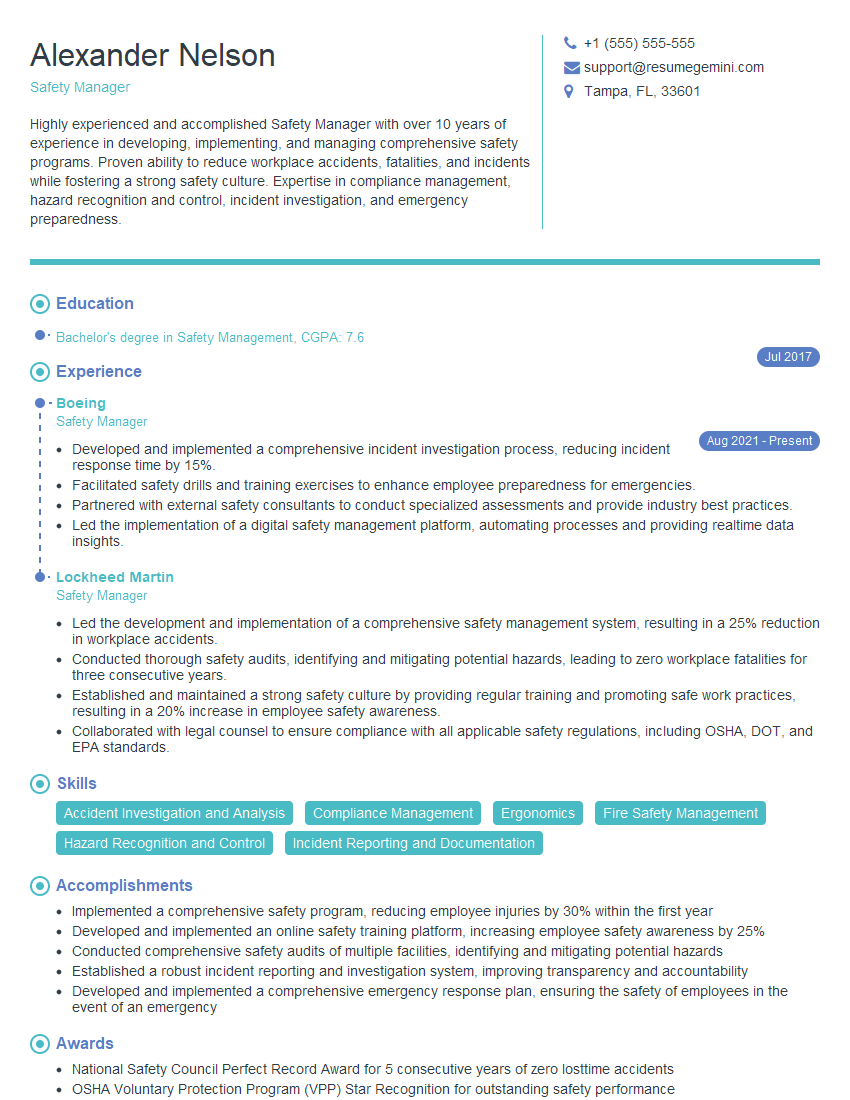
Safety Manager Resume Sample
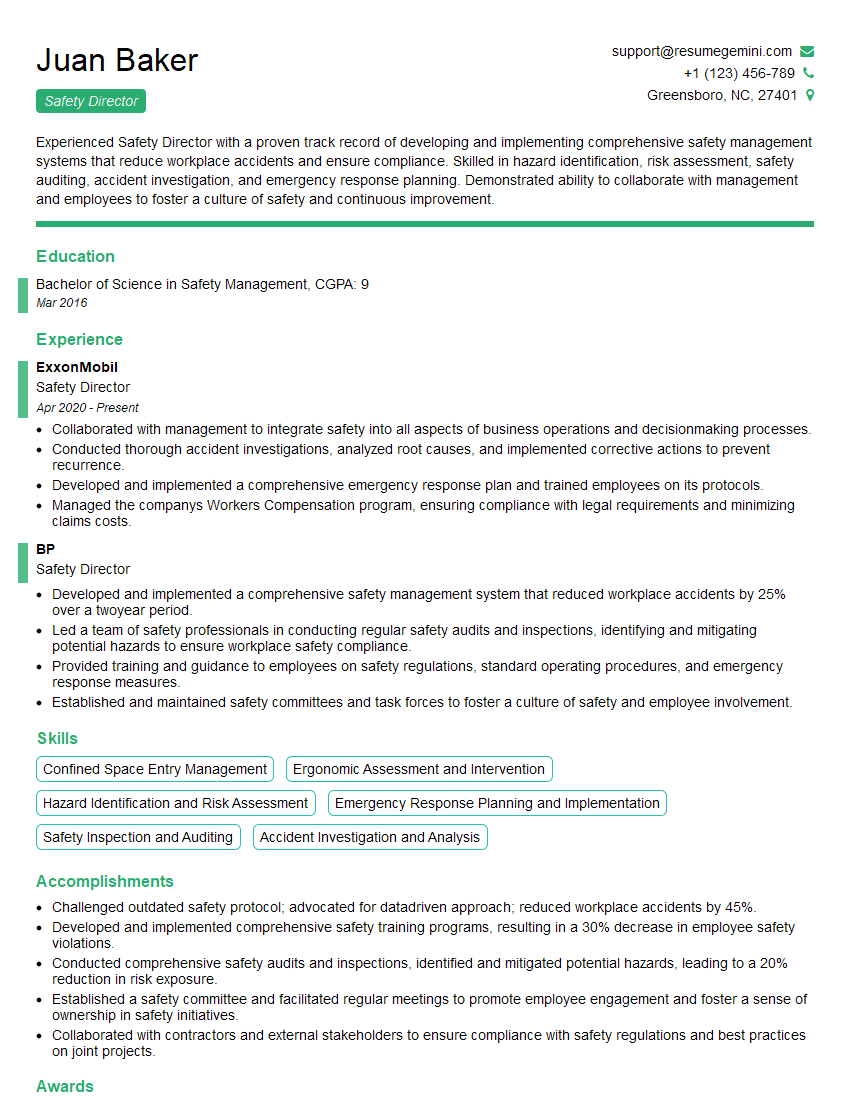
Safety Director Resume Sample
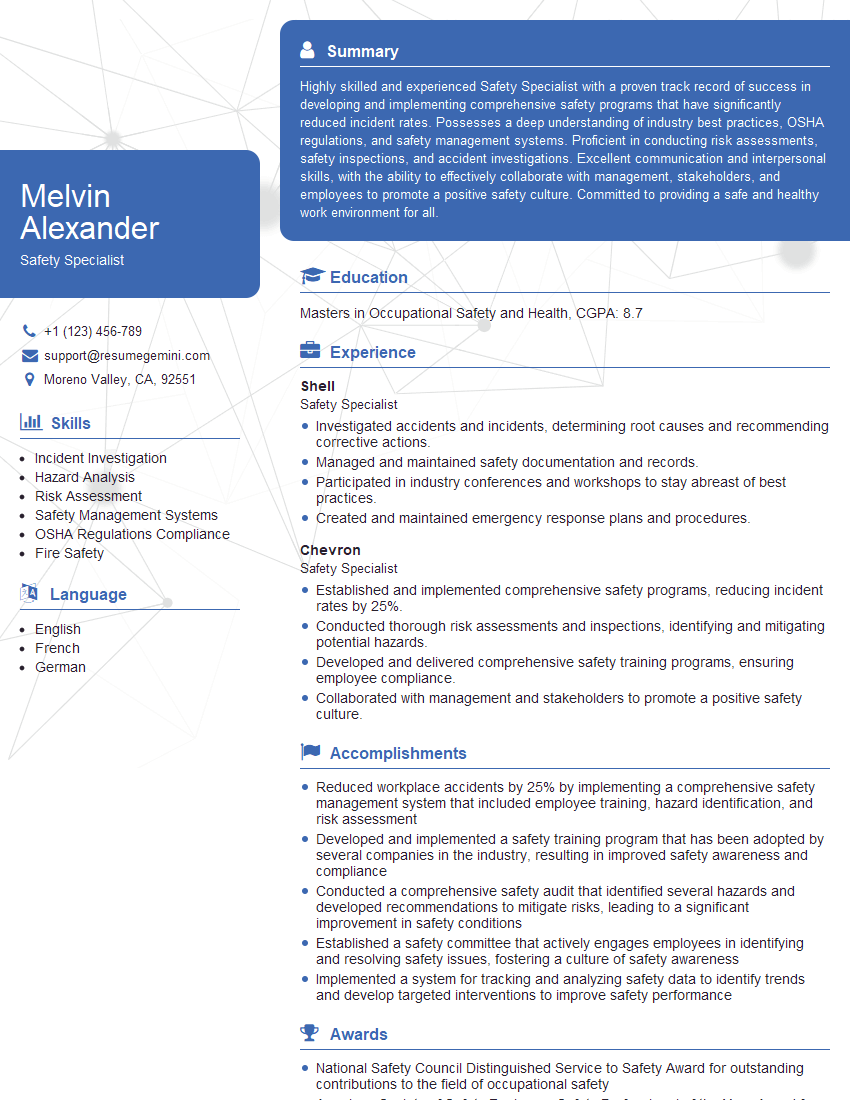
Safety Specialist Resume Sample
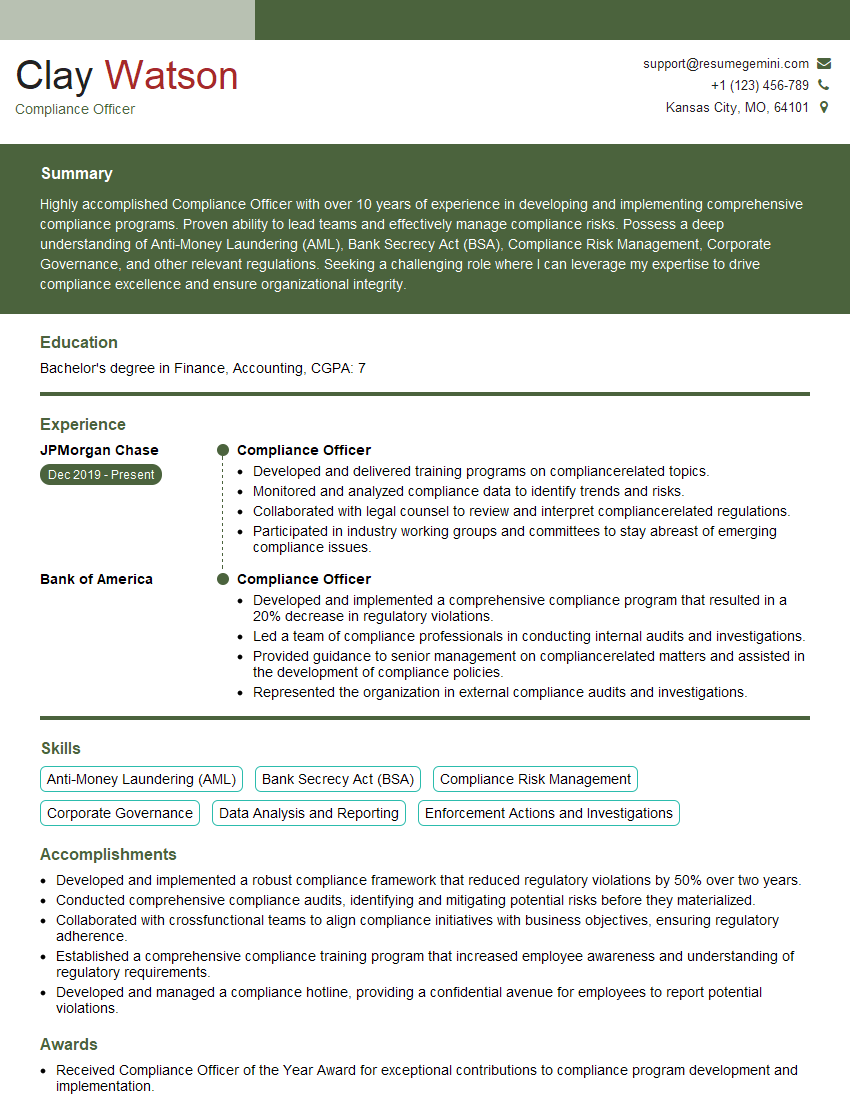
Compliance Officer Resume Sample
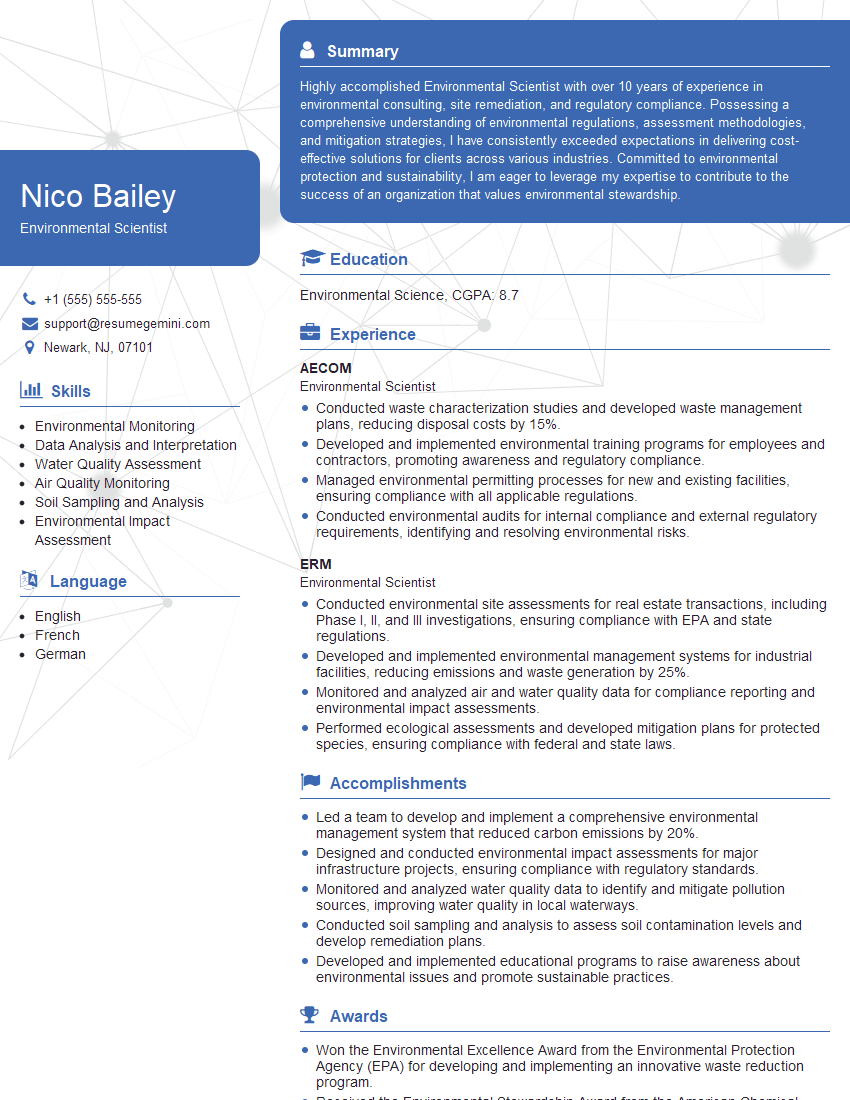
Environmental Scientist Resume Sample
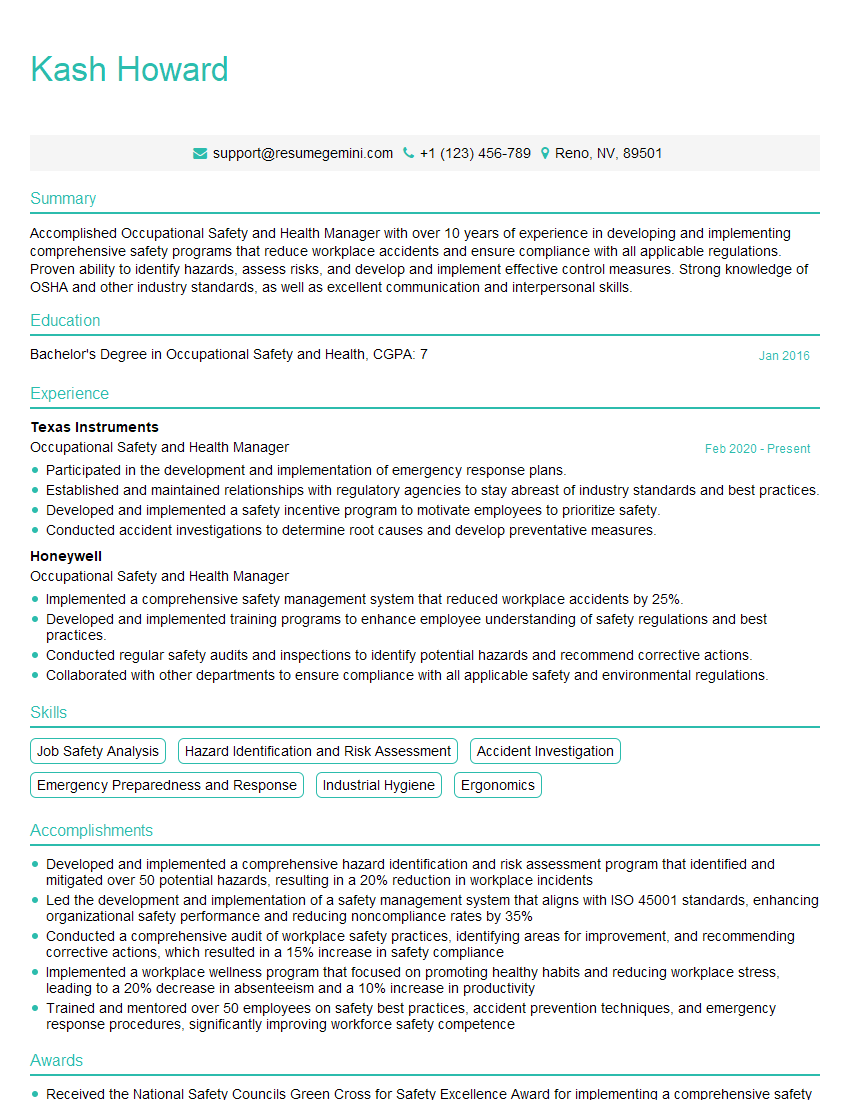
Occupational Safety and Health Manager Resume Sample
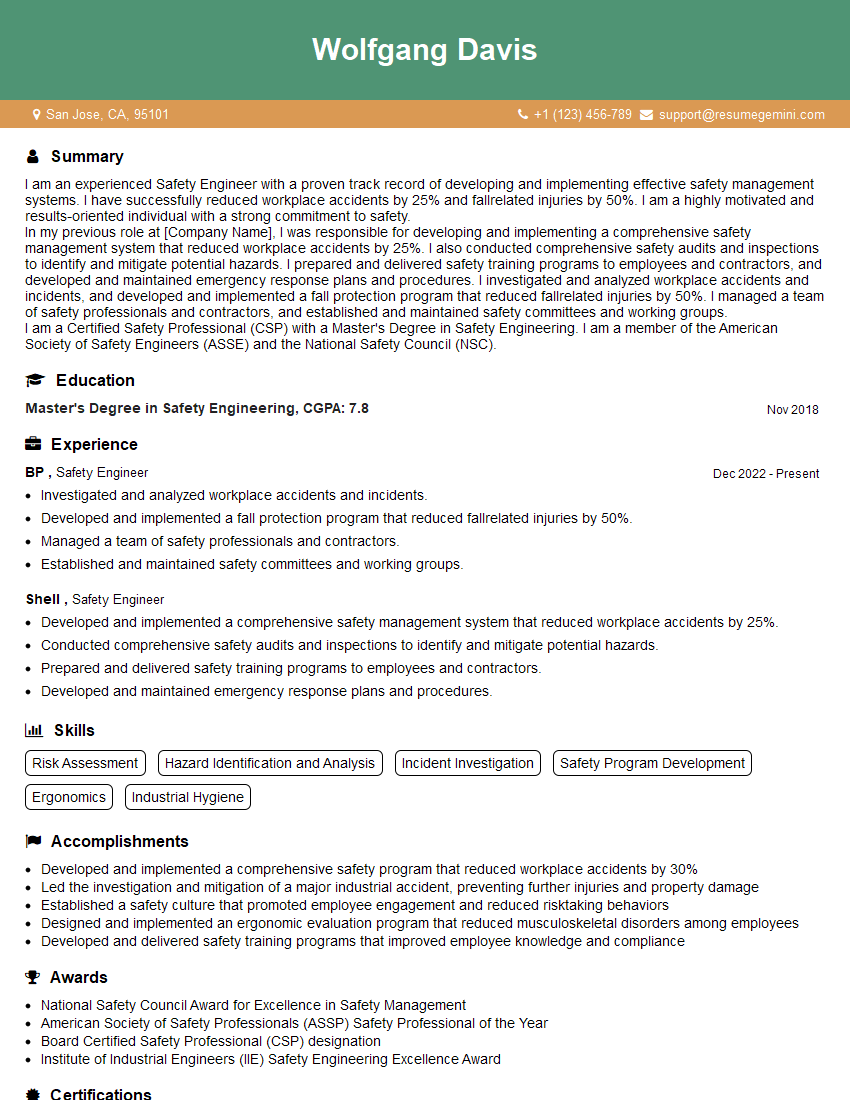
Safety Engineer Resume Sample
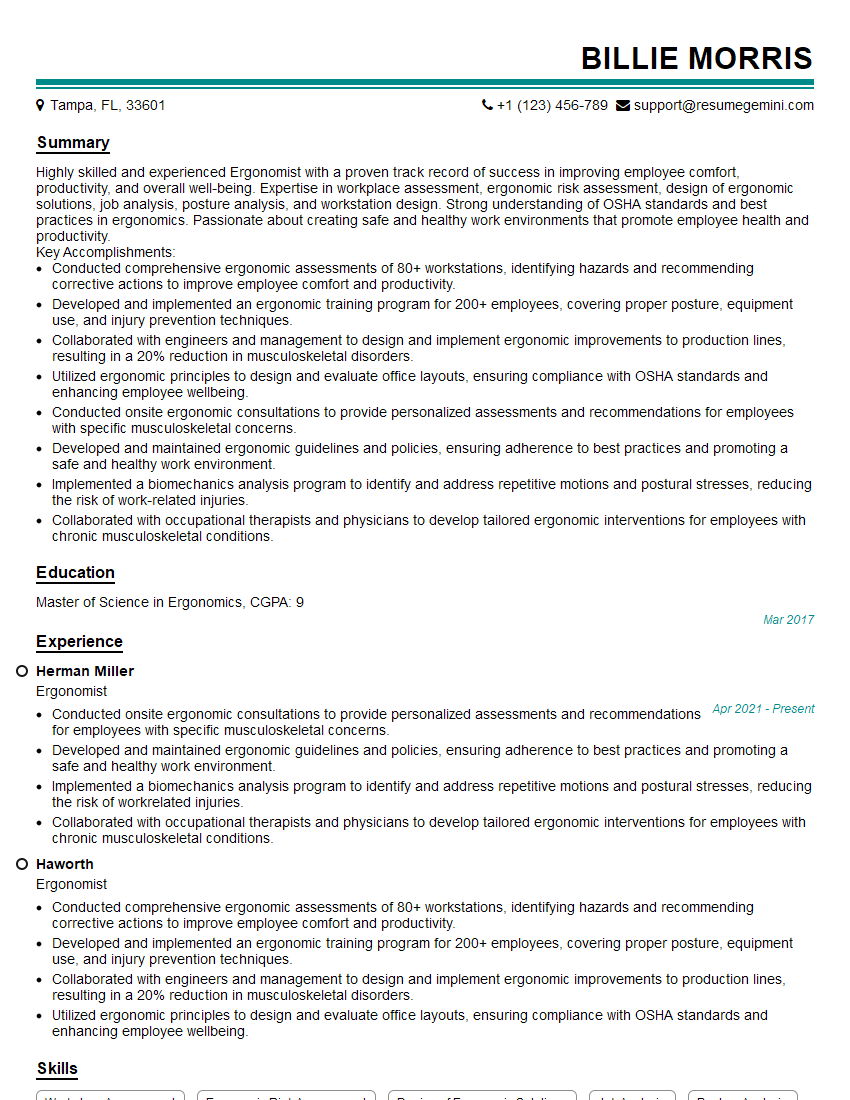
Ergonomist Resume Sample
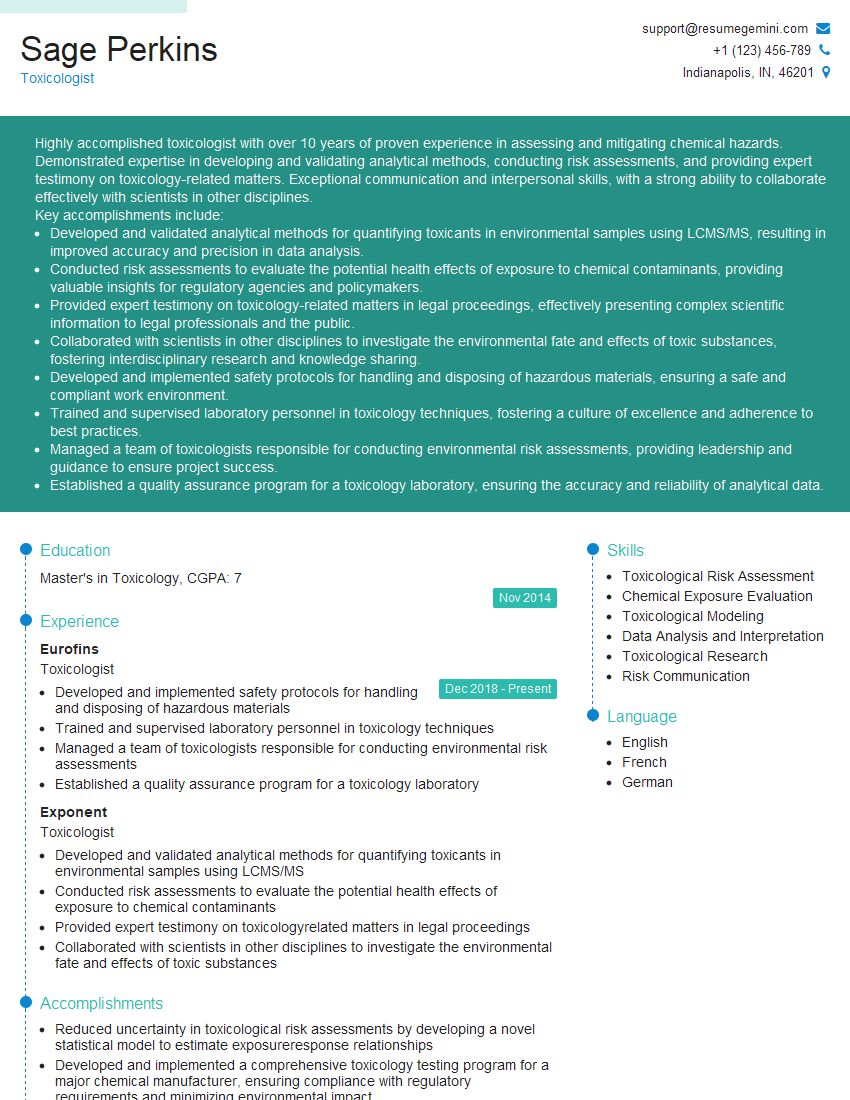
Toxicologist Resume Sample
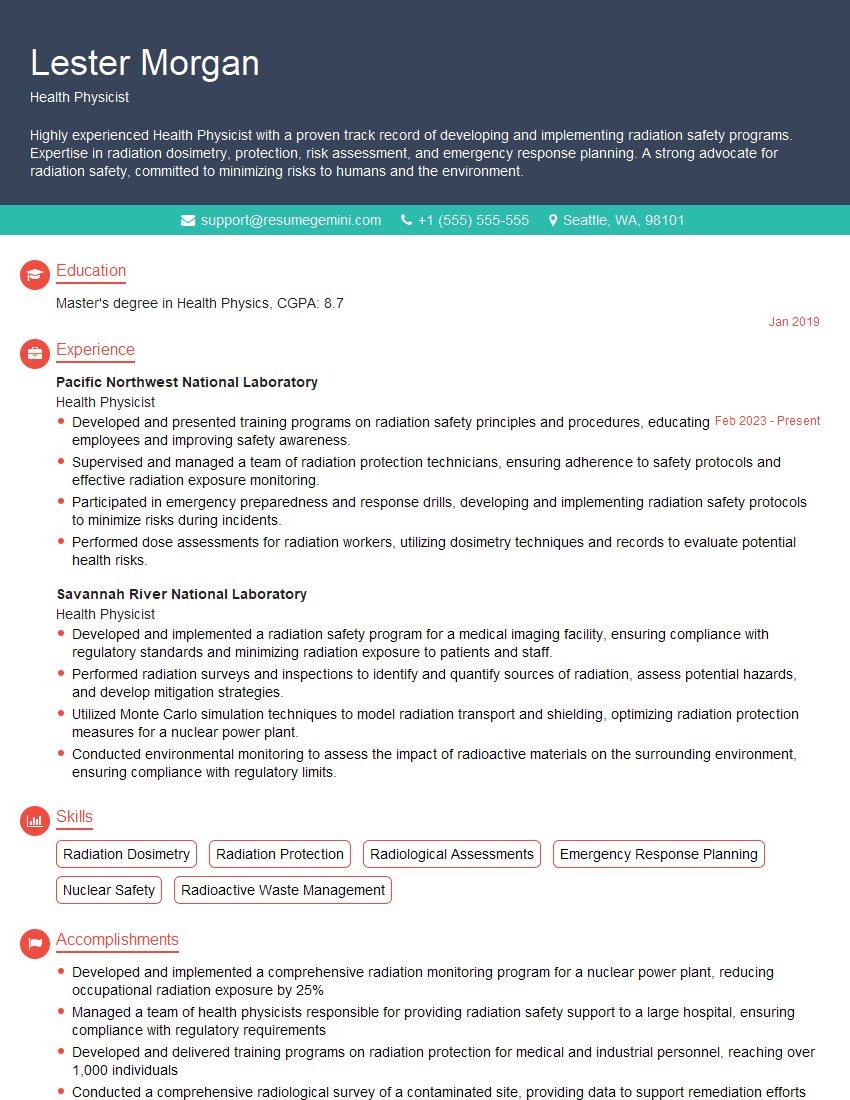
Health Physicist Resume Sample
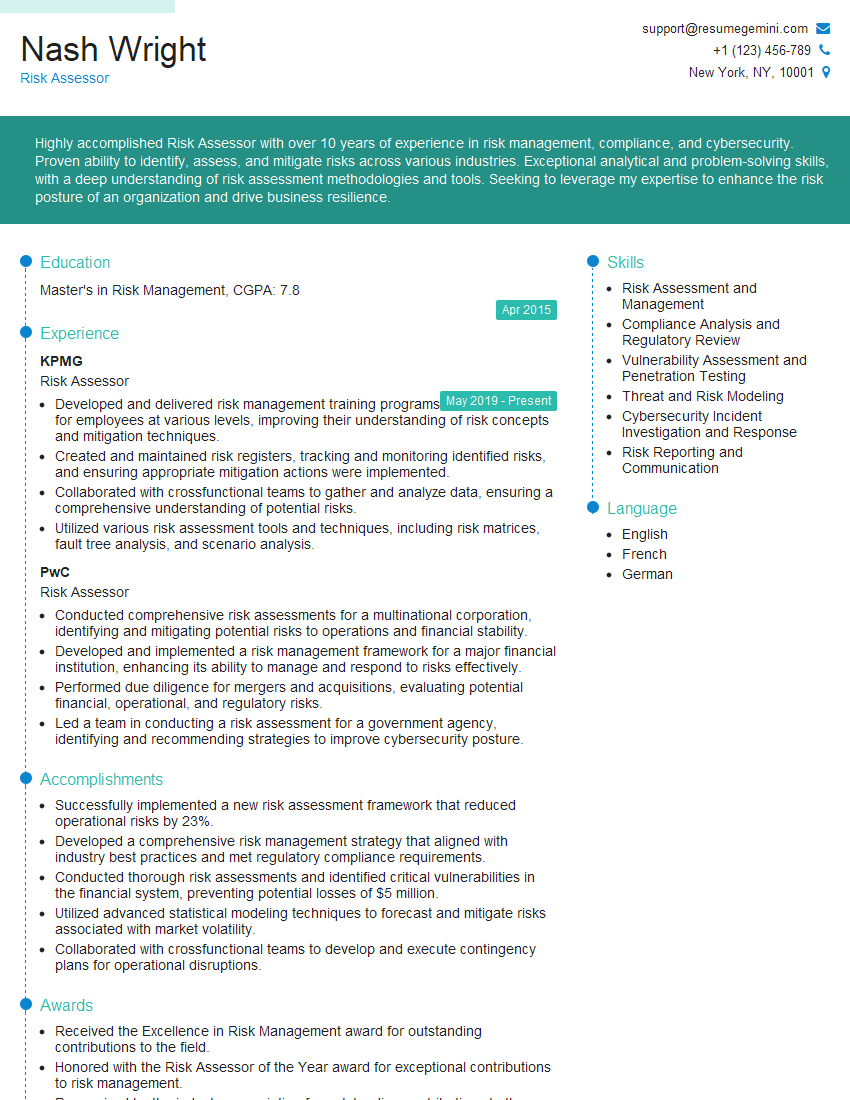
Risk Assessor Resume Sample
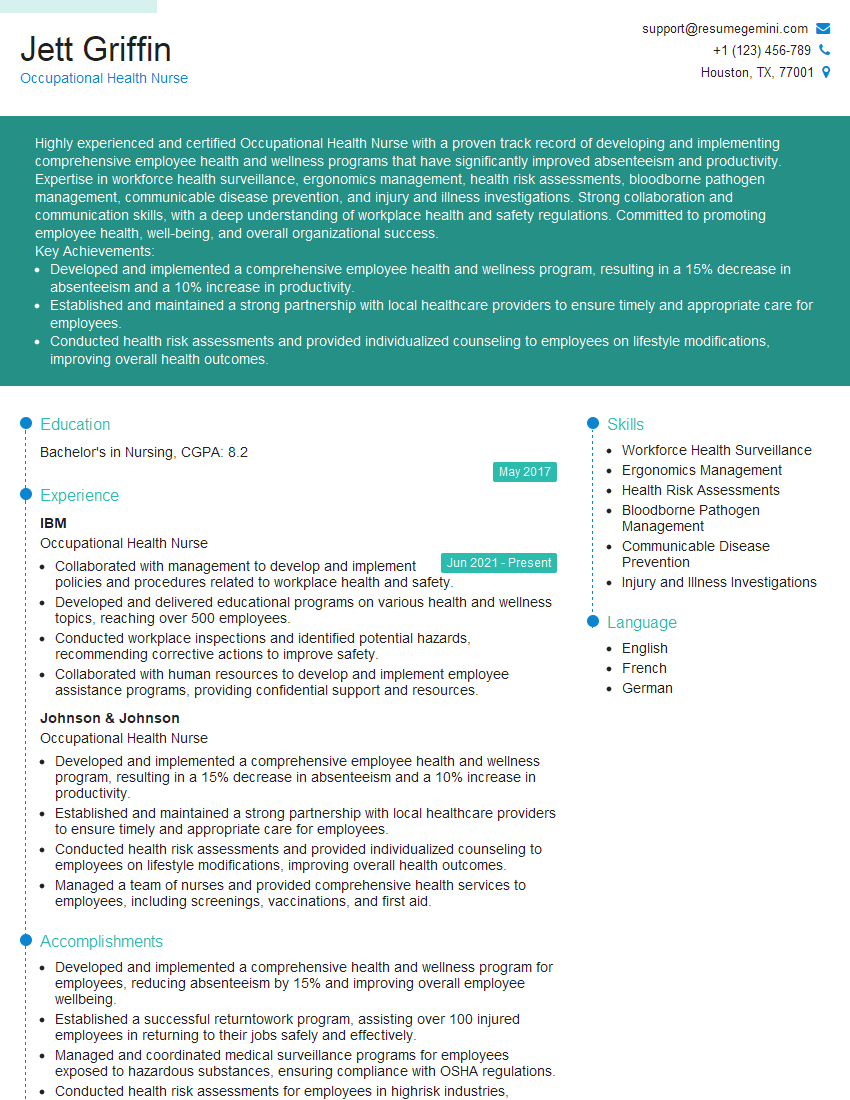
Occupational Health Nurse Resume Sample
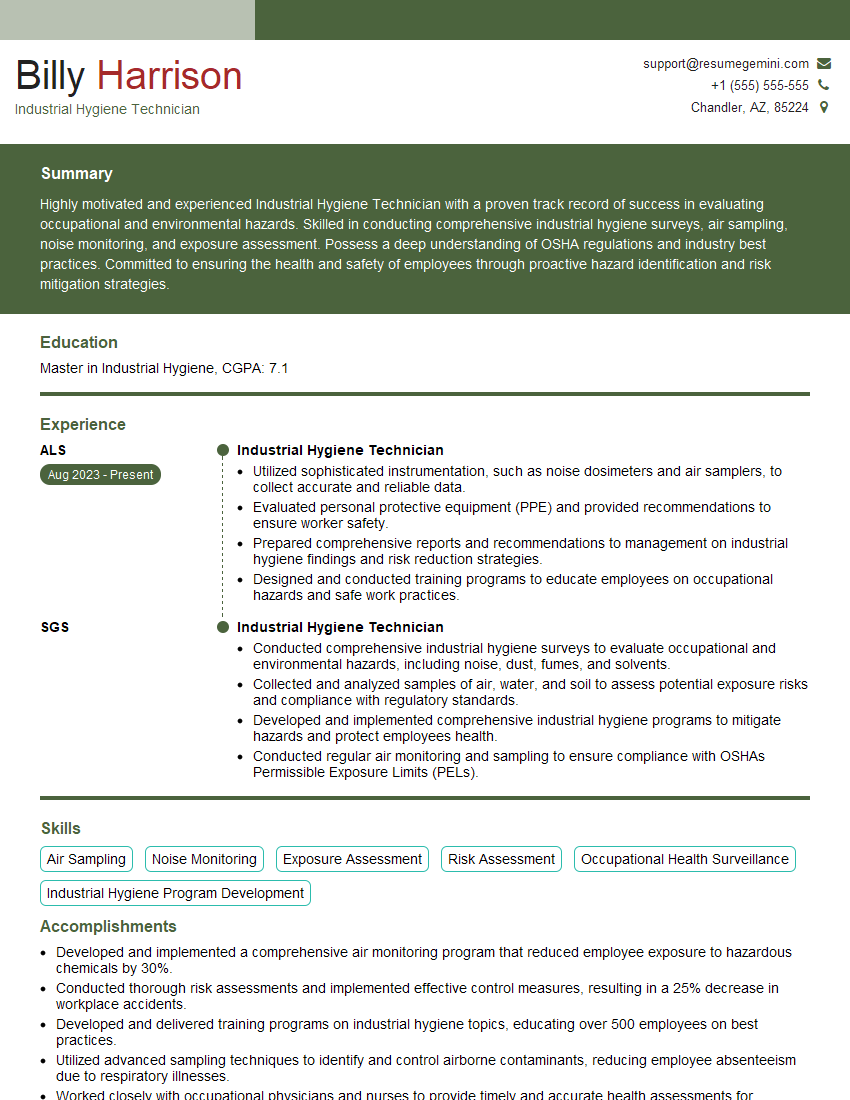
Industrial Hygiene Technician Resume Sample
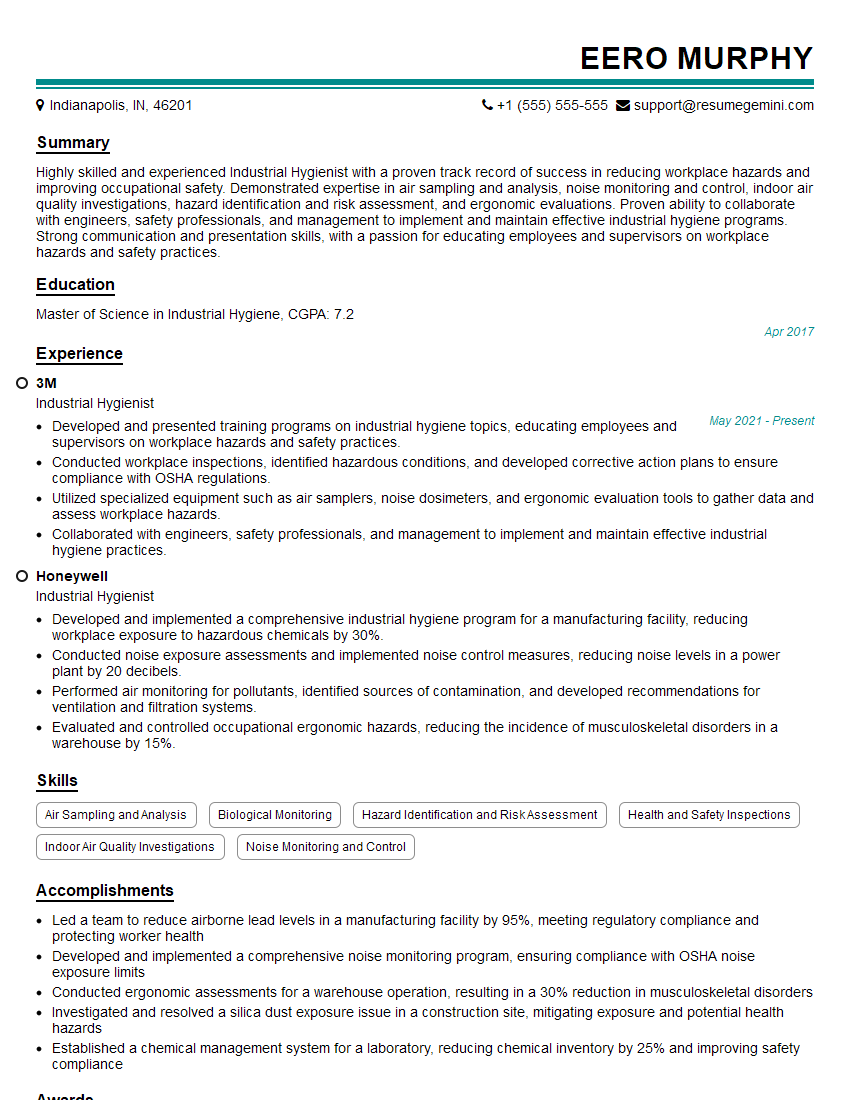
Industrial Hygienist Resume Sample
Explore more articles
Users Rating of Our Blogs
Share Your Experience
We value your feedback! Please rate our content and share your thoughts (optional).
What Readers Say About Our Blog
Attention music lovers!
Wow, All the best Sax Summer music !!!
Spotify: https://open.spotify.com/artist/6ShcdIT7rPVVaFEpgZQbUk
Apple Music: https://music.apple.com/fr/artist/jimmy-sax-black/1530501936
YouTube: https://music.youtube.com/browse/VLOLAK5uy_noClmC7abM6YpZsnySxRqt3LoalPf88No
Other Platforms and Free Downloads : https://fanlink.tv/jimmysaxblack
on google : https://www.google.com/search?q=22+AND+22+AND+22
on ChatGPT : https://chat.openai.com?q=who20jlJimmy20Black20Sax20Producer
Get back into the groove with Jimmy sax Black
Best regards,
Jimmy sax Black
www.jimmysaxblack.com
Hi I am a troller at The aquatic interview center and I suddenly went so fast in Roblox and it was gone when I reset.
Hi,
Business owners spend hours every week worrying about their website—or avoiding it because it feels overwhelming.
We’d like to take that off your plate:
$69/month. Everything handled.
Our team will:
Design a custom website—or completely overhaul your current one
Take care of hosting as an option
Handle edits and improvements—up to 60 minutes of work included every month
No setup fees, no annual commitments. Just a site that makes a strong first impression.
Find out if it’s right for you:
https://websolutionsgenius.com/awardwinningwebsites
Hello,
we currently offer a complimentary backlink and URL indexing test for search engine optimization professionals.
You can get complimentary indexing credits to test how link discovery works in practice.
No credit card is required and there is no recurring fee.
You can find details here:
https://wikipedia-backlinks.com/indexing/
Regards
NICE RESPONSE TO Q & A
hi
The aim of this message is regarding an unclaimed deposit of a deceased nationale that bears the same name as you. You are not relate to him as there are millions of people answering the names across around the world. But i will use my position to influence the release of the deposit to you for our mutual benefit.
Respond for full details and how to claim the deposit. This is 100% risk free. Send hello to my email id: lukachachibaialuka@gmail.com
Luka Chachibaialuka
Hey interviewgemini.com, just wanted to follow up on my last email.
We just launched Call the Monster, an parenting app that lets you summon friendly ‘monsters’ kids actually listen to.
We’re also running a giveaway for everyone who downloads the app. Since it’s brand new, there aren’t many users yet, which means you’ve got a much better chance of winning some great prizes.
You can check it out here: https://bit.ly/callamonsterapp
Or follow us on Instagram: https://www.instagram.com/callamonsterapp
Thanks,
Ryan
CEO – Call the Monster App
Hey interviewgemini.com, I saw your website and love your approach.
I just want this to look like spam email, but want to share something important to you. We just launched Call the Monster, a parenting app that lets you summon friendly ‘monsters’ kids actually listen to.
Parents are loving it for calming chaos before bedtime. Thought you might want to try it: https://bit.ly/callamonsterapp or just follow our fun monster lore on Instagram: https://www.instagram.com/callamonsterapp
Thanks,
Ryan
CEO – Call A Monster APP
To the interviewgemini.com Owner.
Dear interviewgemini.com Webmaster!
Hi interviewgemini.com Webmaster!
Dear interviewgemini.com Webmaster!
excellent
Hello,
We found issues with your domain’s email setup that may be sending your messages to spam or blocking them completely. InboxShield Mini shows you how to fix it in minutes — no tech skills required.
Scan your domain now for details: https://inboxshield-mini.com/
— Adam @ InboxShield Mini
support@inboxshield-mini.com
Reply STOP to unsubscribe
Hi, are you owner of interviewgemini.com? What if I told you I could help you find extra time in your schedule, reconnect with leads you didn’t even realize you missed, and bring in more “I want to work with you” conversations, without increasing your ad spend or hiring a full-time employee?
All with a flexible, budget-friendly service that could easily pay for itself. Sounds good?
Would it be nice to jump on a quick 10-minute call so I can show you exactly how we make this work?
Best,
Hapei
Marketing Director
Hey, I know you’re the owner of interviewgemini.com. I’ll be quick.
Fundraising for your business is tough and time-consuming. We make it easier by guaranteeing two private investor meetings each month, for six months. No demos, no pitch events – just direct introductions to active investors matched to your startup.
If youR17;re raising, this could help you build real momentum. Want me to send more info?
Hi, I represent an SEO company that specialises in getting you AI citations and higher rankings on Google. I’d like to offer you a 100% free SEO audit for your website. Would you be interested?
Hi, I represent an SEO company that specialises in getting you AI citations and higher rankings on Google. I’d like to offer you a 100% free SEO audit for your website. Would you be interested?