Interviews are more than just a Q&A session—they’re a chance to prove your worth. This blog dives into essential Nutrition and Supplement Guidance interview questions and expert tips to help you align your answers with what hiring managers are looking for. Start preparing to shine!
Questions Asked in Nutrition and Supplement Guidance Interview
Q 1. Explain the difference between macronutrients and micronutrients.
Macronutrients and micronutrients are both essential components of a healthy diet, but they differ significantly in the quantities needed and their primary roles in the body. Macronutrients are the energy-yielding nutrients that we need in relatively large amounts: carbohydrates, proteins, and fats. Micronutrients, on the other hand, are vitamins and minerals, required in smaller quantities but crucial for various bodily functions.
- Macronutrients: Think of these as the building blocks and fuel sources. Carbohydrates provide quick energy, proteins build and repair tissues, and fats provide sustained energy, protect organs, and aid in hormone production.
- Micronutrients: These act as catalysts and regulators. Vitamins and minerals are involved in countless metabolic processes, supporting enzyme function, immune response, and overall well-being. A deficiency can lead to significant health problems.
For example, you’d consume grams of carbohydrates in a meal, but only milligrams of vitamin C. Both are essential, but their roles and required amounts differ greatly.
Q 2. Describe the role of protein in the body.
Protein is a fundamental building block of life. It’s composed of amino acids, which are essential for numerous bodily functions. Think of protein as the ‘repair crew’ and ‘construction workers’ of your body.
- Tissue Repair and Growth: Protein is crucial for repairing damaged tissues, building new muscle, and supporting the growth and development of children and adolescents.
- Enzyme and Hormone Production: Many enzymes and hormones are proteins, regulating various metabolic processes and bodily functions.
- Immune Function: Antibodies, which are proteins, play a vital role in defending the body against infections.
- Energy Production: While not its primary role, protein can be used for energy if carbohydrate and fat stores are depleted.
Imagine a house undergoing renovations. Protein is like the cement, bricks, and wood – the materials needed to rebuild and strengthen the structure. A lack of protein can lead to muscle loss, weakened immunity, and impaired growth.
Q 3. What are the key functions of carbohydrates?
Carbohydrates are the body’s primary source of energy. They are broken down into glucose, which fuels the cells and tissues.
- Energy Production: Glucose is the preferred fuel source for the brain, red blood cells, and many other cells.
- Glycogen Storage: Excess glucose is stored as glycogen in the liver and muscles, providing readily available energy for later use.
- Fiber: Dietary fiber, a type of carbohydrate, promotes digestive health, regulates blood sugar levels, and can help lower cholesterol.
Think of carbohydrates as the gasoline powering your car. They provide the immediate energy needed for daily activities. However, choosing complex carbohydrates (like whole grains and vegetables) over simple carbohydrates (like sugary drinks and processed foods) is crucial for maintaining stable blood sugar levels and overall health.
Q 4. Discuss the importance of healthy fats in a balanced diet.
Healthy fats are essential for various bodily functions and shouldn’t be feared in moderation. They are vital for hormone production, cell structure, and nutrient absorption.
- Hormone Production: Many hormones rely on fats for their synthesis and function.
- Cell Membrane Structure: Fats are integral components of cell membranes, maintaining their integrity and function.
- Nutrient Absorption: Fat-soluble vitamins (A, D, E, and K) require fats for absorption.
- Insulation and Protection: Fats provide insulation and protect vital organs.
- Satiety: Fats contribute to feelings of fullness, which can aid in weight management.
Unlike saturated and trans fats which should be limited, unsaturated fats found in sources like avocados, nuts, and olive oil are beneficial for heart health. It’s about choosing the right fats in appropriate amounts.
Q 5. What are the recommended daily allowances (RDAs) for vitamins and minerals?
Recommended Daily Allowances (RDAs) for vitamins and minerals vary significantly depending on age, sex, and overall health status. There’s no single universal RDA. It’s best to consult the Dietary Reference Intakes (DRIs) published by the National Academies of Sciences, Engineering, and Medicine or consult a registered dietitian or your physician.
These guidelines provide a range of recommended intakes for various nutrients, reflecting individual needs and variations. Trying to determine specific RDAs without considering these individual factors would be inaccurate and potentially harmful. Self-treating deficiencies based on general RDAs is not recommended; a personalized assessment is crucial.
Q 6. Explain the concept of glycemic index (GI) and glycemic load (GL).
The Glycemic Index (GI) and Glycemic Load (GL) are measures of how quickly a carbohydrate-containing food raises blood glucose levels.
- Glycemic Index (GI): This ranks carbohydrates on a scale of 0-100, based on how quickly they’re digested and absorbed. A higher GI indicates a faster rise in blood sugar.
- Glycemic Load (GL): This considers both the GI and the amount of carbohydrates in a serving. It provides a more accurate reflection of a food’s impact on blood glucose levels than GI alone.
For example, pure glucose has a high GI, while a whole-wheat bread has a lower GI. However, a large serving of whole-wheat bread might have a higher GL than a small serving of glucose, even if its GI is lower. Understanding both GI and GL helps make informed food choices, especially for individuals with diabetes or those aiming to manage blood sugar levels effectively.
Q 7. How do you assess a client’s nutritional needs?
Assessing a client’s nutritional needs involves a multifaceted approach combining various methods.
- Detailed Dietary Assessment: This involves gathering information about their current eating habits, including food frequency, portion sizes, and cooking methods. Food diaries, 24-hour recalls, and food frequency questionnaires are valuable tools.
- Anthropometric Measurements: This includes measuring height, weight, body mass index (BMI), and body composition (e.g., using skinfold calipers or bioelectrical impedance analysis) to evaluate overall nutritional status.
- Biochemical Indicators: Blood tests can assess nutrient levels (e.g., vitamin D, iron), liver function, kidney function, and other indicators of nutritional status.
- Medical History and Physical Examination: This helps identify any underlying health conditions, medications, and other factors that may influence nutritional needs. Visible signs of nutrient deficiencies might also be observed.
- Lifestyle Assessment: This involves understanding their activity levels, stress levels, sleep patterns, and overall lifestyle choices, as these factors significantly impact nutritional requirements.
By integrating all this information, I can create a comprehensive nutritional profile, identify any deficiencies or excesses, and develop a personalized plan to meet their individual needs and health goals.
Q 8. Describe different methods for evaluating body composition.
Evaluating body composition involves determining the proportions of fat mass and fat-free mass (muscle, bone, water, etc.) in the body. Several methods exist, each with its strengths and weaknesses:
- Bioelectrical Impedance Analysis (BIA): A relatively inexpensive and non-invasive method that sends a weak electrical current through the body. Fat tissue resists the current more than lean tissue, allowing for an estimation of body composition. Accuracy can be affected by hydration levels and other factors.
- Skinfold Calipers: A manual method using calipers to measure the thickness of subcutaneous fat at various sites. While relatively simple, accuracy depends heavily on the technician’s skill and experience. It primarily assesses subcutaneous fat, not total body fat.
- Underwater Weighing (Hydrostatic Weighing): A more accurate method that measures body density by submerging the individual in water. It’s based on the principle of Archimedes’ law. It’s more complex and requires specialized equipment.
- Air Displacement Plethysmography (Bod Pod): This method uses air displacement to determine body volume, which is then used to calculate body density and subsequently body composition. It’s less cumbersome than underwater weighing but still requires specialized equipment.
- Dual-Energy X-ray Absorptiometry (DEXA): Considered the gold standard, DEXA uses low-dose X-rays to measure bone mineral density, lean soft tissue mass, and fat mass. It provides very detailed information but is expensive and requires specialized equipment.
The choice of method depends on factors like cost, availability of equipment, and the level of accuracy required. For example, a fitness center might use BIA for general assessments, while a research study might opt for DEXA for greater precision.
Q 9. What are some common dietary assessment tools?
Dietary assessment tools are crucial for understanding a client’s eating habits and nutritional intake. Common tools include:
- 24-Hour Dietary Recall: The client recalls everything they ate and drank in the past 24 hours. It’s quick and easy but relies on memory, which can be unreliable.
- Food Frequency Questionnaire (FFQ): Asks about the frequency of consumption of specific foods over a longer period (e.g., the past month or year). It provides an overview of usual intake but may not capture the detail of a single day.
- Food Diary/Record: The client records everything consumed over several days or weeks. It provides a more comprehensive picture of usual intake but requires significant client commitment and can be time-consuming.
- Dietary History Interview: A structured interview where the client provides details about their dietary habits, preferences, and routines. It allows for more in-depth exploration and context but is time-intensive.
- Software and Apps: Many apps and software programs are available to help track food intake, offering features like barcode scanning and nutrient analysis. They can make tracking easier and more convenient but require client engagement.
The best tool often depends on the context and goals. A quick screening might use a 24-hour recall, whereas a comprehensive assessment for weight management might involve a food diary combined with a dietary history interview.
Q 10. Explain the difference between food intolerance and food allergy.
Food intolerance and food allergy are both adverse reactions to food, but they differ significantly in their mechanisms and severity:
- Food Allergy: Involves an immune system response. The body’s immune system mistakenly identifies a specific food protein (allergen) as a threat, triggering the release of antibodies like IgE. This can lead to a range of symptoms, from mild (e.g., hives, itching) to severe and life-threatening (anaphylaxis, involving difficulty breathing and circulatory collapse). Examples include peanut allergy or milk allergy.
- Food Intolerance: Does not involve the immune system. Instead, it’s typically due to a metabolic or digestive issue. The body struggles to digest or process a specific food, leading to symptoms like bloating, gas, diarrhea, or stomach cramps. These reactions are usually less severe than allergic reactions. Lactose intolerance (difficulty digesting lactose in dairy) is a common example.
The key distinction lies in the immune system involvement. Food allergies are mediated by the immune system and can be life-threatening, while food intolerances are primarily digestive issues and are generally less severe. A proper diagnosis requires professional evaluation, often involving allergy testing.
Q 11. How do you counsel clients on healthy eating habits?
Counseling clients on healthy eating habits is a collaborative process. It involves a holistic approach, moving beyond simple dietary restrictions and focusing on sustainable lifestyle changes:
- Set Realistic Goals: Begin by identifying the client’s current eating patterns and collaboratively setting achievable goals. Small, incremental changes are more sustainable than drastic overhauls.
- Focus on Whole Foods: Encourage consumption of nutrient-dense whole foods such as fruits, vegetables, lean proteins, and whole grains. Limit processed foods, sugary drinks, and unhealthy fats.
- Promote Balanced Meals: Emphasize creating balanced meals that include all food groups in appropriate portions. Visual aids like MyPlate can be helpful.
- Address Emotional Eating: Explore the role of emotions in food choices. Identifying and managing stress, anxiety, or boredom can reduce emotional eating.
- Encourage Mindful Eating: Promote paying attention to hunger and fullness cues, eating slowly, and savoring meals without distractions.
- Provide Education and Resources: Offer nutritional education, including information on portion sizes, macronutrients, and micronutrients. Provide reliable resources such as websites or books.
- Regular Follow-up and Support: Schedule regular follow-up sessions to monitor progress, address challenges, and provide ongoing support.
For example, instead of telling a client to cut out all sugar, I might work with them to gradually reduce added sugar intake by swapping sugary drinks for water or opting for fruits instead of candy.
Q 12. Discuss the role of fiber in digestion and overall health.
Fiber is a type of carbohydrate that the body cannot digest. It plays a vital role in digestion and overall health:
- Digestion: Soluble fiber dissolves in water and forms a gel-like substance, which helps slow down digestion, regulate blood sugar levels, and lower cholesterol. Insoluble fiber adds bulk to the stool, preventing constipation and promoting regular bowel movements. A healthy gut microbiome thrives on a diverse fiber intake.
- Overall Health: Adequate fiber intake is linked to a reduced risk of various health problems, including:
- Heart disease: Fiber helps lower cholesterol levels.
- Type 2 diabetes: Fiber slows down the absorption of sugar, helping to regulate blood sugar levels.
- Colon cancer: Fiber promotes regular bowel movements, reducing the time carcinogens spend in contact with the colon lining.
- Weight management: High-fiber foods are generally more filling and can help with weight control.
Examples of high-fiber foods include whole grains (oats, brown rice, quinoa), legumes (beans, lentils), fruits (apples, berries), and vegetables (broccoli, carrots).
Insufficient fiber intake can lead to constipation, digestive issues, and an increased risk of chronic diseases. Therefore, it’s crucial to consume a variety of fiber-rich foods daily.
Q 13. What are some common nutritional deficiencies and their symptoms?
Several nutritional deficiencies are common, and their symptoms can vary depending on the nutrient and severity:
- Iron deficiency (anemia): Symptoms include fatigue, weakness, pale skin, shortness of breath, and dizziness. Iron is crucial for red blood cell production.
- Vitamin D deficiency: Can lead to bone pain, muscle weakness, fatigue, and increased susceptibility to infections. Vitamin D is essential for calcium absorption and bone health.
- Calcium deficiency: Can contribute to weakened bones (osteoporosis), muscle cramps, and increased risk of fractures. Calcium is vital for bone strength and nerve function.
- Vitamin B12 deficiency: Can cause anemia, fatigue, nerve damage (peripheral neuropathy), and cognitive problems. Vitamin B12 is critical for nerve function and red blood cell formation.
- Iodine deficiency: Can lead to goiter (enlarged thyroid gland), hypothyroidism (underactive thyroid), and developmental problems in children. Iodine is crucial for thyroid hormone production.
These are just a few examples. The symptoms can be subtle or severe, and diagnosing a deficiency requires a thorough assessment, including medical history, physical examination, and laboratory tests. Self-treating deficiencies is not recommended; professional guidance is essential.
Q 14. How do you approach weight management counseling?
Weight management counseling is a multifaceted process that goes beyond simply recommending a diet. It’s about developing a sustainable lifestyle change that supports long-term weight maintenance.
- Comprehensive Assessment: Begin by thoroughly evaluating the client’s current weight, body composition, dietary habits, physical activity levels, and medical history.
- Setting Realistic Goals: Collaboratively establish achievable and sustainable weight loss goals. Gradual weight loss (1-2 pounds per week) is generally healthier and more sustainable than rapid weight loss.
- Dietary Modifications: Guide the client to make gradual changes to their diet, focusing on increased consumption of fruits, vegetables, whole grains, and lean proteins, while reducing processed foods, sugary drinks, and unhealthy fats. Portion control is also key.
- Physical Activity: Encourage regular physical activity, emphasizing activities the client enjoys and can sustain long-term. This can include both aerobic exercise and strength training.
- Behavioral Modification: Address any underlying behavioral factors contributing to weight gain, such as emotional eating or mindless snacking. Strategies like mindful eating and stress management techniques can be helpful.
- Monitoring Progress: Regularly monitor the client’s progress, providing support and addressing any challenges that arise. Adjusting the plan as needed is crucial.
- Long-Term Maintenance: Focus on developing sustainable habits that support long-term weight management. Weight loss is a journey, not a destination.
For instance, I might work with a client to gradually incorporate more physical activity into their daily routine, starting with short walks and gradually increasing duration and intensity, rather than abruptly starting a strenuous exercise program.
Q 15. Describe the nutritional needs of athletes.
Athletes’ nutritional needs are significantly higher than those of sedentary individuals due to the increased energy expenditure and physical demands of training and competition. Their requirements are tailored to their specific sport, training intensity, and individual metabolic rate. Generally, athletes need more calories, carbohydrates, protein, and specific micronutrients.
- Carbohydrates: These are the primary energy source for high-intensity exercise. Athletes need sufficient carbohydrates to replenish glycogen stores (stored energy in muscles and liver) after workouts to prevent fatigue and optimize performance. Examples include whole grains, fruits, vegetables, and legumes.
- Protein: Crucial for muscle repair and growth. Athletes require a higher protein intake compared to non-athletes, supporting muscle protein synthesis and facilitating recovery. Good sources include lean meats, poultry, fish, eggs, beans, and lentils.
- Fats: Essential for hormone production and overall health. Healthy fats, such as those found in avocados, nuts, and olive oil, are important, but should be consumed in moderation.
- Micronutrients: Vitamins and minerals play vital roles in various metabolic processes essential for athletic performance. Iron is crucial for oxygen transport, calcium for bone health, and B vitamins for energy production. A balanced diet often provides sufficient micronutrients, but supplementation might be needed in specific circumstances.
- Hydration: Adequate fluid intake is paramount to prevent dehydration, which can significantly impair athletic performance. Water is the best choice, but electrolyte-containing beverages might be beneficial during prolonged exercise.
For example, a marathon runner will require a higher carbohydrate intake than a weightlifter, who may need more protein to support muscle growth. Individualized nutrition plans are crucial for optimal performance and recovery.
Career Expert Tips:
- Ace those interviews! Prepare effectively by reviewing the Top 50 Most Common Interview Questions on ResumeGemini.
- Navigate your job search with confidence! Explore a wide range of Career Tips on ResumeGemini. Learn about common challenges and recommendations to overcome them.
- Craft the perfect resume! Master the Art of Resume Writing with ResumeGemini’s guide. Showcase your unique qualifications and achievements effectively.
- Don’t miss out on holiday savings! Build your dream resume with ResumeGemini’s ATS optimized templates.
Q 16. What are some common misconceptions about supplements?
Several misconceptions surround dietary supplements. It’s vital to debunk these to promote safe and effective supplementation practices.
- ‘Natural’ equals ‘safe’: Just because a supplement is labeled ‘natural’ doesn’t automatically mean it’s safe or effective. Natural substances can still have harmful side effects or interact negatively with medications. Dosage is crucial; even natural substances can be toxic in high concentrations.
- More is better: Higher doses don’t necessarily translate to better results. Excessive supplement use can lead to adverse effects and potentially toxicity. Sticking to recommended dosages is paramount.
- Supplements replace a healthy diet: Supplements are exactly that – supplements. They are meant to *supplement* a healthy, balanced diet, not replace it. A well-rounded diet should provide most essential nutrients.
- All supplements are rigorously tested: The supplement industry is not as heavily regulated as the pharmaceutical industry. This means that the quality and purity of supplements can vary greatly. Look for reputable brands with third-party testing verification.
- Quick fixes exist: Supplements are not magic bullets for weight loss, muscle gain, or improved performance. They support overall health and training, but they do not substitute consistent effort and healthy lifestyle choices.
For instance, believing that a high-dose vitamin C supplement will automatically prevent colds is a misconception. While vitamin C has antioxidant properties, a balanced diet and a strong immune system are more effective in preventing illness.
Q 17. How do you determine if a client needs supplements?
Determining if a client needs supplements requires a thorough assessment of their dietary intake, lifestyle, and health status. I wouldn’t recommend supplements unless a clear deficiency or specific need exists.
- Dietary Analysis: A detailed dietary assessment helps identify potential nutrient deficiencies. This involves reviewing food intake through a food diary, questionnaires, or software applications.
- Blood Tests: Blood tests provide objective measurements of nutrient levels (e.g., vitamin D, iron, B12) to confirm deficiencies. They are particularly useful for detecting deficiencies not readily apparent through diet history.
- Physical Examination: A physical examination can reveal signs and symptoms associated with specific nutrient deficiencies, such as pale skin (anemia) or brittle nails (biotin deficiency). The client’s medical history is critical here, as well.
- Lifestyle Assessment: Lifestyle factors such as physical activity level, stress levels, and smoking habits can influence nutrient needs. A highly active individual might require more calories and certain micronutrients than a sedentary person.
- Goal Setting: Supplement recommendations should also align with the client’s goals. For example, an athlete training for a marathon might benefit from carbohydrate supplementation, while someone aiming for weight loss might consider protein supplementation.
For example, a vegetarian client may require vitamin B12 supplementation because it’s primarily found in animal products. Only after a comprehensive assessment can I confidently recommend specific supplements.
Q 18. What are the potential risks associated with excessive supplement use?
Excessive supplement use carries several potential risks. These range from mild side effects to serious health complications.
- Organ Damage: High doses of certain vitamins and minerals can damage organs such as the liver and kidneys. For instance, excessive vitamin A can be hepatotoxic (toxic to the liver).
- Drug Interactions: Supplements can interact with medications, either enhancing or reducing their effectiveness or causing adverse reactions. For example, St. John’s Wort can interact with many medications, including antidepressants.
- Nutrient Imbalances: Taking excessive amounts of one nutrient can create imbalances in the body, potentially leading to deficiencies of other nutrients.
- Gastrointestinal Issues: Some supplements can cause digestive problems like nausea, diarrhea, or constipation.
- Allergic Reactions: Individuals can have allergic reactions to certain supplements, manifesting as skin rashes, itching, or respiratory problems.
- Contamination: Some supplements may be contaminated with heavy metals or other harmful substances, posing health risks.
It’s crucial to remember that ‘more is not better’ when it comes to supplements. Always follow recommended dosages and consult a healthcare professional before starting any supplementation program.
Q 19. How do you educate clients about safe and effective supplement usage?
Educating clients about safe and effective supplement use is paramount to prevent risks and maximize benefits. My approach involves several key strategies:
- Personalized Recommendations: I emphasize that supplements are not a one-size-fits-all solution. Recommendations are always individualized based on the client’s assessment.
- Evidence-Based Information: I provide information based on scientific evidence and reputable sources, avoiding unsubstantiated claims or marketing hype.
- Dosage and Timing: I clearly explain the appropriate dosages and timing of supplement intake, emphasizing the importance of adhering to these recommendations.
- Potential Side Effects: I thoroughly discuss potential side effects and interactions with medications or other supplements, equipping clients with the knowledge to monitor for any adverse reactions.
- Reputable Brands: I encourage clients to choose high-quality supplements from reputable manufacturers that have undergone third-party testing for purity and potency.
- Communication and Monitoring: Open communication and regular monitoring are critical. Clients should report any adverse effects or changes in their health status. Regular check-ins allow for adjustments in the supplementation plan as needed.
For example, I’d explain to a client that while protein powder can support muscle growth, consuming too much can strain the kidneys. Education empowers clients to make informed decisions about their health.
Q 20. Discuss the interactions between certain nutrients and medications.
Nutrient-medication interactions are a critical consideration in supplement guidance. Certain nutrients can either enhance or interfere with the effectiveness of medications, potentially leading to adverse effects.
- Warfarin (blood thinner): Vitamin K, found in leafy green vegetables and some supplements, can counteract the effects of warfarin. Consistent vitamin K intake is essential, but significant fluctuations should be avoided. Regular monitoring of INR (International Normalized Ratio) is necessary.
- Antidepressants (SSRIs): St. John’s Wort, a herbal supplement, can interact with SSRIs, leading to serotonin syndrome, a potentially life-threatening condition. This combination should be strictly avoided.
- Calcium channel blockers (for hypertension): Grapefruit juice and some supplements containing grapefruit compounds can inhibit the metabolism of calcium channel blockers, increasing their blood levels and potentially causing adverse effects.
- Iron supplements: Iron supplements can interfere with the absorption of tetracycline antibiotics, reducing their effectiveness. These should not be taken at the same time.
- Digoxin (for heart failure): Potassium supplements can interact with digoxin, affecting its therapeutic effect. Potassium levels should be closely monitored.
It’s essential to always inform healthcare providers about all supplements being taken to minimize the risk of adverse drug interactions. Open communication between the patient, doctor, and nutritionist is critical.
Q 21. Explain the importance of reading supplement labels.
Reading supplement labels meticulously is crucial for safe and effective use. Labels provide vital information that should not be overlooked.
- Supplement Facts Panel: This panel lists the ingredients, their amounts (typically in milligrams or micrograms), and the percentage of the recommended daily intake (%DV) for each. Pay close attention to the serving size as this impacts the actual amount of nutrient consumed.
- Ingredients List: This lists all ingredients in descending order by weight. This allows one to assess the presence of fillers, binders, or potential allergens.
- Manufacturer Information: Reputable manufacturers will provide contact information and possibly information about their quality control measures.
- Warnings and Precautions: This section lists potential side effects, contraindications, or cautions, such as warnings for pregnant women or those with specific health conditions.
- Third-Party Testing Verification: Look for labels indicating that the product has been tested by an independent third-party laboratory for purity and potency. This adds an extra layer of assurance regarding quality.
For example, a label might indicate that a product contains a high amount of caffeine, which could be problematic for individuals sensitive to caffeine. Careful reading prevents adverse reactions and ensures that supplements meet expectations and are used safely.
Q 22. How do you stay updated on the latest research in nutrition and supplements?
Staying current in the rapidly evolving field of nutrition and supplements requires a multi-faceted approach. It’s not enough to rely solely on initial training; continuous learning is paramount.
Peer-Reviewed Journals: I regularly read publications like the American Journal of Clinical Nutrition and the Journal of the Academy of Nutrition and Dietetics to access the latest research findings. This ensures I’m basing my recommendations on robust scientific evidence.
Professional Organizations: Active membership in organizations like the Academy of Nutrition and Dietetics (AND) provides access to webinars, conferences, and continuing education opportunities. These events often feature leading experts presenting cutting-edge research and practical applications.
Reputable Online Resources: I utilize reputable websites like the National Institutes of Health (NIH) and the Centers for Disease Control and Prevention (CDC) for reliable information. I carefully vet any online source to ensure its credibility and avoid misinformation.
Conferences and Workshops: Attending conferences and workshops allows for direct interaction with researchers and practitioners, fostering a deeper understanding of new developments and networking opportunities.
This combined approach allows me to critically evaluate new information, discern evidence-based practices from trends, and ensure I am providing my clients with the most up-to-date and accurate advice.
Q 23. Describe your experience with developing personalized nutrition plans.
Developing personalized nutrition plans is a cornerstone of my practice. It’s not a one-size-fits-all approach; each plan is tailored to the individual’s unique needs, goals, preferences, and health status.
My process involves a thorough assessment, including a detailed dietary history, physical examination (when appropriate and within my scope of practice), and discussion of lifestyle factors. I utilize evidence-based guidelines and consider factors like:
Dietary Restrictions/Allergies: Understanding any limitations is crucial to creating a feasible and safe plan.
Health Conditions: Existing health conditions, such as diabetes or heart disease, significantly influence nutritional recommendations.
Lifestyle Factors: Considering factors like activity level, stress levels, and sleep patterns provides a holistic perspective.
Food Preferences: I actively involve clients in the process to ensure the plan is palatable and sustainable. Creating a plan they enjoy increases adherence.
Cultural Considerations: I am sensitive to cultural and religious dietary practices and incorporate them where possible.
For example, I worked with a client who was a vegan athlete struggling to maintain adequate protein intake. We collaborated to develop a plan rich in plant-based protein sources, emphasizing timing and variety to optimize performance and recovery.
Q 24. How do you handle client resistance to dietary changes?
Client resistance to dietary changes is common and often stems from deeply ingrained habits, emotional attachments to food, or perceived sacrifices. Addressing this requires empathy, understanding, and a collaborative approach. I don’t view resistance as defiance, but as an opportunity for further discussion and problem-solving.
Empathetic Listening: I start by actively listening to their concerns and validating their feelings. Understanding the reasons behind resistance is key.
Setting Realistic Goals: Instead of drastic overhauls, we set small, achievable goals. Small wins build confidence and momentum.
Gradual Change: We implement changes incrementally, making gradual shifts rather than immediate, overwhelming changes.
Finding Substitutions: If a client dislikes a particular food, we find healthy substitutes they enjoy. This avoids feelings of deprivation.
Collaboration and Empowerment: I emphasize that they are in control of their choices and actively involve them in the decision-making process.
For instance, a client might resist reducing sugar intake. Instead of demanding complete elimination, we might focus on reducing sugary drinks first, replacing them with water or unsweetened tea, before tackling other sugary foods later.
Q 25. Describe your experience working with diverse populations.
Working with diverse populations requires cultural sensitivity and awareness. I recognize that dietary needs and preferences vary widely across different cultures, ethnic backgrounds, and socioeconomic groups. My approach centers on understanding and respecting these differences.
Cultural Competency Training: I have undertaken training on cultural competency to enhance my understanding of diverse perspectives and communication styles.
Dietary Practices: I am familiar with a range of dietary practices, including vegetarian, vegan, kosher, halal, and others. This allows me to tailor recommendations to fit within their cultural norms.
Language Barriers: I am adept at utilizing interpreters or translators when necessary to overcome language barriers and ensure clear communication.
Accessibility: I am mindful of socioeconomic factors that may influence food access and affordability. I work with clients to develop plans that are realistic and achievable within their budgets and circumstances.
For example, working with a client from a culture where rice is a staple food, I would adapt the meal plan to incorporate rice dishes, but focus on healthier preparations and portion sizes.
Q 26. How do you maintain client confidentiality?
Maintaining client confidentiality is a paramount ethical and legal obligation. I adhere to strict confidentiality protocols throughout my practice. This includes:
HIPAA Compliance (if applicable): In the U.S., I am fully compliant with HIPAA regulations regarding the protection of Protected Health Information (PHI).
Secure Data Storage: All client records are stored securely, both electronically and physically, using password protection and encryption where appropriate.
Limited Access: Access to client information is restricted to myself and authorized personnel.
Informed Consent: Clients are fully informed about how their information will be used and protected before any services are rendered.
Confidentiality Agreements: Where appropriate, I utilize written confidentiality agreements to further solidify the commitment to data protection.
I never disclose client information without their explicit consent, except in cases where legally mandated, such as suspected abuse or neglect.
Q 27. What software or tools do you use for tracking client progress?
Utilizing technology to track client progress enhances effectiveness and accountability. I use a combination of tools, depending on client preference and specific needs.
Client Portals: Secure online portals allow clients to access their plans, track their food intake, and communicate with me.
Nutrition Tracking Apps: I may recommend apps like MyFitnessPal or Cronometer to help clients monitor their food intake and nutrient intake.
Spreadsheet Software: I use spreadsheet software such as Microsoft Excel or Google Sheets to monitor trends in client data, such as weight changes and progress towards goals.
Custom Databases: For larger practices, dedicated client management systems can be invaluable for tracking data and streamlining workflows.
The data collected helps me personalize adjustments, celebrate successes, and identify potential areas needing further support. Regular review allows for continuous improvement and optimization of the nutrition plan.
Q 28. Describe your approach to continuing education in nutrition.
Continuing education is essential to maintain expertise in this dynamic field. My commitment to ongoing learning involves multiple strategies:
Professional Development Courses: I regularly enroll in online courses and workshops on topics such as sports nutrition, pediatric nutrition, or specific dietary conditions.
Conferences and Seminars: Attending national and international conferences keeps me abreast of the latest research and best practices.
Journal Clubs: Participating in journal clubs with colleagues fosters critical appraisal of current research and facilitates collaborative learning.
Mentorship: I actively seek mentorship from experienced nutrition professionals to gain insights and guidance.
Self-Directed Learning: Independent study through reading books, articles, and research papers enriches my knowledge base and allows for exploration of specialized areas of interest.
This multifaceted approach ensures I remain at the forefront of the field and can provide my clients with the most effective and evidence-based guidance.
Key Topics to Learn for Nutrition and Supplement Guidance Interview
- Nutritional Assessment & Analysis: Understanding different methods for assessing nutritional status (e.g., dietary intake, anthropometric measurements, biochemical markers) and interpreting the results to identify nutritional deficiencies or excesses.
- Dietary Guidelines & Recommendations: Applying established dietary guidelines (e.g., Dietary Guidelines for Americans, USDA MyPlate) to create personalized dietary plans considering individual needs and health conditions.
- Supplement Selection & Safety: Evaluating the evidence-based efficacy and safety of various dietary supplements, understanding potential drug interactions, and advising on appropriate dosages.
- Client Communication & Counseling: Developing effective communication strategies to educate clients about nutrition and supplement use, addressing their concerns, and motivating behavior change. This includes active listening and motivational interviewing techniques.
- Understanding Macronutrients & Micronutrients: Deep knowledge of the roles of carbohydrates, proteins, fats, vitamins, and minerals in maintaining health and preventing disease. This includes understanding metabolic pathways and nutrient interactions.
- Common Nutritional Deficiencies & Disorders: Recognizing the signs and symptoms of common nutritional deficiencies (e.g., anemia, vitamin D deficiency) and disorders (e.g., eating disorders, metabolic syndrome), and understanding appropriate interventions.
- Ethical Considerations & Professional Standards: Adhering to professional codes of conduct, ethical guidelines for recommending supplements, and maintaining client confidentiality.
- Functional Nutrition & Personalized Approaches: Understanding the principles of functional nutrition and applying them to develop personalized dietary and supplement plans based on individual needs and goals.
- Legal & Regulatory Landscape: Familiarity with relevant regulations and laws pertaining to nutrition and supplement recommendations (e.g., FDA regulations).
- Problem-Solving & Case Studies: Developing the ability to analyze complex case studies, identify nutritional problems, and develop effective intervention strategies.
Next Steps
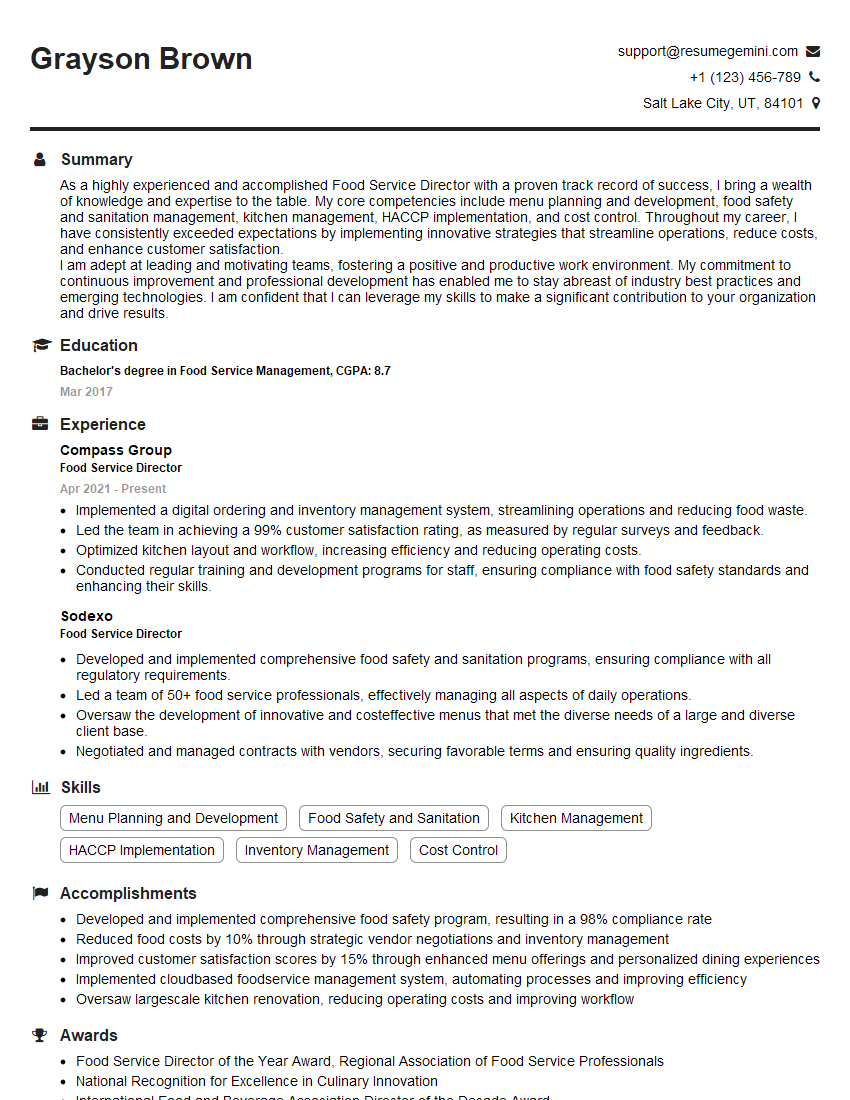
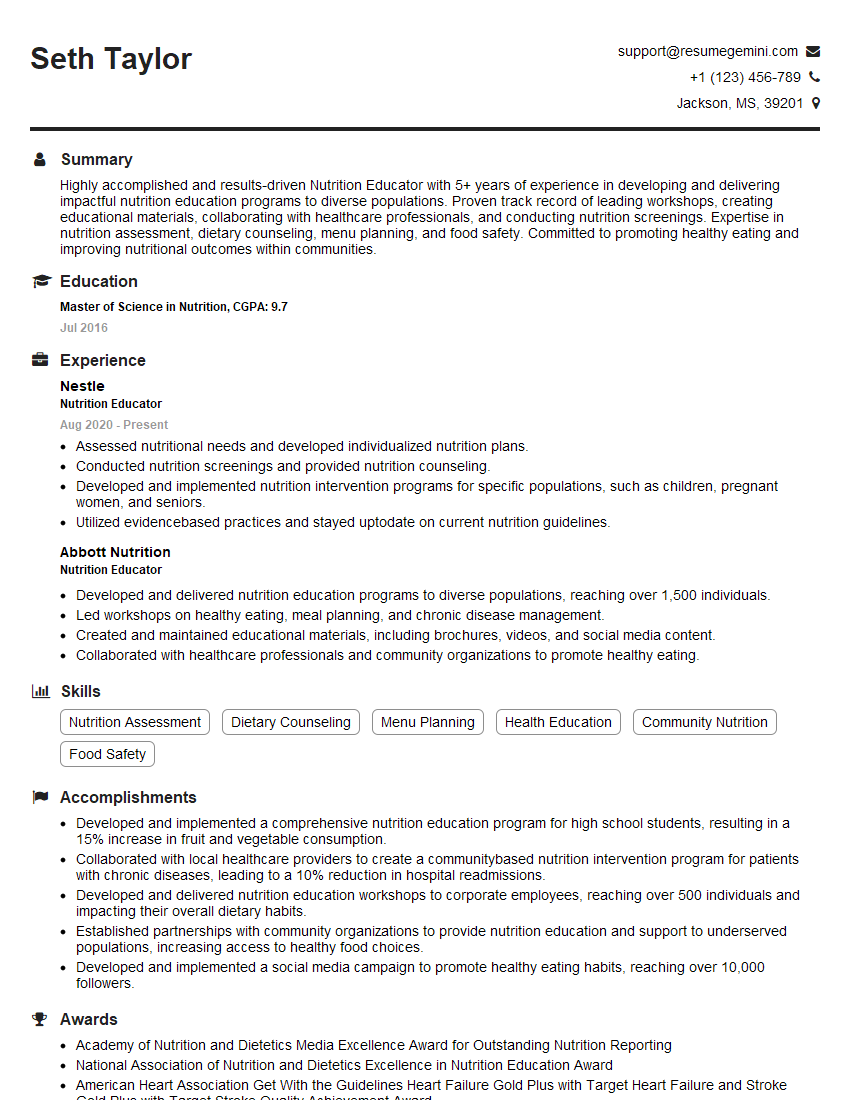
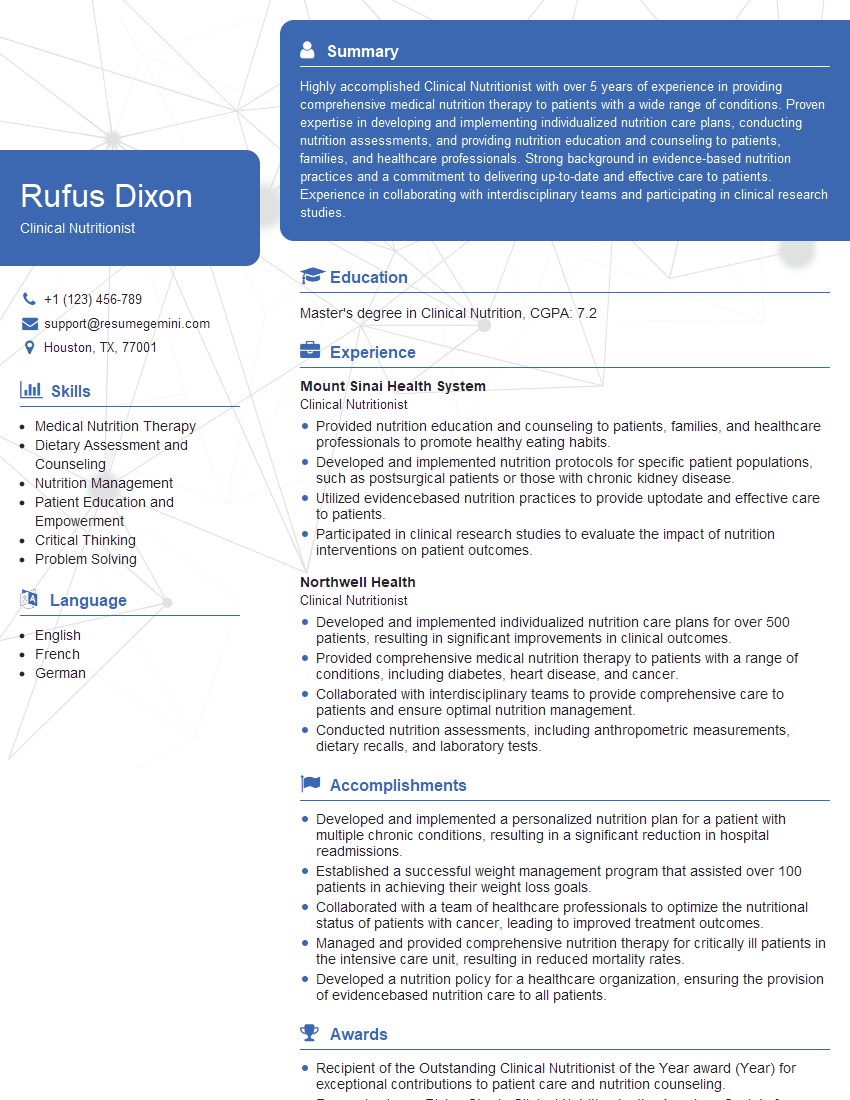
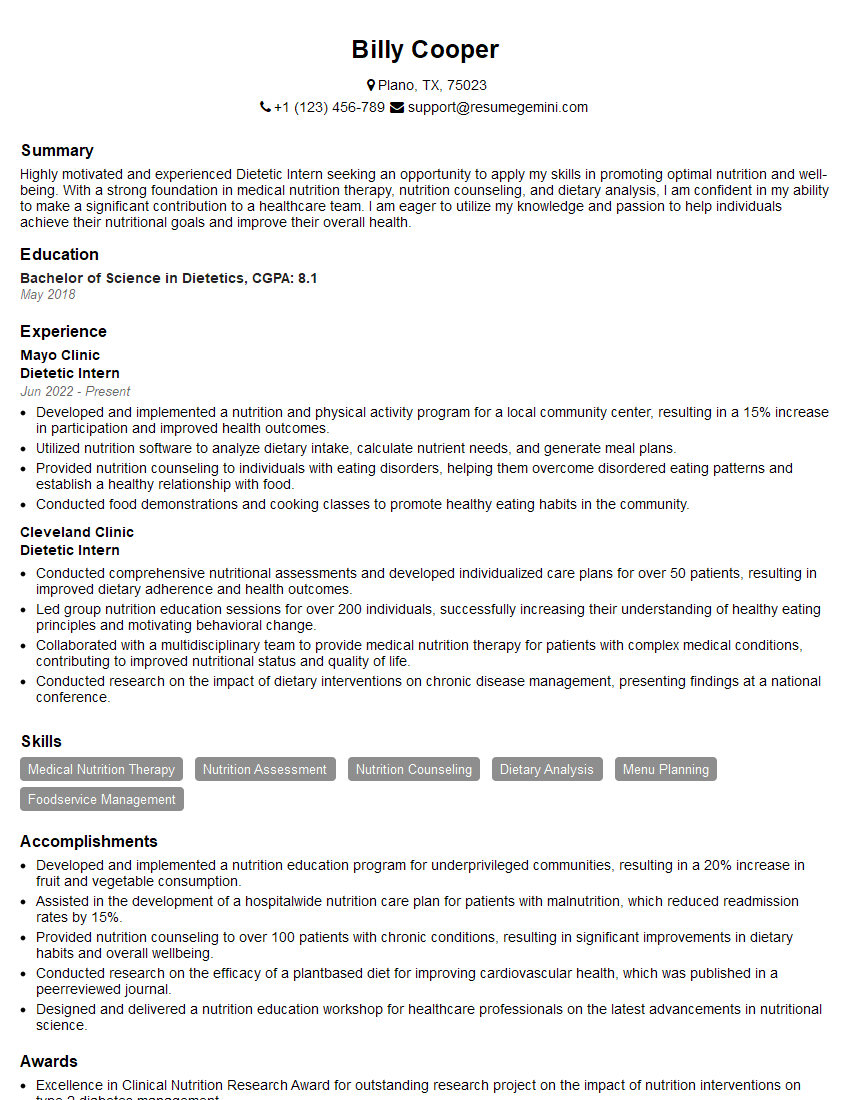
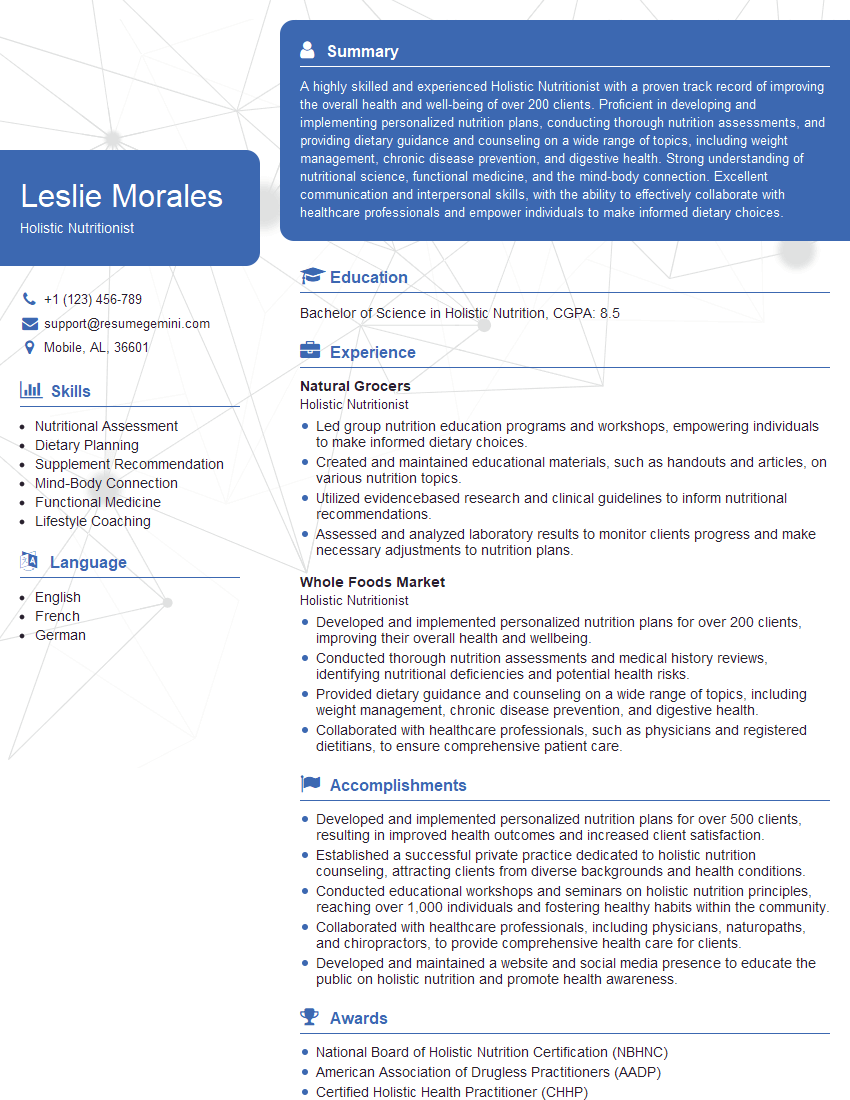
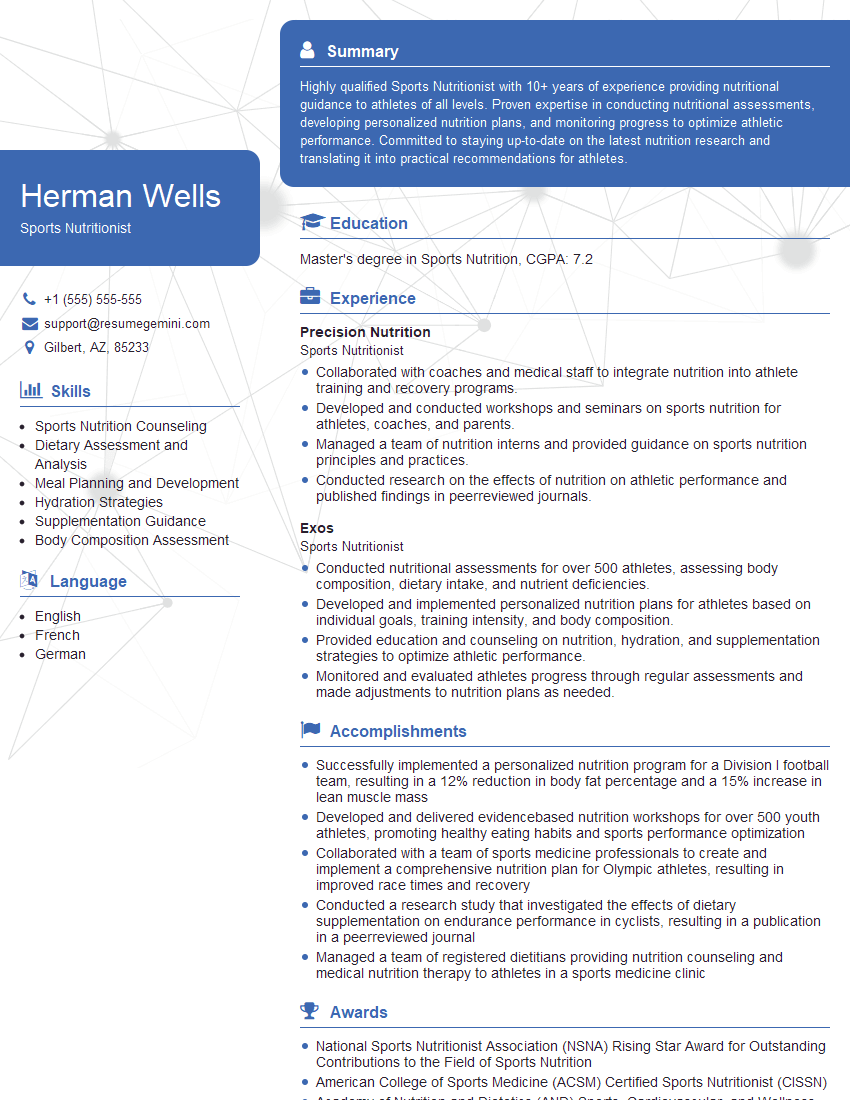
Mastering Nutrition and Supplement Guidance is crucial for career advancement in this rapidly growing field. A strong understanding of these concepts will significantly enhance your interview performance and open doors to exciting opportunities. To increase your chances of landing your dream role, focus on creating an ATS-friendly resume that showcases your skills and experience effectively. ResumeGemini is a trusted resource to help you build a professional and impactful resume. Examples of resumes tailored to Nutrition and Supplement Guidance are available to guide your process, making your application stand out from the competition. Invest time in crafting a compelling resume – it’s your first impression!
Explore more articles
Users Rating of Our Blogs
Share Your Experience
We value your feedback! Please rate our content and share your thoughts (optional).
What Readers Say About Our Blog
Attention music lovers!
Wow, All the best Sax Summer music !!!
Spotify: https://open.spotify.com/artist/6ShcdIT7rPVVaFEpgZQbUk
Apple Music: https://music.apple.com/fr/artist/jimmy-sax-black/1530501936
YouTube: https://music.youtube.com/browse/VLOLAK5uy_noClmC7abM6YpZsnySxRqt3LoalPf88No
Other Platforms and Free Downloads : https://fanlink.tv/jimmysaxblack
on google : https://www.google.com/search?q=22+AND+22+AND+22
on ChatGPT : https://chat.openai.com?q=who20jlJimmy20Black20Sax20Producer
Get back into the groove with Jimmy sax Black
Best regards,
Jimmy sax Black
www.jimmysaxblack.com
Hi I am a troller at The aquatic interview center and I suddenly went so fast in Roblox and it was gone when I reset.
Hi,
Business owners spend hours every week worrying about their website—or avoiding it because it feels overwhelming.
We’d like to take that off your plate:
$69/month. Everything handled.
Our team will:
Design a custom website—or completely overhaul your current one
Take care of hosting as an option
Handle edits and improvements—up to 60 minutes of work included every month
No setup fees, no annual commitments. Just a site that makes a strong first impression.
Find out if it’s right for you:
https://websolutionsgenius.com/awardwinningwebsites
Hello,
we currently offer a complimentary backlink and URL indexing test for search engine optimization professionals.
You can get complimentary indexing credits to test how link discovery works in practice.
No credit card is required and there is no recurring fee.
You can find details here:
https://wikipedia-backlinks.com/indexing/
Regards
NICE RESPONSE TO Q & A
hi
The aim of this message is regarding an unclaimed deposit of a deceased nationale that bears the same name as you. You are not relate to him as there are millions of people answering the names across around the world. But i will use my position to influence the release of the deposit to you for our mutual benefit.
Respond for full details and how to claim the deposit. This is 100% risk free. Send hello to my email id: lukachachibaialuka@gmail.com
Luka Chachibaialuka
Hey interviewgemini.com, just wanted to follow up on my last email.
We just launched Call the Monster, an parenting app that lets you summon friendly ‘monsters’ kids actually listen to.
We’re also running a giveaway for everyone who downloads the app. Since it’s brand new, there aren’t many users yet, which means you’ve got a much better chance of winning some great prizes.
You can check it out here: https://bit.ly/callamonsterapp
Or follow us on Instagram: https://www.instagram.com/callamonsterapp
Thanks,
Ryan
CEO – Call the Monster App
Hey interviewgemini.com, I saw your website and love your approach.
I just want this to look like spam email, but want to share something important to you. We just launched Call the Monster, a parenting app that lets you summon friendly ‘monsters’ kids actually listen to.
Parents are loving it for calming chaos before bedtime. Thought you might want to try it: https://bit.ly/callamonsterapp or just follow our fun monster lore on Instagram: https://www.instagram.com/callamonsterapp
Thanks,
Ryan
CEO – Call A Monster APP
To the interviewgemini.com Owner.
Dear interviewgemini.com Webmaster!
Hi interviewgemini.com Webmaster!
Dear interviewgemini.com Webmaster!
excellent
Hello,
We found issues with your domain’s email setup that may be sending your messages to spam or blocking them completely. InboxShield Mini shows you how to fix it in minutes — no tech skills required.
Scan your domain now for details: https://inboxshield-mini.com/
— Adam @ InboxShield Mini
support@inboxshield-mini.com
Reply STOP to unsubscribe
Hi, are you owner of interviewgemini.com? What if I told you I could help you find extra time in your schedule, reconnect with leads you didn’t even realize you missed, and bring in more “I want to work with you” conversations, without increasing your ad spend or hiring a full-time employee?
All with a flexible, budget-friendly service that could easily pay for itself. Sounds good?
Would it be nice to jump on a quick 10-minute call so I can show you exactly how we make this work?
Best,
Hapei
Marketing Director
Hey, I know you’re the owner of interviewgemini.com. I’ll be quick.
Fundraising for your business is tough and time-consuming. We make it easier by guaranteeing two private investor meetings each month, for six months. No demos, no pitch events – just direct introductions to active investors matched to your startup.
If youR17;re raising, this could help you build real momentum. Want me to send more info?
Hi, I represent an SEO company that specialises in getting you AI citations and higher rankings on Google. I’d like to offer you a 100% free SEO audit for your website. Would you be interested?
Hi, I represent an SEO company that specialises in getting you AI citations and higher rankings on Google. I’d like to offer you a 100% free SEO audit for your website. Would you be interested?