Every successful interview starts with knowing what to expect. In this blog, we’ll take you through the top Occupational Health Assessments interview questions, breaking them down with expert tips to help you deliver impactful answers. Step into your next interview fully prepared and ready to succeed.
Questions Asked in Occupational Health Assessments Interview
Q 1. Define ‘occupational health assessment’.
An occupational health assessment is a systematic process of identifying, evaluating, and controlling workplace hazards that may affect the health and well-being of employees. It’s not just about identifying immediate dangers; it’s a proactive approach to preventing future problems. It involves a comprehensive evaluation of the work environment, the tasks performed, and the health status of the workers. The goal is to create a safe and healthy work environment where employees can thrive.
Think of it like a health check-up for a workplace. Just as a doctor assesses various aspects of your health, an occupational health assessment looks at all potential workplace hazards – from physical hazards like noise and chemicals, to psychosocial hazards such as stress and bullying.
Q 2. Explain the role of risk assessment in occupational health.
Risk assessment is the cornerstone of occupational health. It’s a systematic process used to identify hazards, analyze the risks associated with those hazards, and implement control measures to minimize or eliminate those risks. Without a proper risk assessment, you’re essentially working blind, potentially exposing employees to unnecessary harm.
For example, imagine a construction site. A risk assessment would identify hazards like falling objects, heavy machinery, and exposure to chemicals. It then analyzes the likelihood and severity of injuries associated with these hazards. Based on this analysis, control measures like providing safety harnesses, implementing safety protocols for operating machinery, and providing proper personal protective equipment (PPE) are implemented.
Q 3. Describe different methods used for assessing workplace hazards.
Several methods are used to assess workplace hazards. These methods often complement each other for a holistic assessment.
- Workplace Inspections/Walkthroughs: A visual inspection of the work environment to identify potential hazards. This is a straightforward but crucial first step.
- Job Hazard Analysis (JHA): A systematic process that breaks down each job task into steps, identifying potential hazards at each stage.
- Sampling and Monitoring: Using instruments to measure exposure levels to physical agents (noise, vibration, radiation) or chemical agents in the air. This provides quantitative data about the risk.
- Health Surveillance: Regular health checks and monitoring of employees to identify any health problems that may be work-related. This could involve medical examinations, questionnaires, or biological monitoring.
- Incident/Accident Investigation: Analyzing past incidents to understand the root causes and prevent future occurrences. This is reactive but provides invaluable data for future risk assessment.
For instance, a JHA for a nurse might identify the risk of needlestick injuries, while air sampling might be needed to assess the level of airborne asbestos in a demolition project.
Q 4. What are the key legislative frameworks governing occupational health?
Legislative frameworks governing occupational health vary by country and region, but several key principles are common. These frameworks aim to ensure a safe and healthy work environment for all employees. Some examples include:
- The Occupational Safety and Health Act (OSHA) in the United States: Sets standards for workplace safety and health, requiring employers to provide a safe and healthful workplace.
- The Control of Substances Hazardous to Health (COSHH) Regulations in the UK: Specifically addresses the control of hazardous substances in the workplace.
- The European Agency for Safety and Health at Work (EU-OSHA): Provides information, guidance, and promotes cooperation among European Union member states on occupational safety and health.
These laws often mandate risk assessments, the provision of PPE, and the implementation of control measures to minimize workplace hazards. They also often include provisions for reporting accidents and illnesses, worker training, and employee rights to a safe work environment. Non-compliance can lead to significant fines and legal repercussions.
Q 5. How do you conduct a workplace walk-through inspection?
Conducting a workplace walk-through inspection involves a systematic and methodical examination of the work environment. It is crucial to ensure the safety of all involved parties.
- Planning: Define the scope, objectives, and areas to be inspected. This could include specific departments, machines, or processes.
- Preparation: Gather necessary equipment, such as checklists, cameras, and measuring tools. It’s also essential to inform employees about the inspection and its purpose.
- Inspection: Follow a pre-determined route, systematically observing and documenting any potential hazards. Use checklists to ensure a thorough assessment, focusing on potential sources of injury, illness, or discomfort. Pay attention to details like housekeeping, equipment condition, and employee practices.
- Documentation: Record all findings clearly and accurately, including photographs and descriptions of observed hazards, their location, and potential consequences.
- Follow-up: Prioritize identified hazards, assign responsibilities for corrective actions, and establish a timeline for implementation. Regular follow-up inspections are vital to ensure that corrective actions have been effective.
For instance, during a walk-through in a manufacturing plant, you might notice exposed wiring, inadequate lighting, or improper storage of chemicals—all of which should be documented and addressed.
Q 6. Explain the importance of ergonomic assessments.
Ergonomic assessments are essential for preventing musculoskeletal disorders (MSDs) and promoting employee well-being. Ergonomics focuses on designing workplaces, equipment, and tasks to fit the capabilities and limitations of the human body. A poorly designed workstation can lead to discomfort, pain, and long-term injuries.
An ergonomic assessment considers factors such as workstation setup (chair height, monitor placement, keyboard position), tool design, work postures, and work patterns. It involves evaluating the physical demands of the job and how those demands impact the employee’s body. The goal is to identify areas of potential risk and make adjustments to reduce strain and promote comfort. A simple example is adjusting a computer monitor to reduce neck strain. More complex examples include redesigning assembly lines to reduce repetitive movements or providing workers with adjustable chairs and footrests.
Q 7. Describe your experience with musculoskeletal disorder (MSD) prevention.
My experience with MSD prevention is extensive. I’ve been involved in numerous projects focused on mitigating MSD risks across diverse industries. I’ve used several methods, including ergonomic assessments, job hazard analyses, and health surveillance, to identify risk factors and implement interventions.
For example, I worked with a manufacturing company experiencing high rates of carpal tunnel syndrome among assembly line workers. Through a combination of ergonomic assessments and job redesign, we implemented changes, such as modifying workstations, introducing rotating tasks, and providing employees with regular breaks and stretching exercises. This resulted in a significant reduction in MSD cases.
Another significant project involved conducting a thorough ergonomic evaluation of office workers’ workstations. The assessment identified several common issues like improper chair height, poor monitor placement, and lack of lumbar support. Implementing solutions – including adjustable chairs, monitor arms, and keyboard trays – led to a noticeable decrease in reported musculoskeletal complaints. My approach always emphasizes a collaborative effort, including employee input and participation in the implementation of solutions, which is crucial for the success of any MSD prevention strategy.
Q 8. How do you identify and assess psychosocial risks in the workplace?
Identifying and assessing psychosocial risks in the workplace involves a multi-faceted approach that goes beyond simply looking at physical hazards. It requires understanding the impact of work-related stress, violence, harassment, and other factors on employee well-being and productivity.
My approach typically begins with a thorough risk assessment using a combination of methods. This includes:
- Surveys and questionnaires: These anonymous tools gather data on employee perceptions of stress, workload, management styles, and workplace relationships. For example, I might use standardized questionnaires like the Job Content Questionnaire to assess job demands and control.
- Interviews and focus groups: These allow for deeper exploration of specific concerns and provide qualitative data that can supplement quantitative survey results. I find that open-ended discussions often uncover hidden issues.
- Observation of the workplace: Direct observation can highlight potential psychosocial risks, such as high levels of conflict, bullying behaviour, or an overly demanding work environment.
- Review of incident reports: Analyzing previous workplace incidents, especially those related to stress, violence, or aggression, can highlight patterns and areas for intervention.
Once data is collected, it’s analyzed to identify trends and specific risks. Then, a prioritization matrix is used, ranking risks based on likelihood and severity. Finally, control measures are developed and implemented, focusing on improving communication, work organization, management practices, and fostering a supportive work environment.
For instance, in one project, employee surveys revealed high levels of stress linked to unrealistic deadlines and poor communication. Following the assessment, we implemented measures such as improved project planning, better communication channels, and stress management training, resulting in a significant reduction in reported stress levels.
Q 9. What are the key components of a comprehensive occupational health program?
A comprehensive occupational health program is a proactive and integrated system designed to protect and promote the health and well-being of all workers. It’s not just about reacting to injuries or illnesses; it’s about preventing them.
Key components include:
- Health surveillance: Regular health checks, specific to the workplace hazards, to detect early signs of health problems related to the job.
- Risk assessment and management: Identifying hazards, assessing risks, and implementing control measures to minimize or eliminate those risks. This includes both physical and psychosocial hazards.
- Injury and illness management: Effective protocols for managing work-related injuries and illnesses, including first aid, reporting procedures, and return-to-work programs.
- Health promotion and education: Programs to promote healthy lifestyles and provide education on workplace hazards and risk reduction strategies.
- Employee assistance programs (EAPs): Confidential services to support employees facing personal or work-related problems that may affect their health and well-being.
- Communication and consultation: Open communication with employees and management on occupational health issues and active involvement of employees in risk management processes.
- Record-keeping and reporting: Maintaining accurate records of occupational health data for monitoring, evaluation, and improvement.
A successful program integrates all these components into a holistic approach, ensuring a safe and healthy work environment. Imagine it as a well-oiled machine – each part plays a crucial role, and dysfunction in one area can impact the others.
Q 10. Explain your experience with conducting health surveillance.
My experience with conducting health surveillance spans various industries, from manufacturing to healthcare. I’ve overseen the implementation and management of various surveillance programs, tailored to specific occupational hazards.
This includes:
- Developing surveillance protocols: This involves identifying relevant health indicators based on the workplace risks and selecting appropriate screening methods, such as audiometric testing for noise exposure, spirometry for respiratory hazards, or blood tests for exposure to specific chemicals.
- Conducting health screenings and assessments: This involves administering tests and assessments, interpreting results, and providing feedback to employees and management. It is crucial to maintain confidentiality and follow ethical guidelines.
- Monitoring health trends: Analyzing data collected over time to identify patterns, trends, and early warning signs of health problems, allowing for timely intervention.
- Developing and implementing control measures: Based on surveillance findings, recommending and implementing control measures to address any identified health issues. For example, if hearing loss is detected, recommending the use of hearing protection or engineering controls to reduce noise levels.
In a recent project involving a chemical manufacturing plant, our surveillance program identified an increase in respiratory problems among workers. This prompted a review of the ventilation system, leading to upgrades that significantly reduced exposure to airborne chemicals and a subsequent decrease in reported respiratory illnesses.
Q 11. Describe your approach to managing workplace injuries and illnesses.
Managing workplace injuries and illnesses requires a multi-pronged approach focused on prevention, prompt intervention, and effective rehabilitation.
My approach involves:
- Prompt investigation of incidents: Thoroughly investigating all incidents to identify contributing factors and prevent recurrence. This includes interviewing witnesses, reviewing safety procedures, and analyzing the work environment.
- First aid and emergency response: Ensuring that adequate first aid and emergency response systems are in place and that employees are trained in their use.
- Return-to-work programs: Developing and implementing programs to help injured workers return to their jobs safely and efficiently. This often involves modified duties or phased returns.
- Record-keeping and reporting: Maintaining accurate records of injuries and illnesses to monitor trends and identify areas for improvement. This data is crucial for evaluating the effectiveness of safety programs.
- Collaboration with stakeholders: Working closely with employees, management, insurance providers, and healthcare professionals to ensure a coordinated and effective response.
For example, in a construction site, a worker sustained a back injury. Our investigation revealed a lack of proper lifting techniques. We implemented a comprehensive training program on safe lifting practices and provided ergonomic assessments to minimize future risks. The injured worker successfully returned to work with modified duties, and the incidence of back injuries significantly decreased.
Q 12. How do you communicate occupational health findings to management and employees?
Communicating occupational health findings effectively is paramount for influencing positive change. My approach involves tailoring the communication to the audience, using clear and concise language, and focusing on actionable insights.
For management, I present findings in reports that highlight key risks, potential costs associated with inaction, and cost-benefit analyses of recommended control measures. I use data visualization tools such as charts and graphs to illustrate trends and impact. I also provide clear recommendations for action.
For employees, communication is more participatory and focuses on promoting health and well-being. I utilize various methods:
- Workshops and training sessions: Interactive sessions to explain risks, control measures, and employee responsibilities.
- Informational materials: Brochures, posters, and intranet articles to disseminate information widely.
- Team meetings: Opportunities for open discussions and Q&A sessions.
- Individual consultations: Confidential discussions with employees to address their specific concerns.
In all communications, I emphasize transparency, openness, and employee involvement in the risk management process. Effective communication ensures everyone understands their roles and responsibilities in creating a healthier workplace.
Q 13. What are your experiences with implementing control measures to mitigate risks?
Implementing control measures is the crucial step in mitigating identified risks. My experience encompasses a range of strategies, prioritizing a hierarchy of controls, starting with elimination or substitution, followed by engineering controls, administrative controls, and finally, personal protective equipment (PPE).
Examples of my work include:
- Eliminating the hazard: Replacing a hazardous chemical with a safer alternative in a manufacturing process.
- Engineering controls: Installing improved ventilation systems to reduce exposure to airborne contaminants, or using machine guarding to prevent injuries.
- Administrative controls: Implementing job rotation to reduce repetitive strain injuries, establishing stricter work procedures, or providing additional training to improve safe work practices.
- Personal protective equipment (PPE): Providing and ensuring the correct use of appropriate PPE, such as hearing protection, safety glasses, or respirators, when other controls are not feasible.
In one instance, we identified a high risk of musculoskeletal injuries in a warehouse. We implemented engineering controls by installing ergonomic workstations, administrative controls through job redesign and training on proper lifting techniques, and provided appropriate PPE like back supports. This multifaceted approach resulted in a drastic reduction in reported musculoskeletal injuries.
Q 14. How do you prioritize risks based on likelihood and severity?
Prioritizing risks involves a systematic approach to determine which hazards require immediate attention. This is typically done using a risk matrix, considering both the likelihood and severity of the potential harm.
The process involves:
- Identifying hazards: A thorough assessment of the workplace to identify all potential hazards.
- Assessing likelihood: Estimating the probability of each hazard occurring, using qualitative terms (e.g., unlikely, likely, very likely) or quantitative data if available.
- Assessing severity: Determining the potential consequences of each hazard, using a scale that considers the potential for injury, illness, or fatality.
- Developing a risk matrix: Plotting the likelihood and severity on a matrix to visually represent the overall risk level. High-risk hazards are usually in the top right quadrant (high likelihood, high severity).
- Prioritizing risks: Focusing resources on addressing the highest-risk hazards first, working down the matrix.
A simple example of a risk matrix uses a 3×3 grid. Likelihood is rated as low, medium, or high, as is severity. The highest risk combination (high likelihood, high severity) would receive the highest priority for control measures.
This ensures that resources are allocated efficiently to address the most critical hazards first, maximizing the impact of risk reduction efforts. This systematic approach improves the effectiveness and efficiency of occupational health and safety programs.
Q 15. Explain your understanding of the hierarchy of controls.
The Hierarchy of Controls is a fundamental principle in occupational health and safety, prioritizing the elimination of hazards over relying solely on personal protective equipment (PPE). It’s a systematic approach to risk management, aiming to reduce workplace hazards from the most effective to the least effective method. Think of it like this: you wouldn’t rely on a bandaid (PPE) to stop a car crash (hazard) – you’d prevent the crash altogether (elimination).
- Elimination: Removing the hazard entirely. Example: Replacing a hazardous chemical with a safer alternative.
- Substitution: Replacing a hazardous substance or process with a less hazardous one. Example: Using water-based paint instead of solvent-based paint.
- Engineering Controls: Isolating people from the hazard using physical barriers or engineering solutions. Example: Installing machine guards to prevent contact injuries.
- Administrative Controls: Changing the way work is done to minimize exposure. Example: Implementing a job rotation system to reduce repetitive strain injuries or implementing procedures for safe handling of hazardous materials.
- Personal Protective Equipment (PPE): Providing workers with equipment to protect them from hazards. Example: Safety glasses, respirators, and gloves. This is the last resort, as it protects the worker, not the hazard itself.
Following this hierarchy ensures the most effective and sustainable control measures are implemented, leading to a safer and healthier workplace.
Career Expert Tips:
- Ace those interviews! Prepare effectively by reviewing the Top 50 Most Common Interview Questions on ResumeGemini.
- Navigate your job search with confidence! Explore a wide range of Career Tips on ResumeGemini. Learn about common challenges and recommendations to overcome them.
- Craft the perfect resume! Master the Art of Resume Writing with ResumeGemini’s guide. Showcase your unique qualifications and achievements effectively.
- Don’t miss out on holiday savings! Build your dream resume with ResumeGemini’s ATS optimized templates.
Q 16. Describe your experience with different types of personal protective equipment (PPE).
My experience encompasses a wide range of PPE, from basic safety glasses and hearing protection to more specialized equipment like respirators, fall protection harnesses, and chemical-resistant suits. I’m proficient in selecting, fitting, and training employees on the proper use of PPE, ensuring it’s appropriate for the specific hazard. For instance, I’ve worked with construction sites requiring fall protection harnesses and respirators for dust exposure, and in laboratories where chemical splash protection and eye protection are paramount. I’m particularly experienced in assessing the limitations of PPE – reminding everyone that it’s a last line of defense, not a substitute for good engineering and administrative controls. Proper fit testing for respirators is critical to ensure their effectiveness and I have extensive experience conducting these tests.
Furthermore, I understand the importance of regular inspection, maintenance, and replacement of PPE to maintain its effectiveness and protect workers. This includes ensuring appropriate storage and handling of the equipment, which is critical for maintaining its efficacy and preventing contamination.
Q 17. How do you ensure compliance with occupational health regulations?
Ensuring compliance involves a multi-faceted approach. Firstly, I stay abreast of all relevant occupational health and safety regulations, both at the national and, if applicable, local levels. This includes keeping updated with any changes or amendments to the legislation. Secondly, I conduct regular workplace inspections and audits to identify potential non-compliance issues. This often involves using checklists and standard operating procedures to ensure a thorough and systematic approach.
Thirdly, I develop and implement comprehensive safety programs and training modules, which are tailored to the specific risks and hazards present in the workplace. These programs ensure all employees understand their responsibilities in maintaining a safe and healthy work environment. Finally, I maintain detailed records of inspections, training, incidents, and any corrective actions taken. This documentation is essential for demonstrating compliance during audits or inspections from regulatory bodies.
For example, I’ve implemented programs addressing the proper use of machinery in accordance with OSHA standards and managed chemical hygiene plans according to the Globally Harmonized System of Classification and Labelling of Chemicals (GHS).
Q 18. What are the key indicators of a successful occupational health program?
A successful occupational health program is measured by several key indicators. Firstly, a reduction in the number and severity of work-related injuries and illnesses is a critical indicator. This demonstrates the effectiveness of the implemented controls and training.
- Reduced incident rates: Lower frequency and severity of accidents, injuries, and illnesses.
- Improved employee morale and productivity: A safe and healthy work environment contributes to greater job satisfaction and less absenteeism.
- Increased employee engagement in safety: A proactive safety culture where employees actively participate in identifying and addressing hazards.
- Positive regulatory compliance audits: Demonstrating consistent adherence to all relevant health and safety regulations.
- Positive employee feedback: Regular surveys and feedback mechanisms provide valuable insights into the effectiveness of the program and areas for improvement.
Ultimately, a successful program fosters a culture of safety and health, where employees feel valued and protected, leading to a more productive and sustainable work environment. For instance, a company might track its lost time injury rate (LTIR) and compare it year over year to demonstrate program effectiveness.
Q 19. Describe your experience with conducting health and safety training.
My experience in health and safety training includes developing and delivering training programs for diverse workforces across various industries. I tailor training content to specific job roles and hazards, employing a variety of methods like interactive workshops, presentations, demonstrations, and practical exercises. This ensures the training is engaging and impactful.
For example, I’ve developed and delivered training programs on hazard communication, lockout/tagout procedures, and the safe handling of hazardous materials, ensuring that participants are able to apply the training to their daily work. I’ve also used interactive case studies and simulations to enhance learning and retention. Following training, I often conduct knowledge checks and observations to assess comprehension and competency. Feedback from participants is integrated into future training programs to enhance their effectiveness.
Q 20. Explain your understanding of the different types of workplace monitoring.
Workplace monitoring encompasses several types of assessments to identify and quantify potential health hazards. This is crucial for risk assessment and control.
- Environmental Monitoring: Measuring airborne contaminants (dust, gases, fumes), noise levels, radiation levels, and other physical agents in the workplace. Example: Using air sampling pumps to measure airborne particulate matter concentrations.
- Biological Monitoring: Analyzing biological samples (blood, urine) from workers to assess exposure to hazardous substances. Example: Checking blood lead levels in workers handling lead-based paints.
- Health Surveillance: Regular health checks and examinations of workers to detect early signs of work-related illness. Example: Conducting annual hearing tests for workers exposed to high noise levels.
- Ergonomic Assessments: Evaluating the physical demands of jobs to identify ergonomic hazards that may lead to musculoskeletal disorders. Example: Analyzing workstation setup to reduce risk of carpal tunnel syndrome.
The type of monitoring selected depends on the specific hazards present in the workplace. Results are used to develop and implement control measures and to evaluate the effectiveness of those measures.
Q 21. How do you handle confidential employee health information?
Confidentiality is paramount when handling employee health information. I strictly adhere to all relevant data protection regulations and company policies. This includes limiting access to employee health records to authorized personnel only, utilizing secure storage methods (both physical and electronic), and ensuring all data handling complies with relevant legislation like HIPAA (in the US) or GDPR (in Europe).
I never discuss employee health information with unauthorized individuals. All information is kept secure and protected from unauthorized access or disclosure. I utilize password-protected electronic systems and secure physical filing cabinets for sensitive data. If I need to share information, I only do so with relevant stakeholders on a need-to-know basis and with appropriate authorization. I also ensure all employee health records are disposed of securely once they are no longer needed.
Q 22. Describe your experience with incident investigation and reporting.
Incident investigation and reporting are crucial for preventing future workplace injuries and illnesses. My experience involves a systematic approach, beginning with securing the scene and gathering evidence. This includes taking photographs, interviewing witnesses, and reviewing relevant documentation such as safety procedures and training records. I then analyze the collected information to identify the root causes of the incident, not just the immediate contributing factors. For example, in one case involving a near-miss fall from height, initial observation pointed to a ladder being improperly placed. However, further investigation revealed a lack of proper training on fall protection equipment and a poorly implemented safety checklist, highlighting systemic weaknesses. The final report includes a detailed description of the incident, the root cause analysis, and recommended corrective actions, which are then implemented and tracked for effectiveness.
This process ensures not only accountability but also a continuous improvement cycle within the workplace safety management system. My reports are clear, concise, and actionable, allowing for focused improvements and preventing similar incidents.
Q 23. What are your skills in data analysis and reporting in occupational health?
Data analysis and reporting are fundamental to evidence-based occupational health practice. My skills encompass collecting, cleaning, and analyzing data from various sources, including injury records, health surveillance data, and environmental monitoring results. I utilize statistical software such as SPSS and R to perform descriptive and inferential statistical analyses, identifying trends and correlations. For example, I might analyze absenteeism rates correlated with specific job tasks or environmental factors, thereby pinpointing areas needing intervention.
My reports are visually appealing and accessible to various stakeholders, including management and employees. I use charts, graphs, and clear narratives to present findings and recommendations effectively. I am also experienced in presenting these findings to diverse audiences, adapting my communication style to suit their background and technical knowledge.
Q 24. How do you stay up-to-date with changes in occupational health legislation and best practices?
Staying current in occupational health requires ongoing professional development. I actively participate in professional organizations such as the American College of Occupational and Environmental Medicine (ACOEM) and subscribe to relevant journals and newsletters to stay informed about the latest research, best practices, and legislative changes. I regularly attend conferences, webinars, and workshops offered by reputable organizations, enabling me to network with other professionals and gain insights into emerging challenges and solutions. Furthermore, I actively track updates from government agencies like OSHA (Occupational Safety and Health Administration) to ensure compliance with all regulations.
Continual learning is vital in this rapidly evolving field, ensuring I am equipped to provide the most up-to-date and effective occupational health services.
Q 25. Describe your experience working with diverse populations in occupational health settings.
My experience working with diverse populations has equipped me with the cultural sensitivity and communication skills necessary to effectively interact with individuals from various backgrounds, languages, and levels of health literacy. I’ve worked with populations including factory workers, office professionals, healthcare workers, and agricultural laborers, each with their unique needs and challenges. For instance, when working with a predominantly Spanish-speaking workforce, I ensured all communication materials were translated and that I had access to qualified interpreters.
Cultural competence is not merely about language; it involves understanding different values, beliefs, and health practices that can significantly impact health and safety behaviors. I adapt my approach to meet individual needs, ensuring everyone feels heard, respected, and understands the information being communicated.
Q 26. How do you collaborate with other professionals to improve workplace health and safety?
Effective collaboration is essential in occupational health. I work closely with various professionals, including safety managers, human resources personnel, engineers, and clinicians, to create a holistic approach to workplace well-being. For example, when addressing ergonomic issues, I collaborate with engineers to assess workplace designs and recommend modifications, while simultaneously working with HR to ensure employee training and awareness programs are implemented. I regularly participate in safety committees and contribute to the development of comprehensive safety plans. I believe in a multidisciplinary approach that leverages the expertise of each team member to create the most effective strategies for promoting a healthy and safe work environment.
Effective communication and a shared understanding of goals are crucial in this collaborative process.
Q 27. Describe a challenging situation you faced in occupational health and how you overcame it.
One challenging situation involved a significant increase in musculoskeletal disorders (MSDs) among assembly line workers. Initial investigations revealed high-repetitive movements and inadequate workstation design. However, simply recommending ergonomic changes proved ineffective; workers lacked understanding of proper body mechanics and were reluctant to adopt new practices. I addressed this by implementing a multi-faceted intervention.
Firstly, we conducted thorough ergonomic assessments and made necessary workstation adjustments. Secondly, I collaborated with the HR department to develop a comprehensive training program using interactive sessions, practical demonstrations, and visual aids. Thirdly, I worked with management to create a supportive environment where reporting MSDs was encouraged without fear of reprisal. This approach, combining physical modifications with education and a supportive work culture, significantly reduced MSDs within six months. The success was measured by comparing pre- and post-intervention MSD rates and worker feedback surveys.
Q 28. How do you measure the effectiveness of occupational health interventions?
Measuring the effectiveness of occupational health interventions requires a multi-pronged approach. We use a combination of quantitative and qualitative data to assess the impact of our interventions. Quantitative data might include comparing pre- and post-intervention rates of injuries, illnesses, absenteeism, and lost-time incidents. We use statistical analysis to determine whether the observed changes are statistically significant.
Qualitative data, such as employee feedback surveys and interviews, helps to understand workers’ perceptions of the intervention and identify areas for improvement. For example, if a new safety training program is implemented, we might survey employees to assess their understanding and confidence in applying the learned skills. The combined analysis of quantitative and qualitative data provides a comprehensive evaluation of the effectiveness of the intervention, enabling us to refine strategies and demonstrate the return on investment.
Key Topics to Learn for Occupational Health Assessments Interview
- Workplace Hazard Identification and Risk Assessment: Understanding methods for identifying physical, chemical, biological, ergonomic, and psychosocial hazards, and applying risk assessment methodologies like HAZOP or FMEA.
- Occupational Health Surveillance: Practical application of health surveillance programs, including data collection, analysis, and interpretation to identify trends and potential health issues within a workforce. This includes understanding the role of biological monitoring and exposure assessments.
- Legislation and Regulations: Thorough knowledge of relevant OSHA (or equivalent international) standards and regulations pertaining to occupational health and safety, and their practical application in workplace scenarios.
- Health and Safety Management Systems (HSMS): Understanding the principles of ISO 45001 or other HSMS frameworks and their implementation within organizations. This includes developing and implementing safety protocols and conducting audits.
- Ergonomics and Musculoskeletal Disorders (MSDs): Applying ergonomic principles to prevent MSDs, including workstation assessments, and understanding the relationship between work tasks and common musculoskeletal injuries.
- Communicable Disease Control and Prevention: Strategies for preventing and controlling the spread of infectious diseases in the workplace, including understanding vaccination programs and exposure control measures.
- Hearing Conservation Programs: Designing and implementing effective hearing conservation programs, including noise monitoring, hearing testing, and hearing protection programs.
- Respiratory Protection Programs: Understanding the selection, fitting, and use of respiratory protective equipment, as well as the development and implementation of respiratory protection programs.
- Data Analysis and Reporting: Ability to analyze occupational health data, interpret findings, and prepare concise and informative reports for management and stakeholders.
- Problem-Solving and Decision-Making: Demonstrate the ability to approach and solve occupational health problems using a systematic approach, including root cause analysis and risk mitigation strategies.
Next Steps
Mastering Occupational Health Assessments is crucial for advancing your career in this vital field. A strong understanding of these concepts will significantly enhance your job prospects and allow you to contribute meaningfully to workplace safety and employee well-being. To maximize your chances of success, crafting an ATS-friendly resume is essential. ResumeGemini is a trusted resource that can help you build a professional resume that showcases your skills and experience effectively. Examples of resumes tailored to Occupational Health Assessments are available to guide you. Take the next step and invest in your future – create a compelling resume that highlights your expertise and secures your dream role.

Compliance Officer Resume Sample
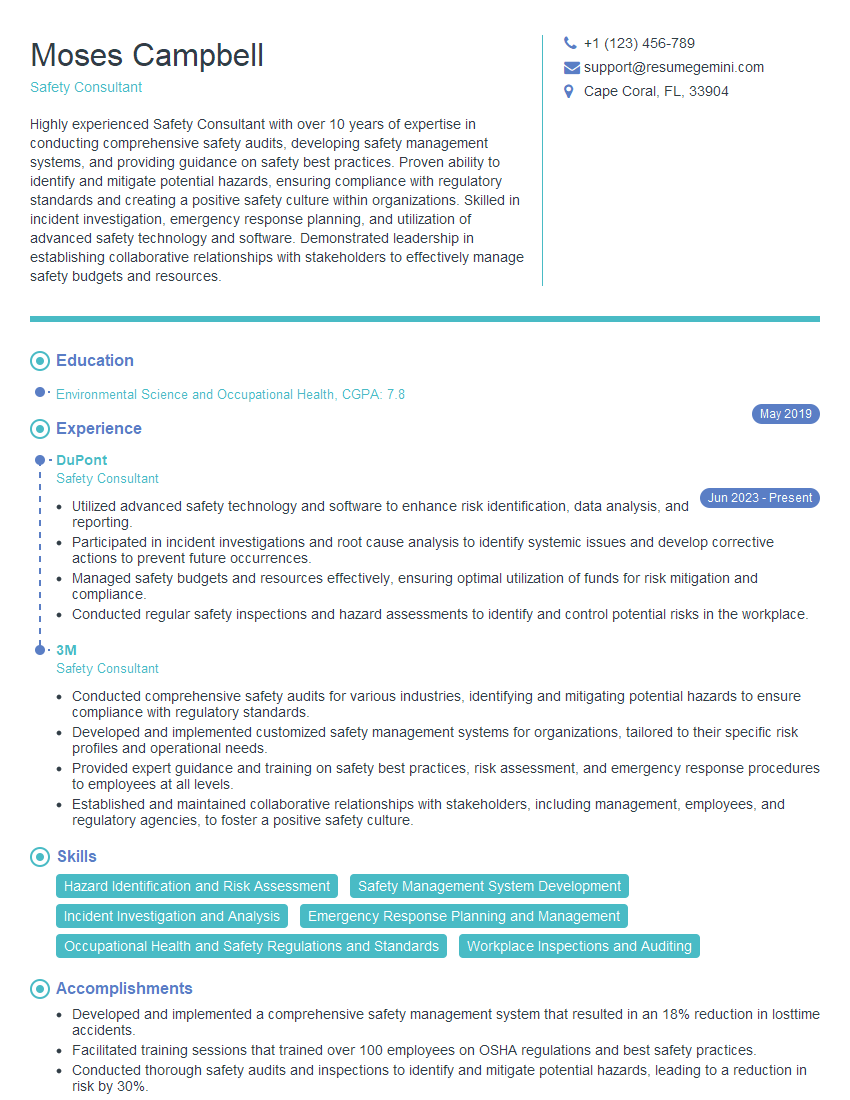
Safety Consultant Resume Sample
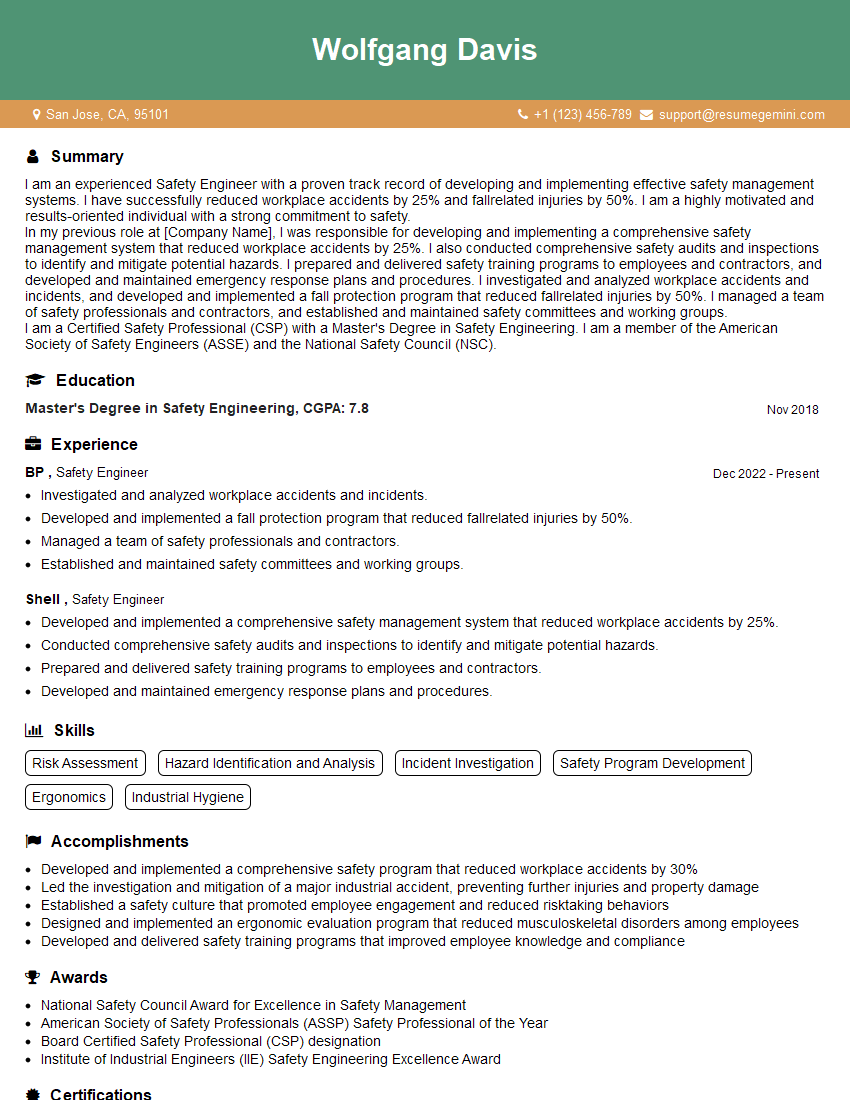
Safety Engineer Resume Sample
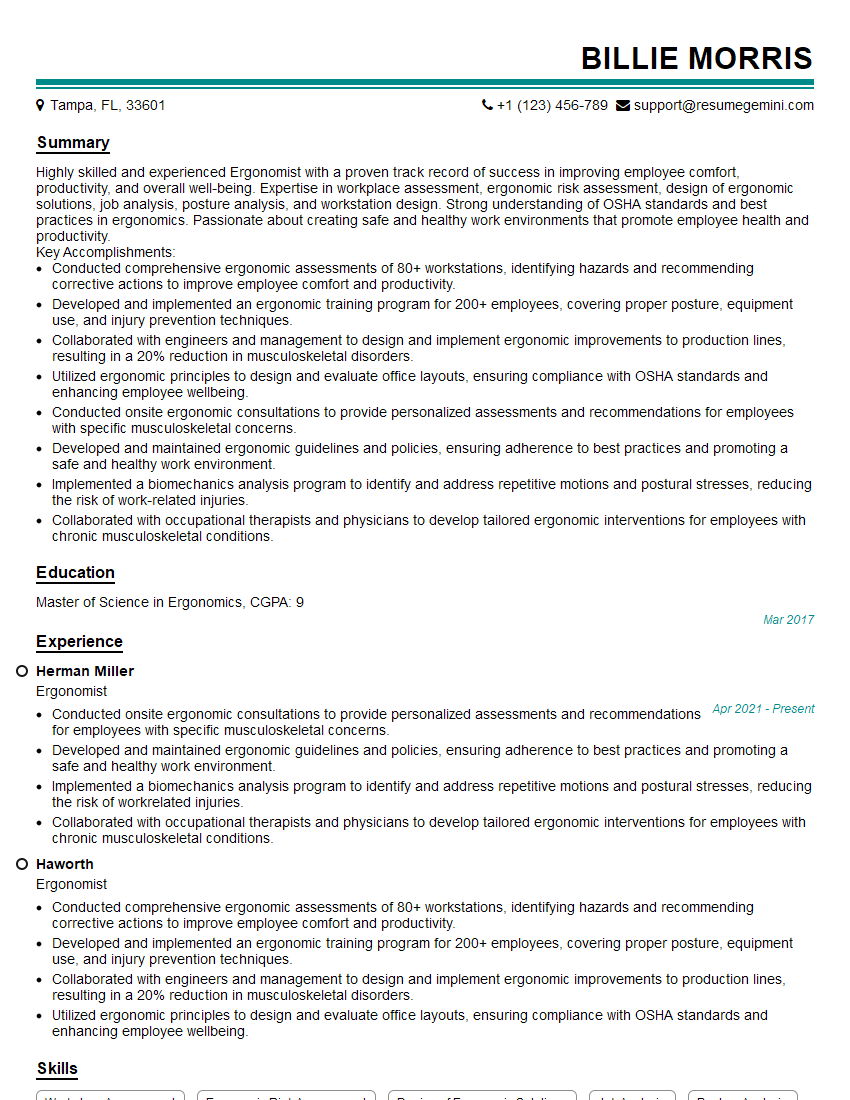
Ergonomist Resume Sample
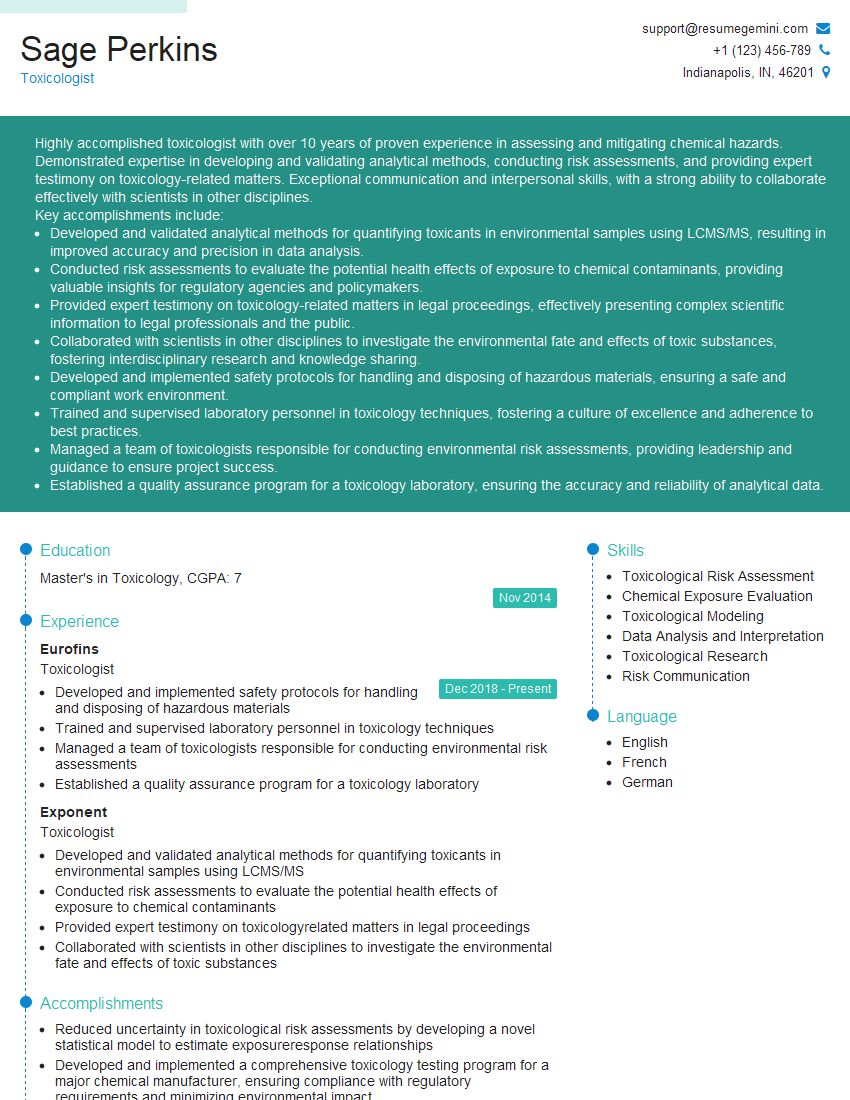
Toxicologist Resume Sample
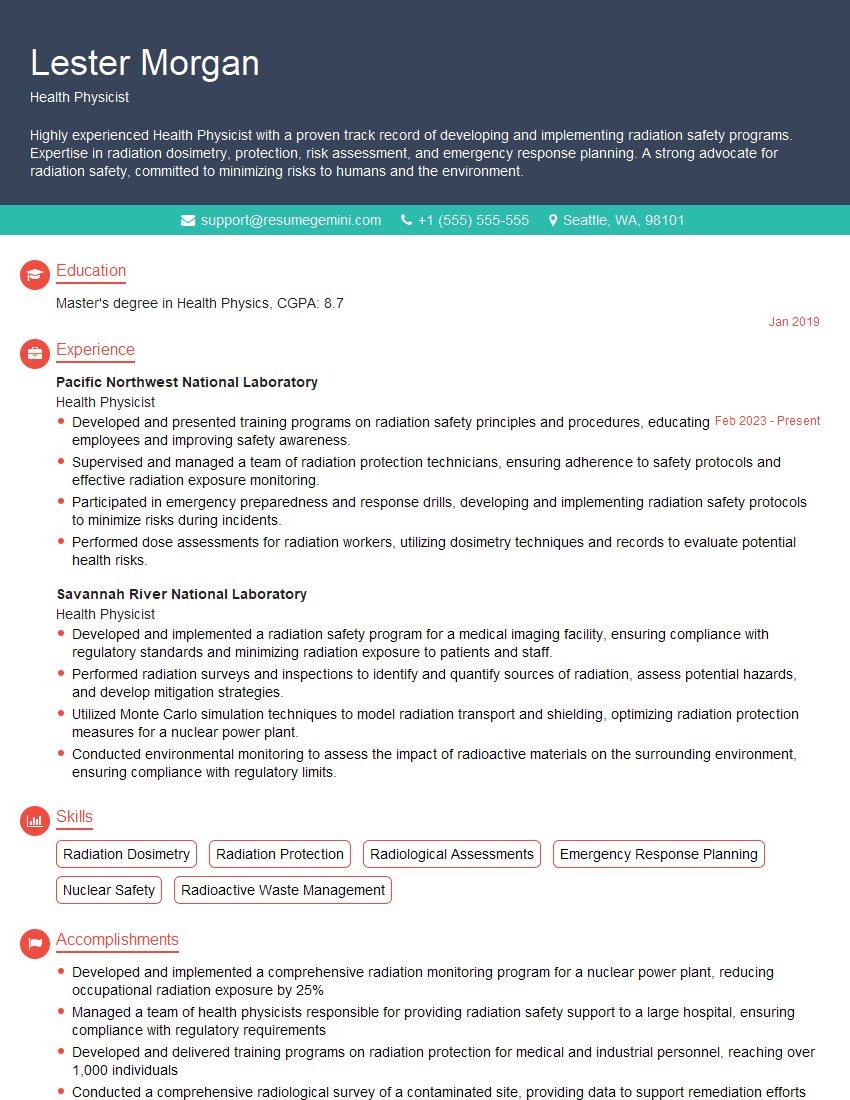
Health Physicist Resume Sample
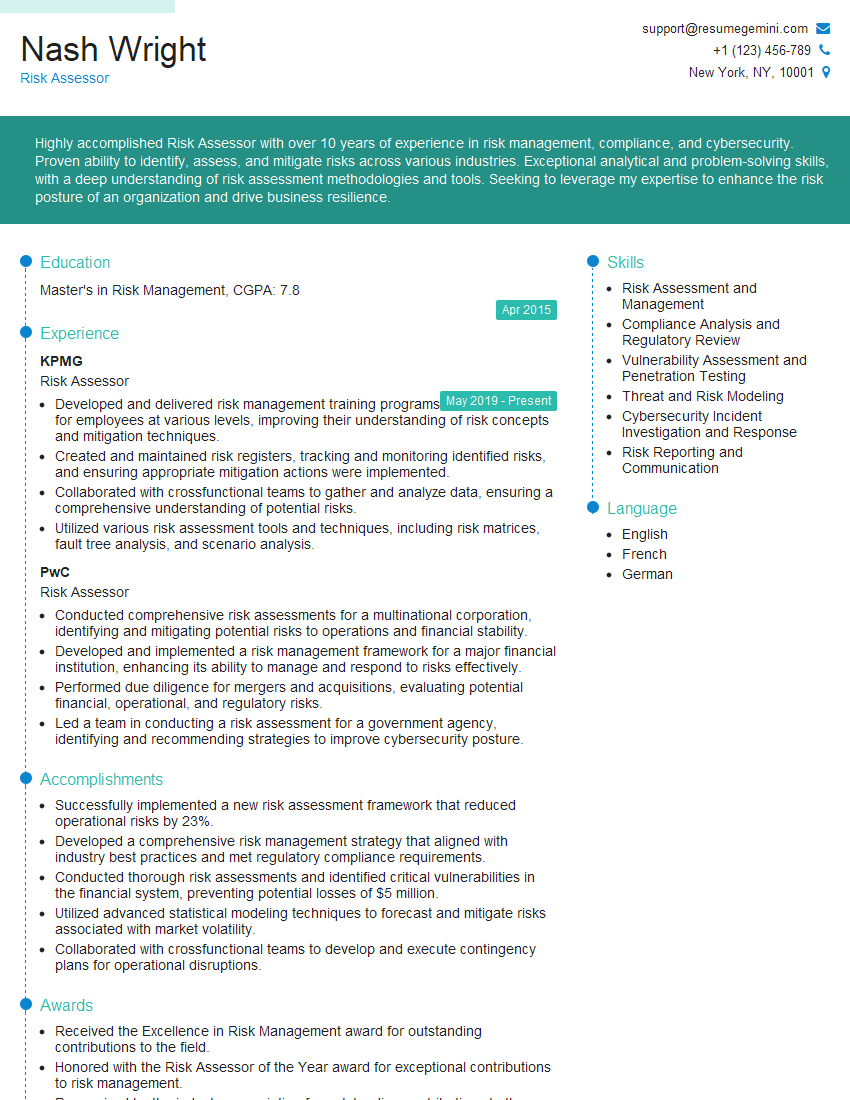
Risk Assessor Resume Sample
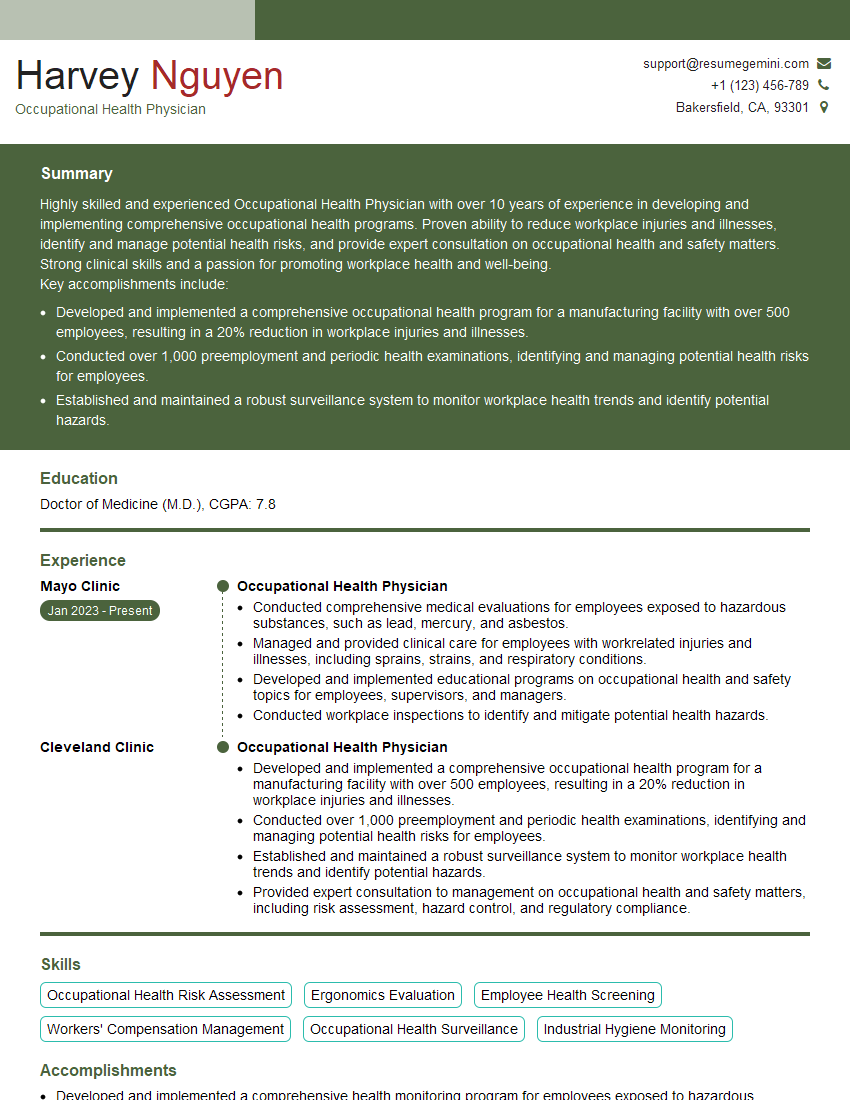
Occupational Health Physician Resume Sample
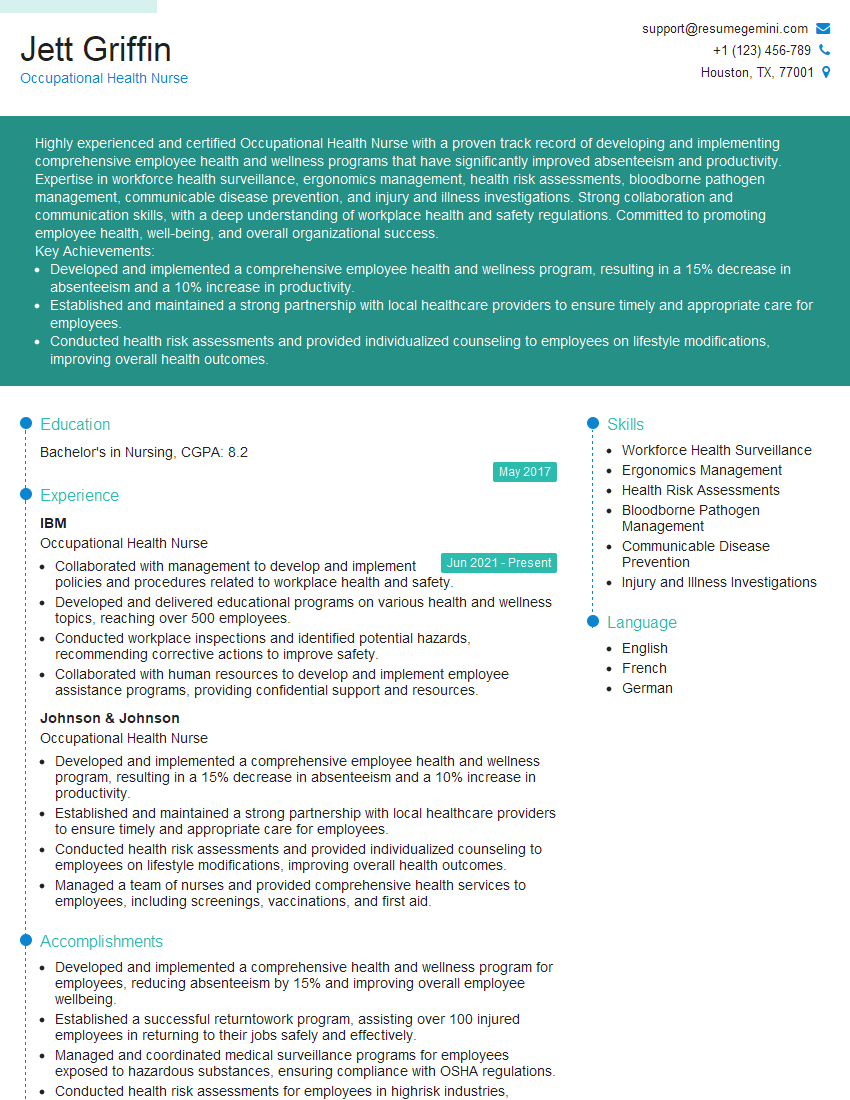
Occupational Health Nurse Resume Sample
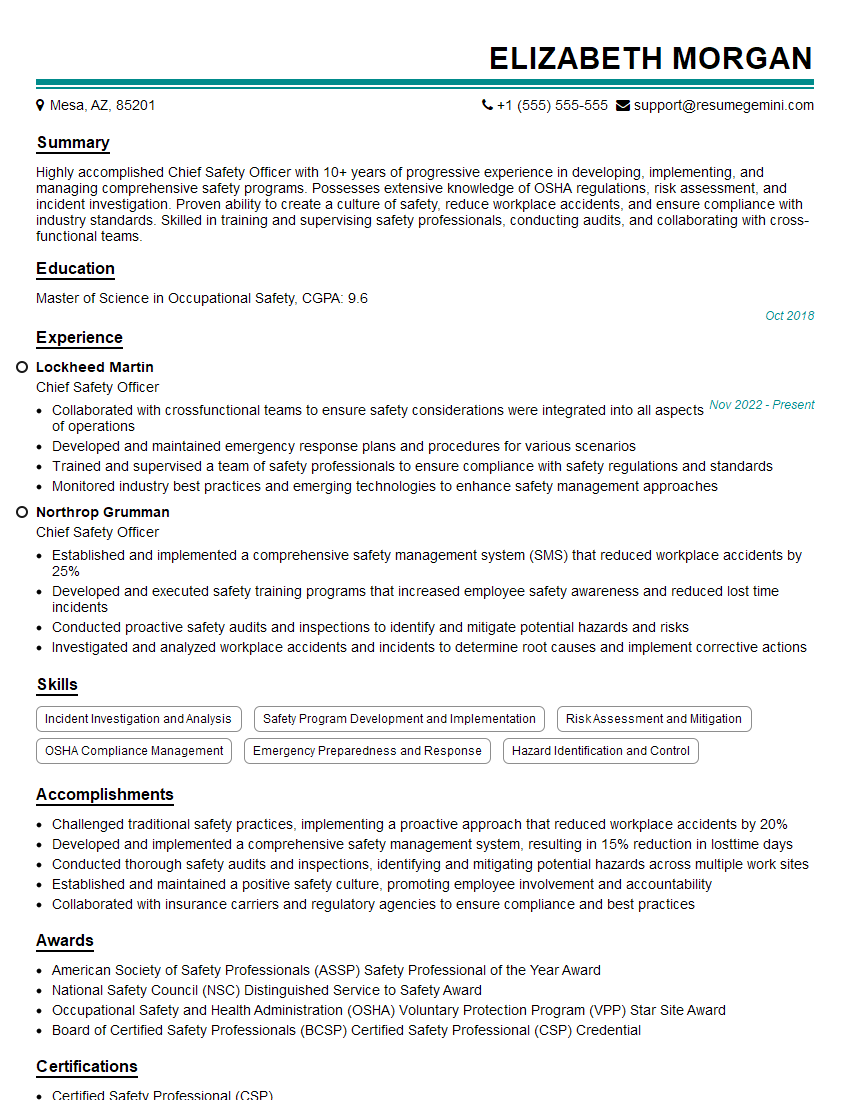
Chief Safety Officer Resume Sample
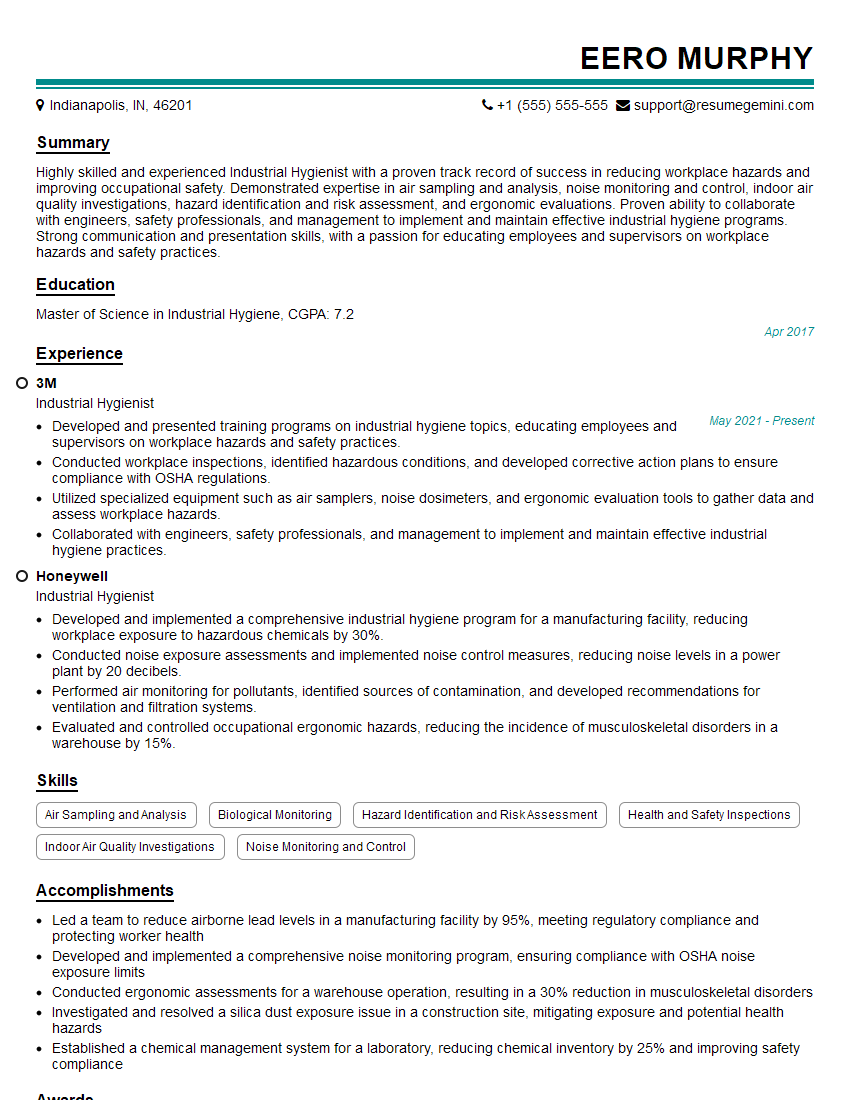
Industrial Hygienist Resume Sample
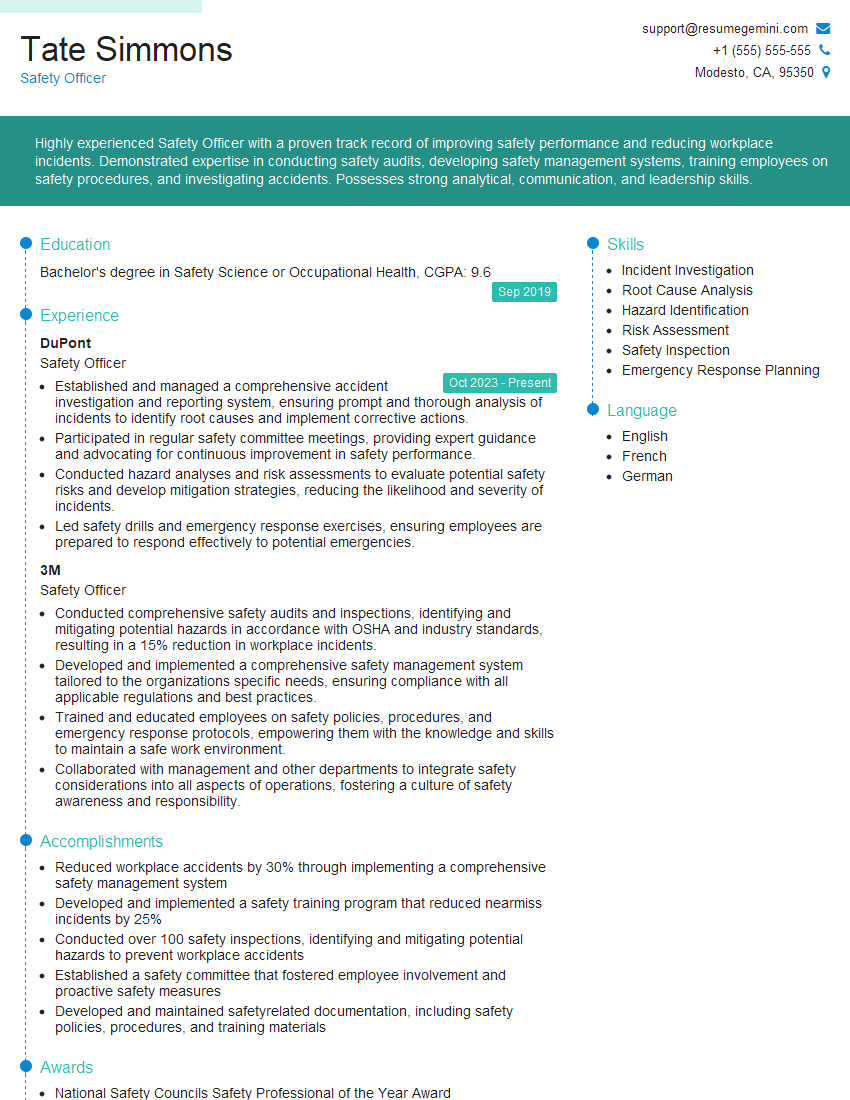
Safety Officer Resume Sample
Explore more articles
Users Rating of Our Blogs
Share Your Experience
We value your feedback! Please rate our content and share your thoughts (optional).
What Readers Say About Our Blog
Attention music lovers!
Wow, All the best Sax Summer music !!!
Spotify: https://open.spotify.com/artist/6ShcdIT7rPVVaFEpgZQbUk
Apple Music: https://music.apple.com/fr/artist/jimmy-sax-black/1530501936
YouTube: https://music.youtube.com/browse/VLOLAK5uy_noClmC7abM6YpZsnySxRqt3LoalPf88No
Other Platforms and Free Downloads : https://fanlink.tv/jimmysaxblack
on google : https://www.google.com/search?q=22+AND+22+AND+22
on ChatGPT : https://chat.openai.com?q=who20jlJimmy20Black20Sax20Producer
Get back into the groove with Jimmy sax Black
Best regards,
Jimmy sax Black
www.jimmysaxblack.com
Hi I am a troller at The aquatic interview center and I suddenly went so fast in Roblox and it was gone when I reset.
Hi,
Business owners spend hours every week worrying about their website—or avoiding it because it feels overwhelming.
We’d like to take that off your plate:
$69/month. Everything handled.
Our team will:
Design a custom website—or completely overhaul your current one
Take care of hosting as an option
Handle edits and improvements—up to 60 minutes of work included every month
No setup fees, no annual commitments. Just a site that makes a strong first impression.
Find out if it’s right for you:
https://websolutionsgenius.com/awardwinningwebsites
Hello,
we currently offer a complimentary backlink and URL indexing test for search engine optimization professionals.
You can get complimentary indexing credits to test how link discovery works in practice.
No credit card is required and there is no recurring fee.
You can find details here:
https://wikipedia-backlinks.com/indexing/
Regards
NICE RESPONSE TO Q & A
hi
The aim of this message is regarding an unclaimed deposit of a deceased nationale that bears the same name as you. You are not relate to him as there are millions of people answering the names across around the world. But i will use my position to influence the release of the deposit to you for our mutual benefit.
Respond for full details and how to claim the deposit. This is 100% risk free. Send hello to my email id: lukachachibaialuka@gmail.com
Luka Chachibaialuka
Hey interviewgemini.com, just wanted to follow up on my last email.
We just launched Call the Monster, an parenting app that lets you summon friendly ‘monsters’ kids actually listen to.
We’re also running a giveaway for everyone who downloads the app. Since it’s brand new, there aren’t many users yet, which means you’ve got a much better chance of winning some great prizes.
You can check it out here: https://bit.ly/callamonsterapp
Or follow us on Instagram: https://www.instagram.com/callamonsterapp
Thanks,
Ryan
CEO – Call the Monster App
Hey interviewgemini.com, I saw your website and love your approach.
I just want this to look like spam email, but want to share something important to you. We just launched Call the Monster, a parenting app that lets you summon friendly ‘monsters’ kids actually listen to.
Parents are loving it for calming chaos before bedtime. Thought you might want to try it: https://bit.ly/callamonsterapp or just follow our fun monster lore on Instagram: https://www.instagram.com/callamonsterapp
Thanks,
Ryan
CEO – Call A Monster APP
To the interviewgemini.com Owner.
Dear interviewgemini.com Webmaster!
Hi interviewgemini.com Webmaster!
Dear interviewgemini.com Webmaster!
excellent
Hello,
We found issues with your domain’s email setup that may be sending your messages to spam or blocking them completely. InboxShield Mini shows you how to fix it in minutes — no tech skills required.
Scan your domain now for details: https://inboxshield-mini.com/
— Adam @ InboxShield Mini
support@inboxshield-mini.com
Reply STOP to unsubscribe
Hi, are you owner of interviewgemini.com? What if I told you I could help you find extra time in your schedule, reconnect with leads you didn’t even realize you missed, and bring in more “I want to work with you” conversations, without increasing your ad spend or hiring a full-time employee?
All with a flexible, budget-friendly service that could easily pay for itself. Sounds good?
Would it be nice to jump on a quick 10-minute call so I can show you exactly how we make this work?
Best,
Hapei
Marketing Director
Hey, I know you’re the owner of interviewgemini.com. I’ll be quick.
Fundraising for your business is tough and time-consuming. We make it easier by guaranteeing two private investor meetings each month, for six months. No demos, no pitch events – just direct introductions to active investors matched to your startup.
If youR17;re raising, this could help you build real momentum. Want me to send more info?
Hi, I represent an SEO company that specialises in getting you AI citations and higher rankings on Google. I’d like to offer you a 100% free SEO audit for your website. Would you be interested?
Hi, I represent an SEO company that specialises in getting you AI citations and higher rankings on Google. I’d like to offer you a 100% free SEO audit for your website. Would you be interested?