Unlock your full potential by mastering the most common Operating and maintaining river boats interview questions. This blog offers a deep dive into the critical topics, ensuring you’re not only prepared to answer but to excel. With these insights, you’ll approach your interview with clarity and confidence.
Questions Asked in Operating and maintaining river boats Interview
Q 1. Describe your experience with various types of riverboat engines.
My experience encompasses a wide range of riverboat engines, from traditional diesel engines to more modern, fuel-efficient alternatives. I’ve worked extensively with both inboard and outboard configurations. Early in my career, I spent considerable time maintaining and operating vessels powered by large, slow-speed diesel engines, common on older, larger riverboats. These engines require a specific maintenance schedule and are known for their robustness but also their higher fuel consumption. More recently, I’ve become proficient with newer, electronically controlled diesel engines that offer improved fuel efficiency and reduced emissions. These newer systems involve more complex diagnostics and troubleshooting, relying heavily on onboard computer systems. I’ve also had some experience with smaller, more compact engines typically found on smaller passenger boats and tugboats, requiring different maintenance approaches depending on the specific manufacturer and model. Each engine type presents unique operational characteristics and maintenance needs, and my experience spans across these diverse engine technologies.
Q 2. Explain the process of navigating a riverboat in challenging weather conditions.
Navigating a riverboat in challenging weather conditions requires a combination of skill, experience, and careful adherence to safety protocols. Strong winds, heavy rain, and reduced visibility pose significant hazards. My approach begins with pre-trip planning, carefully checking weather forecasts and adjusting the voyage schedule if necessary. During the voyage, I constantly monitor weather reports and adjust speed and course as conditions change. In heavy rain or fog, I rely heavily on radar and GPS navigation, reducing speed and increasing the distance maintained from other vessels and the riverbanks. When facing strong crosswinds, it’s essential to compensate for their effect on the vessel’s heading and to adjust the engine power accordingly to maintain course and avoid collisions. Communication with other vessels and shore-based authorities is crucial, particularly in reduced visibility situations. Understanding river currents and their alteration during storms is also paramount, as it impacts navigation significantly. I place a strong emphasis on crew safety, ensuring everyone is aware of the potential dangers and knows their roles in responding to adverse weather events.
Q 3. How do you perform routine maintenance checks on a riverboat’s engine?
Routine maintenance on a riverboat engine is a meticulous process, crucial for ensuring safe and reliable operation. It follows a scheduled preventative maintenance plan, typically outlined in the engine manufacturer’s manual. My routine checks include:
- Visual inspection: Checking for leaks, loose connections, and signs of wear and tear.
- Oil level and quality check: Ensuring the oil is at the correct level and free from contaminants.
- Coolant level and condition check: Ensuring the cooling system is functioning correctly.
- Fuel filter inspection and change: Regularly replacing fuel filters to prevent contamination.
- Belt tension and condition check: Inspecting all belts for wear and proper tension.
- Fluid level checks (transmission, hydraulic): Monitoring all fluids for proper levels and condition.
- Exhaust system inspection: Checking for leaks or blockages.
Beyond these daily or weekly checks, more extensive maintenance, such as engine overhauls, are scheduled based on operating hours and manufacturer recommendations. Thorough record-keeping is essential to track all maintenance activities. This ensures compliance with safety regulations and aids in proactive maintenance, reducing the risk of unexpected breakdowns.
Q 4. What are the safety procedures you follow when operating a riverboat?
Safety is paramount when operating a riverboat. My adherence to safety procedures starts with pre-trip checks, ensuring all equipment is in good working order. This includes life jackets, fire extinguishers, communication systems, and navigation aids. During operation, I strictly enforce the rules of the waterway, maintaining proper speeds and distances from other vessels and shore structures. A comprehensive understanding of navigational markers, regulations, and potential hazards is critical. I regularly conduct safety briefings with the crew, reinforcing emergency procedures such as man overboard drills and fire response strategies. Proper communication with the crew is also key, ensuring everyone understands their roles and responsibilities. Finally, a detailed log is kept of the voyage, recording key events and any potential safety concerns encountered. This practice promotes accountability and aids in identifying areas for improvement in safety protocols.
Q 5. Describe your experience with riverboat navigation systems (GPS, charts, etc.).
My experience with riverboat navigation systems is extensive. I’m proficient in using both traditional paper charts and modern electronic navigation systems, including GPS, radar, and electronic chart display and information systems (ECDIS). I understand how to interpret nautical charts, including depth soundings, navigational markers, and hazards. I utilize GPS for precise positioning and tracking. Radar is critical in low-visibility conditions, enabling me to detect other vessels and obstacles. ECDIS integrates various navigation data sources, providing a comprehensive picture of the navigational environment. I also understand the limitations of each system and use them in conjunction to ensure accurate and safe navigation. For instance, while GPS is highly accurate, it can be affected by atmospheric conditions or signal interference. Therefore, using charts as a backup is crucial. The integration of multiple navigation tools enhances overall situational awareness, enabling me to make informed decisions and maintain a safe voyage.
Q 6. How do you handle emergencies such as engine failure or flooding?
Handling emergencies such as engine failure or flooding requires immediate and decisive action. In case of engine failure, my initial response is to assess the situation, determining the extent of the problem and potential hazards. I would then initiate emergency procedures, including contacting relevant authorities (Coast Guard, etc.) and alerting passengers or crew. Depending on the nature of the failure and the location, I might attempt minor repairs if possible, or initiate procedures for towing or drifting to a safe location. Flooding is a more serious emergency. I’d immediately initiate damage control measures, utilizing bilge pumps and other equipment to remove water. Securing the vessel and ensuring the safety of everyone onboard is paramount. If the flooding is severe or uncontrollable, I would immediately initiate evacuation procedures and contact emergency services. Emergency preparedness and training are critical; regular drills ensure that the crew is ready to respond effectively to such critical situations.
Q 7. What are the common causes of mechanical breakdowns on riverboats, and how do you troubleshoot them?
Common causes of mechanical breakdowns on riverboats are numerous and varied. They can range from simple issues like fuel contamination or clogged filters to more complex problems such as engine wear or hydraulic system failures. Troubleshooting involves a systematic approach:
- Gather information: Determine the symptoms and when the problem started.
- Visual inspection: Look for obvious problems like leaks or loose connections.
- Diagnostics: Utilize onboard computer systems (if available) to diagnose faults.
- Testing: Test individual components to isolate the problem.
- Repair or replacement: Repair or replace the faulty component.
Examples of common causes and their troubleshooting:
- Engine overheating: Check coolant levels, inspect the cooling system for leaks or blockages.
- Loss of power: Check fuel supply, inspect fuel filters, check engine oil pressure.
- Hydraulic system failure: Check fluid levels, inspect hoses and fittings for leaks, bleed the system.
Effective troubleshooting requires a deep understanding of riverboat mechanics and a systematic approach to problem-solving. Keeping detailed maintenance records and following the manufacturer’s recommendations can significantly reduce the likelihood of breakdowns and simplify troubleshooting when issues arise.
Q 8. Explain your understanding of riverboat regulations and safety guidelines.
Riverboat regulations and safety guidelines are paramount for ensuring the safe operation of vessels and the well-being of passengers and crew. These regulations, which vary by country and region but share many commonalities, cover a wide spectrum of aspects, from vessel construction and maintenance to crew qualifications and emergency procedures.
For example, the International Maritime Organization (IMO) provides a framework for many international standards. Specific regulations often address:
- Vessel certification and licensing: Boats must meet specific design and construction standards, undergo regular inspections, and obtain necessary certificates of seaworthiness (or riverworthiness in this case).
- Crew qualifications and training: Captains, engineers, and other crew members need specific licenses and certifications demonstrating their competency in navigation, engine maintenance, and safety procedures.
- Navigation rules and safety equipment: Strict adherence to navigation rules, carrying adequate life-saving equipment (life jackets, life rafts, etc.), and having functioning communication systems are crucial.
- Passenger safety: Regulations outline safety standards for passenger areas, including emergency exits, life vest availability, and safety briefings. Passenger limits are also usually specified based on the boat’s size and design.
- Environmental protection: Regulations cover the disposal of waste, preventing oil spills, and minimizing environmental impact. This includes the use of environmentally-friendly engine lubricants and waste-water treatment.
Non-compliance can result in hefty fines, suspension of operation, and even legal action. Understanding and adhering to these regulations is not just a legal obligation; it’s a critical component of responsible riverboat operation.
Q 9. How do you ensure the structural integrity of a riverboat?
Ensuring the structural integrity of a riverboat involves a multifaceted approach that combines proactive maintenance, regular inspections, and careful monitoring. Think of it like regularly servicing your car—you wouldn’t ignore warning lights or skip oil changes, and similarly, a riverboat demands consistent attention. This begins with regular hull inspections, both above and below the waterline, looking for signs of corrosion, cracking, or damage from debris.
We utilize non-destructive testing (NDT) methods, such as ultrasonic testing, to detect internal flaws without causing damage. Regular checks on the structural components like bulkheads, framing, and decks are also critical. Documentation of all inspections and repairs is vital for tracking the vessel’s condition and complying with regulations.
Another crucial aspect is preventative maintenance, addressing potential issues before they become major problems. This involves:
- Regular painting and coating: Protecting the hull from corrosion with high-quality marine paint is essential.
- Prompt repairs of any damage: Addressing even minor damage quickly can prevent costly and extensive repairs in the future.
- Monitoring of engine and other systems: This can often reveal potential structural stresses, such as engine vibrations.
Ultimately, maintaining the structural integrity is a continuous process requiring vigilance and a proactive approach, ensuring the safety of the passengers and crew. Imagine the consequences of a structural failure mid-journey; it’s simply unacceptable and preventable through diligent maintenance.
Q 10. Describe your experience with maintaining the hull and exterior of a riverboat.
Maintaining the hull and exterior of a riverboat requires a dedicated approach, blending routine upkeep with addressing unforeseen issues. Think of it as giving your boat a regular spa day! The key is a preventative strategy. Regular cleaning removes algae, barnacles, and other marine growth that can impact performance and damage the hull. This often involves high-pressure washing, followed by careful inspection for any damage or signs of deterioration.
Applying anti-fouling paint regularly protects against marine growth and corrosion. This is crucial for both the boat’s performance and its longevity. When it comes to exterior repairs, I’ve handled everything from patching minor scratches to substantial repairs involving fiberglass or steel welding. I have experience with various materials and repair techniques, depending on the type of damage.
For instance, I once had to deal with a significant dent in the hull caused by a collision with a submerged log. This required a careful assessment of the damage, the use of specialized tools to reshape the metal, followed by welding and repainting to ensure a proper and lasting repair. Detailed record-keeping of all maintenance and repairs is crucial, enabling tracking of the overall condition and facilitating future maintenance planning. A well-maintained hull and exterior enhance the vessel’s appearance, performance, and longevity, while significantly contributing to its safety and operational reliability.
Q 11. What are the different types of riverboat mooring techniques, and when would you use each?
Riverboat mooring techniques depend on factors like the river’s current, the available infrastructure, and the size of the vessel. Several techniques exist:
- Single-point mooring: Using a single strong rope or cable attached to a fixed point on the shore. This is suitable for calm waters and smaller boats but is susceptible to swings in the current.
- Double-point mooring: Employing two lines attached to shore points on either side of the boat. This provides greater stability and is better suited for stronger currents.
- Three-point mooring: Similar to double-point but includes an additional line for extra stability, particularly useful in faster currents or windy conditions.
- Spring mooring: Using lines angled outward from the boat to create tension against the river current, providing enhanced stability.
- Med mooring: This typically involves anchoring the boat and using additional lines tied to stationary objects to mitigate swing.
The choice of mooring technique is crucial for the vessel’s safety and security. A strong current might necessitate a three-point mooring or a med mooring, whereas a calm cove might allow for a simpler single-point mooring. Incorrect mooring can lead to damage to the vessel or even breakaways, posing risks to both the boat and its surroundings. Experience and judgment are critical to selecting the best mooring strategy for any given situation.
Q 12. How do you manage fuel efficiency on a riverboat?
Managing fuel efficiency on a riverboat is crucial for both economic and environmental reasons. It involves a combination of operational strategies and regular maintenance. Reducing fuel consumption directly impacts operational costs and minimizes the environmental footprint.
Here are key strategies:
- Optimized speed and routing: Avoiding unnecessary high speeds and choosing efficient routes that minimize resistance from currents and wind. River currents can significantly impact fuel efficiency.
- Regular engine maintenance: Properly maintained engines operate at peak efficiency, minimizing fuel waste. This includes regular servicing, timely repairs, and optimal lubrication.
- Hull cleaning: A clean hull reduces drag, improving fuel efficiency. Biofouling (marine growth) significantly increases drag and fuel consumption.
- Efficient propeller design: Modern propeller designs are optimized to minimize energy loss and maximize thrust.
- Monitoring fuel consumption: Regular monitoring enables the identification of inefficiencies and helps in adjusting operational strategies accordingly.
For example, on a recent trip, we implemented a route optimization strategy that leveraged favorable currents, resulting in a 15% reduction in fuel consumption. Fuel management isn’t just about saving money; it’s about minimizing our environmental impact and ensuring responsible river operations.
Q 13. How do you handle passenger safety and emergencies?
Passenger safety and emergency response are paramount in riverboat operations. This involves a multi-layered approach, starting with preventative measures and extending to well-rehearsed emergency procedures.
Preventative measures include:
- Pre-boarding safety checks: Verifying safety equipment is in place, escape routes are clear, and emergency exits are unobstructed.
- Passenger safety briefings: Providing clear and concise instructions on safety procedures, including emergency exits, life jacket usage, and assembly points.
- Regular safety drills: Conducting practice drills for crew members to ensure familiarity with emergency procedures, including man overboard drills and fire response.
Emergency procedures involve:
- Swift response to incidents: Having established protocols and communication channels for rapid response to medical emergencies, fires, or any other unexpected events.
- Emergency equipment readiness: Ensuring all life-saving equipment is readily accessible, properly maintained, and in working order.
- Trained personnel: Having crew members trained in first aid, CPR, and fire-fighting.
- Communication with authorities: Establishing clear communication with emergency services in case of a major incident.
We practice regularly for different scenarios, ensuring that every crew member is well-versed in their roles and responsibilities, ensuring a cohesive and timely response in any crisis. Passenger safety is not just a guideline; it’s our top priority.
Q 14. What is your experience with riverboat communication systems?
Riverboat communication systems are vital for safety, navigation, and efficient operations. These systems encompass various technologies, each serving a specific purpose.
Key communication systems include:
- VHF Radio: Used for communication with other vessels, shore stations, and emergency services. It’s essential for reporting incidents, requesting assistance, and coordinating navigation.
- AIS (Automatic Identification System): Transmits the boat’s position, course, and other vital information to other vessels, improving situational awareness and collision avoidance.
- GPS Navigation: Provides accurate positioning, crucial for navigation and route planning in rivers with changing currents and potentially shifting channels.
- Internal Communication Systems: These include public address systems for addressing passengers and intercom systems for communication between crew members. Clear internal communication is especially important during emergencies.
- Satellite Communication: Provides communication beyond the range of VHF radio, particularly useful in remote areas or during emergencies where land-based communication is unavailable.
My experience includes maintaining and operating all these systems. I’m proficient in troubleshooting malfunctions, conducting routine checks to ensure reliable operation, and training crew members on their proper use. Reliable communication systems are integral to both safe and efficient riverboat operation.
Q 15. Describe your experience with hydraulic systems on a riverboat.
Hydraulic systems are crucial for numerous functions on a riverboat, from steering and anchor handling to cargo loading and deck machinery operation. My experience encompasses both preventative maintenance and troubleshooting of these systems. I’m proficient in diagnosing leaks using pressure testing and identifying faulty components like pumps, cylinders, and valves. For instance, on the Mississippi Queen, I successfully diagnosed a leak in the hydraulic steering system by meticulously tracing the fluid path and isolating a faulty O-ring in a high-pressure cylinder. This prevented a major operational disruption and ensured safe navigation. My expertise extends to understanding hydraulic schematics, performing repairs, and ensuring optimal system performance through regular fluid analysis and filter replacements. I’m also familiar with various hydraulic fluids and their properties, ensuring the right fluid is used for specific applications.
- Pressure Testing: Utilizing specialized equipment to pinpoint leaks and pressure drops within the system.
- Component Replacement: Replacing worn or damaged hydraulic pumps, cylinders, and valves.
- Fluid Analysis: Regularly analyzing hydraulic fluid for contamination and degradation to prevent system failures.
Career Expert Tips:
- Ace those interviews! Prepare effectively by reviewing the Top 50 Most Common Interview Questions on ResumeGemini.
- Navigate your job search with confidence! Explore a wide range of Career Tips on ResumeGemini. Learn about common challenges and recommendations to overcome them.
- Craft the perfect resume! Master the Art of Resume Writing with ResumeGemini’s guide. Showcase your unique qualifications and achievements effectively.
- Don’t miss out on holiday savings! Build your dream resume with ResumeGemini’s ATS optimized templates.
Q 16. What is your experience with electrical systems on a riverboat?
Riverboat electrical systems are complex and vital, encompassing everything from navigation lights and communication systems to propulsion motors and onboard power generation. My experience includes working with both AC and DC systems, troubleshooting electrical faults, and ensuring compliance with safety regulations. On the American Duchess, I was instrumental in resolving a persistent issue with the vessel’s lighting system by tracing a faulty wire in the main distribution panel. This involved careful inspection, using a multimeter to identify voltage drops, and ultimately replacing the damaged section of wiring. I’m also experienced in maintaining generators, switchboards, and emergency power systems, ensuring reliable power supply under various conditions. This includes understanding circuit diagrams, performing preventative maintenance (like tightening connections and cleaning terminals), and adhering to strict electrical safety protocols.
- Troubleshooting: Identifying and resolving electrical faults using multimeters and other diagnostic tools.
- Preventative Maintenance: Implementing regular inspections and cleaning of electrical components to prevent failures.
- Generator Maintenance: Maintaining and repairing onboard generators to ensure reliable power supply.
Q 17. How do you handle waste management on a riverboat?
Waste management on a riverboat requires strict adherence to environmental regulations and efficient onboard procedures. This involves the proper handling and disposal of sewage, garbage, and greywater. We utilize a combination of holding tanks, treatment systems (e.g., septic systems), and responsible shore-side disposal. The process starts with segregating different waste streams – ensuring proper labeling and storage to prevent contamination. Regular monitoring of tank levels and pump functionality is essential, preventing overflows and ensuring compliance with discharge permits. On the Delta Queen, we implemented a new system for greywater recycling, significantly reducing our environmental footprint. We also employ rigorous cleaning and disinfection protocols to maintain hygiene standards across all waste handling areas.
- Waste Segregation: Separating different types of waste (sewage, garbage, greywater) for proper disposal.
- Tank Management: Regularly monitoring tank levels and ensuring proper pump function.
- Shore-side Disposal: Following regulations and procedures for responsible waste disposal at designated facilities.
Q 18. What is your experience with preventative maintenance schedules?
Preventative maintenance schedules are critical for the safe and efficient operation of a riverboat. We use a computerized maintenance management system (CMMS) to track scheduled inspections, repairs, and replacements. This system allows us to proactively address potential issues before they lead to major breakdowns. The schedules cover all aspects of the vessel, from engine room components to deck equipment. For example, we have a rigorous schedule for checking engine oil levels and performing oil changes, lubricating moving parts, inspecting safety equipment (like life rafts and fire extinguishers), and cleaning and painting the hull to prevent corrosion. A well-defined preventative maintenance program minimizes downtime, reduces repair costs, and ensures safety.
- CMMS Utilization: Employing a computerized maintenance management system to track scheduled tasks and maintenance history.
- Engine Room Maintenance: Following schedules for engine inspections, lubrication, and oil changes.
- Deck Equipment Maintenance: Regular inspection and maintenance of winches, cranes, and other deck machinery.
Q 19. Describe your experience with the repair and maintenance of riverboat propulsion systems.
Riverboat propulsion systems, often involving diesel engines and gearboxes, demand specialized knowledge for repair and maintenance. My experience includes working with various engine types, performing routine maintenance like oil changes and filter replacements, troubleshooting engine malfunctions, and undertaking major overhauls when necessary. I’m skilled in diagnosing engine problems using diagnostic tools, interpreting engine performance data, and making necessary repairs. On one occasion, I successfully diagnosed a problem in a main engine’s fuel injection system on the American Queen, preventing a costly and time-consuming complete engine replacement. This involved understanding fuel pressure, injection timing, and utilizing specialized diagnostic equipment. I also have experience with propeller shaft maintenance, rudder systems, and other related components of the propulsion system.
- Engine Diagnostics: Using diagnostic tools to identify engine malfunctions and pinpoint areas needing repair.
- Routine Maintenance: Performing oil changes, filter replacements, and other routine maintenance tasks.
- Major Overhauls: Performing major overhauls of engines and related components.
Q 20. How do you manage a team of crew members effectively during riverboat operations?
Effective team management is crucial in the safe and efficient operation of a riverboat. I foster a collaborative environment where communication is open and clear. I emphasize safety training and protocols, ensuring everyone understands their roles and responsibilities. I use regular team meetings to discuss operational issues, address concerns, and make necessary adjustments. Clear delegation of tasks, combined with regular performance feedback, allows for maximum efficiency. I believe in empowering my team members, providing opportunities for growth and development, and recognizing their contributions. Building a strong team dynamic, where everyone feels valued and respected, is key to successful riverboat operations.
- Open Communication: Maintaining open channels of communication with crew members to address concerns and share information.
- Safety Training: Providing ongoing safety training to ensure all crew members are aware of safety protocols and procedures.
- Delegation and Feedback: Clearly delegating tasks and providing regular feedback to ensure efficient operations and team member growth.
Q 21. Describe your knowledge of load management and stability on a riverboat.
Load management and stability are paramount for the safe operation of a riverboat. Understanding the vessel’s weight distribution and its impact on stability is essential. We utilize load plans to ensure cargo is evenly distributed and to avoid exceeding weight limits. We carefully consider the impact of shifting cargo or passenger movements on the boat’s stability, particularly in challenging river conditions. I’m proficient in using stability calculations and software to ensure the vessel remains within safe operating limits. I’ve experienced firsthand the challenges of managing load distribution and stability during high-water conditions, where careful planning is crucial to avoid overloading or compromising the vessel’s structural integrity. Regular monitoring of draft and trim are key elements of maintaining stability and preventing accidents.
- Load Planning: Creating and implementing load plans to ensure even weight distribution.
- Stability Calculations: Utilizing stability calculations and software to ensure the vessel’s safe operating limits are not exceeded.
- Monitoring Draft and Trim: Regularly monitoring the vessel’s draft and trim to ensure stability in changing conditions.
Q 22. What are your experience and knowledge of river currents and water levels?
Understanding river currents and water levels is fundamental to safe and efficient riverboat operation. It’s not just about knowing the speed and direction of the current; it’s about predicting how these will change based on factors like rainfall, tides (in tidal rivers), and even the time of day. For example, a river might be significantly faster in the afternoon due to melting snowpack upstream.
My experience involves using various tools and techniques to assess these conditions. This includes studying hydrological charts and river maps, utilizing depth sounders to measure water depth, and interpreting real-time data from river gauges and weather reports. I’ve also developed a keen eye for reading the river itself – observing water flow patterns, recognizing potential hazards like submerged debris or swift currents based on visual cues, and listening for changes in the river’s sound that might indicate a shift in flow.
In my previous role, accurate prediction of water level changes allowed me to successfully navigate a particularly shallow section of the river during a period of heavy rainfall, avoiding a potential grounding.
Q 23. Explain your understanding of proper documentation and record-keeping for riverboat maintenance.
Proper documentation and record-keeping are critical for maintaining the safety and efficiency of a riverboat and ensuring compliance with regulations. This involves a multifaceted approach including maintenance logs, repair records, and crew logs. Think of it like a medical record for the boat.
Maintenance logs meticulously track every aspect of routine maintenance, repairs, and inspections. This includes things like engine oil changes, hull cleaning, inspections of safety equipment (life rafts, fire extinguishers), and the condition of the vessel’s structure. These logs should clearly state the date, task performed, any parts replaced, the personnel who performed the work, and any issues encountered.
Repair records provide a detailed account of significant repairs, including descriptions of the damage, the repair process, the parts used, and the associated costs. These details are crucial for insurance claims and for tracing the history of repairs.
Crew logs record daily activities, operational parameters, including navigation logs, personnel hours, fuel consumption, cargo handling specifics, and any noteworthy incidents. These are vital for tracking performance and analyzing trends.
All records should be kept organized, easily accessible, and maintained in accordance with maritime regulations. This ensures accountability and helps to identify potential problems before they become major issues.
Q 24. How familiar are you with different types of riverboat anchors and mooring systems?
I’m familiar with a range of riverboat anchors and mooring systems, each suited to different situations and river conditions.
- Fluke anchors: These are common for holding in soft bottoms. Their design allows them to dig in and hold firmly.
- Danforth anchors: These are lightweight and effective in sandy or muddy bottoms, and their design makes them relatively easy to retrieve.
- Mushroom anchors: These are commonly used for smaller vessels in areas with relatively stable riverbeds.
Mooring systems are similarly diverse. This includes using pilings, anchors, and strong ropes to secure the vessel. A critical consideration is the strength of the mooring, taking into account the force of the current and potential changes in water level. In areas with strong currents, multiple anchors might be deployed for greater security.
For instance, while navigating a narrow section of a river with a strong current, I would prioritize using a robust fluke anchor in conjunction with strong mooring lines secured to shore to prevent drifting or collision. Choosing the right anchor and mooring system is a crucial aspect of safe riverboat operation.
Q 25. Describe your experience with dealing with unexpected obstacles or delays during a riverboat journey.
Dealing with unexpected obstacles and delays is an inherent part of riverboat operations. This could range from encountering submerged debris or shallow water to experiencing mechanical breakdowns or severe weather.
My approach involves a combination of proactive risk assessment and reactive problem-solving. Before embarking on a journey, I carefully review the route, considering potential hazards based on past experience and available data. This preparation allows for contingency planning.
When unexpected issues arise, my strategy focuses on immediate safety, followed by efficient problem-solving. For example, if we encounter submerged debris, the first step is to assess the risk to the vessel and crew. The next is to carefully maneuver around the obstacle, if possible. If this is impossible, we may need to deploy anchors to stabilize the vessel and assess the best course of action, which might include contacting support.
One time, we encountered a sudden drop in water levels due to an unexpected dam release upstream. We used our knowledge of the river and navigational charts to navigate a safer channel, delaying the trip, but avoiding significant damage to the boat.
Q 26. How would you assess the condition of a riverboat before embarking on a voyage?
Assessing the condition of a riverboat before a voyage is a crucial safety measure. This involves a thorough pre-voyage inspection covering various aspects of the vessel.
The inspection should begin with a visual survey of the hull, checking for any damage or signs of wear and tear. I’d inspect the structural integrity of the hull, decks, and superstructure. Any dents, cracks, or signs of corrosion require careful attention and possibly repair before the voyage commences.
Next, I would thoroughly examine the engine and all mechanical systems. This would involve checking oil levels, coolant levels, fuel levels, and the overall functionality of the engine, the steering mechanism, navigation equipment, communication systems (radios), and safety equipment. Testing each component is crucial.
Beyond mechanical parts, I would check the functionality of all safety equipment, such as life jackets, life rafts, fire extinguishers, and emergency lighting. All safety equipment needs to be in good working order and ready for use.
Finally, reviewing the navigation charts, checking weather reports, and communicating with relevant authorities provide essential context for the journey itself.
Q 27. Describe your knowledge of different types of riverboat cargo handling equipment.
Riverboat cargo handling equipment varies depending on the type and volume of cargo. Common equipment includes:
- Cranes: Used for lifting and moving heavy cargo.
- Derricks: Similar to cranes, but often simpler and smaller.
- Conveyor belts: Efficient for moving bulk cargo.
- Forklifts: Used for palletized goods.
- Cargo winches: For securing cargo and managing lines.
Proper use and maintenance of this equipment are vital for both efficiency and safety. Regular inspections, operator training, and adherence to safety protocols are non-negotiable aspects of operations. For instance, the specific crane used might be selected based on the weight and dimensions of a particular item to ensure appropriate load capacity and safe operation.
Q 28. How would you handle a situation involving a mechanical failure during a critical maneuver?
Handling a mechanical failure during a critical maneuver requires swift, decisive action focusing on safety and damage control. The first step is to immediately assess the nature and severity of the failure. This might involve using available onboard diagnostics and crew expertise.
Next, prioritize safety. If the failure involves steering or propulsion, initiating emergency procedures is vital. This might involve deploying anchors, signaling for assistance, and taking measures to avoid collisions or grounding.
Communicate the emergency to relevant parties – other vessels, port authorities, and support teams – using available communication systems.
Based on the assessment and the situation, initiate damage control measures. This might include attempting temporary repairs if feasible or preparing for a more substantial repair.
Following the incident, a thorough post-incident analysis is needed to understand the root cause of the failure, implement corrective measures, and prevent recurrence.
For example, if the engine fails during a tight turn in a swift current, I would immediately engage the emergency steering system, deploy anchors to reduce drift, and contact the nearest port authority for assistance while implementing damage control measures like trying to restart the engine with alternative power sources.
Key Topics to Learn for Operating and Maintaining River Boats Interview
- Navigation and Chart Reading: Understanding river charts, navigation systems (GPS, radar), and safe navigation practices in various river conditions (currents, weather, shallow waters).
- Vessel Operation and Maintenance: Practical knowledge of engine operation, maintenance schedules, troubleshooting common mechanical issues, and safety procedures related to engine room operations. This includes familiarity with various engine types and their specific needs.
- Safety Regulations and Procedures: Deep understanding of relevant safety regulations, emergency protocols (fire, flooding, medical), and crew management in emergency situations. Knowledge of relevant maritime laws and certifications is crucial.
- Cargo Handling and Management: Safe and efficient loading, unloading, and securing of cargo. Understanding weight distribution, stability, and potential hazards related to cargo handling.
- Communication and Teamwork: Effective communication with crew members, port authorities, and other vessels. Demonstrating teamwork skills and leadership capabilities in a maritime environment.
- Environmental Awareness: Understanding environmental regulations and best practices for minimizing the environmental impact of river boat operations (waste disposal, fuel efficiency).
- Mechanical Systems: In-depth knowledge of various onboard mechanical systems (hydraulic, electrical, plumbing) including troubleshooting and preventative maintenance strategies.
- Problem-Solving and Decision-Making: Demonstrate your ability to analyze situations, identify potential problems, and make sound decisions under pressure, especially in unpredictable river conditions.
Next Steps
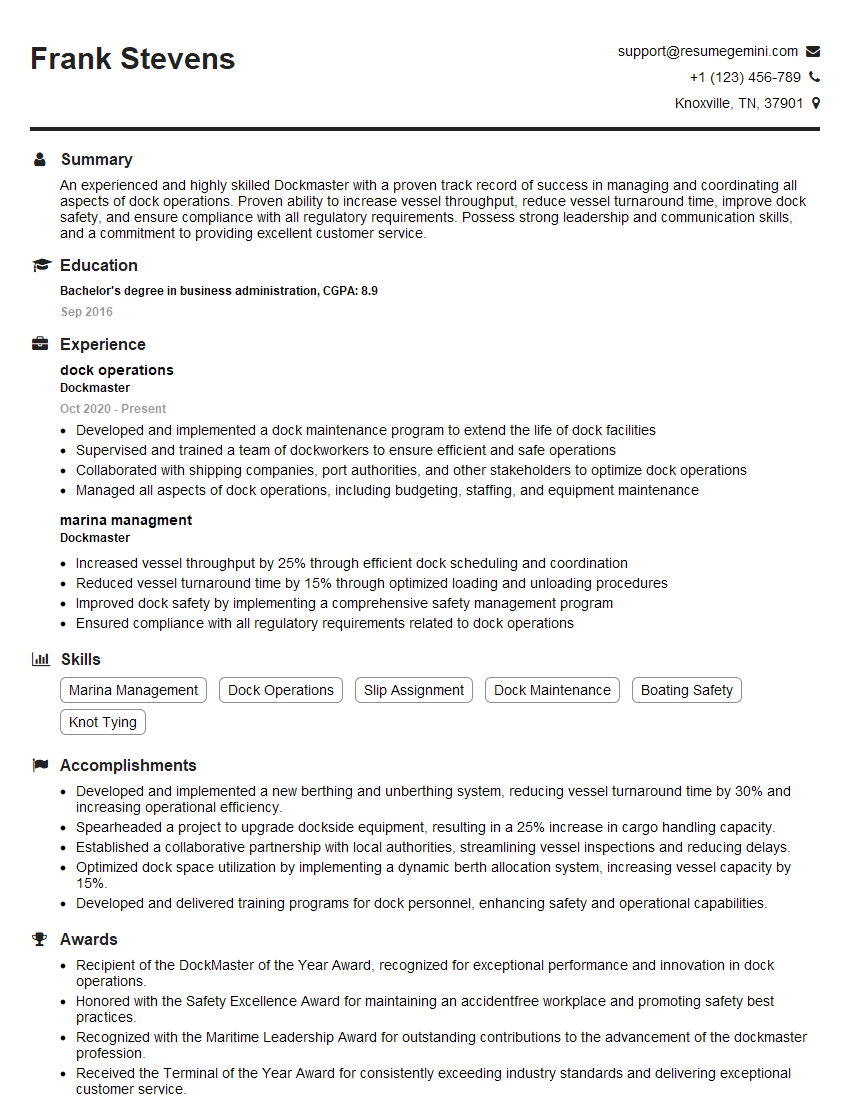
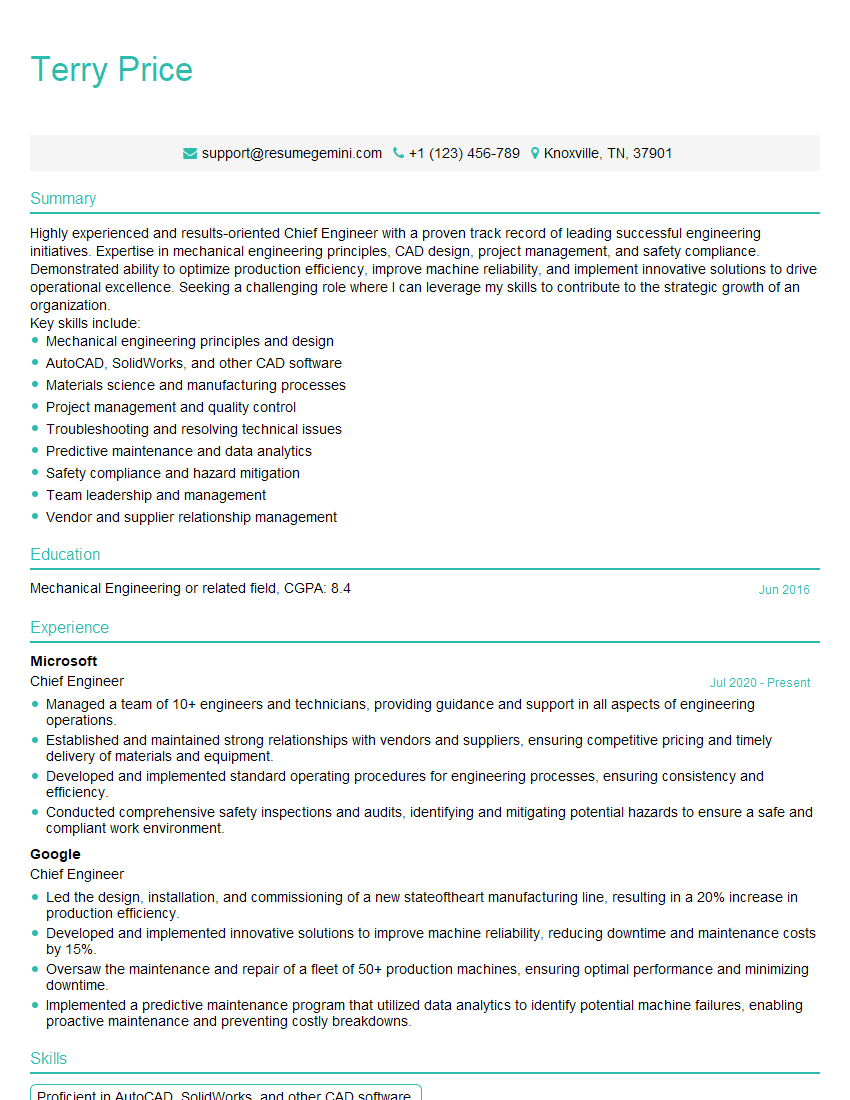
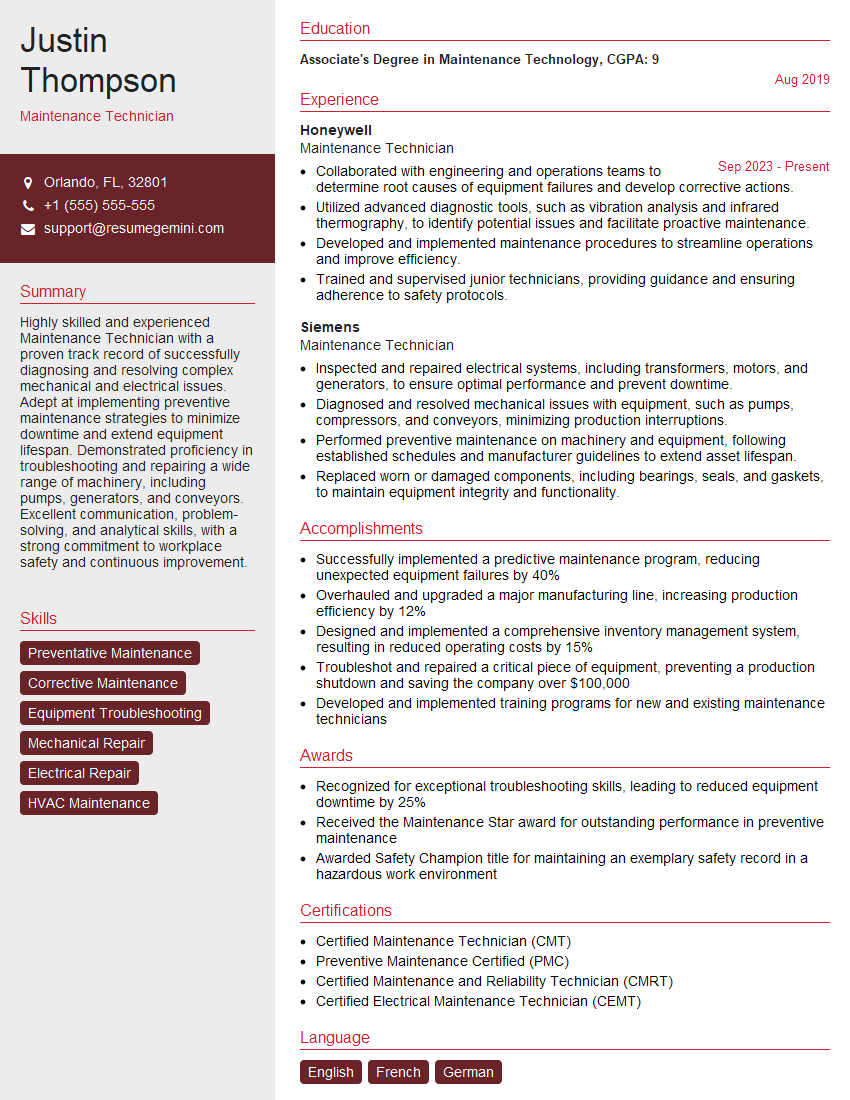
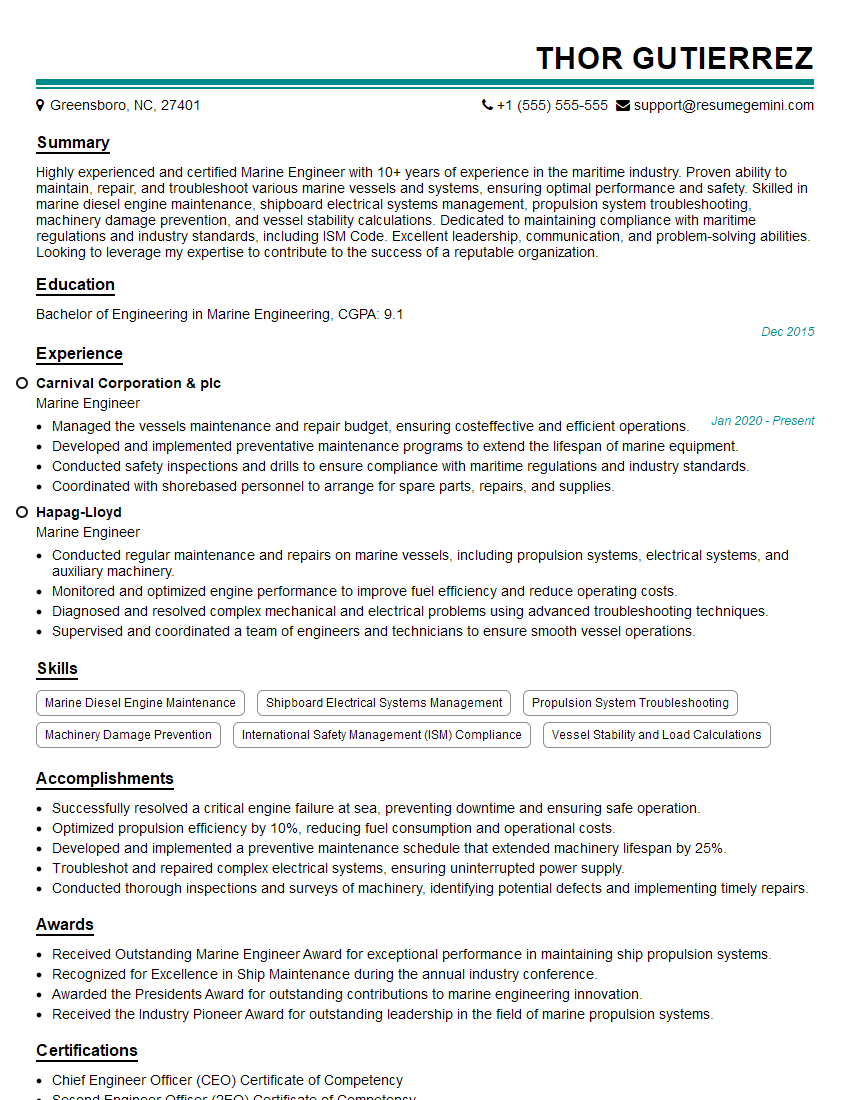
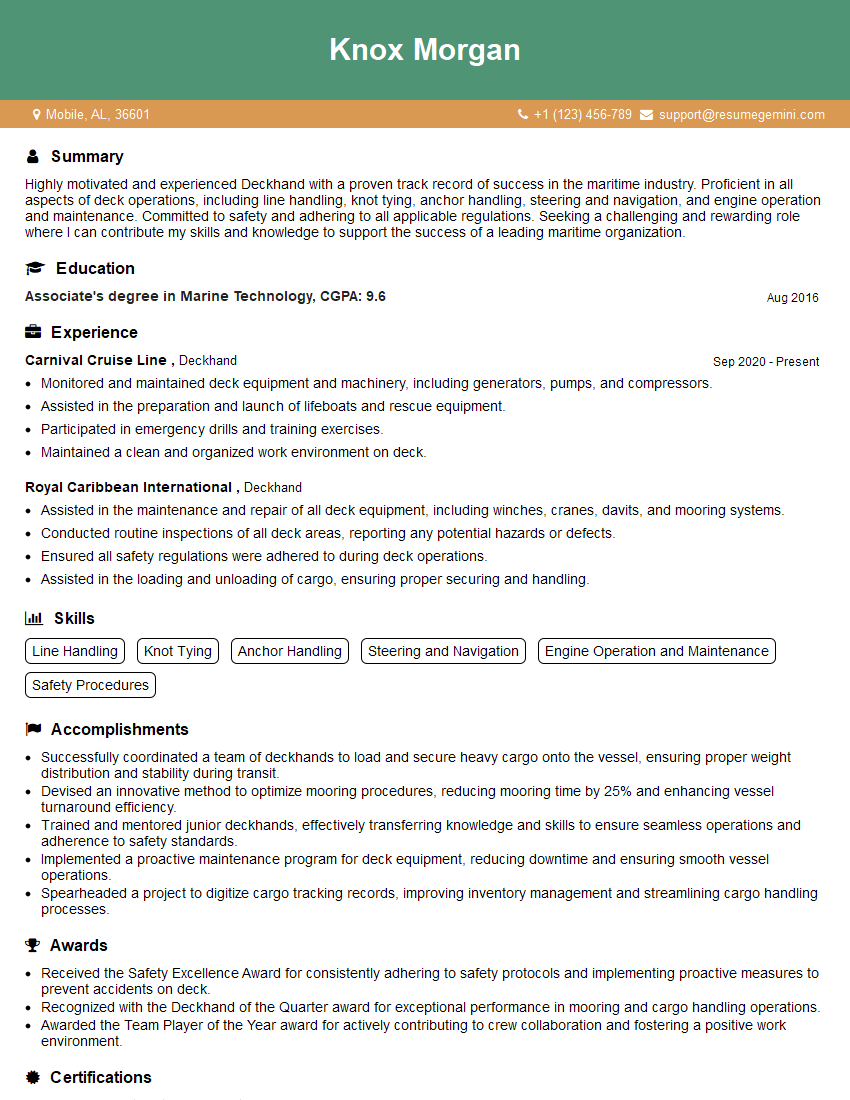
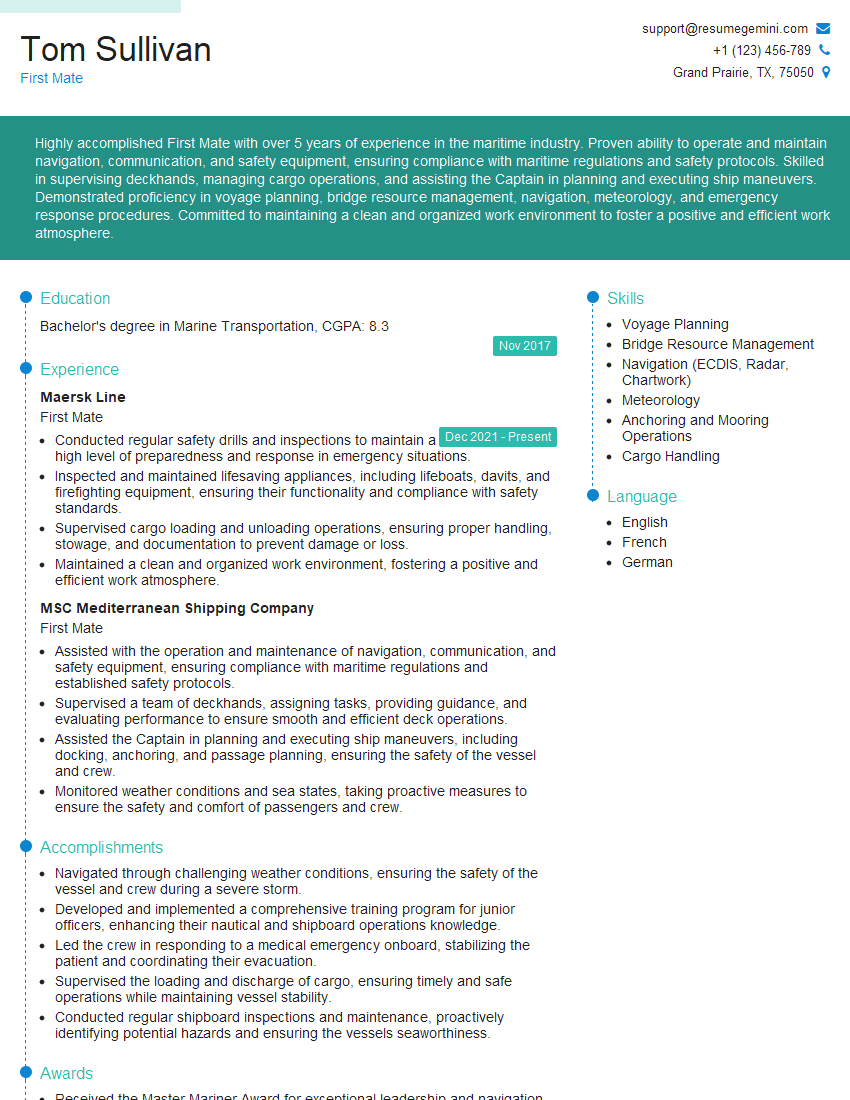
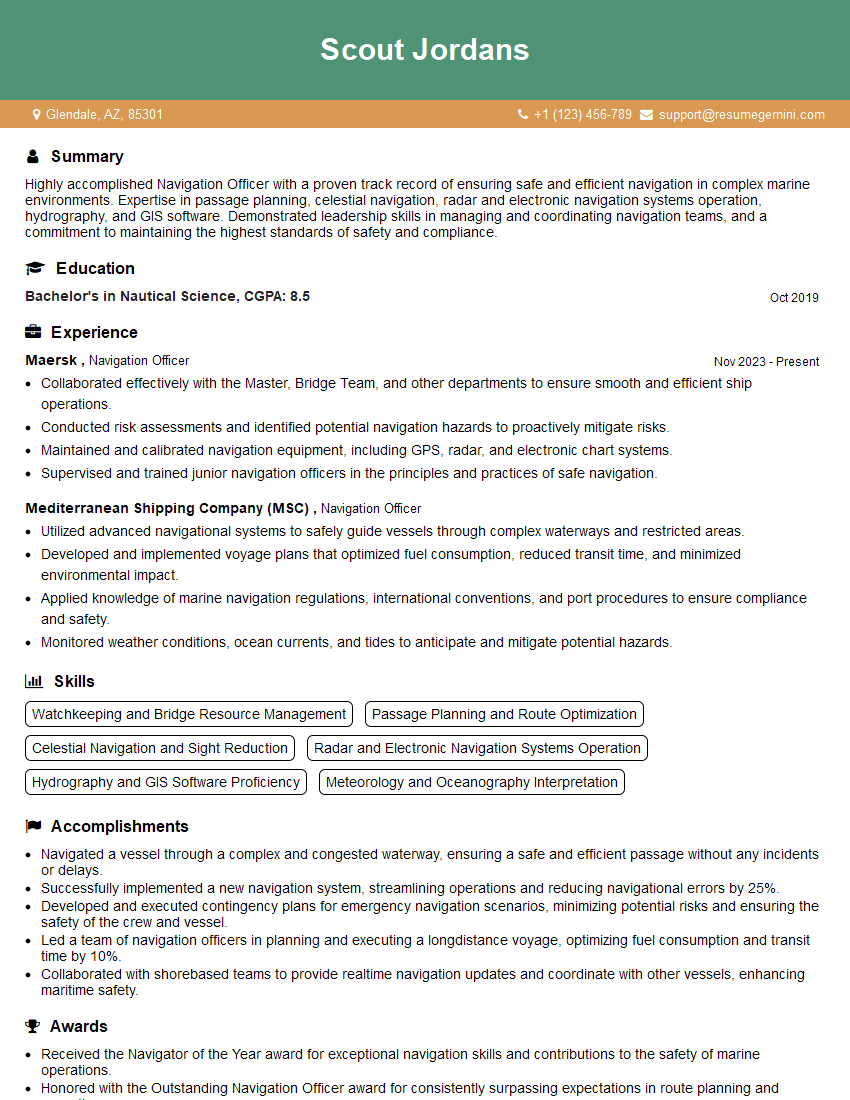
Mastering the operation and maintenance of river boats opens doors to a rewarding career with excellent growth potential. Advancement opportunities often include increased responsibility, higher pay, and specialized roles within the industry. To maximize your chances of securing your dream position, crafting a strong, ATS-friendly resume is essential. ResumeGemini is a trusted resource to help you build a professional resume that highlights your skills and experience effectively. Examples of resumes tailored specifically to operating and maintaining river boats are available to guide you through this process.
Explore more articles
Users Rating of Our Blogs
Share Your Experience
We value your feedback! Please rate our content and share your thoughts (optional).
What Readers Say About Our Blog
Attention music lovers!
Wow, All the best Sax Summer music !!!
Spotify: https://open.spotify.com/artist/6ShcdIT7rPVVaFEpgZQbUk
Apple Music: https://music.apple.com/fr/artist/jimmy-sax-black/1530501936
YouTube: https://music.youtube.com/browse/VLOLAK5uy_noClmC7abM6YpZsnySxRqt3LoalPf88No
Other Platforms and Free Downloads : https://fanlink.tv/jimmysaxblack
on google : https://www.google.com/search?q=22+AND+22+AND+22
on ChatGPT : https://chat.openai.com?q=who20jlJimmy20Black20Sax20Producer
Get back into the groove with Jimmy sax Black
Best regards,
Jimmy sax Black
www.jimmysaxblack.com
Hi I am a troller at The aquatic interview center and I suddenly went so fast in Roblox and it was gone when I reset.
Hi,
Business owners spend hours every week worrying about their website—or avoiding it because it feels overwhelming.
We’d like to take that off your plate:
$69/month. Everything handled.
Our team will:
Design a custom website—or completely overhaul your current one
Take care of hosting as an option
Handle edits and improvements—up to 60 minutes of work included every month
No setup fees, no annual commitments. Just a site that makes a strong first impression.
Find out if it’s right for you:
https://websolutionsgenius.com/awardwinningwebsites
Hello,
we currently offer a complimentary backlink and URL indexing test for search engine optimization professionals.
You can get complimentary indexing credits to test how link discovery works in practice.
No credit card is required and there is no recurring fee.
You can find details here:
https://wikipedia-backlinks.com/indexing/
Regards
NICE RESPONSE TO Q & A
hi
The aim of this message is regarding an unclaimed deposit of a deceased nationale that bears the same name as you. You are not relate to him as there are millions of people answering the names across around the world. But i will use my position to influence the release of the deposit to you for our mutual benefit.
Respond for full details and how to claim the deposit. This is 100% risk free. Send hello to my email id: lukachachibaialuka@gmail.com
Luka Chachibaialuka
Hey interviewgemini.com, just wanted to follow up on my last email.
We just launched Call the Monster, an parenting app that lets you summon friendly ‘monsters’ kids actually listen to.
We’re also running a giveaway for everyone who downloads the app. Since it’s brand new, there aren’t many users yet, which means you’ve got a much better chance of winning some great prizes.
You can check it out here: https://bit.ly/callamonsterapp
Or follow us on Instagram: https://www.instagram.com/callamonsterapp
Thanks,
Ryan
CEO – Call the Monster App
Hey interviewgemini.com, I saw your website and love your approach.
I just want this to look like spam email, but want to share something important to you. We just launched Call the Monster, a parenting app that lets you summon friendly ‘monsters’ kids actually listen to.
Parents are loving it for calming chaos before bedtime. Thought you might want to try it: https://bit.ly/callamonsterapp or just follow our fun monster lore on Instagram: https://www.instagram.com/callamonsterapp
Thanks,
Ryan
CEO – Call A Monster APP
To the interviewgemini.com Owner.
Dear interviewgemini.com Webmaster!
Hi interviewgemini.com Webmaster!
Dear interviewgemini.com Webmaster!
excellent
Hello,
We found issues with your domain’s email setup that may be sending your messages to spam or blocking them completely. InboxShield Mini shows you how to fix it in minutes — no tech skills required.
Scan your domain now for details: https://inboxshield-mini.com/
— Adam @ InboxShield Mini
support@inboxshield-mini.com
Reply STOP to unsubscribe
Hi, are you owner of interviewgemini.com? What if I told you I could help you find extra time in your schedule, reconnect with leads you didn’t even realize you missed, and bring in more “I want to work with you” conversations, without increasing your ad spend or hiring a full-time employee?
All with a flexible, budget-friendly service that could easily pay for itself. Sounds good?
Would it be nice to jump on a quick 10-minute call so I can show you exactly how we make this work?
Best,
Hapei
Marketing Director
Hey, I know you’re the owner of interviewgemini.com. I’ll be quick.
Fundraising for your business is tough and time-consuming. We make it easier by guaranteeing two private investor meetings each month, for six months. No demos, no pitch events – just direct introductions to active investors matched to your startup.
If youR17;re raising, this could help you build real momentum. Want me to send more info?
Hi, I represent an SEO company that specialises in getting you AI citations and higher rankings on Google. I’d like to offer you a 100% free SEO audit for your website. Would you be interested?
Hi, I represent an SEO company that specialises in getting you AI citations and higher rankings on Google. I’d like to offer you a 100% free SEO audit for your website. Would you be interested?