The right preparation can turn an interview into an opportunity to showcase your expertise. This guide to Operating Conveyors interview questions is your ultimate resource, providing key insights and tips to help you ace your responses and stand out as a top candidate.
Questions Asked in Operating Conveyors Interview
Q 1. Describe your experience operating different types of conveyors (belt, roller, screw, etc.).
My experience encompasses a wide range of conveyor types, including belt, roller, screw, and even specialized systems like vibratory and pneumatic conveyors. Each type presents unique operational characteristics.
- Belt Conveyors: I’ve extensively operated heavy-duty belt conveyors used in mining and aggregate processing, handling materials like ore and gravel. These require careful monitoring of belt tension, tracking, and speed to prevent slippage or damage. I’m familiar with various belt configurations, including troughed belts for bulk materials and flat belts for lighter items.
- Roller Conveyors: These are more common in warehousing and manufacturing. My experience includes operating roller conveyors with different roller diameters and spacing, adjusting them to accommodate varied product sizes and weights. I’ve handled situations requiring the use of powered roller conveyors to move heavier loads or aid in inclines.
- Screw Conveyors: I have experience operating screw conveyors for transferring granular or powdered materials, often in food processing or chemical plants. This involves understanding the importance of consistent auger speed and proper material flow to avoid jams or damage to the auger. I’m also aware of safety precautions like lockout/tagout procedures during cleaning and maintenance.
- Other Conveyors: My experience extends to vibratory conveyors, often used for delicate components, and pneumatic conveyors that utilize air pressure for material movement, each requiring specialized operational knowledge.
This diverse experience has allowed me to develop a strong understanding of the strengths and limitations of each conveyor type and to select the most appropriate system for a given application.
Q 2. Explain the safety procedures you follow when operating a conveyor system.
Safety is paramount when operating conveyor systems. My safety procedures are rigorous and consistently applied. They involve:
- Lockout/Tagout (LOTO): Before any maintenance or repair work, I always perform a proper LOTO procedure to isolate the power source, ensuring the system is completely de-energized to prevent accidental startup.
- Personal Protective Equipment (PPE): I always wear appropriate PPE, including safety glasses, gloves, and steel-toe boots, depending on the task and materials being handled. Hearing protection is also crucial in noisy environments.
- Regular Inspections: I conduct routine visual inspections before each shift, checking for damaged belts, loose components, or any signs of malfunction. This proactive approach minimizes the risk of accidents.
- Clearance Zones: I ensure sufficient clearance around the conveyor system to prevent accidental contact with moving parts. I also make sure that all warning signs and safety barriers are in place and visible.
- Emergency Stops: I am familiar with the location and operation of all emergency stop buttons and switches and know how to react quickly in emergency situations.
- Training and Awareness: I regularly update my knowledge on safe operating procedures and am always vigilant about my surroundings and potential hazards.
Thinking of conveyor safety not just as a set of rules, but as a continuous process of vigilance and awareness, is key.
Q 3. How do you identify and address common conveyor malfunctions?
Identifying and addressing conveyor malfunctions requires a systematic approach. My strategy involves:
- Visual Inspection: I start with a thorough visual inspection, looking for obvious problems like broken belts, damaged rollers, or material build-up. This often reveals the root cause quickly.
- Listen for Unusual Sounds: Abnormal noises like squealing, grinding, or unusual vibrations can indicate bearing failure, belt slippage, or other mechanical issues.
- Check Control Systems: I examine the control system for any error messages or unusual readings. This might involve checking sensors, motor currents, or PLC data.
- Systematic Troubleshooting: If the problem isn’t immediately apparent, I use a systematic process of elimination, testing different components to pinpoint the source of the malfunction. This often involves checking for issues like misalignment, tension problems, or power supply faults.
- Documentation: I meticulously document all malfunctions, repairs, and maintenance actions. This ensures consistent tracking and helps identify recurring issues and patterns.
For example, if a belt conveyor is experiencing frequent slippage, I would systematically check the belt tension, the condition of the drive pulleys and rollers, and the cleanliness of the belt to eliminate possible causes. Addressing the root cause is key to preventing future malfunctions.
Q 4. What are the key components of a conveyor system and their functions?
Conveyor systems are complex, but their core components are relatively consistent across different types. Key components and their functions include:
- Drive System (Motor and Gearbox): Provides the power to move the conveyor.
- Conveyor Belt/Rollers/Auger: The primary means of transporting materials.
- Head and Tail Pulleys: Guide and support the conveyor belt.
- Idlers/Rollers: Support the conveyor belt and reduce friction.
- Tensioning Device: Maintains proper belt tension.
- Tracking System: Keeps the belt centered on the rollers.
- Safety Devices: Emergency stops, sensors, and safety guards.
- Control System (PLC, Sensors): Monitors and controls conveyor operation.
- Frame/Structure: Supports the entire system.
The interplay of these components ensures efficient and safe material handling. A problem in one area can significantly impact the performance of the entire system, highlighting the importance of regular maintenance and inspection.
Q 5. Describe your experience with conveyor lubrication and maintenance.
Conveyor lubrication and maintenance are critical for extending the life of the equipment and preventing malfunctions. My experience includes:
- Lubrication Schedules: I follow strict lubrication schedules based on manufacturer recommendations and operating conditions. This involves applying appropriate lubricants (greases or oils) to bearings, gears, and other moving parts.
- Bearing Inspection: I regularly inspect bearings for wear, damage, or signs of overheating. Replacing worn bearings is essential to prevent premature failure and potential damage to other components.
- Belt Cleaning: Regularly cleaning the conveyor belt removes accumulated material that can damage the belt or interfere with its tracking.
- Component Replacement: I replace worn or damaged components promptly to prevent more extensive damage and downtime.
- Preventive Maintenance: I perform regular preventive maintenance tasks such as tightening bolts, inspecting belts, and checking alignment. This helps prevent problems from developing and reduces the need for costly emergency repairs.
Proper lubrication and maintenance are not merely cost-saving measures; they are essential to ensure safe and efficient operation. Neglecting these can lead to unexpected shutdowns, costly repairs and increased risk of accidents.
Q 6. How do you troubleshoot conveyor belt tracking issues?
Conveyor belt tracking issues are a common problem, often caused by several factors. Troubleshooting involves:
- Check Belt Tension: Improper belt tension is a frequent cause of tracking problems. Too loose, and it wanders; too tight, and it puts excessive stress on components.
- Inspect Idlers and Rollers: Damaged or misaligned idlers or rollers can cause the belt to deviate from its path. I check for worn or damaged rollers and ensure they’re properly aligned.
- Examine Pulleys: Worn or damaged pulleys can also lead to tracking issues. I ensure they’re properly aligned and free from damage.
- Check for Material Build-Up: Material buildup on one side of the belt can cause it to track improperly. I clean the belt thoroughly.
- Assess Conveyor Frame: A misaligned or damaged conveyor frame can also affect tracking. I check for any structural issues.
- Adjust Tracking Devices: Many conveyors have tracking mechanisms (e.g., take-up rollers) that allow for adjustments to correct the belt’s path. I use these to fine-tune the tracking.
Often, a combination of these factors contributes to tracking problems. A systematic approach helps identify the specific cause and implement the appropriate correction.
Q 7. Explain the process of inspecting and maintaining conveyor rollers and bearings.
Inspecting and maintaining conveyor rollers and bearings is crucial for preventing downtime and ensuring safe operation. My process includes:
- Visual Inspection: I visually inspect rollers and bearings for signs of wear, damage, corrosion, or excessive grease. I look for cracks, dents, or pitting on the rollers themselves.
- Bearing Play: I check for excessive play or looseness in the bearings using a feeler gauge or by hand. Excessive play indicates wear and requires replacement.
- Rotation Check: I check the smooth rotation of the rollers. Rough rotation or binding indicates potential issues with the bearings or roller seals.
- Lubrication: I lubricate bearings with the correct type and amount of grease, following manufacturer recommendations.
- Cleaning: I regularly clean rollers and surrounding areas to remove dust and debris that can accelerate wear.
- Replacement: I replace worn or damaged rollers and bearings promptly. Delaying replacement can lead to more significant damage and downtime.
By following this process, I help ensure the long-term reliability and safety of the conveyor system. Preventing small issues from escalating into large problems is key in maintaining optimal system performance.
Q 8. How do you handle conveyor jams or blockages?
Conveyor jams are a common issue, but a systematic approach ensures quick resolution. First, safety is paramount – always power down the conveyor before attempting any intervention. Then, I identify the blockage type. Is it a simple material buildup, a large foreign object, or a more complex mechanical issue? For minor jams, a simple clearing might suffice. For more significant blockages, I’ll use appropriate tools, perhaps a specialized hook or air pressure, to carefully remove the obstruction. If it’s a recurring issue in a specific area, I’d investigate the material flow, perhaps adjusting the conveyor speed or incline to prevent future jams. For example, I once dealt with a jam caused by oversized rocks in an aggregate conveyor. We implemented a screening system upstream to prevent recurrence.
A critical aspect is documenting the jam type and cause, using this data to improve preventative maintenance and process flow. The goal isn’t just to clear the jam but to analyze and prevent future occurrences.
Q 9. Describe your experience with conveyor safety switches and emergency stops.
Conveyor safety is non-negotiable. My experience includes working extensively with various safety switches, including proximity sensors that detect personnel near moving parts, limit switches to prevent belt overtravel, and emergency stop (E-stop) buttons strategically located throughout the system. E-stops are wired to instantly cut power to the motor, halting the conveyor in an emergency.
I’m proficient in testing the functionality of these safety features, ensuring they are correctly calibrated and respond swiftly. Regular inspection and maintenance are crucial, preventing equipment malfunction and ensuring operator safety. For instance, I’ve witnessed how a properly functioning E-stop can prevent serious injury, stopping the conveyor instantly when an unexpected event occurs. Documentation of these safety checks is critical to compliance with safety regulations.
Q 10. What are the different types of conveyor belts and their applications?
Conveyor belts vary greatly depending on the application. Common types include:
- Fabric belts: These are made from woven fabric and are suitable for lighter materials and applications where flexibility is crucial. They are often used in food processing and packaging industries.
- PVC belts: Polyvinyl chloride belts are durable, resistant to chemicals, and suitable for moderate-duty applications. I’ve used these in manufacturing settings dealing with slightly abrasive materials.
- Modular belts: These are composed of individual plastic or metal modules and are excellent for applications requiring high hygiene or easy cleaning. They are very popular in the food industry.
- Steel belts: For heavy-duty applications and high temperatures, steel belts offer superior strength and durability. These are common in metalworking and mining.
The choice depends on factors like the material being conveyed, the environment, and the desired throughput. For example, a food processing plant might use a modular belt for sanitation, whereas a mining operation would opt for a steel belt for its robustness.
Q 11. How do you ensure the proper tension of a conveyor belt?
Proper belt tension is crucial for optimal performance and longevity. Too loose, and the belt will slip, causing inefficiencies and potential damage. Too tight, and it can lead to premature wear and tear on bearings and the belt itself. We use tensioning devices like take-up rollers or mechanical tensioners, which allow for precise adjustments. The tension is typically measured using a tension gauge and should adhere to the manufacturer’s specifications.
I always check the tension during routine maintenance, ensuring it remains within the recommended range. Factors like temperature and material weight can affect tension, so regular checks are essential. For instance, I once had to adjust the tension on a conveyor carrying heavy sacks of cement. We used a calibrated tension gauge to fine-tune it for optimal performance and prevent slippage.
Q 12. Explain your experience with conveyor system controls and automation.
My experience spans various conveyor control systems, from simple manual controls to sophisticated PLC (Programmable Logic Controller)-based automation systems. I understand how to program PLCs to control conveyor speed, direction, and stopping mechanisms, implementing safety features and monitoring real-time data.
I am also familiar with using various HMI (Human-Machine Interface) panels for system monitoring and troubleshooting. I have successfully implemented automated systems that integrate conveyors with other equipment, such as robotic arms, using various communication protocols. For example, in one project, I designed and implemented a fully automated system for palletizing products, where a PLC controlled the entire process, from conveyor speed to robotic arm movement. This significantly improved efficiency and accuracy.
Q 13. How do you perform preventative maintenance on a conveyor system?
Preventative maintenance is key to minimizing downtime and extending the life of a conveyor system. This includes regular inspections, lubrication of moving parts, cleaning of debris, and belt tracking adjustments. A typical preventative maintenance schedule involves:
- Daily checks: Inspecting belts for damage, checking alignment, and ensuring proper operation of safety devices.
- Weekly checks: Lubricating bearings and checking tension.
- Monthly checks: Thorough inspection of motors, drives, and other components.
- Annual checks: Complete system overhaul, potentially including belt replacement and major component inspection.
The specific schedule depends on the application and the level of use. Proper documentation of all maintenance activities is essential for tracking system health and identifying potential problems early.
Q 14. Describe your experience with troubleshooting conveyor motor problems.
Troubleshooting conveyor motor problems starts with a systematic approach. First, I’d check the most obvious things – power supply, fuses, and motor overload protection. If the motor doesn’t receive power, I would trace the circuit to pinpoint the fault. If it’s overloaded, I’d investigate the cause (perhaps a jam or excessive material load). If the motor runs but doesn’t drive the conveyor belt, I might suspect problems with the motor itself, the gearbox, or the drive components (like belts or chains).
Diagnostic tools like multimeters and motor analyzers are crucial for precise fault detection. For instance, I once resolved a motor problem by identifying a faulty start capacitor using a multimeter. Knowing how to read motor nameplates and understanding motor control circuitry is essential for effective diagnostics and repairs. Accurate record-keeping during troubleshooting and repair is crucial for future reference.
Q 15. How do you handle conveyor component replacements?
Conveyor component replacement requires a systematic approach prioritizing safety and minimizing downtime. First, we identify the faulty component through thorough inspection and diagnostic testing. This might involve checking for wear and tear, misalignment, or damage. Then, we acquire the replacement part, ensuring it’s the correct specification and from a reputable supplier. The replacement process itself involves safely isolating the conveyor section, de-energizing it completely, and carefully removing the old component. The new component is installed, adhering strictly to manufacturer instructions and safety procedures. Finally, we thoroughly test the repaired section before reintegrating it into the full system and documenting the entire process. For instance, replacing a worn conveyor belt involves checking the belt’s tracking, tension, and alignment before and after installation. A faulty motor replacement necessitates verifying the motor’s voltage, amperage, and rotational direction after the replacement to prevent further damage.
Career Expert Tips:
- Ace those interviews! Prepare effectively by reviewing the Top 50 Most Common Interview Questions on ResumeGemini.
- Navigate your job search with confidence! Explore a wide range of Career Tips on ResumeGemini. Learn about common challenges and recommendations to overcome them.
- Craft the perfect resume! Master the Art of Resume Writing with ResumeGemini’s guide. Showcase your unique qualifications and achievements effectively.
- Don’t miss out on holiday savings! Build your dream resume with ResumeGemini’s ATS optimized templates.
Q 16. What are the common causes of conveyor breakdowns?
Conveyor breakdowns stem from various sources, often interconnected. Mechanical issues are common, including belt slippage, roller bearing failures (due to wear, lubrication issues, or contamination), chain stretching or breakage, and misalignment of components. Electrical problems can manifest as motor failures, faulty sensors, damaged wiring, or control system malfunctions. Environmental factors such as dust, debris, excessive moisture, or extreme temperatures can accelerate wear and tear and cause malfunctions. Material handling issues like overloading, improper material flow, or the presence of oversized or unusually shaped objects can also lead to breakdowns. For example, a buildup of sticky material could cause rollers to jam, while a sudden surge of power could damage a motor. Regular preventative maintenance is crucial in mitigating these issues.
Q 17. How do you prioritize maintenance tasks on a conveyor system?
Prioritizing conveyor maintenance relies on a combination of factors. We use a risk-based approach, focusing first on critical components and systems that pose the highest risk of failure and the greatest impact on production if they malfunction. This might include drive motors, critical bearings, and safety systems. We then consider the age and condition of the components, scheduling more frequent inspections and maintenance for older or heavily used equipment. A comprehensive preventative maintenance (PM) schedule is developed, often employing techniques like Condition Based Maintenance (CBM) – using vibration analysis or thermal imaging to detect potential problems early. This schedule considers the manufacturer’s recommendations, historical maintenance data, and the specific operating conditions of the conveyor. For example, we might prioritize inspecting and lubricating roller bearings more frequently in dusty environments.
Q 18. Explain your experience with different types of conveyor drives.
My experience encompasses various conveyor drive types, each with its strengths and weaknesses. I’ve worked extensively with AC variable frequency drives (VFDs), which offer precise speed control and energy efficiency. I’ve also had considerable experience with DC drives, particularly in older systems, understanding their reliability and straightforward control but acknowledging their higher maintenance requirements compared to VFDs. I’m familiar with gear motor drives, suitable for applications requiring high torque at lower speeds, and their importance in heavier-duty conveying systems. Furthermore, I have knowledge of hydraulic and pneumatic drives, usually for specialized applications needing very high power or precise control, but these systems are typically more complex to maintain. Each drive choice depends on factors like the load requirements, speed control needs, environmental conditions, and budget constraints of the specific application.
Q 19. How do you ensure the efficient flow of materials on a conveyor system?
Ensuring efficient material flow requires a holistic approach encompassing several key aspects. Firstly, proper conveyor design is critical, ensuring adequate capacity, suitable belt speed, and appropriate incline/decline angles to accommodate the material properties. Secondly, consistent material feed, preventing bottlenecks and ensuring a smooth, even distribution onto the conveyor, is paramount. Thirdly, regular inspection and maintenance are essential to prevent jams and breakdowns. This includes cleaning debris, lubricating moving parts, and promptly addressing any mechanical issues. Fourthly, effective control systems are crucial for monitoring material flow and managing potential disruptions. Finally, consideration of material characteristics like size, shape, weight, and flowability is vital to selecting the correct type of conveyor and optimizing its operation. A well-maintained system with appropriate control mechanisms reduces material jams and ensures smooth, efficient throughput.
Q 20. Describe your experience with conveyor system diagnostics and troubleshooting.
Conveyor system diagnostics and troubleshooting require a methodical approach. It often begins with a visual inspection to identify obvious problems like belt damage, misalignment, or obstructions. Then, more in-depth checks may be needed, utilizing diagnostic tools such as multimeters for electrical fault finding, vibration analysis for detecting bearing wear, or thermal imaging to pinpoint overheating components. A crucial step is systematically eliminating potential causes. For example, if a motor fails to start, we would check the power supply, motor connections, and motor itself, documenting each step. Troubleshooting often involves referring to the conveyor’s schematics, operation manuals, and historical maintenance records. I’ve successfully diagnosed and resolved various issues, ranging from simple belt tracking problems to complex electrical malfunctions, utilizing my problem-solving skills and knowledge of conveyor systems. Experience enables efficient fault identification and repair, minimizing downtime and ensuring operational efficiency.
Q 21. How do you maintain accurate records of conveyor maintenance and repairs?
Maintaining accurate conveyor maintenance and repair records is essential for proactive maintenance, regulatory compliance, and informed decision-making. We employ a Computerized Maintenance Management System (CMMS), a software solution that allows for digital recording of all maintenance activities. This includes scheduled preventative maintenance tasks, unscheduled repairs, part replacements, and associated costs. Each entry typically includes a description of the work performed, the date and time, the personnel involved, and any parts used. The CMMS also generates reports, enabling tracking of maintenance costs, equipment uptime, and identifying trends in equipment failures, allowing for data-driven improvements in maintenance strategies. For instance, if bearing failures become frequent on a specific conveyor, the data allows us to investigate root causes, perhaps leading to better lubrication procedures or replacement of a particular bearing type.
Q 22. What are the OSHA regulations related to conveyor safety?
OSHA (Occupational Safety and Health Administration) regulations regarding conveyor safety are extensive and cover various aspects, prioritizing the prevention of accidents and injuries. Key areas include:
- Lockout/Tagout Procedures: Before any maintenance or repair, conveyors must be completely shut down and locked out to prevent unexpected starts. This is crucial to avoid serious injuries from moving parts.
- Guards and Barriers: Moving parts of conveyors must be guarded to prevent accidental contact. This includes pinch points, nip points, rotating shafts, and other hazardous areas. Guards should be properly designed and maintained.
- Emergency Stops: Easily accessible emergency stop buttons or switches must be strategically placed along the conveyor system to allow for immediate shutdown in case of an emergency.
- Training: Employees who operate, maintain, or work near conveyors must receive adequate training on safe operating procedures, hazard identification, and emergency response.
- Personal Protective Equipment (PPE): Appropriate PPE, such as safety glasses, gloves, and steel-toed boots, must be worn by all personnel working near or on conveyors.
- Regular Inspections: Conveyors require regular inspections to identify and address potential hazards before they lead to accidents. Documentation of these inspections is essential.
Non-compliance with OSHA regulations can result in significant fines and legal repercussions for companies. A proactive approach to safety, including thorough training and regular maintenance, is crucial for preventing accidents and maintaining a safe working environment.
Q 23. Explain your understanding of conveyor capacity and throughput.
Conveyor capacity and throughput are closely related but distinct concepts. Capacity refers to the maximum amount of material a conveyor can handle under ideal conditions. It’s often expressed in tons per hour (tph) or cubic meters per hour (m³/h). Throughput, on the other hand, represents the actual amount of material conveyed during a specific period. It’s influenced by factors like downtime, material flow variations, and system inefficiencies.
Think of it like this: a highway’s capacity might be 10,000 vehicles per hour, but the actual throughput during rush hour might only be 8,000 vehicles due to congestion. Similarly, a conveyor’s capacity might be 50 tph, but its throughput might be lower due to blockages, maintenance, or reduced production demands.
Understanding both capacity and throughput is critical for optimizing operations. Capacity helps in selecting the right conveyor for a specific application, while monitoring throughput helps identify bottlenecks and areas for improvement. Regularly measuring and analyzing throughput can highlight maintenance needs or adjustments to material handling procedures.
Q 24. How do you adapt to changing conveyor operations or production demands?
Adapting to changing conveyor operations or production demands requires flexibility and a systematic approach. I would use a three-pronged strategy:
- Assess the Changes: First, I’d thoroughly analyze the nature and extent of the changes in production demands. This involves reviewing production schedules, order volumes, and material specifications to understand the new requirements.
- Adjust Conveyor Settings: Depending on the nature of the change, adjustments could involve modifying conveyor speed, altering the belt tension, adjusting the infeed and discharge points, or even implementing temporary bypass systems if necessary. These adjustments need to be carefully planned and executed to prevent accidents and ensure smooth operation.
- Collaborate and Communicate: Adapting to change often necessitates teamwork. Effective communication with production managers, maintenance teams, and operators is essential to ensure everyone understands the changes, their impact, and their role in implementing them successfully. Regular meetings and updates help maintain consistency and address any challenges promptly.
For instance, if production demands increase, we might need to adjust conveyor speed or add a second conveyor line to handle the increased volume. If the material type changes, we might need to adjust the conveyor belt type or incorporate cleaning mechanisms to prevent build-up and blockages.
Q 25. Describe a time you had to troubleshoot a complex conveyor problem.
I once encountered a situation where a crucial section of a high-speed belt conveyor repeatedly experienced belt slippage. Initial investigations suggested belt wear, but replacing the belt didn’t solve the problem. The slippage was inconsistent, occurring only under specific load conditions.
My troubleshooting process involved:
- Detailed Data Collection: I meticulously recorded the load, speed, and slippage patterns during various operating conditions. This helped identify trends.
- System Inspection: I carefully inspected the rollers, pulleys, and motor for any signs of wear, misalignment, or damage. A slightly misaligned pulley was detected.
- Hypothesis Testing: Based on my findings, I hypothesized that the pulley misalignment was causing uneven belt tension, resulting in intermittent slippage. A slight adjustment to the pulley alignment was made.
- Verification: After the adjustment, I closely monitored the conveyor’s performance. The slippage ceased, confirming the hypothesis and resolving the issue.
This case highlights the importance of methodical troubleshooting, combining careful observation, data analysis, and targeted interventions to effectively identify and resolve complex problems.
Q 26. How do you collaborate with other maintenance personnel to ensure smooth conveyor operations?
Collaboration is paramount for smooth conveyor operations. I foster effective collaboration through:
- Regular Team Meetings: Scheduled meetings to discuss upcoming maintenance, potential issues, and shared concerns. This ensures everyone is on the same page and can proactively address potential problems.
- Open Communication: Maintaining open lines of communication with maintenance colleagues. This includes using communication systems, reporting tools, and direct conversations to share information, resolve issues, and maintain a consistent work flow.
- Shared Knowledge: Actively sharing my expertise and knowledge with colleagues, including training on new technologies or troubleshooting techniques. This creates a stronger team with diverse skill sets.
- Preventive Maintenance Schedules: Working collaboratively to develop and adhere to a rigorous preventative maintenance schedule that avoids unexpected downtime and system failures.
- Emergency Response Plans: Participating in the development and regular practice of emergency response plans for conveyor malfunctions or incidents. This ensures a coordinated and efficient response.
Essentially, I believe in a collaborative environment where everyone feels valued and empowered to contribute their expertise for the benefit of the overall system.
Q 27. What are the key performance indicators (KPIs) for a conveyor system?
Key Performance Indicators (KPIs) for a conveyor system should track efficiency, reliability, and safety. Important KPIs include:
- Throughput: The actual amount of material conveyed per unit of time (e.g., tons per hour).
- Uptime: The percentage of time the conveyor is operational.
- Mean Time Between Failures (MTBF): The average time between equipment failures.
- Mean Time To Repair (MTTR): The average time taken to repair a failure.
- Safety Incidents: The number of accidents or near misses involving the conveyor.
- Maintenance Costs: The overall costs associated with maintenance, repairs, and spare parts.
- Energy Consumption: The amount of energy consumed by the conveyor per unit of output.
Tracking these KPIs provides valuable insights into the performance and efficiency of the conveyor system, allowing for data-driven improvements and proactive maintenance.
Q 28. How do you stay up-to-date on the latest advancements in conveyor technology?
Staying up-to-date on conveyor technology advancements is crucial for maintaining a competitive edge. I employ several strategies:
- Industry Publications and Journals: Regularly reading industry publications and journals that cover advancements in conveyor design, automation, and maintenance techniques.
- Trade Shows and Conferences: Attending trade shows and conferences to learn about the latest technologies and network with other professionals in the field. This offers hands-on experience with new equipment and solutions.
- Manufacturer Websites and Documentation: Reviewing manufacturer websites and technical documentation to stay informed about new product releases and upgrades.
- Online Courses and Webinars: Participating in online courses and webinars offered by industry experts or educational institutions to enhance my knowledge and skills.
- Professional Organizations: Joining professional organizations related to material handling and conveying to access valuable resources, networking opportunities, and continuing education programs.
Continuous learning ensures I can effectively implement new technologies and strategies to improve system performance, efficiency, and safety.
Key Topics to Learn for Operating Conveyors Interview
- Conveyor System Components: Understanding the function and interplay of belts, rollers, pulleys, motors, sensors, and control systems is fundamental. Consider the different types of conveyors (belt, roller, screw, etc.) and their applications.
- Safety Procedures and Regulations: Demonstrate knowledge of OSHA (or relevant regional) safety standards and best practices related to operating and maintaining conveyors, including lockout/tagout procedures and hazard identification.
- Troubleshooting and Maintenance: Be prepared to discuss common conveyor malfunctions (belt slippage, misalignment, component failure) and the diagnostic steps involved in identifying and resolving these issues. Highlight your experience with preventative maintenance.
- Material Handling Principles: Show your understanding of material flow, throughput optimization, and the impact of conveyor system design on efficiency and safety. Discuss concepts like capacity, speed, and incline.
- Control Systems and Automation: Familiarity with PLC (Programmable Logic Controller) systems, sensor integration, and basic troubleshooting of automated conveyor systems is valuable. Even basic understanding will be beneficial.
- Performance Monitoring and Data Analysis: Discuss methods for tracking conveyor performance (e.g., downtime, throughput, maintenance frequency) and using this data to improve efficiency and reduce costs.
Next Steps
Mastering the operation and maintenance of conveyor systems opens doors to rewarding careers in manufacturing, logistics, and distribution. These skills are highly sought after, offering opportunities for growth and advancement. To maximize your job prospects, creating a strong, ATS-friendly resume is crucial. ResumeGemini can help you build a professional resume that highlights your skills and experience effectively. We offer examples of resumes tailored to Operating Conveyors positions to guide you in showcasing your qualifications. Invest the time to craft a compelling resume – it’s your first impression to potential employers.
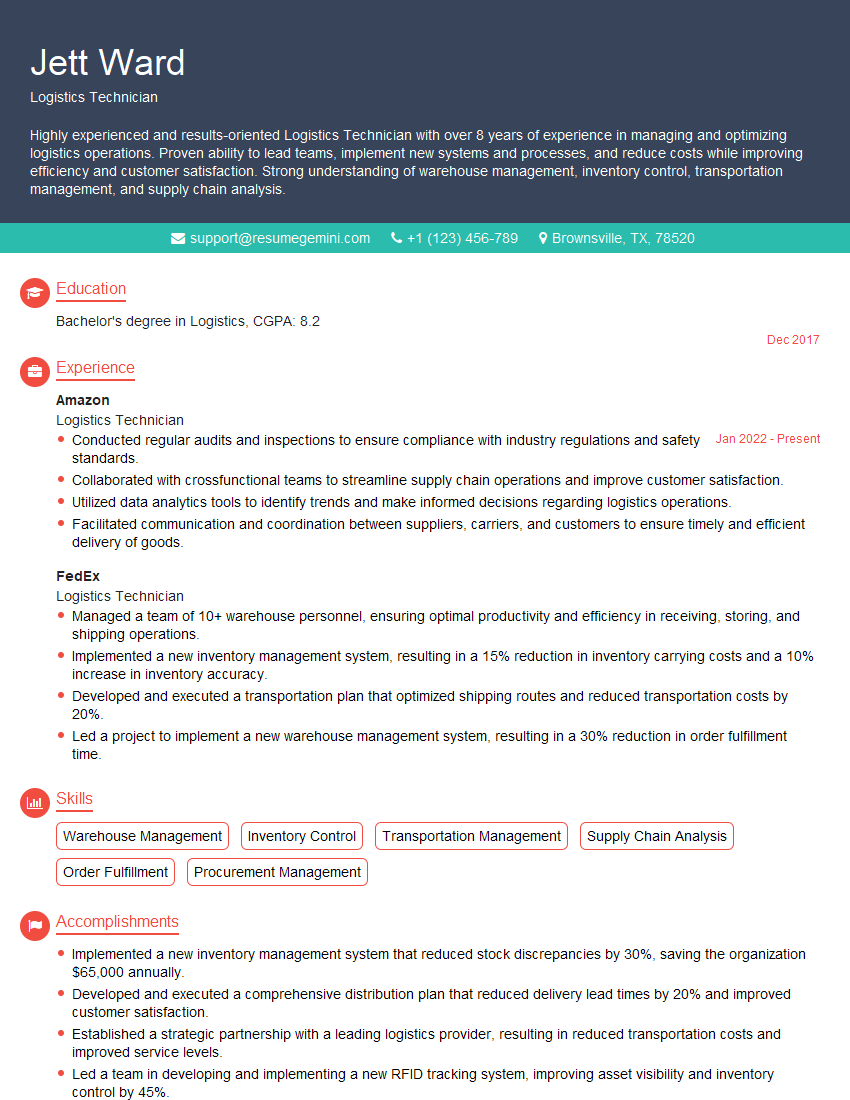
Logistics Technician Resume Sample

Equipment Operator Resume Sample
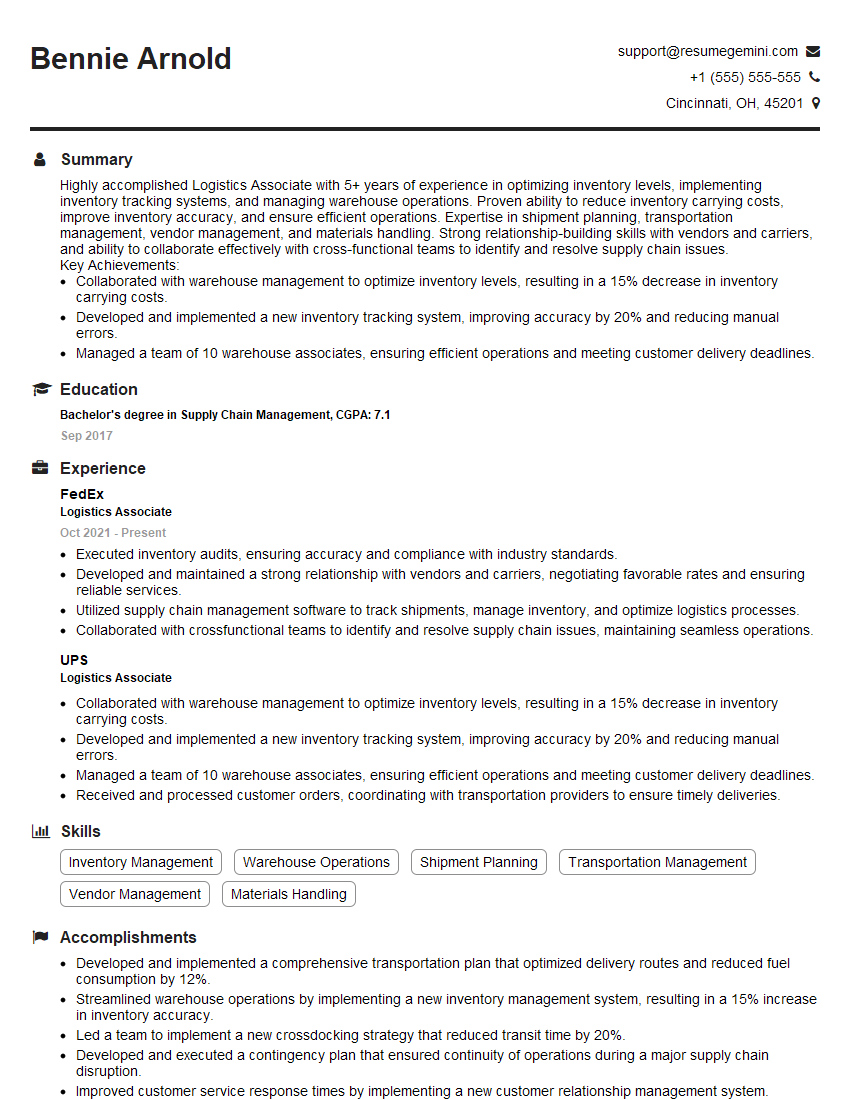
Logistics Associate Resume Sample

Heavy Equipment Operator Resume Sample
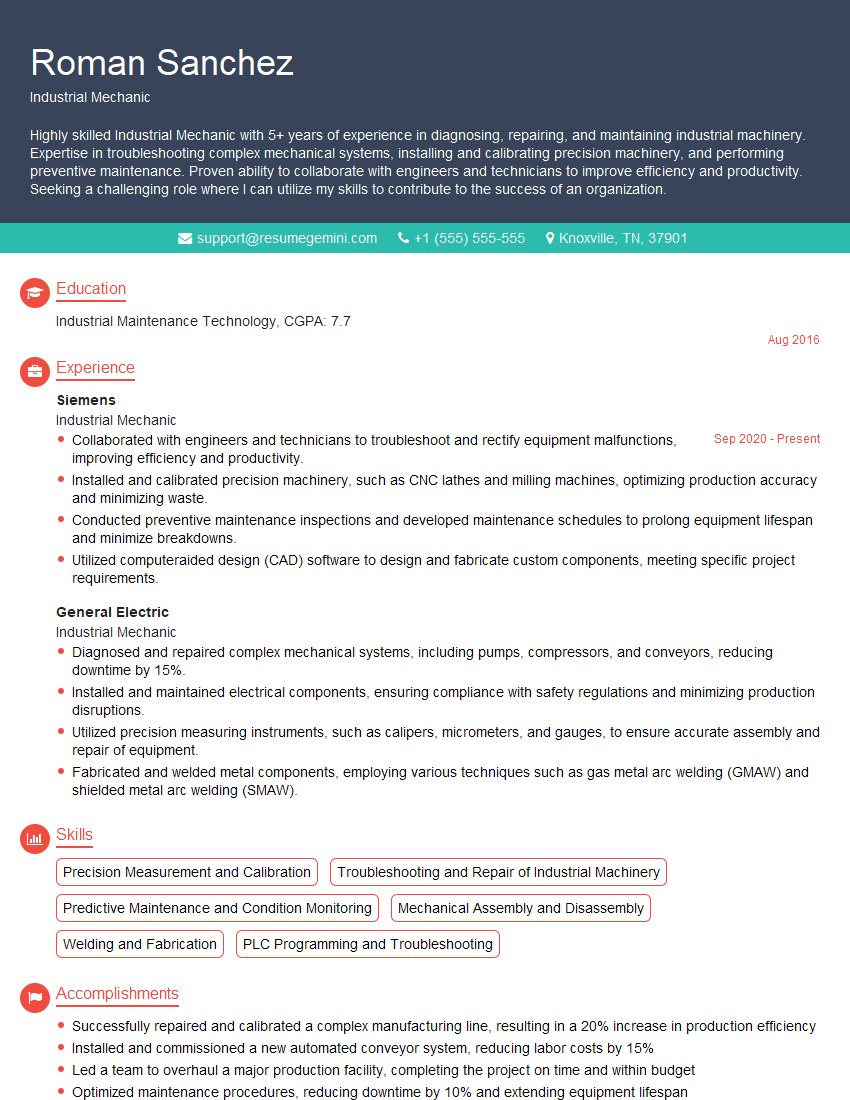
Industrial Mechanic Resume Sample
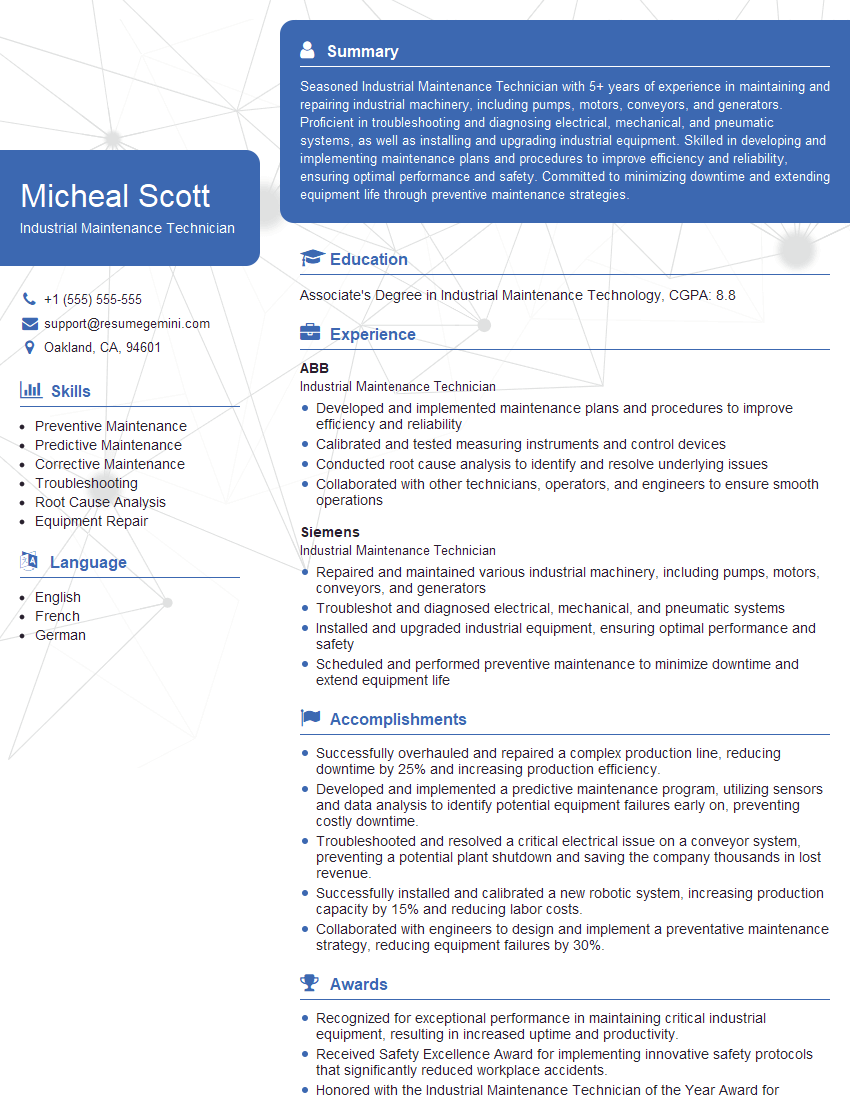
Industrial Maintenance Technician Resume Sample
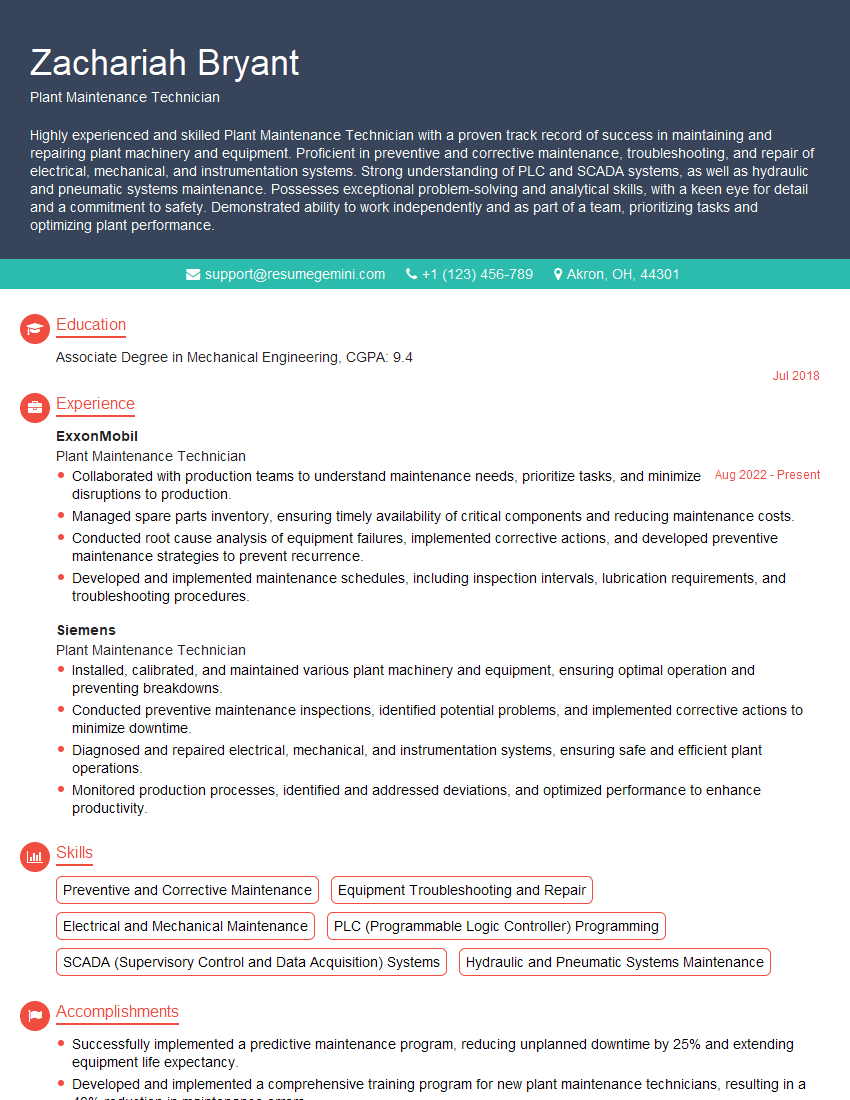
Plant Maintenance Technician Resume Sample

Production Line Operator Resume Sample
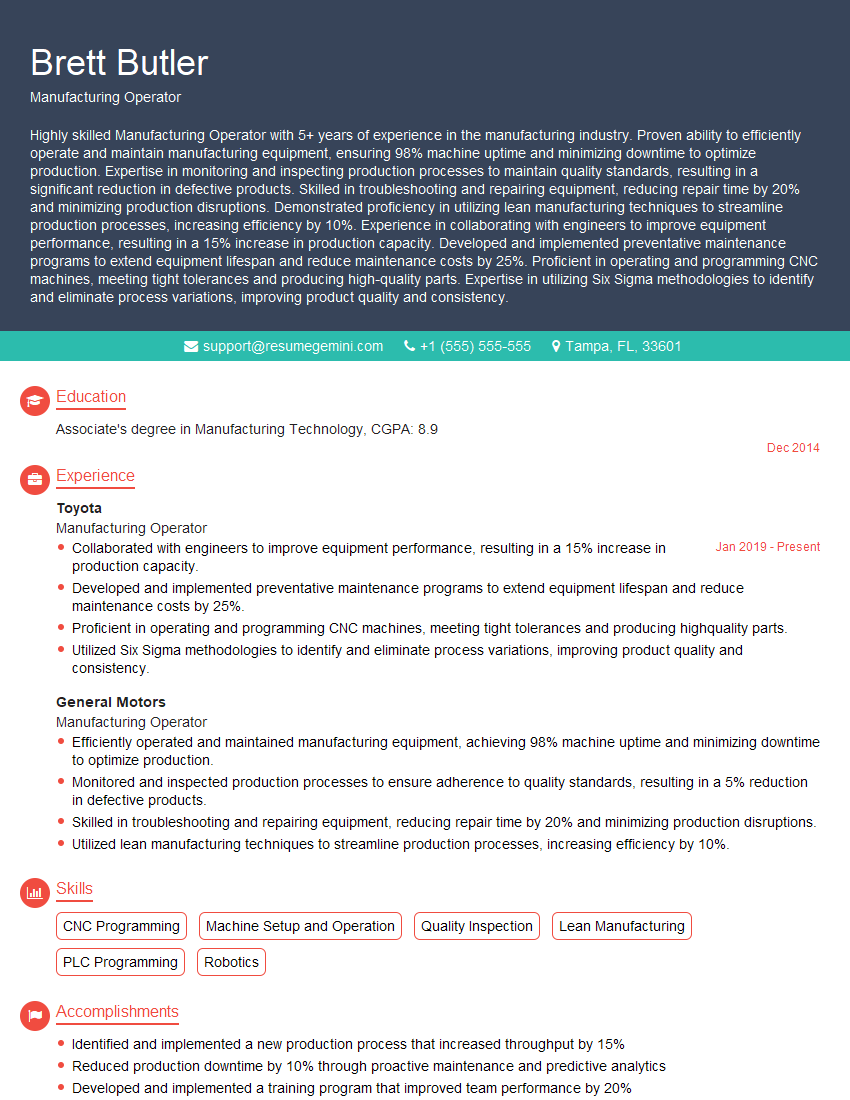
Manufacturing Operator Resume Sample

Conveyor Operator Resume Sample

Conveyor System Operator Resume Sample

Conveyor Technician Resume Sample
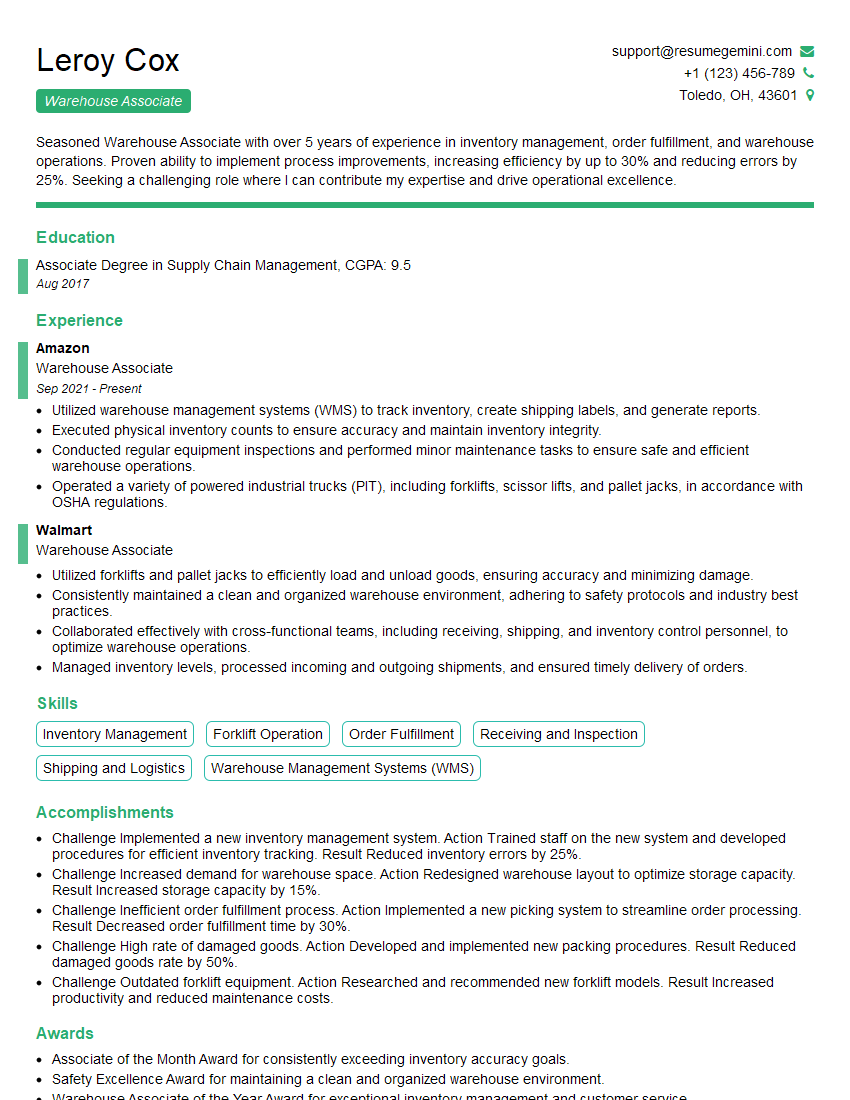
Warehouse Associate Resume Sample
Explore more articles
Users Rating of Our Blogs
Share Your Experience
We value your feedback! Please rate our content and share your thoughts (optional).
What Readers Say About Our Blog
Attention music lovers!
Wow, All the best Sax Summer music !!!
Spotify: https://open.spotify.com/artist/6ShcdIT7rPVVaFEpgZQbUk
Apple Music: https://music.apple.com/fr/artist/jimmy-sax-black/1530501936
YouTube: https://music.youtube.com/browse/VLOLAK5uy_noClmC7abM6YpZsnySxRqt3LoalPf88No
Other Platforms and Free Downloads : https://fanlink.tv/jimmysaxblack
on google : https://www.google.com/search?q=22+AND+22+AND+22
on ChatGPT : https://chat.openai.com?q=who20jlJimmy20Black20Sax20Producer
Get back into the groove with Jimmy sax Black
Best regards,
Jimmy sax Black
www.jimmysaxblack.com
Hi I am a troller at The aquatic interview center and I suddenly went so fast in Roblox and it was gone when I reset.
Hi,
Business owners spend hours every week worrying about their website—or avoiding it because it feels overwhelming.
We’d like to take that off your plate:
$69/month. Everything handled.
Our team will:
Design a custom website—or completely overhaul your current one
Take care of hosting as an option
Handle edits and improvements—up to 60 minutes of work included every month
No setup fees, no annual commitments. Just a site that makes a strong first impression.
Find out if it’s right for you:
https://websolutionsgenius.com/awardwinningwebsites
Hello,
we currently offer a complimentary backlink and URL indexing test for search engine optimization professionals.
You can get complimentary indexing credits to test how link discovery works in practice.
No credit card is required and there is no recurring fee.
You can find details here:
https://wikipedia-backlinks.com/indexing/
Regards
NICE RESPONSE TO Q & A
hi
The aim of this message is regarding an unclaimed deposit of a deceased nationale that bears the same name as you. You are not relate to him as there are millions of people answering the names across around the world. But i will use my position to influence the release of the deposit to you for our mutual benefit.
Respond for full details and how to claim the deposit. This is 100% risk free. Send hello to my email id: lukachachibaialuka@gmail.com
Luka Chachibaialuka
Hey interviewgemini.com, just wanted to follow up on my last email.
We just launched Call the Monster, an parenting app that lets you summon friendly ‘monsters’ kids actually listen to.
We’re also running a giveaway for everyone who downloads the app. Since it’s brand new, there aren’t many users yet, which means you’ve got a much better chance of winning some great prizes.
You can check it out here: https://bit.ly/callamonsterapp
Or follow us on Instagram: https://www.instagram.com/callamonsterapp
Thanks,
Ryan
CEO – Call the Monster App
Hey interviewgemini.com, I saw your website and love your approach.
I just want this to look like spam email, but want to share something important to you. We just launched Call the Monster, a parenting app that lets you summon friendly ‘monsters’ kids actually listen to.
Parents are loving it for calming chaos before bedtime. Thought you might want to try it: https://bit.ly/callamonsterapp or just follow our fun monster lore on Instagram: https://www.instagram.com/callamonsterapp
Thanks,
Ryan
CEO – Call A Monster APP
To the interviewgemini.com Owner.
Dear interviewgemini.com Webmaster!
Hi interviewgemini.com Webmaster!
Dear interviewgemini.com Webmaster!
excellent
Hello,
We found issues with your domain’s email setup that may be sending your messages to spam or blocking them completely. InboxShield Mini shows you how to fix it in minutes — no tech skills required.
Scan your domain now for details: https://inboxshield-mini.com/
— Adam @ InboxShield Mini
support@inboxshield-mini.com
Reply STOP to unsubscribe
Hi, are you owner of interviewgemini.com? What if I told you I could help you find extra time in your schedule, reconnect with leads you didn’t even realize you missed, and bring in more “I want to work with you” conversations, without increasing your ad spend or hiring a full-time employee?
All with a flexible, budget-friendly service that could easily pay for itself. Sounds good?
Would it be nice to jump on a quick 10-minute call so I can show you exactly how we make this work?
Best,
Hapei
Marketing Director
Hey, I know you’re the owner of interviewgemini.com. I’ll be quick.
Fundraising for your business is tough and time-consuming. We make it easier by guaranteeing two private investor meetings each month, for six months. No demos, no pitch events – just direct introductions to active investors matched to your startup.
If youR17;re raising, this could help you build real momentum. Want me to send more info?
Hi, I represent an SEO company that specialises in getting you AI citations and higher rankings on Google. I’d like to offer you a 100% free SEO audit for your website. Would you be interested?
Hi, I represent an SEO company that specialises in getting you AI citations and higher rankings on Google. I’d like to offer you a 100% free SEO audit for your website. Would you be interested?