Interviews are more than just a Q&A session—they’re a chance to prove your worth. This blog dives into essential Operator Safety interview questions and expert tips to help you align your answers with what hiring managers are looking for. Start preparing to shine!
Questions Asked in Operator Safety Interview
Q 1. Describe your experience conducting Job Safety Analysis (JSA).
Conducting a Job Safety Analysis (JSA) is a systematic process to identify hazards and control measures for a specific task. I’ve led numerous JSAs across various industrial settings, from manufacturing plants to construction sites. My approach involves a team-based effort, typically including the operators who perform the task daily. We break down the job into sequential steps, identifying potential hazards at each stage. For instance, during a JSA for operating a forklift, we’d consider hazards like collisions, tipping, dropped loads, and equipment malfunctions. For each hazard, we brainstorm and implement control measures, prioritizing those that eliminate the hazard entirely (like engineering controls) before moving to less effective but still necessary controls like administrative or PPE (personal protective equipment).
After identifying hazards and controls, we document everything in a JSA form, including step-by-step instructions, potential hazards, recommended controls, and emergency procedures. This document then becomes a standard operating procedure (SOP) and a critical part of the operator’s training. I ensure the JSAs are reviewed and updated regularly, especially after incidents or process changes. For example, if a new piece of equipment is introduced, a revised JSA is crucial to account for its unique hazards.
Q 2. Explain the hierarchy of controls in preventing workplace incidents.
The hierarchy of controls prioritizes the elimination of hazards, moving from the most effective to the least. It’s a pyramid structure, with the most effective solutions at the top.
- Elimination: This is the best approach – removing the hazard entirely. For example, replacing a hazardous chemical with a safer alternative.
- Substitution: Replacing a hazard with a less hazardous alternative. Substituting a manual material handling process with an automated one.
- Engineering Controls: Implementing physical changes to the work environment to reduce hazards. Installing guards on machinery, improving ventilation to reduce fumes.
- Administrative Controls: Changing the way work is organized or performed. Job rotation, providing more training, implementing permits-to-work systems.
- Personal Protective Equipment (PPE): Providing workers with safety equipment like gloves, safety glasses, or hard hats. This is the last line of defense, and while essential, it doesn’t eliminate the hazard itself.
Ideally, we strive to implement controls from the top of the hierarchy down. For example, if a machine poses a crushing hazard, we’d first try to eliminate the hazard by redesigning the machine. If that’s impossible, substitution with a safer machine would be next. Only if neither of these are feasible would we move to engineering controls like guards or administrative controls like safety procedures, ultimately supplemented by PPE.
Q 3. How do you identify and assess potential hazards in an industrial setting?
Hazard identification and assessment in an industrial setting is a multifaceted process. I utilize a combination of methods to ensure thoroughness. This includes conducting thorough workplace inspections, reviewing incident reports, and engaging in regular communication with operators.
- Walkthrough Inspections: Physically walking through the work area, looking for potential hazards. This often involves checklists to ensure consistency.
- Operator Feedback: Regular meetings with operators to discuss potential hazards they’ve noticed, near misses, and suggestions for improvement. This is invaluable as they have the most hands-on experience.
- Pre-Job Safety Briefings: Briefing workers about specific hazards before they begin a task. This is especially important for high-risk operations.
- Hazard and Operability Study (HAZOP): A systematic technique for identifying hazards in processes, particularly those involving complex equipment.
- Job Safety Analysis (JSA): As previously discussed, a detailed analysis of each step of a job to identify potential hazards.
After identifying hazards, I assess their risk using a qualitative or quantitative risk assessment matrix. This considers the likelihood of the hazard occurring and the severity of the consequences. This helps to prioritize the hazards and determine the appropriate control measures.
Q 4. What are your preferred methods for conducting safety training for operators?
Effective safety training is crucial. My approach is multi-faceted and tailored to the specific needs of the operators and the tasks they perform. I avoid solely lecture-based training; instead, I favor a blend of methods:
- Hands-on Training: Practical training on equipment and procedures is crucial. This allows operators to practice safe techniques in a controlled environment.
- Demonstrations: Showing operators the correct way to perform tasks, emphasizing safe practices.
- Interactive Simulations: Using simulations to practice emergency procedures and responses to various scenarios.
- Case Studies: Discussing real-world incidents to illustrate the consequences of unsafe practices and the importance of following safety procedures.
- Regular Refresher Training: Regular training sessions to reinforce key concepts and address any changes in procedures or equipment.
I always ensure that training is documented, and operators are tested on their understanding and ability to apply safe practices. Feedback is consistently sought and incorporated to improve future training sessions.
Q 5. Describe your experience with incident investigation and root cause analysis.
Incident investigation is a crucial part of improving safety. My approach follows a structured methodology, focusing on identifying the root cause, not just the immediate cause. I use the ‘5 Whys’ technique, repeatedly asking ‘why’ to delve deeper into the causes of the incident.
For instance, if an operator was injured by a falling object, asking ‘why’ repeatedly could lead to discovering issues like inadequate machine guarding, insufficient training on lockout/tagout procedures, or a lack of proper maintenance leading to equipment failure. This methodical approach helps identify systemic issues contributing to incidents. Beyond the ‘5 Whys,’ I leverage other techniques like fault tree analysis and fishbone diagrams (Ishikawa diagrams) to visualize and analyze contributing factors. The findings are documented in a comprehensive report that includes recommendations for corrective actions to prevent similar occurrences in the future.
I also believe strongly in involving the operators in the investigation process. Their firsthand accounts are invaluable. A non-punitive environment is vital to encourage open communication and accurate reporting. After completing the investigation and implementing corrective actions, I’ll follow up to ensure the effectiveness of the changes and that the root cause has indeed been addressed.
Q 6. How familiar are you with OSHA regulations (or relevant local regulations)?
I have extensive familiarity with OSHA regulations (and equivalent local regulations where applicable). I understand the requirements for hazard communication, lockout/tagout procedures, personal protective equipment, confined space entry, and many other vital safety standards. My experience includes ensuring compliance with these regulations across various projects and workplaces. I regularly review updates to the regulations and incorporate them into safety programs and training materials. I can confidently interpret and apply these regulations to real-world scenarios to create compliant and safe working environments. Staying updated on regulatory changes is an ongoing priority, and I actively participate in professional development to maintain my knowledge.
Q 7. What are some common operator safety issues you’ve encountered?
Throughout my career, I’ve encountered several recurring operator safety issues. Some of the most common include:
- Lack of awareness of hazards: Operators may not fully understand the potential hazards associated with their tasks, leading to unsafe practices.
- Failure to follow safety procedures: This can stem from a lack of training, complacency, or time pressure.
- Improper use of equipment: Operators may not use equipment correctly, leading to accidents or injuries.
- Poor housekeeping: Cluttered workplaces increase the risk of trips, slips, and falls.
- Lack of communication: Poor communication among workers or between workers and management can lead to misunderstandings and accidents.
- Fatigue and stress: These factors can reduce alertness and decision-making, increasing the risk of errors.
Addressing these issues requires a multi-pronged approach including comprehensive training, clear safety procedures, regular inspections, and a strong safety culture that encourages open communication and reporting.
Q 8. Explain your experience developing and implementing safety programs.
Developing and implementing safety programs requires a multifaceted approach, combining risk assessment, policy creation, training, and ongoing monitoring. My experience involves a structured process, starting with a thorough hazard identification and risk assessment using methodologies like HAZOP (Hazard and Operability Study) and bow-tie analysis. This identifies potential hazards and their likelihood and severity. Based on this assessment, I develop specific safety procedures and policies, addressing identified risks with controls, both engineering and administrative.
For example, in a previous role at a chemical processing plant, we conducted a HAZOP study to identify potential leaks in a high-pressure pipeline. This led to the implementation of enhanced leak detection systems, regular maintenance schedules, and detailed emergency response procedures. Following implementation, we then conduct regular audits and training sessions to ensure adherence to the new policies and procedures. Data analysis of incidents, near misses, and audit findings allows for continuous improvement of the safety program, fostering a culture of safety within the organization.
Another example involves creating a comprehensive safety manual for a construction site. This included detailed procedures for working at heights, operating machinery, and handling hazardous materials. This was followed by hands-on training sessions to ensure operators were proficient and confident in applying the procedures. This involved role-playing scenarios and regular quizzes to assess understanding and retention.
Q 9. How would you handle a situation where an operator refuses to follow safety procedures?
An operator refusing to follow safety procedures is a serious issue requiring a calm yet firm approach. My first step would be to understand the reason for the refusal. Is it due to a lack of understanding, concerns about the procedure’s practicality, or perhaps a deliberate disregard for safety? I’d initiate a private conversation to address their concerns and clarify any misunderstandings. Open communication and active listening are crucial.
If the refusal is due to a lack of understanding, I would provide additional training or clarification. If the concern is about the practicality of the procedure, I’d be open to suggestions for improvement while ensuring the safety remains paramount. However, if the refusal is a deliberate act of non-compliance, more formal disciplinary action would be necessary, potentially involving suspension or termination, depending on the severity of the infraction and company policy. Documentation is key throughout this process. This ensures a clear record of the situation, actions taken, and the outcome.
For instance, if an operator refuses to use Personal Protective Equipment (PPE) such as safety glasses, I would first attempt to understand why. If it’s discomfort, I’d explore alternative options within safety regulations. If it’s deliberate disregard, progressive discipline would be applied, starting with a verbal warning, then written warning, before moving to more serious consequences.
Q 10. Describe your experience using lockout/tagout procedures.
Lockout/Tagout (LOTO) procedures are critical for preventing the accidental release of energy during maintenance or repair activities. My experience includes developing, implementing, and auditing LOTO programs. This encompasses training operators on the correct procedures, selecting the appropriate lockout devices, and ensuring all energy sources are isolated before work commences. I’m proficient in identifying and controlling various energy sources, including electrical, hydraulic, pneumatic, and mechanical.
I’ve used LOTO procedures extensively in settings such as manufacturing plants and power generation facilities. This often involves working with multi-disciplinary teams to coordinate the safe shutdown of complex machinery. A key aspect of my role is ensuring that all team members understand and follow the LOTO procedures meticulously. This requires thorough documentation, including verification of the lockout/tagout and clear communication between team members. Regular audits and training are vital to maintaining the effectiveness of the LOTO program.
For example, before working on a conveyor belt system, we would follow a pre-defined LOTO procedure. This would involve isolating the power supply, using appropriate lockout devices, verifying the absence of energy, and documenting each step. After the work is completed, the process is reversed, and the energy source is re-energized only after a thorough inspection and verification.
Q 11. Explain the importance of safety audits and inspections.
Safety audits and inspections are crucial for identifying potential hazards and ensuring compliance with safety regulations and established procedures. They provide a systematic review of safety practices, identifying areas for improvement and preventing accidents. They can be proactive (identifying potential hazards *before* incidents occur) or reactive (investigating incidents to understand root causes and prevent recurrence).
Regular inspections provide a snapshot of the current safety status, checking for compliance with standards, while audits offer a more in-depth evaluation of the overall safety management system, encompassing policies, procedures, training, and the effectiveness of implemented controls. Inspections might focus on the condition of equipment, the use of PPE, and adherence to specific procedures. Audits often involve reviewing documentation, conducting interviews, and analyzing incident data. They often employ checklists and standardized procedures to ensure consistency.
For example, a safety inspection of a construction site might focus on the condition of scaffolding, the use of harnesses, and compliance with fall protection regulations. A safety audit of the same site would likely review the company’s safety policies, training records, incident reports, and emergency response plans. Findings from both are used to improve safety procedures and mitigate future risks.
Q 12. How do you ensure effective communication of safety information to operators?
Effective communication of safety information is paramount for maintaining a safe work environment. My approach involves using multiple communication channels tailored to different learning styles and preferences. This goes beyond simply posting notices; it involves active engagement and feedback.
Methods I employ include toolbox talks (short, targeted safety discussions at the start of shifts), interactive training sessions, demonstrations, visual aids (posters, videos, infographics), written materials (safety manuals, procedures), and regular safety newsletters or emails. I also utilize technology, incorporating safety management software for tracking training records, incidents, and audit findings, as well as using mobile apps for disseminating information and providing real-time updates. Crucially, I encourage open dialogue and feedback from operators, creating a safe space for them to raise concerns or suggest improvements. This ensures that safety information is not just communicated but understood and implemented.
For example, when introducing new equipment, I’d start with a demonstration, follow up with a hands-on training session, and then distribute a detailed manual. Regular quizzes and feedback sessions ensure understanding and retention. To address language barriers, I would leverage translation services and visual aids.
Q 13. Describe your understanding of risk assessment methodologies.
Risk assessment methodologies are the cornerstone of any effective safety program. They involve systematically identifying hazards, analyzing their potential for harm, and implementing appropriate control measures. I have experience with various methodologies, including:
- HAZOP (Hazard and Operability Study): A systematic technique for identifying hazards and operability problems in a process or system.
- What-if analysis: A brainstorming technique used to identify potential hazards by asking “what if” questions about different aspects of a process or system.
- Failure Modes and Effects Analysis (FMEA): A bottom-up technique that identifies potential failure modes within a system and assesses their severity and likelihood of occurrence.
- Bow-tie analysis: A visual representation of the causes and consequences of a hazard, showing the potential for escalation and the controls in place to mitigate the risk.
Each methodology provides a structured approach for evaluating risks, ranking them based on likelihood and severity, and ultimately determining appropriate safety measures. The choice of methodology depends on the complexity of the system and the specific hazards being assessed. The process frequently involves a multidisciplinary team, ensuring a wide range of perspectives are considered.
Q 14. What is your experience with Permit-to-Work systems?
Permit-to-Work (PTW) systems are formal procedures used to control potentially hazardous activities. They ensure that work is carried out safely and only after all necessary precautions have been taken. My experience includes developing and implementing PTW systems for various high-risk tasks, such as confined space entry, hot work (welding, cutting), and working near energized equipment. A PTW involves a documented authorization process, requiring sign-off by authorized personnel at different stages to ensure the work is permitted to proceed.
Implementing a PTW system involves defining the scope of work, specifying the necessary precautions, allocating responsibilities, providing training, and conducting regular audits. The system should clearly outline the procedures for issuing, reviewing, and closing out permits. The key is to ensure that all personnel involved understand their responsibilities and the risks associated with the task. This includes clear communication between the issuer, the person performing the work, and any other relevant parties. Effective communication and thorough documentation are crucial aspects of managing a successful PTW system. Any deviations from the established procedure must be immediately reported and addressed.
For instance, a PTW for confined space entry would specify the necessary atmospheric testing, ventilation requirements, emergency procedures, and the presence of a standby person. The permit would be issued only after all these criteria are met and documented.
Q 15. How do you manage and mitigate operator fatigue and stress?
Managing operator fatigue and stress is crucial for maintaining a safe work environment. It’s a multifaceted problem requiring a proactive, layered approach. Think of it like maintaining a car – regular checks and preventative maintenance are key to avoiding breakdowns.
Work-Rest Schedules: Implementing scientifically-backed work-rest cycles is paramount. For example, we might utilize a system of mandatory breaks every two hours, coupled with longer rest periods after strenuous tasks. This prevents the buildup of fatigue.
Ergonomic Design: Properly designed workstations and tools significantly reduce physical strain and fatigue. For instance, adjusting chair height, keyboard placement, and monitor positioning can dramatically improve comfort and reduce musculoskeletal disorders.
Training and Education: Operators need to understand the signs of fatigue (slowed reaction time, impaired judgment, irritability) and how to self-manage. We incorporate regular training modules that cover these topics, encouraging self-reporting and peer support.
Stress Management Techniques: We provide access to resources like stress management workshops, mindfulness training, and employee assistance programs. These help operators develop coping mechanisms for workplace stress.
Rotation of Tasks: Varying tasks throughout the day can help prevent monotony and reduce fatigue. This approach keeps operators engaged and less prone to errors.
Environmental Factors: Maintaining a comfortable work environment – proper lighting, temperature, and ventilation – plays a critical role in reducing stress and fatigue.
Monitoring operator performance and using data-driven insights to adjust schedules and work practices are essential components of a successful fatigue management program.
Career Expert Tips:
- Ace those interviews! Prepare effectively by reviewing the Top 50 Most Common Interview Questions on ResumeGemini.
- Navigate your job search with confidence! Explore a wide range of Career Tips on ResumeGemini. Learn about common challenges and recommendations to overcome them.
- Craft the perfect resume! Master the Art of Resume Writing with ResumeGemini’s guide. Showcase your unique qualifications and achievements effectively.
- Don’t miss out on holiday savings! Build your dream resume with ResumeGemini’s ATS optimized templates.
Q 16. How would you address a near-miss incident?
Addressing a near-miss incident is just as critical as responding to an actual accident, if not more so. It’s a chance to learn and prevent future catastrophes. My approach is based on a thorough investigation and proactive corrective actions. Think of it as a fire drill – a near-miss is like a small fire, giving us an opportunity to perfect our response before a larger incident occurs.
Immediate Response: Secure the area, ensure operator safety, and document everything as it happened.
Investigation: Conduct a thorough investigation involving all relevant personnel, using a structured approach (e.g., 5 Whys analysis) to identify the root causes.
Corrective Actions: Implement immediate corrective actions to prevent a recurrence. This might involve modifying procedures, improving equipment, or providing additional training.
Reporting and Documentation: All findings and corrective actions are documented and reported to relevant management and safety committees.
Follow-up: A follow-up review ensures implemented corrective actions are effective.
For example, a near-miss involving a forklift nearly striking a pedestrian would trigger an investigation into forklift operator training, pedestrian walkways, and the visibility of forklifts in the warehouse.
Q 17. Explain your experience with personal protective equipment (PPE).
My experience with personal protective equipment (PPE) spans a wide range of industries and environments. It’s not simply about providing PPE; it’s about ensuring its proper selection, use, and maintenance. It’s like equipping a soldier for battle – the right gear is essential for survival.
Selection: I’m experienced in selecting the appropriate PPE based on hazard assessments. This includes everything from hard hats and safety glasses to respirators and specialized clothing.
Training: I’ve designed and delivered numerous training programs on proper PPE use, including fitting, inspection, and limitations. Operators must know when to use and when not to use specific PPE.
Inspection: Regular inspections of PPE are critical. Damaged or improperly stored equipment is useless and dangerous.
Maintenance: Understanding the maintenance requirements of various PPE types (cleaning, disinfection, replacement schedules) is essential.
Enforcement: Ensuring consistent and compliant PPE use among all operators is a key aspect of my role.
For instance, in a construction setting, I would ensure all workers are wearing appropriate hard hats, safety glasses, and high-visibility clothing, tailored to the specific tasks being performed.
Q 18. How do you ensure that safety equipment is properly maintained and calibrated?
Maintaining and calibrating safety equipment is non-negotiable. It’s about ensuring that the equipment will function as intended when needed. Think of it like regularly servicing your car – preventing small problems before they become costly repairs.
Regular Inspections: We establish regular inspection schedules for all safety equipment, documenting findings and necessary repairs.
Calibration Procedures: We follow manufacturer guidelines and industry best practices for calibrating equipment such as gas detectors, pressure gauges, and lifting equipment.
Maintenance Logs: Detailed maintenance logs track all inspections, calibrations, repairs, and replacements.
Training: Personnel responsible for maintenance and calibration receive thorough training to ensure proper procedures are followed.
Equipment Retirement: We have a clear process for retiring equipment that is beyond repair or its useful life.
For example, respirators undergo regular fit testing to ensure they effectively protect the wearer. Pressure gauges used on high-pressure systems are calibrated annually to guarantee accurate readings.
Q 19. Describe your familiarity with emergency response procedures.
Familiarity with emergency response procedures is crucial. It’s not just about knowing what to do; it’s about being able to react effectively under pressure. It’s like being a firefighter – you need training and practice to handle unexpected emergencies.
Emergency Response Plans: I have experience developing and implementing comprehensive emergency response plans covering various scenarios, such as fires, chemical spills, and medical emergencies.
Emergency Drills: Regular drills, including evacuation procedures, are necessary to train personnel and identify areas for improvement.
Emergency Contacts: Maintaining up-to-date emergency contact lists, including emergency services, is a vital component of any plan.
First Aid and CPR Training: Ensuring personnel are trained in basic first aid and CPR is crucial.
Communication Systems: Understanding and utilizing the facility’s communication systems (alarms, radios, etc.) during an emergency is vital.
A recent example involved developing an emergency response plan for a chemical processing plant, including procedures for evacuation, containment, and notification of emergency services in the event of a chemical leak.
Q 20. How do you measure the effectiveness of your operator safety programs?
Measuring the effectiveness of operator safety programs requires a multi-pronged approach. It’s not enough to just implement programs; you need to track their impact. Think of it like a business tracking its performance – you need key metrics to show success.
Leading Indicators: These predict future performance. Examples include training completion rates, PPE usage compliance, and the number of safety inspections conducted.
Lagging Indicators: These reflect past performance. Examples include accident rates, near-miss incidents, and lost-time injury rates.
Safety Audits: Regular safety audits provide a snapshot of the current safety culture and identify areas for improvement.
Employee Surveys: Employee feedback through surveys provides valuable insights into their perception of safety practices.
Data Analysis: Tracking key metrics over time allows us to identify trends and measure the effectiveness of implemented safety interventions.
For instance, a decrease in accident rates alongside an increase in training completion rates would indicate a successful safety program.
Q 21. What is your experience with developing and updating safety manuals?
Developing and updating safety manuals is a crucial responsibility. A well-written, up-to-date manual is a cornerstone of a successful safety program. It’s like having a reliable map guiding the way in maintaining safety.
Hazard Identification: Thorough hazard identification is the foundation. This involves identifying all potential hazards in the workplace.
Risk Assessment: Determining the level of risk associated with each hazard is essential for developing appropriate controls.
Control Measures: Implementing and documenting control measures to mitigate identified risks is vital.
Procedures and Policies: Clear procedures and policies need to be developed to guide operators in performing their tasks safely.
Regular Updates: Safety manuals are not static documents. They must be updated regularly to reflect changes in regulations, technology, and workplace procedures.
Accessibility: Ensuring easy access to the manual in various formats (print, digital) is crucial.
For example, a recent project involved updating a safety manual for a manufacturing plant, incorporating new regulations concerning machine guarding and updating emergency response procedures.
Q 22. How do you handle conflicts between production demands and safety protocols?
Production demands and safety protocols are not mutually exclusive; they must coexist. The key is to view safety not as a constraint, but as an integral part of efficient production. When conflicts arise, my approach is a structured one, focusing on risk assessment and communication.
Step 1: Risk Assessment: I would initiate a thorough risk assessment, carefully evaluating the proposed production changes against existing safety protocols. This involves identifying potential hazards, analyzing their likelihood and severity, and determining the necessary controls. For instance, if a production increase necessitates working overtime, we need to analyze the increased risk of fatigue and its potential impact on error rates.
Step 2: Collaboration and Communication: I’d then engage in open communication with the production team, safety personnel, and management. This allows us to collaboratively brainstorm solutions. This might involve adjusting work schedules, implementing additional safety training, or investing in new equipment to mitigate risks. Transparency is paramount to gain buy-in and ensure everyone understands the rationale behind the chosen approach.
Step 3: Implementation and Monitoring: Once a solution is implemented, it’s crucial to monitor its effectiveness. This involves tracking key metrics such as incident rates and near misses. Regular reviews and adjustments are necessary to ensure the balance between production goals and safety is maintained. For example, if fatigue continues to be an issue despite schedule adjustments, we may need to consider implementing a fatigue management program.
Q 23. Explain your experience with safety data sheets (SDS).
Safety Data Sheets (SDS) are essential documents that provide comprehensive information about hazardous chemicals. My experience involves not only understanding how to read and interpret SDS but also ensuring their accessibility and proper use across the workplace.
I’ve been responsible for maintaining an up-to-date inventory of SDS, ensuring each hazardous substance used in the operation has its corresponding SDS readily available. This involves regularly checking for updates from manufacturers and implementing a robust filing and retrieval system, often digitized for easy access.
Beyond simply having the SDS available, I emphasize training operators on how to read and understand them. This includes focusing on key sections like hazards identification, first aid measures, and handling and storage procedures. I also incorporate SDS information into our safety training programs and regularly quiz operators to ensure they are retaining and applying this critical information. For example, I would incorporate a scenario-based training module where an operator has to use the SDS to determine the appropriate response to a chemical spill.
Q 24. What are some common causes of operator errors, and how can they be prevented?
Operator errors are a significant contributor to workplace incidents. Many stem from factors like human error, a lack of training, or inadequate safety procedures.
- Lack of Training: Inadequate training on machinery operation and safety protocols leads to mistakes.
- Fatigue and Stress: Long hours, excessive workload, and stressful work environments impair judgment and concentration.
- Poor Communication: Misunderstandings and lack of clear instructions can lead to errors.
- Poor Design/Ergonomics: Machinery or workspaces that are poorly designed can contribute to errors.
- Distraction: Unnecessary interruptions or multitasking decreases focus.
Prevention Strategies: A multi-pronged approach is necessary. This includes: thorough training programs with hands-on practice, establishing clear communication channels, implementing ergonomic assessments, and promoting a culture of reporting near misses without fear of reprisal. Regular safety audits and implementing better equipment design further reduces risks. For example, implementing a standardized checklist for pre-shift machinery inspections reduces errors related to machine malfunction.
Q 25. How do you stay updated on changes in safety regulations and best practices?
Staying current on safety regulations and best practices is an ongoing process. I actively engage in several methods to maintain my expertise.
- Professional Organizations: Membership in organizations like OSHA (Occupational Safety and Health Administration) or relevant industry-specific safety groups provides access to updates, publications, and networking opportunities.
- Industry Publications and Journals: Reading industry-specific safety publications keeps me informed about emerging trends and best practices.
- Training Courses and Seminars: Attending relevant training courses and seminars, both online and in-person, ensures my knowledge stays sharp and aligns with the latest safety standards.
- Government Websites and Regulatory Bodies: Regularly checking government websites and regulatory bodies for updates on new rules, regulations, and changes in safety standards is vital.
- Networking: Attending industry events and connecting with other safety professionals provides opportunities to learn from others’ experiences and share insights.
Q 26. Describe your experience with ergonomic assessments and interventions.
Ergonomic assessments are crucial for preventing musculoskeletal disorders (MSDs). My experience involves conducting these assessments and implementing interventions to create safer and more efficient workspaces.
I’ve used various methods including observation, interviews with operators, and the use of ergonomic checklists and assessment tools. For example, I’ve assessed workstations to identify repetitive motions, awkward postures, and excessive force exertion. Based on my findings, I’ve implemented interventions such as adjusting workstation heights, providing ergonomic chairs and keyboards, and introducing job rotation schedules to reduce strain. I also worked with management to modify workflows, like implementing automation or using assistive devices, to reduce physical demands. Post-implementation, follow-up assessments and operator feedback are key to ensuring the effectiveness of these interventions.
Q 27. How do you promote a positive safety culture within an operating team?
Building a strong safety culture is essential. It’s not just about rules; it’s about fostering a shared commitment to safety at every level.
- Leadership Commitment: Visible and consistent support from leadership is paramount; safety must be a top priority communicated clearly and consistently.
- Open Communication: Creating a culture where employees feel safe to report near misses and hazards without fear of retaliation is vital. Regular safety meetings and feedback sessions are essential.
- Employee Involvement: Engaging employees in safety programs and initiatives helps build ownership and accountability. Including them in the development and implementation of safety procedures makes them active stakeholders in safety.
- Training and Education: Ongoing safety training and education programs are crucial to ensure everyone understands their responsibilities and how to work safely. This goes beyond basic compliance and includes awareness about ergonomics, hazard recognition, and emergency procedures.
- Recognition and Rewards: Acknowledging and rewarding safe behaviors reinforces positive actions and helps create a safety-conscious environment.
Q 28. What are your strategies for continuous improvement in operator safety?
Continuous improvement in operator safety is an iterative process that requires constant monitoring and adjustment. My strategies include:
- Data-Driven Approach: Regularly tracking key safety metrics, including incident rates, near misses, and lost-time injuries, is essential to identify areas needing attention.
- Incident Investigation: Thorough investigation of all incidents to identify root causes and implement corrective actions is crucial. This is more than just assigning blame; it’s about understanding the systemic issues contributing to incidents.
- Regular Safety Audits: Conducting regular safety audits to identify potential hazards and areas for improvement. These audits shouldn’t be infrequent, but incorporated as part of the overall safety process.
- Feedback Mechanisms: Establishing effective feedback mechanisms to collect input from operators on safety-related issues. This helps identify concerns that might not be otherwise apparent.
- Technology Integration: Exploring and implementing new technologies to enhance safety, such as advanced safety equipment, automated systems, or data analytics tools to predict and mitigate potential risks.
The ultimate goal is to create a proactive, not reactive, safety culture where continuous improvement is not just a goal but a way of working.
Key Topics to Learn for Operator Safety Interview
- Hazard Identification and Risk Assessment: Understanding methods for identifying potential hazards in an operating environment and assessing the associated risks. Practical application includes conducting thorough pre-operational checks and utilizing safety checklists.
- Lockout/Tagout Procedures (LOTO): Mastering the safe application and removal of lockout/tagout devices to prevent accidental energy release during maintenance or repair. This includes understanding relevant regulations and best practices.
- Personal Protective Equipment (PPE): Knowing the appropriate PPE for various tasks and situations, including selection, proper use, and limitations. Practical application involves ensuring PPE is readily available and in good condition.
- Emergency Response Procedures: Familiarity with emergency protocols, including evacuation plans, reporting procedures, and first aid/CPR. This includes understanding your role in an emergency situation.
- Safe Operating Procedures (SOPs): Understanding and adhering to established SOPs for specific equipment and tasks. Practical application includes following procedures meticulously and reporting any deviations.
- Communication and Teamwork: Effective communication with colleagues and supervisors, especially in high-pressure situations. This includes clear reporting of incidents and near misses.
- Ergonomics and Physical Demands: Understanding the importance of proper body mechanics and workstation setup to prevent musculoskeletal injuries. Practical application involves recognizing and addressing potential ergonomic hazards.
- Regulatory Compliance: Familiarity with relevant safety regulations and industry standards. This includes understanding the consequences of non-compliance.
- Incident Reporting and Investigation: Understanding the process for reporting incidents and near misses, as well as participating in investigations to identify root causes and prevent future occurrences.
- Continuous Improvement and Safety Culture: Understanding the importance of a proactive safety culture and contributing to ongoing improvements in safety practices.
Next Steps
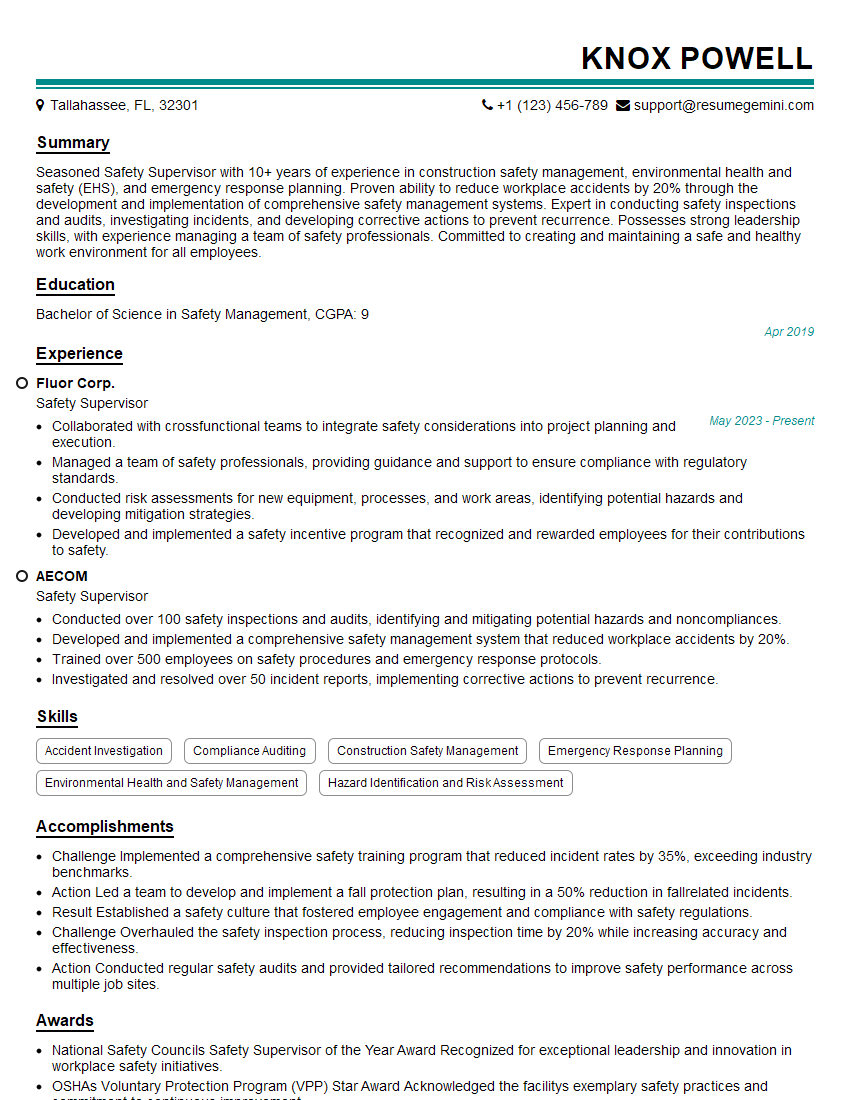
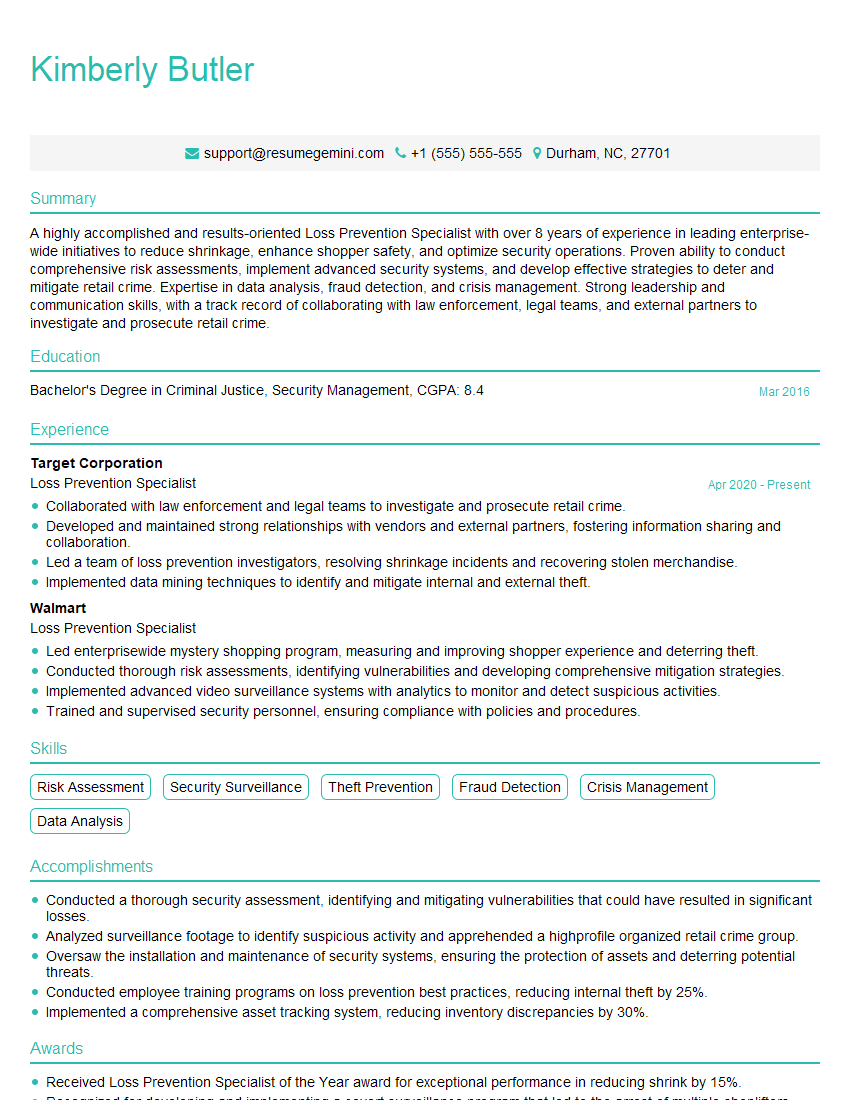
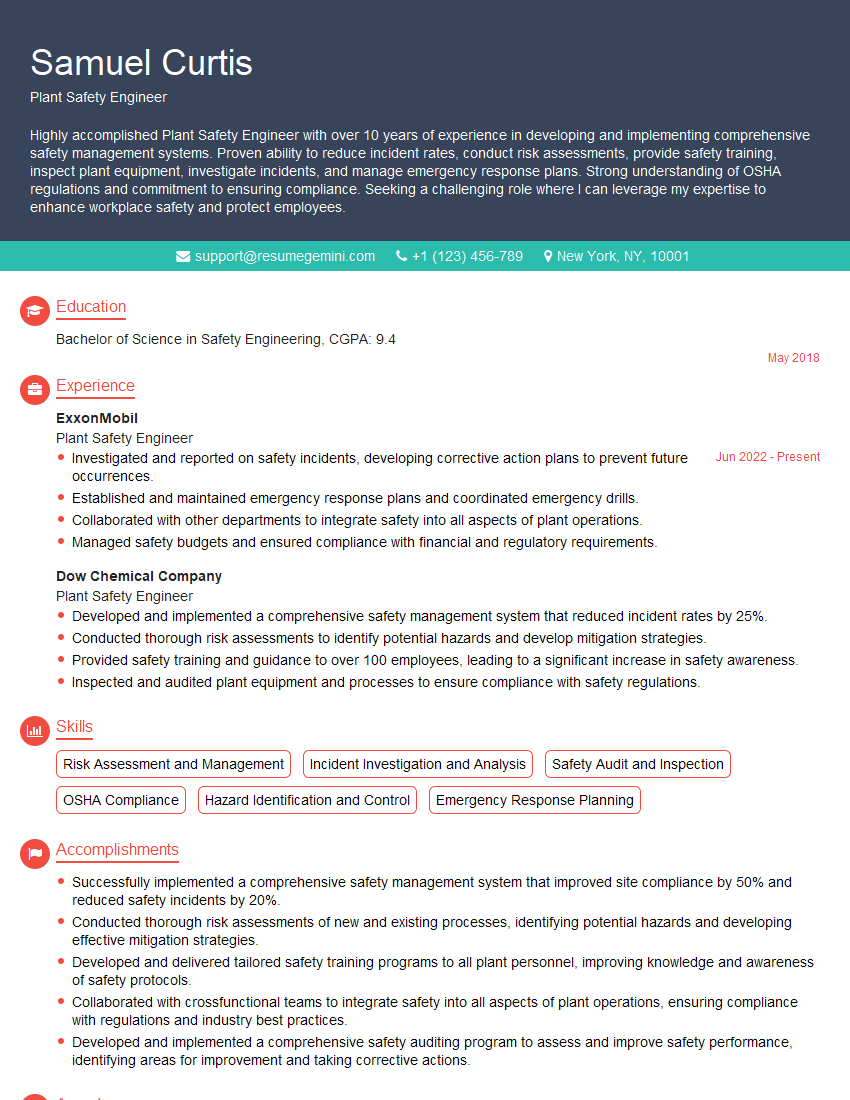
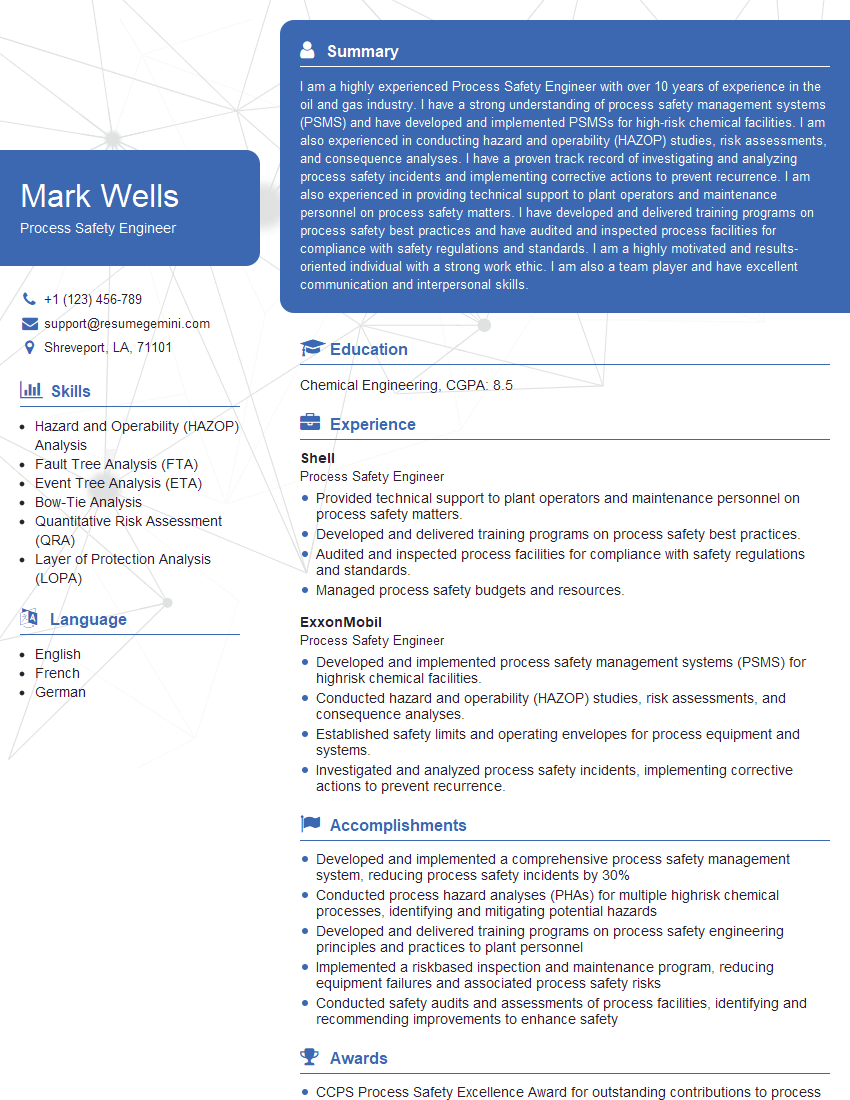
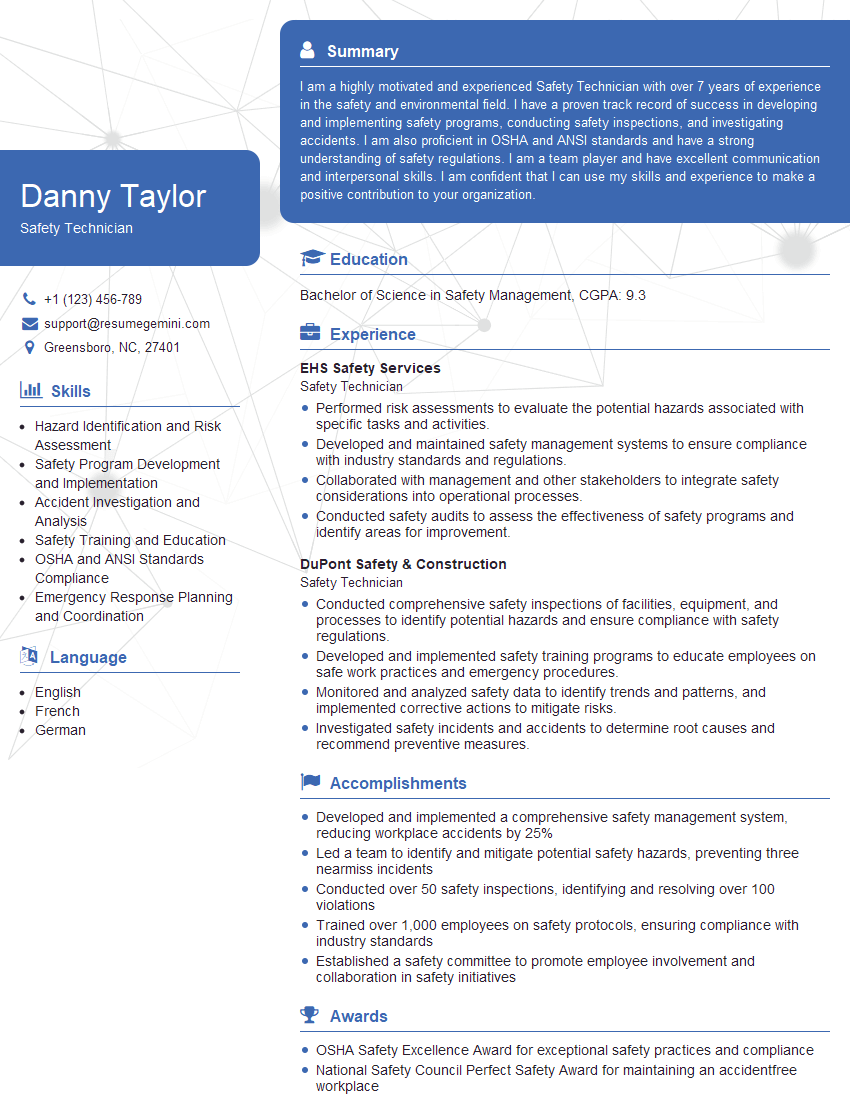
Mastering Operator Safety is crucial for career advancement in any operational setting. It demonstrates your commitment to safety, reduces risks, and builds employer trust. To maximize your job prospects, create an ATS-friendly resume that highlights your safety-related skills and experience. ResumeGemini is a trusted resource to help you build a professional and impactful resume. We provide examples of resumes tailored to Operator Safety to help you get started.
Explore more articles
Users Rating of Our Blogs
Share Your Experience
We value your feedback! Please rate our content and share your thoughts (optional).
What Readers Say About Our Blog
Hello,
we currently offer a complimentary backlink and URL indexing test for search engine optimization professionals.
You can get complimentary indexing credits to test how link discovery works in practice.
No credit card is required and there is no recurring fee.
You can find details here:
https://wikipedia-backlinks.com/indexing/
Regards
NICE RESPONSE TO Q & A
hi
The aim of this message is regarding an unclaimed deposit of a deceased nationale that bears the same name as you. You are not relate to him as there are millions of people answering the names across around the world. But i will use my position to influence the release of the deposit to you for our mutual benefit.
Respond for full details and how to claim the deposit. This is 100% risk free. Send hello to my email id: [email protected]
Luka Chachibaialuka
Hey interviewgemini.com, just wanted to follow up on my last email.
We just launched Call the Monster, an parenting app that lets you summon friendly ‘monsters’ kids actually listen to.
We’re also running a giveaway for everyone who downloads the app. Since it’s brand new, there aren’t many users yet, which means you’ve got a much better chance of winning some great prizes.
You can check it out here: https://bit.ly/callamonsterapp
Or follow us on Instagram: https://www.instagram.com/callamonsterapp
Thanks,
Ryan
CEO – Call the Monster App
Hey interviewgemini.com, I saw your website and love your approach.
I just want this to look like spam email, but want to share something important to you. We just launched Call the Monster, a parenting app that lets you summon friendly ‘monsters’ kids actually listen to.
Parents are loving it for calming chaos before bedtime. Thought you might want to try it: https://bit.ly/callamonsterapp or just follow our fun monster lore on Instagram: https://www.instagram.com/callamonsterapp
Thanks,
Ryan
CEO – Call A Monster APP
To the interviewgemini.com Owner.
Dear interviewgemini.com Webmaster!
Hi interviewgemini.com Webmaster!
Dear interviewgemini.com Webmaster!
excellent
Hello,
We found issues with your domain’s email setup that may be sending your messages to spam or blocking them completely. InboxShield Mini shows you how to fix it in minutes — no tech skills required.
Scan your domain now for details: https://inboxshield-mini.com/
— Adam @ InboxShield Mini
Reply STOP to unsubscribe
Hi, are you owner of interviewgemini.com? What if I told you I could help you find extra time in your schedule, reconnect with leads you didn’t even realize you missed, and bring in more “I want to work with you” conversations, without increasing your ad spend or hiring a full-time employee?
All with a flexible, budget-friendly service that could easily pay for itself. Sounds good?
Would it be nice to jump on a quick 10-minute call so I can show you exactly how we make this work?
Best,
Hapei
Marketing Director
Hey, I know you’re the owner of interviewgemini.com. I’ll be quick.
Fundraising for your business is tough and time-consuming. We make it easier by guaranteeing two private investor meetings each month, for six months. No demos, no pitch events – just direct introductions to active investors matched to your startup.
If youR17;re raising, this could help you build real momentum. Want me to send more info?
Hi, I represent an SEO company that specialises in getting you AI citations and higher rankings on Google. I’d like to offer you a 100% free SEO audit for your website. Would you be interested?
Hi, I represent an SEO company that specialises in getting you AI citations and higher rankings on Google. I’d like to offer you a 100% free SEO audit for your website. Would you be interested?
good