Cracking a skill-specific interview, like one for Organ Preservation, requires understanding the nuances of the role. In this blog, we present the questions you’re most likely to encounter, along with insights into how to answer them effectively. Let’s ensure you’re ready to make a strong impression.
Questions Asked in Organ Preservation Interview
Q 1. Describe the process of cold storage organ preservation.
Cold storage, the simplest method of organ preservation, involves chilling the organ to a temperature between 0°C and 4°C in a specially formulated preservation solution. This slows down metabolic processes, reducing the organ’s energy consumption and minimizing cellular damage.
The process typically begins immediately after organ retrieval. The organ is carefully flushed with a cold preservation solution – a unique cocktail of nutrients, buffers, and cryoprotectants – to remove blood and cellular debris that could cause damage during storage. This solution helps maintain cell membrane integrity and prevents electrolyte imbalances. The organ is then packed in a sterile container, placed in a cooler filled with ice, and quickly transported to the recipient hospital. This method is widely used for organs like kidneys, livers, and hearts, although it is associated with a relatively short preservation time, typically less than 24 hours, limiting its geographical reach for transplantation.
Think of it like putting food in the refrigerator; it slows down spoilage, but doesn’t stop it entirely. The longer the organ stays cold-stored, the greater the risk of deterioration and reduced viability for transplantation.
Q 2. Explain the principles of machine perfusion in organ preservation.
Machine perfusion is a more advanced technique where organs are preserved outside the body using a perfusion machine. This machine mimics the body’s circulatory system, delivering oxygen-rich preservation solution through the organ’s blood vessels. This continuous supply of oxygen and nutrients significantly extends the preservation time compared to cold storage alone.
There are two main types: hypothermic machine perfusion (HMP) and normothermic machine perfusion (NMP). In HMP, the organ is perfused at a low temperature (around 4°C), while in NMP, the organ is perfused at a near-physiological temperature (around 37°C). NMP offers the advantage of allowing for metabolic activity and cellular repair during preservation, which can enhance organ quality and viability. However, it’s technically more challenging and requires sophisticated monitoring.
Imagine a gardener meticulously caring for a plant. Cold storage is like putting the plant in a cool, dark place. Machine perfusion is like providing it with controlled amounts of water, nutrients, and light, allowing it to remain healthier for a longer period.
Q 3. What are the main challenges in long-term organ preservation?
Long-term organ preservation remains a significant challenge due to the complex interplay of factors that affect organ viability. These include:
- Ischemia-reperfusion injury: The period of oxygen deprivation (ischemia) followed by restoration of blood flow (reperfusion) upon transplantation causes cellular damage. This is the primary hurdle.
- Cellular apoptosis and necrosis: Programmed cell death (apoptosis) and uncontrolled cell death (necrosis) contribute significantly to organ damage during prolonged preservation.
- Preservation solution toxicity: While crucial for preservation, some components of preservation solutions can have toxic effects on cells over extended periods.
- Immune responses: Immune system activation can damage the organ during storage and post-transplantation.
- Organ-specific challenges: Different organs have unique sensitivities and vulnerabilities during preservation, making standardization difficult. For example, the liver’s high metabolic rate poses unique challenges compared to the kidney.
Overcoming these challenges is paramount to extending organ availability and improving transplant outcomes.
Q 4. Discuss the different types of preservation solutions used.
Preservation solutions are complex mixtures tailored to maintain organ viability. They typically include:
- Electrolyte solutions: To maintain ionic balance and cellular function.
- Buffers: To regulate pH and maintain a stable cellular environment.
- Nutrients: To provide energy and support metabolic functions (e.g., glucose, amino acids).
- Antioxidants: To combat free radical damage.
- Cryoprotectants (in cryopreservation): To protect cells from damage caused by ice formation at sub-zero temperatures.
The specific composition of the solution varies depending on the organ type and preservation method. For example, University of Wisconsin (UW) solution is a commonly used hypothermic preservation solution for cold storage, while Celsior solution is another widely used option. The choice of solution significantly impacts organ quality and preservation time.
Q 5. How do you assess organ viability before transplantation?
Assessing organ viability before transplantation is crucial for ensuring patient safety and transplant success. This involves a multi-faceted approach:
- Visual inspection: Examining the organ for gross abnormalities, color, and texture.
- Cold ischemia time: Recording the duration of time the organ spent in a state of low oxygen.
- Laboratory tests: Assessing the organ’s function through various biochemical analyses; for instance, assessing ATP levels as an indicator of energy stores.
- Histological examination: Microscopic analysis of tissue samples to evaluate cellular integrity.
- Functional assessments: In machine perfusion, techniques like measuring organ perfusion pressure, flow rate, and oxygen consumption help assess viability.
These methods provide a comprehensive picture of the organ’s condition and its suitability for transplantation. A thorough assessment is vital to improve the chances of a successful transplant.
Q 6. What are the key quality control measures in organ preservation?
Quality control in organ preservation is essential to minimizing risks and maximizing transplant success. Key measures include:
- Strict adherence to protocols: Standardized procedures for organ retrieval, preservation, and transportation are crucial.
- Regular equipment maintenance: Ensuring the proper functioning of perfusion machines and monitoring equipment.
- Solution quality control: Regular testing of preservation solutions to verify their composition and sterility.
- Temperature monitoring: Continuous monitoring of organ temperature throughout the preservation process is critical to maintain optimal conditions.
- Documentation and traceability: Meticulous record-keeping of all steps in the organ preservation process helps identify potential issues and improve future practices.
- Staff training and competency: Well-trained personnel are essential for the safe and effective implementation of preservation protocols.
These measures contribute significantly to the success of the organ transplant process.
Q 7. Explain the role of hypothermic preservation in organ transplantation.
Hypothermic preservation, the process of lowering an organ’s temperature to near 0°C, plays a central role in organ transplantation by slowing down metabolic processes. This significantly reduces the organ’s oxygen consumption, delaying cell damage and extending the window of opportunity for transplantation.
The reduction in metabolic rate during hypothermia minimizes cellular injury caused by ischemia (lack of blood supply) during the time between organ retrieval and transplantation. This is vital as it helps to preserve the organ’s function and viability. While hypothermic preservation is a cornerstone of current practice, it also limits the potential preservation time – hence the need for advancements such as machine perfusion which addresses the limitations of hypothermia alone. This highlights the ongoing evolution within organ preservation techniques.
Q 8. Describe the impact of ischemia-reperfusion injury on organ viability.
Ischemia-reperfusion injury (IRI) is a significant hurdle in organ transplantation. It occurs when an organ is deprived of oxygen and nutrients (ischemia), leading to cellular damage. When blood flow is restored (reperfusion), further damage occurs due to the influx of inflammatory cells and reactive oxygen species. This ‘reperfusion injury’ exacerbates the initial ischemic damage, resulting in reduced organ viability and function post-transplantation. Imagine a city suddenly cut off from all supplies – the initial lack of resources causes damage, but then when the supplies are restored, the sudden surge can overload the systems and cause further damage. The severity of IRI is a major factor determining graft survival and the success of the transplant.
IRI manifests in several ways, including inflammation, oxidative stress, and apoptosis (programmed cell death). Minimizing IRI is a key goal in organ preservation strategies. This is achieved through techniques like cold storage at specific temperatures, hypothermic machine perfusion (HMP), and normothermic machine perfusion (NMP), all aimed at reducing the duration and severity of the ischemic period, and mitigating the inflammatory response during reperfusion.
Q 9. What are the ethical considerations in organ preservation and allocation?
Ethical considerations in organ preservation and allocation are complex and multifaceted. The most critical issue is ensuring equitable distribution of scarce organs, considering factors like medical urgency, tissue match, and geographic location. A fair allocation system must balance these factors to optimize the chances of successful transplantation and avoid biases. For example, a system prioritizing only the wealthiest individuals would be considered ethically unacceptable.
Another major ethical concern is informed consent. Donors or their families must be fully informed about organ donation, including the process, the potential risks, and the benefits to the recipient. Transparency and clarity are crucial to ensure ethical compliance. Furthermore, researchers exploring new preservation technologies must navigate ethical guidelines for conducting studies on human tissue, upholding standards of safety and minimizing harm.
Organ preservation research also involves careful consideration of resource allocation, cost-effectiveness, and access to advanced technologies. Ensuring that new preservation methods are available to all patients who need them, not just those in privileged locations, is an essential ethical imperative. The goal is to save lives and improve patient outcomes while maintaining the highest standards of ethical conduct.
Q 10. How do you handle organ preservation related complications during transport?
Handling complications during organ transport requires meticulous planning and rapid response. A dedicated team trained in organ preservation and transport is essential. This includes medical professionals, perfusionists, and logistics personnel. Monitoring of temperature and solution levels throughout the transport is crucial, utilizing specialized equipment like temperature loggers and flow meters. Any deviations from pre-defined parameters need immediate action. For example, a sudden temperature rise might necessitate immediate intervention to cool the organ back to the required temperature.
Potential complications include organ damage from temperature fluctuations, leakage from preservation containers, or mechanical damage during transit. Protocols are in place for emergency situations, including the ability to contact transplant teams promptly and make appropriate decisions about organ viability. The team’s expertise is crucial in assessing whether an organ is still suitable for transplantation despite complications during transport. This often involves a rapid evaluation of organ parameters and a risk-benefit analysis based on the severity of the issue and the availability of alternate organs.
Q 11. Explain the difference between static cold storage and machine perfusion.
Static cold storage (SCS) and machine perfusion (MP) represent two distinct approaches to organ preservation. SCS involves storing the organ in a cold preservation solution at low temperatures (typically 4°C) for a limited period. This slows down metabolic processes, minimizing cellular damage. Think of it as putting food in the refrigerator – it preserves it for a short time, but its quality degrades over time.
Machine perfusion, on the other hand, involves maintaining blood flow through the organ, either using a cold (HMP) or warm (NMP) preservation solution. MP allows for continuous delivery of oxygen and nutrients while removing waste products. This mimics the physiological state of the organ more closely than SCS, potentially leading to better organ function post-transplantation. It’s like giving the “food” in the refrigerator occasional “top-ups” of nutrients, extending its shelf life.
The key difference lies in the dynamic nature of MP versus the static nature of SCS. MP provides a more physiological environment, while SCS is simpler and less resource-intensive but has limitations in preservation time.
Q 12. What are the advantages and disadvantages of normothermic machine perfusion?
Normothermic machine perfusion (NMP) mimics the body’s physiological temperature (37°C) during organ preservation, offering several advantages. It allows for better assessment of organ function through monitoring of organ parameters, identification and treatment of cellular damage, and allows for the introduction of pharmacological agents to improve organ viability. This allows surgeons to be more confident in the quality of the organ before transplantation.
However, NMP is also more complex and expensive than SCS or hypothermic machine perfusion (HMP), demanding specialized equipment and expertise. The higher temperature also increases metabolic activity, potentially accelerating cellular damage if not carefully controlled. The increased energy requirements also require a meticulous balance between oxygen supply and metabolic demands to prevent cellular stress during perfusion.
In summary, NMP offers the potential for improved organ quality and transplantation outcomes but presents technological and cost challenges. It is a cutting-edge approach that is continually being refined.
Q 13. Discuss the role of cryopreservation in organ preservation.
Cryopreservation, the process of preserving organs at ultra-low temperatures (-196°C in liquid nitrogen), holds significant promise for long-term organ storage. This allows for a dramatic reduction in metabolic activity, essentially halting cellular processes. However, the formation of ice crystals during freezing poses a major obstacle, causing irreparable damage to cellular structures. Current cryopreservation techniques are not yet clinically feasible for whole organ preservation due to this significant challenge.
Research is ongoing to develop cryoprotective agents (CPAs) that can prevent ice crystal formation and protect cells from damage during freezing and thawing. Success in this area could revolutionize organ transplantation by expanding the availability of organs and reducing the urgency of transplantation. While currently not a standard method, it is an area of active research with great potential for the future of organ preservation.
Q 14. How do you monitor organ temperature and solution levels during preservation?
Monitoring organ temperature and solution levels during preservation is critical for maintaining organ viability. Specialized equipment is used for precise and continuous monitoring. Temperature is typically monitored using thermocouples placed in direct contact with the organ or within the preservation solution. These thermocouples transmit data to a central monitoring system, providing real-time temperature readings.
Solution levels are monitored using various methods, such as visual inspection of the preservation container or using pressure sensors that detect any changes in fluid volume. Automated systems are increasingly common, providing alerts in case of deviations from pre-set parameters. For instance, an unexpected drop in solution levels might indicate a leak, necessitating immediate action. Detailed logs of temperature and solution levels are meticulously maintained for quality control and post-transplant analysis. Real-time data is frequently transmitted remotely, enabling the transplant team to track conditions during transport and make informed decisions.
Q 15. Describe your experience with specific organ preservation techniques (e.g., heart, liver, kidney).
Organ preservation techniques vary significantly depending on the organ’s physiology and susceptibility to ischemia (lack of blood flow). My experience encompasses a range of techniques for heart, liver, and kidney preservation. For hearts, we primarily use hypothermic machine perfusion, where the heart is cooled and perfused with a specially formulated solution to maintain cellular viability. This involves meticulous cannulation of the heart’s vasculature to ensure even distribution of the preservation solution. For livers, static cold storage is common, using preservation solutions like University of Wisconsin (UW) solution to reduce cellular damage during the cold ischemic period. However, machine perfusion is also gaining traction for livers, offering potential for longer preservation times and improved graft function. Kidney preservation frequently involves static cold storage using similar solutions to those used for liver preservation. The specific protocol, including temperature and perfusion solution, is carefully chosen based on factors like donor and recipient characteristics and the anticipated cold ischemic time.
For example, in one case involving a liver transplant, we encountered a longer-than-anticipated cold ischemic time due to logistical delays. We carefully monitored the liver’s condition using biochemical markers and adjusted the perfusion strategy during machine perfusion to mitigate potential damage, successfully leading to a successful transplant.
Career Expert Tips:
- Ace those interviews! Prepare effectively by reviewing the Top 50 Most Common Interview Questions on ResumeGemini.
- Navigate your job search with confidence! Explore a wide range of Career Tips on ResumeGemini. Learn about common challenges and recommendations to overcome them.
- Craft the perfect resume! Master the Art of Resume Writing with ResumeGemini’s guide. Showcase your unique qualifications and achievements effectively.
- Don’t miss out on holiday savings! Build your dream resume with ResumeGemini’s ATS optimized templates.
Q 16. What are the regulatory requirements for organ preservation in your country?
Regulatory requirements for organ preservation in my country (I’ll assume a hypothetical country for confidentiality) are stringent and focus on ensuring the safety and quality of the preserved organs. These regulations are primarily overseen by the national organ procurement organization and health ministry. They mandate adherence to specific preservation techniques, stringent quality control measures, and detailed documentation. These requirements include using approved preservation solutions, maintaining precise temperature control throughout the preservation process, adhering to strict sterile procedures, and comprehensive documentation of the entire process. Regular audits and inspections ensure compliance. Non-compliance can lead to significant penalties, including suspension or revocation of transplantation licenses.
For instance, detailed records must be kept regarding the donor’s medical history, the preservation solution used, temperature logs, and any complications encountered. These records are crucial for post-transplant evaluation and contribute to ongoing research to improve preservation techniques.
Q 17. How do you maintain the sterility of the preservation process?
Maintaining sterility is paramount in organ preservation to prevent contamination and subsequent infection. We employ a multi-faceted approach. The entire process is carried out in a laminar flow hood or clean room environment to minimize airborne contamination. All instruments and equipment are meticulously sterilized using validated methods such as autoclaving or ethylene oxide sterilization. The preservation solution itself is sterile and prepared under strict aseptic conditions. The donor organ is carefully dissected and handled using sterile gloves and instruments, employing techniques minimizing tissue trauma. Furthermore, regular microbiological testing of the preservation solution and the organ itself (where feasible) is performed to monitor for contamination. Any deviation from sterility protocols triggers immediate investigation and corrective actions.
Think of it like preparing for a complex surgery – every step is taken to ensure a sterile environment to prevent infection.
Q 18. Explain your understanding of the impact of preservation on organ function post-transplant.
Organ preservation significantly impacts post-transplant function. The goal is to minimize ischemia-reperfusion injury (IRI), which occurs when blood flow is restored to the organ after a period of ischemia. IRI causes damage due to the sudden influx of oxygen and inflammatory cells. The extent of IRI depends on various factors, including the duration of cold ischemia, the effectiveness of the preservation solution, and the organ’s inherent susceptibility to injury. Longer preservation times often correlate with higher levels of IRI, leading to reduced organ function post-transplant, potentially including delayed graft function, primary graft non-function, or increased risk of rejection. The preservation solution aims to mitigate IRI by slowing down metabolism, reducing cellular damage, and protecting the organ from oxidative stress. Improved preservation techniques translate directly into better post-transplant outcomes: improved graft function, reduced complications, and better patient survival.
For example, the use of machine perfusion has been shown to improve outcomes compared to static cold storage in certain organs, as it allows for continuous monitoring and adjustment of the preservation strategy.
Q 19. Describe a time you had to troubleshoot a problem during organ preservation.
During a heart preservation, we experienced a malfunction in the perfusion pump. The pump’s pressure sensor failed, leading to an erratic perfusion flow. This was immediately detected through continuous monitoring of pressure and flow parameters. Our troubleshooting involved first isolating the problem, confirming the sensor malfunction with a backup sensor. We then switched to a backup perfusion pump, carefully maintaining the temperature and solution flow rates. The perfusion solution was checked for any changes in composition, ensuring no contamination occurred during the switchover. While this incident caused a temporary delay, our swift action prevented significant damage to the heart, and the transplant was successfully completed.
This emphasized the importance of having redundant systems and well-trained personnel capable of handling unexpected issues during organ preservation.
Q 20. How do you ensure the safety of the organ preservation process?
Ensuring the safety of the organ preservation process is paramount. It involves adhering to strict protocols, rigorous quality control, and continuous monitoring. We use validated preservation solutions and equipment, ensuring they are within their expiry dates and properly calibrated. Comprehensive training of personnel is critical, covering aseptic techniques, troubleshooting, and emergency procedures. The entire process is documented meticulously, creating a clear audit trail. Regular quality control checks on the preservation solution and the organ itself are essential. Furthermore, we adhere to strict chain of custody procedures, ensuring the organ’s integrity and traceability throughout the process. Any deviation from standard operating procedures triggers immediate investigation and corrective actions.
We prioritize a culture of safety, where everyone is responsible for identifying and reporting potential hazards, enabling proactive risk management.
Q 21. What are the latest advancements in organ preservation techniques?
The field of organ preservation is constantly evolving. Recent advancements include the development of improved preservation solutions with enhanced antioxidant and anti-inflammatory properties. Machine perfusion techniques are being refined, with the introduction of normothermic machine perfusion which mimics physiological conditions more closely. This offers potential for significantly extended preservation times. Research into hypothermic machine perfusion is leading to better perfusion strategies and improved organ monitoring techniques. Furthermore, investigations into innovative preservation techniques, such as the use of organ-specific preservation solutions and the development of bioartificial organs for temporary support, are promising avenues for future advancements. The integration of advanced imaging techniques, such as MRI and optical coherence tomography, helps in real-time assessment of organ viability.
These advancements are pushing the boundaries of what’s possible, increasing the pool of transplantable organs and improving outcomes for transplant recipients.
Q 22. What are the future directions of organ preservation research?
Future directions in organ preservation research are incredibly exciting and focus on extending the viable time organs can be stored outside the body – a crucial factor limiting transplantation. This involves several key areas:
Improved preservation solutions: Research is ongoing to develop solutions that better mimic the physiological environment of the organ, minimizing cellular damage during cold storage or machine perfusion. This includes investigating novel cryoprotectants (substances that protect cells from freezing damage) and developing solutions that better control inflammation and oxidative stress. For example, researchers are exploring the use of nanotechnology to deliver targeted therapies within the preservation solution.
Machine perfusion: This technology involves keeping the organ alive outside the body using a machine that simulates blood circulation. Normothermic (body temperature) machine perfusion is particularly promising as it allows for the metabolic recovery of the organ, leading to better function after transplantation. Research focuses on optimizing the perfusion solutions and protocols for different organ types.
Organ regeneration and bioengineering: While still in its early stages, this field holds the potential to revolutionize transplantation. Creating functional organoids (miniature versions of organs) or using bioprinting techniques to manufacture entire organs would eliminate the need for donor organs altogether.
Predictive biomarkers: Identifying specific biological markers that accurately predict organ quality and post-transplant outcomes is critical. This allows for better selection of suitable organs and optimization of preservation strategies.
Ultimately, these advancements aim to increase the pool of available organs, improve transplant success rates, and reduce waiting times for recipients.
Q 23. How do you manage unexpected situations or emergencies during organ preservation?
Managing unexpected situations during organ preservation requires a calm, systematic approach and a strong team. Unexpected issues can range from equipment malfunction to sudden deterioration of the organ.
Immediate Assessment: The first step is a rapid assessment of the situation – identifying the problem and its potential impact on the organ.
Team Communication: Clear and immediate communication with the surgical team, perfusionist (if using machine perfusion), and coordinating transplant center is essential. Every team member needs to understand the situation and their role in mitigating it.
Troubleshooting: Based on the assessment, appropriate troubleshooting steps are taken. This might include switching to a backup system, adjusting the preservation solution, or implementing emergency preservation techniques.
Documentation: Meticulous documentation of the event, including the time, nature of the issue, actions taken, and the organ’s response, is crucial for quality control, learning from mistakes, and ensuring legal compliance.
Decision-Making: In cases of severe organ deterioration, a swift decision might be required regarding the viability of the organ for transplantation. This often involves consultations with senior surgeons and transplant specialists to determine the best course of action.
Regular training and simulation exercises help the team prepare for and effectively manage these emergencies.
Q 24. How do you communicate effectively with surgical teams during organ retrieval and preservation?
Effective communication with surgical teams during organ retrieval and preservation is paramount. It’s a delicate dance of collaboration, where precise information exchange can mean the difference between a successful transplant and failure.
Pre-operative Planning: Clear communication begins before the retrieval. This includes discussing the organ’s condition, the planned preservation strategy, and any potential challenges.
Real-Time Updates: During the retrieval, providing continuous updates on the organ’s condition and any issues encountered is vital. This might involve verbal updates or use of digital communication tools.
Clear Terminology: Using precise medical terminology consistently, and defining any ambiguous terms, eliminates potential misunderstandings. This is essential considering the time pressure during organ retrieval.
Confirmation of Procedures: Verbal confirmation of critical steps, such as the time of cold ischemia (the time the organ lacks blood supply), the preservation solution used, and the packaging procedures, is indispensable to avoid errors.
Post-retrieval Debriefing: After retrieval, a brief debriefing allows for sharing observations, addressing any issues that arose, and planning for the organ’s transportation to the transplant center.
Developing a strong professional relationship based on trust and mutual respect enhances communication efficiency and improves the overall process.
Q 25. Describe your experience with different preservation solutions and their composition.
My experience encompasses a range of preservation solutions, each with a unique composition designed to meet the specific needs of different organs and preservation methods.
University of Wisconsin (UW) solution: This is a widely used cold storage solution for organs such as the liver, kidney, and heart. It primarily contains lactobionate, raffinose, and other components that help maintain cellular integrity during cold storage. Its primary mechanism is to reduce cell swelling and prevent electrolyte imbalances.
His-tidine-Tryptophan-Ketoglutarate (HTK) solution: HTK is another popular cold storage solution that offers cardioplegic protection, making it suitable for heart preservation. It maintains cellular energy levels and minimizes ischemic damage.
Perfusion solutions: These solutions are tailored for use during machine perfusion. Their composition often includes nutrients, oxygen carriers, and drugs to modulate inflammation and maintain organ function. The precise formulation varies significantly depending on the organ and the type of perfusion (normothermic vs. hypothermic).
The composition of each solution is precisely defined to balance various factors, including cell membrane stabilization, pH regulation, and nutrient supply. Subtle changes in composition can significantly impact organ viability and post-transplant outcome. A deep understanding of these nuances is essential for effective organ preservation.
Q 26. What are the common causes of organ preservation failure?
Organ preservation failure can stem from a multitude of factors, often interacting in complex ways.
Ischemia-reperfusion injury: This is a major cause of failure. It involves damage to the organ during the period of reduced blood supply (ischemia) and the subsequent restoration of blood flow (reperfusion). Reperfusion can trigger inflammation and oxidative stress, leading to further cell death.
Inappropriate preservation techniques: Errors in preservation methods, such as inadequate cooling, incorrect storage temperature, or improper handling of the organ, can result in significant cell damage.
Donor factors: The condition of the donor organ before retrieval significantly affects its viability. Factors such as age, underlying diseases, and the length of time before organ retrieval can influence the preservation outcome.
Suboptimal preservation solution: The use of inadequate or improperly prepared preservation solutions can compromise organ viability.
Contamination: Bacterial contamination during retrieval or preservation can lead to infection and organ damage.
Preventing organ preservation failure requires meticulous attention to detail throughout the entire process, from donor selection and retrieval to storage and transport.
Q 27. Explain your understanding of the impact of preservation on the recipient’s outcome.
The impact of organ preservation on the recipient’s outcome is profound and multifaceted. The quality of preservation directly correlates with the function of the transplanted organ and the overall health of the recipient.
Grafts Function: Effective preservation minimizes cellular damage, leading to better graft function post-transplantation. This can manifest as improved organ performance and reduced incidence of complications such as organ rejection.
Reduced Risk of Complications: Organs preserved well demonstrate better resistance to injury after transplantation. This reduces the risk of primary non-function (where the organ fails immediately after transplantation) and other immediate complications.
Improved Survival Rates: Improved preservation techniques translate to better long-term survival rates for transplant recipients due to better organ function and reduced incidence of complications.
Reduced Immunosuppression Needs: A well-preserved organ is less likely to trigger a strong immune response, potentially allowing for reduced use of immunosuppressive drugs, which themselves have significant side effects.
Essentially, superior organ preservation is not just about keeping the organ ‘alive’ but about ensuring its optimal function after transplantation, leading to improved outcomes for the recipient and enhancing their quality of life. It’s a fundamental pillar of successful transplantation.
Key Topics to Learn for Organ Preservation Interview
- Organ Procurement: Understanding the process from donor identification to organ retrieval, including ethical considerations and logistical challenges.
- Hypothermic Machine Perfusion: Mastering the principles and techniques of this crucial preservation method, including its advantages and limitations compared to other techniques. Practical application includes troubleshooting potential issues during perfusion.
- Ischemic Injury and Reperfusion Injury: A deep understanding of the cellular mechanisms involved in these processes, and how preservation strategies aim to mitigate damage.
- Preservation Solutions: Knowledge of different preservation solutions, their compositions, and their effects on organ viability. This includes understanding the advantages and disadvantages of each solution.
- Monitoring and Assessment of Organ Quality: Proficiency in evaluating organ viability using various techniques, including laboratory tests and visual inspection, to determine suitability for transplantation.
- Sterilization and Decontamination Procedures: Understanding the critical protocols for maintaining sterility throughout the entire preservation process to prevent infection.
- Cold Storage Techniques: Knowledge of various cold storage methods and their impacts on organ function and viability. Practical application includes understanding appropriate storage temperatures and durations.
- Normothermic Machine Perfusion: Understanding the advantages and limitations of this emerging technology and its potential to improve organ preservation outcomes.
- Regulatory Compliance and Safety Protocols: Familiarity with relevant regulations and safety standards in organ preservation and transplantation.
- Troubleshooting and Problem-Solving: Developing the ability to identify and address potential challenges during organ preservation, such as equipment malfunctions or unexpected changes in organ condition.
Next Steps
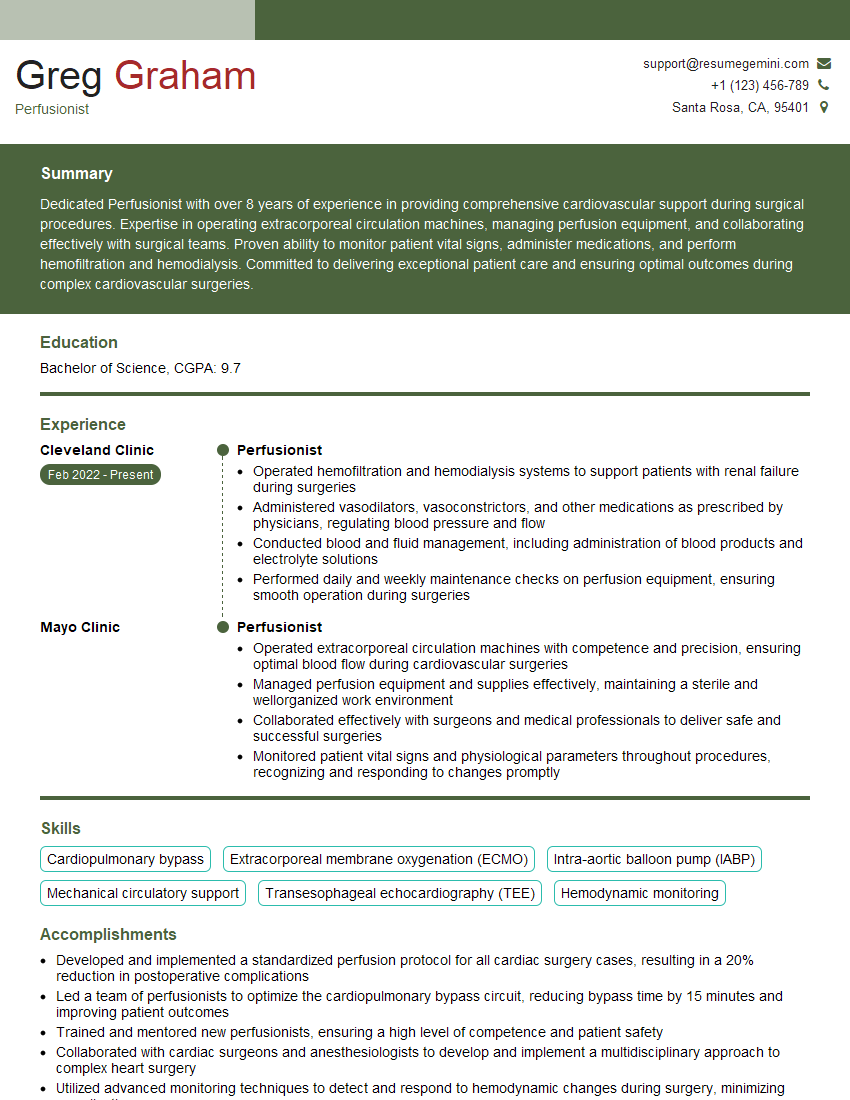
Mastering organ preservation opens doors to a rewarding career in a field vital to saving lives. To maximize your job prospects, creating a strong, ATS-friendly resume is crucial. ResumeGemini is a trusted resource that can help you build a compelling and effective resume tailored to highlight your skills and experience in organ preservation. Examples of resumes specifically designed for this field are available to guide you.
Explore more articles
Users Rating of Our Blogs
Share Your Experience
We value your feedback! Please rate our content and share your thoughts (optional).
What Readers Say About Our Blog
Attention music lovers!
Wow, All the best Sax Summer music !!!
Spotify: https://open.spotify.com/artist/6ShcdIT7rPVVaFEpgZQbUk
Apple Music: https://music.apple.com/fr/artist/jimmy-sax-black/1530501936
YouTube: https://music.youtube.com/browse/VLOLAK5uy_noClmC7abM6YpZsnySxRqt3LoalPf88No
Other Platforms and Free Downloads : https://fanlink.tv/jimmysaxblack
on google : https://www.google.com/search?q=22+AND+22+AND+22
on ChatGPT : https://chat.openai.com?q=who20jlJimmy20Black20Sax20Producer
Get back into the groove with Jimmy sax Black
Best regards,
Jimmy sax Black
www.jimmysaxblack.com
Hi I am a troller at The aquatic interview center and I suddenly went so fast in Roblox and it was gone when I reset.
Hi,
Business owners spend hours every week worrying about their website—or avoiding it because it feels overwhelming.
We’d like to take that off your plate:
$69/month. Everything handled.
Our team will:
Design a custom website—or completely overhaul your current one
Take care of hosting as an option
Handle edits and improvements—up to 60 minutes of work included every month
No setup fees, no annual commitments. Just a site that makes a strong first impression.
Find out if it’s right for you:
https://websolutionsgenius.com/awardwinningwebsites
Hello,
we currently offer a complimentary backlink and URL indexing test for search engine optimization professionals.
You can get complimentary indexing credits to test how link discovery works in practice.
No credit card is required and there is no recurring fee.
You can find details here:
https://wikipedia-backlinks.com/indexing/
Regards
NICE RESPONSE TO Q & A
hi
The aim of this message is regarding an unclaimed deposit of a deceased nationale that bears the same name as you. You are not relate to him as there are millions of people answering the names across around the world. But i will use my position to influence the release of the deposit to you for our mutual benefit.
Respond for full details and how to claim the deposit. This is 100% risk free. Send hello to my email id: lukachachibaialuka@gmail.com
Luka Chachibaialuka
Hey interviewgemini.com, just wanted to follow up on my last email.
We just launched Call the Monster, an parenting app that lets you summon friendly ‘monsters’ kids actually listen to.
We’re also running a giveaway for everyone who downloads the app. Since it’s brand new, there aren’t many users yet, which means you’ve got a much better chance of winning some great prizes.
You can check it out here: https://bit.ly/callamonsterapp
Or follow us on Instagram: https://www.instagram.com/callamonsterapp
Thanks,
Ryan
CEO – Call the Monster App
Hey interviewgemini.com, I saw your website and love your approach.
I just want this to look like spam email, but want to share something important to you. We just launched Call the Monster, a parenting app that lets you summon friendly ‘monsters’ kids actually listen to.
Parents are loving it for calming chaos before bedtime. Thought you might want to try it: https://bit.ly/callamonsterapp or just follow our fun monster lore on Instagram: https://www.instagram.com/callamonsterapp
Thanks,
Ryan
CEO – Call A Monster APP
To the interviewgemini.com Owner.
Dear interviewgemini.com Webmaster!
Hi interviewgemini.com Webmaster!
Dear interviewgemini.com Webmaster!
excellent
Hello,
We found issues with your domain’s email setup that may be sending your messages to spam or blocking them completely. InboxShield Mini shows you how to fix it in minutes — no tech skills required.
Scan your domain now for details: https://inboxshield-mini.com/
— Adam @ InboxShield Mini
support@inboxshield-mini.com
Reply STOP to unsubscribe
Hi, are you owner of interviewgemini.com? What if I told you I could help you find extra time in your schedule, reconnect with leads you didn’t even realize you missed, and bring in more “I want to work with you” conversations, without increasing your ad spend or hiring a full-time employee?
All with a flexible, budget-friendly service that could easily pay for itself. Sounds good?
Would it be nice to jump on a quick 10-minute call so I can show you exactly how we make this work?
Best,
Hapei
Marketing Director
Hey, I know you’re the owner of interviewgemini.com. I’ll be quick.
Fundraising for your business is tough and time-consuming. We make it easier by guaranteeing two private investor meetings each month, for six months. No demos, no pitch events – just direct introductions to active investors matched to your startup.
If youR17;re raising, this could help you build real momentum. Want me to send more info?
Hi, I represent an SEO company that specialises in getting you AI citations and higher rankings on Google. I’d like to offer you a 100% free SEO audit for your website. Would you be interested?
Hi, I represent an SEO company that specialises in getting you AI citations and higher rankings on Google. I’d like to offer you a 100% free SEO audit for your website. Would you be interested?