Every successful interview starts with knowing what to expect. In this blog, we’ll take you through the top OSHA/NIOSH regulatory compliance interview questions, breaking them down with expert tips to help you deliver impactful answers. Step into your next interview fully prepared and ready to succeed.
Questions Asked in OSHA/NIOSH regulatory compliance Interview
Q 1. Explain the difference between OSHA and NIOSH.
OSHA (Occupational Safety and Health Administration) and NIOSH (National Institute for Occupational Safety and Health) are both U.S. government agencies focused on worker safety and health, but they have distinct roles. Think of it like this: OSHA is the enforcer, while NIOSH is the researcher.
OSHA sets and enforces workplace safety and health standards. They conduct inspections, issue citations for violations, and levy penalties. They are responsible for ensuring employers provide a safe and healthful workplace for their employees.
NIOSH, on the other hand, conducts research and makes recommendations for preventing work-related injuries and illnesses. They don’t have enforcement authority; instead, they provide valuable data and guidance that informs OSHA’s standard-setting and enforcement activities. NIOSH studies the causes and prevention of occupational diseases and injuries, develops new safety and health technologies, and provides education and training.
In short: OSHA sets the rules and enforces them, while NIOSH researches the best ways to keep workers safe and makes recommendations.
Q 2. Describe the General Duty Clause of OSHA.
The General Duty Clause of the OSHA Act (Section 5(a)(1)) is a critical safety net. It states that each employer has a duty to furnish to each of his employees employment and a place of employment which are free from recognized hazards that are causing or are likely to cause death or serious physical harm. This is a catch-all provision that applies even if OSHA hasn’t specifically addressed a particular hazard in a standard.
Think of it as a ‘common sense’ rule. If a hazard is clearly dangerous and widely recognized within the industry, even if there isn’t a specific OSHA standard for it, the employer is still responsible for eliminating or controlling that hazard. For example, if an employer knows that a particular machine has a design flaw that regularly causes injuries, they’re obligated to fix it, even if OSHA doesn’t have a specific regulation covering that exact machine’s flaw. Failure to comply with the General Duty Clause can lead to significant penalties.
Q 3. What are the key elements of an effective safety program?
An effective safety program is multifaceted and needs to be tailored to the specific hazards of a workplace. However, key elements typically include:
- Management Commitment and Employee Involvement: Safety needs to be a top priority, championed by leadership and actively involving employees at all levels.
- Hazard Identification and Risk Assessment: Regularly identifying and assessing potential hazards through methods like job hazard analyses (JHAs) and walk-through inspections.
- Hazard Prevention and Control: Implementing controls following the hierarchy of controls (discussed later), from elimination to PPE.
- Training and Education: Providing comprehensive training to all employees on safe work practices, hazard recognition, and emergency procedures.
- Emergency Response Plan: Having a well-defined plan for handling emergencies, including fire, medical emergencies, and chemical spills.
- Recordkeeping and Reporting: Maintaining accurate records of accidents, injuries, and illnesses, and promptly reporting them as required.
- Regular Inspections and Audits: Conducting routine safety inspections to identify and correct hazards before they lead to accidents.
- Communication and Feedback: Establishing open channels of communication for employees to report safety concerns without fear of reprisal.
A successful safety program is a living document, continuously reviewed and updated to reflect evolving workplace conditions and best practices.
Q 4. How do you conduct a workplace hazard assessment?
Conducting a workplace hazard assessment involves a systematic process to identify potential hazards and assess the risks associated with them. This typically involves:
- Walkthrough Inspections: Physically walking through the workplace to observe tasks, processes, and equipment, noting potential hazards.
- Job Hazard Analyses (JHAs): Breaking down a job into its individual steps and identifying hazards at each stage. This method is particularly useful for high-risk tasks.
- Employee Interviews and Surveys: Gathering input from employees who perform the tasks. They often have valuable insights into hazards that might be overlooked.
- Incident Investigation Reports: Analyzing past accidents or near misses to identify underlying causes and prevent future occurrences.
- Review of Safety Data Sheets (SDS): Examining SDSs for hazardous materials used in the workplace to understand their potential health effects and required safety precautions.
- Consultation with Experts: Seeking advice from safety professionals or specialists in specific hazard areas.
The goal is to develop a comprehensive list of potential hazards, assess their severity and likelihood of occurrence, and prioritize control measures based on risk levels. This information then informs the development of a robust safety plan.
Q 5. What are the different types of Personal Protective Equipment (PPE)?
Personal Protective Equipment (PPE) is the last line of defense in the hierarchy of controls. Different types of PPE are used to protect different parts of the body from different hazards. Examples include:
- Eye and Face Protection: Safety glasses, goggles, face shields.
- Head Protection: Hard hats.
- Hearing Protection: Earplugs, earmuffs.
- Respiratory Protection: Respirators, dust masks.
- Hand Protection: Gloves (various types for different chemicals and hazards).
- Foot Protection: Safety shoes, boots.
- Body Protection: Aprons, coveralls, protective clothing (depending on the hazard).
- Fall Protection: Harnesses, lanyards, safety nets.
The selection of appropriate PPE is crucial and must be based on a thorough hazard assessment. Proper training on the use and limitations of PPE is also vital.
Q 6. Explain the hierarchy of controls for hazard mitigation.
The hierarchy of controls is a prioritized approach to hazard mitigation, aiming to eliminate hazards or reduce risk as much as possible. It prioritizes the most effective control measures first:
- Elimination: Removing the hazard completely. This is the most effective but not always feasible.
- Substitution: Replacing the hazardous substance or process with a less hazardous alternative.
- Engineering Controls: Implementing physical changes to the workplace to reduce exposure to hazards (e.g., ventilation systems, machine guards).
- Administrative Controls: Changing work practices or procedures to minimize risk (e.g., job rotation, work scheduling).
- Personal Protective Equipment (PPE): Providing employees with PPE to protect them from remaining hazards. This is the last resort and should only be used after other controls have been implemented.
For instance, if a workplace uses a hazardous solvent, the hierarchy would prioritize eliminating its use entirely. If elimination isn’t possible, they might substitute it with a less toxic alternative. If that’s not feasible, engineering controls like a local exhaust ventilation system would be implemented, followed by administrative controls like limiting exposure time. PPE like gloves and respirators would only be used if other controls are insufficient.
Q 7. How do you investigate and report workplace accidents?
Investigating and reporting workplace accidents is a critical step in preventing future incidents. The process typically involves:
- Securing the Scene: Ensuring the safety of personnel and preventing further injuries or damage.
- Gathering Information: Interviewing witnesses, reviewing documents (e.g., training records, maintenance logs), and taking photographs or videos of the accident scene.
- Identifying Contributing Factors: Determining the root causes of the accident, including unsafe acts, unsafe conditions, and management failures.
- Developing Corrective Actions: Implementing measures to prevent similar accidents from occurring again (e.g., improving safety procedures, implementing engineering controls, enhancing training).
- Reporting the Accident: Filing a report with OSHA (if required) and internally documenting the incident. This involves completing appropriate forms and providing detailed information about the accident and corrective actions taken.
- Following Up: Monitoring the effectiveness of corrective actions and making adjustments as needed.
Accurate and thorough investigation and reporting are essential for learning from mistakes, improving safety procedures, and preventing future accidents. The goal isn’t to assign blame but to understand the causes of the incident and develop effective preventive measures.
Q 8. What is your experience with OSHA recordkeeping and reporting?
OSHA recordkeeping and reporting are crucial for demonstrating a company’s commitment to workplace safety. My experience encompasses maintaining OSHA 300 Logs, 300As, and 301 forms accurately and completely. This includes recording all work-related injuries and illnesses, regardless of severity, following the specific guidelines for recording and classifying incidents. I’m proficient in ensuring data accuracy, identifying trends in workplace hazards, and preparing the annual summary (OSHA 300A) for posting. I’ve also managed the process of submitting these records to OSHA when required, which often involves understanding and complying with specific deadlines and electronic submission requirements. For example, in a previous role, we implemented a new software system for injury tracking which significantly improved the accuracy and timeliness of our reporting, reducing administrative burden and allowing for better data analysis to proactively address safety concerns.
Beyond the mandatory reporting, I’ve helped companies develop proactive recordkeeping systems to identify and mitigate hazards before they lead to incidents. This involved implementing preventative measures, providing regular safety training, and ensuring proper documentation of safety procedures and employee certifications.
Q 9. Describe your experience with OSHA inspections.
I have extensive experience with OSHA inspections, having participated in several throughout my career. This includes preparing for inspections, conducting pre-inspection walkthroughs to identify potential hazards, and compiling all necessary documentation such as safety policies, training records, and maintenance logs. During inspections, I have effectively communicated with OSHA inspectors, answered their questions accurately and professionally, and facilitated access to the necessary records and work areas. I understand the importance of maintaining a calm and professional demeanor, and I am adept at addressing any discrepancies or areas of concern in a constructive manner.
Following an inspection, I’ve been responsible for reviewing the findings, addressing any cited violations with corrective actions, and developing and implementing preventative measures to avoid future violations. For instance, during one inspection, a minor violation was cited regarding the placement of fire extinguishers. Rather than simply correcting the placement, we conducted a comprehensive review of our fire safety protocols, resulting in improved signage and more frequent inspections.
Q 10. How familiar are you with the OSHA 300 log?
The OSHA 300 Log is the cornerstone of workplace injury and illness tracking. I am intimately familiar with its requirements, including the proper classification of injuries and illnesses according to OSHA’s guidelines. This includes understanding the difference between recordable and non-recordable cases, ensuring that every recordable incident is documented accurately and completely. I know the importance of using the correct codes to classify injuries, and I understand the significance of each data field, including employee demographics (with appropriate privacy protections) and details of the incident.
Beyond simply recording data, I understand the importance of using the OSHA 300 Log for identifying trends. Analyzing the data helps in identifying high-risk areas, jobs, or activities that require focused attention to prevent future incidents. For example, if we see an increase in back injuries related to a specific task, we can then implement ergonomic assessments and provide targeted training to address this specific hazard.
Q 11. Explain the process of developing and implementing a safety training program.
Developing and implementing a robust safety training program involves a systematic approach. It begins with a thorough hazard assessment, identifying all potential workplace hazards, both obvious and less apparent. This assessment informs the design of the training program, ensuring it addresses the specific risks present in the workplace. The program itself should be tailored to the specific needs of the employees and their job roles, encompassing both theoretical knowledge and practical skills. It’s important to use a variety of training methods, including classroom instruction, hands-on demonstrations, and interactive exercises.
Regular reviews and updates are essential. This ensures the program remains relevant and effective, especially considering changes in technology, regulations, or workplace processes. Finally, documentation is key. Records of training sessions, employee participation, and any competency assessments should be meticulously maintained for compliance and auditing purposes. For instance, in a previous role, we designed a modular training program for our manufacturing plant, allowing employees to receive targeted training based on their specific job responsibilities, improving engagement and efficiency. We then tracked the training via a software system and linked it to performance reviews, further reinforcing safety as a core value.
Q 12. How do you ensure employee compliance with safety regulations?
Ensuring employee compliance with safety regulations is a multifaceted process that goes beyond simply providing training. It requires a strong safety culture, where safety is prioritized and seen as a shared responsibility. This starts from leadership, with a clear commitment to providing a safe working environment. Consistent enforcement of safety rules and procedures, combined with regular audits and inspections, is also critical. Addressing any violations promptly and fairly, while emphasizing corrective actions and preventative measures, is key to fostering a culture of accountability.
Employee engagement is crucial. This can be accomplished through regular safety meetings, employee feedback mechanisms, and opportunities for employees to contribute to the development and improvement of safety programs. Rewards and recognition for safe work practices can also help reinforce positive behavior. For example, we implemented a safety suggestion box, and ideas from employees led to significant improvements in our ergonomics program.
Q 13. What is your experience with lockout/tagout procedures?
Lockout/Tagout (LOTO) procedures are critical for preventing accidental energization of machinery during maintenance or repair. My experience includes developing and implementing LOTO programs, which involve identifying energy sources, selecting appropriate lockout devices, and training employees on the correct procedures. I’m familiar with the OSHA regulations (29 CFR 1910.147) concerning LOTO, including the requirements for energy isolation, verification of isolation, and the authorization process. I understand the importance of using standardized procedures, conducting regular audits, and ensuring employee competency through practical assessments and training.
I’ve also been involved in investigating LOTO incidents to determine the root causes and implement corrective actions. For instance, in one instance, a near-miss incident occurred due to improper tagging. This prompted a review of our LOTO training program, including additional hands-on practice and improved communication protocols. We also updated our procedures to use more durable and easily identifiable tags.
Q 14. Describe your experience with confined space entry procedures.
Confined space entry procedures are crucial for protecting workers from potential hazards in enclosed areas with limited access. My experience includes developing and implementing confined space entry programs that meet OSHA requirements (29 CFR 1910.146). This includes conducting thorough hazard assessments, designating authorized entrants and attendants, and providing specialized training. I understand the importance of atmospheric monitoring, using appropriate personal protective equipment (PPE), and implementing rescue plans. I’m familiar with various permit-required confined space entry procedures, including pre-entry testing, atmospheric monitoring during entry, and communication protocols between entrants and attendants.
For example, we developed a comprehensive confined space entry program for a wastewater treatment plant, which included detailed procedures for atmospheric monitoring, rescue plans, and communication protocols. This program was reviewed and updated regularly to address any new hazards or changes in the work processes. This resulted in zero incidents related to confined space entry.
Q 15. What are the key aspects of respiratory protection programs?
A comprehensive respiratory protection program is the cornerstone of worker safety in environments with airborne hazards. It’s not just about providing respirators; it’s a multifaceted system ensuring the right respirator is used correctly and effectively.
- Hazard Assessment: This is the first and most crucial step. A thorough assessment identifies all potential respiratory hazards, determining the types and concentrations of airborne contaminants. This might involve air monitoring, reviewing Safety Data Sheets (SDS), and consulting with industrial hygienists.
- Selection of Respirators: Once hazards are identified, appropriate respirators must be chosen. This considers the specific hazard, the respirator’s assigned protection factor (APF), and the user’s physical capabilities. For example, a painter working with lead-based paint might need an air-purifying respirator with an appropriate filter, while a worker in a confined space with oxygen deficiency would need a supplied-air respirator.
- Fit Testing: A proper fit is paramount for respirator effectiveness. Qualitative or quantitative fit testing ensures a tight seal, preventing contaminants from leaking in. This is crucial, as even a small leak can compromise protection.
- Training and Medical Evaluation: Workers must receive thorough training on respirator use, maintenance, and limitations. A medical evaluation helps determine if an individual is physically capable of using a respirator without compromising their health. This is especially important for those with pre-existing respiratory conditions.
- Maintenance and Storage: Respirators need regular cleaning, inspection, and repair to maintain their effectiveness. Proper storage prevents damage and contamination.
- Program Evaluation: The program’s effectiveness is continuously evaluated through regular monitoring, audits, and incident investigation. Adjustments are made as needed to ensure ongoing compliance and worker safety.
For example, in a woodworking shop, a hazard assessment might reveal airborne wood dust. The program would then specify the use of appropriate dust masks, provide fit testing, and ensure regular maintenance and training for all employees operating woodworking machinery.
Career Expert Tips:
- Ace those interviews! Prepare effectively by reviewing the Top 50 Most Common Interview Questions on ResumeGemini.
- Navigate your job search with confidence! Explore a wide range of Career Tips on ResumeGemini. Learn about common challenges and recommendations to overcome them.
- Craft the perfect resume! Master the Art of Resume Writing with ResumeGemini’s guide. Showcase your unique qualifications and achievements effectively.
- Don’t miss out on holiday savings! Build your dream resume with ResumeGemini’s ATS optimized templates.
Q 16. How do you manage hazardous waste?
Hazardous waste management is a critical aspect of environmental protection and worker safety, governed by regulations like the Resource Conservation and Recovery Act (RCRA). It requires a systematic approach encompassing proper identification, handling, storage, treatment, and disposal.
- Waste Characterization: The first step is to accurately identify the hazardous waste. This is done through reviewing SDS, waste stream analysis, and possibly laboratory testing. Knowing the waste’s characteristics (e.g., ignitability, corrosivity, reactivity, toxicity) determines the appropriate handling methods.
- Containerization and Labeling: Hazardous waste must be stored in compatible containers, clearly labeled with the waste’s identity and hazard warnings. This prevents spills, leaks, and improper handling.
- Storage: Storage areas must be designed to prevent spills, runoff, and leaks. The area should be well-ventilated, and appropriate containment measures (e.g., secondary containment) should be in place.
- Treatment and Disposal: Appropriate treatment methods may be required before disposal, such as neutralization or incineration. Disposal must be done through permitted facilities according to regulatory guidelines. Improper disposal can lead to environmental contamination and severe penalties.
- Record Keeping: Meticulous record keeping is crucial. This includes waste generation logs, disposal manifests, and training records. These records demonstrate compliance and are essential for audits and emergency response.
For instance, a laboratory generating chemical waste must follow a strict protocol. Each waste container is labeled appropriately, stored in a designated area with secondary containment, and tracked using a manifest system before being transported to a permitted hazardous waste treatment and disposal facility.
Q 17. What is your experience with hazard communication standards?
Hazard Communication Standard (HazCom), 29 CFR 1910.1200, is a cornerstone of workplace safety. My experience encompasses all aspects of this standard, from implementing programs to conducting training and responding to incidents.
- SDS Management: I have extensive experience managing Safety Data Sheets (SDS), ensuring they are readily accessible to all employees, updated, and kept in a central location.
- Labeling: I’m proficient in ensuring all containers of hazardous materials are properly labeled with the appropriate hazard pictograms, signal words, and precautionary statements.
- Training: I have developed and delivered numerous HazCom training programs to employees, covering topics such as hazard identification, SDS interpretation, and proper handling procedures.
- Employee Right-to-Know: I’m versed in ensuring employees’ right to know about the hazards in their workplace and have established systems for easily accessing hazard information.
- Emergency Response Planning: Hazard communication plays a vital role in emergency response planning. I’ve developed plans that integrate HazCom information to enhance emergency response efficiency.
In a previous role, I developed and implemented a comprehensive HazCom program for a manufacturing plant. This involved creating a centralized SDS database, training all employees on hazard communication protocols, and ensuring proper labeling of hazardous chemicals throughout the facility. The program was instrumental in reducing workplace incidents and improving overall safety.
Q 18. How do you handle employee complaints related to safety concerns?
Handling employee complaints about safety concerns requires a prompt, thorough, and confidential approach. It’s crucial to foster a culture where employees feel comfortable reporting concerns without fear of retaliation.
- Establish a Reporting System: A clear, accessible reporting system—whether it’s a hotline, online form, or designated personnel—is essential. Employees should know exactly how to report concerns.
- Prompt Investigation: All complaints must be promptly investigated. This involves gathering information from the employee, conducting site visits if necessary, and interviewing witnesses. The investigation should be objective and unbiased.
- Corrective Actions: Once the investigation is complete, appropriate corrective actions must be implemented to address the identified hazard. This may involve engineering controls, administrative controls, or providing additional training.
- Communication: The employee should be informed of the investigation’s findings and the actions taken to address the concern. This ensures transparency and fosters trust.
- Follow-Up: Follow-up is crucial to ensure that corrective actions are effective and that similar incidents are prevented.
For example, if an employee reports a slippery floor, a prompt investigation would involve assessing the area, identifying the cause of the slipperiness (e.g., spilled liquid, worn flooring), and implementing corrective actions (e.g., cleaning the spill, replacing the flooring, improved housekeeping procedures).
Q 19. What are your strategies for promoting a positive safety culture?
Promoting a positive safety culture is a continuous process, requiring leadership commitment, employee engagement, and a systematic approach. It’s about moving beyond compliance to create a workplace where safety is a shared value.
- Leadership Commitment: Visible and consistent support from leadership is crucial. Leaders must actively participate in safety initiatives, communicate the importance of safety, and hold themselves and others accountable.
- Employee Involvement: Encouraging employee participation in safety programs, providing training, and empowering them to identify and report hazards creates ownership and improves program effectiveness. Safety committees, safety suggestions programs, and regular safety meetings are all helpful tools.
- Effective Communication: Open communication is essential. Regular safety meetings, newsletters, and other communication channels keep employees informed about safety performance, upcoming training, and new initiatives.
- Recognition and Rewards: Recognizing and rewarding employees who demonstrate safe behavior reinforces positive actions and motivates others.
- Training and Education: Regular safety training tailored to job tasks is crucial. Employees need to understand the hazards they face and the procedures to mitigate them.
- Near Miss Reporting: Encouraging reporting of near misses is vital. Near misses provide valuable insights into potential hazards before they lead to injuries.
In a previous role, I implemented a safety suggestion program that significantly increased employee participation in safety initiatives. Employees submitted numerous suggestions, many of which led to improvements in workplace safety and efficiency.
Q 20. Explain the importance of ergonomics in the workplace.
Ergonomics is the science of designing workplaces and jobs to fit the capabilities and limitations of people. Its goal is to reduce the risk of musculoskeletal disorders (MSDs) and enhance productivity and comfort. Ignoring ergonomics can lead to significant costs from lost workdays, workers’ compensation claims, and decreased productivity.
- Job Task Analysis: This involves observing workers performing their tasks to identify physical stressors such as repetitive motions, awkward postures, forceful exertions, and vibrations.
- Workstation Design: Workstations should be designed to accommodate the worker’s body size and posture. This includes adjustable chairs, properly positioned monitors, and easily accessible tools.
- Tool and Equipment Design: Tools and equipment should be lightweight, easy to use, and designed to minimize stress on the body.
- Work Practices: Training workers on proper lifting techniques, body mechanics, and taking breaks to reduce fatigue is crucial.
- Personal Protective Equipment (PPE): While PPE is not a substitute for proper ergonomics, it can supplement controls, such as providing gloves to reduce hand fatigue.
For example, a poorly designed assembly line might require workers to reach overhead repeatedly, leading to shoulder strain. Ergonomic improvements could include lowering the work surface, adjusting conveyor belt height, and providing workers with adjustable stools.
Q 21. Describe your experience with incident investigations.
Incident investigations are crucial for identifying root causes, preventing recurrence, and improving safety performance. My approach is systematic and data-driven, following a structured methodology.
- Immediate Actions: The first step is to secure the scene, provide any necessary first aid, and notify relevant personnel.
- Data Gathering: This involves gathering all relevant information, including witness statements, photographs, videos, medical reports, and equipment inspection reports.
- Root Cause Analysis: This goes beyond identifying the immediate cause to determine the underlying factors that contributed to the incident. Tools like the “5 Whys” or fault tree analysis can be helpful.
- Corrective Actions: Based on the root cause analysis, appropriate corrective actions are developed and implemented to prevent recurrence.
- Reporting and Documentation: A detailed report is prepared, outlining the incident, the investigation findings, the corrective actions, and lessons learned. This information is shared with relevant personnel and used for continuous improvement.
In a past incident involving a forklift accident, my investigation uncovered inadequate training as a root cause. Corrective actions included enhanced forklift training, updated safety procedures, and a refresher course for all forklift operators. This prevented similar incidents from occurring in the future.
Q 22. How do you ensure compliance with NIOSH recommendations?
NIOSH (National Institute for Occupational Safety and Health) doesn’t issue legally enforceable regulations; its role is to conduct research and make recommendations to improve worker safety and health. Ensuring compliance with these recommendations involves a proactive and multi-faceted approach. It’s about adopting a culture of safety, not just ticking boxes.
Firstly, we thoroughly review NIOSH publications relevant to our workplace hazards. For example, if we have employees working with chemicals, we’d consult NIOSH’s Pocket Guide to Chemical Hazards to understand potential risks and recommended control measures. We then integrate these recommendations into our safety program. This might involve selecting appropriate personal protective equipment (PPE), implementing engineering controls like ventilation systems, or establishing stringent work practices.
Secondly, we actively participate in NIOSH-sponsored training and educational programs to stay abreast of the latest research and best practices. Regular training keeps our workforce informed and empowered to identify and report hazards. Finally, we conduct regular safety audits and assessments, using NIOSH methodologies as a framework, to identify gaps between our practices and NIOSH recommendations and subsequently implement corrective actions.
For instance, if a NIOSH study highlighted a particular risk associated with a specific machine, we would immediately assess whether our safety protocols sufficiently mitigate that risk. If not, we’d implement changes, such as adding safety guards or revising training procedures. It’s a continuous improvement cycle.
Q 23. What are some common workplace hazards and their preventative measures?
Common workplace hazards are numerous and vary greatly by industry. Let’s consider a few with their preventative measures:
- Slips, Trips, and Falls: These are ubiquitous. Prevention includes proper housekeeping (removing clutter), adequate lighting, non-slip flooring, and providing appropriate footwear. Regular inspections and employee training are crucial.
- Chemical Hazards: Exposure to harmful chemicals can cause a wide range of health problems. Preventative measures involve proper ventilation, using appropriate PPE (gloves, respirators, eye protection), providing Safety Data Sheets (SDS) and ensuring proper training on handling and storage of chemicals. Implementing substitution with less hazardous materials whenever feasible is ideal.
- Ergonomic Hazards: Poor posture and repetitive movements can lead to musculoskeletal disorders. Prevention involves providing ergonomic workstations (adjustable chairs, keyboards), promoting proper lifting techniques, rotating tasks, and providing sufficient rest breaks. Regular ergonomic assessments are recommended.
- Electrical Hazards: Contact with electricity can be fatal. Prevention involves using ground fault circuit interrupters (GFCIs), lockout/tagout procedures for maintenance, ensuring proper insulation, and regular equipment inspection. Employees must receive training on safe electrical practices.
The key is a layered approach to safety: engineering controls (designing out hazards), administrative controls (work practices), and PPE (last line of defense). We prioritize engineering and administrative controls whenever possible as they are inherently safer than relying solely on PPE.
Q 24. Explain your understanding of OSHA’s enforcement process.
OSHA’s enforcement process aims to ensure employers comply with safety and health standards. It’s a multi-step process, beginning with inspections. These can be triggered by employee complaints, fatalities, or randomly.
During an inspection, OSHA compliance officers will conduct a thorough walkthrough of the facility, reviewing records, interviewing employees, and observing work practices. If violations are found, OSHA will issue citations outlining the specific violations, the associated penalties, and a deadline for correction.
The severity of violations determines the penalty. Serious violations, those that could cause death or serious physical harm, carry higher penalties than other violations. Employers can contest citations through an informal or formal process, potentially leading to hearings and appeals. OSHA also offers voluntary programs like the Voluntary Protection Programs (VPP) for employers who consistently exceed OSHA’s standards.
For example, if an OSHA inspector finds a company hasn’t properly implemented lockout/tagout procedures, they might issue a citation and a fine. Failure to correct the violation by the deadline could lead to further penalties.
Q 25. How do you prioritize safety risks in a workplace setting?
Prioritizing safety risks involves a systematic approach. We typically use a risk assessment matrix which considers both the likelihood and severity of potential hazards.
Likelihood refers to the probability of the hazard occurring, while severity refers to the potential consequences (minor injury, serious injury, fatality). We would assign numerical scores to both likelihood and severity, and then multiply them to obtain a risk score. Hazards with the highest risk scores are prioritized for immediate action.
For instance, a hazard with a high likelihood and high severity (e.g., unguarded machinery) would receive a much higher priority than a hazard with low likelihood and low severity (e.g., minor clutter). This matrix allows us to focus our resources on the most critical issues. Regular reassessment is essential to adapt to changing workplace conditions and new information. Employee input is also vital in this process; they often identify hazards that might be overlooked.
Q 26. Describe your experience with developing safety policies and procedures.
I have extensive experience developing comprehensive safety policies and procedures. My approach is always to involve key stakeholders – management, supervisors, and employees – in the process. This ensures buy-in and makes the policies more effective.
The process begins with a thorough hazard identification and risk assessment. Based on these findings, we develop clear, concise, and easily understood policies covering all aspects of safety, including emergency procedures, PPE usage, lockout/tagout, hazard communication, and training requirements. These policies are documented, reviewed, and updated regularly to reflect changes in regulations or workplace conditions. The key is to make sure the policies are not just documents on a shelf; they need to be integrated into the daily work routines.
I also ensure that the procedures are practical and workable. Overly complex or impractical procedures are often ignored. We supplement policies with detailed standard operating procedures (SOPs) that provide step-by-step guidance for specific tasks. We provide regular training to ensure employees understand and comply with these policies and procedures. Regular audits and feedback loops help continuously improve them.
Q 27. What is your approach to conducting a safety audit?
Conducting a safety audit is a systematic process to evaluate the effectiveness of our safety program. It involves a combination of document review, observations, and interviews. We start by reviewing safety policies, procedures, training records, incident reports, and other relevant documentation.
Next, we perform a site walkthrough, observing work practices, inspecting equipment, and checking for hazards. We document all findings meticulously, using photographs and videos when necessary. We also interview employees at various levels to gain their perspectives on safety issues and identify any areas of concern. This provides a valuable ‘ground truth’ perspective that supplements our observations.
The audit report summarizes our findings, identifies areas of compliance and non-compliance, and provides recommendations for improvement. We prioritize corrective actions based on the severity and likelihood of the identified hazards. A follow-up audit is conducted to verify that corrective actions have been implemented effectively. The entire process aims to identify weaknesses, improve safety performance, and prevent accidents.
Q 28. How do you stay updated on changes in OSHA and NIOSH regulations?
Staying updated on OSHA and NIOSH regulations is crucial for maintaining compliance. I utilize several methods to ensure I remain current:
- OSHA and NIOSH websites: Regularly checking these websites for updates, new standards, and guidance documents.
- Professional organizations: Actively participating in professional organizations like the American Society of Safety Professionals (ASSP) which provide training, publications, and networking opportunities.
- Industry publications and newsletters: Subscribing to relevant journals and newsletters that keep me informed about industry best practices and regulatory changes.
- Training courses and webinars: Attending regular training courses and webinars offered by reputable organizations to refresh my knowledge and learn about new developments.
- Networking: Connecting with other safety professionals through conferences and workshops to share knowledge and learn from their experiences.
Staying informed is a continuous process, not a one-time event. This proactive approach ensures that our safety program remains current and effective in protecting our workforce.
Key Topics to Learn for OSHA/NIOSH Regulatory Compliance Interviews
- OSHA Standards & Regulations: Understanding the hierarchy of standards, interpreting regulations, and identifying relevant sections for specific workplace hazards.
- Hazard Identification & Risk Assessment: Practical application of methods like Job Hazard Analysis (JHA) and implementing control measures to mitigate identified risks. This includes understanding the difference between engineering, administrative, and PPE controls.
- Recordkeeping & Reporting: Proper documentation of workplace injuries and illnesses, including OSHA 300 logs and incident reporting procedures. Understanding the importance of accurate and timely reporting.
- Inspections & Audits: Preparing for and conducting OSHA inspections, understanding common citation types, and developing strategies for compliance improvements based on audit findings.
- NIOSH Research & Recommendations: Familiarizing yourself with NIOSH publications and research findings relevant to workplace safety and health, and how they inform best practices.
- Employee Training & Education: Developing and implementing effective training programs for employees on relevant OSHA and NIOSH guidelines, including hazard communication and emergency response procedures.
- Emergency Response Planning: Developing and implementing comprehensive emergency action plans, including evacuation procedures, emergency communication protocols, and first aid/CPR training.
- Personal Protective Equipment (PPE): Selecting, fitting, and using appropriate PPE for various workplace hazards, and understanding related regulations.
- Specific Industry Regulations: Understanding the unique OSHA and NIOSH requirements relevant to your target industry (e.g., construction, manufacturing, healthcare).
- Problem-solving and critical thinking: Applying your knowledge to analyze workplace scenarios, identify potential hazards, and develop effective solutions for compliance.
Next Steps
Mastering OSHA/NIOSH regulatory compliance is crucial for career advancement in safety and health. A strong understanding of these regulations opens doors to leadership roles and positions demanding expertise in workplace safety. To maximize your job prospects, create a compelling, ATS-friendly resume that showcases your skills and experience effectively. ResumeGemini is a trusted resource to help you build a professional resume that stands out. They provide examples of resumes tailored to OSHA/NIOSH regulatory compliance, offering valuable insights into crafting a winning application.
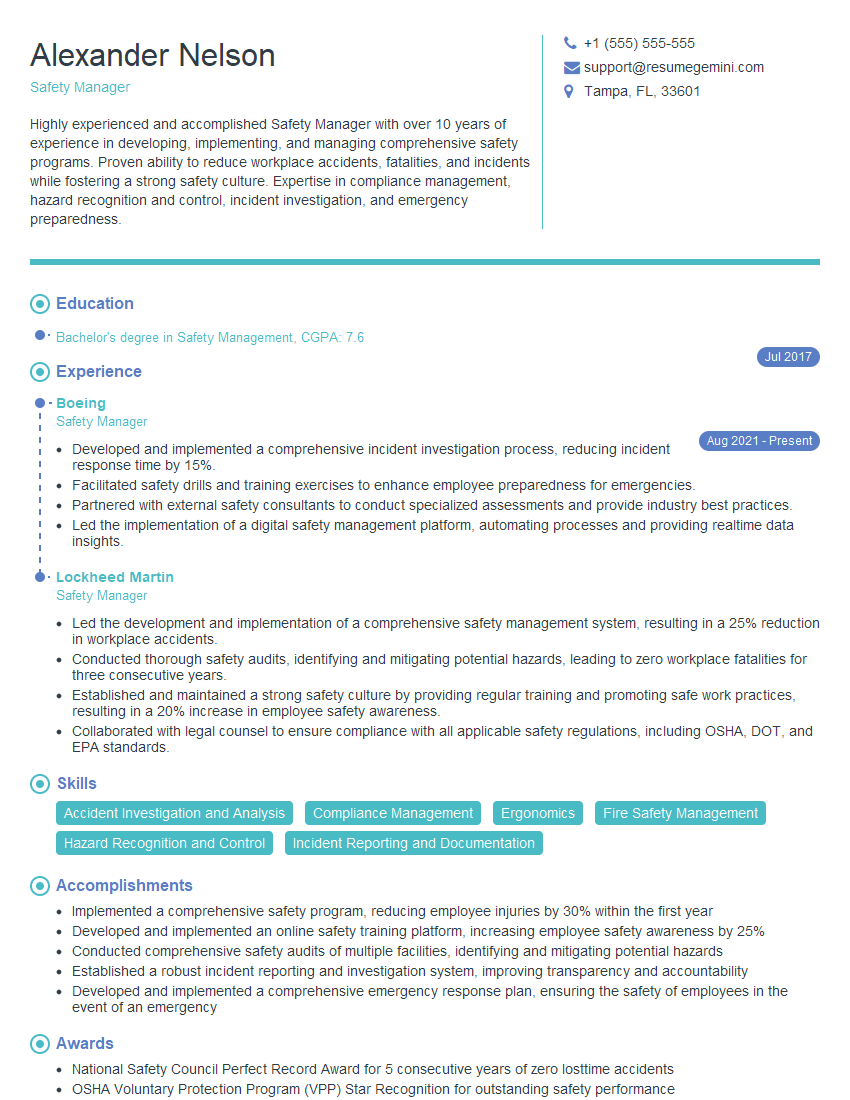
Safety Manager Resume Sample
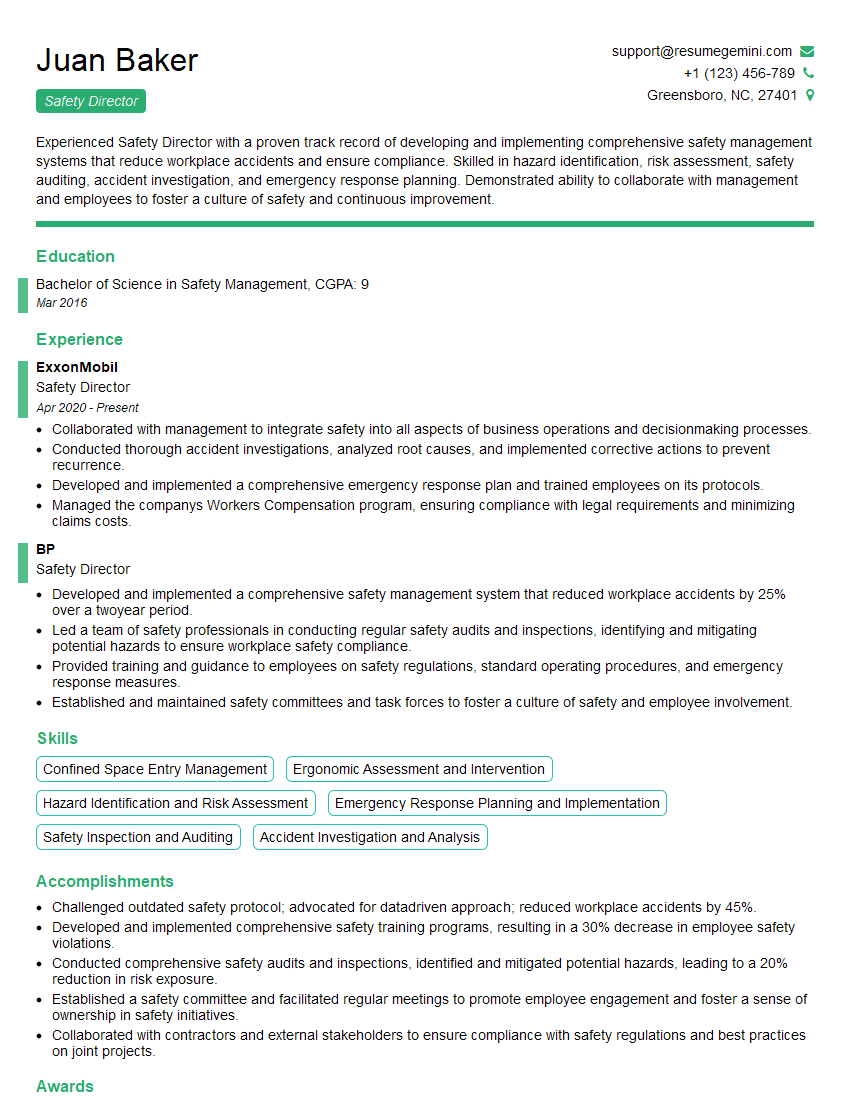
Safety Director Resume Sample
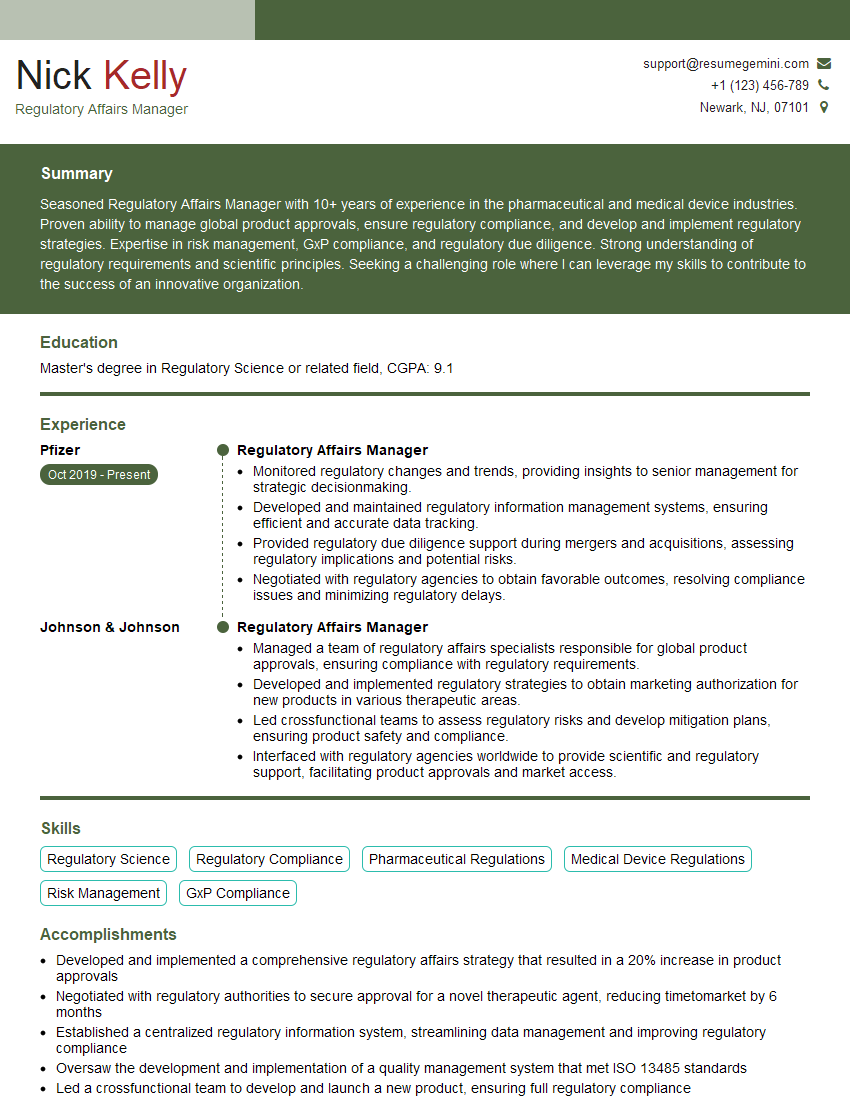
Regulatory Affairs Manager Resume Sample

Compliance Officer Resume Sample
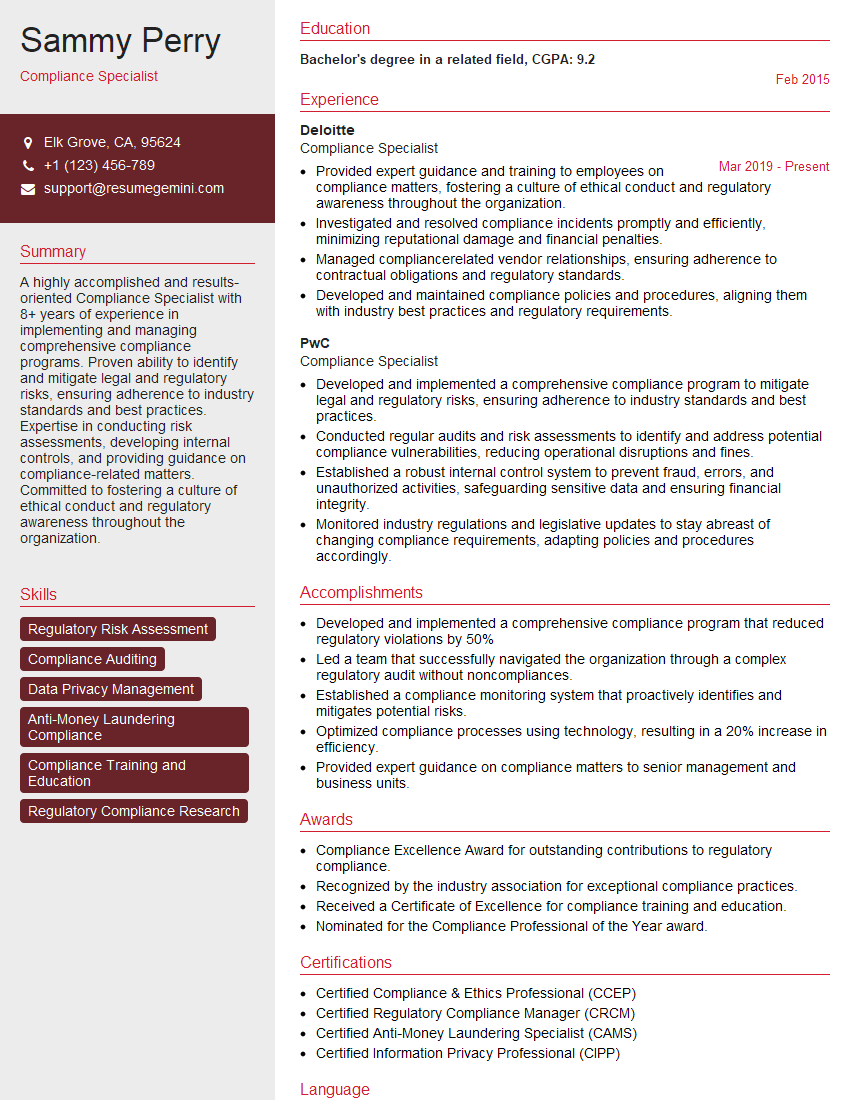
Compliance Specialist Resume Sample
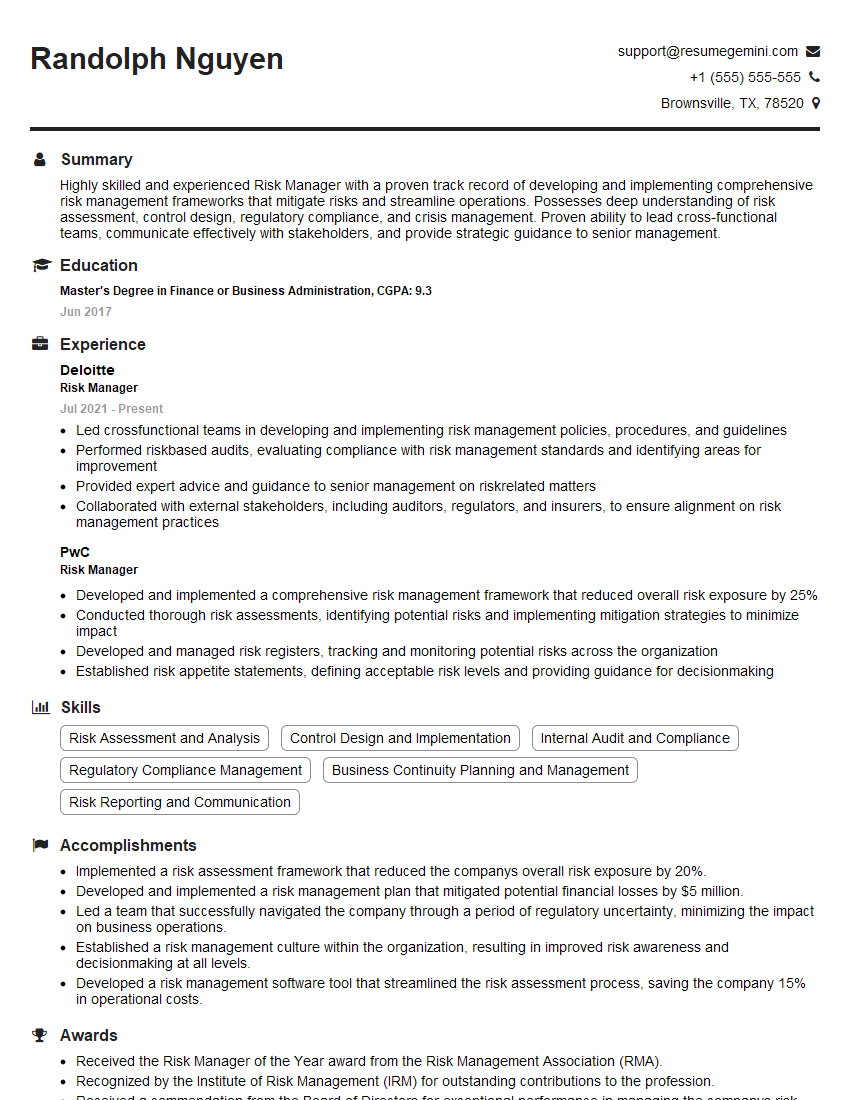
Risk Manager Resume Sample
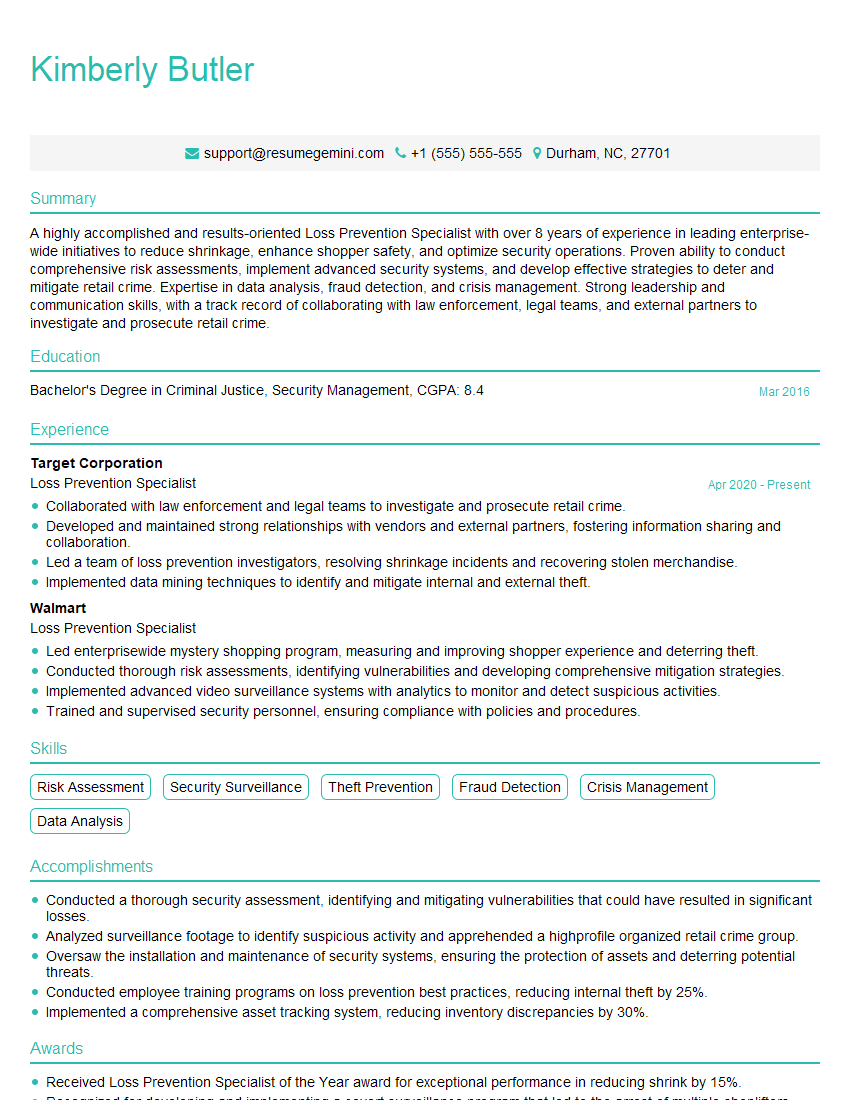
Loss Prevention Specialist Resume Sample
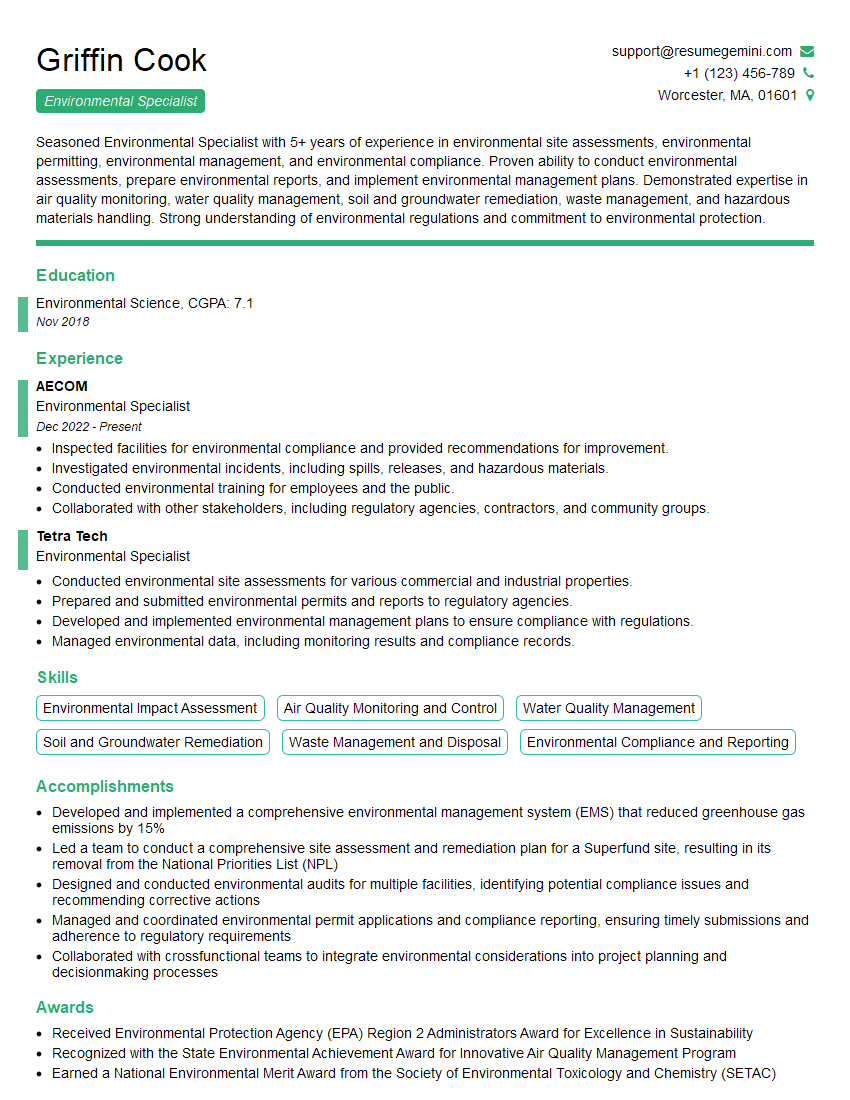
Environmental Specialist Resume Sample
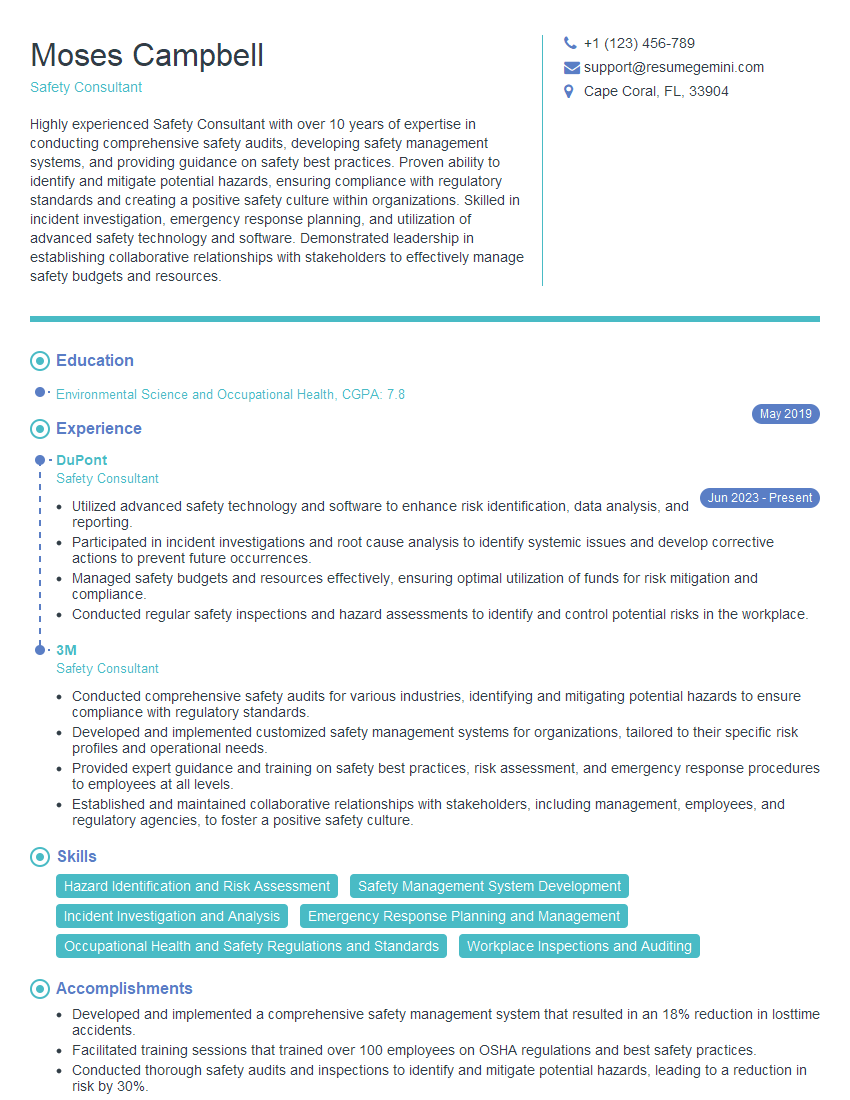
Safety Consultant Resume Sample
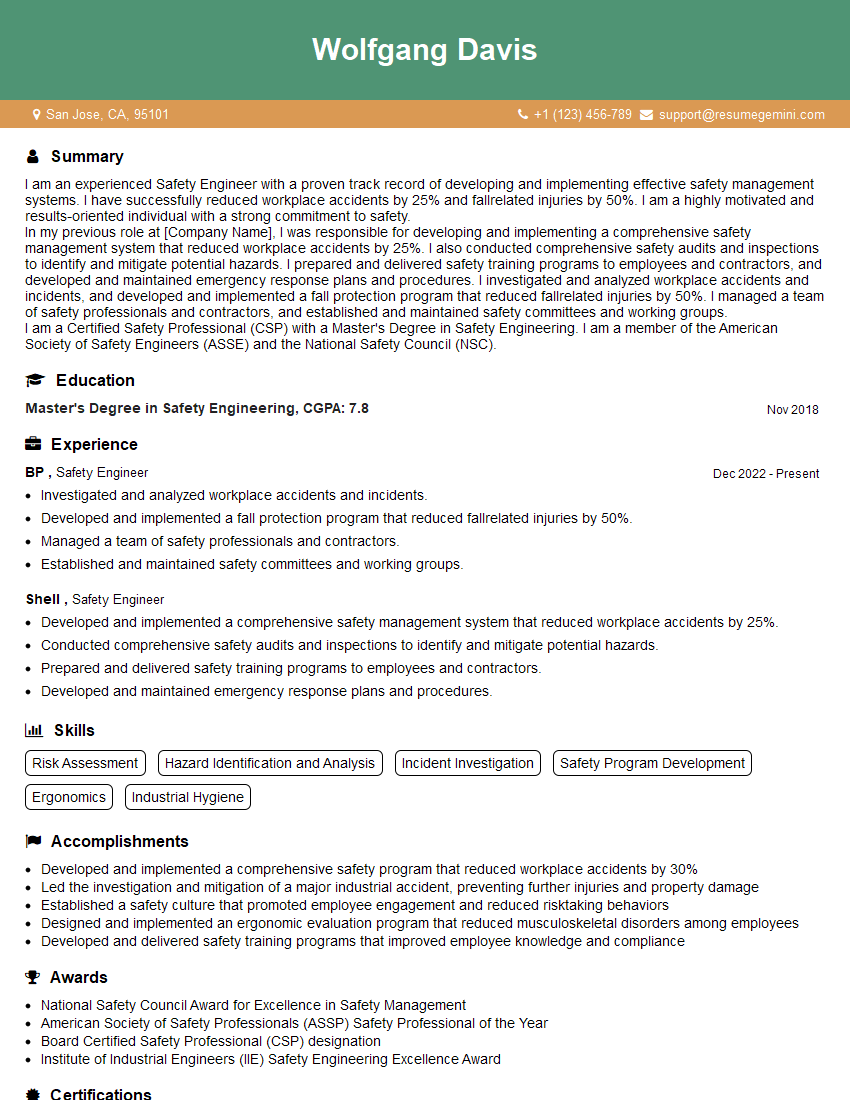
Safety Engineer Resume Sample
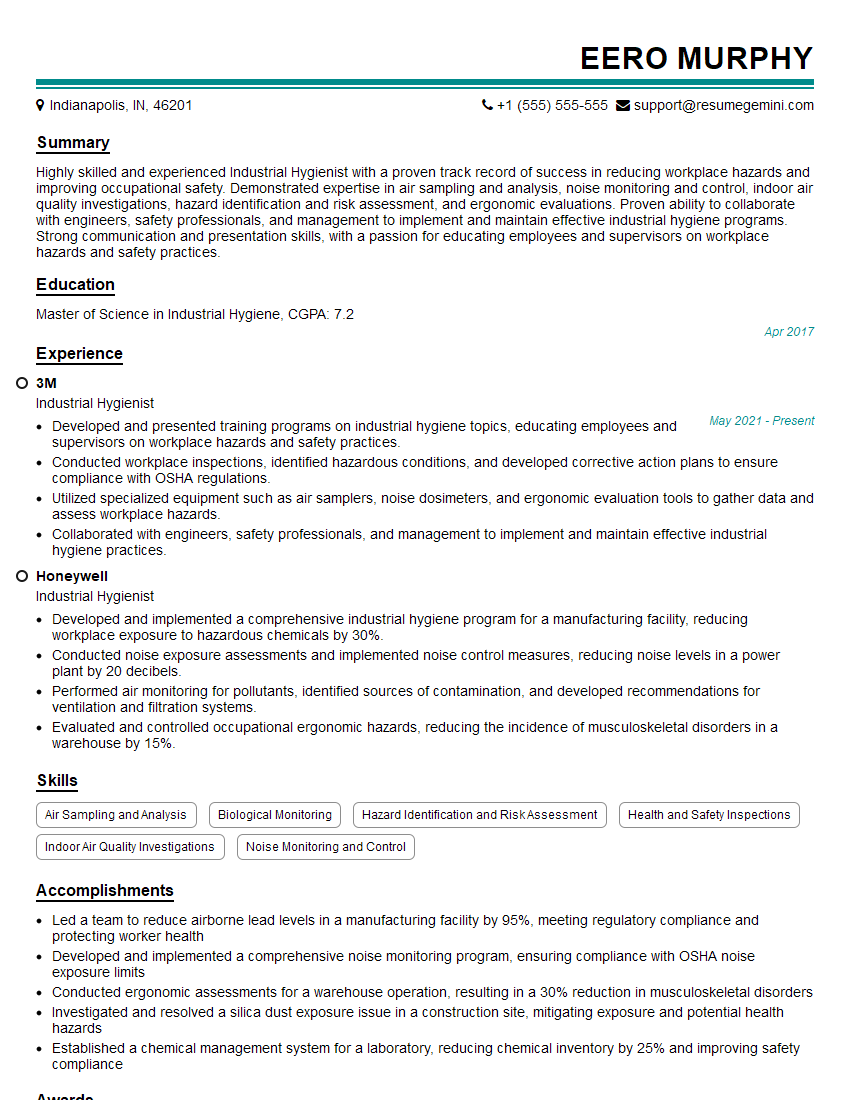
Industrial Hygienist Resume Sample
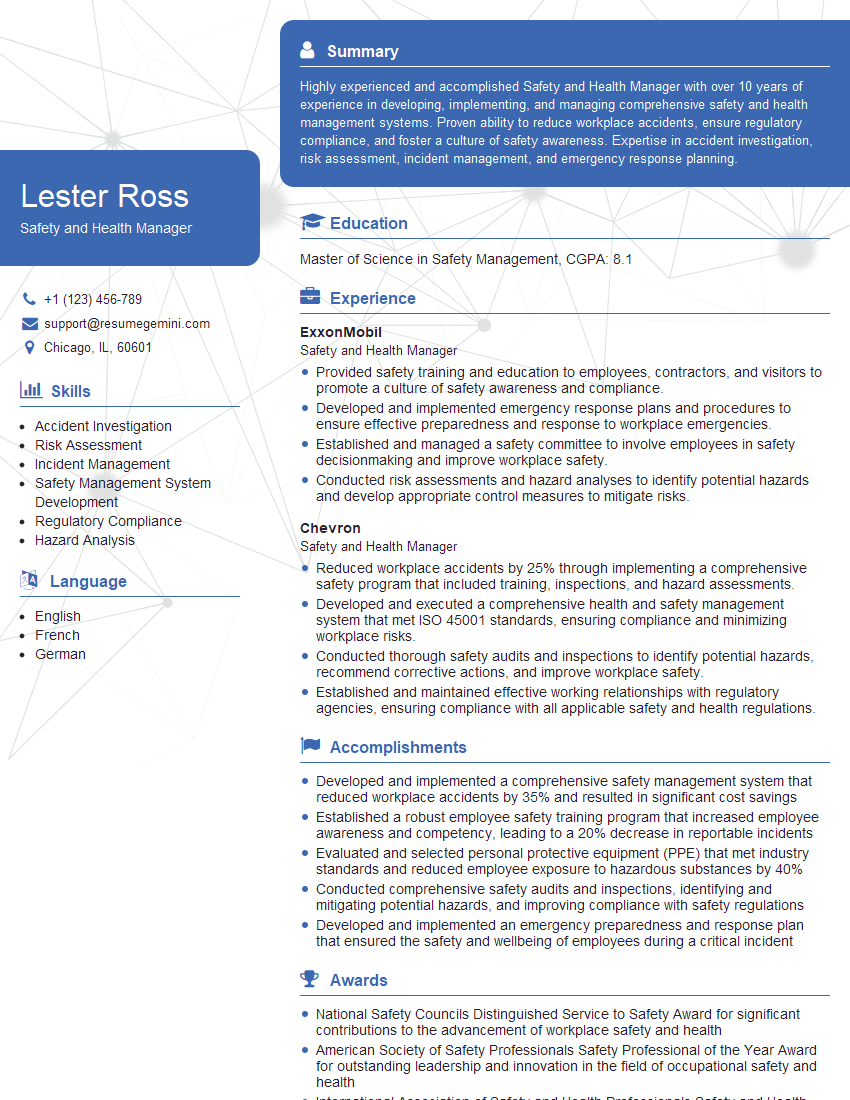
Safety and Health Manager Resume Sample
Explore more articles
Users Rating of Our Blogs
Share Your Experience
We value your feedback! Please rate our content and share your thoughts (optional).
What Readers Say About Our Blog
Attention music lovers!
Wow, All the best Sax Summer music !!!
Spotify: https://open.spotify.com/artist/6ShcdIT7rPVVaFEpgZQbUk
Apple Music: https://music.apple.com/fr/artist/jimmy-sax-black/1530501936
YouTube: https://music.youtube.com/browse/VLOLAK5uy_noClmC7abM6YpZsnySxRqt3LoalPf88No
Other Platforms and Free Downloads : https://fanlink.tv/jimmysaxblack
on google : https://www.google.com/search?q=22+AND+22+AND+22
on ChatGPT : https://chat.openai.com?q=who20jlJimmy20Black20Sax20Producer
Get back into the groove with Jimmy sax Black
Best regards,
Jimmy sax Black
www.jimmysaxblack.com
Hi I am a troller at The aquatic interview center and I suddenly went so fast in Roblox and it was gone when I reset.
Hi,
Business owners spend hours every week worrying about their website—or avoiding it because it feels overwhelming.
We’d like to take that off your plate:
$69/month. Everything handled.
Our team will:
Design a custom website—or completely overhaul your current one
Take care of hosting as an option
Handle edits and improvements—up to 60 minutes of work included every month
No setup fees, no annual commitments. Just a site that makes a strong first impression.
Find out if it’s right for you:
https://websolutionsgenius.com/awardwinningwebsites
Hello,
we currently offer a complimentary backlink and URL indexing test for search engine optimization professionals.
You can get complimentary indexing credits to test how link discovery works in practice.
No credit card is required and there is no recurring fee.
You can find details here:
https://wikipedia-backlinks.com/indexing/
Regards
NICE RESPONSE TO Q & A
hi
The aim of this message is regarding an unclaimed deposit of a deceased nationale that bears the same name as you. You are not relate to him as there are millions of people answering the names across around the world. But i will use my position to influence the release of the deposit to you for our mutual benefit.
Respond for full details and how to claim the deposit. This is 100% risk free. Send hello to my email id: lukachachibaialuka@gmail.com
Luka Chachibaialuka
Hey interviewgemini.com, just wanted to follow up on my last email.
We just launched Call the Monster, an parenting app that lets you summon friendly ‘monsters’ kids actually listen to.
We’re also running a giveaway for everyone who downloads the app. Since it’s brand new, there aren’t many users yet, which means you’ve got a much better chance of winning some great prizes.
You can check it out here: https://bit.ly/callamonsterapp
Or follow us on Instagram: https://www.instagram.com/callamonsterapp
Thanks,
Ryan
CEO – Call the Monster App
Hey interviewgemini.com, I saw your website and love your approach.
I just want this to look like spam email, but want to share something important to you. We just launched Call the Monster, a parenting app that lets you summon friendly ‘monsters’ kids actually listen to.
Parents are loving it for calming chaos before bedtime. Thought you might want to try it: https://bit.ly/callamonsterapp or just follow our fun monster lore on Instagram: https://www.instagram.com/callamonsterapp
Thanks,
Ryan
CEO – Call A Monster APP
To the interviewgemini.com Owner.
Dear interviewgemini.com Webmaster!
Hi interviewgemini.com Webmaster!
Dear interviewgemini.com Webmaster!
excellent
Hello,
We found issues with your domain’s email setup that may be sending your messages to spam or blocking them completely. InboxShield Mini shows you how to fix it in minutes — no tech skills required.
Scan your domain now for details: https://inboxshield-mini.com/
— Adam @ InboxShield Mini
support@inboxshield-mini.com
Reply STOP to unsubscribe
Hi, are you owner of interviewgemini.com? What if I told you I could help you find extra time in your schedule, reconnect with leads you didn’t even realize you missed, and bring in more “I want to work with you” conversations, without increasing your ad spend or hiring a full-time employee?
All with a flexible, budget-friendly service that could easily pay for itself. Sounds good?
Would it be nice to jump on a quick 10-minute call so I can show you exactly how we make this work?
Best,
Hapei
Marketing Director
Hey, I know you’re the owner of interviewgemini.com. I’ll be quick.
Fundraising for your business is tough and time-consuming. We make it easier by guaranteeing two private investor meetings each month, for six months. No demos, no pitch events – just direct introductions to active investors matched to your startup.
If youR17;re raising, this could help you build real momentum. Want me to send more info?
Hi, I represent an SEO company that specialises in getting you AI citations and higher rankings on Google. I’d like to offer you a 100% free SEO audit for your website. Would you be interested?
Hi, I represent an SEO company that specialises in getting you AI citations and higher rankings on Google. I’d like to offer you a 100% free SEO audit for your website. Would you be interested?