The thought of an interview can be nerve-wracking, but the right preparation can make all the difference. Explore this comprehensive guide to Palletizing Techniques interview questions and gain the confidence you need to showcase your abilities and secure the role.
Questions Asked in Palletizing Techniques Interview
Q 1. What are the different types of pallets used in warehousing?
Warehousing utilizes a variety of pallets, each designed for specific needs. The choice depends on factors like load weight, size, and the type of handling equipment available. Common types include:
- Wooden Pallets: These are the most common, offering good strength and affordability. They come in various sizes and configurations (e.g., stringer, block, and double-faced). Think of them as the workhorses of the industry.
- Plastic Pallets: Durable, lightweight, and often recyclable, plastic pallets are ideal for environments requiring hygiene (food processing) or resistance to moisture. However, they are generally more expensive than wood.
- Metal Pallets: Extremely strong and durable, metal pallets are suitable for heavy loads and harsh conditions. They are often used for industrial applications where longevity is key, though they are heavier and can be more expensive.
- Paper Pallets: An eco-friendly option, these are lightweight, disposable, and often recyclable. They are suitable for lighter loads and one-way shipments, where the pallet is disposed of after use.
- Composite Pallets: Combining materials like wood and plastic, these offer a blend of properties – for example, the strength of wood with the moisture resistance of plastic.
The selection process involves careful consideration of the load’s characteristics and the entire supply chain, including storage, transportation, and handling equipment.
Q 2. Explain the importance of proper pallet stacking techniques.
Proper pallet stacking is crucial for safety, efficiency, and cost-effectiveness. Improper stacking can lead to collapsed loads, damaged goods, and injuries. Key aspects include:
- Weight Distribution: Heavier items should be placed at the bottom, with weight distributed evenly across the pallet. Imagine building a tower of blocks – you wouldn’t put the heaviest on top!
- Load Stability: Items should be stacked securely to prevent shifting or tipping. Interlocking patterns or bracing can be used to enhance stability.
- Height Restrictions: Stacks should not exceed the maximum height recommended for the pallet type and the storage racking. Exceeding this height dramatically increases the risk of collapse.
- Rack Compatibility: Pallets must be compatible with the racking system used for storage. Improper fit can cause instability.
- Aisles and Access: Sufficient aisle space must be maintained for safe forklift access and movement of pallet jacks.
Following these techniques ensures the integrity of the load, optimizes storage space, minimizes damage, and prevents accidents.
Q 3. Describe the various methods for securing loads on a pallet.
Securing loads prevents shifting and damage during transport and handling. Several methods exist:
- Stretch Wrap: A cost-effective and widely used method, stretch wrap tightly binds the load to the pallet, creating a secure unit. The more layers and the tighter the wrap, the better the security.
- Shrink Wrap: Similar to stretch wrap, but the film shrinks when heated, providing even tighter containment. It’s often used for palletized products that need extra protection.
- Strapping: Steel or plastic straps are wrapped around the load and secured using buckles or seals. This is effective for heavier and larger loads.
- Corner Boards: These provide additional support and protection to the load’s corners, preventing them from damage during transit.
- Pallet Covers: Protective covers shield the load from the elements (rain, dust, etc.) They also often improve load stability.
The best method depends on the type of goods, weight, fragility, and handling conditions. Often, a combination of methods is used for optimal security.
Q 4. What are the safety regulations related to pallet handling and stacking?
Safety regulations concerning pallet handling and stacking vary depending on location and industry, but common principles include:
- Proper Training: Workers must be properly trained on safe pallet handling techniques, including the use of equipment like forklifts and pallet jacks.
- Equipment Maintenance: Forklifts and other equipment must be regularly inspected and maintained to ensure safe operation.
- Load Limits: Workers must adhere to weight limits for pallets and handling equipment.
- Stacking Guidelines: Adherence to stacking height limits and stable stacking practices is crucial.
- Personal Protective Equipment (PPE): Appropriate PPE, such as safety shoes and gloves, should be worn when handling pallets.
- Clear Aisles: Maintaining clear and unobstructed aisles is essential for safe movement of equipment and personnel.
Failing to adhere to safety regulations can result in serious injuries, property damage, and legal liabilities. Regular safety audits and training are essential.
Q 5. How do you determine the appropriate pallet size for a given load?
Choosing the right pallet size is essential for efficient storage and transport. Consider:
- Load Dimensions: The pallet must be large enough to accommodate the goods without overhang, which can cause instability and damage.
- Weight Capacity: The pallet’s weight capacity must exceed the total weight of the goods and packaging. Always check manufacturer specifications.
- Transportation Restrictions: Transportation methods like trucks and containers often have size limitations. Check for any size constraints.
- Storage Space: The pallet size should be compatible with the available storage racking and space. Consider space optimization.
- Handling Equipment: Ensure the pallet size is compatible with the available forklifts and pallet jacks. Standard pallet sizes are preferred for maximum compatibility.
By carefully considering these factors, businesses can choose pallets that optimize efficiency and minimize waste.
Q 6. What are the common causes of pallet instability?
Pallet instability stems from several factors:
- Uneven Weight Distribution: Concentrated weight on one side of the pallet causes imbalance and increases the risk of tipping.
- Overstacking: Exceeding the recommended stacking height for the pallet and storage racking increases the risk of collapse.
- Improper Load Securing: Insufficient or inadequate load securing methods (e.g., insufficient stretch wrap) allow goods to shift and create instability.
- Damaged Pallets: Cracks, broken boards, or other damage weaken the pallet, reducing its load-bearing capacity.
- Incompatible Pallets and Racks: Using pallets that are not designed for the storage racking system can lead to instability.
- Improper Handling: Rough handling, such as sudden braking or jerky movements, can easily destabilize a pallet load.
Addressing these issues through careful planning, proper handling techniques, and regular inspections will significantly reduce the risk of pallet instability.
Q 7. Explain how to identify and prevent pallet damage.
Identifying and preventing pallet damage requires vigilance and preventative measures:
- Regular Inspections: Conduct routine inspections of pallets before and after use, checking for cracks, splinters, broken boards, or other damage.
- Proper Handling: Train workers on proper pallet handling techniques to avoid dropping, crushing, or otherwise damaging them.
- Storage Conditions: Store pallets in a dry, well-ventilated area to prevent moisture damage and insect infestation. Protect pallets from extreme temperatures.
- Repair or Replacement: Damaged pallets should be repaired (if feasible) or replaced immediately to prevent accidents.
- Quality Control: Ensure you are using high-quality pallets from reputable suppliers. Buying cheaper, inferior pallets can lead to significant losses in the long run.
- Preventative Maintenance: Regular maintenance of handling equipment, like forklifts, minimizes the risk of accidental pallet damage.
By implementing these steps, businesses can significantly reduce the instances of pallet damage, saving money on replacements and preventing potential safety hazards.
Q 8. Describe your experience with different types of pallet wrapping machines.
My experience encompasses a wide range of pallet wrapping machines, from basic manual stretch wrappers to highly automated robotic systems. I’ve worked extensively with turntable wrappers, which are ideal for smaller to medium-sized pallets, and robotic wrappers, which offer unparalleled speed and efficiency for high-volume operations. I’m also familiar with orbital wrappers, known for their ability to create a secure wrap around even oddly shaped loads. Each machine type has its strengths and weaknesses, and selecting the right one depends heavily on factors like pallet size, throughput requirements, and budget constraints. For instance, in a small warehouse with limited space, a turntable wrapper might be the most practical choice, whereas a large distribution center with high throughput would benefit from a robotic system. I’ve even had experience troubleshooting mechanical issues and optimizing the settings of these machines to ensure optimal film usage and wrap quality.
For example, I once worked with a client who was struggling with excessive film breakage on their turntable wrapper. By analyzing the machine settings, tension levels, and the type of stretch film used, I was able to identify and resolve the issue, leading to a significant reduction in film waste and improved efficiency.
Q 9. How do you ensure efficient pallet movement in a warehouse?
Efficient pallet movement hinges on a well-organized warehouse layout, optimized material handling equipment, and streamlined processes. This involves strategically locating storage areas, implementing clear aisle markings, and utilizing appropriate material handling equipment such as forklifts and pallet jacks. Implementing a Warehouse Management System (WMS) is crucial; it provides real-time inventory tracking and directs efficient picking and movement of pallets. Utilizing efficient routing algorithms within the WMS further improves flow. Furthermore, implementing lean principles to minimize unnecessary movement and waste is key. Consideration should also be given to the condition of the warehouse floor; uneven surfaces can significantly slow down movement and increase the risk of accidents.
For instance, I once helped a client improve their warehouse efficiency by 20% by reorganizing their storage layout, implementing a WMS, and training employees on efficient picking and packing procedures. We also replaced older, less reliable forklifts with newer, more efficient models.
Q 10. What are the benefits of using automated palletizing systems?
Automated palletizing systems offer numerous benefits over manual systems, primarily increased efficiency, reduced labor costs, and improved safety. Automated systems significantly increase throughput, allowing for the palletizing of a far greater number of pallets per hour compared to manual operations. This boosts productivity and reduces the reliance on manual labor, saving on labor costs and minimizing human error. Automated systems also enhance safety by removing workers from repetitive and physically demanding tasks, thereby reducing the risk of workplace injuries associated with heavy lifting and repetitive strain injuries.
- Increased Throughput: Automated systems can handle a vastly larger volume of pallets than manual methods.
- Reduced Labor Costs: Less human intervention translates to lower labor expenses.
- Improved Safety: Minimizes the risk of injuries associated with manual handling of heavy loads.
- Consistent Palletizing: Ensures uniform and stable pallet configurations, leading to better transportation and storage.
Imagine a beverage distribution center. Implementing an automated palletizing system would allow them to handle thousands of cases per hour consistently and safely, whereas a manual system would struggle to match that volume while increasing the chance of injuries and product damage.
Q 11. How do you optimize pallet load patterns for maximum efficiency?
Optimizing pallet load patterns is vital for maximizing efficiency and stability. This involves carefully considering factors such as product dimensions, weight, and fragility. Common strategies include interleaving different sized items and using dividers or dunnage to prevent shifting during transit. The goal is to achieve the highest possible stacking height while maintaining structural integrity and complying with safety regulations. Software tools and simulations can significantly aid in load optimization, predicting stability under various conditions. Weight distribution across the pallet must be considered – concentrating weight in the center offers superior balance.
For example, a client shipping fragile glass items might benefit from employing layer pads, cardboard inserts, and a careful weight distribution strategy to ensure the items remain secure and undamaged during transport. A stable load also reduces the risk of damage to the pallet itself during handling, extending its lifespan.
Q 12. Describe your experience with different types of pallet jacks and forklifts.
My experience includes working with a variety of pallet jacks and forklifts, ranging from basic manual pallet jacks to electric and powered versions, as well as various types of forklifts—counterbalance, reach trucks, order pickers, and even automated guided vehicles (AGVs). Each type has its specific applications. Manual pallet jacks are suitable for light loads and short distances, while electric pallet jacks offer greater efficiency for heavier loads and longer distances. Forklifts provide greater lifting capacity and maneuverability, with different types best suited to varying warehouse layouts and tasks. For instance, reach trucks are ideal for narrow aisles, while order pickers are used for high-bay storage.
A particular challenge I encountered involved optimizing the selection of pallet jacks for a client’s new warehouse. After analyzing their pallet weight, aisle width, and daily throughput, we chose a combination of electric pallet jacks for general use and a reach truck for accessing high-level storage, maximizing efficiency and minimizing operational costs.
Q 13. How do you handle uneven or irregularly shaped items during palletizing?
Handling uneven or irregularly shaped items requires careful planning and the use of appropriate techniques and materials. This often involves using custom-designed pallet patterns, protective packaging such as void fill, and possibly specialized equipment. The focus is on ensuring the items are securely positioned and prevented from shifting during transport. This might involve securing them with strapping, using dunnage to fill gaps, or employing specialized pallet racking systems designed to accommodate irregular shapes. Accurate weight distribution is crucial to maintain pallet stability. The safety of workers is paramount, and appropriate lifting and handling procedures must be followed.
For instance, I once worked with a manufacturer of oversized furniture. We designed custom pallet patterns using wooden supports and void fill to securely accommodate their products, guaranteeing they arrived safely at their destination. Proper documentation of the palletizing procedure was equally important for providing consistent results.
Q 14. How do you prioritize safety when working with heavy loads?
Safety when working with heavy loads is non-negotiable. This involves adhering to strict safety protocols, including proper training for all personnel, regular equipment inspections, and the use of appropriate personal protective equipment (PPE) such as safety shoes, gloves, and high-visibility vests. Safe lifting techniques must be emphasized and practiced. Clear and well-marked aisles are essential to prevent collisions, and adequate lighting is crucial for ensuring visibility. Regular safety inspections are conducted to identify and rectify any potential hazards. Load securing is crucial, ensuring items are prevented from shifting or falling. All employees should be well-versed in emergency procedures.
A key example was implementing a comprehensive safety training program for a client that resulted in a significant reduction in workplace accidents. This included hands-on training on forklift operation, safe lifting techniques, and emergency procedures, along with regular refresher courses.
Q 15. What is your experience with inventory management related to palletized goods?
My experience with inventory management for palletized goods is extensive. It involves not just counting pallets but optimizing storage and flow to minimize waste and maximize efficiency. This includes implementing and managing inventory tracking systems, forecasting demand to prevent overstocking or shortages, and ensuring accurate stock levels are maintained. For example, in a previous role, I implemented a real-time inventory system using RFID tags on pallets. This allowed us to track pallet movement throughout the warehouse, from receiving to shipping, providing immediate visibility into stock levels and locations. This significantly improved our order fulfillment times and reduced the risk of stockouts. Another key aspect is cycle counting – regularly verifying physical inventory against the system’s records to identify discrepancies early and ensure accuracy.
Career Expert Tips:
- Ace those interviews! Prepare effectively by reviewing the Top 50 Most Common Interview Questions on ResumeGemini.
- Navigate your job search with confidence! Explore a wide range of Career Tips on ResumeGemini. Learn about common challenges and recommendations to overcome them.
- Craft the perfect resume! Master the Art of Resume Writing with ResumeGemini’s guide. Showcase your unique qualifications and achievements effectively.
- Don’t miss out on holiday savings! Build your dream resume with ResumeGemini’s ATS optimized templates.
Q 16. Describe your experience with different pallet racking systems.
I’m familiar with a variety of pallet racking systems, each suited for different needs and warehouse layouts. These include:
- Selective Racking: This is the most common type, offering easy access to individual pallets. It’s ideal for high-turnover items. I’ve utilized this extensively in fast-paced distribution centers.
- Drive-In/Drive-Through Racking: Suitable for storing large quantities of similar products. Pallets are loaded and retrieved from the same aisle, maximizing space but limiting access to individual pallets. I’ve successfully implemented this for bulk storage of less frequently accessed items.
- Push-Back Racking: This system uses gravity to push pallets to the back, making the most recently stored pallet readily accessible. It’s efficient for FIFO (First-In, First-Out) inventory management. I found this system particularly helpful when dealing with perishable goods with short shelf lives.
- Double-Deep Racking: Allows two pallets deep, increasing storage capacity but requiring specialized equipment for retrieval. This system is often employed when floor space is limited, and I have experience optimizing its use to minimize retrieval times.
Choosing the right system depends on factors like warehouse dimensions, product types, frequency of access, and budget. I’ve been involved in several projects where I evaluated these factors to recommend and implement the most cost-effective and efficient solution.
Q 17. How do you maintain a clean and organized pallet storage area?
Maintaining a clean and organized pallet storage area is crucial for safety, efficiency, and inventory accuracy. My approach involves a multi-pronged strategy:
- Regular Cleaning Schedule: Establishing a routine for sweeping, mopping, and removing debris is essential. This prevents the accumulation of dust, dirt, and potential hazards.
- Designated Areas: Clearly defined areas for empty pallets, damaged pallets, and different product types help maintain order and prevent mix-ups. I’ve used color-coded pallet tags in the past to further enhance organization.
- Proper Stacking Techniques: Following safe stacking guidelines ensures stability and prevents collapses. This involves checking for structural integrity of pallets and avoiding overhangs.
- Pest Control: Regular pest control measures are critical, particularly in food and beverage warehousing, to protect inventory and maintain hygiene standards.
- 5S Methodology: Implementing the 5S methodology (Sort, Set in Order, Shine, Standardize, Sustain) creates a structured approach to cleanliness and organization and helps maintain long-term order.
For example, in one warehouse, we implemented a color-coding system for different pallet types, which drastically improved efficiency during order picking.
Q 18. How do you identify and report damaged or defective pallets?
Identifying and reporting damaged or defective pallets is vital to prevent accidents and maintain inventory accuracy. My process includes:
- Visual Inspection: Regularly inspecting pallets for cracks, splinters, broken boards, or other damage during receiving and storage.
- Weight Checks: Using scales to identify pallets that are significantly underweight or overweight, which could indicate damage or missing items.
- Documentation: Thoroughly documenting any damage found, including type of damage, pallet ID number, and location. This information should be reported to the relevant personnel immediately.
- Segregation: Damaged pallets should be immediately segregated from undamaged pallets to prevent further damage or accidental use.
- Repair or Disposal: Depending on the severity of the damage, pallets may be repaired or disposed of appropriately, in compliance with safety and environmental regulations.
We used a barcode scanning system to track damaged pallets, ensuring they were removed from inventory quickly and efficiently. This reduced the risk of using damaged pallets which could lead to product damage or even workplace injuries.
Q 19. What are the common issues encountered during palletizing?
Common issues encountered during palletizing include:
- Improper Stacking: Leading to instability and potential collapses. This often stems from poor pallet selection for the specific product and improper weight distribution.
- Inconsistent Palletizing Patterns: Making it difficult for automated systems to handle pallets efficiently. I often suggest establishing clear standardized palletizing patterns.
- Damaged Pallets: Resulting in product damage and safety hazards. This highlights the importance of regular inspections and proactive replacement.
- Incorrect Pallet Size Selection: Leading to wasted space or inefficient use of storage capacity. This is directly linked to efficient warehouse planning and material handling.
- Lack of Standardization: Creating confusion and inefficiencies in handling. A clear set of standardized procedures and documentation can help mitigate this.
For example, in one case, inconsistent stacking led to pallet collapses and product damage, which increased costs and delays. Implementing standardized stacking patterns and proper training resolved the issue.
Q 20. How do you troubleshoot common palletizing equipment problems?
Troubleshooting palletizing equipment problems requires a systematic approach. My process typically follows these steps:
- Identify the Problem: Accurately pinpointing the issue is the first step. This may involve checking error codes, listening for unusual sounds, or visually inspecting the equipment.
- Check Safety Procedures: Ensure the machine is shut down and locked out before attempting any repairs or troubleshooting.
- Consult Documentation: Reviewing the equipment’s manuals and maintenance logs often provides clues about potential causes and solutions.
- Check Power and Connections: Verify power supply, electrical connections, and hydraulic systems, as often, the simplest issue is the cause.
- Check Sensors and Controls: Inspect sensors, switches, and control systems for malfunctions.
- Seek Expert Assistance: If the problem persists, don’t hesitate to contact the equipment manufacturer or a qualified technician.
I once encountered a situation where a pallet wrapper was malfunctioning. By systematically checking the components, I identified a faulty sensor. Replacing the sensor resolved the problem quickly, minimizing downtime.
Q 21. What is your experience with pallet labeling and identification?
My experience with pallet labeling and identification is crucial for efficient inventory management and traceability. This includes selecting the right labeling method for specific needs and ensuring data accuracy. I’ve used various methods including:
- Barcodes: Efficient for automated systems, offering fast and accurate data capture. We used this method for tracking pallets through the warehouse in real-time.
- RFID Tags: Provide superior tracking capabilities compared to barcodes, especially in high-density storage areas. They allow for real-time location tracking and inventory updates.
- Printed Labels: Essential for providing human-readable information such as product details, lot numbers, and handling instructions. Clear and easily readable labels are vital.
- Data Matrix Codes: These codes hold a large amount of data, making them suitable for complex inventory scenarios. They’re more resistant to damage than barcodes.
Accurate labeling is vital for maintaining traceability throughout the supply chain. In one instance, implementing a robust pallet labeling system helped quickly locate a batch of recalled products, minimizing losses and preventing potential safety issues.
Q 22. How do you ensure compliance with relevant industry standards?
Ensuring compliance with industry standards in palletizing is paramount for safety, efficiency, and legal reasons. This involves adhering to regulations set by organizations like the International Safe Transit Association (ISTA) and adhering to specific customer requirements. We begin by identifying all relevant standards applicable to the products we’re palletizing, considering factors such as weight, size, fragility, and the transportation mode (truck, rail, sea). This often involves reviewing datasheets, packaging guidelines, and collaborating with packaging engineers. We then implement robust procedures that encompass everything from pallet selection (considering dimensions and load bearing capacity) and the type of stretch wrap or banding used to secure loads to ensuring proper stacking patterns and load stability calculations. Regular audits and training sessions reinforce these standards and ensure that everyone is up-to-date on best practices and any changes in regulations.
For example, if we’re shipping goods internationally, we need to meet the requirements set by the International Maritime Organization (IMO) for sea freight, which are much stricter than those for land transport. We meticulously document all compliance measures and store this information for easy access during audits.
Q 23. Explain your experience with load stability calculations.
Load stability calculations are crucial to prevent pallet collapse during transit. My experience includes utilizing both manual calculations based on center of gravity principles and leveraging specialized software packages designed for load optimization. Manual calculations involve carefully considering the weight, dimensions, and center of gravity of individual items and layers to predict the overall stability of the pallet. This includes factoring in potential shifting during transportation due to acceleration and deceleration. Software packages automate this process, offering more sophisticated analysis and visualizing load patterns for improved stability.
For instance, I’ve used software that allows me to input product dimensions and weights, and it then suggests optimal stacking patterns to minimize the center of gravity and maximize stability. I frequently compare software outputs with manual calculations as a cross-check, ensuring accuracy. This rigorous approach minimizes the risk of load failure and associated costs, including product damage, transportation delays, and potential safety hazards.
Q 24. How do you improve efficiency and productivity in palletizing operations?
Improving efficiency and productivity in palletizing operations requires a multi-pronged approach that integrates technological advancements, process optimization, and employee training. Implementing automated palletizing systems – robotic or automated guided vehicles (AGVs) – significantly accelerates the process and reduces manual labor. Beyond automation, optimizing the pallet layout to maximize space utilization, using proper materials handling equipment, and ensuring a well-organized warehouse layout can boost productivity. Lean manufacturing principles, such as minimizing waste and streamlining workflows, are also invaluable. For example, reducing the number of movements required to build a pallet through strategic placement of products and materials can lead to significant time savings. Training employees on proper lifting techniques and efficient pallet-building methods further contributes to increased output.
In a previous role, we implemented a new warehouse management system (WMS) that integrated with our palletizing system. This allowed for real-time tracking of inventory, automated order picking, and optimized pallet building instructions, leading to a 20% increase in our daily throughput.
Q 25. Describe your knowledge of different palletizing software and systems.
My experience encompasses several types of palletizing software and systems. This includes Warehouse Management Systems (WMS) that integrate with palletizing robots to optimize pallet builds based on order specifics and real-time inventory data. I’m also familiar with dedicated palletizing software applications that simulate various pallet configurations, calculate load stability, and generate optimized stacking patterns. Some systems use 3D modeling to visualize the completed pallet, minimizing the risk of errors. In addition, I’ve worked with systems that manage pallet tracking throughout the supply chain, providing real-time visibility of pallet location and status. This ensures efficient tracking and timely delivery. Finally, I have experience with various hardware interfaces, including barcode scanners, RFID readers, and scales, that integrate with these software systems.
One example is a WMS that we used which predicted demand spikes and pre-built pallets for popular products, resulting in faster order fulfillment.
Q 26. How do you train new employees on proper palletizing techniques?
Training new employees on proper palletizing techniques is crucial for safety and efficiency. Our training program incorporates both classroom instruction and hands-on practice. Classroom sessions cover workplace safety regulations, proper lifting techniques, different palletizing methods (e.g., layer, block, and mixed-load patterns), types of pallets and wrapping materials, and load stability principles. We emphasize the importance of following established safety protocols to prevent injuries. Hands-on training simulates real-world scenarios, guiding employees through the steps of building a stable pallet using various products. Supervisors provide individual coaching, ensuring correct techniques are applied, and addressing any questions or concerns. Regular refresher training reinforces safe practices and keeps employees updated on any changes in procedures or equipment.
We also use visual aids, such as diagrams and videos, to enhance understanding and retention of key concepts. Furthermore, we assess employee proficiency through practical tests before they are allowed to work independently.
Q 27. What are your strategies for managing pallet inventory levels?
Managing pallet inventory levels requires a balanced approach that optimizes storage space and minimizes waste while ensuring sufficient supply to meet demand. We use a combination of strategies including Just-in-Time (JIT) inventory management, where pallets are only received or built when needed, minimizing storage costs and reducing the risk of obsolescence. We also leverage forecasting techniques to predict future demand, enabling proactive pallet ordering and minimizing stockouts. Regular inventory audits, supported by a robust Warehouse Management System (WMS), help in tracking pallet usage and identifying areas for improvement. This system alerts us to low stock levels, triggering timely replenishment orders. We also implement a system for identifying and promptly addressing damaged or unusable pallets, ensuring only high-quality pallets are used. Finally, we constantly analyze inventory data to identify patterns, allowing for optimization of our ordering and storage strategies.
In one instance, by implementing a JIT system, we reduced our pallet storage costs by 15% while maintaining optimal order fulfillment.
Q 28. Describe a time you had to solve a problem related to palletizing.
In a previous role, we experienced frequent pallet collapses during transit due to inconsistent pallet building practices. This resulted in significant product damage, increased costs, and customer dissatisfaction. To solve this, I initiated a three-step process. First, I conducted a thorough investigation, reviewing damaged pallets, interviewing employees, and analyzing shipping records to pinpoint the root causes. This revealed inconsistent application of load-securing techniques and a lack of standardized training. Second, I implemented a new training program that emphasized standardized procedures for pallet building, including proper stacking patterns, wrapping techniques, and load stability checks. We introduced visual aids and hands-on practice to reinforce training. Third, we implemented a stricter quality control system where each completed pallet was inspected before shipment. This involved establishing clear checklist criteria and assigning responsibility to specific employees. This multi-faceted approach dramatically reduced pallet collapses, resulting in significant cost savings and improved customer satisfaction.
Key Topics to Learn for Palletizing Techniques Interview
- Safety Procedures and Regulations: Understanding and adhering to workplace safety protocols, including proper lifting techniques, hazard identification, and the use of personal protective equipment (PPE).
- Types of Pallets and Packaging: Familiarity with different pallet types (e.g., wood, plastic, slip sheets), sizes, and load capacities; understanding various packaging materials and their impact on palletizing.
- Palletizing Methods and Patterns: Knowledge of different palletizing techniques (e.g., layer stacking, interleaving, block stacking) and the selection of appropriate patterns based on product characteristics and stability requirements.
- Equipment Operation and Maintenance: Understanding the operation and basic maintenance of palletizing equipment, including conveyors, robotic palletizers, and manual pallet jacks. This includes troubleshooting common issues.
- Load Stability and Optimization: Principles of load stability, weight distribution, and center of gravity; techniques for maximizing pallet space utilization and minimizing waste.
- Inventory Management and Stock Control within Palletizing: Understanding how efficient palletizing contributes to streamlined warehouse operations and inventory control. This may include concepts like FIFO (First-In, First-Out).
- Ergonomics and Efficiency: Applying ergonomic principles to minimize physical strain during palletizing and optimizing work processes for improved efficiency.
- Quality Control and Inspection: Understanding the importance of quality control checks throughout the palletizing process to ensure load stability, product integrity, and compliance with standards.
Next Steps
Mastering palletizing techniques is crucial for career advancement in logistics, warehousing, and manufacturing. Proficiency in these skills demonstrates efficiency, attention to detail, and commitment to safety – highly valued attributes by employers. To significantly boost your job prospects, create an ATS-friendly resume that highlights your skills and experience effectively. ResumeGemini is a trusted resource that can help you build a professional and impactful resume tailored to your specific experience. Examples of resumes specifically designed for candidates with Palletizing Techniques experience are available to help guide your preparation.
Safety Manager Resume Sample

Operations Manager Resume Sample
Supply Chain Manager Resume Sample
Logistics Manager Resume Sample
Warehouse Manager Resume Sample
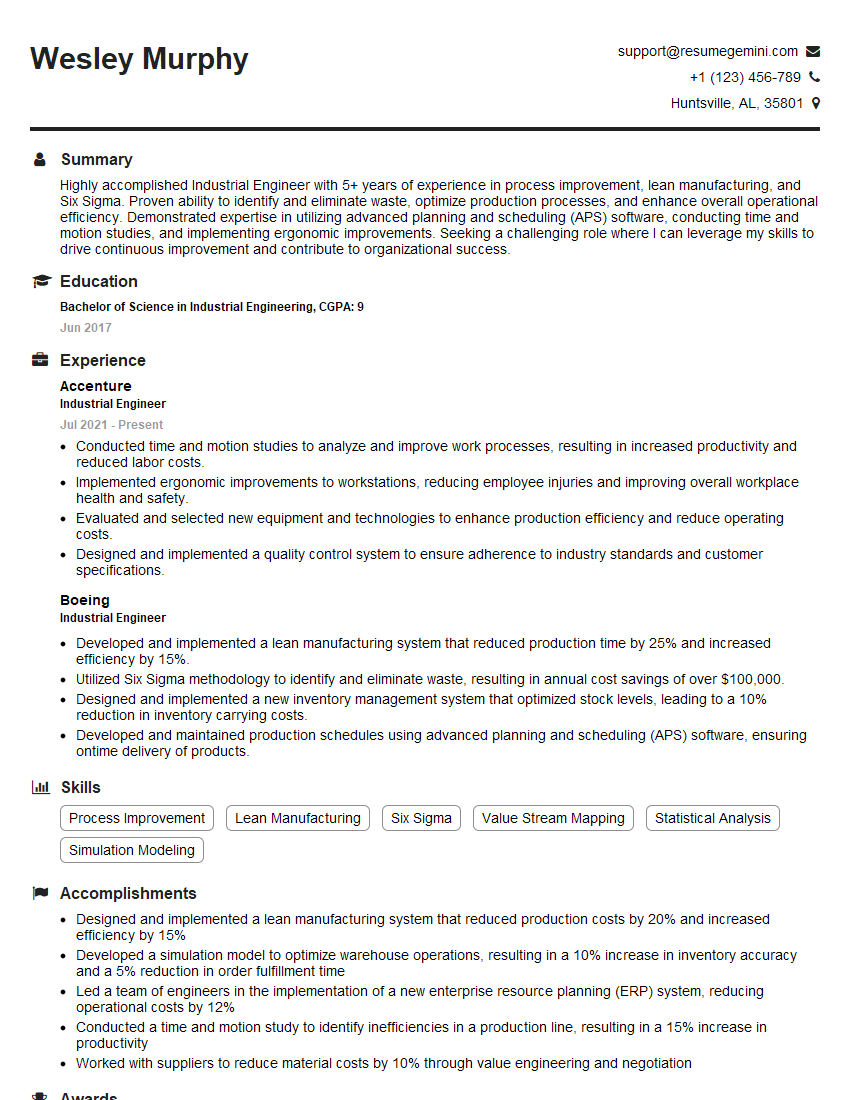
Industrial Engineer Resume Sample
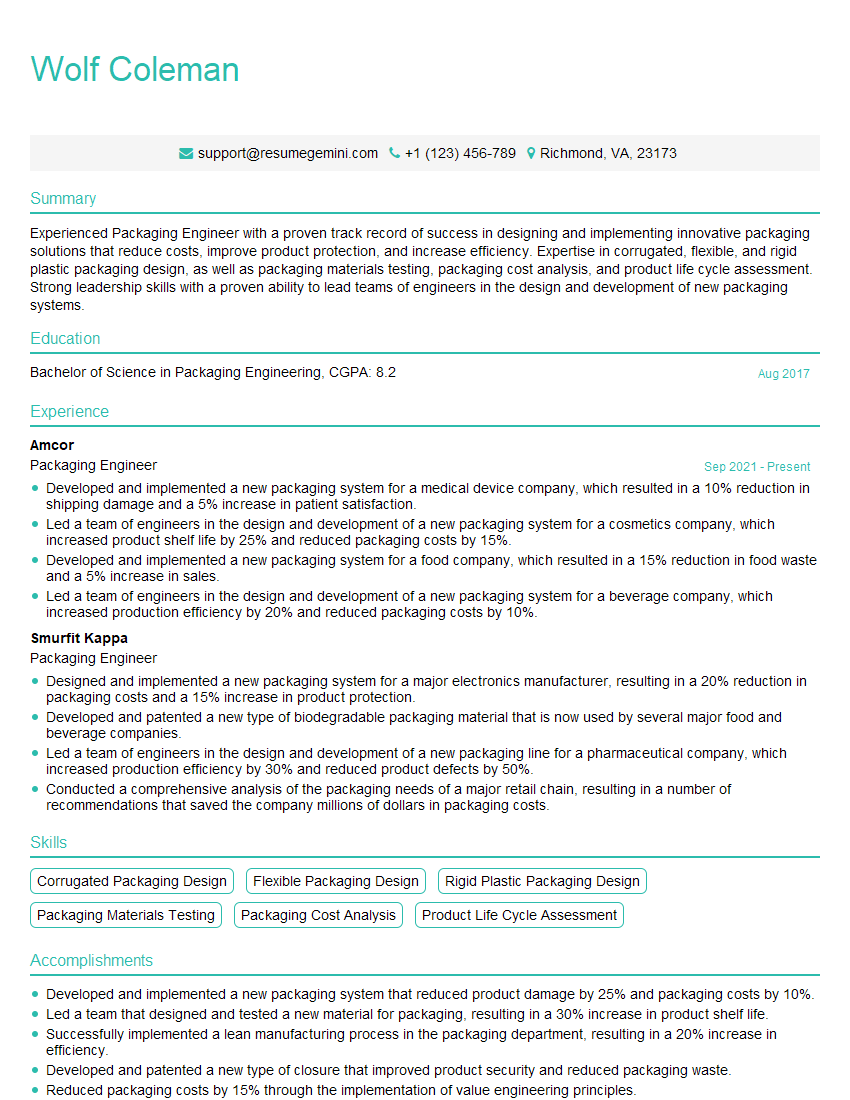
Packaging Engineer Resume Sample
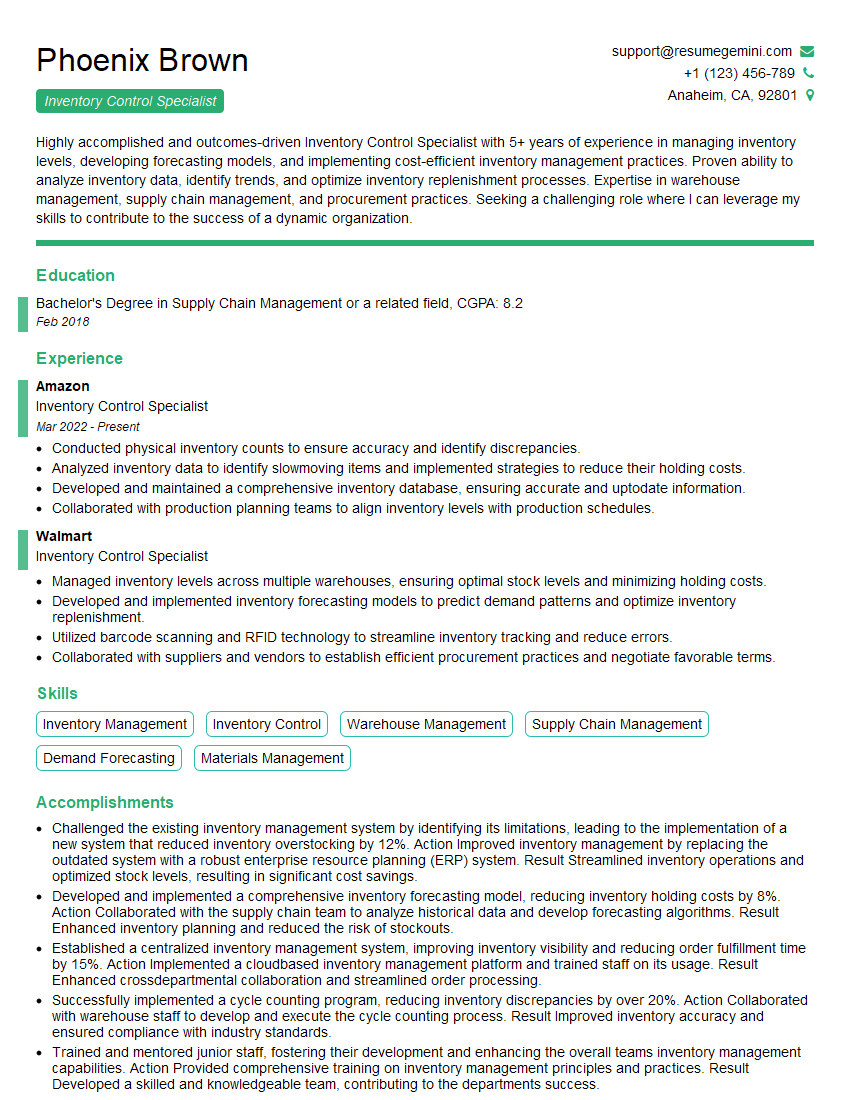
Inventory Control Specialist Resume Sample
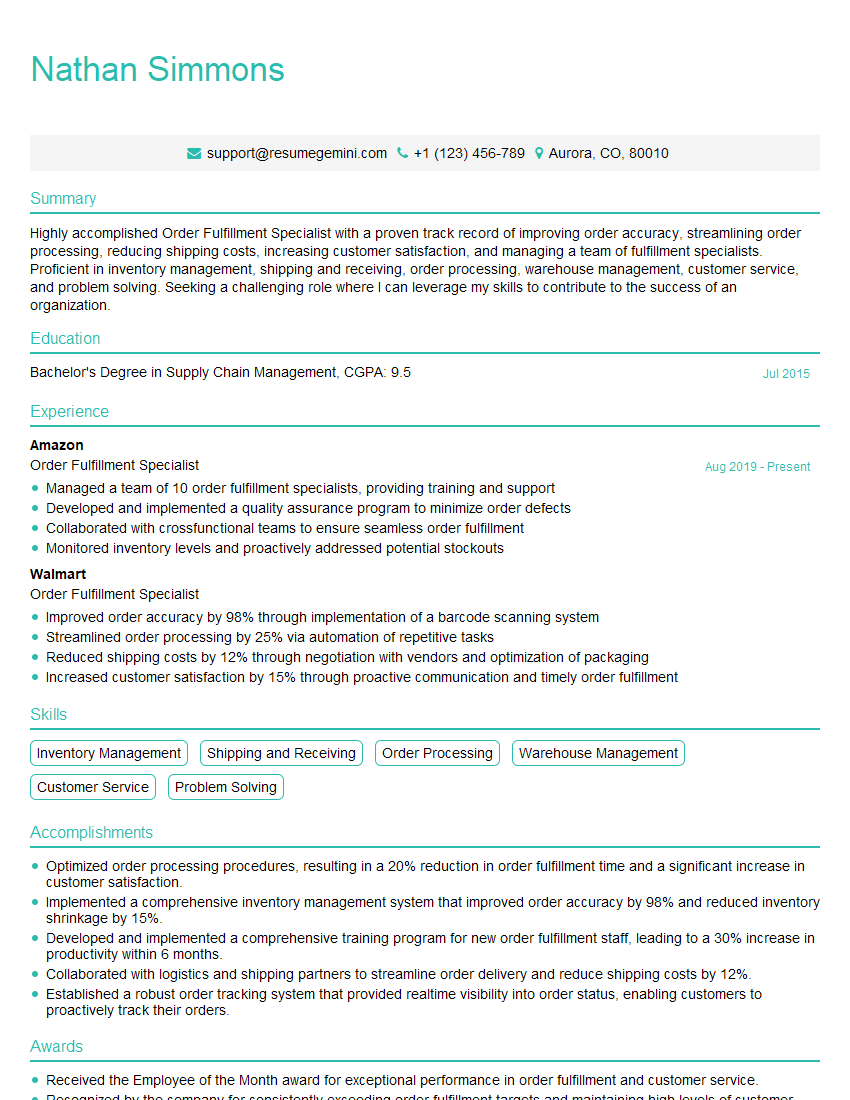
Order Fulfillment Specialist Resume Sample

Shipping and Receiving Clerk Resume Sample
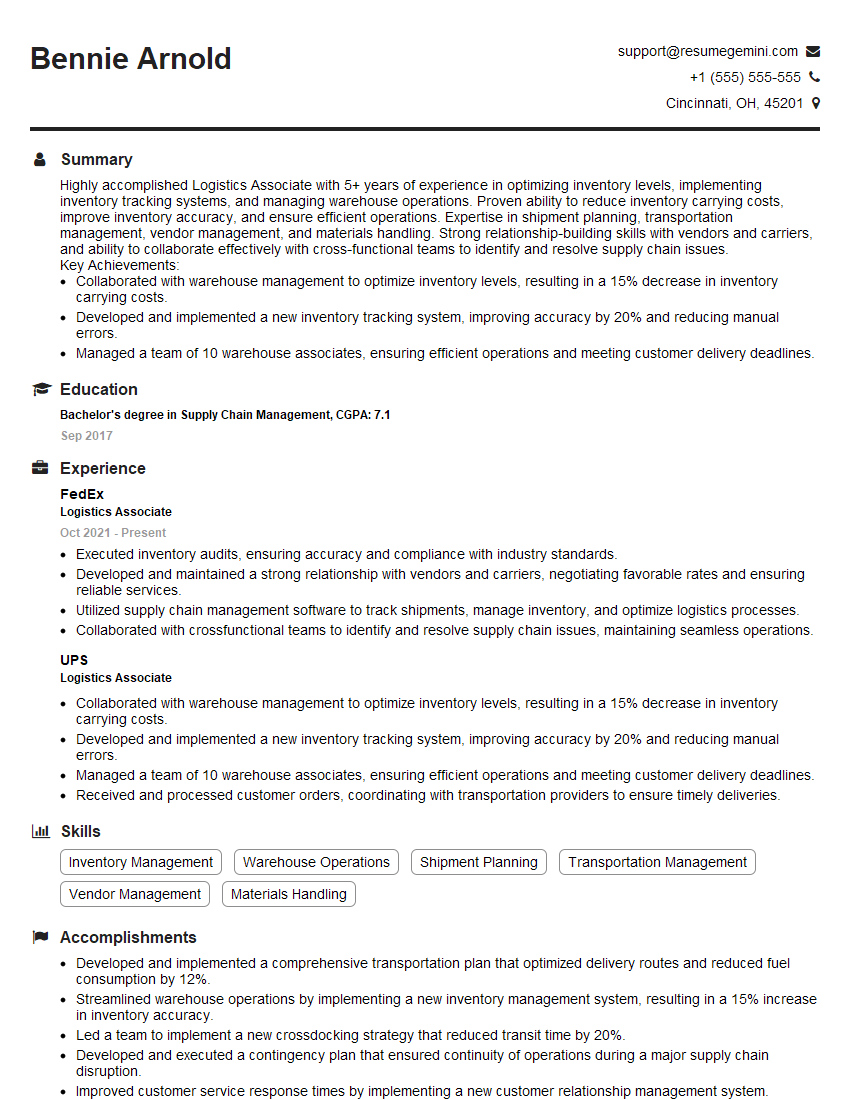
Logistics Associate Resume Sample
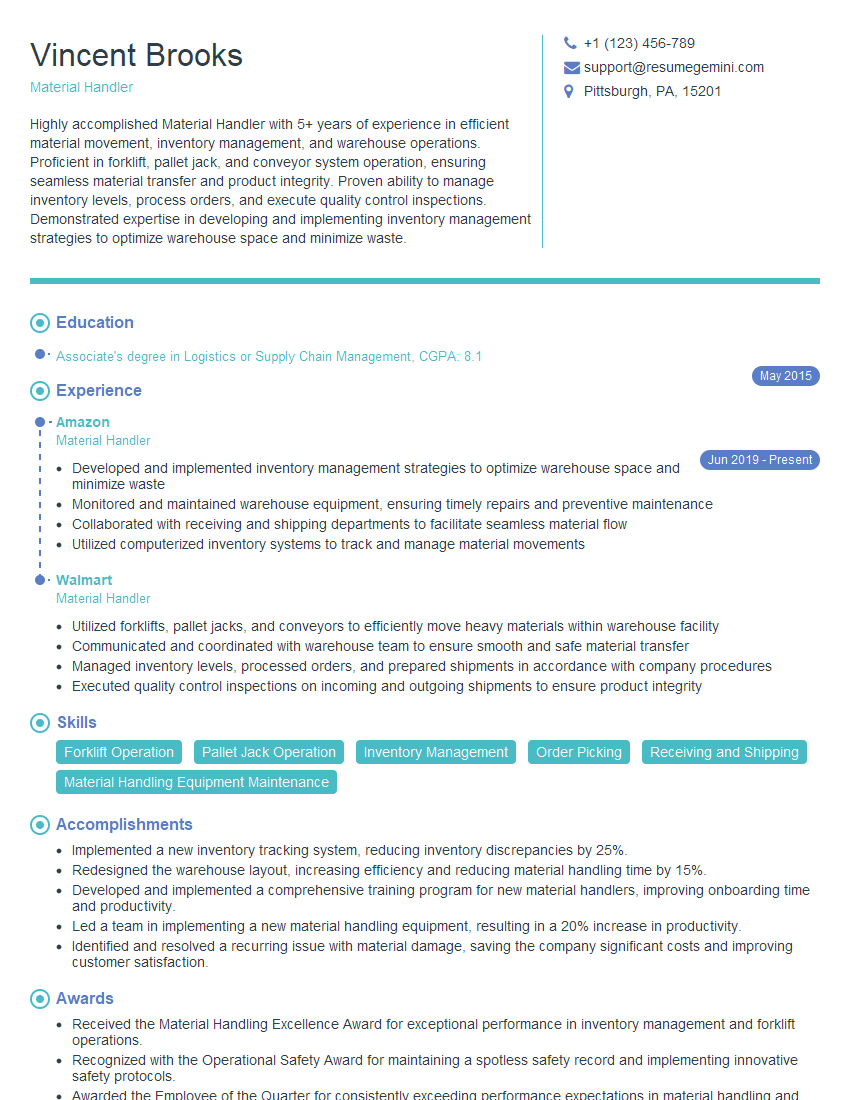
Material Handler Resume Sample
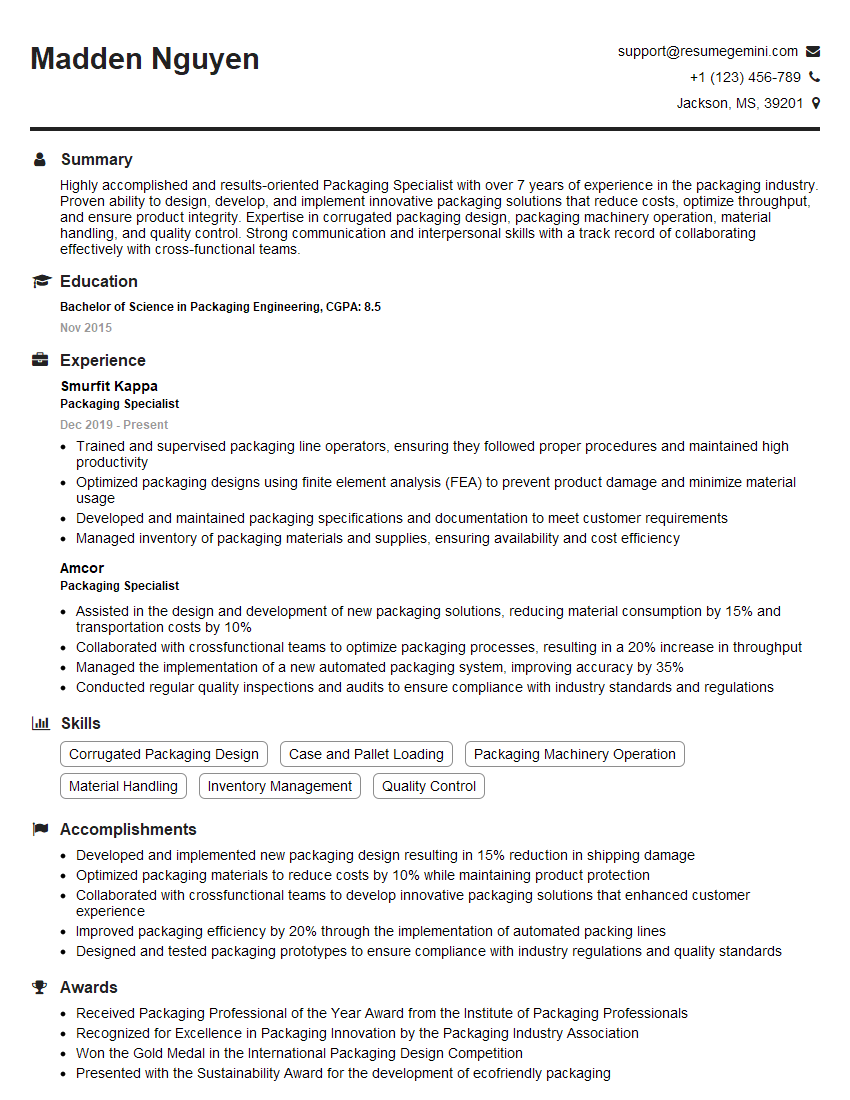
Packaging Specialist Resume Sample
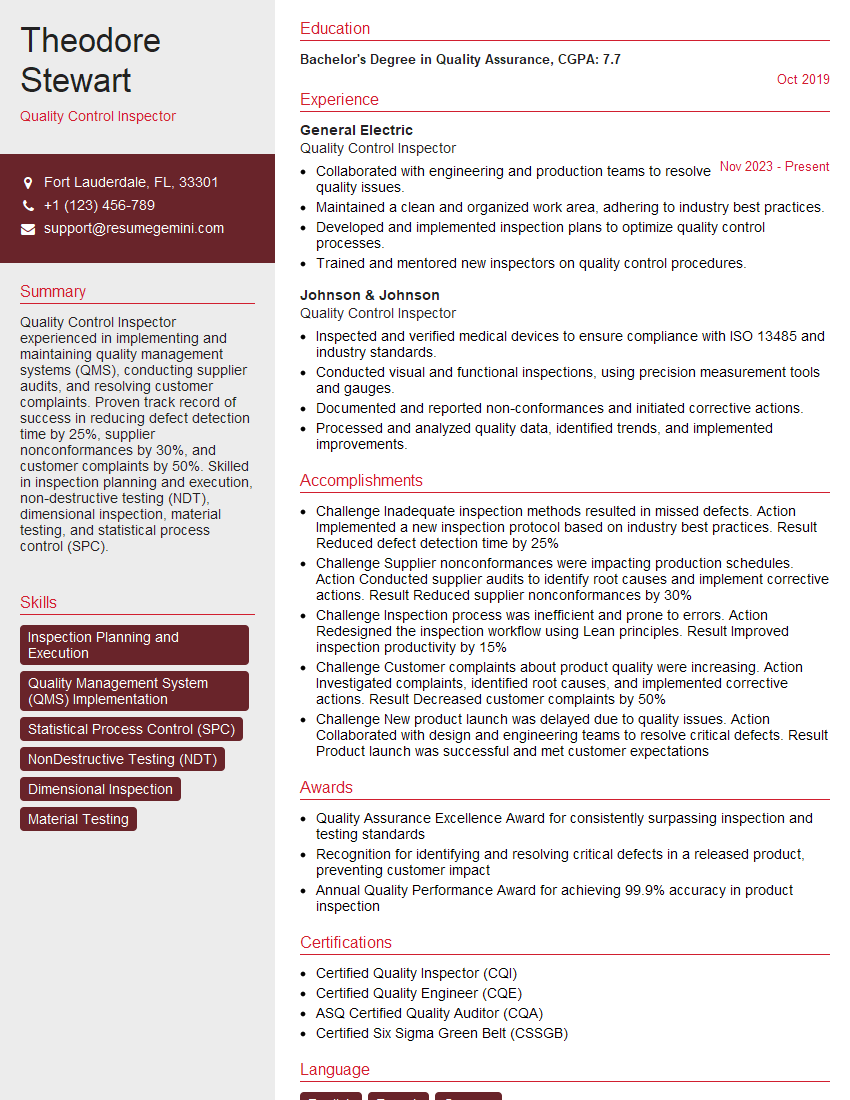
Quality Control Inspector Resume Sample
- Safety Manager
- Operations Manager
- Supply Chain Manager
- Logistics Manager
- Warehouse Manager
- Industrial Engineer
- Packaging Engineer
- Inventory Control Specialist
- Order Fulfillment Specialist
- Shipping and Receiving Clerk
- Logistics Associate
- Material Handler
- Packaging Specialist
- Quality Control Inspector
Explore more articles
Users Rating of Our Blogs
Share Your Experience
We value your feedback! Please rate our content and share your thoughts (optional).
What Readers Say About Our Blog
Attention music lovers!
Wow, All the best Sax Summer music !!!
Spotify: https://open.spotify.com/artist/6ShcdIT7rPVVaFEpgZQbUk
Apple Music: https://music.apple.com/fr/artist/jimmy-sax-black/1530501936
YouTube: https://music.youtube.com/browse/VLOLAK5uy_noClmC7abM6YpZsnySxRqt3LoalPf88No
Other Platforms and Free Downloads : https://fanlink.tv/jimmysaxblack
on google : https://www.google.com/search?q=22+AND+22+AND+22
on ChatGPT : https://chat.openai.com?q=who20jlJimmy20Black20Sax20Producer
Get back into the groove with Jimmy sax Black
Best regards,
Jimmy sax Black
www.jimmysaxblack.com
Hi I am a troller at The aquatic interview center and I suddenly went so fast in Roblox and it was gone when I reset.
Hi,
Business owners spend hours every week worrying about their website—or avoiding it because it feels overwhelming.
We’d like to take that off your plate:
$69/month. Everything handled.
Our team will:
Design a custom website—or completely overhaul your current one
Take care of hosting as an option
Handle edits and improvements—up to 60 minutes of work included every month
No setup fees, no annual commitments. Just a site that makes a strong first impression.
Find out if it’s right for you:
https://websolutionsgenius.com/awardwinningwebsites
Hello,
we currently offer a complimentary backlink and URL indexing test for search engine optimization professionals.
You can get complimentary indexing credits to test how link discovery works in practice.
No credit card is required and there is no recurring fee.
You can find details here:
https://wikipedia-backlinks.com/indexing/
Regards
NICE RESPONSE TO Q & A
hi
The aim of this message is regarding an unclaimed deposit of a deceased nationale that bears the same name as you. You are not relate to him as there are millions of people answering the names across around the world. But i will use my position to influence the release of the deposit to you for our mutual benefit.
Respond for full details and how to claim the deposit. This is 100% risk free. Send hello to my email id: lukachachibaialuka@gmail.com
Luka Chachibaialuka
Hey interviewgemini.com, just wanted to follow up on my last email.
We just launched Call the Monster, an parenting app that lets you summon friendly ‘monsters’ kids actually listen to.
We’re also running a giveaway for everyone who downloads the app. Since it’s brand new, there aren’t many users yet, which means you’ve got a much better chance of winning some great prizes.
You can check it out here: https://bit.ly/callamonsterapp
Or follow us on Instagram: https://www.instagram.com/callamonsterapp
Thanks,
Ryan
CEO – Call the Monster App
Hey interviewgemini.com, I saw your website and love your approach.
I just want this to look like spam email, but want to share something important to you. We just launched Call the Monster, a parenting app that lets you summon friendly ‘monsters’ kids actually listen to.
Parents are loving it for calming chaos before bedtime. Thought you might want to try it: https://bit.ly/callamonsterapp or just follow our fun monster lore on Instagram: https://www.instagram.com/callamonsterapp
Thanks,
Ryan
CEO – Call A Monster APP
To the interviewgemini.com Owner.
Dear interviewgemini.com Webmaster!
Hi interviewgemini.com Webmaster!
Dear interviewgemini.com Webmaster!
excellent
Hello,
We found issues with your domain’s email setup that may be sending your messages to spam or blocking them completely. InboxShield Mini shows you how to fix it in minutes — no tech skills required.
Scan your domain now for details: https://inboxshield-mini.com/
— Adam @ InboxShield Mini
support@inboxshield-mini.com
Reply STOP to unsubscribe
Hi, are you owner of interviewgemini.com? What if I told you I could help you find extra time in your schedule, reconnect with leads you didn’t even realize you missed, and bring in more “I want to work with you” conversations, without increasing your ad spend or hiring a full-time employee?
All with a flexible, budget-friendly service that could easily pay for itself. Sounds good?
Would it be nice to jump on a quick 10-minute call so I can show you exactly how we make this work?
Best,
Hapei
Marketing Director
Hey, I know you’re the owner of interviewgemini.com. I’ll be quick.
Fundraising for your business is tough and time-consuming. We make it easier by guaranteeing two private investor meetings each month, for six months. No demos, no pitch events – just direct introductions to active investors matched to your startup.
If youR17;re raising, this could help you build real momentum. Want me to send more info?
Hi, I represent an SEO company that specialises in getting you AI citations and higher rankings on Google. I’d like to offer you a 100% free SEO audit for your website. Would you be interested?
Hi, I represent an SEO company that specialises in getting you AI citations and higher rankings on Google. I’d like to offer you a 100% free SEO audit for your website. Would you be interested?