Feeling uncertain about what to expect in your upcoming interview? We’ve got you covered! This blog highlights the most important Pattern and Design Interpretation interview questions and provides actionable advice to help you stand out as the ideal candidate. Let’s pave the way for your success.
Questions Asked in Pattern and Design Interpretation Interview
Q 1. Explain the difference between inductive and deductive reasoning in pattern analysis.
Inductive and deductive reasoning are two distinct approaches to pattern analysis. Inductive reasoning starts with specific observations and moves towards general conclusions. You observe several instances of a pattern and then formulate a hypothesis about the underlying rule. Think of it like assembling a jigsaw puzzle – you look at individual pieces and infer the overall image. Deductive reasoning, conversely, begins with general principles or theories and uses them to predict specific outcomes. You start with a known rule and apply it to new situations to see if the pattern holds true. It’s like having the instruction manual for a device and using it to understand its functions.
Example: Let’s say we’re analyzing website traffic. Inductive reasoning might involve noticing that every time a new blog post is published, website traffic spikes. We’d then conclude (inductively) that publishing blog posts increases traffic. Deductive reasoning might start with the premise that all successful websites have frequent content updates. We’d then predict (deductively) that this specific website, given its lack of recent updates, will likely see low traffic.
Q 2. Describe a time you identified a hidden pattern in a complex dataset.
In a project analyzing customer churn for a telecommunications company, I noticed a seemingly random pattern in customer attrition. The dataset contained demographic information, service usage, and churn status. Initial analysis revealed no clear correlation. However, by visualizing the data using various clustering techniques, I discovered a hidden pattern: customers who had high international call volume and low average call duration were significantly more likely to churn than other customer segments. This wasn’t apparent from examining individual variables but became clear once I considered their interaction. This led to the hypothesis that these customers might be dissatisfied with the international calling rates or the quality of the service. This discovery informed targeted retention strategies focused on improving international calling plans for this specific customer group.
Q 3. How would you approach analyzing a visual pattern with multiple layers of complexity?
Analyzing a visually complex pattern requires a systematic approach. I would begin by breaking down the pattern into its constituent parts, identifying the different layers and their individual characteristics. This might involve using image processing techniques to segment the image into meaningful regions or employing tools to separate overlapping components. After isolating the layers, I would then analyze each layer individually, noting its structure, recurring elements, and symmetries. Finally, I would integrate the findings from each layer to understand how they interact and contribute to the overall pattern. This might involve creating hierarchical representations or using graph theory to model relationships between different parts of the pattern.
Example: Imagine analyzing a complex tapestry. You’d first identify the different threads and colors (layers). Then, analyze the pattern of each thread separately (individual layers’ analysis), maybe noticing repeating motifs in some colors. Finally, you would observe how the different threads interact to form the overall design of the tapestry (integration of layers).
Q 4. What are some common statistical methods used for pattern recognition?
Several statistical methods are crucial for pattern recognition. Principal Component Analysis (PCA) reduces the dimensionality of data while retaining most of the variance, making it easier to identify patterns in high-dimensional spaces. Clustering algorithms, such as K-means and hierarchical clustering, group similar data points together, revealing underlying structures. Classification algorithms, such as Support Vector Machines (SVMs) and decision trees, help categorize data points based on learned patterns from training data. Hidden Markov Models (HMMs) are useful for analyzing sequential data where the underlying state is hidden, such as in speech recognition or DNA sequencing. The choice of method depends heavily on the nature of the data and the type of pattern being sought.
Q 5. Explain your understanding of design principles like Gestalt principles.
Gestalt principles describe how humans perceive visual elements as organized wholes rather than individual components. These principles are fundamental to design interpretation. Proximity suggests that elements close together are perceived as a group. Similarity refers to elements that share visual characteristics (shape, color, size) being perceived as related. Closure explains how we mentally complete incomplete shapes or patterns. Continuity describes our tendency to perceive lines or curves as continuing in a smooth path rather than abruptly changing direction. Figure-ground highlights our tendency to perceive objects (figures) against a background (ground). Understanding these principles helps us to anticipate how a design will be interpreted and to design more effective and intuitive interfaces or visuals.
Q 6. How do you identify and interpret recurring motifs in design?
Identifying and interpreting recurring motifs requires careful observation and analysis. I begin by visually scanning the design to identify potential repeating elements. Then, I use systematic methods like grid analysis or overlaying transparent sheets to detect patterns that might be subtly disguised or obscured. Digital tools can also help – image processing software can help highlight repeating structures. Once identified, I examine the variations and transformations of the motif across the design. This helps understand the underlying rules governing the motif’s use and its role in the overall composition. Finally, I interpret the motif’s symbolic or cultural meaning within the design’s context.
Q 7. Discuss the role of context in design interpretation.
Context plays a crucial role in design interpretation. The same design element can hold drastically different meanings depending on its surrounding elements and the overall situation. For instance, a skull might represent death in a gothic setting but represent pirates or a medical school in another. This necessitates a holistic approach to design interpretation, considering not only the individual elements but also their relationships to each other and the broader cultural, historical, and social context. Understanding the target audience and the intended use are vital for accurately interpreting design.
Q 8. How do you differentiate between noise and meaningful patterns in data?
Differentiating between noise and meaningful patterns in data is crucial for effective analysis. Noise represents random fluctuations or irrelevant data points that obscure underlying patterns. Meaningful patterns, on the other hand, exhibit consistent structures or relationships that provide insights. The key lies in applying statistical methods and domain expertise.
Consider a time series of stock prices. Day-to-day fluctuations might be considered noise, while a long-term upward trend represents a meaningful pattern. We use techniques like:
- Statistical significance testing: Hypotheses are formulated to test whether observed patterns are likely due to chance (noise) or represent a real effect.
- Filtering techniques: Moving averages or other smoothing methods can help separate the signal (pattern) from the noise.
- Data visualization: Graphs and charts can help us visually identify patterns and outliers that might be noise.
- Domain knowledge: Understanding the context of the data helps in discerning plausible patterns from random occurrences. For instance, if analyzing customer purchasing data, knowing seasonal buying trends can help distinguish meaningful patterns from noise.
For example, if we’re analyzing sensor data from a factory, short bursts of random spikes might be sensor glitches (noise), while a gradual increase in temperature might indicate a machine malfunction (meaningful pattern).
Q 9. How do you handle ambiguous or incomplete patterns in your analysis?
Handling ambiguous or incomplete patterns requires a combination of careful investigation and creative problem-solving. Ambiguity arises when patterns are not clearly defined, while incompleteness stems from missing data points.
My approach involves:
- Data augmentation: If feasible, I attempt to gather more data to complete the missing information. This could involve reaching out to additional data sources or using imputation techniques to estimate missing values based on existing data.
- Clustering techniques: Algorithms like k-means or hierarchical clustering can group similar data points together, even with incomplete data, revealing potential underlying structures.
- Exploratory data analysis (EDA): I use visual tools and summary statistics to explore the data’s characteristics and look for hidden relationships, even if the patterns aren’t immediately obvious.
- Scenario analysis: I consider multiple interpretations of the ambiguous patterns, testing their implications against existing knowledge and potential outcomes.
- Bayesian methods: Employing Bayesian methods allows for the incorporation of prior knowledge and uncertainty into the analysis, which can be particularly useful when dealing with incomplete data.
For instance, if analyzing social media data to understand public sentiment, incomplete or contradictory posts might reflect ambiguous opinions. My approach would be to segment the data, apply sentiment analysis to different groups, and explore various interpretations, acknowledging the limitations of incomplete data.
Q 10. Describe your experience with different pattern recognition algorithms.
My experience encompasses a range of pattern recognition algorithms, tailored to different data types and problem domains.
- Machine Learning Algorithms: I have extensive experience with supervised learning techniques such as Support Vector Machines (SVMs), decision trees, and random forests for classification and regression tasks involving well-defined patterns. For unsupervised learning, I use clustering algorithms like k-means and DBSCAN to identify patterns in unlabeled data.
- Deep Learning Techniques: I have worked with convolutional neural networks (CNNs) for image recognition and recurrent neural networks (RNNs) for sequential data analysis, leveraging their ability to learn complex, hierarchical representations. Autoencoders are also useful for dimensionality reduction and anomaly detection.
- Time Series Analysis: I am proficient in methods like ARIMA, exponential smoothing, and dynamic time warping (DTW) for analyzing temporal patterns and forecasting.
- Frequent Pattern Mining: Techniques like Apriori and FP-Growth are valuable when dealing with transactional data, identifying frequently occurring itemsets or association rules.
The choice of algorithm depends heavily on the specific problem, the nature of the data, and the desired outcome. I select the most appropriate algorithm after carefully considering these factors.
Q 11. What software or tools are you proficient in for pattern analysis?
My proficiency spans a variety of software and tools for pattern analysis.
- Programming Languages: Python (with libraries like NumPy, Pandas, Scikit-learn, TensorFlow, and PyTorch) and R are my primary tools for data manipulation, statistical analysis, and machine learning.
- Data Visualization Tools: I utilize Matplotlib, Seaborn, and Plotly for creating insightful visualizations that help unveil patterns in data. Tableau and Power BI are also helpful for presenting findings to stakeholders.
- Database Management Systems: I’m familiar with SQL and NoSQL databases for managing and querying large datasets.
- Cloud Computing Platforms: I have experience using cloud-based platforms like AWS and Google Cloud for processing and storing large datasets.
I adapt my tool selection based on the scale and complexity of the project, ensuring the choice aligns with the specific demands of the analysis.
Q 12. Explain your approach to visualizing complex patterns.
Visualizing complex patterns is essential for effective communication and understanding. My approach focuses on clarity and effective communication.
I use a range of visualization techniques depending on the type of data and the patterns being presented:
- Dimensionality Reduction: For high-dimensional data, techniques like Principal Component Analysis (PCA) or t-distributed Stochastic Neighbor Embedding (t-SNE) are used to reduce the data to a lower dimension while preserving essential information. The reduced data is then visualized using scatter plots or other 2D/3D plots.
- Network Graphs: For relational data, network graphs are invaluable for visualizing connections and relationships between entities.
- Heatmaps: These are effective for visualizing correlations or relationships between variables.
- Interactive Dashboards: For complex datasets, interactive dashboards allow users to explore data and patterns dynamically, offering various views and filtering options.
- Animated Visualizations: To showcase changes over time, I utilize animations to illustrate the evolution of patterns and trends.
The choice of visualization technique depends heavily on the nature of the data and the insights I aim to convey. The goal is to create visuals that are clear, accurate, and easily understandable.
Q 13. How do you validate your interpretations of patterns?
Validating interpretations of patterns is crucial to ensure their reliability and avoid drawing incorrect conclusions. My validation strategy involves a multi-pronged approach.
- Statistical Validation: I use statistical tests like chi-squared tests, ANOVA, or regression analysis to determine the statistical significance of the observed patterns.
- Cross-Validation: I divide my data into training and testing sets to evaluate the robustness and generalizability of my findings. Techniques like k-fold cross-validation ensure a reliable assessment.
- External Data Validation: Whenever possible, I compare my interpretations against external data sources or established benchmarks to confirm the validity of my findings.
- Expert Review: I often solicit feedback from domain experts to assess the plausibility and coherence of my interpretations, considering their knowledge of the subject area.
- Sensitivity Analysis: I test the robustness of the identified patterns by assessing their sensitivity to changes in data, assumptions, or parameters of the analysis.
For instance, if I identify a correlation between two variables, I would validate this correlation using statistical tests, cross-validation, and potentially, exploring plausible causal mechanisms through additional research or expert consultation.
Q 14. How do you communicate complex patterns and findings to a non-technical audience?
Communicating complex patterns to a non-technical audience requires careful consideration of the audience’s background and limitations. My approach involves translating technical findings into easily digestible narratives.
- Storytelling: I frame the findings within a compelling narrative, avoiding jargon and focusing on the key insights and their implications.
- Visual Aids: I rely heavily on visuals such as charts, graphs, and infographics to communicate complex information effectively. Simple, clear visuals are prioritized.
- Analogies and Metaphors: I use analogies and metaphors to explain complex concepts in simple terms, making them relatable and memorable.
- Interactive Presentations: Interactive dashboards or presentations allow non-technical audiences to explore the data at their own pace and ask clarifying questions.
- Focus on the ‘So What?’: I always emphasize the implications and practical applications of the findings, highlighting their relevance and value for the audience.
For example, instead of explaining a complex statistical model, I might focus on the key takeaway: “Our analysis shows that customers who engage with our social media campaign are 30% more likely to make a purchase. This suggests that investing more in social media marketing will drive significant revenue growth.”
Q 15. Describe a time you had to revise your interpretation of a pattern based on new data.
Revising interpretations based on new data is a cornerstone of effective pattern analysis. It highlights the iterative nature of the process and the importance of remaining flexible in the face of evolving information. For example, during a project analyzing consumer purchasing patterns for a major retailer, my initial interpretation suggested a strong correlation between online advertising campaigns and subsequent sales of a particular product line. However, after incorporating data from customer loyalty programs and analyzing purchase timing more granularly, I discovered a significant portion of the sales were actually driven by in-store promotions and word-of-mouth referrals, rather than solely by the online ads. This necessitated a revised interpretation acknowledging the multifaceted nature of the sales drivers, leading to a more nuanced and ultimately more effective marketing strategy.
This experience underscored the importance of incorporating diverse data sets and critically evaluating initial assumptions. It also highlighted the value of regularly reviewing analyses in light of new information to ensure the continued accuracy and relevance of the interpretations.
Career Expert Tips:
- Ace those interviews! Prepare effectively by reviewing the Top 50 Most Common Interview Questions on ResumeGemini.
- Navigate your job search with confidence! Explore a wide range of Career Tips on ResumeGemini. Learn about common challenges and recommendations to overcome them.
- Craft the perfect resume! Master the Art of Resume Writing with ResumeGemini’s guide. Showcase your unique qualifications and achievements effectively.
- Don’t miss out on holiday savings! Build your dream resume with ResumeGemini’s ATS optimized templates.
Q 16. How do you handle conflicting patterns or interpretations?
Conflicting patterns or interpretations are common in pattern analysis, often arising from limitations in the data, biases in the analytical methods, or simply the inherent complexity of the system being studied. Resolving these conflicts requires a systematic approach. Firstly, I meticulously examine the data sources for inconsistencies or errors. Secondly, I evaluate the methodologies employed, ensuring they are appropriate and unbiased. Thirdly, I consider alternative explanations for the observed patterns. This might involve exploring different analytical techniques or incorporating external knowledge. For instance, I might use qualitative methods (interviews, surveys) to complement quantitative data to gain a more holistic understanding.
Often, the resolution lies not in choosing one interpretation over the other, but rather in synthesizing them to create a more comprehensive and nuanced understanding. Sometimes, the ‘conflict’ might point to a more complex underlying pattern that was initially overlooked.
Q 17. What are the limitations of pattern recognition techniques?
Pattern recognition techniques, while powerful, have inherent limitations. One key limitation is the risk of overfitting, where a model fits the training data too closely, failing to generalize well to new, unseen data. This can lead to inaccurate predictions and unreliable interpretations. Another limitation is the potential for bias in the data or the algorithms themselves, leading to skewed or misleading results. For instance, a model trained on historical data might perpetuate existing societal biases, resulting in discriminatory outcomes.
Furthermore, the interpretation of patterns can be subjective. What one analyst perceives as a significant pattern, another might dismiss as noise. Finally, the ‘curse of dimensionality’ – the exponential increase in computational complexity as the number of variables increases – can limit the applicability of certain techniques to high-dimensional datasets.
Q 18. How do you ensure the accuracy and reliability of your pattern analysis?
Ensuring accuracy and reliability in pattern analysis is crucial. My approach involves several key steps. First, I rigorously validate the data, checking for errors, inconsistencies, and biases. This includes scrutinizing data collection methods and ensuring the data accurately reflects the phenomenon under study. Second, I employ robust statistical methods, carefully selecting techniques appropriate for the type of data and the research question. Third, I use cross-validation techniques – splitting the data into training and testing sets – to evaluate the model’s generalizability and avoid overfitting.
Fourth, I incorporate sensitivity analysis to assess the impact of variations in the data or assumptions on the results. Finally, I document all methods and findings transparently, making the analysis reproducible and allowing others to scrutinize the work.
Q 19. What are some ethical considerations in pattern interpretation?
Ethical considerations are paramount in pattern interpretation. Bias in data and algorithms can lead to discriminatory outcomes, for example, perpetuating inequalities in areas like loan applications or criminal justice. Privacy concerns are also crucial, especially when dealing with sensitive personal data. Ensuring anonymity and data security is essential. Transparency is vital – the methods used and the limitations of the analysis should be clearly communicated to avoid misinterpretations or misuse of the findings. Furthermore, the potential societal impact of the interpretations must be carefully considered, and steps taken to mitigate any negative consequences.
Q 20. Describe the relationship between pattern recognition and problem-solving.
Pattern recognition and problem-solving are deeply intertwined. Pattern recognition is a fundamental tool for problem-solving. Identifying patterns in data often provides crucial insights into the underlying causes of problems or opportunities for improvement. For example, recognizing a recurring pattern of customer complaints about a specific product feature can help identify a design flaw or a need for improved customer service. Once a pattern is identified, problem-solving strategies can be developed and implemented to address the issue.
Essentially, pattern recognition helps to transform unstructured data into actionable information, facilitating effective problem-solving.
Q 21. Explain your experience using pattern analysis in a specific project.
In a recent project for a telecommunications company, I used pattern analysis to optimize network infrastructure. The company was experiencing intermittent service outages, and identifying the root causes was proving challenging. I analyzed network logs, customer service reports, and weather data using a combination of time series analysis and machine learning techniques. This revealed a pattern linking service outages to high humidity levels and specific geographic locations. This pattern wasn’t immediately apparent from individual data points, but the analysis revealed a statistically significant correlation.
This insight led to targeted infrastructure improvements in the identified areas, resulting in a significant reduction in service outages and improved customer satisfaction. This project showcased the power of pattern analysis to not only identify complex relationships within large datasets but also translate those findings into concrete, actionable strategies for improving performance and efficiency.
Q 22. How do you prioritize different patterns based on their significance?
Prioritizing patterns hinges on understanding their impact and context. It’s not a one-size-fits-all approach. I consider several factors:
- Frequency: Patterns appearing repeatedly are often more significant, indicating a core underlying principle or structure.
- Impact: Patterns with a strong influence on the system’s functionality or performance warrant higher priority. For example, a performance bottleneck pattern will take precedence over a minor stylistic one.
- Context: The specific domain and goals influence prioritization. A pattern crucial in security might be less important in a user interface context.
- Complexity: Highly complex patterns require more attention and potentially more refactoring. Simpler patterns may be addressed after more impactful issues.
- Urgency: Patterns causing immediate problems, like bugs or security vulnerabilities, will always get priority.
I often use a weighted scoring system, assigning weights to each factor based on the project’s needs. This allows for a systematic and objective comparison, ensuring the most critical patterns are addressed first.
Q 23. What are some common errors to avoid in pattern interpretation?
Common errors in pattern interpretation stem from biases, oversimplification, and a lack of rigorous analysis. Here are a few to avoid:
- Confirmation Bias: Seeking only patterns that confirm pre-existing beliefs, ignoring contradictory evidence.
- Overfitting: Identifying patterns in noise, creating complex explanations for random occurrences. This often leads to inaccurate predictions or designs.
- Ignoring Context: Failing to consider the broader system and environment when interpreting patterns. A pattern might be significant in one context but irrelevant in another.
- Insufficient Data: Drawing conclusions from limited data, leading to inaccurate or unreliable generalizations.
- Misinterpreting Correlation as Causation: Assuming two correlated events have a causal relationship without further evidence.
To mitigate these, I emphasize rigorous testing, independent verification, and critical evaluation of assumptions. Employing statistical methods and robust validation techniques ensures accuracy and reliability.
Q 24. How do you adapt your approach to pattern recognition based on the type of data?
My approach to pattern recognition adapts significantly based on the data type. Different types require different techniques and tools:
- Structured Data (e.g., databases): I’d leverage SQL queries and data mining techniques to identify recurring patterns, correlations, and anomalies. For example, identifying frequent customer purchase patterns in a retail database.
- Unstructured Data (e.g., text, images): Natural Language Processing (NLP) or Computer Vision techniques are necessary. For text, I might use topic modeling or sentiment analysis to reveal patterns in customer reviews. For images, techniques like image recognition and object detection can unveil patterns.
- Time-Series Data: Specialized time series analysis methods, like ARIMA modeling or anomaly detection algorithms, are crucial for identifying trends and seasonality patterns.
- Network Data: Graph algorithms and network analysis are essential for revealing patterns in relationships and connections. For example, finding communities or influential nodes in a social network.
The choice of tools and techniques is crucial for effective pattern recognition and should be carefully aligned with the data type and the problem at hand.
Q 25. Explain your understanding of different types of design patterns (e.g., architectural, behavioral).
Design patterns are reusable solutions to commonly occurring design problems. They’re categorized into several types, most notably:
- Creational Patterns: Concerned with object creation mechanisms, trying to create objects in a manner suitable to the situation. Examples include Singleton (ensuring only one instance of a class), Factory (creating objects without specifying the exact class), and Abstract Factory (creating families of related objects).
- Structural Patterns: Deal with class and object composition. Examples include Adapter (matching interfaces of different classes), Decorator (adding responsibilities to objects dynamically), and Facade (simplifying a complex subsystem).
- Behavioral Patterns: Concerned with algorithms and the assignment of responsibilities between objects. Examples include Observer (defining a one-to-many dependency between objects), Strategy (defining a family of algorithms, encapsulating each one, and making them interchangeable), and Template Method (defining the skeleton of an algorithm in an operation, deferring some steps to subclasses).
- Architectural Patterns: High-level patterns defining the overall structure and organization of a system. Examples include Model-View-Controller (MVC), Microservices, and Layered Architecture.
Understanding these categories helps in selecting the appropriate pattern for a given problem. The choice depends on the specific needs of the system and the relationships between its components.
Q 26. How do you use design patterns to improve efficiency and maintainability?
Design patterns significantly improve efficiency and maintainability by:
- Reducing Complexity: They provide well-structured and tested solutions, simplifying the design and reducing the likelihood of errors.
- Improving Reusability: Patterns can be reused across multiple projects, saving time and effort.
- Enhancing Readability: Using established patterns makes the code easier to understand and maintain, as developers are familiar with the patterns’ purpose and implementation.
- Promoting Extensibility: Many patterns are designed to be easily extended and adapted to new requirements, allowing for greater flexibility.
- Improving Collaboration: A shared vocabulary and understanding of common patterns enhances collaboration within development teams.
For example, using the Observer pattern simplifies implementing event-driven systems, while the Factory pattern allows for easy addition of new product types without modifying existing code. These benefits accumulate, particularly in large and complex projects.
Q 27. Describe a time you identified and solved a design problem using pattern recognition.
In a previous project developing a large-scale e-commerce platform, we encountered performance issues during peak shopping hours. Analyzing the system’s logs and metrics, I identified a recurring pattern: a specific database query was repeatedly consuming excessive resources. This query was responsible for retrieving product information. The pattern recognition revealed a lack of efficient caching mechanisms.
To solve the problem, we implemented a caching layer using Redis. This caching layer stored frequently accessed product information, reducing database load. This solution significantly improved response times during peak hours, effectively addressing the identified performance bottleneck. The pattern recognition was key; it allowed us to pinpoint the root cause quickly and implement a targeted solution.
Q 28. How do you stay up-to-date with the latest advances in pattern recognition and design interpretation?
Staying current involves a multi-faceted approach:
- Reading Academic Publications and Industry Blogs: I regularly read research papers from conferences like NeurIPS and ICML, and follow industry blogs and publications on software engineering and design.
- Attending Conferences and Workshops: Participating in relevant conferences and workshops provides exposure to the latest advances and fosters networking opportunities.
- Online Courses and Tutorials: Platforms like Coursera and edX offer excellent courses on advanced topics in pattern recognition and design.
- Open-Source Contributions: Contributing to open-source projects exposes me to diverse applications and best practices.
- Mentorship and Peer Learning: Mentoring junior colleagues and engaging in peer reviews broadens my knowledge and helps refine my skills.
This continuous learning cycle ensures I remain informed about emerging trends and best practices in pattern recognition and design interpretation.
Key Topics to Learn for Pattern and Design Interpretation Interview
- Fundamental Design Principles: Understanding core concepts like Gestalt principles (proximity, similarity, closure, etc.), visual hierarchy, and the impact of color theory on design interpretation.
- Pattern Recognition and Analysis: Developing skills in identifying recurring elements, structures, and relationships within complex designs. This includes analyzing both visual and structural patterns.
- Data Visualization and Interpretation: Learning to translate data sets into effective and insightful visual representations. This involves choosing appropriate chart types and understanding how to communicate findings clearly.
- Design Systems and Component Libraries: Understanding how design systems work, how to utilize component libraries effectively, and their role in maintaining design consistency.
- User Interface (UI) and User Experience (UX) Principles: Applying knowledge of UX best practices to interpret and evaluate the effectiveness of design solutions in relation to user needs and goals.
- Accessibility and Inclusivity in Design: Understanding and applying principles of accessible design to ensure designs are inclusive and usable for all users.
- Problem-Solving and Critical Thinking: Applying analytical skills to interpret design challenges, identify potential problems, and propose effective solutions.
- Case Study Analysis: Developing the ability to critically examine existing designs, identify strengths and weaknesses, and articulate design rationale.
- Communication and Collaboration: Practicing effective communication skills to articulate your design interpretations and collaborate with others on design projects.
Next Steps
Mastering Pattern and Design Interpretation is crucial for career advancement in many fields, opening doors to exciting opportunities and demonstrating a strong analytical and creative skillset. To maximize your job prospects, create an ATS-friendly resume that highlights your relevant skills and experience. ResumeGemini is a trusted resource for building professional resumes, and we provide examples of resumes tailored to Pattern and Design Interpretation to help you present yourself effectively. Take advantage of these resources to build a compelling resume that showcases your capabilities and helps you land your dream job.
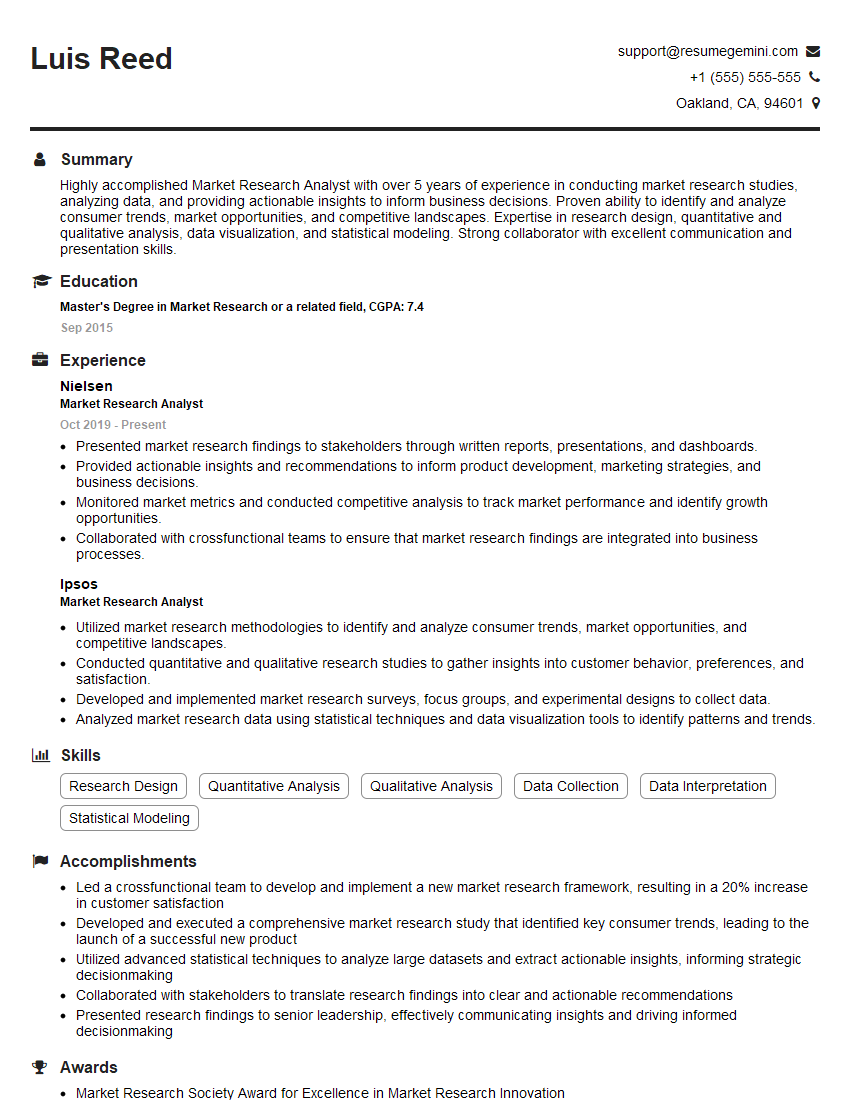
Market Research Analyst Resume Sample
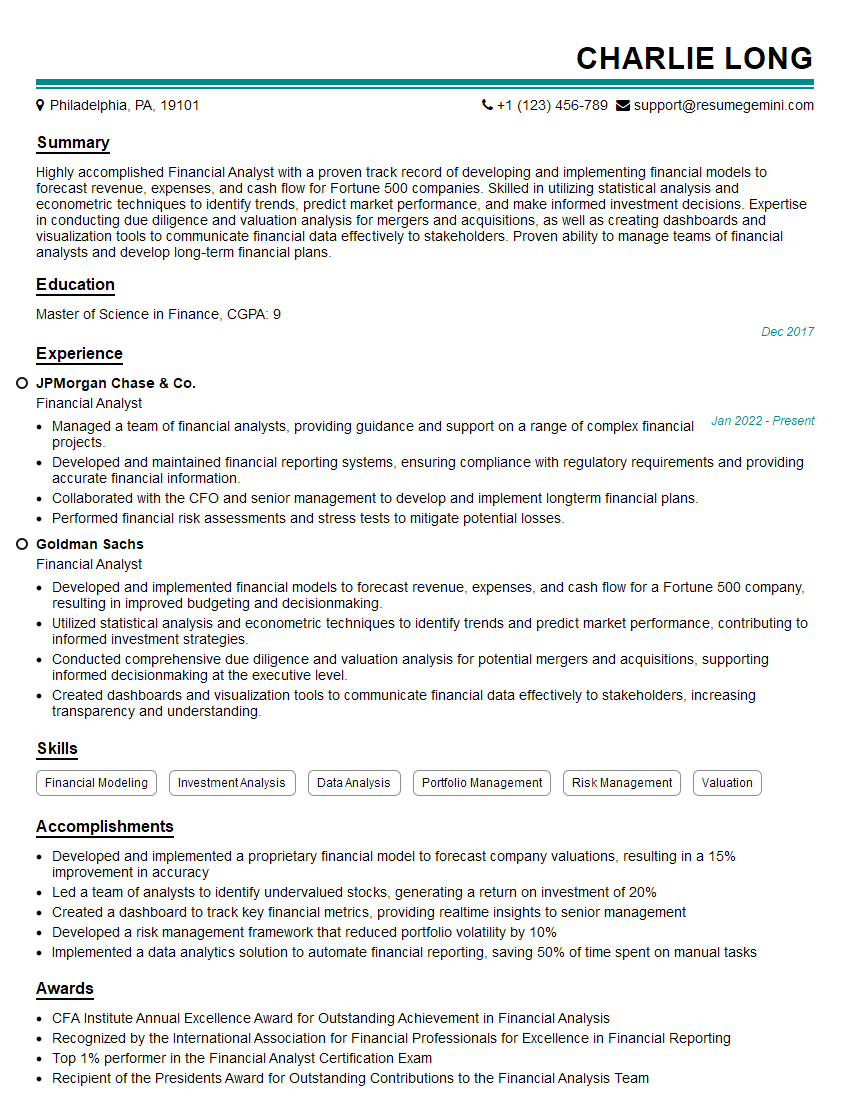
Financial Analyst Resume Sample
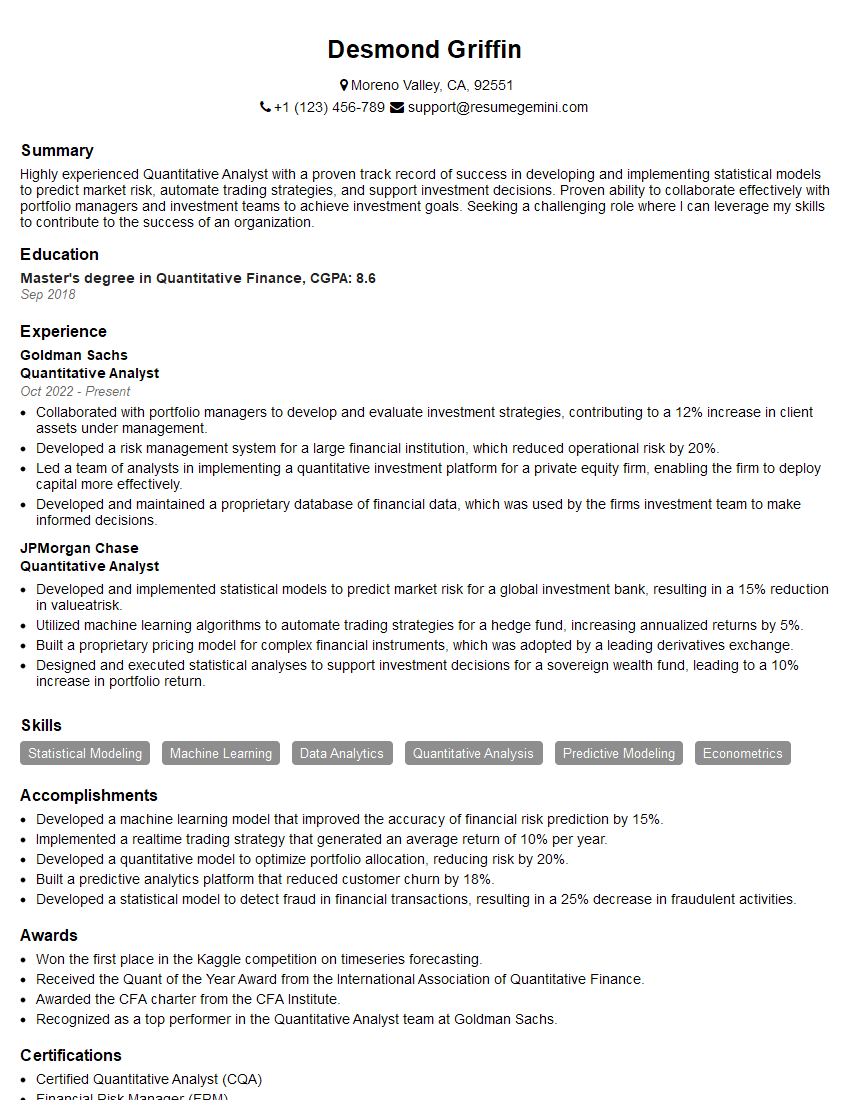
Quantitative Analyst Resume Sample
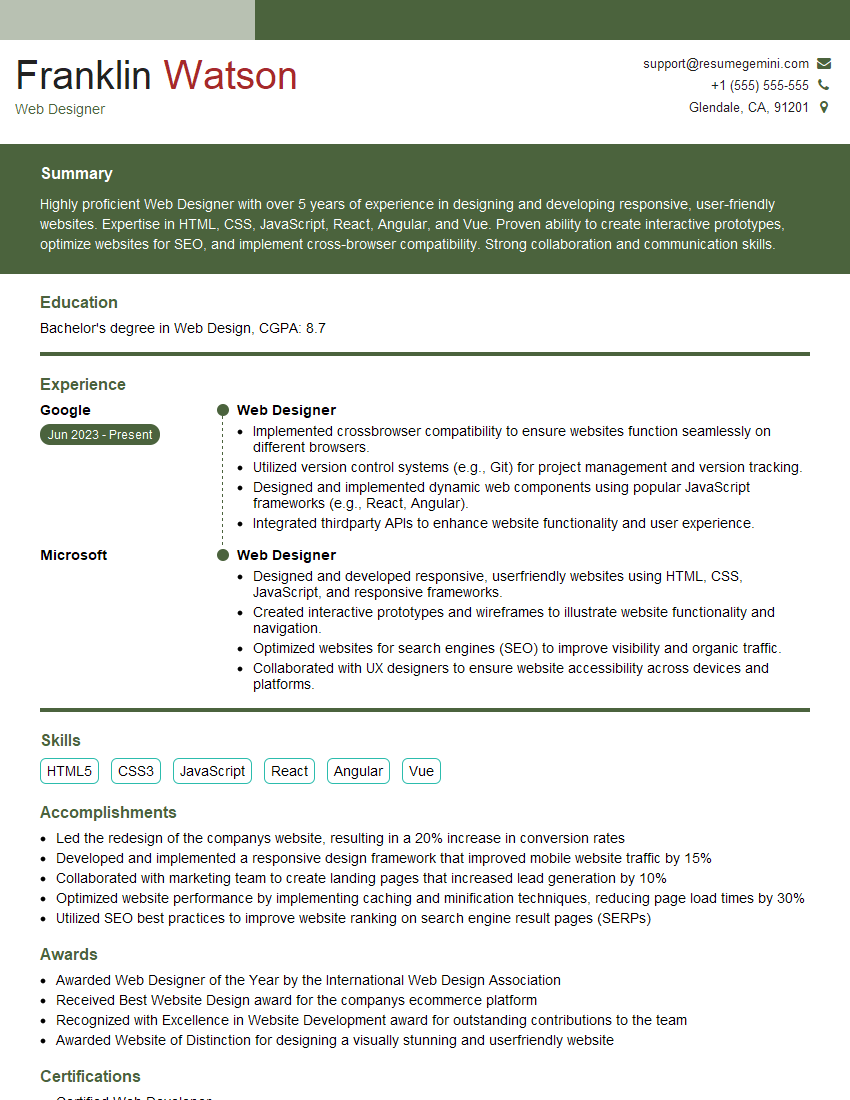
Web Designer Resume Sample
Business Intelligence Analyst Resume Sample
Game Designer Resume Sample
Cryptographer Resume Sample
Statistician Resume Sample

Architect Resume Sample
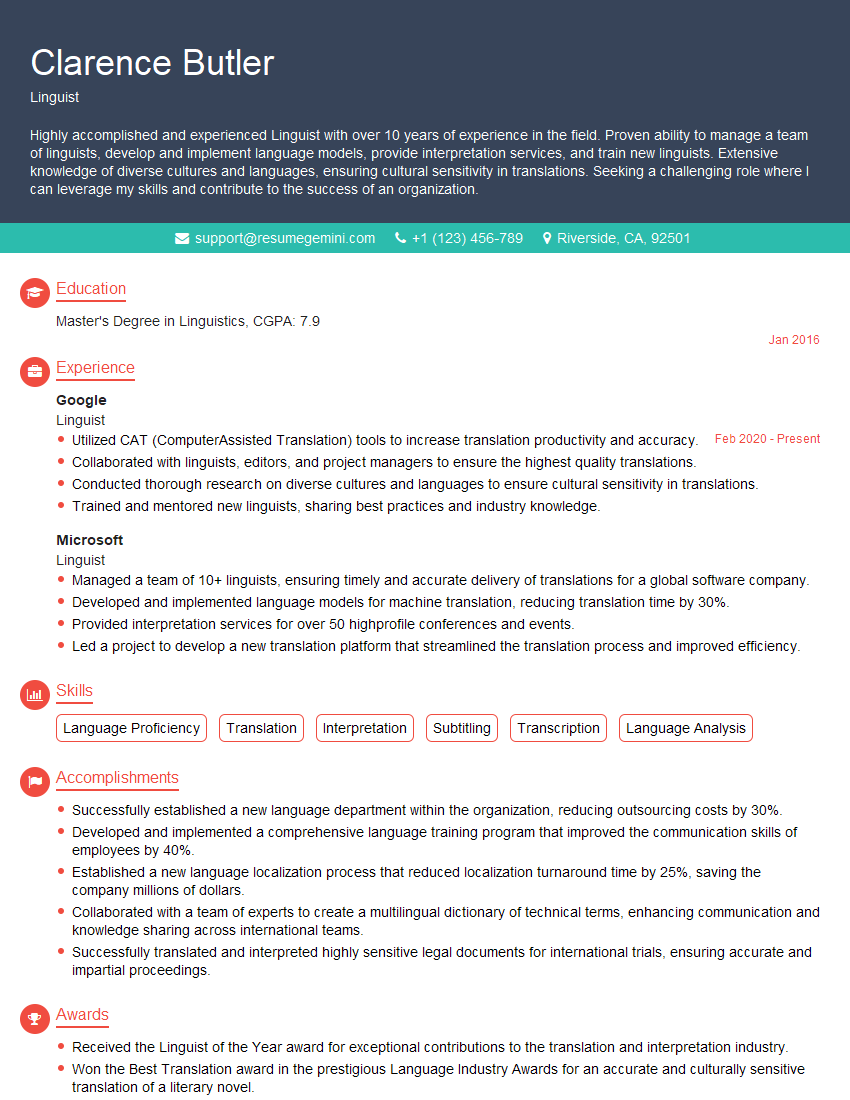
Linguist Resume Sample
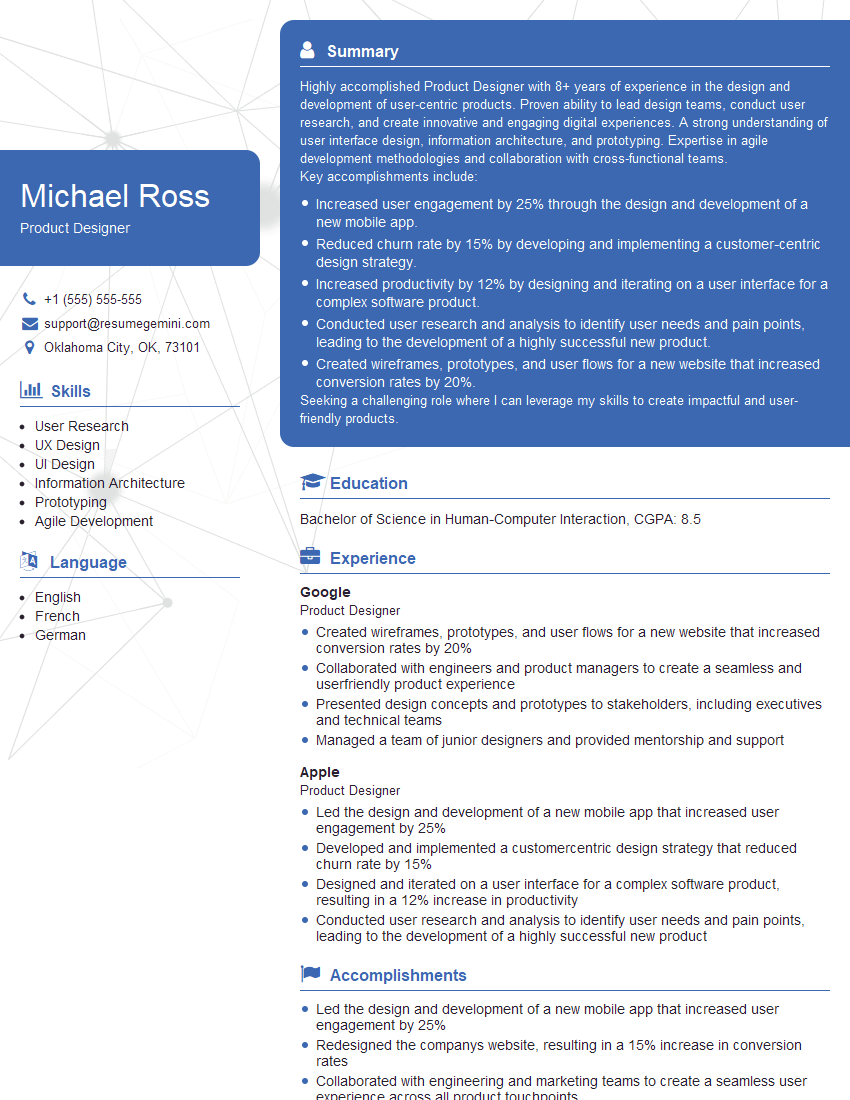
Product Designer Resume Sample
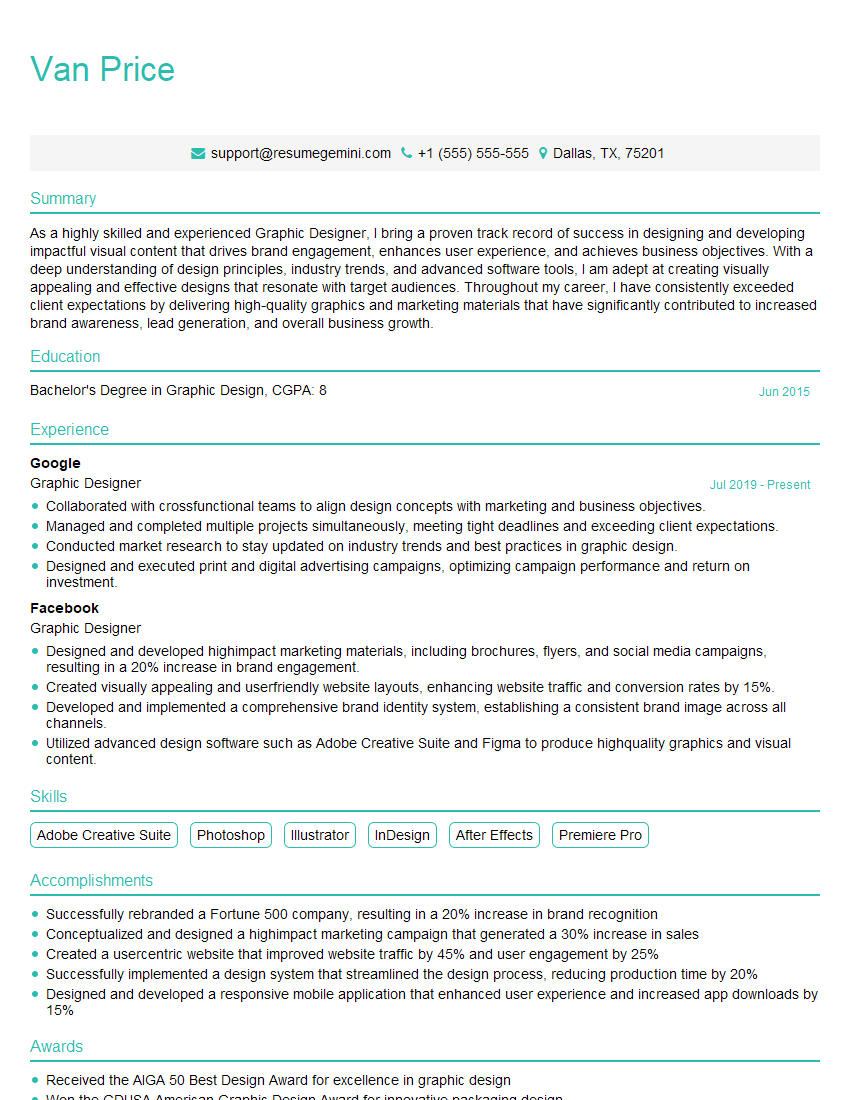
Graphic Designer Resume Sample
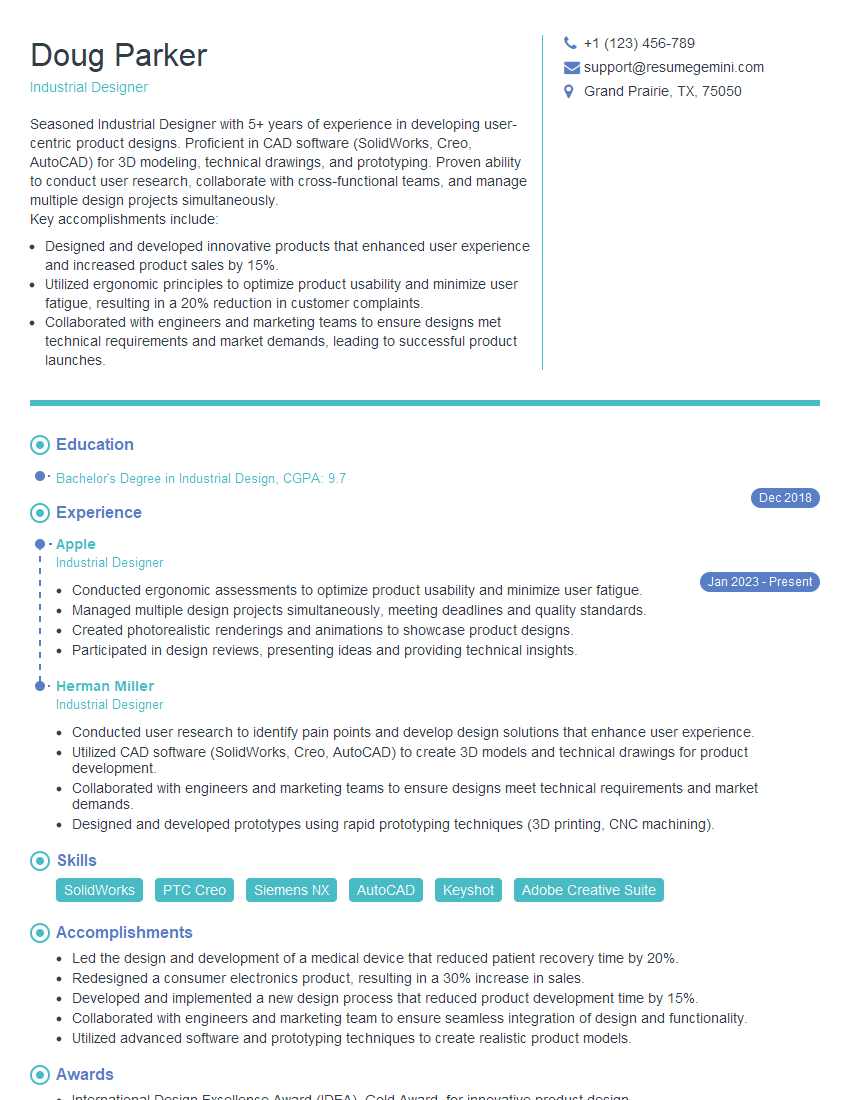
Industrial Designer Resume Sample

Textile Designer Resume Sample

Fashion Designer Resume Sample
Explore more articles
Users Rating of Our Blogs
Share Your Experience
We value your feedback! Please rate our content and share your thoughts (optional).
What Readers Say About Our Blog
Hello,
we currently offer a complimentary backlink and URL indexing test for search engine optimization professionals.
You can get complimentary indexing credits to test how link discovery works in practice.
No credit card is required and there is no recurring fee.
You can find details here:
https://wikipedia-backlinks.com/indexing/
Regards
NICE RESPONSE TO Q & A
hi
The aim of this message is regarding an unclaimed deposit of a deceased nationale that bears the same name as you. You are not relate to him as there are millions of people answering the names across around the world. But i will use my position to influence the release of the deposit to you for our mutual benefit.
Respond for full details and how to claim the deposit. This is 100% risk free. Send hello to my email id: [email protected]
Luka Chachibaialuka
Hey interviewgemini.com, just wanted to follow up on my last email.
We just launched Call the Monster, an parenting app that lets you summon friendly ‘monsters’ kids actually listen to.
We’re also running a giveaway for everyone who downloads the app. Since it’s brand new, there aren’t many users yet, which means you’ve got a much better chance of winning some great prizes.
You can check it out here: https://bit.ly/callamonsterapp
Or follow us on Instagram: https://www.instagram.com/callamonsterapp
Thanks,
Ryan
CEO – Call the Monster App
Hey interviewgemini.com, I saw your website and love your approach.
I just want this to look like spam email, but want to share something important to you. We just launched Call the Monster, a parenting app that lets you summon friendly ‘monsters’ kids actually listen to.
Parents are loving it for calming chaos before bedtime. Thought you might want to try it: https://bit.ly/callamonsterapp or just follow our fun monster lore on Instagram: https://www.instagram.com/callamonsterapp
Thanks,
Ryan
CEO – Call A Monster APP
To the interviewgemini.com Owner.
Dear interviewgemini.com Webmaster!
Hi interviewgemini.com Webmaster!
Dear interviewgemini.com Webmaster!
excellent
Hello,
We found issues with your domain’s email setup that may be sending your messages to spam or blocking them completely. InboxShield Mini shows you how to fix it in minutes — no tech skills required.
Scan your domain now for details: https://inboxshield-mini.com/
— Adam @ InboxShield Mini
Reply STOP to unsubscribe
Hi, are you owner of interviewgemini.com? What if I told you I could help you find extra time in your schedule, reconnect with leads you didn’t even realize you missed, and bring in more “I want to work with you” conversations, without increasing your ad spend or hiring a full-time employee?
All with a flexible, budget-friendly service that could easily pay for itself. Sounds good?
Would it be nice to jump on a quick 10-minute call so I can show you exactly how we make this work?
Best,
Hapei
Marketing Director
Hey, I know you’re the owner of interviewgemini.com. I’ll be quick.
Fundraising for your business is tough and time-consuming. We make it easier by guaranteeing two private investor meetings each month, for six months. No demos, no pitch events – just direct introductions to active investors matched to your startup.
If youR17;re raising, this could help you build real momentum. Want me to send more info?
Hi, I represent an SEO company that specialises in getting you AI citations and higher rankings on Google. I’d like to offer you a 100% free SEO audit for your website. Would you be interested?
Hi, I represent an SEO company that specialises in getting you AI citations and higher rankings on Google. I’d like to offer you a 100% free SEO audit for your website. Would you be interested?
good