The thought of an interview can be nerve-wracking, but the right preparation can make all the difference. Explore this comprehensive guide to Personal Protective Equipment interview questions and gain the confidence you need to showcase your abilities and secure the role.
Questions Asked in Personal Protective Equipment Interview
Q 1. What are the different classes of PPE and their applications?
Personal Protective Equipment (PPE) is categorized into various classes based on the hazards they protect against. There isn’t a universally standardized classification system, but a common approach groups PPE by the body part it protects.
- Respiratory Protection: This includes respirators (e.g., N95 masks, half-face respirators, full-face respirators) protecting against airborne hazards like dust, fumes, gases, and biological agents. Application: Working in environments with asbestos, welding, or handling infectious materials.
- Eye and Face Protection: Safety glasses, goggles, face shields, and welding helmets protect against impact, chemical splashes, and intense light. Application: Working with chemicals, using power tools, or performing welding operations.
- Head Protection: Hard hats protect against falling objects, impact, and electrical hazards. Application: Construction sites, mining operations, and industrial settings.
- Hand Protection: Gloves provide protection against cuts, abrasions, chemicals, and biological hazards. Different materials (e.g., leather, nitrile, latex) offer varying levels of protection. Application: Handling sharp objects, working with chemicals, medical procedures.
- Foot Protection: Safety footwear (steel-toe boots, metatarsal guards) protects against crushing injuries and punctures. Application: Construction, manufacturing, and warehousing.
- Body Protection: This includes coveralls, aprons, and other garments protecting against chemical splashes, cuts, abrasions, and radiation. Application: Working with chemicals, handling hazardous materials, or in radiation-exposed environments.
- Hearing Protection: Earplugs and earmuffs reduce noise exposure. Application: Construction, manufacturing, and airports.
The specific application of PPE depends entirely on the identified hazard and the risk assessment conducted.
Q 2. Explain the hierarchy of hazard control measures.
The hierarchy of hazard control measures prioritizes eliminating or minimizing hazards before relying on PPE. It’s a fundamental principle of occupational safety and health. The hierarchy progresses from the most effective and preferred controls to the least effective, as follows:
- Elimination: Completely removing the hazard. Example: Replacing a hazardous chemical with a less hazardous alternative.
- Substitution: Replacing a hazardous process or material with a safer one. Example: Using a robotic arm to handle heavy objects instead of manual labor.
- Engineering Controls: Implementing physical changes to the workplace to control the hazard. Examples: Enclosure of machinery, local exhaust ventilation, machine guarding.
- Administrative Controls: Implementing changes to work practices or procedures. Examples: Job rotation, work scheduling, training programs.
- Personal Protective Equipment (PPE): The last resort, providing a barrier between the worker and the hazard. This is only effective when the other controls are insufficient or not feasible.
Following this hierarchy ensures the most effective and sustainable approach to hazard control, minimizing reliance on PPE, which is often the least reliable control method.
Q 3. Describe the selection criteria for appropriate PPE.
Selecting appropriate PPE requires a thorough risk assessment identifying the specific hazards present and the level of risk. The selection criteria include:
- Hazard Identification: Identifying the type and level of hazards (e.g., chemical, physical, biological).
- Risk Assessment: Evaluating the likelihood and severity of potential harm from the identified hazards.
- PPE Selection: Choosing PPE that provides adequate protection against the identified hazards. This involves considering the material, design, and performance standards of the PPE.
- User Comfort and Fit: PPE must be comfortable and fit properly to ensure effectiveness and encourage use. Improper fit can compromise protection.
- Compatibility: Ensuring compatibility between different pieces of PPE. For example, gloves should be compatible with the chemicals they will contact.
- Maintenance and Storage: Proper maintenance, cleaning, and storage procedures are crucial for maintaining the effectiveness of PPE. Damaged or improperly stored PPE should be replaced.
- Training and Instruction: Users must be adequately trained on the proper use, limitations, and maintenance of PPE.
- Compliance with Standards: The selected PPE must meet relevant industry standards and regulations.
For example, if working with corrosive chemicals, selecting chemical-resistant gloves, eye protection, and a chemical-resistant apron is critical. A risk assessment informs these choices.
Q 4. How do you assess the effectiveness of a PPE program?
Assessing the effectiveness of a PPE program involves a multi-faceted approach. Key aspects include:
- Incident Rates: Tracking the number and severity of workplace injuries related to the hazards PPE is designed to protect against. A decrease in incidents suggests effectiveness.
- Compliance Audits: Regularly auditing PPE usage and adherence to established procedures. This involves observing workers, checking PPE condition, and reviewing training records.
- Worker Feedback: Gathering feedback from workers regarding comfort, fit, and effectiveness of the PPE. This helps identify areas for improvement.
- PPE Inspection and Maintenance Records: Maintaining comprehensive records of PPE inspections, maintenance, and replacement schedules. This ensures PPE is in good condition and regularly replaced.
- Medical Surveillance: In some cases, medical surveillance, like hearing tests for workers using hearing protection, may be necessary.
- Environmental Monitoring: Regularly monitoring the workplace environment to confirm that hazard levels are within acceptable limits even with PPE in use.
By combining quantitative data (incident rates) with qualitative feedback (worker input), a comprehensive assessment can be performed, leading to program improvements.
Q 5. What are the limitations of PPE?
While crucial, PPE has limitations:
- Not a Primary Control: PPE is the last resort in hazard control; it does not eliminate the hazard. The hazard still exists, and PPE only mitigates exposure.
- Reliance on User Compliance: Effectiveness relies entirely on proper use and consistent wear by workers. Failure to use PPE correctly negates its protective value.
- Limitations in Protection: No PPE offers 100% protection. There can be failures due to design flaws, degradation of materials, or improper fit.
- User Discomfort: PPE can be uncomfortable, leading to non-compliance. Heat stress, reduced dexterity, and poor visibility are common issues.
- Cost: Procurement, maintenance, and replacement of PPE can be costly, especially for specialized equipment.
- Training Needs: Effective PPE use requires adequate training and ongoing reinforcement.
A good example is a hard hat. It protects against falling objects but doesn’t prevent slips, trips, or falls.
Q 6. What are the legal requirements for PPE in your region?
I cannot provide specific legal requirements for PPE as regulations vary significantly by region and jurisdiction. However, most jurisdictions have legislation based on general occupational safety and health principles. These regulations typically mandate employers to:
- Conduct Risk Assessments: Identify and assess workplace hazards.
- Provide Appropriate PPE: Furnish necessary PPE free of charge to employees exposed to hazards.
- Train Employees on PPE Use: Provide comprehensive training on the proper selection, use, care, and limitations of PPE.
- Maintain PPE: Ensure PPE is maintained in good working order and replaced as needed.
- Enforce PPE Use: Implement policies and procedures to ensure employees use PPE correctly.
- Record Keeping: Maintain records of PPE provided, training, and incidents involving PPE.
It is crucial to consult the relevant occupational safety and health legislation and standards in your specific region or country to ensure full compliance.
Q 7. How do you ensure compliance with PPE regulations?
Ensuring compliance with PPE regulations requires a proactive and multi-pronged approach:
- Develop a Written PPE Program: Create a comprehensive program outlining procedures for hazard identification, risk assessment, PPE selection, training, maintenance, and compliance monitoring.
- Regular Inspections and Audits: Conduct regular inspections of the workplace to ensure PPE is being used correctly and is in good condition. Regular audits assess the effectiveness of the overall PPE program.
- Employee Training and Education: Provide comprehensive training on PPE use, and conduct regular refresher training to reinforce proper procedures.
- Clear Communication and Enforcement: Establish clear policies and procedures regarding PPE use, and enforce them consistently. Provide regular feedback to employees.
- Incident Investigation: Thoroughly investigate any incidents involving PPE to identify contributing factors and implement corrective actions.
- Record Keeping: Maintain accurate and up-to-date records of PPE usage, training, inspections, and any incidents.
- Regular Review and Updates: Regularly review and update the PPE program to reflect changes in regulations, workplace hazards, or technology.
Effective communication is key. Workers should understand why PPE is necessary and how it protects them. Lead by example; supervisors and management must demonstrate proper PPE use.
Q 8. Explain the process of conducting a PPE risk assessment.
A PPE risk assessment is a systematic process to identify hazards and evaluate the risks associated with them in the workplace. It’s crucial for selecting appropriate PPE and ensuring worker safety. The process typically involves these steps:
- Identify Hazards: This involves a thorough walkthrough of the workplace, observing tasks and potential exposure to physical, chemical, biological, or ergonomic hazards. For example, a construction site might have hazards like falling objects, heavy machinery, and exposure to dust and chemicals. A laboratory might have biological hazards and chemical spills.
- Identify Workers at Risk: Determine which workers are exposed to the identified hazards and the level of their exposure. Consider factors like job role, frequency of exposure, and duration of exposure. A welder, for instance, faces a higher risk than an office worker.
- Evaluate the Risks: Assess the likelihood and severity of harm associated with each hazard. A simple risk matrix can help categorize risks (e.g., low, medium, high). This step involves considering the potential consequences of an accident, such as injury severity or fatality.
- Select Appropriate PPE: Based on the risk assessment, choose the appropriate PPE to mitigate the identified hazards. This selection should comply with relevant safety standards and regulations. For instance, if the risk is exposure to airborne particles, respirators are required; for eye hazards, safety glasses or goggles are essential.
- Implement and Monitor: Put the chosen PPE into use, provide necessary training, and regularly monitor its effectiveness. This includes regular inspections of PPE and the working environment to ensure continuous safety.
- Review and Update: The risk assessment is not a one-time event. It should be reviewed and updated regularly, particularly after incidents, changes in work processes, or introduction of new materials or equipment.
Think of it like building a house – you wouldn’t start constructing without a blueprint. Similarly, a thorough PPE risk assessment provides the blueprint for a safe working environment.
Q 9. How do you manage the procurement and inventory of PPE?
Effective PPE procurement and inventory management is essential for ensuring adequate supplies are available when needed. This involves:
- Needs Assessment: Based on the risk assessment, determine the types and quantities of PPE required. This might include safety glasses, gloves, respirators, hard hats, and protective clothing.
- Supplier Selection: Choose reputable suppliers who can provide high-quality PPE that meets relevant standards (e.g., ANSI, NIOSH). Consider factors like price, delivery time, and customer service.
- Procurement Process: Establish a clear procurement process, including purchase orders, delivery schedules, and quality checks. This ensures timely acquisition of PPE without compromising quality.
- Inventory Management System: Implement a system to track PPE inventory levels, including stock quantities, expiration dates, and usage patterns. This could involve a simple spreadsheet or dedicated inventory management software.
- Storage and Handling: Store PPE in a clean, dry, and secure location, protecting it from damage or contamination. This ensures that PPE remains in optimal condition for use. Consider environmental conditions – some PPE can degrade if exposed to sunlight or extreme temperatures.
- Regular Audits: Regularly audit PPE stock levels and usage to identify potential shortages or waste. This allows for proactive replenishment and efficient resource allocation.
Imagine a hospital running out of surgical masks during a pandemic – effective inventory management prevents such critical shortages.
Q 10. Describe the proper procedures for PPE maintenance and disposal.
PPE maintenance and disposal procedures are critical for worker safety and environmental protection. They vary depending on the type of PPE.
- Maintenance: Many PPE items require regular cleaning and inspection. For example, safety glasses should be cleaned after each use to maintain clarity. Hard hats might require periodic inspections for cracks or damage. Respirators need to be cleaned and stored according to manufacturer instructions. Always refer to the manufacturer’s guidelines for proper cleaning and maintenance procedures.
- Disposal: The method for disposing of PPE depends on the type of hazard it protected against. Contaminated PPE, like used gloves from handling hazardous materials, might require special disposal procedures to prevent environmental contamination and protect waste handlers. This often involves using designated containers, following specific labeling requirements, and potentially utilizing specialized waste disposal services.
- Record Keeping: Maintaining accurate records of PPE maintenance and disposal is crucial for compliance and traceability. This ensures proper accountability and allows for tracking potential issues.
Think of it like car maintenance – regular inspections and servicing prevent bigger problems down the line. Similarly, proper PPE maintenance and disposal are essential for ensuring safety and compliance.
Q 11. What training is required for employees using PPE?
Comprehensive training is paramount for ensuring workers understand how to properly use, maintain, and care for PPE. This training should cover:
- Hazard Identification: Training should equip workers with the ability to identify the hazards they are exposed to in their work environment.
- PPE Selection: Workers must be taught how to select the appropriate PPE for the specific hazard.
- Proper Use and Donning/Doffing: They need to know the correct way to put on (don) and take off (doff) the PPE, ensuring proper protection.
- Limitations and Maintenance: Emphasize the limitations of the PPE and provide instruction on how to maintain and inspect it regularly.
- Emergency Procedures: Workers should be trained on what to do in case of PPE failure or emergency situations.
- Compliance and Regulations: The training should cover relevant safety regulations and company policies regarding PPE use.
Imagine a firefighter who doesn’t know how to use their breathing apparatus – proper training is a matter of life and death.
Q 12. How do you handle PPE-related incidents or accidents?
Handling PPE-related incidents or accidents involves a multi-step approach:
- Immediate Response: In the event of an accident, prioritize first aid and emergency medical attention if required. Secure the area to prevent further incidents.
- Investigation: Conduct a thorough investigation to determine the cause of the incident, including whether PPE failure contributed to the accident. Document all findings meticulously.
- Corrective Actions: Implement corrective actions to prevent similar incidents from occurring in the future. This may involve modifying work procedures, improving PPE selection, or enhancing employee training.
- Reporting and Documentation: Report the incident to the appropriate authorities (OSHA, etc.) and maintain detailed documentation of the incident, investigation, and corrective actions taken. This ensures compliance and aids in future risk assessments.
- Review of PPE Program: Assess the effectiveness of the overall PPE program and make necessary changes to improve safety. This might involve updating the risk assessment, revising training procedures, or replacing damaged or ineffective PPE.
A thorough investigation is akin to a detective solving a crime – uncovering the root cause is vital for preventing future incidents.
Q 13. Explain the importance of PPE fit testing.
PPE fit testing is crucial to ensure that the PPE provides the necessary protection. An improperly fitting respirator, for example, can allow harmful contaminants to enter the respiratory system. Fit testing verifies that a respirator forms a proper seal against the wearer’s face, preventing leakage. Several methods exist:
- Qualitative Fit Testing: This involves using a bitter-tasting or irritating substance (e.g., saccharin) to detect leaks. The wearer performs a series of exercises while wearing the respirator, and if they taste or smell the substance, there’s a leak.
- Quantitative Fit Testing: This uses instruments to measure the amount of leakage around the respirator’s seal. It’s more precise than qualitative fit testing and provides a numerical value for the fit factor.
Fit testing is not a one-time event; it should be performed regularly, especially when changes occur (e.g., facial hair growth, weight changes). It is essential for protecting the user from harm and maintaining a safe working environment.
Think of a bicycle helmet – if it doesn’t fit properly, it won’t provide the necessary protection in a fall. Similarly, proper fit of PPE ensures its effectiveness.
Q 14. What are the common types of respiratory protection and their selection criteria?
Respiratory protection is critical in environments with airborne hazards. The selection depends on the specific hazard and the concentration of the contaminant.
- Air-Purifying Respirators (APRs): These respirators filter out contaminants from the air. They are suitable for environments where the oxygen level is sufficient. Different types of APRs exist:
- Particulate Respirators (e.g., N95, N99): These filter out particles like dust, mist, and fumes. The number indicates the percentage of particles filtered (e.g., N95 filters at least 95%).
- Gas and Vapor Respirators: These use cartridges or canisters to remove specific gases or vapors. Choosing the correct cartridge is crucial depending on the contaminant(s) present.
- Air-Supplied Respirators (ASRs): These respirators provide a continuous supply of fresh air from an independent source, like a compressed air tank or a blower. They are suitable for environments with low oxygen levels or high concentrations of contaminants.
- Selection Criteria: The selection of respiratory protection should consider:
- Type of Hazard: Particles, gases, vapors, etc.
- Concentration of Hazard: How much of the contaminant is present in the air?
- Oxygen Level: Is the oxygen level sufficient for an APR, or is an ASR required?
- User Fit: The respirator must fit properly to be effective.
- User Comfort: The respirator should be comfortable to wear for extended periods.
- Work Conditions: The respirator should be suitable for the temperature, humidity, and work conditions.
Choosing the wrong respirator is like using the wrong tool for a job; it may be ineffective and even dangerous. A thorough understanding of respiratory hazards and the various types of respirators is necessary for appropriate selection.
Q 15. How do you address employee resistance to wearing PPE?
Addressing employee resistance to PPE requires a multifaceted approach focusing on education, engagement, and addressing underlying concerns. Simply mandating PPE is rarely effective. Instead, start by understanding why employees are resistant. Is it discomfort, inconvenience, lack of understanding of the risks, or a perception that PPE hinders their work?
- Education: Provide comprehensive training on the specific hazards present in the workplace and how the chosen PPE protects against them. Use clear, concise language, visual aids, and real-life examples of accidents prevented by PPE.
- Engagement: Involve employees in the selection process whenever possible. Allow them to try different types of PPE to find what is most comfortable and functional for their tasks. Gather feedback and address concerns promptly.
- Addressing Concerns: Actively listen to employees’ concerns and address them with solutions. If discomfort is a problem, explore alternative PPE options or adjustments. If it’s inconvenience, look at streamlining the donning and doffing process. If it’s a perception that PPE hinders performance, demonstrate how proper PPE can actually enhance safety and efficiency.
- Leadership buy-in: Ensure that supervisors and managers consistently model proper PPE use and reinforce its importance. A strong leadership example can significantly impact employee compliance.
- Incentivization: Consider positive reinforcement programs, such as recognizing and rewarding employees who consistently use PPE correctly.
For example, if welders are resistant to wearing appropriate eye protection because it feels too bulky, offer them lightweight, high-quality welding helmets with excellent ventilation. If construction workers are hesitant about safety boots because of discomfort, try different boot styles and insole options to find a good fit.
Career Expert Tips:
- Ace those interviews! Prepare effectively by reviewing the Top 50 Most Common Interview Questions on ResumeGemini.
- Navigate your job search with confidence! Explore a wide range of Career Tips on ResumeGemini. Learn about common challenges and recommendations to overcome them.
- Craft the perfect resume! Master the Art of Resume Writing with ResumeGemini’s guide. Showcase your unique qualifications and achievements effectively.
- Don’t miss out on holiday savings! Build your dream resume with ResumeGemini’s ATS optimized templates.
Q 16. What is the difference between disposable and reusable PPE?
The key difference between disposable and reusable PPE lies in their intended lifespan and method of disposal.
- Disposable PPE is designed for single use and then discarded. This is crucial for preventing cross-contamination and maintaining hygiene, particularly in healthcare settings or when dealing with hazardous materials. Examples include nitrile gloves, surgical masks, and some types of coveralls. After use, they should be disposed of according to appropriate waste disposal protocols (often designated containers).
- Reusable PPE is designed for multiple uses, provided it is properly cleaned, disinfected, and maintained between uses. Examples include some types of safety glasses, hard hats, and some chemical-resistant gloves. Reusable PPE often requires more rigorous cleaning and inspection protocols to ensure it remains effective and safe.
The choice between disposable and reusable PPE depends on several factors, including the type of hazard, the frequency of use, the cost considerations, and the practicality of cleaning and sterilization procedures. In many cases, a combination of both types may be necessary.
Q 17. Explain the role of PPE in preventing workplace injuries.
PPE plays a vital role in preventing workplace injuries by creating a barrier between the worker and potential hazards. It acts as the last line of defense, mitigating the impact of exposure to hazardous substances or conditions.
- Protection against physical hazards: Hard hats protect against falling objects, safety glasses shield eyes from flying debris, and safety boots prevent foot injuries from sharp objects or crushing forces.
- Protection against chemical hazards: Gloves, respirators, and coveralls protect against exposure to corrosive chemicals, toxic substances, and harmful fumes.
- Protection against biological hazards: Gloves, masks, and gowns protect against exposure to infectious agents in healthcare settings and other environments.
- Protection against environmental hazards: Rain gear and cold-weather gear protect workers from harsh weather conditions.
For example, a worker handling corrosive chemicals without appropriate gloves risks severe skin burns. Similarly, a construction worker without a hard hat faces the risk of serious head injuries from falling objects. PPE significantly reduces the likelihood of such incidents, protecting workers’ health and safety.
Q 18. How do you communicate the importance of PPE to employees?
Communicating the importance of PPE requires a multi-pronged approach that goes beyond simple instructions. It needs to engage employees and create a culture of safety.
- Training: Provide comprehensive, hands-on training on the proper selection, use, and maintenance of PPE. This training should be tailored to the specific hazards in the workplace and the types of PPE used.
- Visual aids: Use posters, videos, and other visual aids to illustrate the risks and benefits of PPE use.
- Real-life examples: Share real-life stories of accidents that were prevented by PPE or, conversely, those that occurred due to a lack of PPE use.
- Interactive sessions: Organize interactive sessions or workshops where employees can ask questions and share their concerns.
- Regular reminders and reinforcement: Regularly reinforce the importance of PPE use through toolbox talks, safety meetings, and other communication channels.
- Feedback mechanisms: Establish feedback mechanisms to receive employee suggestions and address their concerns regarding PPE use.
A compelling narrative illustrating how PPE saved a coworker from a serious injury can be far more impactful than a simple rule. The goal is to shift the perspective from PPE as an imposition to PPE as a vital tool for personal safety and a demonstration of workplace care.
Q 19. Describe the different types of eye protection and their applications.
Eye protection is critical in many workplaces to prevent eye injuries. Several types are available, each designed for specific applications:
- Safety Glasses: Offer basic impact protection from flying debris and are suitable for general use in many environments. They may have side shields for added protection.
- Goggles: Provide complete eye protection, sealing around the eyes to prevent dust, liquids, or fumes from entering. They are ideal for jobs involving splashing chemicals or fine particles.
- Face Shields: Offer protection for the entire face, including the eyes, nose, and mouth. They’re often used in conjunction with other eye protection in high-risk situations, like welding or chemical handling.
- Welding Helmets: Specifically designed for welding, offering protection from intense light, heat, and sparks produced during welding operations. They usually incorporate auto-darkening lenses for enhanced safety.
- Prescription Safety Eyewear: Safety glasses and goggles are also available with prescription lenses, allowing workers who need corrective eyewear to receive the required protection.
The selection of eye protection depends entirely on the specific hazards present. A worker operating a grinding machine needs goggles to prevent flying fragments from entering their eyes, while a welder requires a specialized welding helmet to protect against intense light and heat.
Q 20. How do you select appropriate hand protection for different hazards?
Selecting appropriate hand protection involves assessing the specific hazards present. Different hazards require different types of gloves to provide adequate protection.
- Cut resistance: Gloves made from materials like high-performance polyethylene or Kevlar are used for jobs involving sharp objects or blades. The cut resistance level is often indicated by a numerical rating.
- Chemical resistance: Gloves made from nitrile, neoprene, or butyl rubber are used when handling chemicals. The specific chemical resistance varies depending on the material and the chemical being handled (compatibility charts are crucial here).
- Abrasion resistance: Leather or reinforced fabric gloves are appropriate for jobs involving abrasive materials or rough surfaces.
- Puncture resistance: Gloves made from materials like puncture-resistant fabrics or leather are necessary when handling sharp or pointed objects.
- Heat resistance: Specialized heat-resistant gloves are required for handling hot materials or working near high temperatures.
For instance, a mechanic working with sharp metal edges requires cut-resistant gloves, whereas a laboratory worker handling acids needs chemical-resistant gloves. Improper glove selection can lead to serious hand injuries or chemical exposure. Always consult relevant safety data sheets (SDS) for the specific chemicals or materials being handled to determine appropriate glove selection.
Q 21. Explain the importance of proper PPE storage and handling.
Proper PPE storage and handling are critical for maintaining its effectiveness and ensuring worker safety. Improper storage can compromise the integrity of the PPE, rendering it ineffective or even dangerous to use.
- Cleanliness: PPE storage areas should be clean, dry, and free from dust, debris, and other contaminants.
- Organization: PPE should be organized and clearly labeled to ensure easy identification and retrieval.
- Protection from damage: PPE should be stored in a way that protects it from damage, such as UV degradation (for some types of eye protection), crushing, or punctures.
- Proper handling: Employees should be trained in the proper handling and donning/doffing procedures for their specific PPE.
- Regular inspections: PPE should be regularly inspected for any signs of damage or deterioration and replaced as needed.
- Disposal: Disposable PPE should be disposed of properly in designated containers according to relevant waste disposal regulations.
Imagine storing respirators in a dusty environment; the dust could compromise their filtration capabilities. Similarly, leaving safety glasses exposed to sunlight could degrade the lenses, reducing their effectiveness. Proper storage and handling ensure that PPE is ready for use when needed, maintaining its integrity and effectiveness in protecting workers.
Q 22. What are the key elements of a successful PPE program?
A successful PPE program isn’t just about providing equipment; it’s a holistic approach to worker safety. It hinges on several key elements working in concert. Think of it like a well-oiled machine – each part is crucial for optimal function.
- Hazard Assessment: Thoroughly identifying all workplace hazards is paramount. This involves a detailed analysis of each job, identifying potential risks to the eyes, skin, respiratory system, and hearing, among others. For example, a construction site needs different PPE than a laboratory.
- PPE Selection: Choosing the right PPE is vital. This requires considering the specific hazards identified during the assessment and selecting equipment that meets or exceeds relevant safety standards. Selecting the wrong gloves for handling chemicals, for instance, could lead to serious injury.
- Training and Education: Workers must be properly trained on how to use, care for, and maintain their PPE. This includes knowing when and how to don and doff (put on and take off) the equipment correctly. A simple demonstration and hands-on practice are crucial for effective training.
- Fit Testing: For respirators and other close-fitting PPE, proper fit testing is crucial. A poorly fitting respirator is useless and could even expose the wearer to greater risk. Regular fit testing ensures proper protection.
- Maintenance and Inspection: A robust maintenance program involves regular inspections to ensure PPE is in good working order. Damaged or worn-out equipment should be promptly replaced. Think of regular vehicle maintenance – preventative care avoids costly breakdowns.
- Record Keeping: Meticulous record-keeping of PPE usage, training, inspections, and any incidents involving PPE is essential for accountability and continuous improvement. This data is crucial for demonstrating compliance and identifying areas for improvement.
Q 23. How do you evaluate the effectiveness of different types of PPE?
Evaluating PPE effectiveness involves a multi-faceted approach, combining both objective and subjective measures. It’s not enough to simply assume that because something is worn, it is working correctly.
- Performance Standards: Compliance with relevant standards (e.g., ANSI, NIOSH, EN) provides a baseline for effectiveness. These standards define performance criteria, such as the level of protection against specific hazards.
- Laboratory Testing: Independent laboratory testing can verify the manufacturer’s claims regarding PPE performance. This can involve various tests, such as impact resistance, penetration resistance, or filtration efficiency.
- Field Testing: Real-world evaluation in the actual work environment provides valuable insights. This may include observing how well the PPE performs under actual working conditions and gathering feedback from the workers using it. For example, observing the comfort and usability of safety glasses during prolonged use.
- Incident Analysis: Analyzing accidents and incidents to determine whether PPE failures contributed to the event is crucial. This can help identify weaknesses in the PPE selection process, training protocols, or maintenance procedures.
- Worker Feedback: Collecting feedback from employees who use the PPE is essential. This can provide valuable insights into comfort, usability, and overall effectiveness. Workers might identify issues with fit, comfort, or practicality that weren’t evident in laboratory tests.
Q 24. Describe different methods for inspecting and maintaining PPE.
Regular inspection and maintenance are crucial for ensuring PPE remains effective and safe. It’s like regularly servicing your car – preventative maintenance prevents larger problems down the road.
- Visual Inspection: A simple visual check for damage, wear and tear, or contamination is the first step. Look for cracks, tears, holes, or any signs of degradation. This should be done before each use.
- Functional Testing: Some PPE requires functional testing to ensure proper operation. For example, checking the functionality of a respirator’s seal, or testing the strength of safety glasses.
- Cleaning and Sanitization: Cleaning and sanitizing PPE is vital, especially for items that come into contact with bodily fluids or hazardous materials. Follow manufacturer’s instructions carefully, as improper cleaning can damage the equipment or reduce its effectiveness.
- Storage: Proper storage is essential for preserving PPE’s lifespan and performance. Store the equipment in a clean, dry, and well-ventilated area away from heat, sunlight, and sources of contamination.
- Record Keeping: Maintaining records of inspections and maintenance is crucial for tracking the condition of the PPE and demonstrating compliance. This might include a simple checklist or a more sophisticated database system.
Q 25. How do you stay updated on the latest PPE regulations and best practices?
Staying updated in the ever-evolving field of PPE requires a proactive approach. Regulations and best practices change frequently, and staying abreast of these changes is essential for ensuring compliance and employee safety.
- Regulatory Agencies: Regularly check websites of relevant regulatory bodies such as OSHA (Occupational Safety and Health Administration), NIOSH (National Institute for Occupational Safety and Health), and other national or international standards organizations for updates to regulations, standards, and guidance documents.
- Professional Organizations: Joining professional organizations focused on safety and health provides access to the latest research, best practices, and networking opportunities. Participation in conferences, webinars and workshops keeps you informed.
- Industry Publications: Subscribing to trade journals and publications dedicated to occupational safety and health is a great way to stay informed on new PPE technologies, advancements, and best practices.
- Manufacturer Information: Staying informed about new products, updates, and changes to manufacturer’s instructions from PPE suppliers is crucial.
- Training Courses: Participating in relevant training courses or certifications maintains up-to-date knowledge and skills.
Q 26. Explain the concept of a PPE hazard communication plan.
A PPE hazard communication plan is a crucial component of a comprehensive safety program. It’s essentially a roadmap that outlines how hazards are identified, communicated, and addressed using PPE. Think of it as a detailed instruction manual for safe PPE usage.
The plan should detail:
- Hazard Identification: A comprehensive list of all workplace hazards requiring PPE.
- PPE Selection: A clear explanation of the specific PPE required for each hazard, including rationale for the selection.
- Training Program: A description of the training provided to employees on the proper use, care, and limitations of the PPE.
- Emergency Procedures: Procedures to follow in case of PPE failure or emergency situations.
- Record Keeping: A system for tracking PPE usage, training records, inspections, and any incidents involving PPE.
- Communication Channels: Methods for communicating hazard information and PPE requirements to employees (e.g., safety meetings, training materials, signage).
Q 27. How do you address PPE-related complaints from employees?
Addressing employee complaints regarding PPE is crucial for maintaining a safe and productive workplace. Ignoring complaints can lead to decreased morale, increased risks, and potential legal issues.
A systematic approach involves:
- Listen and Document: Carefully listen to the employee’s concerns, documenting the specific complaint and any details provided. Be empathetic and non-judgmental.
- Investigate the Complaint: Thoroughly investigate the complaint to determine the validity and underlying causes. This may involve examining the PPE itself, observing the work environment, or interviewing other employees.
- Take Corrective Action: Based on the investigation findings, take appropriate corrective action. This may involve providing alternative PPE, improving training, modifying work procedures, or addressing underlying environmental issues.
- Follow Up: Follow up with the employee to ensure the issue has been resolved and to check if they have any further concerns.
- Report and Review: Report the complaint and the corrective actions taken to relevant management personnel. Regularly review safety procedures and PPE programs to identify potential areas for improvement.
Q 28. Describe the role of PPE in emergency response situations.
In emergency response situations, appropriate PPE plays a critical life-saving role. The specific type of PPE will depend on the nature of the emergency, but the principle remains consistent: protecting responders from potential hazards.
- Chemical Spills: Responders may require protective suits, gloves, eye protection, and respirators depending on the nature of the spilled chemical.
- Fire Emergencies: Firefighters rely on specialized fire-resistant clothing, helmets, gloves, and respiratory protection.
- Medical Emergencies: Medical personnel often wear gloves, gowns, masks, and eye protection to prevent exposure to bodily fluids or infectious agents.
- Structural Collapses: Responders may use helmets, hard hats, safety vests, and protective footwear to safeguard against falling debris.
- Hazardous Material Incidents: Responders use specialized hazmat suits and respirators designed to protect against a wide range of potential hazards.
Proper training on the selection, use, and limitations of emergency response PPE is crucial to ensure the safety of responders and the effectiveness of the response.
Key Topics to Learn for Personal Protective Equipment Interview
- Types of PPE: Understanding the different categories of PPE (e.g., respiratory, eye and face protection, hand protection, hearing protection, body protection) and their specific applications.
- Selection Criteria: Learn the factors influencing PPE selection, including hazard assessment, risk assessment, comfort, and compatibility with other equipment.
- Standards and Regulations: Familiarize yourself with relevant safety standards and regulations governing PPE use and maintenance in your industry. This demonstrates a commitment to safety compliance.
- Practical Application: Be prepared to discuss real-world scenarios where specific PPE is crucial. Consider examples from your experience or research case studies.
- Maintenance and Inspection: Understand proper procedures for inspecting, cleaning, storing, and replacing PPE to ensure its effectiveness and longevity.
- Limitations of PPE: Know that PPE is not always a foolproof solution and discuss the importance of engineering controls and administrative controls in creating a safer work environment.
- Training and Communication: Discuss the importance of proper training on PPE usage and the role of clear communication in ensuring its effective use.
- Emerging Technologies in PPE: Research advancements in PPE materials, design, and technology. Demonstrates forward-thinking and industry awareness.
Next Steps
Mastering Personal Protective Equipment knowledge is crucial for career advancement in safety-critical industries. A strong understanding of PPE demonstrates your commitment to workplace safety and risk mitigation, making you a highly valuable asset to any organization. To significantly boost your job prospects, create an ATS-friendly resume that highlights your relevant skills and experience effectively. ResumeGemini is a trusted resource for building professional and impactful resumes. We provide examples of resumes tailored to the Personal Protective Equipment field to help you craft a compelling application that grabs the attention of recruiters. Take the next step in your career journey – build a resume that reflects your expertise!
Safety Manager Resume Sample
Environmental Health and Safety Manager Resume Sample

Compliance Officer Resume Sample
Regulatory Compliance Specialist Resume Sample
Loss Prevention Specialist Resume Sample
Safety Consultant Resume Sample
Safety Engineer Resume Sample
Ergonomist Resume Sample
Occupational Health Nurse Resume Sample
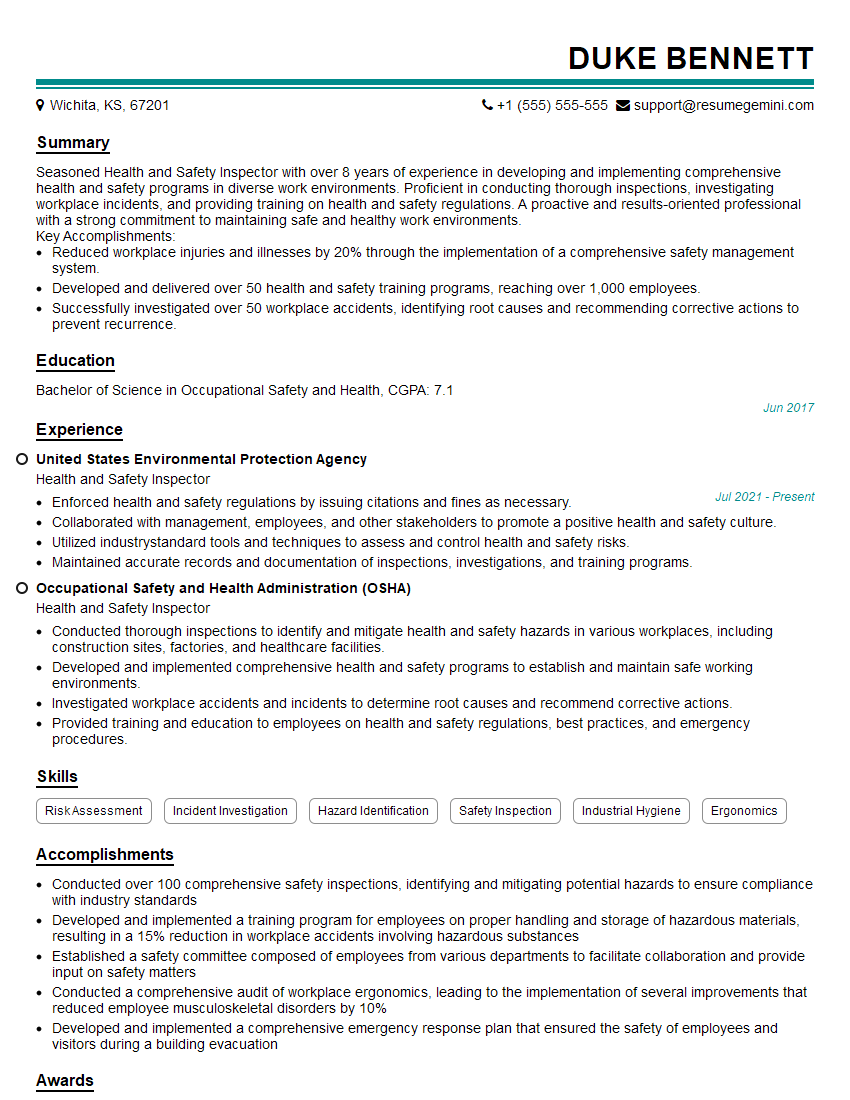
Health and Safety Inspector Resume Sample
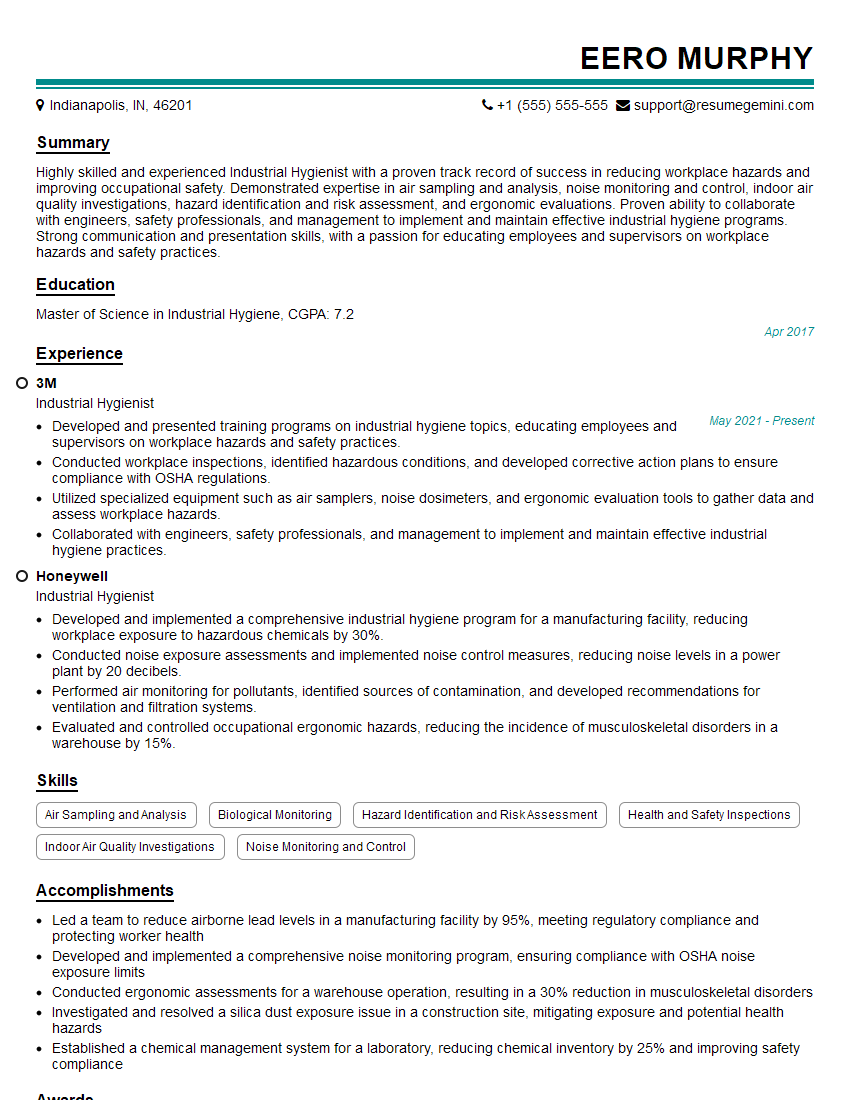
Industrial Hygienist Resume Sample
Explore more articles
Users Rating of Our Blogs
Share Your Experience
We value your feedback! Please rate our content and share your thoughts (optional).
What Readers Say About Our Blog
Attention music lovers!
Wow, All the best Sax Summer music !!!
Spotify: https://open.spotify.com/artist/6ShcdIT7rPVVaFEpgZQbUk
Apple Music: https://music.apple.com/fr/artist/jimmy-sax-black/1530501936
YouTube: https://music.youtube.com/browse/VLOLAK5uy_noClmC7abM6YpZsnySxRqt3LoalPf88No
Other Platforms and Free Downloads : https://fanlink.tv/jimmysaxblack
on google : https://www.google.com/search?q=22+AND+22+AND+22
on ChatGPT : https://chat.openai.com?q=who20jlJimmy20Black20Sax20Producer
Get back into the groove with Jimmy sax Black
Best regards,
Jimmy sax Black
www.jimmysaxblack.com
Hi I am a troller at The aquatic interview center and I suddenly went so fast in Roblox and it was gone when I reset.
Hi,
Business owners spend hours every week worrying about their website—or avoiding it because it feels overwhelming.
We’d like to take that off your plate:
$69/month. Everything handled.
Our team will:
Design a custom website—or completely overhaul your current one
Take care of hosting as an option
Handle edits and improvements—up to 60 minutes of work included every month
No setup fees, no annual commitments. Just a site that makes a strong first impression.
Find out if it’s right for you:
https://websolutionsgenius.com/awardwinningwebsites
Hello,
we currently offer a complimentary backlink and URL indexing test for search engine optimization professionals.
You can get complimentary indexing credits to test how link discovery works in practice.
No credit card is required and there is no recurring fee.
You can find details here:
https://wikipedia-backlinks.com/indexing/
Regards
NICE RESPONSE TO Q & A
hi
The aim of this message is regarding an unclaimed deposit of a deceased nationale that bears the same name as you. You are not relate to him as there are millions of people answering the names across around the world. But i will use my position to influence the release of the deposit to you for our mutual benefit.
Respond for full details and how to claim the deposit. This is 100% risk free. Send hello to my email id: lukachachibaialuka@gmail.com
Luka Chachibaialuka
Hey interviewgemini.com, just wanted to follow up on my last email.
We just launched Call the Monster, an parenting app that lets you summon friendly ‘monsters’ kids actually listen to.
We’re also running a giveaway for everyone who downloads the app. Since it’s brand new, there aren’t many users yet, which means you’ve got a much better chance of winning some great prizes.
You can check it out here: https://bit.ly/callamonsterapp
Or follow us on Instagram: https://www.instagram.com/callamonsterapp
Thanks,
Ryan
CEO – Call the Monster App
Hey interviewgemini.com, I saw your website and love your approach.
I just want this to look like spam email, but want to share something important to you. We just launched Call the Monster, a parenting app that lets you summon friendly ‘monsters’ kids actually listen to.
Parents are loving it for calming chaos before bedtime. Thought you might want to try it: https://bit.ly/callamonsterapp or just follow our fun monster lore on Instagram: https://www.instagram.com/callamonsterapp
Thanks,
Ryan
CEO – Call A Monster APP
To the interviewgemini.com Owner.
Dear interviewgemini.com Webmaster!
Hi interviewgemini.com Webmaster!
Dear interviewgemini.com Webmaster!
excellent
Hello,
We found issues with your domain’s email setup that may be sending your messages to spam or blocking them completely. InboxShield Mini shows you how to fix it in minutes — no tech skills required.
Scan your domain now for details: https://inboxshield-mini.com/
— Adam @ InboxShield Mini
support@inboxshield-mini.com
Reply STOP to unsubscribe
Hi, are you owner of interviewgemini.com? What if I told you I could help you find extra time in your schedule, reconnect with leads you didn’t even realize you missed, and bring in more “I want to work with you” conversations, without increasing your ad spend or hiring a full-time employee?
All with a flexible, budget-friendly service that could easily pay for itself. Sounds good?
Would it be nice to jump on a quick 10-minute call so I can show you exactly how we make this work?
Best,
Hapei
Marketing Director
Hey, I know you’re the owner of interviewgemini.com. I’ll be quick.
Fundraising for your business is tough and time-consuming. We make it easier by guaranteeing two private investor meetings each month, for six months. No demos, no pitch events – just direct introductions to active investors matched to your startup.
If youR17;re raising, this could help you build real momentum. Want me to send more info?
Hi, I represent an SEO company that specialises in getting you AI citations and higher rankings on Google. I’d like to offer you a 100% free SEO audit for your website. Would you be interested?
Hi, I represent an SEO company that specialises in getting you AI citations and higher rankings on Google. I’d like to offer you a 100% free SEO audit for your website. Would you be interested?