Every successful interview starts with knowing what to expect. In this blog, we’ll take you through the top Physical Endurance and Ability to Stand for Extended Periods interview questions, breaking them down with expert tips to help you deliver impactful answers. Step into your next interview fully prepared and ready to succeed.
Questions Asked in Physical Endurance and Ability to Stand for Extended Periods Interview
Q 1. Describe your experience managing fatigue during prolonged periods of standing.
Managing fatigue during prolonged standing is crucial for maintaining performance and preventing injury. It’s a multifaceted approach that combines proactive strategies with responsive adjustments. My experience involves understanding the physiological processes behind fatigue, such as muscle depletion and reduced blood flow to the lower extremities. This understanding informs my approach.
- Strategic Breaks: I incorporate short, frequent breaks into my routine. Even a few minutes of shifting weight, walking around, or performing simple stretches can make a significant difference. Think of it like recharging a battery; small, regular charges prevent complete depletion.
- Hydration and Nutrition: Dehydration and low blood sugar significantly exacerbate fatigue. I prioritize consistent hydration throughout the day and consume nutrient-rich snacks to maintain energy levels. I avoid sugary drinks and foods, which lead to energy crashes.
- Mindfulness and Pacing: Maintaining focus and pacing myself is key. I avoid rushing or overexerting myself early in a shift, as this can lead to premature fatigue. I listen to my body’s signals and adjust my activity accordingly.
- Footwear and Support: Wearing comfortable, supportive shoes with proper arch support is non-negotiable. This minimizes strain on the feet, ankles, and legs, significantly reducing fatigue.
Q 2. How do you maintain proper posture and body mechanics while standing for extended hours?
Maintaining proper posture and body mechanics while standing for extended periods is paramount for preventing musculoskeletal problems. It’s about actively engaging the core muscles to support the spine and distributing weight evenly. Think of it like building a strong, stable structure.
- Engage Your Core: Actively engage your abdominal and back muscles. This helps stabilize your spine and prevents slouching. Imagine drawing your belly button towards your spine.
- Feet Shoulder-Width Apart: Distribute your weight evenly on both feet, keeping them about shoulder-width apart. This prevents undue strain on one leg or foot.
- Maintain a Neutral Spine: Avoid arching your back excessively or hunching your shoulders. Keep your spine in its natural, neutral alignment. Think of a straight line from your ears to your hips.
- Shift Your Weight: Regularly shift your weight from one foot to the other to improve circulation and reduce pressure points.
- Avoid Static Postures: Minimizing prolonged periods of remaining completely still is crucial. Incorporate subtle movements, like shifting weight or rotating your ankles, to keep the body active.
Q 3. What strategies do you employ to prevent common physical ailments associated with prolonged standing?
Preventing common ailments associated with prolonged standing, such as back pain, leg fatigue, and varicose veins, requires a holistic approach. It’s about proactive measures, not just reactive solutions.
- Regular Exercise: Maintaining good overall fitness through regular exercise, particularly cardiovascular and strength training, improves circulation, strengthens muscles, and increases stamina.
- Stretching: Incorporating regular stretching exercises, focusing on the legs, back, and hips, improves flexibility and reduces muscle stiffness.
- Compression Stockings: These can improve circulation in the legs, reducing swelling and fatigue. It’s like giving your legs a gentle squeeze to improve blood flow.
- Proper Footwear: Appropriate footwear with good arch support is crucial for shock absorption and minimizing strain on joints.
- Anti-Fatigue Mats: These mats provide cushioning and support, reducing pressure on the feet and legs.
Q 4. Explain your understanding of the importance of hydration and nutrition for physical endurance.
Hydration and nutrition are fundamental to physical endurance, particularly during prolonged standing. Think of your body as a high-performance machine; it needs the right fuel and fluids to operate optimally.
- Hydration: Dehydration leads to fatigue, reduced performance, and increased risk of injury. Consistent water intake is essential to maintain blood volume and electrolyte balance. Aim to drink water regularly throughout the day, even before you feel thirsty.
- Nutrition: A balanced diet rich in complex carbohydrates, lean protein, and healthy fats provides sustained energy and supports muscle function. Avoid sugary snacks and processed foods that lead to energy crashes. Focus on foods that provide long-lasting, stable energy levels.
Q 5. Have you ever experienced a physical limitation while performing a job requiring prolonged standing? How did you address it?
In a previous role requiring extensive standing, I developed plantar fasciitis, a common condition causing heel pain. This highlighted the importance of proactive measures.
- Immediate Action: I immediately reduced my standing time and incorporated more frequent breaks, prioritizing rest and elevation of my feet.
- Professional Help: I consulted a podiatrist who recommended custom orthotics to provide better arch support and alleviate pressure on my plantar fascia.
- Physical Therapy: I underwent physical therapy to strengthen supporting muscles and improve flexibility. This helped in the long-term recovery.
- Lifestyle Changes: I incorporated regular stretching into my routine and adopted more supportive footwear even outside of work.
This experience reinforced my commitment to proactive measures in preventing and managing physical limitations arising from prolonged standing.
Q 6. What are some ergonomic techniques you utilize to minimize strain during prolonged standing tasks?
Ergonomic techniques significantly reduce strain during prolonged standing. It’s about optimizing the work environment and personal habits.
- Adjustable Workstations: Utilizing workstations that allow for adjustments in height and position helps to maintain proper posture and reduce strain.
- Anti-Fatigue Mats: These provide cushioning and improve comfort, reducing fatigue and pressure points.
- Footrests: Using footrests allows for changes in posture and reduces leg fatigue, offering alternative support for the feet and lower legs.
- Proper Footwear: Comfortable, supportive footwear is essential, ensuring proper arch support and cushioning.
- Regular Movement: Incorporating movement breaks involves simple exercises like stretching, ankle rotations, or walking around to enhance circulation and reduce muscle stiffness.
Q 7. How would you handle unexpected physical demands during a long shift requiring prolonged standing?
Handling unexpected physical demands during a long shift requires adaptability and a prioritization of safety. My approach is to assess, adapt, and seek assistance when necessary.
- Assessment: Quickly assess the nature and extent of the additional demand. Is it a sudden increase in workload or a change in task?
- Adaptation: If possible, adjust my work strategy to accommodate the increased demand, perhaps by prioritizing tasks or seeking assistance from colleagues.
- Communication: I’d communicate the situation to my supervisor to explore potential solutions. This might include additional breaks, task reassignments, or adjustments to the work environment.
- Prioritization of Safety: My safety is paramount. If the additional demand is excessive or puts me at risk of injury, I won’t hesitate to seek assistance or request adjustments.
Q 8. Describe a time you had to maintain physical endurance despite challenging circumstances.
Maintaining physical endurance under duress is a crucial skill, honed through consistent training and mindful adaptation. One instance involved a 12-hour charity fundraising event where I was required to stand and interact with the public continuously. The initial hours were manageable, but fatigue started setting in after six. My strategy involved incorporating micro-breaks – shifting weight, gentle stretches, and deep breaths – every 20-30 minutes. I also focused on staying hydrated and consuming light snacks to maintain energy levels. Despite the physical challenge, I was able to remain engaged and enthusiastic throughout the entire event, exceeding my fundraising goal. This highlights the importance of proactive self-care and adaptable strategies to combat fatigue in demanding situations.
Q 9. How do you manage your energy levels throughout a workday that requires significant standing time?
Managing energy levels during a workday requiring prolonged standing involves a multi-pronged approach. Firstly, proper footwear is crucial – supportive shoes with good arch support and cushioning are essential. Secondly, I incorporate regular movement. This isn’t about lengthy breaks, but rather micro-adjustments – shifting weight, stretching calves, and performing simple ankle rotations. I also use a standing desk with an anti-fatigue mat to provide some cushioning and support. Hydration is key – I keep a water bottle nearby and sip regularly. Finally, mindful breaks are vital. Taking short, 5-10 minute breaks every couple of hours to sit and rest helps prevent fatigue and muscle soreness.
Q 10. What are your preferred methods for stretching and recovering after prolonged standing?
Post-prolonged standing recovery is paramount to avoid injury and maintain long-term physical health. My preferred stretching routine involves calf stretches (leaning against a wall), hamstring stretches (toe touches), quadriceps stretches (pulling heel towards buttock), and gentle hip flexor stretches. I also incorporate foam rolling to target tight muscles in the legs and back. Finally, a warm bath or shower helps to relax muscles and improve circulation. These methods, consistently applied, are crucial for preventing stiffness and ensuring I’m ready for the next day. Remember that consistency is key – a short, regular routine is far more effective than sporadic, intense sessions.
Q 11. How do you prioritize safety and prevent injuries related to prolonged standing?
Prioritizing safety when standing for extended periods requires a proactive approach. This begins with appropriate footwear – supportive shoes with good arch support are non-negotiable. Using an anti-fatigue mat helps cushion the feet and reduce strain. Maintaining good posture is essential; I consciously focus on keeping my back straight and shoulders relaxed. Regular breaks are crucial to allow muscles to rest and recover. Furthermore, I pay attention to my body’s signals – if I experience any pain, I immediately stop, stretch, and adjust my posture or work setup. Prolonged standing can lead to varicose veins; therefore, regular leg elevation is also beneficial.
Q 12. What are your strategies for maintaining focus and concentration while standing for extended periods?
Maintaining focus while standing for extended periods is a challenge, but achievable with the right strategies. First, ensuring a comfortable and ergonomic workspace is essential. This means having adjustable equipment to accommodate my needs and avoid strain. Regular, short breaks are vital for refreshing the mind and avoiding mental fatigue. Incorporating light movement during these breaks helps improve circulation and boost alertness. I also use techniques like mindfulness and deep breathing exercises to stay grounded and centered. Breaking tasks into smaller, manageable chunks helps prevent feeling overwhelmed. Finally, staying hydrated helps maintain cognitive function and alertness.
Q 13. Describe your experience using supportive footwear or other equipment designed to aid prolonged standing.
Supportive footwear has been a game-changer for me. I primarily use shoes with excellent arch support, cushioning, and good stability. Specifically, I prefer shoes with a rocker bottom design, which helps reduce stress on the ankles and knees. I’ve also experimented with insoles designed to provide additional cushioning and support. The difference between wearing supportive footwear and regular shoes is significant – the former minimizes fatigue and pain, enhancing comfort and allowing for more prolonged standing without discomfort. Furthermore, I find that using an anti-fatigue mat significantly reduces pressure on my feet and legs.
Q 14. How do you adapt your work habits to reduce fatigue during prolonged standing?
Adapting work habits is crucial to minimize fatigue during prolonged standing. I prioritize micro-breaks – short, frequent pauses to stretch, shift weight, and rest. I use adjustable height desks to alternate between standing and sitting. I also incorporate walking breaks, even for 5-10 minutes, to improve circulation and reduce stiffness. Task prioritization helps me focus on the most demanding tasks when my energy levels are highest. Finally, I plan my day to allow for larger breaks when needed, ensuring I don’t push myself beyond my limits. Consistent application of these strategies significantly reduces daily fatigue and improves overall work efficiency.
Q 15. Have you received any training or certifications related to workplace safety and physical endurance?
While I don’t hold specific certifications explicitly titled “Workplace Safety and Physical Endurance,” my experience and training extensively cover these areas. My background includes comprehensive coursework in ergonomics, biomechanics, and occupational health and safety. I’ve completed numerous training modules on risk assessment, injury prevention, and the physiological effects of prolonged standing. This training directly translates to understanding and mitigating risks associated with physical endurance in the workplace.
For example, I’ve undertaken training on recognizing and addressing musculoskeletal disorders (MSDs) common in jobs requiring prolonged standing, such as lower back pain, carpal tunnel syndrome, and varicose veins. This training equipped me with practical strategies for prevention and early intervention.
Career Expert Tips:
- Ace those interviews! Prepare effectively by reviewing the Top 50 Most Common Interview Questions on ResumeGemini.
- Navigate your job search with confidence! Explore a wide range of Career Tips on ResumeGemini. Learn about common challenges and recommendations to overcome them.
- Craft the perfect resume! Master the Art of Resume Writing with ResumeGemini’s guide. Showcase your unique qualifications and achievements effectively.
- Don’t miss out on holiday savings! Build your dream resume with ResumeGemini’s ATS optimized templates.
Q 16. How do you proactively address potential physical discomfort during prolonged standing?
Proactive management of physical discomfort during prolonged standing is crucial. My approach is multifaceted and centers around prevention and timely intervention. It involves:
- Strategic Breaks: I incorporate short, regular breaks into my routine, ensuring I move around, stretch my legs, and change posture. Even a minute or two every half hour can make a significant difference.
- Postural Variation: I avoid static postures. This means shifting weight, slightly adjusting my stance, and occasionally sitting if possible. I also consciously focus on maintaining good posture to minimize strain.
- Supportive Footwear: Wearing comfortable, supportive shoes with good arch support is non-negotiable. This helps distribute weight effectively and reduce pressure points.
- Hydration and Nutrition: Maintaining proper hydration is vital for overall well-being and reducing muscle fatigue. A balanced diet also contributes to sustained energy levels.
- Self-Massage and Stretching: I regularly perform self-massage techniques and stretches focusing on the legs, back, and neck to alleviate tension and improve circulation.
Think of it like a marathon runner – they don’t just run, they train, hydrate, pace themselves, and strategize for the long haul. Prolonged standing requires a similar mindful and proactive approach.
Q 17. Describe a time you had to modify a task to reduce the physical strain of prolonged standing.
In a previous role involving extensive inventory management, I noticed significant physical strain from hours of continuous standing and reaching. The task involved repeatedly scanning items at chest height. To alleviate this, I proposed and implemented a two-pronged solution.
- Adjustable Height Platform: We introduced a mobile, adjustable-height platform for the scanning equipment. This allowed employees to alternate between standing and partially sitting, thus reducing the constant strain on their legs and lower back.
- Task Rotation: We implemented a system of task rotation, incorporating other less physically demanding duties into the workflow. This provided short breaks from prolonged standing, reducing the cumulative strain throughout the day.
The outcome was a measurable reduction in reported musculoskeletal discomfort and improved overall efficiency, demonstrating the effectiveness of proactive task modification.
Q 18. How do you monitor your physical condition while performing tasks requiring prolonged standing?
Monitoring my physical condition while standing for extended periods is an ongoing process. It involves:
- Regular Self-Checks: Throughout the day, I pay attention to any signs of discomfort or fatigue, such as lower back pain, leg cramps, or foot pain. This includes checking for any swelling in the legs and feet.
- Body Awareness: I am mindful of my posture and consciously correct any slouching or twisting that could increase strain.
- Hydration and Energy Levels: I monitor my hydration and energy levels throughout the day. Dehydration and low energy can exacerbate discomfort.
- Rest and Recovery: I prioritize adequate sleep and rest to support my body’s natural recovery process.
Essentially, I’m like a car’s dashboard – constantly monitoring various indicators to ensure everything’s functioning smoothly. Early detection and response are key to avoiding serious issues.
Q 19. What are your expectations for workplace support in addressing physical demands?
My expectations for workplace support in addressing physical demands are straightforward and reasonable. I expect:
- Ergonomic Assessments: Regular assessments of workstations to ensure they are ergonomically sound, incorporating appropriate furniture and equipment to minimize strain.
- Provision of Appropriate Equipment: Access to anti-fatigue mats, adjustable height work surfaces, and comfortable footwear if prolonged standing is required.
- Flexible Work Arrangements: Opportunities for varied tasks and movement to reduce the cumulative impact of prolonged standing. This might include breaks, task rotation, or the option to sit if possible.
- Training and Education: Ongoing training on safe work practices, including proper posture, stretching techniques, and injury prevention.
- Open Communication: A supportive environment where concerns about physical discomfort can be raised and addressed promptly without fear of reprisal.
A proactive and supportive work environment fosters a healthier and more productive workforce.
Q 20. Describe your understanding of the risks associated with prolonged standing.
Prolonged standing carries several significant risks, primarily affecting the musculoskeletal system and circulatory system. These include:
- Musculoskeletal Disorders (MSDs): Lower back pain, knee pain, foot pain, and varicose veins are common. These can stem from prolonged static posture, repetitive movements, and inadequate support.
- Venous Insufficiency: Standing for extended periods can impede blood flow, leading to varicose veins, edema (swelling), and deep vein thrombosis (DVT) in severe cases.
- Fatigue and Reduced Productivity: Physical fatigue impacts concentration, efficiency, and overall productivity.
- Increased Risk of Falls: Fatigue and discomfort can increase the risk of falls, especially if the work environment is not safe or well-maintained.
Understanding these risks allows for better prevention and mitigation through ergonomic design, regular breaks, and proactive health measures.
Q 21. How would you assess the ergonomic suitability of a workspace requiring prolonged standing?
Assessing the ergonomic suitability of a workspace designed for prolonged standing requires a systematic approach. I would consider:
- Surface Height and Adjustability: Work surfaces should be at an appropriate height to avoid excessive bending or reaching. Adjustability allows for customization to individual needs.
- Anti-Fatigue Mats: High-quality anti-fatigue mats provide cushioning and improve comfort, reducing strain on legs and feet.
- Footwear: Comfortable, supportive shoes with good arch support are essential.
- Posture and Movement: The workspace should promote good posture and allow for occasional movement and stretching.
- Lighting and Temperature: Proper lighting and comfortable temperature contribute to overall well-being and reduce fatigue.
- Adequate Breaks: The schedule should incorporate regular breaks to allow for movement and rest.
- Personalization: The workspace should be adjustable to accommodate individual body types and preferences.
A thorough ergonomic assessment should involve observation, measurement, and consultation with those who will be using the workspace. It’s about creating a space that supports the health and well-being of its occupants.
Q 22. What steps would you take to improve your physical fitness to handle prolonged standing?
Improving physical fitness for prolonged standing requires a holistic approach focusing on strengthening key muscle groups, improving cardiovascular health, and enhancing overall body mechanics. It’s not just about leg strength; it’s about core stability, balance, and flexibility.
Strengthening Exercises: I’d incorporate exercises targeting the legs (squats, lunges, calf raises), core (planks, bridges), and back (rows, extensions). These build the muscles needed to support prolonged standing and reduce strain.
Cardiovascular Training: Regular cardiovascular exercise, like brisk walking, cycling, or swimming, improves circulation, which is vital for delivering oxygen and nutrients to working muscles, reducing fatigue during prolonged standing.
Flexibility and Balance: Stretching exercises, focusing on hamstrings, quads, hip flexors, and calves, improve flexibility, preventing stiffness and reducing the risk of injury. Balance exercises, such as single-leg stances, improve stability, which is critical for preventing falls and maintaining posture during prolonged standing.
Gradual Progression: I wouldn’t jump into intense workouts immediately. Instead, I’d start with shorter sessions and gradually increase the duration and intensity to avoid overtraining and injury. Think of it like training for a marathon – you wouldn’t run 26 miles on your first day!
Q 23. How do you incorporate rest breaks into your routine during prolonged standing tasks?
Incorporating rest breaks during prolonged standing is crucial for preventing fatigue and injury. The key is to make them regular and effective.
Frequency: I’d aim for short breaks every 30-60 minutes. Even a few minutes can make a significant difference.
Activity During Breaks: Instead of simply standing still, I’d utilize these breaks for light movement. This could include walking around, stretching, or performing simple exercises like calf raises or ankle rotations to improve circulation and reduce muscle stiffness. Think of it as ‘active recovery’.
Posture Adjustments: During breaks, I’d consciously adjust my posture, shifting my weight and slightly changing my stance to relieve pressure on specific areas. Think of it like resetting your body’s position.
Elevation: If possible, I’d utilize a footrest or anti-fatigue mat to alternate my stance and reduce strain on lower extremities. This subtly changes the angle of your legs and distributes the weight differently.
Q 24. Describe your experience managing stress and its impact on your physical endurance.
Stress significantly impacts physical endurance. When stressed, the body releases cortisol, a hormone that can lead to muscle tension, fatigue, and decreased performance. I manage stress through a combination of techniques.
Mindfulness and Meditation: These practices help to calm the nervous system and reduce cortisol levels, promoting relaxation and improving overall well-being.
Regular Exercise: Physical activity acts as a natural stress reliever, improving mood and reducing anxiety. I find that even a short walk can make a significant difference.
Sleep Hygiene: Adequate sleep is essential for physical recovery and stress management. I prioritize a consistent sleep schedule and create a relaxing bedtime routine.
Healthy Diet: A balanced diet contributes to overall health and well-being, which influences physical endurance and stress resilience. Eating nutrient-rich foods provides the fuel my body needs to cope with stress.
Q 25. What is your experience with different types of supportive footwear for prolonged standing?
Supportive footwear is critical for prolonged standing. I’ve experimented with various types and found that certain features are essential.
Arch Support: Shoes with good arch support help to distribute weight evenly across the foot, reducing strain on the plantar fascia and preventing pain.
Cushioning: Ample cushioning in the sole absorbs shock and reduces impact on joints, particularly the knees and hips.
Proper Fit: Shoes should fit comfortably without being too tight or too loose. Proper fit prevents rubbing and blisters, common problems when standing for extended periods.
Non-slip Sole: A non-slip sole ensures good traction, preventing slips and falls, especially on slippery surfaces.
Examples: I’ve found success with athletic shoes designed for walking or running, as well as work boots with good arch support and cushioning. I would avoid high heels or flat shoes without adequate support.
Q 26. How do you plan and pace yourself for tasks requiring prolonged standing to avoid burnout?
Pacing is crucial for avoiding burnout during tasks requiring prolonged standing. It’s about strategic movement and rest.
Assessment: Before starting a task, I assess its duration and intensity, planning for appropriate rest breaks.
Alternating Activities: If possible, I try to alternate between standing and sitting or other activities to reduce continuous strain on any one muscle group.
Micro-breaks: Incorporating short, frequent micro-breaks, even just standing in a slightly different position, can help to reduce fatigue. Think of it as regularly ‘re-calibrating’ your body’s posture.
Hydration: Staying hydrated is essential; dehydration can lead to fatigue and decreased performance.
Progressive Loading: Gradually increasing the duration of standing time over time allows the body to adapt and build endurance.
Q 27. How do you manage pain or discomfort that may occur due to prolonged standing?
Managing pain and discomfort from prolonged standing requires a multi-faceted approach.
Rest and Elevation: When experiencing pain, I prioritize rest and elevate my legs to reduce swelling and promote blood flow.
Ice and Heat: Ice can help to reduce inflammation, while heat can relax tense muscles. I’ll use ice initially, then perhaps heat later.
Over-the-Counter Pain Relievers: For mild to moderate pain, I may use over-the-counter pain relievers like ibuprofen or acetaminophen, always following the recommended dosage.
Stretching and Massage: Gentle stretching and self-massage can help to relieve muscle tension and improve flexibility.
Professional Help: If pain persists or is severe, I’d seek professional help from a doctor or physical therapist to rule out any underlying medical conditions.
Q 28. What are your long-term strategies for maintaining physical fitness to sustain prolonged standing?
Maintaining long-term physical fitness for prolonged standing requires consistency and a commitment to healthy habits.
Regular Exercise: I’d continue with a regular exercise routine focusing on strength training, cardiovascular health, and flexibility.
Proper Nutrition: A balanced diet rich in fruits, vegetables, and lean protein provides the necessary nutrients for muscle repair and energy production.
Hydration: Adequate hydration supports overall health and performance.
Ergonomic Considerations: I’d ensure my workstation is ergonomically sound, with appropriate chair height and desk arrangement to promote good posture.
Regular Check-ups: Regular check-ups with a doctor or physical therapist can identify and address potential problems before they escalate.
Key Topics to Learn for Physical Endurance and Ability to Stand for Extended Periods Interview
- Understanding Physical Endurance: Explore the physiological mechanisms behind endurance, including cardiovascular fitness, muscular endurance, and the role of energy systems (aerobic and anaerobic).
- Strategies for Maintaining Endurance: Learn about practical strategies for enhancing physical endurance, such as proper nutrition, hydration, sleep, and training techniques. Discuss the importance of progressive overload and rest/recovery.
- Managing Prolonged Standing: Investigate techniques for minimizing discomfort and fatigue associated with prolonged standing, including proper posture, footwear, and the use of supportive devices. Discuss the importance of regular movement and micro-breaks.
- Ergonomics and Workplace Safety: Understand ergonomic principles and their application in minimizing strain and injury during extended periods of standing. Explore the relationship between workplace design and physical well-being.
- Injury Prevention and Recovery: Learn about common injuries associated with prolonged standing and physical exertion, and how to prevent them. Discuss appropriate first aid and recovery strategies.
- Self-Assessment and Monitoring: Develop strategies for self-monitoring physical condition and identifying potential problems early. Discuss the importance of recognizing limitations and adapting strategies accordingly.
- Communicating Physical Capabilities: Practice articulating your physical capabilities and limitations professionally and confidently during an interview setting. Understand how to highlight your strengths while acknowledging any limitations.
Next Steps
Mastering physical endurance and the ability to stand for extended periods is crucial for success in many demanding roles. Demonstrating these capabilities not only increases your chances of landing your desired job but also significantly impacts your career trajectory and potential for advancement. To showcase these skills effectively to potential employers, a well-crafted resume is essential. Building an ATS-friendly resume significantly improves your chances of getting noticed by recruiters. We highly recommend using ResumeGemini, a trusted resource for building professional and effective resumes. ResumeGemini offers examples of resumes tailored to highlight Physical Endurance and Ability to Stand for Extended Periods, providing you with valuable templates and guidance to create a compelling application.
Teacher Resume Sample
Paramedic Resume Sample
Firefighter Resume Sample
Police Officer Resume Sample
Surgeon Resume Sample
Dental Hygienist Resume Sample
Security Guard Resume Sample
Line Cook Resume Sample
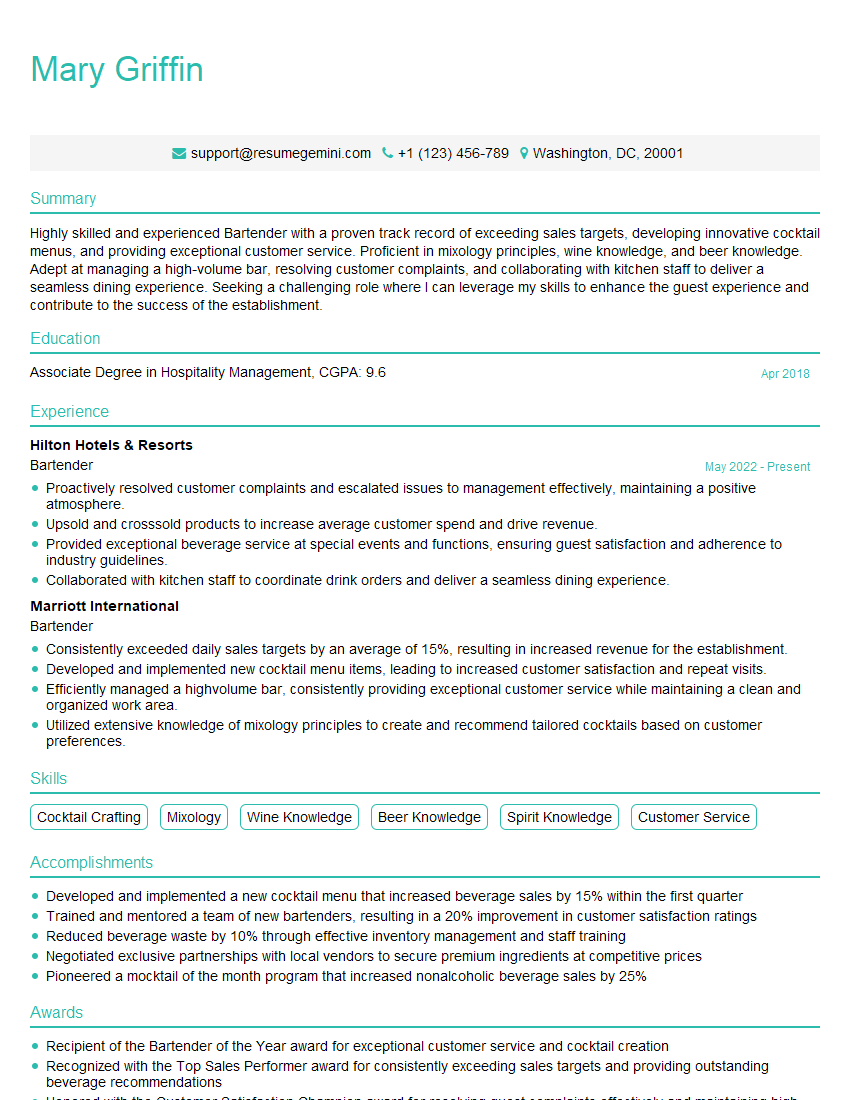
Bartender Resume Sample
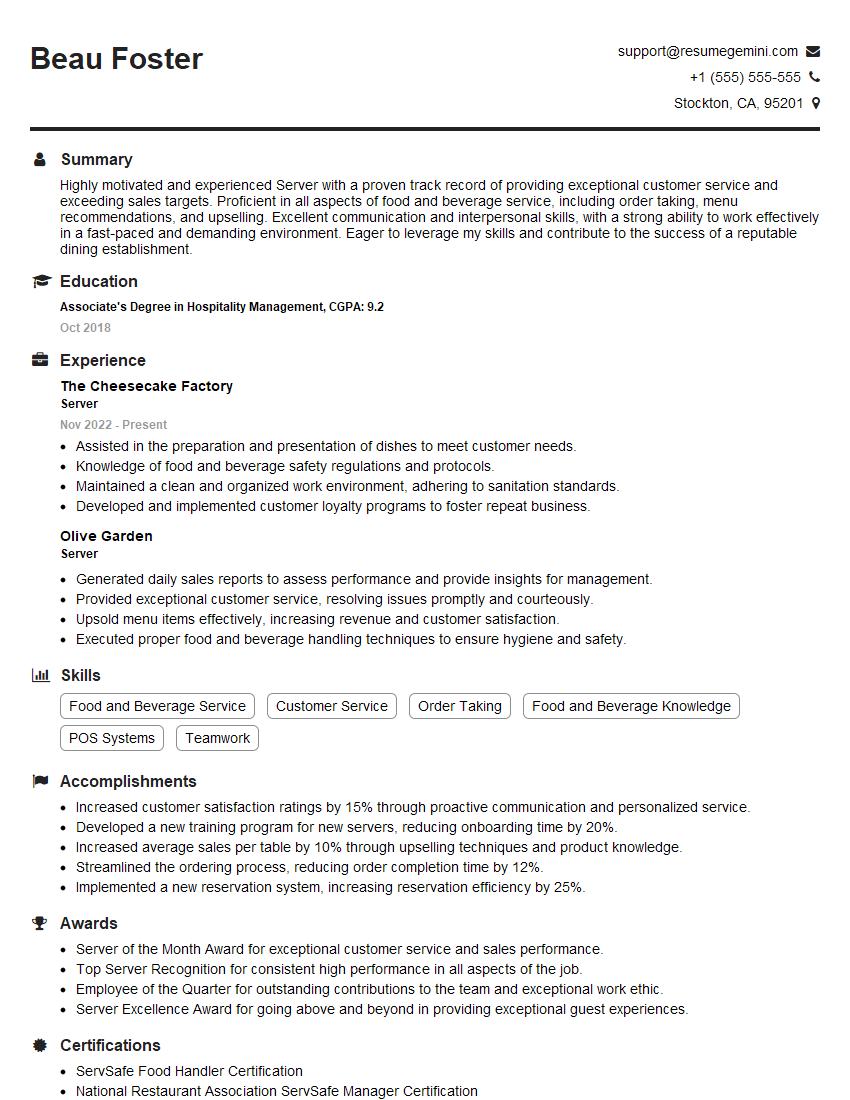
Server Resume Sample
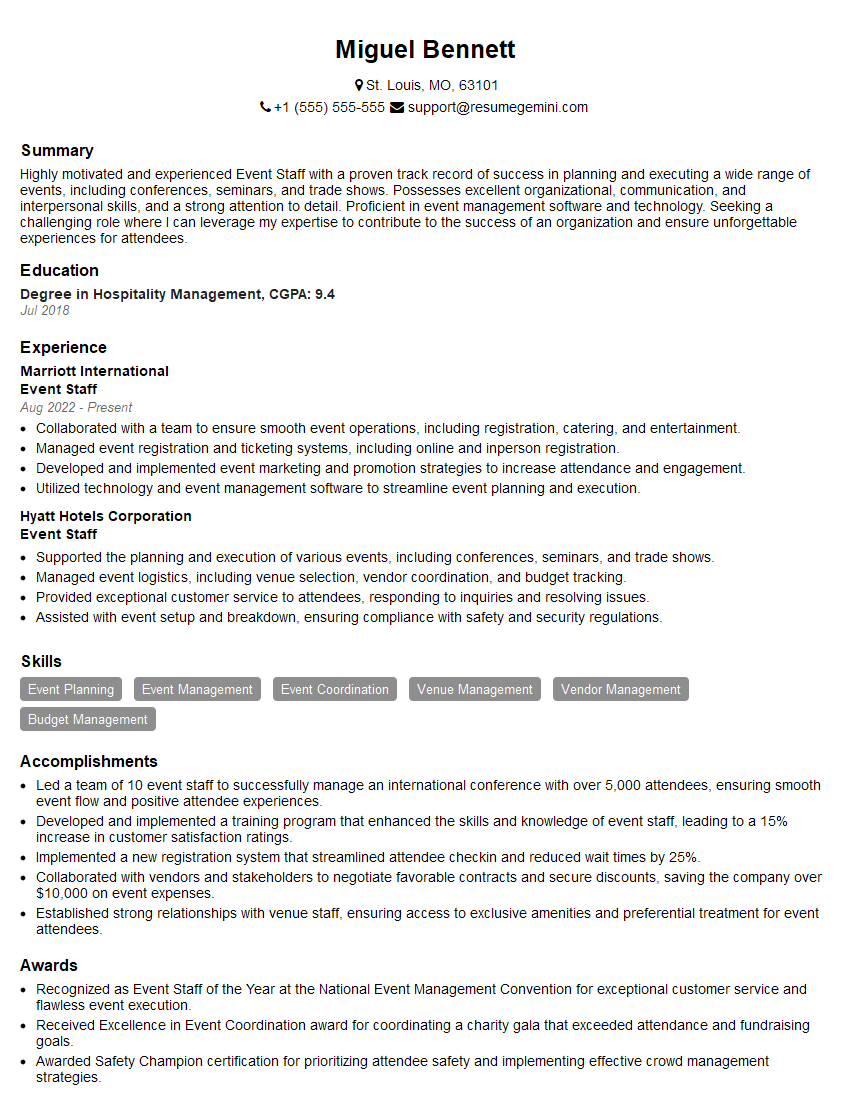
Event Staff Resume Sample
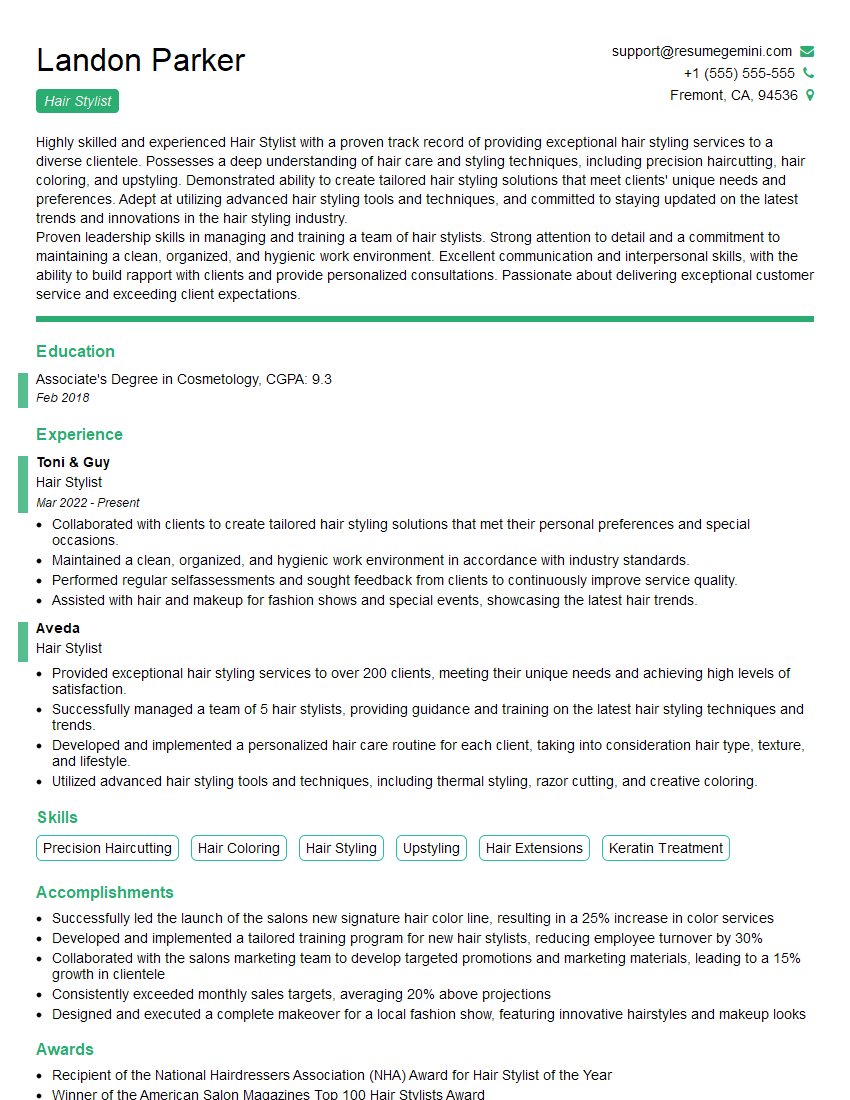
Hair Stylist Resume Sample
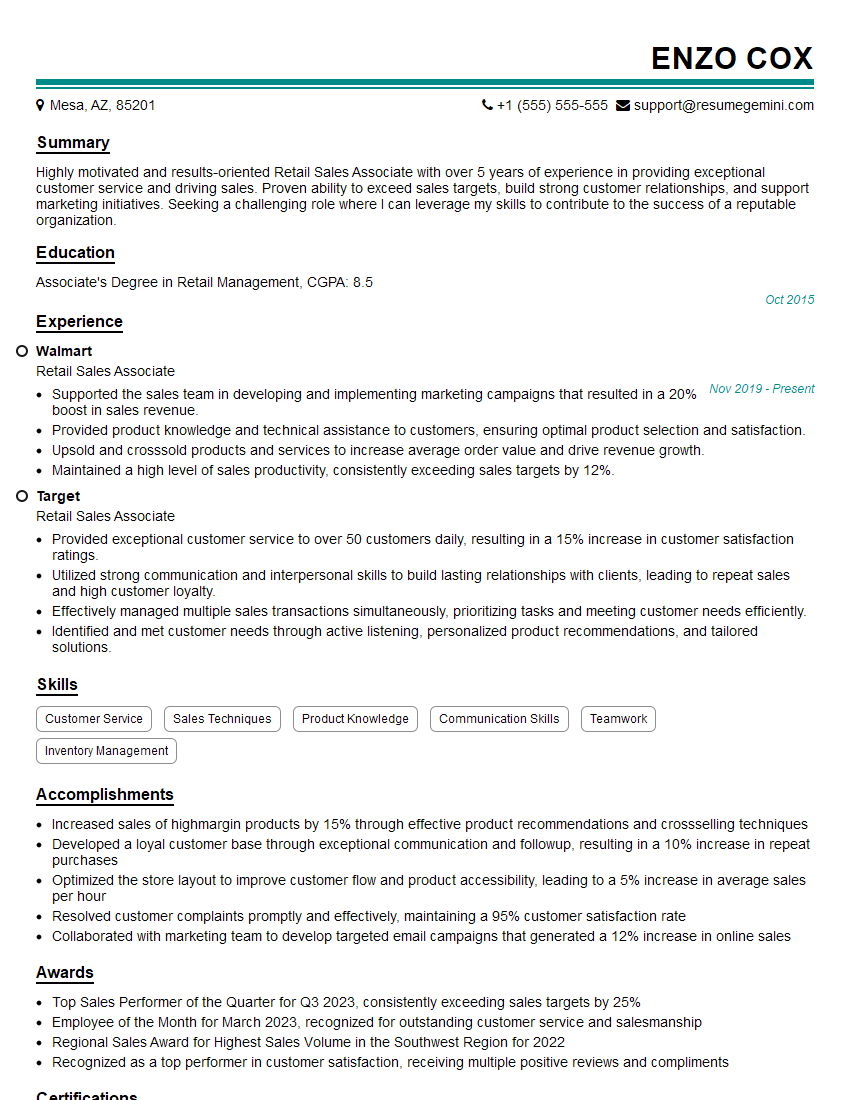
Retail Sales Associate Resume Sample
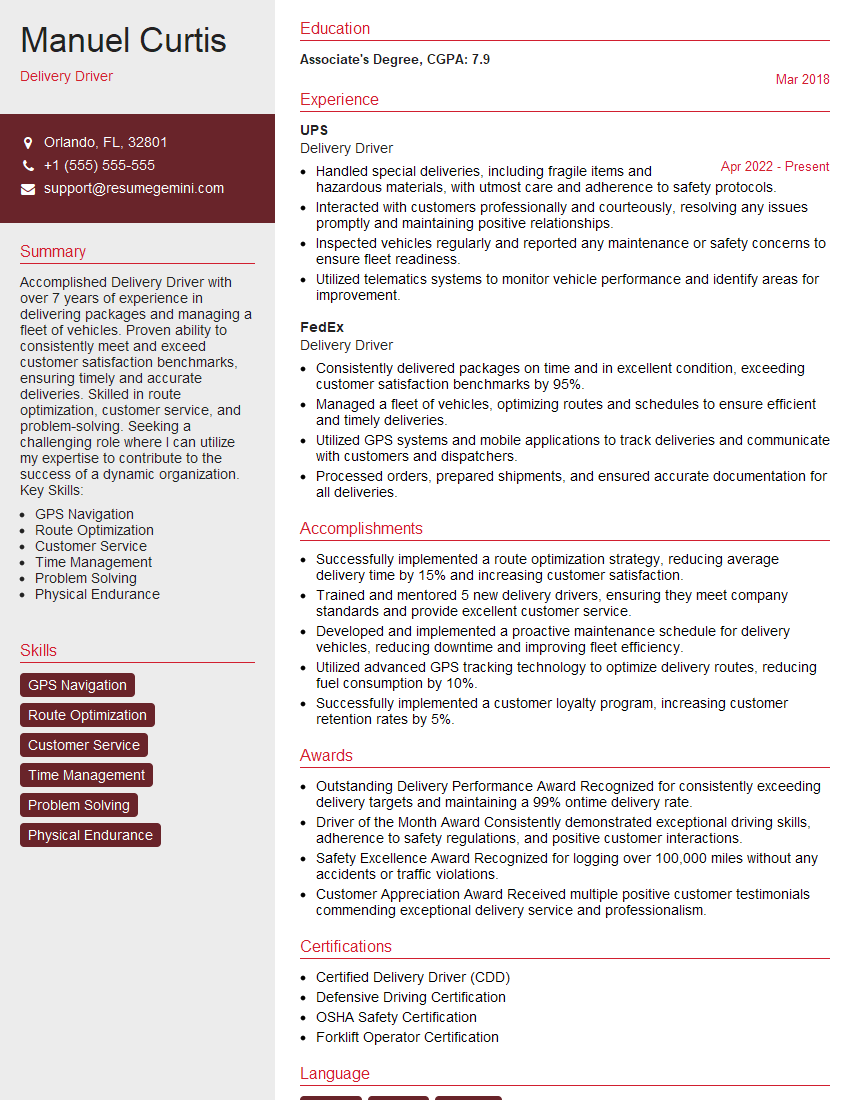
Delivery Driver Resume Sample
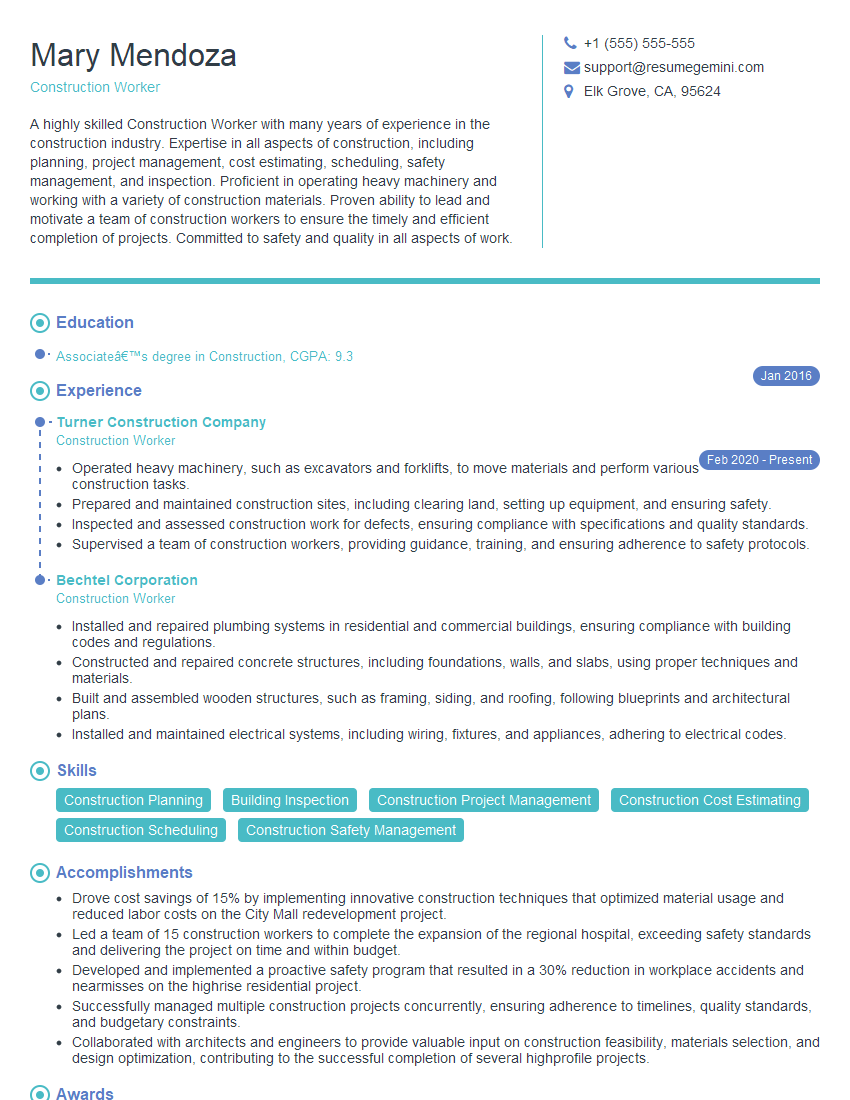
Construction Worker Resume Sample
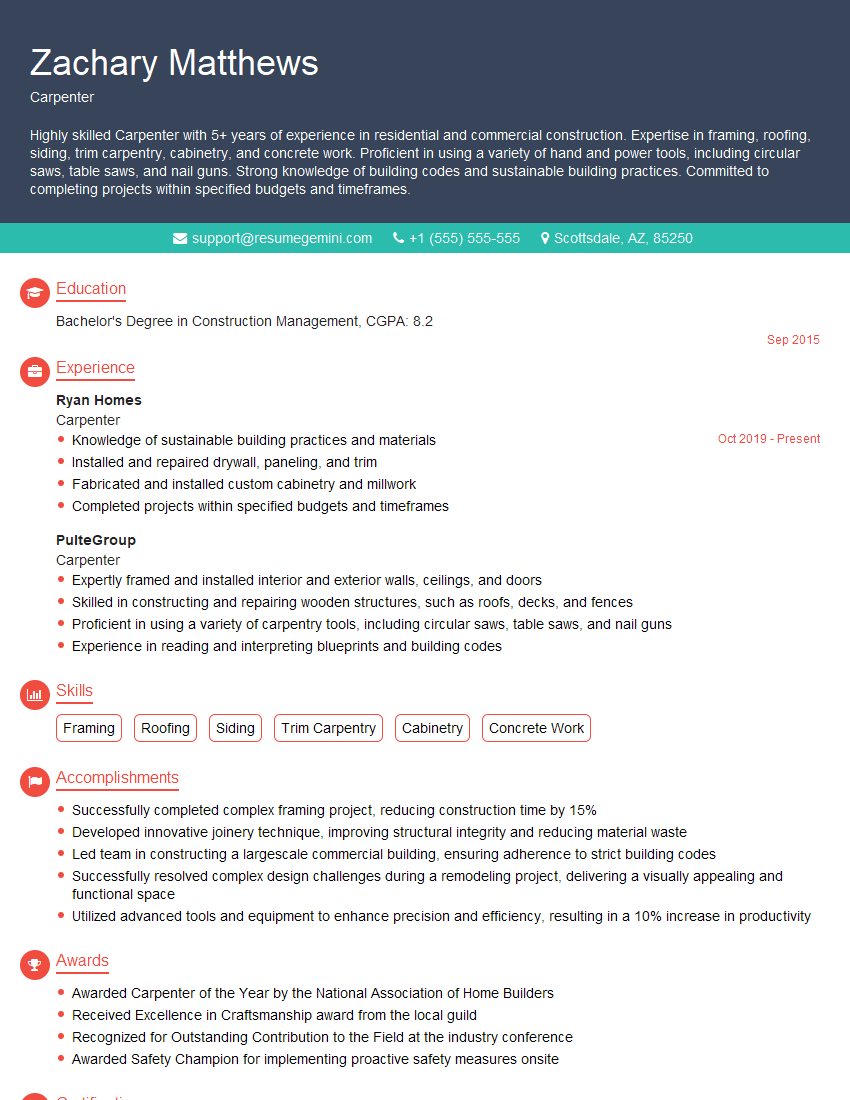
Carpenter Resume Sample
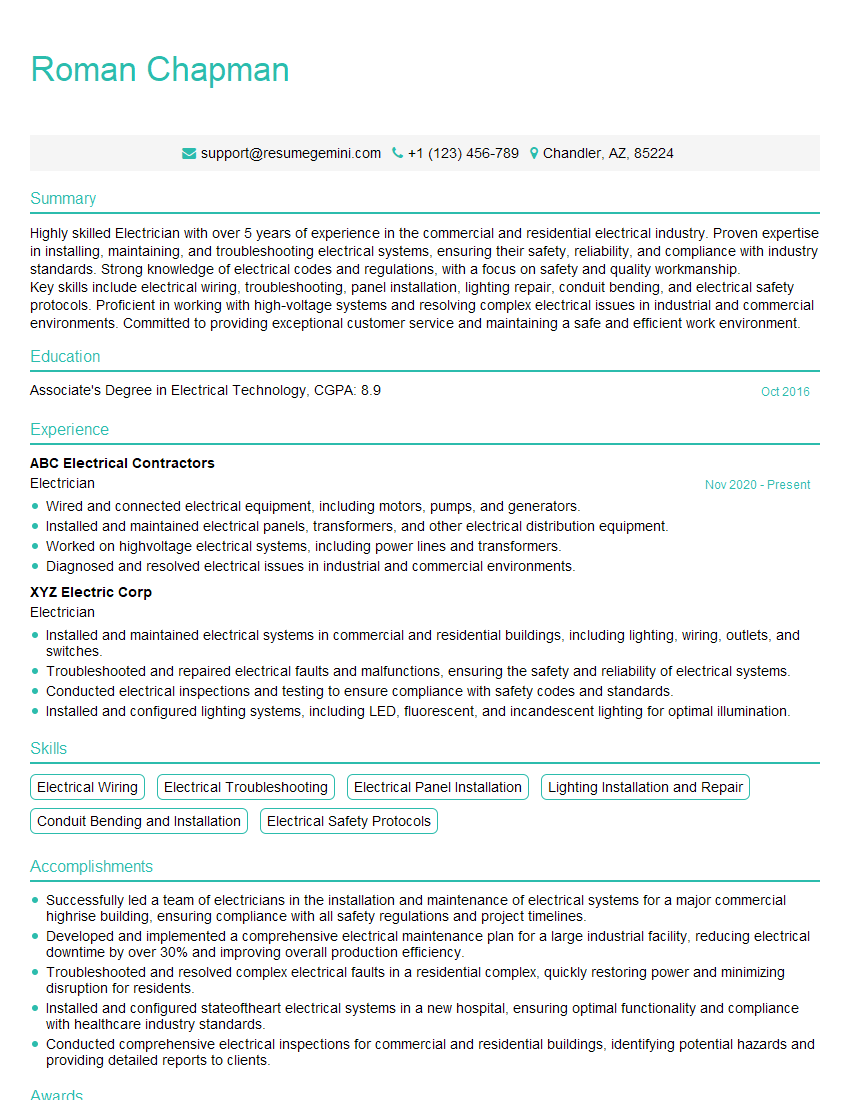
Electrician Resume Sample
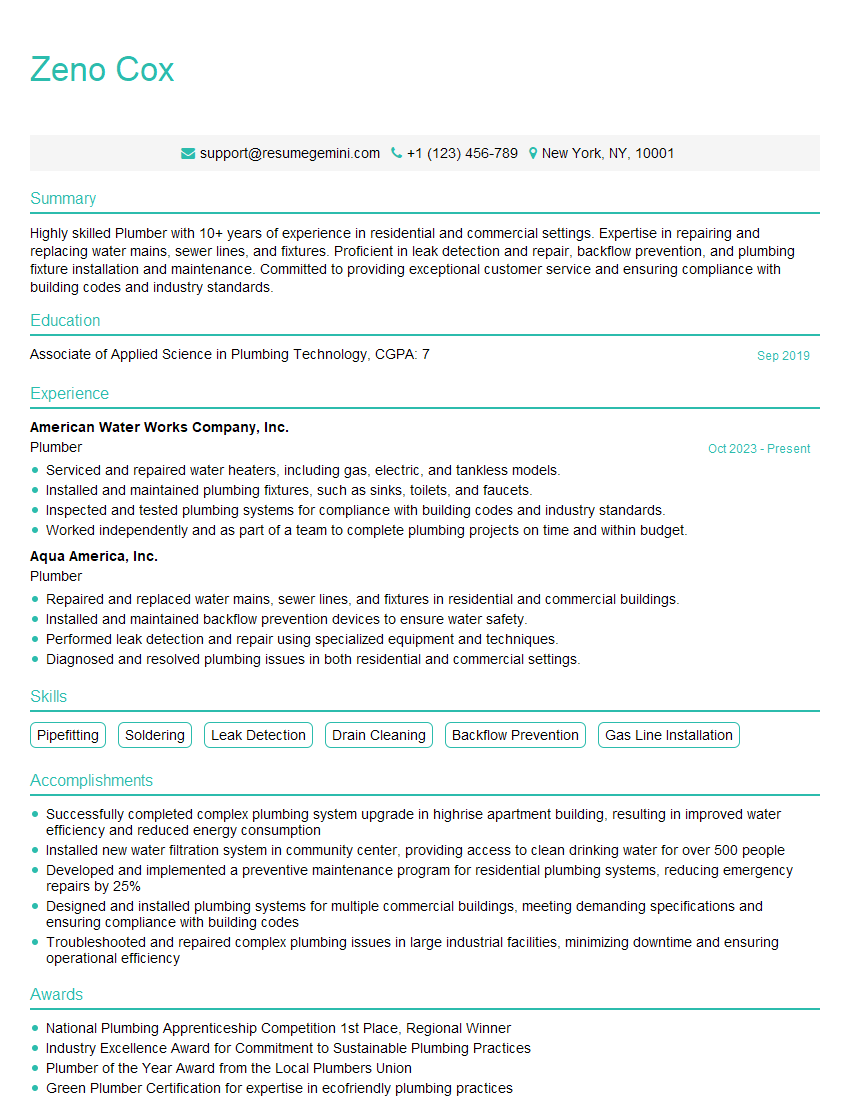
Plumber Resume Sample
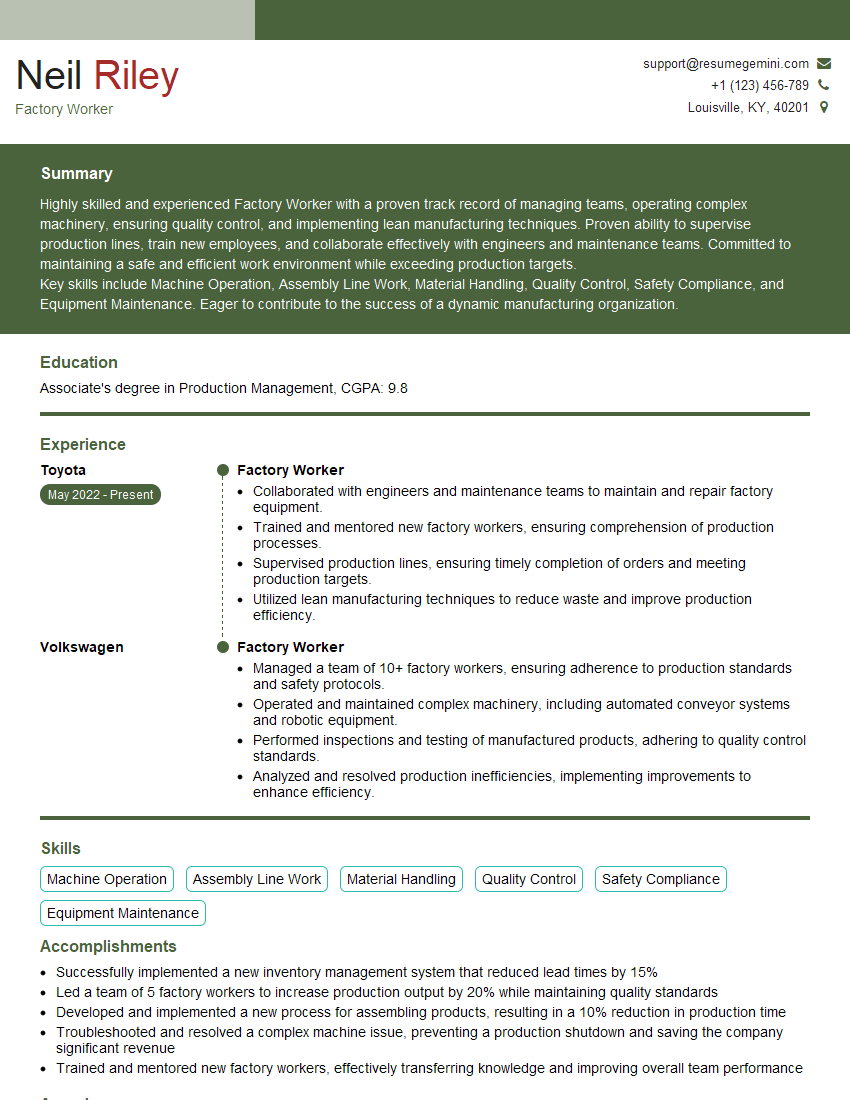
Factory Worker Resume Sample
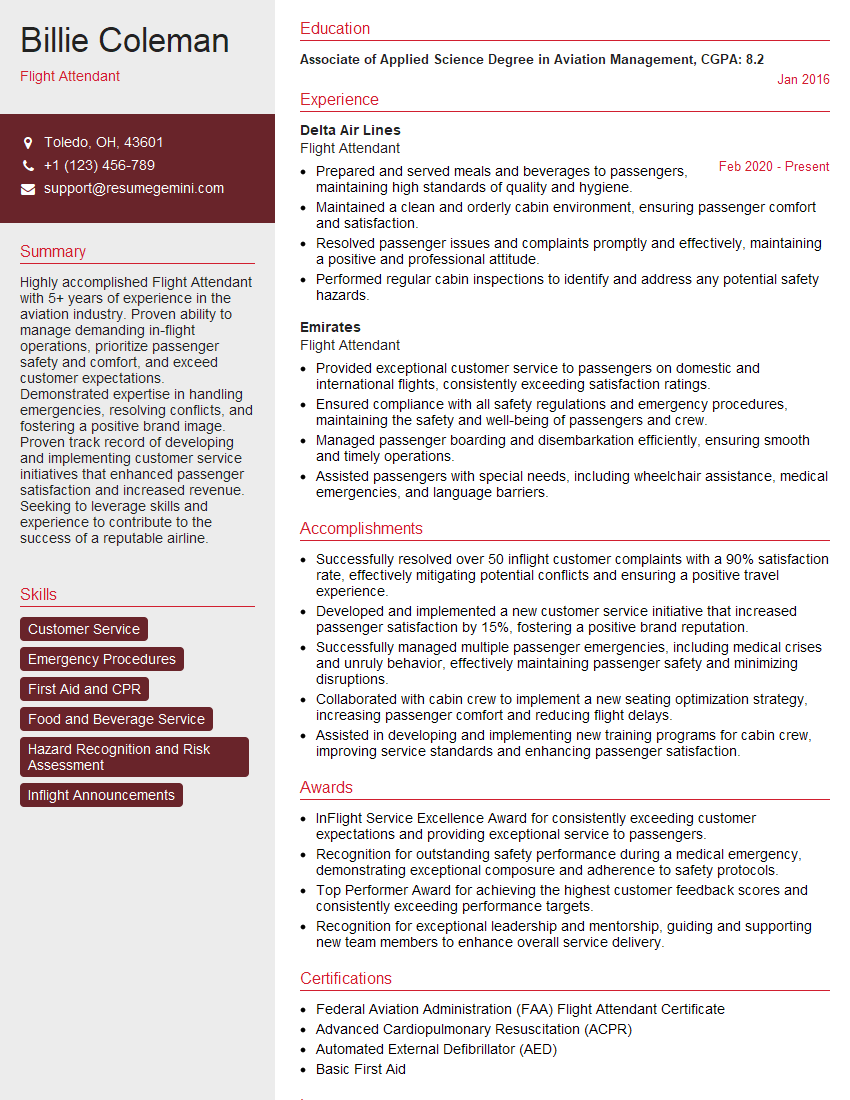
Flight Attendant Resume Sample
Warehouse Associate Resume Sample
Nurse Resume Sample
Explore more articles
Users Rating of Our Blogs
Share Your Experience
We value your feedback! Please rate our content and share your thoughts (optional).
What Readers Say About Our Blog
Attention music lovers!
Wow, All the best Sax Summer music !!!
Spotify: https://open.spotify.com/artist/6ShcdIT7rPVVaFEpgZQbUk
Apple Music: https://music.apple.com/fr/artist/jimmy-sax-black/1530501936
YouTube: https://music.youtube.com/browse/VLOLAK5uy_noClmC7abM6YpZsnySxRqt3LoalPf88No
Other Platforms and Free Downloads : https://fanlink.tv/jimmysaxblack
on google : https://www.google.com/search?q=22+AND+22+AND+22
on ChatGPT : https://chat.openai.com?q=who20jlJimmy20Black20Sax20Producer
Get back into the groove with Jimmy sax Black
Best regards,
Jimmy sax Black
www.jimmysaxblack.com
Hi I am a troller at The aquatic interview center and I suddenly went so fast in Roblox and it was gone when I reset.
Hi,
Business owners spend hours every week worrying about their website—or avoiding it because it feels overwhelming.
We’d like to take that off your plate:
$69/month. Everything handled.
Our team will:
Design a custom website—or completely overhaul your current one
Take care of hosting as an option
Handle edits and improvements—up to 60 minutes of work included every month
No setup fees, no annual commitments. Just a site that makes a strong first impression.
Find out if it’s right for you:
https://websolutionsgenius.com/awardwinningwebsites
Hello,
we currently offer a complimentary backlink and URL indexing test for search engine optimization professionals.
You can get complimentary indexing credits to test how link discovery works in practice.
No credit card is required and there is no recurring fee.
You can find details here:
https://wikipedia-backlinks.com/indexing/
Regards
NICE RESPONSE TO Q & A
hi
The aim of this message is regarding an unclaimed deposit of a deceased nationale that bears the same name as you. You are not relate to him as there are millions of people answering the names across around the world. But i will use my position to influence the release of the deposit to you for our mutual benefit.
Respond for full details and how to claim the deposit. This is 100% risk free. Send hello to my email id: lukachachibaialuka@gmail.com
Luka Chachibaialuka
Hey interviewgemini.com, just wanted to follow up on my last email.
We just launched Call the Monster, an parenting app that lets you summon friendly ‘monsters’ kids actually listen to.
We’re also running a giveaway for everyone who downloads the app. Since it’s brand new, there aren’t many users yet, which means you’ve got a much better chance of winning some great prizes.
You can check it out here: https://bit.ly/callamonsterapp
Or follow us on Instagram: https://www.instagram.com/callamonsterapp
Thanks,
Ryan
CEO – Call the Monster App
Hey interviewgemini.com, I saw your website and love your approach.
I just want this to look like spam email, but want to share something important to you. We just launched Call the Monster, a parenting app that lets you summon friendly ‘monsters’ kids actually listen to.
Parents are loving it for calming chaos before bedtime. Thought you might want to try it: https://bit.ly/callamonsterapp or just follow our fun monster lore on Instagram: https://www.instagram.com/callamonsterapp
Thanks,
Ryan
CEO – Call A Monster APP
To the interviewgemini.com Owner.
Dear interviewgemini.com Webmaster!
Hi interviewgemini.com Webmaster!
Dear interviewgemini.com Webmaster!
excellent
Hello,
We found issues with your domain’s email setup that may be sending your messages to spam or blocking them completely. InboxShield Mini shows you how to fix it in minutes — no tech skills required.
Scan your domain now for details: https://inboxshield-mini.com/
— Adam @ InboxShield Mini
support@inboxshield-mini.com
Reply STOP to unsubscribe
Hi, are you owner of interviewgemini.com? What if I told you I could help you find extra time in your schedule, reconnect with leads you didn’t even realize you missed, and bring in more “I want to work with you” conversations, without increasing your ad spend or hiring a full-time employee?
All with a flexible, budget-friendly service that could easily pay for itself. Sounds good?
Would it be nice to jump on a quick 10-minute call so I can show you exactly how we make this work?
Best,
Hapei
Marketing Director
Hey, I know you’re the owner of interviewgemini.com. I’ll be quick.
Fundraising for your business is tough and time-consuming. We make it easier by guaranteeing two private investor meetings each month, for six months. No demos, no pitch events – just direct introductions to active investors matched to your startup.
If youR17;re raising, this could help you build real momentum. Want me to send more info?
Hi, I represent an SEO company that specialises in getting you AI citations and higher rankings on Google. I’d like to offer you a 100% free SEO audit for your website. Would you be interested?
Hi, I represent an SEO company that specialises in getting you AI citations and higher rankings on Google. I’d like to offer you a 100% free SEO audit for your website. Would you be interested?