Preparation is the key to success in any interview. In this post, we’ll explore crucial Poultry Farming interview questions and equip you with strategies to craft impactful answers. Whether you’re a beginner or a pro, these tips will elevate your preparation.
Questions Asked in Poultry Farming Interview
Q 1. Describe your experience in poultry disease prevention and control.
Poultry disease prevention and control is paramount to a successful operation. My approach is multifaceted, focusing on biosecurity, vaccination, and prompt treatment. It begins with meticulous farm hygiene – regular cleaning and disinfection of housing, equipment, and vehicles. This prevents the introduction and spread of pathogens.
Vaccination is a cornerstone of our strategy. We employ a comprehensive vaccination program tailored to the specific diseases prevalent in our region and the age of the birds. This includes core vaccines for diseases like Newcastle disease, Infectious Bronchitis, and Infectious Bursal Disease, and often incorporates vaccines for specific strains prevalent in the area, which is crucial for effectiveness.
Early disease detection is vital. We monitor birds closely for any signs of illness, including changes in behavior, appetite, or egg production. If sickness is suspected, immediate isolation and diagnostic testing are implemented. This allows for prompt treatment and prevents widespread outbreaks. We use rapid diagnostic tests where appropriate and collaborate with veterinary professionals for laboratory confirmation and treatment advice.
Finally, all personnel are trained on proper biosecurity measures, including handwashing, protective clothing, and footbaths, to minimize the risk of introducing pathogens from outside sources. We maintain strict record-keeping of vaccination schedules, health assessments, and treatment regimens, essential for effective disease management and regulatory compliance.
Q 2. What are the key indicators of good poultry health?
Good poultry health is characterized by several key indicators. Healthy birds exhibit vibrant plumage, bright eyes, and an alert demeanor. They show good appetite and readily consume their feed. Their droppings should be firm and consistent, and their respiratory systems should function smoothly, without wheezing or gasping. Egg production in laying hens is another critical indicator; consistent and high-quality egg production suggests good overall health.
Furthermore, mortality rates should be low. Any significant increase in mortality requires immediate investigation. We also monitor body weight and growth rates in broilers, comparing them to breed standards. Regular monitoring of feed conversion ratios (FCR) helps to detect potential problems early, such as digestive issues or other health concerns. A healthy flock shows consistent performance across these key measures.
Q 3. Explain different poultry housing systems and their suitability for various breeds.
Poultry housing systems vary considerably, each suited to different breeds and production goals.
- Intensive systems, such as battery cages for layers or floor pens for broilers, maximize space utilization and production efficiency but may compromise bird welfare if not managed carefully. These are suitable for high-density commercial operations focused on rapid growth and high egg production.
- Extensive systems, like free-range or pasture-raised poultry, offer more space and freedom for the birds, potentially leading to improved welfare and meat quality, but often result in lower production efficiency. They are well-suited to slower-growing breeds and operations emphasizing natural, high-quality products.
- Semi-intensive systems offer a compromise. Birds have access to both indoor and outdoor areas, combining the benefits of intensive and extensive systems. This approach might be ideal for dual-purpose breeds that both lay eggs and produce meat.
The choice of housing system depends on factors such as breed characteristics (e.g., size, activity level, susceptibility to disease), climate, available land, and market demands. For example, delicate breeds might benefit more from protected environments, while hardier breeds could thrive in free-range systems. Careful consideration of all factors is essential to ensure optimal bird health and productivity.
Q 4. How do you manage poultry feed formulations to optimize growth and egg production?
Feed formulation is crucial for optimizing poultry growth and egg production. It’s a science that balances nutritional requirements with cost-effectiveness. We work closely with nutritionists to develop custom feed formulations tailored to the birds’ age, breed, and production stage.
The formulation carefully balances the proportion of energy, protein, vitamins, and minerals. For instance, broilers require high-energy diets to support rapid muscle growth, while laying hens need diets rich in calcium and phosphorus for shell formation. The protein levels are adjusted according to the birds’ developmental stage; young birds need more protein for growth compared to mature birds. The inclusion of essential amino acids is carefully considered as it is essential for protein synthesis and overall health.
We also consider the quality of the ingredients and their digestibility. Using high-quality ingredients translates to better nutrient absorption and reduced feed wastage. Regular monitoring of feed conversion ratios helps us fine-tune our formulations and identify any potential problems early. For example, if the FCR increases unexpectedly, it could indicate an issue with feed quality or a health problem within the flock. This information is then fed back to our nutritionist to improve the feed formulation.
Q 5. What are the common poultry diseases and their treatments?
Several common poultry diseases can significantly impact production.
- Newcastle Disease is a highly contagious viral infection affecting the respiratory, digestive, and nervous systems. Treatment focuses on supportive care and vaccination to prevent outbreaks.
- Infectious Bronchitis is another viral respiratory disease that can cause significant respiratory distress. Again, supportive care and vaccination are key.
- Infectious Bursal Disease (Gumboro Disease) primarily impacts young birds, suppressing their immune system. Vaccination is the most effective method of prevention.
- Coccidiosis is a parasitic disease causing intestinal damage and reduced growth. Anticoccidial medications are used for treatment and prevention.
- Avian Influenza (Bird Flu) is a highly contagious viral disease; biosecurity and immediate reporting are crucial. In severe cases, culling of the affected flock may be necessary.
Treatment strategies vary depending on the disease. Some diseases, like viral infections, may only allow for supportive care, while others respond to medications. Rapid diagnosis is key to effective management. In all cases, proper hygiene, biosecurity protocols, and regular veterinary consultation are crucial.
Q 6. Discuss your experience in poultry biosecurity protocols.
Poultry biosecurity is a priority, forming the foundation of disease prevention. Our protocols are comprehensive, addressing all potential entry points of pathogens. This starts with restricting access to the farm. Visitors are required to change into clean clothing and footwear and use hand sanitizer before entry.
Vehicles entering the farm are disinfected, and we maintain a strict rodent and pest control program. We separate different age groups of birds to prevent cross-contamination. Dead birds are handled and disposed of safely to reduce the risk of disease spread. All feed and water sources are protected from contamination. Furthermore, we have established clear procedures for dealing with potential outbreaks, including isolation and reporting protocols to the relevant authorities. Regular training updates for all staff members are essential to maintain effective biosecurity measures. Thorough record-keeping, documentation of all biosecurity procedures, and regular audits help to ensure our methods remain effective and compliant.
Q 7. How do you monitor and control environmental factors affecting poultry performance?
Environmental factors significantly impact poultry performance. We closely monitor temperature, humidity, ventilation, and lighting, ensuring optimal conditions for each stage of the birds’ life cycle. Temperature is controlled using climate-control systems to prevent heat stress or chilling.
Adequate ventilation is critical for removing ammonia and other harmful gases while maintaining appropriate humidity levels. Lighting programs are carefully managed to regulate egg production in layers and to promote growth in broilers. We use sensors and automated systems to continuously monitor these parameters.
Data is logged and analyzed, allowing us to identify and address potential issues promptly. For example, if we detect high ammonia levels, we can adjust ventilation rates or investigate possible issues with litter management. Similarly, monitoring temperature helps prevent heat stress, which can significantly reduce productivity and increase mortality. By continuously monitoring and controlling environmental factors, we ensure optimum bird welfare and high levels of productivity.
Q 8. Describe your experience with poultry breeding and selection programs.
Poultry breeding and selection programs are crucial for improving flock productivity and profitability. My experience spans over 15 years, encompassing various aspects from initial selection criteria to implementation and evaluation. We utilize a multi-trait selection approach, focusing on traits like egg production (for layers) or growth rate and feed efficiency (for broilers). This involves meticulous record-keeping, detailed performance evaluation, and the application of quantitative genetics principles.
For example, in one project, we successfully increased egg production by 15% within three generations by selecting birds with superior genetic merit for egg number and egg weight. This involved using pedigree information, progeny testing, and advanced statistical tools to estimate breeding values. We also incorporate traits related to disease resistance and adaptability to specific environmental conditions to ensure robust and resilient birds. This ensures the long-term sustainability and profitability of the breeding program.
- Pedigree Selection: Tracking family histories to identify superior lines.
- Progeny Testing: Evaluating the offspring of candidate parents.
- DNA Marker-Assisted Selection: Utilizing genetic markers to identify superior genes.
Q 9. Explain the principles of poultry nutrition and the importance of feed conversion ratio.
Poultry nutrition is the cornerstone of successful poultry farming. It involves providing a balanced diet that meets the birds’ nutritional needs at each stage of growth and development. A properly formulated diet impacts growth rate, egg production, egg quality, and overall flock health. Feed conversion ratio (FCR) is a crucial indicator of feed efficiency – it’s the ratio of feed consumed to the weight gain (for broilers) or egg production (for layers). A lower FCR indicates better efficiency, meaning less feed is required to produce a unit of output, leading to significant cost savings.
For instance, a broiler flock with an FCR of 1.8 means that for every 1.8 kg of feed consumed, the birds gain 1 kg of weight. An FCR of 2.0 would indicate lower efficiency. Optimal nutrition involves careful consideration of various components:
- Energy sources: Maize, wheat, and sorghum provide energy.
- Protein sources: Soybean meal, fishmeal, and meat meal supply amino acids.
- Minerals: Calcium, phosphorus, and trace minerals are essential for bone development and other physiological functions.
- Vitamins: Vitamins A, D, E, and K support overall health.
We regularly adjust feed formulations based on the age, breed, and production stage of the birds, along with environmental factors and available feed ingredients, to optimize FCR and overall flock performance.
Q 10. What are your strategies for maintaining poultry flock hygiene?
Maintaining optimal flock hygiene is paramount to prevent disease outbreaks and ensure the health and productivity of the poultry. Our strategies are multi-faceted and include:
- Biosecurity: Implementing strict biosecurity protocols at farm entry points, including footbaths, disinfection of vehicles, and proper clothing changes. This prevents the introduction of pathogens from outside sources.
- Hygiene practices: Regular cleaning and disinfection of poultry houses, equipment, and feeding systems using appropriate disinfectants. This helps to eliminate pathogens and reduce their spread.
- Pest control: Implementing integrated pest management programs to control rodents, insects, and other pests that can carry diseases. Regular monitoring is crucial.
- Litter management: Regular removal and replacement of litter to reduce ammonia build-up and pathogen load. Proper litter management is crucial for air quality and bird health.
- Vaccination programs: Implementing effective vaccination schedules to protect birds against common poultry diseases. This provides passive and active immunity to the birds.
We also regularly monitor the flock for any signs of illness and promptly isolate and treat any affected birds to prevent the spread of disease. Early detection and prompt action are critical.
Q 11. How do you manage poultry waste disposal efficiently and sustainably?
Efficient and sustainable poultry waste disposal is crucial for environmental protection and responsible farming. Our approach involves a combination of methods:
- Composting: We use composting systems to convert poultry manure into valuable organic fertilizer. This reduces waste volume and creates a valuable byproduct.
- Anaerobic Digestion: This process uses microorganisms to break down organic matter in the absence of oxygen, producing biogas (a renewable energy source) and digestate (a nutrient-rich fertilizer).
- Incineration: In some cases, where composting or anaerobic digestion isn’t feasible, controlled incineration can be used for safe disposal of poultry waste. It’s crucial to ensure compliance with environmental regulations.
- Land Application: After proper treatment and composting, poultry manure can be responsibly applied to fields as fertilizer, enriching the soil with valuable nutrients.
We meticulously monitor the nutrient content of the waste and ensure that land application adheres to stringent environmental regulations to prevent water pollution and soil contamination. Careful planning and implementation are crucial for environmental stewardship.
Q 12. Describe your experience in poultry processing and handling techniques.
My experience in poultry processing and handling encompasses all stages, from pre-slaughter handling to post-processing sanitation. We adhere to strict humane handling protocols, minimizing stress on the birds during transportation and processing. Efficient stunning and bleeding techniques are employed to ensure a quick and painless death. We also implement rigorous hygiene measures throughout the process to ensure the safety and quality of the final product.
Examples include:
- Pre-slaughter handling: Providing adequate space, fresh water, and minimizing transportation stress.
- Stunning and bleeding: Using effective methods to ensure humane slaughter and efficient blood removal.
- Scalding and defeathering: Optimizing these processes to minimize carcass damage and enhance hygiene.
- Evisceration: Carefully removing the internal organs while maintaining hygiene and preventing cross-contamination.
- Chilling and packaging: Rapid chilling and appropriate packaging to preserve quality and extend shelf life.
We regularly audit our processing plant to ensure compliance with food safety regulations and best practices.
Q 13. Explain different poultry grading and quality control measures.
Poultry grading and quality control are critical for ensuring that consumers receive safe, high-quality products. Grading involves assessing several factors to categorize poultry carcasses based on their quality. These factors include:
- Conformation: The shape and form of the carcass.
- Fleshing: The amount of meat on the carcass.
- Fat cover: The amount of subcutaneous fat.
- Freedom from defects: Absence of bruises, cuts, or other blemishes.
Quality control measures are implemented throughout the entire process, from farm to processing plant. These include:
- Visual inspection: Trained personnel inspect carcasses for defects and abnormalities.
- Weight checks: Weighing carcasses to ensure they meet specified weight ranges.
- Microbiological testing: Assessing the microbiological safety of the final product.
- Chemical residue testing: Checking for the presence of any harmful chemicals or residues.
This ensures that only safe and high-quality poultry products reach the market, maintaining consumer confidence and adherence to safety standards.
Q 14. How do you manage poultry mortality and minimize economic losses?
Managing poultry mortality and minimizing economic losses requires a proactive approach that starts with disease prevention. We employ strategies to minimize mortality through careful monitoring, prompt action, and robust biosecurity protocols.
Our approach includes:
- Regular health monitoring: Daily observation of the flock for any signs of illness or unusual behavior.
- Rapid diagnosis: Prompt laboratory diagnosis of diseases to facilitate timely treatment and prevent outbreaks.
- Vaccination programs: Implementing effective vaccination programs to build immunity against common poultry diseases.
- Quarantine: Isolating sick birds to prevent the spread of disease within the flock.
- Mortality recording and analysis: Keeping detailed records of mortality rates, causes, and associated factors to identify trends and areas for improvement.
- Post-mortem examinations: Conducting post-mortem examinations on dead birds to determine the cause of death and identify potential problems.
By focusing on prevention, rapid diagnosis, and effective treatment, we aim to minimize mortality and associated economic losses. This involves detailed record-keeping and analysis to continually improve our management strategies.
Q 15. Describe your experience with poultry vaccination programs.
Poultry vaccination programs are crucial for preventing disease outbreaks and maintaining flock health. My experience encompasses developing and implementing vaccination schedules tailored to specific bird species, ages, and prevalent diseases in the region. This involves understanding the efficacy of different vaccines, their administration routes (e.g., drinking water, injection, spray), and potential side effects. For example, in one operation, we successfully implemented a program using Newcastle disease and Infectious Bronchitis vaccines, resulting in a significant reduction in mortality and improved flock productivity. The program included meticulous record-keeping to track vaccination dates, batch numbers, and bird response, allowing for continuous improvement and disease surveillance.
Another critical aspect is understanding the optimal timing for vaccination. For example, maternal antibodies can interfere with the efficacy of certain vaccines in young chicks, necessitating a strategic vaccination schedule to ensure adequate protection. Regular monitoring of vaccine effectiveness through serological testing is also essential. This allows us to identify potential problems early and adjust the vaccination strategy accordingly. Finally, adhering to strict biosecurity measures is paramount to prevent contamination and ensure vaccine efficacy. This includes proper disinfection of equipment and maintaining a clean and sanitary environment.
Career Expert Tips:
- Ace those interviews! Prepare effectively by reviewing the Top 50 Most Common Interview Questions on ResumeGemini.
- Navigate your job search with confidence! Explore a wide range of Career Tips on ResumeGemini. Learn about common challenges and recommendations to overcome them.
- Craft the perfect resume! Master the Art of Resume Writing with ResumeGemini’s guide. Showcase your unique qualifications and achievements effectively.
- Don’t miss out on holiday savings! Build your dream resume with ResumeGemini’s ATS optimized templates.
Q 16. Explain your understanding of poultry genetics and its influence on production traits.
Poultry genetics plays a vital role in determining production traits, impacting profitability significantly. My understanding encompasses the principles of quantitative and qualitative genetics applied to poultry breeding. We use selective breeding to improve traits like egg production, growth rate, feed efficiency, and disease resistance. For example, selecting birds with superior egg production records and breeding them together will lead to offspring with improved egg-laying capacity across generations.
Understanding the heritability of these traits is crucial. Heritability refers to the proportion of variation in a trait that is due to genetic factors. Highly heritable traits, like egg weight, respond readily to selective breeding, while traits with lower heritability, such as disease resistance, require more careful selection strategies and may benefit from genomic selection techniques. Furthermore, we consider the genetic correlation between traits. For instance, selecting for increased growth rate might unintentionally reduce egg production if a negative genetic correlation exists between the two. Modern techniques like genomic selection use DNA markers to identify superior genetic combinations more accurately and efficiently, accelerating genetic improvement.
Q 17. How do you handle stress and mortality in poultry flocks?
Stress and mortality in poultry flocks are major concerns that require proactive management. Stress factors can be environmental (e.g., extreme temperatures, poor ventilation, overcrowding), nutritional (e.g., inadequate feed, nutrient deficiencies), or managerial (e.g., improper handling, sudden changes in management practices). Mortality, whether sudden or gradual, needs immediate attention to identify the cause and implement corrective measures.
My approach involves implementing a robust biosecurity program to minimize the introduction and spread of diseases. We monitor environmental conditions continuously, ensuring optimal temperature, humidity, and ventilation. We also prioritize proper flock management, handling birds gently, and avoiding sudden changes in their environment. Nutritional management includes providing a balanced diet according to the bird’s age and production stage. When mortality increases, we conduct thorough post-mortem examinations to determine the cause. This may involve sending samples to a diagnostic laboratory for further analysis. Depending on the cause, we might adjust management practices, vaccination programs, or medication strategies to address the issue promptly and prevent further losses.
Q 18. What are the common poultry parasites and their control methods?
Poultry are susceptible to various parasites, both internal and external. Common external parasites include mites, lice, and fleas, which cause irritation, feather loss, and reduced productivity. Internal parasites, such as coccidia, worms, and various protozoa, can cause significant health problems, including intestinal damage, reduced feed efficiency, and even mortality.
Control methods include preventative measures and targeted treatments. Preventative measures involve maintaining a clean and dry environment, practicing good biosecurity, and implementing regular pest control measures. Targeted treatments involve using appropriate parasiticides, either through medication in feed or water, or topical applications. The choice of parasiticide depends on the specific parasite identified and the bird’s age. Regular monitoring of parasite levels through fecal examinations is crucial for early detection and prompt treatment to minimize economic losses and protect animal welfare.
For example, we regularly monitor for coccidiosis through fecal egg counts and utilize coccidiostats in the feed as a preventative measure, adjusting the dosage based on the bird’s age and the level of coccidial challenge. We also implement regular poultry house cleaning and disinfection to control external parasites.
Q 19. Describe your experience with poultry equipment maintenance and troubleshooting.
Poultry farming relies heavily on specialized equipment, and regular maintenance is crucial for efficient operation and minimizing downtime. My experience includes routine inspection and maintenance of incubators, brooders, feeders, drinkers, ventilation systems, and egg collection systems. This involves understanding the mechanical workings of each piece of equipment, identifying potential problems early, and performing timely repairs or replacements.
For example, regular cleaning and disinfection of feeders and drinkers prevents the build-up of pathogens and ensures proper feed and water intake. Regular checks of the ventilation system ensure adequate airflow, reducing the risk of heat stress and disease outbreaks. Preventive maintenance schedules are essential to extend the lifespan of equipment and minimize unexpected breakdowns. Troubleshooting involves systematically identifying the cause of a malfunction, whether it’s a faulty sensor, a broken component, or a power issue. Documentation of maintenance activities and repairs is crucial for tracking equipment performance and making informed decisions regarding replacements or upgrades.
Q 20. Explain your knowledge of poultry welfare standards and regulations.
Poultry welfare is a paramount concern, guided by strict standards and regulations. My knowledge encompasses various aspects of animal welfare, including providing adequate space and environmental conditions, ensuring access to clean food and water, minimizing stress during handling, and promptly addressing any signs of illness or injury. We adhere to industry best practices and relevant legislation, ensuring that all our operations meet or exceed welfare standards. For example, we ensure appropriate stocking densities to avoid overcrowding and provide ample space for birds to move freely. We also monitor bird behavior to detect any signs of stress or disease, allowing for early intervention.
Regulations vary by region and often address specific aspects of poultry farming, such as transportation, stunning and slaughter, and disease control. Staying updated on the latest regulations is crucial for maintaining compliance and ensuring the well-being of our birds. We engage in regular training for our staff on animal welfare best practices and keep detailed records of our practices to demonstrate compliance with regulations and maintain traceability.
Q 21. How do you manage and interpret poultry production records and data?
Effective poultry production relies heavily on accurate record-keeping and data analysis. I am proficient in managing and interpreting a wide range of poultry production data, including feed consumption, egg production, mortality rates, body weight, feed conversion ratios, and medication usage. This involves using various tools and software to track and analyze data, identifying trends and patterns to improve efficiency and profitability.
For example, we use spreadsheets and specialized poultry management software to record daily production data, allowing us to monitor performance indicators and promptly detect any deviations from expected norms. We analyze feed conversion ratios to assess feed efficiency and identify areas for improvement in the nutrition program. Mortality data analysis helps identify potential disease outbreaks and pinpoint their underlying causes. Through regular data analysis and interpretation, we can make informed decisions about feed formulation, vaccination schedules, and overall flock management. This data-driven approach improves the efficiency of our operations and leads to better profitability and higher quality production.
Q 22. Describe your experience with implementing and managing poultry farm budgets.
Budgeting in poultry farming is crucial for profitability and sustainability. It involves meticulously planning all income and expenses, from chick purchases and feed costs to labor and utilities. My approach involves a multi-stage process:
- Forecasting: I begin by forecasting production levels based on market demand and available resources. This involves estimating egg production (for layers) or meat yield (for broilers) over a specific period.
- Cost Analysis: A detailed breakdown of all costs is essential. This includes feed costs (often the largest expense), chick/pullet costs, medication and veterinary expenses, labor costs, utilities (electricity, water, heating), building maintenance, and depreciation of equipment.
- Revenue Projection: This involves estimating sales revenue based on projected production and anticipated market prices. It’s crucial to factor in potential price fluctuations and market trends.
- Budget Creation: Combining the cost analysis and revenue projection, I create a comprehensive budget that projects profits or losses. This budget is regularly monitored and revised as needed, often monthly.
- Variance Analysis: Regularly comparing actual expenses and revenues against the budget is critical. Any significant variances need investigation to identify areas for improvement or to address unforeseen issues. For example, if feed costs are unexpectedly high, I might explore alternative feed sources or adjust feeding strategies.
For example, in managing a layer farm, I once identified a significant variance in feed costs due to a sudden increase in grain prices. By negotiating better deals with suppliers and implementing more efficient feed management techniques, I was able to mitigate the impact and keep the farm profitable.
Q 23. How do you ensure the safety and quality of poultry products?
Ensuring the safety and quality of poultry products requires a comprehensive approach encompassing biosecurity, hygiene, and proper handling throughout the entire production chain.
- Biosecurity: This involves strict protocols to prevent disease outbreaks. These include restricting access to the farm, implementing strict cleaning and disinfection procedures, using appropriate personal protective equipment (PPE), and carefully managing waste disposal.
- Hygiene: Maintaining impeccable hygiene in the poultry houses, equipment, and handling facilities is paramount. This involves regular cleaning and disinfection of all surfaces, providing clean water for birds, and ensuring proper ventilation to reduce ammonia buildup.
- Feed Quality: Using high-quality, nutritious feed free from contaminants is vital for bird health and product quality. Feed storage and handling also needs to be meticulously managed to prevent spoilage or contamination.
- Disease Prevention and Control: A proactive approach to disease prevention is essential, including vaccination programs and regular health checks by a veterinarian. Rapid response protocols are crucial to minimize the impact of any outbreak.
- Processing and Handling: Careful handling and processing of poultry meat and eggs after slaughter or collection is crucial. This includes adhering to strict temperature control, sanitation protocols, and proper packaging to maintain freshness and prevent contamination.
For instance, implementing a strict biosecurity protocol, including foot dips and changing clothes upon entry, helped prevent an avian flu outbreak on a farm I managed, saving thousands of birds and protecting the business.
Q 24. Explain your understanding of poultry marketing and sales strategies.
Poultry marketing and sales strategies focus on reaching the target market effectively and efficiently. This involves understanding consumer preferences, pricing strategies, and distribution channels.
- Market Research: Understanding consumer preferences (e.g., free-range, organic, specific breeds) is fundamental. This involves market research to identify target demographics and their buying habits.
- Branding and Packaging: A strong brand identity and attractive packaging are crucial for attracting consumers and building loyalty. This could include highlighting specific characteristics like free-range, organic certification, or unique breed qualities.
- Pricing Strategies: Pricing needs to be competitive yet profitable. Strategies include cost-plus pricing, value-based pricing, or competitive pricing, taking into account production costs and market conditions.
- Distribution Channels: Identifying appropriate distribution channels – such as direct-to-consumer sales, wholesale to restaurants or supermarkets, or online sales – is critical to reach the target market efficiently.
- Sales Promotion: Effective sales promotion strategies, such as advertising, public relations, and special offers, can drive sales and increase brand awareness.
For example, by partnering with local restaurants and farmers’ markets, I successfully marketed free-range eggs at a premium price, highlighting their superior taste and quality. This direct-to-consumer approach built brand loyalty and increased profitability.
Q 25. What are the challenges faced in sustainable poultry farming?
Sustainable poultry farming faces several significant challenges:
- Environmental Concerns: Poultry farming’s environmental impact, particularly concerning manure management, greenhouse gas emissions, and water usage, needs to be addressed. This requires adopting eco-friendly practices like manure composting and efficient water management.
- Resource Management: Efficient use of feed, water, and energy is crucial for sustainability. This involves optimizing feed formulations, implementing precision feeding systems, and utilizing renewable energy sources.
- Animal Welfare: Ensuring high animal welfare standards is paramount. This involves providing sufficient space, appropriate housing conditions, and minimizing stress on the birds.
- Disease Prevention: Maintaining high biosecurity levels to minimize disease outbreaks is important for both animal welfare and environmental sustainability. Antibiotic use needs to be minimized through responsible veterinary practices.
- Economic Viability: Balancing environmental and animal welfare considerations with economic viability is a major challenge. Sustainable practices often have higher initial costs but may offer long-term benefits.
For example, adopting vertical integration and implementing precision farming technologies can improve resource efficiency and reduce environmental impact, making sustainable practices more economically feasible.
Q 26. How do you adapt to changing market demands and technological advancements in poultry farming?
Adapting to changing market demands and technological advancements is crucial for success in poultry farming. My approach involves continuous learning, embracing innovation, and strategic planning.
- Market Trend Analysis: Regularly monitoring market trends, consumer preferences, and price fluctuations allows for proactive adjustments to production strategies and marketing efforts. This includes staying informed about consumer demand for specific breeds, organic or free-range products, and any emerging health concerns.
- Technology Adoption: Embracing new technologies is critical. This could include automation systems for feeding and cleaning, environmental control systems, data analytics for improved decision-making, and precision farming technologies for optimized resource management.
- Continuous Learning: Staying up-to-date with the latest research, best practices, and industry developments is crucial. This can be achieved through attending industry conferences, workshops, and reading trade publications.
- Strategic Partnerships: Collaborating with industry experts, technology providers, and other stakeholders can provide valuable insights and resources for adapting to change.
- Flexibility and Adaptability: Maintaining a flexible and adaptable approach to farm management is crucial to respond effectively to unexpected events or shifts in the market.
For example, by adopting automated feeding systems, I improved feed efficiency and reduced labor costs, making the farm more competitive in a fluctuating market.
Q 27. What are your strategies for team management and staff training in a poultry farming setting?
Effective team management and staff training are critical for successful poultry farming operations. My approach is based on clear communication, empowerment, and continuous development.
- Clear Communication: Maintaining open and clear communication with all team members is paramount. This involves regular meetings, clear task assignments, and providing prompt feedback.
- Empowerment and Motivation: Empowering employees to take ownership of their work and recognizing their contributions are essential for boosting morale and productivity. This includes providing opportunities for professional development and growth.
- Targeted Training: Providing targeted training programs addressing specific skills and knowledge gaps is crucial. This could involve on-the-job training, workshops, or external courses focusing on topics such as animal husbandry, biosecurity, and equipment maintenance.
- Performance Evaluation: Regular performance evaluations provide feedback and identify areas for improvement. This enables employees to develop their skills and enhance their contribution to the farm’s success.
- Team Building: Fostering a positive team environment through team-building activities enhances collaboration and improves overall morale.
For instance, I once implemented a training program focusing on biosecurity protocols, resulting in a significant reduction in disease incidence and improved overall productivity.
Q 28. Describe your experience with implementing and monitoring key performance indicators (KPIs) in poultry production.
Key Performance Indicators (KPIs) are crucial for monitoring the efficiency and profitability of poultry farming operations. My approach involves selecting relevant KPIs, establishing baselines, and regularly tracking performance.
- Feed Conversion Ratio (FCR): This measures the amount of feed required to produce one unit of meat or eggs. A lower FCR indicates greater efficiency.
FCR = Total Feed Consumed / Total Meat/Egg Produced - Mortality Rate: This indicates the percentage of birds that die during the production cycle. A lower mortality rate is desirable.
Mortality Rate = (Number of Birds Died / Total Number of Birds) * 100 - Egg Production Rate (for layers): This measures the number of eggs produced per hen per year. Higher rates indicate better productivity.
- Average Daily Gain (ADG) (for broilers): This measures the average weight gain of birds per day. Higher ADG reflects efficient growth.
- Profitability Metrics: This includes net profit margin, return on investment (ROI), and cost per unit of production. These provide insights into the farm’s overall financial health.
I regularly track these KPIs using spreadsheets and farm management software. Analyzing trends in these KPIs helps identify areas for improvement and enables data-driven decision-making. For example, a consistently high mortality rate might indicate a problem with disease or management practices, requiring immediate attention.
Key Topics to Learn for Your Poultry Farming Interview
- Poultry Breeds and Genetics: Understanding different breeds, their characteristics (egg-laying capacity, meat production, disease resistance), and genetic selection techniques for improved performance.
- Poultry Housing and Management: Designing and maintaining optimal housing conditions (ventilation, temperature, lighting) to ensure bird health and productivity. This includes practical application of biosecurity measures.
- Nutrition and Feeding: Formulating balanced diets based on bird age, breed, and production goals. Understanding the impact of feed quality and nutritional deficiencies on bird health and performance. Practical application of feed conversion ratio calculations.
- Disease Prevention and Control: Implementing biosecurity protocols, recognizing common poultry diseases, and applying appropriate vaccination and treatment strategies. Understanding the practical application of quarantine procedures.
- Egg Production and Management: Understanding egg formation, egg quality parameters, and techniques for optimizing egg production. Practical application of egg grading and storage procedures.
- Meat Production and Management: Understanding broiler growth and management practices for optimal meat yield and quality. Practical application of processing techniques and minimizing stress on birds.
- Waste Management and Environmental Considerations: Implementing sustainable waste management practices to minimize environmental impact. Understanding regulations and best practices for manure management and water conservation.
- Record Keeping and Data Analysis: Maintaining accurate records of bird health, production, and costs. Using data to identify areas for improvement and optimize farm efficiency. Practical application of various record-keeping systems.
- Biosecurity and Health Regulations: Understanding and complying with all relevant biosecurity regulations and health standards. Practical application of biosecurity protocols to prevent disease outbreaks.
- Financial Management in Poultry Farming: Understanding budgeting, cost control, and profitability analysis within the context of poultry farming. Practical application of financial management tools.
Next Steps
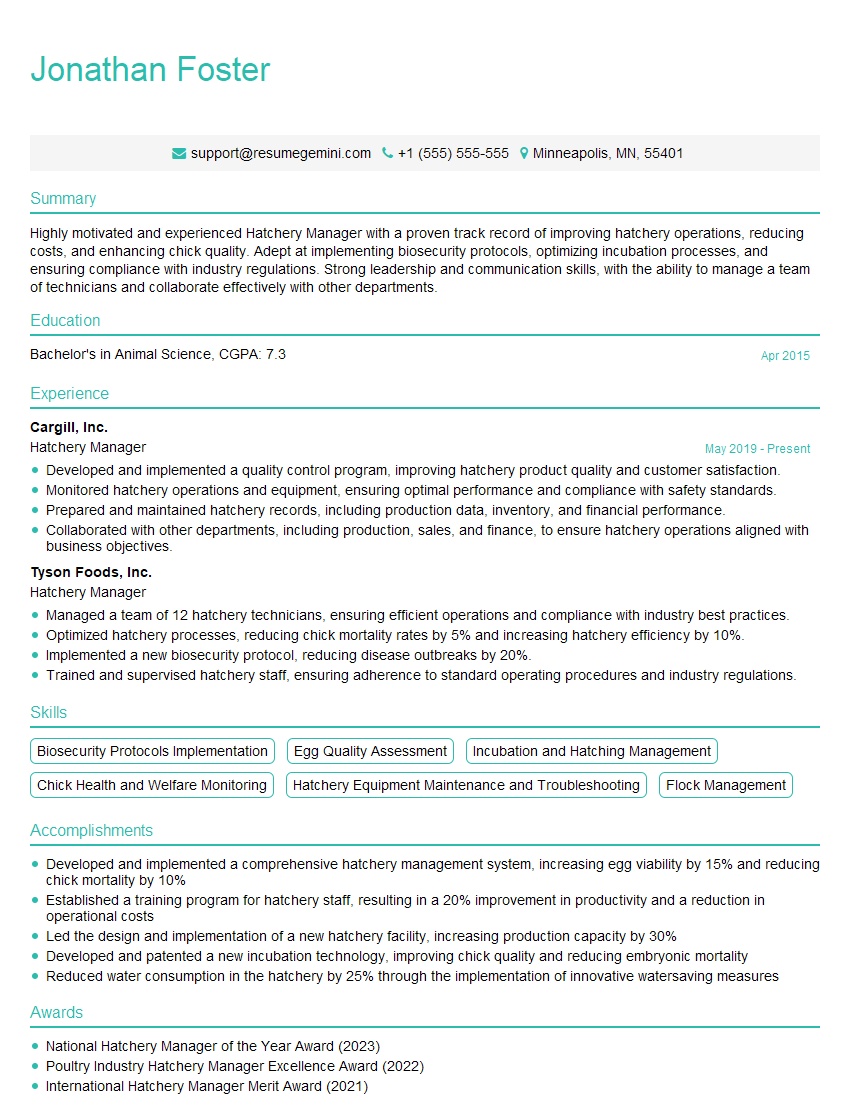
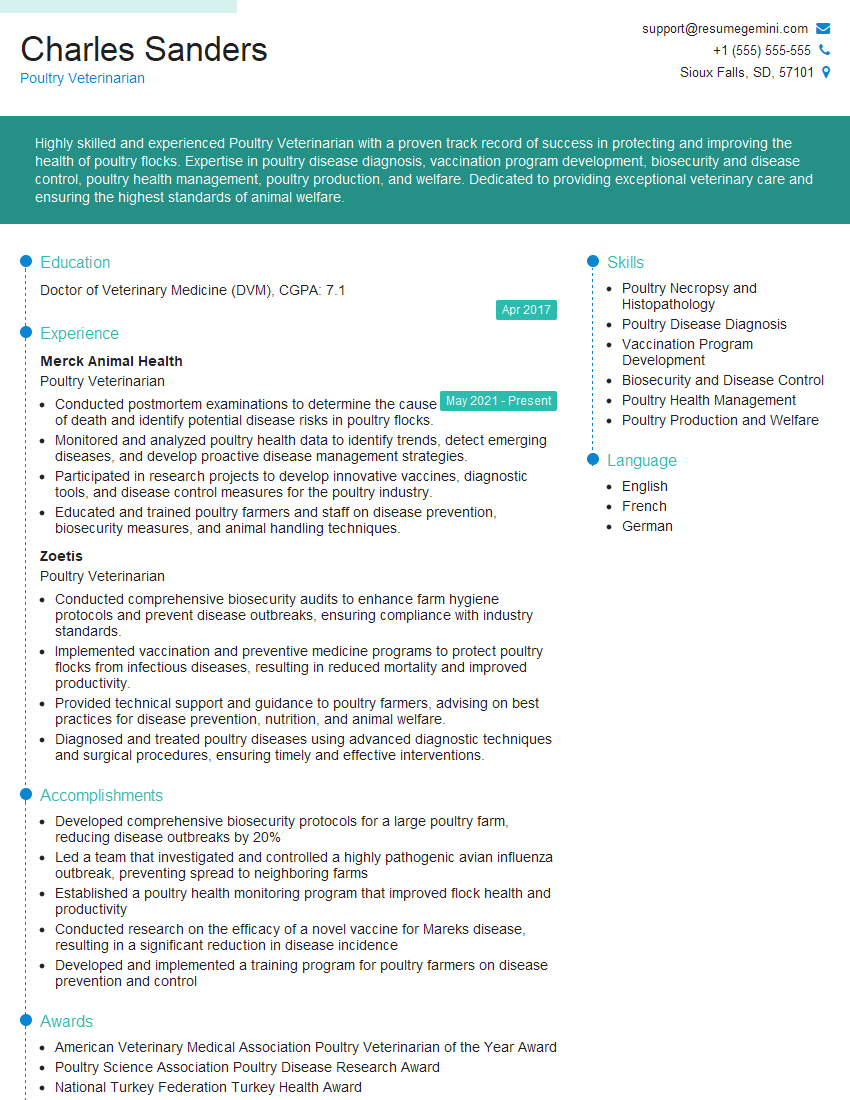
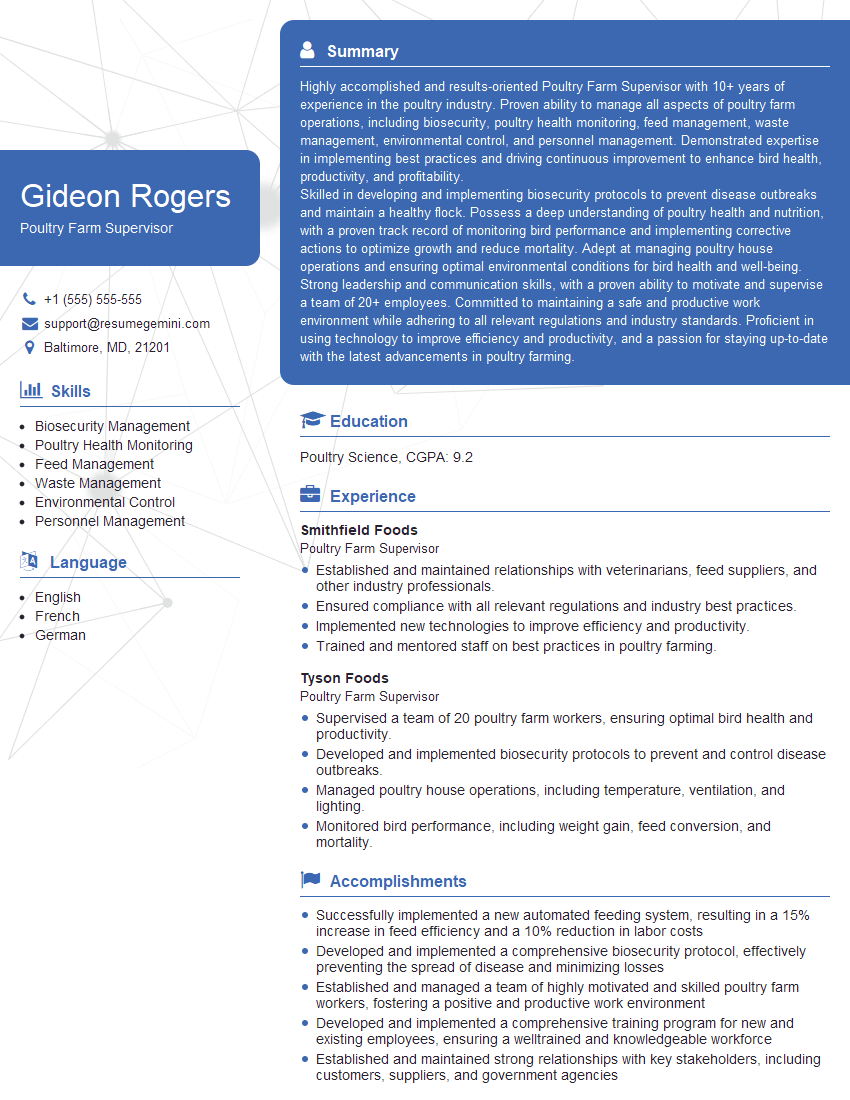
Mastering poultry farming principles is crucial for a successful and rewarding career. It opens doors to diverse roles within the industry, from farm management to research and development. To significantly boost your job prospects, focus on creating an ATS-friendly resume that effectively highlights your skills and experience. ResumeGemini is a trusted resource that can help you build a professional and impactful resume, tailored to the specific demands of the poultry farming industry. Examples of resumes tailored to Poultry Farming are provided to help you craft your own compelling application.
Explore more articles
Users Rating of Our Blogs
Share Your Experience
We value your feedback! Please rate our content and share your thoughts (optional).
What Readers Say About Our Blog
Attention music lovers!
Wow, All the best Sax Summer music !!!
Spotify: https://open.spotify.com/artist/6ShcdIT7rPVVaFEpgZQbUk
Apple Music: https://music.apple.com/fr/artist/jimmy-sax-black/1530501936
YouTube: https://music.youtube.com/browse/VLOLAK5uy_noClmC7abM6YpZsnySxRqt3LoalPf88No
Other Platforms and Free Downloads : https://fanlink.tv/jimmysaxblack
on google : https://www.google.com/search?q=22+AND+22+AND+22
on ChatGPT : https://chat.openai.com?q=who20jlJimmy20Black20Sax20Producer
Get back into the groove with Jimmy sax Black
Best regards,
Jimmy sax Black
www.jimmysaxblack.com
Hi I am a troller at The aquatic interview center and I suddenly went so fast in Roblox and it was gone when I reset.
Hi,
Business owners spend hours every week worrying about their website—or avoiding it because it feels overwhelming.
We’d like to take that off your plate:
$69/month. Everything handled.
Our team will:
Design a custom website—or completely overhaul your current one
Take care of hosting as an option
Handle edits and improvements—up to 60 minutes of work included every month
No setup fees, no annual commitments. Just a site that makes a strong first impression.
Find out if it’s right for you:
https://websolutionsgenius.com/awardwinningwebsites
Hello,
we currently offer a complimentary backlink and URL indexing test for search engine optimization professionals.
You can get complimentary indexing credits to test how link discovery works in practice.
No credit card is required and there is no recurring fee.
You can find details here:
https://wikipedia-backlinks.com/indexing/
Regards
NICE RESPONSE TO Q & A
hi
The aim of this message is regarding an unclaimed deposit of a deceased nationale that bears the same name as you. You are not relate to him as there are millions of people answering the names across around the world. But i will use my position to influence the release of the deposit to you for our mutual benefit.
Respond for full details and how to claim the deposit. This is 100% risk free. Send hello to my email id: lukachachibaialuka@gmail.com
Luka Chachibaialuka
Hey interviewgemini.com, just wanted to follow up on my last email.
We just launched Call the Monster, an parenting app that lets you summon friendly ‘monsters’ kids actually listen to.
We’re also running a giveaway for everyone who downloads the app. Since it’s brand new, there aren’t many users yet, which means you’ve got a much better chance of winning some great prizes.
You can check it out here: https://bit.ly/callamonsterapp
Or follow us on Instagram: https://www.instagram.com/callamonsterapp
Thanks,
Ryan
CEO – Call the Monster App
Hey interviewgemini.com, I saw your website and love your approach.
I just want this to look like spam email, but want to share something important to you. We just launched Call the Monster, a parenting app that lets you summon friendly ‘monsters’ kids actually listen to.
Parents are loving it for calming chaos before bedtime. Thought you might want to try it: https://bit.ly/callamonsterapp or just follow our fun monster lore on Instagram: https://www.instagram.com/callamonsterapp
Thanks,
Ryan
CEO – Call A Monster APP
To the interviewgemini.com Owner.
Dear interviewgemini.com Webmaster!
Hi interviewgemini.com Webmaster!
Dear interviewgemini.com Webmaster!
excellent
Hello,
We found issues with your domain’s email setup that may be sending your messages to spam or blocking them completely. InboxShield Mini shows you how to fix it in minutes — no tech skills required.
Scan your domain now for details: https://inboxshield-mini.com/
— Adam @ InboxShield Mini
support@inboxshield-mini.com
Reply STOP to unsubscribe
Hi, are you owner of interviewgemini.com? What if I told you I could help you find extra time in your schedule, reconnect with leads you didn’t even realize you missed, and bring in more “I want to work with you” conversations, without increasing your ad spend or hiring a full-time employee?
All with a flexible, budget-friendly service that could easily pay for itself. Sounds good?
Would it be nice to jump on a quick 10-minute call so I can show you exactly how we make this work?
Best,
Hapei
Marketing Director
Hey, I know you’re the owner of interviewgemini.com. I’ll be quick.
Fundraising for your business is tough and time-consuming. We make it easier by guaranteeing two private investor meetings each month, for six months. No demos, no pitch events – just direct introductions to active investors matched to your startup.
If youR17;re raising, this could help you build real momentum. Want me to send more info?
Hi, I represent an SEO company that specialises in getting you AI citations and higher rankings on Google. I’d like to offer you a 100% free SEO audit for your website. Would you be interested?
Hi, I represent an SEO company that specialises in getting you AI citations and higher rankings on Google. I’d like to offer you a 100% free SEO audit for your website. Would you be interested?