Cracking a skill-specific interview, like one for PPE Selection, requires understanding the nuances of the role. In this blog, we present the questions you’re most likely to encounter, along with insights into how to answer them effectively. Let’s ensure you’re ready to make a strong impression.
Questions Asked in PPE Selection Interview
Q 1. Explain the hierarchy of hazard control.
The hierarchy of hazard control prioritizes eliminating hazards at their source, rather than relying on personal protective equipment (PPE) as a last resort. Think of it as a pyramid, with the most effective and preferred controls at the base and PPE at the very top.
- Elimination: The best approach; removing the hazard entirely. For example, replacing a dangerous chemical with a safer alternative.
- Substitution: Replacing a hazardous substance or process with a less hazardous one. Instead of using a solvent that causes skin irritation, switch to a water-based cleaner.
- Engineering Controls: Modifying the work environment to reduce hazard exposure. Installing machine guards to prevent accidental contact or using ventilation systems to remove harmful fumes.
- Administrative Controls: Changing work practices to minimize risk. This might include job rotation, limiting exposure time, or providing thorough training and supervision.
- Personal Protective Equipment (PPE): The last line of defense, used when other controls are insufficient. This includes items like safety glasses, gloves, and respirators.
Following this hierarchy ensures the most effective and sustainable hazard control, minimizing worker risk. It’s always more preferable to eliminate a hazard than to rely on an individual wearing PPE to protect themselves.
Q 2. Describe the process of conducting a risk assessment for PPE selection.
A risk assessment for PPE selection is a systematic process to identify hazards, evaluate risks, and determine appropriate control measures, including PPE. It’s a crucial step to ensure worker safety.
- Identify Hazards: What are the potential hazards present in the workplace? This involves a thorough walkthrough, review of incident reports, and consultation with workers.
- Identify Exposed Workers: Which workers are exposed to these hazards? Consider job roles, tasks, and frequency of exposure.
- Evaluate Risks: Assess the likelihood and severity of harm from each hazard. Consider factors like the concentration of the hazard, duration of exposure, and the vulnerability of the workers.
- Determine Control Measures: Develop a plan to control the hazards using the hierarchy of controls. Start by eliminating or substituting, then engineering and administrative controls, before considering PPE.
- Select Appropriate PPE: If other controls are insufficient, select PPE that meets the specific hazard and complies with relevant standards. Consider factors like the type of hazard, worker comfort, and ease of use.
- Implement and Monitor: Put the control measures in place, including providing and training workers on proper PPE use. Regularly monitor and review the effectiveness of the controls and make adjustments as needed.
For example, in a construction site, a risk assessment might identify the hazard of falling objects. This could lead to the implementation of hard hats (PPE) alongside engineering controls like scaffolding and administrative controls like regular inspections.
Q 3. What are the key factors to consider when selecting appropriate PPE for a specific hazard?
Selecting appropriate PPE involves several key factors to ensure maximum protection and worker comfort:
- Hazard Identification: What specific hazard needs protection against? (e.g., impact, chemicals, heat, electrical shock)
- PPE Type: What type of PPE provides the necessary protection? (e.g., safety glasses, gloves, respirators, hearing protection, hard hats)
- Performance Standards: Does the PPE meet relevant safety standards? (e.g., ANSI, OSHA, EN standards)
- Fit and Comfort: Does the PPE fit properly and comfortably? Improper fit compromises protection and can lead to non-compliance.
- Durability and Maintenance: How durable is the PPE and how often does it require inspection or replacement?
- Worker Training: Have workers been trained on the proper use, limitations, and maintenance of the PPE?
- Environmental Considerations: Does the PPE provide adequate protection in the specific work environment (e.g., extreme temperatures, moisture)?
For example, selecting gloves for handling chemicals requires considering the chemical’s properties and selecting gloves made of a material resistant to that specific chemical.
Q 4. What are the limitations of relying solely on PPE to mitigate workplace hazards?
Relying solely on PPE to mitigate workplace hazards is inherently insufficient and risky. PPE is a last resort, not a primary solution. Here’s why:
- Limitations of PPE: PPE can fail, be improperly used, or provide inadequate protection against severe hazards.
- Human Error: Workers might forget to wear PPE, wear it incorrectly, or fail to maintain it properly.
- Comfort Issues: Uncomfortable PPE can lead to non-compliance, reducing its effectiveness.
- Incomplete Protection: PPE typically protects only a specific part of the body, leaving other areas vulnerable.
- Cost and Maintenance: PPE can be expensive to purchase and maintain, especially specialized equipment.
Imagine relying solely on hard hats to protect workers from falling objects. While hard hats offer some protection, they don’t eliminate the risk entirely. Implementing engineering controls like safety nets would significantly reduce the risk, making PPE a much less critical control.
Q 5. How do you ensure that selected PPE complies with relevant standards and regulations (e.g., ANSI, OSHA)?
Ensuring PPE compliance involves several crucial steps:
- Check Certifications and Labels: Verify that the PPE carries appropriate certifications (e.g., ANSI Z87.1 for eye protection, NIOSH for respirators) and labels indicating its intended use and limitations.
- Review Manufacturer’s Instructions: Carefully review the manufacturer’s instructions for proper use, maintenance, and limitations of the PPE.
- Maintain Documentation: Keep records of PPE purchases, inspections, and training provided to workers.
- Regular Inspections: Conduct regular inspections of the PPE to ensure its condition and identify any damage or wear that might compromise its effectiveness.
- Stay Updated on Regulations: Keep up-to-date with relevant OSHA, ANSI, or other applicable safety standards and regulations to ensure compliance.
For example, when purchasing safety glasses, look for the ANSI Z87.1 certification mark, ensuring they meet minimum impact resistance standards.
Q 6. Explain the importance of proper PPE fit and its impact on effectiveness.
Proper PPE fit is critical for its effectiveness. A poorly fitting respirator, for example, won’t seal properly, allowing harmful substances to enter the respiratory system. A poorly fitting hard hat might not provide adequate protection against falling objects.
- Reduced Protection: Improper fit directly compromises the protective capabilities of the PPE. Gaps in protection increase the risk of injury or illness.
- Increased Discomfort: Ill-fitting PPE can be uncomfortable and irritating, leading to non-compliance.
- Reduced Worker Compliance: Uncomfortable or ill-fitting PPE makes it more likely that workers will refuse to wear it, negating its intended protective effect.
Therefore, a proper fit test is essential for many types of PPE, particularly respirators. This ensures a tight seal and optimal protection. Regular checks of other PPE for wear and tear are also crucial to ensure continued effectiveness.
Q 7. How do you address employee resistance to wearing PPE?
Addressing employee resistance to wearing PPE requires a multifaceted approach focusing on education, communication, and addressing concerns:
- Education and Training: Provide thorough training on the hazards, the importance of PPE, and how to use it correctly. Highlight real-world examples and consequences of non-compliance.
- Involve Employees: Consult employees during the PPE selection process and involve them in finding solutions for discomfort or inconvenience issues.
- Address Concerns: Actively listen to and address employee concerns regarding comfort, fit, or practicality of the PPE. Explore alternatives where possible.
- Lead by Example: Managers and supervisors should consistently wear and use the required PPE to model expected behavior.
- Positive Reinforcement: Reward and recognize employees for consistently wearing PPE correctly.
- Enforcement: While not the preferred approach, clear consequences for non-compliance can be a necessary part of ensuring safety.
Often, addressing concerns about discomfort through providing a range of sizes or alternative PPE types can dramatically improve compliance. Open communication and a commitment to employee well-being are key to overcoming resistance.
Q 8. What are the different types of respiratory protection and when is each appropriate?
Respiratory protection comes in various forms, each designed for specific hazards. The selection depends critically on the type and concentration of airborne contaminants present.
- Filtering Facepieces (FFPs): These are respirators with filters that remove particles from the inhaled air. FFP1, FFP2, and FFP3 offer increasing levels of protection, with FFP3 being the highest, suitable for very fine particles like asbestos or certain viruses. They’re appropriate for environments with dust, mists, or fumes, but not for oxygen-deficient atmospheres or gases.
- Half-mask respirators: Offer protection against certain gases and vapors when used with the correct filter cartridges. These are suitable for situations involving specific chemical exposures identified through a risk assessment. The correct cartridge must be chosen based on the specific hazard.
- Full-face respirators: Provide the highest level of respiratory protection, covering the entire face and offering protection against both particles and gases. These are ideal for high-risk environments with a combination of hazards or where a higher level of protection is necessary, such as working with highly toxic chemicals.
- Supplied-air respirators (SARs): These provide breathing air from a clean source, either through a hose connected to a compressed air supply or a self-contained breathing apparatus (SCBA). SARs are essential for environments with immediately dangerous to life or health (IDLH) concentrations of contaminants or oxygen-deficient atmospheres.
For example, a construction worker demolishing an old building might use an FFP3 respirator to protect against asbestos fibers, while a painter spraying solvents might need a half-mask respirator with organic vapor cartridges.
Q 9. Describe the selection criteria for hand protection.
Selecting hand protection involves a careful assessment of the hazards involved. It’s not a one-size-fits-all approach. Key criteria include:
- Hazard identification: What are the risks to the hands? This could include cuts, abrasions, punctures, chemical splashes, extreme temperatures, or electrical hazards.
- Material selection: Different materials offer different levels of protection. For example, leather gloves offer good cut resistance, nitrile gloves provide good chemical resistance, and Kevlar gloves offer excellent cut and puncture resistance. The glove material should be compatible with the chemicals or materials being handled.
- Glove size and fit: Proper fit is crucial for dexterity and comfort. Gloves that are too tight can restrict movement and blood flow, while gloves that are too loose can reduce protection.
- Durability and longevity: Consider how long the gloves need to last and how frequently they’ll be used. Disposable gloves are suitable for short-term tasks with low-risk hazards, while reusable gloves are better for tasks requiring more durability.
- Additional features: Some gloves offer additional features, such as enhanced grip, thermal insulation, or anti-vibration properties. These features should be considered based on the specific task.
Imagine a mechanic working on a car engine. They would need gloves that offer good cut and abrasion resistance, potentially leather or a high-performance synthetic material. A lab technician handling chemicals, on the other hand, would require chemical-resistant gloves, such as nitrile or neoprene.
Q 10. What are the key considerations when selecting eye and face protection?
Choosing the right eye and face protection is vital to prevent serious injuries. Key considerations include:
- Type of hazard: What are the potential eye and face hazards? This could include impacts from flying objects, chemical splashes, radiation, or dust particles.
- Protection level: Different types of eye and face protection offer varying levels of protection. Safety glasses protect against impact from low-velocity objects, while goggles offer better protection against splashes and dust. Face shields provide broader protection, covering the entire face.
- Comfort and fit: The protection must fit comfortably to ensure proper protection and prevent slippage. Poor fit can lead to accidents.
- Optical clarity: Clear vision is essential. The eye protection should not distort vision or impair the wearer’s ability to perform their job safely.
- Compatibility with other PPE: Ensure the eye and face protection is compatible with other PPE, such as helmets or respirators.
For instance, a welder would need a face shield to protect against the intense light and sparks produced during welding. A lab technician handling chemicals might use chemical splash goggles. Someone working with machinery that could create flying debris would require safety glasses with side shields.
Q 11. How do you train employees on the correct use and maintenance of PPE?
Training employees on PPE use and maintenance is crucial for ensuring its effectiveness and preventing accidents. A multi-faceted approach is most effective:
- Initial training: This should cover the hazards the PPE is designed to protect against, how to properly don and doff the PPE, how to inspect it for damage, and how to perform basic maintenance.
- Hands-on practice: Employees should have the opportunity to practice putting on and taking off the PPE to ensure they’re comfortable and confident.
- Regular refresher training: Regular refresher training helps to reinforce good practices and address any changes in procedures or regulations.
- Written materials: Provide clear, concise written materials that summarize the training and can be referred to later.
- Demonstration and observation: Train the trainer or demonstration by a skilled person is beneficial; observation ensures the right techniques are used.
For instance, we conduct regular training sessions for our employees, using a combination of lectures, demonstrations, and hands-on practice. We also provide them with a detailed PPE handbook and regularly scheduled refresher courses.
Q 12. What are the procedures for inspecting and maintaining PPE?
Inspecting and maintaining PPE is essential for ensuring its effectiveness and preventing accidents. Procedures should include:
- Regular inspections: PPE should be inspected before each use for any signs of damage, wear, or deterioration. This includes checking for cracks, tears, punctures, or other defects.
- Cleaning and disinfection: Reusable PPE should be cleaned and disinfected according to the manufacturer’s instructions after each use.
- Storage: PPE should be stored properly to prevent damage or contamination. This might involve using designated storage containers or areas.
- Repair or replacement: Damaged or worn-out PPE should be repaired if possible, or replaced if repair is not feasible. This ensures the protection offered will be the highest level.
- Record keeping: Maintain detailed records of inspections, cleaning, repairs, and replacements to ensure compliance and traceability.
For example, we have a daily inspection checklist for our respirators, ensuring that filters are in good condition and the respirator itself is free from cracks. Any damaged PPE is immediately replaced.
Q 13. How do you manage the storage and disposal of contaminated PPE?
Managing contaminated PPE requires careful procedures to prevent the spread of infection or harmful substances. The process involves:
- Designated containers: Use color-coded or clearly labeled containers for the disposal of different types of contaminated PPE, such as sharps containers for needles and designated bags for other contaminated items.
- Safe removal: Employees should be trained on the proper procedures for removing contaminated PPE without touching the outside of the gloves or other potentially contaminated areas. Proper hand hygiene should be performed immediately afterward.
- Waste segregation: Separate contaminated PPE from regular waste. This prevents accidental exposure and simplifies disposal.
- Appropriate disposal: Follow all relevant regulations for the disposal of contaminated waste. This might involve incineration, autoclaving, or other methods depending on the type of contaminant.
- Documentation: Maintain records of the disposal process, including the type and quantity of waste disposed of and the method of disposal used.
We use a color-coded system for waste disposal, with red bags for infectious waste and yellow bags for other hazardous waste. All contaminated PPE is carefully removed and disposed of according to our written procedures and regulatory requirements.
Q 14. Explain the difference between disposable and reusable PPE.
The main difference between disposable and reusable PPE lies in their intended lifespan and how they’re handled after use.
- Disposable PPE: Designed for single use only. Once contaminated or damaged, it’s discarded. This is common for gloves, gowns, masks, and some eye protection. Disposable PPE offers convenience but adds to waste management challenges.
- Reusable PPE: Designed for multiple uses. These require cleaning, disinfection, and regular inspection to ensure continued effectiveness and safety. Examples include some respirators, safety helmets, and certain types of eye protection. Reusable PPE is more environmentally friendly but demands stricter maintenance protocols.
The choice depends on the risk assessment and practicality. Disposable PPE is preferred for situations involving high contamination risk or where thorough cleaning and disinfection are impractical. Reusable PPE is a more sustainable option when appropriate cleaning and maintenance procedures are in place and the risk of contamination is lower.
Q 15. How do you ensure PPE is compatible with other equipment used in the workplace?
Ensuring PPE compatibility with other workplace equipment is crucial for worker safety and efficiency. It’s not just about the PPE fitting comfortably; it’s about preventing interference and ensuring the equipment doesn’t compromise the protective function of the PPE.
My approach involves a multi-step process. First, I conduct a thorough risk assessment, identifying all equipment used alongside PPE. This includes everything from machinery and tools to communication devices and environmental controls. Secondly, I review the manufacturer’s specifications for both the PPE and the other equipment. This includes checking for compatibility statements, warnings, or limitations. For instance, if workers are using respirators, we need to ensure they are compatible with the type of welding helmets they are also using. If there are conflicting requirements (e.g., the respirator requires a certain type of headgear incompatible with the helmet), we must find alternative solutions, possibly a different respirator or modifying work procedures.
Thirdly, I conduct practical trials where feasible. This allows us to observe interactions in a controlled environment. Finally, we provide comprehensive training to employees on how to use the equipment in tandem, highlighting any potential points of interference or hazards. For example, I would show employees how to correctly position a safety harness when working near a crane, ensuring neither interferes with the other’s function.
Career Expert Tips:
- Ace those interviews! Prepare effectively by reviewing the Top 50 Most Common Interview Questions on ResumeGemini.
- Navigate your job search with confidence! Explore a wide range of Career Tips on ResumeGemini. Learn about common challenges and recommendations to overcome them.
- Craft the perfect resume! Master the Art of Resume Writing with ResumeGemini’s guide. Showcase your unique qualifications and achievements effectively.
- Don’t miss out on holiday savings! Build your dream resume with ResumeGemini’s ATS optimized templates.
Q 16. How do you communicate the importance of PPE to employees at different levels of the organization?
Communicating the importance of PPE effectively requires a multi-tiered approach that tailors messaging to different audiences. It’s not simply about issuing a policy; it’s about fostering a safety culture where PPE use is seen as a normal part of the job.
- Senior Management: I emphasize the business case – reduced workplace accidents translate into lower insurance premiums, increased productivity, and enhanced company reputation. I present data on the cost of workplace injuries and the return on investment of a robust PPE program.
- Supervisors: I equip supervisors with the knowledge and tools to effectively enforce PPE policies, addressing their concerns and providing the resources needed for effective implementation. This includes training on identifying hazards, conducting PPE inspections, and addressing non-compliance in a constructive manner.
- Employees: I use engaging methods like toolbox talks, interactive training sessions, and visual aids to communicate the risks and benefits of PPE usage clearly. I focus on real-world examples, including case studies of incidents prevented by proper PPE usage. I also make sure feedback channels are open to address concerns or suggestions.
Regular reinforcement through reminders, posters, and incentives is crucial to maintain compliance. Ultimately, the goal is to integrate PPE use into the routine workflow, making it a natural and automatic response.
Q 17. What are the legal responsibilities regarding PPE provision and usage?
Legal responsibilities regarding PPE are significant and vary depending on the jurisdiction. However, the core principles remain consistent: employers have a legal duty of care to provide a safe working environment for their employees. This includes supplying suitable PPE, ensuring its proper use, and maintaining it in good condition.
Failure to comply can result in serious consequences, including:
- Fines: Substantial financial penalties for non-compliance with relevant regulations.
- Prosecution: Criminal charges in cases of negligence leading to injury or death.
- Civil lawsuits: Compensation claims from employees who suffer injuries due to inadequate PPE or training.
Specific legislation governing PPE varies, but it generally covers risk assessment, selection, provision, training, maintenance, and monitoring of usage. Staying abreast of these regulations and adapting to changes is crucial for maintaining compliance.
Q 18. How do you handle situations where PPE malfunctions or fails?
When PPE malfunctions or fails, immediate action is paramount. My protocol includes a series of steps to mitigate risks and ensure worker safety:
- Immediate Removal from Hazard: The affected employee must be immediately removed from the hazardous environment.
- Assessment and Investigation: We determine the nature and cause of the failure to prevent future incidents. This might include examining the damaged PPE to identify manufacturing defects or signs of misuse.
- First Aid and Medical Attention: If necessary, we provide appropriate first aid and ensure the affected individual receives the required medical attention.
- PPE Replacement and Inspection: The failed PPE is replaced immediately, and a thorough inspection of remaining PPE is conducted to identify any potential flaws. We also may investigate whether there is a batch issue to prevent further incidents.
- Reporting and Documentation: A detailed incident report is filed, including the type of PPE, the nature of the failure, and actions taken. This report is used to improve our processes and prevent future occurrences.
Ultimately, our aim is to prevent future incidents, learn from failures, and improve the overall effectiveness of our PPE program.
Q 19. Describe a time you had to select PPE for a particularly challenging hazard.
One particularly challenging hazard was selecting PPE for workers involved in confined space entry in a chemical plant. The confined space posed multiple risks: lack of oxygen, presence of hazardous gases (including hydrogen sulfide), and potential exposure to corrosive chemicals.
The selection process required careful consideration of several factors:
- Atmospheric Monitoring: We needed to accurately assess the atmosphere within the confined space to determine the specific hazards present and their concentrations. This informed the selection of appropriate respirators and gas detectors.
- Respiratory Protection: We selected self-contained breathing apparatus (SCBA) rather than air-purifying respirators due to the potential for oxygen deficiency and the presence of toxic gases. The SCBA needed to be suitable for the duration of the entry and the physical demands of the work within the confined space.
- Protective Clothing: We opted for chemical protective suits resistant to the specific chemicals present in the space. The suits’ integrity, breathability, and thermal protection were all carefully evaluated.
- Fall Protection: Given the potential for falls within the confined space, appropriate harnesses and lifelines were required.
- Emergency Procedures: We developed stringent emergency procedures, including rescue plans and communication protocols, in case of any unforeseen events.
Selecting the right PPE for this scenario involved a collaborative effort with safety engineers, industrial hygienists, and the workers themselves. This ensured the selected PPE was not only effective but also comfortable and practical to use. It also required rigorous training to ensure the workers fully understood the importance and limitations of their protective equipment. Successful completion of this project involved a detailed risk assessment, rigorous testing, and ongoing monitoring and review.
Q 20. How do you stay updated on the latest advancements and changes in PPE standards and technologies?
Staying current in the dynamic field of PPE requires a proactive approach. I utilize several strategies to ensure I remain knowledgeable about the latest advancements and changes in standards and technologies:
- Professional Organizations: Active membership in organizations like the American Society of Safety Professionals (ASSP) and the National Institute for Occupational Safety and Health (NIOSH) provides access to publications, conferences, and networking opportunities.
- Industry Publications and Journals: Regularly reviewing industry-specific journals and publications keeps me abreast of new research, product developments, and best practices.
- Manufacturer Websites and Training: I regularly review manufacturer websites for updates on product specifications, safety alerts, and training materials.
- Regulatory Updates: I actively monitor changes in relevant regulations and standards, including OSHA guidelines and international standards (e.g., ISO).
- Continuing Education Courses: Participation in continuing education courses and workshops ensures my skills remain sharp and updated with the latest advancements in PPE selection and management.
By combining these methods, I ensure my knowledge base remains current and enables me to make informed decisions regarding PPE selection and implementation.
Q 21. What are the costs associated with PPE selection, procurement, and maintenance?
The costs associated with PPE are multifaceted and include several key components:
- Initial Procurement Costs: This encompasses the direct cost of purchasing the PPE itself. The price varies greatly depending on the type of PPE, its features, and the quantity purchased. Bulk purchases often offer economies of scale.
- Training Costs: Providing comprehensive training to employees on the proper use and maintenance of PPE is crucial. This includes the cost of developing training materials, instructor time, and potentially external training providers.
- Maintenance and Replacement Costs: PPE requires regular inspection, cleaning, and replacement. This involves labor costs, cleaning supplies, and the cost of replacing worn or damaged items. A well-defined maintenance schedule can minimize these costs.
- Storage and Handling Costs: Appropriate storage facilities and handling procedures are necessary to maintain the integrity of the PPE. This can include climate-controlled storage for specialized items.
- Administrative Costs: Managing the PPE program, including tracking inventory, ordering supplies, and handling documentation, incurs administrative costs.
While there are upfront costs associated with a robust PPE program, the cost savings from reduced accidents, improved productivity, and decreased insurance premiums far outweigh the expenses. A cost-benefit analysis, considering both the direct and indirect costs and savings, is essential for justifying the investment in a comprehensive PPE program.
Q 22. How do you measure the effectiveness of your PPE program?
Measuring the effectiveness of a PPE program goes beyond simply counting incidents. It’s a multifaceted process involving several key performance indicators (KPIs).
Incident Rate Reduction: A fundamental metric is the reduction in workplace injuries and illnesses directly related to the hazards PPE protects against. For example, a decrease in lacerations after implementing cut-resistant gloves demonstrates effectiveness. We track this through incident reports and safety audits.
Compliance Rate: We assess the consistent and correct use of PPE. This involves regular observations, audits, and potentially even providing employees with feedback on their PPE use. A high compliance rate directly indicates effectiveness.
Employee Feedback: Surveys and focus groups provide invaluable insight into the comfort, functionality, and overall acceptability of the chosen PPE. Negative feedback might indicate a need to adjust the selection or training.
Regular Inspections & Maintenance: A robust program includes regular inspections of PPE for damage or wear and tear. Tracking the frequency of replacements and the reasons for replacement also provides valuable data points.
Cost-Benefit Analysis: While safety is paramount, a cost-benefit analysis comparing the cost of PPE to the cost of injuries and lost productivity helps demonstrate the ROI of the program.
By combining these data points, we develop a comprehensive picture of our PPE program’s success and identify areas for improvement. It’s a continuous improvement cycle.
Q 23. How do you integrate PPE selection into the overall safety management system?
Integrating PPE selection into the overall safety management system is crucial for a holistic approach to workplace safety. It shouldn’t be a standalone process.
We achieve this through:
Hazard Identification & Risk Assessment: PPE selection begins with a thorough hazard identification and risk assessment process, which is a cornerstone of our safety management system. This helps us determine the necessary level of protection required for each specific job task.
Job Safety Analysis (JSA): Each job undergoes a JSA, identifying hazards and outlining control measures. PPE is selected to supplement other control measures (engineering controls, administrative controls) as a last line of defense where practical.
Training & Competency: Our safety management system includes comprehensive training programs for all employees on the proper selection, use, maintenance, and limitations of their PPE. This is key to ensuring effective utilization.
Record-Keeping & Documentation: All aspects of PPE selection, usage, and maintenance are meticulously documented, contributing to the overall safety management system’s documentation and accountability.
Regular Reviews & Updates: The entire system, including PPE selection protocols, is regularly reviewed and updated to account for changes in work processes, new technologies, or industry best practices.
This integrated approach ensures PPE selection isn’t an afterthought but an integral part of proactively managing workplace hazards.
Q 24. Describe your experience with different PPE selection software or databases.
My experience encompasses several PPE selection software and databases. Each has strengths and weaknesses. I’ve utilized:
Spreadsheet-based systems: While simple to implement, these lack advanced features for hazard identification, compatibility checks, and regulatory updates. They can be error-prone for larger organizations.
Dedicated PPE management software: These offer more sophisticated features, including compatibility checks between PPE items, inventory management, and automated compliance reporting. Examples include systems that allow for integration with risk assessments and safety documentation.
Online databases: Various online resources provide information on PPE standards, specifications, and compliance requirements. These are useful for research and comparison but often lack the integrated management features of dedicated software.
The ideal software will depend on the size and complexity of the organization. For smaller operations, a well-structured spreadsheet might suffice. Larger organizations will benefit greatly from dedicated software or a tailored integrated system to manage the complexity of PPE selection, maintenance, and compliance.
Q 25. What are the ethical considerations related to PPE selection and provision?
Ethical considerations in PPE selection and provision are paramount. They center around fairness, equity, and the well-being of all workers.
Equal Access: All employees, regardless of their role, position, or background, must have equal access to appropriate PPE. This includes considering the needs of workers with disabilities or special requirements.
Transparency and Communication: Employees must be informed about the hazards they face, the rationale for PPE selection, and how to use their PPE correctly. Transparency builds trust and encourages compliance.
Comfort and Fit: While prioritizing protection, the comfort and fit of PPE are crucial. Ill-fitting or uncomfortable PPE can lead to non-compliance and compromise safety.
Cultural Sensitivity: PPE selection must consider cultural factors that might influence acceptance or usage. For example, religious head coverings might need to be accommodated.
Environmental Sustainability: We should favor PPE that is environmentally friendly, minimizing waste and promoting the use of sustainable materials where possible. This is becoming an increasingly important ethical consideration.
Ethical PPE selection isn’t just about complying with regulations; it’s about creating a culture of safety and respect where all employees feel valued and protected.
Q 26. How do you incorporate ergonomics into your PPE selection process?
Ergonomics plays a critical role in PPE selection. Poorly designed or ill-fitting PPE can lead to musculoskeletal disorders (MSDs) and reduced productivity.
We incorporate ergonomics by:
Considering weight and bulk: We choose PPE that minimizes weight and bulk to reduce strain on the body. For example, lighter-weight gloves or harnesses improve comfort and reduce fatigue.
Assessing fit and adjustability: We ensure that PPE fits properly and is adjustable to accommodate individual differences in size and body shape. Proper fit is critical for protection and comfort.
Evaluating design features: We look for PPE with ergonomic design features like padded straps, cushioned grips, and breathable materials to enhance comfort and reduce pressure points.
Consulting with employees: We actively involve employees in the selection process, gathering feedback on comfort, fit, and ease of use. Their input is invaluable.
Providing training: We ensure that employees are trained on the proper techniques for wearing and using PPE to minimize ergonomic risks.
By prioritizing ergonomics, we enhance worker comfort, improve productivity, and reduce the risk of work-related injuries. It’s a win-win situation.
Q 27. What is your experience with different types of hearing protection and their selection criteria?
Selecting hearing protection requires a thorough understanding of different types and their respective capabilities. The selection criteria are crucial for effective noise reduction.
Earmuffs: These offer good attenuation across a wide range of frequencies. They are generally more comfortable for extended wear, but their effectiveness depends on proper fit and seal.
Ear Plugs: These are more portable and discreet but require proper insertion technique to ensure an effective seal. Different materials (foam, silicone, etc.) provide varying levels of attenuation and comfort.
Combination Protection: In extremely noisy environments, both earmuffs and earplugs can be worn simultaneously for maximum attenuation. This double protection is less common unless the situation absolutely requires it.
Selection criteria include:
Noise Reduction Rating (NRR): This indicates the amount of noise reduction provided by the hearing protection. A higher NRR suggests greater protection. However, individual fit significantly impacts actual protection.
Comfort and Fit: Comfortable and properly fitting hearing protection encourages consistent use. Poor fit renders even the highest NRR protectors ineffective.
Environmental Factors: The environment dictates the appropriate protection. Hot or humid conditions might call for breathable earplugs, while dusty environments might necessitate specific materials.
Individual Needs: Individual preferences, such as sensitivity to certain materials, or pre-existing ear conditions must be taken into account.
Hearing protection selection is not a one-size-fits-all approach. A thorough noise assessment, coupled with careful consideration of the aforementioned factors, guarantees the selection of the most appropriate and effective solution.
Q 28. How do you balance cost-effectiveness with the necessary level of protection when selecting PPE?
Balancing cost-effectiveness with necessary protection is a constant challenge in PPE selection. It’s a delicate balance that necessitates careful evaluation.
We approach this by:
Prioritizing safety: Safety always comes first. We will never compromise the level of protection necessary to mitigate identified hazards, even if it means a slightly higher initial cost.
Life-cycle costing: We consider the total cost of ownership, not just the initial purchase price. This includes factors like maintenance, replacement frequency, and potential costs associated with injuries.
Value analysis: We compare different PPE options with varying levels of protection and cost to identify the best value for money. This involves comparing not just the price tag but the actual protection offered and longevity.
Evaluating durability: Investing in durable, high-quality PPE, even if more expensive initially, can lead to long-term cost savings by reducing the frequency of replacements.
Exploring cost-saving measures: We explore strategies such as bulk purchasing, negotiating with suppliers, and implementing effective PPE management programs to reduce overall costs without sacrificing safety.
Finding this balance requires a data-driven approach, balancing upfront costs with the potential long-term financial implications of not providing sufficient protection. It’s about making informed decisions that prioritize both safety and fiscal responsibility.
Key Topics to Learn for PPE Selection Interview
- Hazard Identification & Risk Assessment: Understanding the process of identifying potential hazards in a workplace and assessing the associated risks. This includes practical application of risk matrices and hierarchy of controls.
- Selection Criteria for PPE: Learning the factors influencing PPE choice, such as the type of hazard, the level of risk, and the specific requirements of the job or task. This includes understanding relevant standards and regulations.
- Legal and Regulatory Compliance: Familiarizing yourself with relevant health and safety legislation and regulations concerning PPE use and selection. This involves understanding employer responsibilities and employee rights.
- PPE Maintenance and Inspection: Understanding procedures for inspecting, maintaining, and replacing damaged or worn PPE. This includes practical knowledge of storage and handling best practices.
- User Training and Communication: Understanding the importance of proper training for PPE users and effective communication strategies to ensure safe and compliant use. This includes understanding how to address user concerns and resistance.
- Cost-Benefit Analysis of PPE: Evaluating the cost-effectiveness of different PPE options considering factors like initial investment, maintenance costs, and potential reduction in workplace accidents.
- Emerging Technologies in PPE: Exploring advancements in PPE technology and their impact on worker safety and productivity. This could include smart PPE or innovative materials.
Next Steps
Mastering PPE selection demonstrates a crucial commitment to workplace safety and showcases your understanding of critical risk management principles – highly valuable assets in any safety-conscious organization. To maximize your job prospects, crafting a compelling and ATS-friendly resume is essential. ResumeGemini can significantly enhance your resume-building experience, providing the tools and resources to create a professional document that highlights your skills and experience effectively. Examples of resumes tailored to PPE Selection are available to guide you through this process.
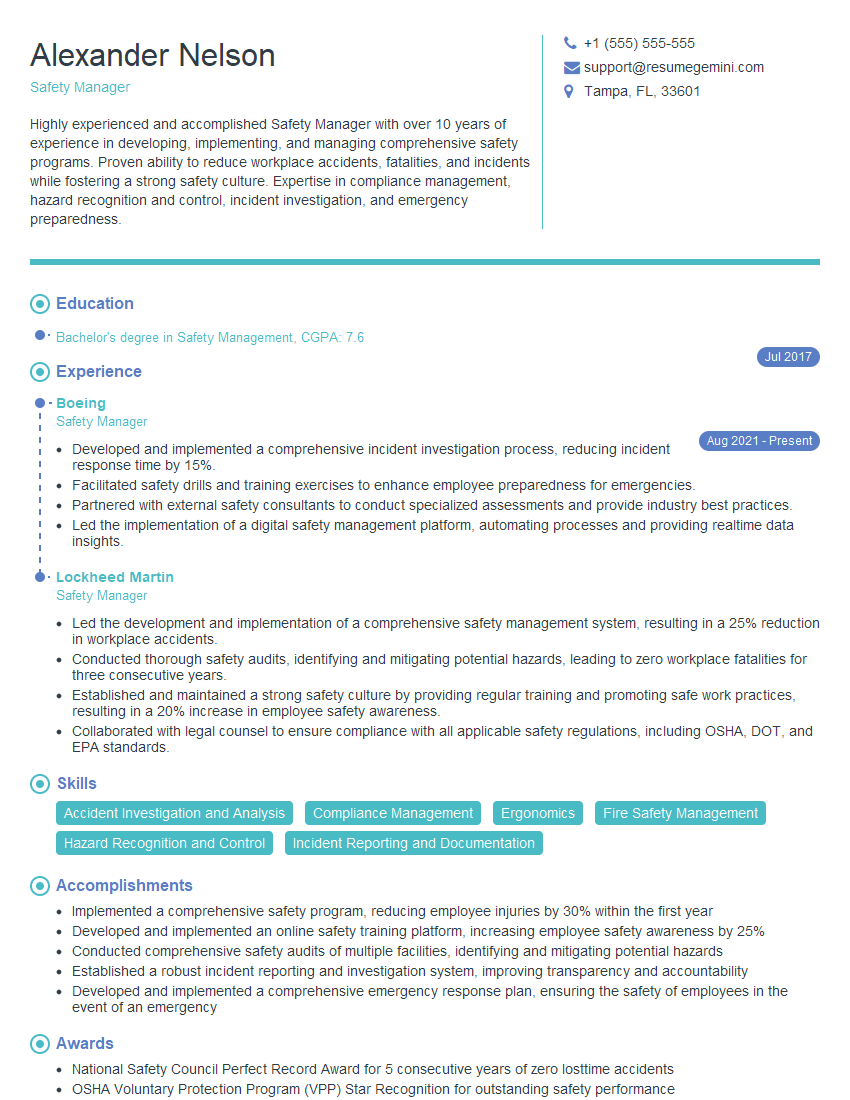
Safety Manager Resume Sample

Compliance Officer Resume Sample
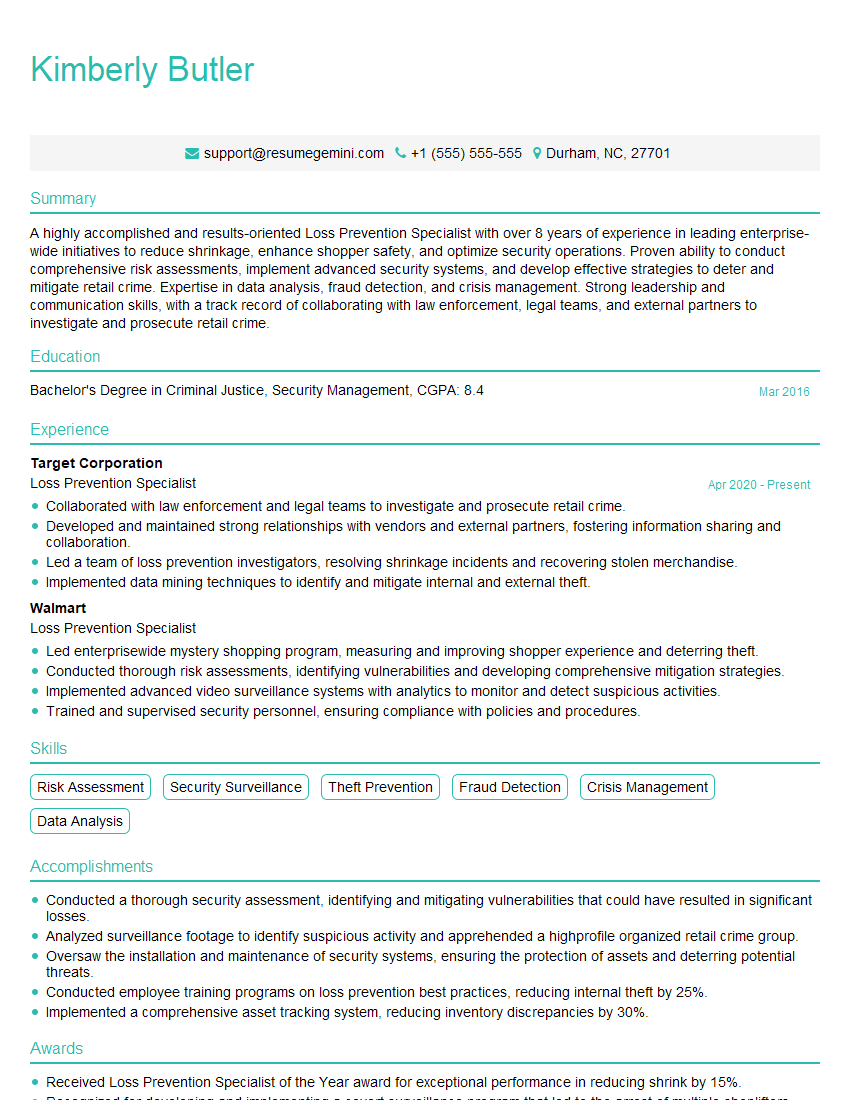
Loss Prevention Specialist Resume Sample

Risk Management Specialist Resume Sample
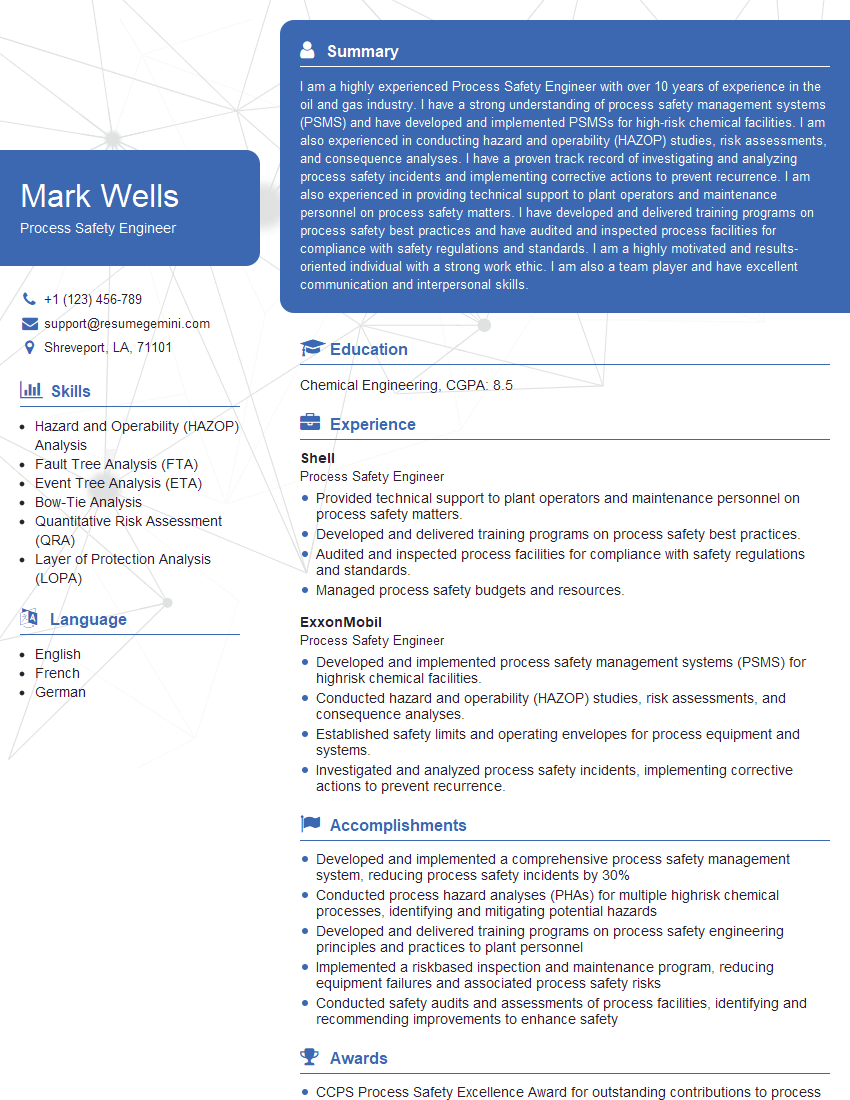
Process Safety Engineer Resume Sample
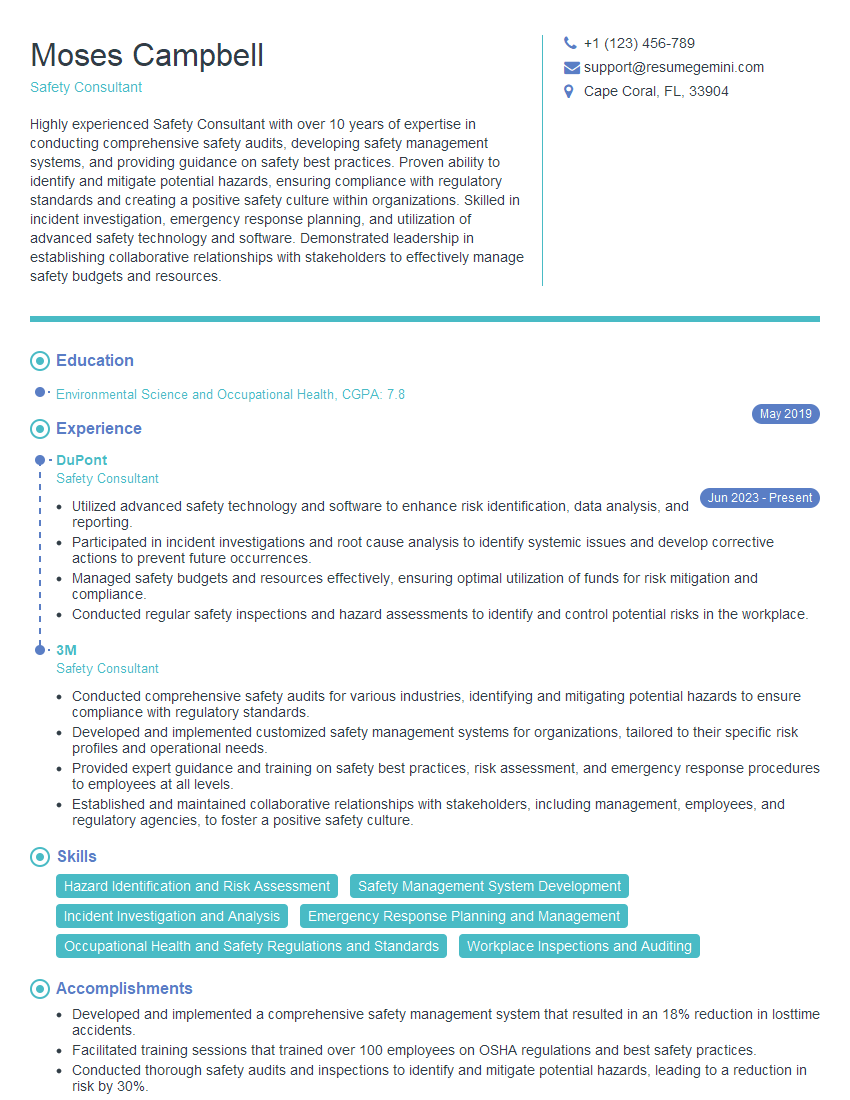
Safety Consultant Resume Sample
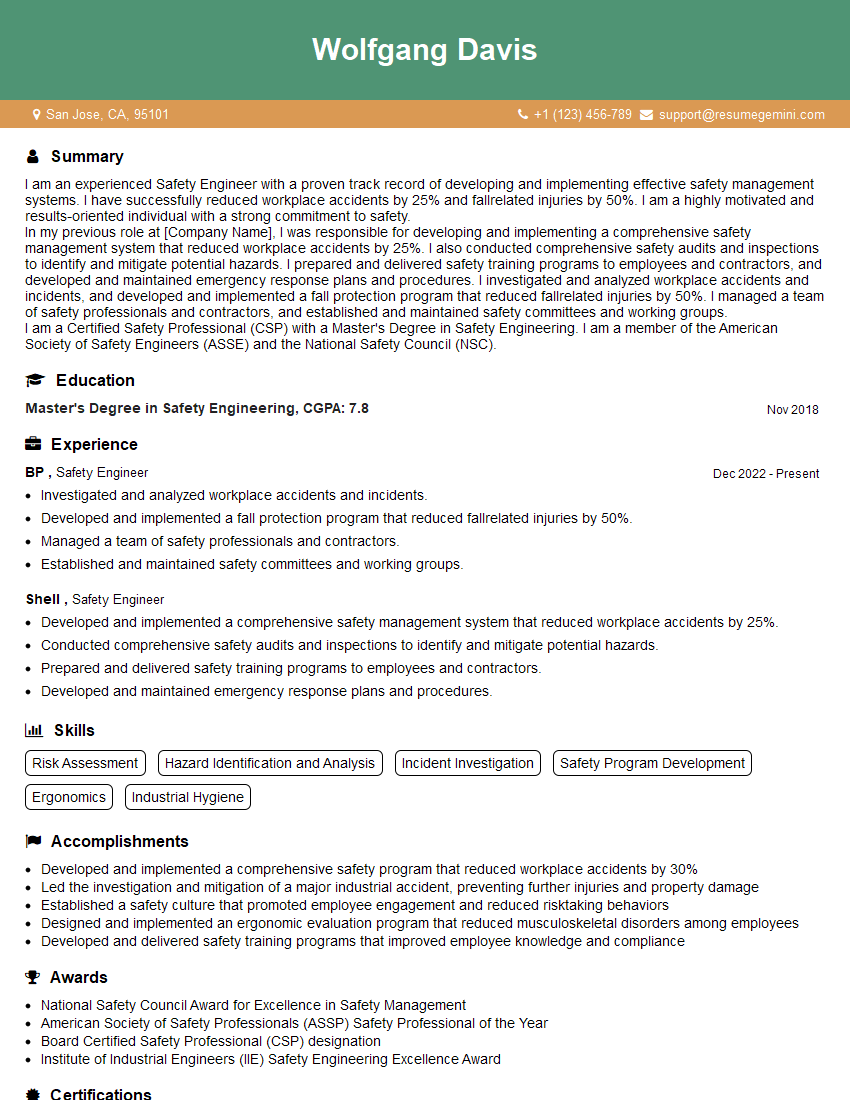
Safety Engineer Resume Sample
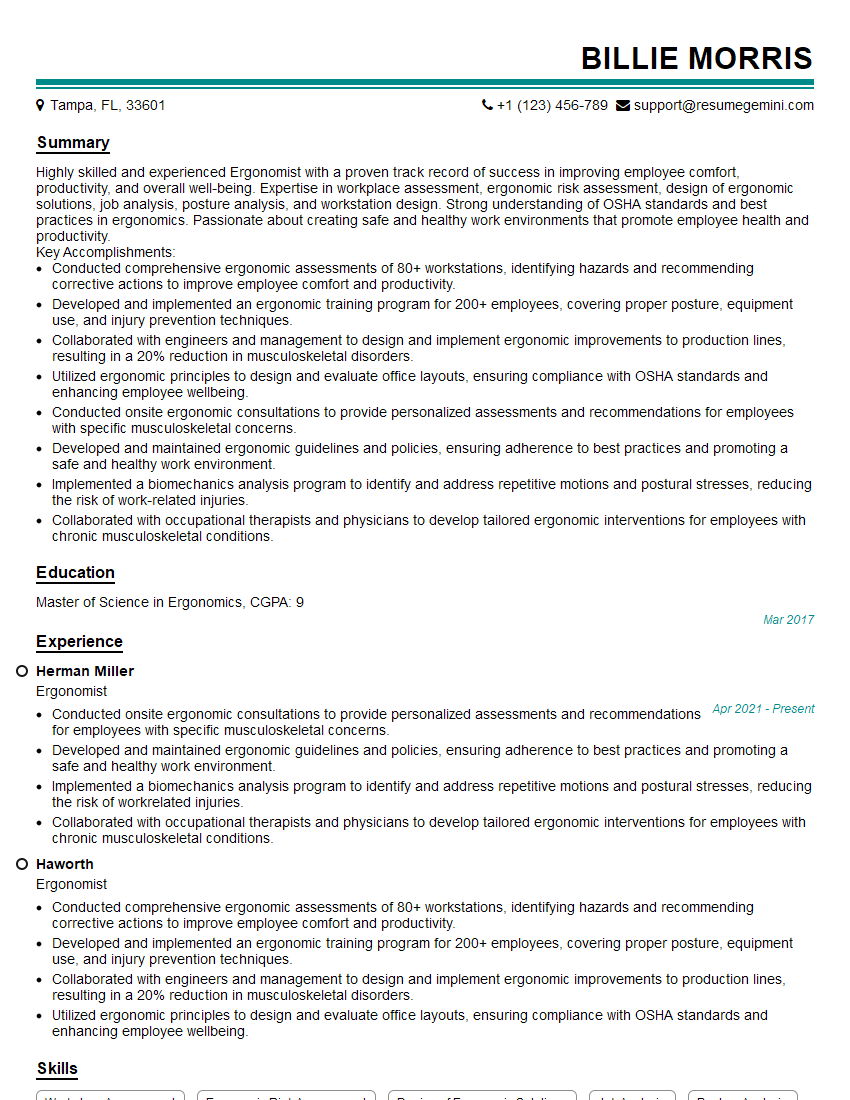
Ergonomist Resume Sample
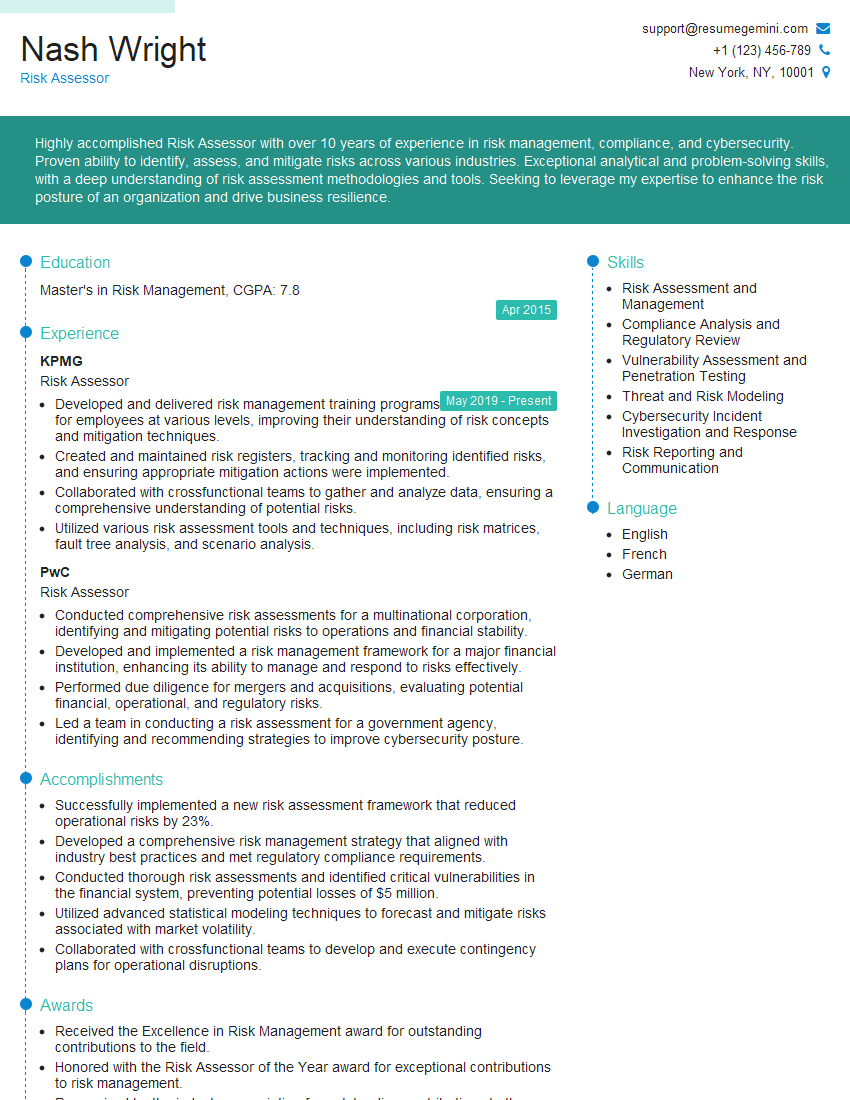
Risk Assessor Resume Sample
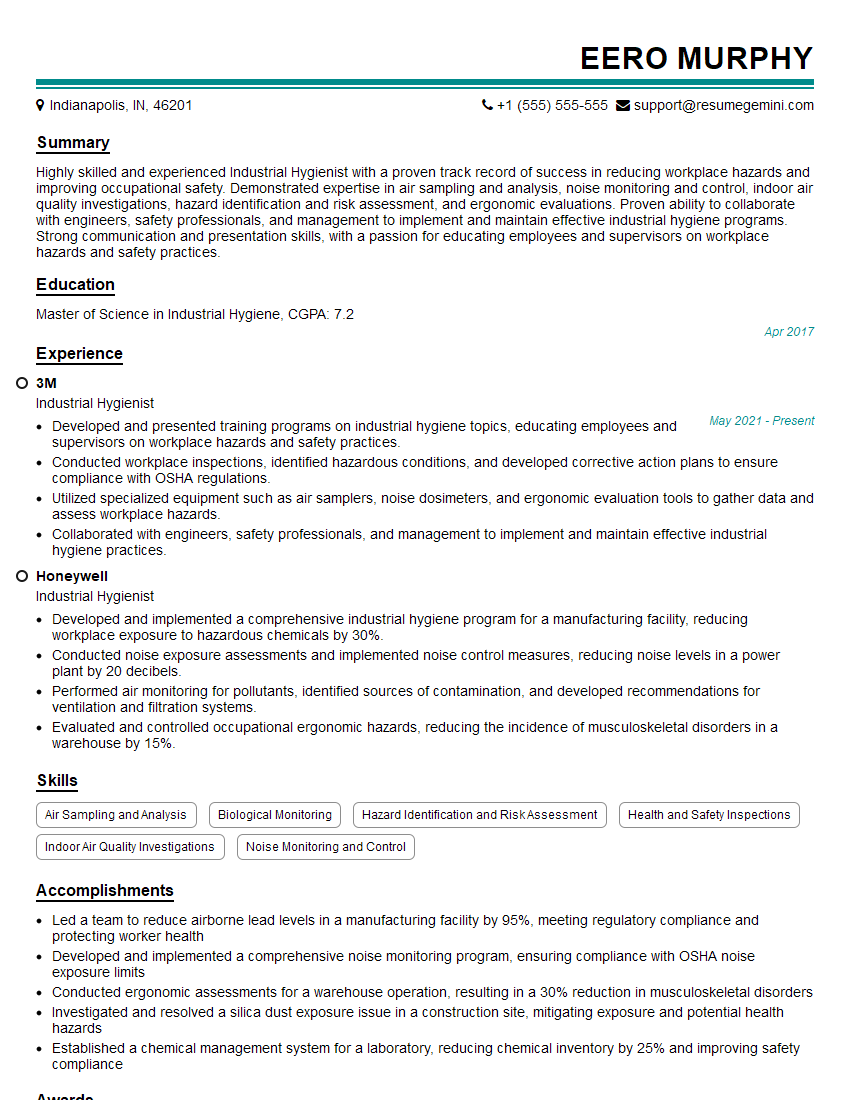
Industrial Hygienist Resume Sample
Safety Officer Resume Sample
Safety Technician Resume Sample
Explore more articles
Users Rating of Our Blogs
Share Your Experience
We value your feedback! Please rate our content and share your thoughts (optional).
What Readers Say About Our Blog
Attention music lovers!
Wow, All the best Sax Summer music !!!
Spotify: https://open.spotify.com/artist/6ShcdIT7rPVVaFEpgZQbUk
Apple Music: https://music.apple.com/fr/artist/jimmy-sax-black/1530501936
YouTube: https://music.youtube.com/browse/VLOLAK5uy_noClmC7abM6YpZsnySxRqt3LoalPf88No
Other Platforms and Free Downloads : https://fanlink.tv/jimmysaxblack
on google : https://www.google.com/search?q=22+AND+22+AND+22
on ChatGPT : https://chat.openai.com?q=who20jlJimmy20Black20Sax20Producer
Get back into the groove with Jimmy sax Black
Best regards,
Jimmy sax Black
www.jimmysaxblack.com
Hi I am a troller at The aquatic interview center and I suddenly went so fast in Roblox and it was gone when I reset.
Hi,
Business owners spend hours every week worrying about their website—or avoiding it because it feels overwhelming.
We’d like to take that off your plate:
$69/month. Everything handled.
Our team will:
Design a custom website—or completely overhaul your current one
Take care of hosting as an option
Handle edits and improvements—up to 60 minutes of work included every month
No setup fees, no annual commitments. Just a site that makes a strong first impression.
Find out if it’s right for you:
https://websolutionsgenius.com/awardwinningwebsites
Hello,
we currently offer a complimentary backlink and URL indexing test for search engine optimization professionals.
You can get complimentary indexing credits to test how link discovery works in practice.
No credit card is required and there is no recurring fee.
You can find details here:
https://wikipedia-backlinks.com/indexing/
Regards
NICE RESPONSE TO Q & A
hi
The aim of this message is regarding an unclaimed deposit of a deceased nationale that bears the same name as you. You are not relate to him as there are millions of people answering the names across around the world. But i will use my position to influence the release of the deposit to you for our mutual benefit.
Respond for full details and how to claim the deposit. This is 100% risk free. Send hello to my email id: lukachachibaialuka@gmail.com
Luka Chachibaialuka
Hey interviewgemini.com, just wanted to follow up on my last email.
We just launched Call the Monster, an parenting app that lets you summon friendly ‘monsters’ kids actually listen to.
We’re also running a giveaway for everyone who downloads the app. Since it’s brand new, there aren’t many users yet, which means you’ve got a much better chance of winning some great prizes.
You can check it out here: https://bit.ly/callamonsterapp
Or follow us on Instagram: https://www.instagram.com/callamonsterapp
Thanks,
Ryan
CEO – Call the Monster App
Hey interviewgemini.com, I saw your website and love your approach.
I just want this to look like spam email, but want to share something important to you. We just launched Call the Monster, a parenting app that lets you summon friendly ‘monsters’ kids actually listen to.
Parents are loving it for calming chaos before bedtime. Thought you might want to try it: https://bit.ly/callamonsterapp or just follow our fun monster lore on Instagram: https://www.instagram.com/callamonsterapp
Thanks,
Ryan
CEO – Call A Monster APP
To the interviewgemini.com Owner.
Dear interviewgemini.com Webmaster!
Hi interviewgemini.com Webmaster!
Dear interviewgemini.com Webmaster!
excellent
Hello,
We found issues with your domain’s email setup that may be sending your messages to spam or blocking them completely. InboxShield Mini shows you how to fix it in minutes — no tech skills required.
Scan your domain now for details: https://inboxshield-mini.com/
— Adam @ InboxShield Mini
support@inboxshield-mini.com
Reply STOP to unsubscribe
Hi, are you owner of interviewgemini.com? What if I told you I could help you find extra time in your schedule, reconnect with leads you didn’t even realize you missed, and bring in more “I want to work with you” conversations, without increasing your ad spend or hiring a full-time employee?
All with a flexible, budget-friendly service that could easily pay for itself. Sounds good?
Would it be nice to jump on a quick 10-minute call so I can show you exactly how we make this work?
Best,
Hapei
Marketing Director
Hey, I know you’re the owner of interviewgemini.com. I’ll be quick.
Fundraising for your business is tough and time-consuming. We make it easier by guaranteeing two private investor meetings each month, for six months. No demos, no pitch events – just direct introductions to active investors matched to your startup.
If youR17;re raising, this could help you build real momentum. Want me to send more info?
Hi, I represent an SEO company that specialises in getting you AI citations and higher rankings on Google. I’d like to offer you a 100% free SEO audit for your website. Would you be interested?
Hi, I represent an SEO company that specialises in getting you AI citations and higher rankings on Google. I’d like to offer you a 100% free SEO audit for your website. Would you be interested?