Interviews are opportunities to demonstrate your expertise, and this guide is here to help you shine. Explore the essential Pre-Harvest and Post-Harvest Handling interview questions that employers frequently ask, paired with strategies for crafting responses that set you apart from the competition.
Questions Asked in Pre-Harvest and Post-Harvest Handling Interview
Q 1. Explain the importance of pre-harvest practices in ensuring fruit quality.
Pre-harvest practices are crucial for determining the ultimate quality of fruit. Think of it like this: a fruit’s journey to the consumer begins long before it’s picked. The foundation for quality – size, color, flavor, and even shelf life – is laid during its growth. Proper pre-harvest management encompasses a range of techniques aiming to optimize fruit development.
Nutrient Management: Providing the right balance of nutrients through fertilization ensures proper growth and development, resulting in fruits of desired size and quality. Deficiencies can lead to smaller, less flavorful fruit, while excesses can cause problems.
Irrigation: Consistent and appropriate watering is essential. Underwatering leads to smaller fruit and stress, while overwatering can cause fruit splitting and disease susceptibility.
Pest and Disease Management: Integrated pest management (IPM) strategies, utilizing biological controls and minimal chemical intervention where necessary, protect the crop from damage, ensuring high-quality yields. A diseased fruit will never reach its full potential.
Pruning and Training: This improves air circulation within the canopy, reducing disease risk and enhancing sunlight penetration for better fruit development. Imagine a crowded orchard – some fruits won’t get enough light!
Soil Health: Maintaining healthy soil through practices like cover cropping and avoiding excessive tillage ensures nutrient availability and proper drainage, essential for healthy root systems and subsequent fruit quality.
Q 2. Describe various methods for minimizing post-harvest losses.
Minimizing post-harvest losses is critical for economic viability and food security. Losses can occur due to physical damage, physiological deterioration, and microbial spoilage. Strategies to reduce these losses are multifaceted:
Careful Harvesting and Handling: Gentle handling during picking, transportation, and storage prevents bruising and other physical damage. Think of how easily a ripe tomato can bruise – careful handling is paramount.
Rapid Cooling: Immediately cooling harvested produce slows down respiration and enzymatic activity, extending shelf life. Hydrocooling, vacuum cooling, and forced-air cooling are common methods. Imagine placing a hot potato in the fridge – it cools down quickly, preserving its quality.
Modified Atmosphere Packaging (MAP): Altering the gaseous environment within the packaging (reducing oxygen and increasing carbon dioxide) slows down respiration and microbial growth. This is a common practice for extending the shelf life of many fruits and vegetables.
Controlled Atmosphere Storage (CAS): Maintaining a controlled atmosphere (low oxygen, high nitrogen, and controlled carbon dioxide) in large-scale storage facilities significantly extends the shelf life of highly perishable products. This is crucial for commodities like apples which are stored for extended periods.
Pre-cooling and Sanitation: Proper sanitation of equipment and facilities prevents the spread of pathogens, contributing to the extended shelf life and safety of the product.
Improved Transportation: Using appropriate containers and transportation methods prevents damage and maintains the cool chain. Refrigerated trucks are critical for transporting perishable goods long distances.
Q 3. What are the key factors affecting the shelf life of fresh produce?
Several factors influence the shelf life of fresh produce. It’s a complex interplay, but understanding these factors is crucial for effective post-harvest management.
Respiration Rate: Fruits and vegetables are living organisms that respire, consuming oxygen and releasing carbon dioxide and heat. Higher respiration rates lead to faster spoilage. Think of it like a bonfire – the bigger the fire (respiration rate), the quicker the wood (produce) burns.
Temperature: Higher temperatures accelerate respiration and microbial growth, decreasing shelf life. Lower temperatures (but avoiding chilling injury) extend it.
Relative Humidity: Maintaining optimal relative humidity prevents excessive water loss (wilting) and maintains turgor pressure (firmness). Think of a flower wilting in a dry environment.
Ethylene Production: Ethylene is a plant hormone that accelerates ripening and senescence. Reducing ethylene levels (through controlled atmosphere or specialized packaging) extends shelf life. Ripe bananas releasing ethylene and speeding up ripening of nearby fruit is a classic example.
Pathogen Load: The presence of microorganisms (bacteria, fungi) directly impacts shelf life through spoilage. Hygiene and sanitation are key.
Mechanical Damage: Bruises and cuts provide entry points for pathogens and accelerate deterioration.
Q 4. How do you determine the optimal harvest time for a specific crop?
Determining optimal harvest time is crucial for maximizing quality and shelf life. This is a science and an art, combining knowledge of the crop’s physiology with practical observation.
Physiological Maturity: This refers to the stage where the fruit has reached its full size and has the desired internal quality characteristics, such as sugar content, acidity, and firmness. This often precedes consumer ripeness.
Sensory Evaluation: Experienced harvesters rely on their senses (sight, touch, smell) to assess ripeness. Color, firmness, aroma, and even the sound of a fruit when gently squeezed can indicate maturity. Experienced apple pickers know exactly how a ripe apple should feel.
Chemical Analysis: Measuring soluble solids content (SSC, primarily sugars), titratable acidity (TA), and other chemical indicators gives a precise measure of maturity. This is especially relevant for large-scale commercial operations.
Crop Load: The number of fruits on the plant influences their size and maturity. Thinning fruits can lead to larger, higher-quality fruits but will decrease yield.
The optimal harvest time is often a compromise between achieving physiological maturity and maximizing shelf life. Harvesting too early results in poor quality, while harvesting too late may lead to reduced shelf life due to increased susceptibility to damage and spoilage.
Q 5. Explain the process of chilling injury in fruits and vegetables.
Chilling injury is a physiological disorder that occurs when fruits and vegetables are exposed to temperatures below their critical minimum, even if those temperatures are not freezing. It’s not a freezing injury, but rather a damaging effect of low temperatures that are still above freezing.
The injury happens because low temperatures disrupt cellular processes. Cell membranes can become damaged, leading to changes in respiration rates, enzymatic activity, and overall metabolism. This can manifest as various symptoms depending on the crop and the severity of the chilling.
Symptoms: These include pitting, discoloration, softening, decay, and off-flavors. Think of a tomato that has been refrigerated for too long—it can lose its firmness, flavor, and even start to decay.
Susceptible Crops: Chilling-sensitive crops vary widely. Tropical fruits (mangoes, bananas) and some vegetables (tomatoes, peppers) are particularly vulnerable.
Prevention: Maintaining appropriate temperature ranges during storage and transportation is key. Knowing the minimum temperature threshold for each crop is crucial.
Q 6. What are the common post-harvest diseases affecting produce and how are they controlled?
Post-harvest diseases, caused by fungi, bacteria, and other microorganisms, significantly reduce the quality and shelf life of produce. These diseases often develop in the field but become more problematic after harvest, particularly under favorable conditions (high humidity, improper temperature).
Common Diseases: Examples include gray mold (Botrytis cinerea) in many fruits and vegetables, blue mold (Penicillium spp.) in citrus fruits, and bacterial soft rot (Erwinia spp.) in many vegetables.
Control Methods: Strategies for disease control are important and multifaceted:
Sanitation: Maintaining clean harvesting and handling equipment, and storage facilities, reduces pathogen levels. This includes cleaning and disinfecting tools and surfaces.
Pre-harvest Disease Management: Controlling diseases in the field reduces the initial pathogen load on the harvested produce. Proper pruning, irrigation and disease management practices will prevent a lot of problems.
Post-harvest Treatments: Fungicides and bactericides can be applied to fruits and vegetables during or after harvest to prevent disease development. The use of these treatments must always be done following appropriate regulations and guidelines.
Modified Atmosphere Packaging (MAP) and Controlled Atmosphere Storage (CAS): By reducing oxygen and increasing carbon dioxide, these techniques can help inhibit the growth of many post-harvest pathogens.
Rapid Cooling: Slowing down microbial growth by reducing temperatures.
Q 7. Describe different methods of post-harvest preservation, including their advantages and limitations.
Various post-harvest preservation methods aim to extend the shelf life of fresh produce and maintain its quality. The best method depends on the specific product, intended shelf life, and available resources.
Refrigeration: This slows down respiration and microbial growth, but some chilling-sensitive products cannot tolerate low temperatures. It’s a simple, widely-used method, but effectiveness depends on the product and temperature.
Freezing: Freezing stops microbial growth and enzymatic activity, allowing for long-term storage. However, it can alter the texture and flavor of some products. Freezing is an effective method for many vegetables but can cause changes to texture and flavor in some fruits.
Modified Atmosphere Packaging (MAP): Altering the gaseous environment (reducing oxygen, increasing carbon dioxide and nitrogen) within packaging inhibits respiration and microbial growth. This is a popular method extending shelf-life. However, it requires specialized packaging and equipment.
Controlled Atmosphere Storage (CAS): Similar to MAP but applied to large storage facilities. It allows for long-term storage of many fruits and vegetables. The system is relatively complex and expensive, but results in an extended shelf-life.
Radiation: Using ionizing radiation to reduce microbial load and extend shelf life. This method has safety and regulatory considerations. It is an effective method to reduce microbial load, but can cause safety concerns.
High-Pressure Processing (HPP): Uses high hydrostatic pressure to inactivate microorganisms without significant changes in texture or flavor. It is effective but expensive.
Drying: Reduces water activity to inhibit microbial growth, resulting in extended shelf life. This drastically changes the texture and flavor of the product and is not suitable for all produce.
The choice of method often involves a cost-benefit analysis, considering factors like cost of equipment, energy consumption, potential quality changes, and shelf-life extension.
Q 8. How do you ensure food safety throughout the pre-harvest and post-harvest processes?
Ensuring food safety throughout the pre-harvest and post-harvest processes is paramount. It involves a holistic approach encompassing good agricultural practices (GAPs), proper handling, and stringent hygiene protocols.
- Pre-harvest: This stage focuses on preventing contamination at the source. It includes selecting healthy planting material, employing integrated pest management (IPM) strategies to minimize pesticide use, ensuring adequate irrigation and sanitation of equipment and facilities, and training workers on safe handling procedures. For example, we meticulously monitor soil health, water quality, and prevent the use of prohibited chemicals to avoid residue contamination in our fields.
- Post-harvest: This stage involves maintaining the quality and safety of the harvested produce until it reaches the consumer. This includes careful harvesting techniques to minimize damage, rapid cooling to slow down microbial growth, sanitation of processing and packaging areas, and adherence to temperature control throughout the cold chain. For instance, we use controlled atmosphere storage (CAS) for high-value produce like apples, slowing down respiration and extending shelf life significantly. We also implement Hazard Analysis and Critical Control Points (HACCP) principles to identify and manage potential food safety hazards at every stage.
Ultimately, a combination of meticulous planning, effective monitoring, and worker training is essential to ensure food safety throughout the entire journey.
Q 9. What are the different types of packaging used for fresh produce and their suitability for various products?
Packaging plays a crucial role in preserving the freshness, quality, and safety of fresh produce. The choice of packaging depends on several factors, including the type of produce, its shelf life, and the desired distribution method.
- Modified Atmosphere Packaging (MAP): This technology alters the atmosphere inside the packaging by reducing oxygen levels and increasing carbon dioxide and/or nitrogen. This slows down respiration and extends the shelf life, particularly effective for leafy greens and berries.
- Vacuum Packaging: Air is removed from the packaging, reducing enzymatic activity and preventing spoilage. Suitable for sturdy products like certain vegetables that don’t bruise easily.
- Ethylene Absorbers: These absorb ethylene, a natural plant hormone that accelerates ripening and senescence. This is highly beneficial for climacteric fruits (like bananas and tomatoes) to maintain their quality for longer.
- Rigid Containers (e.g., plastic clamshells): These offer good protection against physical damage but can lack breathability. Best for produce with a longer shelf life and less susceptibility to decay.
- Flexible Packaging (e.g., plastic bags and films): Cost-effective and lightweight but offer less protection against damage. Appropriate for some delicate produce like herbs or greens.
Selecting the right packaging is not merely about aesthetics. It’s about understanding the specific needs of each produce item to optimize its quality and safety until it reaches the consumer.
Q 10. Explain the importance of proper storage conditions for different types of produce.
Proper storage conditions are critical for maintaining the quality and extending the shelf life of fresh produce. Different types of produce have varying storage requirements depending on their respiration rate and susceptibility to chilling injury.
- Temperature: Most produce benefits from cool temperatures, typically near freezing but above the freezing point of the produce to prevent chilling injury, which causes damage to cell membranes. Tropical fruits usually require warmer temperatures.
- Humidity: Maintaining appropriate humidity levels is essential to prevent wilting or excessive moisture accumulation, leading to decay. High humidity is often needed for leafy greens while lower humidity is preferred for certain fruits to prevent mold growth.
- Atmosphere: Controlled atmosphere storage (CAS) or modified atmosphere packaging (MAP) can extend shelf life by manipulating gas composition within the storage environment or packaging.
- Ethylene Control: Ethylene removal or reduction is critical for certain produce types as its presence can accelerate ripening and senescence.
For example, storing bananas at low temperatures will result in chilling injury. Understanding the specific requirements for each produce type is crucial for optimal storage, avoiding waste, and maintaining product quality.
Q 11. Describe the role of traceability in ensuring food safety and quality.
Traceability is the ability to track a product throughout its entire journey, from farm to fork. It plays a vital role in ensuring both food safety and quality.
- Food Safety: In case of a food safety incident (e.g., contamination), traceability allows for rapid identification of the source of the problem, enabling swift recall of affected products, thus minimizing the impact on public health.
- Quality Assurance: Traceability allows for identifying the specific farm, harvesting date, processing steps, and storage conditions associated with a particular batch of produce. This information assists in identifying and resolving quality issues, continuous improvement of processes, and maintaining consistent quality standards.
Implementing a robust traceability system involves using unique identifiers (e.g., lot numbers, barcodes) at every stage of the supply chain and maintaining detailed records. This not only enhances food safety but also promotes transparency and builds consumer trust.
Q 12. What are the key quality parameters used to assess the quality of fresh produce?
Assessing the quality of fresh produce involves evaluating several key parameters:
- Appearance: This includes factors such as color, shape, size, and absence of defects. Visual quality is often the first impression for consumers.
- Firmness: This reflects the texture and structural integrity of the produce and is usually assessed through pressure tests or sensory evaluation. Firmness is crucial for shelf life and consumer acceptance.
- Aroma: A pleasant aroma indicates freshness and quality, while off-odors often signify spoilage or degradation.
- Flavor: Flavor is a subjective but critical quality parameter influenced by factors such as ripeness, cultivar, and storage conditions.
- Nutritional Value: This includes parameters like sugar content, acidity, vitamin content, and other nutrients, which can vary depending on the cultivar, growing conditions, and handling practices. Assessing this often requires laboratory analysis.
These parameters can be measured using various methods, including sensory evaluation, instrumental analysis (e.g., firmness measurements), and chemical analysis (e.g., determining sugar content). An overall quality assessment considers all these factors.
Q 13. How do you handle produce damaged during harvest or transportation?
Handling produce damaged during harvest or transportation requires a systematic approach to minimize losses and prevent contamination.
- Immediate Sorting: Damaged produce needs to be immediately separated from undamaged produce to prevent further damage and cross-contamination. This is done at the point of harvest or at receiving facilities.
- Proper Disposal: Damaged produce is usually discarded following established procedures to avoid attracting pests or contaminating other produce. This may involve composting or appropriate waste management.
- Salvage Options: Depending on the nature and extent of the damage, some produce may be salvaged. For example, slightly bruised fruit may be used for processing (e.g., juice, jams) to reduce waste.
- Documentation: Records of damaged produce (quantity, type of damage, cause) help to identify and address potential issues in harvesting or transportation procedures.
The aim is to minimize losses, prevent further contamination, and adhere to safety and hygiene standards. A well-trained workforce and effective quality control measures are key to minimizing damage during handling.
Q 14. Explain your experience with different grading and sorting techniques for produce.
I have extensive experience with various grading and sorting techniques for produce, employing both manual and automated methods.
- Manual Grading and Sorting: This method involves visual inspection by trained personnel who assess produce based on size, color, shape, and the presence of defects. It is often used for smaller-scale operations or for products requiring high precision sorting based on subtle quality differences.
- Automated Grading and Sorting: This involves the use of machines equipped with sensors (e.g., optical sensors, near-infrared sensors) to evaluate produce characteristics rapidly and objectively. These systems can sort large volumes efficiently based on predetermined quality parameters and minimize human error. Examples include automated systems using color cameras to sort apples by redness and size graders using rollers to sort tomatoes by diameter.
- Size Grading: Produce is sorted based on size, usually using rollers or other mechanical devices. This is especially important for ensuring consistent product presentation.
- Color Grading: This involves sorting produce based on color intensity and uniformity using specialized optical sensors. This is critical for fruits and vegetables where color is a key quality indicator.
The choice of grading and sorting technique depends on factors such as the type of produce, volume to be processed, budget, desired level of accuracy, and availability of technology. Often a combination of methods is used for optimal results.
Q 15. Describe your experience with pest and disease management in pre-harvest.
Pest and disease management in pre-harvest is crucial for ensuring high-quality yields and minimizing losses. My approach is multifaceted and relies on a combination of preventative measures and proactive interventions. This includes implementing integrated pest management (IPM) strategies, which focus on minimizing pesticide use while maximizing effectiveness.
- Crop rotation: This helps disrupt pest and disease cycles, reducing their population over time. For instance, rotating between legumes and non-legumes can significantly reduce nematode populations.
- Biological control: Introducing beneficial insects or microorganisms that prey on pests or compete with pathogens. This reduces reliance on chemical pesticides, promoting environmentally friendly practices. For example, using ladybugs to control aphid infestations.
- Resistant varieties: Selecting crop varieties that are naturally resistant or tolerant to common pests and diseases. This provides a robust, long-term defense against infections.
- Monitoring and scouting: Regularly inspecting crops for signs of pest or disease infestations. Early detection allows for prompt intervention, preventing widespread damage. This often involves visual inspection and potentially using traps to monitor pest populations.
- Targeted pesticide application: Only using pesticides when absolutely necessary and applying them strategically to minimize environmental impact and resistance development. This involves understanding pesticide efficacy, application methods, and potential risks to non-target organisms.
In my experience, combining these techniques leads to a significantly healthier crop and reduces the need for heavy pesticide use. A successful IPM program requires meticulous record-keeping, regular assessments, and a willingness to adapt to changing conditions.
Career Expert Tips:
- Ace those interviews! Prepare effectively by reviewing the Top 50 Most Common Interview Questions on ResumeGemini.
- Navigate your job search with confidence! Explore a wide range of Career Tips on ResumeGemini. Learn about common challenges and recommendations to overcome them.
- Craft the perfect resume! Master the Art of Resume Writing with ResumeGemini’s guide. Showcase your unique qualifications and achievements effectively.
- Don’t miss out on holiday savings! Build your dream resume with ResumeGemini’s ATS optimized templates.
Q 16. What are your strategies for optimizing yield and minimizing waste?
Optimizing yield and minimizing waste requires a holistic approach encompassing pre-harvest and post-harvest practices. My strategies focus on maximizing efficiency and minimizing losses at every stage.
- Precision agriculture: Utilizing technologies like GPS-guided machinery and sensor data to optimize planting density, irrigation, and fertilization. This ensures that resources are used efficiently, resulting in higher yields and reduced input costs. For example, variable rate fertilization ensures that nutrient-rich areas don’t receive unnecessary amounts, leading to optimized yield and reduced fertilizer runoff.
- Proper harvesting techniques: Training workers on best practices for harvesting, handling, and sorting produce. Minimizing physical damage during harvesting significantly reduces spoilage and extends shelf life. For example, using appropriate tools and handling produce gently prevents bruising.
- Efficient post-harvest handling: Rapid cooling, proper storage, and timely transportation are vital in maintaining produce quality. Delays in these steps increase the chance of spoilage.
- Waste reduction strategies: Implementing sorting and grading protocols to separate marketable produce from waste, and exploring innovative uses for waste products like compost. This can reduce waste going to landfill.
- Data-driven decision making: Tracking yields, losses, and other key metrics to identify areas for improvement and optimize operations over time. For example, using analytics to identify the source of losses during particular harvesting times or specific locations in the field.
By integrating these strategies, we can significantly increase the efficiency of our operations, reduce waste, and improve profitability while being more sustainable.
Q 17. Explain your knowledge of different transportation methods and their impact on produce quality.
Choosing the right transportation method significantly impacts produce quality. The key factors to consider include speed, temperature control, and the distance to be covered.
- Refrigerated trucks: These are crucial for transporting perishable goods over long distances, maintaining a consistent temperature throughout transit. The temperature setting should depend on the specific produce and its sensitivity to temperature fluctuations.
- Air freight: While expensive, air freight offers the fastest transportation, essential for highly perishable items with short shelf lives. This method minimizes transit time and subsequent quality loss.
- Rail transport: A cost-effective option for long distances, especially for less perishable products. Modern refrigerated rail cars maintain temperatures effectively, making them suitable for many produce types.
- Sea freight: This is the slowest but most economical option, typically used for non-perishable or longer-shelf-life products. It is often combined with refrigerated containers.
The impact on produce quality depends on factors such as the type of transport, its temperature control, and the duration of the journey. Prolonged exposure to high temperatures or vibrations can lead to spoilage, bruising, and reduced shelf life. Careful selection of transportation methods and packaging is essential in maintaining quality.
Q 18. How do you monitor and control the temperature and humidity during storage?
Monitoring and controlling temperature and humidity during storage is vital for maintaining produce quality and extending its shelf life. Different produce types have different optimal storage conditions.
- Controlled Atmosphere (CA) Storage: This technique involves modifying the atmosphere within the storage facility to slow down respiration and reduce spoilage. This usually involves reducing oxygen levels and increasing carbon dioxide levels. It’s particularly effective for fruits such as apples and pears.
- Modified Atmosphere Packaging (MAP): This involves packaging produce in films that selectively allow gas exchange, creating a modified atmosphere around the product. It’s used commonly for extending the shelf life of vegetables and fresh-cut produce.
- Refrigeration: Maintaining a consistently low temperature significantly slows down enzymatic activity and microbial growth. The optimal temperature depends on the produce type, but is usually between 0°C and 5°C.
- Humidity control: Controlling humidity prevents excessive moisture loss (wilting) or gain (decay). Optimal humidity levels vary with the type of produce.
- Monitoring systems: Utilizing sensors and data loggers to monitor temperature and humidity levels throughout the storage area allows for early detection of any problems and timely adjustments to maintain ideal conditions.
Effective temperature and humidity control is critical for extending the shelf life and maintaining the quality of produce. Regular monitoring and proactive adjustments are essential for a successful storage strategy.
Q 19. What are the regulatory requirements for food safety in your region?
(Note: This answer will vary depending on the specific region. The following is a general example and should be replaced with the actual regulatory requirements of a specific region.)
Food safety regulations in my region [Replace with your region] are stringent and adhere to international standards. Key requirements include:
- Good Agricultural Practices (GAP): These guidelines cover various aspects of crop production, including pest and disease management, irrigation, and fertilizer application. Compliance ensures that produce is free from harmful substances.
- Good Handling Practices (GHP): These cover post-harvest handling, transportation, storage, and processing, aiming to maintain the safety and quality of the produce.
- Hazard Analysis and Critical Control Points (HACCP): This system is essential for identifying and managing potential hazards throughout the production chain. It’s implemented in post-harvest handling and processing.
- Traceability: Maintaining accurate records of the entire supply chain from farm to consumer allows for rapid identification and response in case of any contamination or quality issue.
- Worker hygiene and training: Strict guidelines exist regarding hygiene practices and training of personnel to minimize the risk of contamination.
Regular inspections and audits are conducted to ensure compliance with these regulations. Failure to comply can result in significant penalties and loss of market access.
Q 20. How do you manage inventory effectively in a post-harvest setting?
Effective inventory management in a post-harvest setting is essential to prevent spoilage, optimize sales, and avoid waste. My approach combines technological solutions with established best practices.
- First-In, First-Out (FIFO): This ensures that older produce is sold before newer produce, reducing the risk of spoilage. Clear labeling and organized storage are crucial for implementing FIFO effectively.
- Inventory tracking systems: Utilizing software to track quantities, locations, and quality of stored produce, allowing for real-time monitoring and efficient management. This helps to prevent overstocking and potential losses due to spoilage.
- Regular inventory checks: Conducting periodic checks to identify produce approaching its expiration date, allowing for timely sales promotions or alternative uses.
- Predictive modeling: Using historical data and market trends to forecast demand, optimizing storage capacity and reducing waste. This allows for proactive adjustments to ordering and storage strategies.
- Quality control measures: Regular assessment of produce quality to detect spoilage early and separate damaged produce from the marketable stock.
Combining these strategies leads to efficient inventory management, reduced losses, and better overall profitability.
Q 21. Describe your experience with using technology to improve efficiency in pre-harvest or post-harvest operations.
Technology plays a significant role in enhancing the efficiency of both pre-harvest and post-harvest operations. I’ve had extensive experience utilizing various technologies:
- Precision agriculture technologies: GPS-guided machinery, sensor networks for soil monitoring, and drone imagery for crop assessment provide detailed insights, leading to optimized resource utilization and higher yields in pre-harvest operations.
- Automated harvesting systems: Robotics and AI-powered systems can automate certain harvesting tasks, increasing efficiency and reducing labor costs. This is particularly relevant for high-volume operations.
- Computer vision systems: Used in post-harvest sorting and grading, these systems automatically identify defects and classify produce based on size, shape, and color, reducing manual labor and increasing sorting accuracy.
- Cold chain monitoring systems: Sensors and data loggers track temperature and humidity during storage and transportation, providing real-time data to ensure optimal conditions and minimize spoilage. This allows for proactive adjustments and prevents costly losses.
- Blockchain technology: This enhances traceability, providing a transparent and secure record of the product’s journey from farm to consumer, which is crucial for food safety and quality assurance.
The integration of technology has significantly improved the efficiency and effectiveness of our operations, reducing waste, improving quality, and increasing profitability. It has also enabled data-driven decision-making, leading to continual improvements in our processes.
Q 22. What are some common challenges in post-harvest handling and how have you addressed them?
Post-harvest handling faces numerous challenges, primarily focused on maintaining product quality and extending shelf life. These include:
- Physiological deterioration: Respiration, transpiration, and enzymatic activity continue after harvest, leading to spoilage. For example, rapid respiration in leafy greens can cause wilting and loss of freshness.
- Pathogen growth: Microorganisms like bacteria and fungi can rapidly proliferate, causing rot and decay. This is particularly problematic with high-humidity conditions and damaged produce.
- Mechanical damage: Rough handling during harvesting, transportation, and processing can bruise fruits and vegetables, reducing their quality and marketability. Think about the impact of dropping a crate of tomatoes.
- Temperature fluctuations: Exposure to extreme temperatures can accelerate deterioration. Rapid temperature changes can damage cell structures.
To address these, I’ve implemented several strategies including:
- Rapid cooling: Implementing hydrocooling or forced-air cooling immediately after harvest to quickly reduce produce temperature, slowing down respiration and microbial growth.
- Modified atmosphere packaging (MAP): Reducing oxygen levels and increasing carbon dioxide levels within packaging to inhibit respiration and microbial growth. This extends shelf life significantly, as I’ve seen with strawberries stored in MAP containers.
- Proper sanitation: Strict hygiene protocols during handling to minimize pathogen contamination. This includes cleaning and sanitizing equipment and work surfaces regularly.
- Careful handling techniques: Training workers in proper handling techniques to minimize mechanical damage during harvesting, sorting, and packing. Using appropriate equipment is also key.
Q 23. How do you ensure efficient communication and coordination between pre-harvest and post-harvest teams?
Efficient communication and coordination between pre-harvest and post-harvest teams are crucial for optimal produce quality and yield. I achieve this through:
- Regular meetings: Scheduled meetings involving both teams to discuss harvest plans, predicted yields, and anticipated post-harvest needs. This ensures everyone’s on the same page.
- Real-time data sharing: Utilizing technology such as field monitoring systems to provide real-time data on fruit maturity and harvest progress to the post-harvest team. This allows them to prepare adequately for the incoming crop.
- Standardized procedures: Implementing standardized operating procedures (SOPs) for harvesting, handling, and packing to ensure consistency across teams. Everyone understands their roles and responsibilities.
- Open communication channels: Maintaining open communication channels (email, phone, instant messaging) for quick updates and issue resolution. This is essential for responding to unexpected situations, like a sudden rainfall affecting harvest timing.
- Collaborative problem-solving: Encouraging a collaborative environment where both teams work together to address challenges and find solutions proactively.
Q 24. Describe your experience with different types of handling equipment.
My experience with handling equipment encompasses a wide range of technologies designed to minimize damage and optimize efficiency. This includes:
- Harvesting equipment: From hand-held tools for delicate crops like berries to mechanical harvesters for larger-scale operations such as apples or potatoes. The choice depends on the crop and the scale of the operation.
- Conveyors and sorting equipment: These are essential for moving produce efficiently through the processing line, minimizing damage and allowing for sorting by size, quality, and ripeness.
- Washing and cleaning systems: These systems, including brushes, sprays, and water jets, are vital for removing dirt, debris, and pesticides from the produce. This is crucial for food safety and extends shelf life.
- Packaging equipment: From manual packing to automated filling and sealing machines for various types of packaging (boxes, trays, films). Proper packaging protects the produce during transportation and storage.
- Cooling systems: Hydrocoolers, forced-air coolers, and refrigerated storage units are critical for maintaining optimal temperatures after harvest.
My experience includes troubleshooting and maintenance of these systems, ensuring their efficient and reliable operation.
Q 25. What are your experience with different ripening techniques?
Ripening techniques are crucial for ensuring optimal quality and flavor of fruits. I have experience with:
- Natural ripening: Allowing fruits to ripen naturally at ambient temperatures. This method, while slower, often results in the best flavor profile.
- Controlled atmosphere (CA) storage: Managing the atmospheric composition (oxygen, carbon dioxide, ethylene) to slow down ripening and extend shelf life. This technique is particularly useful for climacteric fruits like apples and bananas.
- Ethylene treatment: Applying ethylene gas to accelerate ripening in fruits that require a boost. This is useful for ensuring uniform ripening in a batch of produce.
- Temperature control: Maintaining specific temperature ranges to influence ripening rates. Lower temperatures generally slow down ripening.
The choice of technique depends on the specific fruit, desired ripening rate, and target market. For instance, ethylene treatment would be effective for avocados, while CA storage is more suitable for long-term storage of apples.
Q 26. Explain your knowledge of controlled atmosphere storage.
Controlled atmosphere (CA) storage is a sophisticated technique for extending the shelf life of perishable produce by modifying the atmospheric composition within a storage facility. This typically involves reducing oxygen levels and increasing carbon dioxide levels, sometimes with the addition of nitrogen.
How it works: By lowering oxygen levels, respiration rates are reduced, slowing down the aging process. Higher carbon dioxide levels further inhibit microbial growth and enzymatic activity. Nitrogen is often used to fill the remaining space, creating an inert atmosphere.
Benefits: CA storage significantly extends shelf life compared to conventional storage, minimizing quality loss and extending the marketing window for many fruits and vegetables. I’ve seen firsthand how apples and pears can maintain their crispness and flavor for several months in a well-managed CA facility.
Challenges: CA storage requires precise monitoring and control of atmospheric composition and temperature. Improper management can lead to physiological disorders or reduced quality. It also involves significant investment in specialized equipment and expertise.
Q 27. How do you ensure the freshness and quality of produce during long-distance transportation?
Maintaining produce freshness and quality during long-distance transportation is challenging, demanding a multifaceted approach. Key strategies include:
- Pre-cooling: Rapidly cooling the produce immediately after harvest to reduce respiration and microbial growth during transit. Hydrocooling is frequently used for this purpose.
- Appropriate packaging: Utilizing packaging that protects produce from physical damage and maintains optimal temperature and humidity. Modified atmosphere packaging (MAP) is particularly effective here.
- Refrigerated transport: Using refrigerated trucks or containers to maintain consistent low temperatures throughout the journey. Temperature monitoring systems are essential to ensure proper conditions are maintained.
- Optimized transport routes: Planning efficient routes to minimize transit time and exposure to temperature fluctuations.
- Transit time monitoring: Tracking temperature and other relevant parameters during transportation to detect and address any potential problems proactively. Modern technology allows for real-time monitoring and alerts.
Choosing the appropriate transportation method (truck, rail, sea) is crucial depending on the distance and the sensitivity of the produce. For example, air freight is suitable for highly perishable items needing rapid delivery but can be costly.
Q 28. Describe a time you had to solve a significant problem related to pre-harvest or post-harvest operations.
During a particularly hot summer, we experienced rapid spoilage of a large shipment of strawberries destined for export. The initial cooling process was delayed due to equipment malfunction at the receiving facility. This resulted in significant quality degradation within a few hours.
Problem-solving steps:
- Immediate Assessment: We quickly assessed the extent of the damage and identified the root cause—the malfunctioning cooler.
- Emergency Action Plan: We implemented an emergency action plan involving diverting the shipment to a nearby facility with functional cooling equipment.
- Rapid Cooling and Sorting: The strawberries were immediately hydro-cooled and sorted to separate the salvageable from the spoiled. This saved a significant portion of the shipment.
- Communication and Coordination: We kept all stakeholders (growers, buyers, transporters) informed about the situation and the implemented solutions. This ensured transparency and prevented further financial losses.
- Root Cause Analysis and Prevention: After the crisis, we conducted a thorough root cause analysis to identify the reasons for the cooler malfunction and implemented preventive maintenance measures to prevent similar incidents in the future. We also invested in a backup cooling system.
This experience highlighted the criticality of having backup systems, proactive monitoring, and effective communication during unexpected disruptions. It reinforced the importance of rapid response and clear decision-making in time-sensitive situations.
Key Topics to Learn for Pre-Harvest and Post-Harvest Handling Interview
- Pre-Harvest Factors Affecting Quality: Understanding factors like soil health, irrigation, fertilization, pest and disease management, and their impact on final product quality and yield.
- Optimal Harvesting Techniques: Mastering the techniques for harvesting various crops at the peak of ripeness and quality, considering factors like maturity indices, harvesting equipment, and labor practices.
- Post-Harvest Physiology: Grasping the physiological changes that occur after harvest, such as respiration, ethylene production, and senescence, and their influence on storage life and quality.
- Cleaning and Sorting: Understanding the importance of removing debris, foreign material, and damaged produce, and the various techniques and technologies used for sorting and grading.
- Pre-cooling and Temperature Management: Learning about the crucial role of rapid cooling in extending shelf life and maintaining quality, including methods like hydrocooling, vacuum cooling, and forced-air cooling.
- Packaging and Storage: Exploring the various packaging materials and techniques to maintain product freshness, minimize damage, and extend shelf life during storage and transportation.
- Quality Control and Assurance: Understanding the implementation of quality control measures throughout the entire process, including inspections, testing, and adherence to industry standards.
- Waste Reduction Strategies: Exploring innovative methods for minimizing waste throughout the pre-harvest and post-harvest handling process, including efficient harvesting techniques and improved storage practices.
- Food Safety and Hygiene: Understanding and adhering to food safety regulations and best practices to minimize contamination risks and ensure the safety of the final product.
- Economic Considerations: Analyzing the economic factors affecting pre-harvest and post-harvest decisions, including labor costs, storage costs, and market demands.
Next Steps
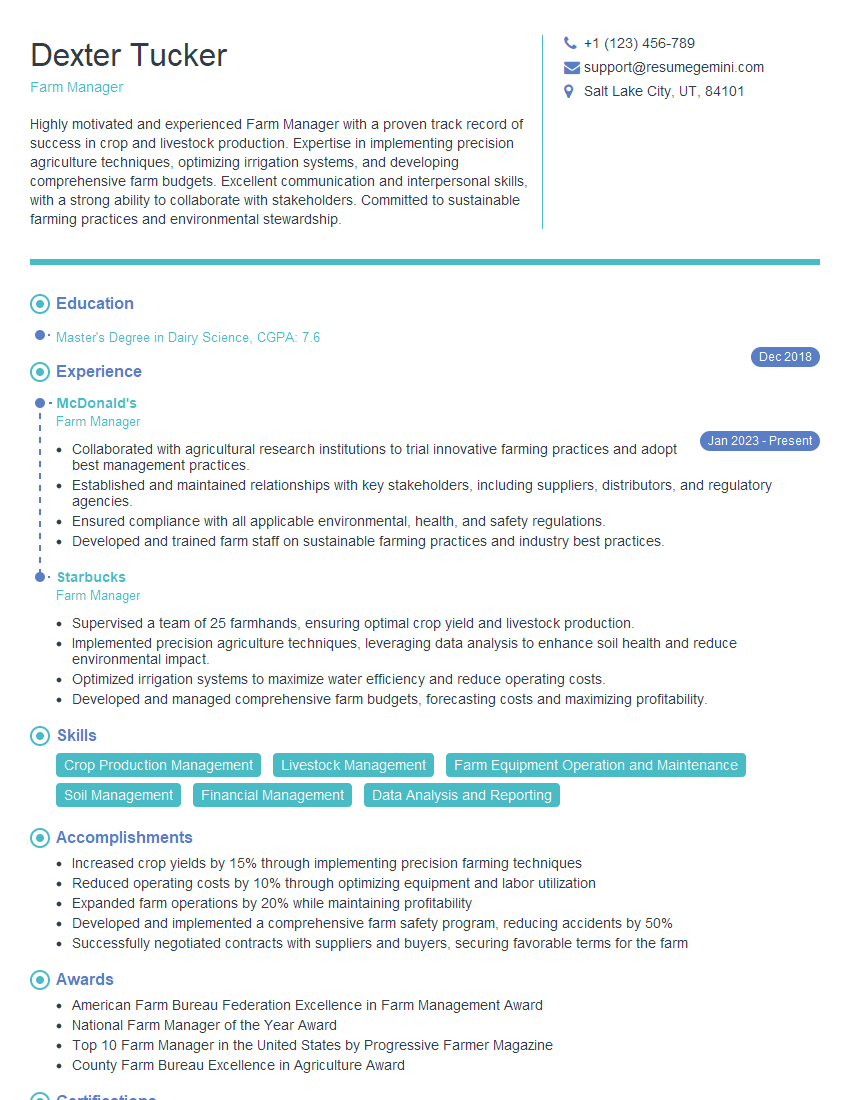
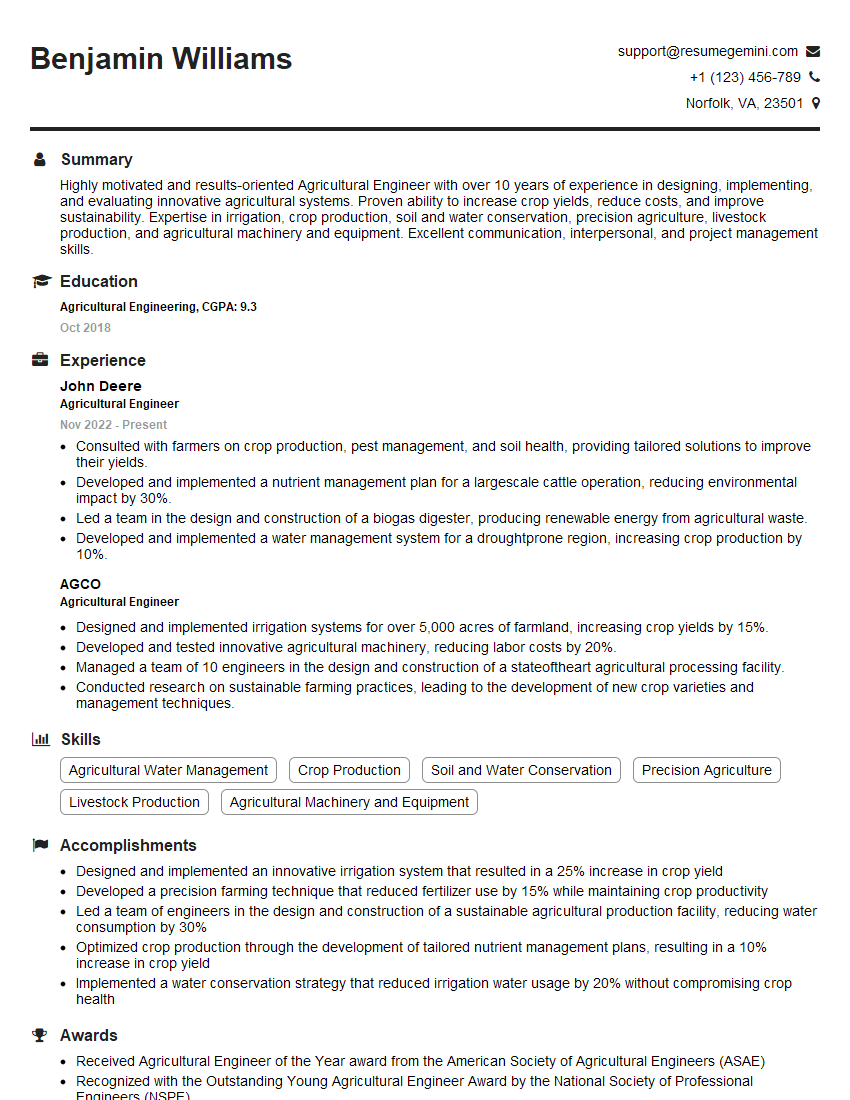
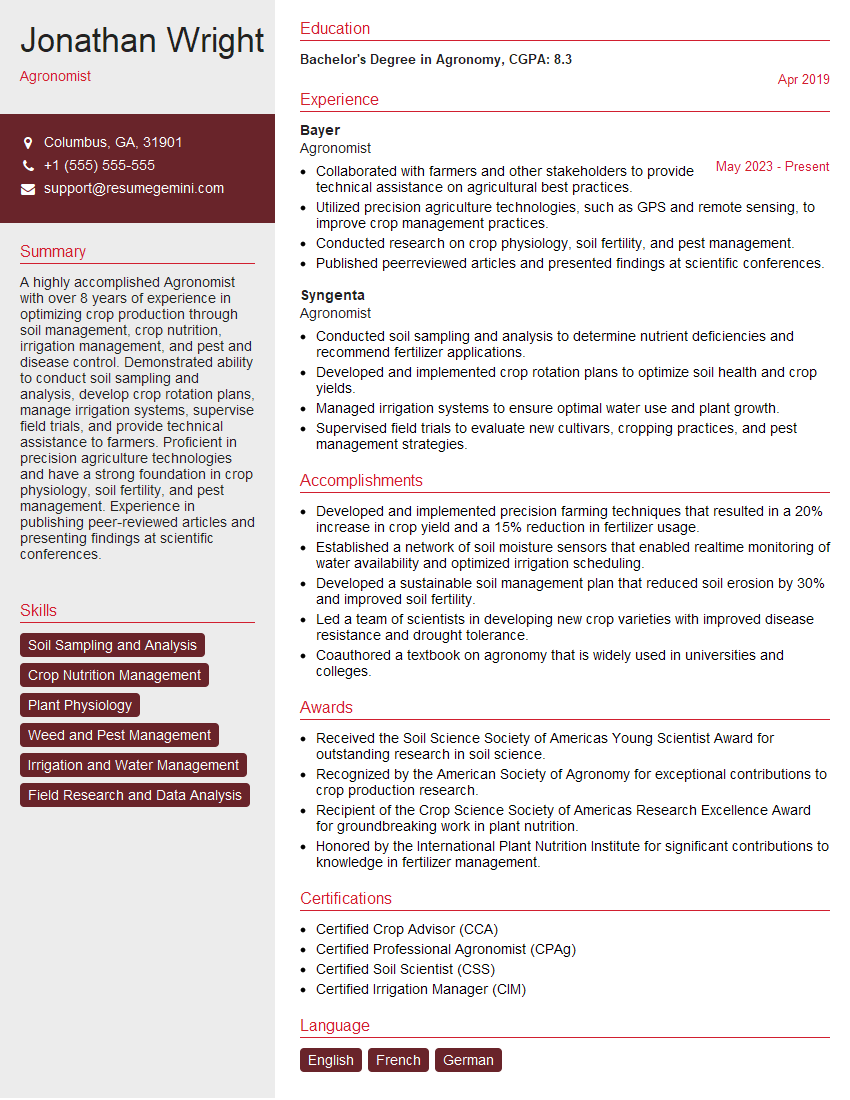
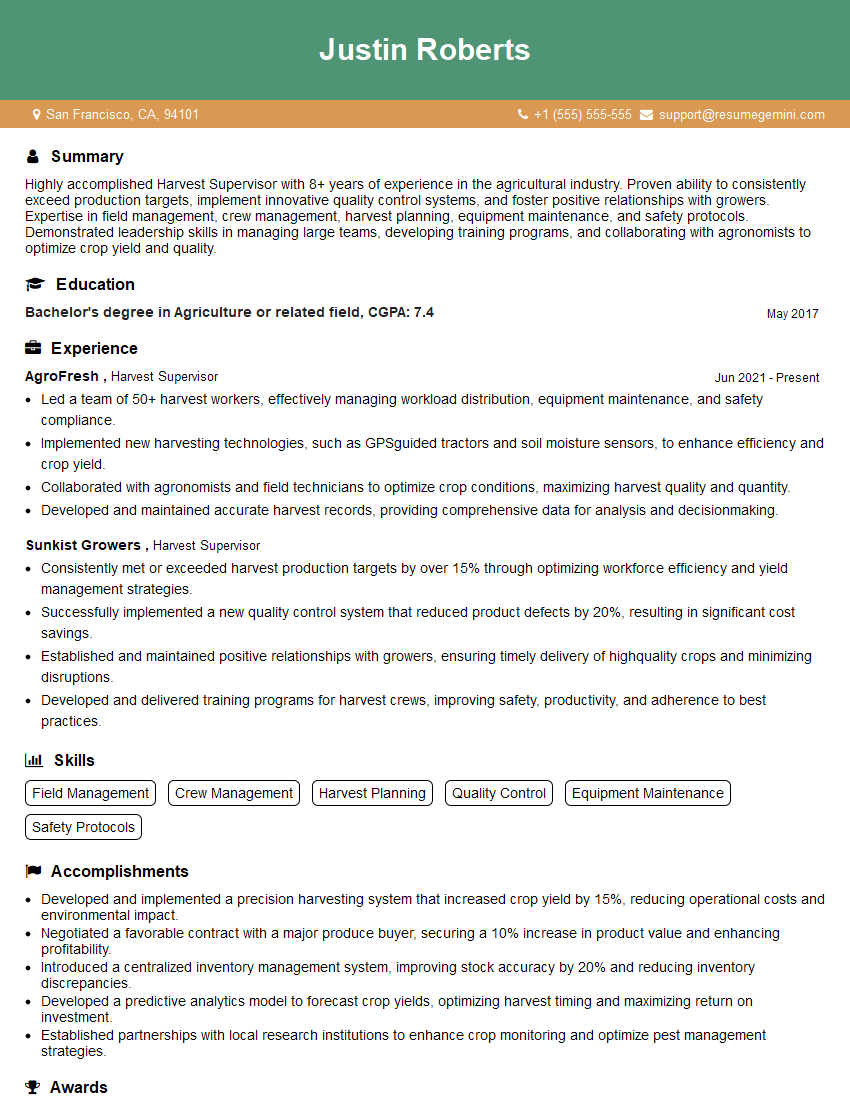
Mastering pre-harvest and post-harvest handling techniques is crucial for a successful career in agriculture and food production. It demonstrates a commitment to quality, efficiency, and sustainability, making you a highly valuable asset to any organization. To maximize your job prospects, creating an ATS-friendly resume is essential. ResumeGemini is a trusted resource to help you build a professional and impactful resume that highlights your skills and experience. We provide examples of resumes tailored to Pre-Harvest and Post-Harvest Handling positions to help guide you. Take the next step towards your dream career today!


Explore more articles
Users Rating of Our Blogs
Share Your Experience
We value your feedback! Please rate our content and share your thoughts (optional).
What Readers Say About Our Blog
Very informative content, great job.
good