Are you ready to stand out in your next interview? Understanding and preparing for Presentation and Proposal Preparation interview questions is a game-changer. In this blog, we’ve compiled key questions and expert advice to help you showcase your skills with confidence and precision. Let’s get started on your journey to acing the interview.
Questions Asked in Presentation and Proposal Preparation Interview
Q 1. Describe your experience developing compelling presentations.
Developing compelling presentations is about more than just aesthetics; it’s about crafting a narrative that resonates with the audience and achieves your objectives. My approach involves a deep understanding of the audience, a clear message, and a well-structured flow. I begin by defining the key takeaways I want the audience to remember. Then, I structure the presentation around these key points, using storytelling techniques to keep the audience engaged. For example, when presenting a new marketing strategy to a client, I wouldn’t just list features; I’d weave a story about the problem the strategy solves, the solution it offers, and the benefits it delivers. I use strong visuals, data-driven insights, and compelling analogies to reinforce my points, ensuring the presentation is memorable and impactful.
I also believe in the power of practicing. I rehearse thoroughly, not just to memorize the content, but to refine my delivery, ensure a natural flow, and anticipate potential questions. This practice allows me to adjust my presentation based on the audience’s engagement and feedback in real-time.
Q 2. Explain your process for researching and structuring a proposal.
My proposal research and structuring process is methodical and audience-centric. It begins with thorough research into the client’s needs, their industry, and their competitive landscape. This involves analyzing market trends, studying competitor offerings, and understanding the client’s specific challenges. I then translate this research into a clear, concise, and compelling narrative that addresses the client’s needs directly. The structure follows a logical flow: introduction, problem statement, proposed solution, methodology, timeline, budget, and conclusion. Each section builds upon the previous one, creating a cohesive and persuasive case. For instance, if I’m preparing a proposal for a website redesign, the problem statement section would clearly outline the client’s website’s current deficiencies, the proposed solution section would detail the new design and functionality, and the methodology would explain the step-by-step process of the project.
Throughout the process, I ensure the proposal is visually appealing and easy to navigate, using headings, subheadings, bullet points, and visual aids to improve readability and comprehension. This organized approach facilitates a smooth understanding of the proposal’s key elements for the client.
Q 3. How do you tailor presentations to different audiences?
Tailoring presentations to different audiences is crucial for effective communication. The key is understanding the audience’s background, knowledge level, and interests. For example, a presentation to a group of technical experts would require a different approach than a presentation to a group of non-technical stakeholders. With technical audiences, I can delve into intricate details and use technical jargon; however, with non-technical audiences, I need to simplify the language, avoid jargon, and use clear, concise explanations. This adaptation ensures the message is both accurate and readily understood.
I also adjust the tone and style of the presentation to suit the audience. A formal presentation for senior management might demand a more professional tone, while a presentation to a younger team might allow for a more informal and engaging style. The visual elements also play a key role—I might use more data-driven charts and graphs for a technical audience and more compelling imagery for a less technical one. The goal is always to create a connection and foster a shared understanding.
Q 4. What software or tools do you use for creating presentations and proposals?
My proficiency spans various presentation and proposal creation tools. I’m highly skilled in Microsoft PowerPoint, which I use for its robust features, versatility, and widespread compatibility. I also leverage Google Slides for its collaborative capabilities, especially when working with multiple team members. For more sophisticated designs and data visualization, I utilize Adobe Creative Suite, specifically Illustrator and InDesign for high-impact visuals and layout. For proposals requiring intricate data analysis and reporting, I incorporate tools like Excel and Tableau to present insights effectively. The choice of tool depends on the project’s specific requirements and the desired outcome.
Q 5. How do you handle feedback on a presentation or proposal draft?
Handling feedback is a critical part of the process. I view feedback as an opportunity to enhance the presentation or proposal. I actively solicit feedback from various stakeholders, encouraging constructive criticism. When receiving feedback, I listen attentively, ask clarifying questions, and take detailed notes. I then systematically analyze the feedback, categorizing it by type (e.g., content, design, delivery) and prioritizing areas for improvement. I address each piece of feedback carefully, considering its validity and relevance to the overall objective. My goal is not just to incorporate changes but to understand the underlying reasoning behind the feedback, enabling me to improve my overall approach in future projects.
Q 6. Describe a time you had to revise a presentation or proposal based on feedback.
In one instance, I developed a proposal for a complex software implementation project. After presenting the initial draft to the client’s technical team, I received feedback that the technical details weren’t sufficiently clear and the proposed timeline was overly ambitious. This feedback, while initially discouraging, was invaluable. I revised the proposal, adding detailed explanations of the technical components using simpler language and diagrams. I also revised the timeline, making it more realistic and incorporating buffer time for potential setbacks. This revision process was time-consuming, but the result was a significantly improved proposal that addressed the client’s concerns and ultimately led to the successful project implementation. The revised proposal demonstrated my commitment to addressing feedback proactively and creating a collaborative environment.
Q 7. How do you ensure the visual elements of your presentations are effective?
Effective visual elements are crucial for a compelling presentation. My approach involves using visuals strategically to support and enhance the narrative, not just to decorate the slides. I follow the principle of “less is more,” avoiding cluttered slides and opting for high-quality images and charts that are relevant and easy to understand. I ensure a consistent visual style throughout the presentation, maintaining a balance between text and visuals to avoid overwhelming the audience. I utilize color palettes strategically to evoke emotions and create a cohesive aesthetic. For example, I might use warm colors to convey friendliness and trustworthiness, and cool colors to represent professionalism and sophistication. I also prioritize readability and accessibility, using appropriate font sizes and sufficient contrast between text and background.
Furthermore, I carefully select the type of visuals based on the data I’m presenting. Bar charts are excellent for comparisons, while line graphs show trends over time. The visuals are designed to be self-explanatory, avoiding the need for extensive verbal explanation.
Q 8. How do you incorporate data and evidence into your proposals?
Incorporating data and evidence is crucial for building credibility and trust in any proposal. I don’t simply include numbers; I weave them into a compelling narrative that supports my claims. This involves selecting the most relevant and impactful data, visualizing it effectively (using charts, graphs, or infographics), and contextualizing it within the overall proposal’s storyline.
For instance, if proposing a marketing campaign, I wouldn’t just state ‘increased website traffic.’ Instead, I’d present data showing a projected increase of X% based on past campaign performance in similar markets, supported by specific metrics and relevant case studies. This demonstrates not only the potential for success but also my understanding of the underlying data and its implications.
Furthermore, I ensure the data’s source is clearly identified and verifiable, boosting transparency and enhancing the proposal’s integrity. This builds confidence in my claims and showcases a meticulous approach.
Q 9. How do you manage multiple proposals simultaneously?
Managing multiple proposals simultaneously requires a robust organizational system and a clear understanding of priorities. I utilize project management tools, such as Asana or Trello, to create individual boards for each proposal, outlining tasks, deadlines, and assigned responsibilities. Each board includes a comprehensive checklist to ensure no step is missed.
Furthermore, I allocate specific time blocks in my schedule dedicated to each proposal, preventing multitasking and ensuring focused attention. Regular progress reviews help me identify potential roadblocks early on and adjust my schedule accordingly. I also communicate effectively with clients, keeping them updated on progress and addressing any questions promptly. This proactive communication prevents delays and maintains positive client relationships.
Finally, color-coding or tagging my documents helps me quickly locate specific information related to each proposal. This system allows me to juggle multiple projects efficiently without compromising quality or deadlines.
Q 10. What strategies do you use to overcome writer’s block when writing proposals?
Writer’s block can be a significant hurdle in proposal writing. My strategy involves a multi-pronged approach. First, I step away from the computer. A change of scenery, even a short walk, often helps clear my mind. Then, I brainstorm using mind maps or free writing exercises to generate ideas and overcome the initial inertia.
If I’m stuck on a specific section, I might focus on another part of the proposal, returning to the challenging section later with a fresh perspective. Sometimes, outlining the key points first helps me establish a clear structure and then fill in the details. If the block persists, I might discuss the challenge with a colleague for a fresh pair of eyes and alternate perspectives.
Ultimately, the key is to recognize that writer’s block is temporary. By employing these strategies, I consistently overcome this challenge and deliver high-quality proposals on time.
Q 11. How do you ensure your proposals meet client requirements?
Ensuring proposals meet client requirements is paramount. I begin by thoroughly reviewing the Request for Proposal (RFP) or other documentation, meticulously noting every specification, requirement, and desired outcome. I then develop a detailed checklist to ensure each item is addressed in the proposal.
I often use a ‘requirements mapping’ technique, connecting each client requirement to a specific section of my proposal. This ensures comprehensive coverage and avoids any omissions. I also incorporate client feedback throughout the writing process, seeking clarification on any ambiguous points and adjusting the proposal accordingly. A final review ensures alignment with all specifications before submission.
Think of it like building a house – the RFP is the blueprint. Ignoring elements of the blueprint results in a house that doesn’t meet the client’s needs. My process ensures every detail of the ‘blueprint’ is carefully incorporated into the final proposal.
Q 12. Describe your experience with different proposal formats (e.g., RFP, RFI).
I have extensive experience with various proposal formats, including RFPs (Request for Proposals), RFIs (Request for Information), RFQs (Request for Quotation), and customized proposals. Each format demands a different approach.
An RFP typically requires a detailed response addressing specific criteria outlined by the client, often including sections for methodology, timeline, budget, and qualifications. An RFI, on the other hand, focuses on gathering information about the potential solutions available. An RFQ is more focused on pricing and logistical details. Customized proposals allow for more flexibility, tailoring the content to the specific client and their unique needs.
My experience allows me to adapt my writing style and structure to suit each format effectively, ensuring that the proposal is comprehensive, responsive, and persuasive. I understand the nuances of each format and adjust my approach accordingly, maximizing the chance of success.
Q 13. How do you prioritize information when creating concise presentations?
Prioritizing information in concise presentations involves a strategic approach. I begin by defining the key message or objective of the presentation. Everything else should support this central theme. Then, I identify the most crucial information needed to convey this message effectively.
I use a prioritization matrix, ranking information based on its importance and relevance to the audience. Less critical details are either omitted or summarized briefly. Visual aids such as charts and graphs are used to present complex data in a clear and digestible format. The use of storytelling techniques helps to make the information memorable and engaging.
Finally, I rigorously edit the presentation, eliminating any unnecessary jargon or details that might distract from the core message. The goal is to leave the audience with a clear understanding of the key points, not overwhelmed with information.
Q 14. How do you address potential objections in a proposal?
Addressing potential objections proactively strengthens a proposal’s persuasiveness. I anticipate common objections by putting myself in the client’s shoes and considering their potential concerns. This involves researching the client’s industry, their past projects, and their current challenges.
Once potential objections are identified, I address them directly within the proposal. This is best done preemptively rather than reactively. For example, if cost might be a concern, I’ll include a detailed breakdown of the budget, highlighting the value proposition and potential ROI. If there are concerns about timeline, I will present a realistic and achievable project schedule.
By addressing objections head-on, I demonstrate foresight and mitigate potential risks, increasing the likelihood of a successful outcome. It shows the client that I’ve considered their perspective and have a comprehensive understanding of their needs and concerns.
Q 15. What is your process for proofreading and editing presentations and proposals?
My proofreading and editing process is meticulous and multi-staged. It’s not just about catching typos; it’s about ensuring clarity, consistency, and impact. I begin with a comprehensive review for grammatical errors, spelling mistakes, and punctuation issues using tools like Grammarly, but also rely heavily on a manual review. This first pass focuses on the mechanics of language.
Next, I conduct a stylistic review, assessing the flow, readability, and tone of the presentation or proposal. Is the language concise and engaging? Is the voice consistent throughout? Does it resonate with the target audience? This stage involves restructuring sentences, refining word choices, and ensuring a cohesive narrative.
Finally, I conduct a fact-check, verifying the accuracy of all data, statistics, and claims presented. This is crucial for maintaining credibility. This often involves cross-referencing information with original sources. The entire process usually involves multiple passes, each with a specific focus, ensuring a polished and error-free final product. I find having a colleague review the final draft, especially after a time delay, is a great way to catch any lingering mistakes.
Career Expert Tips:
- Ace those interviews! Prepare effectively by reviewing the Top 50 Most Common Interview Questions on ResumeGemini.
- Navigate your job search with confidence! Explore a wide range of Career Tips on ResumeGemini. Learn about common challenges and recommendations to overcome them.
- Craft the perfect resume! Master the Art of Resume Writing with ResumeGemini’s guide. Showcase your unique qualifications and achievements effectively.
- Don’t miss out on holiday savings! Build your dream resume with ResumeGemini’s ATS optimized templates.
Q 16. Explain your experience with using storytelling in presentations.
Storytelling is the cornerstone of effective presentations. Instead of simply presenting data points, I weave a narrative that connects emotionally with the audience. I start by identifying the central theme or message and then build a story around it. This involves crafting a compelling narrative arc with a clear beginning, middle, and end, highlighting characters (even if they are data sets!), conflict, and resolution. For example, when presenting a business proposal for a new software, I might begin with a relatable client challenge (the ‘conflict’), showcase the software’s capabilities as the ‘hero’s journey’ to overcome that challenge, and then present the positive outcomes (the ‘resolution’).
I use anecdotes, case studies, and examples to illustrate points and make them memorable. A well-crafted story makes information more engaging and helps the audience retain it more effectively. I often use the ‘problem-solution-benefit’ framework to structure the narrative, focusing on the audience’s needs and desires.
Q 17. How do you ensure your presentations are engaging and memorable?
Engaging and memorable presentations require a multi-faceted approach. First, I tailor the content to resonate specifically with the target audience. Understanding their needs, interests, and knowledge level is paramount. Visual elements play a crucial role; I incorporate high-quality images, graphics, and videos to break up text and enhance comprehension. I avoid overwhelming the audience with text-heavy slides; instead, I use bullet points, concise phrases, and powerful visuals.
I also incorporate interactive elements like polls, quizzes, or Q&A sessions to keep the audience involved and encourage active participation. Varying the pace and delivery style – sometimes speaking more quickly, sometimes slower, and using appropriate pauses – helps maintain audience engagement. Finally, I practice extensively to ensure a smooth, confident delivery that reflects genuine enthusiasm for the subject matter. A well-rehearsed presentation exudes professionalism and credibility.
Q 18. How do you handle difficult questions during a presentation?
Handling difficult questions during a presentation requires composure and preparedness. First, I listen attentively to the question, ensuring I fully understand it before responding. If I don’t understand, I’ll politely ask for clarification. Then, I respond honestly and directly, acknowledging any limitations in my knowledge if necessary. It’s better to say, “That’s a great question; I don’t have the exact data on that, but I can follow up with that information,” than to fabricate an answer.
If the question is critical or challenges my assertions, I address it directly, offering evidence or reasoning to support my position. I maintain a respectful and professional demeanor throughout the exchange, even if the questioner is aggressive or challenging. If the question is tangential to the main points, I politely acknowledge it but guide the conversation back to the key message. A practiced approach helps avoid feeling caught off guard and allows for a graceful and professional response to any curveball questions.
Q 19. Describe your experience working with design teams on presentation materials.
My experience collaborating with design teams has been invaluable in producing visually compelling and effective presentations. I value clear and open communication. Before starting any design work, I provide the design team with a detailed brief outlining the presentation’s objectives, target audience, and key messages. This includes providing any relevant content, data points, and brand guidelines.
During the design process, I actively participate in brainstorming sessions and offer feedback to ensure alignment between the content and visual design. I value their creative input and often incorporate their suggestions to enhance the visual appeal and effectiveness of the presentations. I understand the importance of striking a balance between aesthetics and functionality; the design should enhance the message without distracting from it. Throughout the process, I actively ensure that the final product is consistent with brand guidelines and adheres to best practices for visual communication.
Q 20. How do you measure the success of a presentation or proposal?
Measuring the success of a presentation or proposal involves a multi-pronged approach. Immediate feedback, such as audience engagement during the presentation (e.g., questions asked, participation in activities), provides a snapshot of the immediate impact. Post-presentation surveys can gather more quantitative data on audience satisfaction and understanding of the key messages. Following up with the audience for informal feedback is also useful in getting more detailed feedback.
For proposals, measuring success depends on the specific objectives. Did the proposal lead to a contract or investment? Was the proposal well-received and appreciated by the client? Key performance indicators (KPIs) can be established beforehand to track specific measurable results, like the number of follow-up meetings or the value of contracts secured. Analyzing these metrics helps to gauge the effectiveness of both the presentation and the overall proposal.
Q 21. How do you incorporate customer testimonials into your proposals?
Incorporating customer testimonials into proposals adds credibility and social proof, enhancing the persuasiveness of the offering. I strategically place testimonials throughout the proposal, making sure to match the testimonial to the specific service or product being described. I always ensure that the testimonials are genuine and represent a fair and balanced view of the experience. To maintain credibility and clarity, I include names, titles and sometimes photos of satisfied customers wherever appropriate, following all necessary privacy and consent procedures.
To make the testimonials impactful, I present them concisely and engagingly, often using quotes or short paragraphs. I also consider the visual presentation; formatting them in a visually appealing manner, perhaps with a picture, ensures that they stand out. The goal is to effectively demonstrate the positive impact the product or service had on previous clients and thereby build trust and confidence with potential clients.
Q 22. Describe your process for creating a budget for a proposal.
Creating a proposal budget requires a meticulous approach. It’s not just about listing costs; it’s about justifying them and demonstrating value. My process begins with a thorough understanding of the project scope. This includes identifying all necessary resources, from personnel and travel to materials and software. I then break down each resource into individual cost items.
For example, if the proposal involves website design, I’ll itemize costs for design, development, testing, and project management, specifying hourly rates or fixed fees. I’ll also factor in contingency funds to account for unforeseen expenses. This structured breakdown ensures transparency and allows for easy review and adjustment. I utilize spreadsheets to organize this information, clearly labelling each cost category and providing a total sum. Finally, I always present the budget in a clear and concise manner within the proposal, highlighting the value each cost element delivers to the client.
- Step 1: Define the project scope and identify all required resources.
- Step 2: Break down each resource into individual cost items (labor, materials, software, travel, etc.).
- Step 3: Assign costs to each item based on market rates or internal cost structures.
- Step 4: Include a contingency budget (typically 5-10%) for unforeseen expenses.
- Step 5: Present the budget clearly and concisely within the proposal, justifying each cost.
Q 23. How do you create a call to action in your presentations and proposals?
A compelling call to action (CTA) is crucial for any presentation or proposal. It’s the bridge between presenting information and securing a desired outcome. My approach focuses on clarity, urgency, and relevance. I avoid generic CTAs like ‘Contact us today’ and instead tailor them to the specific context and the audience’s needs.
For example, if I’m proposing a marketing campaign, my CTA might be: ‘Let’s discuss how we can implement this strategy to increase your sales by 20% within the next quarter.’ This CTA is specific, measurable, and directly addresses the client’s goals. In presentations, I often use visual cues to emphasize the CTA, such as a slide with bold text and clear next steps. In proposals, I place the CTA prominently, often at the end of a key section or a summary page, making it easily noticeable. The key is to make the next step as easy as possible for the audience.
I also ensure the CTA aligns with the overall narrative and tone of the proposal. It should feel natural and not forced. Ultimately, a strong CTA leaves a lasting impression and guides the reader towards the desired action.
Q 24. What is your experience with proposal automation tools?
I have extensive experience with proposal automation tools, including platforms like Proposify, PandaDoc, and RFPIO. These tools significantly streamline the proposal development process, reducing manual effort and improving consistency. I’m proficient in using their features for template creation, content management, and automated delivery. I find that using these tools improves efficiency, allowing me to focus more on strategic aspects of proposal development and less on tedious formatting or administrative tasks.
For instance, using templates in Proposify enables me to quickly create customized proposals by simply pulling in relevant content from a central repository. This ensures brand consistency and accuracy across all proposals. The automated workflows within these platforms allow me to track proposal progress, send reminders, and gather feedback efficiently. This reduces the risk of missed deadlines and improves communication with clients.
Q 25. How do you balance creativity and data-driven decision making in your work?
Balancing creativity and data-driven decision-making is fundamental to my approach. Creativity provides the ‘why’ – the compelling narrative and engaging presentation – while data provides the ‘what’ – the evidence to support claims and build credibility. I view them as complementary, not conflicting, forces.
For example, I might develop a creative marketing campaign concept based on market trends and insights (the data). This data supports my creative decisions, ensuring the campaign is not only aesthetically pleasing but also strategically sound. I use data analysis to identify target audiences, determine effective messaging, and measure campaign performance. This allows me to continuously improve my creative output by making informed choices based on empirical evidence. The result is a cohesive and effective proposal that’s both visually appealing and strategically robust.
Q 26. What is your preferred style guide for writing proposals?
My preferred style guide for writing proposals is generally based on the Chicago Manual of Style, with adjustments tailored to the specific client and project. Consistency is key, so I always maintain a unified style across the entire document. This includes aspects like font choices, headings, formatting, and tone of voice. I strive for clarity, conciseness, and professional language, avoiding jargon and overly technical terms unless absolutely necessary. The style guide also dictates aspects like number formatting, citation style, and use of visuals, ensuring consistency and readability.
For example, if a client has a specific brand guideline, I integrate that into the style guide to ensure the proposal adheres to their brand identity. Adaptability is important; a rigid adherence to a style guide without consideration for the client’s context can be counterproductive.
Q 27. How do you manage deadlines effectively when preparing presentations and proposals?
Effective deadline management is crucial in proposal preparation. My strategy involves a detailed project plan with clearly defined milestones and tasks. This plan is typically created using project management software, which allows me to track progress and identify potential roadblocks early. I break down large tasks into smaller, manageable steps, assigning realistic timelines to each. This granular approach helps avoid feeling overwhelmed and allows for better progress monitoring.
I prioritize tasks based on urgency and importance, utilizing techniques like prioritization matrices (Eisenhower Matrix). Regular communication with the team and stakeholders keeps everyone informed of progress and any potential issues. I also build in buffer time to account for unforeseen delays or challenges. This proactive approach minimizes stress and ensures timely completion of the proposal.
Q 28. Describe a time you had to present under pressure; how did you handle it?
I once had to present a critical proposal to a major client with only 24 hours’ notice, after a key team member unexpectedly fell ill. The pressure was immense, but I remained calm and focused. I immediately prioritized the essential elements of the presentation, focusing on the key takeaways and strongest data points. I leveraged existing materials and resources, streamlining the presentation to its core message. I practiced extensively, rehearsing the key points and timing until I felt confident.
During the presentation, I focused on maintaining a clear and concise delivery. I emphasized the value proposition and addressed any questions confidently and directly. While the situation was stressful, the successful delivery of the presentation demonstrated the importance of adaptability, resourcefulness, and composure under pressure. It solidified my ability to handle high-stakes situations effectively and reinforces the value of planning for contingencies.
Key Topics to Learn for Presentation and Proposal Preparation Interview
- Understanding Your Audience: Analyzing audience needs, expectations, and knowledge level to tailor your presentation and proposal effectively. Practical application: Crafting different presentations for a technical team versus a C-suite executive team.
- Structuring Compelling Narratives: Developing a clear and concise message with a strong opening, logical flow, and memorable conclusion. Practical application: Using storytelling techniques to illustrate key points and maintain audience engagement.
- Visual Communication: Designing visually appealing and informative slides or documents; choosing appropriate charts, graphs, and images to support your message. Practical application: Knowing when to use a bar chart versus a pie chart to best represent data.
- Data Analysis and Interpretation: Extracting meaningful insights from data to support your proposals and presentations. Practical application: Presenting complex data in a clear and understandable manner for non-technical audiences.
- Handling Questions and Objections: Preparing for potential questions and objections, and developing confident and persuasive responses. Practical application: Anticipating potential challenges and crafting proactive solutions.
- Proposal Writing Techniques: Mastering the art of writing persuasive and compelling proposals, including executive summaries, problem statements, and solution descriptions. Practical application: Structuring a proposal to clearly articulate the value proposition and ROI.
- Presentation Delivery Skills: Practicing confident and engaging delivery, utilizing effective body language and vocal techniques. Practical application: Using rehearsal to refine your delivery and improve your confidence.
Next Steps
Mastering presentation and proposal preparation is crucial for career advancement. It demonstrates essential skills like communication, problem-solving, and strategic thinking – highly valued in any professional setting. To significantly enhance your job prospects, focus on crafting an ATS-friendly resume that highlights your relevant skills and experience. ResumeGemini is a trusted resource to help you build a professional and impactful resume that catches the eye of recruiters. Examples of resumes tailored to Presentation and Proposal Preparation are available to help you get started. Take the next step towards your dream job today!
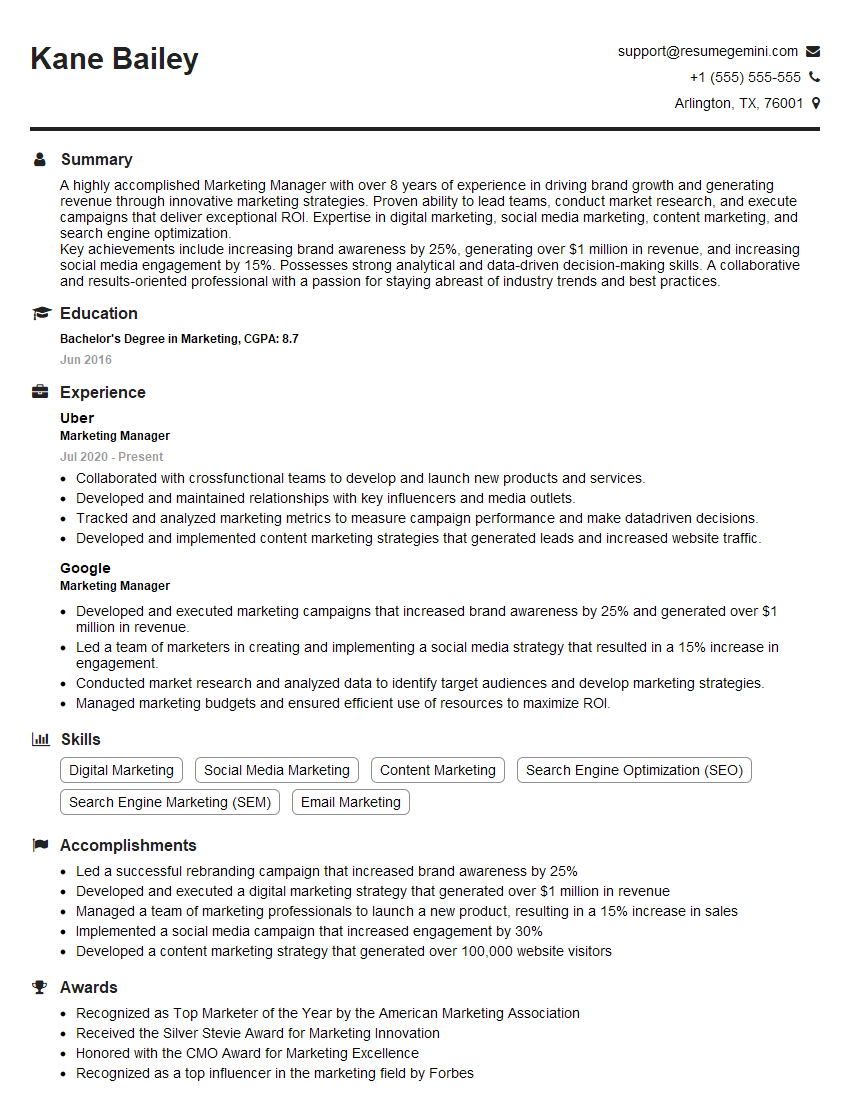
Marketing Manager Resume Sample
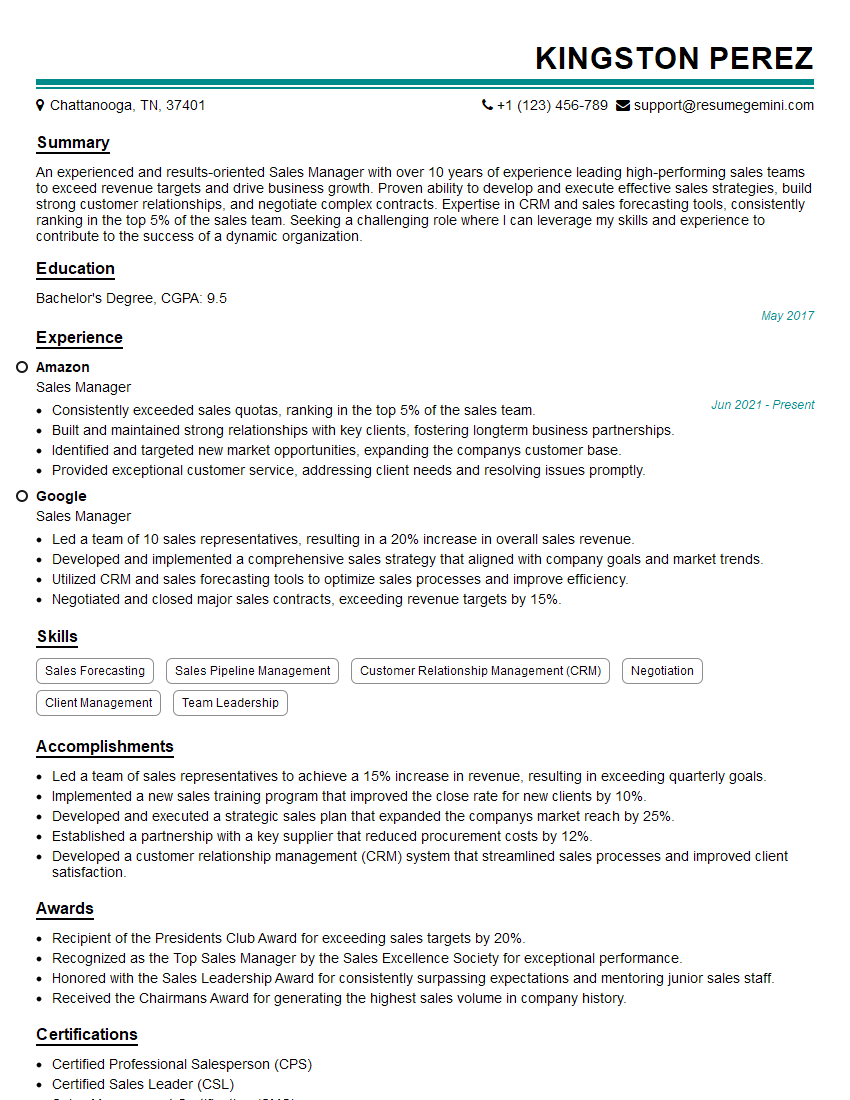
Sales Manager Resume Sample
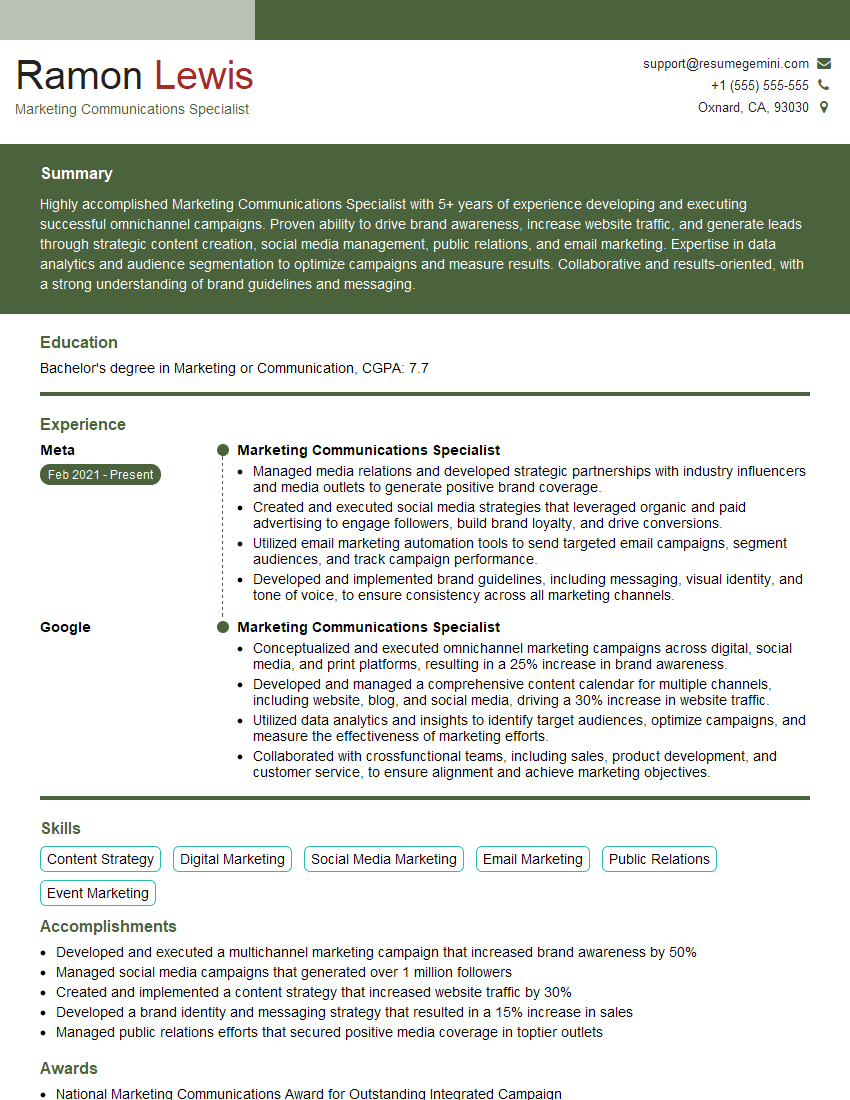
Marketing Communications Specialist Resume Sample
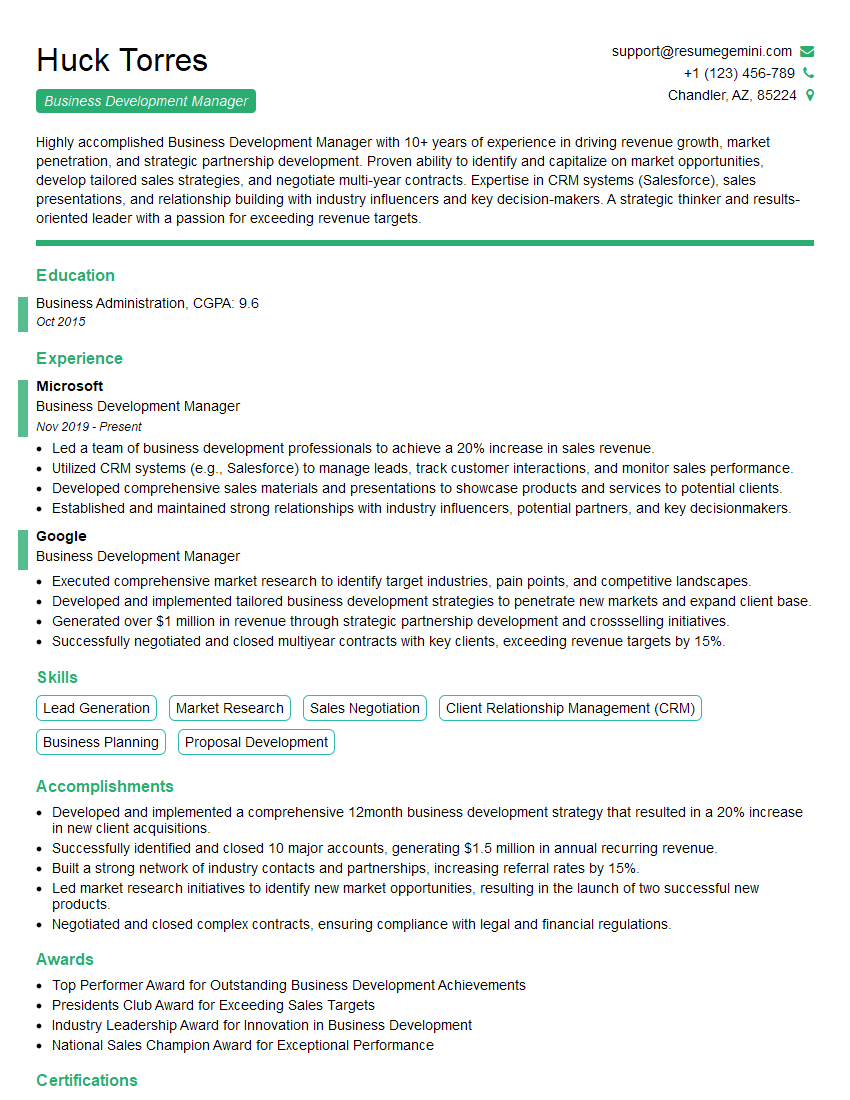
Business Development Manager Resume Sample

Communications Manager Resume Sample
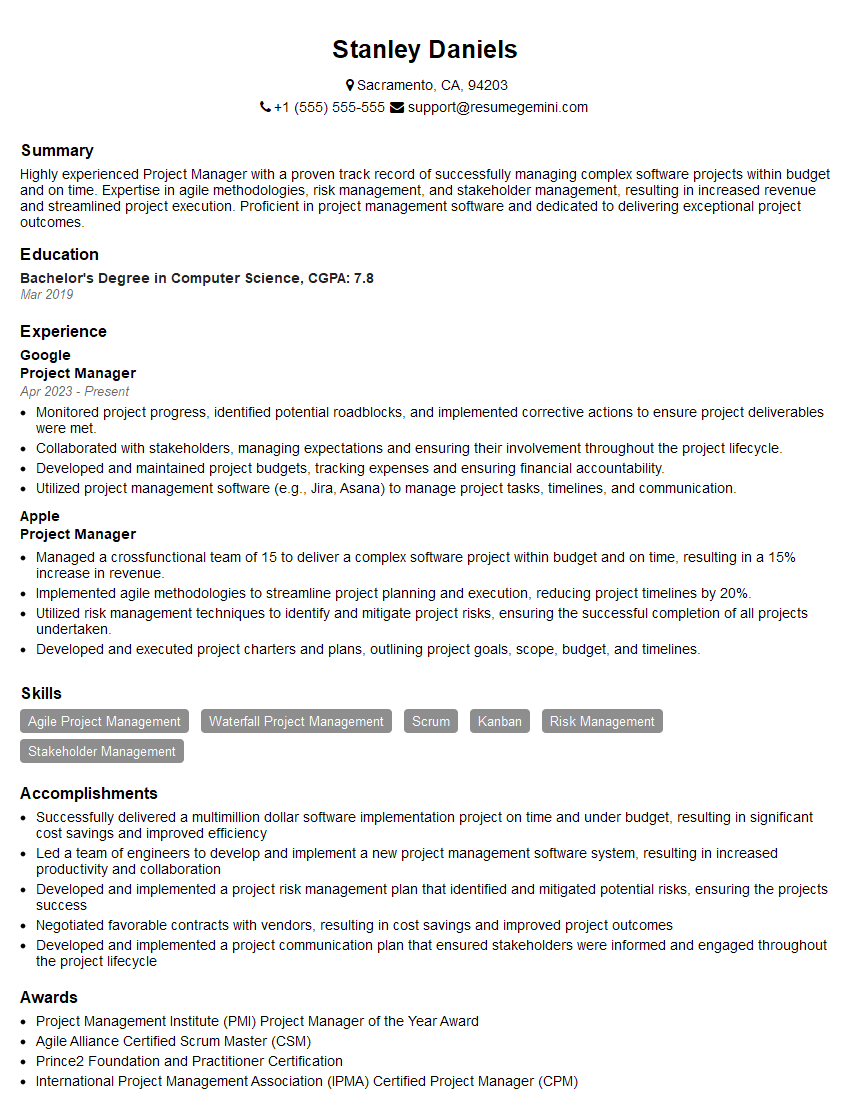
Project Manager Resume Sample
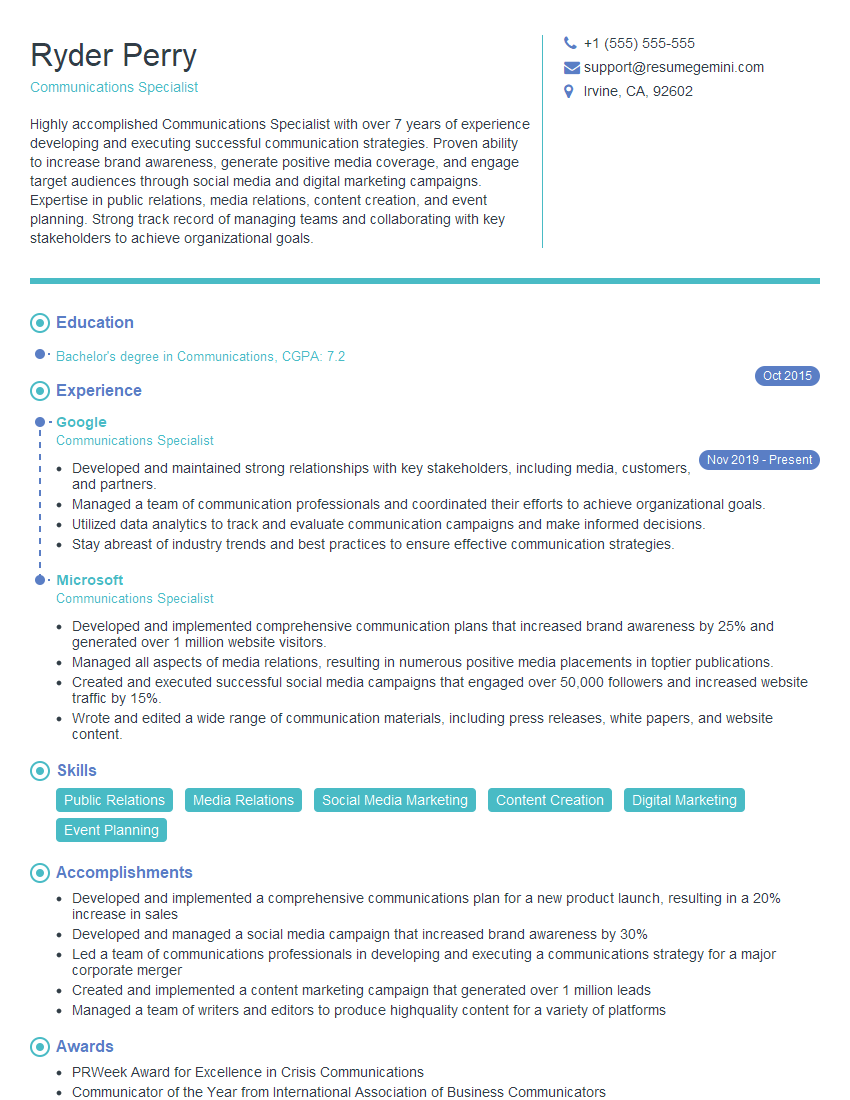
Communications Specialist Resume Sample
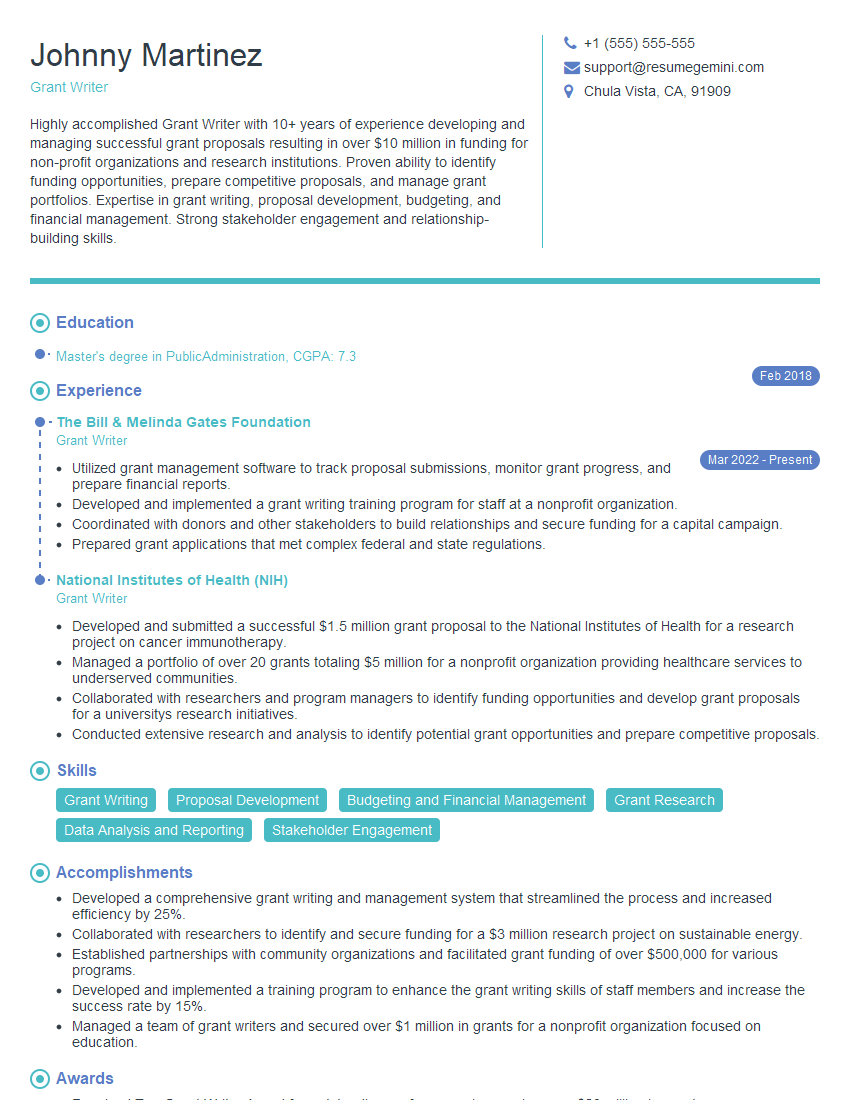
Grant Writer Resume Sample

Content Strategist Resume Sample
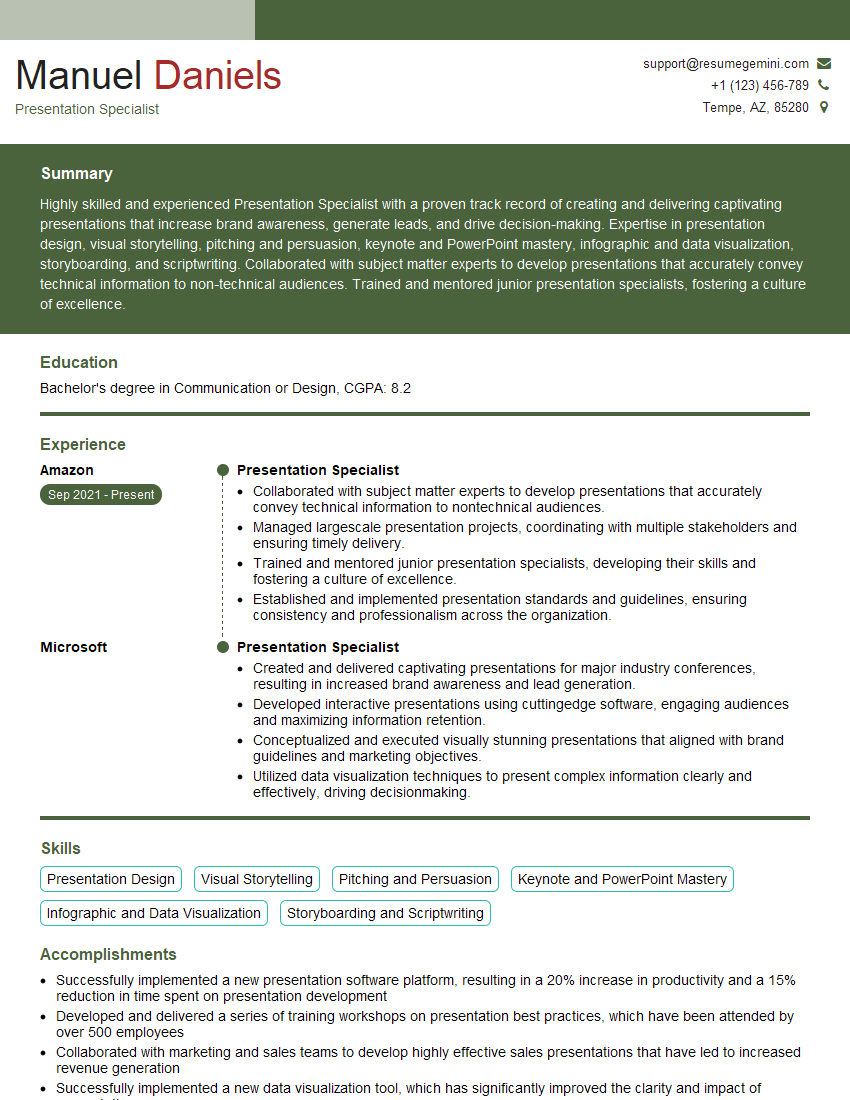
Presentation Specialist Resume Sample
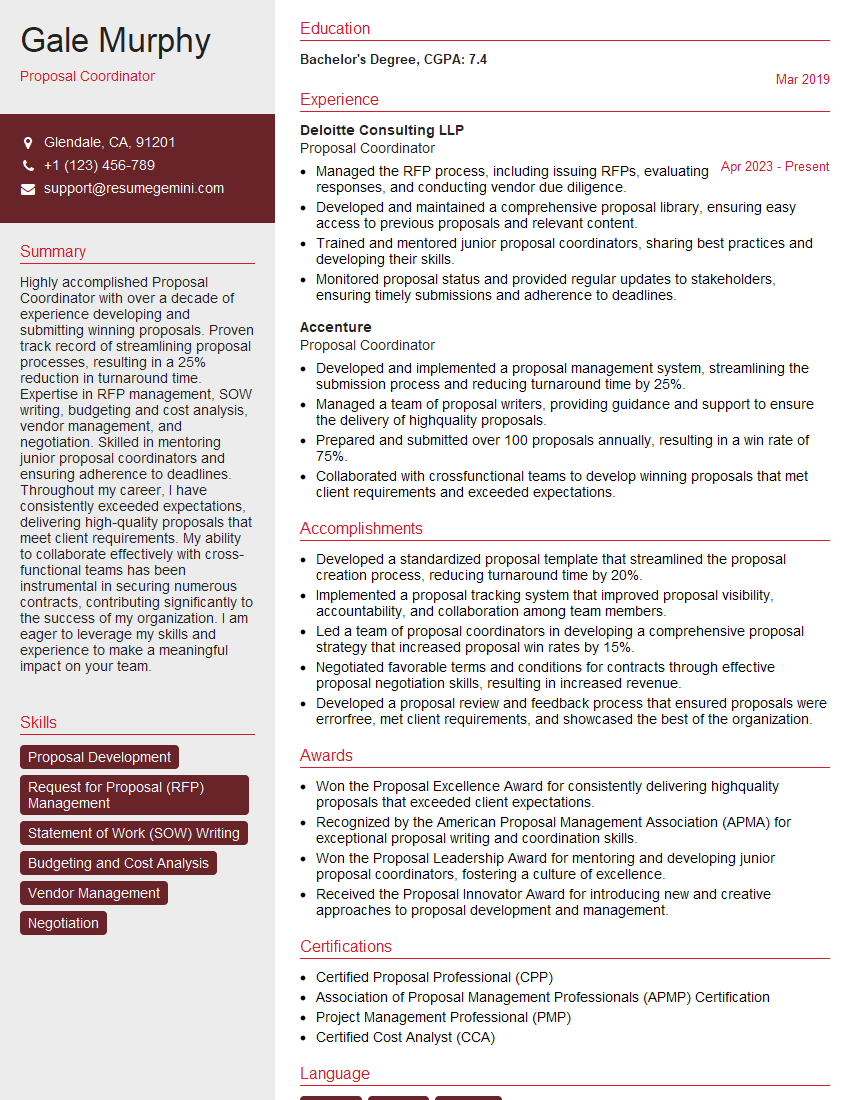
Proposal Coordinator Resume Sample
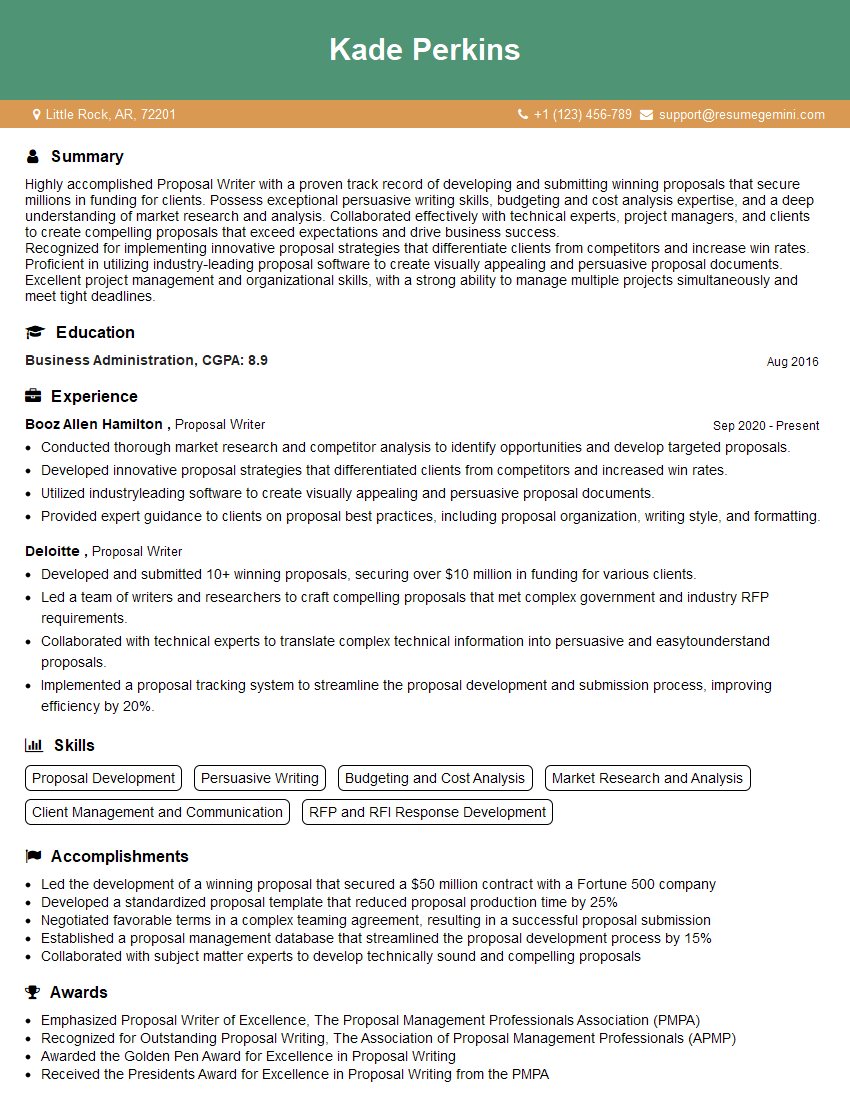
Proposal Writer Resume Sample

Technical Writer Resume Sample

Copywriter Resume Sample
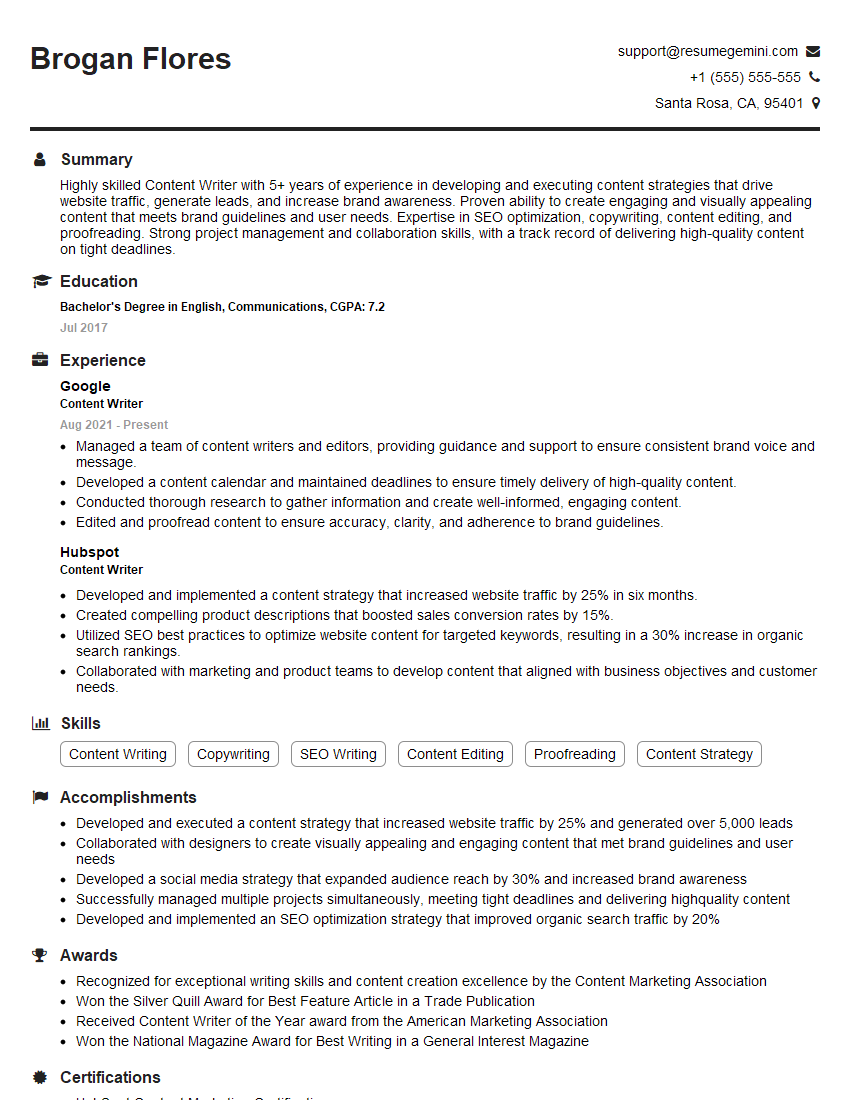
Content Writer Resume Sample
Explore more articles
Users Rating of Our Blogs
Share Your Experience
We value your feedback! Please rate our content and share your thoughts (optional).
What Readers Say About Our Blog
Attention music lovers!
Wow, All the best Sax Summer music !!!
Spotify: https://open.spotify.com/artist/6ShcdIT7rPVVaFEpgZQbUk
Apple Music: https://music.apple.com/fr/artist/jimmy-sax-black/1530501936
YouTube: https://music.youtube.com/browse/VLOLAK5uy_noClmC7abM6YpZsnySxRqt3LoalPf88No
Other Platforms and Free Downloads : https://fanlink.tv/jimmysaxblack
on google : https://www.google.com/search?q=22+AND+22+AND+22
on ChatGPT : https://chat.openai.com?q=who20jlJimmy20Black20Sax20Producer
Get back into the groove with Jimmy sax Black
Best regards,
Jimmy sax Black
www.jimmysaxblack.com
Hi I am a troller at The aquatic interview center and I suddenly went so fast in Roblox and it was gone when I reset.
Hi,
Business owners spend hours every week worrying about their website—or avoiding it because it feels overwhelming.
We’d like to take that off your plate:
$69/month. Everything handled.
Our team will:
Design a custom website—or completely overhaul your current one
Take care of hosting as an option
Handle edits and improvements—up to 60 minutes of work included every month
No setup fees, no annual commitments. Just a site that makes a strong first impression.
Find out if it’s right for you:
https://websolutionsgenius.com/awardwinningwebsites
Hello,
we currently offer a complimentary backlink and URL indexing test for search engine optimization professionals.
You can get complimentary indexing credits to test how link discovery works in practice.
No credit card is required and there is no recurring fee.
You can find details here:
https://wikipedia-backlinks.com/indexing/
Regards
NICE RESPONSE TO Q & A
hi
The aim of this message is regarding an unclaimed deposit of a deceased nationale that bears the same name as you. You are not relate to him as there are millions of people answering the names across around the world. But i will use my position to influence the release of the deposit to you for our mutual benefit.
Respond for full details and how to claim the deposit. This is 100% risk free. Send hello to my email id: lukachachibaialuka@gmail.com
Luka Chachibaialuka
Hey interviewgemini.com, just wanted to follow up on my last email.
We just launched Call the Monster, an parenting app that lets you summon friendly ‘monsters’ kids actually listen to.
We’re also running a giveaway for everyone who downloads the app. Since it’s brand new, there aren’t many users yet, which means you’ve got a much better chance of winning some great prizes.
You can check it out here: https://bit.ly/callamonsterapp
Or follow us on Instagram: https://www.instagram.com/callamonsterapp
Thanks,
Ryan
CEO – Call the Monster App
Hey interviewgemini.com, I saw your website and love your approach.
I just want this to look like spam email, but want to share something important to you. We just launched Call the Monster, a parenting app that lets you summon friendly ‘monsters’ kids actually listen to.
Parents are loving it for calming chaos before bedtime. Thought you might want to try it: https://bit.ly/callamonsterapp or just follow our fun monster lore on Instagram: https://www.instagram.com/callamonsterapp
Thanks,
Ryan
CEO – Call A Monster APP
To the interviewgemini.com Owner.
Dear interviewgemini.com Webmaster!
Hi interviewgemini.com Webmaster!
Dear interviewgemini.com Webmaster!
excellent
Hello,
We found issues with your domain’s email setup that may be sending your messages to spam or blocking them completely. InboxShield Mini shows you how to fix it in minutes — no tech skills required.
Scan your domain now for details: https://inboxshield-mini.com/
— Adam @ InboxShield Mini
support@inboxshield-mini.com
Reply STOP to unsubscribe
Hi, are you owner of interviewgemini.com? What if I told you I could help you find extra time in your schedule, reconnect with leads you didn’t even realize you missed, and bring in more “I want to work with you” conversations, without increasing your ad spend or hiring a full-time employee?
All with a flexible, budget-friendly service that could easily pay for itself. Sounds good?
Would it be nice to jump on a quick 10-minute call so I can show you exactly how we make this work?
Best,
Hapei
Marketing Director
Hey, I know you’re the owner of interviewgemini.com. I’ll be quick.
Fundraising for your business is tough and time-consuming. We make it easier by guaranteeing two private investor meetings each month, for six months. No demos, no pitch events – just direct introductions to active investors matched to your startup.
If youR17;re raising, this could help you build real momentum. Want me to send more info?
Hi, I represent an SEO company that specialises in getting you AI citations and higher rankings on Google. I’d like to offer you a 100% free SEO audit for your website. Would you be interested?
Hi, I represent an SEO company that specialises in getting you AI citations and higher rankings on Google. I’d like to offer you a 100% free SEO audit for your website. Would you be interested?