Every successful interview starts with knowing what to expect. In this blog, we’ll take you through the top Principles of Kaizen interview questions, breaking them down with expert tips to help you deliver impactful answers. Step into your next interview fully prepared and ready to succeed.
Questions Asked in Principles of Kaizen Interview
Q 1. Define Kaizen and its core principles.
Kaizen, a Japanese term meaning ‘change for the better’ or ‘continuous improvement,’ is a philosophy that emphasizes incremental, ongoing improvements in all aspects of life and work. Its core principles revolve around:
- Continuous Improvement: The belief that improvement is an ongoing process, not a one-time event. Small changes, consistently implemented, yield significant results over time.
- Employee Empowerment: Encouraging all employees to identify and solve problems, fostering a culture of ownership and responsibility.
- Data-Driven Decision Making: Using facts and data to analyze problems, track progress, and make informed decisions, rather than relying on intuition or assumptions.
- Process Focus: Focusing on improving processes rather than just blaming individuals. A flawed process will consistently produce flawed results.
- Customer Focus: Prioritizing customer needs and satisfaction in all improvement efforts.
- Waste Reduction: Identifying and eliminating waste (muda) in all forms – time, materials, effort, motion, etc. – to increase efficiency and effectiveness.
Think of it like polishing a gemstone: each small stroke of the polishing wheel makes a difference, eventually revealing a brilliantly refined result.
Q 2. Explain the difference between Kaizen and other improvement methodologies (e.g., Six Sigma).
While both Kaizen and Six Sigma aim for process improvement, they differ significantly in their approach. Six Sigma is a more structured, data-driven methodology, often employing statistical tools and a defined DMAIC (Define, Measure, Analyze, Improve, Control) process. It typically focuses on large-scale projects with quantifiable results and requires specialized training. Kaizen, on the other hand, is more flexible and less formal. It emphasizes small, incremental changes implemented by everyone involved, focusing on continuous improvement rather than dramatic, one-time improvements. It’s less about complex statistical analysis and more about identifying and eliminating waste in daily operations. Imagine Six Sigma as a major surgical procedure, while Kaizen is like regular health check-ups and preventative care.
Q 3. Describe your experience implementing Kaizen in a previous role.
In my previous role at a manufacturing company, we implemented Kaizen to reduce production line bottlenecks. We started by using Gemba walks (more on this later) to observe the production line firsthand and identify areas where time was wasted. This led to the discovery of inefficient tool placement and excessive movement by workers. We implemented several small changes: reorganized the tool layout for better ergonomics, implemented a kanban system for materials management and redesigned some work steps to reduce unnecessary movement. The cumulative effect of these small changes resulted in a 15% increase in production efficiency within three months. We documented each change, measured its impact, and continuously refined the process based on the data collected. The success of this project fostered a culture of continuous improvement within the team.
Q 4. How would you identify areas for Kaizen improvement in a given process?
Identifying areas for Kaizen improvement involves a systematic approach:
- Observe the process: Conduct Gemba walks, observe the process firsthand, and talk to the people involved.
- Identify waste: Look for Muda (waste) in all forms – excessive motion, waiting time, defects, overproduction, over-processing, inventory, transportation.
- Data collection: Gather data on process times, error rates, resource utilization, etc. to quantify the problem.
- Value stream mapping: Create a visual representation of the process to highlight bottlenecks and inefficiencies.
- Brainstorming: Engage all stakeholders in brainstorming sessions to generate improvement ideas.
- Prioritize improvements: Focus on areas with the greatest potential for impact.
For example, in a customer service call center, we might observe long hold times and identify that inefficient routing of calls is the root cause. By optimizing the call routing system, we can significantly reduce wait times and improve customer satisfaction.
Q 5. What tools and techniques are commonly used in Kaizen implementations?
Many tools and techniques are used in Kaizen implementations:
- 5S (Sort, Set in Order, Shine, Standardize, Sustain): A methodology for workplace organization and efficiency.
- Value Stream Mapping: A visual tool for understanding and improving the flow of materials and information in a process.
- Kanban: A system for managing workflow and reducing inventory.
- Poka-Yoke (Error-Proofing): Designing processes to prevent errors from occurring.
- Andon: A system for immediately signaling problems on the production line.
- Gemba Walks: Going to the actual place where work is done to observe the process firsthand.
- Control Charts: Statistical tools for monitoring process performance and detecting variations.
The specific tools used will depend on the context and the nature of the improvement project.
Q 6. Explain the concept of ‘Gemba’ and its importance in Kaizen.
Gemba, meaning ‘the real place’ in Japanese, refers to the actual location where work is performed. In Kaizen, Gemba walks are crucial. They involve going to the Gemba to observe the process firsthand, talk to the people involved, and gather data directly from the source. This direct observation allows for a deeper understanding of the process, identification of hidden problems, and development of more effective solutions. It is far more effective than relying on second-hand reports or assumptions. For example, instead of relying on reports about production line issues, a Gemba walk would involve going to the factory floor, observing the process in real-time, and discussing the challenges with the operators themselves.
Q 7. How do you measure the success of a Kaizen initiative?
Measuring the success of a Kaizen initiative involves both quantitative and qualitative metrics:
- Quantitative Metrics: These include measurable improvements such as reduced cycle time, increased production efficiency, lower defect rates, reduced costs, and improved customer satisfaction scores.
- Qualitative Metrics: These focus on changes in employee morale, engagement, and ownership of the improvement process. This might involve feedback surveys, observation of improved teamwork, or increased employee participation in improvement initiatives.
It’s important to set clear, measurable goals at the beginning of the initiative to provide a benchmark against which to measure success. Regular monitoring and data collection are essential to track progress and make adjustments as needed. Using a combination of quantitative and qualitative metrics provides a holistic view of the impact of a Kaizen initiative.
Q 8. Describe your experience with Kaizen events (Kaizen Blitz).
Kaizen events, also known as Kaizen Blitz, are focused improvement initiatives designed to achieve rapid, impactful changes within a short timeframe, typically a few days to a week. They bring together a cross-functional team to intensely address a specific problem or process within a defined scope.
In my experience, I’ve led and participated in numerous Kaizen Blitz events across various industries, focusing on areas such as manufacturing efficiency, supply chain optimization, and customer service improvements. For example, in a recent project at a food manufacturing plant, we focused on reducing waste during the packaging process. Through the event, we identified and eliminated bottlenecks, streamlined the workflow, and implemented a new labeling system resulting in a 15% reduction in packaging waste within a week. Another project involved improving the order fulfillment process in an e-commerce company, leading to a significant decrease in order processing time and improved customer satisfaction.
These events are characterized by their structured approach, which typically includes defining the problem, identifying root causes, brainstorming solutions, implementing changes, and monitoring results. The intensive nature of the event fosters collaboration, quick decision-making, and immediate implementation of improvements.
Q 9. How do you handle resistance to change during Kaizen implementation?
Resistance to change is a common hurdle in Kaizen implementation. To overcome this, I employ a multi-pronged approach that emphasizes communication, collaboration, and engagement. First, I ensure that everyone understands the ‘why’ behind the changes – why are we making these improvements, and what are the benefits? This involves explaining the impact on efficiency, quality, safety, or customer satisfaction. Second, I actively involve those who are potentially resistant in the process. Their insights and concerns are valued, ensuring that they feel heard and their feedback is incorporated into the solution.
Furthermore, I leverage data and visual aids to demonstrate the need for change and showcase the potential positive outcomes. Small, incremental wins are celebrated early on to build momentum and confidence. Finally, providing appropriate training and support is crucial. People are often resistant not due to opposition to change itself but due to uncertainty or fear of the unknown. By providing clear guidance, training, and ongoing support, I help individuals gain the skills and confidence they need to adapt.
Q 10. How do you prioritize Kaizen projects?
Prioritizing Kaizen projects is essential for maximizing impact and resource allocation. I use a framework that considers several factors:
- Impact: How significantly will the improvement affect key metrics such as efficiency, quality, cost, or safety?
- Feasibility: How realistic is it to implement the improvement given the available resources, time, and expertise?
- Urgency: How pressing is the need for this improvement? Are there immediate risks or opportunities that need to be addressed?
- Alignment with strategic goals: Does the project contribute to the overall strategic goals of the organization?
Often, I use a prioritization matrix, plotting projects based on impact and feasibility. Projects with high impact and high feasibility are prioritized first. This systematic approach ensures that we focus our efforts on improvements that deliver the greatest return on investment.
Q 11. What are the potential challenges of implementing Kaizen, and how would you address them?
Implementing Kaizen can present several challenges. One major challenge is a lack of management support. Without strong leadership buy-in and commitment, Kaizen initiatives may struggle to gain momentum and resources.
Another potential issue is inadequate employee training and involvement. If employees aren’t properly trained in Kaizen methodologies or don’t feel empowered to participate, improvements may be limited. Resistance to change, as mentioned before, is also a recurring obstacle. Finally, inconsistent implementation can hinder long-term success. Without continuous improvement and maintenance, gains made during Kaizen events can be lost over time.
To address these challenges, I focus on building a strong foundation of leadership support and employee engagement. This involves clear communication, training programs, and a culture that encourages continuous improvement. Regularly reviewing and adjusting the process is crucial, ensuring that Kaizen remains a living practice. To maintain sustainability, I work on embedding Kaizen principles into daily operations and routines rather than treating it as a one-off project.
Q 12. Explain the PDCA cycle and its role in Kaizen.
The PDCA cycle (Plan-Do-Check-Act) is a fundamental framework in Kaizen. It’s a cyclical process that guides continuous improvement.
- Plan: Define the problem, set goals, develop a plan to achieve those goals, and identify potential risks.
- Do: Implement the plan on a small scale (pilot project). Collect data and monitor results.
- Check: Analyze the results against the goals. Identify what worked, what didn’t, and why.
- Act: Based on the analysis, standardize successful changes, implement corrective actions for any issues, and plan further improvements.
In Kaizen, the PDCA cycle is applied iteratively to continuously refine processes and drive improvement. It promotes a data-driven approach, encouraging experimentation and learning from both successes and failures. This iterative cycle is crucial for sustained improvement in Kaizen.
Q 13. How do you ensure sustainability of Kaizen improvements after implementation?
Ensuring the sustainability of Kaizen improvements requires a comprehensive approach that goes beyond the initial implementation. Key strategies include:
- Standardization: Documenting and standardizing improved processes to prevent backsliding.
- Training and Empowerment: Training employees on the new processes and empowering them to maintain and improve them.
- Monitoring and Measurement: Continuously monitoring key metrics to track progress and identify areas for further improvement.
- Feedback Mechanisms: Establishing feedback loops to gather input from employees and make adjustments as needed.
- Integration into Daily Work: Embedding Kaizen into the daily routines and culture of the organization, making it a way of life rather than a project.
In my experience, fostering a culture of continuous improvement, where employees are encouraged to identify and address problems proactively, is vital for long-term success. Regular reviews and celebrations of successes reinforce positive behavior and demonstrate that Kaizen is an ongoing commitment.
Q 14. Describe your experience with value stream mapping.
Value stream mapping (VSM) is a powerful visual tool used to analyze and improve the flow of materials and information in a process. It graphically represents all steps involved in a process, from beginning to end, highlighting areas of waste and inefficiency.
I’ve extensively used VSM in various projects to identify bottlenecks, reduce lead times, and improve overall process efficiency. For instance, in a manufacturing setting, we used VSM to map the entire production process of a particular product. This revealed significant delays at a specific inspection station. By analyzing the process flow, we were able to eliminate unnecessary steps, improve equipment layout, and reduce inspection time, resulting in a 20% reduction in lead time and a significant increase in throughput.
VSM’s value lies in its visual representation, which facilitates easy understanding and communication of the process flow across teams. It provides a shared understanding of the current state, enabling collaborative problem-solving and the identification of opportunities for improvement. It’s an essential tool for guiding Kaizen projects by offering a clear picture of the process to be improved.
Q 15. How would you use 5S principles in a Kaizen project?
The 5S principles (Sort, Set in Order, Shine, Standardize, Sustain) form a crucial foundation for any Kaizen project. They provide a structured approach to workplace organization, creating a visually appealing and efficient environment conducive to continuous improvement.
- Sort: Begin by eliminating unnecessary items from the workspace. Think of it as decluttering – anything not needed for the current process is removed. For example, in an office, this might involve removing outdated documents or unused equipment.
- Set in Order: Organize the remaining items logically and ergonomically. Everything should have a designated place, easily accessible. Imagine a well-stocked kitchen: every utensil has its place, making cooking smooth and efficient.
- Shine: Clean the workspace thoroughly and regularly. This helps identify potential problems early on, like leaks or worn-out equipment. It’s about maintaining a high standard of cleanliness – think of a spotless operating room – preventing problems and improving quality.
- Standardize: Establish procedures and rules to maintain the improvements achieved through the first three S’s. This is crucial for sustaining the changes and preventing a relapse into disorder. Visual aids, such as checklists and color-coded systems, can help.
- Sustain: Make the 5S system a habit. Regular audits and training are necessary to ensure adherence and continual improvement. It’s about embedding these practices into the company culture.
Implementing 5S before a larger Kaizen project creates a clean slate for identifying and addressing inefficiencies. The improved organization makes it easier to visualize workflows, identify bottlenecks, and implement changes.
Career Expert Tips:
- Ace those interviews! Prepare effectively by reviewing the Top 50 Most Common Interview Questions on ResumeGemini.
- Navigate your job search with confidence! Explore a wide range of Career Tips on ResumeGemini. Learn about common challenges and recommendations to overcome them.
- Craft the perfect resume! Master the Art of Resume Writing with ResumeGemini’s guide. Showcase your unique qualifications and achievements effectively.
- Don’t miss out on holiday savings! Build your dream resume with ResumeGemini’s ATS optimized templates.
Q 16. What is your understanding of Poka-Yoke and its application in Kaizen?
Poka-Yoke, meaning ‘mistake-proofing,’ is a crucial element of Kaizen focused on preventing defects from occurring in the first place. It’s about designing processes and systems that make it virtually impossible to make mistakes.
In a Kaizen project, Poka-Yoke can take many forms. For example, consider a manufacturing process where a specific part must be inserted in a particular orientation. A Poka-Yoke mechanism might involve designing the part with a unique shape that only fits correctly in the designated slot, preventing misalignment. Another example could be a simple checklist or visual cue that guides employees through each step of a process, reducing errors.
A practical application might involve implementing color-coding systems for wires or parts to avoid miswiring or incorrect assembly. Or, for data entry, using software that validates entries against a database to catch incorrect information before it is processed. Poka-Yoke reduces waste, improves quality, and boosts efficiency, all core tenets of Kaizen.
Q 17. Explain the concept of ‘Andon’ and its relevance to Kaizen.
An Andon is a visual signaling system, often a light or buzzer, that alerts management to a problem on the production line. It’s a critical tool in Kaizen, enabling immediate response to issues and preventing them from cascading into larger problems.
In a Kaizen context, the Andon system empowers employees to halt production when a defect is detected or a problem arises. This proactive approach avoids producing defective goods and minimizes the impact of errors. The system also facilitates immediate problem-solving, involving the relevant team members to quickly address the root cause.
Imagine a car assembly line. If a worker notices a faulty part, they can activate the Andon, stopping the line immediately. A team then investigates the issue, finds the solution, and resumes production – minimizing waste and maximizing quality. The Andon system fosters a culture of proactive problem-solving and continuous improvement, two key components of successful Kaizen implementation.
Q 18. How do you engage employees in Kaizen initiatives?
Engaging employees is paramount to the success of any Kaizen initiative. It’s not about imposing changes from above but about fostering a culture of continuous improvement where everyone feels empowered to contribute.
- Training and Education: Provide thorough training on Kaizen principles and methodologies, ensuring everyone understands the ‘why’ behind the initiative.
- Empowerment and Ownership: Involve employees in identifying problems and developing solutions. Give them a sense of ownership over the improvement process.
- Teamwork and Collaboration: Encourage teamwork by forming cross-functional Kaizen teams, facilitating the sharing of ideas and best practices.
- Recognition and Rewards: Acknowledge and reward employee contributions, fostering a sense of accomplishment and motivating continued involvement.
- Open Communication: Maintain open communication channels, providing regular updates and addressing concerns promptly.
- Leadership Support: Demonstrate visible support from leadership. Leaders must actively champion Kaizen and lead by example.
Creating a participatory environment ensures that employees buy into the Kaizen philosophy, resulting in higher levels of engagement and more effective implementation.
Q 19. How would you measure the ROI of a Kaizen project?
Measuring the ROI of a Kaizen project requires a multifaceted approach, going beyond simple financial gains. While cost reduction is a major benefit, it’s crucial to also consider improvements in quality, efficiency, and employee morale.
To measure ROI, we need to identify and quantify both the costs associated with the implementation and the benefits accrued. This could include:
- Reduced waste (materials, time, defects): Calculate the monetary value of reduced material waste, time saved in production, or fewer defects leading to reduced rework.
- Improved productivity: Measure the increase in output per unit of input (e.g., units produced per hour).
- Enhanced quality: Track improvements in defect rates, customer satisfaction scores, or other quality metrics.
- Increased employee engagement and morale: This can be measured through employee surveys, reduced absenteeism, or improved safety records.
By tracking these metrics before and after the Kaizen implementation, we can accurately assess the return on investment, considering both tangible and intangible benefits. A comprehensive approach ensures a holistic understanding of the project’s success.
Q 20. Describe a time you failed to implement a Kaizen initiative and what you learned from it.
In a previous role, we attempted to implement a Kaizen project focused on streamlining our order fulfillment process. The initial phase involved identifying bottlenecks and developing a new workflow. However, we underestimated the need for thorough employee training and communication.
We rolled out the new system without adequate preparation, leading to confusion, frustration, and ultimately, a decrease in productivity. The employees felt rushed, lacked understanding of the new system, and lacked confidence in its effectiveness. The project initially failed due to a lack of proper training and poor communication.
The key lesson learned was the critical importance of employee buy-in and thorough training. Effective change management requires a phased approach, including comprehensive training, open communication, and continuous feedback. Subsequent projects prioritized employee involvement and training, resulting in successful implementation and sustainable improvements.
Q 21. What is your preferred Kaizen approach: incremental or radical change?
My preferred Kaizen approach is incremental change. While radical changes can yield significant improvements quickly, they often carry higher risks and may disrupt existing processes excessively. Incremental change, on the other hand, allows for a more controlled and sustainable approach.
Incremental changes build upon existing processes, making adjustments and improvements step-by-step. This reduces the risk of errors, allows for continuous monitoring and adjustment, and fosters a sense of accomplishment as improvements are steadily achieved. It also enables employees to adapt to changes gradually, reducing resistance and fostering buy-in. It’s more sustainable in the long run, as the continuous improvement mentality is ingrained in the culture.
While radical change might be suitable for specific circumstances, the iterative nature of incremental improvement offers greater stability and better aligns with the core principles of Kaizen – continuous improvement through small, sustainable steps.
Q 22. Explain the concept of Kanban and its role in Kaizen.
Kanban is a visual system for managing workflow. It’s not a methodology in itself, but rather a tool often used within Kaizen (continuous improvement) to manage and improve the flow of work. Think of it like a highly visual to-do list, but applied to entire processes. Instead of just a list, it uses a Kanban board with columns representing different stages of a process (e.g., To Do, In Progress, Done). Cards represent individual tasks or items moving through the process. The role of Kanban in Kaizen is to make bottlenecks and inefficiencies immediately visible, facilitating quicker identification and improvement opportunities. By visualizing the workflow, teams can identify areas where work is piling up (indicating a bottleneck), where tasks are taking too long, or where there are unnecessary steps. This visual feedback loop is crucial for implementing iterative Kaizen improvements.
For example, imagine a software development team using Kanban. If the ‘Testing’ column consistently has a large backlog of cards, it suggests a bottleneck in the testing process. The team can then focus Kaizen efforts on improving the testing process, perhaps by adding more testers, optimizing testing tools, or improving the quality of code produced earlier in the process.
Q 23. How would you apply Kaizen principles to improve a specific business process (e.g., order fulfillment)?
Let’s apply Kaizen to improve order fulfillment. The Kaizen approach focuses on small, incremental changes rather than large-scale overhauls. We’d start by mapping the current process – from order placement to delivery. This could involve walking the process, interviewing employees, and reviewing relevant data.
Next, we’d identify areas for improvement, focusing on eliminating waste (Muda) using the 7 wastes framework. For example, if we discover excessive inventory (holding excess stock) or unnecessary movement of goods (transportation waste), we could implement changes. This could involve optimizing the warehouse layout for better flow, adjusting inventory levels based on accurate demand forecasting, or automating certain tasks. We could then use Kanban to visualize the workflow and track progress.
Specific Kaizen initiatives might include: implementing a faster picking system in the warehouse using barcodes; optimizing packaging materials to reduce waste; implementing a streamlined communication process between customer service, warehouse staff, and shipping; or automating order confirmation emails.
Finally, we’d continuously monitor the improvements through key metrics and iterate on the changes until we reach our goals, repeating the cycle of planning, implementation, and improvement (PDCA).
Q 24. What are the key metrics you would monitor in a Kaizen project?
The key metrics for a Kaizen project depend on the specific process being improved, but generally include:
- Cycle Time: The time it takes to complete a process from start to finish. A reduction in cycle time indicates improvement.
- Lead Time: The time between receiving an order and delivering the product or service. This is crucial in order fulfillment.
- Throughput: The rate at which the process completes units of work. Increasing throughput shows higher efficiency.
- Defect Rate: The percentage of faulty products or services produced. Reducing defects improves quality.
- Inventory Turnover: How quickly inventory is sold or used. Improving this reduces storage costs and prevents obsolescence.
- Employee Satisfaction: Improvements to processes should lead to a better working environment and increase employee morale.
Using these metrics allows us to track progress objectively, measure the impact of our changes, and make data-driven adjustments.
Q 25. Explain your experience with data analysis in relation to Kaizen initiatives.
Data analysis is fundamental to successful Kaizen initiatives. My experience involves using various techniques to gather, analyze, and interpret data related to process performance. This includes collecting data from various sources such as production records, inventory management systems, and employee feedback surveys. I’m proficient in using statistical tools to identify trends, correlations, and patterns.
For example, in a previous project, we analyzed order fulfillment data to identify bottlenecks. We used control charts to monitor cycle times and identify outliers, which helped us pinpoint areas requiring immediate attention. We also used Pareto charts to determine the ‘vital few’ issues causing the majority of the problems, allowing us to prioritize our improvement efforts efficiently. Finally, I’ve used regression analysis to study the relationship between various factors and process performance, which informed our decisions on which interventions would have the largest impact. This data-driven approach ensures that our improvements are not based on assumptions but on solid evidence.
Q 26. How do you ensure that Kaizen initiatives align with overall business strategy?
Aligning Kaizen initiatives with overall business strategy is crucial for their success. It’s not enough to improve individual processes; those improvements must contribute to broader organizational goals.
I ensure alignment by:
- Understanding the Strategic Goals: I begin by clearly understanding the company’s strategic objectives and key performance indicators (KPIs).
- Prioritizing Initiatives: I focus Kaizen projects on areas that have the greatest impact on the strategic goals. For example, if reducing lead times is a key strategic objective, we would prioritize Kaizen projects in areas directly affecting lead time.
- Communicating the Impact: I clearly communicate how individual Kaizen projects contribute to the overall strategic objectives. This helps gain buy-in from stakeholders and demonstrate the value of the work.
- Regular Reporting and Review: I regularly monitor progress and report on the impact of Kaizen projects on strategic KPIs, ensuring that the initiatives remain relevant and effective.
By closely linking Kaizen efforts to strategic business objectives, we ensure that improvements are not isolated improvements, but rather contribute directly to the company’s overall success.
Q 27. Describe your understanding of the 7 wastes in Lean manufacturing and how they relate to Kaizen.
The seven wastes (Muda) in Lean manufacturing are: Transport, Inventory, Motion, Waiting, Overproduction, Over-processing, and Defects. They are all directly related to Kaizen because Kaizen aims to eliminate waste and improve efficiency. Identifying and eliminating these wastes are key steps in any Kaizen project.
- Transport: Unnecessary movement of materials or products. Kaizen seeks to optimize material flow.
- Inventory: Excess stock that ties up capital and space. Kaizen focuses on lean inventory management (Just-in-time).
- Motion: Unnecessary movement of people. Kaizen improves workplace layout and ergonomics.
- Waiting: Idle time waiting for materials, information, or other resources. Kaizen aims to streamline workflows.
- Overproduction: Producing more than is needed. Kaizen advocates for demand-based production.
- Over-processing: Doing more work than is necessary. Kaizen identifies and removes unnecessary steps.
- Defects: Faulty products or services requiring rework or scrap. Kaizen focuses on quality control and defect prevention.
Kaizen projects often use the 7 wastes as a framework for identifying areas of improvement. By targeting these wastes, Kaizen initiatives can significantly increase efficiency and reduce costs.
Q 28. How do you ensure continuous improvement beyond individual Kaizen projects?
Sustaining continuous improvement beyond individual Kaizen projects requires a cultural shift within the organization. It’s not enough to simply complete a project; we must build a system that fosters continuous learning and improvement.
This can be achieved by:
- Embedding Kaizen in the Culture: Promote a culture of continuous improvement throughout the organization through regular training, communication, and recognition.
- Standardizing Processes: Document successful Kaizen improvements and establish them as standard operating procedures to prevent regression.
- Establishing Feedback Mechanisms: Create systems for continuous feedback and suggestions from employees at all levels. This ensures ongoing identification of improvement opportunities.
- Utilizing Gemba Walks: Regularly observe and interact with the actual work process to identify problems and opportunities for improvement. This helps to maintain awareness and responsiveness to changing conditions.
- Implementing a PDCA cycle: Establish a formal cycle of Plan-Do-Check-Act, systematically following this framework for ongoing improvement efforts, both big and small.
By focusing on these strategies, we move beyond isolated projects and cultivate an environment of continuous improvement that becomes ingrained in the very fabric of the organization.
Key Topics to Learn for Principles of Kaizen Interview
- Kaizen Philosophy: Understand the core principles of continuous improvement, focusing on incremental changes and employee empowerment. Consider the historical context and evolution of Kaizen.
- Practical Application of Kaizen Tools: Familiarize yourself with common tools like 5S, Kanban, and Value Stream Mapping. Be prepared to discuss how these tools are implemented and the benefits they provide in real-world scenarios. Think about examples from your own experience or research.
- Problem-Solving Methodologies within Kaizen: Master the use of tools like the PDCA cycle (Plan-Do-Check-Act) and A3 reporting for identifying, analyzing, and solving problems efficiently. Practice applying these methods to hypothetical workplace situations.
- Kaizen and Lean Manufacturing: Explore the relationship between Kaizen and Lean principles. Understand how Kaizen contributes to waste reduction, increased efficiency, and improved quality within Lean systems.
- Measuring Kaizen Success: Discuss key performance indicators (KPIs) used to track the effectiveness of Kaizen initiatives. Be prepared to explain how to measure improvements and demonstrate return on investment (ROI).
- Implementing Kaizen in Different Environments: Consider how Kaizen principles can be applied across various industries and organizational structures, highlighting the adaptability of the philosophy.
- Overcoming Resistance to Change: Discuss strategies for effectively managing and overcoming resistance to change when implementing Kaizen initiatives within a team or organization.
Next Steps
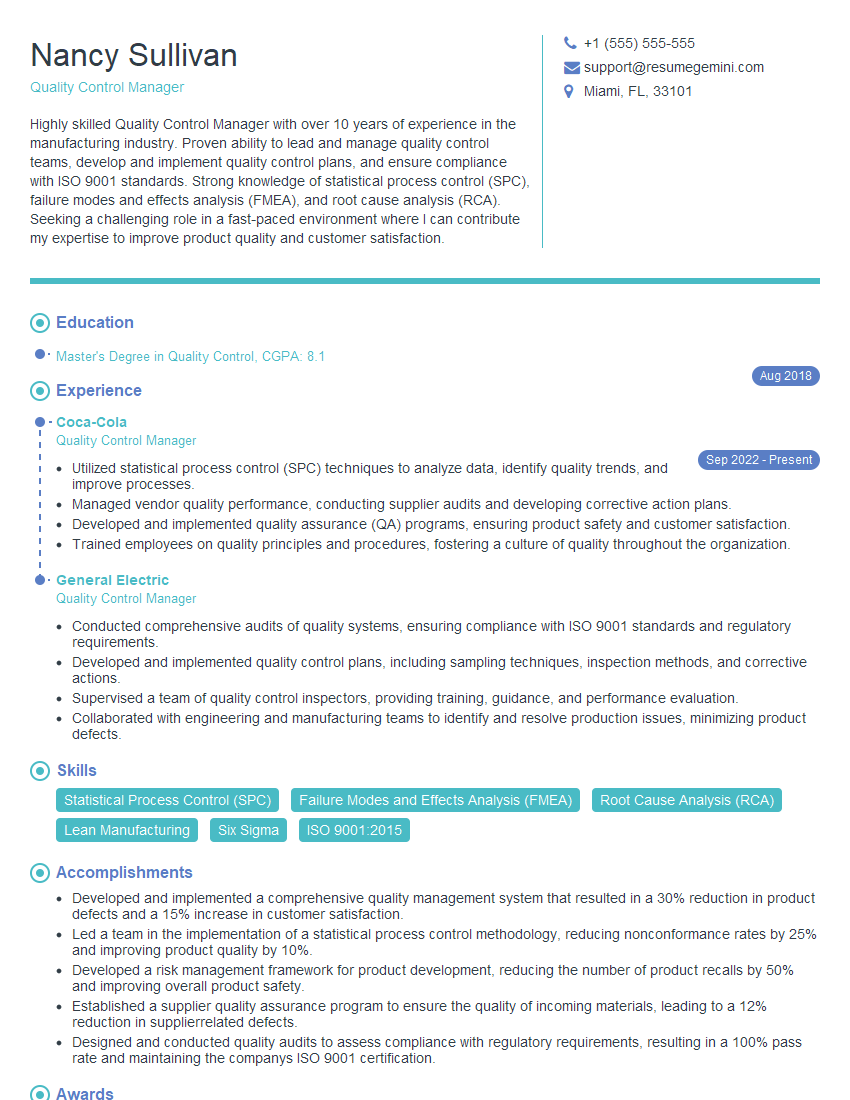
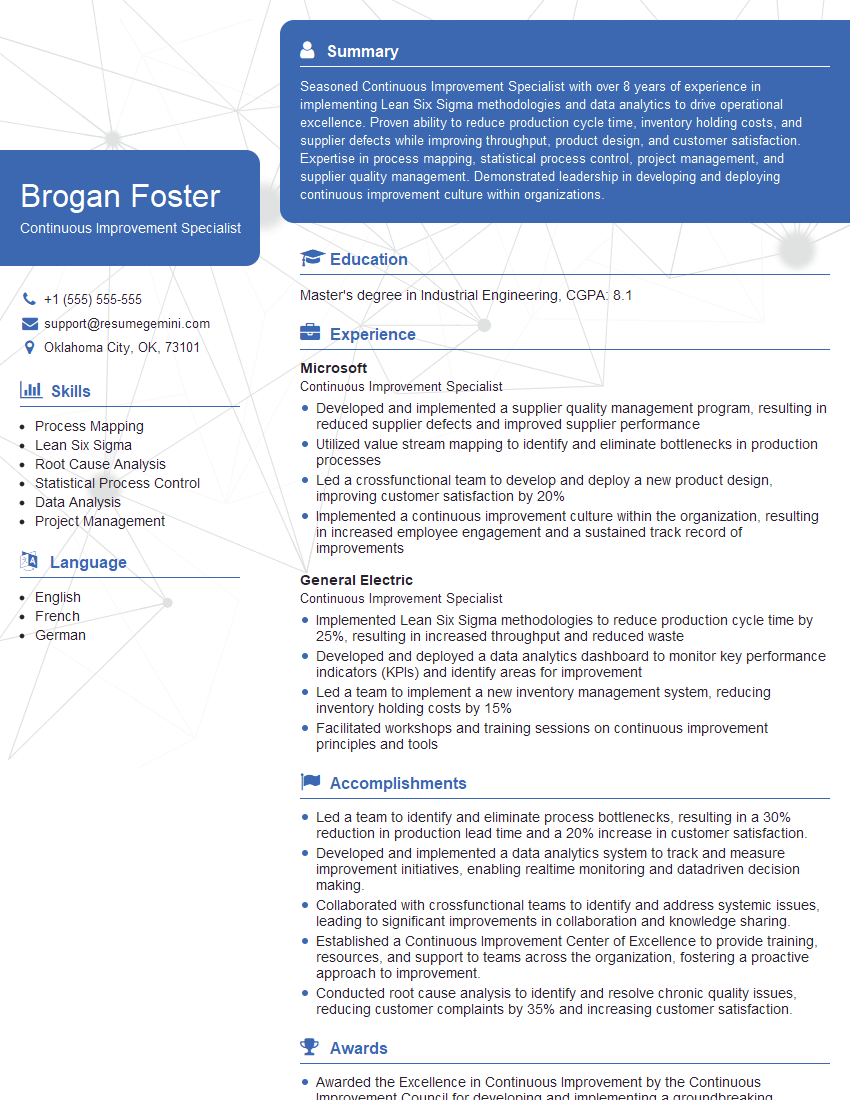
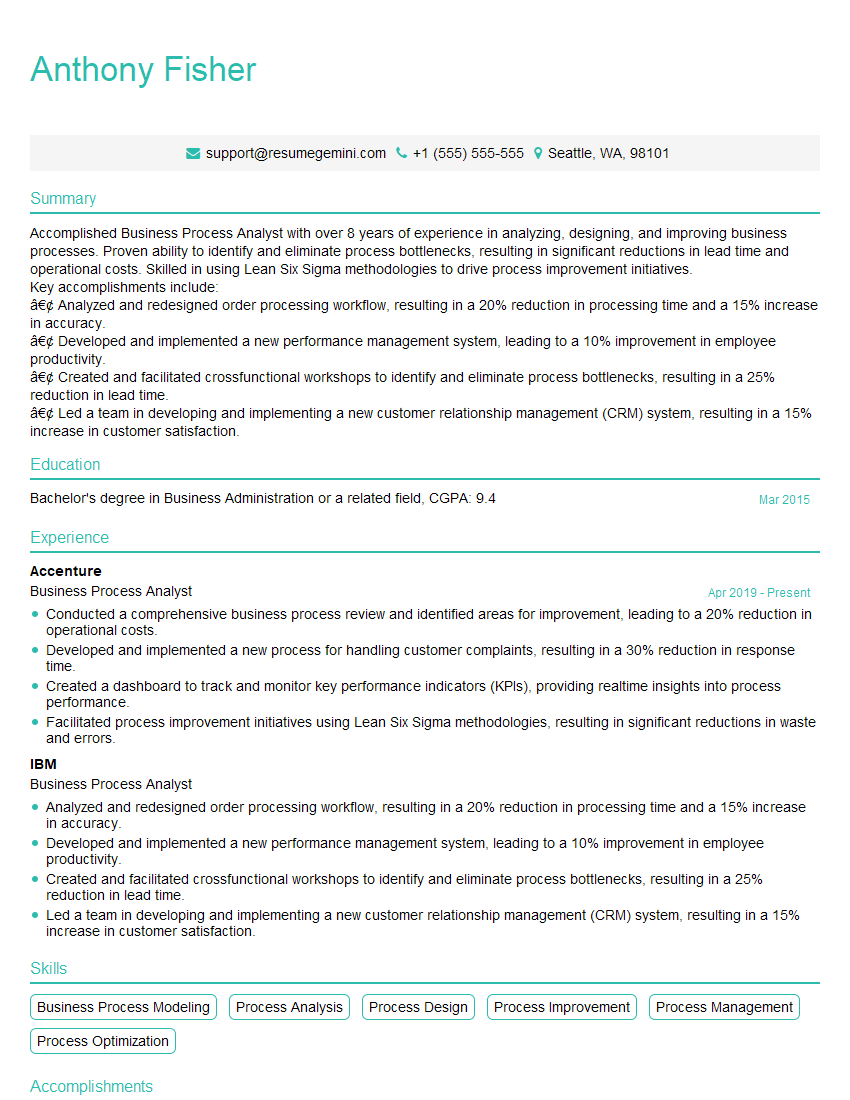
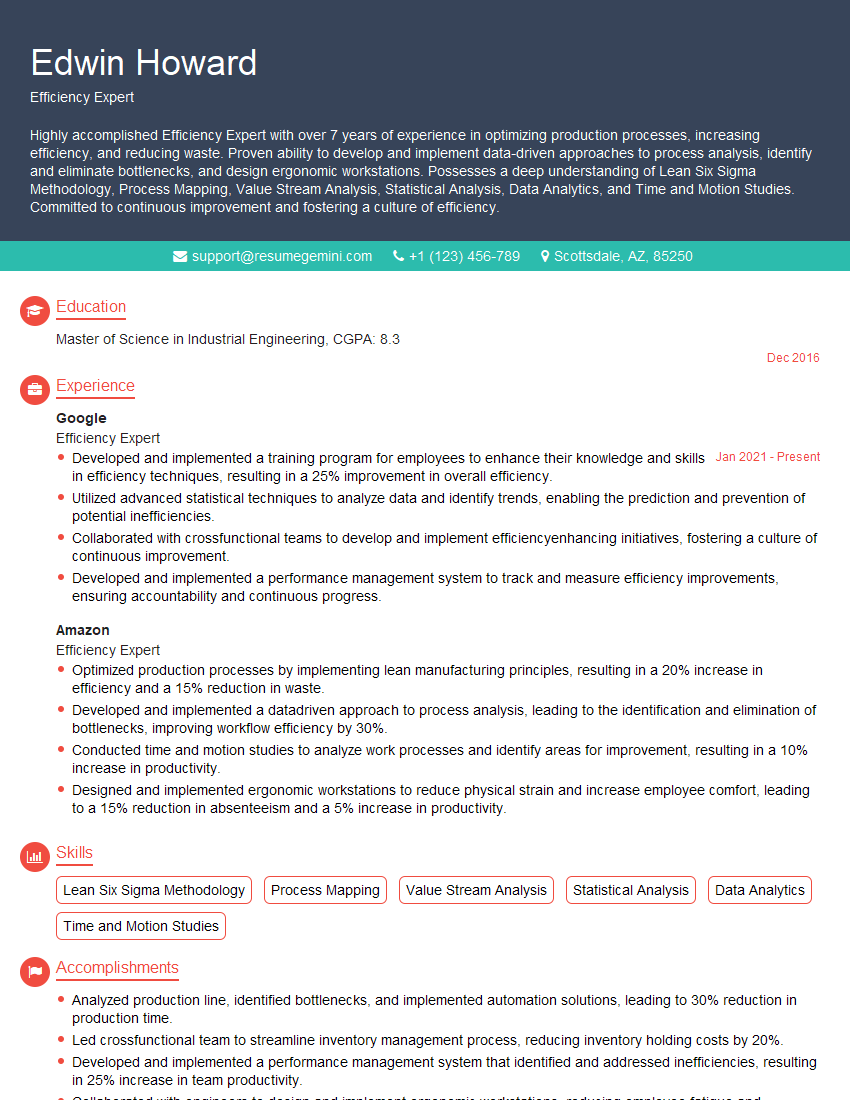
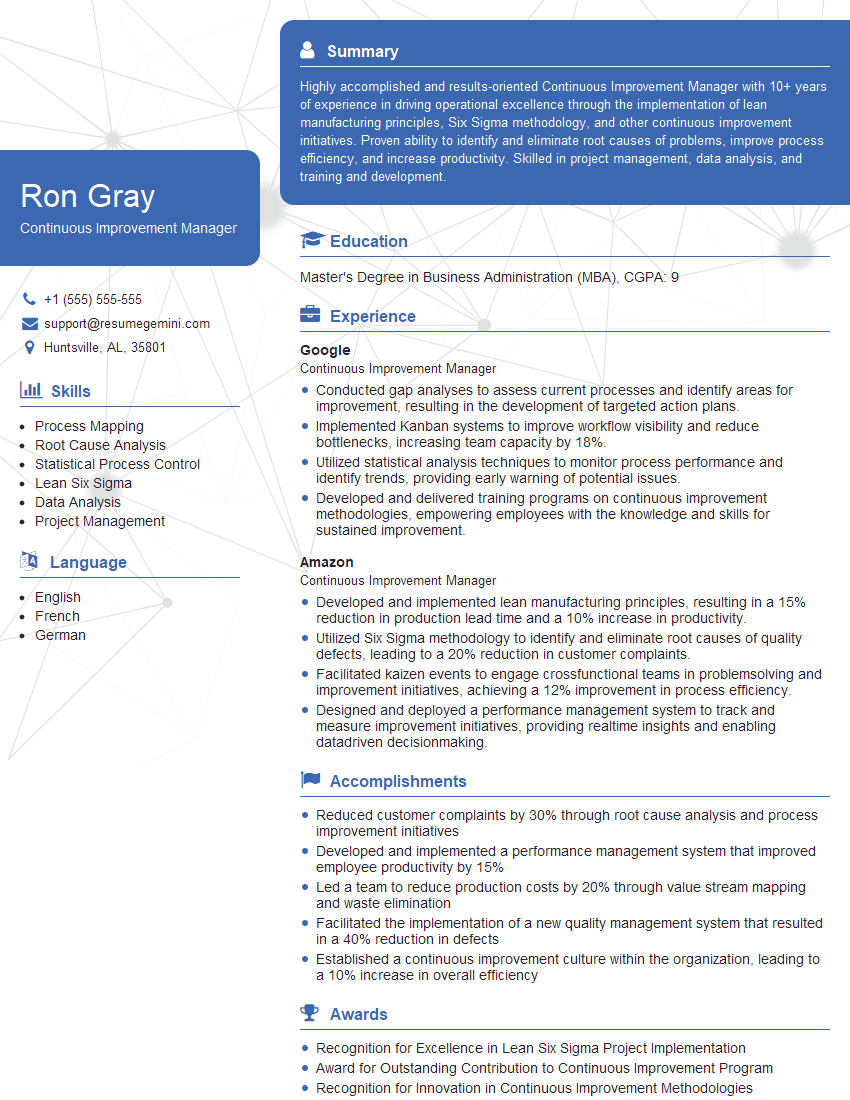
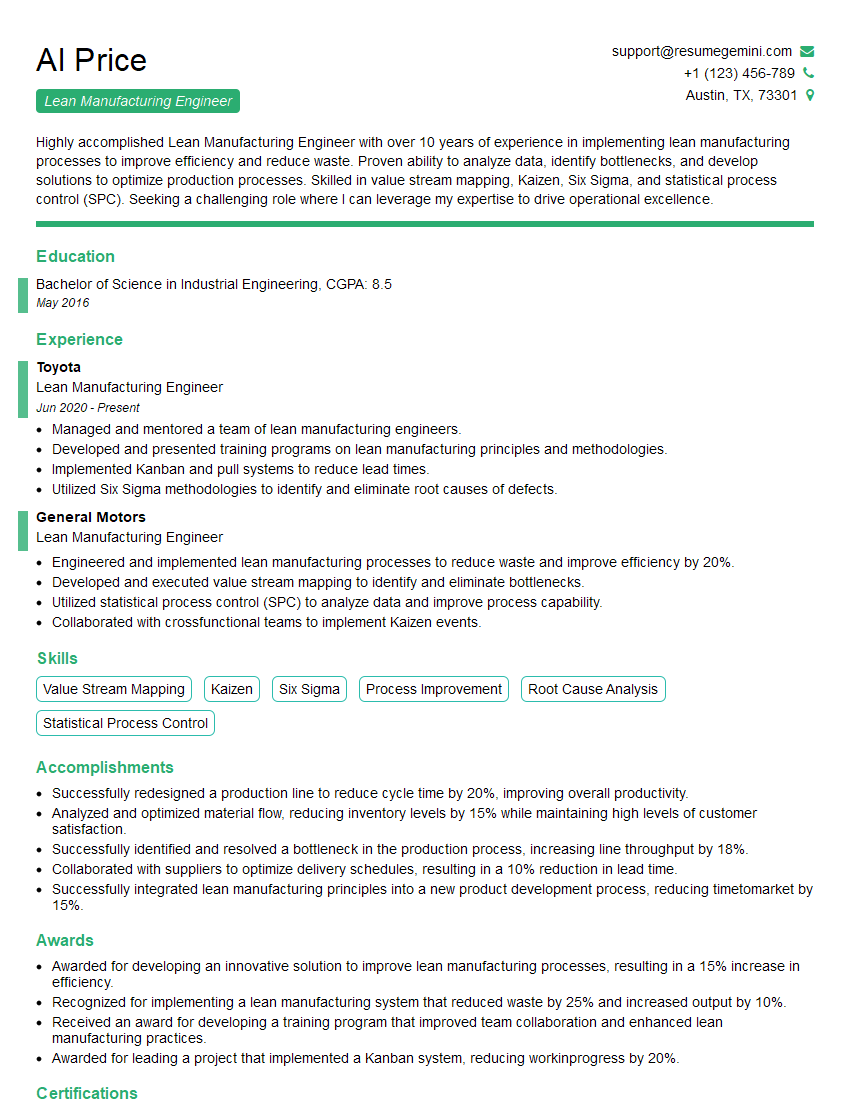
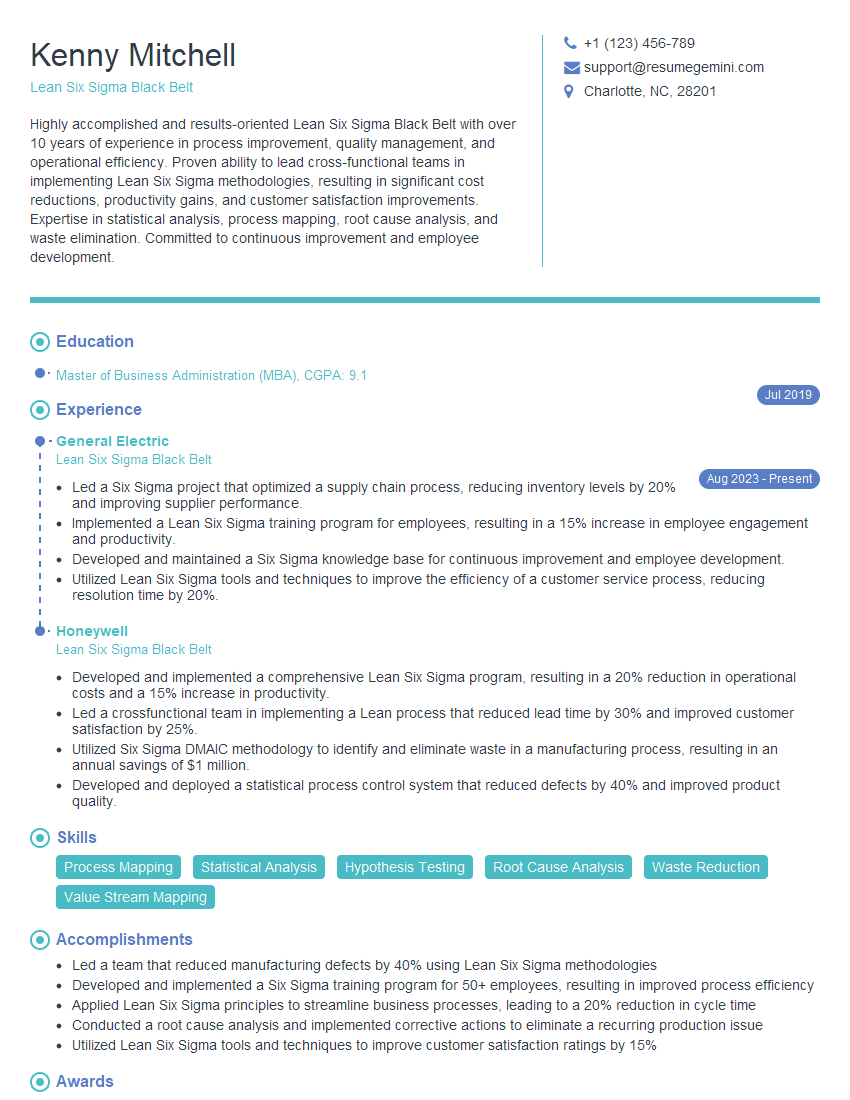
Mastering the Principles of Kaizen demonstrates a commitment to continuous improvement and problem-solving—highly valued attributes in today’s competitive job market. This expertise can significantly boost your career prospects and open doors to exciting opportunities. To maximize your chances of landing your dream job, creating an ATS-friendly resume is crucial. ResumeGemini is a trusted resource that can help you build a professional resume that effectively highlights your Kaizen knowledge and experience. Examples of resumes tailored to Principles of Kaizen are available to guide you. Take the next step towards a successful career by crafting a compelling resume that showcases your skills.
Explore more articles
Users Rating of Our Blogs
Share Your Experience
We value your feedback! Please rate our content and share your thoughts (optional).
What Readers Say About Our Blog
Attention music lovers!
Wow, All the best Sax Summer music !!!
Spotify: https://open.spotify.com/artist/6ShcdIT7rPVVaFEpgZQbUk
Apple Music: https://music.apple.com/fr/artist/jimmy-sax-black/1530501936
YouTube: https://music.youtube.com/browse/VLOLAK5uy_noClmC7abM6YpZsnySxRqt3LoalPf88No
Other Platforms and Free Downloads : https://fanlink.tv/jimmysaxblack
on google : https://www.google.com/search?q=22+AND+22+AND+22
on ChatGPT : https://chat.openai.com?q=who20jlJimmy20Black20Sax20Producer
Get back into the groove with Jimmy sax Black
Best regards,
Jimmy sax Black
www.jimmysaxblack.com
Hi I am a troller at The aquatic interview center and I suddenly went so fast in Roblox and it was gone when I reset.
Hi,
Business owners spend hours every week worrying about their website—or avoiding it because it feels overwhelming.
We’d like to take that off your plate:
$69/month. Everything handled.
Our team will:
Design a custom website—or completely overhaul your current one
Take care of hosting as an option
Handle edits and improvements—up to 60 minutes of work included every month
No setup fees, no annual commitments. Just a site that makes a strong first impression.
Find out if it’s right for you:
https://websolutionsgenius.com/awardwinningwebsites
Hello,
we currently offer a complimentary backlink and URL indexing test for search engine optimization professionals.
You can get complimentary indexing credits to test how link discovery works in practice.
No credit card is required and there is no recurring fee.
You can find details here:
https://wikipedia-backlinks.com/indexing/
Regards
NICE RESPONSE TO Q & A
hi
The aim of this message is regarding an unclaimed deposit of a deceased nationale that bears the same name as you. You are not relate to him as there are millions of people answering the names across around the world. But i will use my position to influence the release of the deposit to you for our mutual benefit.
Respond for full details and how to claim the deposit. This is 100% risk free. Send hello to my email id: lukachachibaialuka@gmail.com
Luka Chachibaialuka
Hey interviewgemini.com, just wanted to follow up on my last email.
We just launched Call the Monster, an parenting app that lets you summon friendly ‘monsters’ kids actually listen to.
We’re also running a giveaway for everyone who downloads the app. Since it’s brand new, there aren’t many users yet, which means you’ve got a much better chance of winning some great prizes.
You can check it out here: https://bit.ly/callamonsterapp
Or follow us on Instagram: https://www.instagram.com/callamonsterapp
Thanks,
Ryan
CEO – Call the Monster App
Hey interviewgemini.com, I saw your website and love your approach.
I just want this to look like spam email, but want to share something important to you. We just launched Call the Monster, a parenting app that lets you summon friendly ‘monsters’ kids actually listen to.
Parents are loving it for calming chaos before bedtime. Thought you might want to try it: https://bit.ly/callamonsterapp or just follow our fun monster lore on Instagram: https://www.instagram.com/callamonsterapp
Thanks,
Ryan
CEO – Call A Monster APP
To the interviewgemini.com Owner.
Dear interviewgemini.com Webmaster!
Hi interviewgemini.com Webmaster!
Dear interviewgemini.com Webmaster!
excellent
Hello,
We found issues with your domain’s email setup that may be sending your messages to spam or blocking them completely. InboxShield Mini shows you how to fix it in minutes — no tech skills required.
Scan your domain now for details: https://inboxshield-mini.com/
— Adam @ InboxShield Mini
support@inboxshield-mini.com
Reply STOP to unsubscribe
Hi, are you owner of interviewgemini.com? What if I told you I could help you find extra time in your schedule, reconnect with leads you didn’t even realize you missed, and bring in more “I want to work with you” conversations, without increasing your ad spend or hiring a full-time employee?
All with a flexible, budget-friendly service that could easily pay for itself. Sounds good?
Would it be nice to jump on a quick 10-minute call so I can show you exactly how we make this work?
Best,
Hapei
Marketing Director
Hey, I know you’re the owner of interviewgemini.com. I’ll be quick.
Fundraising for your business is tough and time-consuming. We make it easier by guaranteeing two private investor meetings each month, for six months. No demos, no pitch events – just direct introductions to active investors matched to your startup.
If youR17;re raising, this could help you build real momentum. Want me to send more info?
Hi, I represent an SEO company that specialises in getting you AI citations and higher rankings on Google. I’d like to offer you a 100% free SEO audit for your website. Would you be interested?
Hi, I represent an SEO company that specialises in getting you AI citations and higher rankings on Google. I’d like to offer you a 100% free SEO audit for your website. Would you be interested?