Are you ready to stand out in your next interview? Understanding and preparing for Problem-solve and make decisions in a timely and efficient manner interview questions is a game-changer. In this blog, we’ve compiled key questions and expert advice to help you showcase your skills with confidence and precision. Let’s get started on your journey to acing the interview.
Questions Asked in Problem-solve and make decisions in a timely and efficient manner Interview
Q 1. Describe a situation where you had to make a quick, critical decision under pressure. What was the outcome?
During a critical system upgrade, we experienced an unexpected database failure just hours before the scheduled go-live. This threatened a major disruption to our client’s operations and risked significant financial penalties. Under intense pressure, I had to quickly assess the situation, identify the root cause (a corrupted data file), and decide on a course of action. We had three options: attempt a hasty repair, roll back to a previous stable version, or delay the launch. Given the severity of the corruption and the tight deadline, I ruled out a hasty repair. Rolling back meant losing several weeks of development work, but delaying the launch risked further financial and reputational damage. I opted for a carefully planned rollback, communicating transparently with the client about the delay and our corrective actions. This decision, although painful in the short term, ultimately minimized long-term damage. The rollback was successful, and we implemented the upgrade a week later without incident. The key was clear, decisive action, coupled with transparent communication.
Q 2. How do you prioritize tasks when faced with multiple competing deadlines?
Prioritizing tasks with competing deadlines requires a structured approach. I use a combination of methods including the Eisenhower Matrix (urgent/important), and a simple prioritization system based on deadline proximity, impact, and dependencies. I list all tasks, assign each a priority level (high, medium, low), and estimate the time needed for each. Tasks are then sequenced according to the priority levels, focusing on high-impact, high-urgency items first. Using a project management tool (like Jira or Asana) is also crucial for visibility, tracking, and collaboration on shared priorities. I regularly review and adjust my priority list to reflect changing circumstances, ensuring flexibility and adaptability is maintained. Imagine it like a surgeon operating: the most critical tasks are handled first, while others wait their turn, all in a logical order that optimizes efficiency and prevents complications.
Q 3. Explain your approach to problem-solving. Walk me through a specific example.
My problem-solving approach follows a structured methodology: First, I clearly define the problem, gathering all available information. This often involves brainstorming sessions and discussions with stakeholders. Second, I generate potential solutions, considering different perspectives and approaches. Third, I analyze these solutions, evaluating their feasibility, cost, and potential risks. This usually includes creating a decision matrix to weigh pros and cons. Fourth, I select the best solution based on the analysis and implement it. Fifth, I monitor the results, making adjustments as needed. For example, in a recent project where the website’s loading speed was slow, I followed these steps. I identified the slow loading time as the problem. I then explored potential solutions such as image optimization, code streamlining, and caching. After analyzing the feasibility and costs, I chose image optimization, which offered the best balance. This resulted in a significant improvement to the website’s load time. Following up, I continuously monitor the site’s performance using analytics tools to ensure the solution remains effective.
Q 4. Describe a time you had to make a difficult decision with incomplete information.
During a product launch, we faced a critical decision regarding a potential software bug. We had limited data, as the bug only appeared in a small subset of user testing. Releasing the product risked negative reviews, while delaying the launch meant missing a crucial marketing window. My approach involved creating a risk assessment matrix and weighing the potential impact of both scenarios. Considering the available data, the probability of the bug affecting a large user base seemed low, and the potential impact of the delay was significant. I advocated for proceeding with the launch, but with a robust monitoring system in place to detect and quickly address any widespread issues. We prepared a detailed communication plan to address any potential customer concerns transparently. The launch was successful, and the bug only affected a very small number of users. This demonstrates the importance of making informed decisions even with limited data by balancing risks and mitigating potential negative consequences.
Q 5. How do you identify and mitigate potential risks in a project?
Risk mitigation is a continuous process integrated throughout a project’s lifecycle. I employ a structured approach that begins with proactive risk identification. We use brainstorming sessions, checklists, and SWOT analysis to identify potential problems. Then, I assess the likelihood and impact of each risk, prioritizing based on severity. For each high-priority risk, I develop mitigation strategies including contingency plans. These might involve adding buffer time, securing additional resources, or developing alternative solutions. Regular monitoring and reporting are crucial to track identified risks and the effectiveness of mitigation strategies. Think of it like building a house – you wouldn’t start without considering potential hazards like weather or structural issues. Proactive risk identification and mitigation ensures project success and protects against unforeseen circumstances.
Q 6. How do you handle disagreements with colleagues regarding project decisions?
Disagreements are inevitable in collaborative projects, but effective communication and conflict resolution are key. When faced with a disagreement, I foster a respectful environment where everyone feels comfortable expressing their views. I actively listen to understand the different perspectives, focusing on the underlying issues rather than personalities. I then work collaboratively to find common ground, seeking a solution that addresses everyone’s concerns. Sometimes, this involves compromise; other times, it necessitates data-driven decision-making to justify a particular course of action. The ultimate goal is a solution that benefits the project as a whole, leaving everyone feeling heard and respected. A well-managed disagreement can lead to creative solutions and stronger teamwork.
Q 7. How do you ensure your decisions are data-driven?
Data-driven decision-making is paramount in ensuring objective and effective choices. I gather relevant data from various sources, including analytics dashboards, user feedback, market research, and internal reports. This data is then analyzed using appropriate statistical methods and visualization tools to identify trends, patterns, and insights. I make sure the data is reliable, accurate, and relevant to the decision at hand. It’s important to avoid confirmation bias and consider alternative interpretations. Once the data analysis is complete, I use the insights to inform my decision, ensuring that the choice is evidence-based and not based on intuition or assumptions. Think of it like a doctor using diagnostic tests – you wouldn’t make a treatment plan without examining the test results. Data-driven decisions reduce guesswork and lead to more successful outcomes.
Q 8. Give an example of a time you had to change your approach mid-project due to unforeseen circumstances.
Adaptability is crucial in project management. During a website redesign project for a major client, we initially planned to use a specific framework. However, halfway through, the client unexpectedly shifted their brand identity, requiring a complete overhaul of the visual design. This wasn’t just a minor tweak; it affected the entire site architecture and user experience.
Instead of rigidly adhering to the original plan, we immediately held a meeting with the client and our internal team. We assessed the changes, prioritizing the most critical aspects of the new branding. We then devised a revised project timeline, breaking down the new tasks into manageable chunks and re-allocating resources accordingly. We adopted a more agile methodology, focusing on iterative development and regular client feedback to ensure alignment. This allowed us to deliver a product that exceeded the client’s expectations, despite the unexpected change.
Q 9. Describe a time you failed to make a timely decision. What did you learn from this experience?
Delayed decision-making can have significant consequences. In a previous role, I was tasked with selecting a new software platform for our team. I spent excessive time analyzing every detail of various options, seeking perfection and fearing making the wrong choice. This indecisiveness led to a missed deadline and created unnecessary delays for the team. Ultimately, we ended up with a suboptimal solution because we ran out of time to fully vet the best options.
This experience taught me the value of setting decision deadlines and accepting that perfect information is rarely attainable. I learned to prioritize critical decision factors, using a weighted decision matrix to rank the different options objectively. Now I use the Pareto Principle (80/20 rule) – focusing my effort on the 20% of factors that yield 80% of the results – to prioritize information gathering. Now, I aim for ‘good enough’ decisions made in a timely fashion, rather than perfect decisions made too late.
Q 10. How do you delegate tasks effectively to ensure timely completion?
Effective delegation is about entrusting the right tasks to the right people. It’s not just about offloading work; it’s about empowering your team.
- Assess Team Skills: I start by clearly understanding each team member’s strengths, weaknesses, and experience levels. This informs who is best suited for specific tasks.
- Clearly Define Tasks: I provide clear and concise instructions, including deadlines, desired outcomes, and any relevant resources. Ambiguity leads to errors and delays.
- Empower and Support: Delegation isn’t just assigning work; it’s about granting autonomy. I provide the necessary support and resources but avoid micromanaging. Regular check-ins ensure progress and address any roadblocks.
- Provide Feedback: Constructive feedback is essential for growth. I offer regular feedback on performance, highlighting successes and suggesting improvements.
For example, in a recent project, I delegated data analysis to a team member with strong analytical skills and delegated the design aspect to a member with visual design expertise. This approach ensured efficient task completion and maximized team strengths.
Q 11. How do you stay organized and manage your workload effectively?
Organization and workload management are crucial for efficiency. I use a combination of tools and techniques:
- Project Management Software: Tools like Asana or Trello help me visualize projects, assign tasks, and track progress. This provides a centralized overview of all my responsibilities.
- Prioritization Techniques: I use methods like the Eisenhower Matrix (urgent/important) to prioritize tasks and focus on high-impact activities first.
- Time Blocking: I allocate specific time blocks in my day for particular tasks. This helps me avoid multitasking and stay focused.
- Regular Review and Adjustment: I regularly review my schedule and adjust my priorities based on changing circumstances or unexpected demands. This ensures I stay on track.
Think of it like a well-organized toolbox. The right tools – combined with a clear plan for using them – are essential to efficient work.
Q 12. How do you use data analytics to inform your decisions?
Data analytics is indispensable for informed decision-making. I leverage data to identify trends, patterns, and insights that guide my choices. This involves several steps:
- Data Collection and Cleaning: First, I gather relevant data from various sources, ensuring its accuracy and completeness.
- Data Analysis: I use various analytical techniques, including descriptive statistics, regression analysis, and data visualization, to understand the data.
- Interpretation and Insights: I interpret the findings, identifying key trends and patterns that impact decision-making.
- Decision Implementation and Monitoring: Finally, I implement the decisions based on the insights and continuously monitor the outcomes to assess their effectiveness.
For instance, if analyzing customer churn rates, I might use data visualizations to identify correlations between churn and specific customer segments, allowing me to target retention efforts more effectively.
Q 13. Describe your experience with using decision-making frameworks (e.g., SWOT analysis, cost-benefit analysis).
Decision-making frameworks provide structure and objectivity. I frequently use SWOT analysis and cost-benefit analysis.
SWOT Analysis: This framework helps assess the Strengths, Weaknesses, Opportunities, and Threats related to a decision. I use it to evaluate potential projects, strategic initiatives, or competitive landscapes. For example, before launching a new product, I’d conduct a SWOT analysis to identify internal strengths and weaknesses and assess market opportunities and threats.
Cost-Benefit Analysis: This framework weighs the costs and benefits associated with different options. It’s crucial for resource allocation decisions. For instance, when choosing between two different software solutions, I’d calculate the total cost of each (implementation, licensing, training) and weigh it against its potential benefits (increased efficiency, improved features). This structured approach helps in making data-driven decisions.
Q 14. How do you balance speed and accuracy in decision-making?
Balancing speed and accuracy in decision-making requires a nuanced approach. It’s not about rushing; it’s about making timely, well-informed choices.
- Prioritize Critical Information: Focus on gathering the most crucial information first. Avoid analysis paralysis by setting limits on information gathering.
- Use Heuristics Wisely: Mental shortcuts (heuristics) can speed up decision-making, but it’s important to be aware of potential biases.
- Risk Assessment: Understand the potential risks and consequences associated with each decision. A faster decision may be acceptable if the potential downsides are minimal.
- Iterative Approach: For complex decisions, an iterative approach may be beneficial. Make an initial decision, implement it, monitor the results, and adjust as needed. This allows for adaptation and refinement.
Imagine driving a car. You don’t overthink every minor adjustment; you make quick, intuitive decisions based on your surroundings. However, for major decisions like changing lanes, you take more time to assess your risks. This adaptable approach is crucial for effective decision-making.
Q 15. How do you ensure your decisions align with the overall goals of the organization?
Aligning decisions with organizational goals requires a clear understanding of the company’s strategic objectives and how your role contributes to them. I approach this by actively seeking out and absorbing information on the company’s mission, vision, and key performance indicators (KPIs). This includes reviewing strategic plans, attending relevant meetings, and actively engaging with leadership.
For example, if the company’s goal is to increase market share by 15% within the next year, I would ensure that all my decisions – from resource allocation to project prioritization – directly support this objective. I would actively seek data that demonstrates the potential impact of my decisions on achieving this target. A crucial step is consistently measuring progress against established goals and adapting my approach as needed. This iterative process ensures that even minor decisions contribute to the larger strategic direction.
Career Expert Tips:
- Ace those interviews! Prepare effectively by reviewing the Top 50 Most Common Interview Questions on ResumeGemini.
- Navigate your job search with confidence! Explore a wide range of Career Tips on ResumeGemini. Learn about common challenges and recommendations to overcome them.
- Craft the perfect resume! Master the Art of Resume Writing with ResumeGemini’s guide. Showcase your unique qualifications and achievements effectively.
- Don’t miss out on holiday savings! Build your dream resume with ResumeGemini’s ATS optimized templates.
Q 16. Describe a situation where you had to make a decision that impacted a large number of people.
During a recent project involving the launch of a new software product, a critical bug was discovered just days before the release date. This bug impacted the core functionality for a significant portion of our user base (approximately 70%). A quick decision was needed: proceed with the launch with the risk of negative user experience and damage to our reputation, or delay the launch, impacting revenue projections and marketing timelines.
After analyzing the situation with my team, weighing the pros and cons of each option, and considering the potential financial and reputational risks, we opted for a controlled phased rollout. We released the software to a smaller segment of users first, monitored closely for any further issues, and addressed those before broadening the release. This decision, although initially impacting our short-term revenue, ultimately prevented a widespread negative impact on our user base and protected the company’s reputation. Post-launch, user feedback was invaluable in optimizing the product and building trust.
Q 17. How do you handle conflicting priorities?
Conflicting priorities are a common challenge, requiring a structured approach to resolution. I typically start by clearly identifying and documenting all competing priorities, listing their importance and urgency (using a prioritization matrix, for instance). This provides a visual representation of the situation. Then, I assess the potential impact of choosing one option over another, using data wherever possible.
This could involve conducting a cost-benefit analysis, estimating the risk associated with each choice, or even consulting relevant stakeholders to gather diverse perspectives. Once this analysis is complete, I prioritize tasks based on strategic importance and urgency. In cases where certain tasks are truly unavoidable, I might explore delegating some responsibilities or seeking additional resources to manage the workload effectively. Transparency is key, ensuring all stakeholders understand the prioritization and rationale behind it.
Q 18. How do you use feedback to improve your decision-making process?
Feedback is vital for continuous improvement in decision-making. I actively solicit feedback from various sources, including my team, colleagues, stakeholders, and even customers, when appropriate. This could take the form of formal performance reviews, informal discussions, or structured surveys.
I carefully analyze this feedback, looking for recurring themes and areas for improvement. For example, if feedback consistently highlights a lack of clarity in communication regarding decisions, I’d work on improving my communication strategies. This might include implementing clearer documentation, holding more frequent check-ins, or using visual aids to enhance understanding. Regular self-reflection is also important; I review my past decisions, both successful and unsuccessful, to understand what worked well and what could have been improved.
Q 19. Describe a time you identified a problem before it became a major issue.
In a previous role, I noticed a gradual decrease in customer engagement with a particular product feature. While the drop wasn’t drastic, it was consistent enough to warrant attention. I investigated the issue, analyzing user data and conducting user interviews. This revealed a growing frustration with the feature’s cumbersome design, which was hindering user experience.
By identifying this problem early, we were able to proactively redesign the feature, addressing usability concerns before the decline in engagement became a significant crisis. The redesign resulted in a noticeable increase in user engagement and prevented potential loss of revenue and negative customer reviews. This experience emphasized the importance of proactive monitoring of key metrics and the value of a data-driven approach to identifying potential issues.
Q 20. How do you anticipate potential problems and develop proactive solutions?
Anticipating problems requires a proactive and systematic approach. I use a combination of methods, including trend analysis, risk assessment, and scenario planning. Trend analysis involves reviewing historical data and identifying potential patterns or emerging issues. Risk assessment helps me identify potential threats and vulnerabilities, enabling me to prioritize mitigation strategies.
Scenario planning involves developing alternative future scenarios, considering various possibilities (e.g., best-case, worst-case, most likely). By exploring these scenarios, I can develop contingency plans and proactive solutions. For example, if we’re launching a new product, I’d consider potential challenges like supply chain disruptions, unexpected technical issues, or negative customer feedback. Then, I’d develop mitigation plans for each scenario – having backup suppliers, developing robust technical solutions, and devising a proactive customer communications strategy.
Q 21. How do you utilize technology to enhance your decision-making process?
Technology plays a crucial role in enhancing my decision-making process. I utilize various tools and platforms to gather data, analyze trends, and visualize information. Data analytics platforms allow me to track key metrics, identify patterns, and gain insights into performance. Collaboration tools such as project management software and communication platforms facilitate efficient teamwork and information sharing.
For instance, using data visualization tools, I can create dashboards showcasing key performance indicators (KPIs), making it easier to identify trends and potential problems. Project management tools allow me to track project progress, identify potential roadblocks, and make informed decisions regarding resource allocation. In short, technology equips me with the necessary information and tools to make data-driven, informed decisions in a timely and efficient manner.
Q 22. Describe your experience with risk assessment and mitigation strategies.
Risk assessment and mitigation are crucial for effective decision-making. It’s a systematic process of identifying potential hazards, analyzing their likelihood and potential impact, and developing strategies to reduce or eliminate those risks. I approach this using a structured framework, often combining qualitative and quantitative methods.
For example, in a previous project involving the launch of a new software product, we conducted a thorough risk assessment. We identified potential risks such as software bugs, market competition, and security vulnerabilities. We then analyzed the likelihood of each risk occurring and its potential impact on the project’s timeline, budget, and reputation. This involved assigning probabilities and severity levels to each risk. Based on this analysis, we prioritized risks and developed mitigation strategies. For instance, to mitigate the risk of software bugs, we implemented rigorous testing procedures and included a dedicated QA team. For market competition, we developed a robust marketing strategy highlighting unique selling points. For security, we employed penetration testing and implemented robust security protocols.
My approach involves documenting all identified risks, mitigation strategies, responsible parties, and timelines in a risk register. This allows for regular monitoring and updates as the project progresses, ensuring that emerging risks are addressed promptly.
Q 23. How do you ensure effective communication during the decision-making process?
Effective communication is the cornerstone of successful decision-making. It ensures everyone is informed, understands the objectives, and can contribute their expertise. I prioritize transparency and inclusivity in my communication approach. This begins with clearly defining the problem, outlining the decision-making process, and setting expectations upfront.
I use a variety of communication methods depending on the audience and situation. This might include formal meetings, email updates, informal discussions, or even visual aids like charts and graphs to explain complex data. Actively listening to diverse perspectives is crucial. I encourage open dialogue and constructive feedback, ensuring everyone feels heard and valued. I also utilize regular progress updates to maintain transparency and manage expectations. In the software launch example, we used daily stand-up meetings for quick updates, weekly progress reports for stakeholders, and dedicated communication channels for resolving specific technical issues.
Q 24. How do you measure the effectiveness of your decisions?
Measuring the effectiveness of decisions is an ongoing process, not a one-time event. I use a combination of Key Performance Indicators (KPIs) and qualitative assessments. KPIs provide quantifiable metrics to track progress against defined objectives. Qualitative assessments involve gathering feedback from stakeholders, reviewing post-implementation reviews, and analyzing lessons learned.
For instance, in the software launch, we tracked KPIs such as user downloads, customer satisfaction ratings, and revenue generated. We also conducted post-launch surveys and focus groups to gather qualitative feedback on the product’s usability and overall experience. Comparing the actual results against our initial projections allowed us to evaluate the effectiveness of our decisions. If the results fell short of expectations, we analyzed the reasons for the discrepancies to inform future decisions and improve our decision-making process.
Q 25. How do you handle pressure and stress when making important decisions?
High-pressure situations demand a structured approach. I remain calm and focus on systematically addressing the problem. My strategy involves breaking down the complex decision into smaller, manageable tasks. This helps to avoid feeling overwhelmed. I prioritize information gathering and analysis, ensuring I have all relevant data before making a final call. Taking short breaks to regroup and clear my head can also be incredibly beneficial.
Furthermore, I rely on my experience and past successes to build confidence. I also know when to seek support from my team or colleagues. Openly communicating stress levels to my team and seeking their input can be crucial to effectively handling the pressure. Time management techniques are also crucial; prioritizing tasks and delegating where appropriate are vital in minimizing stress.
Q 26. Describe a time you had to make a decision that involved ethical considerations.
In a previous role, I faced a situation where a team member was consistently underperforming. While initially inclined to terminate their employment to maintain project deadlines, I recognized the ethical implications of such a hasty decision. The individual had personal challenges impacting their work.
Instead of immediate dismissal, I initiated a series of conversations to understand the root cause of the underperformance. I offered support and explored options such as adjusting their workload, providing additional training, or offering flexible working arrangements. Ultimately, addressing the underlying issue rather than solely focusing on the immediate problem resulted in improved performance and a more positive and ethical outcome. It demonstrated the importance of considering human factors in decision-making and prioritizing fairness and empathy.
Q 27. How do you adapt your decision-making style to different situations and individuals?
Adaptability is key to effective decision-making. My approach varies depending on the situation and the individuals involved. For example, in situations requiring quick action, I use a more decisive, intuitive style. In more complex situations requiring detailed analysis, I employ a structured, analytical approach, involving data analysis and consulting with experts.
When dealing with individuals, I tailor my communication style to their preferences. Some individuals may prefer direct communication, while others might prefer a more collaborative approach. I strive to build trust and rapport with all stakeholders to facilitate open communication and ensure everyone feels comfortable contributing their perspectives. This ensures inclusivity and better informed decisions.
Q 28. How do you stay updated on industry trends and best practices in decision-making?
Staying updated on industry trends and best practices is paramount. I dedicate time to continuous learning through various avenues. This includes reading industry publications, attending conferences and workshops, and actively participating in professional networks. I also follow influential leaders and organizations in the field on social media and subscribe to relevant newsletters.
Moreover, I actively seek feedback from colleagues and mentors to identify areas for improvement and gain insights into innovative approaches to decision-making. Regularly reviewing and updating my knowledge base keeps my skills sharp and ensures I’m equipped to tackle challenges with the latest tools and strategies.
Key Topics to Learn for Problem-Solving and Decision-Making Interviews
- Defining the Problem: Learn techniques for clearly articulating the problem, gathering necessary information, and identifying root causes. This includes understanding the difference between symptoms and underlying issues.
- Prioritization & Time Management: Master methods for prioritizing tasks based on urgency and importance, effectively managing time constraints, and estimating completion times accurately. Practical application includes using tools like Eisenhower Matrix or time-blocking techniques.
- Decision-Making Frameworks: Explore various decision-making models (e.g., cost-benefit analysis, decision trees) and understand when to apply each. Practice applying these frameworks to hypothetical scenarios.
- Risk Assessment & Mitigation: Develop skills in identifying potential risks, analyzing their impact, and developing mitigation strategies. This involves considering both short-term and long-term consequences.
- Communication & Collaboration: Practice communicating your problem-solving process and decisions clearly and concisely, both verbally and in writing. Understand how to effectively collaborate with teams to achieve efficient outcomes.
- Data Analysis & Interpretation: Develop the ability to gather, analyze, and interpret relevant data to inform decisions. This involves understanding data visualization techniques and drawing logical conclusions from data.
- Adaptability & Flexibility: Practice adjusting your approach based on new information or changing circumstances. Demonstrate the ability to remain calm and resourceful under pressure.
- Self-Reflection & Continuous Improvement: Learn to analyze your past problem-solving experiences, identifying both successes and areas for improvement. Develop a growth mindset and a commitment to continuous learning.
Next Steps
Mastering problem-solving and efficient decision-making is crucial for career advancement. It demonstrates essential skills highly valued by employers across all industries. To maximize your job prospects, focus on building an ATS-friendly resume that clearly showcases these capabilities. ResumeGemini is a trusted resource to help you craft a compelling and effective resume. Examples of resumes tailored to highlight your problem-solving and decision-making skills are available to guide you. Use these examples to create a resume that positions you for success.
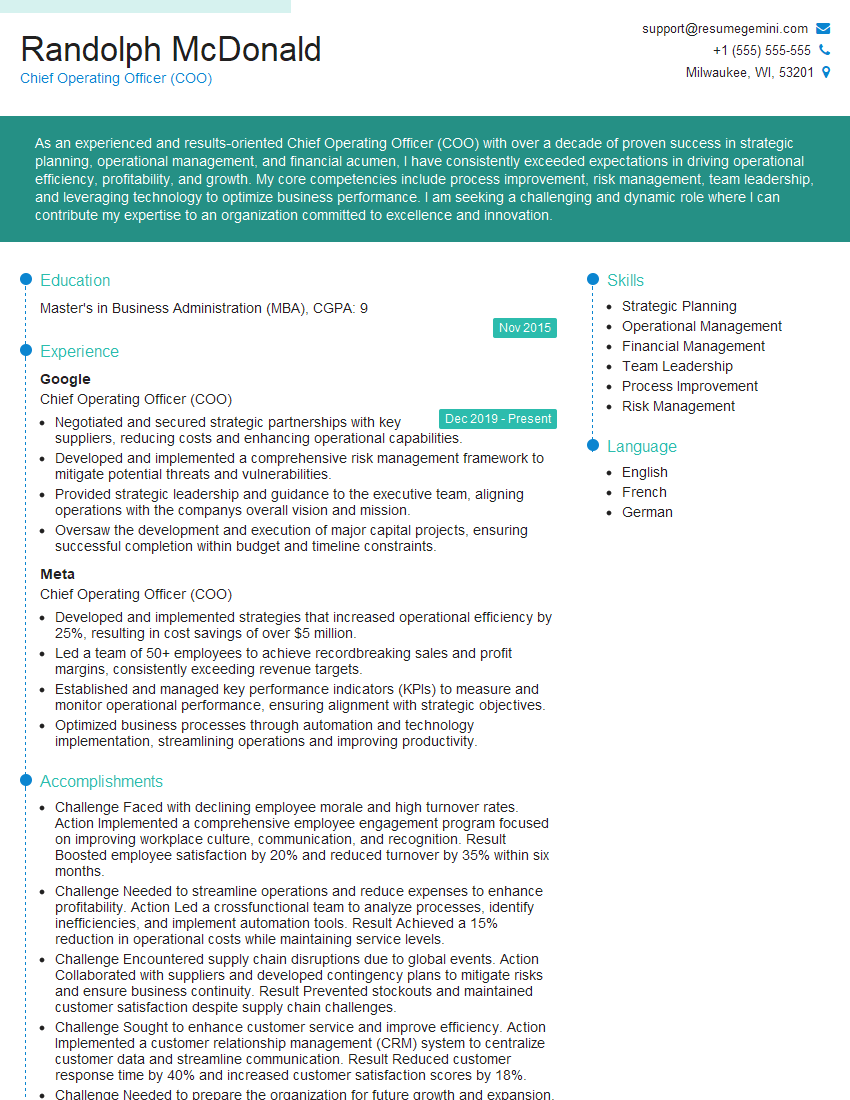
Chief Operating Officer (COO) Resume Sample
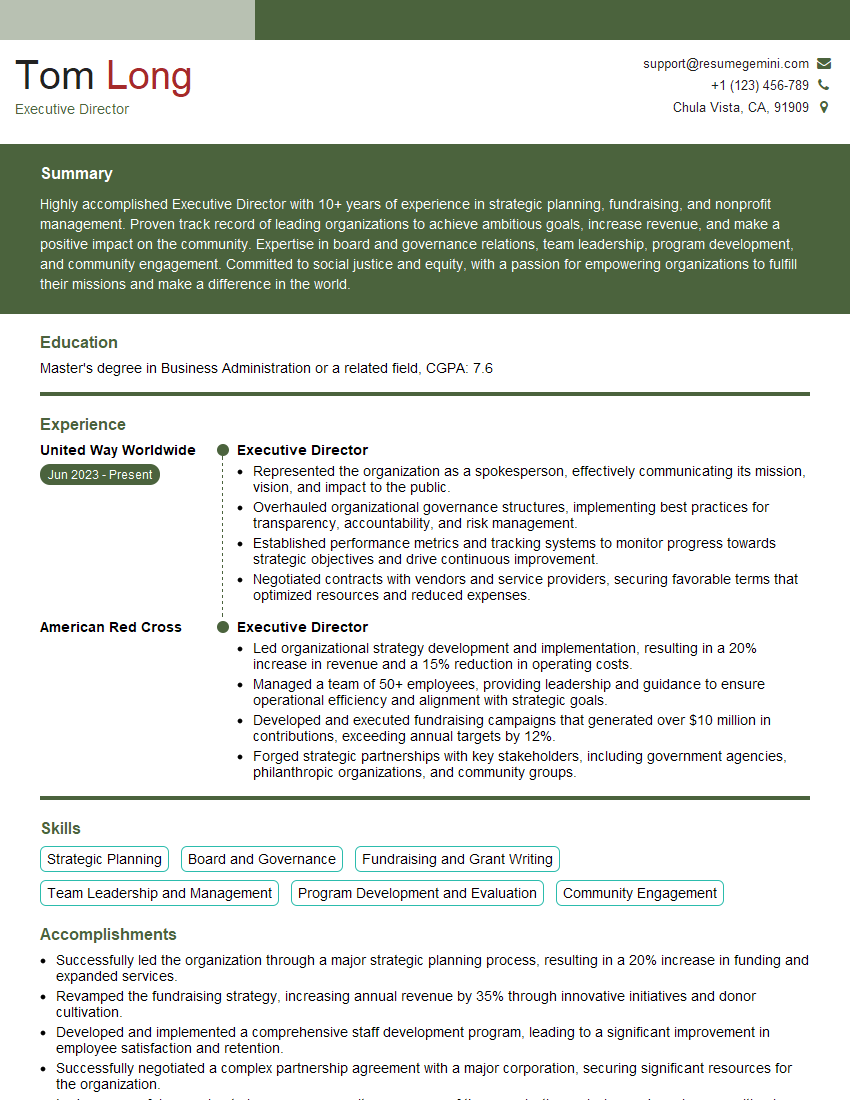
Executive Director Resume Sample
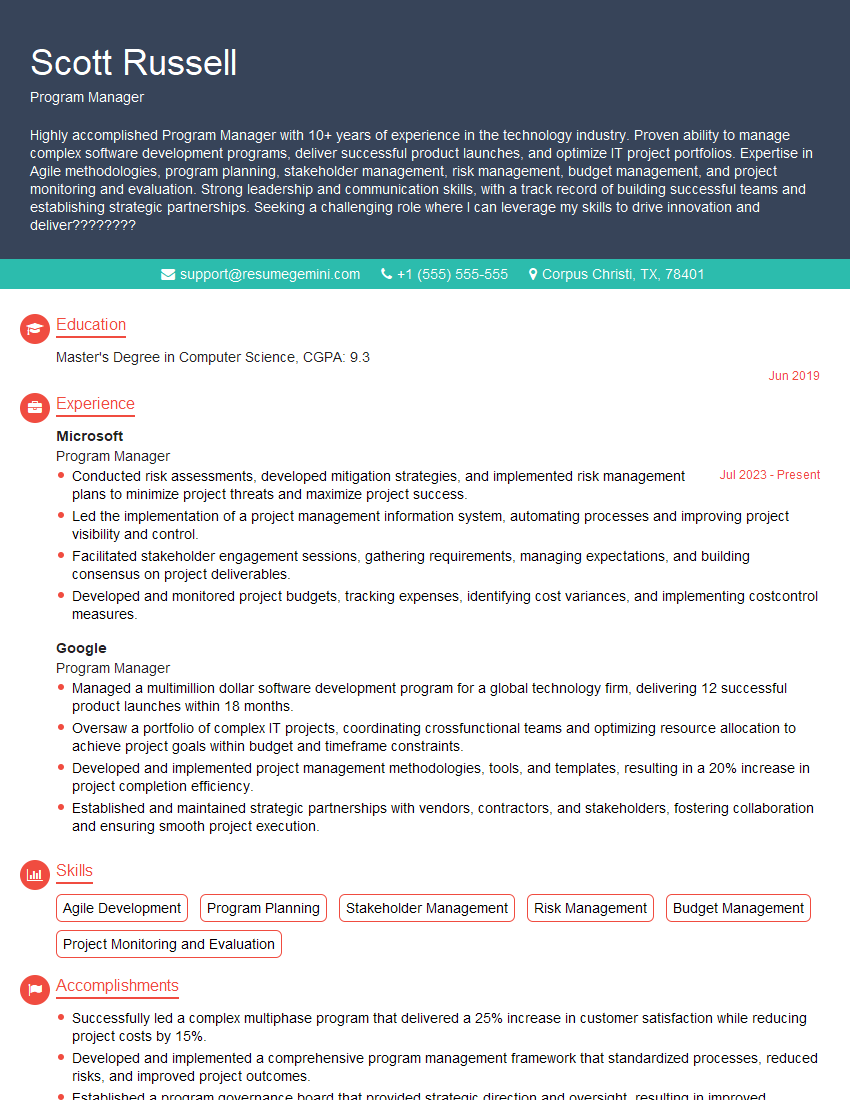
Program Manager Resume Sample
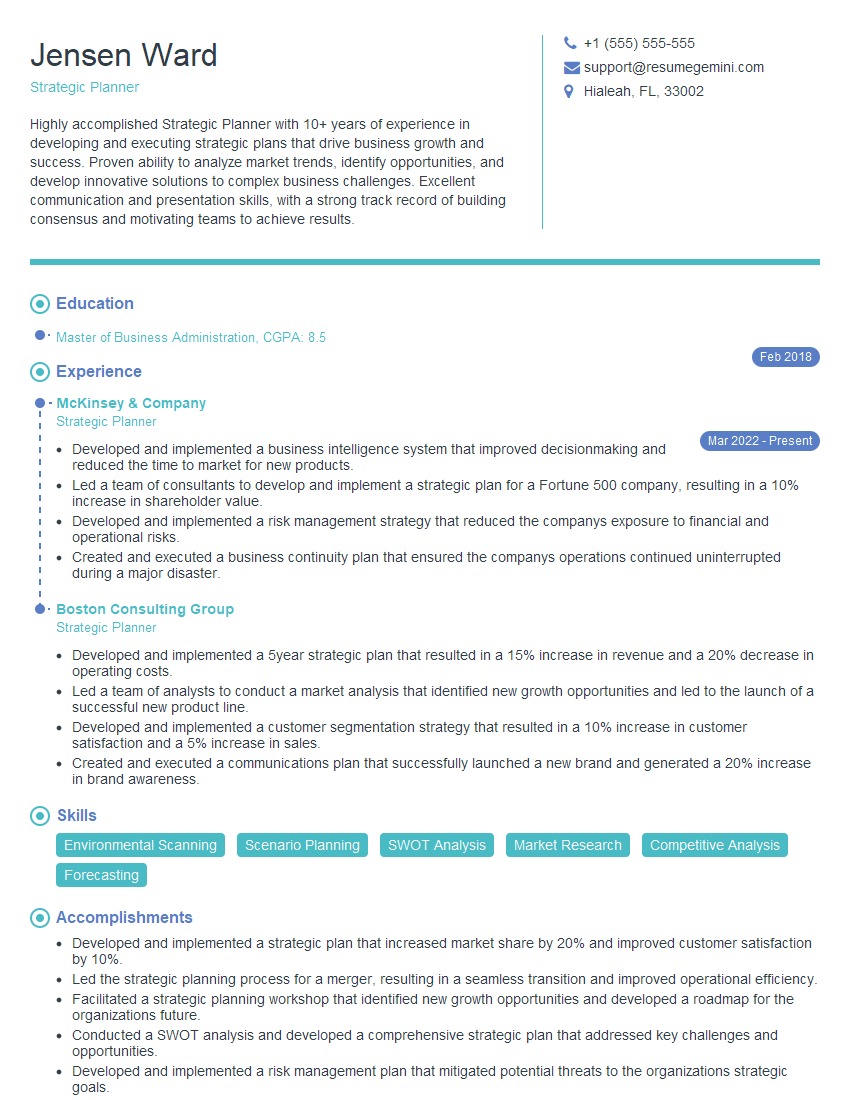
Strategic Planner Resume Sample

Operations Manager Resume Sample
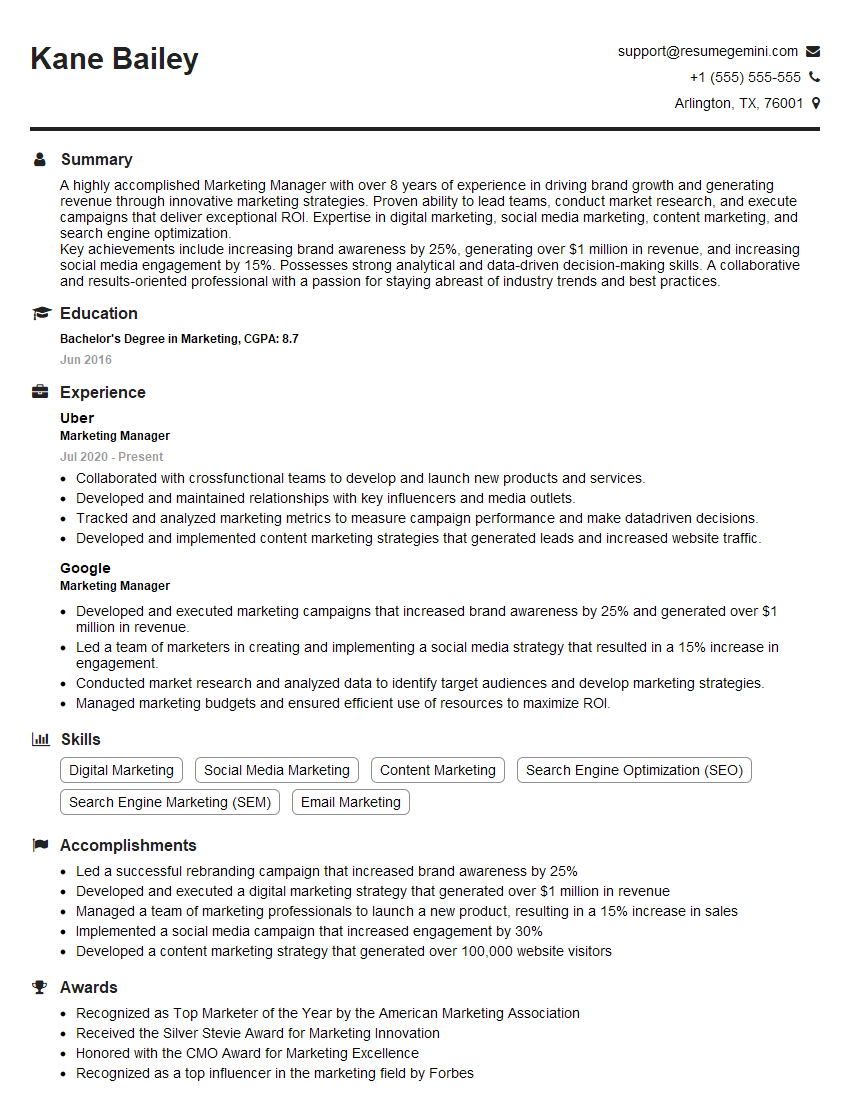
Marketing Manager Resume Sample
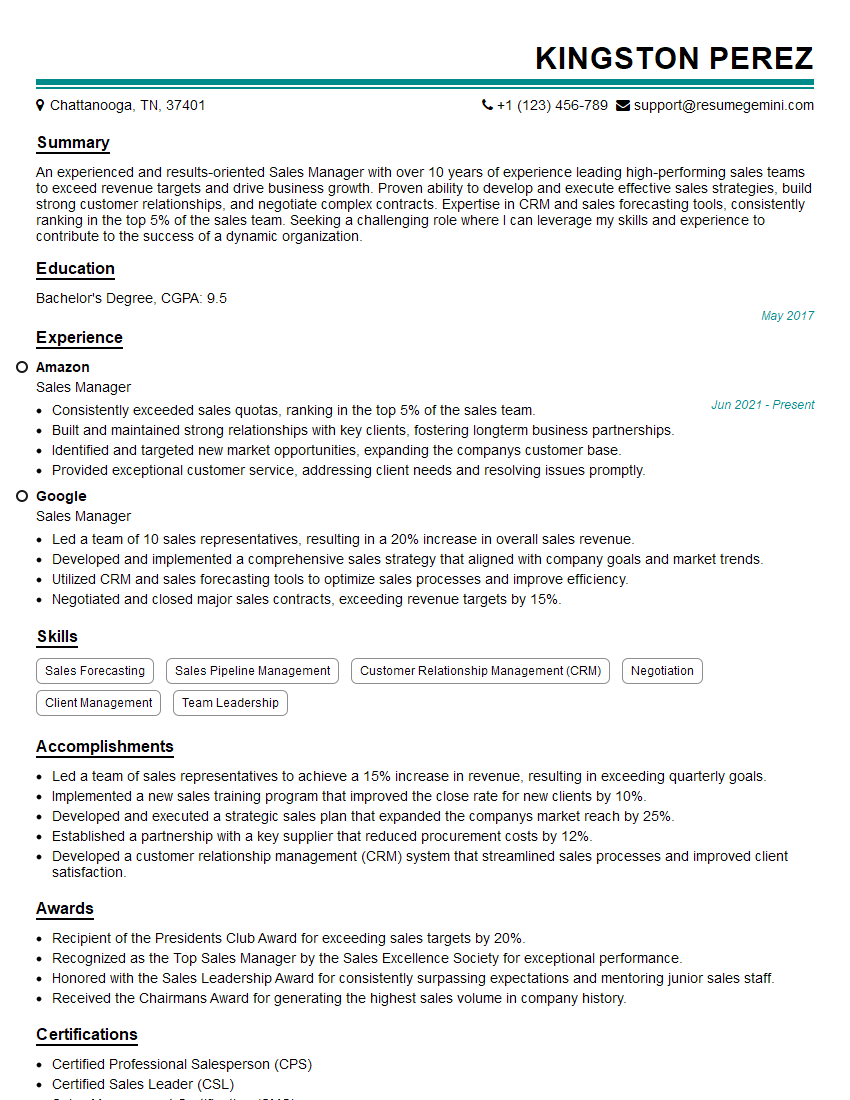
Sales Manager Resume Sample
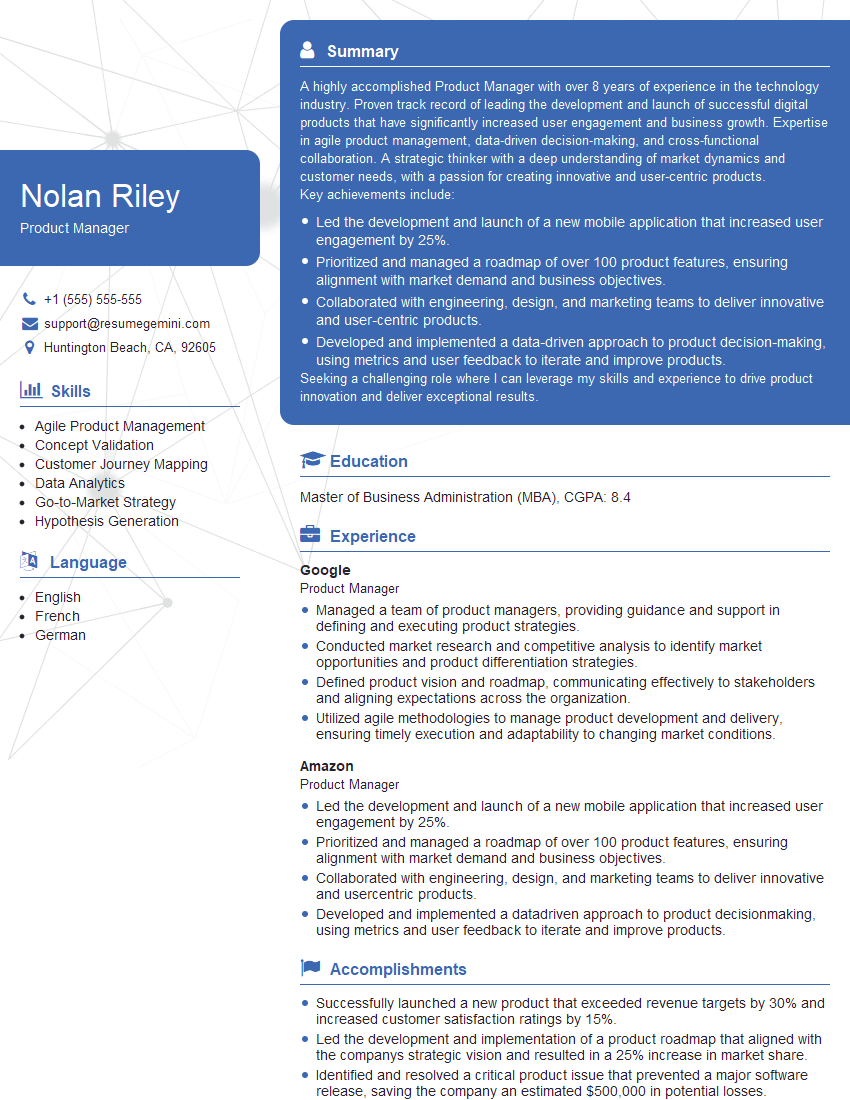
Product Manager Resume Sample
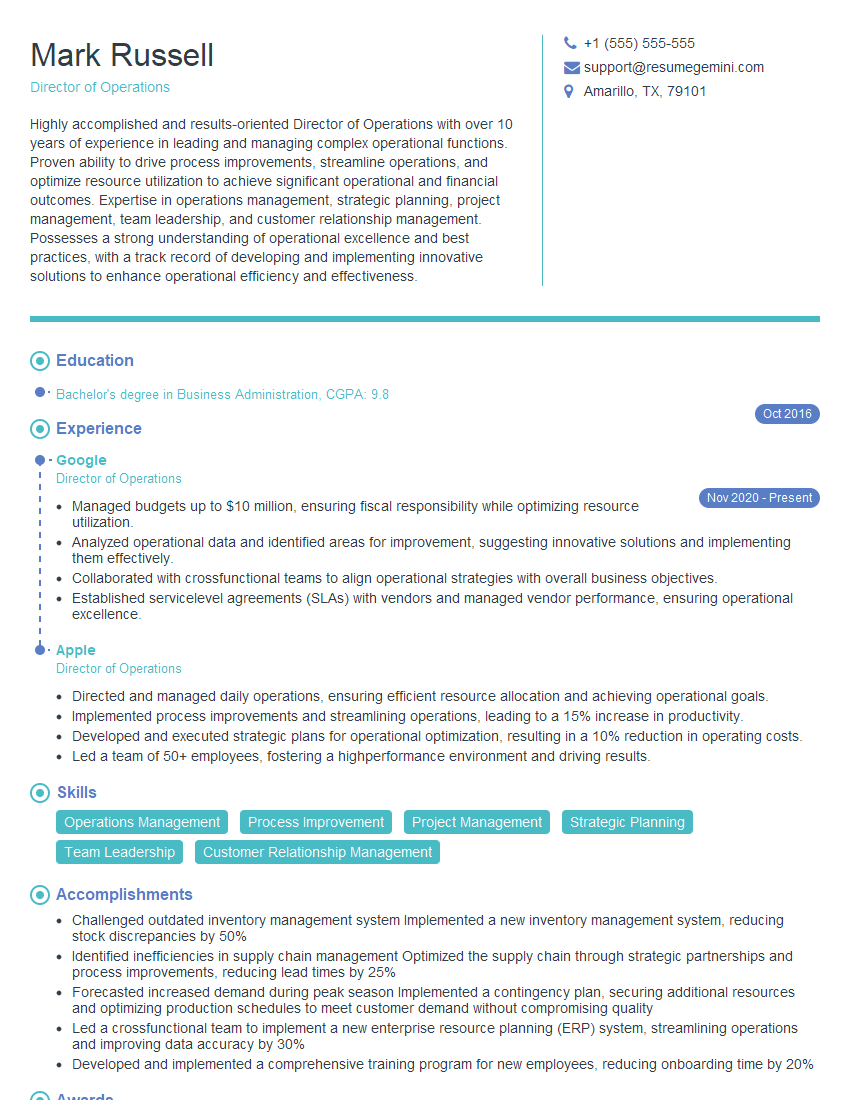
Director of Operations Resume Sample
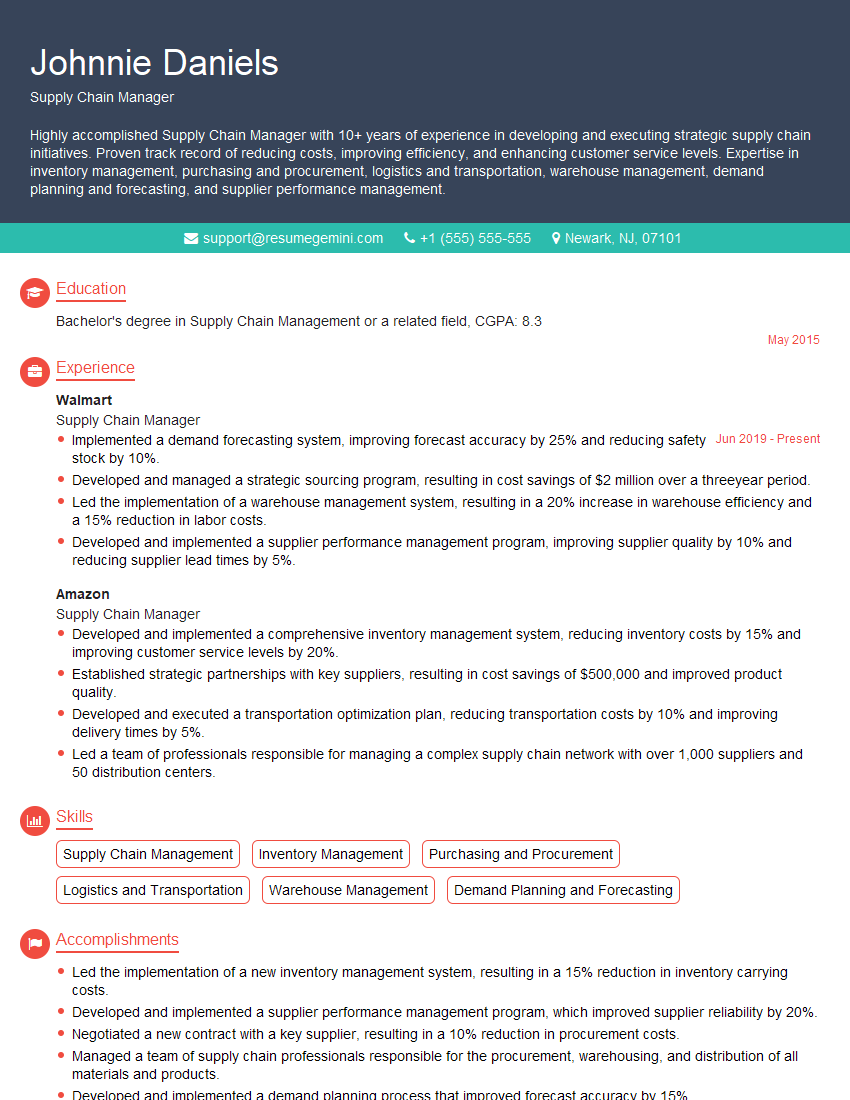
Supply Chain Manager Resume Sample
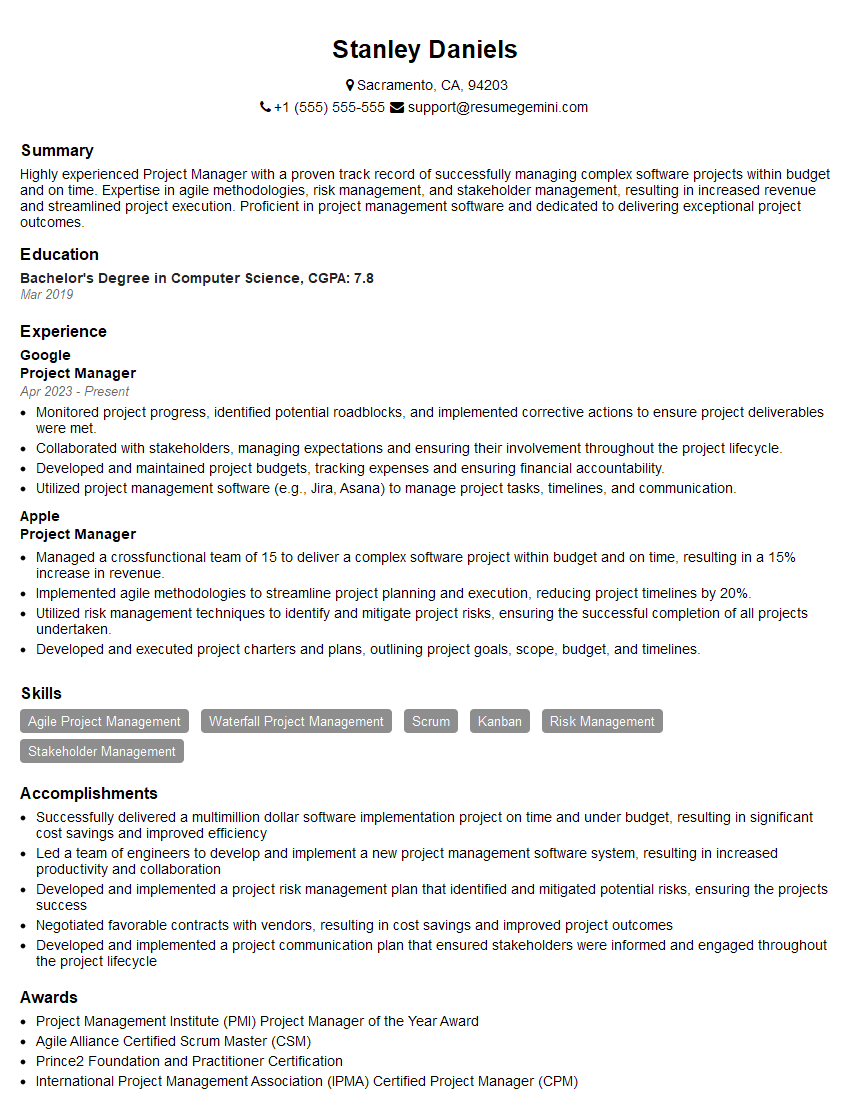
Project Manager Resume Sample
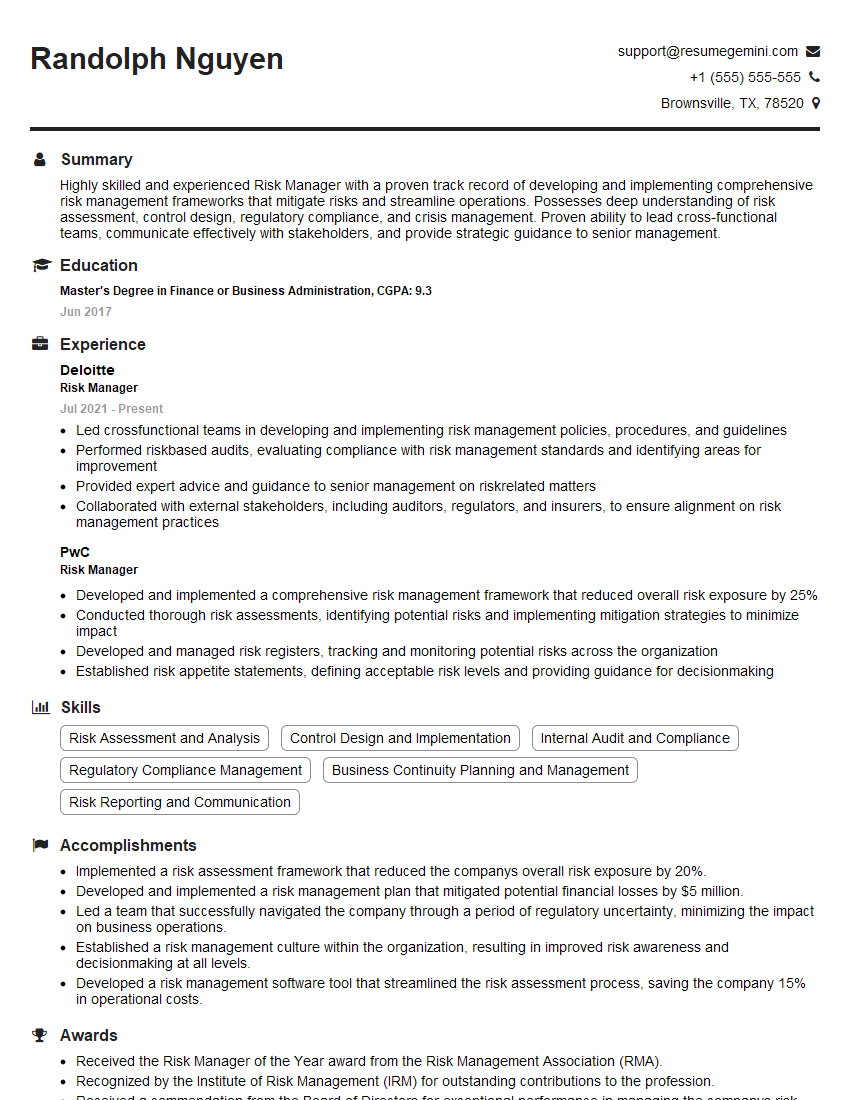
Risk Manager Resume Sample
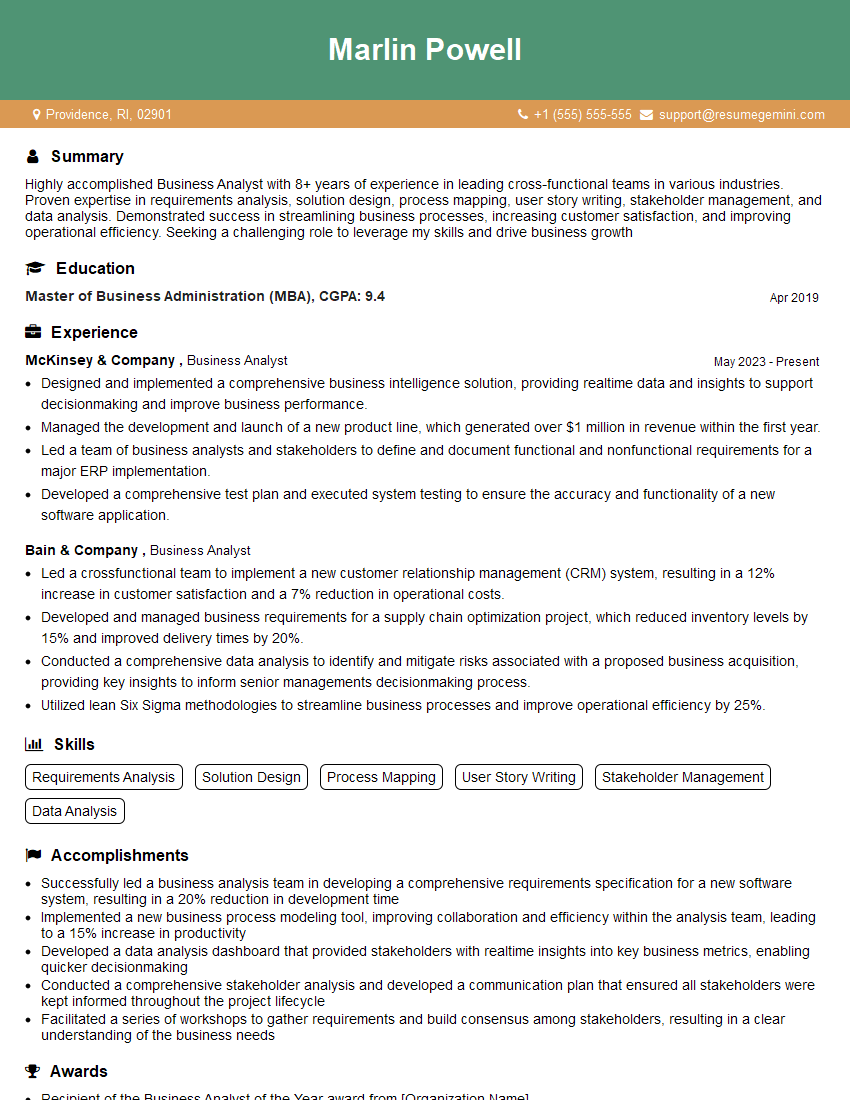
Business Analyst Resume Sample
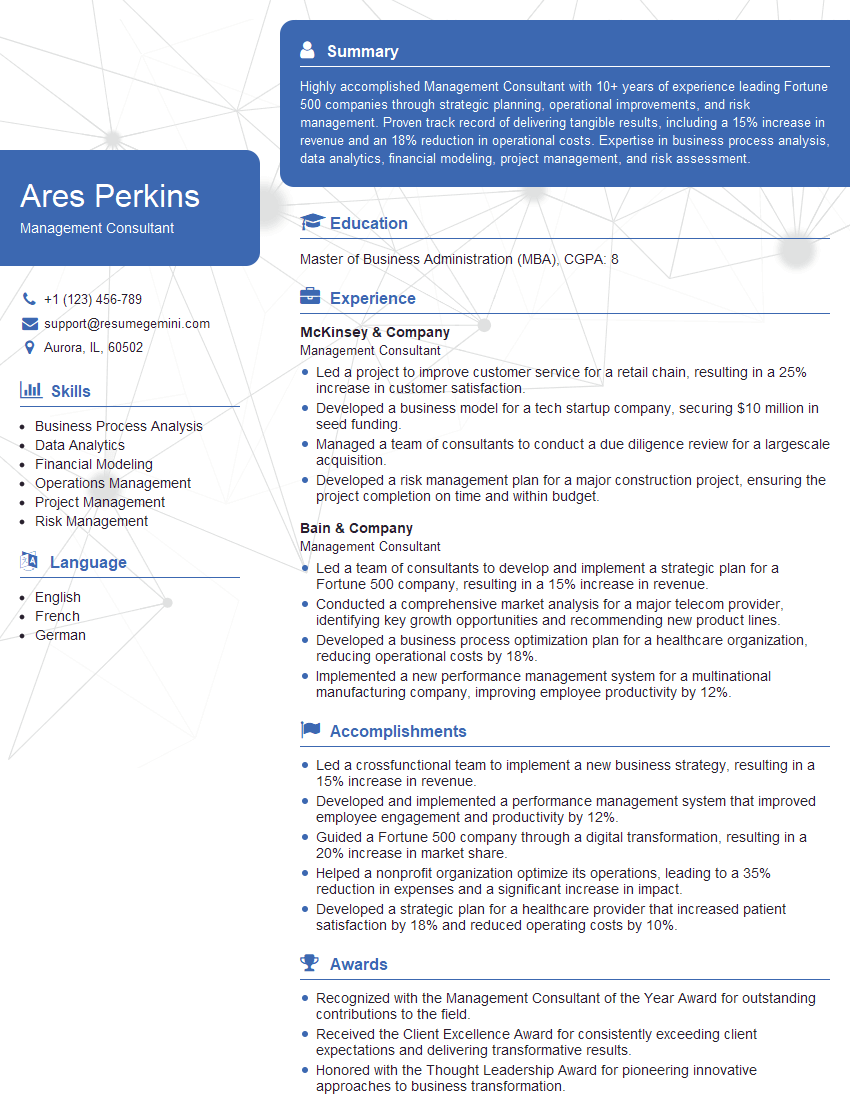
Management Consultant Resume Sample
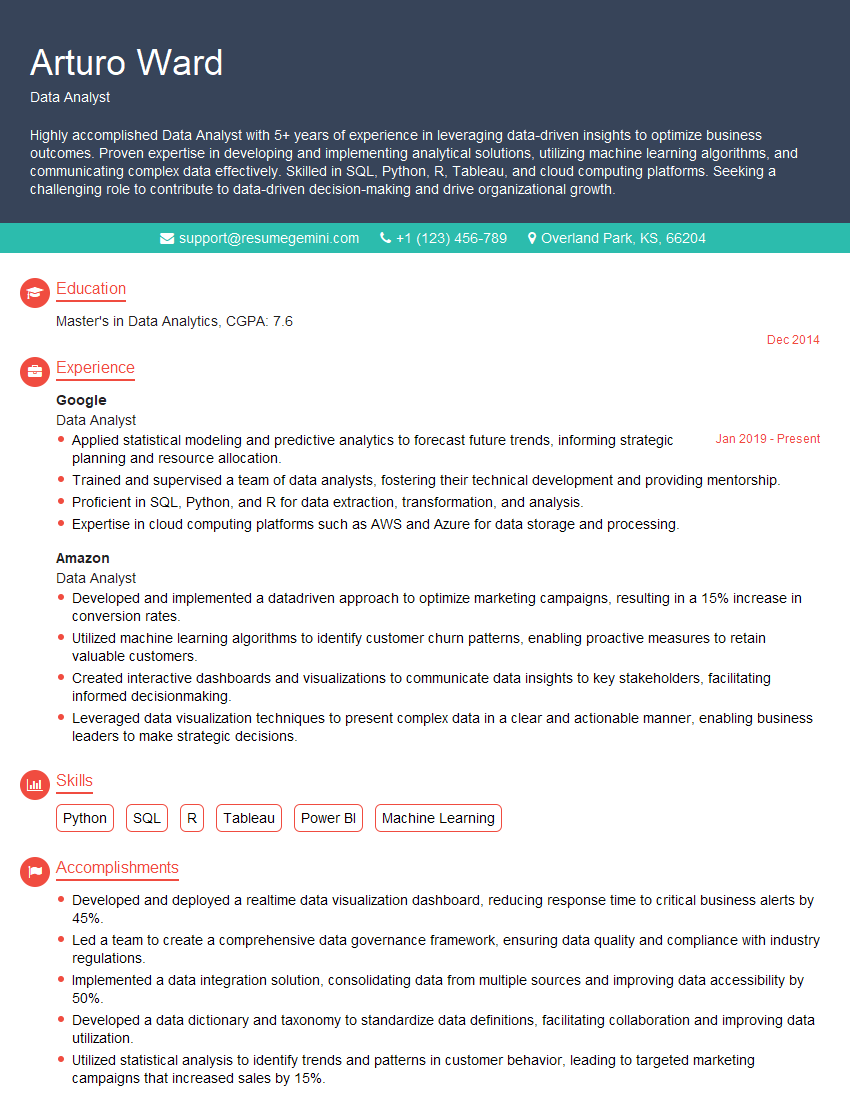
Data Analyst Resume Sample
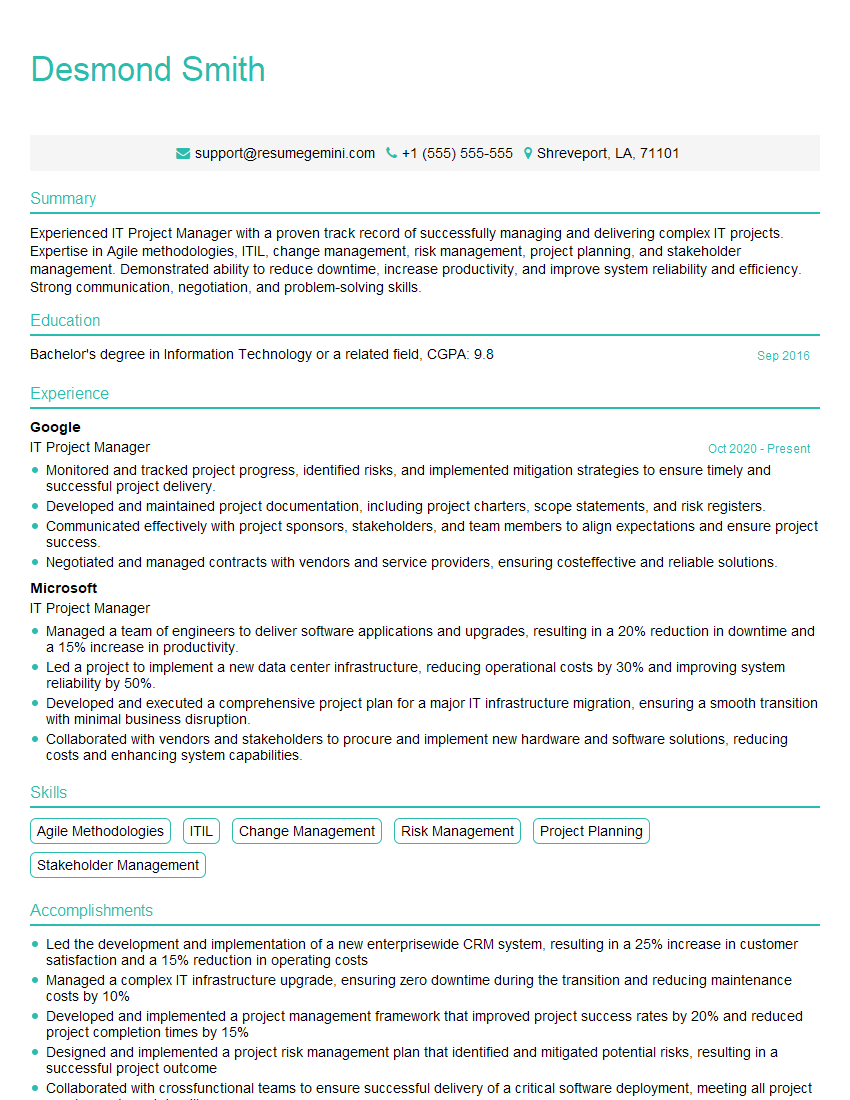
IT Project Manager Resume Sample
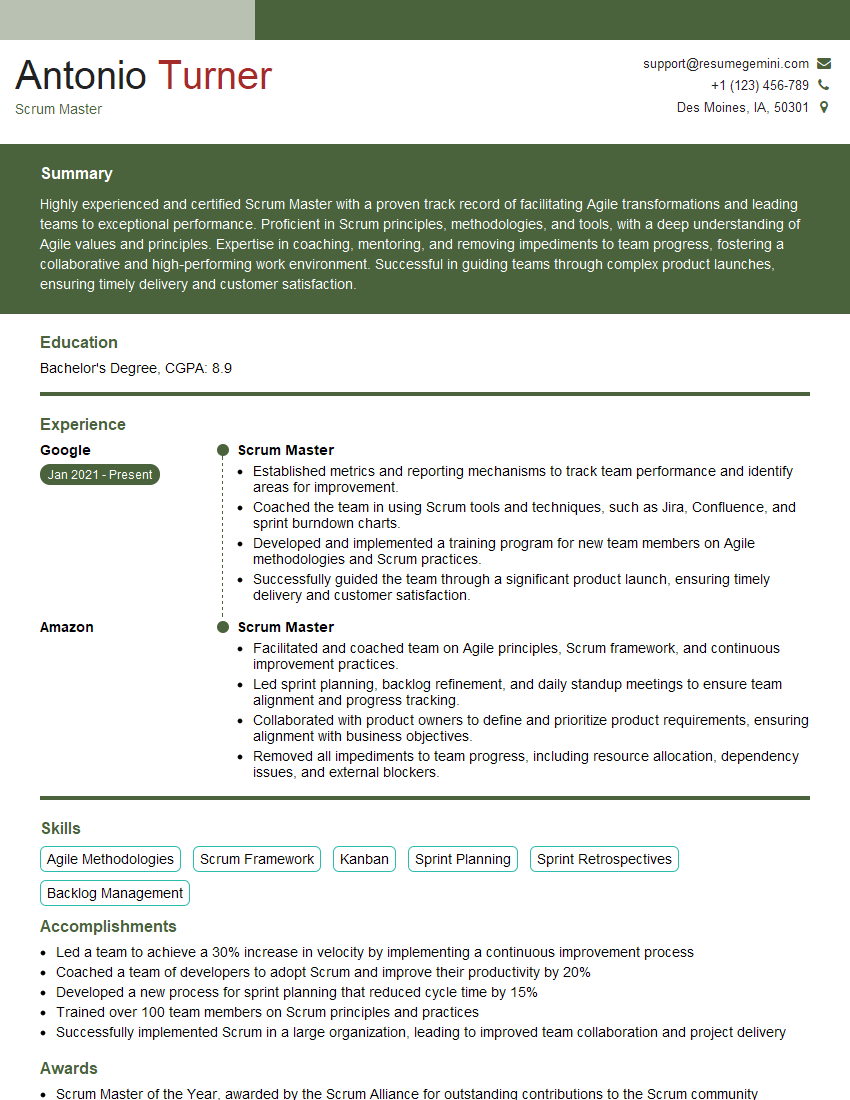
Scrum Master Resume Sample
- Chief Operating Officer (COO)
- Executive Director
- Program Manager
- Strategic Planner
- Operations Manager
- Marketing Manager
- Sales Manager
- Product Manager
- Director of Operations
- Supply Chain Manager
- Project Manager
- Risk Manager
- Business Analyst
- Management Consultant
- Data Analyst
- IT Project Manager
- Scrum Master
Explore more articles
Users Rating of Our Blogs
Share Your Experience
We value your feedback! Please rate our content and share your thoughts (optional).
What Readers Say About Our Blog
Attention music lovers!
Wow, All the best Sax Summer music !!!
Spotify: https://open.spotify.com/artist/6ShcdIT7rPVVaFEpgZQbUk
Apple Music: https://music.apple.com/fr/artist/jimmy-sax-black/1530501936
YouTube: https://music.youtube.com/browse/VLOLAK5uy_noClmC7abM6YpZsnySxRqt3LoalPf88No
Other Platforms and Free Downloads : https://fanlink.tv/jimmysaxblack
on google : https://www.google.com/search?q=22+AND+22+AND+22
on ChatGPT : https://chat.openai.com?q=who20jlJimmy20Black20Sax20Producer
Get back into the groove with Jimmy sax Black
Best regards,
Jimmy sax Black
www.jimmysaxblack.com
Hi I am a troller at The aquatic interview center and I suddenly went so fast in Roblox and it was gone when I reset.
Hi,
Business owners spend hours every week worrying about their website—or avoiding it because it feels overwhelming.
We’d like to take that off your plate:
$69/month. Everything handled.
Our team will:
Design a custom website—or completely overhaul your current one
Take care of hosting as an option
Handle edits and improvements—up to 60 minutes of work included every month
No setup fees, no annual commitments. Just a site that makes a strong first impression.
Find out if it’s right for you:
https://websolutionsgenius.com/awardwinningwebsites
Hello,
we currently offer a complimentary backlink and URL indexing test for search engine optimization professionals.
You can get complimentary indexing credits to test how link discovery works in practice.
No credit card is required and there is no recurring fee.
You can find details here:
https://wikipedia-backlinks.com/indexing/
Regards
NICE RESPONSE TO Q & A
hi
The aim of this message is regarding an unclaimed deposit of a deceased nationale that bears the same name as you. You are not relate to him as there are millions of people answering the names across around the world. But i will use my position to influence the release of the deposit to you for our mutual benefit.
Respond for full details and how to claim the deposit. This is 100% risk free. Send hello to my email id: lukachachibaialuka@gmail.com
Luka Chachibaialuka
Hey interviewgemini.com, just wanted to follow up on my last email.
We just launched Call the Monster, an parenting app that lets you summon friendly ‘monsters’ kids actually listen to.
We’re also running a giveaway for everyone who downloads the app. Since it’s brand new, there aren’t many users yet, which means you’ve got a much better chance of winning some great prizes.
You can check it out here: https://bit.ly/callamonsterapp
Or follow us on Instagram: https://www.instagram.com/callamonsterapp
Thanks,
Ryan
CEO – Call the Monster App
Hey interviewgemini.com, I saw your website and love your approach.
I just want this to look like spam email, but want to share something important to you. We just launched Call the Monster, a parenting app that lets you summon friendly ‘monsters’ kids actually listen to.
Parents are loving it for calming chaos before bedtime. Thought you might want to try it: https://bit.ly/callamonsterapp or just follow our fun monster lore on Instagram: https://www.instagram.com/callamonsterapp
Thanks,
Ryan
CEO – Call A Monster APP
To the interviewgemini.com Owner.
Dear interviewgemini.com Webmaster!
Hi interviewgemini.com Webmaster!
Dear interviewgemini.com Webmaster!
excellent
Hello,
We found issues with your domain’s email setup that may be sending your messages to spam or blocking them completely. InboxShield Mini shows you how to fix it in minutes — no tech skills required.
Scan your domain now for details: https://inboxshield-mini.com/
— Adam @ InboxShield Mini
support@inboxshield-mini.com
Reply STOP to unsubscribe
Hi, are you owner of interviewgemini.com? What if I told you I could help you find extra time in your schedule, reconnect with leads you didn’t even realize you missed, and bring in more “I want to work with you” conversations, without increasing your ad spend or hiring a full-time employee?
All with a flexible, budget-friendly service that could easily pay for itself. Sounds good?
Would it be nice to jump on a quick 10-minute call so I can show you exactly how we make this work?
Best,
Hapei
Marketing Director
Hey, I know you’re the owner of interviewgemini.com. I’ll be quick.
Fundraising for your business is tough and time-consuming. We make it easier by guaranteeing two private investor meetings each month, for six months. No demos, no pitch events – just direct introductions to active investors matched to your startup.
If youR17;re raising, this could help you build real momentum. Want me to send more info?
Hi, I represent an SEO company that specialises in getting you AI citations and higher rankings on Google. I’d like to offer you a 100% free SEO audit for your website. Would you be interested?
Hi, I represent an SEO company that specialises in getting you AI citations and higher rankings on Google. I’d like to offer you a 100% free SEO audit for your website. Would you be interested?