Every successful interview starts with knowing what to expect. In this blog, we’ll take you through the top Problem Solving and Quick Decision Making interview questions, breaking them down with expert tips to help you deliver impactful answers. Step into your next interview fully prepared and ready to succeed.
Questions Asked in Problem Solving and Quick Decision Making Interview
Q 1. Describe your approach to prioritizing tasks under pressure.
Prioritizing tasks under pressure requires a structured approach. I utilize a combination of techniques, primarily the Eisenhower Matrix (urgent/important), to categorize tasks. This helps me visually identify which tasks demand immediate attention and which can be delegated or scheduled for later. Additionally, I employ timeboxing – allocating specific time slots for each task – to ensure efficient use of time and avoid getting bogged down in less critical activities. Finally, I frequently reassess priorities as new information emerges or circumstances change. Think of it like air traffic control: you’ve got many planes to manage, some need immediate attention (emergency landings), others can wait (routine landings), and some can be handed off (delegated to another controller). This constant assessment and adaptation are key to effective prioritization under pressure.
Q 2. Explain a time you had to make a quick decision with limited information. What was the outcome?
During a major system outage at my previous company, we had only limited information about the cause – system logs were incomplete, and initial diagnostics were inconclusive. We were losing thousands of dollars per minute. I had to quickly decide between two potential solutions: a risky, immediate system reboot that might exacerbate the problem or a slower, more thorough diagnostic process that might take hours. Considering the financial losses and potential for further damage, I opted for the risky reboot. Fortunately, it worked. While the root cause wasn’t immediately found, service was restored quickly minimizing further losses. The outcome was a successful resolution, but it underscored the importance of swift decision-making, accepting calculated risks, and the necessity for post-incident analysis to identify the underlying issue (which we later found was a faulty hardware component).
Q 3. How do you identify the root cause of a complex problem?
Identifying the root cause of a complex problem often involves a systematic approach. I typically use the “5 Whys” technique to drill down to the underlying issue. This involves repeatedly asking “Why?” until the fundamental cause is uncovered. Beyond this, I also leverage tools like fault tree analysis (FTA) – a top-down, deductive failure analysis method – to map out potential causes and their relationships. Data analysis, reviewing logs and metrics, is also critical. Finally, it’s essential to avoid jumping to conclusions and ensure each potential cause is thoroughly investigated. Let’s say a website is down. The ‘5 Whys’ might go: 1. Why is the website down? (Server error). 2. Why is there a server error? (Database connection failed). 3. Why did the database connection fail? (Network outage). 4. Why was there a network outage? (Fiber cut). 5. Why was the fiber cut? (Construction accident). The root cause is the construction accident.
Q 4. Describe your process for evaluating potential solutions.
Evaluating potential solutions involves a multi-step process. First, I define clear evaluation criteria based on factors like feasibility, cost, impact, risk, and alignment with overall objectives. Then, I systematically assess each solution against these criteria, using both quantitative data (e.g., cost estimates) and qualitative factors (e.g., user impact). I may use a decision matrix to compare solutions side-by-side, facilitating a clear comparison. Finally, I consider potential unintended consequences and contingency plans for each option before selecting the best solution. For instance, if considering two software solutions, one might be cheaper but less user-friendly. My evaluation would weigh the financial savings against the potential decrease in user productivity and satisfaction.
Q 5. How do you handle conflicting priorities?
Handling conflicting priorities necessitates clear communication and prioritization. I begin by documenting all competing priorities, outlining their urgency and importance. Then, I engage in discussions with relevant stakeholders to understand the underlying reasons for each priority and seek consensus where possible. If consensus can’t be reached, I rely on the prioritization frameworks mentioned earlier (Eisenhower Matrix) to make a data-driven decision, always documenting the rationale behind my choice and communicating it transparently to all stakeholders. This ensures everyone is informed and understands the trade-offs involved.
Q 6. Give an example of a time you had to make a difficult decision that impacted others.
In a previous role, I had to lay off several team members due to unforeseen budget cuts. This was an incredibly difficult decision, impacting not only the individuals directly affected but also team morale and overall productivity. I approached the situation with empathy and transparency. I met with each individual personally to explain the situation, provide support, and help with their job search. I also communicated openly with the remaining team members, addressing their concerns and assuring them of the company’s commitment to their well-being. While the decision was painful, I focused on mitigating the negative impact as much as possible through clear communication and compassionate support.
Q 7. How do you stay calm and focused under pressure?
Staying calm and focused under pressure relies on a combination of techniques. Firstly, I prioritize deep breathing exercises and mindfulness to regulate my physiological response to stress. Secondly, I break down complex problems into smaller, manageable tasks, reducing the feeling of being overwhelmed. Thirdly, I focus on what I *can* control, letting go of factors beyond my influence. Finally, regular exercise, sufficient sleep, and a healthy diet contribute significantly to my overall resilience and ability to perform effectively under pressure. It’s like a marathon, not a sprint; pacing myself, staying hydrated (mentally and physically), and focusing on the next step are vital for success.
Q 8. What strategies do you use to mitigate risk when making decisions?
Mitigating risk in decision-making is crucial for achieving positive outcomes. My approach involves a multi-faceted strategy focusing on understanding the problem, assessing potential risks, and developing contingency plans. This begins with clearly defining the problem and its potential consequences. I then systematically identify all foreseeable risks, evaluating the likelihood and potential impact of each. This often involves brainstorming sessions, consulting with relevant experts, and reviewing historical data. Next, I develop mitigation strategies for each identified risk, ranging from avoiding the risk entirely to implementing control measures to reduce its impact. Finally, I create contingency plans to address unforeseen events or the failure of primary mitigation strategies. This proactive approach allows me to navigate uncertainty with confidence and minimize potential negative consequences.
For instance, in a project launch, I would identify risks like market saturation, technical glitches, or competitor actions. For market saturation, a mitigation strategy might be targeted marketing to a niche segment. For technical glitches, robust testing and backup systems are crucial. A contingency plan could involve a quick pivot to a different marketing strategy if initial campaigns fail. This systematic approach helps ensure that decisions are well-informed and resilient.
Q 9. Describe a time you made a wrong decision. What did you learn from it?
During a previous project, we opted for a less expensive but less tested technology solution to meet a tight deadline. While the initial cost savings were appealing, the untested nature of the technology led to significant technical issues and delays, ultimately exceeding the budget and impacting project timeline. The resulting setback caused significant stress and required extra effort to recover.
The valuable lesson learned was the importance of prioritizing long-term stability and reliability over short-term cost savings. While deadlines are important, rushing a project without thoroughly vetting the technology can be extremely costly in the long run. Now, I prioritize thorough due diligence and risk assessment before making technology decisions, focusing on long-term viability instead of immediate cost benefits. This includes engaging in more thorough testing and including contingency plans for technological failures in project plans. This experience significantly shaped my decision-making process, reinforcing the need for a holistic perspective that encompasses both short-term and long-term factors.
Q 10. How do you ensure your decisions are data-driven?
Data-driven decision-making is essential for minimizing biases and ensuring objective choices. My approach involves several key steps: First, I clearly define the problem and the data needed to address it. Then, I gather relevant data from various sources, ensuring its accuracy, reliability, and relevance. Next, I analyze the data using appropriate statistical methods, visualizations, and data analysis tools. Finally, I interpret the results and use them to inform my decision, always considering the context and limitations of the data.
For example, if deciding on a new marketing campaign, I would gather data on customer demographics, buying habits, and competitor strategies. I would then use this data to determine the most effective channels, messaging, and targeting techniques. This approach ensures that our marketing investments are strategic and yield the highest possible return. Tools like A/B testing, market research data, and customer relationship management (CRM) systems are all crucial elements in this process. The key is not only collecting data but also understanding its nuances and limitations.
Q 11. How do you balance speed and accuracy in decision-making?
Balancing speed and accuracy is a constant challenge in decision-making, particularly under pressure. My approach involves utilizing a tiered decision-making framework that categorizes decisions based on their importance and urgency. High-impact, time-sensitive decisions require a quicker, more intuitive approach; however, the speed should not compromise careful consideration of key aspects. I use heuristics and mental models to guide such quick decisions, but only for those with limited consequences. For lower-impact decisions, a more deliberate, data-driven analysis can be employed. For high-impact decisions with less urgency, a more detailed and thorough process is warranted, allowing for careful analysis and collaboration.
An analogy is driving: In an emergency, you react quickly and instinctively. However, for a normal drive, you are more deliberate in your actions. My decision-making process similarly adapts to the context, leveraging both intuition and analysis as needed.
Q 12. Describe your experience using decision-making frameworks (e.g., SWOT analysis).
I’ve extensively utilized various decision-making frameworks, most notably SWOT analysis (Strengths, Weaknesses, Opportunities, and Threats). SWOT analysis provides a structured approach to evaluating a situation or project by systematically identifying internal strengths and weaknesses and external opportunities and threats. I find this framework exceptionally useful for strategic planning and identifying potential challenges proactively. This framework allows for a more comprehensive understanding of a situation, leading to more informed and effective decisions.
For instance, when launching a new product, I would use a SWOT analysis to identify the product’s strengths (e.g., innovative technology, competitive pricing), weaknesses (e.g., limited market awareness, dependence on a specific supplier), opportunities (e.g., untapped market segment, growing industry demand), and threats (e.g., strong competitors, potential regulatory changes). This framework facilitates a systematic evaluation and aids in developing effective strategies to leverage strengths, address weaknesses, capitalize on opportunities, and mitigate threats. Other frameworks I use include cost-benefit analysis and decision trees, depending on the specific problem and its context.
Q 13. How do you delegate tasks effectively in a time-sensitive situation?
Effective delegation in a time-sensitive situation requires clear communication, trust, and empowerment. I prioritize selecting individuals with the appropriate skills and experience for the task. I then provide them with clear instructions, including deadlines, expected outcomes, and any constraints. Furthermore, I ensure that the individuals have the necessary resources and authority to complete the task effectively. Finally, I establish regular communication channels to monitor progress and provide support when needed. Micromanagement is avoided to enable efficient task completion.
For example, if facing a critical deadline for a project, I would delegate sub-tasks to team members based on their expertise. I’d provide each member with a clear scope of work, a deadline, and the resources required. I would then check in regularly for updates, answering questions and providing support, but refrain from closely overseeing every detail, trusting their abilities. This ensures that everyone is working efficiently towards the common goal while maintaining accountability.
Q 14. How do you communicate complex problems and solutions to others?
Communicating complex problems and solutions requires clarity, simplicity, and visual aids. I start by breaking down the problem into smaller, more manageable parts. I then use clear and concise language, avoiding jargon unless absolutely necessary and always defining any technical terms. I often supplement verbal explanations with visual aids such as charts, diagrams, or presentations to enhance understanding. I also actively encourage questions and feedback to ensure that the message is properly received and understood.
Imagine explaining a complex financial model to non-financial stakeholders. I would start with a high-level overview, explaining the core concepts in simple terms. Then, I’d use visuals like charts and graphs to illustrate key trends and data points. Finally, I’d answer questions patiently and clarify any confusion. This ensures everyone is on the same page and understands the implications of the problem and the proposed solution.
Q 15. How do you manage your time effectively to meet deadlines?
Effective time management is crucial for meeting deadlines. My approach is a blend of proactive planning and reactive adaptation. I begin by breaking down large tasks into smaller, manageable sub-tasks, assigning realistic deadlines to each. I utilize tools like project management software (e.g., Asana, Trello) to visually track progress and identify potential bottlenecks. This allows for a clear understanding of time allocation needed for each task. Furthermore, I prioritize tasks based on urgency and importance using methods like the Eisenhower Matrix (urgent/important). Regularly reviewing my schedule and adapting to unexpected events is key. If unforeseen circumstances arise, I immediately re-prioritize and communicate any potential delays proactively. For example, if a critical dependency is delayed, I’ll immediately inform stakeholders and adjust the timeline accordingly, proposing alternative solutions to minimize impact.
Career Expert Tips:
- Ace those interviews! Prepare effectively by reviewing the Top 50 Most Common Interview Questions on ResumeGemini.
- Navigate your job search with confidence! Explore a wide range of Career Tips on ResumeGemini. Learn about common challenges and recommendations to overcome them.
- Craft the perfect resume! Master the Art of Resume Writing with ResumeGemini’s guide. Showcase your unique qualifications and achievements effectively.
- Don’t miss out on holiday savings! Build your dream resume with ResumeGemini’s ATS optimized templates.
Q 16. Explain your process for troubleshooting technical issues.
My troubleshooting process is systematic and data-driven. It starts with clearly defining the problem. I gather as much information as possible, including error messages, logs, and user reports. Then, I move to reproducing the issue in a controlled environment to ensure consistent behavior and rule out user error. I then formulate hypotheses, breaking down the problem into smaller components to isolate the source. This often involves using debugging tools, reviewing code, and checking system configurations. I validate my hypotheses by testing solutions iteratively. This cyclical process of testing, observation, and refinement continues until the root cause is identified and resolved. For instance, while working on a web application experiencing slow response times, I systematically checked the database queries, network latency, and server load to isolate the bottleneck, eventually discovering an inefficient database query that I optimized.
Q 17. How do you approach problem-solving in a team environment?
In a team environment, problem-solving becomes collaborative. I believe in fostering open communication and actively listening to diverse perspectives. We start by clearly defining the problem statement, ensuring everyone understands the challenge. Then, we brainstorm potential solutions using techniques like mind mapping or SWOT analysis, encouraging creativity and out-of-the-box thinking. I often facilitate the process, ensuring everyone’s voice is heard and focusing the discussion to avoid tangents. Once we have a range of options, we evaluate them objectively using criteria relevant to the situation (e.g., cost, feasibility, risk). Finally, we agree on the best solution and assign roles and responsibilities to execute it. For example, during a project where we needed to improve user interface design, we collaboratively analyzed user feedback, conducted A/B testing, and iterated on the design based on data and collective insights.
Q 18. How do you handle disagreements within a team regarding problem-solving approaches?
Disagreements are inevitable in a team setting. My approach centers around respectful communication and collaborative problem-solving. First, I ensure everyone feels heard by creating a safe space for expressing different viewpoints. I actively listen to all opinions, asking clarifying questions to understand the reasoning behind each suggestion. Then, I guide the team toward a consensus by highlighting common ground and exploring potential compromises. If a decision can’t be reached through discussion, we may employ structured decision-making processes like voting or using a designated decision-maker. The key is to maintain respect, focus on the goal, and ensure everyone feels valued, even if their proposed solution isn’t chosen. The goal is to find the best solution, not to win an argument.
Q 19. Describe your experience with quantitative problem-solving.
I have extensive experience in quantitative problem-solving, particularly in data analysis and statistical modeling. In previous roles, I’ve used statistical methods to identify trends, make predictions, and support decision-making. For example, I developed a predictive model using regression analysis to forecast customer churn, allowing the company to proactively target at-risk customers and implement retention strategies. I’m proficient in various statistical software packages (e.g., R, Python with Scikit-learn) and comfortable working with large datasets. My approach involves defining a clear objective, selecting appropriate statistical methods, interpreting results within context, and communicating findings effectively to both technical and non-technical audiences. Data visualization is a crucial component in my process; I believe in communicating insights clearly through charts and graphs.
Q 20. How do you identify and assess risks associated with different solutions?
Risk assessment is an integral part of my problem-solving process. I identify potential risks by considering various factors, such as technical feasibility, financial implications, time constraints, and potential negative impacts on users or stakeholders. I use tools like risk matrices (e.g., probability vs. impact) to systematically evaluate and prioritize risks. For each identified risk, I develop mitigation strategies to reduce the likelihood or impact of the risk. This could involve developing contingency plans, setting up monitoring mechanisms, or obtaining necessary approvals. For instance, when launching a new product, I’d assess risks related to market acceptance, technical bugs, and security vulnerabilities. For each risk, I’d establish mitigation plans, such as thorough testing, user feedback integration, and robust security protocols.
Q 21. How do you adapt your problem-solving strategy to different situations?
Adaptability is key in problem-solving. My strategy adapts depending on the context, considering factors like the complexity of the problem, the available resources, time constraints, and the stakeholders involved. For straightforward problems with clear solutions, I might employ a more direct approach. For complex problems, I’d use a more iterative and collaborative approach, potentially involving more people and using more sophisticated tools. My approach also changes depending on the urgency of the situation. In time-sensitive situations, I’ll prioritize speed and efficiency, potentially sacrificing some level of detail. In less urgent situations, I might take a more thorough and analytical approach. For example, I’d handle a system outage requiring immediate action differently from a long-term strategic planning exercise.
Q 22. Describe a time you had to overcome a significant obstacle to achieve a goal.
Overcoming significant obstacles is a crucial part of achieving ambitious goals. It requires resilience, adaptability, and a structured approach. In a previous project, we were tasked with launching a new software application within an extremely tight deadline. The obstacle? A critical bug emerged in the final stages of testing that threatened the entire launch.
My approach was systematic. First, I convened an emergency team meeting involving developers, testers, and project managers. We utilized a prioritized bug tracking system to ensure that we focused on the most impactful issues first. We implemented a rapid prototyping and testing cycle, working in short, intense sprints. The team worked tirelessly, often extending working hours, but we maintained clear communication and regular updates to avoid burnout and maintain morale. Ultimately, we successfully identified the root cause of the bug – a flawed algorithm in a core module. We implemented the fix, rigorously tested it, and launched the application only a few days behind schedule, minimizing the impact on our launch plan. This experience highlighted the importance of a structured problem-solving approach, effective team collaboration, and a proactive strategy for managing risk.
Q 23. How do you measure the effectiveness of your problem-solving efforts?
Measuring the effectiveness of problem-solving is crucial for continuous improvement. I use a multi-faceted approach that combines quantitative and qualitative measures.
- Quantitative Measures: These focus on measurable outcomes. For example, in a project aiming to reduce customer support tickets, I’d measure the percentage reduction in tickets after implementing a solution. Other metrics could include time saved, cost savings, or improved efficiency.
- Qualitative Measures: These focus on subjective feedback and assessment. This might involve gathering feedback from stakeholders on their satisfaction with the solution. Did the solution solve the problem effectively? Was the solution efficient and easy to use? Was it sustainable?
By combining both quantitative and qualitative data, I get a comprehensive view of the solution’s impact. Regular reviews and post-implementation assessments are critical for identifying areas for improvement and refining future problem-solving strategies.
Q 24. Describe your experience with root cause analysis techniques.
Root cause analysis (RCA) is vital for preventing recurring problems. I have extensive experience using several techniques, including the ‘5 Whys’ and Fishbone diagrams.
The ‘5 Whys’ is a simple yet powerful iterative questioning technique. You repeatedly ask ‘why’ to drill down to the root cause of a problem. For example, if a machine is malfunctioning, you might ask: Why did the machine stop? (Answer: Overheating). Why did it overheat? (Answer: Insufficient cooling). Why was there insufficient cooling? (Answer: Fan malfunction). Why did the fan malfunction? (Answer: Bearing failure). Why did the bearing fail? (Answer: Lack of preventative maintenance). This final answer reveals the true root cause, allowing for a targeted solution.
Fishbone diagrams (Ishikawa diagrams) offer a more visual approach. They help organize potential causes categorized by factors like people, machines, materials, methods, environment, and measurement. This structured brainstorming session helps in identifying potential root causes collaboratively.
Choosing the right technique depends on the complexity of the problem and the available information.
Q 25. How do you use critical thinking to solve problems?
Critical thinking is the cornerstone of effective problem-solving. It involves objectively analyzing information, identifying biases, and considering multiple perspectives before reaching a conclusion. My approach involves these key steps:
- Problem Definition: Clearly and concisely defining the problem is the first step. This often involves gathering data and information from various sources to ensure a complete understanding of the situation.
- Information Gathering: This involves collecting relevant data, analyzing it for patterns and trends, and identifying missing information.
- Hypothesis Generation: Based on the gathered information, I develop several potential hypotheses or solutions.
- Evaluation and Testing: I evaluate each hypothesis based on its feasibility, cost, and potential impact, often using data analysis and simulations to assess the potential outcome.
- Solution Implementation and Monitoring: Once a solution is chosen, I implement it, carefully monitoring its effectiveness and making adjustments as needed.
This systematic approach ensures that my solutions are well-informed, effective, and sustainable.
Q 26. How do you stay updated on the latest problem-solving techniques?
Staying updated on the latest problem-solving techniques is crucial in a rapidly evolving world. I utilize several strategies:
- Professional Development: I actively participate in webinars, workshops, and conferences related to project management, problem-solving, and process improvement.
- Industry Publications and Journals: I regularly read industry publications and journals to stay abreast of new research and best practices.
- Online Courses and Certifications: I leverage online learning platforms to enhance my skills and knowledge in specific areas like data analysis or specific problem-solving methodologies.
- Networking: I actively participate in professional networking groups and communities to engage in discussions and learn from others’ experiences.
This continuous learning ensures I remain at the forefront of the field and can apply the most effective techniques to my work.
Q 27. Describe your experience with process improvement initiatives.
Process improvement initiatives are fundamental to achieving operational excellence. I’ve been involved in numerous initiatives using methodologies like Lean and Six Sigma.
In one project, we used Lean principles to streamline our order fulfillment process. We identified and eliminated waste (muda) in various steps, such as unnecessary paperwork, redundant checks, and inefficient inventory management. We implemented Kaizen events (continuous improvement workshops) where team members collaboratively identified and implemented small, incremental changes. This resulted in a 20% reduction in processing time and a significant decrease in errors.
Six Sigma methodologies, with their focus on data-driven decision making and reducing variation, have also been instrumental in improving operational efficiency and quality in various projects.
Q 28. How do you ensure you are making ethical decisions?
Ethical decision-making is paramount in any professional setting. My approach is guided by a framework that considers:
- Stakeholder Impact: I always consider how my decisions will affect all stakeholders involved, including employees, customers, and the wider community.
- Legal and Regulatory Compliance: I ensure that all my decisions are in full compliance with relevant laws, regulations, and company policies.
- Transparency and Accountability: I strive for transparency in my decision-making process, documenting my reasoning and rationale. I am accountable for the consequences of my choices.
- Fairness and Impartiality: I ensure fairness and impartiality in my decisions, avoiding bias and treating all stakeholders equitably.
When faced with ethical dilemmas, I often consult with colleagues, mentors, or ethical guidelines to ensure I am making the most responsible and ethical choice.
Key Topics to Learn for Problem Solving and Quick Decision Making Interviews
- Problem Definition and Analysis: Understanding the core issue, gathering relevant information, and identifying constraints. This includes practicing techniques like root cause analysis and identifying biases.
- Solution Generation & Evaluation: Brainstorming multiple solutions, considering their pros and cons, and using frameworks like decision matrices to objectively compare options. Practical application involves practicing with case studies and hypothetical scenarios.
- Decision-Making Frameworks: Learning and applying various decision-making models (e.g., cost-benefit analysis, Pareto principle) to structure your thought process and justify choices. This includes understanding the limitations of each framework.
- Risk Assessment and Mitigation: Identifying potential risks associated with each solution and developing strategies to mitigate negative outcomes. This often involves prioritizing risks based on likelihood and impact.
- Communication and Justification: Clearly articulating your problem-solving process, rationale behind your decisions, and the potential impact of your chosen solution. Practice explaining complex ideas concisely and persuasively.
- Adaptability and Iteration: Understanding that solutions may need adjustment based on new information or unforeseen circumstances. Practicing agility and iterative problem-solving is crucial.
- Time Management Under Pressure: Developing strategies for prioritizing tasks, managing time effectively, and making quick, informed decisions under pressure. This includes practicing techniques for prioritizing under time constraints.
Next Steps
Mastering problem-solving and quick decision-making is paramount for career advancement. These skills demonstrate critical thinking, adaptability, and leadership potential – qualities highly valued by employers across all industries. To significantly boost your job prospects, crafting an ATS-friendly resume that showcases these abilities is essential. ResumeGemini is a trusted resource to help you build a professional and impactful resume that highlights your problem-solving and quick decision-making capabilities. We provide examples of resumes tailored to these skills, helping you present your qualifications effectively and land your dream job.
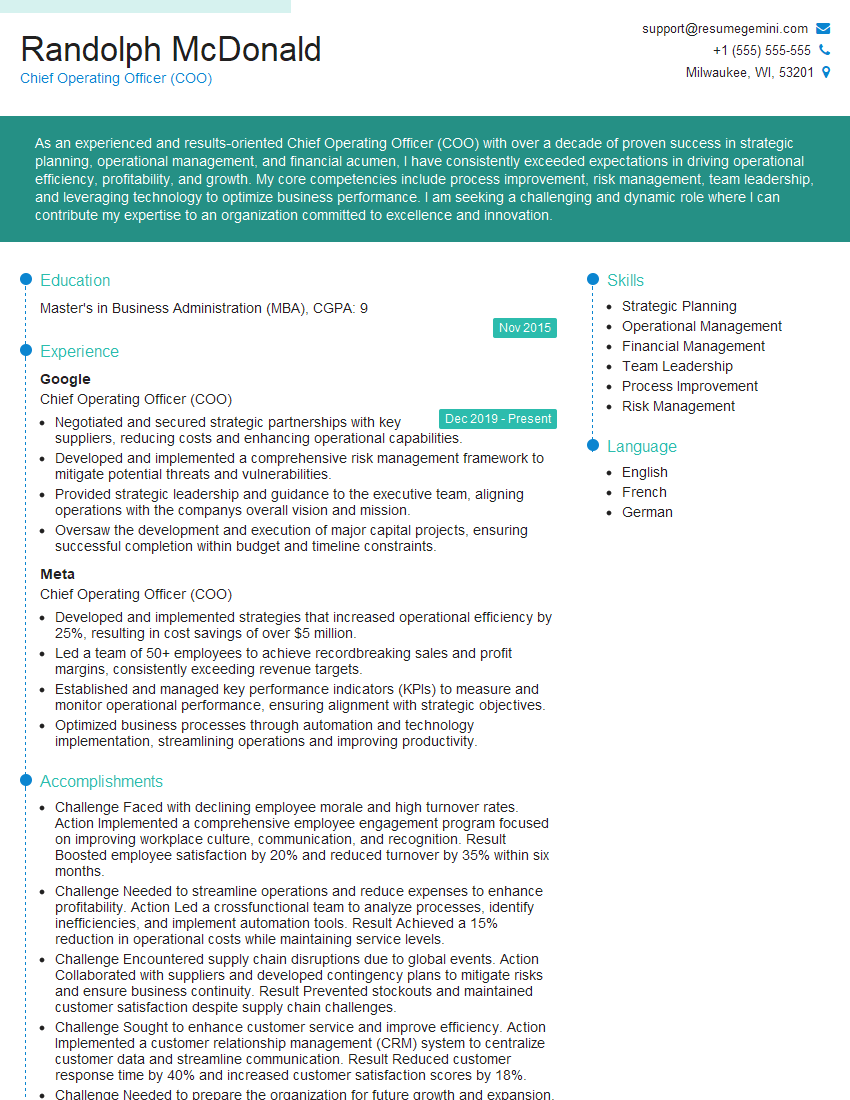
Chief Operating Officer (COO) Resume Sample
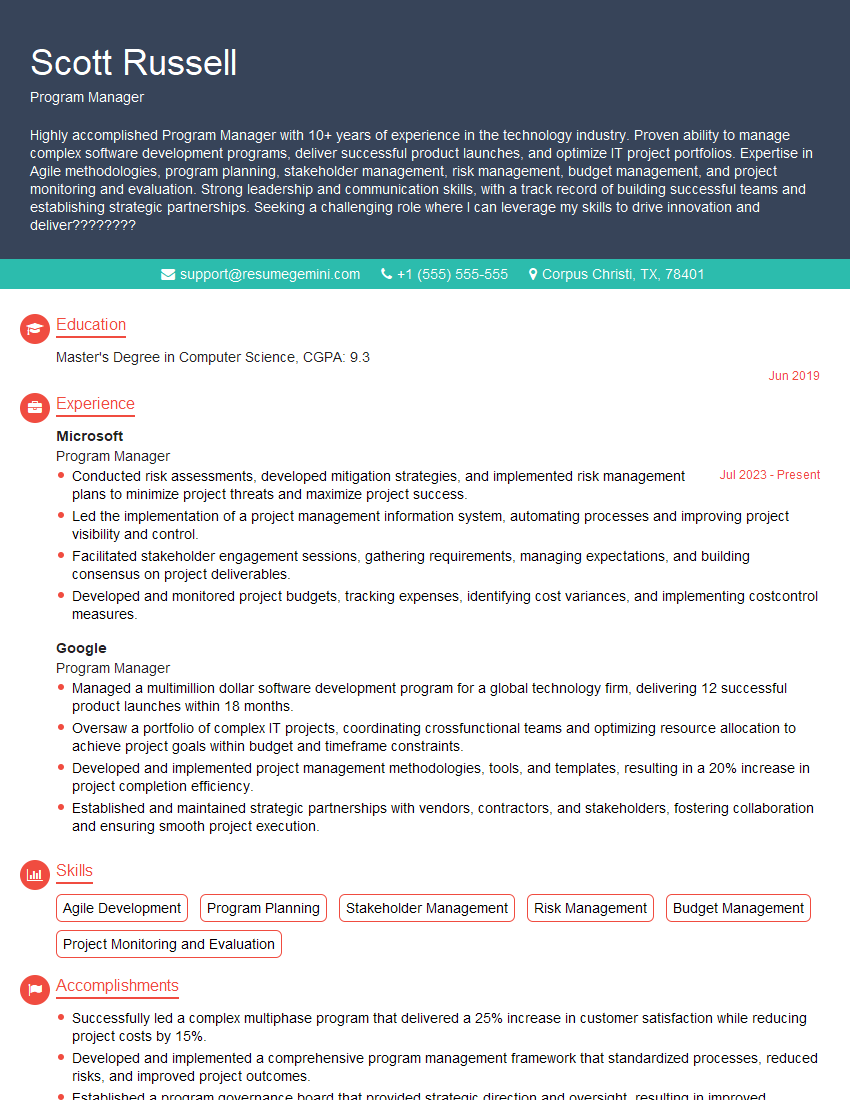
Program Manager Resume Sample
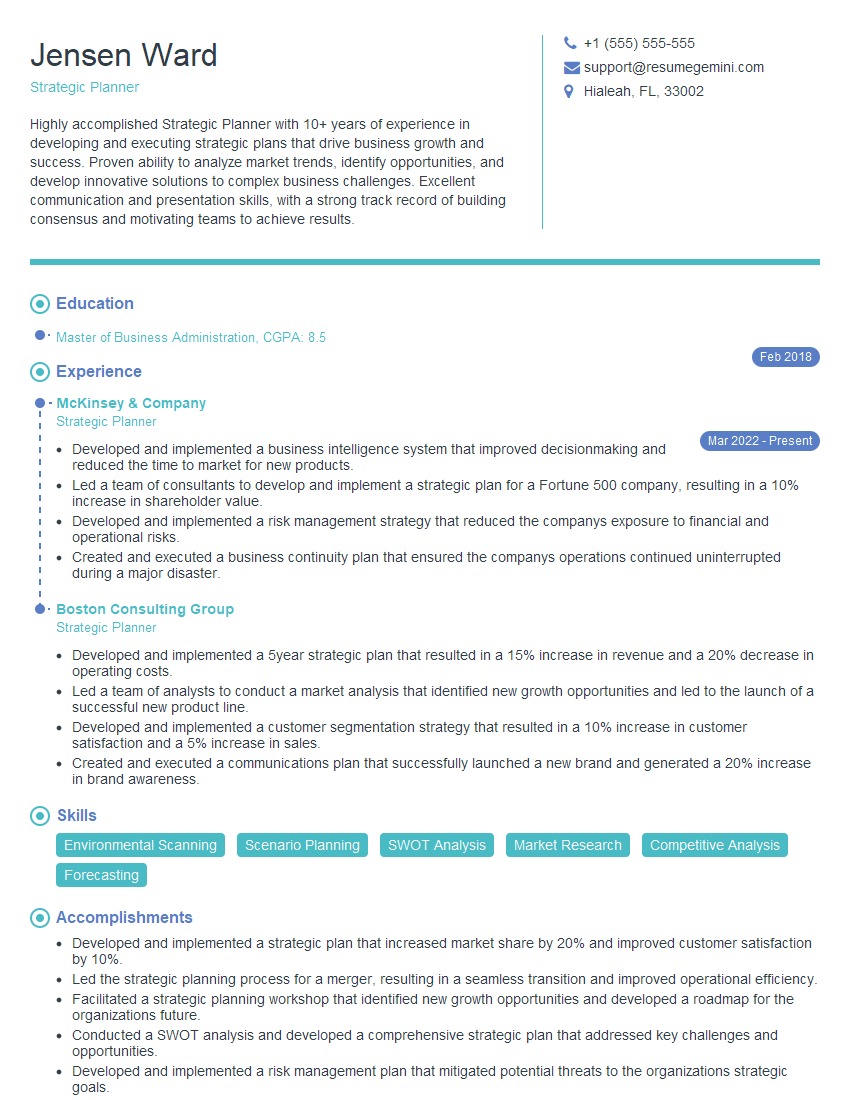
Strategic Planner Resume Sample

Operations Manager Resume Sample
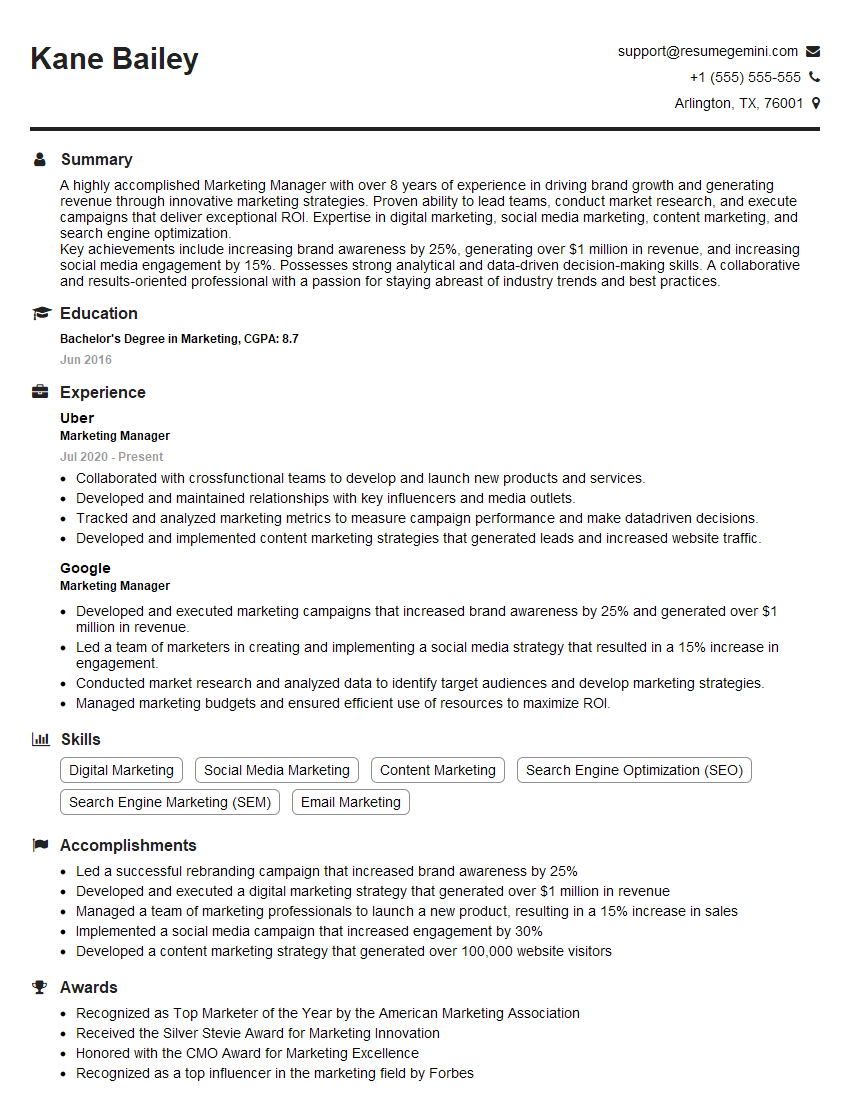
Marketing Manager Resume Sample
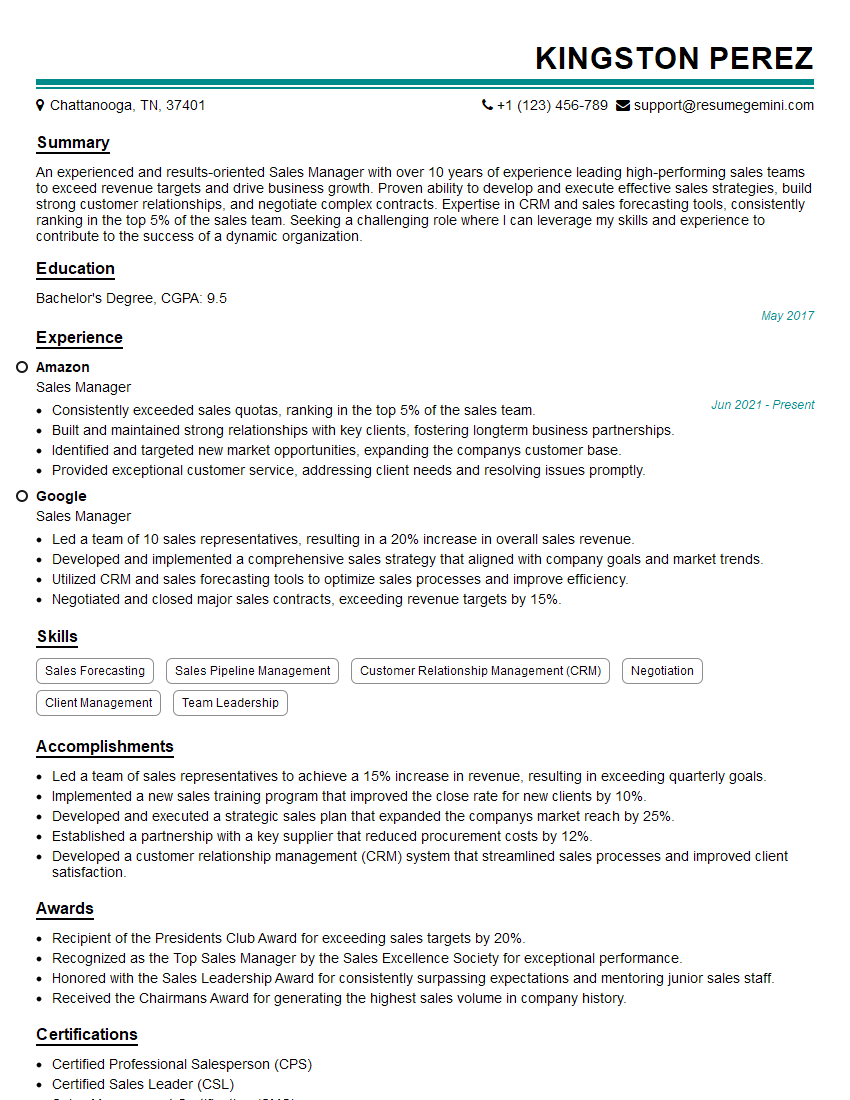
Sales Manager Resume Sample
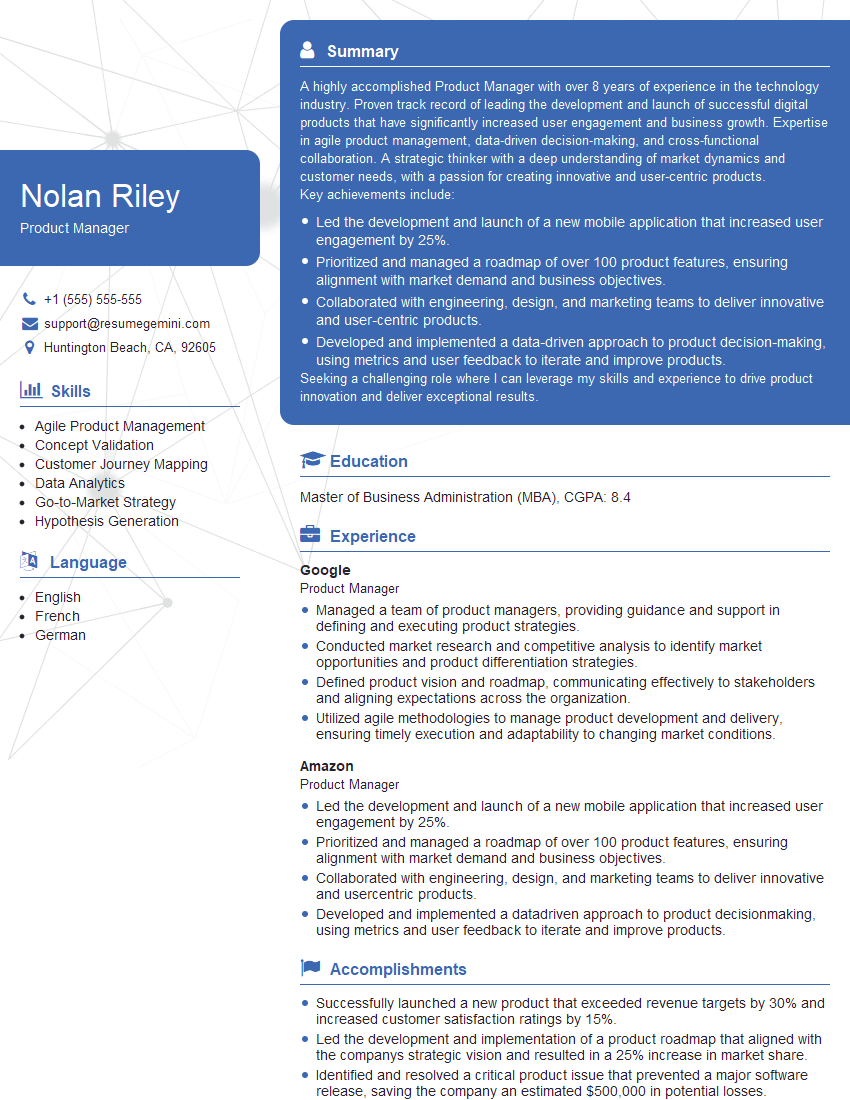
Product Manager Resume Sample
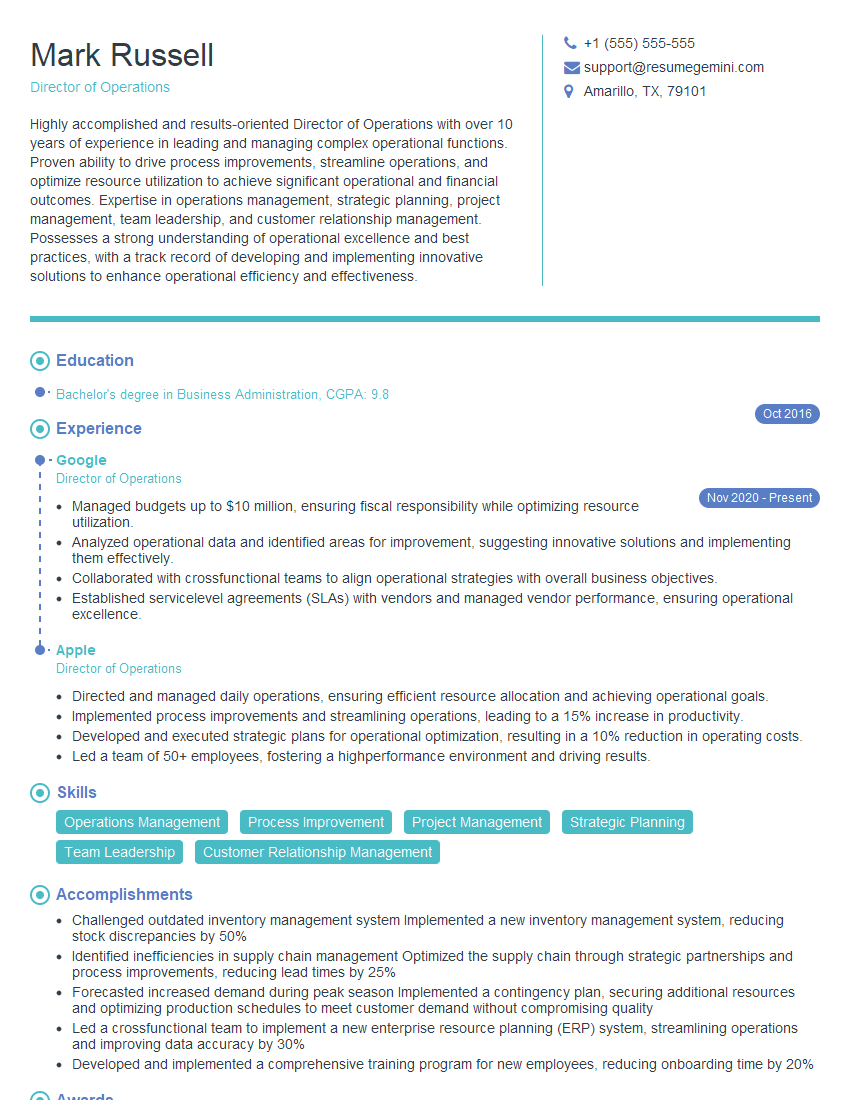
Director of Operations Resume Sample
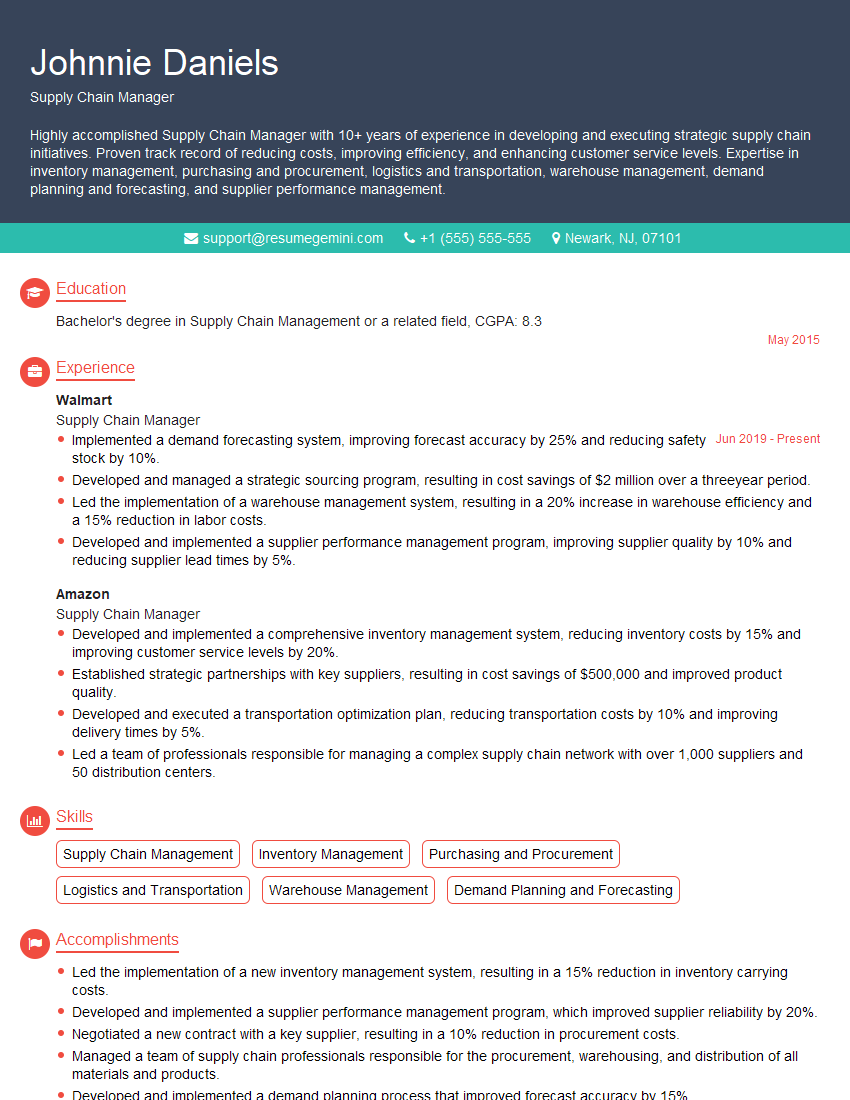
Supply Chain Manager Resume Sample
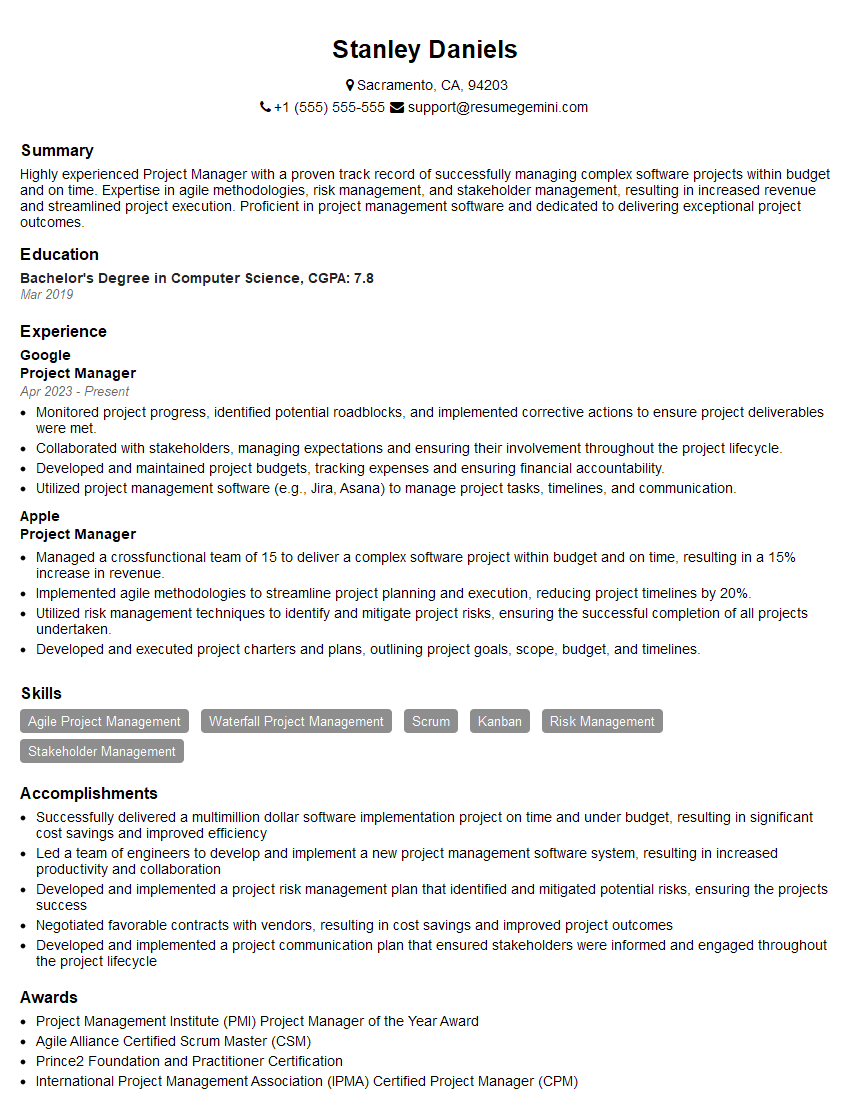
Project Manager Resume Sample
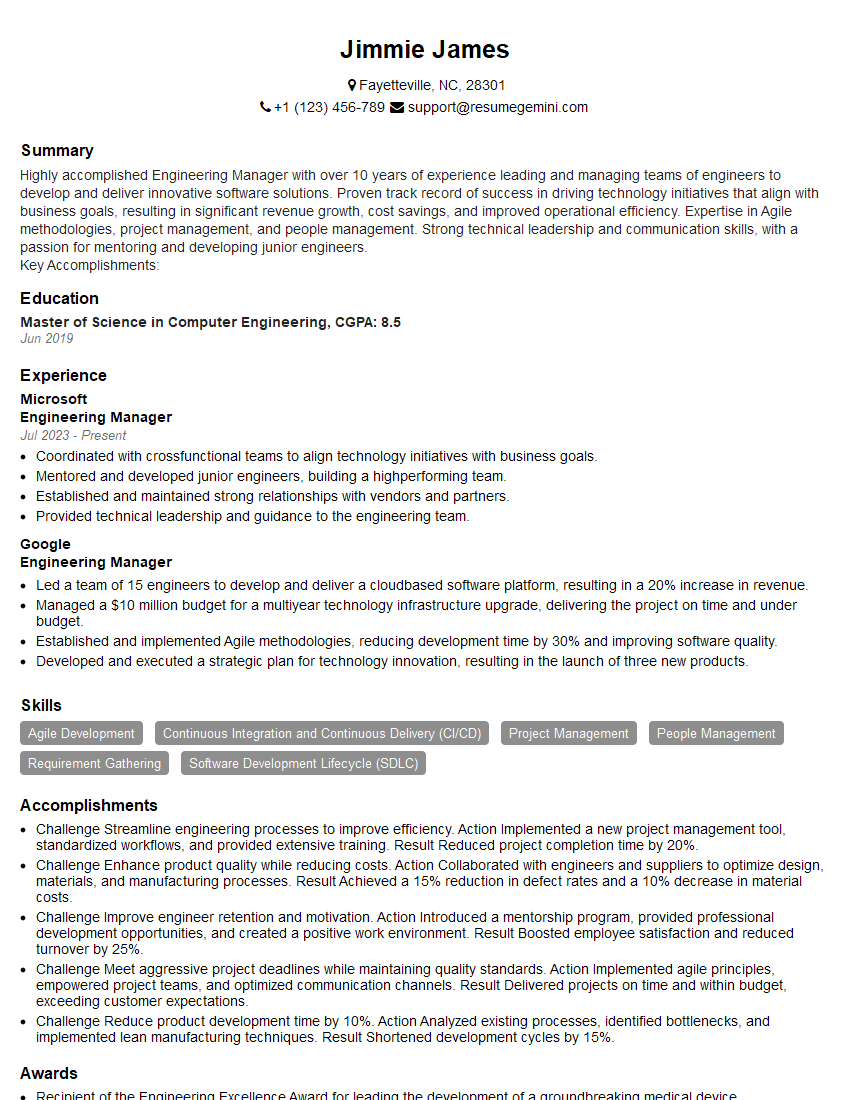
Engineering Manager Resume Sample
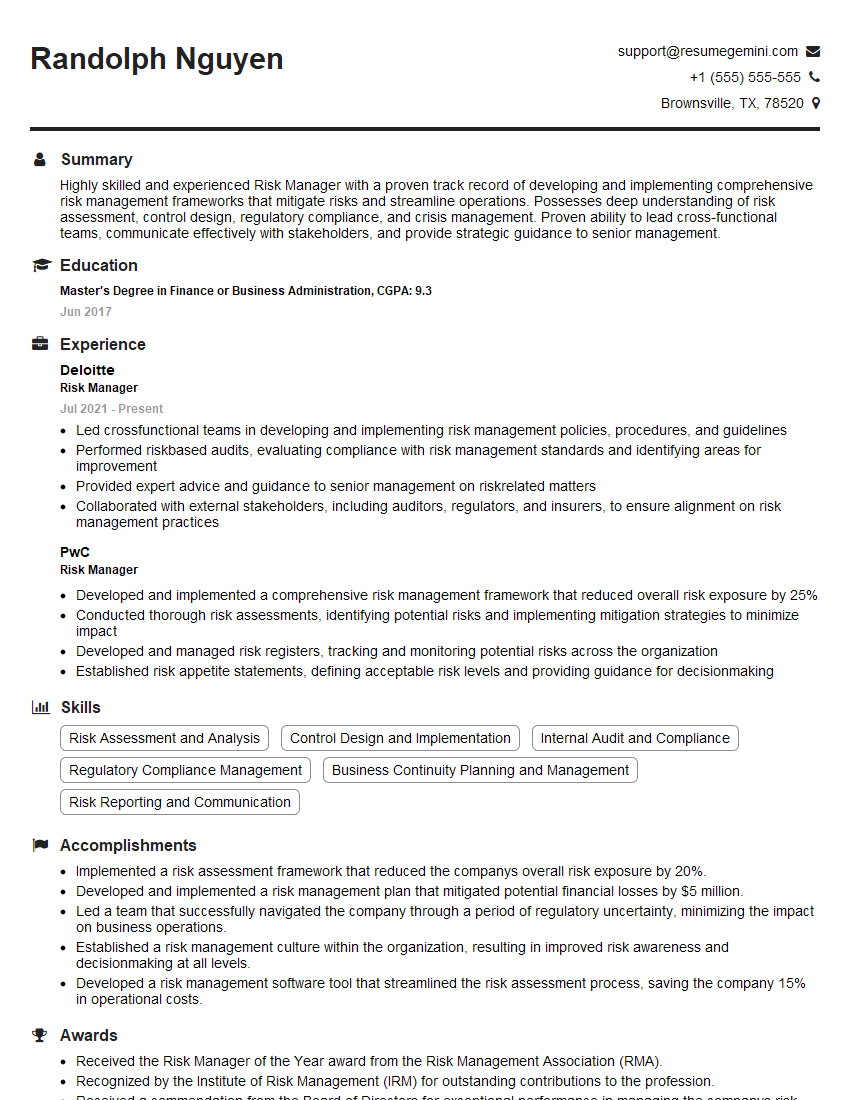
Risk Manager Resume Sample
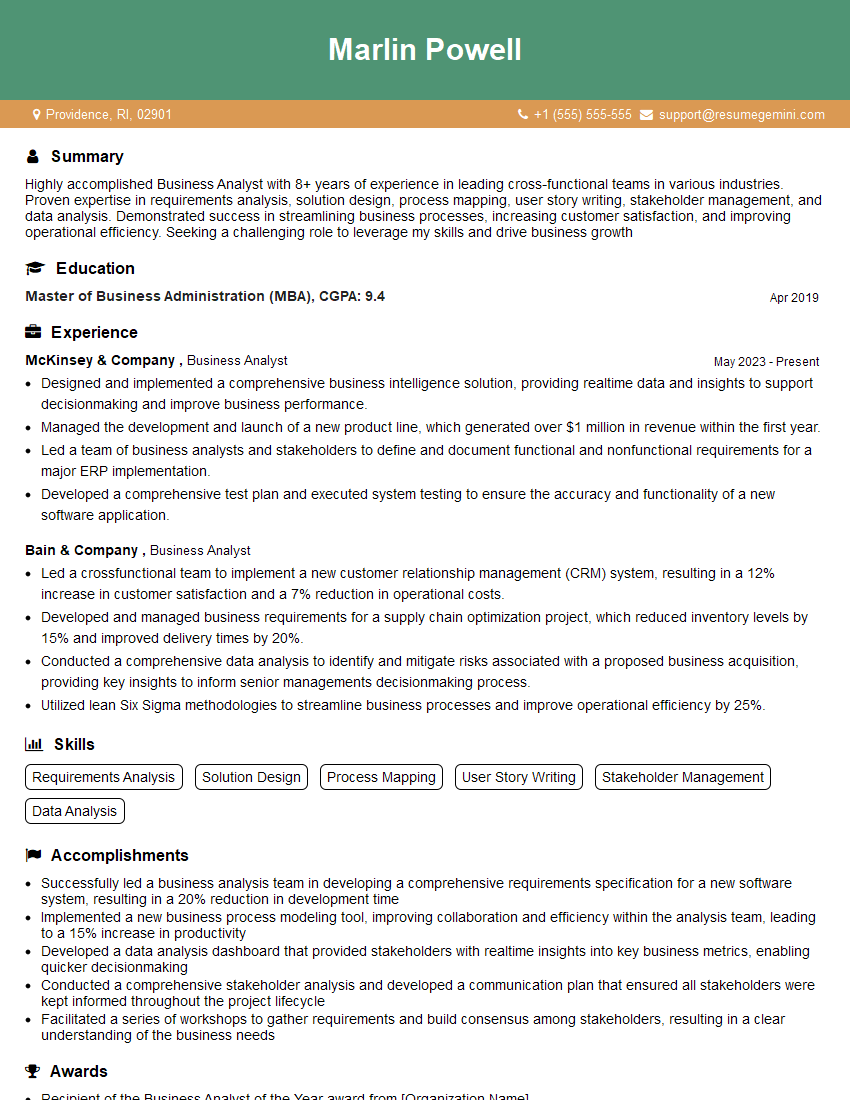
Business Analyst Resume Sample
Management Consultant Resume Sample
Financial Analyst Resume Sample
Data Analyst Resume Sample
Investment Banker Resume Sample
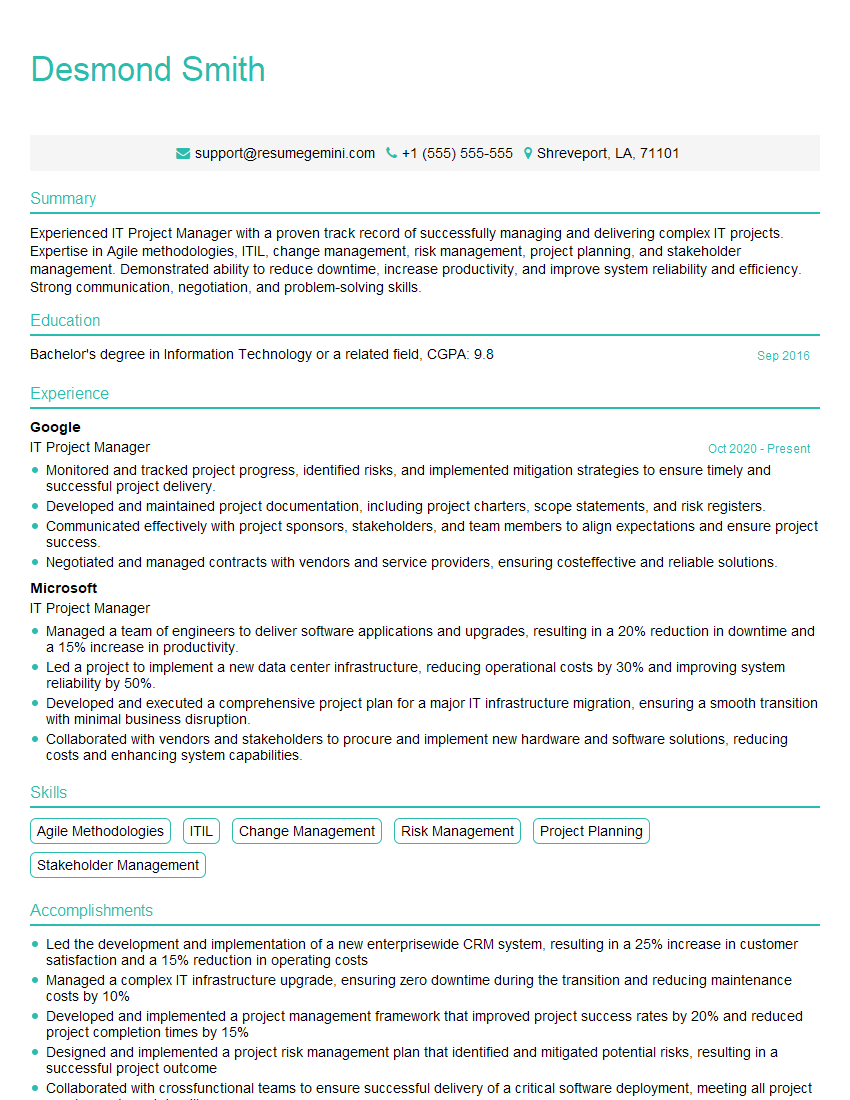
IT Project Manager Resume Sample
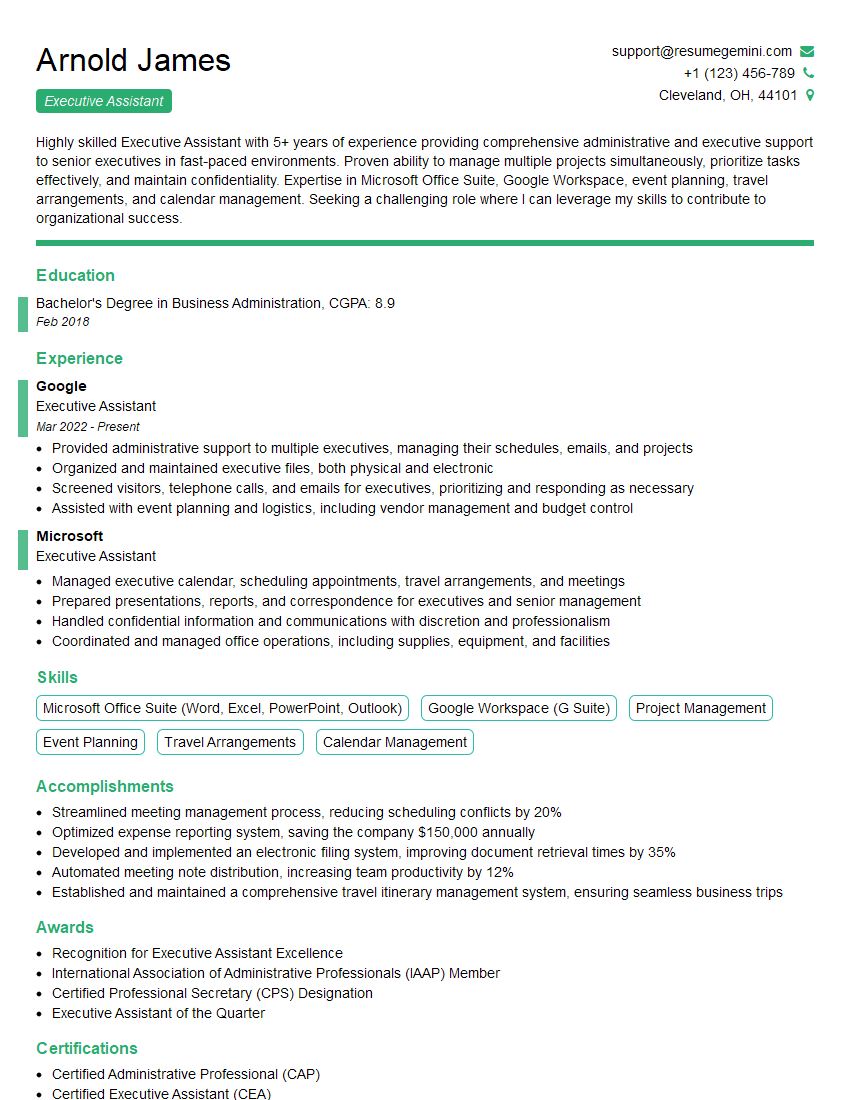
Executive Assistant Resume Sample
- Chief Operating Officer (COO)
- Program Manager
- Strategic Planner
- Operations Manager
- Marketing Manager
- Sales Manager
- Product Manager
- Director of Operations
- Supply Chain Manager
- Project Manager
- Engineering Manager
- Risk Manager
- Business Analyst
- Management Consultant
- Financial Analyst
- Data Analyst
- Investment Banker
- IT Project Manager
- Executive Assistant
Explore more articles
Users Rating of Our Blogs
Share Your Experience
We value your feedback! Please rate our content and share your thoughts (optional).
What Readers Say About Our Blog
Hello,
we currently offer a complimentary backlink and URL indexing test for search engine optimization professionals.
You can get complimentary indexing credits to test how link discovery works in practice.
No credit card is required and there is no recurring fee.
You can find details here:
https://wikipedia-backlinks.com/indexing/
Regards
NICE RESPONSE TO Q & A
hi
The aim of this message is regarding an unclaimed deposit of a deceased nationale that bears the same name as you. You are not relate to him as there are millions of people answering the names across around the world. But i will use my position to influence the release of the deposit to you for our mutual benefit.
Respond for full details and how to claim the deposit. This is 100% risk free. Send hello to my email id: [email protected]
Luka Chachibaialuka
Hey interviewgemini.com, just wanted to follow up on my last email.
We just launched Call the Monster, an parenting app that lets you summon friendly ‘monsters’ kids actually listen to.
We’re also running a giveaway for everyone who downloads the app. Since it’s brand new, there aren’t many users yet, which means you’ve got a much better chance of winning some great prizes.
You can check it out here: https://bit.ly/callamonsterapp
Or follow us on Instagram: https://www.instagram.com/callamonsterapp
Thanks,
Ryan
CEO – Call the Monster App
Hey interviewgemini.com, I saw your website and love your approach.
I just want this to look like spam email, but want to share something important to you. We just launched Call the Monster, a parenting app that lets you summon friendly ‘monsters’ kids actually listen to.
Parents are loving it for calming chaos before bedtime. Thought you might want to try it: https://bit.ly/callamonsterapp or just follow our fun monster lore on Instagram: https://www.instagram.com/callamonsterapp
Thanks,
Ryan
CEO – Call A Monster APP
To the interviewgemini.com Owner.
Dear interviewgemini.com Webmaster!
Hi interviewgemini.com Webmaster!
Dear interviewgemini.com Webmaster!
excellent
Hello,
We found issues with your domain’s email setup that may be sending your messages to spam or blocking them completely. InboxShield Mini shows you how to fix it in minutes — no tech skills required.
Scan your domain now for details: https://inboxshield-mini.com/
— Adam @ InboxShield Mini
Reply STOP to unsubscribe
Hi, are you owner of interviewgemini.com? What if I told you I could help you find extra time in your schedule, reconnect with leads you didn’t even realize you missed, and bring in more “I want to work with you” conversations, without increasing your ad spend or hiring a full-time employee?
All with a flexible, budget-friendly service that could easily pay for itself. Sounds good?
Would it be nice to jump on a quick 10-minute call so I can show you exactly how we make this work?
Best,
Hapei
Marketing Director
Hey, I know you’re the owner of interviewgemini.com. I’ll be quick.
Fundraising for your business is tough and time-consuming. We make it easier by guaranteeing two private investor meetings each month, for six months. No demos, no pitch events – just direct introductions to active investors matched to your startup.
If youR17;re raising, this could help you build real momentum. Want me to send more info?
Hi, I represent an SEO company that specialises in getting you AI citations and higher rankings on Google. I’d like to offer you a 100% free SEO audit for your website. Would you be interested?
Hi, I represent an SEO company that specialises in getting you AI citations and higher rankings on Google. I’d like to offer you a 100% free SEO audit for your website. Would you be interested?
good