Are you ready to stand out in your next interview? Understanding and preparing for Process Parameter Development interview questions is a game-changer. In this blog, we’ve compiled key questions and expert advice to help you showcase your skills with confidence and precision. Let’s get started on your journey to acing the interview.
Questions Asked in Process Parameter Development Interview
Q 1. Explain the importance of Design of Experiments (DOE) in Process Parameter Development.
Design of Experiments (DOE) is a powerful statistical methodology crucial for efficient process parameter development. Instead of changing parameters one at a time (which is time-consuming and may miss interactions), DOE allows us to systematically vary multiple parameters simultaneously and understand their individual and combined effects on the process output. This leads to a much more comprehensive understanding of the process landscape and allows us to identify the optimal parameter settings much faster.
For example, imagine optimizing a chemical reaction. Instead of varying temperature, pressure, and reactant concentration one by one, a DOE approach like a factorial design might allow us to test several combinations in a planned manner, revealing which parameters are most influential and if there are any synergistic effects between them. This avoids unnecessary experiments and leads to a quicker path to optimization.
The results of a DOE are typically analyzed using statistical software to determine the optimal parameter settings, as well as to understand the uncertainty associated with the model. This quantification of uncertainty is essential for robust process development.
Q 2. Describe your experience with statistical process control (SPC).
My experience with Statistical Process Control (SPC) is extensive, encompassing both its implementation and interpretation. I’ve used SPC tools like control charts (X-bar and R charts, p-charts, c-charts) extensively to monitor process performance and identify sources of variability. This involves establishing control limits based on historical data, then continuously tracking process outputs to detect any deviations from these limits. Early detection of these deviations allows for prompt corrective actions, preventing defects and maintaining consistent product quality.
In one project, we implemented X-bar and R charts to monitor the weight of a pharmaceutical tablet. By analyzing the data from these charts, we identified a trend in increasing tablet weight, which was traced back to a slight malfunction in the tablet press. Addressing the equipment malfunction prevented the production of out-of-specification tablets and ensured product quality.
Beyond basic control charting, I’m also proficient in using more advanced SPC techniques, such as capability analysis (Cp, Cpk) and process behavior charts, to assess process stability and capability.
Q 3. How do you identify critical process parameters (CPPs)?
Identifying Critical Process Parameters (CPPs) is a crucial step in process development. CPPs are the parameters that have a significant impact on the quality attributes of the final product. Identifying them ensures efficient process optimization and control. My approach involves a combination of methods:
- Risk Assessment: We start by identifying potential risks that could impact the final product quality, including potential failures and their severity.
- DOE: As mentioned previously, well-designed DOE studies are invaluable in quantifying the impact of each parameter on the process output. Parameters with significant effects on key quality attributes are identified as CPPs.
- Process Understanding: A thorough understanding of the process mechanism itself is crucial. This involves utilizing scientific principles and subject matter expertise to pinpoint parameters that logically influence the final product.
- Process Mapping: Flowcharts and other process mapping tools help visualize the entire process and identify potential points of influence and control.
For example, in a fermentation process, parameters like temperature, pH, and dissolved oxygen concentration are likely to be CPPs because they directly influence the growth and productivity of the microorganisms.
Q 4. What are some common challenges in process parameter optimization, and how have you overcome them?
Process parameter optimization often faces challenges like:
- Interactions between parameters: Parameters rarely act independently. Understanding and managing these interactions is crucial.
- Nonlinear effects: Simple linear models may not always capture the complex relationships between parameters and output.
- Noise and variability: External factors can introduce significant variability, making it hard to discern the true effects of parameters.
- Constraints and limitations: Practical limitations such as equipment capabilities or regulatory requirements restrict the feasible parameter space.
To overcome these challenges, I utilize advanced statistical methods such as response surface methodology (RSM) to model nonlinear relationships. I employ robust design principles to minimize the impact of noise factors. Careful experimental design and data analysis are key. When facing constraints, I’ll use optimization algorithms that incorporate these limitations, ensuring solutions are practically feasible. Finally, thorough process understanding helps anticipate and address potential problems proactively.
Q 5. Explain your understanding of process capability analysis.
Process capability analysis assesses a process’s ability to consistently produce output within specified limits. It determines whether the process is capable of meeting the required specifications. Key metrics include Cp, Cpk, and Pp, Ppk. Cp and Cpk assess the process capability relative to the specification limits while considering the process mean. Pp and Ppk evaluate the overall process performance regardless of the process mean.
Cp measures the potential capability of a centered process, while Cpk accounts for the process mean’s offset from the target. A Cpk value greater than 1.33 is generally considered indicative of a capable process, meaning it consistently produces within specifications. Capability analysis provides crucial insights into process improvements, helping prioritize efforts to enhance consistency and reduce variation.
For example, if the Cpk value for a process is below 1, it suggests that the process is not capable of meeting the specifications, highlighting the need for improvements like reducing variability or shifting the process mean.
Q 6. How do you validate a process?
Process validation ensures a process consistently produces a product meeting predetermined quality attributes. This involves a comprehensive approach including:
- Defining acceptance criteria: Establish clear, measurable, achievable, relevant, and time-bound (SMART) criteria for the process and product.
- Design of experiments: A well-designed DOE helps understand the robustness of the process by evaluating its performance under various conditions.
- Documentation: Meticulous documentation of all aspects of the process, including parameters, equipment, and procedures, is essential.
- Process performance qualification (PPQ): PPQ involves running multiple batches of the product under normal operating conditions to demonstrate consistency and conformance to specifications.
- Continuous monitoring: Even after validation, ongoing monitoring using SPC helps maintain consistent process performance and detect deviations early.
In a pharmaceutical setting, process validation is critical for regulatory compliance and ensuring patient safety. A thorough validation process builds confidence in the reliability of the process and helps maintain consistently high product quality.
Q 7. Describe your experience with process analytical technology (PAT).
Process Analytical Technology (PAT) is a system for designing, analyzing, and controlling manufacturing processes through timely measurements of critical quality and performance attributes. My experience with PAT includes the application of various real-time and at-line analytical tools to monitor and control processes. This has enabled improvements in process efficiency, product quality, and reduced waste.
For example, I’ve worked with near-infrared (NIR) spectroscopy for real-time monitoring of a chemical reaction. NIR spectroscopy provided real-time measurements of reaction progress, allowing us to optimize reaction conditions and identify potential problems early on. This resulted in improved yield and reduced processing time. In another instance, I used in-line particle size analyzers to monitor a granulation process, ensuring consistent particle size distribution and preventing the production of out-of-specification granules. PAT initiatives require a holistic approach, integrating data analysis with robust control strategies.
Q 8. How do you troubleshoot process deviations?
Troubleshooting process deviations starts with a systematic approach. Think of it like detective work: you need to gather evidence, analyze the clues, and formulate a hypothesis before taking action. First, we meticulously document the deviation, noting the specific time, the affected parameters (e.g., temperature, pressure, yield), and any observable changes in the process. Then, we analyze historical data to identify potential trends or patterns preceding the deviation. This often involves using statistical process control (SPC) charts to pinpoint unusual variations. Next, we investigate potential root causes. This might involve checking equipment calibration, reviewing raw material specifications, examining operator procedures, or even considering environmental factors. Finally, we implement corrective actions, verify their effectiveness, and update our standard operating procedures (SOPs) to prevent future occurrences. For example, if a consistent drop in yield is observed, we might investigate the supplier’s raw material quality or adjust process parameters like reaction time or temperature based on the data analysis.
A crucial aspect is to differentiate between common cause and special cause variation. Common cause variation is inherent in the process and is expected within the control limits set in our SPC charts. Special cause variation, however, represents an unexpected shift outside these limits, signaling a problem that needs investigation.
Q 9. Explain your experience with different types of process models (e.g., empirical, mechanistic).
My experience encompasses both empirical and mechanistic process models. Empirical models are data-driven, relying on statistical relationships between process parameters and outputs without necessarily understanding the underlying mechanisms. Think of it as observing a correlation without knowing the cause. For example, we might find a strong correlation between reaction temperature and product yield through experimental data, and build a model based on that correlation. This is often quicker to develop but less robust and may not be generalizable to new conditions.
Mechanistic models, on the other hand, are based on a fundamental understanding of the underlying physical, chemical, or biological processes. This involves developing equations based on principles of science and engineering. They offer more predictive power and better understanding of the system, allowing for more reliable extrapolation beyond the experimental range. For instance, we might develop a mechanistic model for a chemical reaction using reaction kinetics and thermodynamics principles. The choice between empirical and mechanistic modeling depends heavily on the depth of understanding of the process and the available data. Often, a combination of both approaches is employed for a comprehensive understanding.
Q 10. How do you determine the robustness of a process?
Determining process robustness involves assessing its ability to consistently produce the desired output despite variations in input parameters or environmental conditions. We use Design of Experiments (DOE) techniques to evaluate this. DOE involves systematically changing input parameters, measuring the effects on the output, and then using statistical analysis to assess the sensitivity of the process to these variations. A robust process shows minimal changes in output even with significant changes in input parameters. For example, we can use a fractional factorial DOE to study the influence of temperature, pressure, and reactant concentration on the yield of a chemical reaction. Analysis of the results allows us to quantify the impact of each parameter on the yield and identify the optimal operating conditions that minimize the impact of variations.
Metrics like signal-to-noise ratios (SNR) are commonly employed to quantitatively assess robustness. A higher SNR indicates a more robust process, less affected by noise or variations. We might also perform simulations using software like MATLAB to explore the impact of uncertainty in the process parameters on the final output.
Q 11. What software tools are you proficient in for process parameter development (e.g., JMP, Minitab, Matlab)?
I’m proficient in several software tools for process parameter development, including JMP, Minitab, and MATLAB. JMP and Minitab are powerful statistical software packages widely used for DOE, statistical process control (SPC), and data visualization. I use them for designing experiments, analyzing results, creating control charts, and generating reports. MATLAB, on the other hand, is a powerful numerical computing environment ideal for developing and simulating mechanistic models, performing complex statistical analysis, and creating custom visualization tools. My experience includes using these tools to analyze large datasets, build predictive models, and optimize process parameters for various applications.
For instance, I used JMP to design a fractional factorial DOE to optimize the fermentation process for a pharmaceutical product, leading to a 15% increase in yield. In another project, I leveraged MATLAB to simulate a complex chemical reaction, identifying optimal operating conditions that minimized byproduct formation.
Q 12. Explain your experience with risk assessment in process development.
Risk assessment is crucial in process development, ensuring that potential hazards are identified and mitigated proactively. I utilize techniques like Failure Mode and Effects Analysis (FMEA) and Hazard and Operability Study (HAZOP) to systematically assess potential risks throughout the process. FMEA involves identifying potential failure modes for each process step, assessing the severity, probability of occurrence, and detectability of each failure mode, and calculating a risk priority number (RPN). This helps prioritize mitigation strategies based on the highest RPN values. HAZOP, on the other hand, uses a systematic, structured approach to identify potential hazards by considering deviations from design intent.
For example, in a pharmaceutical process, we might use FMEA to assess the risk of contamination, equipment failure, or deviation from the desired temperature range. Based on the FMEA results, we implement control measures, such as installing safety interlocks, conducting regular equipment maintenance, and establishing robust quality control procedures to reduce risks.
Q 13. Describe a situation where you had to optimize a process parameter under tight deadlines.
In one instance, we faced a critical situation where a key process parameter needed optimization under a very tight deadline – just two weeks. The process involved a complex enzymatic reaction where the yield was inconsistent. We initially employed a full factorial DOE, but it became clear that completing it within the timeframe was impossible. We quickly switched to a more efficient strategy. We prioritized the parameters based on prior knowledge and preliminary experiments, focusing our efforts on temperature and pH. We used a rapid experimental design approach, and employed Response Surface Methodology (RSM) to analyze the experimental results and quickly identify the optimal parameter settings. This resulted in a 10% yield improvement while staying within the imposed timeline. We rigorously documented the steps to ensure reproducibility and traceability.
Q 14. How do you handle uncertainty in process parameters?
Uncertainty in process parameters is inherent and needs to be carefully addressed. We quantify uncertainty using statistical methods. For instance, we may express parameters as probability distributions rather than single point values. This distribution captures the range of possible values and their associated probabilities. We then propagate this uncertainty through the process model using Monte Carlo simulations. This allows us to estimate the uncertainty in the final output, providing a range of possible outcomes rather than a single prediction. For example, if the concentration of a reactant has some inherent uncertainty, we can use a Monte Carlo simulation to generate many different process outcomes, each with a slightly different reactant concentration drawn from its probability distribution, and thus obtain a statistical distribution of the final product yield.
Robust design principles ensure that the process is less sensitive to these uncertainties. This includes focusing on parameters that have minimal impact on the final output and optimizing the process to operate in a region of the parameter space where sensitivity to variations is low.
Q 15. Explain your understanding of scale-up and scale-down in process development.
Scale-up and scale-down in process development refer to the transition of a process from one scale to another. Scale-up involves increasing the production capacity, while scale-down involves decreasing it. Think of baking a cake: you might perfect your recipe in a small pan (scale-down for experimentation), then successfully bake dozens using larger pans (scale-up for production). Both processes require careful consideration to maintain consistency and quality.
Scale-up often presents challenges related to maintaining mixing efficiency, heat and mass transfer, and reaction kinetics as the process volume increases. For instance, a reaction that is perfectly efficient in a small flask might become inefficient in a 1000-liter reactor due to inadequate mixing. This requires careful adjustments to parameters like agitation speed, flow rates, and temperature control.
Scale-down is crucial for early-stage process development and troubleshooting. It allows for quicker experimentation and optimization at a lower cost. However, maintaining the process fidelity between the small and large scales needs meticulous attention to detail. For example, accurately representing shear forces in a small-scale bioreactor to predict behavior in a much larger bioreactor might require sophisticated modeling and specialized equipment.
Successful scale-up and scale-down rely on a thorough understanding of the process parameters and their interactions, employing tools like Computational Fluid Dynamics (CFD) modeling and the application of scaling principles (e.g., maintaining constant mixing time or shear rate).
Career Expert Tips:
- Ace those interviews! Prepare effectively by reviewing the Top 50 Most Common Interview Questions on ResumeGemini.
- Navigate your job search with confidence! Explore a wide range of Career Tips on ResumeGemini. Learn about common challenges and recommendations to overcome them.
- Craft the perfect resume! Master the Art of Resume Writing with ResumeGemini’s guide. Showcase your unique qualifications and achievements effectively.
- Don’t miss out on holiday savings! Build your dream resume with ResumeGemini’s ATS optimized templates.
Q 16. How do you document and communicate your process development work?
Documenting and communicating process development work is critical for reproducibility, regulatory compliance, and effective knowledge transfer. My approach involves a multi-faceted strategy. I utilize electronic laboratory notebooks (ELNs) to meticulously record all experimental data, including raw data, calculations, observations, and interpretations. This ensures a complete and auditable record of the entire process.
Furthermore, I generate comprehensive reports that summarize experimental findings, including tables, graphs, and statistical analysis. These reports are clearly structured, highlighting key results and conclusions. I regularly present my work in team meetings, using visual aids like presentations and posters to facilitate effective communication and collaboration. Any deviation from the protocol is meticulously documented with a detailed explanation and corrective actions. Finally, I maintain version control for all documents and data, ensuring that the latest version is always accessible and accurately reflects the current state of the process.
For instance, in a recent project involving the optimization of a purification process, I documented each step, including the specific chromatography conditions, the purity analysis, and the recovery yield at each stage. These data were then compiled into a formal report that was reviewed and approved by the project team before proceeding to further stages of development.
Q 17. Describe your experience with process transfer to manufacturing.
Process transfer to manufacturing involves translating a laboratory-scale process into a robust and efficient manufacturing process. This is a critical step that requires close collaboration between process development scientists and manufacturing personnel. My experience involves several key aspects:
- Detailed documentation: Providing comprehensive documentation of the process parameters, including tolerances and specifications, is paramount. This ensures the manufacturing team has all the necessary information to reproduce the process accurately.
- Process validation: Participating in process validation studies, which demonstrate that the manufacturing process consistently produces a product meeting quality standards. This usually involves batch-to-batch comparisons to verify that the process delivers uniform results.
- Troubleshooting and optimization: Addressing any challenges encountered during the manufacturing scale-up, involving the identification and resolution of any differences in equipment or environments.
- Training: Providing training to manufacturing personnel on the process and related procedures. This helps in the smooth adoption of the process and minimizes potential errors.
For example, during the transfer of a fermentation process, I worked closely with the manufacturing team to ensure that the scale-up maintained consistent biomass concentration, productivity, and product quality. We identified that differences in oxygen transfer rates between the lab and manufacturing fermenters required adjustments to the agitation speed and aeration rate. Careful monitoring and control were key to maintaining consistency.
Q 18. What are the key considerations for selecting process analytical tools?
Selecting process analytical tools (PAT) requires careful consideration of several factors. The choice depends largely on the specific process and the critical quality attributes (CQAs) needing monitoring and control. Key considerations include:
- Specificity and sensitivity: The tool must accurately and reliably measure the CQAs of interest. This involves considering the potential presence of interfering substances.
- Robustness and reliability: The tool should be robust enough to withstand the manufacturing environment and provide consistent results over time. Regular calibration and validation are essential.
- Real-time capability: For process control, real-time monitoring is often necessary to allow for timely adjustments. Online or at-line tools are often preferred in such scenarios.
- Cost-effectiveness: The cost of the tool, including initial investment, maintenance, and operational costs, must be considered in relation to its benefits.
- Ease of use and maintenance: The tool should be user-friendly and require minimal maintenance to ensure efficient operation.
For example, in a pharmaceutical crystallization process, Raman spectroscopy might be used for real-time monitoring of polymorph formation (a CQA), ensuring a consistent and desirable crystal structure. Meanwhile, in a fermentation process, in-line sensors measuring dissolved oxygen and pH would provide real-time data for process control and maintain consistent cell growth and product quality. The choice is always guided by the need to meet specified quality criteria, while ensuring operational efficiency.
Q 19. How do you ensure the quality and consistency of your process development work?
Ensuring the quality and consistency of process development work is paramount. My approach incorporates several key strategies:
- Use of validated methods: Employing established and validated analytical methods for all measurements, ensuring data accuracy and reliability.
- Statistical process control (SPC): Implementing SPC charts to monitor process parameters and identify trends or deviations from the target values. This helps in early detection of issues and proactive interventions.
- Design of experiments (DoE): Using DoE to efficiently screen and optimize process parameters, reducing the number of experiments required while maximizing information gathered. This approach ensures that relevant parameters are identified and tested efficiently.
- Rigorous documentation and record-keeping: Meticulously recording all experimental data, procedures, and observations, ensuring complete traceability and accountability.
- Regular review and audits: Conducting regular reviews of the process development work to identify any areas for improvement, often using established quality management systems (QMS).
For instance, in a recent project, we used DoE to optimize a reaction temperature and time for a specific reaction to maximize yield. By carefully designing the experiments and analyzing the data statistically, we were able to identify the optimal conditions, producing a more consistent and efficient process. Regular audits ensured consistent adherence to proper procedures and protocols.
Q 20. Explain your experience with regulatory requirements related to process development.
Regulatory requirements related to process development vary depending on the industry and the specific product. My experience encompasses a strong understanding of Good Manufacturing Practices (GMP), including ICH guidelines (for pharmaceuticals) and other relevant regulations for different industries. This familiarity ensures compliance from the early stages of development.
I am particularly adept at:
- Designing processes that are readily scalable and manufacturable: This involves considering the practical limitations and constraints of large-scale manufacturing, from equipment availability to personnel skill sets.
- Generating comprehensive documentation suitable for regulatory submissions: This includes detailed protocols, validation reports, and data analysis demonstrating process control and product quality.
- Staying updated on evolving regulatory requirements: Continuously monitoring changes in regulations and implementing necessary adjustments to our processes and documentation to ensure ongoing compliance.
For instance, working on pharmaceutical development projects requires strict adherence to GMP guidelines. This includes detailed documentation of each experiment, comprehensive validation of analytical methods, and thorough investigation of any deviations. Knowledge of ICH guidelines is essential for this process to guarantee that our product successfully navigates the stringent regulatory requirements of drug development.
Q 21. Describe your experience with root cause analysis in process deviations.
Root cause analysis (RCA) is critical for investigating process deviations and preventing their recurrence. My experience involves employing various RCA techniques such as the ‘5 Whys’, Fishbone diagrams (Ishikawa diagrams), and Failure Mode and Effects Analysis (FMEA).
The process generally involves:
- Defining the problem: Clearly stating the deviation and its impact.
- Gathering data: Collecting all relevant information, including process parameters, raw materials, equipment logs, and personnel observations.
- Identifying potential causes: Brainstorming potential causes using RCA techniques.
- Analyzing the data: Evaluating the evidence to determine the most probable root cause.
- Implementing corrective actions: Developing and implementing solutions to prevent the recurrence of the problem. This might include improvements to equipment, training personnel, or modifying process parameters.
- Verifying effectiveness: Monitoring the process to confirm the effectiveness of the implemented corrective actions.
For example, during a bioreactor run, if a significant decrease in cell growth was observed, I would initiate an RCA. The 5 Whys method might reveal that the decrease was due to insufficient oxygen transfer, which was caused by a malfunctioning aeration system, leading to a clogged air filter. Corrective actions would involve replacing the filter, verifying the integrity of the entire system, and implementing preventive maintenance to prevent future clogging. This methodical approach ensures a lasting solution to the problem.
Q 22. How do you balance efficiency and quality in process development?
Balancing efficiency and quality in process development is a constant tightrope walk. It’s about optimizing for speed without sacrificing the reliability and consistency of the final product. Think of it like baking a cake: you want to bake it quickly (efficiency), but you also need it to rise properly and taste delicious (quality). We achieve this balance through a structured approach:
Design of Experiments (DOE): DOE helps us systematically investigate the impact of various process parameters on the final product’s quality attributes. We use statistical methods to identify the optimal parameter settings that maximize both quality and efficiency. For instance, we might use a fractional factorial design to screen many parameters quickly, followed by a response surface methodology to fine-tune the optimal region.
Process Capability Analysis: Once we’ve identified the optimal parameters, we assess the process capability using metrics like Cp and Cpk. These metrics tell us how well the process is performing relative to the specifications. If the capability is low, we need to improve the process, perhaps through tighter controls or equipment upgrades, even if it slightly reduces efficiency initially.
Statistical Process Control (SPC): Implementing SPC using control charts helps continuously monitor the process for deviations and promptly identify issues before they lead to significant quality problems. This proactive approach ensures we maintain efficiency without compromising quality over time. For example, a control chart for particle size in a pharmaceutical granulation process would enable early detection of any issues and prevent batch failures.
In essence, it’s about prioritizing a robust process that consistently delivers high-quality results. Sometimes, a slightly slower, more controlled process is preferable to a faster one prone to errors.
Q 23. Describe your experience with different process control strategies (e.g., PID, MPC).
I have extensive experience with various process control strategies, including PID (Proportional-Integral-Derivative) and MPC (Model Predictive Control). PID controllers are widely used for their simplicity and effectiveness in controlling single variables. They work by adjusting the manipulated variable based on the error between the setpoint and the measured variable. For example, in a temperature control loop, the PID controller adjusts the heating element based on the difference between the desired temperature and the actual temperature.
Example PID controller code (pseudocode): error = setpoint - measured_value; output = Kp*error + Ki*integral(error) + Kd*derivative(error);
However, for more complex processes with multiple interacting variables, MPC offers superior control. MPC uses a process model to predict the future behavior of the system and optimize the manipulated variables to achieve the desired setpoints while respecting constraints. I’ve used MPC extensively in optimizing batch reactors, for instance, where it coordinated temperature, pressure, and feed rates to maximize yield and minimize impurities.
My experience also includes advanced control techniques like adaptive control and fuzzy logic control. The choice of control strategy depends on the specific process characteristics, complexity, and control objectives. I always prioritize selecting the most appropriate strategy for the given application.
Q 24. How do you ensure the reproducibility of your process parameters?
Ensuring the reproducibility of process parameters is paramount for consistent product quality and regulatory compliance. We achieve this through a multi-faceted approach:
Detailed Process Documentation: Meticulous documentation is critical, including all equipment settings, operating procedures, raw material specifications, and testing methodologies. This ensures that anyone can replicate the process accurately. We use standardized templates and version control systems for all our documentation.
Equipment Calibration and Maintenance: Regular calibration and preventative maintenance are essential to ensure the consistent performance of our equipment. We follow strict calibration schedules and maintain detailed records of all maintenance activities.
Raw Material Qualification: We rigorously qualify all raw materials to ensure they meet specified quality criteria. This involves detailed testing and acceptance criteria, including certificates of analysis from suppliers.
Standard Operating Procedures (SOPs): We have detailed SOPs for every step of the process, reducing variability due to operator differences. These SOPs are regularly reviewed and updated as needed.
Statistical Process Control (SPC): Monitoring the process using SPC helps to quickly identify and address any deviations from the established parameters. This ensures that we can maintain process consistency over time.
By combining these strategies, we build a robust and reproducible process that minimizes variability and maximizes product consistency.
Q 25. Explain your experience working with cross-functional teams in process development.
Process development rarely occurs in isolation. It necessitates strong collaboration with cross-functional teams. My experience includes extensive teamwork with engineers, scientists, regulatory affairs personnel, and production staff. I’ve found that successful collaboration hinges on:
Clear Communication: Open, transparent communication is key. This includes regular meetings, shared documentation, and clear definition of roles and responsibilities.
Shared Goals: A unified understanding of project goals and objectives is crucial for alignment and effective collaboration. This ensures that everyone is working towards the same outcome.
Respectful Dialogue: Respectful and constructive dialogue is crucial for resolving conflicts and integrating diverse perspectives. I always encourage open discussion and value the input of all team members.
Data Sharing: Sharing data transparently, especially experimental results and process performance data, helps maintain accountability and facilitates informed decision-making.
I’ve led and participated in numerous cross-functional teams, successfully launching several new products and processes. For example, on a recent project involving a new pharmaceutical formulation, I worked closely with analytical chemists to develop robust analytical methods, with production engineers to design a scalable manufacturing process, and with regulatory affairs to ensure compliance with all relevant regulations.
Q 26. What is your approach to continuous improvement in process parameter development?
Continuous improvement is an integral part of my approach to process parameter development. It’s an iterative process that never truly ends. My approach focuses on:
Data Analysis: Regularly reviewing process data, identifying trends, and analyzing deviations from targets help pinpoint areas for improvement. We use statistical software to identify patterns and correlations in the data.
Process Audits: Conducting regular process audits allows us to identify potential weaknesses and areas needing optimization. These audits involve reviewing documentation, observing processes, and interviewing personnel.
Lean Principles: Applying Lean principles helps to eliminate waste and improve efficiency. This includes focusing on value-added activities and reducing non-value-added steps in the process.
Kaizen Events: Holding focused improvement events (Kaizen) with cross-functional teams helps to identify and implement improvements quickly and efficiently. These events involve brainstorming solutions, testing ideas, and implementing changes.
Feedback Mechanisms: Establishing feedback mechanisms, such as suggestion boxes or regular feedback sessions, allows us to capture ideas and suggestions for improvement from everyone involved in the process.
Continuous improvement is a journey, not a destination. It requires a commitment to learning, adaptation, and a willingness to challenge the status quo.
Q 27. Describe a time you had to make a difficult decision related to process parameters.
During the development of a new manufacturing process for a high-value pharmaceutical intermediate, we faced a difficult decision regarding process parameters. Initial experiments suggested a faster process using higher temperatures, leading to higher throughput. However, subsequent analysis revealed a slightly higher level of impurity at this higher temperature, exceeding the acceptable limits. This meant a choice between higher throughput (efficiency) and strict adherence to quality specifications.
After careful consideration of the risks and benefits, including a detailed cost-benefit analysis of the increased purification steps required to remove the impurity versus the loss of throughput from using the slightly slower process, we opted for the lower temperature, impurity-minimizing approach. While this meant a slight reduction in efficiency, it minimized the risk of batch failures, potential product recalls, and significant financial losses associated with non-compliance.
This decision highlighted the importance of balancing efficiency and quality, and the need to prioritize product quality and regulatory compliance. It also showcased the importance of thorough data analysis and risk assessment in making informed decisions in process development.
Q 28. How do you stay up-to-date with the latest advancements in process parameter development?
Staying current with advancements in process parameter development requires a proactive approach. I utilize several methods:
Professional Organizations: Active membership in professional organizations like the American Institute of Chemical Engineers (AIChE) provides access to conferences, publications, and networking opportunities.
Scientific Journals and Databases: Regularly reviewing relevant scientific journals (e.g., AIChE Journal, Chemical Engineering Science) and databases (e.g., Web of Science, Scopus) keeps me abreast of the latest research and developments.
Industry Conferences and Workshops: Attending industry conferences and workshops allows me to learn about new technologies and best practices from leading experts.
Online Courses and Webinars: Taking online courses and participating in webinars on relevant topics helps me expand my skillset and deepen my knowledge.
Networking: Networking with colleagues and experts in the field facilitates knowledge exchange and collaboration.
By actively pursuing these avenues, I ensure that my knowledge and skills remain current and relevant in this rapidly evolving field.
Key Topics to Learn for Process Parameter Development Interview
- Process Characterization and Optimization: Understanding techniques like Design of Experiments (DOE), statistical process control (SPC), and process capability analysis (e.g., Cp, Cpk). Learn to apply these methods to improve process efficiency and product quality.
- Scale-up and Scale-down: Mastering the principles and challenges involved in transitioning processes from lab-scale to pilot plant and ultimately to full-scale manufacturing. This includes understanding the impact of scale on parameters like mixing, heat transfer, and reaction kinetics.
- Process Validation and Regulatory Compliance: Familiarize yourself with the regulatory requirements (e.g., GMP, cGMP) relevant to your industry and the methods used to validate processes to ensure consistent product quality and safety. Understand the documentation requirements and process audit trails.
- Troubleshooting and Problem Solving: Develop strong analytical skills to identify and resolve process deviations. Practice using root cause analysis techniques (e.g., Fishbone diagrams, 5 Whys) to effectively address process issues.
- Data Analysis and Interpretation: Develop proficiency in interpreting experimental data, utilizing statistical software, and generating meaningful reports to support process improvements and decision-making. Visualizing data effectively is key.
- Understanding Process Modeling and Simulation: Explore the use of simulation software to predict process behavior under various conditions and optimize parameters before implementation. This can significantly reduce costs and time associated with experimental trials.
- Process Control Strategies: Gain a solid understanding of different process control strategies (e.g., PID control, advanced process control) and their applications in maintaining process stability and achieving desired product specifications.
Next Steps
Mastering Process Parameter Development is crucial for career advancement in various industries, opening doors to leadership roles and higher compensation. A well-crafted resume is your first step toward securing your dream position. Creating an ATS-friendly resume is essential to ensure your application is seen by recruiters. We highly recommend using ResumeGemini to build a professional and impactful resume that showcases your skills and experience effectively. ResumeGemini provides examples of resumes tailored to Process Parameter Development, giving you a head start in creating a winning application.
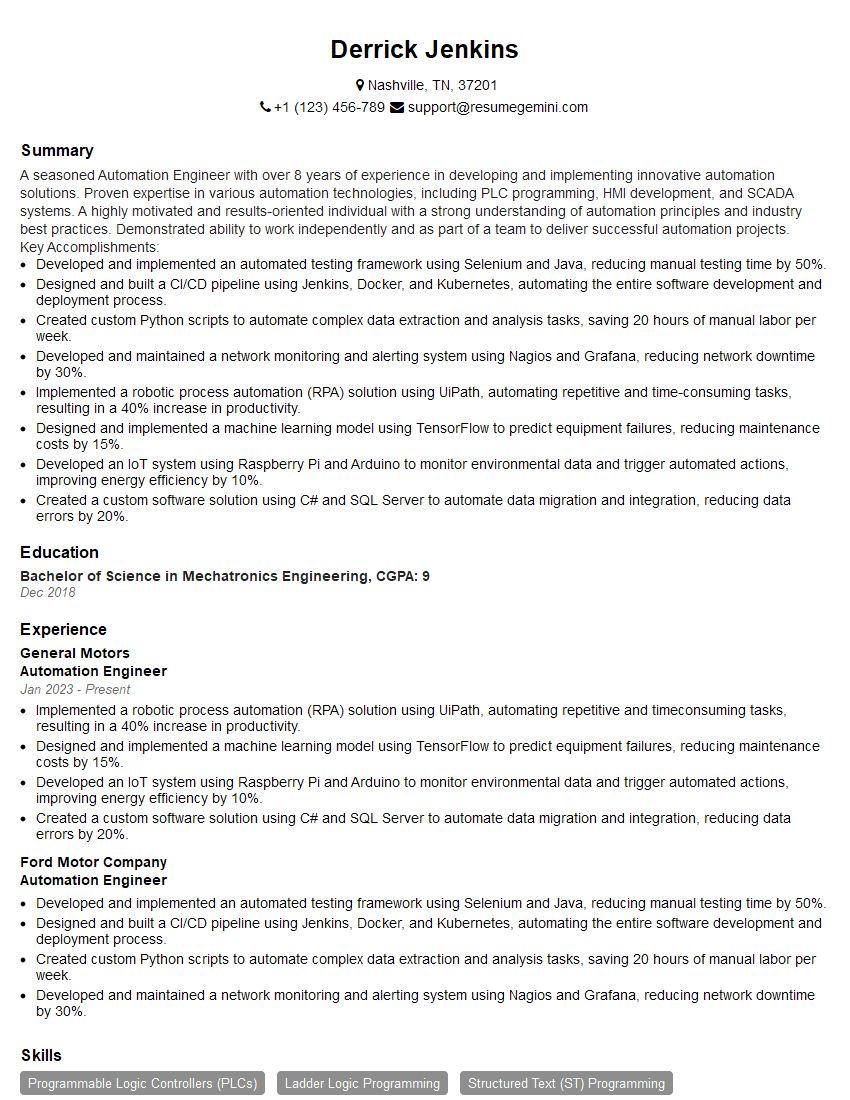
Automation Engineer Resume Sample
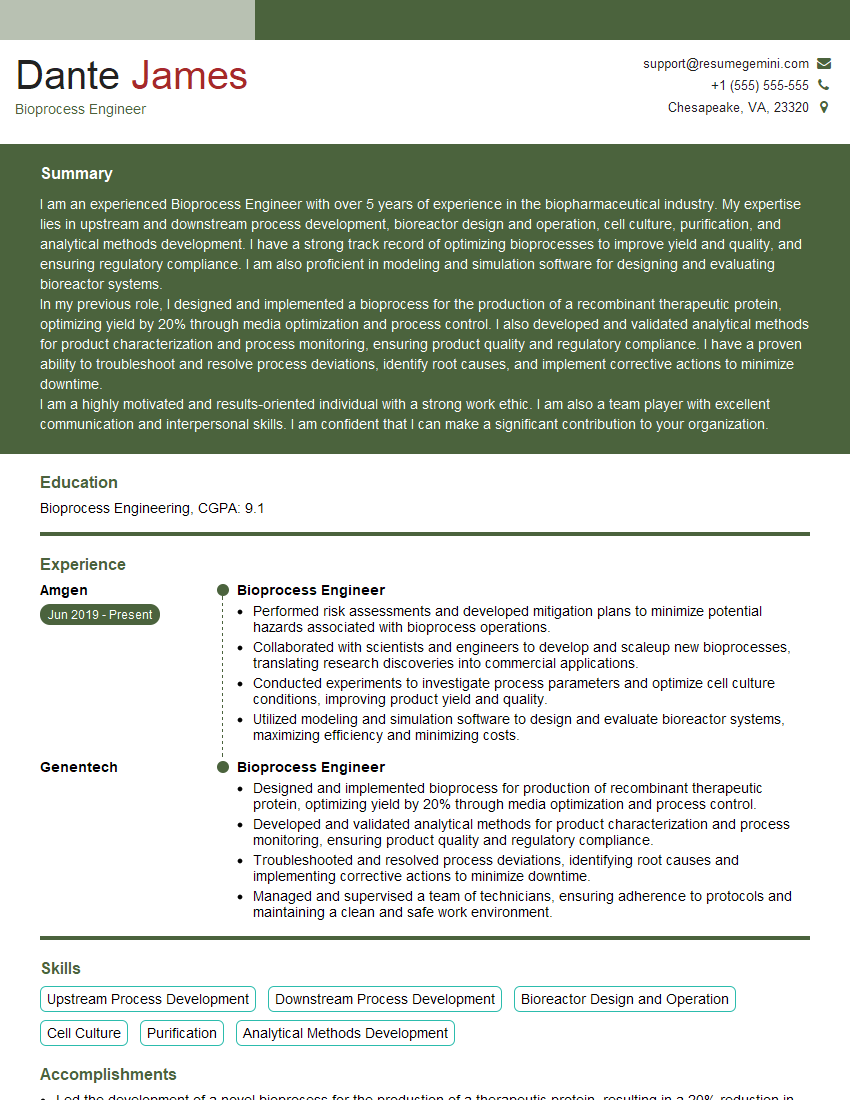
Bioprocess Engineer Resume Sample
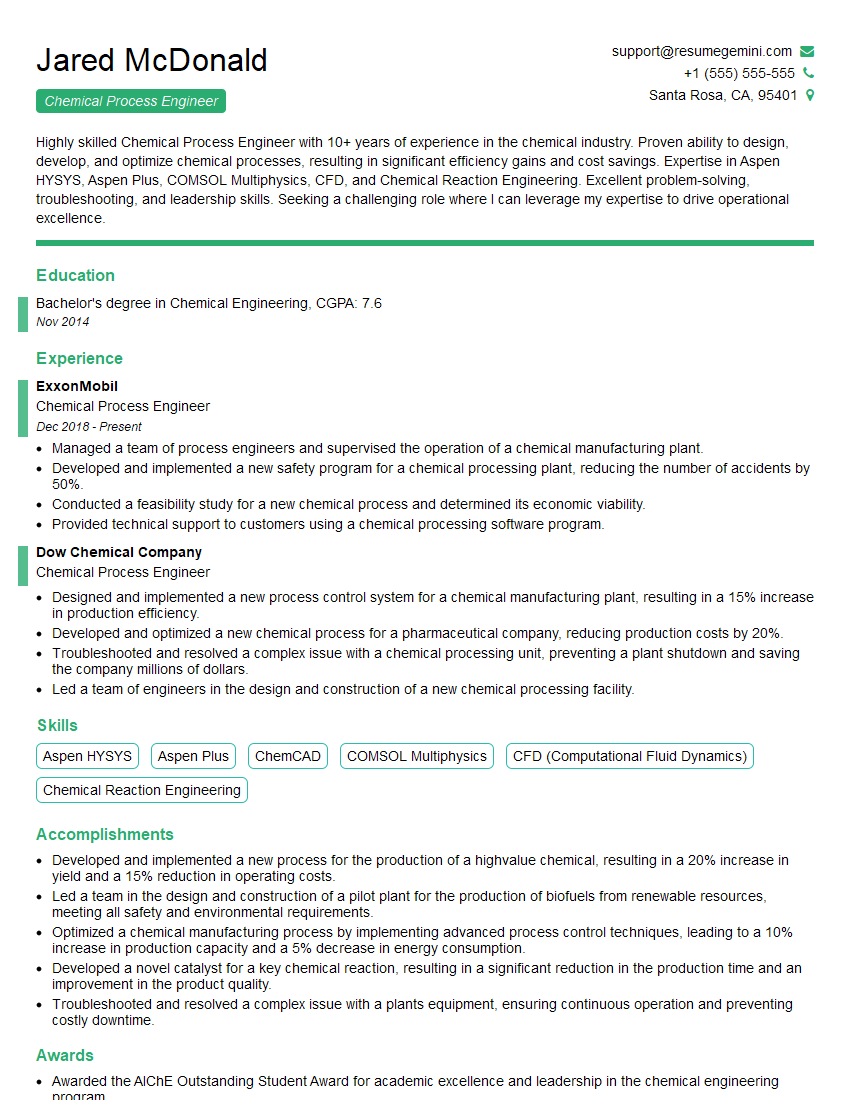
Chemical Process Engineer Resume Sample
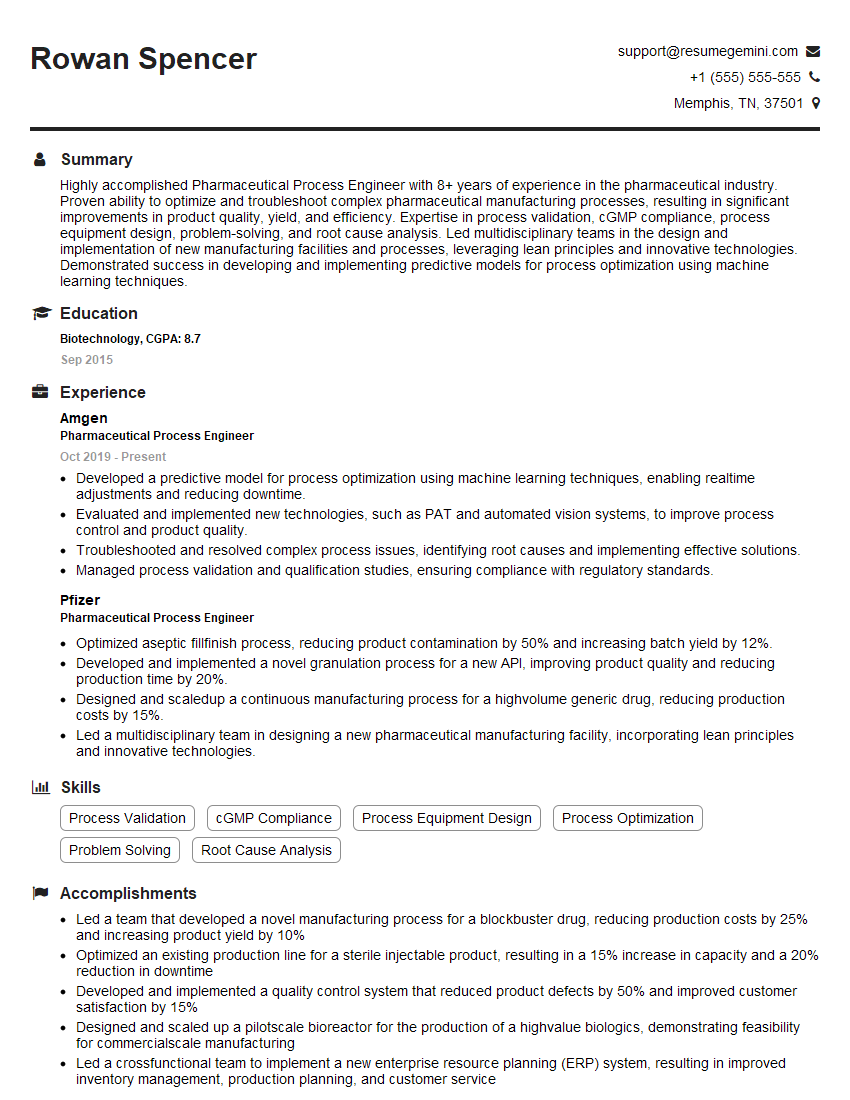
Pharmaceutical Process Engineer Resume Sample
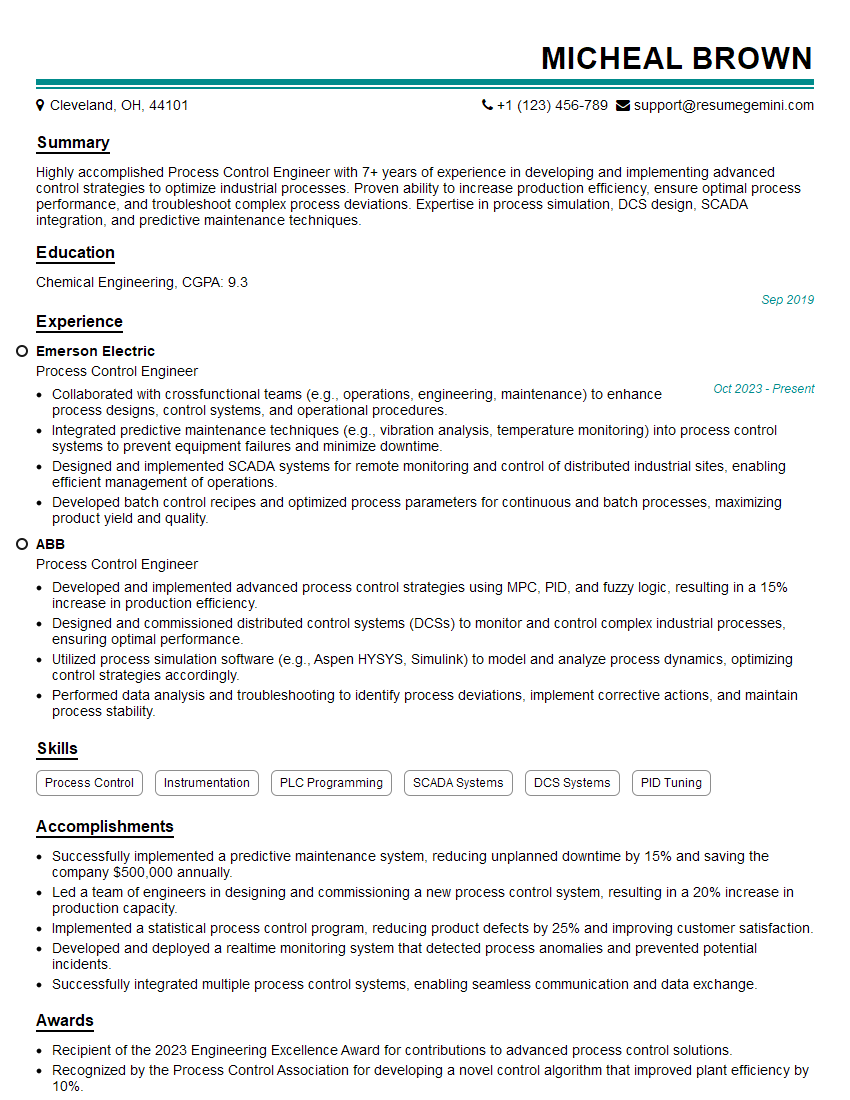
Process Control Engineer Resume Sample
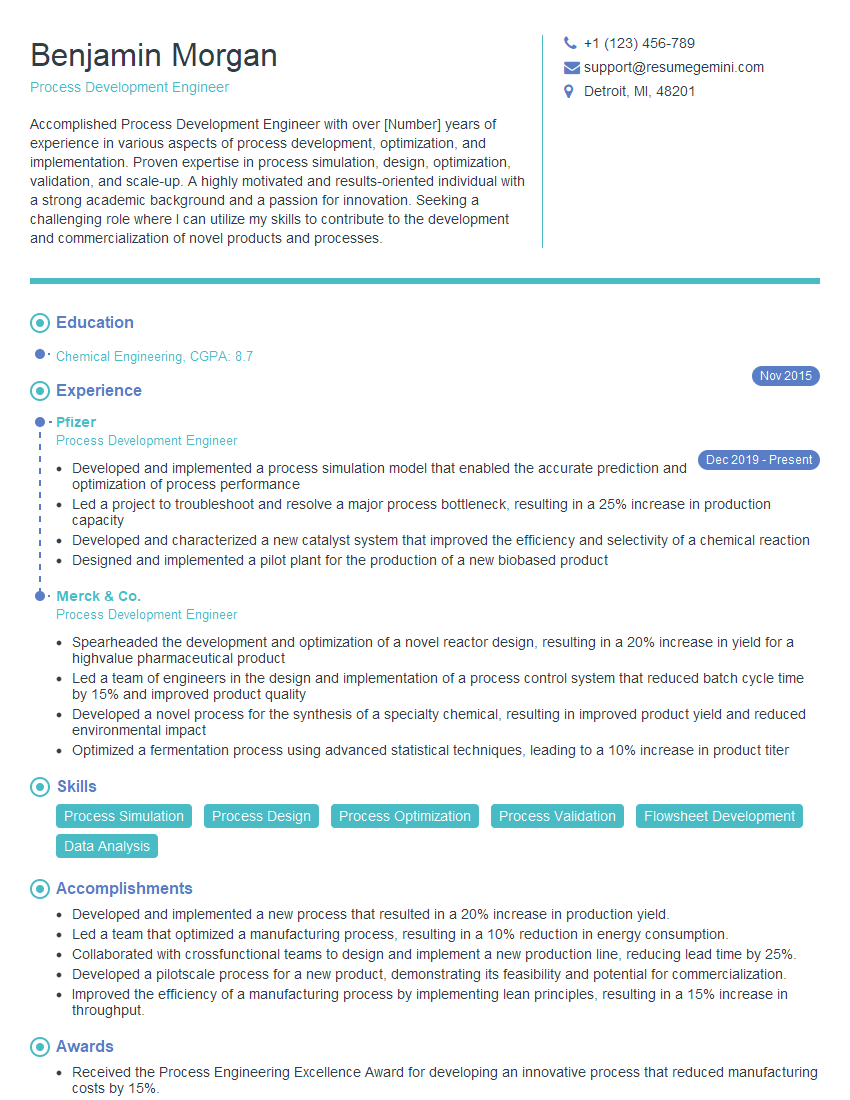
Process Development Engineer Resume Sample
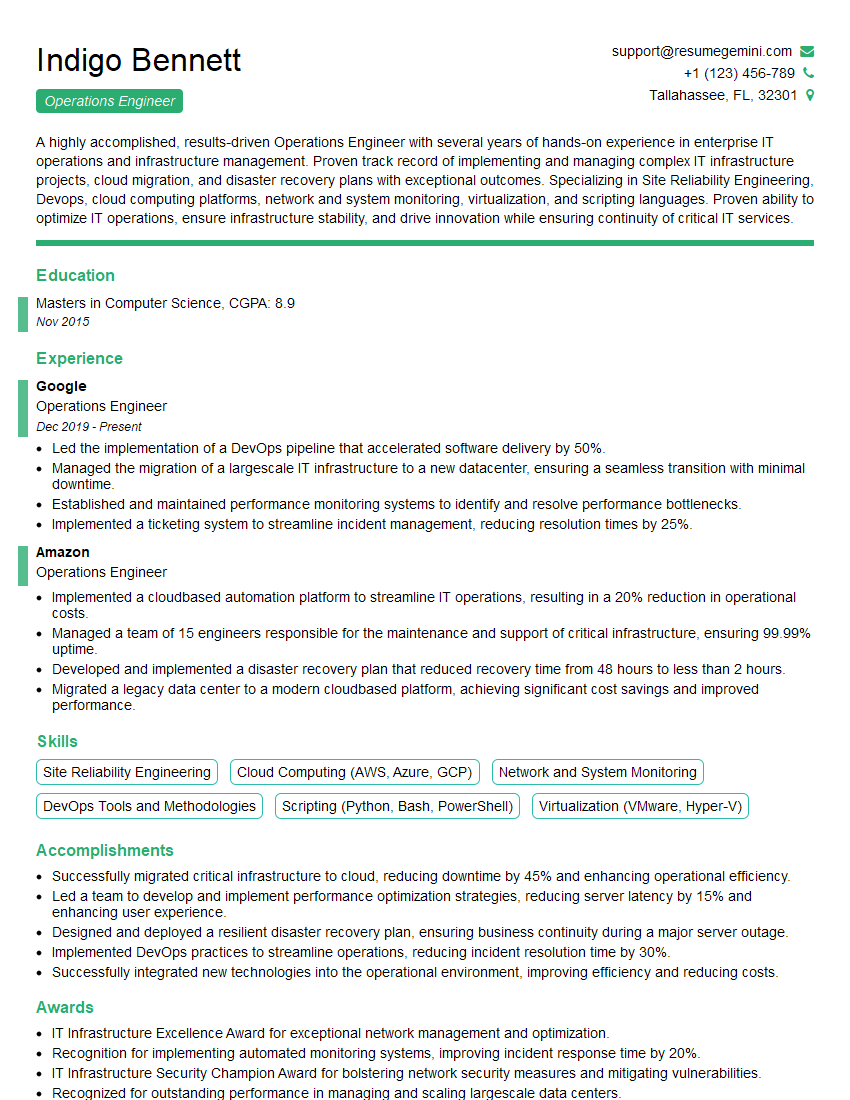
Operations Engineer Resume Sample
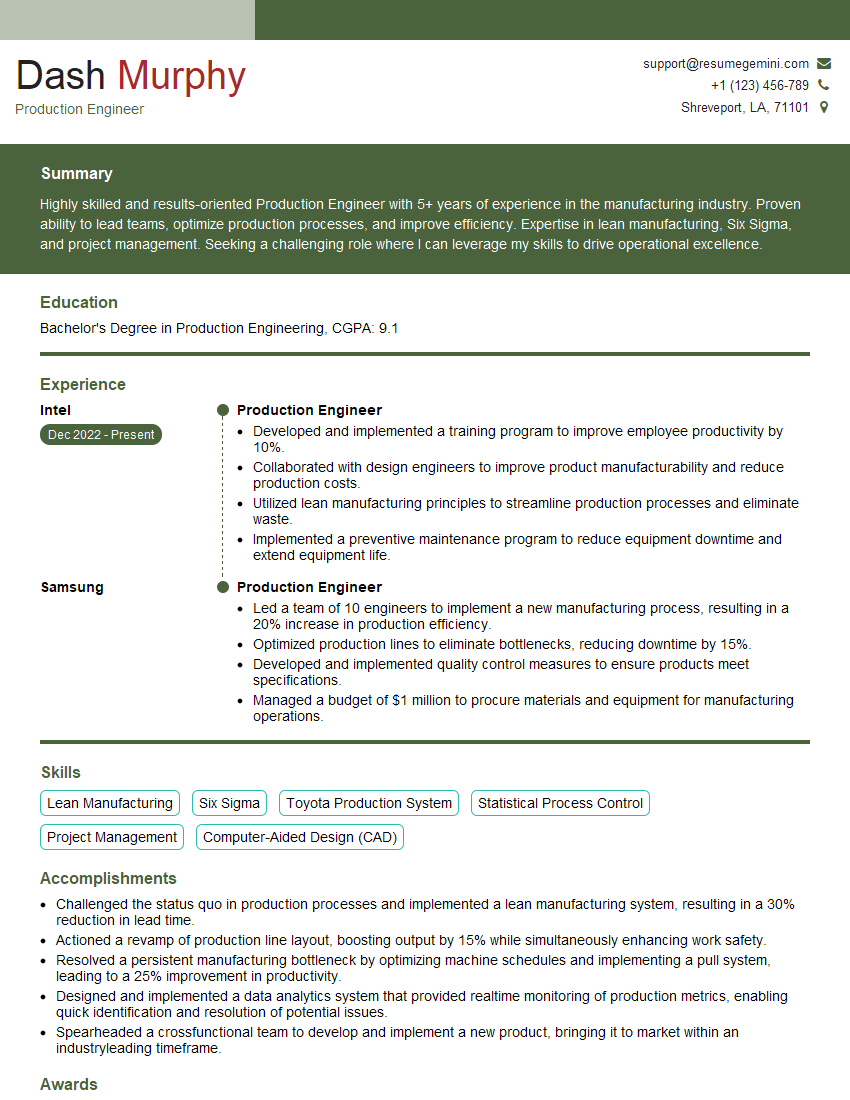
Production Engineer Resume Sample
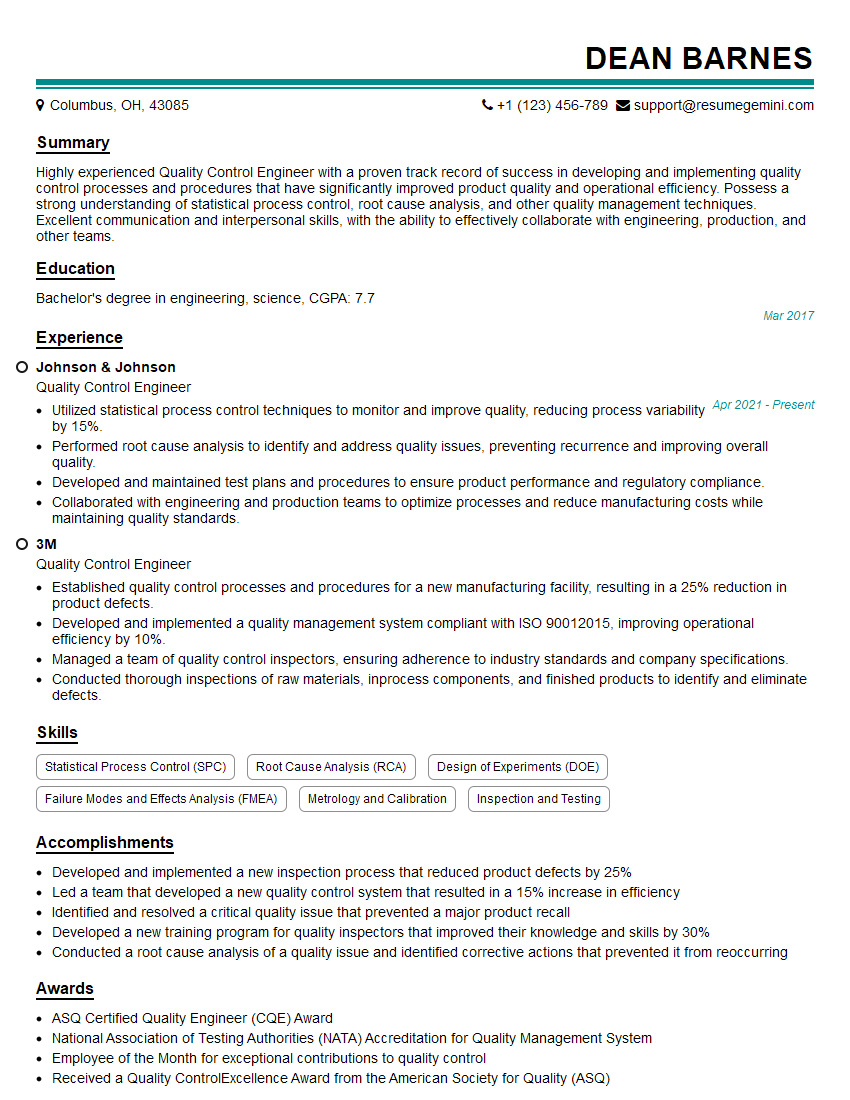
Quality Control Engineer Resume Sample
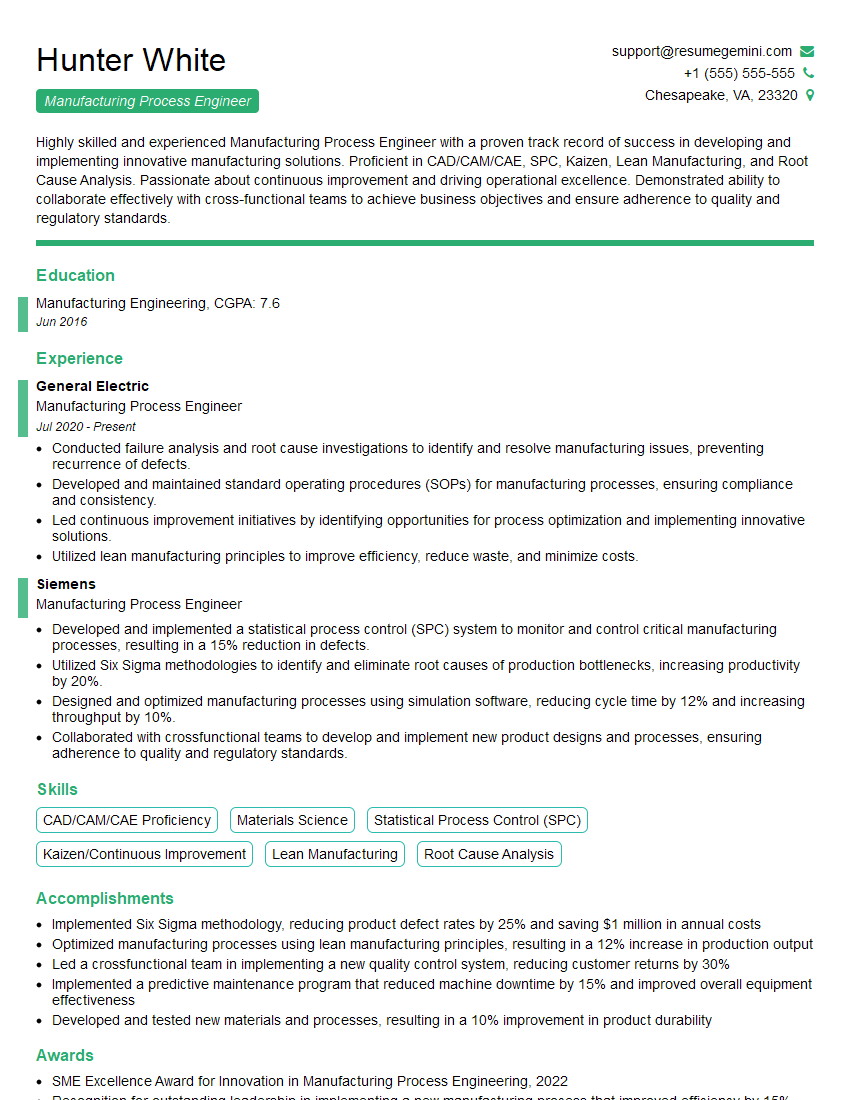
Manufacturing Process Engineer Resume Sample
Explore more articles
Users Rating of Our Blogs
Share Your Experience
We value your feedback! Please rate our content and share your thoughts (optional).
What Readers Say About Our Blog
Hello,
we currently offer a complimentary backlink and URL indexing test for search engine optimization professionals.
You can get complimentary indexing credits to test how link discovery works in practice.
No credit card is required and there is no recurring fee.
You can find details here:
https://wikipedia-backlinks.com/indexing/
Regards
NICE RESPONSE TO Q & A
hi
The aim of this message is regarding an unclaimed deposit of a deceased nationale that bears the same name as you. You are not relate to him as there are millions of people answering the names across around the world. But i will use my position to influence the release of the deposit to you for our mutual benefit.
Respond for full details and how to claim the deposit. This is 100% risk free. Send hello to my email id: [email protected]
Luka Chachibaialuka
Hey interviewgemini.com, just wanted to follow up on my last email.
We just launched Call the Monster, an parenting app that lets you summon friendly ‘monsters’ kids actually listen to.
We’re also running a giveaway for everyone who downloads the app. Since it’s brand new, there aren’t many users yet, which means you’ve got a much better chance of winning some great prizes.
You can check it out here: https://bit.ly/callamonsterapp
Or follow us on Instagram: https://www.instagram.com/callamonsterapp
Thanks,
Ryan
CEO – Call the Monster App
Hey interviewgemini.com, I saw your website and love your approach.
I just want this to look like spam email, but want to share something important to you. We just launched Call the Monster, a parenting app that lets you summon friendly ‘monsters’ kids actually listen to.
Parents are loving it for calming chaos before bedtime. Thought you might want to try it: https://bit.ly/callamonsterapp or just follow our fun monster lore on Instagram: https://www.instagram.com/callamonsterapp
Thanks,
Ryan
CEO – Call A Monster APP
To the interviewgemini.com Owner.
Dear interviewgemini.com Webmaster!
Hi interviewgemini.com Webmaster!
Dear interviewgemini.com Webmaster!
excellent
Hello,
We found issues with your domain’s email setup that may be sending your messages to spam or blocking them completely. InboxShield Mini shows you how to fix it in minutes — no tech skills required.
Scan your domain now for details: https://inboxshield-mini.com/
— Adam @ InboxShield Mini
Reply STOP to unsubscribe
Hi, are you owner of interviewgemini.com? What if I told you I could help you find extra time in your schedule, reconnect with leads you didn’t even realize you missed, and bring in more “I want to work with you” conversations, without increasing your ad spend or hiring a full-time employee?
All with a flexible, budget-friendly service that could easily pay for itself. Sounds good?
Would it be nice to jump on a quick 10-minute call so I can show you exactly how we make this work?
Best,
Hapei
Marketing Director
Hey, I know you’re the owner of interviewgemini.com. I’ll be quick.
Fundraising for your business is tough and time-consuming. We make it easier by guaranteeing two private investor meetings each month, for six months. No demos, no pitch events – just direct introductions to active investors matched to your startup.
If youR17;re raising, this could help you build real momentum. Want me to send more info?
Hi, I represent an SEO company that specialises in getting you AI citations and higher rankings on Google. I’d like to offer you a 100% free SEO audit for your website. Would you be interested?
Hi, I represent an SEO company that specialises in getting you AI citations and higher rankings on Google. I’d like to offer you a 100% free SEO audit for your website. Would you be interested?
good