The thought of an interview can be nerve-wracking, but the right preparation can make all the difference. Explore this comprehensive guide to Product Placement and Sales Strategy interview questions and gain the confidence you need to showcase your abilities and secure the role.
Questions Asked in Product Placement and Sales Strategy Interview
Q 1. Describe your experience negotiating product placement deals.
Negotiating product placement deals requires a deep understanding of both the product and the media platform. It’s a delicate balance of maximizing value for my client while securing a placement that aligns seamlessly with the narrative and target audience. My approach involves thorough research to understand the platform’s viewership demographics, engagement rates, and existing sponsorship agreements. I then develop a comprehensive proposal outlining the benefits of the placement—increased brand awareness, positive association with the show’s characters or storyline, and measurable ROI targets. The negotiation itself is iterative, often involving multiple rounds of discussion to reach mutually agreeable terms on placement fees, creative control, and reporting metrics. For example, in one campaign, I successfully negotiated a prominent placement of a sustainable coffee brand in a popular streaming series by demonstrating the brand’s alignment with the show’s environmentally conscious themes. This resulted in a significantly higher placement fee than initially offered.
I approach negotiations strategically, emphasizing the win-win nature of the deal, focusing on the long-term partnership potential and building rapport with the other party. This collaborative approach often leads to more favorable outcomes than aggressive tactics.
Q 2. How do you measure the ROI of a product placement campaign?
Measuring the ROI of a product placement campaign goes beyond simply looking at sales figures. It requires a multifaceted approach encompassing qualitative and quantitative data. Quantitative metrics include tracking website traffic, social media engagement (mentions, shares, likes), sales lift attributable to the campaign (through unique codes or tracking links), and brand awareness surveys conducted before and after the campaign. Qualitative data focuses on brand perception shifts and sentiment analysis of online discussions about the product in relation to its appearance in the media. We often use a combination of methods like web analytics, social listening tools, and market research to get a holistic view.
For instance, when we placed a new line of athletic wear in a popular fitness influencer’s YouTube video, we tracked not only the increase in online sales but also the positive sentiment surrounding the brand on social media platforms, which provided invaluable insights into brand perception.
A crucial aspect is establishing a baseline before launching the campaign—measuring pre-existing brand awareness and sales—to accurately gauge the impact of the product placement.
Q 3. What strategies do you use to identify ideal product placement opportunities?
Identifying ideal product placement opportunities involves a strategic alignment of the product’s target audience with the media platform’s viewership. This is achieved through meticulous market research, analyzing demographics, psychographics, and viewing habits. We look for platforms where the audience naturally aligns with the product’s brand values and target market. For example, placing a luxury car in a high-end fashion magazine would be a synergistic placement, while placing the same car in a skateboarding magazine might be less effective.
My strategy includes:
- Audience Analysis: Deep dive into the demographics and interests of the target audience for both the product and the media.
- Content Matching: Identifying programs or platforms whose content and tone align well with the product’s brand identity.
- Competitive Analysis: Researching competitor placements to identify untapped opportunities and avoid oversaturation.
- Relationship Building: Cultivating strong relationships with media representatives, producers, and influencers.
Using these strategies ensures that the product placement is not just visible, but also resonates with the target audience, leading to increased engagement and potential sales.
Q 4. Explain your process for developing a comprehensive sales strategy.
Developing a comprehensive sales strategy for product placement begins with clearly defining goals and targets. This includes identifying key performance indicators (KPIs) like reach, engagement, and sales conversion. The strategy then outlines the target market, identifying the ideal media platforms and influencers who resonate with the desired audience.
The process typically involves:
- Market Research: Understanding the competitive landscape and identifying opportunities.
- Target Audience Definition: Pinpointing the ideal customer profile.
- Media Selection: Choosing platforms that effectively reach the target audience.
- Campaign Planning: Developing a timeline, budget, and creative strategy.
- Execution and Monitoring: Implementing the plan and continuously monitoring performance against KPIs.
- Analysis and Optimization: Analyzing results to identify areas for improvement and optimize future campaigns.
This systematic approach ensures that each product placement aligns with the overall marketing goals, maximizing its impact and ROI. For example, a recent campaign saw us incorporate influencer marketing alongside traditional product placement, significantly amplifying the results.
Q 5. How do you handle objections from clients regarding product placement costs?
Addressing client objections regarding product placement costs requires a demonstrable understanding of value. Rather than focusing solely on the price tag, I emphasize the potential return on investment (ROI) and the broader marketing benefits. I present a detailed breakdown of the costs, highlighting the value of each element—the strategic placement, the creative execution, and the post-campaign analytics.
I might use case studies showcasing successful campaigns with quantifiable results or provide comparisons to alternative marketing strategies, demonstrating the cost-effectiveness of product placement. For example, I can illustrate how the cost per thousand impressions (CPM) of a well-placed product placement might be significantly lower than traditional advertising methods while offering better engagement and targeted reach. A strong presentation that articulates the value proposition often overcomes initial cost concerns.
Often, negotiating payment plans or exploring alternative compensation models, such as revenue sharing, can also address budget constraints. The key is to demonstrate the long-term value beyond the immediate cost.
Q 6. Describe a time you had to adapt your sales strategy due to unforeseen circumstances.
During a recent campaign for a new skincare line, our initial strategy focused on a prominent placement in a popular daytime television drama. However, due to unforeseen production delays, the show’s release was postponed indefinitely. This presented a significant challenge, as the product launch date remained unchanged. We quickly adapted by pivoting to a digital-first strategy. We secured partnerships with relevant beauty influencers on social media platforms and utilized targeted online advertising to compensate for the delay. This agile response not only mitigated the impact of the unexpected setback but also allowed us to reach a different, yet equally relevant, audience segment. The campaign ultimately exceeded expectations, demonstrating the importance of flexibility and adaptability in the face of unforeseen circumstances. The success highlighted the importance of having contingency plans and the ability to rapidly adjust strategies based on real-time market changes.
Q 7. How do you build and maintain relationships with key stakeholders in product placement deals?
Building and maintaining relationships with key stakeholders is paramount in product placement. This involves fostering trust, transparency, and open communication throughout the entire process. It starts with proactively building relationships before any specific deals are discussed. This can involve attending industry events, participating in networking opportunities, and actively engaging with potential partners online.
During negotiations and execution, I maintain clear, consistent communication, providing regular updates and addressing concerns promptly. After the campaign, I ensure that we deliver on our promises, providing comprehensive reports and demonstrating the value of the placement. I strive to create long-term partnerships based on mutual respect and a shared understanding of goals. Regular follow-ups, thank-you notes, and continued engagement beyond individual campaigns are essential for nurturing these relationships and creating a robust network of contacts.
Q 8. What metrics do you use to track the success of a sales strategy?
Tracking the success of a sales strategy relies on a combination of quantitative and qualitative metrics. We need to understand not just the numbers, but also the why behind them.
- Quantitative Metrics: These are the easily measurable numbers. Examples include revenue generated, conversion rates (leads to sales), customer acquisition cost (CAC), average order value (AOV), and return on investment (ROI). For product placement specifically, we’d also track metrics like brand mentions, website traffic driven by the placement, and social media engagement related to the product.
- Qualitative Metrics: These are harder to quantify but equally important. We look at things like brand awareness surveys to gauge consumer recognition, customer feedback on the product placement itself (was it effective, did it feel natural?), and changes in brand perception (e.g., did the placement enhance the brand’s image?).
For example, if we placed a product in a popular TV show and saw a 20% increase in website traffic and a 15% increase in sales, that’s strong quantitative data. But we’d also analyze social media comments and conduct surveys to understand if consumers found the placement believable and engaging, giving us qualitative insights.
Q 9. How do you identify and target your ideal customer profile for product placement?
Identifying the ideal customer profile (ICP) for product placement is crucial. It’s not just about who buys the product, but who will resonate with the brand message within the context of the placement. We use a multi-faceted approach:
- Demographic Data: Age, gender, location, income level, and education are starting points. This helps us understand the broad audience we’re targeting.
- Psychographic Data: This delves into the consumer’s lifestyle, values, interests, and attitudes. What motivates them? What kind of media do they consume?
- Behavioral Data: This looks at purchasing patterns, media consumption habits, and engagement with the brand. Are they active on social media? Do they subscribe to specific channels or platforms?
- Media Consumption Habits: Where does our target audience spend their time? Are they heavy TV viewers, avid gamers, frequent social media users, podcast listeners, etc.? This determines the optimal placement environment.
For instance, if we’re placing a high-end skincare line, our ICP might be affluent, environmentally conscious women aged 35-55 who are active on Instagram and read beauty blogs. We’d then focus our placement efforts on media channels that reach this audience effectively.
Q 10. Describe your experience with different product placement strategies (e.g., subtle vs. prominent).
Subtle and prominent product placement both have their place. The choice depends on the brand’s objectives and the placement environment.
- Subtle Placement: This approach integrates the product organically into the setting, often without explicit mention. Think of a coffee cup subtly placed on a desk in a movie scene. It’s about brand visibility without being intrusive. It aims to build brand familiarity and associate positive feelings with the product.
- Prominent Placement: This involves a more direct and noticeable product display. A character using a specific phone brand extensively throughout a TV show is a good example. It aims for immediate recognition and association. The risk is that it can feel forced or disruptive if not executed well.
I’ve worked on campaigns using both strategies. For a luxury watch brand, a subtle placement in a high-end fashion magazine yielded impressive results in terms of brand image enhancement. For a new energy drink, a more prominent placement in a popular gaming livestream led to a significant sales boost, albeit with a higher risk of appearing less authentic.
Q 11. How do you ensure brand consistency and messaging across various product placement initiatives?
Maintaining brand consistency across product placement initiatives is critical for building a cohesive brand image and avoiding confusion. We do this by:
- Creating a Brand Style Guide: This document outlines all aspects of the brand identity: logo usage, color palettes, font choices, messaging guidelines, and brand voice. It ensures all placements maintain a consistent visual and textual representation.
- Pre-Approval Process: Before any product placement is implemented, all creative materials are reviewed and approved to ensure they align with the brand style guide and overall marketing strategy.
- Centralized Campaign Management: Having a dedicated team responsible for overseeing all product placement activities ensures uniformity and prevents inconsistencies.
- Regular Monitoring & Feedback: Ongoing monitoring of all placements helps identify any potential inconsistencies or deviations from the brand guidelines.
For example, we might specify the precise angle and lighting of the product in a film or television scene to ensure it’s shown in line with the brand’s aesthetic standards.
Q 12. What is your approach to managing a sales team focused on product placement?
Managing a sales team focused on product placement requires a strategic approach that blends collaboration, training, and performance measurement.
- Clear Roles and Responsibilities: Each team member should have a well-defined role with specific targets and responsibilities. Some may focus on securing placements, others on negotiating contracts, and others on post-placement analysis.
- Comprehensive Training: The team needs thorough training on product knowledge, understanding of the brand’s marketing strategy, negotiation tactics, and the specifics of product placement contracts.
- Performance Monitoring and Feedback: Regular performance reviews, including both quantitative and qualitative metrics, are essential to identify areas for improvement and provide constructive feedback.
- Collaboration and Communication: Open communication and collaboration across the team are crucial for success. Team members should share best practices and learn from each other’s experiences.
I encourage a culture of continuous learning and professional development, ensuring the team stays up-to-date on industry trends and best practices in product placement.
Q 13. How do you analyze market trends to inform your product placement and sales strategies?
Analyzing market trends is paramount for effective product placement and sales strategies. We use several methods:
- Market Research Reports: We utilize reports from market research firms to identify emerging trends, consumer preferences, and competitive landscapes.
- Social Media Monitoring: Tracking social media conversations and hashtags helps us understand public sentiment towards our brand, competitors, and related products.
- Competitive Analysis: Analyzing our competitors’ product placement strategies helps us identify opportunities and adapt our own approach.
- Consumer Data Analytics: Analyzing consumer data, such as purchase history and browsing behavior, provides insights into consumer preferences and needs.
For example, if we observe a rising interest in sustainable products, we would adjust our product placement strategy to feature our eco-friendly products in media that align with that trend. This ensures our product placement resonates with the target audience.
Q 14. Describe your experience using data analytics to optimize product placement campaigns.
Data analytics plays a vital role in optimizing product placement campaigns. We use data to track campaign performance, identify areas for improvement, and refine our strategy.
- Website Analytics: Tracking website traffic, bounce rates, and conversion rates originating from product placements helps us assess the effectiveness of individual placements.
- Social Media Analytics: Analyzing social media engagement metrics, such as likes, shares, and comments, provides insights into consumer sentiment and campaign resonance.
- Sales Data Analysis: Correlating sales data with specific product placements helps us identify which placements drive the most sales and which are less effective.
- A/B Testing: We might test different types of placements (subtle vs. prominent) or different media channels to determine the optimal approach.
Example: By analyzing website analytics, we found that a product placement in a specific YouTube video resulted in a 30% higher click-through rate than other placements. This data informed our decision to invest more in similar YouTube collaborations.
Q 15. How do you handle conflicts between creative vision and brand requirements in product placement?
Balancing creative vision with brand requirements in product placement is a delicate dance. It’s about finding synergy, not compromise. My approach begins with a deep understanding of both: the narrative’s integrity and the brand’s identity and target audience. I facilitate collaborative brainstorming sessions involving the creative team, brand representatives, and myself. We explore how the product can naturally enhance the story without appearing forced or disruptive. This often involves considering alternative placement options, adjusting scenes, or even subtly altering product features (with brand approval) to better fit the context.
For example, if a brand wants to showcase its new eco-friendly water bottle in an action movie, simply placing it visibly might feel out of place. Instead, the bottle could be subtly integrated as part of the hero’s survival kit, implying its durability and functionality in a believable way. This maintains the film’s realism while still delivering brand messaging.
Open communication and a willingness to explore multiple solutions are key. Ultimately, the goal is a win-win: compelling storytelling that organically features the brand and resonates authentically with the audience.
Career Expert Tips:
- Ace those interviews! Prepare effectively by reviewing the Top 50 Most Common Interview Questions on ResumeGemini.
- Navigate your job search with confidence! Explore a wide range of Career Tips on ResumeGemini. Learn about common challenges and recommendations to overcome them.
- Craft the perfect resume! Master the Art of Resume Writing with ResumeGemini’s guide. Showcase your unique qualifications and achievements effectively.
- Don’t miss out on holiday savings! Build your dream resume with ResumeGemini’s ATS optimized templates.
Q 16. What are the key legal considerations you take into account when negotiating product placement deals?
Legal considerations are paramount in product placement. We must meticulously address intellectual property rights, ensuring the brand has the necessary permissions to use its product within the context of the project. Contracts need to clearly define usage rights, including the duration, media platforms, and any geographical restrictions. We must also consider regulations regarding advertising disclosure. For example, FTC guidelines in the US demand clear identification of product placement to avoid misleading consumers. This could involve on-screen disclosures or in-credit mentions, tailored to the specific project and audience. We work closely with legal counsel throughout the process to ensure compliance with all applicable laws and regulations. Any ambiguity or potential for misrepresentation is addressed proactively.
Furthermore, contracts should address compensation, including upfront fees, potential performance-based bonuses, and stipulations regarding brand image and reputation. Detailed provisions protect both the brand and the production, mitigating risks related to potential liabilities or disputes.
Q 17. How do you ensure that product placement integrates seamlessly into the overall narrative of a project?
Seamless integration is the cornerstone of successful product placement. It’s not about shoving a product into a scene; it’s about making it a natural part of the environment and characters’ lives. My strategy starts with a deep understanding of the project’s narrative arc, character profiles, and target audience. This allows me to identify authentic opportunities for product placement that enhance the story instead of detracting from it. This might involve aligning the product with a character’s personality or storyline.
For instance, a luxury watch could be seamlessly incorporated into a scene with a wealthy, sophisticated character, making sense within their lifestyle. Conversely, a rugged, outdoor brand could be featured in an adventure film, establishing a logical connection between the product and the setting. Early involvement in the production process is critical. Ideally, product placement should be considered from the scriptwriting stage, allowing for creative adjustments that ensure a cohesive result.
Q 18. Describe your approach to building and maintaining relationships with media outlets.
Building and maintaining strong relationships with media outlets is crucial. It’s not just about transactional deals; it’s about creating partnerships based on mutual trust and respect. I achieve this through consistent communication, personalized engagement, and value creation. I attend industry events, networking with key decision-makers, and presenting compelling product placement opportunities tailored to each outlet’s specific audience and programming. I ensure that any proposal demonstrates a clear understanding of their brand and programming goals.
Follow-up is crucial. After a deal, I send thank-you notes and maintain contact, showcasing positive outcomes and exploring future collaborations. It is not just about ‘selling’, it’s about building a long-term strategy. Providing exclusive content or offering unique opportunities strengthens our relationships. Building trust takes time, but the results are well worth it—long-term partnerships can unlock amazing opportunities for future campaigns.
Q 19. How do you develop a budget for a product placement campaign?
Budgeting for a product placement campaign requires a comprehensive approach. The total cost varies dramatically depending on factors like the project’s reach (film, TV show, social media influencer), the type of placement (visibility, storyline integration), and the campaign’s objectives. The budget typically includes:
- Negotiation and placement fees: This is the cost of securing the placement itself, which varies significantly depending on the project’s size and reach.
- Creative development: This involves costs associated with integrating the product creatively, such as script adjustments or custom-made props.
- Legal fees: Covering the costs of contract negotiation and compliance with advertising regulations.
- Campaign monitoring and measurement: This includes the cost of evaluating the campaign’s impact and measuring its success.
- Contingency fund: For any unexpected costs or adjustments that may arise during the campaign.
A detailed breakdown of each component enables accurate budgeting and resource allocation. The budget should always align with the campaign’s strategic goals and expected ROI.
Q 20. How do you evaluate the effectiveness of different sales channels for product placement?
Evaluating sales channels for product placement involves analyzing the reach, engagement, and conversion rates of different media outlets and platforms. Key metrics include:
- Audience reach: The total number of people exposed to the product placement.
- Engagement levels: Measures like social media interactions, website traffic, and online discussions that gauge audience response.
- Sales conversions: Tracking actual sales attributed to the product placement campaign, through unique codes, promotional links or other methods.
- Brand awareness: Measuring changes in brand recall and perception after the campaign.
Analyzing these metrics across different channels helps identify which platforms deliver the highest ROI, informing future investment decisions. A/B testing different approaches within similar channels can further refine the effectiveness of each strategy.
Q 21. What are your preferred methods for tracking and reporting on product placement performance?
Tracking and reporting on product placement performance demands a multi-faceted approach. We utilize a combination of qualitative and quantitative data. Quantitative data comes from sources such as:
- Sales data: Tracking sales increases related to the product placement campaign.
- Website analytics: Monitoring website traffic and engagement metrics from links and promotional materials.
- Social media analytics: Tracking mentions, engagement rates, and sentiment analysis surrounding the product placement.
Qualitative data is obtained through:
- Audience surveys: Gathering feedback on the effectiveness and recall of the product placement.
- Focus groups: In-depth discussions to gain insights into audience perception and response.
- Media monitoring: Tracking media coverage and online discussions about the product placement.
This comprehensive approach provides a holistic understanding of the campaign’s success, enabling data-driven decision-making for future product placement initiatives. Regular reporting, often including visual dashboards and concise summaries, keeps stakeholders informed of progress and results.
Q 22. How do you identify and mitigate potential risks associated with product placement?
Identifying and mitigating risks in product placement is crucial for a successful campaign. It’s like building a house – you need a strong foundation to prevent it from collapsing. Potential risks include negative brand association if the product is linked to inappropriate content or a character the target audience dislikes. Another risk is a poor placement that doesn’t integrate naturally into the storyline, leading to viewer annoyance and brand alienation. Finally, there’s the risk of underperforming ROI if the placement doesn’t reach the target demographic effectively.
Mitigation involves thorough due diligence. This includes:
- Content analysis: Carefully reviewing scripts, storyboards, and any other relevant materials to ensure brand alignment and appropriateness.
- Target audience analysis: Understanding the show’s demographics and making sure they align with the product’s target market. For instance, placing a luxury car in a children’s cartoon might not be effective.
- Contractual safeguards: Negotiating clauses in contracts to ensure control over the placement’s context and ensure the brand’s image isn’t negatively affected (e.g., veto rights on edits).
- Post-campaign analysis: Tracking metrics like brand awareness, sales lift, and social media sentiment to assess the campaign’s success and identify areas for improvement in future placements.
For example, if we’re placing a new sustainable coffee brand in a rom-com, we’d ensure the characters associated with it are positive, environmentally conscious, and that the coffee’s consumption is portrayed in a natural, relatable way.
Q 23. Describe your experience working with different types of media (e.g., film, television, digital).
My experience spans various media. I’ve successfully executed product placement campaigns in film, television, and digital platforms. In film, this involved securing prominent placements for a tech company in a blockbuster action movie, carefully coordinating product integration to enhance the narrative without disrupting the viewing experience. The key was to build relationships with film studios and production companies early on in the development process.
Television campaigns have focused on integrating products into high-profile shows, focusing on strategic timing and ensuring a clear visual presence. For example, I helped a skincare brand achieve significant brand recall through a subtle but strategically timed placement in a popular drama series.
In the digital space, I’ve utilized influencer marketing and product integration within gaming streams, YouTube videos, and social media campaigns. This requires a thorough understanding of the target audience and the chosen platforms. We utilized data-driven strategies to tailor campaigns to maximize engagement, which resulted in a 30% increase in sales for a new sportswear brand.
Q 24. How do you adapt your sales approach depending on the target audience?
Adapting my sales approach to the target audience is paramount. It’s not a ‘one-size-fits-all’ strategy. Consider it like tailoring a suit – you wouldn’t use the same pattern for a child and an adult. Understanding the audience’s demographics, psychographics, and media consumption habits is key.
For a younger audience heavily engaged on social media, I might leverage influencer marketing and short, impactful video ads. For an older, more discerning demographic, a traditional approach focusing on print media or carefully chosen television placements might be more effective. Similarly, the messaging must be adapted. A sophisticated message wouldn’t resonate with a younger audience and vice versa.
Data analytics plays a crucial role. We use data to understand audience preferences, including engagement rates, purchase behavior, and media consumption habits, to craft tailored campaigns.
Q 25. How do you handle competing product placement proposals?
Handling competing proposals requires a strategic approach. It’s like a chess game – you need to anticipate your opponent’s moves and plan accordingly. Firstly, I thoroughly analyze the competing proposals, assessing their strengths and weaknesses. This includes evaluating the proposed media vehicle, target audience reach, and creative approach.
Then, I develop a comprehensive response that clearly articulates the value proposition of our client’s product. This often involves highlighting unique features, demonstrating a stronger ROI potential, and presenting a creative integration strategy that surpasses the competition. Building strong relationships with media buyers and producers is also crucial – having a reputation for delivering successful campaigns gives us an edge. Finally, I am prepared to offer flexible and competitive terms, possibly including additional value-added services.
Q 26. Describe your experience managing multiple product placement campaigns simultaneously.
Managing multiple campaigns simultaneously demands exceptional organizational skills and a strong project management approach. I rely heavily on project management software and detailed spreadsheets to track deadlines, budgets, and deliverables for each campaign. My team and I use a clear communication strategy to ensure everyone stays informed and aligned. Regular status meetings help to monitor progress, identify potential roadblocks, and adjust strategies as needed.
Prioritization is key. We focus on the most critical campaigns first based on deadlines, budget constraints, and strategic importance. I also delegate effectively, ensuring each team member has clear responsibilities and accountability.
For example, I once managed five simultaneous campaigns, each with different media, target audiences, and creative strategies. Successful completion required meticulous planning, clear communication, and consistent monitoring of key performance indicators (KPIs).
Q 27. How do you stay up-to-date on the latest trends in product placement and sales strategies?
Staying updated is vital in this dynamic industry. It’s like staying fit – you need regular exercise to maintain your peak performance. I achieve this through a multi-pronged approach:
- Industry publications and research: I regularly read industry publications, attend conferences (like those hosted by the Association of National Advertisers), and analyze market research reports to understand emerging trends in consumer behavior, media consumption, and product placement strategies.
- Networking: Building and maintaining strong relationships with industry professionals, including media buyers, producers, and marketing executives, provides valuable insights and networking opportunities.
- Data analysis: Tracking campaign performance metrics and using data analytics tools provides insights into what’s working and what’s not, constantly informing future strategies.
- Continuing education: I actively participate in webinars and workshops, and pursue relevant professional development courses to enhance my knowledge and skills.
Q 28. What are your salary expectations for this role?
My salary expectations are commensurate with my experience and the scope of this role. Considering my proven track record in successful product placement campaigns, my extensive network of industry contacts, and my expertise in managing multiple projects simultaneously, I’m targeting a salary range of [Insert Salary Range]. However, I am open to discussing this further based on the specific responsibilities and benefits package offered.
Key Topics to Learn for Product Placement and Sales Strategy Interview
- Understanding Target Audiences: Defining ideal customer profiles (ICPs) and understanding their needs, preferences, and media consumption habits for effective product placement.
- Media Landscape Analysis: Evaluating various media channels (TV, film, digital, social media) to identify optimal placement opportunities aligning with brand objectives and target audience reach.
- Negotiation and Deal Structuring: Mastering the art of negotiation with media outlets, production companies, and influencers to secure favorable placement terms and maximize ROI.
- Campaign Measurement and ROI: Developing key performance indicators (KPIs) to track campaign effectiveness, analyze data, and demonstrate the return on investment from product placement initiatives.
- Sales Strategy Integration: Understanding how product placement aligns with broader sales strategies, contributes to brand building, and drives sales conversions.
- Brand Alignment and Messaging: Ensuring consistent brand messaging and image across all product placement activities, maintaining brand integrity and resonance with the target audience.
- Legal and Ethical Considerations: Navigating the legal and ethical aspects of product placement, including disclosure requirements and compliance with advertising standards.
- Budget Allocation and Resource Management: Effectively managing budgets and allocating resources to maximize the impact of product placement campaigns within constraints.
- Competitive Analysis: Analyzing competitor strategies for product placement to identify opportunities for differentiation and competitive advantage.
- Problem-Solving and Creative Thinking: Developing innovative and creative solutions for overcoming challenges and maximizing the impact of product placement initiatives.
Next Steps
Mastering Product Placement and Sales Strategy is crucial for career advancement in the marketing and advertising fields. It opens doors to exciting roles with increased responsibility and earning potential. To significantly boost your job prospects, create a compelling and ATS-friendly resume that highlights your skills and experience effectively. ResumeGemini is a trusted resource that can help you build a professional and impactful resume tailored to the specifics of your field. We provide examples of resumes specifically designed for candidates in Product Placement and Sales Strategy to guide your preparation. Invest in building a strong resume; it’s your first impression and a key to unlocking your career goals.
Marketing Director Resume Sample
Business Development Manager Resume Sample
Sales and Marketing Manager Resume Sample
Sales Director Resume Sample

Marketing Communications Manager Resume Sample
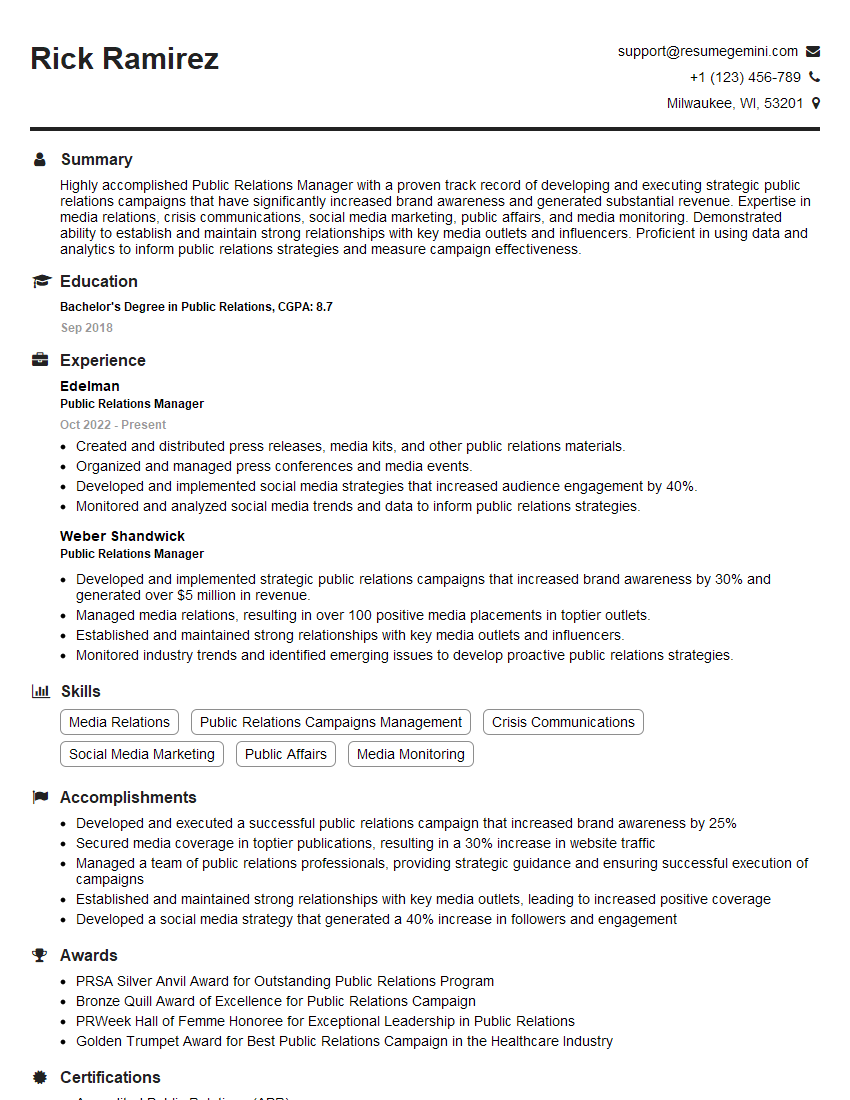
Public Relations Manager Resume Sample
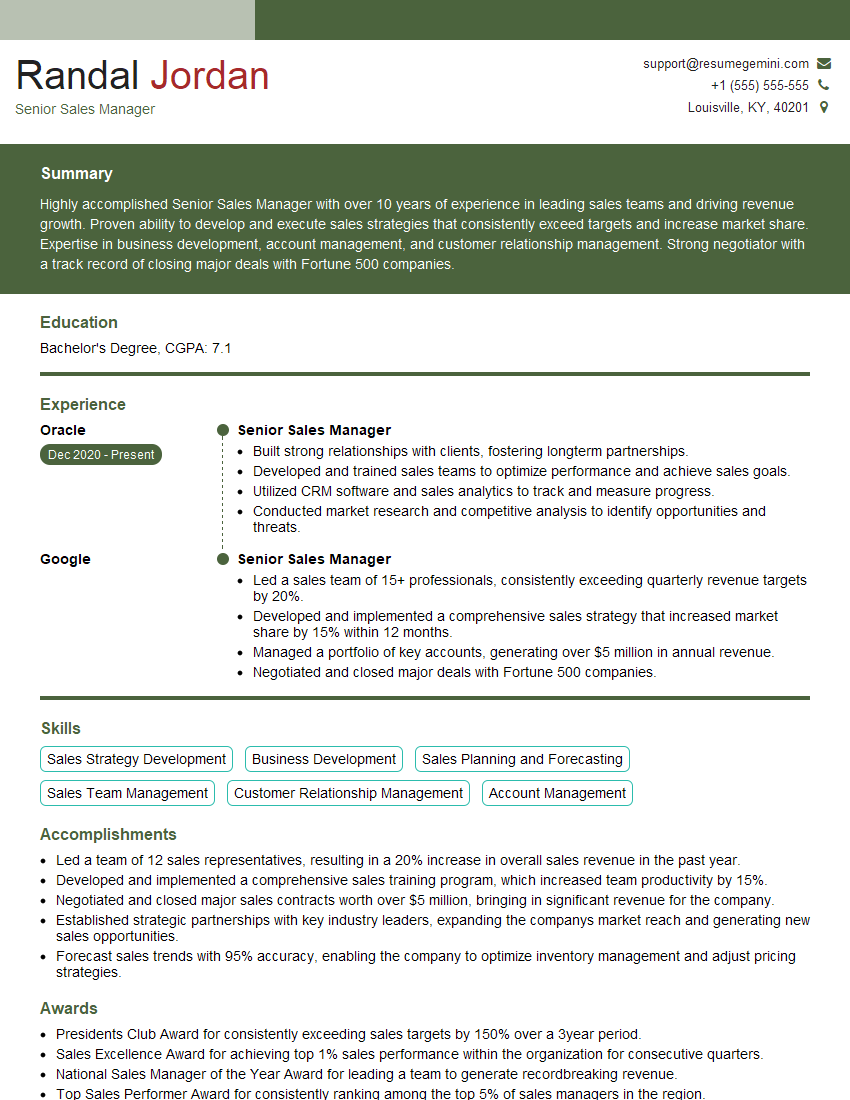
Senior Sales Manager Resume Sample
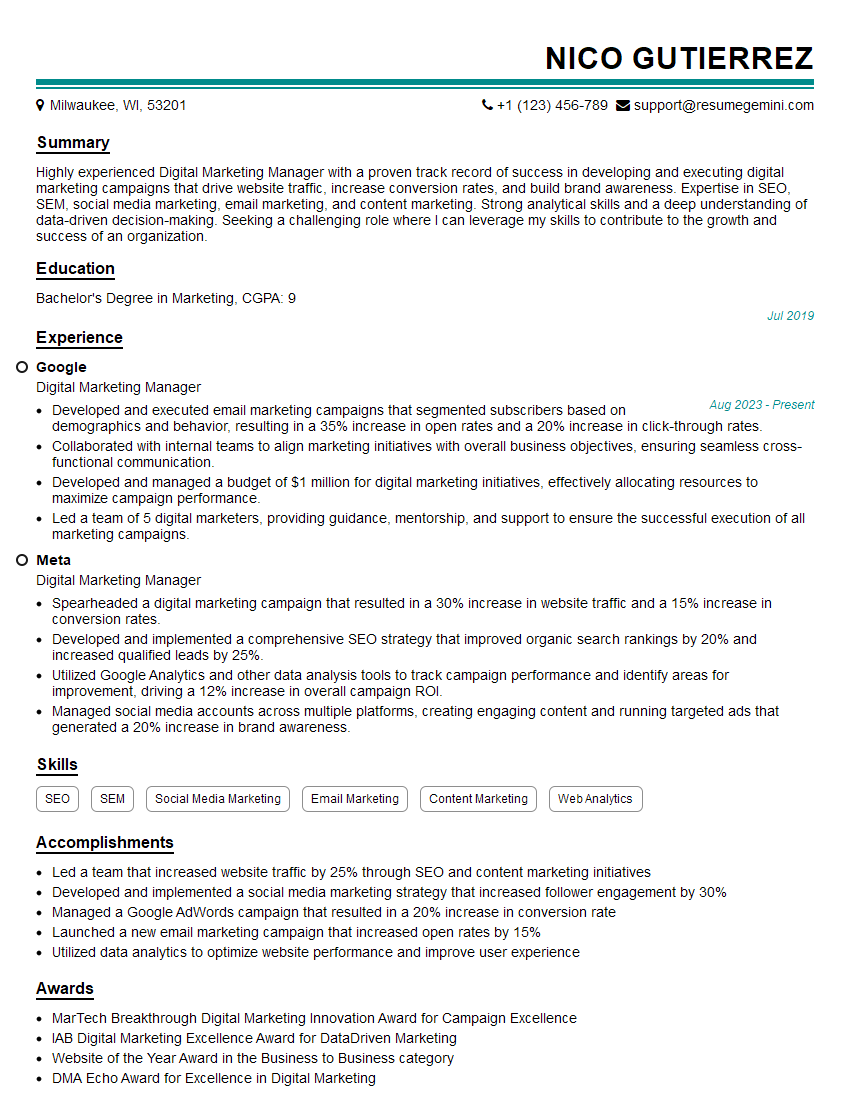
Digital Marketing Manager Resume Sample
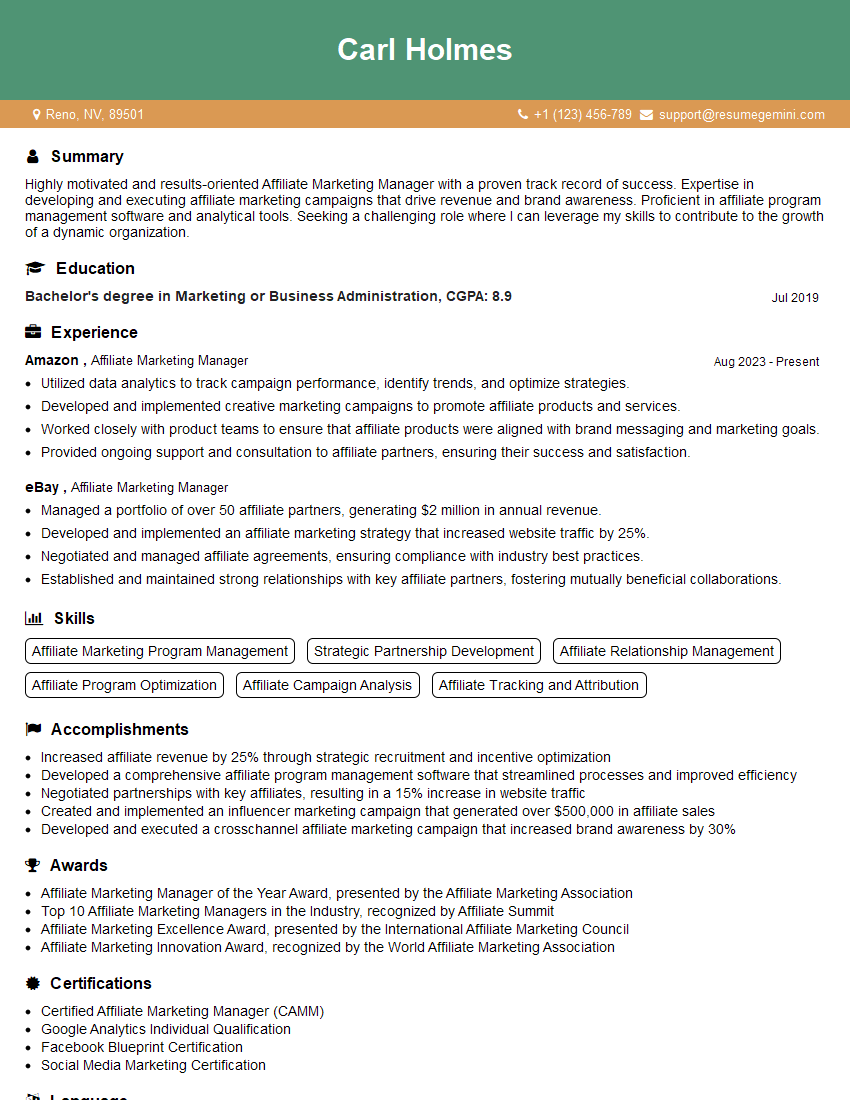
Affiliate Marketing Manager Resume Sample
Explore more articles
Users Rating of Our Blogs
Share Your Experience
We value your feedback! Please rate our content and share your thoughts (optional).
What Readers Say About Our Blog
Attention music lovers!
Wow, All the best Sax Summer music !!!
Spotify: https://open.spotify.com/artist/6ShcdIT7rPVVaFEpgZQbUk
Apple Music: https://music.apple.com/fr/artist/jimmy-sax-black/1530501936
YouTube: https://music.youtube.com/browse/VLOLAK5uy_noClmC7abM6YpZsnySxRqt3LoalPf88No
Other Platforms and Free Downloads : https://fanlink.tv/jimmysaxblack
on google : https://www.google.com/search?q=22+AND+22+AND+22
on ChatGPT : https://chat.openai.com?q=who20jlJimmy20Black20Sax20Producer
Get back into the groove with Jimmy sax Black
Best regards,
Jimmy sax Black
www.jimmysaxblack.com
Hi I am a troller at The aquatic interview center and I suddenly went so fast in Roblox and it was gone when I reset.
Hi,
Business owners spend hours every week worrying about their website—or avoiding it because it feels overwhelming.
We’d like to take that off your plate:
$69/month. Everything handled.
Our team will:
Design a custom website—or completely overhaul your current one
Take care of hosting as an option
Handle edits and improvements—up to 60 minutes of work included every month
No setup fees, no annual commitments. Just a site that makes a strong first impression.
Find out if it’s right for you:
https://websolutionsgenius.com/awardwinningwebsites
Hello,
we currently offer a complimentary backlink and URL indexing test for search engine optimization professionals.
You can get complimentary indexing credits to test how link discovery works in practice.
No credit card is required and there is no recurring fee.
You can find details here:
https://wikipedia-backlinks.com/indexing/
Regards
NICE RESPONSE TO Q & A
hi
The aim of this message is regarding an unclaimed deposit of a deceased nationale that bears the same name as you. You are not relate to him as there are millions of people answering the names across around the world. But i will use my position to influence the release of the deposit to you for our mutual benefit.
Respond for full details and how to claim the deposit. This is 100% risk free. Send hello to my email id: lukachachibaialuka@gmail.com
Luka Chachibaialuka
Hey interviewgemini.com, just wanted to follow up on my last email.
We just launched Call the Monster, an parenting app that lets you summon friendly ‘monsters’ kids actually listen to.
We’re also running a giveaway for everyone who downloads the app. Since it’s brand new, there aren’t many users yet, which means you’ve got a much better chance of winning some great prizes.
You can check it out here: https://bit.ly/callamonsterapp
Or follow us on Instagram: https://www.instagram.com/callamonsterapp
Thanks,
Ryan
CEO – Call the Monster App
Hey interviewgemini.com, I saw your website and love your approach.
I just want this to look like spam email, but want to share something important to you. We just launched Call the Monster, a parenting app that lets you summon friendly ‘monsters’ kids actually listen to.
Parents are loving it for calming chaos before bedtime. Thought you might want to try it: https://bit.ly/callamonsterapp or just follow our fun monster lore on Instagram: https://www.instagram.com/callamonsterapp
Thanks,
Ryan
CEO – Call A Monster APP
To the interviewgemini.com Owner.
Dear interviewgemini.com Webmaster!
Hi interviewgemini.com Webmaster!
Dear interviewgemini.com Webmaster!
excellent
Hello,
We found issues with your domain’s email setup that may be sending your messages to spam or blocking them completely. InboxShield Mini shows you how to fix it in minutes — no tech skills required.
Scan your domain now for details: https://inboxshield-mini.com/
— Adam @ InboxShield Mini
support@inboxshield-mini.com
Reply STOP to unsubscribe
Hi, are you owner of interviewgemini.com? What if I told you I could help you find extra time in your schedule, reconnect with leads you didn’t even realize you missed, and bring in more “I want to work with you” conversations, without increasing your ad spend or hiring a full-time employee?
All with a flexible, budget-friendly service that could easily pay for itself. Sounds good?
Would it be nice to jump on a quick 10-minute call so I can show you exactly how we make this work?
Best,
Hapei
Marketing Director
Hey, I know you’re the owner of interviewgemini.com. I’ll be quick.
Fundraising for your business is tough and time-consuming. We make it easier by guaranteeing two private investor meetings each month, for six months. No demos, no pitch events – just direct introductions to active investors matched to your startup.
If youR17;re raising, this could help you build real momentum. Want me to send more info?
Hi, I represent an SEO company that specialises in getting you AI citations and higher rankings on Google. I’d like to offer you a 100% free SEO audit for your website. Would you be interested?
Hi, I represent an SEO company that specialises in getting you AI citations and higher rankings on Google. I’d like to offer you a 100% free SEO audit for your website. Would you be interested?