Interviews are opportunities to demonstrate your expertise, and this guide is here to help you shine. Explore the essential Product Recalls and Field Corrective Actions interview questions that employers frequently ask, paired with strategies for crafting responses that set you apart from the competition.
Questions Asked in Product Recalls and Field Corrective Actions Interview
Q 1. Describe your experience in managing product recalls.
My experience in managing product recalls spans over 10 years, encompassing numerous incidents across various industries, including medical devices, consumer electronics, and automotive parts. I’ve been involved in recalls ranging from small-scale corrective actions affecting a few hundred units to large-scale recalls involving tens of thousands. My role typically involved leading cross-functional teams, coordinating with regulatory agencies, and ensuring the swift and effective execution of recall strategies to minimize customer impact and reputational damage. For instance, in one particular case involving a faulty component in a medical device, I spearheaded the recall process, coordinating with manufacturing, quality assurance, and legal teams to ensure compliance with FDA regulations while simultaneously managing customer communication and field remediation efforts.
A key element of my approach is a meticulous focus on risk assessment and mitigation, prioritizing transparency and proactive communication throughout the process. My experience has taught me the critical importance of a robust recall plan, one that is tested and ready to implement even before a problem arises.
Q 2. Explain the process of initiating a product recall.
Initiating a product recall is a critical decision that should never be taken lightly. The process usually begins with identifying a potential safety hazard or quality defect. This could be triggered by internal quality control checks, customer complaints, or reports from external sources such as regulatory agencies. Once a potential problem is identified, a thorough investigation is conducted to verify the issue’s scope and severity. This investigation often includes root cause analysis (discussed later).
If the investigation confirms a safety hazard exists, the decision to initiate a recall is made, often involving senior management and legal counsel. Once the decision is made, a recall plan is immediately activated, which defines the scope of the recall, communication strategy, and corrective actions. This includes notifying relevant authorities like the FDA (in the US) or equivalent agencies in other countries. Finally, the recall process is formally launched, involving notifications to distributors, retailers, and ultimately, customers.
Q 3. How do you determine the scope of a product recall?
Determining the scope of a product recall requires a careful and methodical approach. It involves identifying all potentially affected products based on factors like manufacturing dates, batch numbers, serial numbers, and distribution channels. The scope isn’t just about the number of units; it also includes geographical regions and the specific problem affecting the product. This might necessitate tracing the product’s journey from manufacturing to the end customer.
Consider a scenario where a faulty batch of a specific model of a kitchen appliance is identified. The scope would determine not only the number of appliances from that batch but also the specific retail locations where those appliances were sold, helping pinpoint affected consumers. Sophisticated data analysis and traceability systems are often crucial in identifying the exact scope effectively and efficiently. Failing to define the scope accurately can lead to an incomplete recall, leaving potentially hazardous products in circulation. Conversely, overestimating the scope can lead to unnecessary costs and customer inconvenience.
Q 4. What are the key regulatory requirements for product recalls?
Regulatory requirements for product recalls vary depending on the industry, product type, and geographical location. However, some common elements include the prompt reporting of the recall to the relevant regulatory bodies, a detailed recall plan outlining corrective actions, and effective communication strategies to inform affected consumers. In the United States, the Consumer Product Safety Commission (CPSC), the Food and Drug Administration (FDA), and the National Highway Traffic Safety Administration (NHTSA) play key roles in regulating product recalls. These agencies require detailed documentation, including the root cause analysis, corrective actions, and follow-up procedures.
For example, the FDA mandates specific reporting timelines for medical device recalls and detailed information about the product defect, potential risks, and corrective actions. Non-compliance can lead to significant penalties, including fines and legal action. Understanding these regulatory requirements is crucial for managing a recall effectively and avoiding costly repercussions.
Q 5. How do you communicate effectively during a product recall?
Effective communication during a product recall is paramount. It’s not just about informing consumers; it’s about building trust and minimizing potential negative consequences. A multi-channel approach is essential, utilizing press releases, websites, social media, email notifications, and potentially even direct mail or phone calls depending on the recall’s scale and the demographics of the affected consumers. The message must be clear, concise, and consistent across all platforms. Transparency is key – being open and honest about the issue, its potential risks, and the steps being taken to address it.
In a real-world scenario, a company might issue a press release announcing a recall, simultaneously updating its website with detailed information, and sending targeted emails to registered customers. The communication strategy should proactively address potential customer concerns and questions, and provide clear instructions on how to return or replace the affected product. Proactive, empathetic communication can significantly influence public perception and mitigate reputational damage.
Q 6. Describe your experience with root cause analysis in recall situations.
Root cause analysis (RCA) is a critical aspect of any product recall investigation. It involves systematically identifying the underlying cause(s) of the defect or hazard that led to the recall. This is not merely about finding the immediate cause; it’s about delving deeper to understand the root contributing factors. Common methodologies include the ‘5 Whys’ technique, fault tree analysis, and fishbone diagrams. The goal is to identify systemic issues, address them, and prevent similar incidents in the future.
In a recent recall case involving a manufacturing defect in a line of power tools, we employed the ‘5 Whys’ technique. By repeatedly asking ‘why’ after each answer, we moved beyond the immediate problem of a faulty switch to uncover the root cause: inadequate training for assembly line workers. Addressing the training deficiency prevented future occurrences of the same defect, creating a more robust quality control process.
Q 7. How do you develop and implement a field corrective action plan?
Developing and implementing a field corrective action plan is a structured process that follows the root cause analysis. The plan details the specific steps to rectify the problem, address affected products, and prevent future occurrences. This involves designing a remediation strategy that may include repairing, replacing, or refunding defective products. It also encompasses the logistics of retrieving the recalled products and ensuring the timely and efficient execution of the remediation. A well-structured plan outlines clear timelines, responsibilities, and performance indicators to track progress and success.
For instance, a corrective action plan might involve setting up a dedicated call center to answer customer inquiries, establishing a system for product return and replacement, and developing a communications strategy to ensure transparency with customers and regulatory bodies. Regular monitoring and evaluation are essential to ensure the plan is effective and adjustments are made as needed. This iterative approach is crucial for optimizing the process and ensuring a complete and effective resolution.
Q 8. How do you track and measure the effectiveness of a recall or corrective action?
Tracking the effectiveness of a recall or corrective action requires a multi-faceted approach, combining quantitative and qualitative data. We don’t just look at how many units are returned; we delve into the reasons behind non-compliance and the impact on customer satisfaction.
Quantitative Measurement: This involves tracking key metrics like the number of units recalled, the number returned, the return rate, the time it takes for returns to complete, and the number of reported incidents related to the defect *after* the recall. We also monitor the cost of the recall itself.
Qualitative Measurement: This is equally crucial. We conduct surveys and analyze customer feedback to understand their experience during the recall process. Were they informed adequately? Was the return process easy and convenient? Were their concerns addressed effectively? We also review internal reports to assess the effectiveness of our communication and logistical strategies. For example, we might analyze call center data to see how many customers called with questions and how quickly their questions were answered.
Ultimately, effective tracking informs continuous improvement; we use the data from each recall to refine our future processes and communication strategies.
Q 9. What are the key performance indicators (KPIs) you use to monitor recall progress?
Key Performance Indicators (KPIs) we utilize for monitoring recall progress include:
- Return Rate: Percentage of recalled units returned.
- Return Time: Average time taken for consumers to return recalled products.
- Customer Satisfaction: Measured through surveys and feedback regarding the recall process.
- Incident Rate Post-Recall: Number of reported incidents related to the defect *after* the recall, indicating the effectiveness of the corrective action.
- Recall Completion Rate: Percentage of the total recalled units successfully accounted for.
- Cost of Recall: Total expenses incurred during the recall process. This helps us analyze the financial impact and make informed decisions in the future.
- Communication Effectiveness: Measured by analyzing the number of contacts received via different channels and the time taken to resolve those contacts. It shows how well the message reached consumers.
We constantly monitor these KPIs throughout the recall process, using dashboards and regular reporting to identify potential problems and take prompt corrective action. This allows us to make data-driven decisions, aiming for complete recall and customer satisfaction.
Q 10. How do you manage stakeholder expectations during a recall?
Managing stakeholder expectations during a recall is paramount. Transparency and proactive communication are key.
Proactive Communication: We establish a clear communication plan that informs all relevant stakeholders—customers, regulators, distributors, internal teams—of the recall’s nature, its scope, and our mitigation strategies. We keep everyone updated at regular intervals, providing realistic timelines and answering all questions transparently. This keeps them informed and reduces the risk of misunderstandings.
Regular Updates: Regular, scheduled updates build trust and ensure that everyone remains informed. This demonstrates a commitment to resolving the situation.
Addressing Concerns Directly: We address concerns and questions promptly and directly. If issues arise, we create an action plan, and we let stakeholders know we’re working on it. This shows that we are actively addressing problems and demonstrates responsiveness.
Setting Realistic Expectations: Finally, setting realistic expectations is crucial. We avoid making promises we cannot keep. While speed is important, accuracy is paramount. It’s better to be slightly behind schedule than to provide incorrect information.
Q 11. Describe a situation where a product recall was avoided due to proactive measures.
In one instance, we were developing a new type of children’s toy with a novel battery system. During internal testing, a small, but potentially significant design flaw was discovered; the battery compartment could, under specific conditions, overheat. While no incidents had yet occurred, the potential for severe burns prompted immediate action.
Instead of releasing the product and potentially facing a costly recall, we implemented proactive measures. The design was revised and strengthened, and we commissioned additional independent testing. This testing confirmed that the revised design eliminated the risk. We documented all steps taken and saved the company the considerable costs associated with a full product recall and the potential reputational damage. This proactive approach demonstrated a commitment to safety and prevented a costly and time-consuming recall.
Q 12. How do you balance the urgency of a recall with the need for accurate information?
Balancing the urgency of a recall with the need for accurate information is a delicate tightrope walk. Speed is vital to minimize risk and prevent further incidents, but releasing inaccurate information can worsen the situation.
Prioritize Critical Information: We prioritize the most critical information first, focusing on the safety risks and immediate actions consumers need to take. This may involve issuing initial alerts with essential information, followed by more detailed updates as they become available. Think of it like a news report; you want the key facts first, then the background later.
Verification and Validation: We employ rigorous verification and validation processes for all information before release. Multiple teams review data to ensure accuracy, consistency, and clarity. This meticulous approach may add time, but it significantly reduces the risk of error.
Phased Approach: Often a phased approach is necessary; initial communications focus on the core issue and necessary actions. Subsequent updates provide more detailed explanations, addressing specific queries and concerns.
This systematic approach ensures that our communications are accurate, timely, and comprehensive, striking the balance between urgency and accuracy.
Q 13. What is your experience with different recall notification methods?
Our experience encompasses a range of recall notification methods, each chosen based on the specific product, the severity of the defect, and the target audience:
- Direct Mail: Effective for reaching a large number of consumers, particularly those less tech-savvy. It allows for a detailed explanation and clear return instructions.
- Email: Rapid and cost-effective for consumers with email addresses. However, it relies on consumers checking their inbox regularly.
- Website Announcements: Prominent placement of recall notices on our website allows for easy access to information and frequently asked questions (FAQs).
- Social Media: Used to amplify our messages and reach a broader audience. It’s also a channel for addressing individual concerns and providing quick updates.
- Press Releases: Used to alert the media and wider public of the recall. This ensures broad awareness and can encourage people to check if their product is affected.
- Consumer Hotlines: Dedicated phone lines provide direct support to customers with questions or concerns. This facilitates quick problem resolution and personalized attention.
Often, we use a multi-channel approach, combining several methods to ensure maximum reach and impact. We tailor the language and delivery method to each audience for the best results.
Q 14. How do you handle customer complaints related to a recalled product?
Handling customer complaints related to a recalled product requires empathy, efficiency, and a commitment to resolution.
Empathetic Response: We acknowledge the customer’s frustration and assure them that their safety is our top priority. This human touch goes a long way towards diffusing tension.
Efficient Resolution: We have clear protocols in place for handling complaints, including quick response times and streamlined return processes. This prevents unnecessary delays and frustration.
Comprehensive Solutions: Depending on the complaint, solutions may include refunds, replacements, or repairs. We aim for a solution that satisfies the customer and addresses the underlying issue.
Record Keeping: All interactions with customers are carefully documented, including the nature of the complaint, the proposed solution, and the outcome. This allows for effective tracking of the recall and the ability to improve processes in the future.
Our goal is to turn a negative experience into a positive one, demonstrating a commitment to customer satisfaction, even during a challenging situation.
Q 15. Describe your experience with conducting internal audits related to product recalls.
Internal audits related to product recalls are crucial for proactively identifying weaknesses in our processes and preventing future issues. My experience encompasses leading and participating in these audits, focusing on compliance with regulatory requirements, effectiveness of recall procedures, and the accuracy of our recall tracking systems.
For instance, in a recent audit of our recall management system for a medical device company, we reviewed the entire process, from initial defect detection to final customer notification. We examined documentation, interviewed personnel, and analyzed data to identify gaps in the process and recommend improvements. This included verifying that our system effectively tracked affected products, customer communications, and remediation activities. We found a minor discrepancy in the data-entry process for one particular field and implemented a new training module to address it, thus preventing data inconsistencies in future recalls.
Another key aspect of my audit experience is assessing the effectiveness of our root cause analysis (RCA) procedures. We examined past recalls to evaluate whether effective corrective and preventative actions (CAPAs) were implemented to prevent recurrence. This often includes reviewing documentation related to the identified root causes, proposed solutions, and verification of solution effectiveness.
Career Expert Tips:
- Ace those interviews! Prepare effectively by reviewing the Top 50 Most Common Interview Questions on ResumeGemini.
- Navigate your job search with confidence! Explore a wide range of Career Tips on ResumeGemini. Learn about common challenges and recommendations to overcome them.
- Craft the perfect resume! Master the Art of Resume Writing with ResumeGemini’s guide. Showcase your unique qualifications and achievements effectively.
- Don’t miss out on holiday savings! Build your dream resume with ResumeGemini’s ATS optimized templates.
Q 16. Explain the role of documentation in managing product recalls.
Documentation is the backbone of effective product recall management. It provides a verifiable record of every step of the process, from initial problem identification to final resolution. Without meticulous documentation, it’s impossible to demonstrate compliance, track progress, and learn from mistakes.
Consider this example: Imagine a recall where we need to contact thousands of customers. Without detailed records of who was contacted, when, and what was communicated, verifying complete customer notification becomes impossible. This can lead to significant legal and financial risks.
- Types of Documents: This includes incident reports, root cause analyses, corrective action plans, customer communication logs, inventory records, shipping documents, and regulatory filings.
- Importance: Meticulous documentation protects the company legally, facilitates efficient recall execution, and allows for informed decision-making during a crisis. It also provides critical data for future risk assessments and improvements to recall procedures.
- Best Practices: Utilizing a centralized, secure, and easily accessible system for all recall-related documents is key. Clear naming conventions, version control, and robust data backup procedures are also critical.
Q 17. How do you ensure compliance with relevant standards and regulations?
Ensuring compliance is paramount in recall management. It involves a proactive and multi-faceted approach. We begin by identifying all relevant standards and regulations – this differs by industry (e.g., FDA regulations for medical devices, CPSC regulations for consumer products). We then integrate these standards into our company policies and procedures. This includes establishing a robust quality management system (QMS) that incorporates recall planning, execution, and post-recall analysis.
Furthermore, we utilize regular internal audits to identify any gaps in compliance. External audits by regulatory bodies are also welcomed as opportunities for improvement. Employee training plays a huge role, ensuring everyone understands their roles and responsibilities regarding recalls. Regular training sessions cover legal compliance, proper procedures, and the importance of documentation.
For example, in the medical device industry, our compliance program includes a thorough review of FDA regulations regarding medical device reporting (MDR) and recall procedures. We conduct regular training sessions to ensure that our team is up-to-date on these regulations and can apply them effectively in our day-to-day operations.
Q 18. How do you manage the costs associated with a product recall?
Managing recall costs is a critical aspect of recall management. The costs can be substantial, encompassing product replacement or repair, customer communication, legal fees, administrative expenses, lost sales, and potential damage to brand reputation.
A key approach is proactive cost management. This involves developing comprehensive recall plans that detail potential cost scenarios and mitigating strategies. It also includes implementing a robust quality management system to prevent defects and minimize the likelihood of recalls. When a recall is necessary, establishing efficient communication strategies and distribution networks can minimize costs. Negotiating with suppliers and logistics providers can help reduce expenses related to product retrieval and replacement.
Furthermore, detailed tracking and analysis of recall costs are vital to identify areas of improvement and to refine future recall strategies. This data is crucial when evaluating different recall options and making informed decisions.
Q 19. What is your experience with various recall strategies (e.g., voluntary vs. mandated)?
Recall strategies vary depending on several factors including the severity of the hazard, the number of affected units, and regulatory requirements.
- Voluntary Recalls: These are initiated by the manufacturer before a regulatory agency mandates action. This proactive approach shows responsibility and can help maintain customer trust. However, it requires a rapid internal assessment to determine the need for a recall and a quick, effective execution plan.
- Mandated Recalls: These are legally required by a regulatory agency after a formal investigation. While less flexible in terms of timing and strategy, compliance is mandatory. Failing to comply can result in significant penalties.
My experience encompasses both types of recalls. For example, I managed a voluntary recall of a batch of children’s toys due to a minor design flaw. A rapid communication plan and proactive customer outreach were crucial. In another instance, I oversaw a mandated recall of a medical device due to a serious safety issue where the regulatory agency played a much more significant role in the execution.
Q 20. Describe your experience with using recall management software or systems.
Recall management software is indispensable for efficient and effective recall management. The software typically includes modules for tracking affected products, managing customer communication, coordinating logistics, and generating reports.
My experience includes working with several different recall management systems, both cloud-based and on-premise solutions. These systems streamline various aspects of the recall process, improving accuracy, reducing manual effort, and ensuring faster response times.
For example, using a cloud-based system allowed us to quickly upload product serial numbers, track product locations across multiple warehouses, and generate automated communication templates for notifying customers and retailers. The data analytics capabilities of the software enabled us to quickly assess the impact of the recall, track the progress of remediation efforts, and identify patterns in defect occurrence.
Q 21. How do you prevent future product recalls?
Preventing future recalls requires a holistic and proactive approach that starts with robust design and manufacturing processes. This includes implementing rigorous quality control checks at every stage of production, from raw materials to finished goods.
A strong quality management system (QMS) is fundamental. This involves regular internal audits, employee training, and a culture that prioritizes safety and quality. Proactive risk assessments that identify potential hazards in product design and manufacturing processes are critical.
Furthermore, regular analysis of field data, including customer complaints, helps to detect emerging problems before they escalate into major issues requiring recalls. Effective communication channels with suppliers and manufacturing partners are also necessary to ensure quality control throughout the entire supply chain. Finally, a strong post-recall analysis is necessary to identify root causes and implement effective corrective and preventative actions (CAPAs).
Q 22. How do you identify potential product recall risks during the design phase?
Identifying potential product recall risks during the design phase is crucial for proactive risk management. It’s about implementing a robust Failure Modes and Effects Analysis (FMEA) process. This involves systematically identifying potential failure modes in each component and assembly, assessing the severity of the failure, its likelihood of occurrence, and the detectability of the failure before it reaches the customer.
For example, in designing a children’s toy, we might analyze the potential for small parts to detach, posing a choking hazard. We’d assign severity ratings (e.g., high, medium, low) based on the potential harm, probability (e.g., high if the part is weakly attached), and detection during manufacturing (e.g., low if the detachment is only apparent during use). A high-risk combination necessitates design modifications, such as stronger adhesives or redesigning the part to be larger and non-detachable.
Furthermore, we employ Design for Reliability (DFR) principles, incorporating materials testing, stress analysis, and simulations to predict potential weaknesses. Regular design reviews, involving cross-functional teams, ensure all potential hazards are considered, enabling us to implement preventative measures early on, significantly reducing the likelihood of future recalls.
Q 23. What are the ethical considerations in managing product recalls?
Ethical considerations in managing product recalls are paramount. Transparency and honesty are key. We must prioritize consumer safety above all else. This means promptly notifying regulatory bodies and customers about the defect and providing swift and effective remedies. Delaying a recall to avoid financial loss is unethical and can have catastrophic consequences.
Another crucial ethical consideration is to avoid assigning blame or shifting responsibility, focusing instead on collaborative problem-solving. We must maintain open communication channels with customers, addressing their concerns empathetically and providing sufficient compensation for any damages or inconveniences suffered. Failure to do so can severely damage brand reputation and erode consumer trust.
Furthermore, we are ethically obligated to learn from our mistakes. A thorough post-recall analysis is vital, not only for improving product design and manufacturing processes, but also for identifying systemic weaknesses in our quality control and risk assessment procedures.
Q 24. Describe your experience with post-recall analysis and reporting.
My experience with post-recall analysis and reporting involves a structured approach. After a recall, we compile comprehensive data on returned products, analyzing the nature and frequency of defects. This involves detailed examination of the failed components to pinpoint the root cause. We then use statistical methods to identify trends and patterns.
This analysis informs our reporting, which includes a detailed summary of the recall, root cause analysis, number of affected units, corrective actions taken, effectiveness of the recall, and financial impact. These reports are crucial for continuous improvement, enabling us to refine our design, manufacturing, and quality control procedures to prevent similar issues in the future. For example, in one instance, our post-recall analysis revealed a previously unidentified weakness in a supplier’s component. This led to a complete reevaluation of our supplier network and strengthened our quality control procedures for incoming components.
Q 25. How do you handle media inquiries related to product recalls?
Handling media inquiries during a product recall requires a prepared and proactive approach. We establish a dedicated communication team to manage all media interactions. Our strategy focuses on transparency, accuracy, and empathy. We prepare a consistent message outlining the recall details, corrective actions, and customer support options.
This message is distributed to all relevant media outlets through press releases and proactive outreach. We designate a spokesperson who is well-informed and capable of handling difficult questions responsibly and professionally. For example, during a high-profile recall, we used social media platforms to directly address consumer concerns and provide regular updates, ensuring timely and accurate communication. It’s also important to respond promptly and politely to all inquiries, even negative ones, acknowledging concerns and demonstrating our commitment to customer satisfaction.
Q 26. How do you collaborate effectively with various teams during a product recall?
Effective collaboration during a product recall is critical for a swift and successful resolution. We establish a cross-functional recall team involving representatives from engineering, manufacturing, quality control, legal, customer service, and public relations. This team establishes clear roles and responsibilities, ensuring everyone understands their contribution to the overall strategy.
We use project management tools and regular meetings to track progress, monitor tasks, and address challenges. Open and honest communication is vital. We use regular updates and shared documents to maintain consistent information flow among all involved parties. This teamwork approach allows us to leverage the expertise of different departments and streamline the recall process, minimizing disruption and ensuring a well-coordinated response to the crisis.
Q 27. Describe a challenging recall situation and how you successfully navigated it.
One particularly challenging recall involved a software glitch in a medical device. The issue was subtle, appearing intermittently and difficult to reproduce consistently. This made diagnosis and corrective action challenging. Initially, we underestimated the scale of the problem, which led to delayed communication with the regulatory bodies and our customers.
To overcome this, we established a dedicated team of software engineers and quality control specialists who focused solely on identifying the root cause of the glitch. We conducted extensive testing, employing various debugging techniques, and eventually identified the flaw in the code. Once resolved, we implemented rigorous testing procedures to prevent similar issues from arising. We also implemented a transparent communication strategy, proactively updating regulators and customers on our progress, ultimately rebuilding trust and resolving the situation successfully. This experience underscored the importance of thorough testing and proactive communication, even when faced with a complex and initially ambiguous problem.
Key Topics to Learn for Product Recalls and Field Corrective Actions Interview
- Regulatory Compliance: Understanding relevant regulations (e.g., FDA, CPSC) and their impact on recall procedures.
- Risk Assessment and Management: Identifying and evaluating potential hazards associated with product defects, and developing mitigation strategies.
- Recall Planning and Execution: Developing comprehensive recall plans, including communication strategies, product retrieval, and customer support.
- Root Cause Analysis (RCA): Employing effective RCA techniques (e.g., 5 Whys, Fishbone diagrams) to identify the underlying causes of product failures.
- Corrective and Preventive Actions (CAPA): Implementing CAPAs to prevent recurrence of similar defects and improve product quality and safety.
- Communication and Stakeholder Management: Effectively communicating with customers, regulatory agencies, and internal teams throughout the recall process.
- Documentation and Record Keeping: Maintaining detailed and accurate records of all recall activities for audit trails and future reference.
- Field Corrective Action Implementation: Developing and executing plans for repairing, replacing, or modifying affected products in the field.
- Supply Chain Management: Understanding the impact of recalls on the supply chain and implementing measures to minimize disruptions.
- Data Analysis and Reporting: Utilizing data analysis to track recall progress, identify trends, and measure the effectiveness of corrective actions.
Next Steps
Mastering Product Recalls and Field Corrective Actions is crucial for career advancement in quality assurance, regulatory affairs, and related fields. A strong understanding of these processes demonstrates your commitment to product safety and your ability to manage complex situations effectively. To significantly increase your job prospects, crafting an ATS-friendly resume is essential. We encourage you to leverage ResumeGemini, a trusted resource for building professional resumes that get noticed. Examples of resumes tailored to Product Recalls and Field Corrective Actions are available to help guide you.
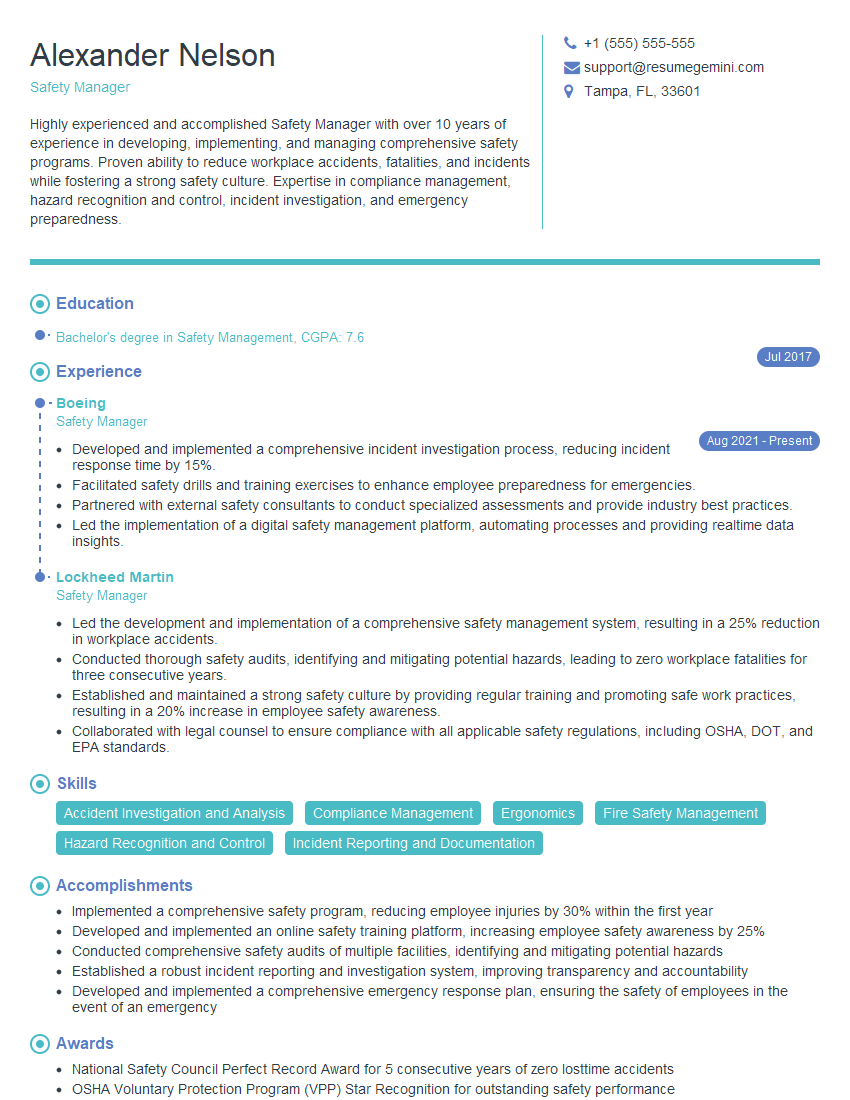
Safety Manager Resume Sample

Operations Manager Resume Sample
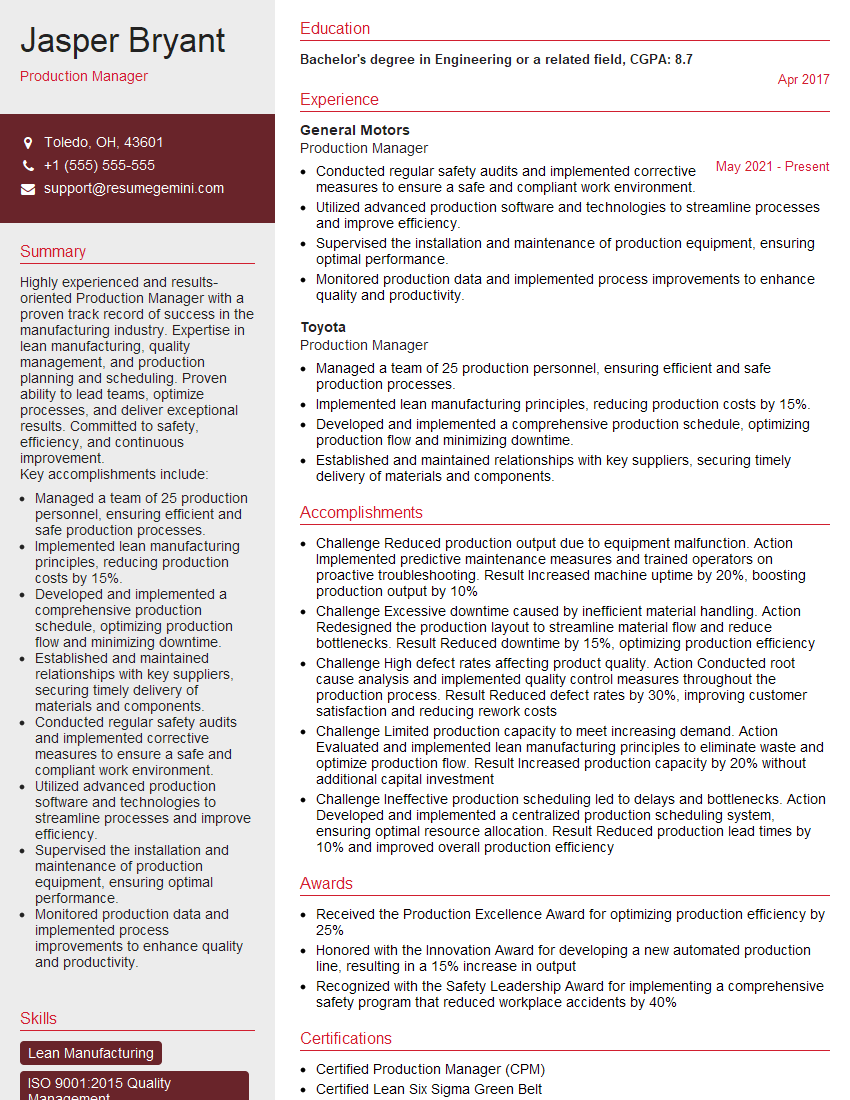
Production Manager Resume Sample
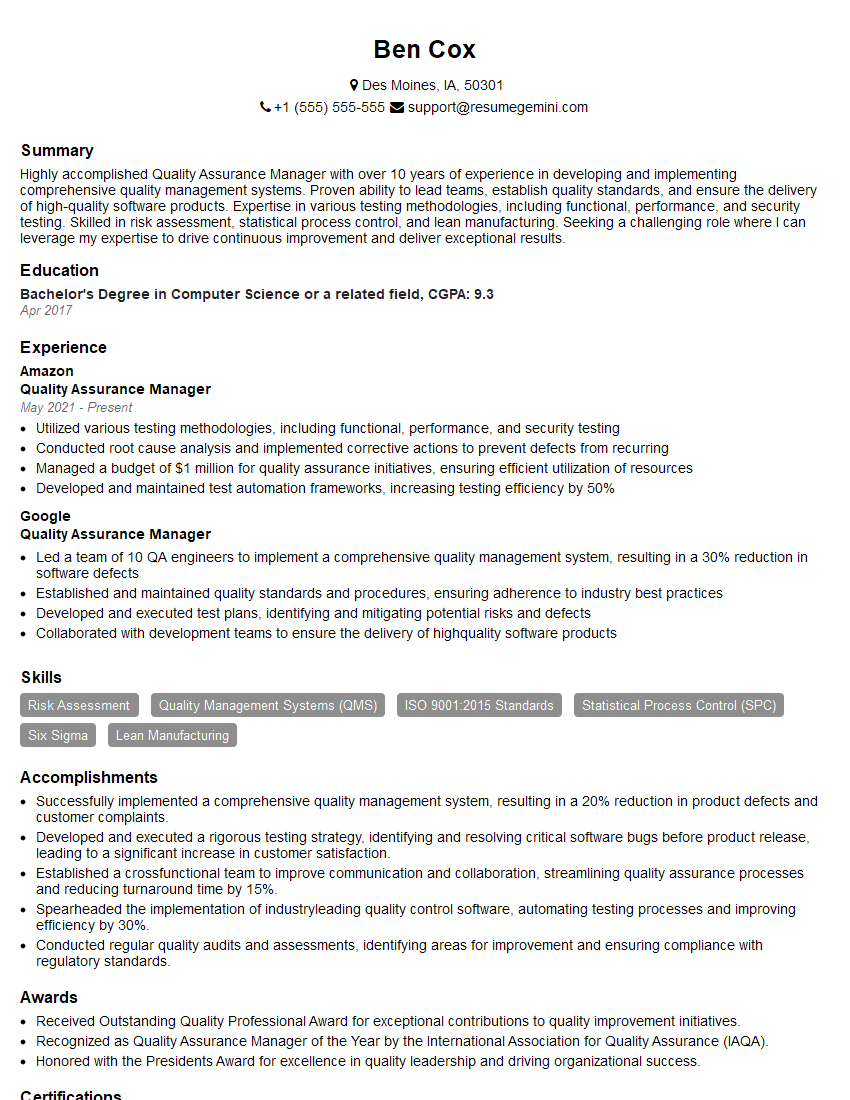
Quality Assurance Manager Resume Sample

Supply Chain Manager Resume Sample
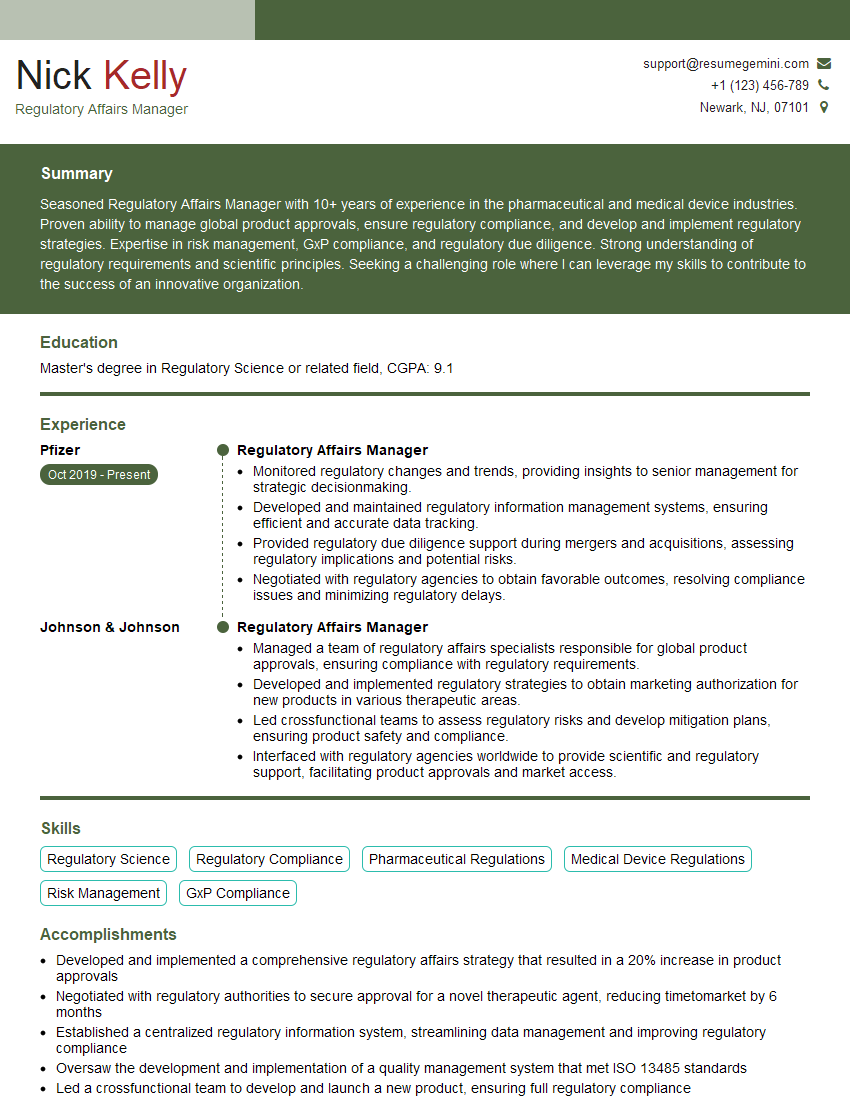
Regulatory Affairs Manager Resume Sample
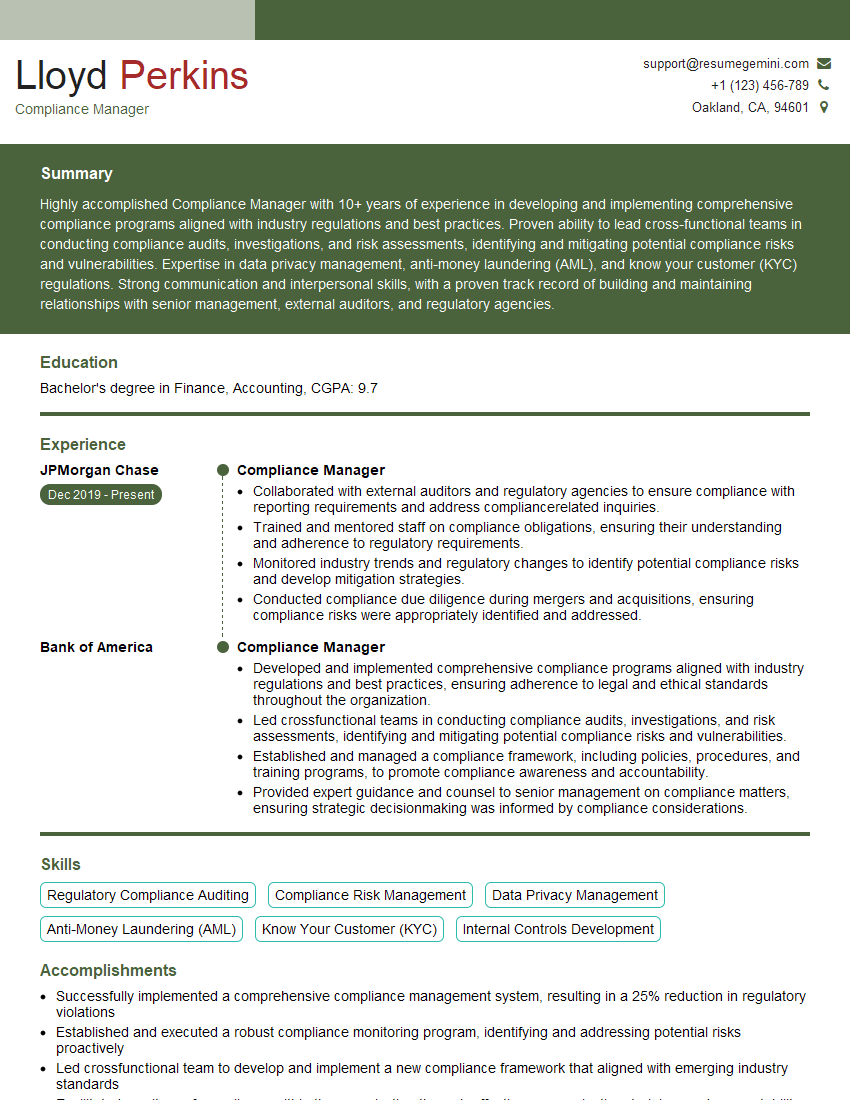
Compliance Manager Resume Sample
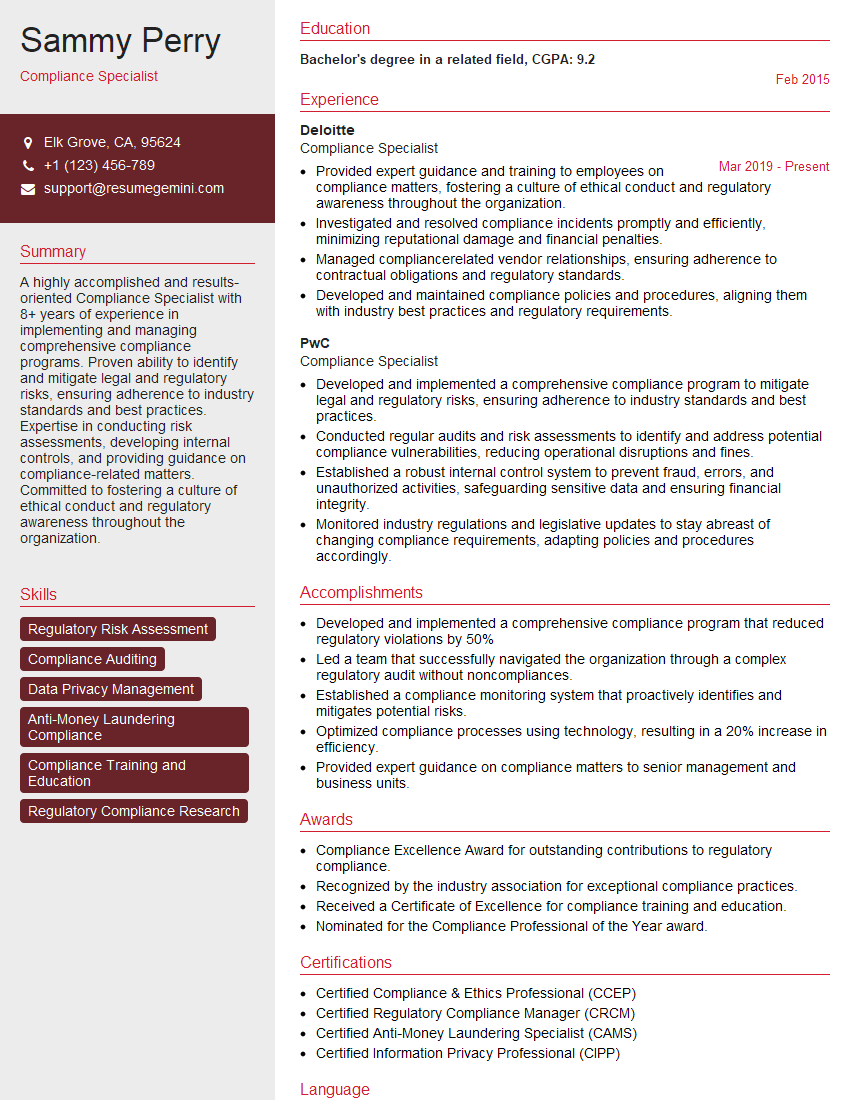
Compliance Specialist Resume Sample
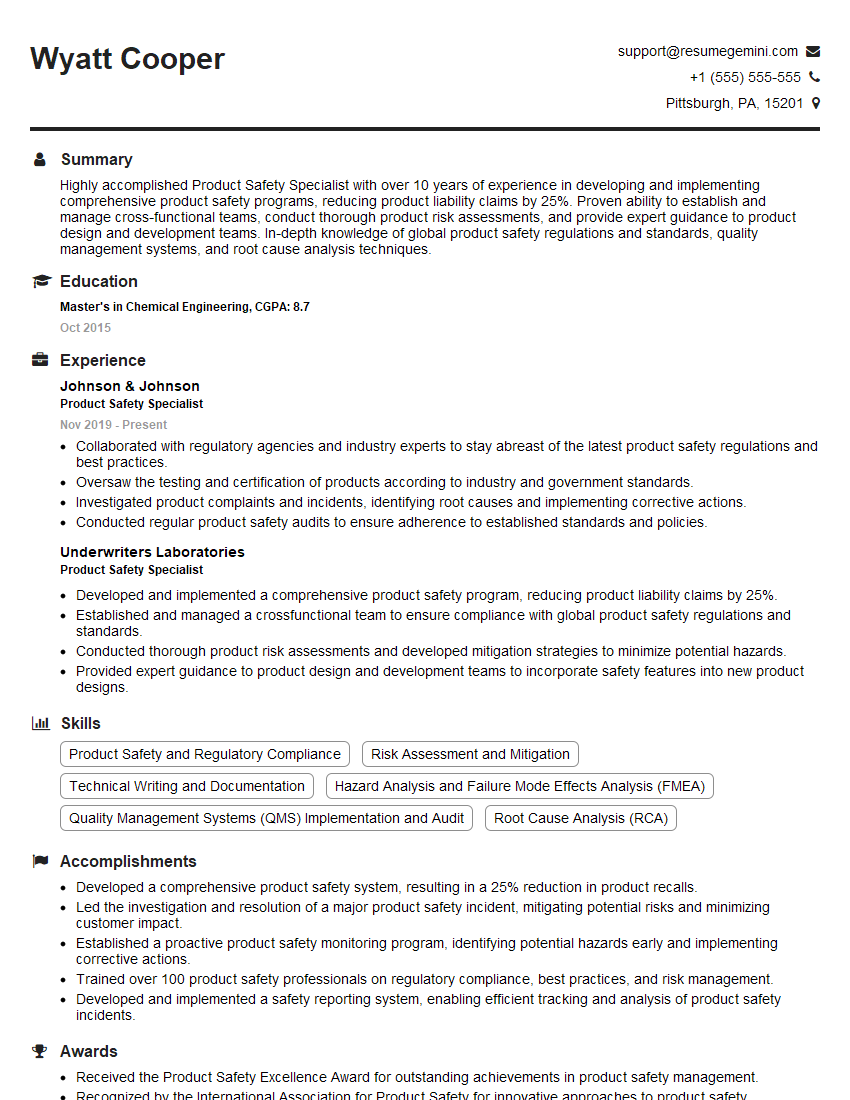
Product Safety Specialist Resume Sample
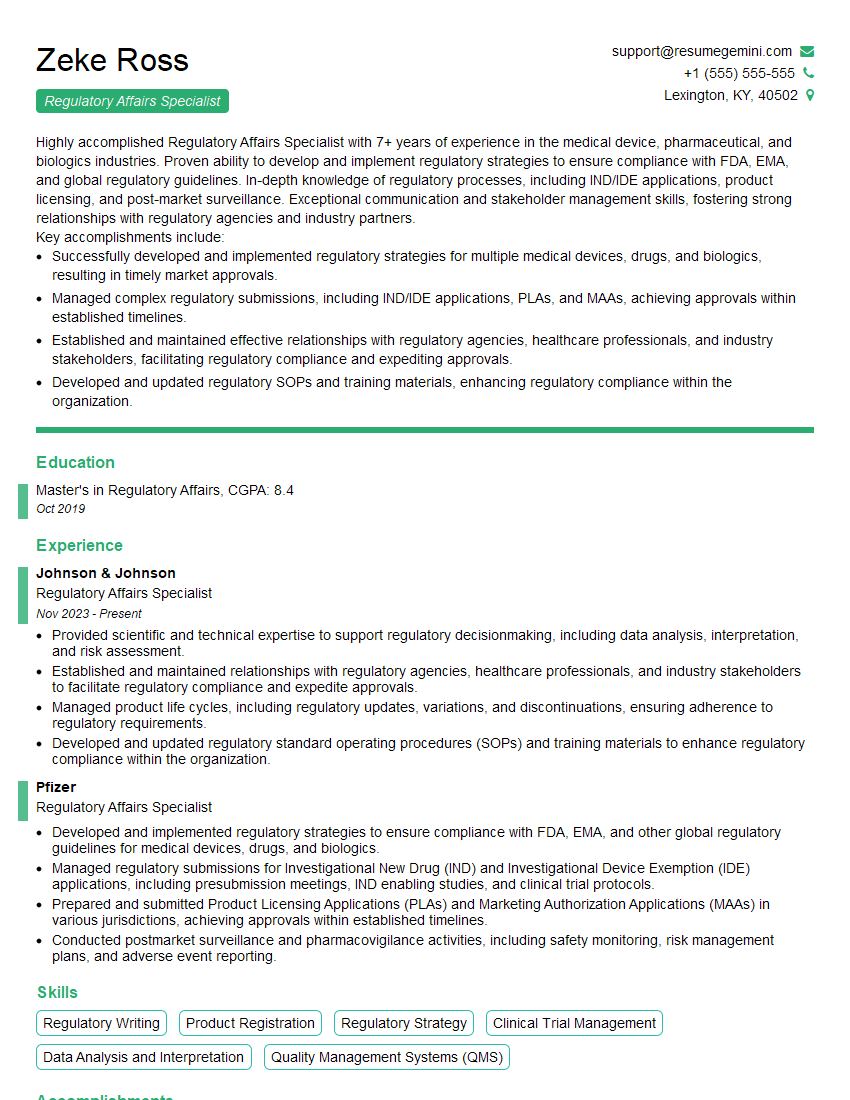
Regulatory Affairs Specialist Resume Sample
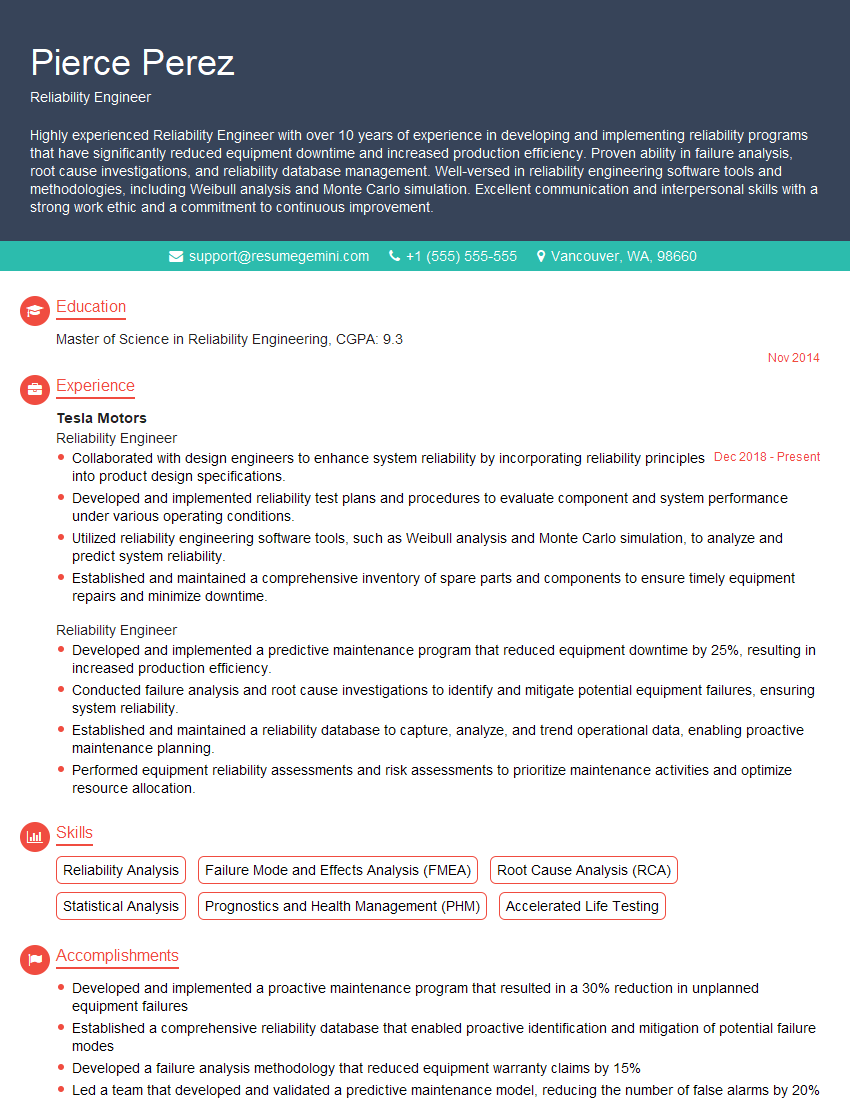
Reliability Engineer Resume Sample

Risk Management Specialist Resume Sample
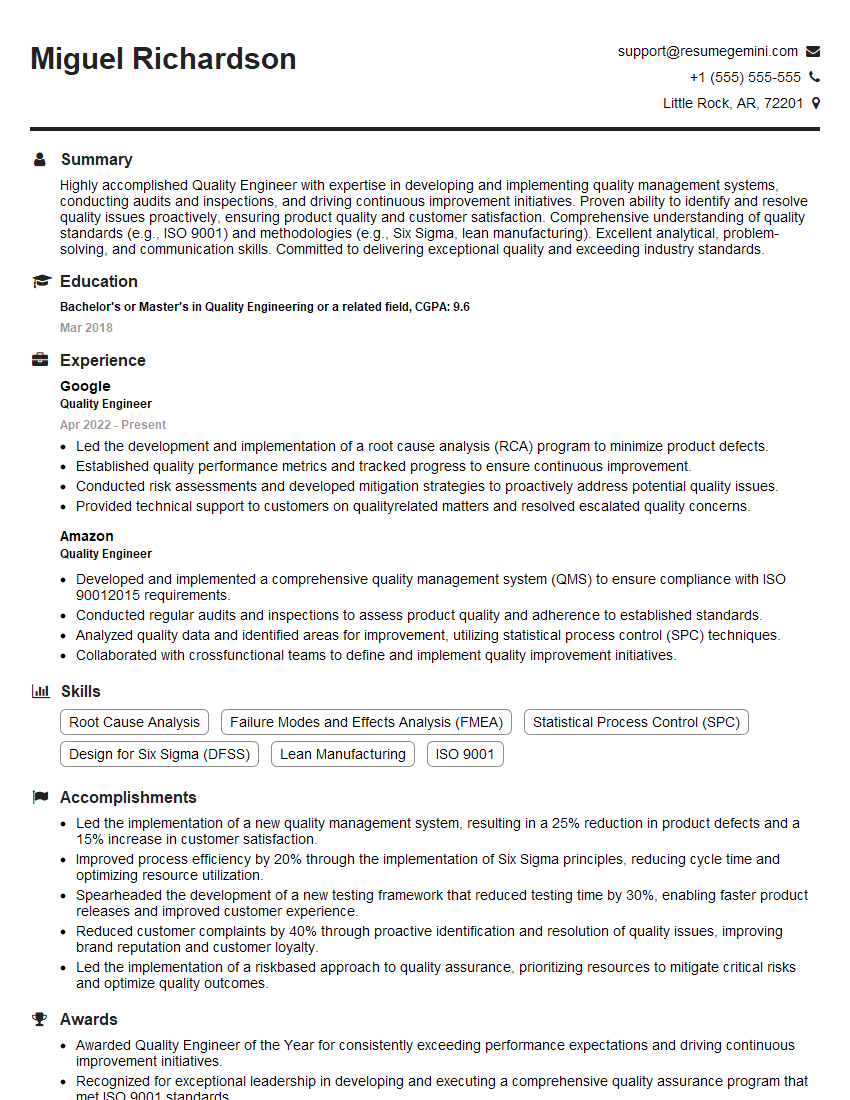
Quality Engineer Resume Sample
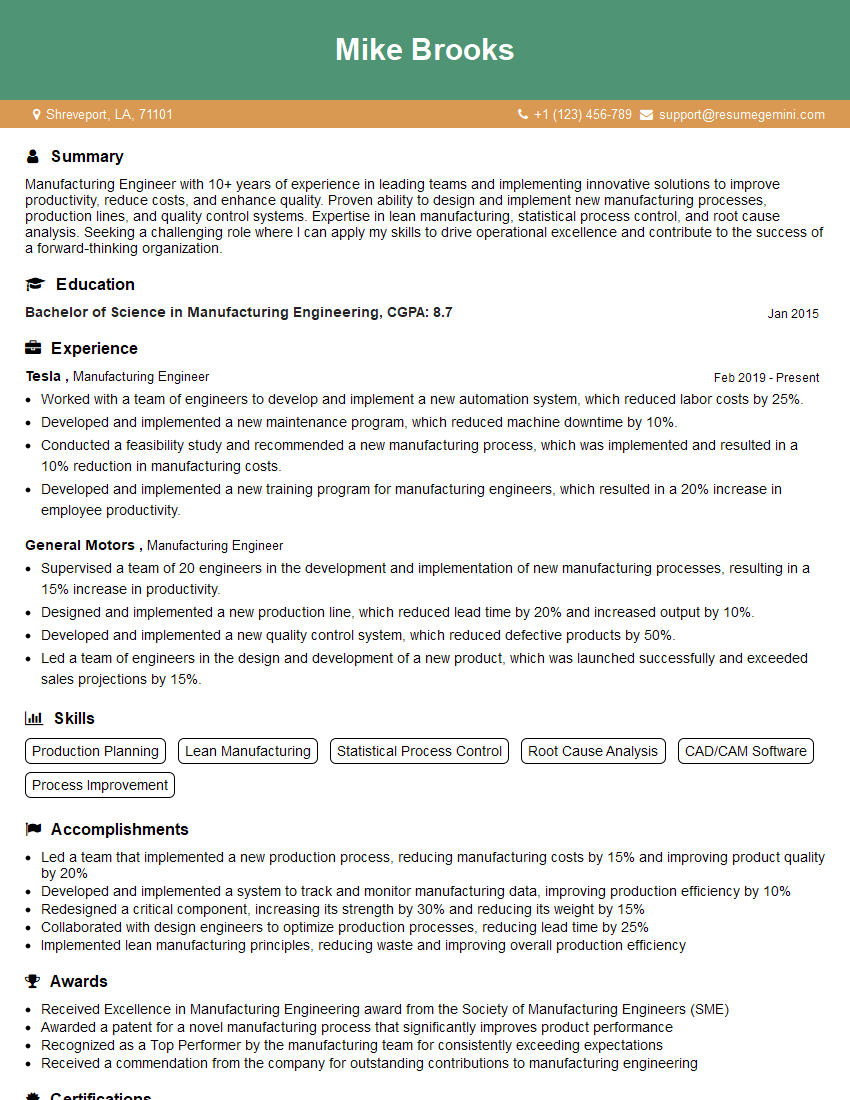
Manufacturing Engineer Resume Sample
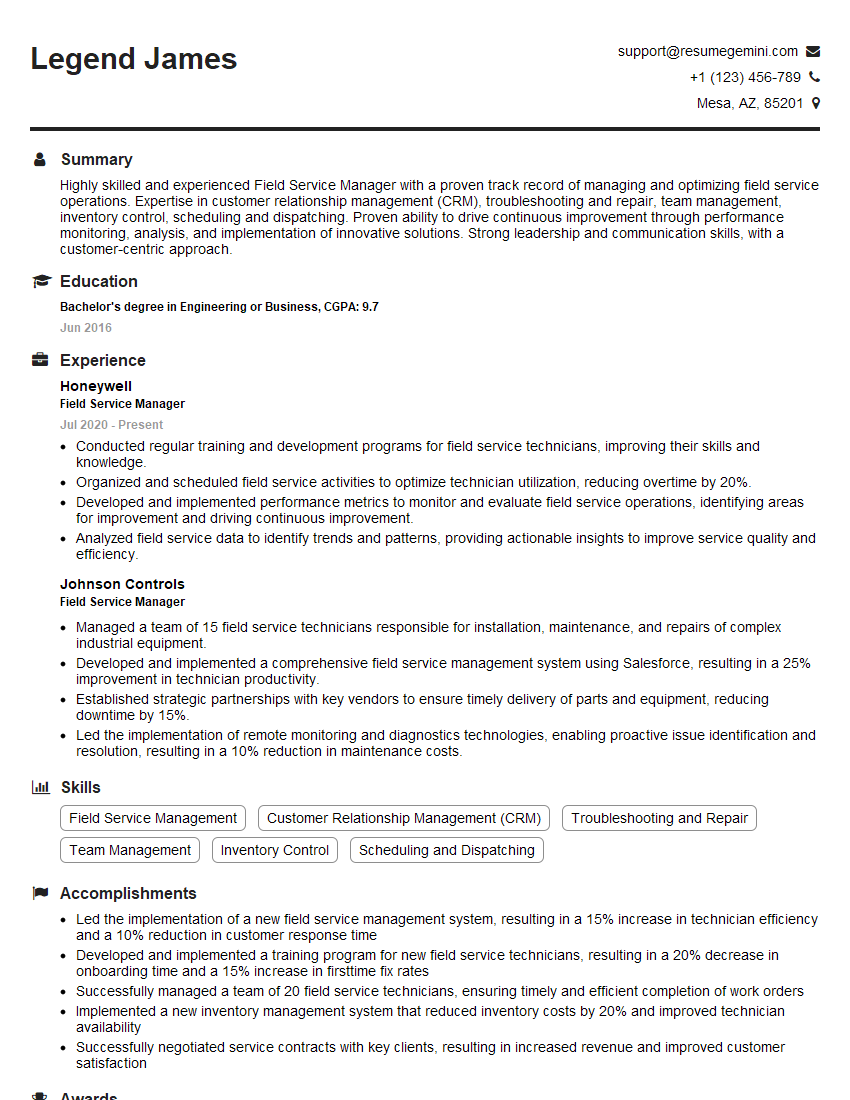
Field Service Manager Resume Sample
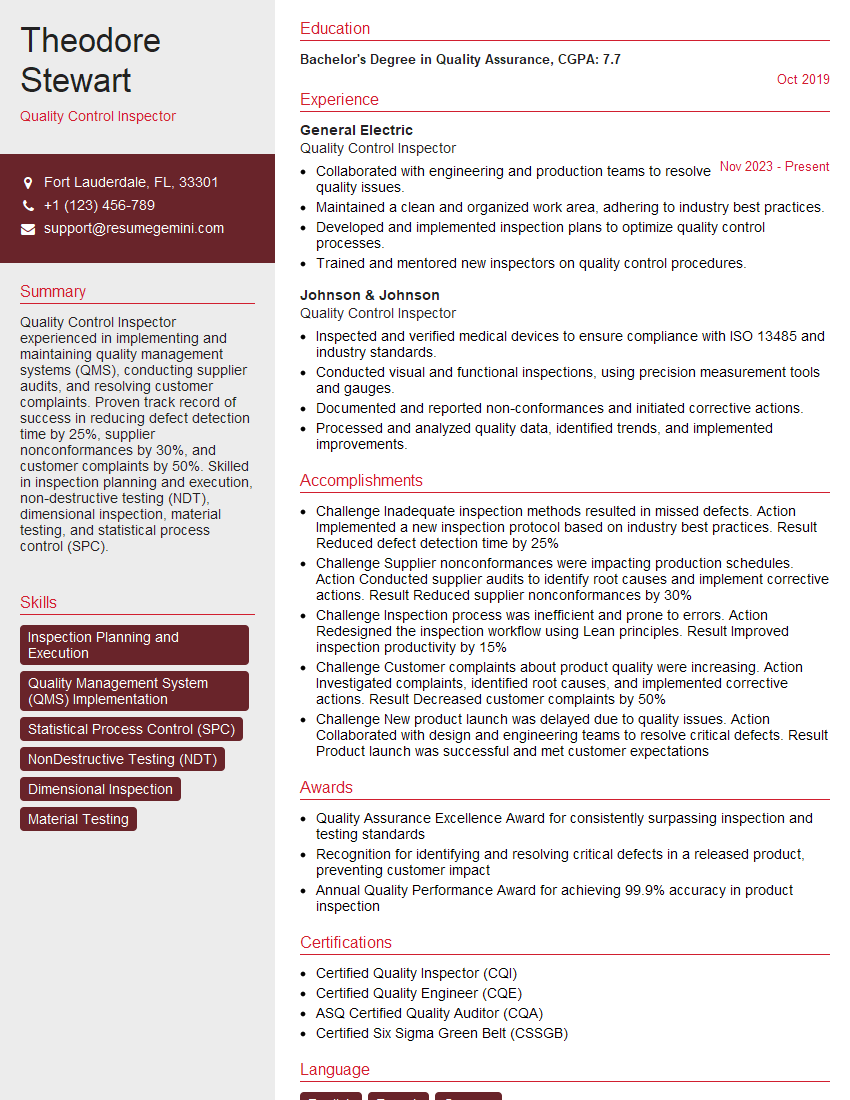
Quality Control Inspector Resume Sample
- Safety Manager
- Operations Manager
- Production Manager
- Quality Assurance Manager
- Supply Chain Manager
- Regulatory Affairs Manager
- Compliance Manager
- Compliance Specialist
- Product Safety Specialist
- Regulatory Affairs Specialist
- Reliability Engineer
- Risk Management Specialist
- Quality Engineer
- Manufacturing Engineer
- Field Service Manager
- Quality Control Inspector
Explore more articles
Users Rating of Our Blogs
Share Your Experience
We value your feedback! Please rate our content and share your thoughts (optional).
What Readers Say About Our Blog
Very informative content, great job.
good