Are you ready to stand out in your next interview? Understanding and preparing for Production Standards interview questions is a game-changer. In this blog, we’ve compiled key questions and expert advice to help you showcase your skills with confidence and precision. Let’s get started on your journey to acing the interview.
Questions Asked in Production Standards Interview
Q 1. Define Production Standards and their importance.
Production standards are a set of predefined rules, specifications, and guidelines that dictate how a product or service should be manufactured or delivered. They ensure consistency, quality, and efficiency throughout the entire production process. Think of them as the recipe for success – following them precisely yields predictable and desirable outcomes.
Their importance is multifaceted:
- Consistent Quality: Standards guarantee products meet the required quality levels, reducing defects and customer complaints.
- Efficiency: Streamlined processes, defined by standards, minimize waste and maximize output.
- Safety: Standards incorporate safety protocols, protecting workers and minimizing workplace hazards.
- Compliance: Meeting industry regulations and certifications (like ISO 9001) requires adherence to specific production standards.
- Brand Reputation: Consistent quality bolsters brand reputation and customer trust.
For example, a bakery’s production standards might specify the exact ingredients, mixing times, and baking temperatures for a particular cake, ensuring each cake tastes and looks the same.
Q 2. Explain the difference between Quality Control and Quality Assurance.
While both Quality Control (QC) and Quality Assurance (QA) aim for high-quality products, their approaches differ significantly. QC is a reactive process focused on inspecting finished products or components to identify defects after they’ve been produced. QA, on the other hand, is a proactive process centered on preventing defects by establishing and maintaining effective processes and standards before production begins.
Think of it this way: QC is like a quality checkpoint at the end of an assembly line, checking for faulty items. QA is the architect designing the assembly line itself to minimize the possibility of producing faulty items in the first place.
QC involves activities like inspections, testing, and sampling. QA encompasses activities like developing standards, training personnel, and auditing processes.
Q 3. Describe your experience with ISO 9001 or other quality management systems.
I have extensive experience implementing and maintaining ISO 9001 standards in previous roles. This involved leading the documentation of all processes, conducting internal audits to ensure compliance, and managing corrective actions whenever non-conformances were identified. For example, in my previous role at [Company Name], we successfully transitioned to ISO 9001:2015, resulting in a 15% reduction in customer complaints within the first year. This involved a comprehensive review of existing processes, the development of new Standard Operating Procedures (SOPs), and rigorous staff training. The documentation process itself was meticulous, ensuring clear, concise, and readily accessible instructions for every aspect of the production process. Regular internal audits allowed us to proactively identify potential weaknesses and implement corrective measures.
Q 4. How do you identify and address deviations from production standards?
Deviation identification relies on a multi-pronged approach: regular monitoring, data analysis, and feedback mechanisms. We use statistical process control (SPC) charts to track key parameters, instantly highlighting any significant shifts from established standards. Employee feedback, whether through formal reporting channels or informal communication, is crucial. Regular internal audits are another vital tool, providing an independent review of the entire production process.
Addressing deviations follows a structured problem-solving methodology. First, the root cause of the deviation is identified through techniques such as 5 Whys or Fishbone diagrams. Then, corrective actions are implemented to fix the immediate problem. Preventive measures are also crucial to prevent recurrence. These are documented and communicated clearly to prevent similar issues in the future. For example, if a batch of products fails a quality test, we’d investigate the cause—was it a faulty machine, incorrect raw materials, or inadequate operator training?—and implement the necessary fixes and training to prevent future failures.
Q 5. What are your methods for implementing and maintaining production standards?
Implementing and maintaining production standards involves a systematic approach:
- Develop Clear Standards: These should be concise, easily understood, and readily accessible to all personnel. Visual aids, like flowcharts and checklists, can be beneficial.
- Training and Communication: Thorough training ensures everyone understands and adheres to the standards. Regular communication keeps the standards current and fosters a culture of quality.
- Documentation: All standards, procedures, and records must be meticulously documented and version-controlled to guarantee consistency and traceability.
- Monitoring and Measurement: Regular monitoring, using statistical tools, allows for timely identification of deviations.
- Continuous Improvement: Regular reviews, audits, and feedback mechanisms contribute to continuous improvement of standards and processes.
For instance, implementing a new standard for cleaning equipment might involve creating a detailed SOP with visuals, training all operators on its correct application, and establishing a monitoring system to track adherence to the new procedure.
Q 6. Describe your experience with process improvement methodologies (e.g., Lean, Six Sigma).
I have significant experience using Lean and Six Sigma methodologies for process improvement. Lean principles, focused on eliminating waste and optimizing processes, have been instrumental in streamlining our production lines. For example, implementing value stream mapping helped identify and eliminate several non-value-added steps in the production of [product name], leading to a 10% increase in efficiency. Six Sigma’s data-driven approach, particularly DMAIC (Define, Measure, Analyze, Improve, Control), has been applied to address recurring quality issues. A recent project using DMAIC identified and eliminated the root cause of a specific defect, reducing its occurrence by 90%.
Q 7. How do you ensure that production standards are consistently met across multiple shifts?
Maintaining consistent production standards across multiple shifts requires a robust system of communication, training, and standardization. Standardized operating procedures (SOPs) must be clear, unambiguous, and easily understood by all personnel, regardless of the shift they work. Regular cross-training between shifts ensures that knowledge and skills are shared, and potential skill gaps are addressed. Regular shift meetings and briefings facilitate communication and address any arising issues or deviations promptly. Effective use of real-time data and dashboards allows for continuous monitoring of production parameters across all shifts, enabling quick detection and resolution of inconsistencies. A robust quality control system, with checks and balances at each stage of production, is crucial to ensure consistency throughout.
Q 8. How do you handle discrepancies between production data and expected standards?
Discrepancies between production data and expected standards are addressed through a systematic process. First, I verify the accuracy of the data itself, checking for potential errors in measurement, recording, or data entry. Then, I compare the actual production data against the established standards, clearly identifying the magnitude and nature of the deviation. For instance, if our standard for widget production is 1000 units per hour, and we only produced 800, the discrepancy is 200 units. The next step involves investigating potential causes (which we’ll discuss in the next question). Finally, depending on the severity and root cause, we initiate corrective actions, ranging from minor adjustments to process parameters to larger-scale process improvements.
For example, in a previous role, we found a discrepancy in the packaging line’s output. Initial investigation revealed inconsistencies in the automated labeling system. A minor software update resolved the issue, returning production to the expected standard.
Q 9. Explain your approach to root cause analysis when production standards are not met.
My approach to root cause analysis follows the “5 Whys” methodology, combined with data analysis and process mapping. The “5 Whys” helps drill down to the root cause by repeatedly asking “why” until the underlying issue is identified. This is complemented by analyzing relevant data—production logs, machine performance data, quality control reports—to pinpoint trends and correlations. Finally, process mapping helps visualize the workflow and identify bottlenecks or areas prone to errors.
For example, if production is consistently below target, I wouldn’t just stop at “the machines are slow.” I’d ask why they are slow. Maybe it’s due to regular maintenance issues (why?), perhaps inadequate maintenance schedules (why?), maybe insufficient training for maintenance personnel (why?), ultimately leading to a systemic issue that can be addressed through training improvements and optimized maintenance schedules.
Q 10. Describe your experience with data analysis related to production standards.
My experience with data analysis in relation to production standards is extensive. I’m proficient in using statistical software like R and Python to analyze large datasets, identify trends, and create visualizations that reveal patterns in production data. This includes performing statistical process control (SPC) to monitor process stability, identifying outliers and special cause variations, and calculating key performance indicators (KPIs) like yield, efficiency, and defect rates. I routinely use control charts (e.g., Shewhart, CUSUM) to monitor processes and identify areas needing attention. I’m also comfortable working with different data sources, ensuring data quality and integrity before analysis.
For instance, in a past project, I used regression analysis to determine the relationship between machine speed and defect rate. The findings led to an optimization of machine parameters, resulting in a significant reduction in defects and improved production yield.
Q 11. How do you communicate production standard deviations to relevant stakeholders?
Communicating production standard deviations to stakeholders requires a clear, concise, and timely approach. I utilize different communication methods depending on the audience and the severity of the deviation. For minor deviations, I might use a brief email update. For more significant issues, I’d prepare a formal report with detailed analysis, including recommendations for corrective actions. Visual aids like charts and graphs are crucial in making complex data easily understandable. I always ensure communication is transparent and proactively involves all relevant stakeholders, including management, production teams, and quality control.
For example, during a significant production shortfall, I prepared a presentation for senior management that included a root cause analysis, corrective actions, and a revised production plan. This ensured transparency and facilitated collaborative decision-making.
Q 12. What are some common challenges in maintaining production standards?
Maintaining production standards presents various challenges. These include:
- Equipment malfunctions: Unexpected machine breakdowns can disrupt production and lead to deviations from standards.
- Raw material inconsistencies: Variations in the quality or properties of raw materials can impact the final product and necessitate adjustments.
- Lack of skilled labor: Insufficiently trained personnel can make mistakes and contribute to production errors.
- Process inefficiencies: Bottlenecks or poorly designed processes can hinder production and compromise quality.
- Changing market demands: Sudden increases or decreases in demand can make it challenging to adapt production processes while adhering to standards.
Effective management of these challenges requires proactive planning, robust preventative maintenance programs, employee training, and adaptable production systems.
Q 13. How do you balance production speed with adherence to quality standards?
Balancing production speed and quality standards requires a strategic approach. It’s not a zero-sum game; optimizing one doesn’t necessitate compromising the other. Instead, I focus on continuous improvement techniques like Lean Manufacturing and Six Sigma. These methodologies prioritize identifying and eliminating waste (time, materials, effort) while simultaneously enhancing quality. Implementing automation where appropriate, streamlining processes, and investing in advanced quality control measures help to achieve both speed and quality. Regular monitoring of KPIs related to both speed and quality provides crucial data-driven insights for optimization.
For example, implementing a Kanban system to manage workflow has improved our production flow significantly, leading to both faster production cycles and fewer defects.
Q 14. What is your experience with implementing corrective actions for production standard failures?
My experience with implementing corrective actions involves a structured approach. Once the root cause of a production standard failure is identified, corrective actions are developed and implemented. This includes documenting the problem, proposed solution, responsible parties, and timelines. Following implementation, thorough monitoring and evaluation are crucial to ensure the effectiveness of the corrective actions. Data is continuously collected to assess the impact on the process. If the corrective actions prove insufficient, further adjustments are made until the desired standards are met. The entire process, from problem identification to implementation and verification, is documented and archived for future reference and learning.
For instance, after identifying a recurring defect in a particular component, we implemented a more rigorous inspection process at the point of manufacture and improved operator training. Regular monitoring showed a significant decrease in defects after this intervention.
Q 15. How do you ensure proper training and documentation related to production standards?
Ensuring proper training and documentation for production standards is crucial for consistent quality and efficiency. My approach is multifaceted, focusing on both initial onboarding and ongoing reinforcement.
- Structured Training Programs: I develop and deliver comprehensive training programs tailored to different roles and skill levels. These programs utilize a blend of classroom instruction, hands-on workshops, and interactive simulations to ensure effective knowledge transfer. For example, new machine operators receive detailed training on the specific machinery, safety protocols, and quality checks outlined in the production standards.
- Accessible Documentation: We create and maintain a centralized, easily accessible repository for all production standards documentation. This includes standard operating procedures (SOPs), work instructions, quality control checklists, and any relevant technical specifications. The documentation is formatted clearly, using visual aids and flowcharts where appropriate, ensuring that even non-technical staff can readily understand and implement them. We use a version control system to track changes and ensure everyone is working with the latest version.
- Regular Refresher Training: To combat knowledge decay and keep pace with process improvements, we implement regular refresher training sessions. These sessions focus on reviewing key aspects of the standards, addressing common issues, and incorporating feedback from the production floor. This keeps the information relevant and fresh.
- Performance Monitoring & Feedback: Ongoing performance monitoring through regular check-ins, performance reviews, and quality checks helps identify any gaps in understanding or implementation. Feedback from these processes is incorporated into subsequent training sessions to continuously improve the effectiveness of the program.
Career Expert Tips:
- Ace those interviews! Prepare effectively by reviewing the Top 50 Most Common Interview Questions on ResumeGemini.
- Navigate your job search with confidence! Explore a wide range of Career Tips on ResumeGemini. Learn about common challenges and recommendations to overcome them.
- Craft the perfect resume! Master the Art of Resume Writing with ResumeGemini’s guide. Showcase your unique qualifications and achievements effectively.
- Don’t miss out on holiday savings! Build your dream resume with ResumeGemini’s ATS optimized templates.
Q 16. Explain your experience with the use of statistical process control (SPC).
Statistical Process Control (SPC) is a cornerstone of my approach to ensuring consistent production quality. I have extensive experience using SPC methods to monitor, control, and improve manufacturing processes.
- Control Charts: I’m proficient in using various control charts, such as X-bar and R charts, p-charts, and c-charts, to monitor process variability and identify potential sources of variation. For example, in a previous role, we used X-bar and R charts to monitor the diameter of manufactured parts, allowing for early detection of deviations from the target specification. This prevented large batches of non-conforming parts and minimized waste.
- Process Capability Analysis: I’ve used process capability studies (Cp, Cpk) to determine whether a process is capable of meeting specified requirements. This analysis provides crucial data for process improvement initiatives. A low Cpk value would indicate areas needing immediate attention and potential redesign of the process or equipment.
- Data Analysis & Interpretation: My expertise extends beyond simply generating charts; I’m adept at interpreting the data to identify root causes of variation and implement corrective actions. This involves applying tools like Pareto charts and fishbone diagrams to understand the underlying causes of process problems.
- Software Proficiency: I am proficient in using various SPC software packages (like Minitab, JMP) to streamline data analysis and reporting.
Q 17. How do you utilize production standards to improve efficiency?
Production standards are not just rules; they are tools for enhancing efficiency. Implementing well-defined standards streamlines operations and reduces waste in several ways.
- Standardization of Work: Clearly defined procedures reduce variations in processes and minimize errors. This translates to less rework, fewer defects, and increased throughput. Think of it like assembling furniture with instructions versus guessing. The instructions (standards) lead to a faster and better outcome.
- Improved Resource Allocation: Standards help optimize resource allocation by clarifying the required materials, equipment, and manpower for each process. This prevents waste due to overstocking or understaffing.
- Reduced Lead Times: Streamlined processes and clear procedures reduce bottlenecks and lead times. This gets products to market faster and improves responsiveness to customer demands.
- Enhanced Safety: Standardized safety procedures reduce workplace accidents and improve overall safety culture. This translates to fewer lost workdays and improved morale.
- Data-Driven Improvement: Data collected through monitoring and SPC helps identify areas for process optimization and efficiency gains. This is a continuous improvement cycle.
Q 18. What is your experience with developing and implementing new production standards?
Developing and implementing new production standards is a systematic process requiring meticulous planning and collaboration. My experience includes:
- Needs Assessment: I begin with a thorough needs assessment to understand the current state of the process, identify areas for improvement, and define the goals for the new standards. This involves gathering data, analyzing current practices, and consulting with stakeholders across different departments.
- Standard Development: I leverage my knowledge of best practices, industry benchmarks, and lean manufacturing principles to develop clear, concise, and effective standards. This often involves using visual aids like flowcharts and diagrams to improve clarity and understanding.
- Pilot Testing & Validation: Before full-scale implementation, we conduct pilot tests to validate the effectiveness of the new standards. This allows us to identify and address any potential problems early on. This minimizes disruption during full implementation.
- Training and Communication: A crucial part of the process is providing thorough training and clear communication to all affected staff. This ensures everyone understands and adheres to the new standards.
- Monitoring and Continuous Improvement: After implementation, we continuously monitor the effectiveness of the new standards through data analysis and feedback from the production team. This allows us to make necessary adjustments and ensure continuous improvement.
Q 19. Describe a situation where you had to compromise on a production standard; explain your rationale.
In one instance, we had a strict production standard regarding the use of a particular type of adhesive. However, due to an unexpected supplier shortage, we were forced to temporarily compromise the standard and use a substitute adhesive that met a slightly relaxed set of criteria.
My rationale for this compromise was based on several factors:
- Urgency: The supplier shortage created an immediate production bottleneck, threatening to disrupt delivery schedules and negatively impact customer satisfaction.
- Risk Assessment: We conducted a thorough risk assessment, analyzing the potential consequences of using the substitute adhesive. Our analysis showed that while it didn’t perfectly meet all specifications, the risk of product failure was minimal, and the impact on quality was acceptable within a defined tolerance.
- Communication and Documentation: We clearly documented the deviation from the standard, outlining the rationale and the mitigation measures taken. All relevant stakeholders were informed, and close monitoring was implemented to ensure no adverse effects arose.
- Lessons Learned: This situation highlighted the importance of having contingency plans and a robust supplier management process in place to mitigate risks associated with supplier disruptions in the future.
Q 20. How do you measure the effectiveness of implemented production standards?
Measuring the effectiveness of implemented production standards involves a combination of quantitative and qualitative metrics.
- Key Performance Indicators (KPIs): We track key performance indicators such as defect rates, production output, cycle times, and lead times. Significant improvements in these metrics suggest the standards are positively impacting performance.
- Process Capability Indices (Cp, Cpk): Monitoring these indices helps evaluate whether the process is consistently meeting specifications. Improvement in these indices indicates better process control and consistency.
- Customer Satisfaction: Feedback from customers provides valuable insights into product quality and reliability. High customer satisfaction rates indirectly validate the effectiveness of the standards in ensuring high-quality products.
- Employee Feedback Surveys: Gathering feedback directly from the production team through surveys or regular meetings helps identify any areas where the standards may be unclear, difficult to implement, or unnecessarily restrictive. This ensures ongoing improvement.
- Waste Reduction Metrics: Monitoring waste generated during production – such as scrap, rework, and material waste – provides insights into the efficiency gains achieved through the standards. Reduction in waste signifies a positive impact on efficiency.
Q 21. How do you incorporate feedback from production staff into improving standards?
Incorporating feedback from production staff is vital for continuous improvement. I utilize several mechanisms to achieve this:
- Regular Feedback Sessions: We conduct regular meetings and brainstorming sessions to gather feedback from production workers on the standards’ effectiveness. These sessions are designed to be open and encouraging, fostering a safe environment for sharing opinions.
- Suggestion Boxes and Online Platforms: We provide suggestion boxes and online platforms (such as anonymous surveys) where employees can submit their feedback anonymously. This allows for frank and honest feedback even on sensitive topics.
- Observation and Shadowing: I regularly observe production processes and shadow workers to identify any difficulties they encounter while following the standards. This firsthand observation helps detect problems that may not be apparent through other feedback channels.
- Root Cause Analysis: When issues arise, we use root cause analysis techniques, like the 5 Whys, to investigate the underlying problems. This often involves active participation from frontline employees, enhancing their understanding and ownership.
- Actionable Feedback: Feedback is not just collected; it’s analyzed and acted upon. We prioritize implementing changes based on the feedback and communicating the results back to the team. This demonstrates that their opinions are valued and that their input makes a difference.
Q 22. How familiar are you with different types of inspection methods?
Inspection methods are crucial for ensuring production standards are met. They range from simple visual checks to sophisticated automated systems. My familiarity encompasses several types:
- Visual Inspection: This is the most basic method, involving a visual examination of the product or process for defects. It’s effective for identifying obvious flaws but can be subjective and prone to human error. For example, checking for scratches on a finished product.
- Dimensional Inspection: Using tools like calipers, micrometers, or coordinate measuring machines (CMMs) to verify that the product dimensions conform to specifications. This is critical in manufacturing where precise measurements are essential, such as in aerospace or automotive parts.
- Functional Testing: Testing the product’s functionality to ensure it performs as designed. This might involve testing the operational speed of a motor or the accuracy of a sensor. It ensures the product is not only built correctly but also works correctly.
- Destructive Testing: This involves testing a sample to its breaking point to determine its strength, durability, or other properties. While destructive, it provides crucial data for ensuring product reliability and safety, for example, tensile testing on a metal component.
- Non-Destructive Testing (NDT): Methods like ultrasonic testing, X-ray inspection, or magnetic particle inspection are used to detect internal flaws without damaging the product. This is vital in industries like pipeline construction or aerospace, where internal defects could be catastrophic.
My experience spans all these methods, with a particular focus on integrating NDT techniques for early defect detection and minimizing waste.
Q 23. What is your experience with creating and maintaining quality control documentation?
Creating and maintaining quality control documentation is fundamental to a robust production system. My experience involves developing and implementing comprehensive documentation systems that cover all aspects of the production process.
This includes:
- Standard Operating Procedures (SOPs): Detailed step-by-step instructions for each production process, ensuring consistency and reducing errors. I’ve developed SOPs for everything from equipment calibration to material handling.
- Inspection Checklists: Structured forms that guide inspectors through the various checks needed to verify product quality, ensuring thoroughness and consistency in the inspection process. I’ve designed checklists tailored to different product lines and inspection methods.
- Control Charts: Visual tools used to track key process parameters over time, identifying trends and potential problems before they escalate. I’m proficient in using control charts to monitor aspects like process yield and defect rates.
- Quality Records: Maintaining accurate records of all quality-related activities, including inspection results, corrective actions, and non-conformance reports. These records are vital for tracing issues, identifying root causes and continuous improvement.
I utilize version control systems to manage documentation, ensuring that everyone has access to the most up-to-date information and changes are tracked effectively. This minimizes confusion and ensures a consistently high level of quality.
Q 24. Describe your experience using a specific production management software (e.g., ERP).
I have extensive experience using SAP ERP (Enterprise Resource Planning) software for production management. SAP ERP provides a centralized system for managing all aspects of production, from planning and scheduling to inventory control and quality management.
Specifically, I’ve used SAP modules like:
- Production Planning (PP): For creating production orders, managing material requirements, and scheduling production activities.
- Quality Management (QM): For managing inspections, non-conformances, and corrective actions.
- Materials Management (MM): For managing inventory levels and procurement of raw materials.
For example, I leveraged SAP PP to optimize production schedules, reducing lead times and improving on-time delivery. Through SAP QM, I tracked and analyzed quality data, identifying areas for improvement and reducing defect rates. My proficiency in using SAP’s reporting tools allowed me to generate insightful data-driven reports to support decision-making in the continuous improvement process. I am also proficient in using other ERP systems, adapting my expertise to different software environments.
Q 25. How would you handle a situation where a critical production standard is not being met?
Encountering a critical production standard deviation requires a swift and systematic response. My approach follows these steps:
- Immediate Containment: The first step is to stop the production process to prevent further non-conforming products from being produced. This might involve isolating affected materials or halting a specific production line.
- Root Cause Analysis: A thorough investigation to identify the underlying cause(s) of the deviation. This often involves analyzing data, interviewing personnel, and reviewing processes. Tools like 5 Whys or Fishbone diagrams can be useful here.
- Corrective Actions: Implement solutions to address the root cause(s). This might involve adjusting equipment settings, retraining personnel, or revising procedures. The goal is to prevent recurrence.
- Preventive Actions: Implementing measures to prevent similar deviations in the future. This might involve modifying the production process, improving monitoring systems, or implementing new quality control checks.
- Documentation and Reporting: Meticulously documenting the entire process, including the root cause, corrective actions, and preventive measures. This ensures accountability and serves as a valuable learning experience for future prevention.
For example, if a critical dimension on a manufactured part falls outside specifications, I would immediately halt production, investigate the cause (e.g., machine malfunction, incorrect tooling), repair or replace the machine, re-calibrate tools and then implement additional checks during production to prevent the issue from recurring.
Q 26. What are your strategies for preventing future deviations from production standards?
Preventing future deviations relies on a proactive and multi-faceted approach. My strategies include:
- Robust Training Programs: Thorough training for all production personnel, ensuring they understand production standards and procedures. This includes regular refresher training and updates to keep up with evolving standards and technologies.
- Preventive Maintenance Programs: Implementing a rigorous schedule for preventive maintenance of all production equipment to minimize breakdowns and ensure consistent performance. This is crucial for maintaining production standards and minimizing downtime.
- Process Capability Studies: Conducting statistical analysis to assess the capability of production processes, identifying areas for improvement and minimizing variation. This helps to maintain consistency and meet production targets.
- Continuous Improvement Initiatives: Embracing methodologies like Six Sigma or Lean Manufacturing to continuously identify and address areas for improvement. This involves regularly reviewing processes, data, and feedback to make iterative changes.
- Supplier Quality Management: Implementing strict quality controls for suppliers to ensure that raw materials and components meet the required standards. This includes regular audits of supplier facilities and processes.
By using a combination of these strategies, we can create a culture of continuous improvement and minimize the likelihood of deviations from production standards.
Q 27. Describe your experience in collaborating with cross-functional teams to improve production standards.
Collaborating effectively with cross-functional teams is essential for optimizing production standards. My experience involves working closely with various departments, including engineering, quality control, and operations, to achieve common goals.
My approach emphasizes:
- Open Communication: Establishing clear and open communication channels to facilitate the sharing of information and ideas. This includes regular meetings, progress reports, and feedback mechanisms.
- Shared Goals: Ensuring everyone understands and is aligned with common production goals and objectives. This promotes collaboration and teamwork.
- Data-Driven Decision Making: Using data to identify areas for improvement and make informed decisions. This encourages a collaborative and objective approach to problem-solving.
- Constructive Feedback: Creating a supportive environment where constructive feedback is encouraged and used to improve processes and collaboration.
For example, in one project, I worked with the engineering team to redesign a critical component to reduce defect rates and improve reliability. I collaborated with the operations team to optimize the production flow to reduce lead times. By fostering strong relationships with all relevant teams, we achieved significant improvements in production efficiency and quality.
Key Topics to Learn for Production Standards Interview
- Quality Control Processes: Understanding different quality control methodologies (e.g., Six Sigma, Lean Manufacturing) and their practical application in ensuring product consistency and meeting specifications.
- Production Efficiency and Optimization: Analyzing production processes to identify bottlenecks and inefficiencies, proposing solutions to improve throughput, reduce waste, and optimize resource allocation. This includes understanding techniques like Kaizen and Value Stream Mapping.
- Safety Regulations and Compliance: Demonstrating knowledge of relevant health and safety regulations within a production environment and the importance of adhering to safety protocols to prevent accidents and ensure worker well-being.
- Production Planning and Scheduling: Understanding techniques for effective production planning, including forecasting demand, materials management, and scheduling production runs to meet deadlines and optimize resource utilization. This might include familiarity with MRP (Material Requirements Planning) systems.
- Data Analysis and Reporting: Analyzing production data to identify trends, track key performance indicators (KPIs), and generate reports to monitor performance and identify areas for improvement. This includes understanding statistical process control (SPC) charts and other data visualization techniques.
- Problem-Solving and Troubleshooting: Demonstrating the ability to identify, analyze, and resolve production issues effectively and efficiently, using structured problem-solving methodologies.
- Technology and Automation in Production: Understanding the role of technology and automation in modern production environments, including robotics, automation systems, and data analytics tools. Familiarity with relevant software and systems is beneficial.
Next Steps
Mastering Production Standards is crucial for career advancement in manufacturing and related fields. A strong understanding of these concepts demonstrates your ability to contribute to efficient, safe, and high-quality production processes. To significantly boost your job prospects, create an ATS-friendly resume that highlights your skills and experience effectively. We recommend using ResumeGemini to build a professional and impactful resume that showcases your qualifications. ResumeGemini provides examples of resumes tailored to Production Standards to help guide you in crafting the perfect document.

Operations Manager Resume Sample
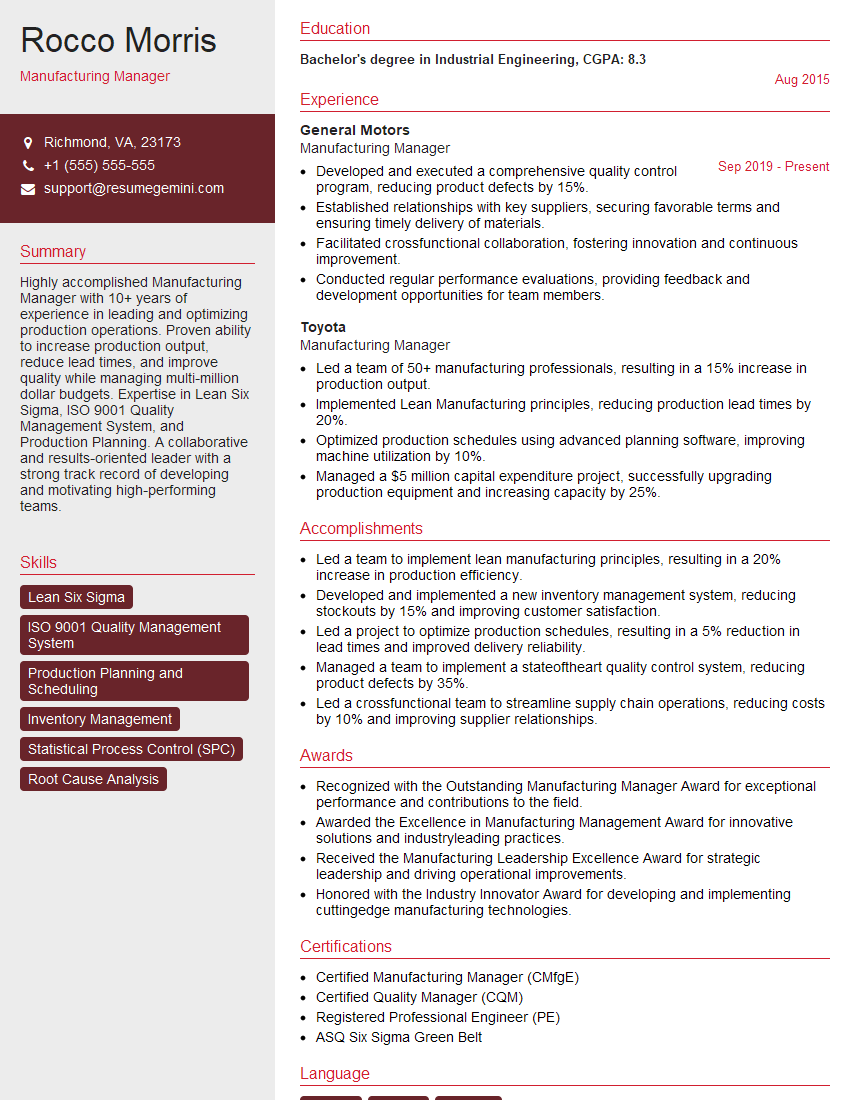
Manufacturing Manager Resume Sample
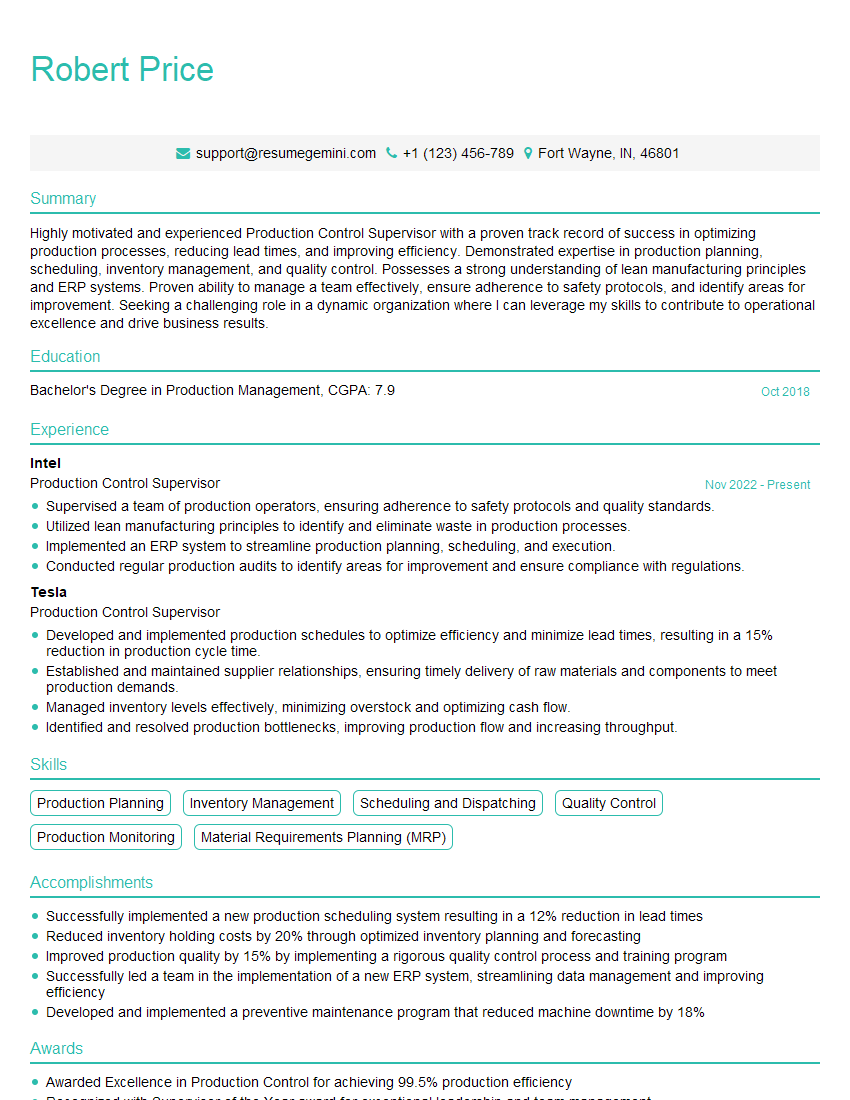
Production Control Supervisor Resume Sample
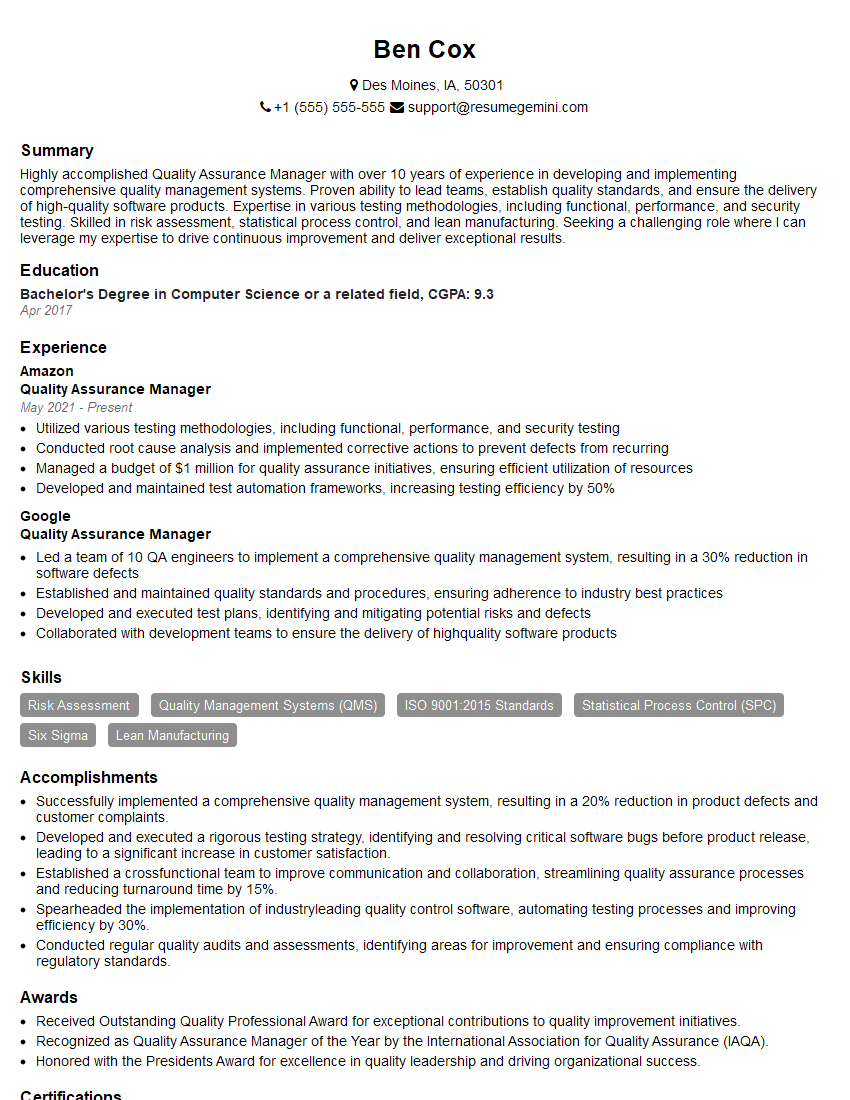
Quality Assurance Manager Resume Sample
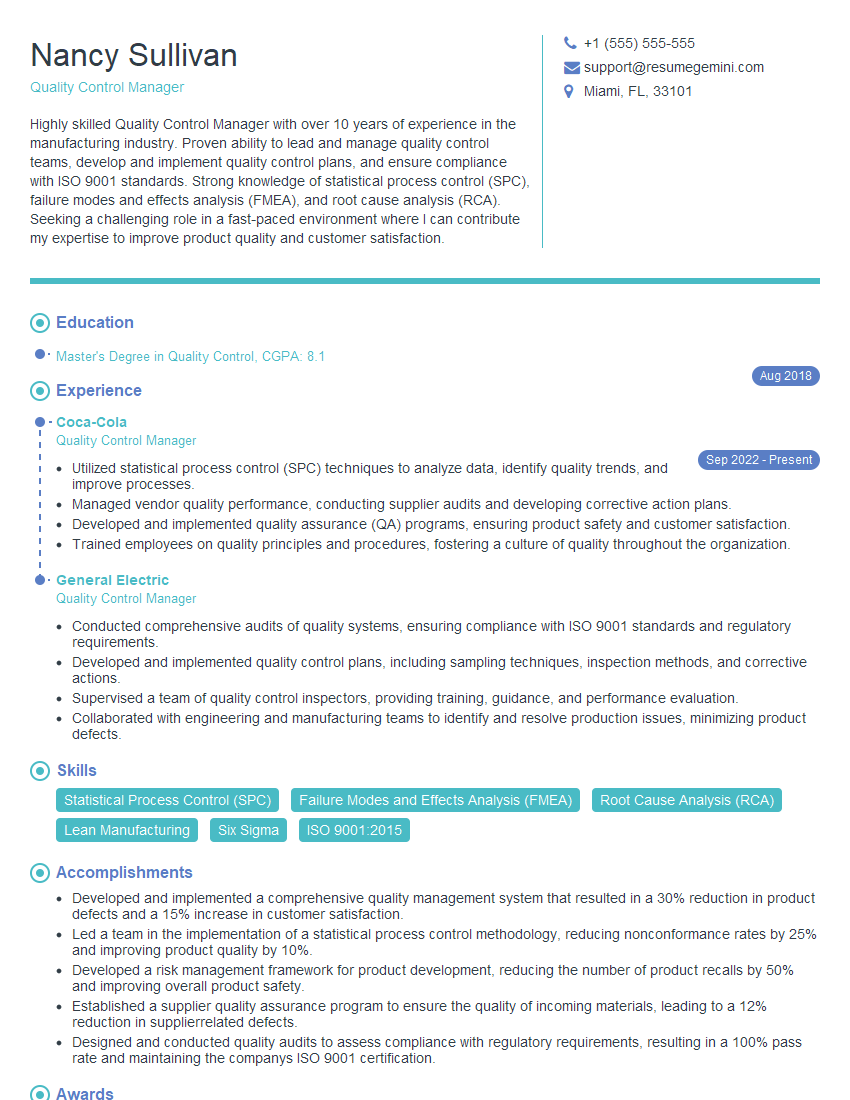
Quality Control Manager Resume Sample
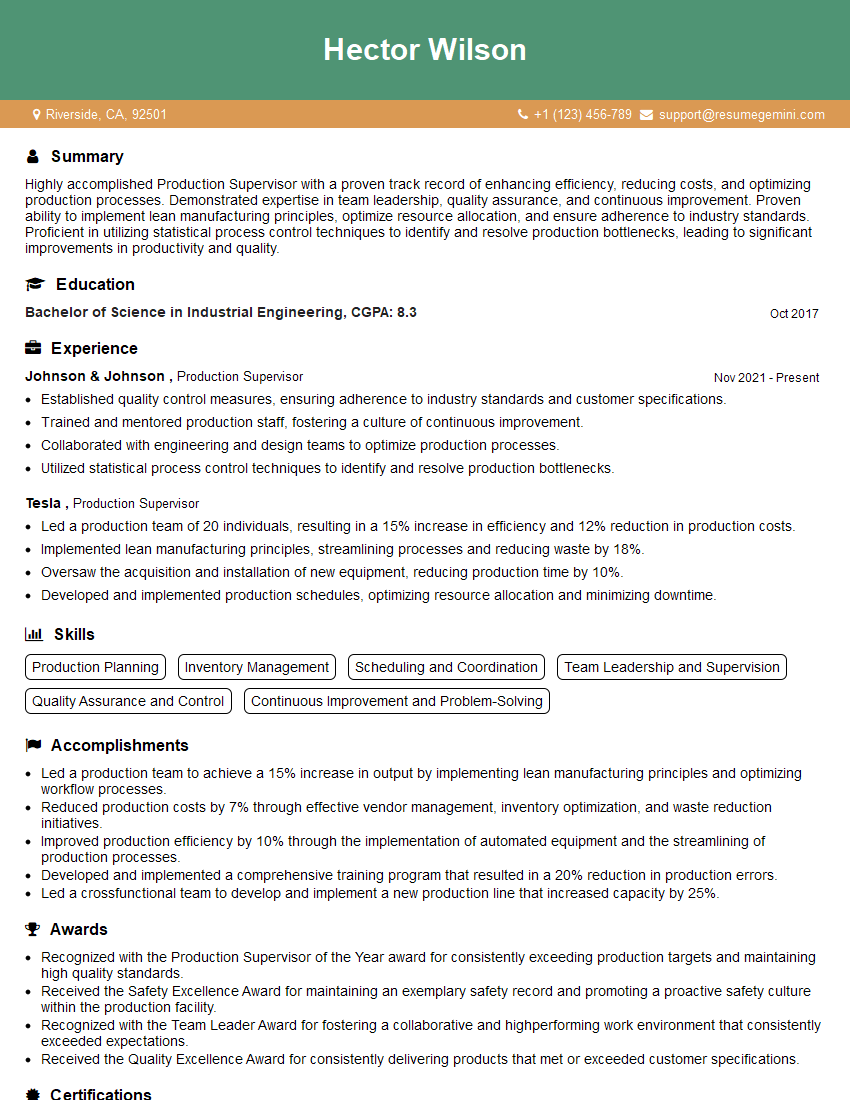
Production Supervisor Resume Sample
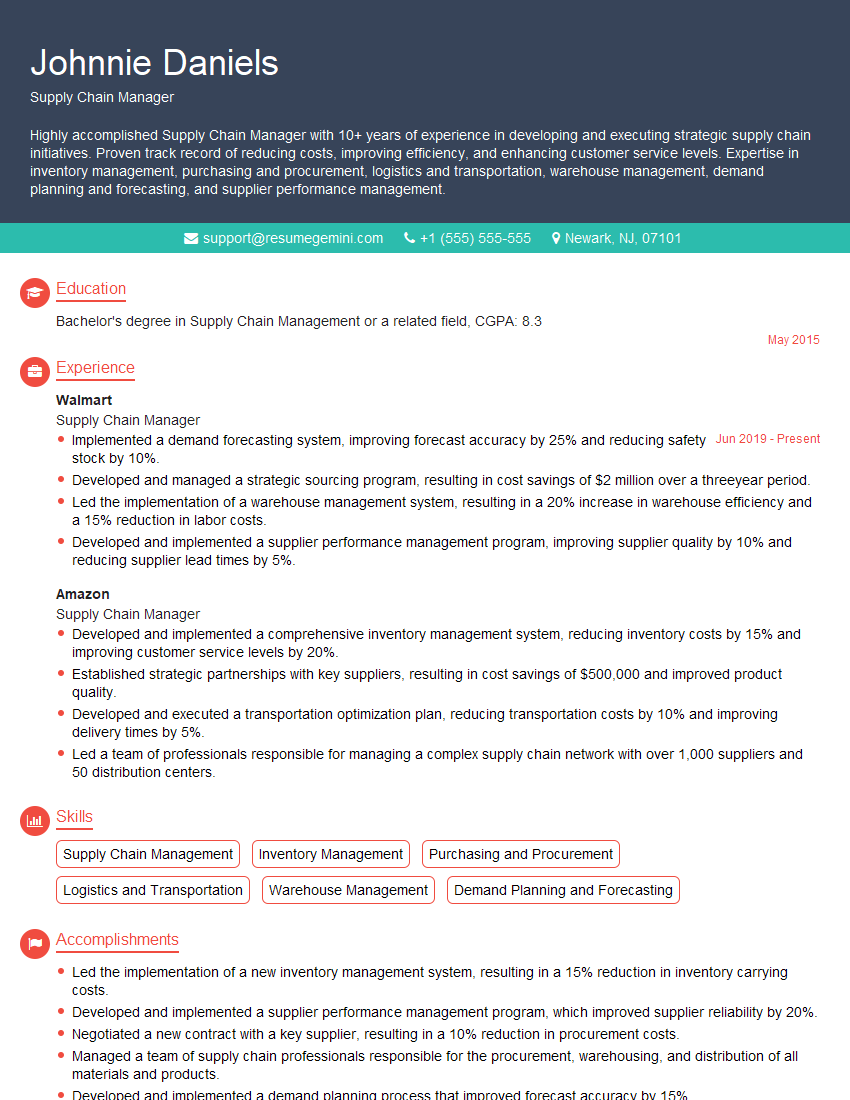
Supply Chain Manager Resume Sample
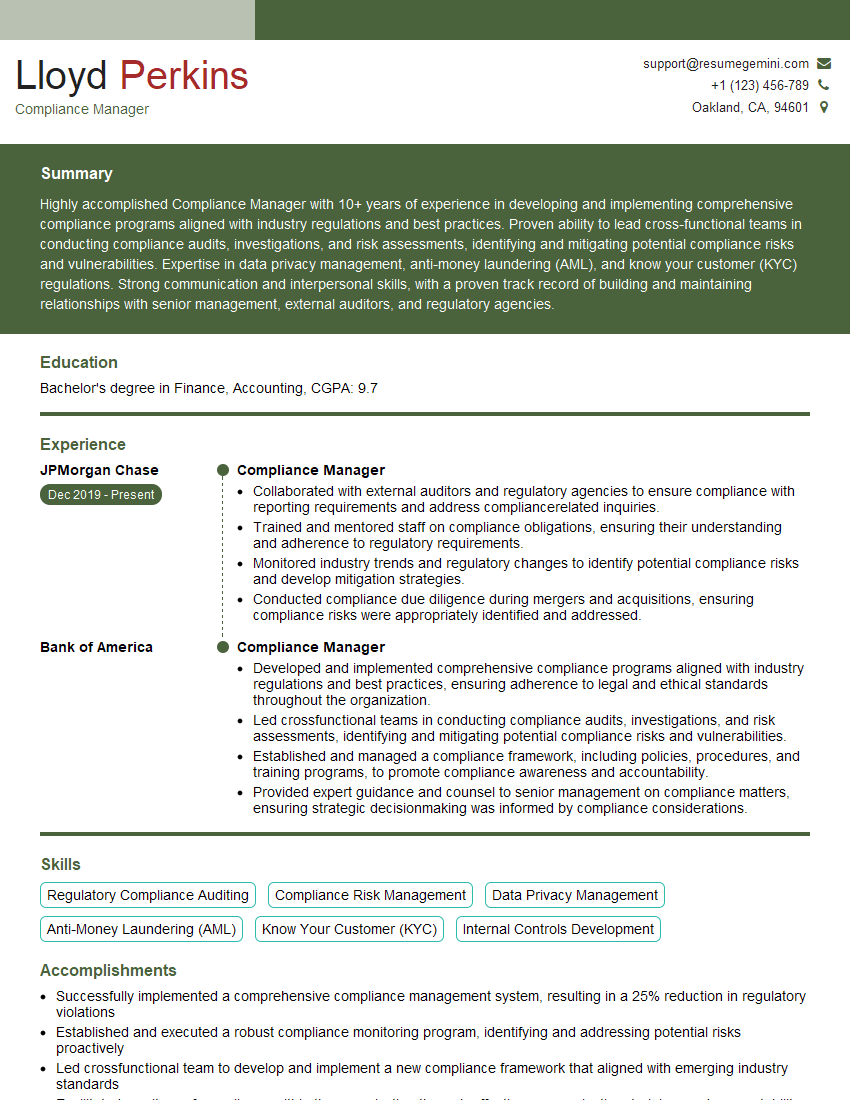
Compliance Manager Resume Sample
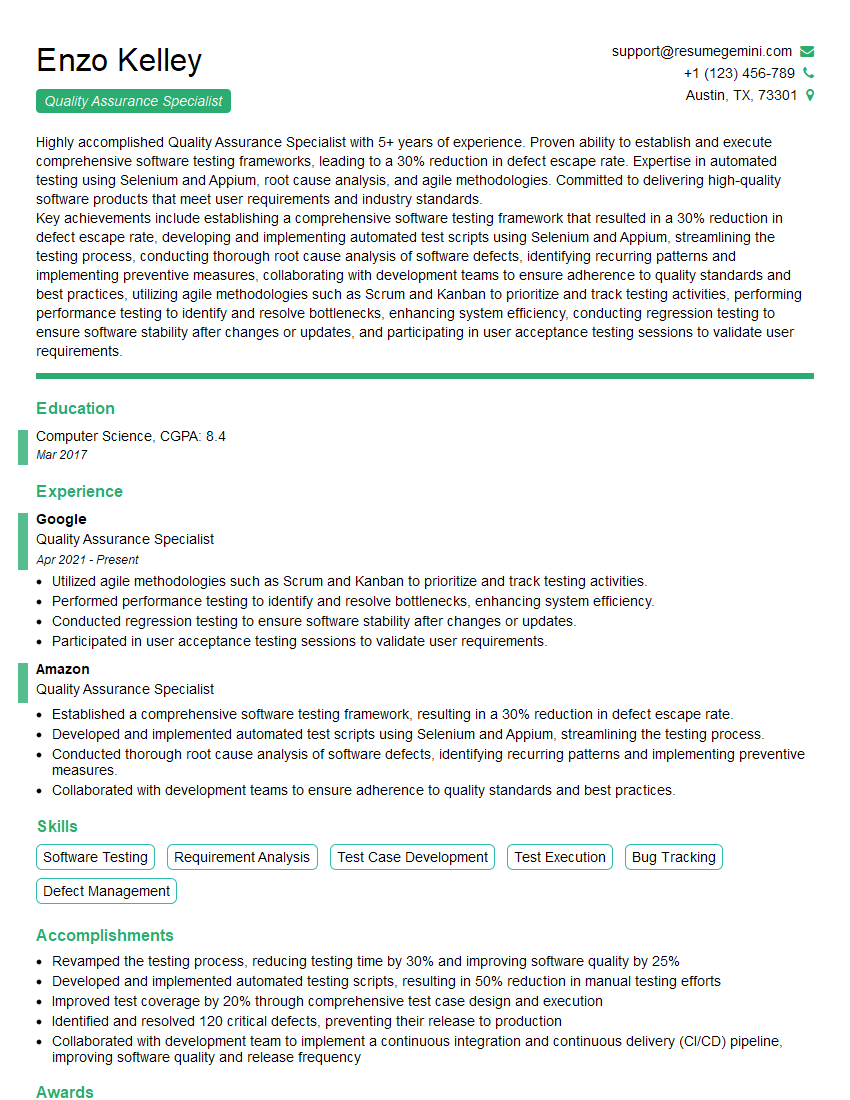
Quality Assurance Specialist Resume Sample
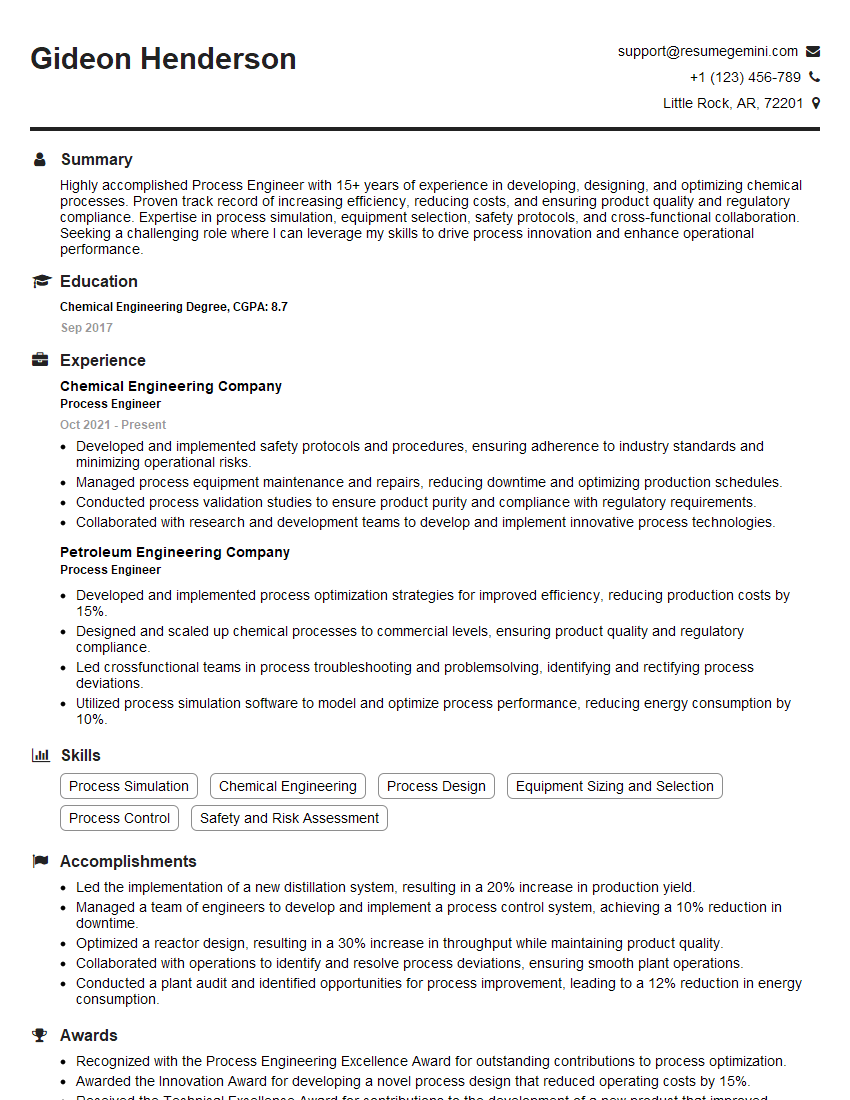
Process Engineer Resume Sample
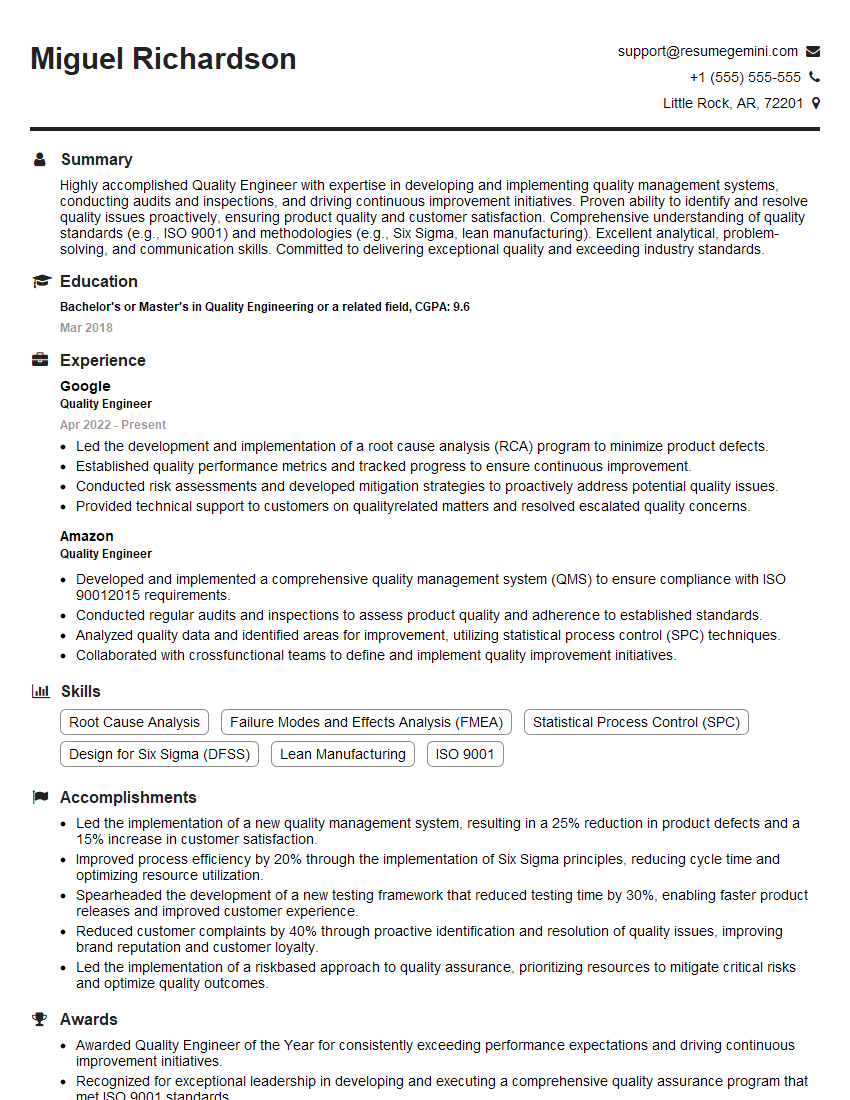
Quality Engineer Resume Sample
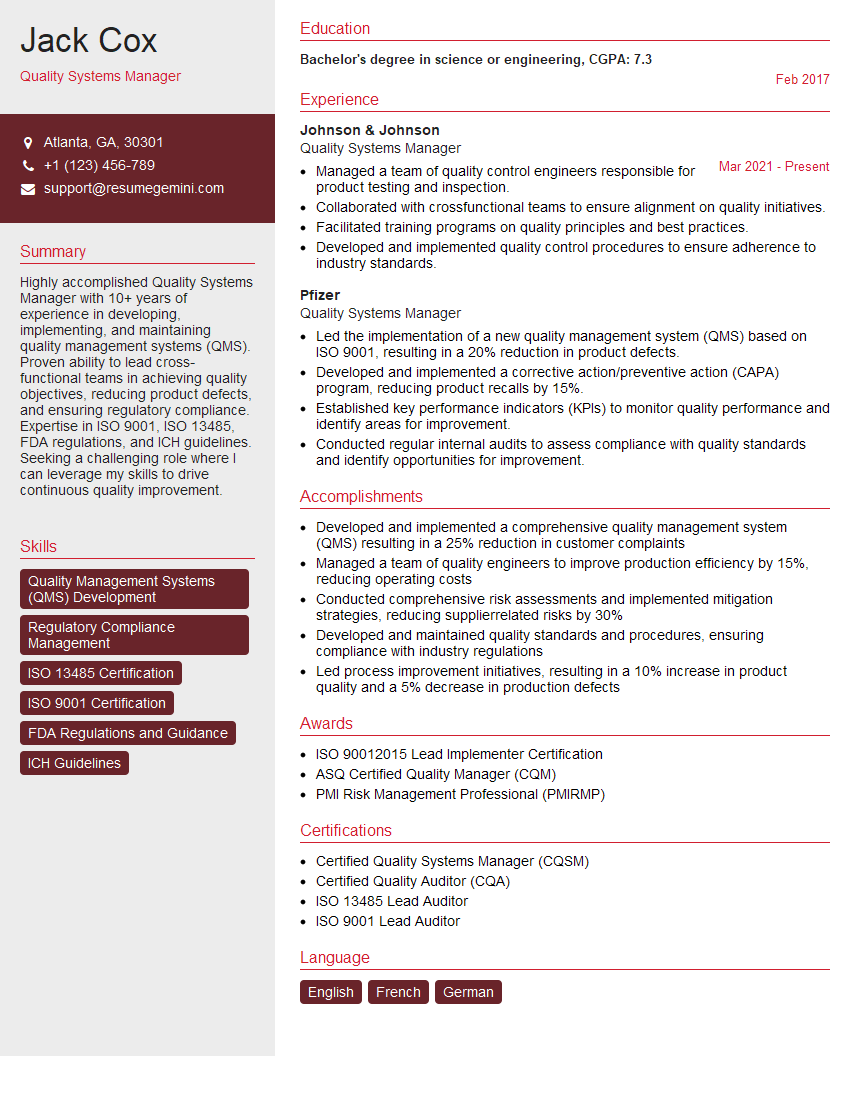
Quality Systems Manager Resume Sample
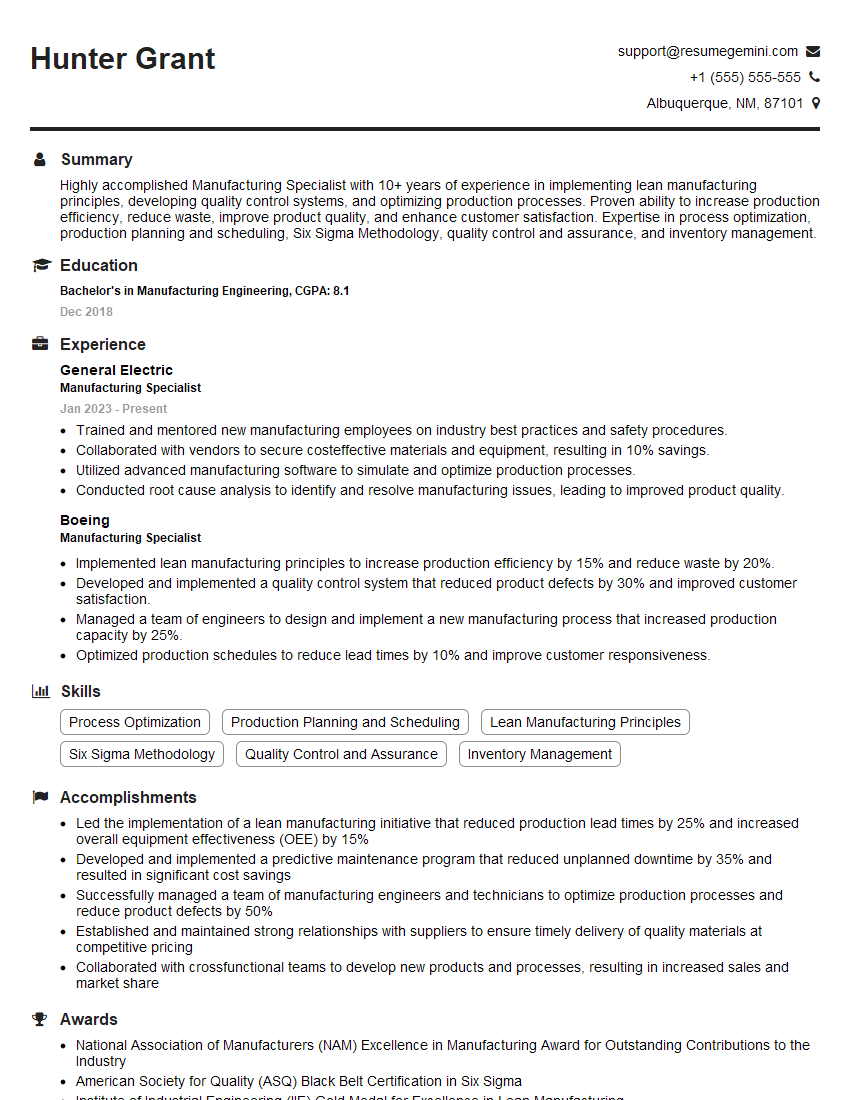
Manufacturing Specialist Resume Sample
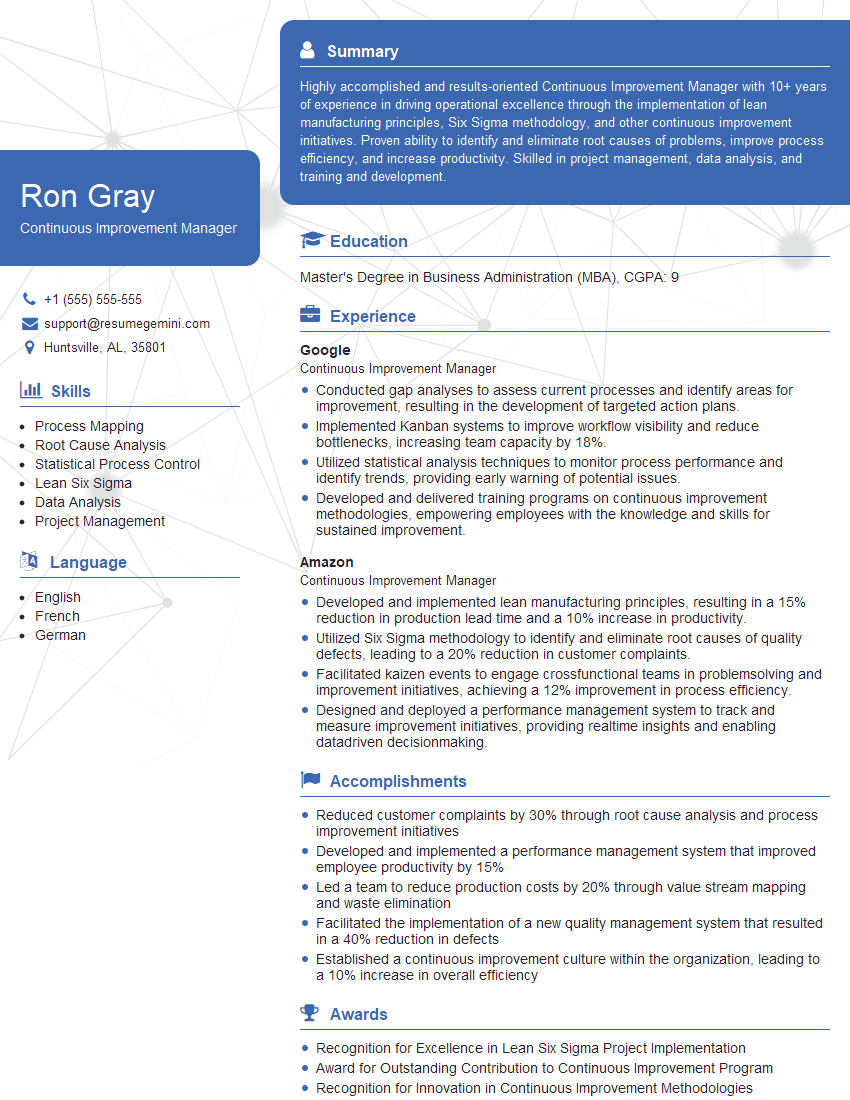
Continuous Improvement Manager Resume Sample
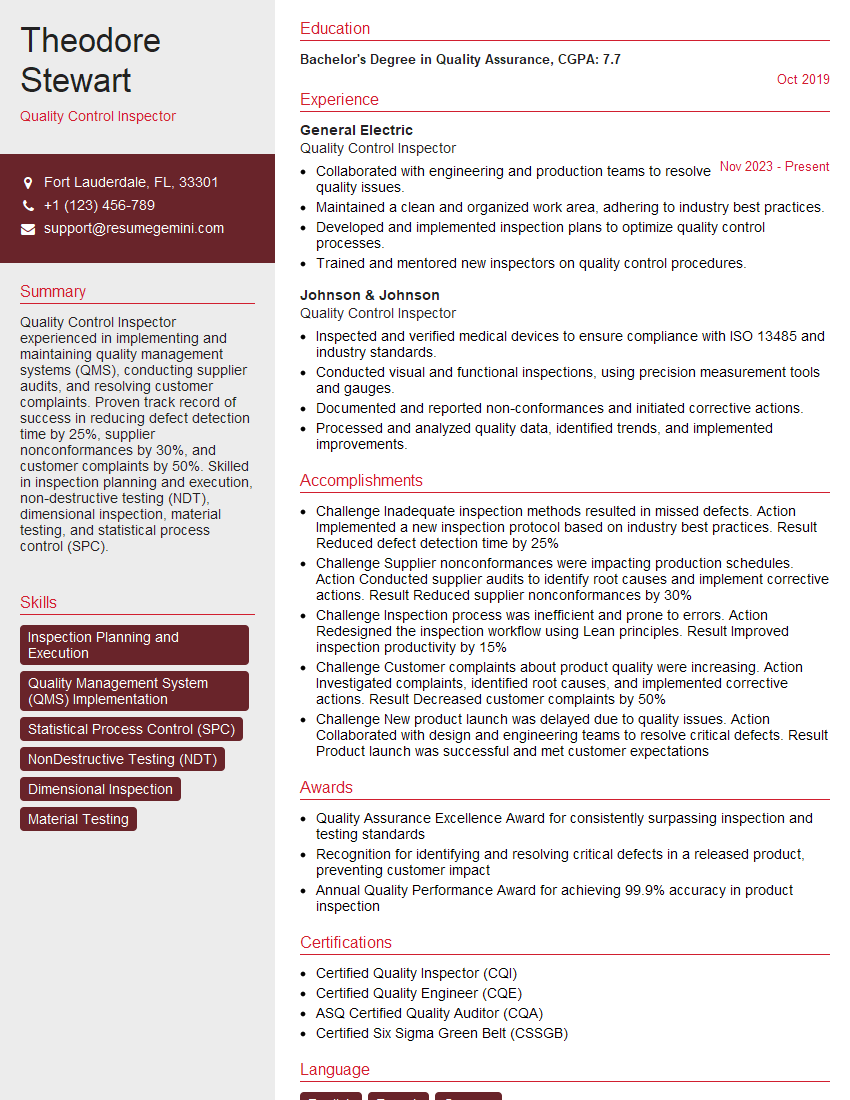
Quality Control Inspector Resume Sample
- Operations Manager
- Manufacturing Manager
- Production Control Supervisor
- Quality Assurance Manager
- Quality Control Manager
- Production Supervisor
- Supply Chain Manager
- Compliance Manager
- Quality Assurance Specialist
- Process Engineer
- Quality Engineer
- Quality Systems Manager
- Manufacturing Specialist
- Continuous Improvement Manager
- Quality Control Inspector
Explore more articles
Users Rating of Our Blogs
Share Your Experience
We value your feedback! Please rate our content and share your thoughts (optional).
What Readers Say About Our Blog
Very informative content, great job.
good