Cracking a skill-specific interview, like one for Proficiency in Using Ironing Boards and Presses, requires understanding the nuances of the role. In this blog, we present the questions you’re most likely to encounter, along with insights into how to answer them effectively. Let’s ensure you’re ready to make a strong impression.
Questions Asked in Proficiency in Using Ironing Boards and Presses Interview
Q 1. What types of ironing boards are you familiar with?
Ironing boards come in various types, each designed for different needs and spaces. The most common is the standard folding ironing board, lightweight and easily stored. Then there are larger, more heavy-duty boards, often with thicker padding for better support and wrinkle reduction. Some boards have built-in features like sleeves for ironing shirts or pants presses for a crisper finish. I’ve also worked with professional-grade boards, featuring adjustable height and extra-large surfaces for bulkier items or efficient commercial use. Finally, there are specialized boards like those for smaller spaces or travel, some even incorporating a built-in iron rest.
- Standard Folding Board: Ideal for home use, offering a good balance between portability and ironing space.
- Heavy-Duty Board: Perfect for large families or professional use, providing more stability and padding.
- Board with Sleeves and Press: Streamlines ironing shirts and trousers, resulting in a more professional finish.
- Professional-Grade Board: Offers superior features like adjustable height and a large ironing surface.
- Compact or Travel Board: Suitable for small apartments or travel, sacrificing some size for convenience.
Q 2. Describe your experience using different types of steam irons.
My experience with steam irons spans a wide range, from basic household models to high-end professional irons. I’ve worked with irons featuring various soleplate materials – stainless steel, ceramic, and titanium – each with its own properties. Stainless steel offers durability, ceramic provides even heat distribution, and titanium boasts exceptional glide and heat retention. The steam output also varies significantly. Some irons offer variable steam control, allowing for adjustments based on fabric type and wrinkle severity. I’ve used irons with dry capabilities as well, vital for delicate fabrics or when steam isn’t suitable. The most impactful difference is in the water tank size and the technology for steam generation. Professional irons often feature larger tanks and powerful boilers for consistent, high-volume steam crucial for efficient ironing.
For instance, I recall working with a professional event where a large number of linen tablecloths needed ironing. A high-volume steam iron was essential to complete the task efficiently and prevent delays. A basic home iron simply wouldn’t have cut it.
Q 3. How do you maintain the cleanliness of your ironing board and iron?
Maintaining the cleanliness of my ironing board and iron is crucial for preventing fabric damage and extending their lifespan. After each use, I let the iron cool completely before storing it. I then wipe down the soleplate with a damp cloth to remove any starch or fabric residue. For stubborn build-up, a specialized iron cleaner is beneficial. The ironing board cover should be regularly cleaned. I remove the cover and wash it according to the manufacturer’s instructions. Ideally, I replace the cover every year or two to ensure optimum performance and prevent any lingering residue. For the board itself, a quick wipe-down with a damp cloth usually suffices to remove dust and dirt. Addressing these cleaning needs promptly ensures efficiency and prevents problems.
Q 4. Explain the process of ironing a delicate garment.
Ironing delicate garments requires a gentle touch and the right technique. First, always check the garment’s care label for specific instructions. I recommend using a low heat setting and a pressing cloth (a thin cotton fabric) between the iron and the garment to prevent direct heat contact. Instead of sliding the iron across the fabric, I use a lifting motion, pressing down gently for a few seconds in each area. For particularly delicate fabrics like silk or lace, steam may not be necessary. If steam is used, use it sparingly and keep the iron moving. It’s also advisable to test the iron’s temperature on a hidden area of the garment first to ensure the setting is appropriate. Remember, patience is key when ironing delicate materials.
For example, when ironing a silk scarf, I would use the lowest heat setting and a pressing cloth, working in small sections with gentle lifting motions, never dragging the iron across the fabric.
Q 5. How do you handle stubborn wrinkles?
Stubborn wrinkles require a more strategic approach. Sometimes, a higher heat setting (always checking the care label first!) and more steam are needed. If the wrinkle persists, I try using a spray bottle filled with water to dampen the fabric slightly before ironing. For particularly stubborn creases, I might try ironing from the wrong side of the fabric. This can help to loosen the fibers and reduce the wrinkle’s appearance. If this doesn’t work, consider using a steam press, which may provide more pressure and steam for wrinkle removal. In extreme cases, dampening the area, placing a damp cloth over the wrinkled section and pressing gently with the iron for a longer time can aid in relaxing the fibers and eliminating the crease. Always avoid excessive heat or pressure, to avoid damage to the fabric.
Q 6. What are the different settings on a steam press and how do you choose the correct one?
Steam presses offer various settings, primarily heat and pressure. Heat settings usually range from low to high, corresponding to different fabric types. Low settings are perfect for delicate fabrics like silk, while higher settings handle cotton and linen. Pressure levels are typically adjustable, allowing for different levels of wrinkle removal. The choice of setting depends on the fabric’s type and sensitivity. Most presses come with a guide indicating suitable settings for various materials. It’s crucial to understand the type of fabric before applying any heat or pressure to avoid damage. For example, a high temperature and high pressure setting are inappropriate for a delicate silk blouse, while a linen tablecloth would tolerate more aggressive pressing.
Q 7. How do you prevent scorching fabrics during pressing?
Preventing scorching fabrics during pressing involves careful attention to temperature and technique. Always check the garment’s care label and select the appropriate heat setting. Using a pressing cloth is highly recommended, especially for delicate or dark-colored fabrics. A pressing cloth acts as a buffer between the iron and the fabric, preventing direct heat contact. Never leave the iron in one place for too long. Keep it moving and apply even, gentle pressure. For synthetic fabrics, it is especially crucial to use a lower heat setting and avoid excessive steam to prevent melting or damage. Ironing on a clean, well-padded ironing board also minimizes the risk of scorching as a well-padded board allows for even heat distribution and prevents heat build-up.
Q 8. Describe your experience with industrial pressing equipment.
My experience with industrial pressing equipment spans over 15 years, encompassing a wide range of machines from smaller, tabletop presses to large industrial models used in high-volume garment production. I’m proficient in operating both steam and dry presses, understanding the nuances of pressure, temperature, and timing required for various fabrics and garments. I’ve worked with brands such as Jiffy Steamer, and industrial models from manufacturers like Veit and Hoffman. This includes regular maintenance, troubleshooting minor malfunctions, and understanding the safety protocols associated with each machine.
For example, I’ve utilized industrial presses to create crisp creases in thousands of men’s dress shirts, achieving a flawless finish consistently. I’m also experienced in using specialized attachments, like buckram pads and sleeve boards, to handle more complex garment shapes and delicate fabrics. My experience extends to both high-speed production environments and more meticulous, bespoke settings, where precision and attention to detail are paramount.
Q 9. What safety precautions do you take when using an industrial press?
Safety is my top priority when operating industrial presses. Before each use, I meticulously inspect the machine for any signs of damage, ensuring the steam hose is securely connected and there are no frayed cords or electrical hazards. I always make sure the press is properly grounded and that the safety mechanisms, such as the automatic shut-off, are functioning correctly.
During operation, I never leave the press unattended, particularly when steam is engaged. I use heat-resistant gloves to protect my hands and ensure that the garment is smoothly and correctly placed on the press to avoid burns or snags. I’m also mindful of the hot surfaces surrounding the press and maintain a clear working area. After each use, I unplug the machine, allow it to cool down completely, and then clean and maintain it according to the manufacturer’s instructions. This ensures both the safety of the operator and the longevity of the equipment.
Q 10. How do you assess the condition of a garment before pressing?
Assessing a garment’s condition before pressing is crucial to achieving the best results and avoiding damage. I begin by visually inspecting the garment for stains, rips, tears, or any embellishments that might be heat sensitive. I check the fabric composition to determine the appropriate temperature and pressure settings for the press. For example, delicate fabrics like silk or lace would require a lower temperature and less pressure than sturdy materials like cotton or linen. I also check for any loose buttons or delicate trims that could be damaged during the pressing process.
Next, I assess the garment’s overall condition. If it’s heavily wrinkled, I may pre-treat it with a steamer to loosen the wrinkles before pressing. If there are stubborn creases, I may employ specific techniques to address them without causing further damage. For instance, I might use a press cloth to protect delicate fabrics or strategically use steam to gently release creases.
Q 11. Explain your method for ironing shirts.
Ironing a shirt involves a systematic approach. I begin by buttoning the shirt to ensure a smooth surface and prevent puckering. I start with the collar, carefully pressing both sides. Then, I press the sleeves, working from the cuff towards the shoulder. I then move to the yoke (the shoulder area), taking care to press the seams flat. Next, I press the front and back panels, working in sections to avoid overheating the fabric. I finally press the cuffs, paying attention to the corners and creases for a sharp, crisp look. Throughout the process, I utilize steam to help remove wrinkles and set creases. I always ensure the iron is set to an appropriate temperature for the fabric.
For example, for a cotton shirt, I may use a high temperature and ample steam. For linen, I might use less steam to avoid excessive shine and focus on pressing the fabric while it is slightly damp to maintain texture. Each fabric needs its particular touch and I’ve learned to adjust my technique accordingly.
Q 12. How do you iron trousers effectively?
Ironing trousers effectively involves pressing the seams and creases sharply and consistently. I begin by ironing the waistband, then carefully press the front and back creases, ensuring that they are perfectly aligned. Then, I press the side seams, working my way down the legs. For pleats, I make sure to press them carefully in place, using a tailor’s ham if necessary to help maintain their shape. Finally, I press the cuffs, creating a sharp crease at the bottom. I utilize steam throughout the process to relax the fibers and enhance the crispness of the creases. I always adapt to the fabric of the trousers; for example, wool trousers require a lower temperature than cotton ones.
Using a tailor’s ham is crucial to avoid flattening the curved areas of the garment like the seat and the knees. It provides a gentle support to lift the fabric and create a clean finish.
Q 13. How do you iron delicate fabrics like silk or lace?
Ironing delicate fabrics like silk or lace requires a gentle touch and specialized techniques. I always use a low temperature setting on my iron and often press through a pressing cloth or a clean towel to prevent scorching or shine. For lace, I may even use a steam only method, gently easing the wrinkles out without direct heat. I work in small sections, avoiding harsh movements. With silk, I also try to avoid prolonged contact between the iron and the fabric. I also check the care label thoroughly before proceeding.
I find that a low-heat steamer can be incredibly effective for delicate fabrics as it minimizes the risk of damage while effectively removing wrinkles. Sometimes, I even opt to hang the garment in a steamy bathroom to help relax the fabric before lightly pressing it with a cloth.
Q 14. What are the best practices for pressing different types of fabrics (cotton, linen, wool, etc.)?
Pressing different fabrics requires adjusting the temperature and pressure settings on the iron or press. Cotton and linen, being sturdy fibers, can handle higher temperatures and more pressure, resulting in crisp creases. Wool, on the other hand, is more delicate and needs a lower temperature setting to prevent scorching or damage. The steam setting may also need to be adjusted. For wool, a minimal amount or no steam is often preferred to avoid shrinkage or unwanted sheen.
Silk and other delicate fabrics, like rayon, require the lowest temperature and pressure. A pressing cloth is almost always essential. Synthetic fabrics such as polyester often need little to no steam and can handle moderately higher heat. Understanding each fabric’s properties is crucial for achieving the best results while protecting the integrity of the garment. I always refer to care labels, and whenever in doubt I always err on the side of caution by using lower temperatures. Experience is key – over time you develop a feel for how each fabric responds to heat and pressure.
Q 15. What do you do if a garment is damaged during the pressing process?
Damage during pressing is thankfully rare with proper technique, but accidents happen. My immediate response is to assess the damage. Is it a small burn mark, a snag, or a larger tear? For minor scorch marks, I might try gently brushing the area with a soft brush to lift the fibers. If it’s a snag, carefully cut the loose threads to prevent further unraveling. For larger tears, unfortunately, immediate pressing is stopped. Depending on the fabric, I might attempt a small, invisible repair. For significant damage, I always document it thoroughly with photos, noting the location and severity, before contacting the client or supervisor to discuss the best course of action, which may include repair or replacement.
For example, I once accidentally scorched a silk blouse during pressing. I carefully brushed the area, and the mark was barely noticeable. However, had it been more significant, I would have documented it and informed the client immediately to discuss options.
Career Expert Tips:
- Ace those interviews! Prepare effectively by reviewing the Top 50 Most Common Interview Questions on ResumeGemini.
- Navigate your job search with confidence! Explore a wide range of Career Tips on ResumeGemini. Learn about common challenges and recommendations to overcome them.
- Craft the perfect resume! Master the Art of Resume Writing with ResumeGemini’s guide. Showcase your unique qualifications and achievements effectively.
- Don’t miss out on holiday savings! Build your dream resume with ResumeGemini’s ATS optimized templates.
Q 16. How do you organize and maintain your pressing station?
Organization is key to efficiency. My pressing station is designed for smooth workflow. I always start with a clean, spacious area. My iron and ironing board are positioned for optimal ergonomics, avoiding awkward reaches and twists. I have a designated area for garment sorting (pre-pressing, delicate items, etc.), separate containers for clean pressing cloths and protective sheets, and readily accessible tools like seam rippers, spray bottles, and measuring tapes. My pressing cloths are always clean and properly laundered, categorized by fabric type. I frequently clean the soleplate of my iron to prevent transferring residue to garments and maintain its effectiveness. This systematic approach helps avoid delays and ensures a consistent quality of work.
Q 17. How do you handle large volumes of laundry efficiently?
Handling large laundry volumes requires a methodical approach. I begin by carefully sorting the laundry based on fabric type, temperature sensitivity, and required pressing techniques. This prevents accidental damage due to mixing delicate items with heavier fabrics. I utilize the power of batch processing: grouping similar items together reduces setup time. A well-organized workflow, where each item moves through the pressing process efficiently, is crucial. If possible, I use multiple irons or employ a pressing machine for faster processing. Most importantly, I never compromise quality for speed. Maintaining meticulous organization at each step prevents errors and ensures quality is consistent across large quantities of laundry.
Q 18. Describe your experience with different types of pressing techniques (e.g., blocking, pleating).
My pressing experience encompasses a wide array of techniques. Blocking is frequently used for structured garments like jackets or shirts, shaping the garment to its perfect form using a tailored block. This involves careful placement of the garment on the board and methodical pressing in specific areas to define seams and remove wrinkles. Pleating requires precision, using a pleating board or carefully folded fabric. This technique uses consistent pressure and heat to create crisp, even folds. The process requires attention to detail and often involves using a press cloth to prevent scorching. I have experience with various other techniques such as the use of tailor’s ham for curved surfaces and pressing sleeves to achieve a perfectly smooth finish without distortion.
Q 19. What are common problems encountered during pressing and how do you solve them?
Common pressing problems include scorching, water marks, shiny spots, and improper shaping. Scorching usually results from too much heat or insufficient pressing cloth. Water marks are typically caused by using too much water or an iron not hot enough for the fabric type. Shiny spots are often due to too much pressure or improper ironing technique. Improper shaping results from inadequate knowledge of garment construction or improper use of techniques. To solve these, I adjust the iron’s temperature, use appropriate pressing cloths, control pressure, and always pre-test the iron’s setting on a hidden area of the fabric. Furthermore, thorough knowledge of various fabrics and their individual properties are key to preventing these issues.
Q 20. How do you ensure the consistent quality of your work?
Consistent quality is achieved through meticulous attention to detail in every stage. I start with a thorough pre-check of each garment, carefully assessing any potential issues. The preparation of the pressing station is a critical step in ensuring smooth workflow. I systematically work through each garment, utilizing the appropriate pressing techniques for each fabric. Regular cleaning and maintenance of both the iron and pressing station is critical in maintaining quality. Finally, after pressing, I perform a final quality check, examining the garment for any imperfections and ensuring that it meets the highest standards. This commitment to consistency is reflected in my positive feedback and repeat clients.
Q 21. How do you handle different garment constructions during pressing?
Different garment constructions require tailored pressing techniques. For instance, pressing a structured blazer requires more focus on shaping the shoulders, lapels, and darts, often utilizing a tailor’s ham and sleeve board. A delicate silk blouse, on the other hand, demands a lower temperature, a silk pressing cloth, and light pressure to avoid damage. Understanding the construction – the seams, darts, interfacings, and overall structure – is key. I always take the time to analyze each garment before starting the pressing process to ensure the correct approach is used. This careful consideration guarantees that the final product retains its shape and integrity, showcasing professional attention to detail.
Q 22. What are your strategies for time management when pressing a large quantity of garments?
Time management when pressing a large quantity of garments is crucial for efficiency. My strategy involves a combination of pre-sorting, batch processing, and utilizing the right tools. I begin by sorting garments by fabric type and required temperature. This prevents unnecessary temperature adjustments on the iron, saving valuable time. Next, I process garments in batches – all cotton shirts together, then all linen pants, etc. This allows for optimal steam and heat consistency. Finally, I always pre-check garments for stubborn wrinkles or stains that may require pre-treatment or special attention to avoid re-doing work. Think of it like an assembly line – preparing the garments is the first step to a smooth production.
For example, I recently pressed 50 shirts for a hotel. I sorted them into light and dark colors, then into short and long sleeves. This allowed me to set my iron temperature once for a given group. Using this methodology allowed me to complete the task far quicker than if I’d attempted to process the garments randomly.
Q 23. How do you maintain the longevity of your ironing board and press?
Maintaining the longevity of my ironing board and press involves regular cleaning and careful handling. After each use, I allow the press and board to fully cool before storing. The ironing board cover should be removed and cleaned regularly; I usually wash mine weekly. A clean cover prevents fabric build-up and residue which could stain garments. I store the board in a cool, dry place to prevent rust and moisture damage. For the press, routine descaling is essential – this removes mineral deposits that can clog the steam vents and impact the efficiency and longevity of the appliance. I inspect both my ironing board and press for any damage and address any issues promptly. For example, I always replace a worn-out ironing board cover immediately to maintain proper surface area.
Q 24. How do you adapt your pressing technique to different garment styles?
Adapting pressing techniques to different garment styles is fundamental to achieving professional results. Delicate fabrics like silk or lace require lower temperatures and a lighter touch; I might use a pressing cloth to prevent scorching. For structured garments like suits or shirts, I utilize a combination of pressing and steaming to remove wrinkles and restore crisp lines. I often use tailor’s ham and point presser tools to achieve sharp creases and maintain garment shape. For example, when pressing a shirt, I use the point presser on the collar and cuffs to get a crisp edge; for a flowing dress, I’d focus on smoothing out the fabric with gentler movements.
Q 25. Describe your experience with various ironing board covers and their suitability for different fabrics.
My experience with various ironing board covers has taught me the importance of selecting the right one for different fabrics. Cotton covers are durable and work well with most fabrics but can leave creases on delicate materials. Thick, padded covers are excellent for smoothing out wrinkles in heavier materials like denim but may trap too much moisture with delicate fabrics. I often use a Teflon-coated cover for synthetic fabrics, as they prevent sticking and scorching. For delicate fabrics like silk or wool, I use a thin pressing cloth or a cotton cover. The key is understanding the cover’s properties and selecting one that suits the garment’s material. It’s like choosing the right brush for a particular painting technique.
Q 26. How do you identify and address pressing-related issues on different types of fabrics?
Identifying and addressing pressing-related issues on different fabrics requires a keen eye and understanding of fabric properties. Shiny marks on dark fabrics often indicate excessive heat; I’d address this by lowering the temperature and using a pressing cloth. If I see scorch marks, there’s no fix except careful repair. For stubborn wrinkles, I would use more steam, or pre-treat with a spray bottle. Water stains can be dealt with by careful pressing with steam. With each type of fabric, I have developed a particular methodology. The key here is prevention – understanding how much heat each fabric can safely withstand and employing the right tools.
Q 27. What are the differences between using a steam iron and a steam press?
Steam irons and steam presses offer distinct advantages. Steam irons are versatile and portable, ideal for smaller loads and quick touch-ups. Steam presses, on the other hand, provide consistent pressure and heat, making them better suited for larger quantities and garments that require a crisp finish, such as shirts and trousers. A steam press is essentially a more powerful and controlled steam iron. The difference is primarily in the even distribution of pressure and heat. Steam irons rely on the user’s maneuverability for even results, while a steam press delivers that evenly with a single press.
Q 28. Explain your understanding of fabric care instructions and how you apply them during ironing.
Understanding fabric care instructions is paramount. I always check the garment’s label before pressing. Instructions often specify the appropriate temperature setting, whether steaming is allowed, and any special handling requirements. For example, a garment labeled ‘dry clean only’ should never be ironed, while one labeled ‘low heat’ requires a low-temperature setting and potentially a pressing cloth. Ignoring these instructions can ruin a garment. It’s like following a recipe; following the instructions ensures a delicious outcome.
Key Topics to Learn for Proficiency in Using Ironing Boards and Presses Interview
- Ironing Board Setup and Adjustment: Understanding different board types, proper height adjustment for ergonomics and efficient ironing, and securing the board for stability.
- Iron Selection and Temperature Control: Choosing the right iron for the fabric type, understanding temperature settings and their impact on various materials, and recognizing signs of overheating or malfunction.
- Ironing Techniques for Different Fabrics: Mastering ironing techniques for delicate fabrics (silk, linen), wrinkle-resistant fabrics (polyester, cotton blends), and heavy fabrics (denim, wool), including appropriate steam usage and pressure.
- Pressing Techniques: Understanding the difference between ironing and pressing, mastering pressing techniques for sharp creases and pleats using a press, and utilizing pressing cloths for delicate materials.
- Stain Removal and Pre-Treatment: Identifying common stains and implementing appropriate pre-treatment methods before ironing or pressing to avoid setting stains.
- Maintenance and Care of Irons and Boards: Proper cleaning techniques for irons and boards, identifying potential problems, and performing basic troubleshooting.
- Safety Procedures: Understanding and adhering to safety protocols when using irons and ironing boards to prevent burns and accidents.
- Workflow Optimization: Developing efficient workflows for high-volume ironing and pressing tasks, including garment sorting and preparation.
- Understanding Fabric Properties: Knowing how different fabric compositions affect ironing and pressing techniques to achieve optimal results.
Next Steps
Mastering proficiency in using ironing boards and presses is crucial for success in various roles, from laundry services to garment manufacturing and even specialized textile care positions. A strong command of these skills demonstrates attention to detail, efficiency, and a commitment to quality. To significantly boost your job prospects, create an ATS-friendly resume that highlights your expertise. ResumeGemini is a trusted resource to help you build a professional resume that effectively showcases your skills and experience. Examples of resumes tailored to Proficiency in Using Ironing Boards and Presses are available to help guide you.
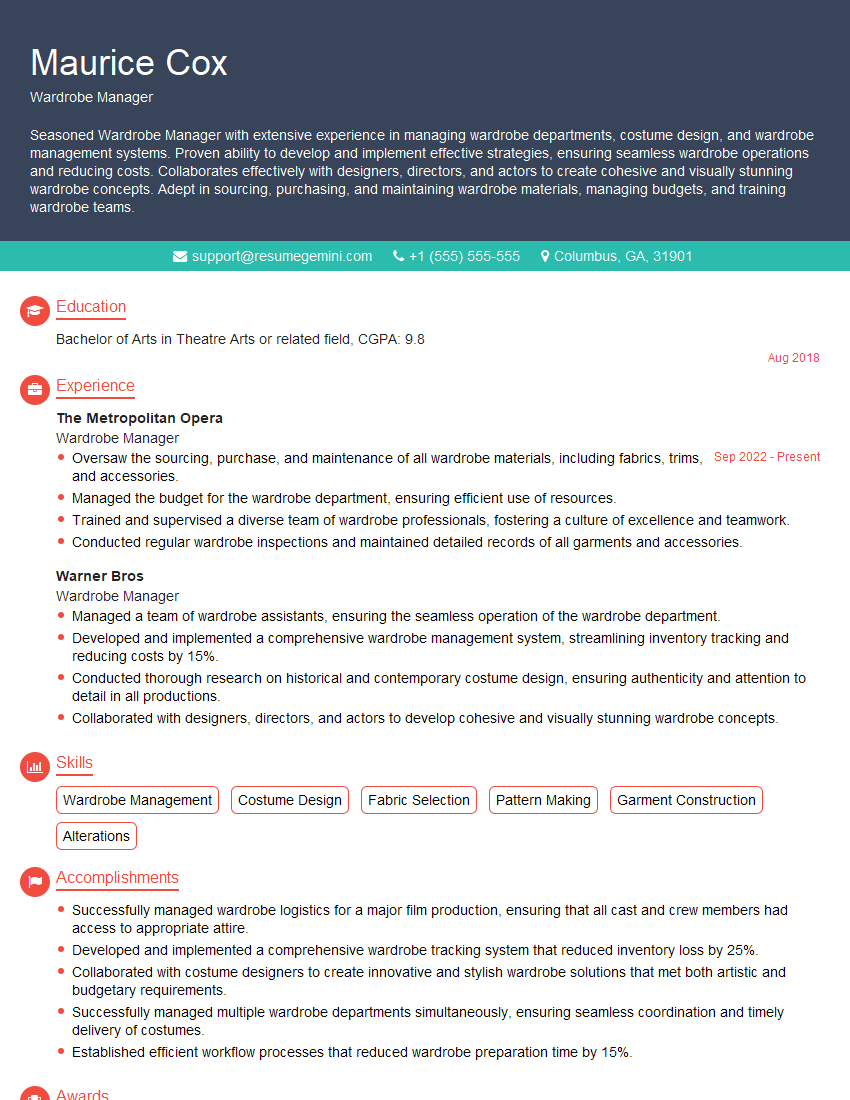
Explore more articles
Users Rating of Our Blogs
Share Your Experience
We value your feedback! Please rate our content and share your thoughts (optional).
What Readers Say About Our Blog
Attention music lovers!
Wow, All the best Sax Summer music !!!
Spotify: https://open.spotify.com/artist/6ShcdIT7rPVVaFEpgZQbUk
Apple Music: https://music.apple.com/fr/artist/jimmy-sax-black/1530501936
YouTube: https://music.youtube.com/browse/VLOLAK5uy_noClmC7abM6YpZsnySxRqt3LoalPf88No
Other Platforms and Free Downloads : https://fanlink.tv/jimmysaxblack
on google : https://www.google.com/search?q=22+AND+22+AND+22
on ChatGPT : https://chat.openai.com?q=who20jlJimmy20Black20Sax20Producer
Get back into the groove with Jimmy sax Black
Best regards,
Jimmy sax Black
www.jimmysaxblack.com
Hi I am a troller at The aquatic interview center and I suddenly went so fast in Roblox and it was gone when I reset.
Hi,
Business owners spend hours every week worrying about their website—or avoiding it because it feels overwhelming.
We’d like to take that off your plate:
$69/month. Everything handled.
Our team will:
Design a custom website—or completely overhaul your current one
Take care of hosting as an option
Handle edits and improvements—up to 60 minutes of work included every month
No setup fees, no annual commitments. Just a site that makes a strong first impression.
Find out if it’s right for you:
https://websolutionsgenius.com/awardwinningwebsites
Hello,
we currently offer a complimentary backlink and URL indexing test for search engine optimization professionals.
You can get complimentary indexing credits to test how link discovery works in practice.
No credit card is required and there is no recurring fee.
You can find details here:
https://wikipedia-backlinks.com/indexing/
Regards
NICE RESPONSE TO Q & A
hi
The aim of this message is regarding an unclaimed deposit of a deceased nationale that bears the same name as you. You are not relate to him as there are millions of people answering the names across around the world. But i will use my position to influence the release of the deposit to you for our mutual benefit.
Respond for full details and how to claim the deposit. This is 100% risk free. Send hello to my email id: lukachachibaialuka@gmail.com
Luka Chachibaialuka
Hey interviewgemini.com, just wanted to follow up on my last email.
We just launched Call the Monster, an parenting app that lets you summon friendly ‘monsters’ kids actually listen to.
We’re also running a giveaway for everyone who downloads the app. Since it’s brand new, there aren’t many users yet, which means you’ve got a much better chance of winning some great prizes.
You can check it out here: https://bit.ly/callamonsterapp
Or follow us on Instagram: https://www.instagram.com/callamonsterapp
Thanks,
Ryan
CEO – Call the Monster App
Hey interviewgemini.com, I saw your website and love your approach.
I just want this to look like spam email, but want to share something important to you. We just launched Call the Monster, a parenting app that lets you summon friendly ‘monsters’ kids actually listen to.
Parents are loving it for calming chaos before bedtime. Thought you might want to try it: https://bit.ly/callamonsterapp or just follow our fun monster lore on Instagram: https://www.instagram.com/callamonsterapp
Thanks,
Ryan
CEO – Call A Monster APP
To the interviewgemini.com Owner.
Dear interviewgemini.com Webmaster!
Hi interviewgemini.com Webmaster!
Dear interviewgemini.com Webmaster!
excellent
Hello,
We found issues with your domain’s email setup that may be sending your messages to spam or blocking them completely. InboxShield Mini shows you how to fix it in minutes — no tech skills required.
Scan your domain now for details: https://inboxshield-mini.com/
— Adam @ InboxShield Mini
support@inboxshield-mini.com
Reply STOP to unsubscribe
Hi, are you owner of interviewgemini.com? What if I told you I could help you find extra time in your schedule, reconnect with leads you didn’t even realize you missed, and bring in more “I want to work with you” conversations, without increasing your ad spend or hiring a full-time employee?
All with a flexible, budget-friendly service that could easily pay for itself. Sounds good?
Would it be nice to jump on a quick 10-minute call so I can show you exactly how we make this work?
Best,
Hapei
Marketing Director
Hey, I know you’re the owner of interviewgemini.com. I’ll be quick.
Fundraising for your business is tough and time-consuming. We make it easier by guaranteeing two private investor meetings each month, for six months. No demos, no pitch events – just direct introductions to active investors matched to your startup.
If youR17;re raising, this could help you build real momentum. Want me to send more info?
Hi, I represent an SEO company that specialises in getting you AI citations and higher rankings on Google. I’d like to offer you a 100% free SEO audit for your website. Would you be interested?
Hi, I represent an SEO company that specialises in getting you AI citations and higher rankings on Google. I’d like to offer you a 100% free SEO audit for your website. Would you be interested?